The Backdrop: Arts

The arts, at their best, challenge us to open our minds, inspire our own creative expression and motivate us to action.  Chilean and Argentine artists know this.  If politics have influenced the collective character of the Chilean and Argentine people, that character is expressed through the arts.     Artists have legendary status, they are folk heroes known and beloved by all.

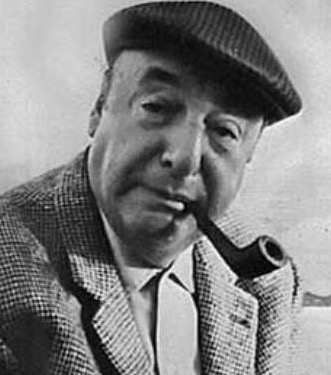
In Chile, Nobel prize-winning Pablo Neruda was poet, diplomat and politician.  He wrote surrealist poems, historical epics, overtly political manifestos, and passionate love poems such as the ones in his collection Twenty Love Poems and a Song of Despair (1924). He narrowly escaped arrest in 1948, lived many years in exile and returned to Chile in 1973 around the time of the Pinochet coup.  He died in hospital shortly after his return, and it is widely believed he was poisened by the Pinochet regime.

Roberto Matta, a surrealist painter influenced by Picasso, Dali and others, explored the interior of the human mind.
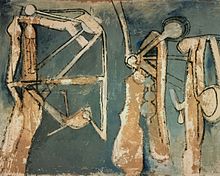
Roberto Matta

Matta combined the political and the semi-abstract in epic surreal canvases. Matta believed that art and poetry can change lives, and was very involved in the social movements of the 1960s and 1970s. He was a strong supporter of the government of president Salvador Allende in Chile. His mural entitled The First Goal of the Chilean People was painted over with 16 coats of paint by the military regime of Augusto Pinochet following their violent overthrow of Salvador Allende in 1973. In 2005 the mural was discovered by local officials and in 2008, the mural was completely restored and is displayed today in La Granja city hall.
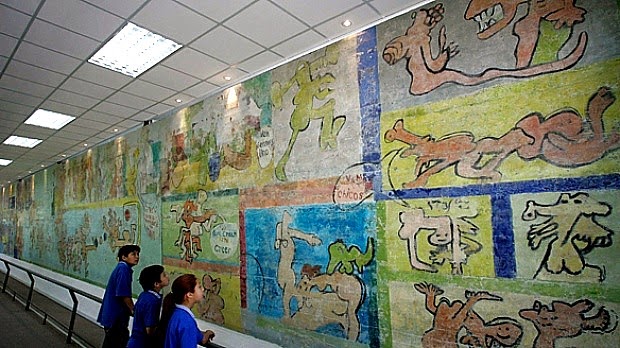
Roberto Matta

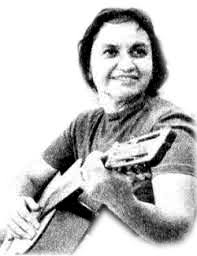
Violeta Parra and Victor Jara were folk singer activists whose music is still on the lips of Chileans today.  Called the Mother of Latin America Folk, Parra travelled Chile recording and reviving Chilean folk songs. Her fine art was also displayed at the Louvre. Her song, Thanks to Life, now almost a national folk anthem, was tragically written one year before her suicide in 1967.  Jara was a Chilean teacher, theater director, poet, singer-songwriter and political activist tortured and killed during the dictatorship of Pinochet.  The contrast between the themes of his songs—love, peace, and social justice—and the brutal way he was murdered transformed Jara into a “potent symbol of struggle for human rights and justice” for those killed during the Pinochet’s regime.  His killer was convicted in 2016.

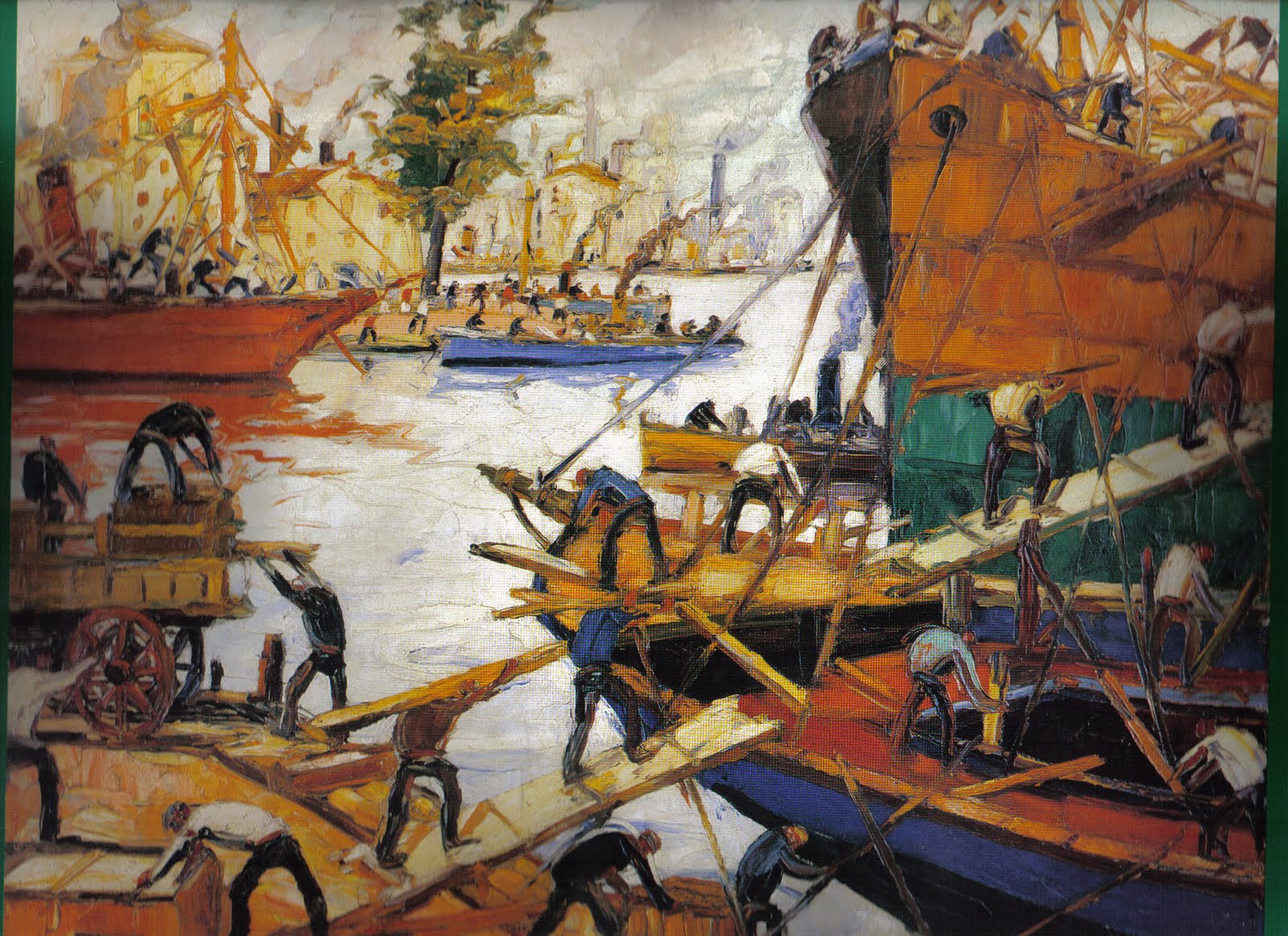
In Argentina, Benito Quinquela Martin was born in 1890 in La Boca, the port area of Buenos Aires and home to many immigrants and sailors.   His vibrant paintings depict the industrial, hard-working ship labourers.  This was the same impoverished neighbourhood from which the tango emerged and Carlos Gardel was the early voice of the tango.  He expressed through his singing what Quinquela conveyed on the canvas.
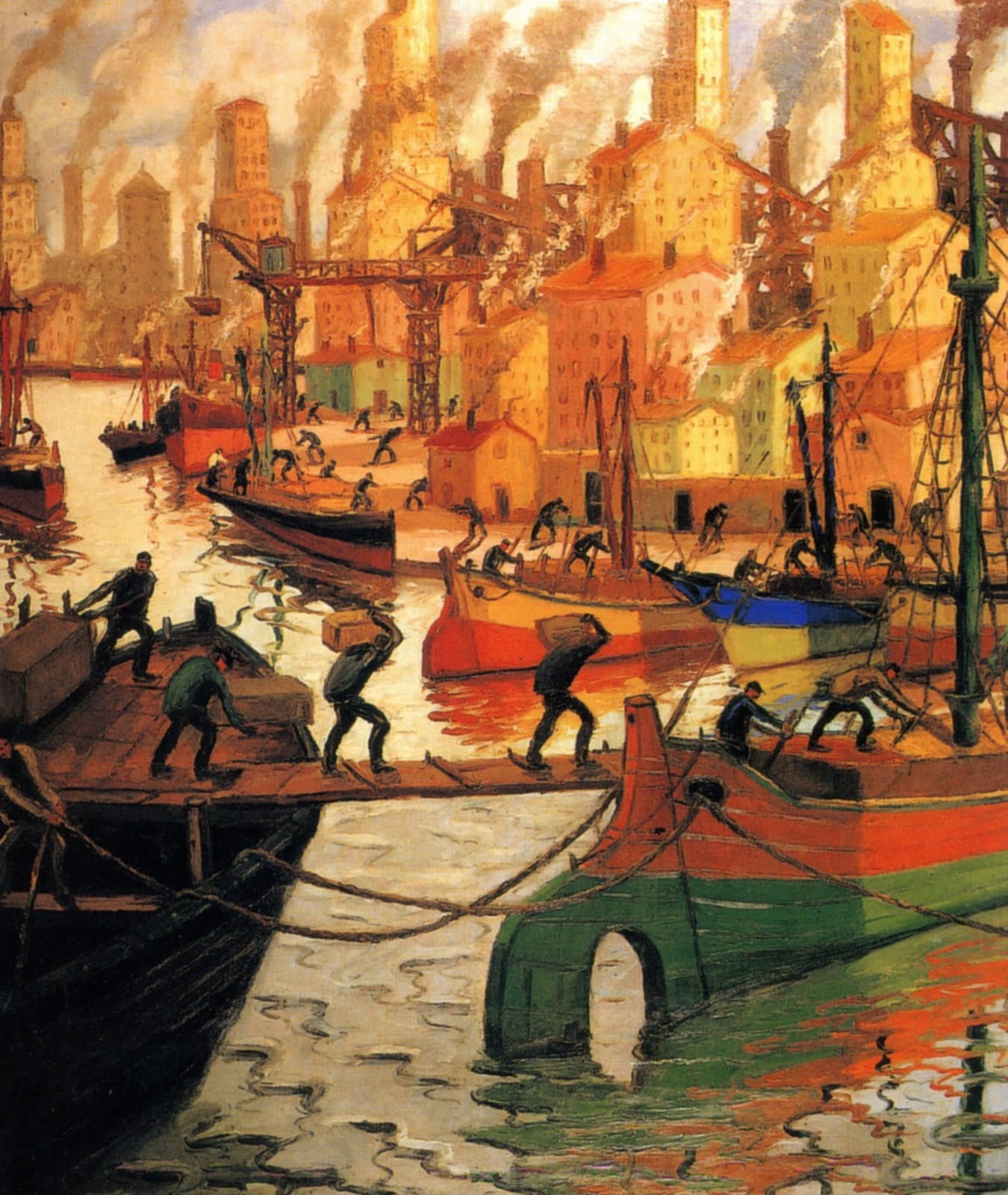
Benito Quinquela Martín (1890-1977)

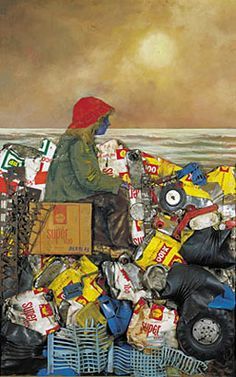
Argentine painter Antonio Berni was initially influenced by surrealism and travelled between Paris and Argentina in the 1930’s.  In 1931, Berni returned to Rosario where he witnessed labor demonstrations and the miserable effects of unemployment and was shocked by the news of a military coup d’état in Buenos Aires.   For Berni, surrealism didn’t convey the frustration or hopelessness of the Argentine people. He organized Mutualidad de Estudiantes y Artistas and became a member of the local Communist party.  He visited the miserable city of Juanito and made a series paintings there.  He said that the decline of art was indicative of the division between the artist and the public and that social realism stimulated a mirror of the surrounding spiritual, social, political, and economic realities.
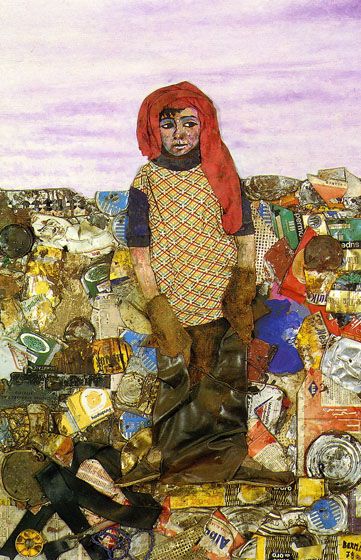
Antonio Berni
Antonio Berni

Mercedes Sosa was Argentina’s most important folk singer.  She introduced Violeta Parra’s song, “Thanks to Life” to a new generation of Latin Americans.  After the 1976 military junta, the atmosphere in Argentina grew increasingly oppressive. Sosa faced death threats against both her and her family, but refused for many years to leave the country. At a concert in La Plata in 1979, she was searched and arrested on stage, along with all those attending the concert.  Their release came about through international intervention.  Banned in her own country, she moved to Paris and then to Madrid.  A supporter of Perón, she favored leftist causes throughout her life and was A UNESCO Goodwill Ambassador for Latin America and the Caribbean.  More on her music, later.
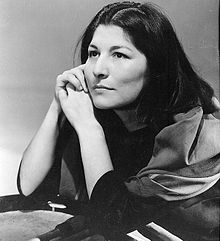
Mercedes Sosa

Carmen Aguirre and Isabel Allende are just two of the wonderful writers publishing today on the turbulent 60’s and 70’s in Latin America and what it means to be a refugee.  Both left Chile and now live in Vancouver and California, respectively.  The latter is one of the most-read novelists in the world today.

There, some background on politics and the arts.  Live impressions to follow!

Best,

Jan

The Backdrop: Politics

image
Film based on the memoir of the same name by Che Guevara

Perhaps Che Guevara was right when during his early political awakening on the trip across South America that led to his Motorcyle Diaries, he recognized Latin America not as a collection of separate nations, but as a single entity requiring a continent-wide liberation strategy. His conception of a borderless, united Hispanic America sharing a common Latino heritage was a theme that recurred prominently during his later revolutionary activities.   I can only say researching this trip to Chile and Argentina that certainly their histories and current collective consciousness mirror one another.   Both countries experienced years of terror in the hands of dictators and suffered the same fate – thousands who “disappeared” simply for political opposition, peaceful protest and artistic expression.

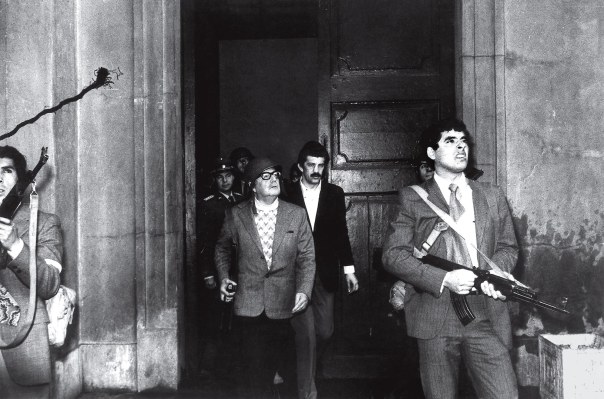
In Chile, General Pinochet overthrew the then communist government of Salvador Allende in 1973 and remained in power until 1990 following a 1988 plebiscite to vote Yes, for the continuation of the Pinochet government, or No, for a return to democracy.  Despite his machinations, No won the day.  During his 17-year rule, over 3,000 Chileans had been executed or “disappeared” by the Pinochet government.  In 1988, Pinochet was arrested in London and over 300 charges were laid against him.   Pinochet lived out his years under house arrest, eventually too old and sickly to stand trial.

image
Allende’s Last Stand

In Argentina, a military coup in 1976 led to the six year “dirty war” in which the government’s military killing squads were responsible for the illegal arrests, tortures, killings and/or forced disappearances of an estimated 30,000 people and 12,000 prisoners were detained in a network of 340 secret concentration camps located throughout Argentina. These actions against victims called desaparecidos because they simply “disappeared” without explanation were confirmed via Argentine navy officer Adolfo Scilingo, who has publicly confessed his participation in the Dirty War, stating: “We did worse things than the Nazis”. The victims included trade-unionists, students and left-wing activists, journalists and other intellectuals and their families.

image

In 1983, the top military officers of all the juntas were among the nearly 300 people prosecuted and the top men were all convicted and sentenced for their crimes and remain in prison today.  There has been some success in reuniting children stolen and adopted out to military families with their original natural parents.

Today, we are critical of Russia for interfering with democratic elections, but we seem to have forgotten U.S meddling throughout South America.  The two coup d’etats which occurred in the early 1970’s in Chile and Argentina were successful only because of the backing of the U.S., through the CIA, with the support of Kissenger and successive Presidents, and papers have been released by the U.S government proving what was so long suspected by South Americans.   These actions by the U.S in these two countries as well as in Cuba, Bolivia and elsewhere, were based largely on the fear of communism and the possibility of USSR-linked power across South America, in other words, fear of Russian power.

image
Guerrillo Heroica

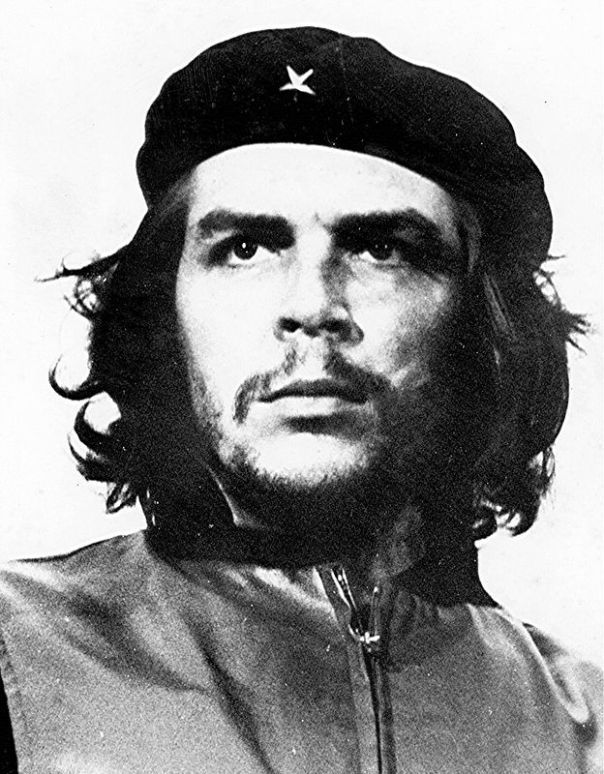
However, Che Guevara, active throughout South America and crucially involved with Castro in Cuba and its conversion to communism, was not driven by a desire or connection to Russia (although he was involved in both the Bay of Pigs and Cuban Missile Crisis) but by the social injustice he saw throughout South America due to colonialism and American commercial interests stripping the resources of South America while South Americans starved.  He believed only through unionization and joint efforts of all South Americans could justice be effected for the vast majority of the citizens.  Despite his early training as a doctor and his compassion and care at a leper colony, he came to believe this could only be achieved through violent revolution, and he was killed by U.S.-backed soldiers while attempting to provoke revolution in Bolivia in 1967 at age 39.

These common political backgrounds prevail the collective conciousness of both Chileans and Argentines.  Politics in democratic countries like Canada do not shape our collective memory in that they have not been central to our very existence.  Our politics are moderate and proudly socialist.  In countries to our south, where politics were totalitarian, citizens were subjected to terror and death by their own governments, where outside influences were so strong it was almost impossible for the resistence to succeed, where the citizens wanted only justice, safety, health, food and education, politics are not and cannot be forgotten.

Jan


Thanks to Life!

image

All paths lead to the same goal:
to convey to others what we are.

                                                                                                – Pablo Neruda

Our path on this journey will take us to Santiago, Chile for 5 nights, with day trips to Valparaiso, Vina del Mar and Isla Negra; a flight to Argentina’s renowned wine region, Mendoza, for 3 nights, and another quick flight to Buenos Aires for 6 nights with day trips to Tigre and the Pampas region. There will be wine tasting, cooking classes, tango, concerts, a boat trip, a horse show and asado.

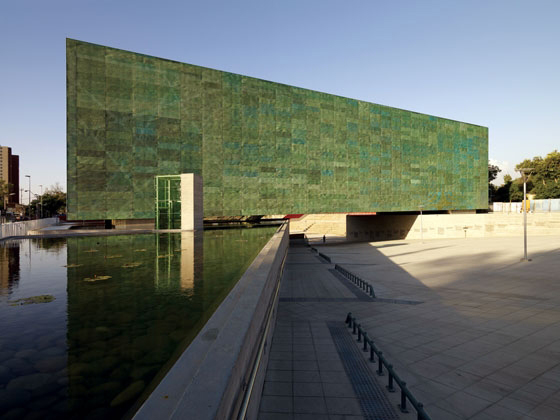
This trip and our pre-trip studies will focus on human rights and how Chile’s and Argentina’s tragic histories shaped the national character of each country’s citizens.   We will tour Chile’s Museum of Memory and Human Rights:

image

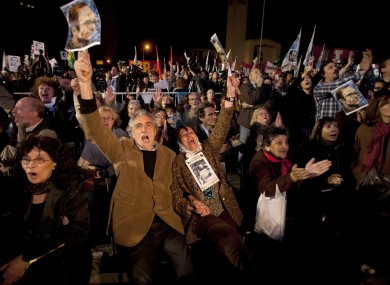
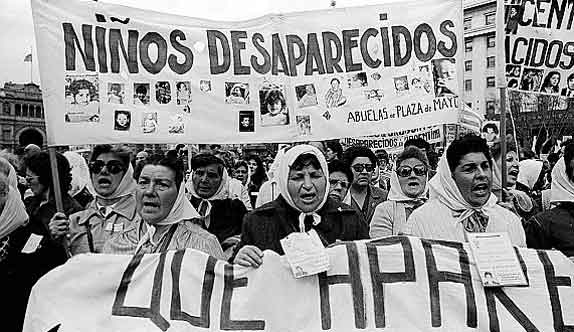
and visit the Plaza de Mayo in Buenos Aires where the Madres, mothers and grandmothers, continue to protest weekly for those thousands who disappeared during military rule between 1976 and 1983:

image

We’ll visit the homes of poet-activist Pablo Neruda and the folksinger-activist Violeta Parra whose most important song, Thanks to Life!, became a call to action in opposition to Chile’s Pinochet years.

image image

HERE WE GO !!

image

Best,

Jan


Valley of the Kings III – North Winds

Visiting Egypt, the obvious pride of the Egyptian people of their rich heritage is contagious.  I began the trip as a visitor, but soon co-opted their history as my own.  I think Egyptians understand.  You cannot see these amazing sights without feeling this is a tracing of human history, human achievement.  We are, as Waleed pointed out, a family.  Egyptians have gone through difficult times recently, but the country appears to be on the upswing.  The West must do all it can to assist and protect this precious resource.  A good place to start?  Visit and be inspired!

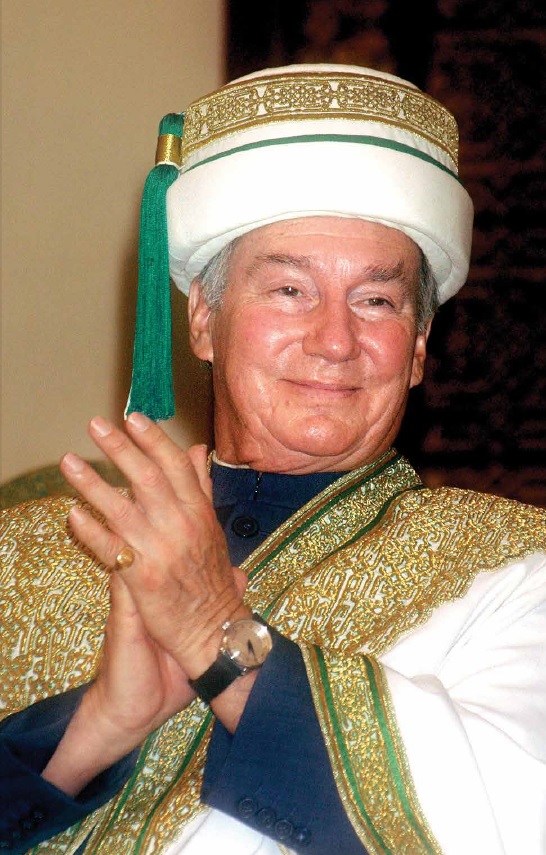
On February 27, 2014, His Highness the Aga Khan 49th, Hereditary Imam of the Shia Imami Ismaili Muslims (whose predecessor is buried at Aswan), addressed both Houses of Parliament in the House of Commons Chamber, Ottawa.  His speech is meaningful, regardless of your personal beliefs.

Aga Khan

“It is an unprecedented honour for me to be here today. This is both a personal feeling and an objective observation, since I was told that this is the first time in 75 years that a spiritual leader has addressed a joint session of the Senate and the House of Commons during an official visit….

Let me end with a personal thought. As you build your lives, for yourselves and others, you will come to rest upon certain principles. Central to my life has been a verse in the Holy Quran which addresses itself to the whole of humanity. It says: ‘Oh Mankind, fear your Lord, who created you of a single soul, and from it created its mate, and from the pair of them scattered abroad many men and women…’

I know of no more beautiful expression about the unity of our human race – born indeed from a single soul.”

~ ~ ~

Howard Carter died in Kensington, London, on 2 March 1939, aged 64.  His epitaph, taken from the Wishing Cup of Tut Ankh Amun, reads:

“May your spirit live, may you spend millions of years, you who love Thebes, sitting with your face to the north wind, your eyes beholding happiness.”

~ ~ ~

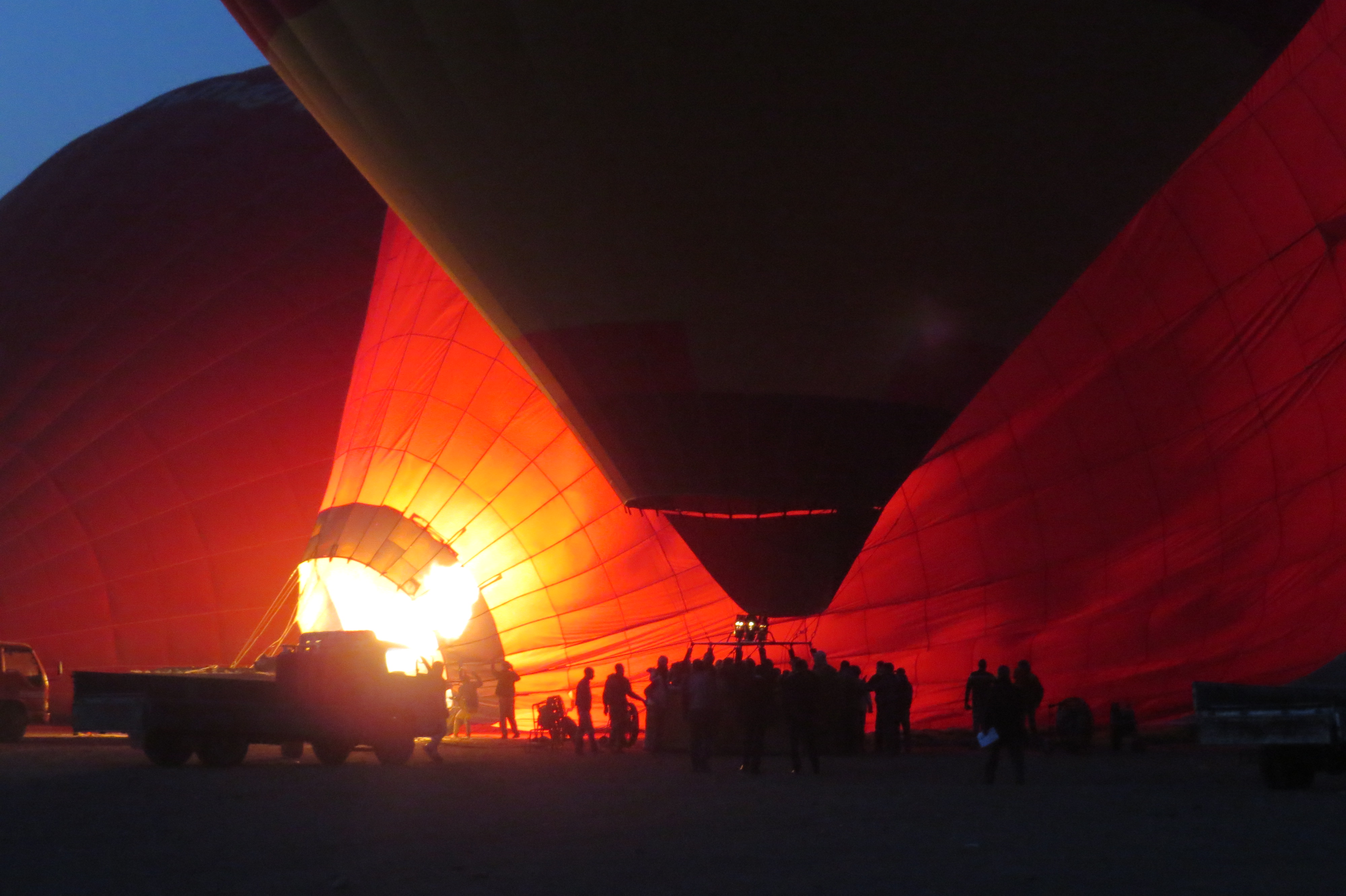
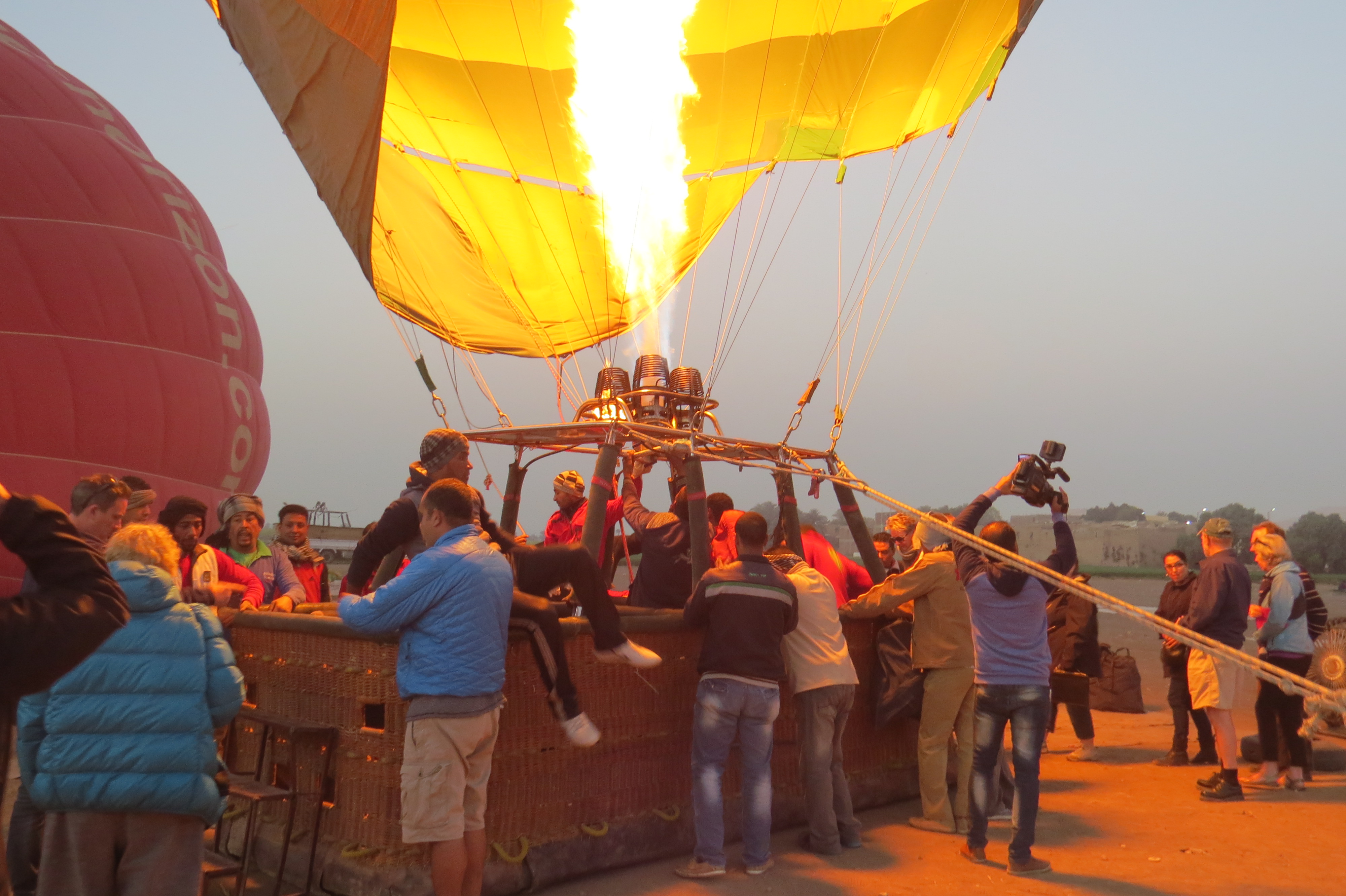
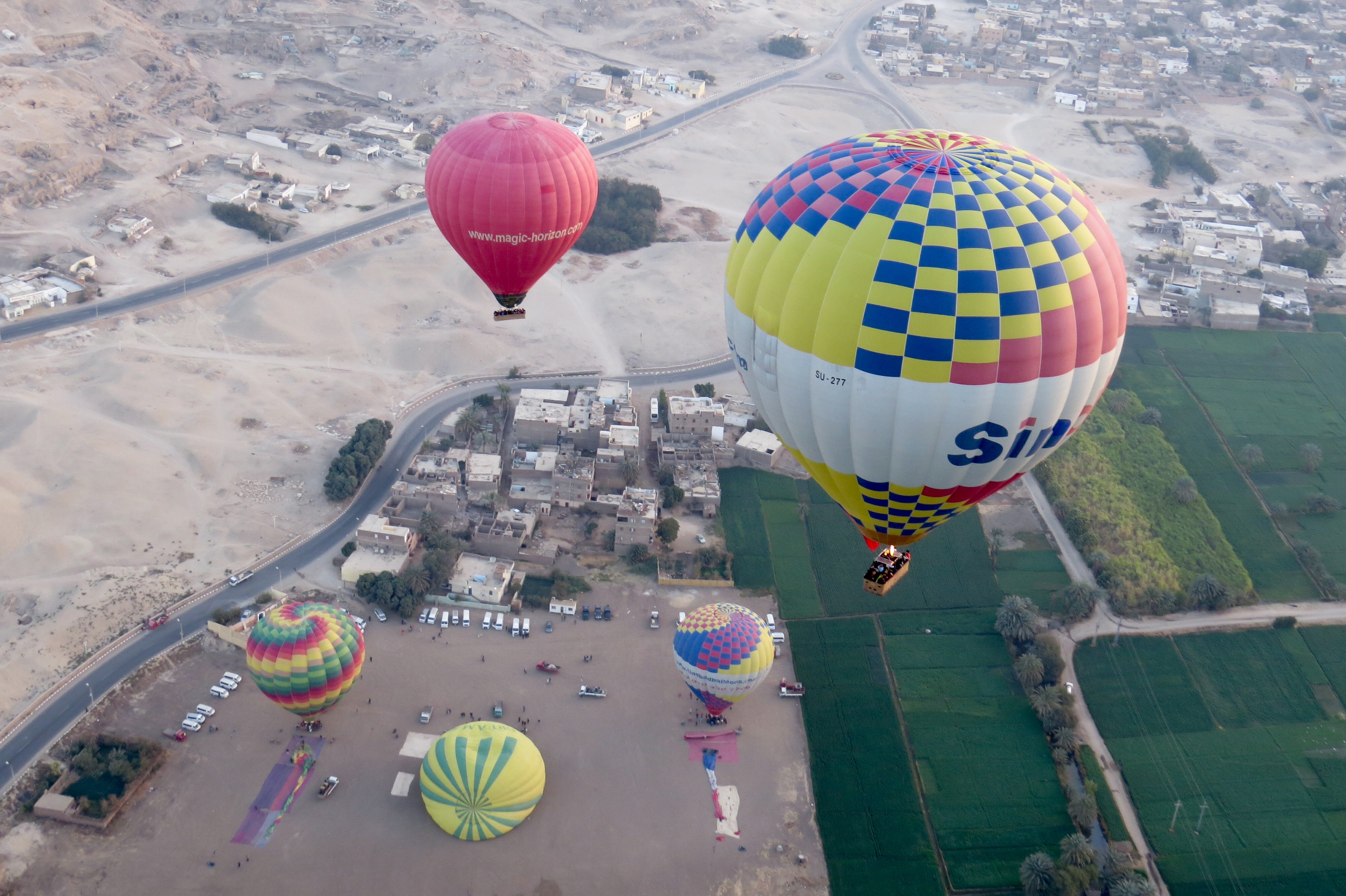
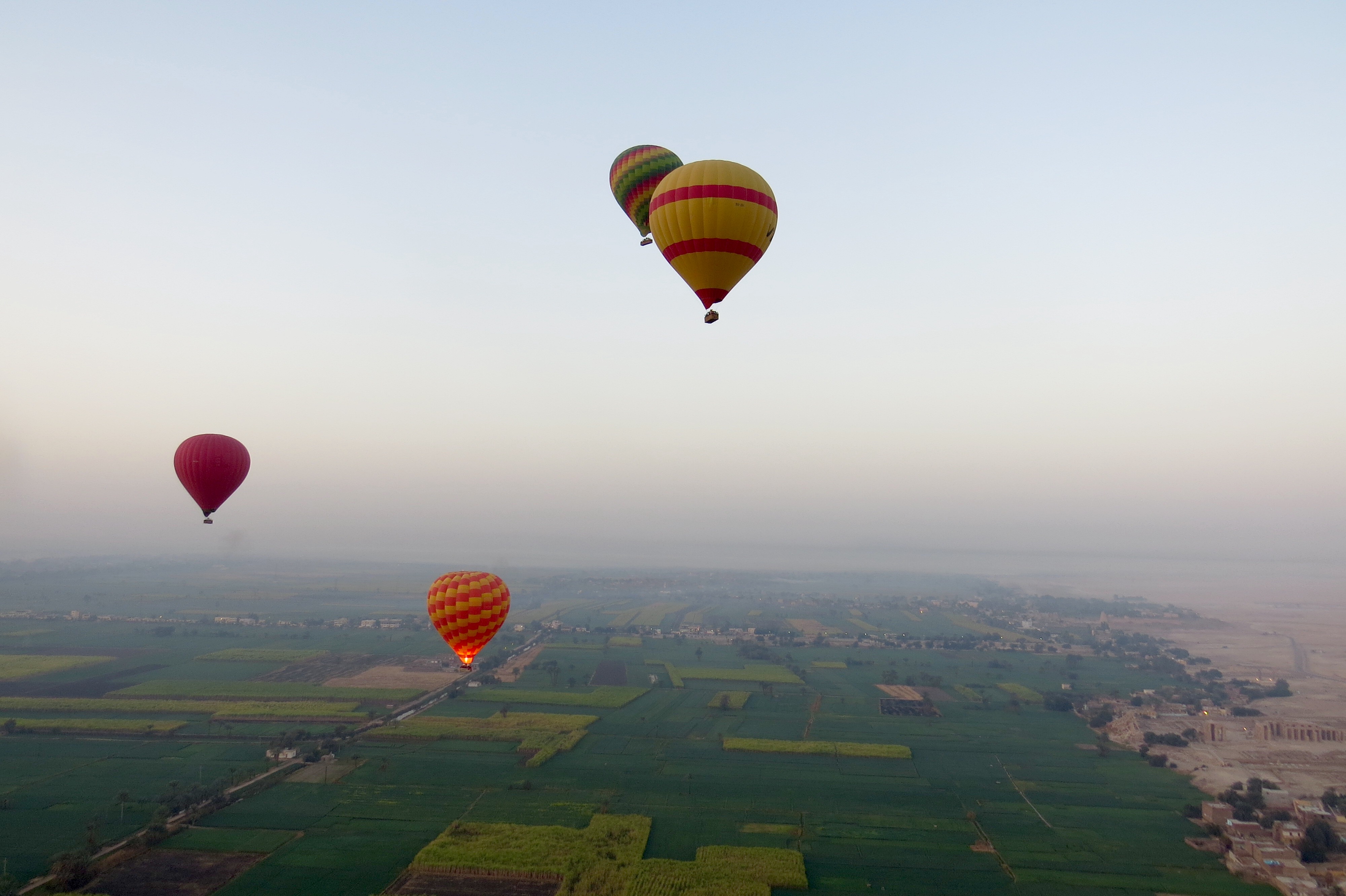
With these thoughts, we floated away…

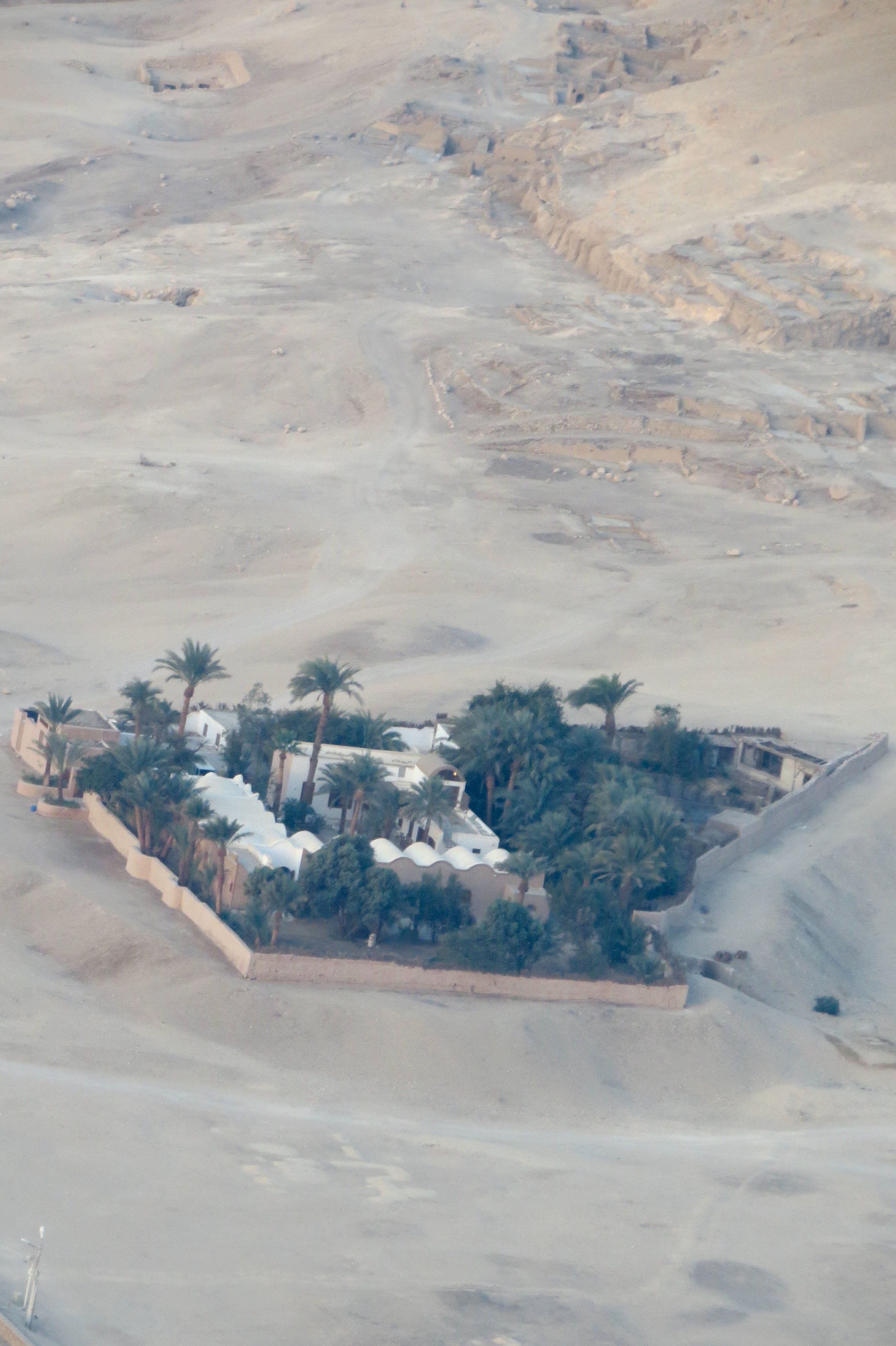
Howard Carter’s house
Line painted by Egyptians
with water between the Nile valley
and the desert

Valley of the Kings

Until next time, peace and love,

Jan

Valley of the Kings II – The Boy King

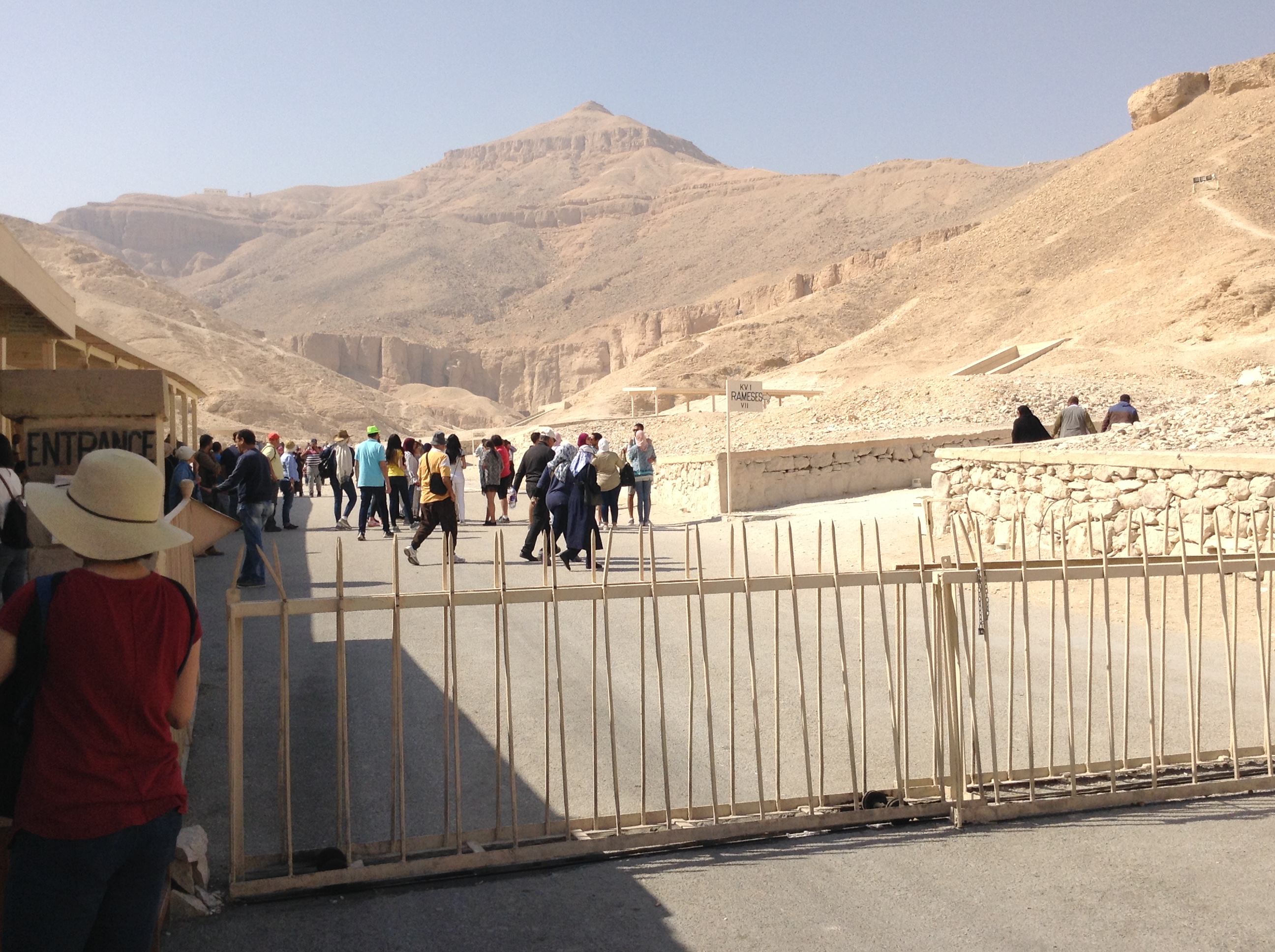
Entrance to Valley of the Kings

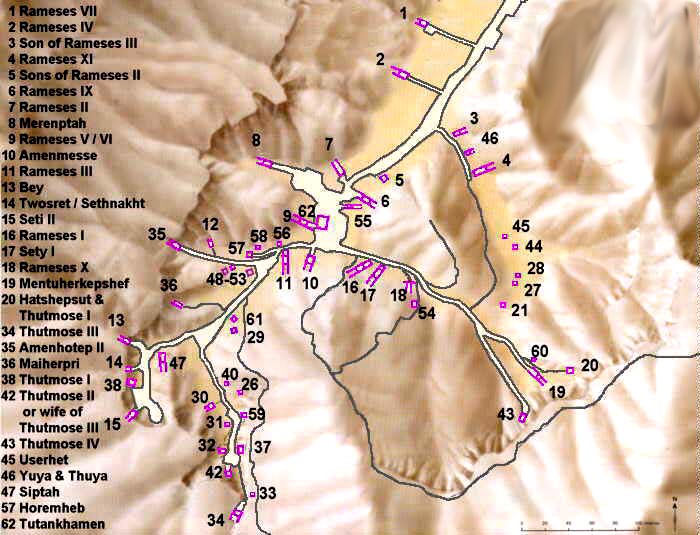
Today we visited the Valley of the Kings where no fewer than 63 tombs have been uncovered.  One of the most spectacular archeological sites on Earth, it has been designated a UNESCO world heritage site.  The list of royalty buried there is impressive.

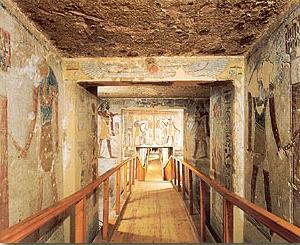
We began by descending into the depths where a lovingly restored tomb was displayed in its original colours:  sunny yellow, royal blue and blood red.

The Valley’s most famous inhabitant is one I am finally getting around to mentioning.   Famous more for his recent history than for his ancient royal past,  King Tut Ankh Amun’s tomb, and his mummy remain interred here.

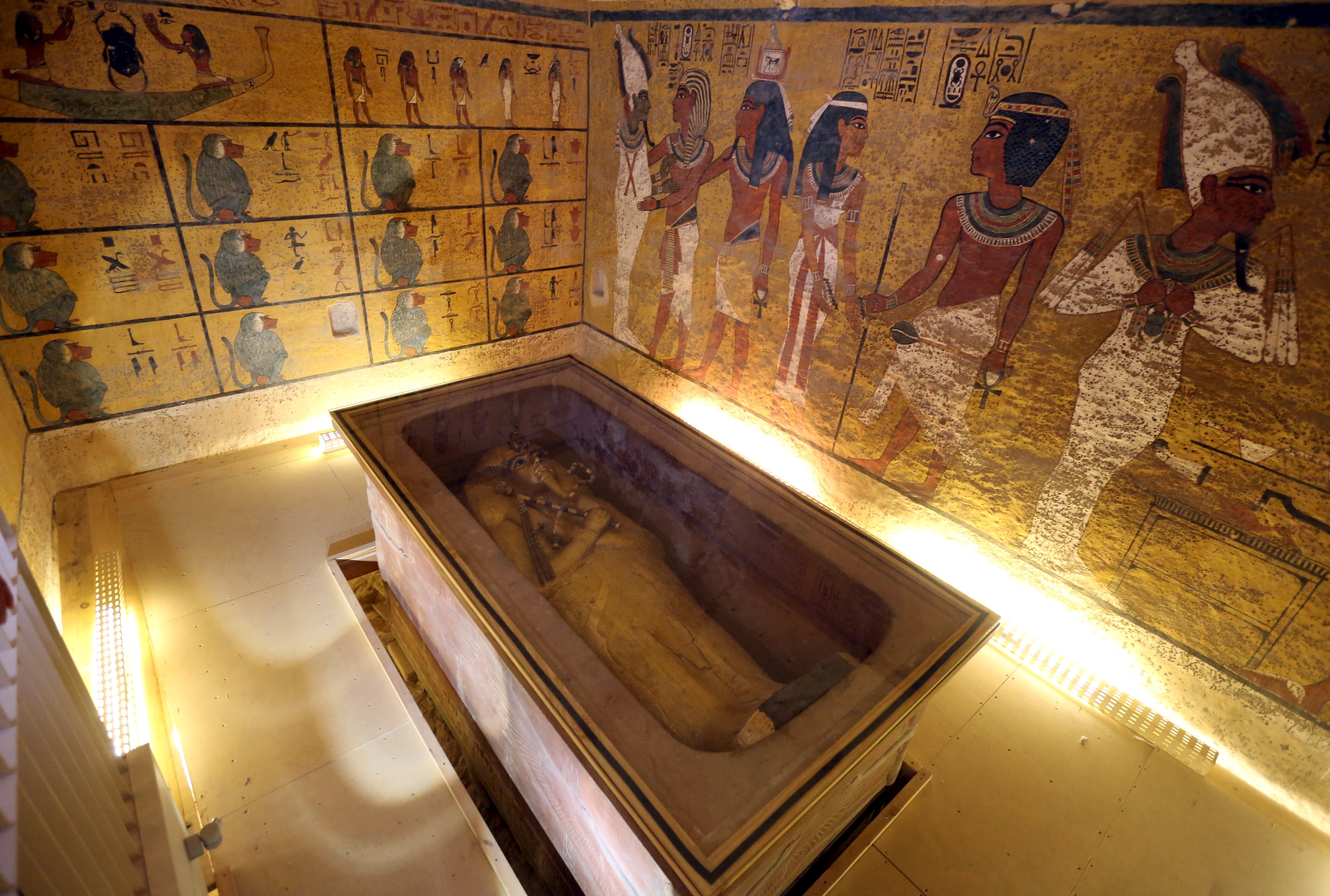
Tut Ankh Amun’s tomb

Until recently, Tut’s royal lineage was uncertain.  In February 2010, the results of DNA tests confirmed that he was the son of Akhenaten, the heretical king who moved his capital to Amarna.   Although it was thought that Nefertiti was his mother (and there is even speculation that Tut’s famed death mask was hers), the DNA testing proved that his mother was Akhenaten’s sister and wife.  Her name is unknown but her remains are positively identified as “The Younger Lady” mummy found in KV35.

It’s no wonder the young king had little influence since, in 1344 BCE, he began his reign at age 9 and he was beset, unsurprisingly, with congenital defects.

In his third reignal year, under the influence of his advisors, he did reverse several changes made during his father’s reign. He ended the worship of the god Aten and restored the god Amun to supremacy. The ban on the cult of Amun was lifted and traditional privileges were restored to its priesthood.

Amun, King of the Gods

The capital was moved back to Thebes and Tut Ankh Amun swept back into Karnak Temple where he would reign for just seven more years.

In 2014, scans showed that he had a partially clubbed foot; this was supported by the presence of many walking sticks among the contents of his tomb. It is now believed that genetic defects arising from his parents being siblings, complications from a broken leg and his suffering from malaria, together caused his death at age 19.

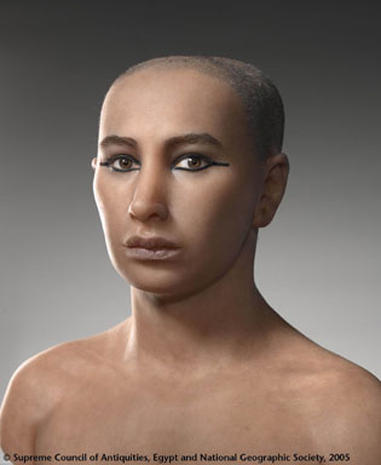
Depiction of the boy king
2005 reconstruction by scientists and artists

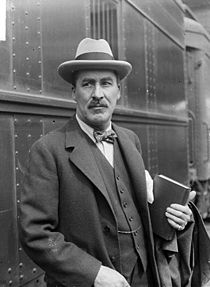
The source of Tut Ankh Amun’s fame doesn’t relate to his rule of Egypt.  Rather, it is due to the tantalizing story of his rediscovery.  Tomb raiders began robbing royal tombs in ancient times.  Gold was melted down, alabaster used for new construction, jewels sold.  Egyptian tombs were legendary even in ancient times, and various foreign occupiers sent in armies to Egyptian tombs on instructions to leave nothing behind.  Western archeologists in modern times believed there had to be tombs that earlier expeditions had missed.  One of the most tenacious of these was the irascible British archeologist, Howard Carter.


Howard Carter

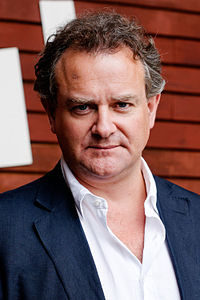
Another Brit is central to the story.  Lord Carnarvon, inspiration for the character Robert Crawley, the Earl of Grantham on Downton Abbey, had a lifelong passion for Egypt and the money to pursue his passions.

Lord Carnarvon
Hugh Bonneville

In 1907, after three hard years for Carter, Lord Carnarvon employed him to supervise Carnarvon’s Egyptian excavations in the Valley of the Kings.  Gaston Maspero, Director of the Antiquities Department, introduced the two to ensure that Howard Carter imposed modern archaeological methods and systems of recording.  Carnarvon financed Carter’s work in the Valley of the Kings to 1914, but excavations and study were interrupted until 1917 by the First World War.  The Carnarvons, meanwhile, opened their home, Highclere Castle, to wounded soldiers.

Carter enthusiastically resumed his work following the end of the First World War.

After several years of finding little, Lord Carnarvon became dissatisfied with the lack of results, and informed Carter in 1922 that he was giving up.  Carter felt he was closer than ever to discovering an undiscovered tomb, and implored Carnarvon for just one more season of funding to search the Valley of the Kings.  Carnarvon relented.

Now that the war was over, and the 5th Earl could travel to Egypt, he longed for the day he’d hear some positive news from Howard Carter. Finally … on the 6th of November, 1922 … he received this telegram:

“At last have made wonderful discovery in the Valley. A magnificent tomb with seals        intact. Re-covered same for your arrival. Congratulations.”

Carnarvon and his daughter rushed to the Valley of the Kings.

Carter opened the tomb.  “At first I could see nothing,’ he would later write, ‘the hot air escaping from the chamber causing the candle flame to flicker, but presently, as my eyes grew accustomed to the light, details of the room within emerged slowly from the mist, strange animals, statues, and gold – everywhere the glint of gold.”

Inside the amazing tomb pictured above, the most important things they found:

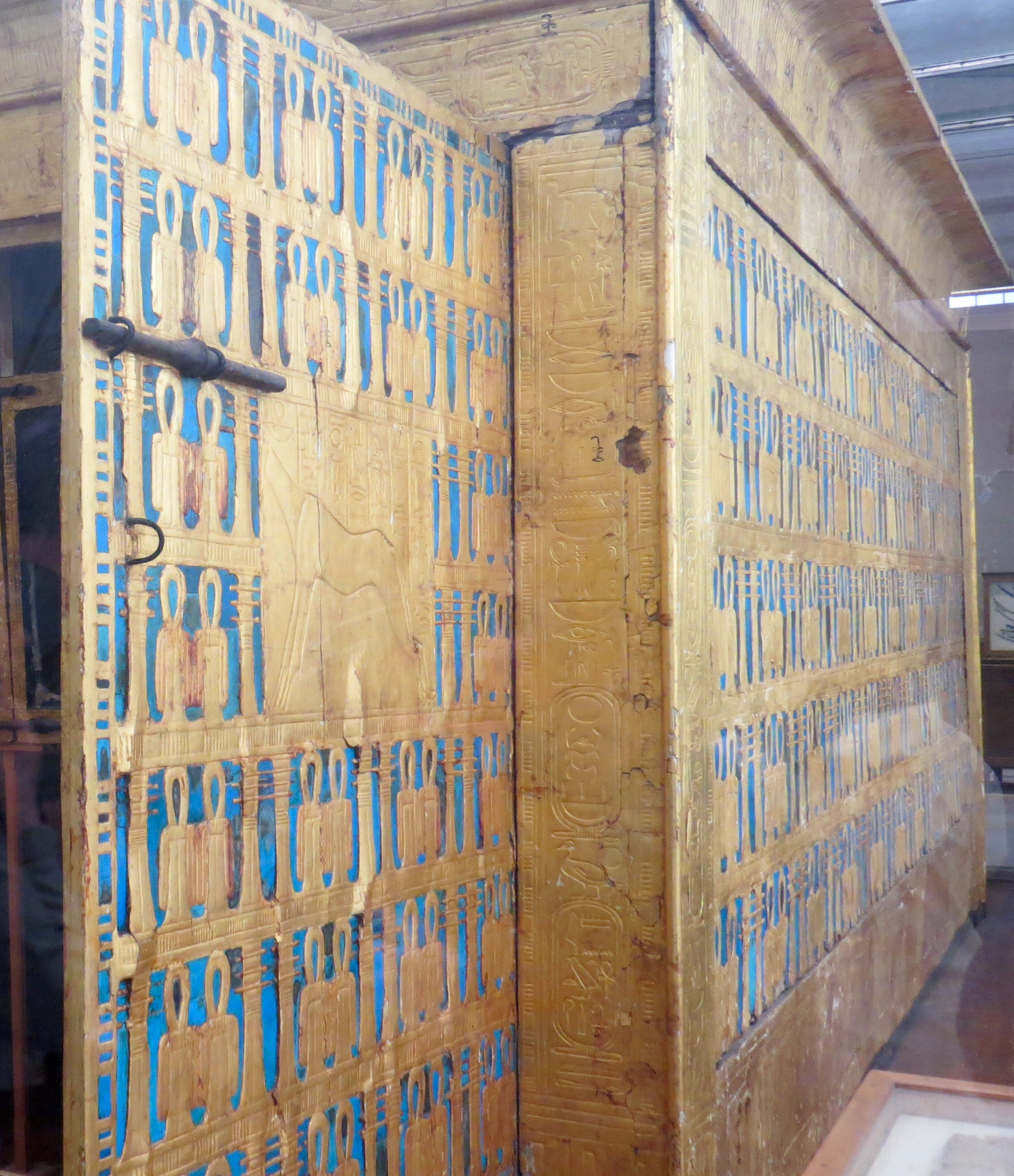
An outer shrine:


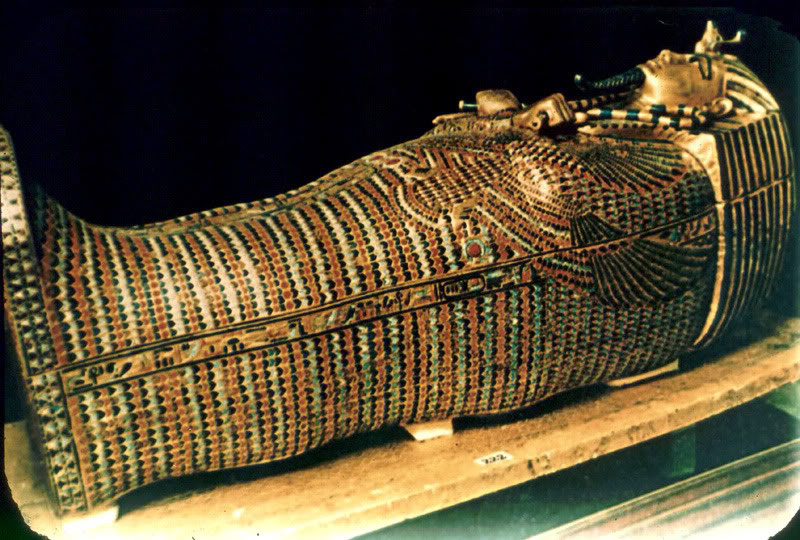
Inside the shrine, they uncovered a gilded wooden coffin.

Inside this was a coffin of solid gold encrusted with precious gems.

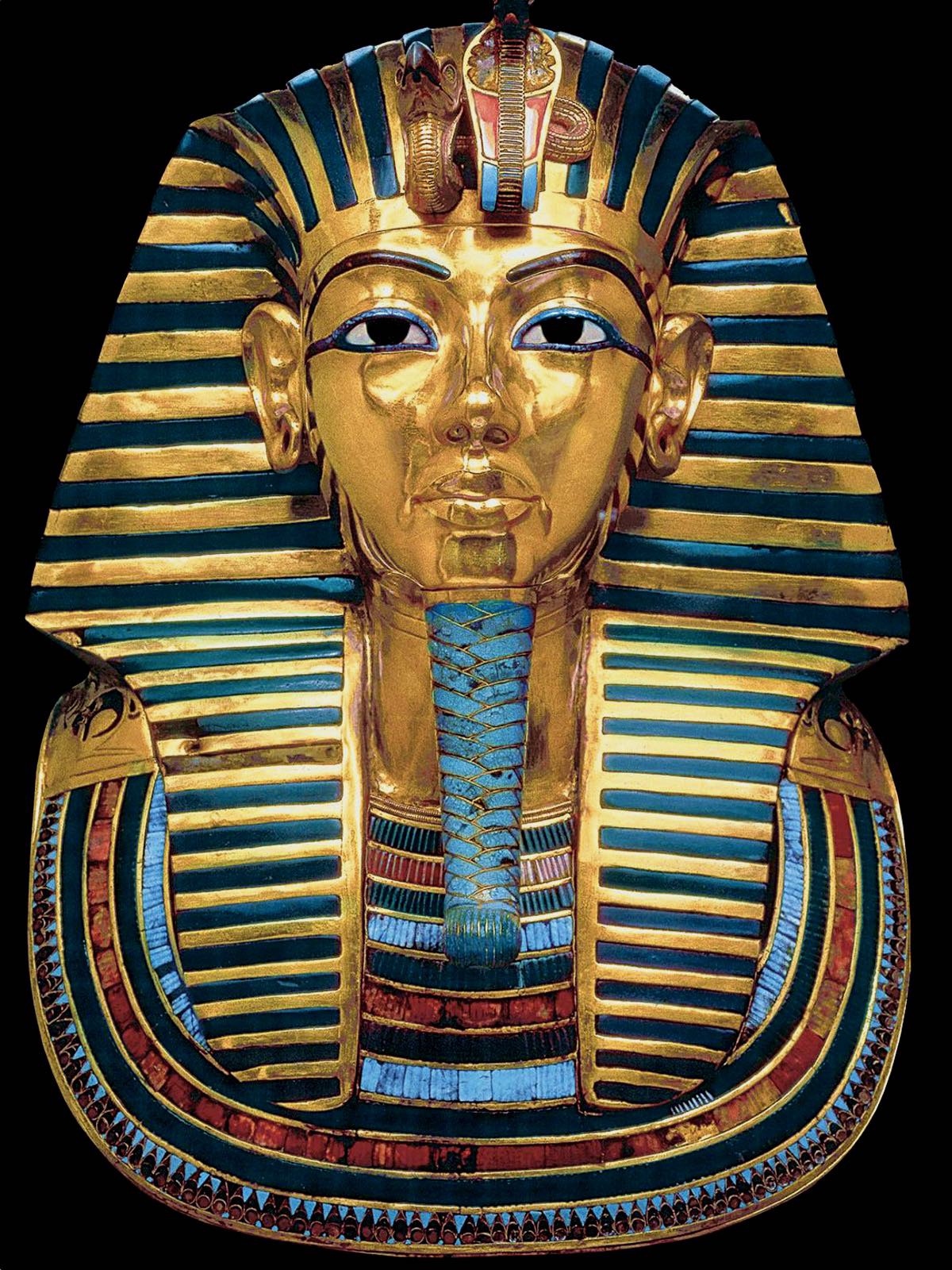
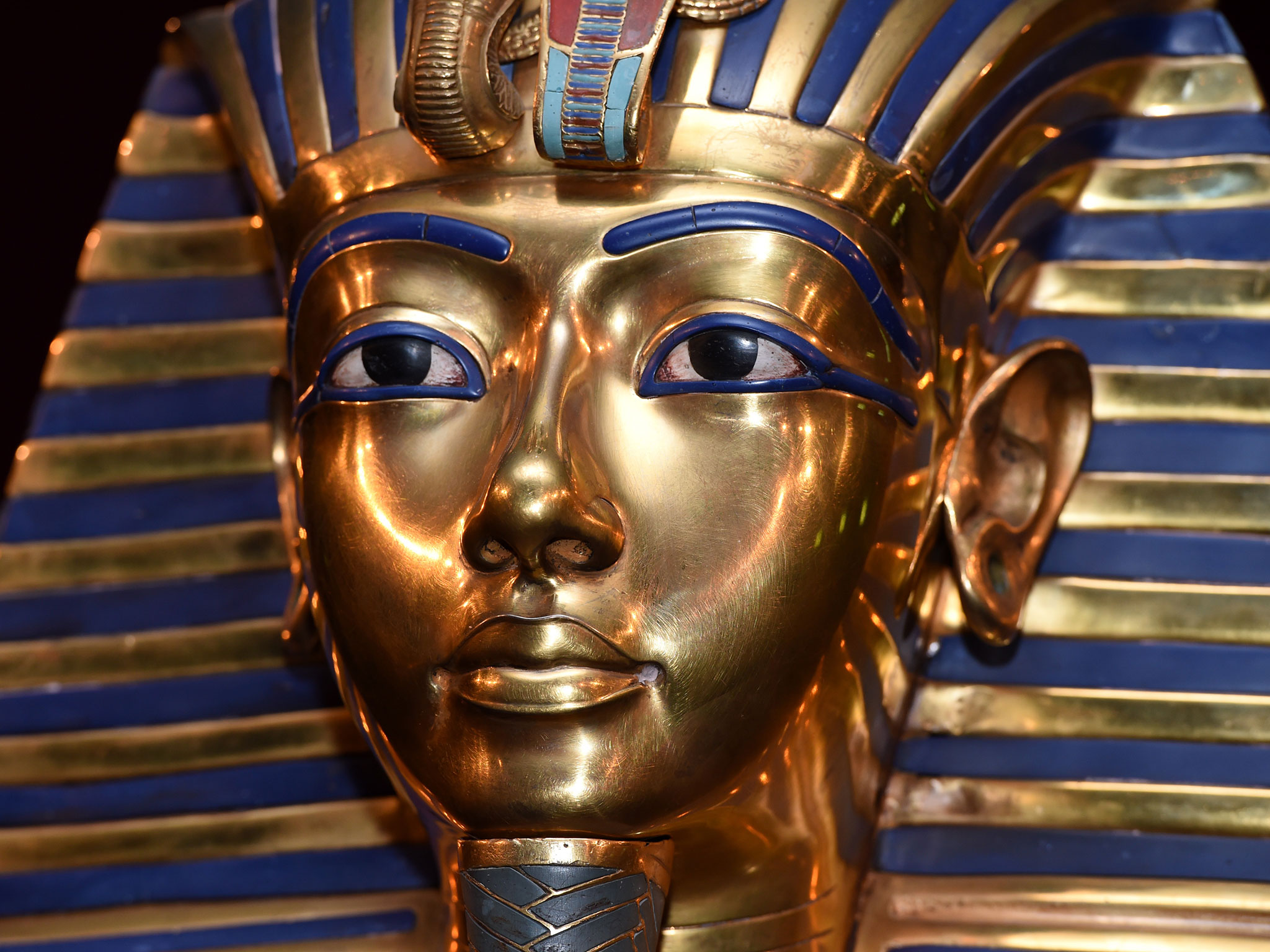
Inside, they found over the face of the mummified king, the death mask which has come to represent the height of Egypt’s, even humanity’s, artistic expression, wealth, power and religious expression:


It took Carter eight years to catalogue over 5,000 items buried with the young king. Some of them, along with all of the above, occupy the entire 2nd floor of Cairo’s Egyptian Museum.

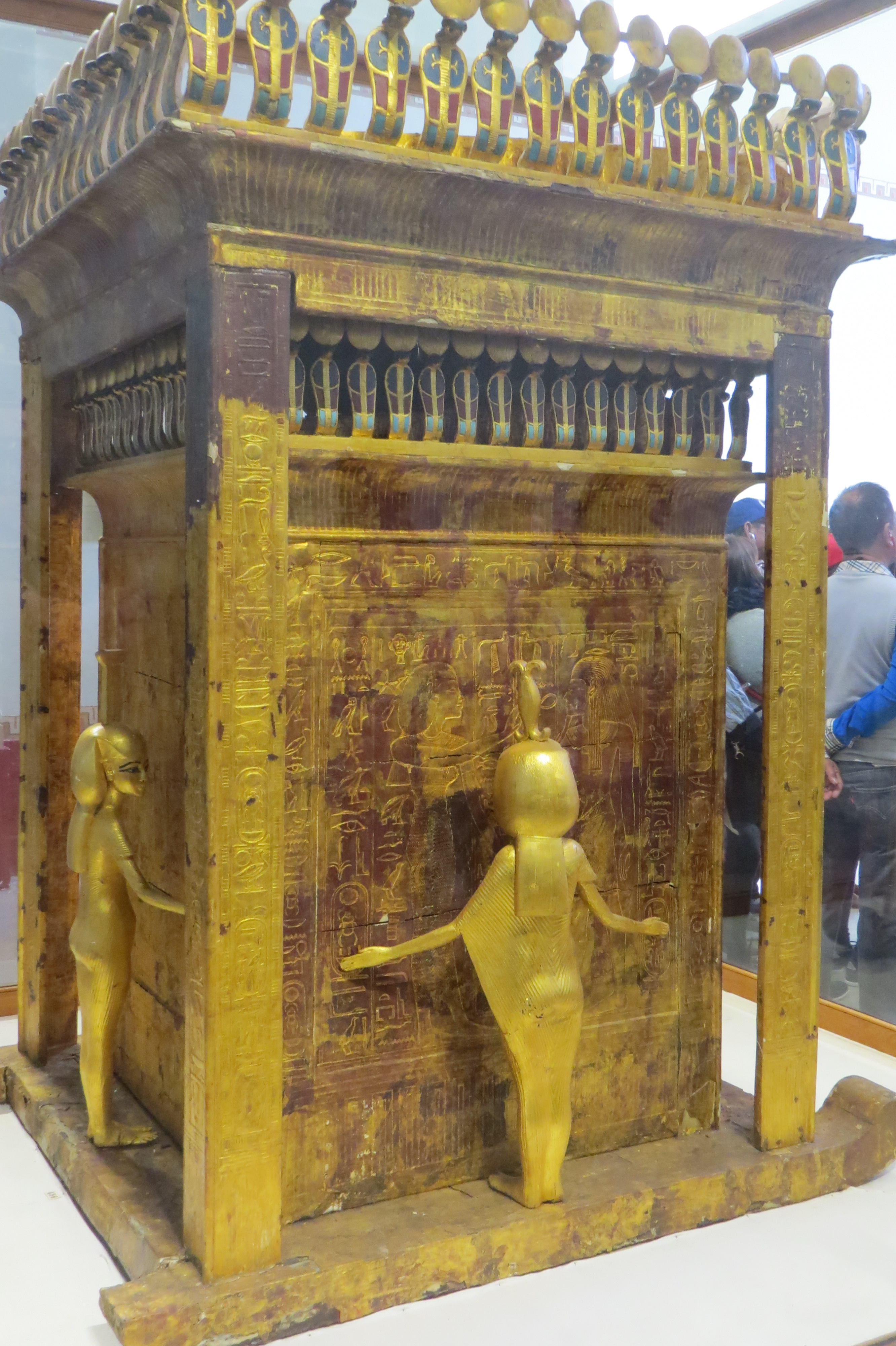
The gold canopic shrine
Anubis Shrine
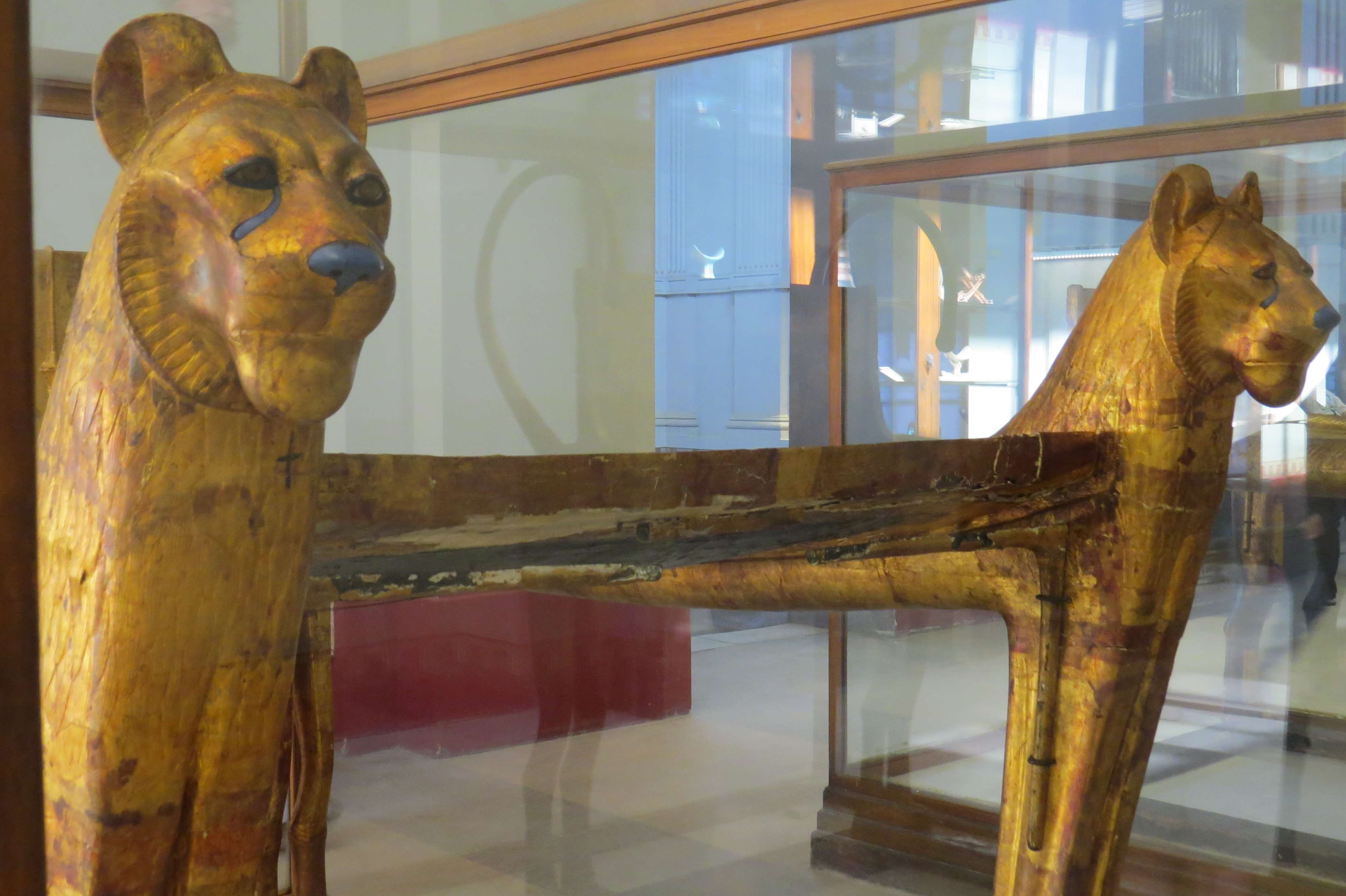
The Lion Ritual Bed

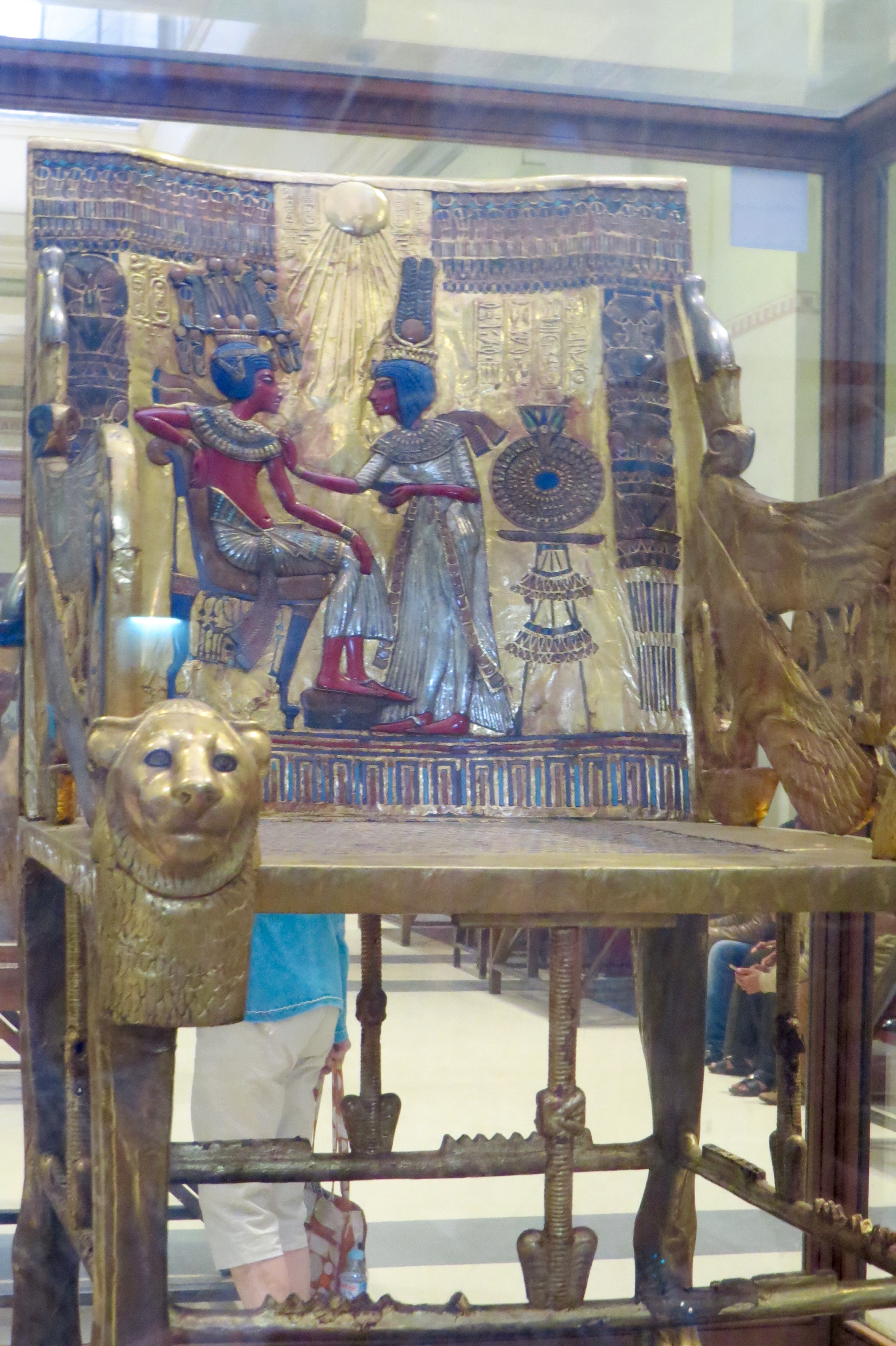
Gold Throne
Alabaster jar signifying the union of Lower and Upper Egypt

Here is a video in which you can here Carter’s own voice describing the discovery:

I think back to the above list of rulers buried at The Valley of the Kings – and we didn’t even visit The Valley of the Queens – and imagine the art and riches that must have been originally buried with much more powerful Pharaohs than the Boy King.  What a loss of our cultural heritage.

However, there remains the promise of more unsealed tombs.  Waleed told us that he believes there is another tomb right behind that baboon wall of Tut’s tomb.  Today’s technology suggests this to be true and plans are under way for more investigation:

http://www.independent.co.uk/news/world/africa/king-tutankhamun-officials-90-sure-there-is-a-secret-chamber-ancient-egyptian-tomb-a6752586.html

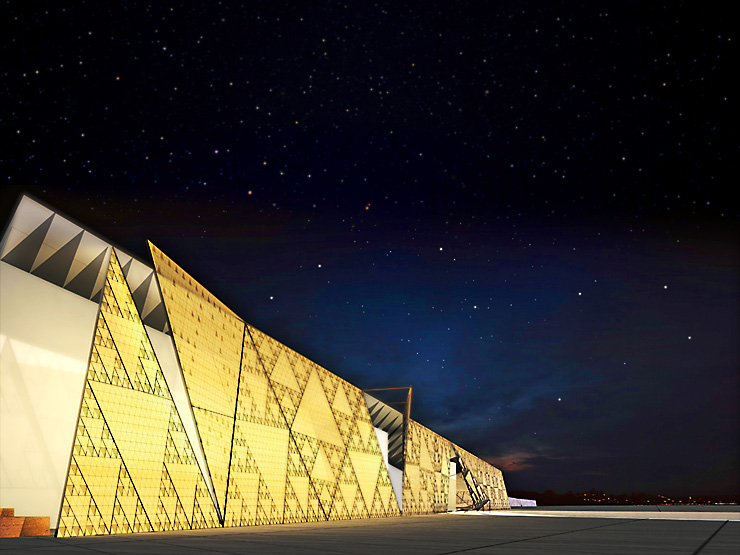
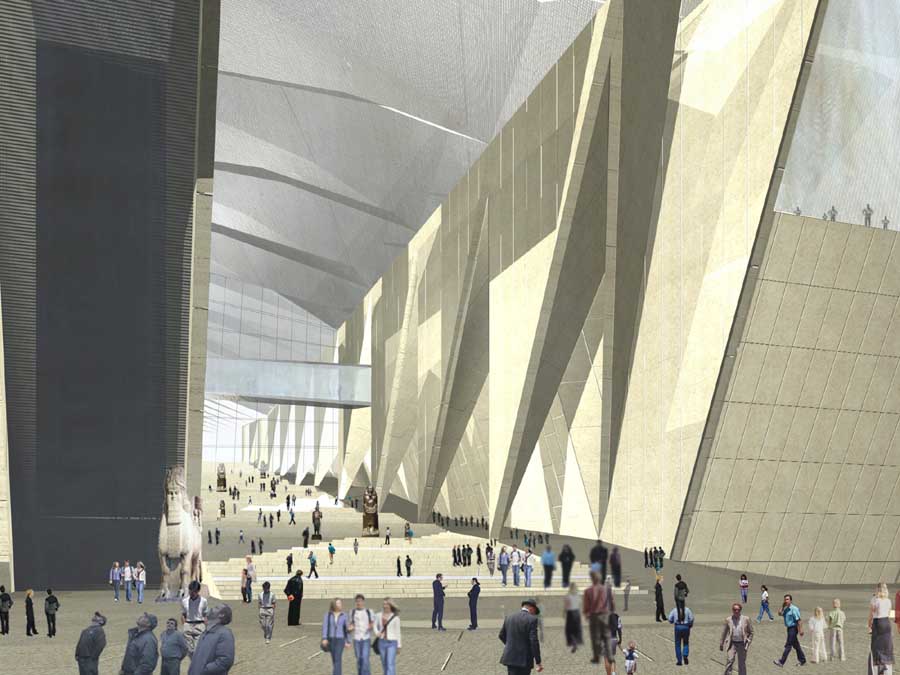
The other good news?  Construction is well under way for the Grand Museum which will be the largest archeological museum in the world and will hold many more of the estimated 1 million artifacts Egypt currently doesn’t have space to display.  Within view of the pyramids at Giza, it will eventually include a monorail between the pyramids and the museum.  The first phase is tentatively scheduled to open in 2018.


Best,

Jan


Valley of the Kings I – The Sublime of Sublimes


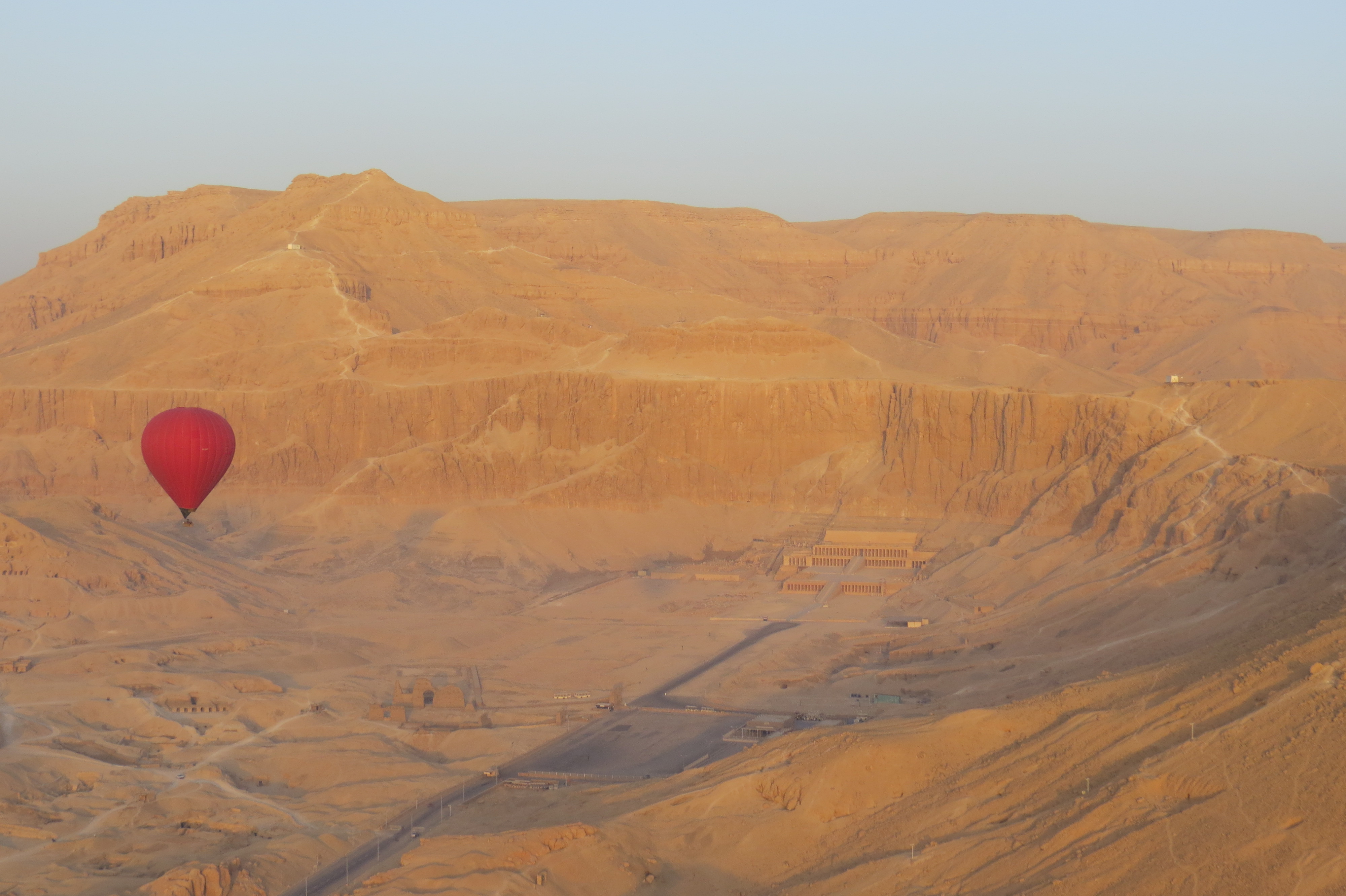
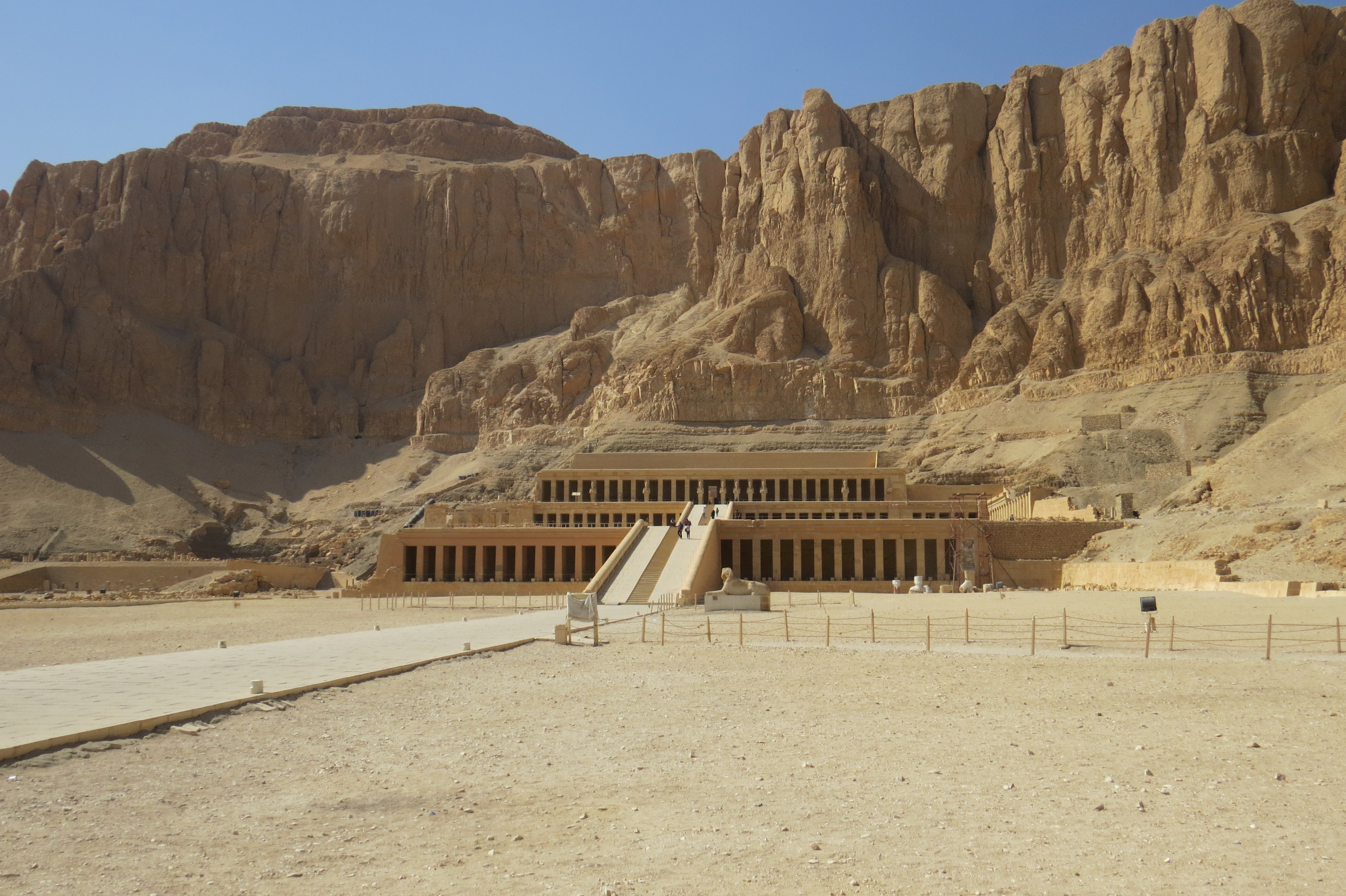
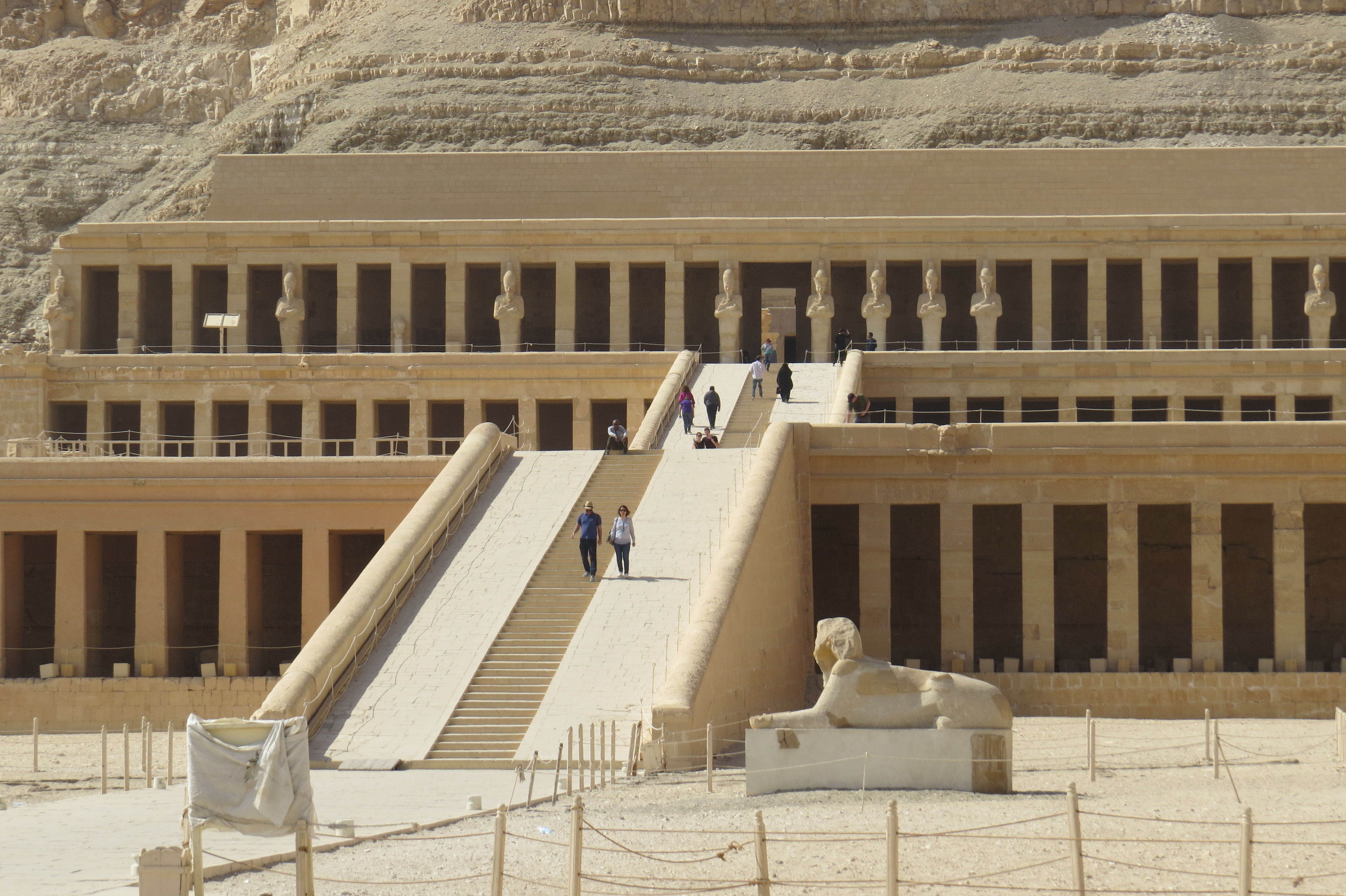
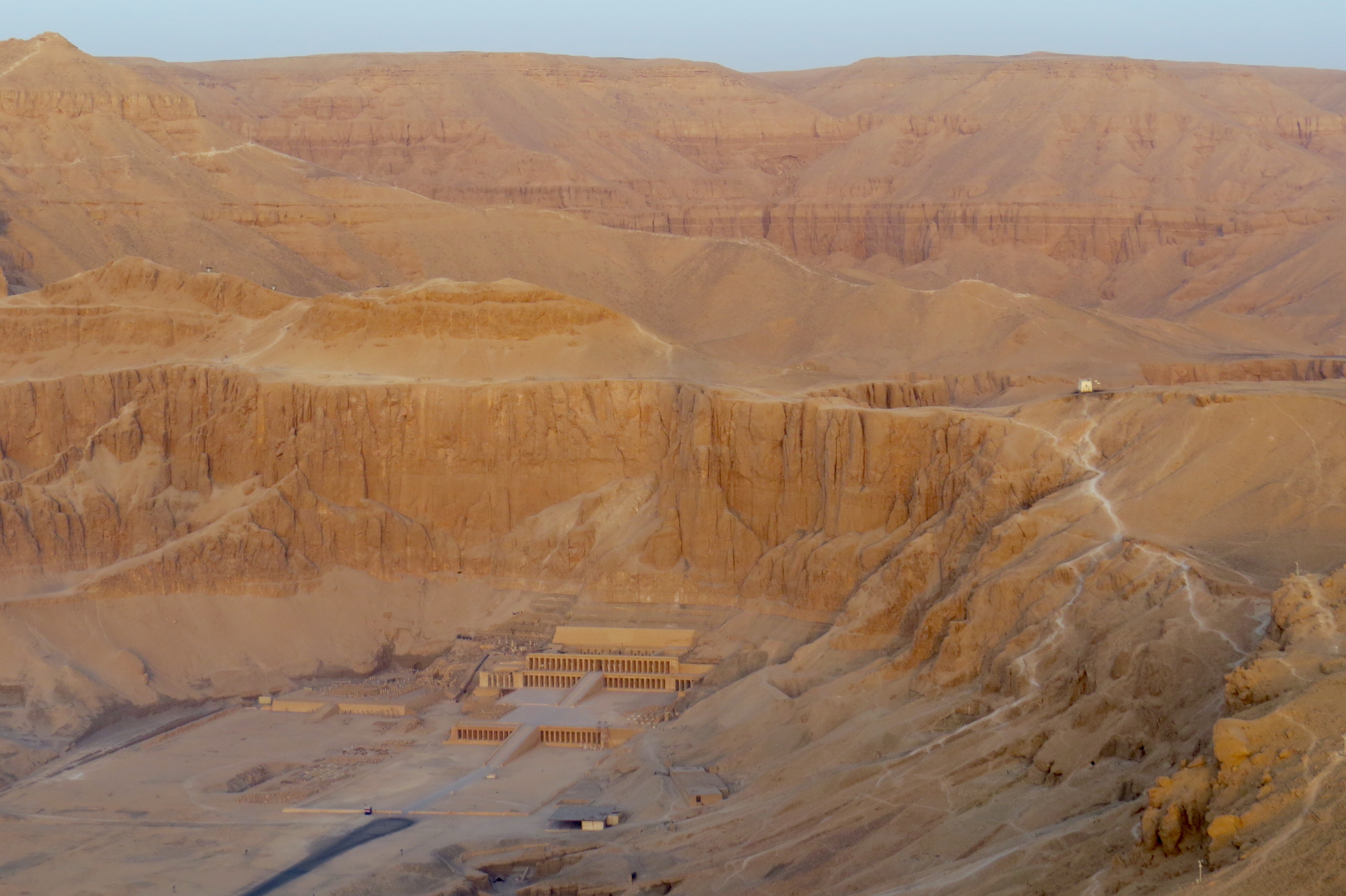
Deir el-Bahri

Pharaoh Hatshepsut is considered by most to be the greatest Pharaoh  of all time.  The undisputed success of Hatshepsut’s peaceful  22-year reign from 1478 – 1456 BCE, is all the more impressive because the Pharoah was a woman.  It is no accident that the Valley of the Kings is nearby; successive Pharaohs sought to associate their legacies with hers by spending eternity in tombs in close proximity to her magnificent temple at Deir el-Bahri.

Hatshepsut married her half brother as a male was preferred to rule the kingdom but he died prematurely leaving her as regent for her two-year- old stepson. In the second year of his reign Hatshepsut seized the royal titulary and as king of Upper and Lower Egypt ruled the country for at least two peaceful decades.

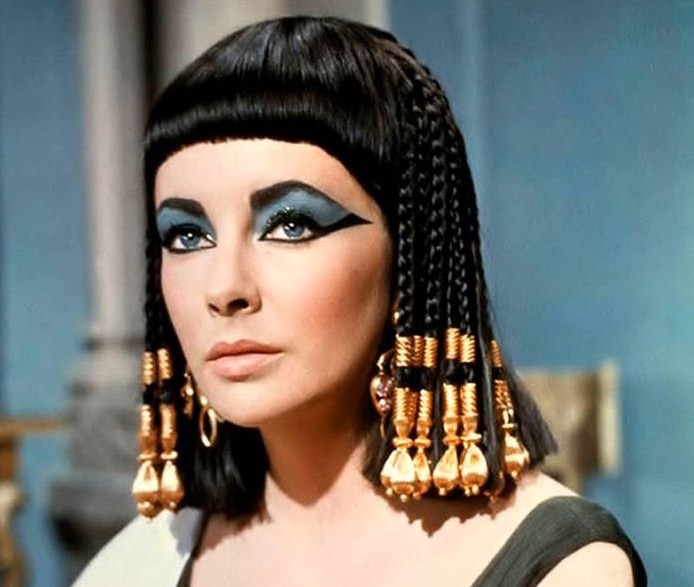
Her accomplishments and vision are unmatched. Hatshepsut established trade networks that had been disrupted during a foreign occupation of Egypt, building the wealth and prosperity she would use to fulfill her vision of a great Egypt.  She organized the first anthropological mission of all time.  She brought back with her from the Land of Punt (Somalia today) 31 myrrh trres, which were transplanted at her temple, and  frankincense. She ground charred frankincense into kohl eyeliner which came to be so associated with Egyptian beauty.  Thank you, Hatshepsut!

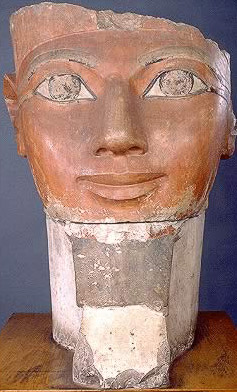
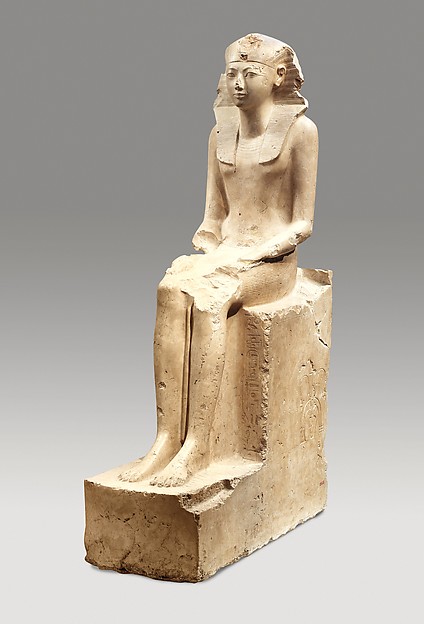
Statue of Hatshepsut from
Deir el-Bahri now in Cairo Museum
Elizabeth Taylor as Cleopatra

Hatshepsut’s greatest efforts went into building projects which not only elevated her name and honored the gods but employed the people. The scope and size of Hatshepsut’s constructions, as well as their elegant beauty, attest to a very prosperous reign. We had already seen her magnificent constructions and obelisks at Karnak. Following the tradition of many pharaohs, the masterpiece of Hatshepsut’s building projects was a mortuary temple. She built hers here at Deir el-Bahri. The focal point was the Djeser-Djeseru or “the Sublime of Sublimes”, a colonnaded structure of perfect harmony built nearly one thousand years before the Parthenon. Djeser-Djeseru and the other buildings of Hatshepsut’s Deir el-Bahri complex are considered to be significant advances in architecture.

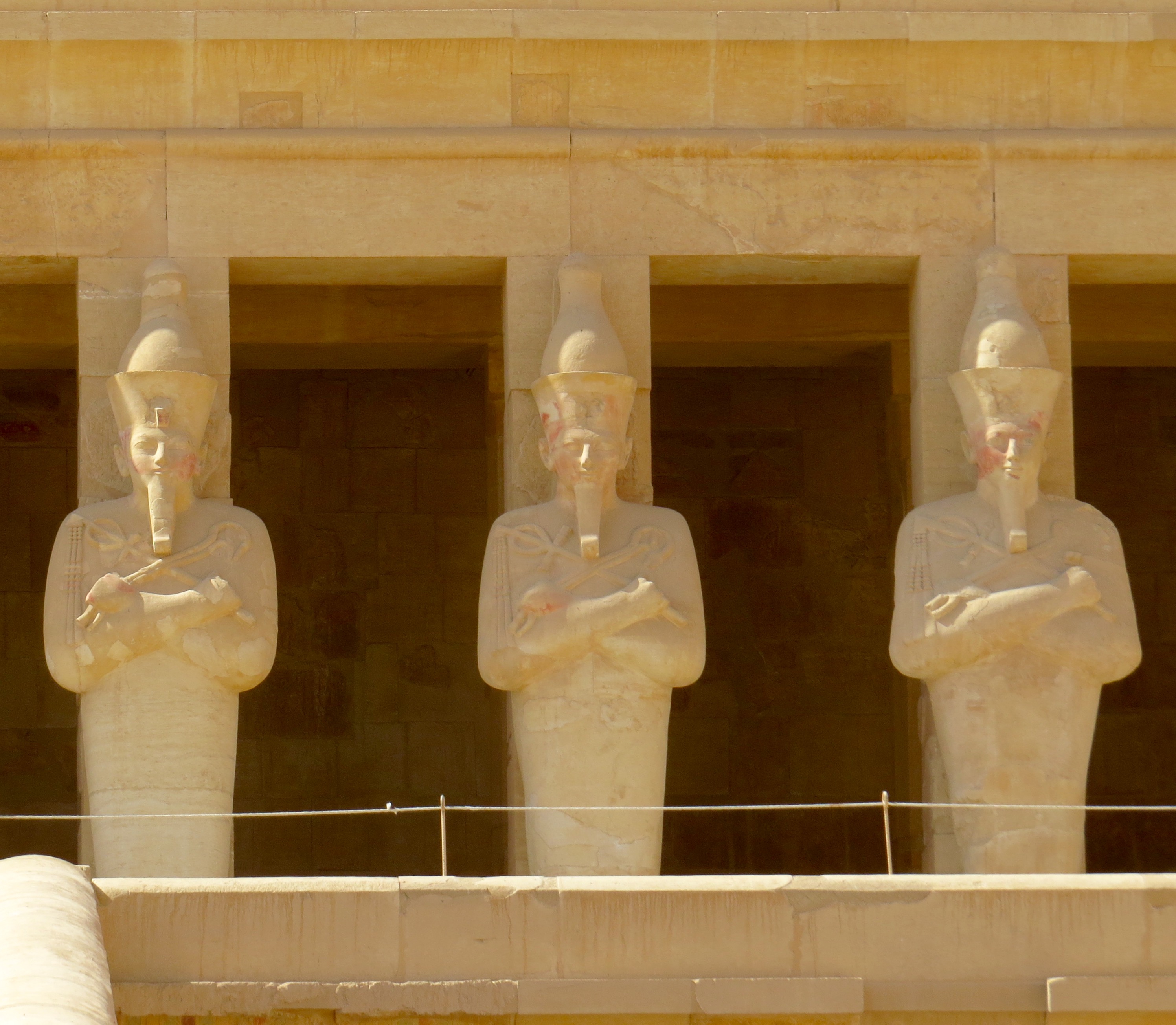
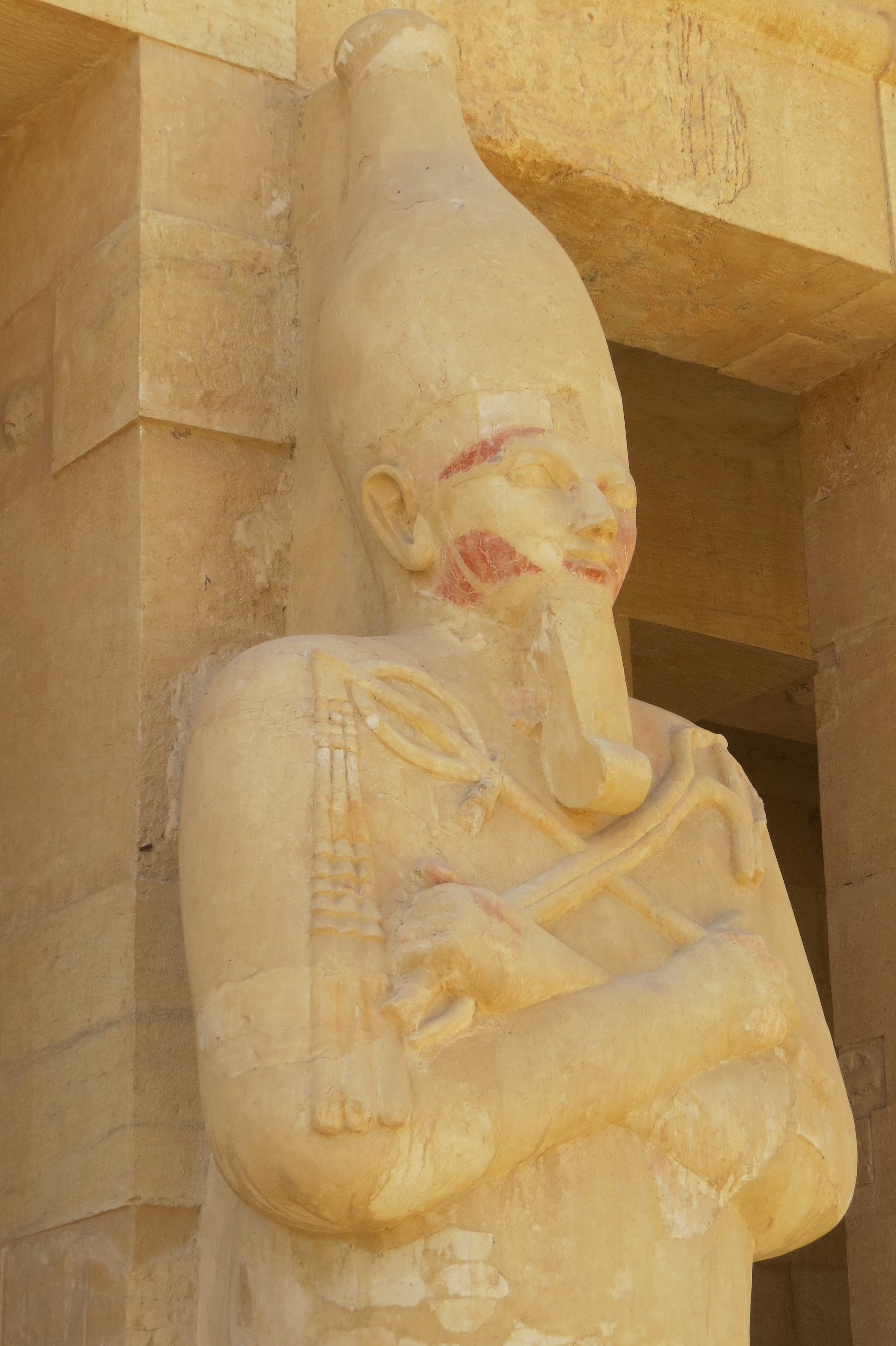
The terraced temple of Queen Hatshepsut (built c. 1470 bce), was uncovered (1894–96) beneath monastery ruins and subsequently underwent partial restoration. A fuller restoration of the third terrace, sanctuary was started in 1968 by a Polish archaeological  mission.  The temple was built with statuary, reliefs and inscriptions with her burial chamber carved out of the cliffs which form the back of the building.


A pregnant Hatshepsut, wearing
her false Pharaoh’s beard

In all her projects, campaigns, and policies she relied on the advice and support of one of her courtiers, a man named Senenmut, whose relationship with the queen remains mysterious. Van de Mieroop notes that, “he was a man of undistinguished birth who rose to prominence at court.” I was reminded of Catherine the Great of Russia. Leadership can be an isolating, lonely place for a woman. I suspect Hatshepsut, like Catherine, always had a “favourite” at court.

Still, ancient Egyptian culture was very conservative, and efforts to erase Hatshetsup from history were ultimately successful.  Her name was erased from her monuments to remove all evidence of her reign. Later scribes never mention her and her many temples and monuments were often attributed to later pharaohs.

Her rediscovery is a great story in itself.  Her existence only came to light fairly recently in history when the orientalist Jean-Francois Champollion (1790-1832 AD), most famous for deciphering the Rosetta Stone, found he could not reconcile hieroglyphics indicating a female ruler with statuary obviously depicting a male. Until these hieroglyphics were found in the inner chambers of Hatshepsut’s temple at Deir el-Bahri; all public recognition of her had been erased.

In 1903, Howard Carter, the British archeologist made famous by his discovery of the tomb of Tut Ankh Amen nearly two decades later, had discovered a tomb (KV60) in the Valley of the Kings with funerary furniture believed to be Hatshepsut’s.  The tomb also contained two female mummies, one identified as Hatshepsut’s wetnurse, and the other unidentified.

In the spring of 2007, the unidentified body was finally removed from the tomb by Dr. Zahi Hawass and brought to Cairo’s Egyptian Museum for testing. This mummy was missing a tooth, and the space in the jaw perfectly matched Hatshepsut’s existing molar, found in the DB320 canopic jar.

“The discovery of the Hatshepsut mummy is one of the most important finds in the history of Egypt,” Mr Hawass said. “Her reign during the 18th dynasty of ancient Egypt was a prosperous one, yet mysteriously she was erased from Egyptian history. Our hope is that this mummy will help shed light on this mystery and on the mysterious nature of her death.”

The full story:

https://www.theguardian.com/world/2007/jun/27/egypt.science?CMP=share_btn_link

Sadly, Hatshepsut’s death due to bone cancer may have been the result of her use of a carcinogenic skin lotion, not only underscoring her femininity and humanity, but also her timelessness.  Ideals of beauty and eternal youth are no less predominant today than they were 3,500 years ago.

Hatshepsut seated, a profoundly
feminine depiction, at the Met.
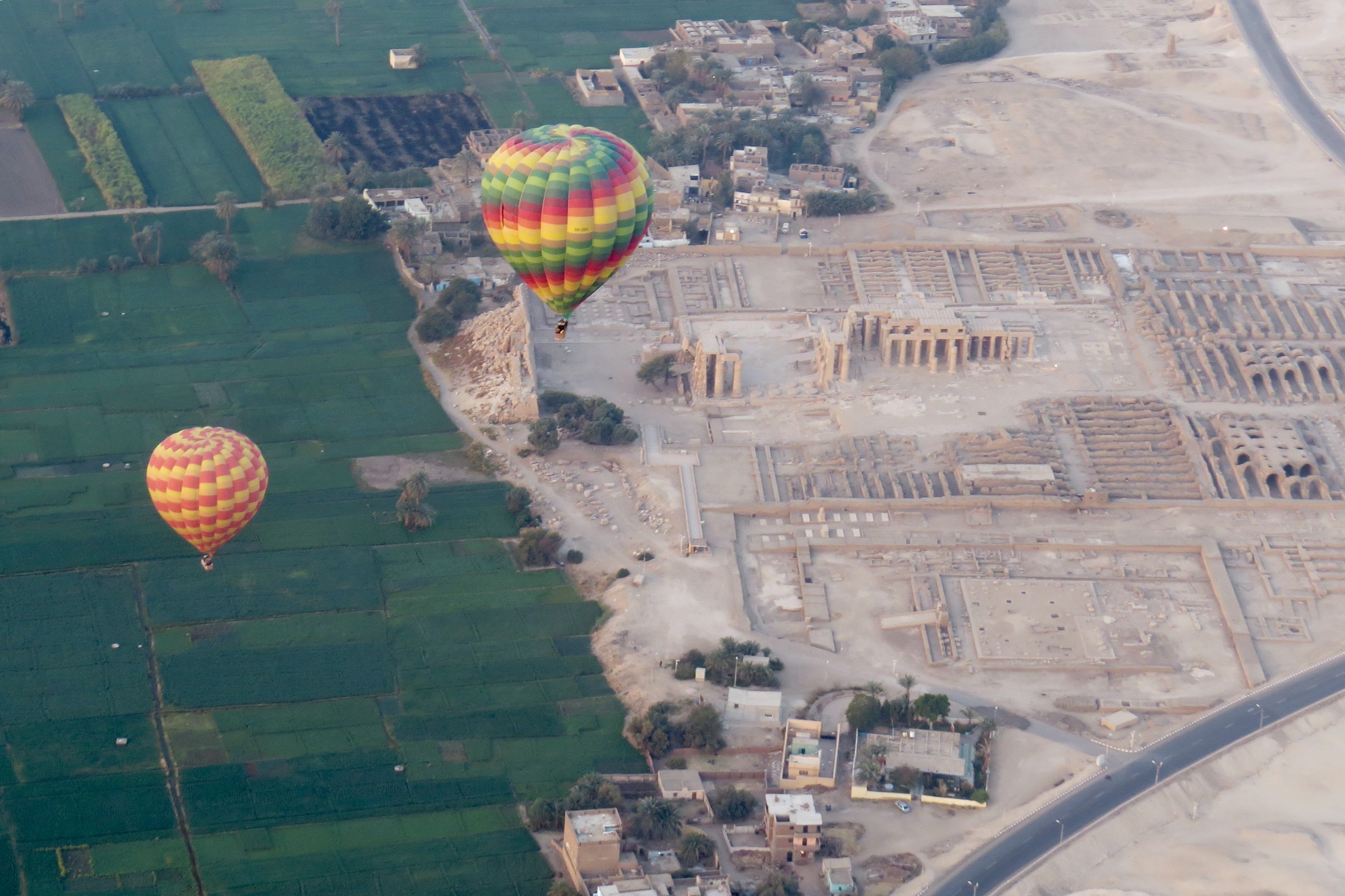
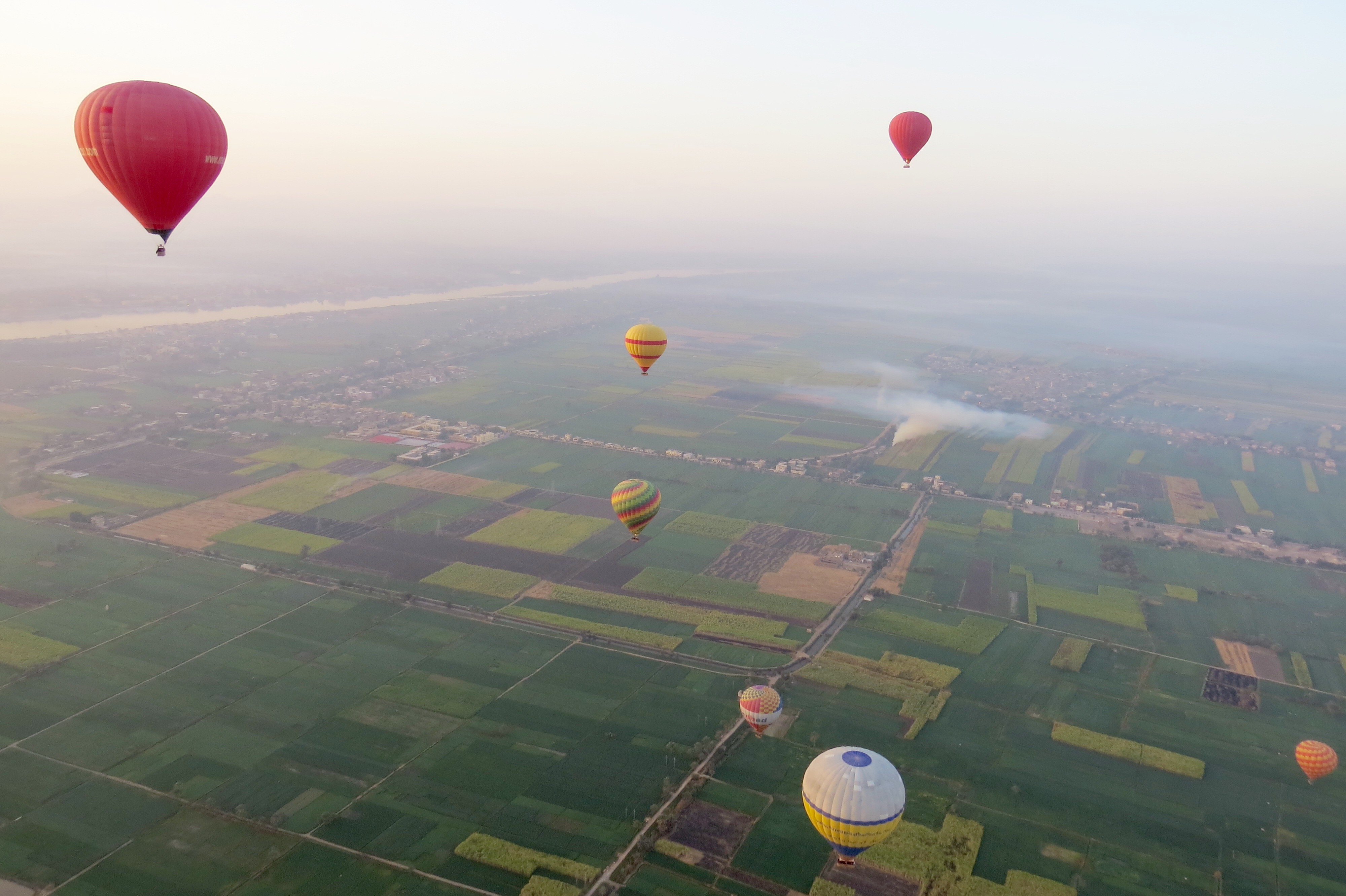
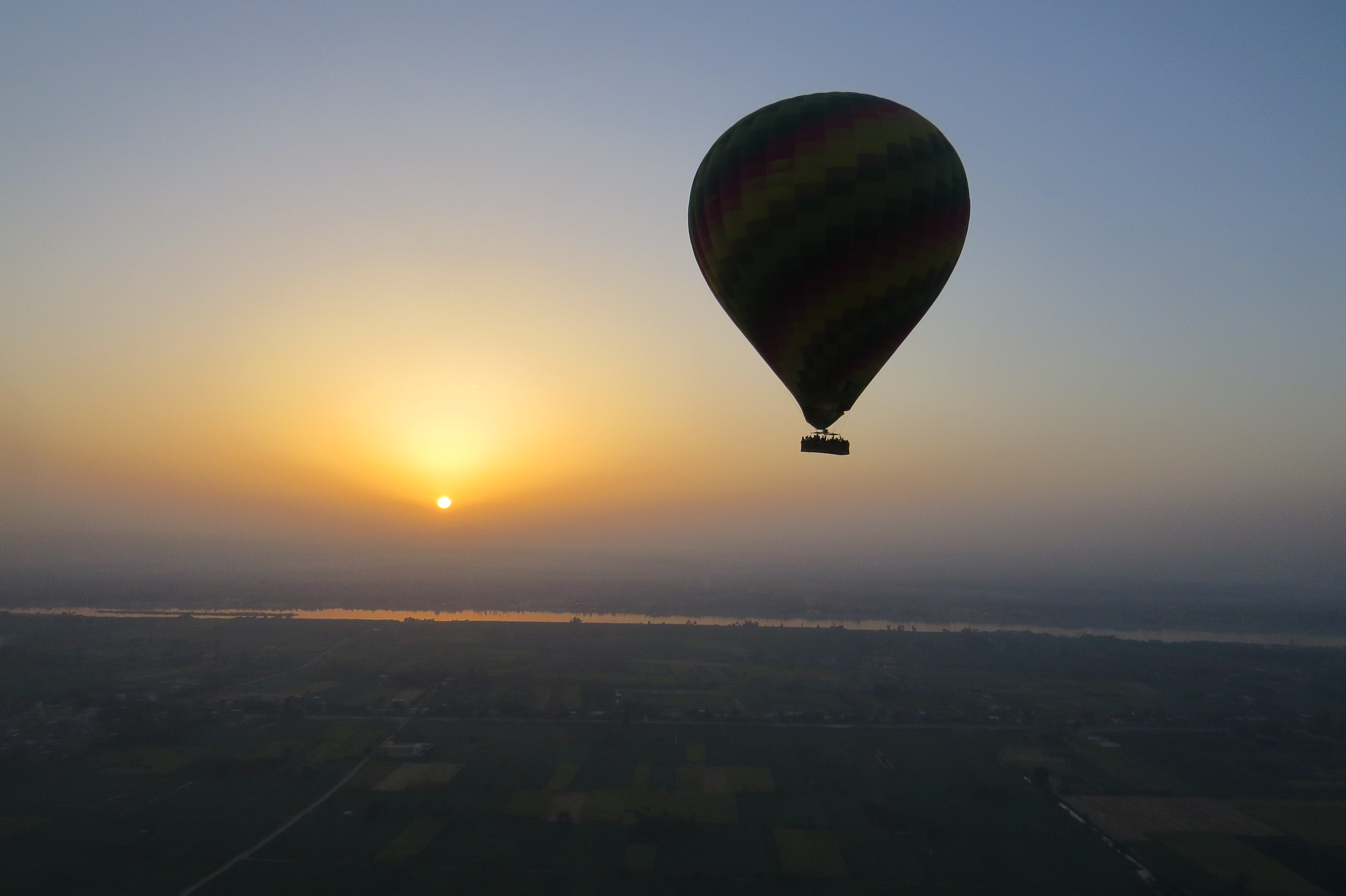
Aerial view, at dawn

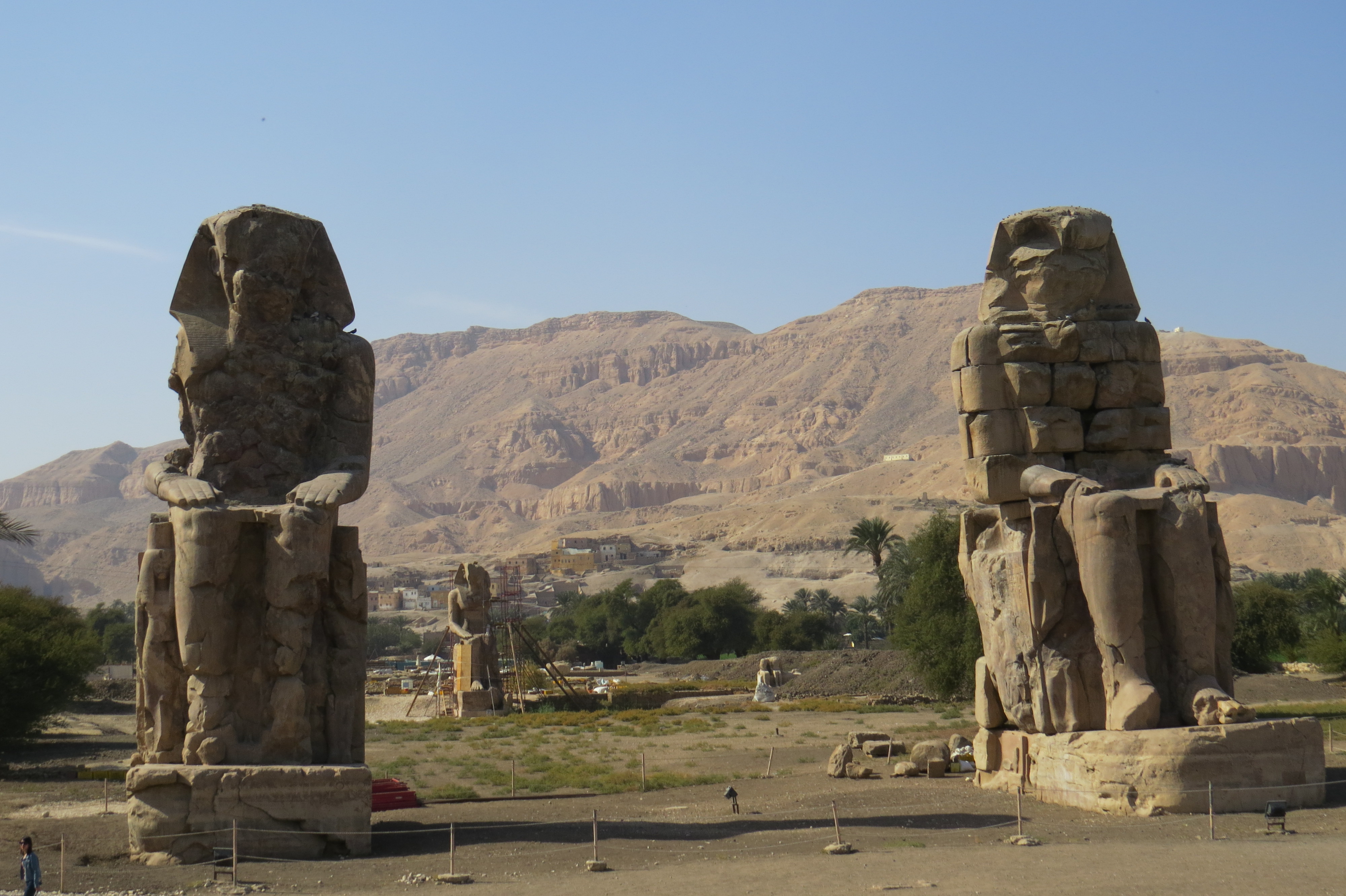
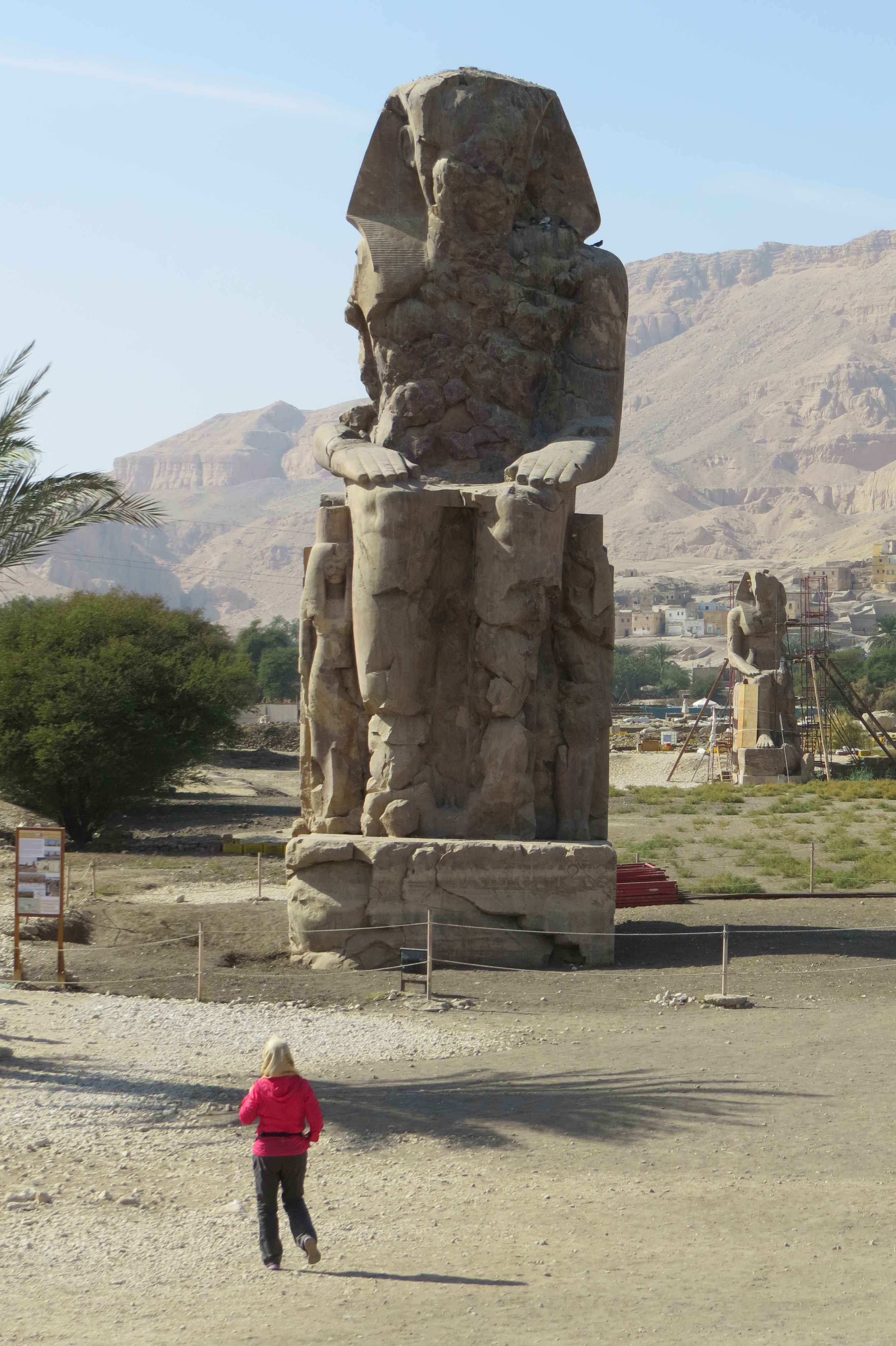
Shortly after leaving Hapshetsut’s magnificent temple, we stopped to see the Colossi of Memnon.  More Ramses II colossi?  No!  These depict Amenhotep III who reigned from 1389 – 1351 BCE.  60 feet tall, these are believed to have guarded Amenhotep’s mortuary, a temple which was even larger than Karnak in its day.  Other statues are being discovered on the site; one can be seen in the background of the second image.  The statues were damaged in an ancient eathquake and since ancient times the statues reportedly burst into “song” from time to time.   Considered good luck, we hoped to hear the sound, but it was not to be today.  We felt pretty lucky anyway.

Best,

Jan
Alabaster and Other Gems

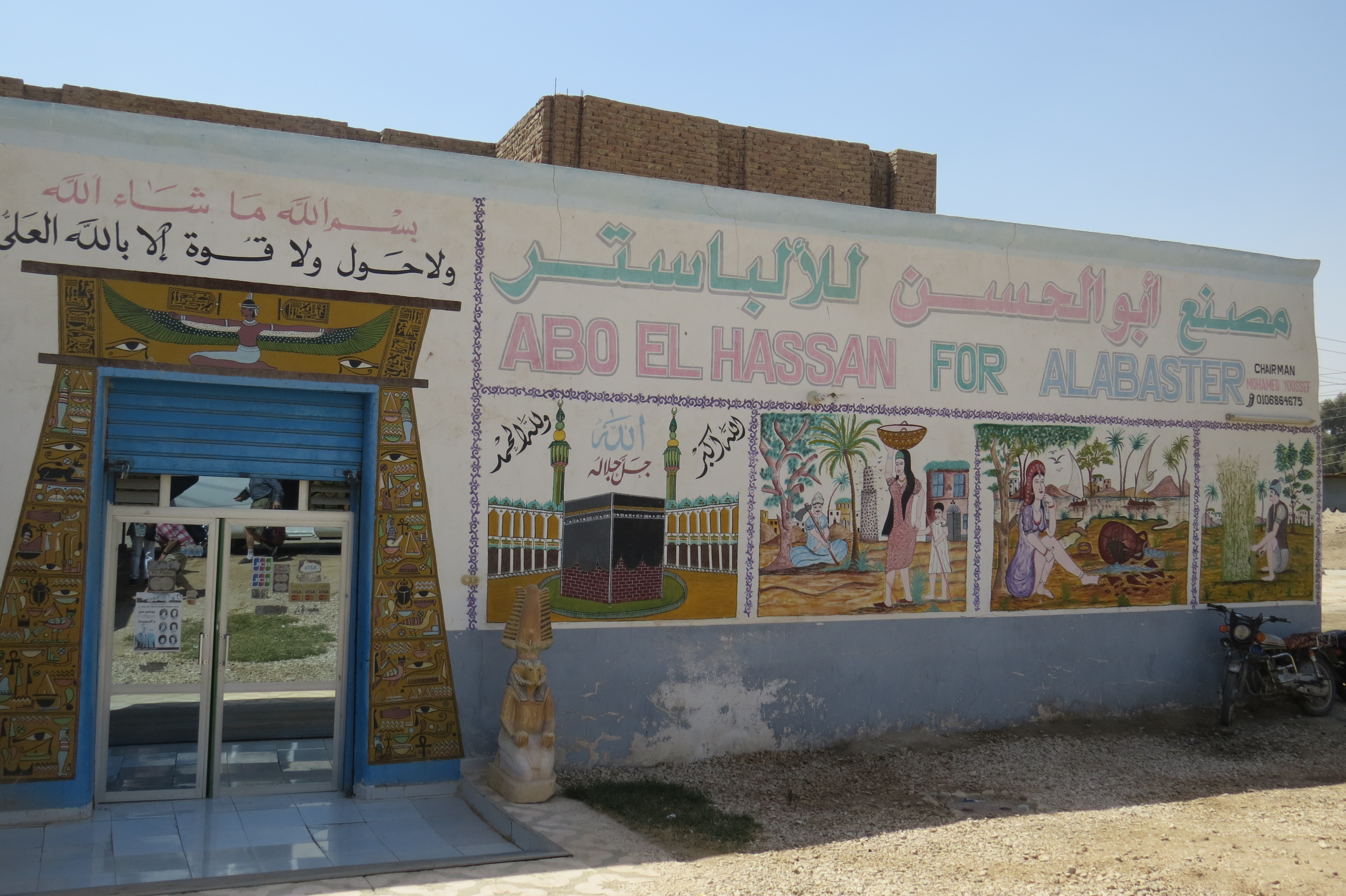
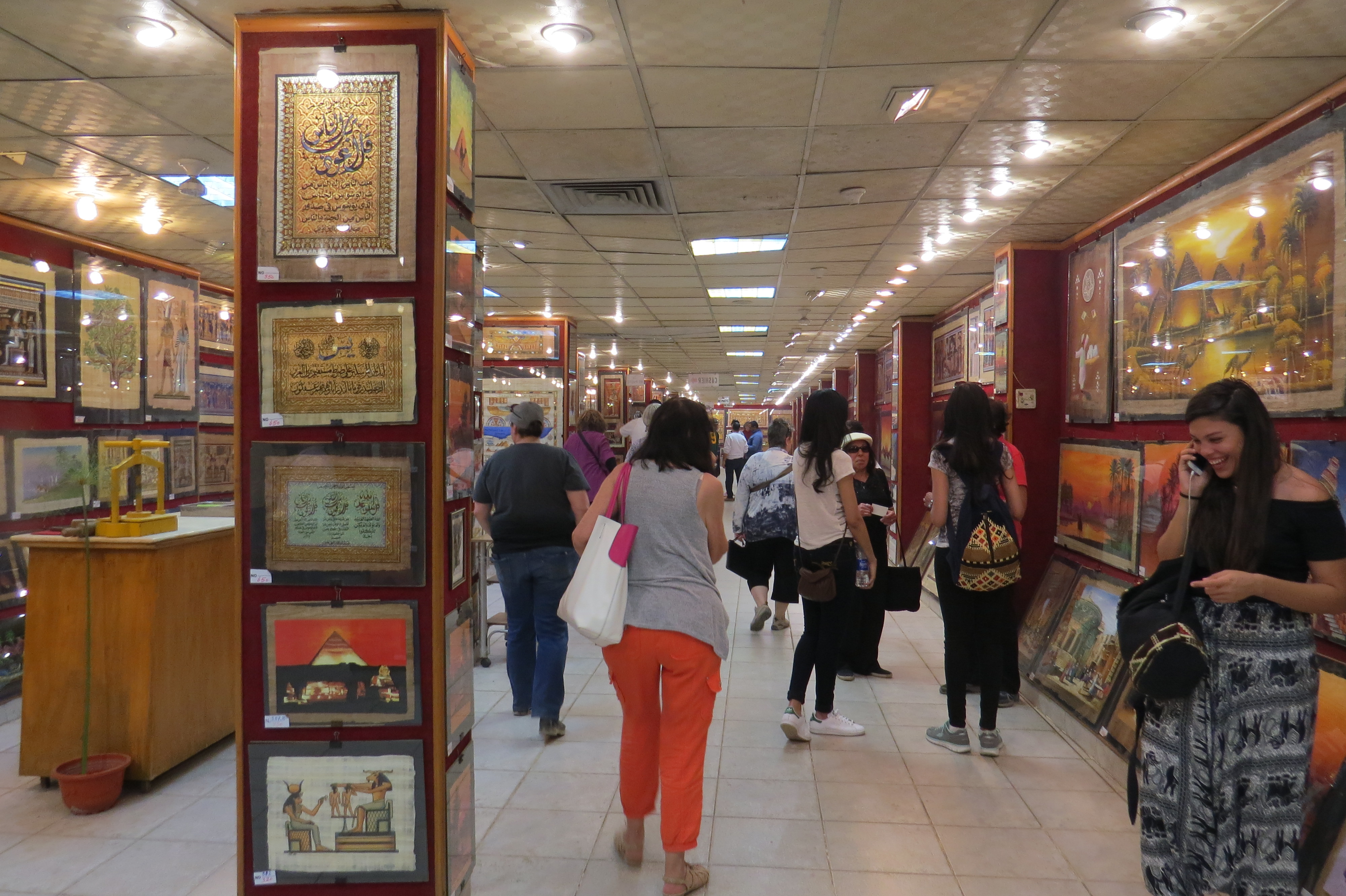
In addition to several guided tours through various markets, Waleed took us to wonderful shops carrying all of Egypts finest exports – cotton, fragrances, jewelry, rugs, alabaster marble and papyrus.

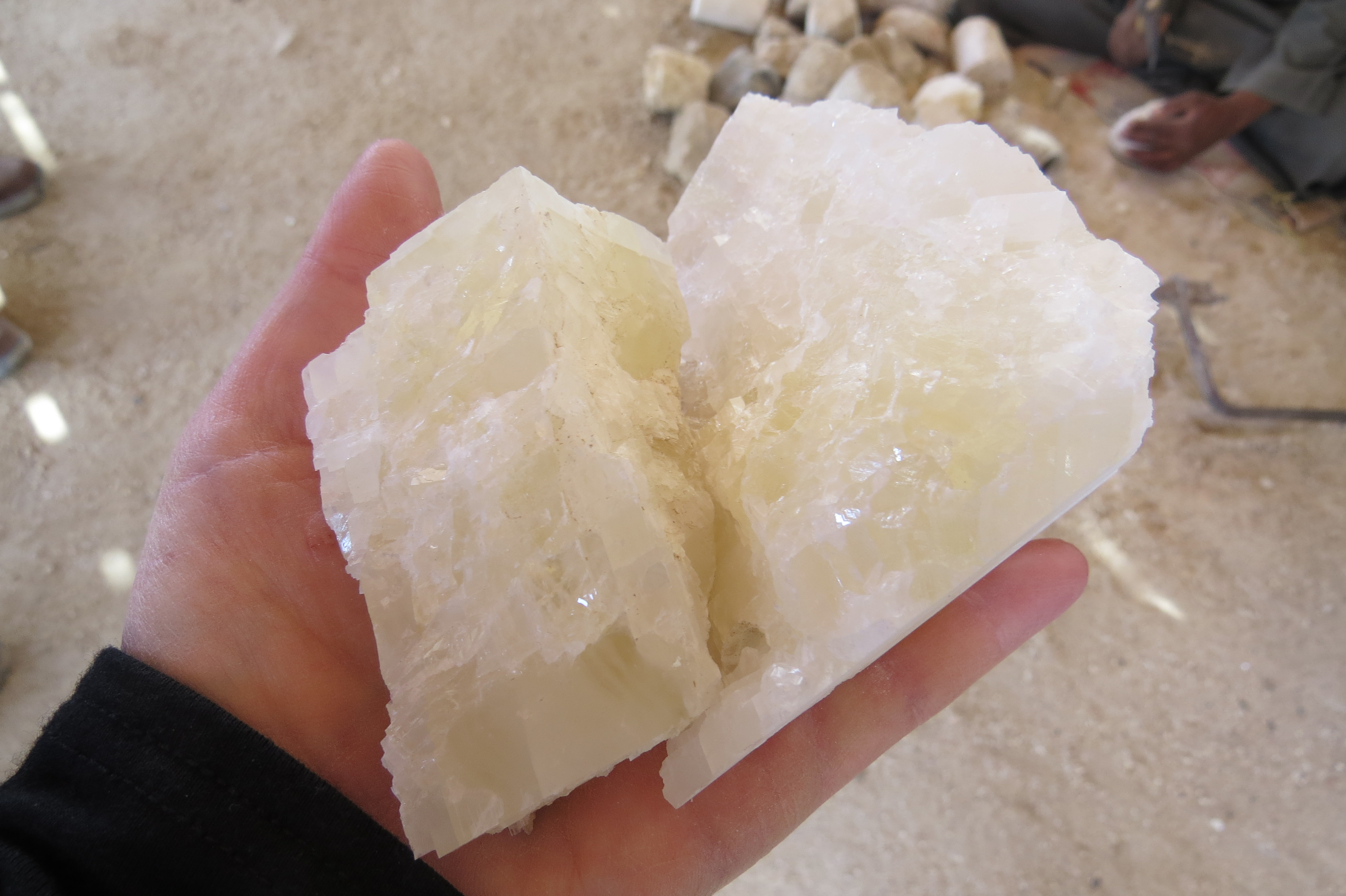
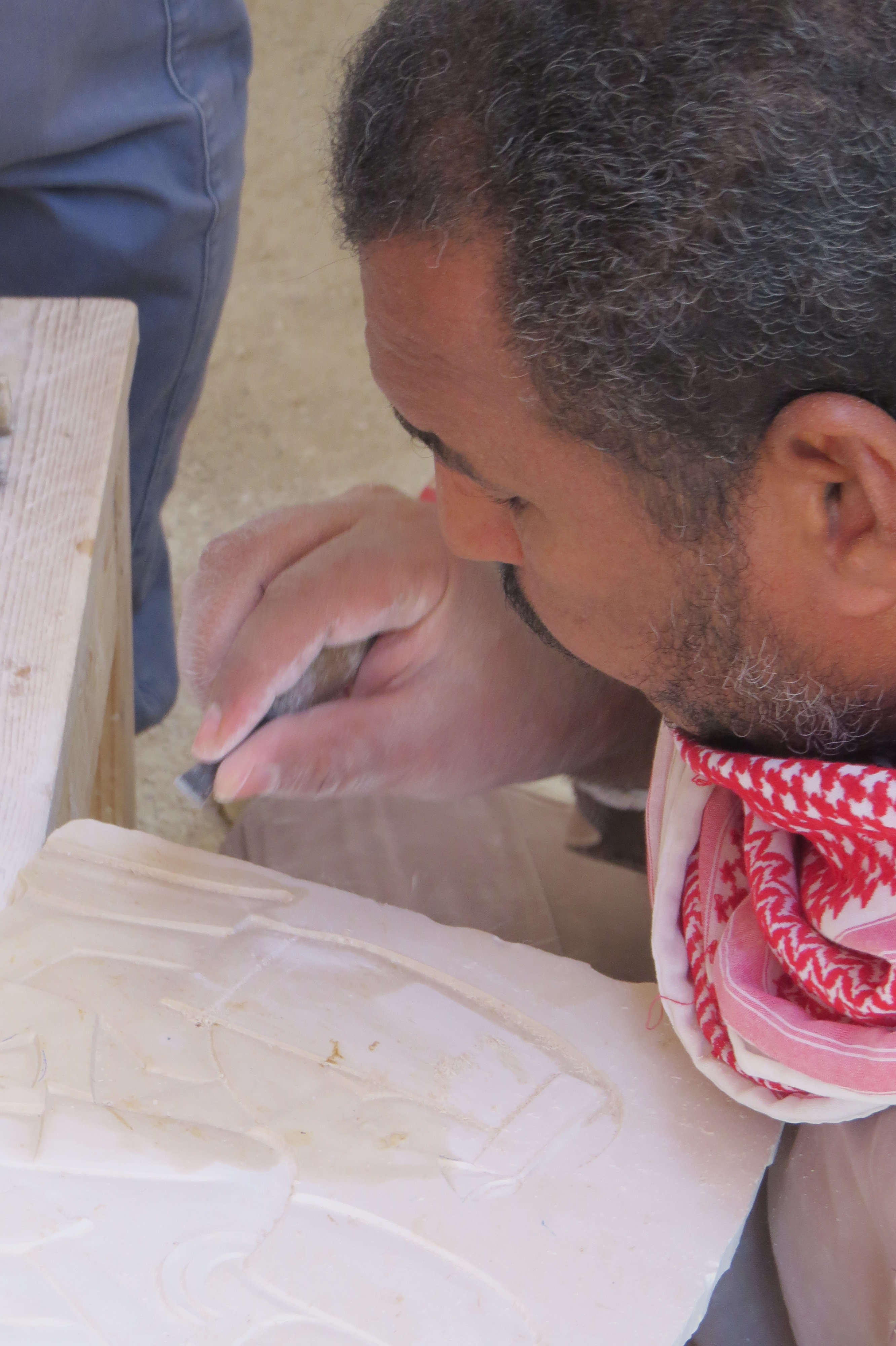
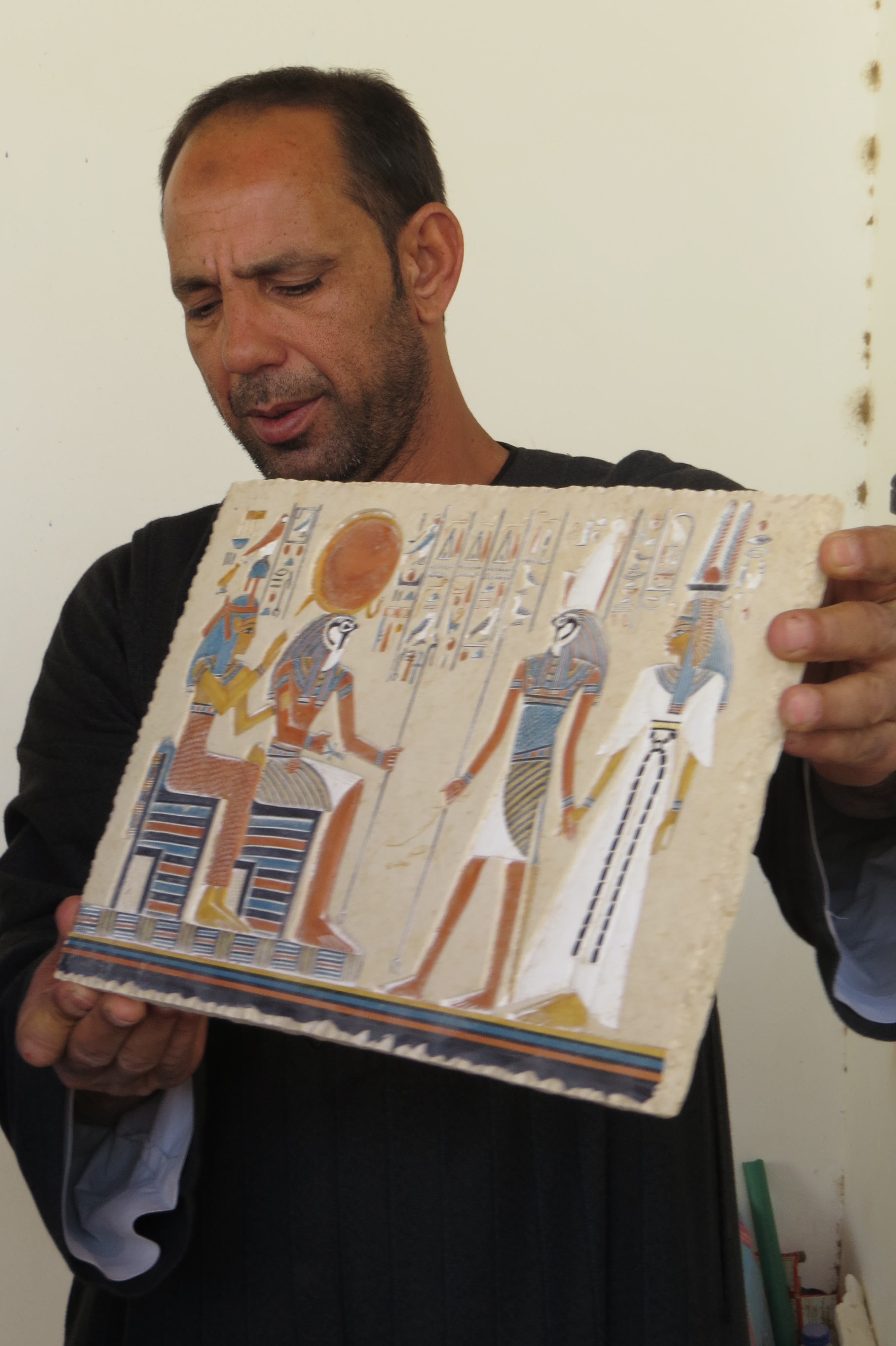
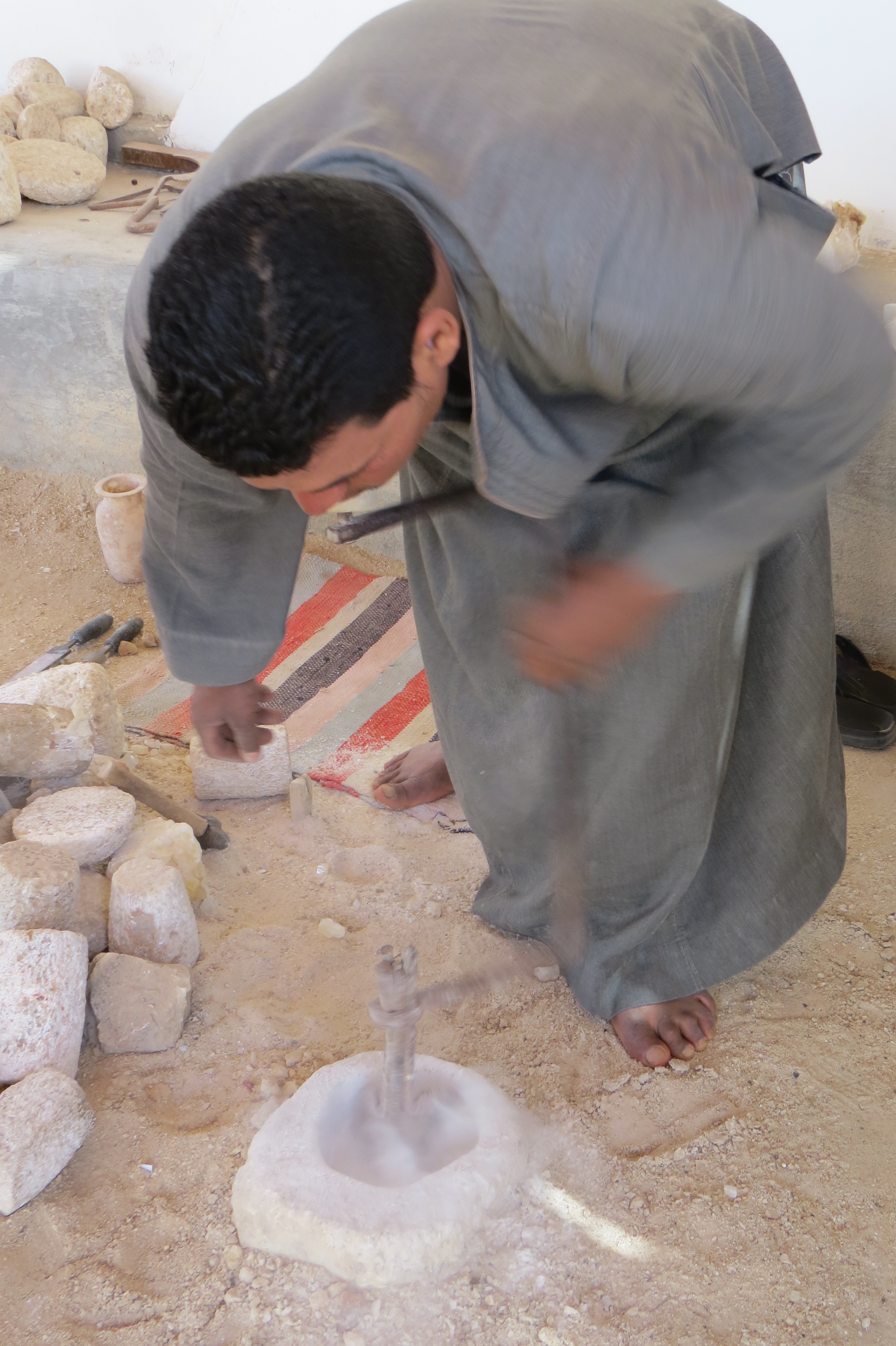
The alabaster shop we visited first demonstrated their craft – carving reliefs, and using stone to carve the marble.

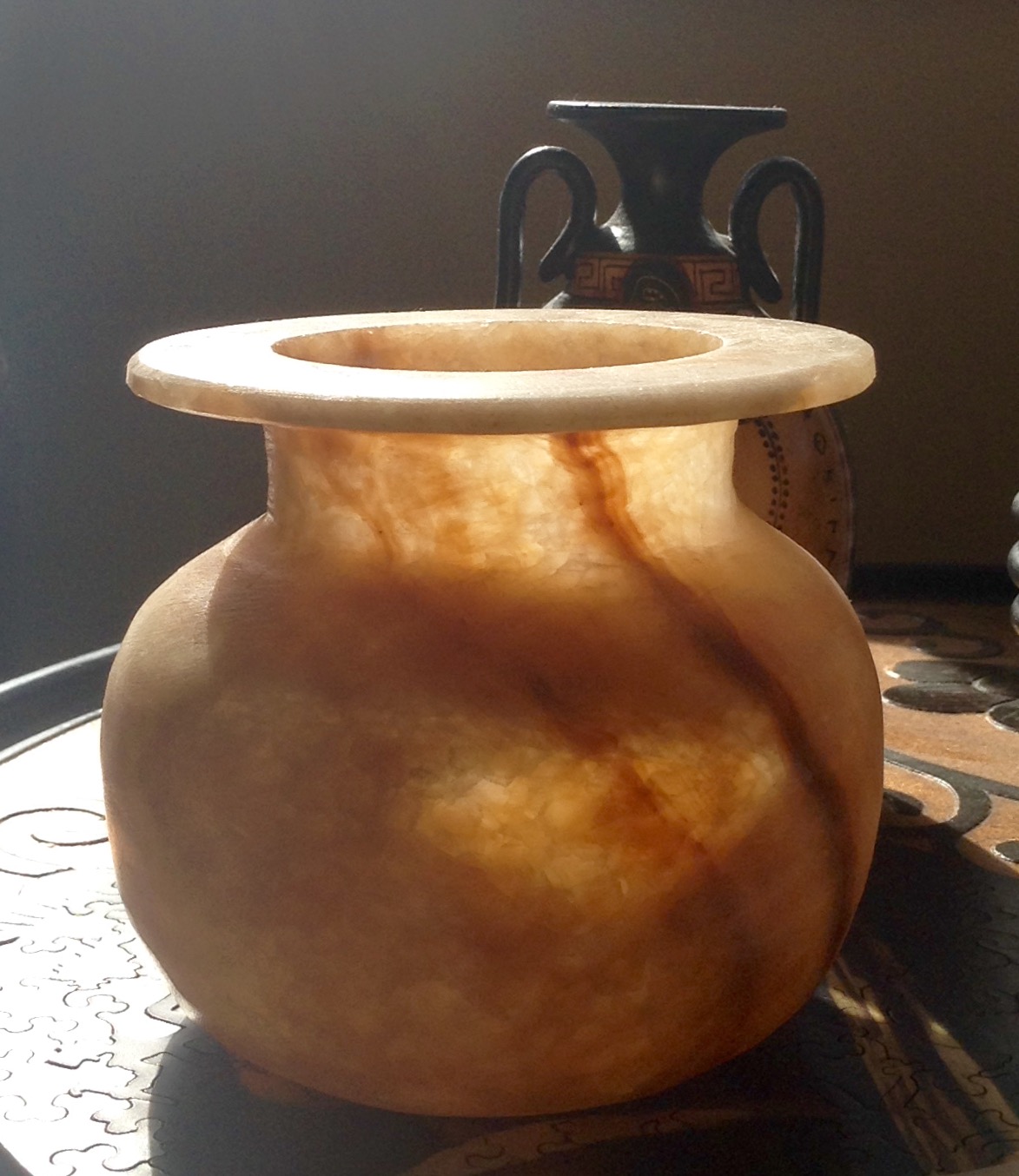
Light glows through the beautiful alabaster:

<><><><><><><><><><><><><><><><><><><><><><><><><><><><><><><><><><><><>

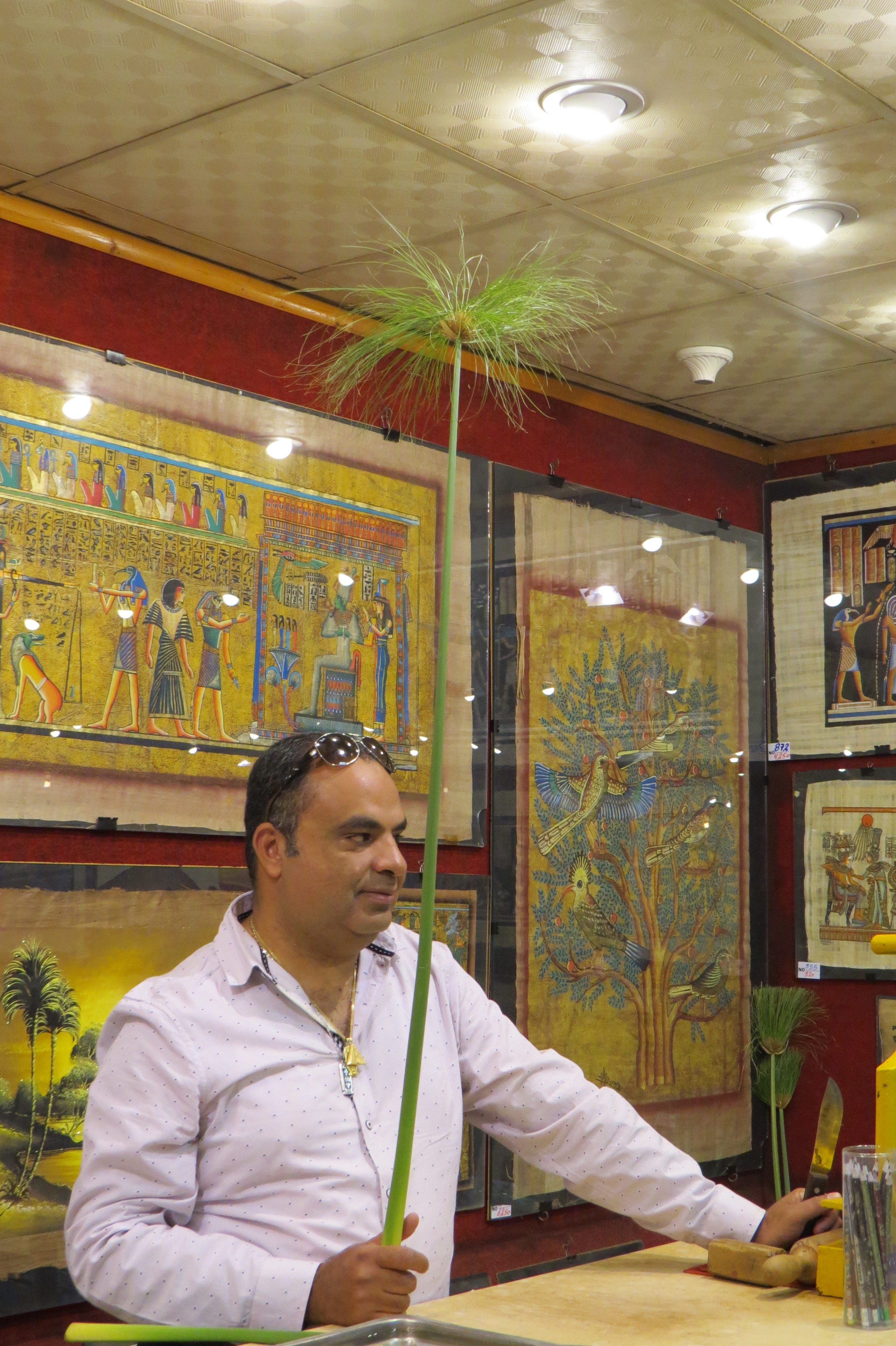
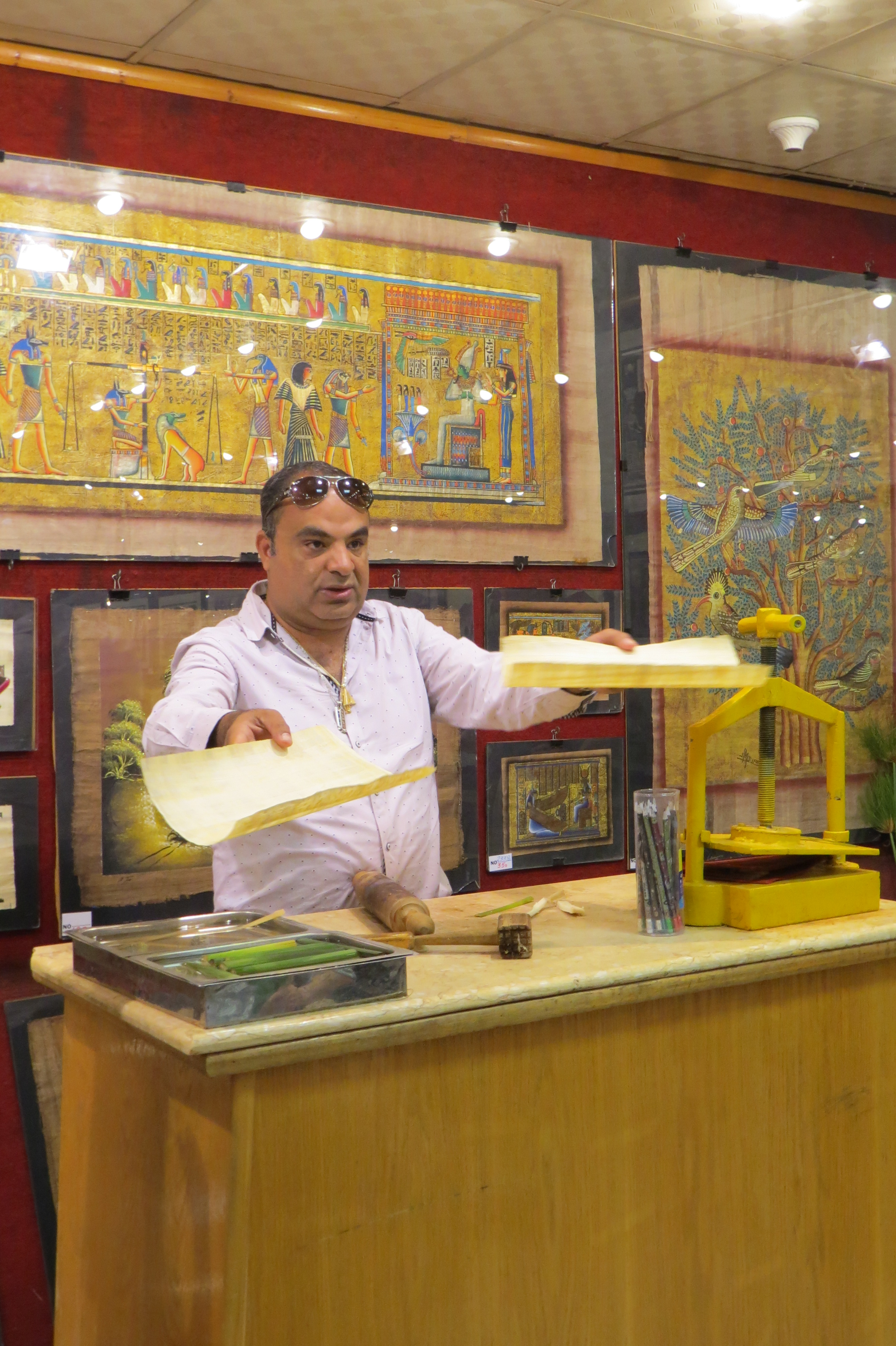
At the Papyrus shop, Waleed demonstrated the method to make paper of papyrus – essentially, grow, pick, soak, layer and press:

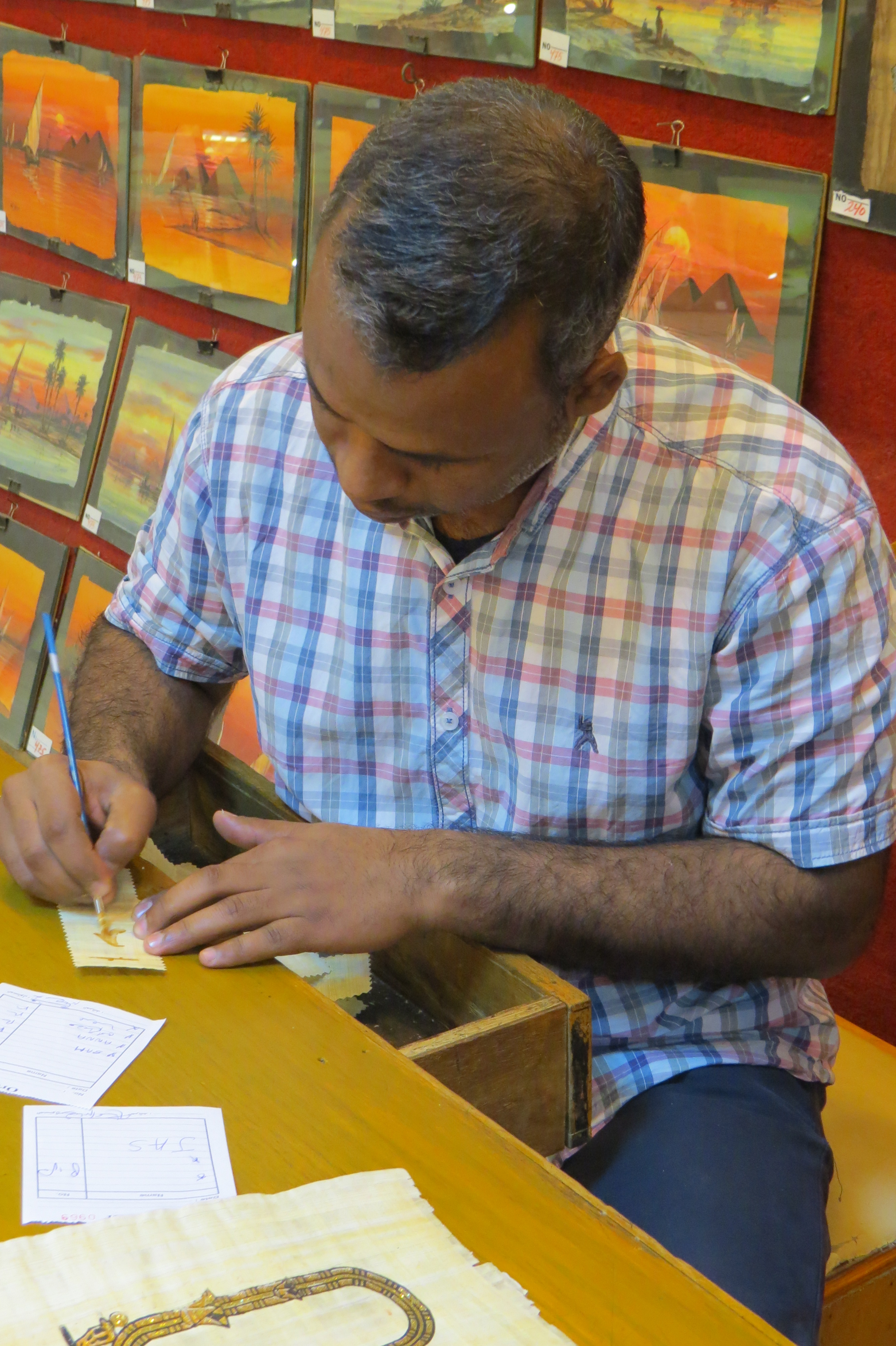
Bookmarks are drawn in hieroglyphs as simply as we write our own alphabet:

<><><><><><><><><><><><><><><><><><><><><><><><><><><><><><><><><><><><><>

At breakfast one glorious Luxor morning, Diane, retired teacher, dropped a gem on Nancy and I, each enthused camel riders, when she asked, “Do you know the Alice the Camel song?”

We did not.

She rose, paused emphatically, and began (we now know to be) the traditional interpretation of the song using voice and movement.  As the lyric became apparent, we, of course, joined in, much to the delight of other unenlightened restaurant patrons.  Priceless!

<><><><><><><><><><><><><><><><><><><><><><><><><><><><><><><><><><><><><>

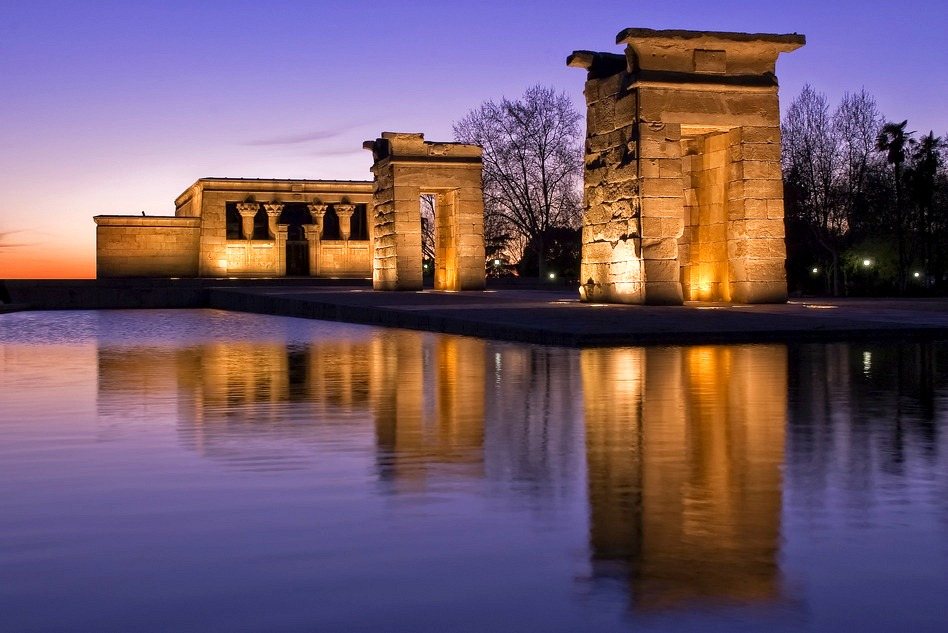
How did I miss this Egyptian gem in Madrid? Debod Temple is an ancient Egyptian temple which was rebuilt in Madrid. It is an authentic Egyptian temple built in the 2nd century BCE, at the village of Devod, south of Aswan.

In 1960, due to the construction of the Great Dam of Aswan and the consequent threat posed to several monuments and archeological sites, UNESCO made an international call to save this rich historical legacy. As a sign of gratitude for the help provided by Spain in saving the temples of Abu Simbel, the Egyptian state donated the temple of Debod to Spain in 1968.  It was dismantled and erected in Parque del Oeste, near the Royal Palace of Madrid.

Beautiful against an amethyst sky:

Temple of Debod

<><><><><><><><><><><><><><><><><><><><><><><><><><><><><><><><><><><><><>

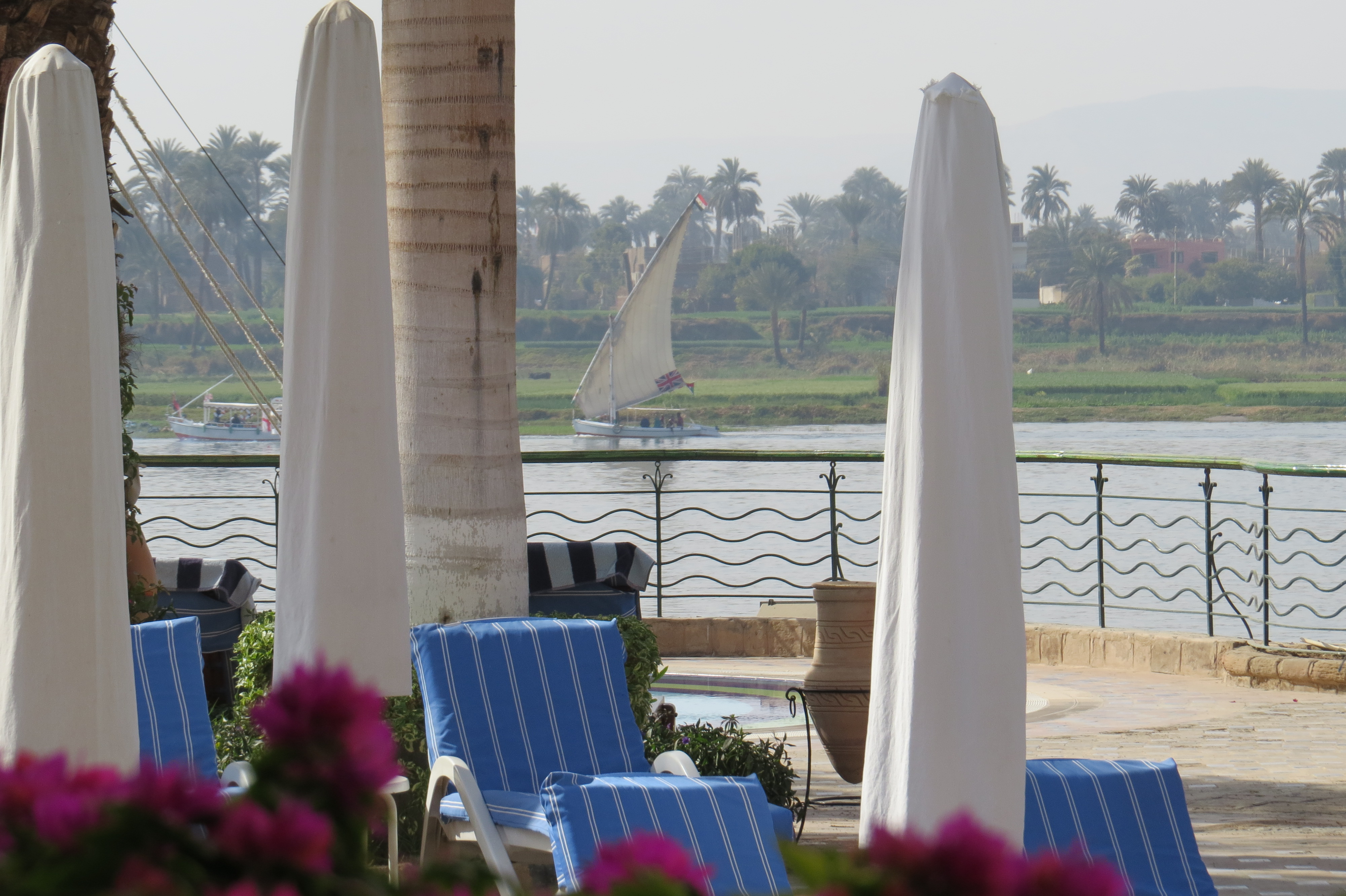
From our beautiful Luxor hotel overlooking the Nile,

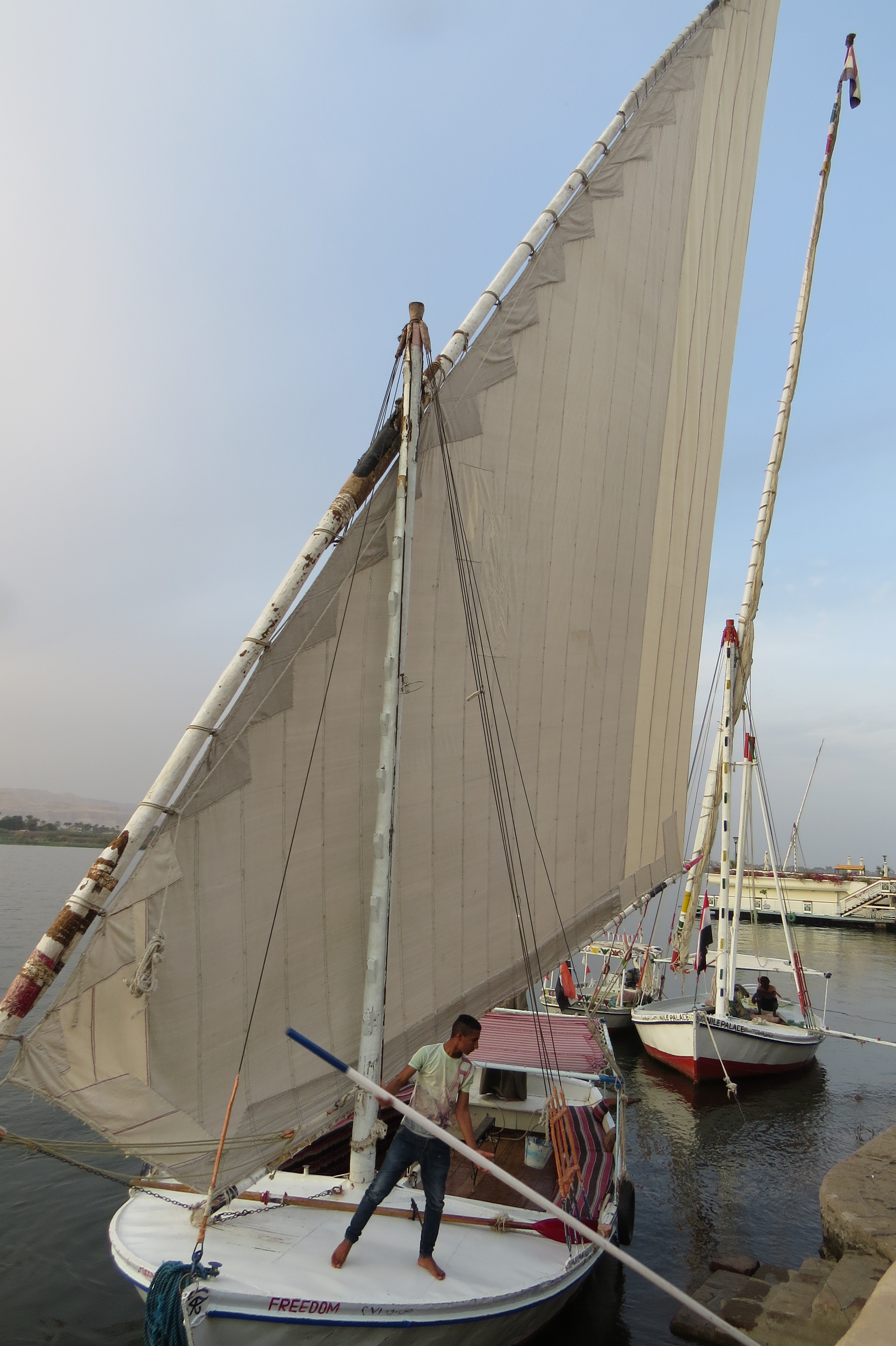
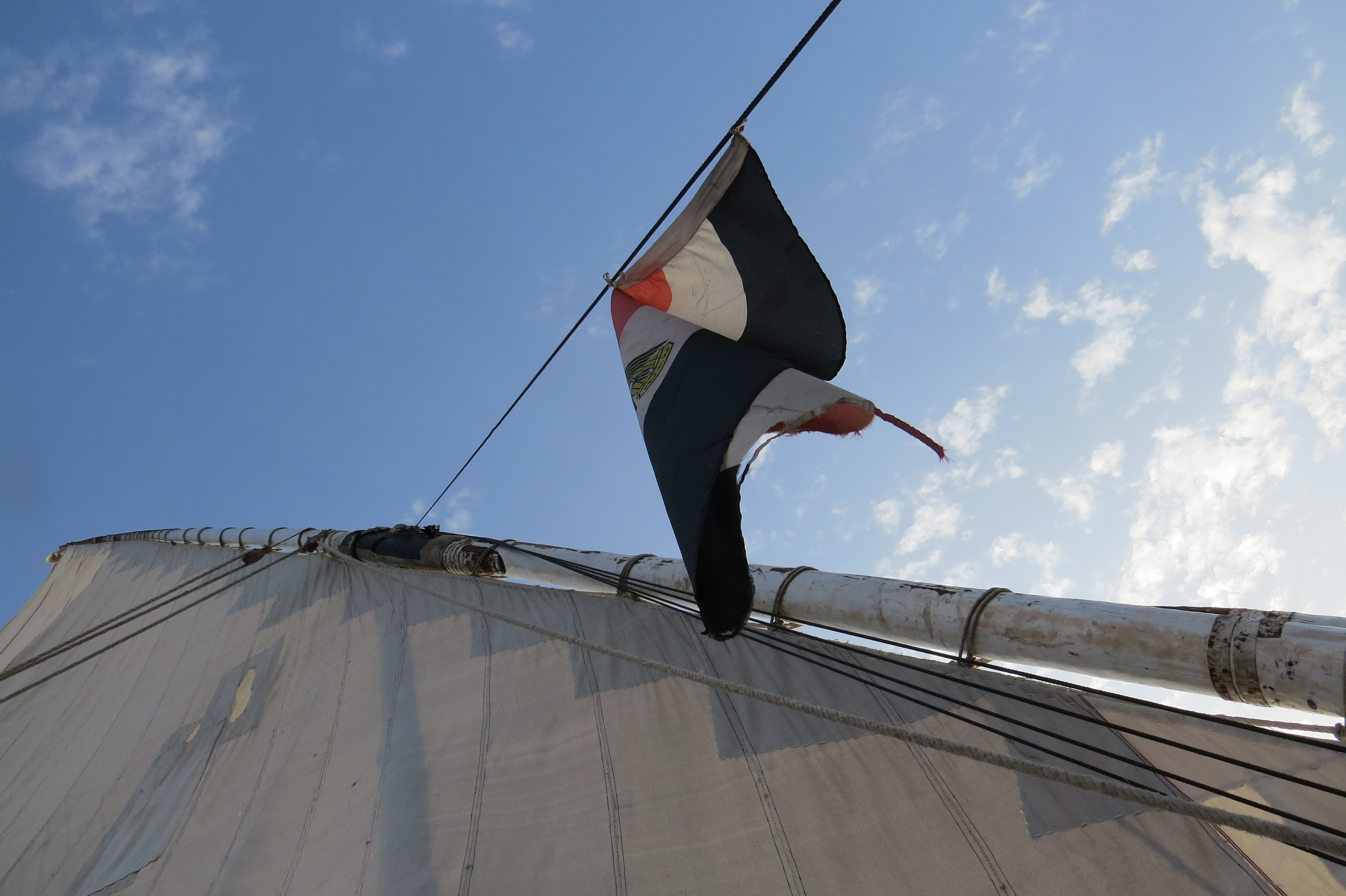
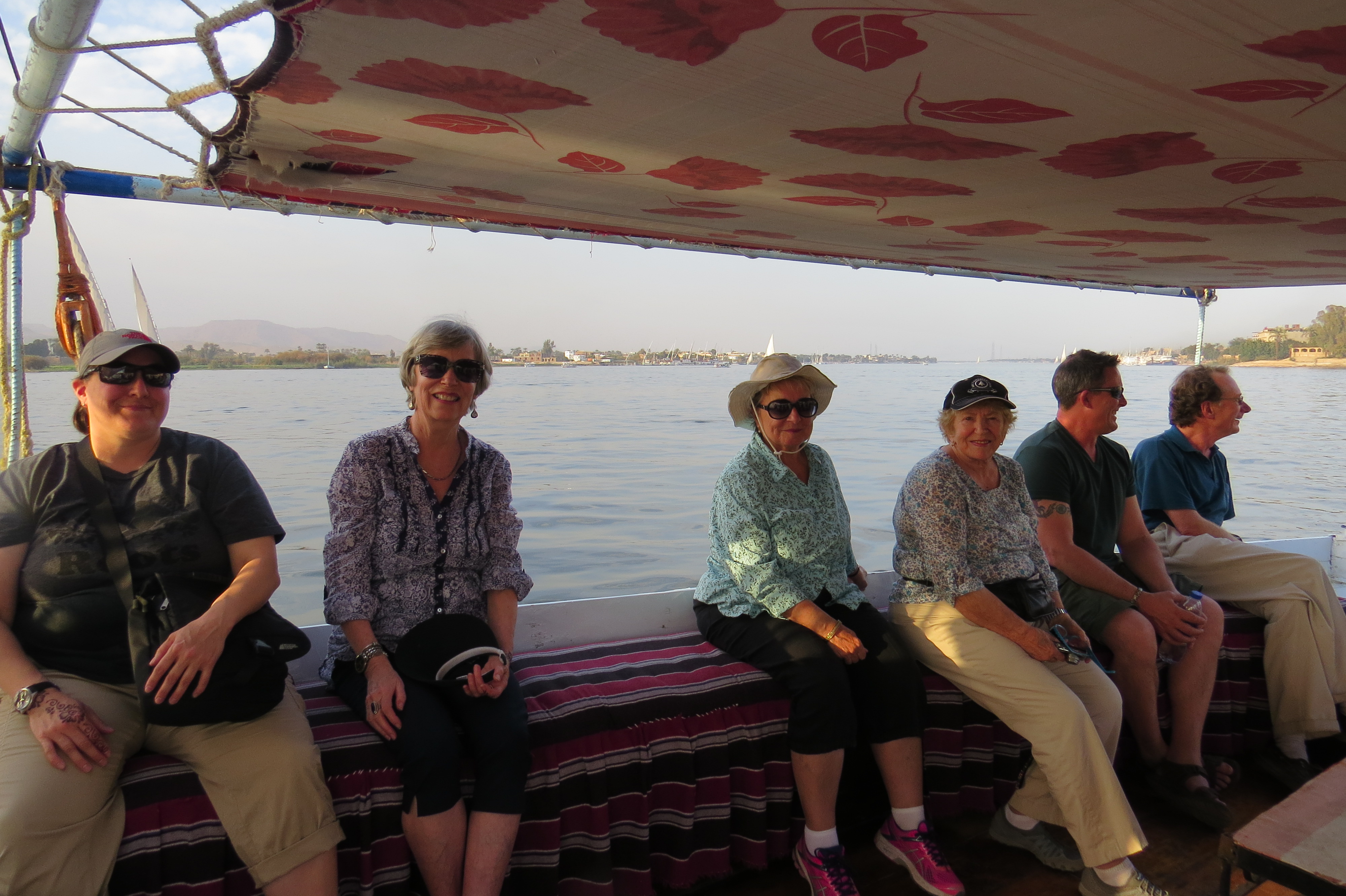
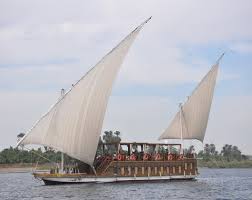
we had a ride on one of the iconic, elegant sailboats that have populated the Nile River for centuries.  There was little wind and it was a short ride, but precious nonetheless.

Best,

Jan
Luxor

The aptly named City of Luxor was the capital of ancient Upper Egypt (then known as Thebes) and quickly became renowned as a centrer for its high social status and luxury and as a center for wisdom, art, and religious and political supremacy.

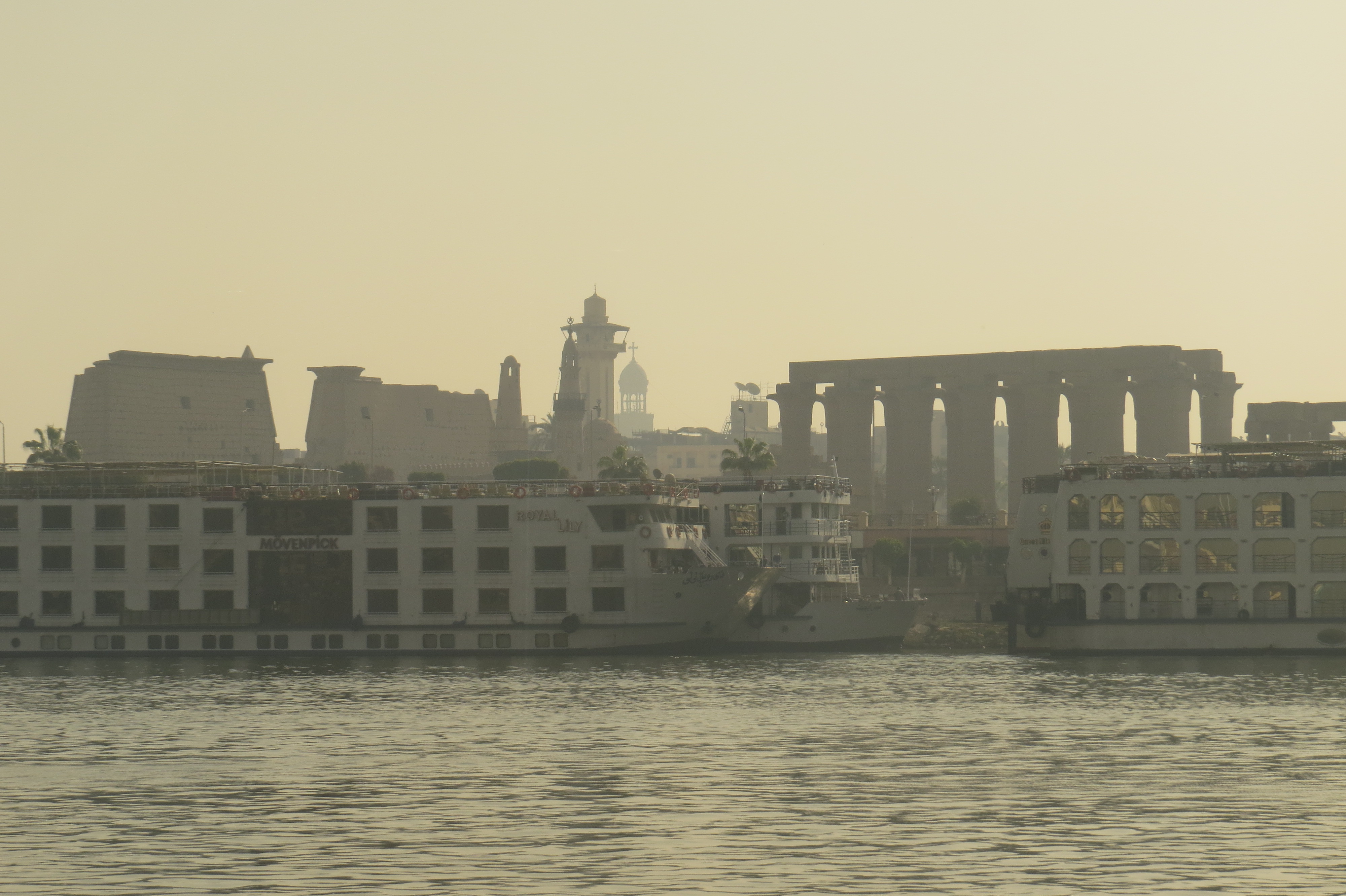
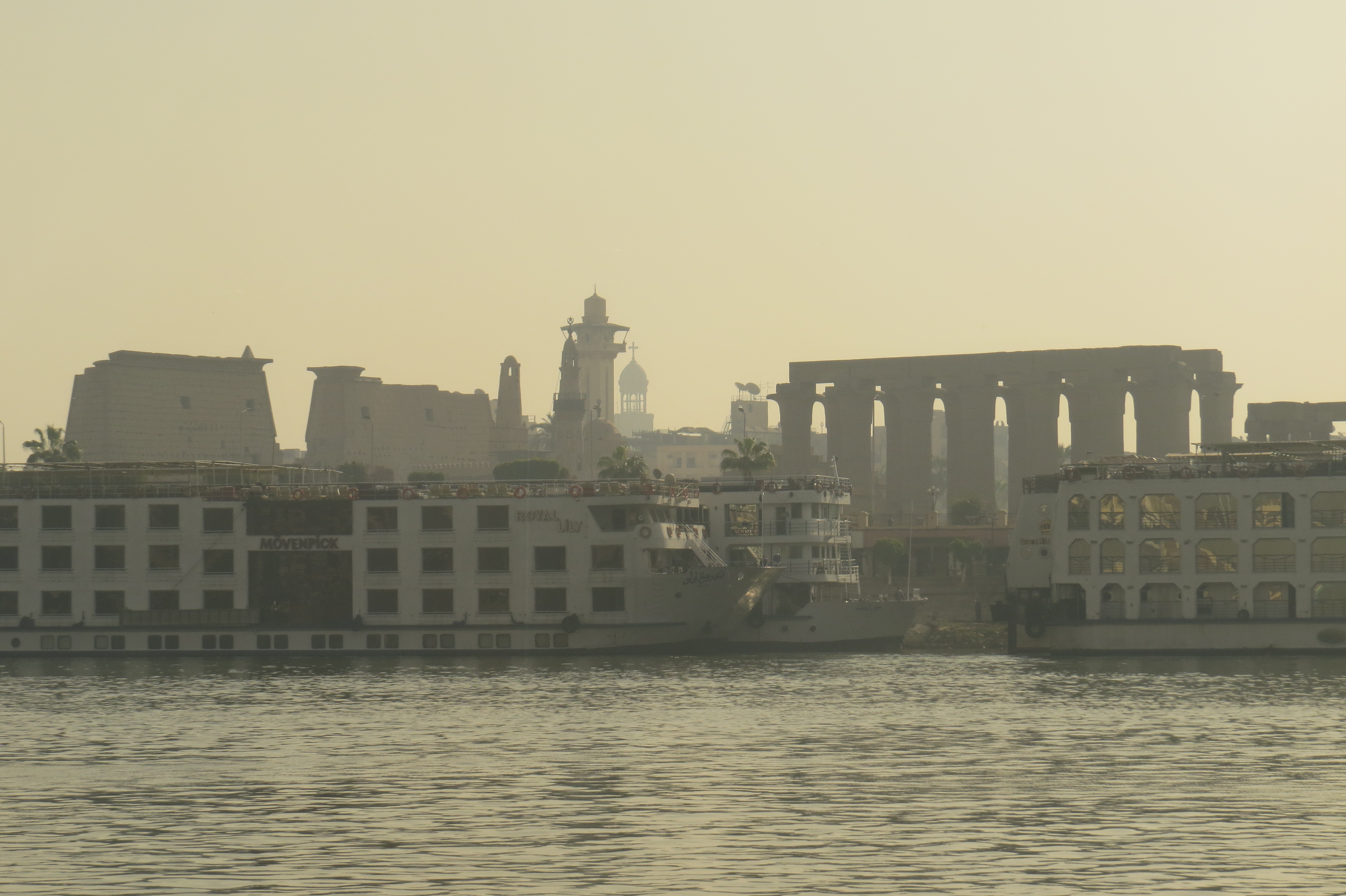
A beautiful city in Upper Egypt today, Luxor is one of the most impressive open-air museums in the world.  With two major temples within the city, Karnak and Luxor, Hatshepsut’s temple among others, and the gateway to the Valley of the Kings and Valley of the Queens, it has been a symbol of wealth and power for thousands of years.  As we pulled into Luxor by ship on the Nile, our first view was the city’s elegant skyline, etched by the ancient Luxor Temple.

Karnak Temple

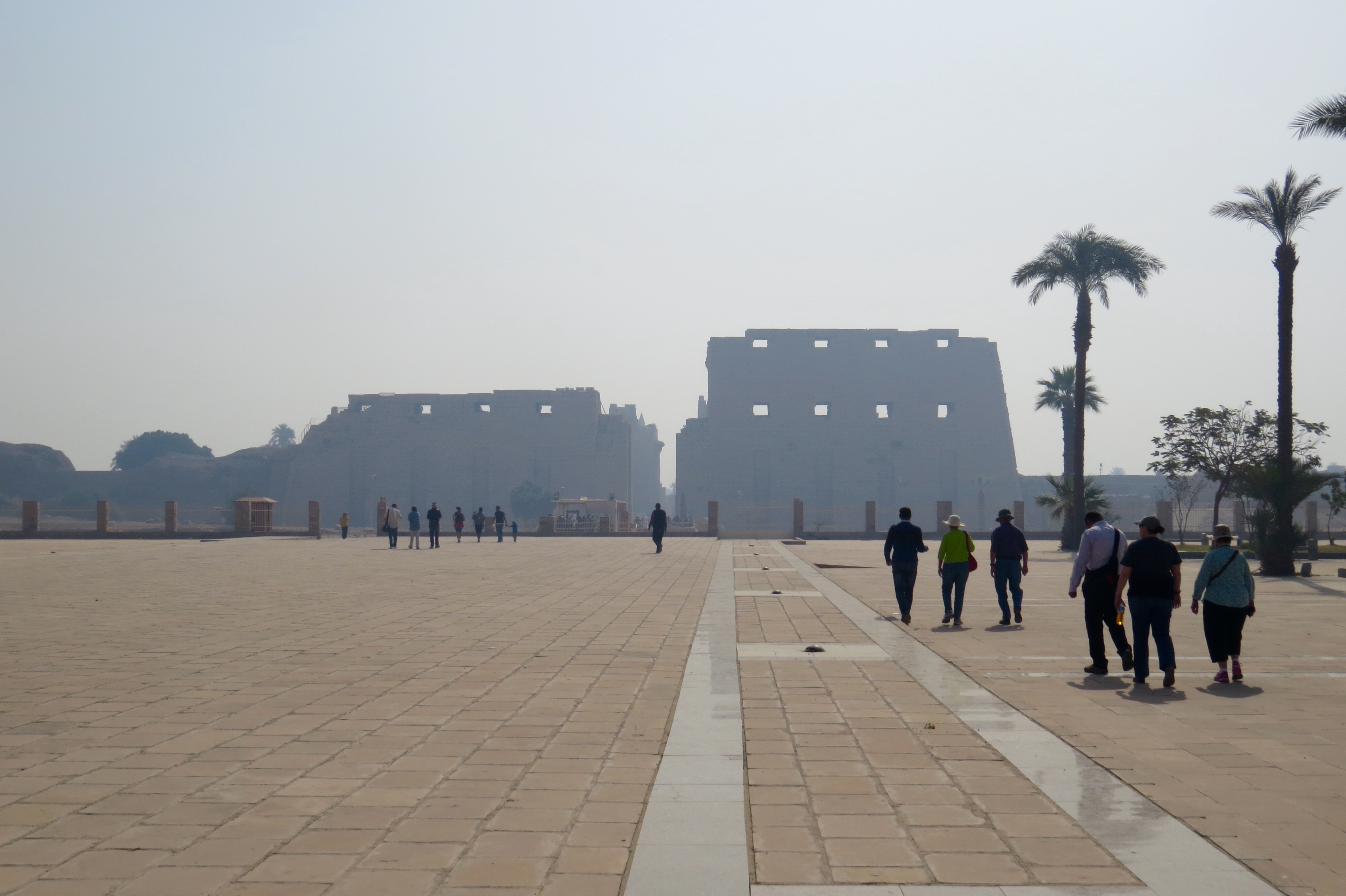
We first visited the magnificant Karnak Temple.  It was built on ancient temple grounds in the Middle Kingdom, the 11th Dynasty, between 2040 and 1782 BCE, and the earliest known artifact found at the temple was from this period.

Major construction didn’t start until the New Kingdom period by Thutmose I in 1492 BCE when Thebes was capital of a unified Egypt.  Thereafter, virtually every Pharaoh wanted to leave a legacy at Karnak Temple and the site is covered with impressive monuments.

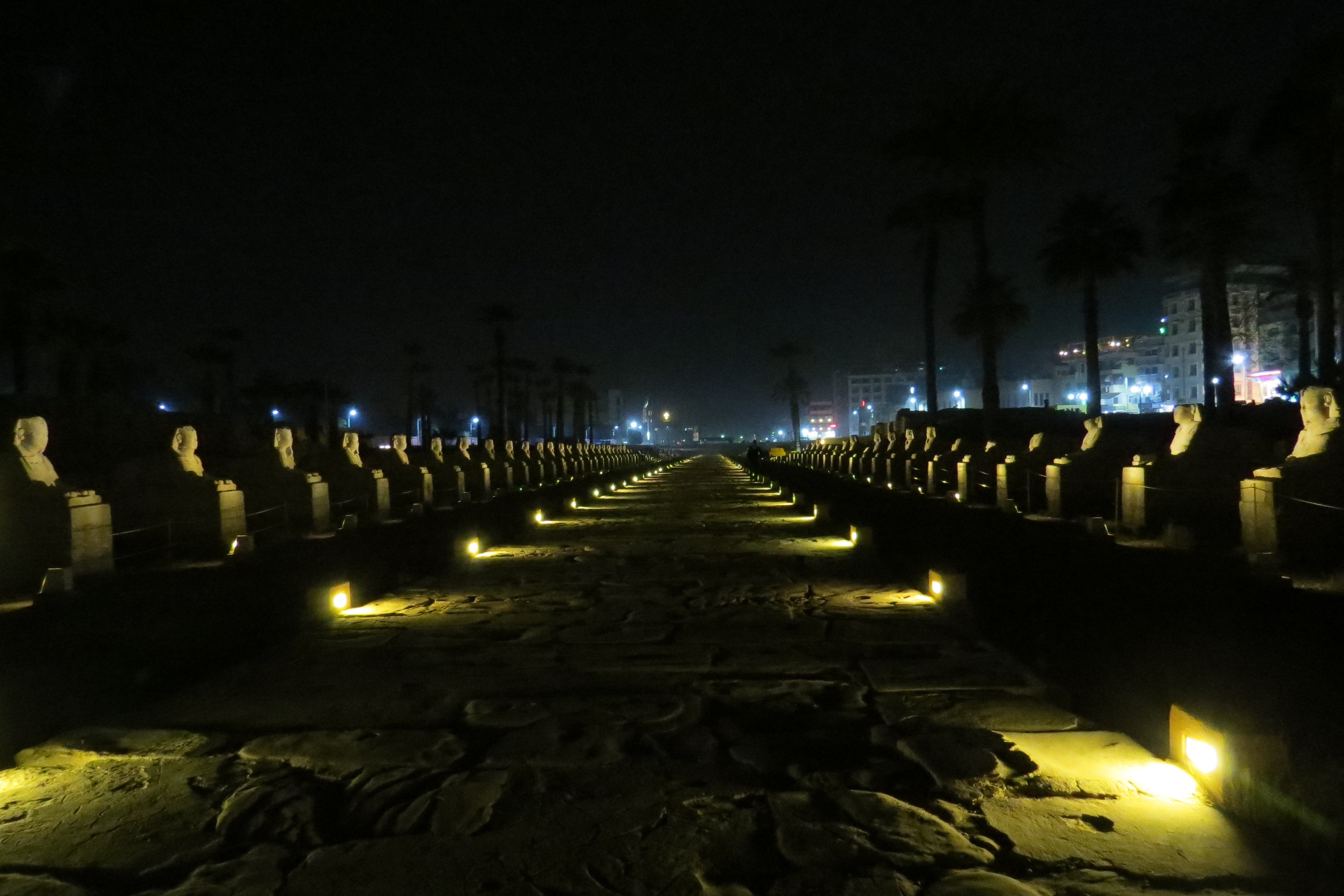
Kabash path was an ancient processional roadway also later used by the Romans between Karnak and Luxor Temples –  it remains evident today.

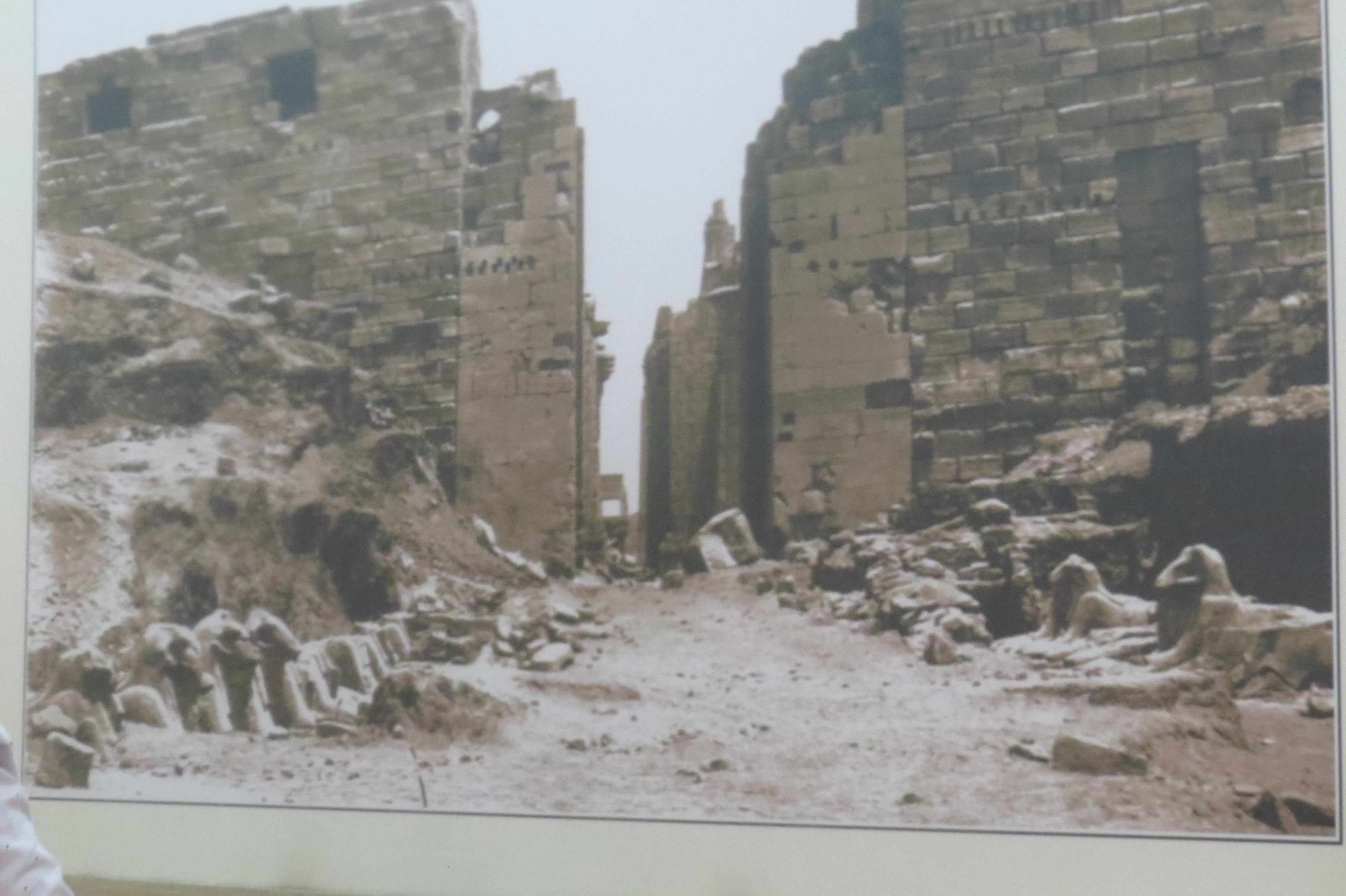
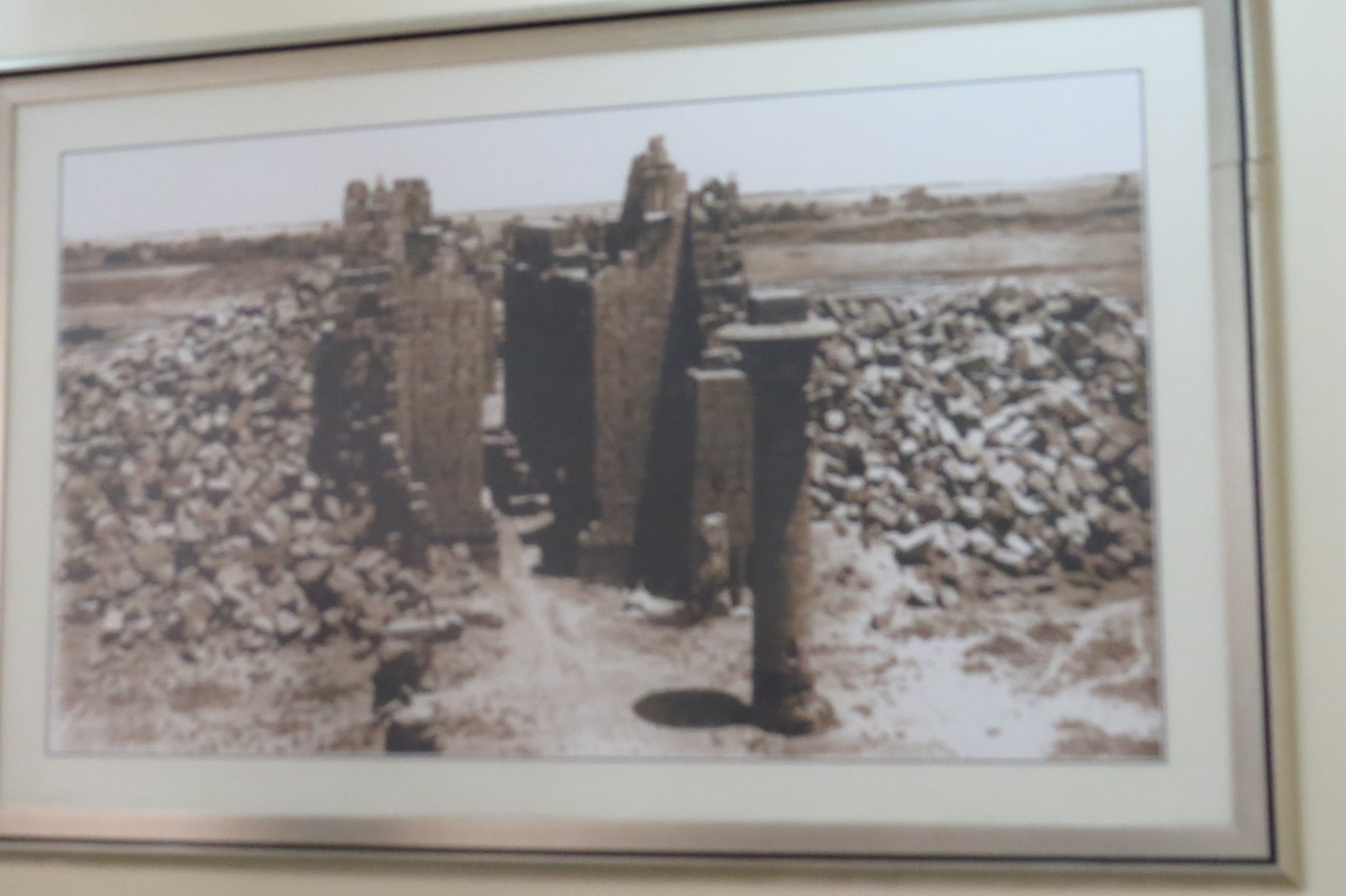
It is interesting to visit an exhibit showing the restoration of the site before heading outside to the temple.

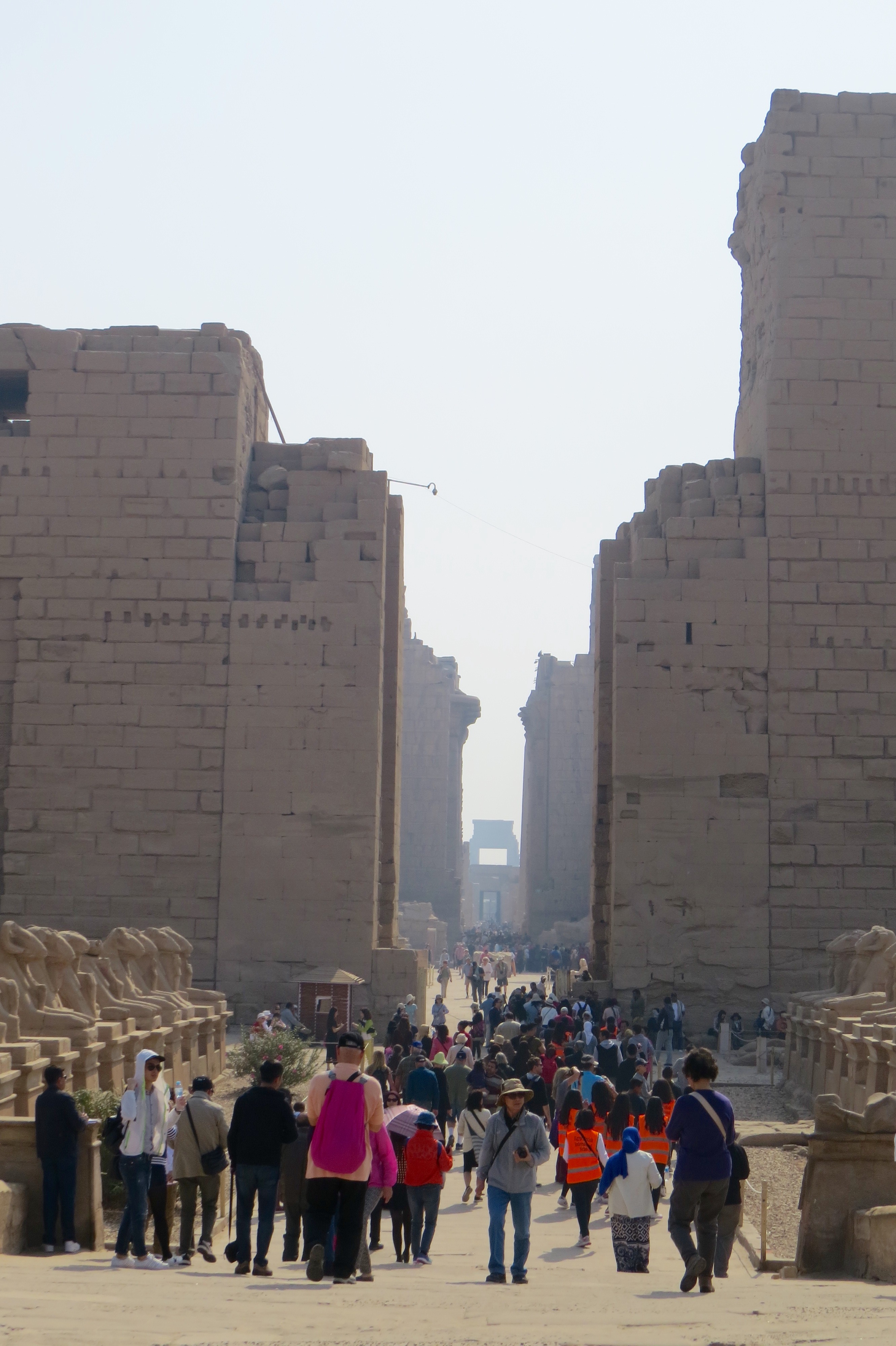
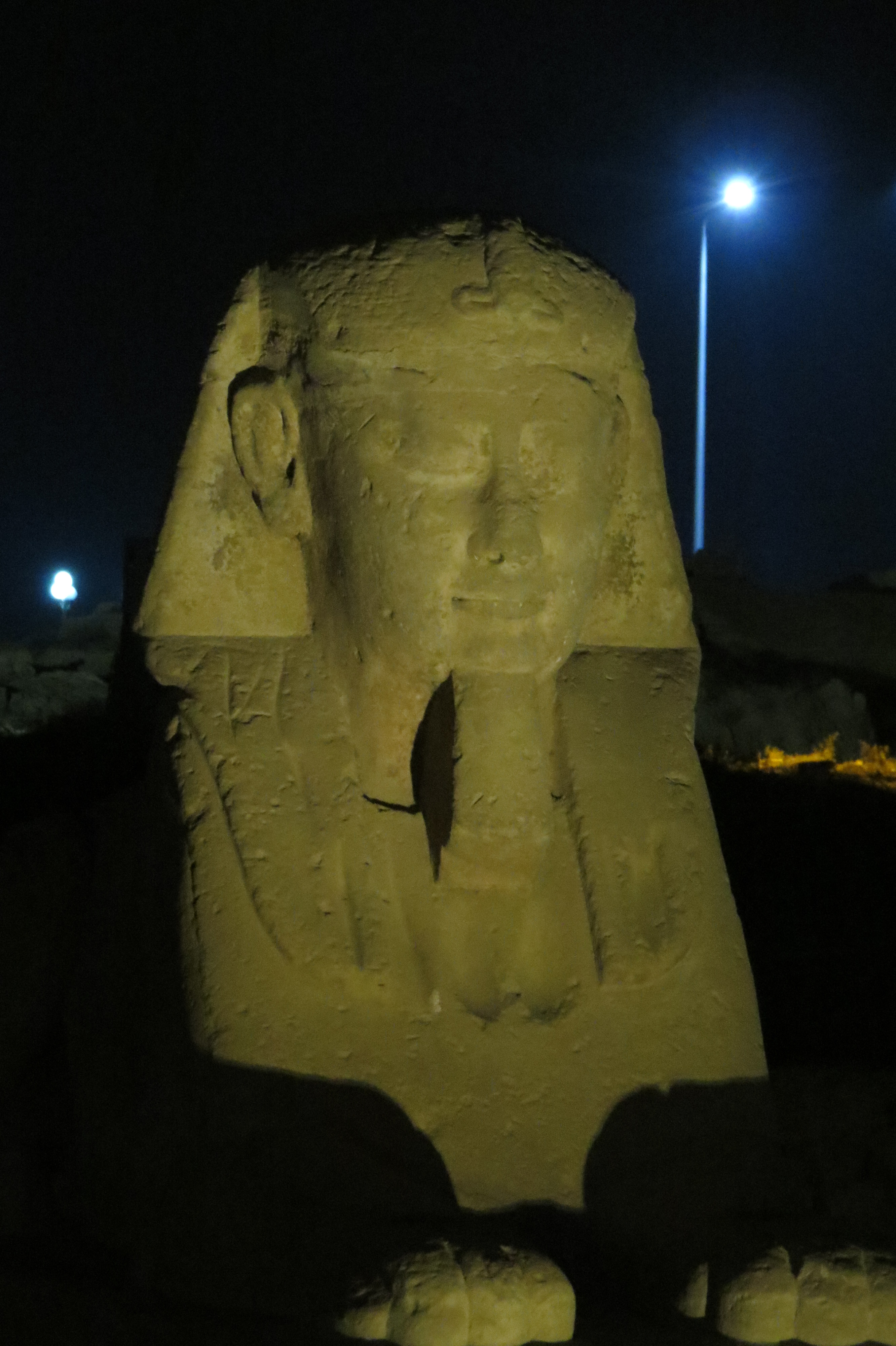
An avenue of sphinxes leads to the pylon. These sphinxes are ram-headed, symbolizing the god Amun and a small effigy of Ramesses II, in the form of Osiris, stands between their front paws.  They once would have joined the avenue of Sphinxes from Karnak to Luxor Temple.

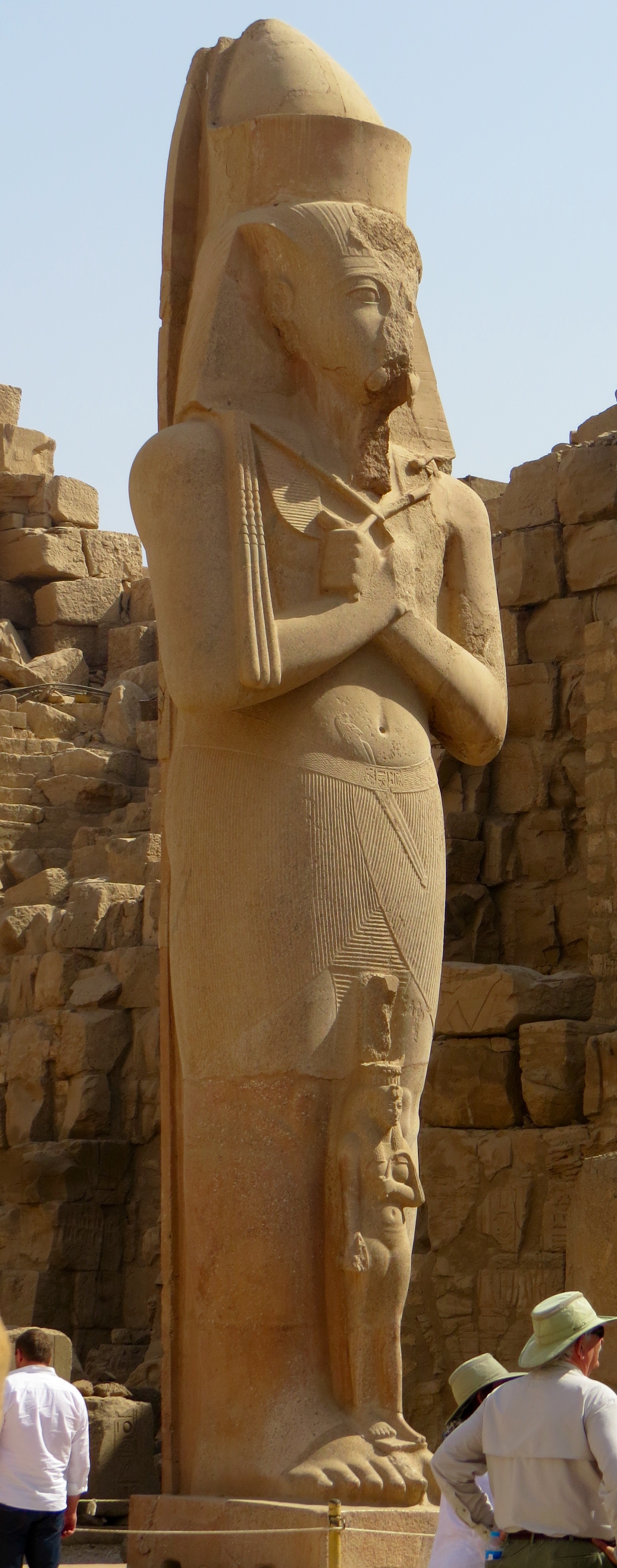
Naturally, Ramses II added his colossal statue with a characteristically tiny image of Queen Nefetari.


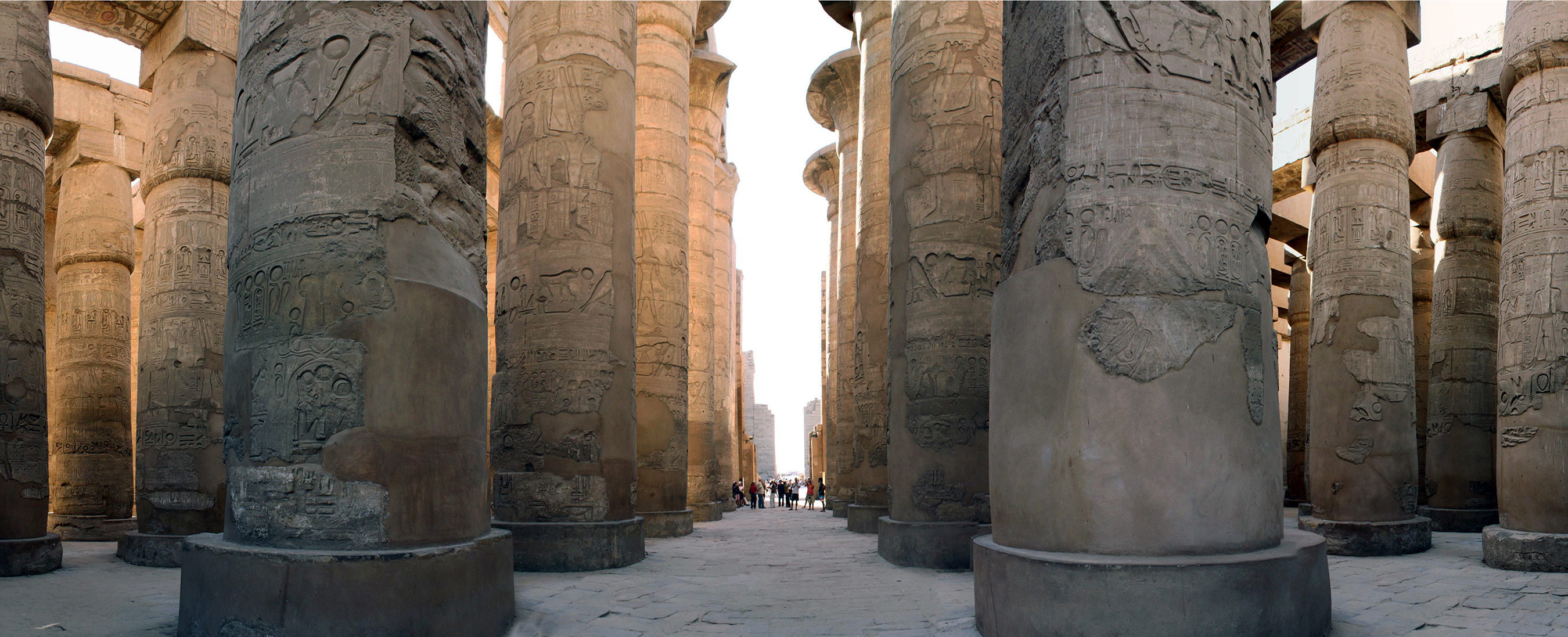
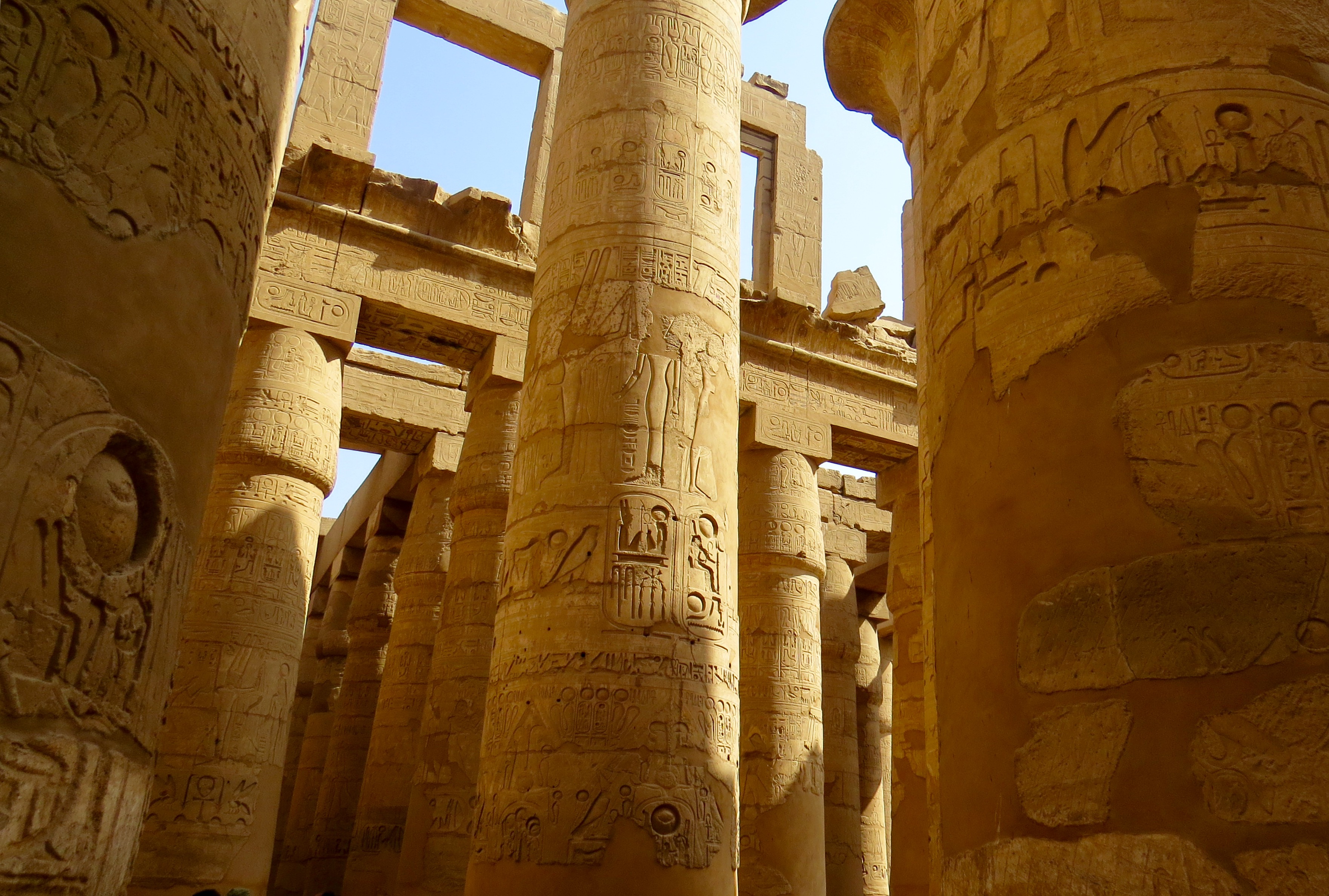
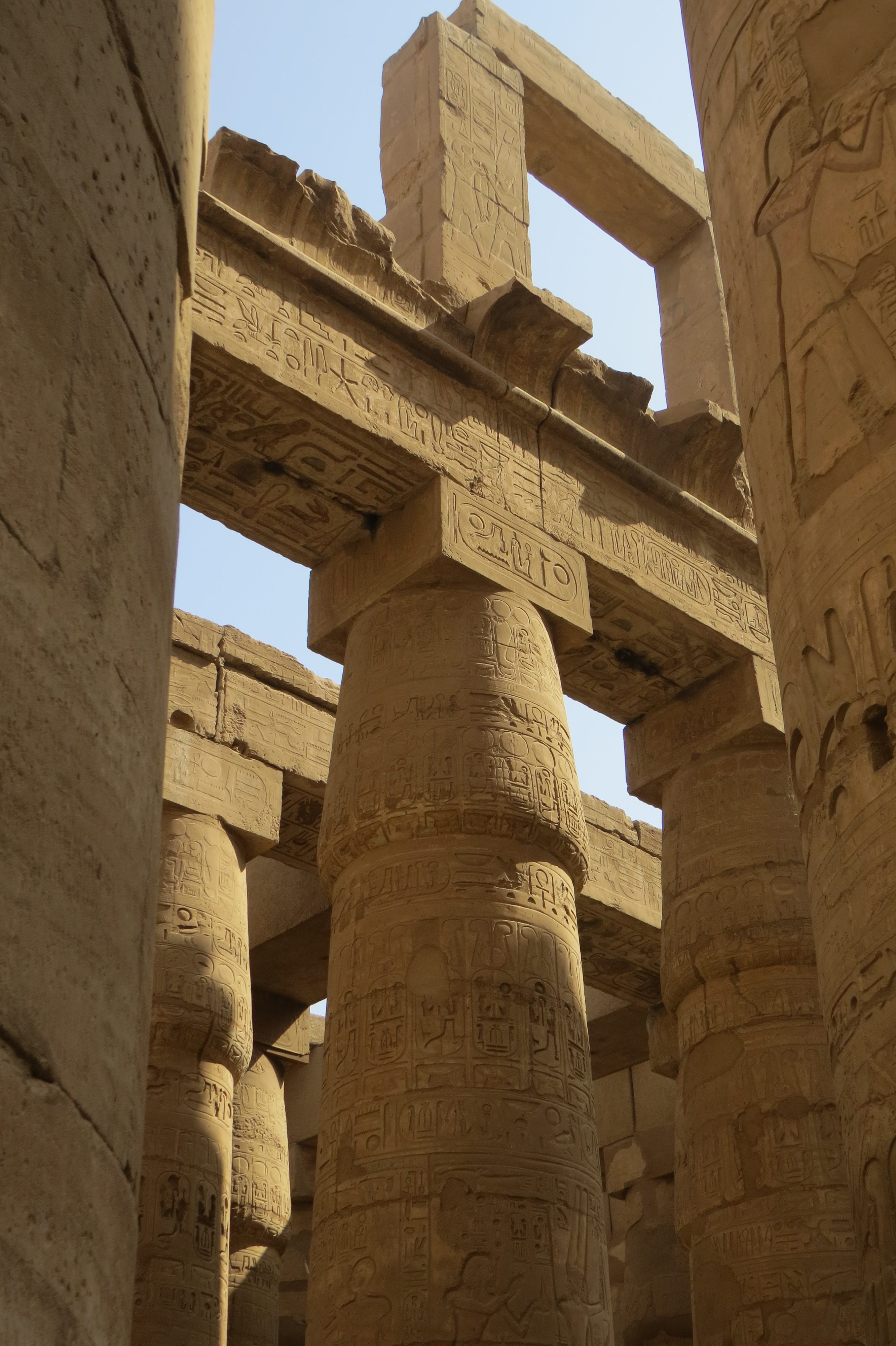
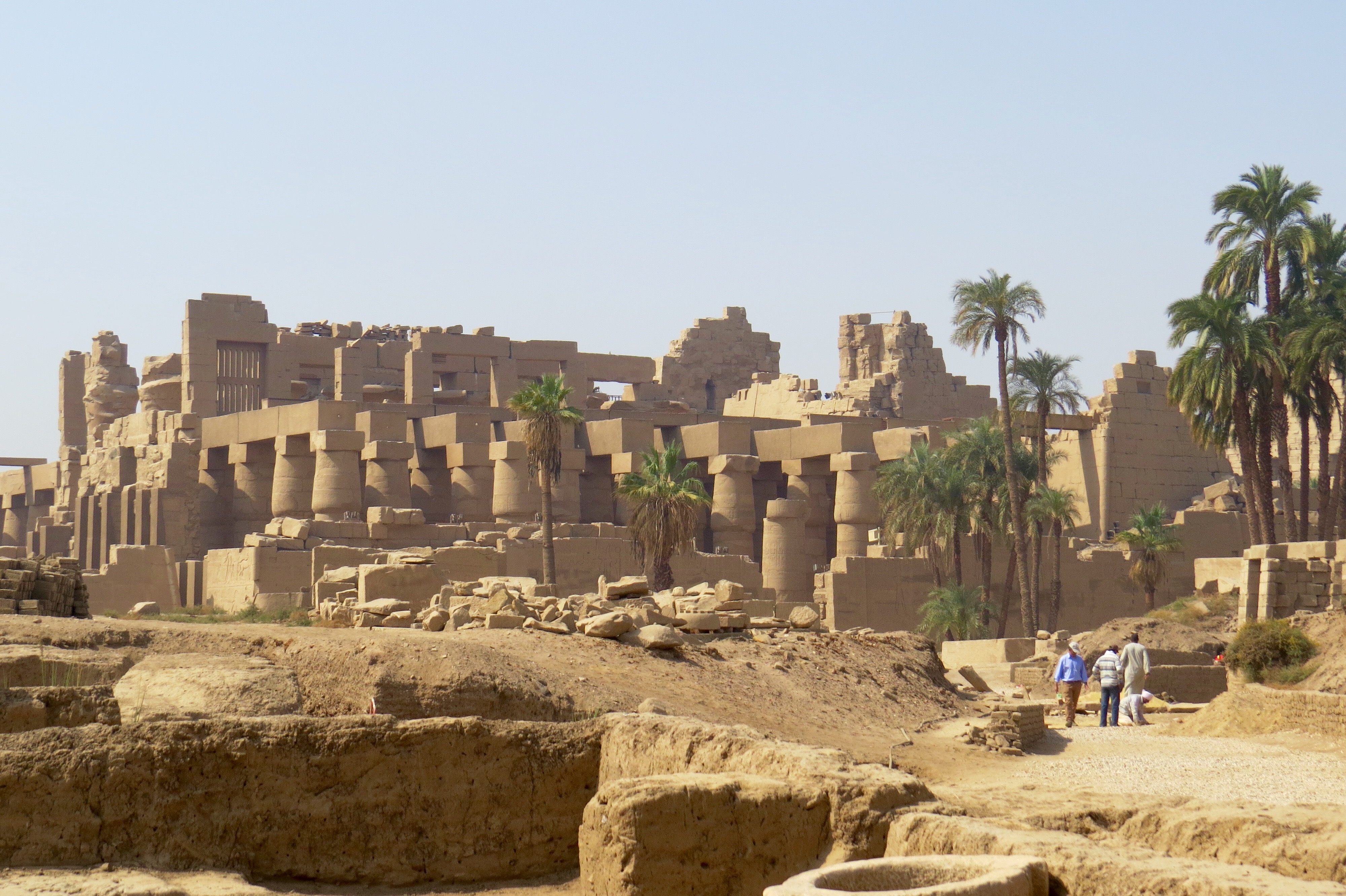
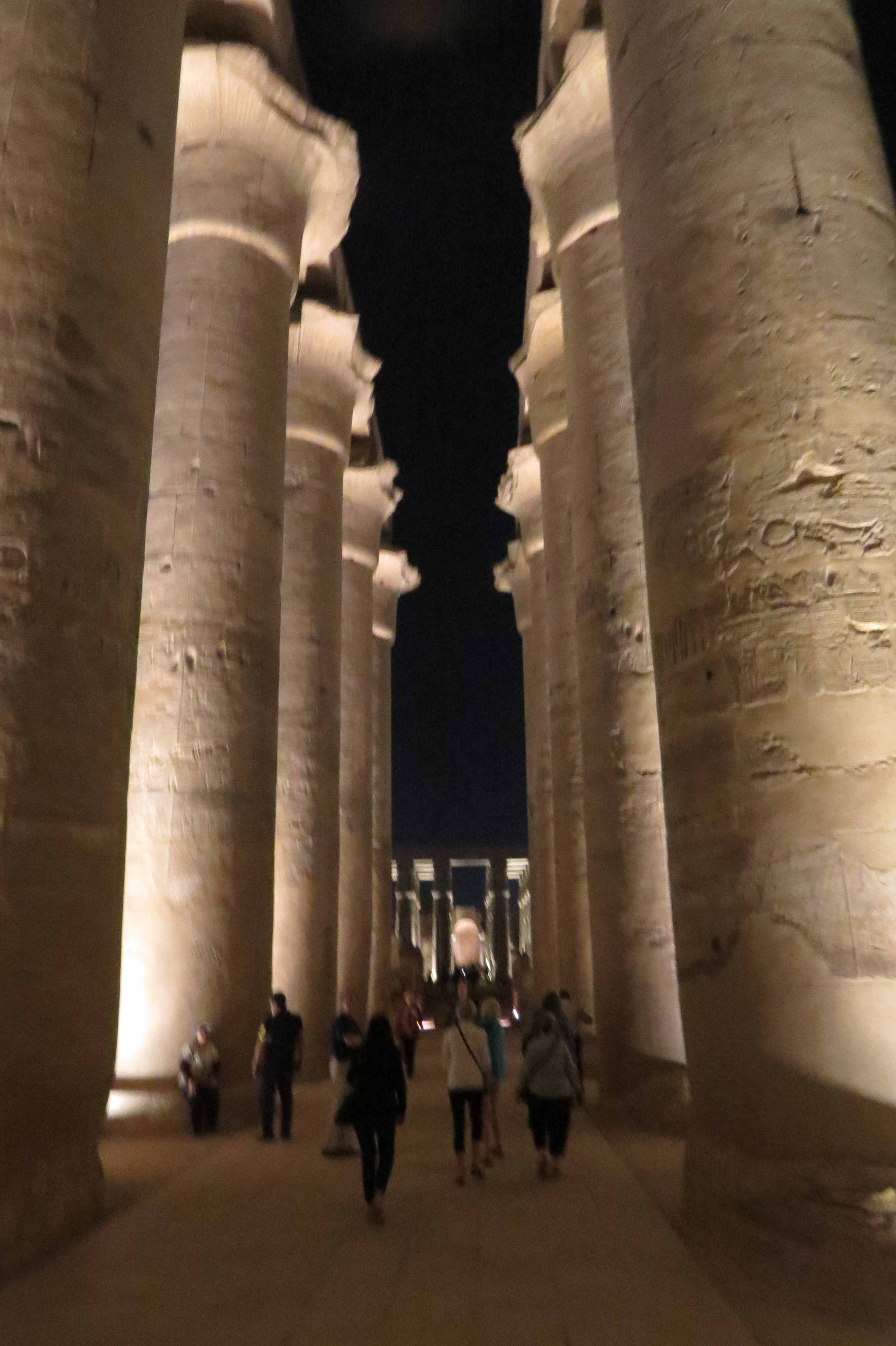
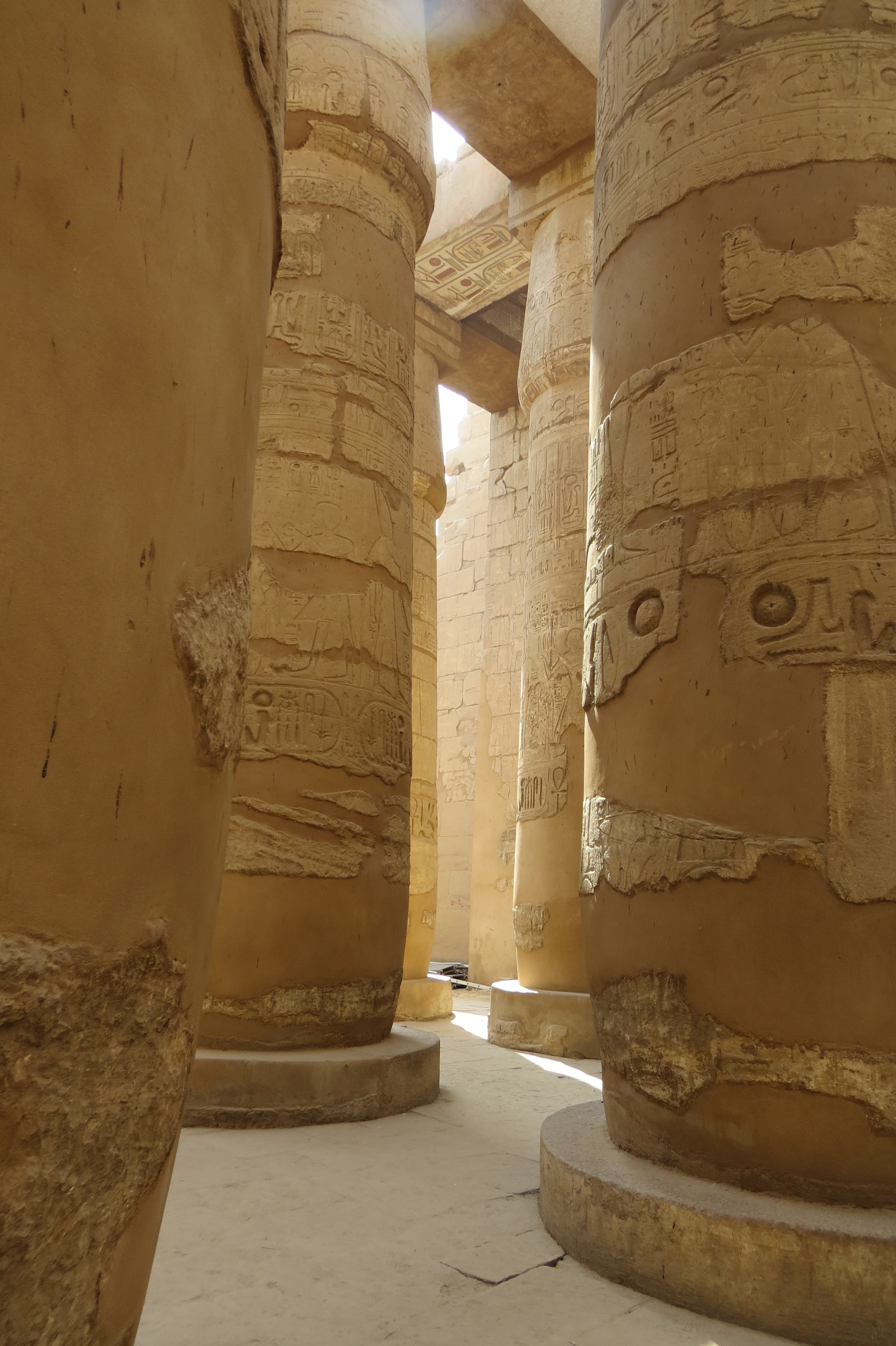
The Great Hypostyle Hall was designed by Queen Hatshepsut but constructed by Seti I in around 1279 BCE.  There are 134 columns in 16 rows.   The architraves on top of these columns are estimated to weigh 70 tons.   Ramses II, who also built Abu Simbel, completed the wall decorations on the southern side of the Hall and completed the construction of Karnak Temple.

Hypostyle Hall (downloaded from net)

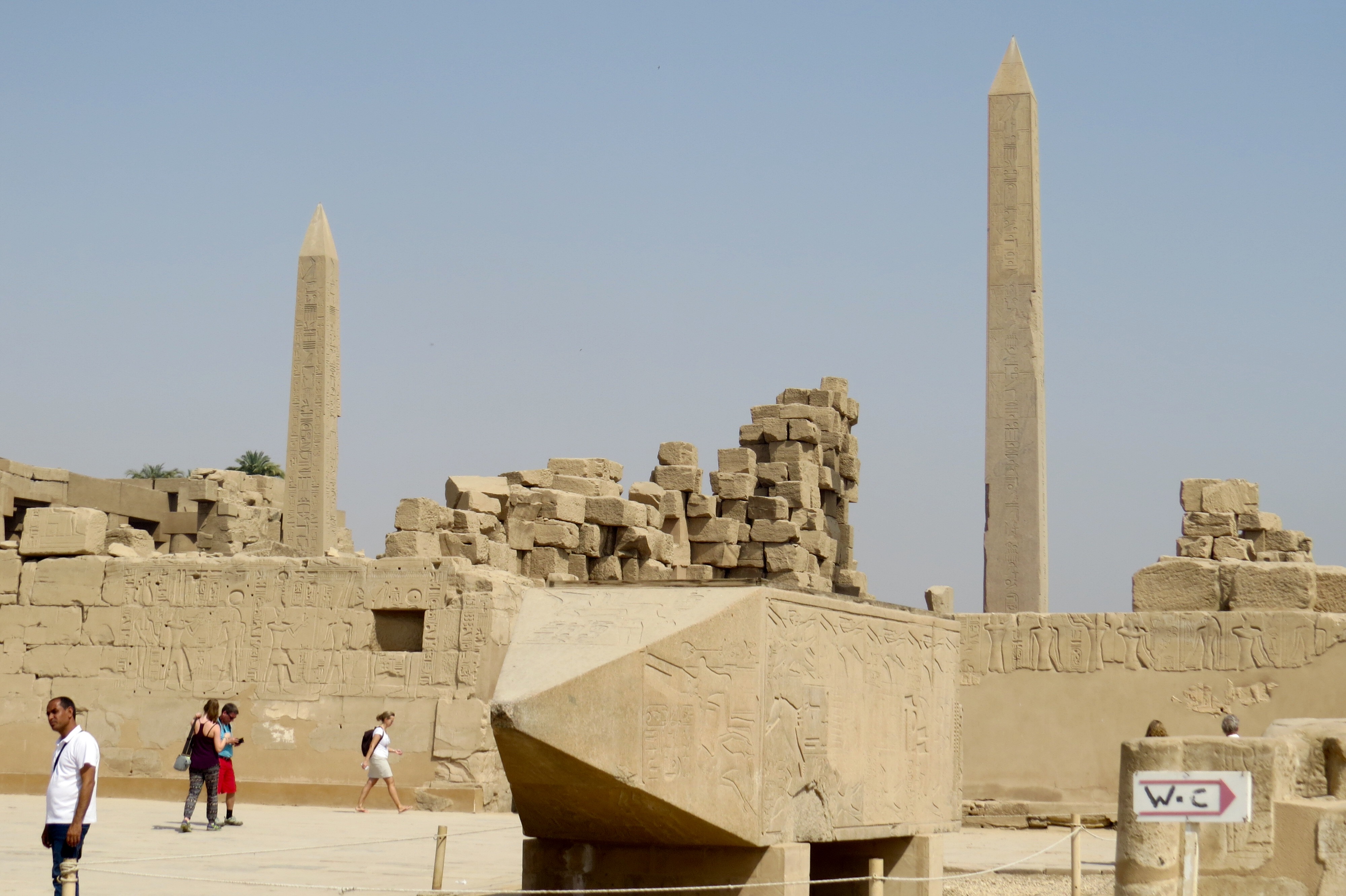
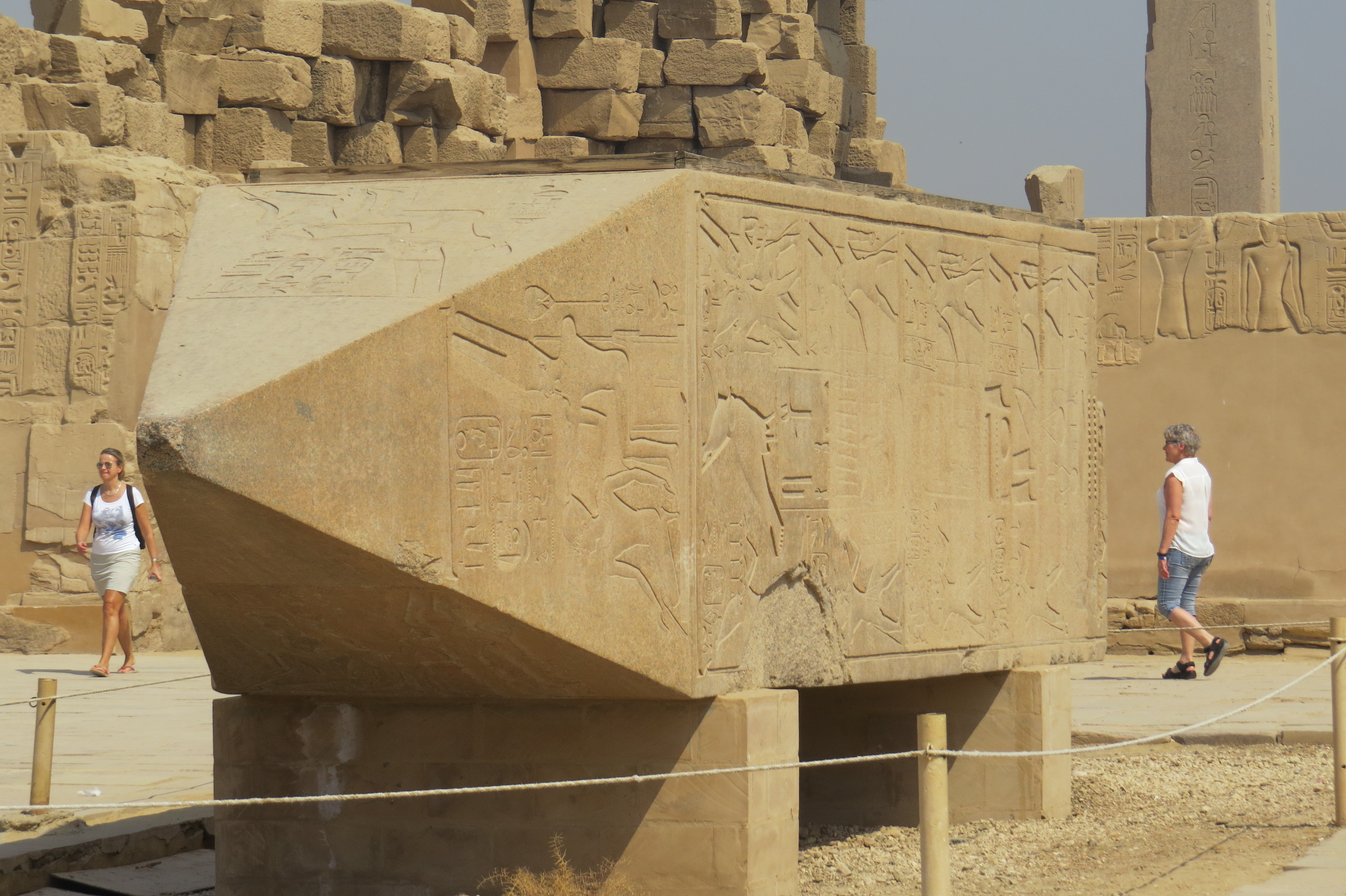
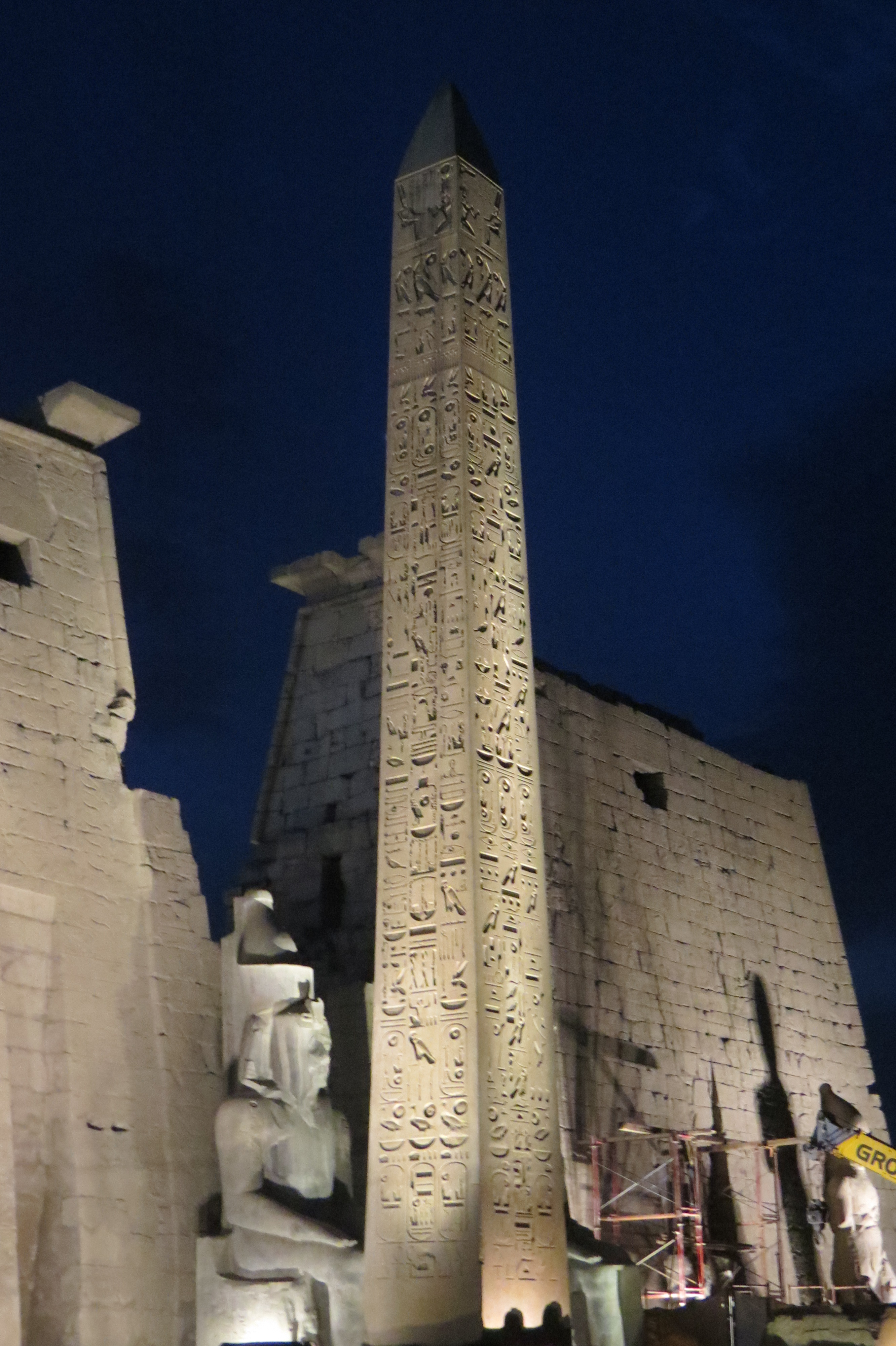
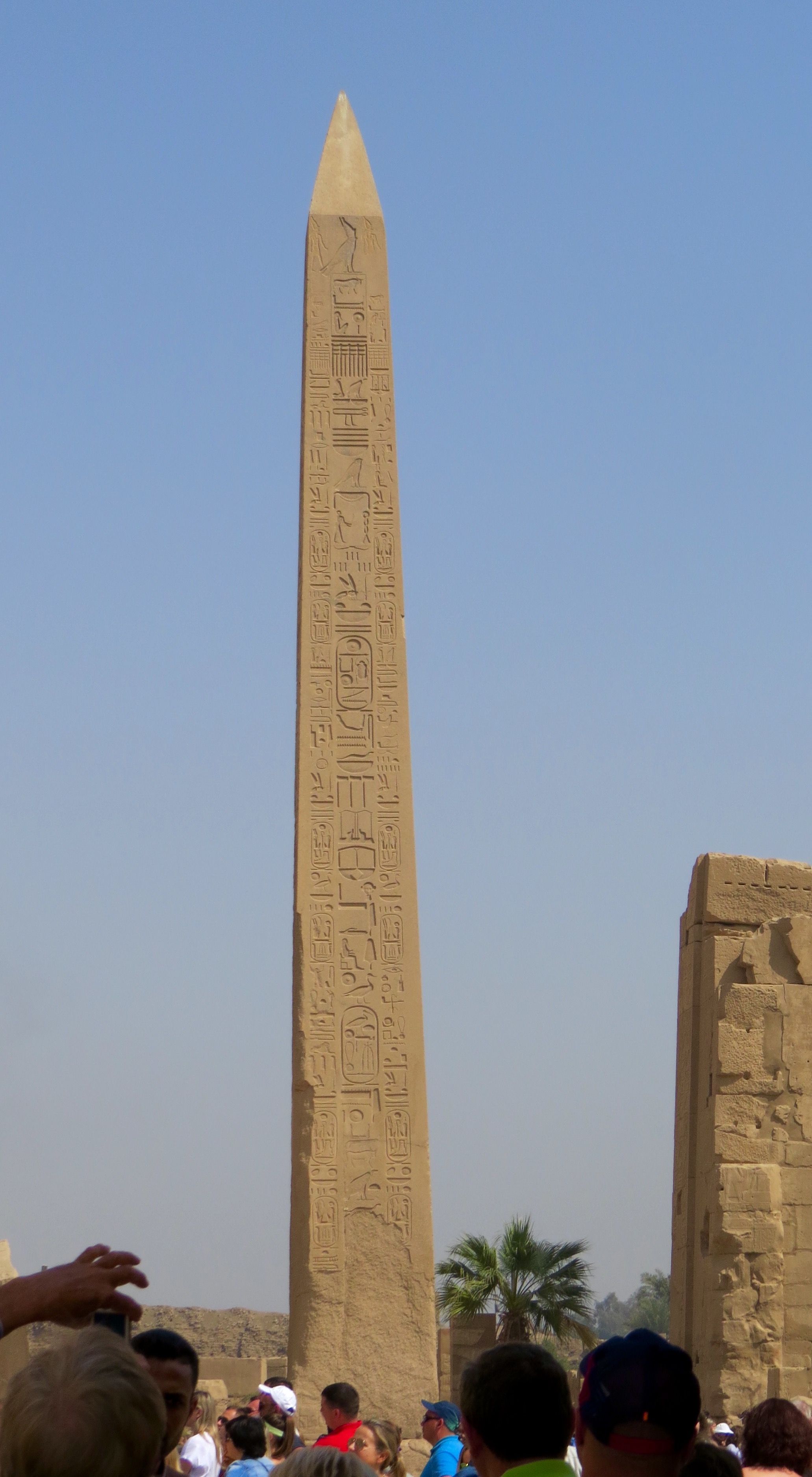
Hatshepsut had twin obelisks, at the time the tallest in the world, erected at the entrance to the temple. One still stands, as the tallest surviving ancient obelisk on Earth; the other has broken in two and toppled. She later ordered the construction of two more obelisks to celebrate her sixteenth year as pharaoh; one of the obelisks broke during construction, and thus, a third was constructed to replace it. The broken obelisk was left at its quarrying site which we saw in Aswan, where it remains.


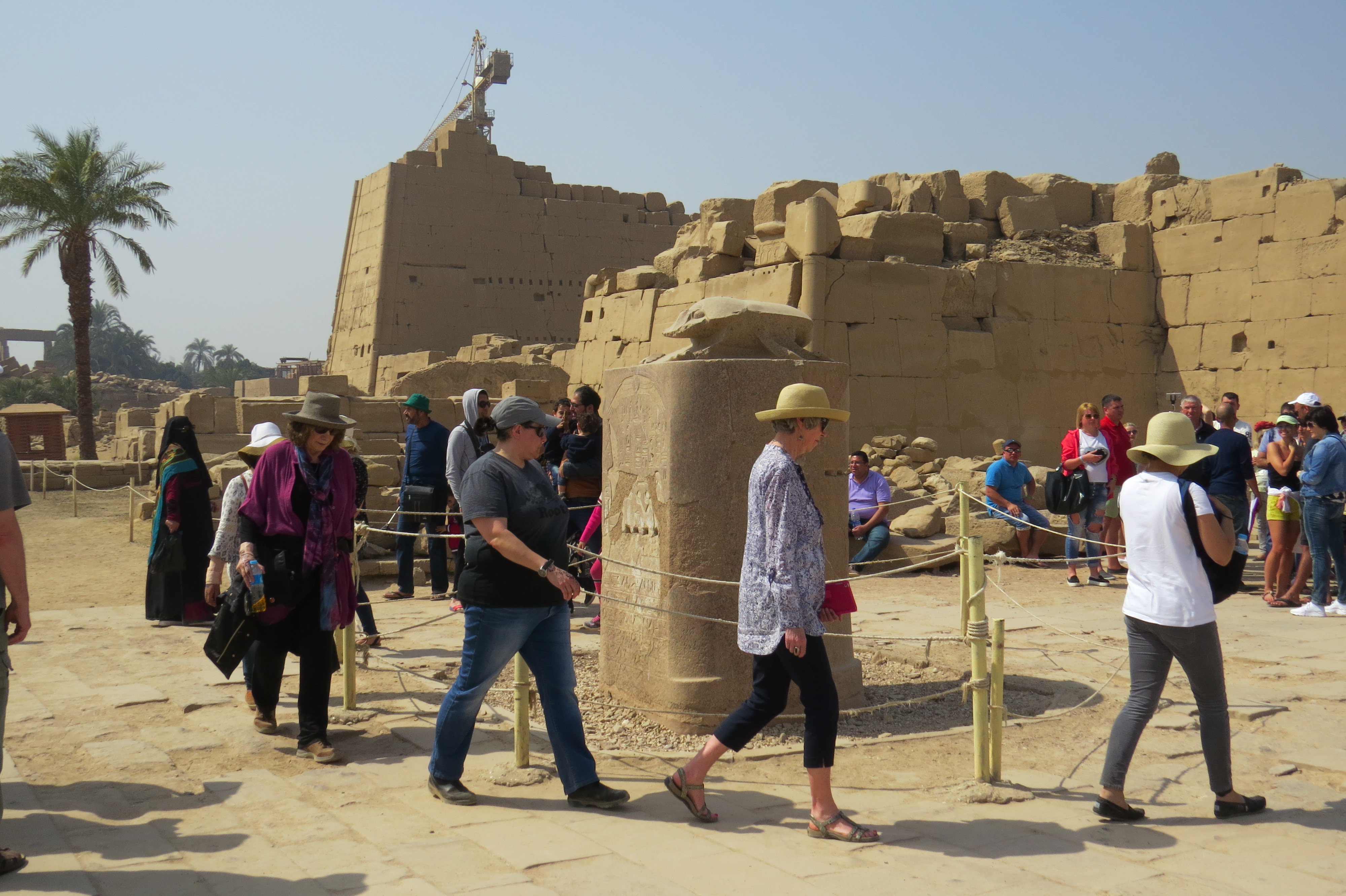
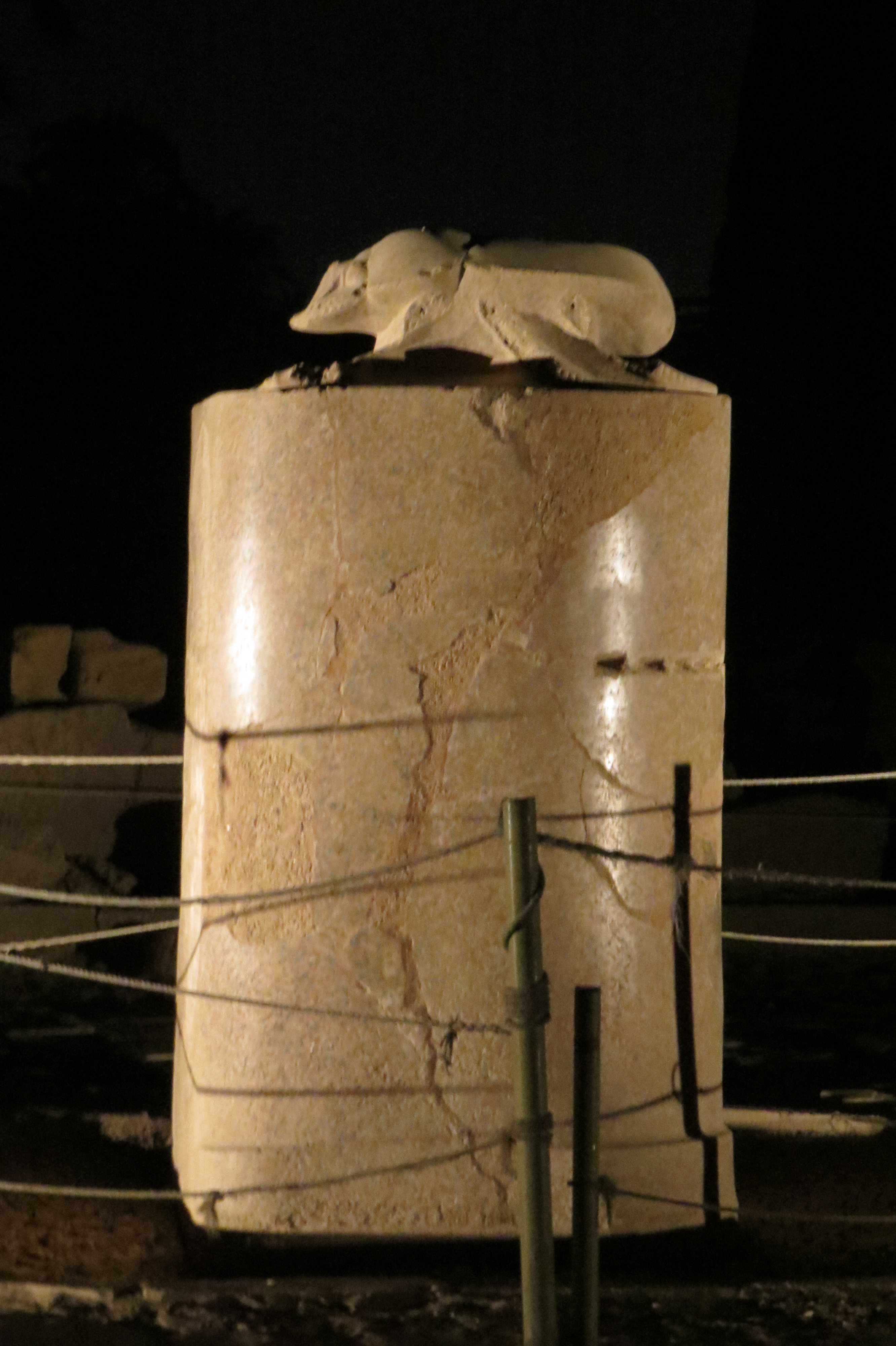
Some among us circled the Scarab monument 10 times for luck.

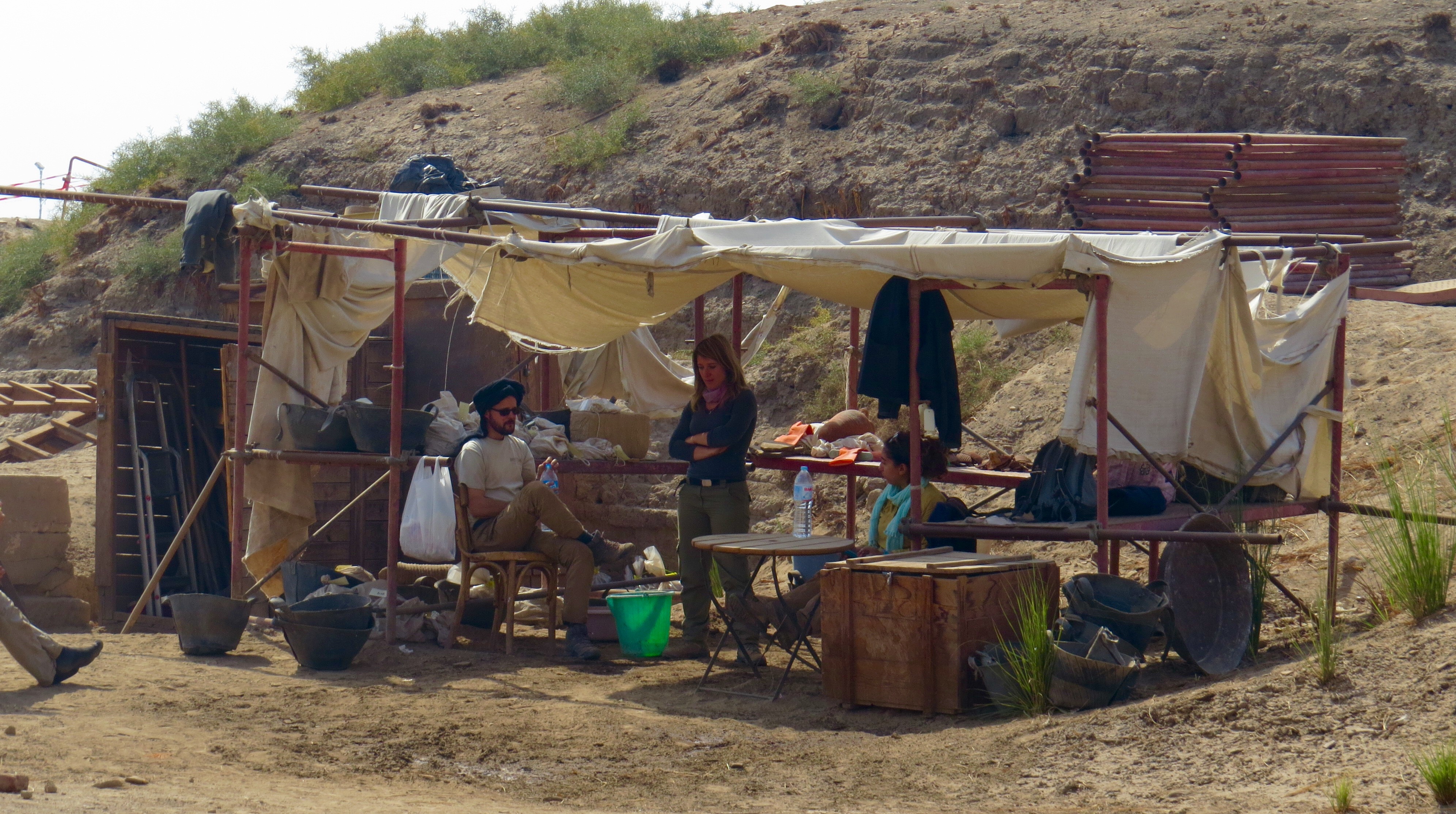
Waleed took us on a little adventure to a small temple currently being restored, and we passed by active archeological operations.

Karnak Temple is one of the most visited sites in all of Ancient Egypt.


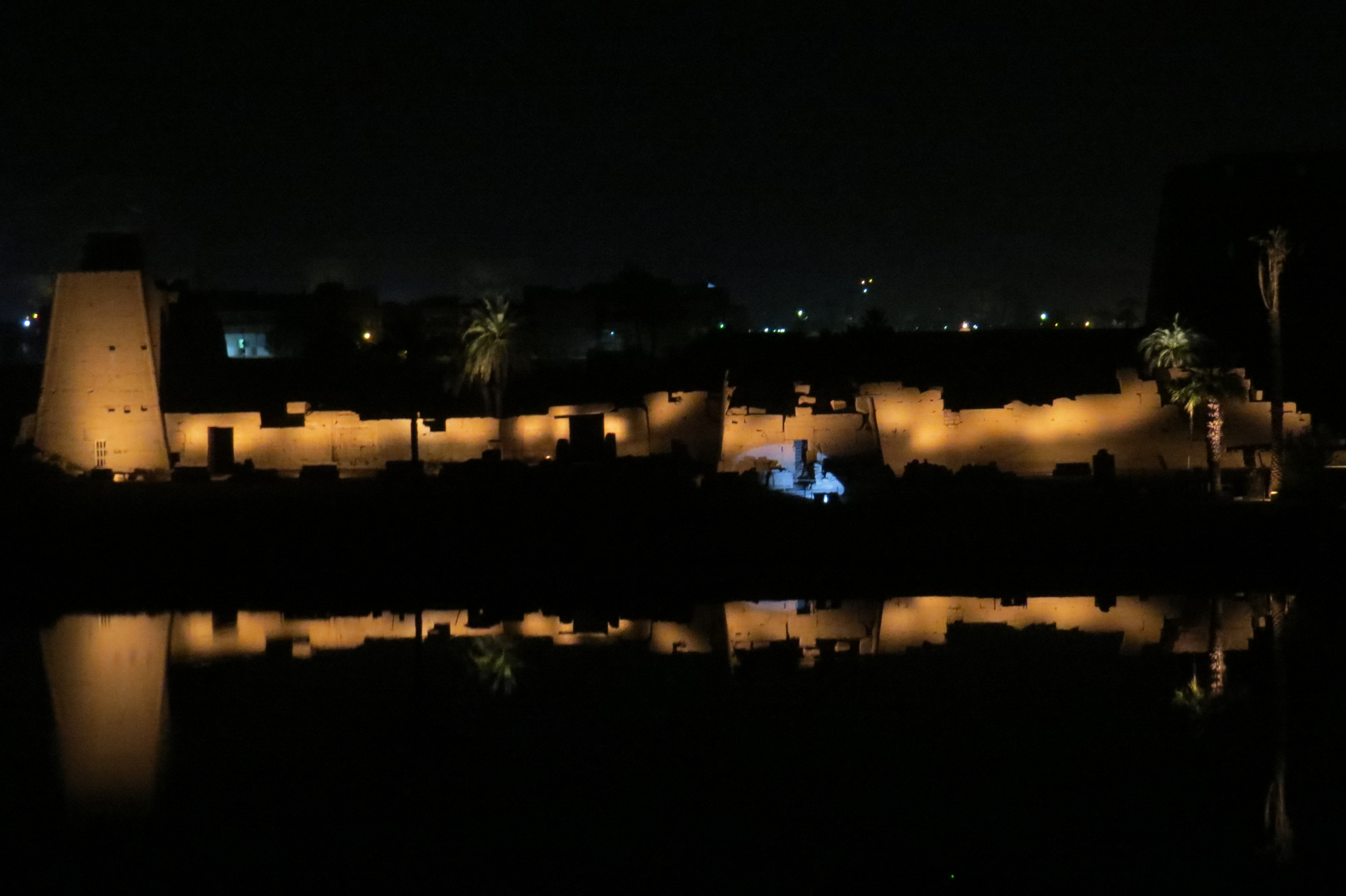
We were lucky enough to visit the temple both day and night.


The Sacred Lake, part of the Egyptian creation story

To digitally experience Karnak Temple, UCLA’s digital reconstruction website:

http://dlib.etc.ucla.edu/projects/Karnak

LuxorTemple

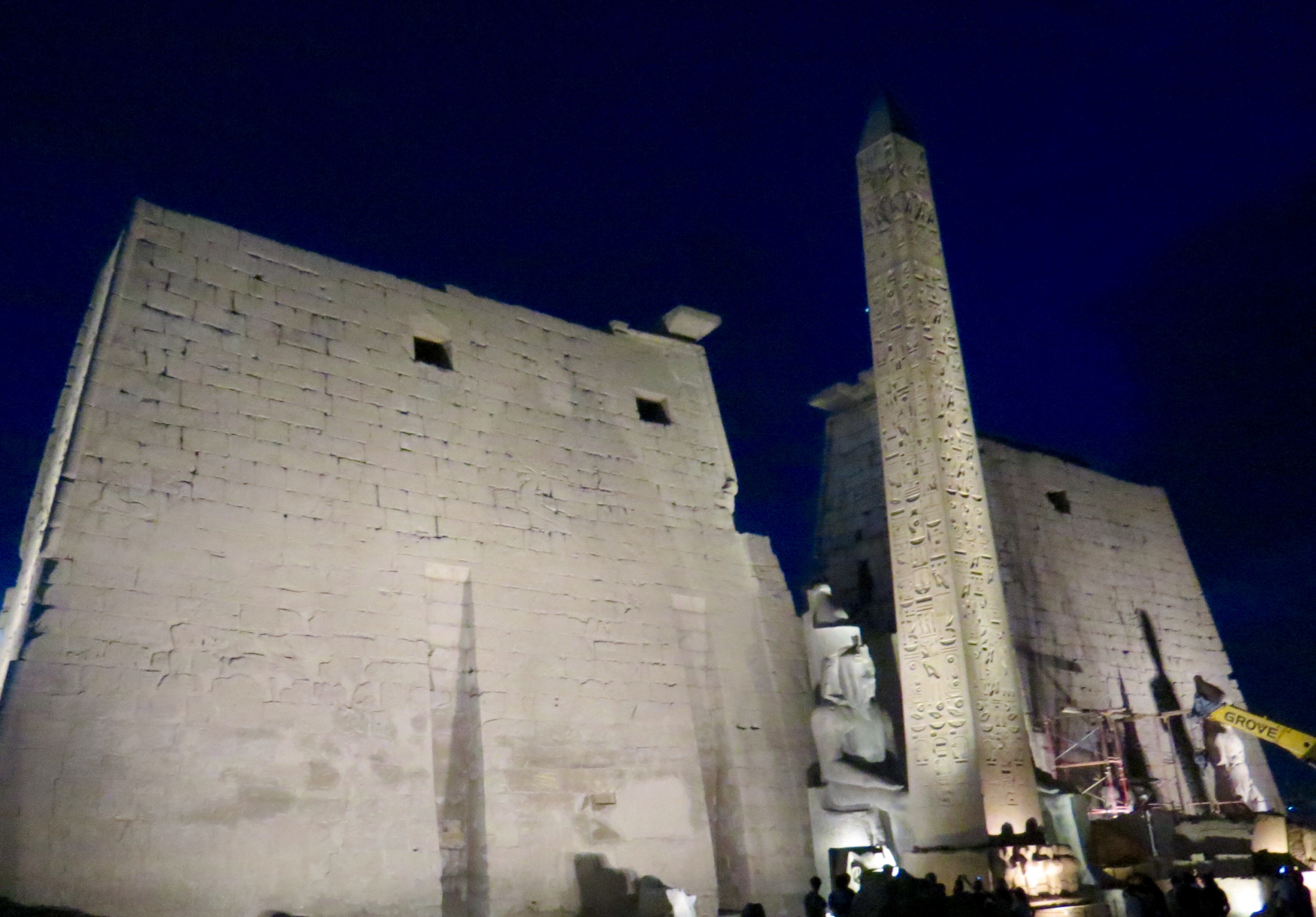
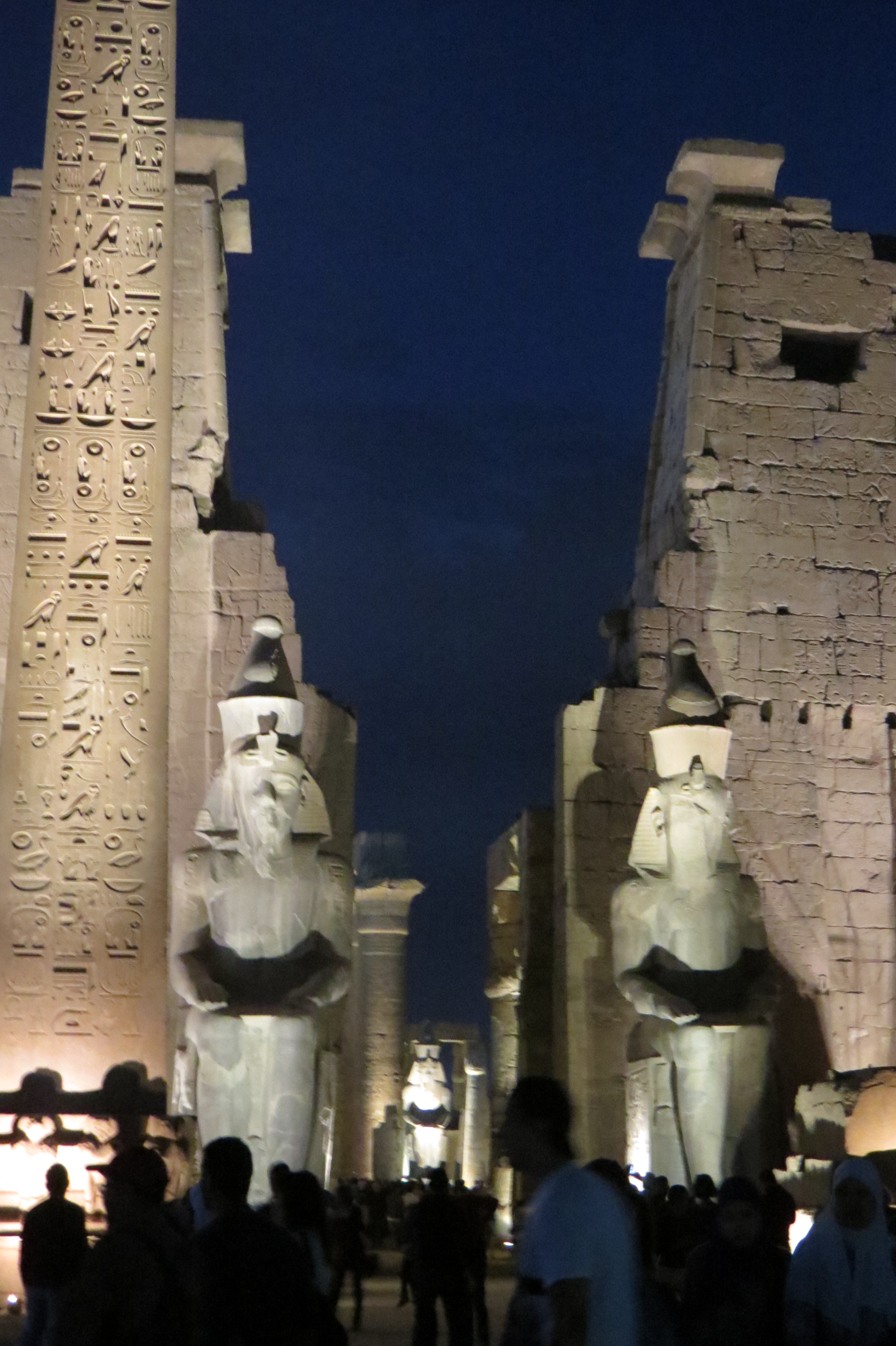
Luxor Temple hovers over the city like an omnipresent queen.   Amenhotep III, Ramses II and Tutankhamen all left their imprint.  Many pharaohs were crowned here.  Alexander the Great claimed he was crowned at Luxor even though he may never have visited.  Even more recently, Romans used the temple as local headquarters.

We visited at twilight.


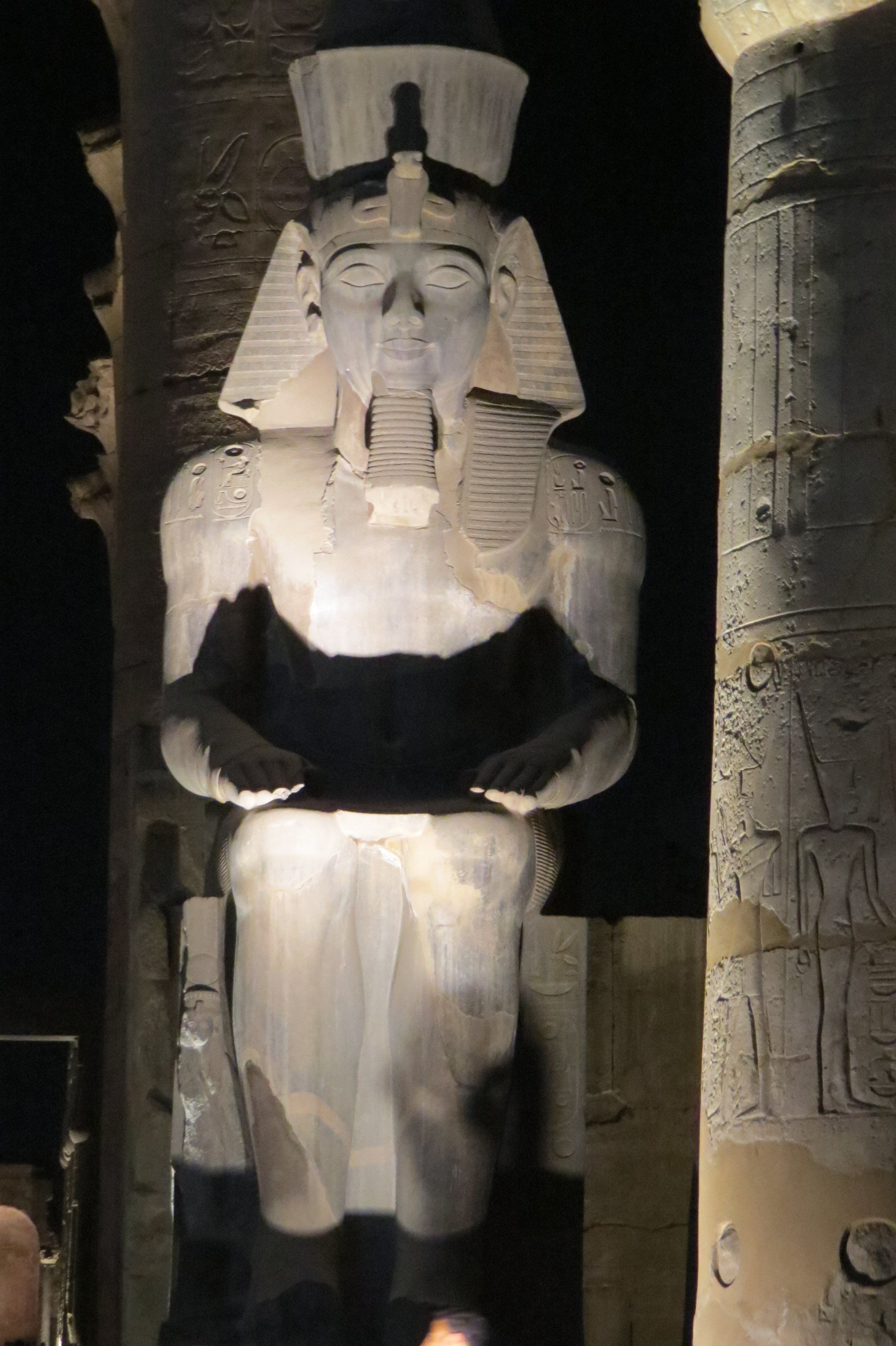
You will by now no doubt recognize this figure (above and below):

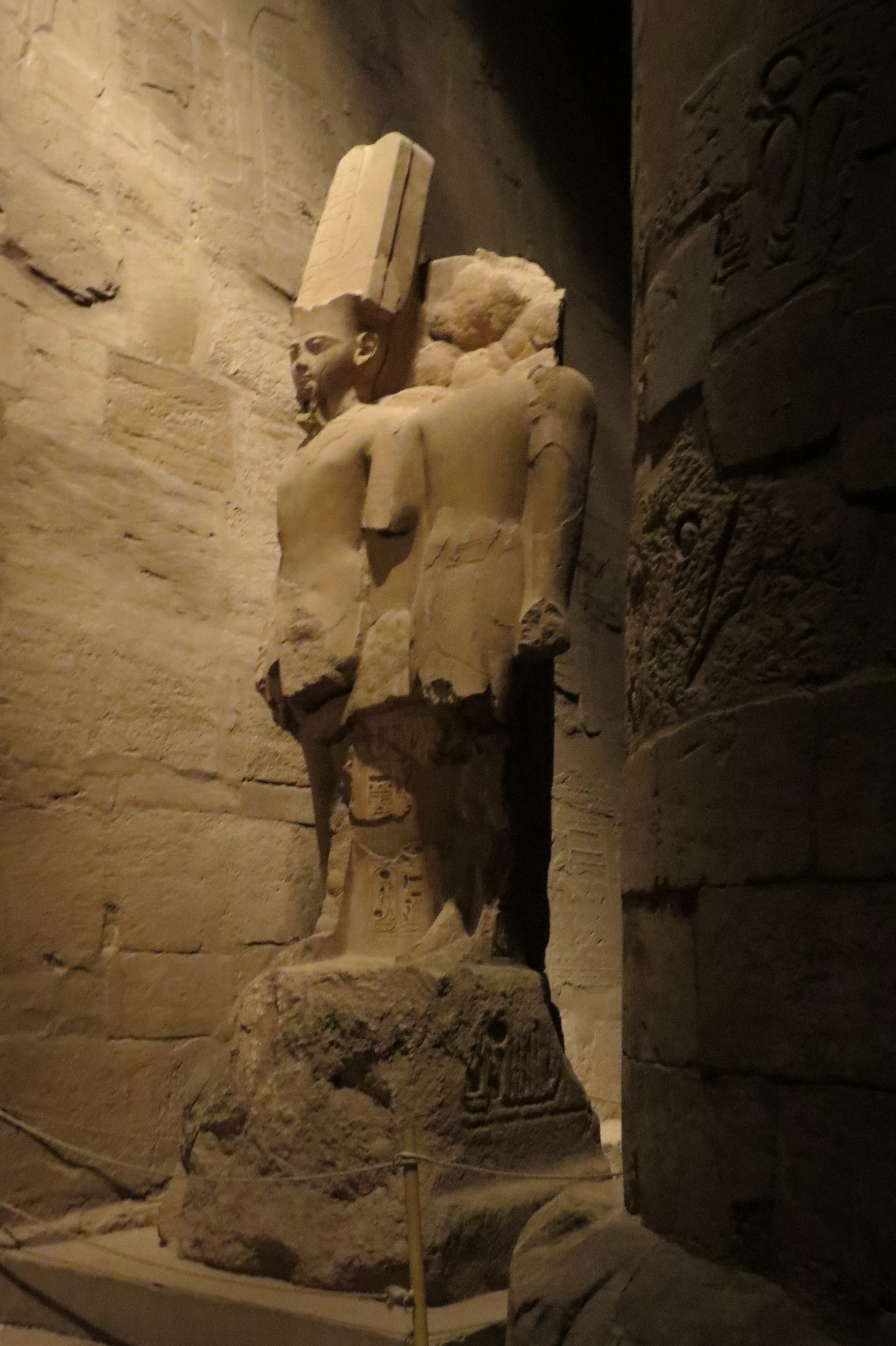
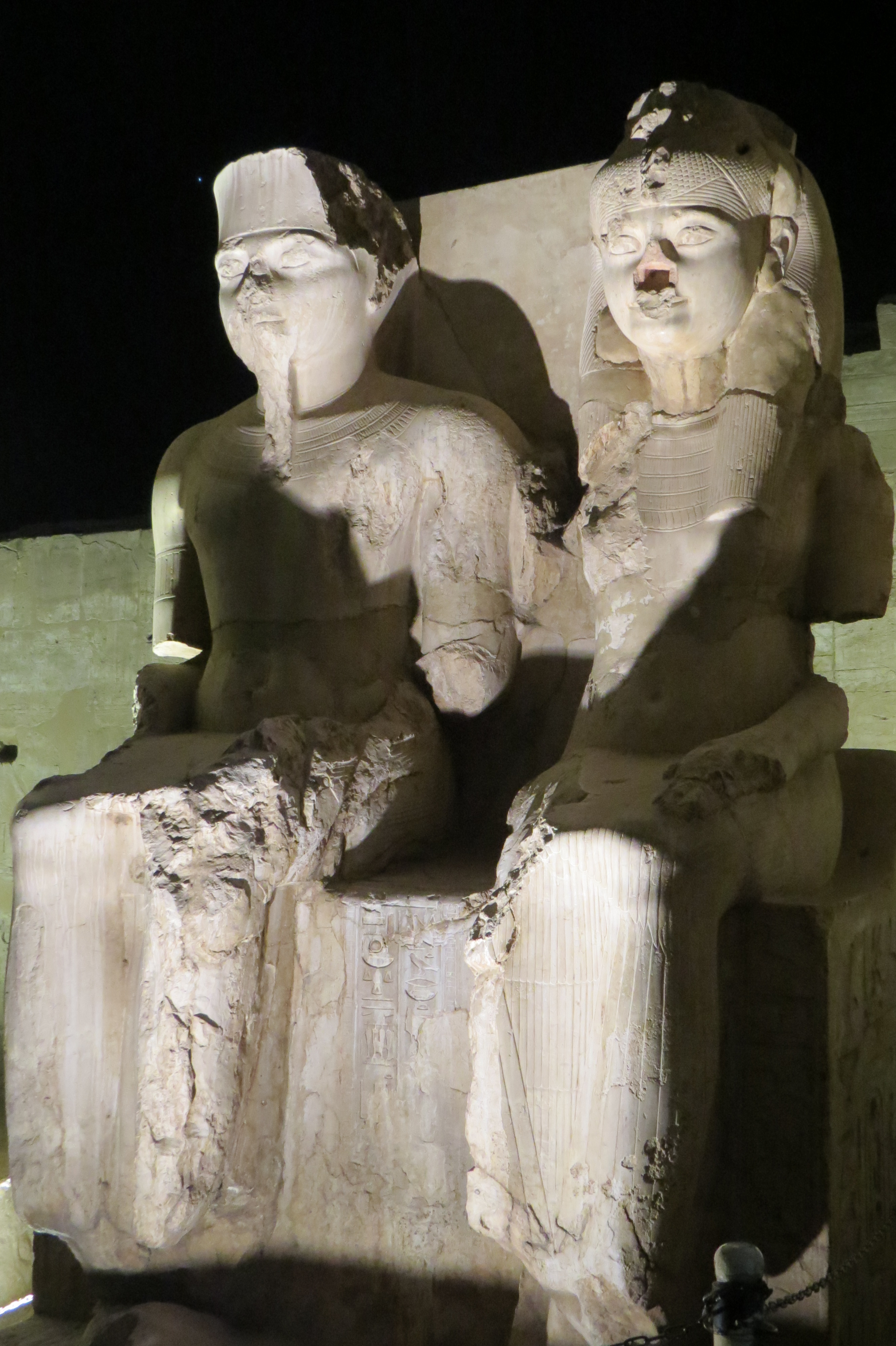
Less familiar are statues depicting images of King Tut Ankh Amen:

The interiors of the temple are jaw-dropping:

A portion of “Sphinx Alley,” or the Kabash path between Luxor’s two temples, ends here:

In 2010, several of these sphinxes were discovered:

https://phys.org/news/2010-11-sphinx-lined-road-unearthed-egypt.html

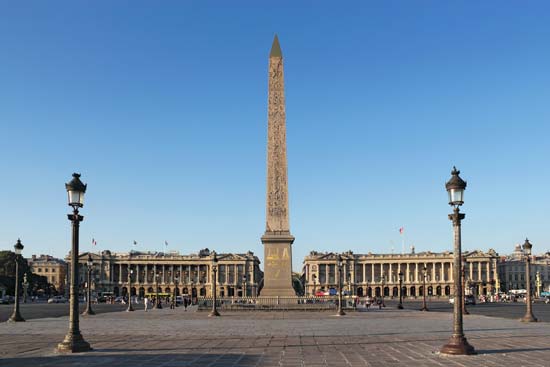
The magnificant obelisk built by Ramses II was one of a matched pair.   The twin was gifted to France by Mohammed Ali in 1833.  It first arrived in Paris on December 21, 1833, having been shipped from Luxor via Alexandria and Cherbourg, and three years later, on October 25, 1836, was moved to the center of Place de la Concorde by King Louis-Phillipe.

Surely it cannot be more beautiful than its twin, at Luxor.


Best,

Jan


Dahabeeyah

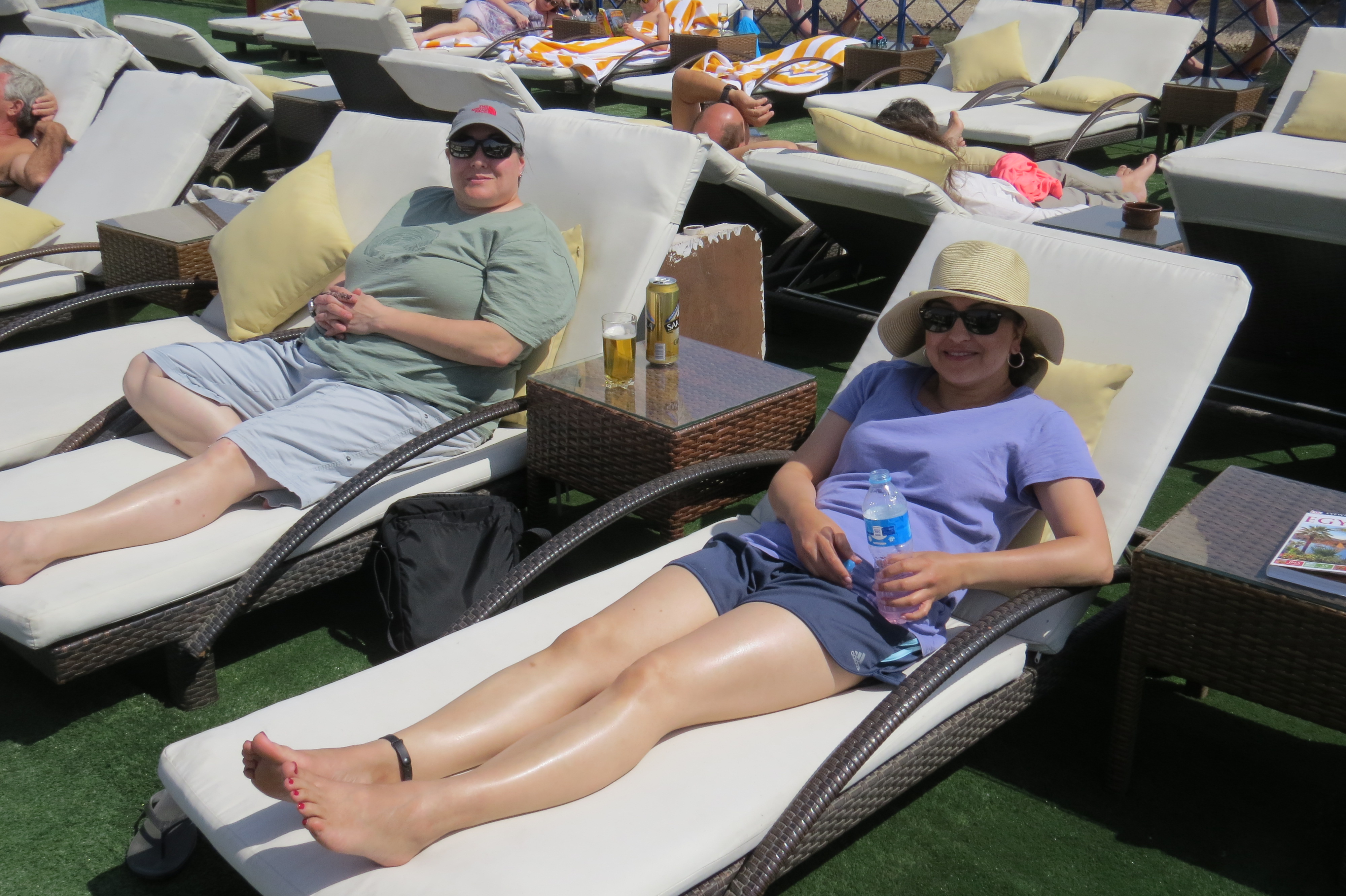
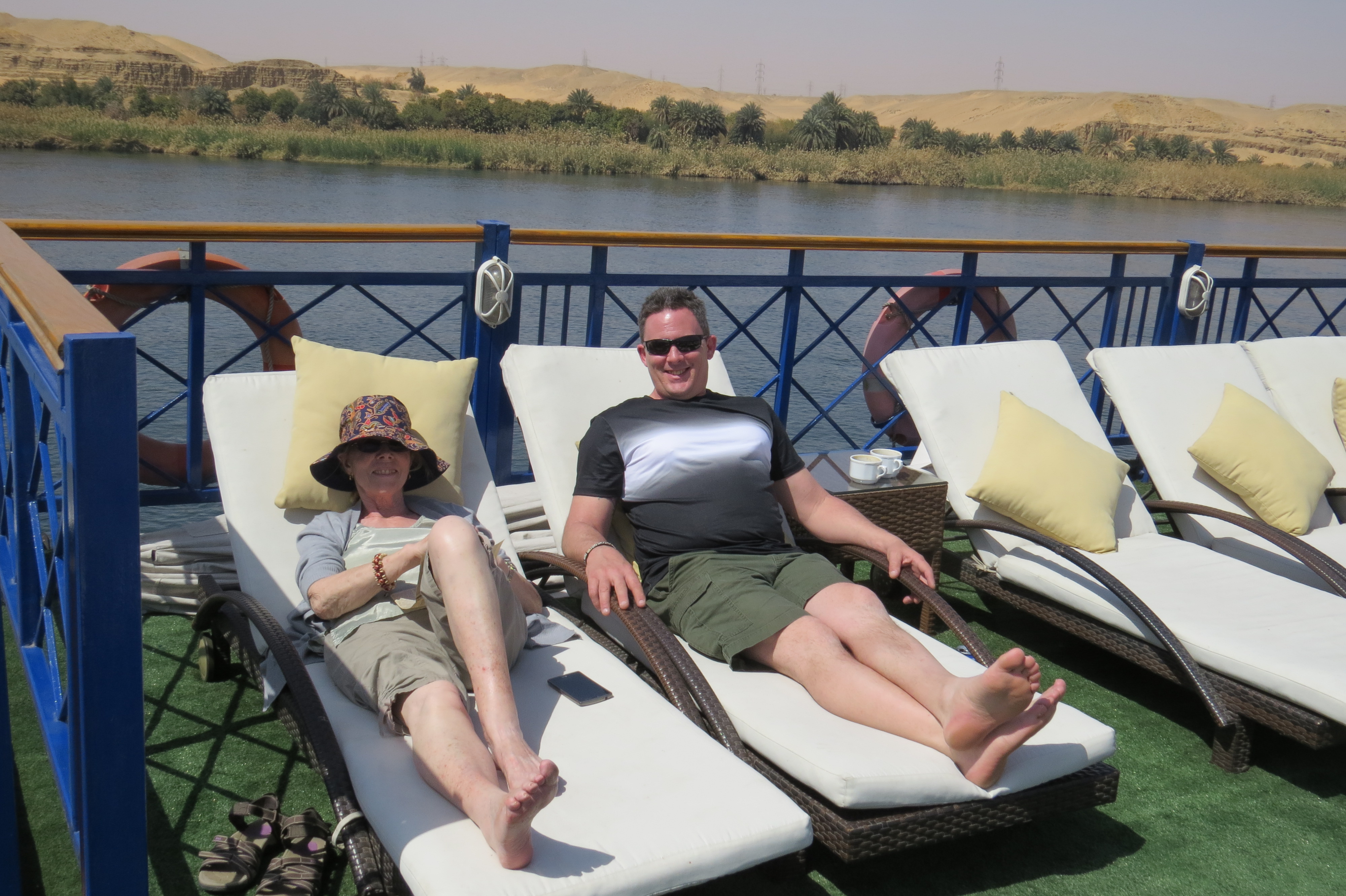
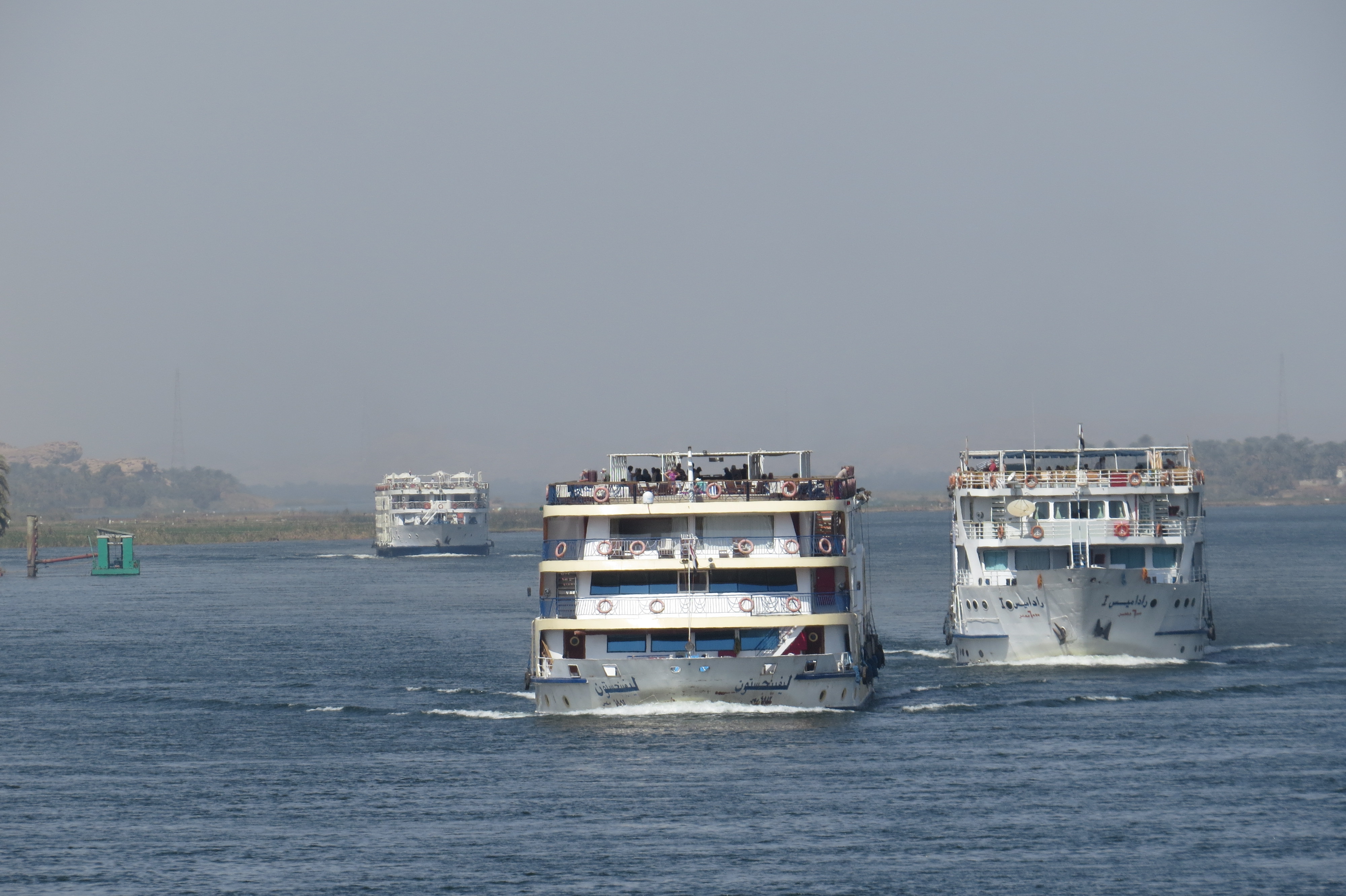
Ok, we didn’t have any sails, but our ship drifted down the Nile, and it was exactly as I imagined it would be and one of the trip highlights.  We sat on the roof deck, beverages to hand.

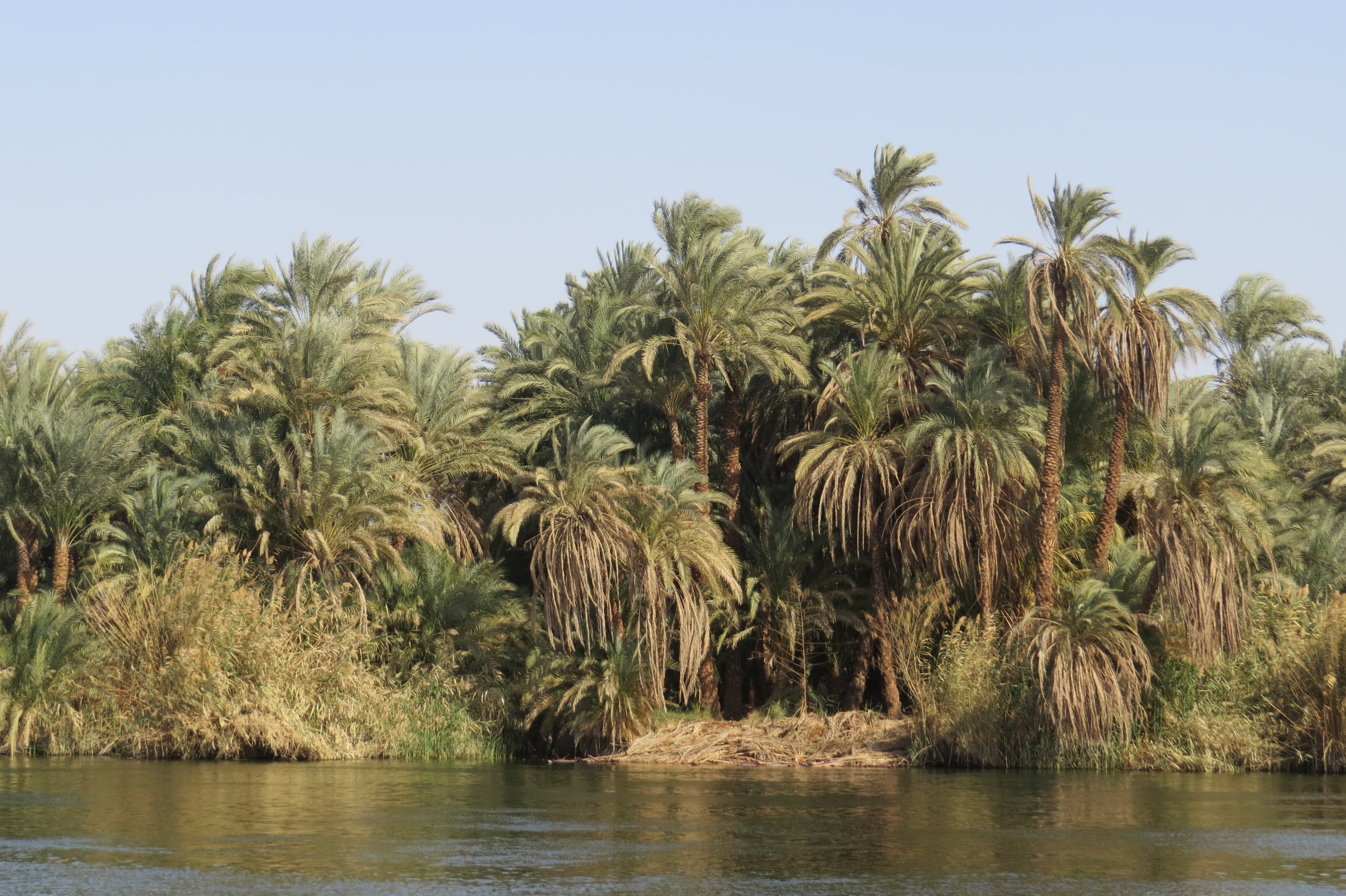
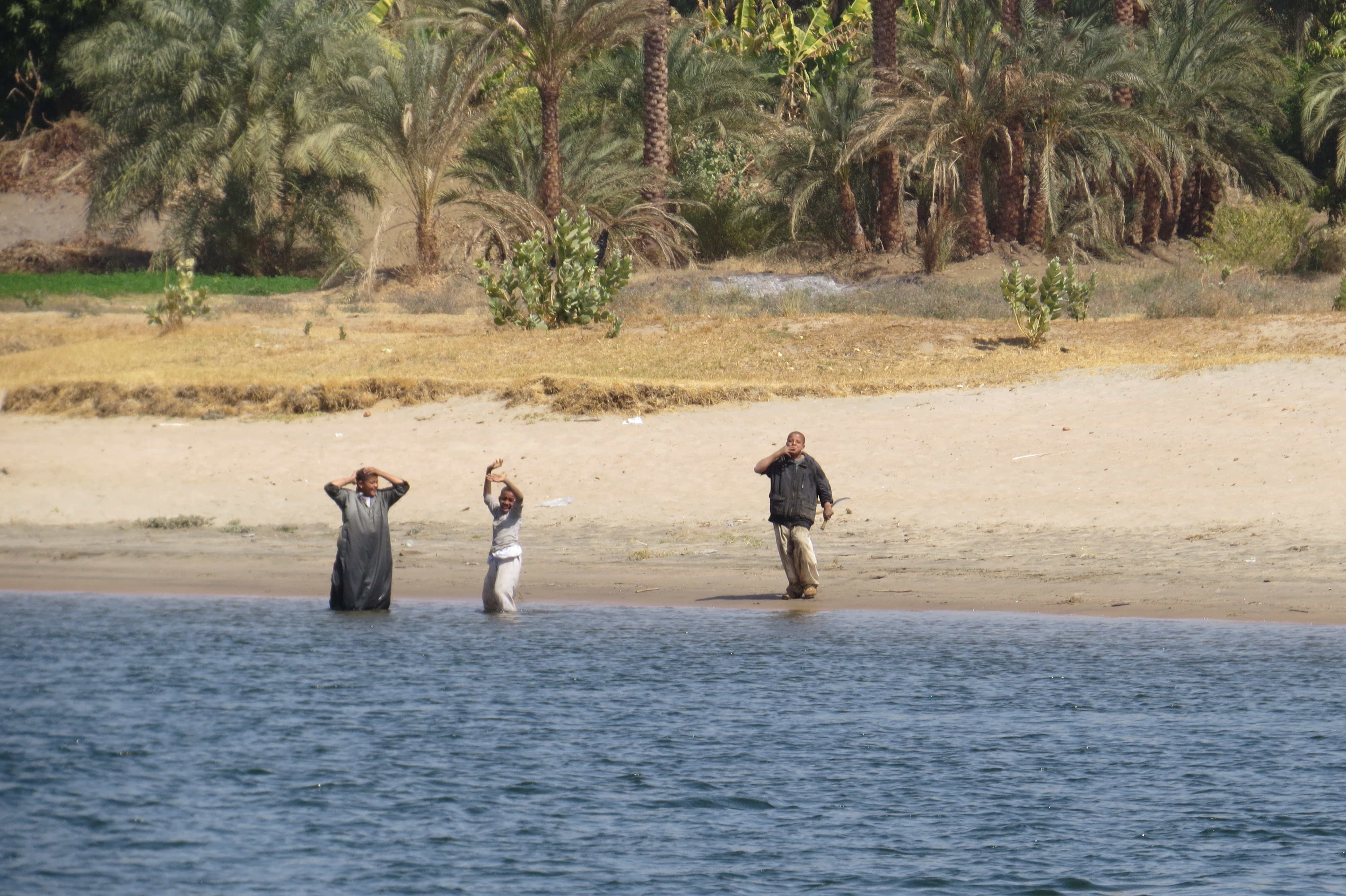
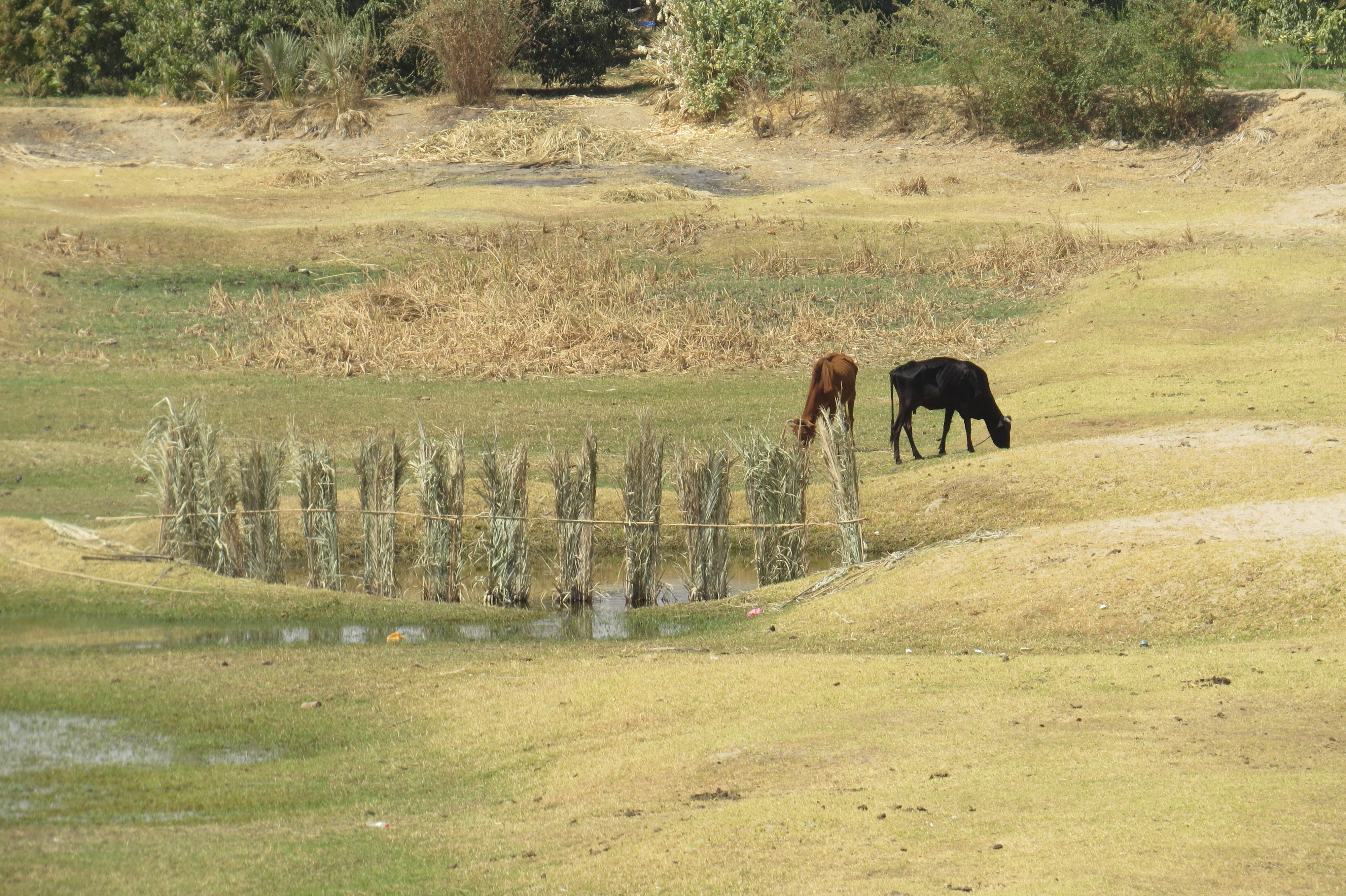
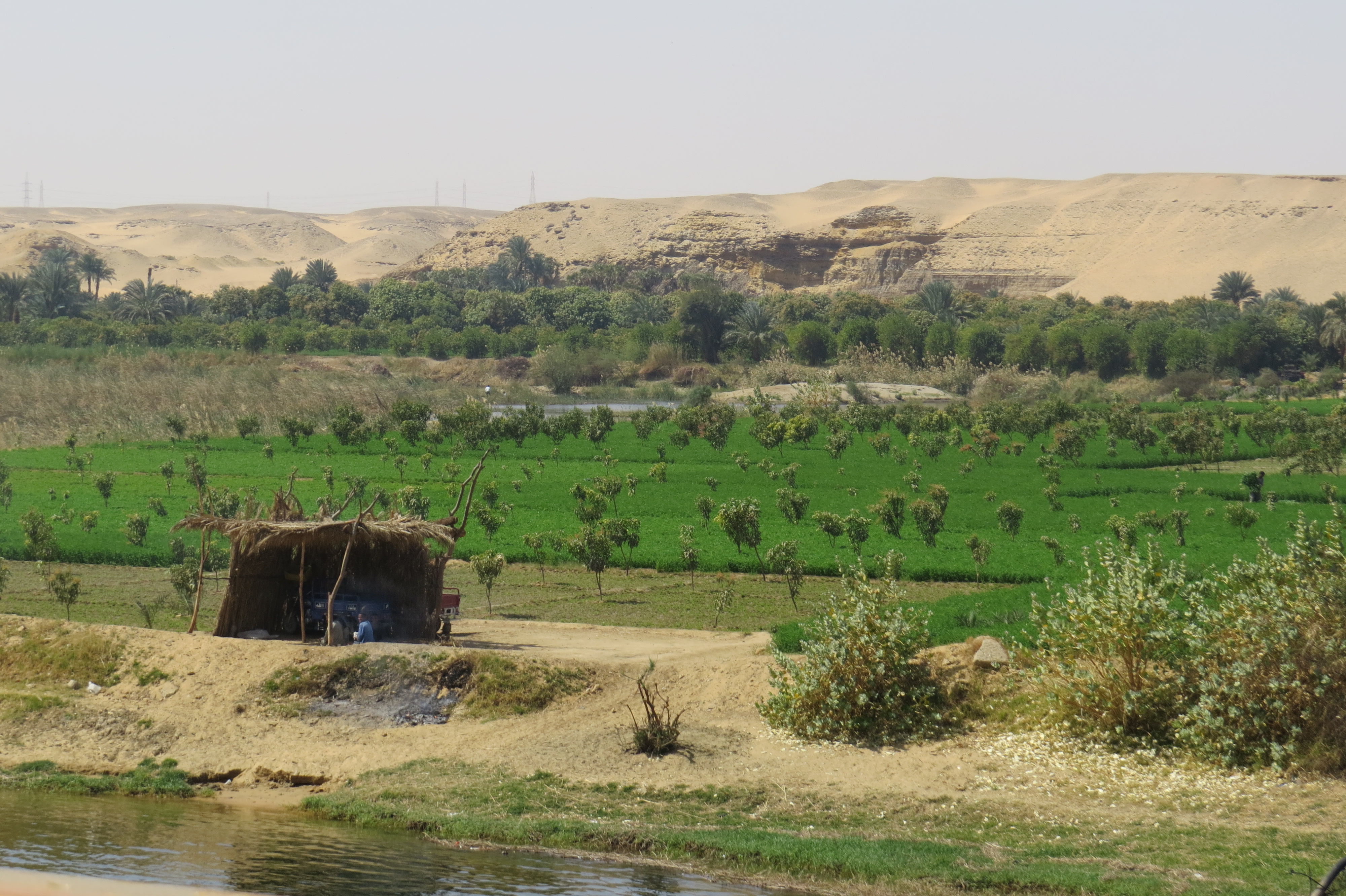
For all the mystique, temples, gods, pharoahs, history, and traffic chaos we had experienced, here was simple beauty.  Watch, as Upper Egypt quietly floats by.

~~~~~~~~~~~~~~~~~~~~~~~~~~~~~~~~~~~~~

~~~~~~~~~~~~~~~~~~~~~~~~~~~~~~~~~~~~~

Papyrus

~~~~~~~~~~~~~~~~~~~~~~~~~~~~~~~~~~~~~

~~~~~~~~~~~~~~~~~~~~~~~~~~~~~~~~~~~~~

~~~~~~~~~~~~~~~~~~~~~~~~~~~~~~~~~~~~~

~~~~~~~~~~~~~~~~~~~~~~~~~~~~~~~~~~~~~

~~~~~~~~~~~~~~~~~~~~~~~~~~~~~~~~~~~~~

~~~~~~~~~~~~~~~~~~~~~~~~~~~~~~~~~~~~~

~~~~~~~~~~~~~~~~~~~~~~~~~~~~~~~~~~~~~

~~~~~~~~~~~~~~~~~~~~~~~~~~~~~~~~~~~~~

~~~~~~~~~~~~~~~~~~~~~~~~~~~~~~~~~~~~~

~~~~~~~~~~~~~~~~~~~~~~~~~~~~~~~~~~~~~

~~~~~~~~~~~~~~~~~~~~~~~~~~~~~~~~~~~~~

~~~~~~~~~~~~~~~~~~~~~~~~~~~~~~~~~~~~~

~~~~~~~~~~~~~~~~~~~~~~~~~~~~~~~~~~~~~

~~~~~~~~~~~~~~~~~~~~~~~~~~~~~~~~~~~~~

~~~~~~~~~~~~~~~~~~~~~~~~~~~~~~~~~~~~~

~~~~~~~~~~~~~~~~~~~~~~~~~~~~~~~~~~~~~

Pulling into Luxor

Ahhhhhh,

Jan
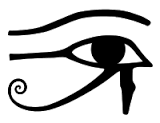
The Eye of Horus

The Eye of Horus is an ancient Egyptian symbol of protection, royal power and good health.  Clearly it was watching over me today.  We are sailing the Nile with two stops, first at Kom Ombo Temple and later, Edfu Temple.  Both were built by Ptolemic kings in the first or second centuries BCE.  So young!  The Eye of Horus must have kept me from Kom Ombo Temple.
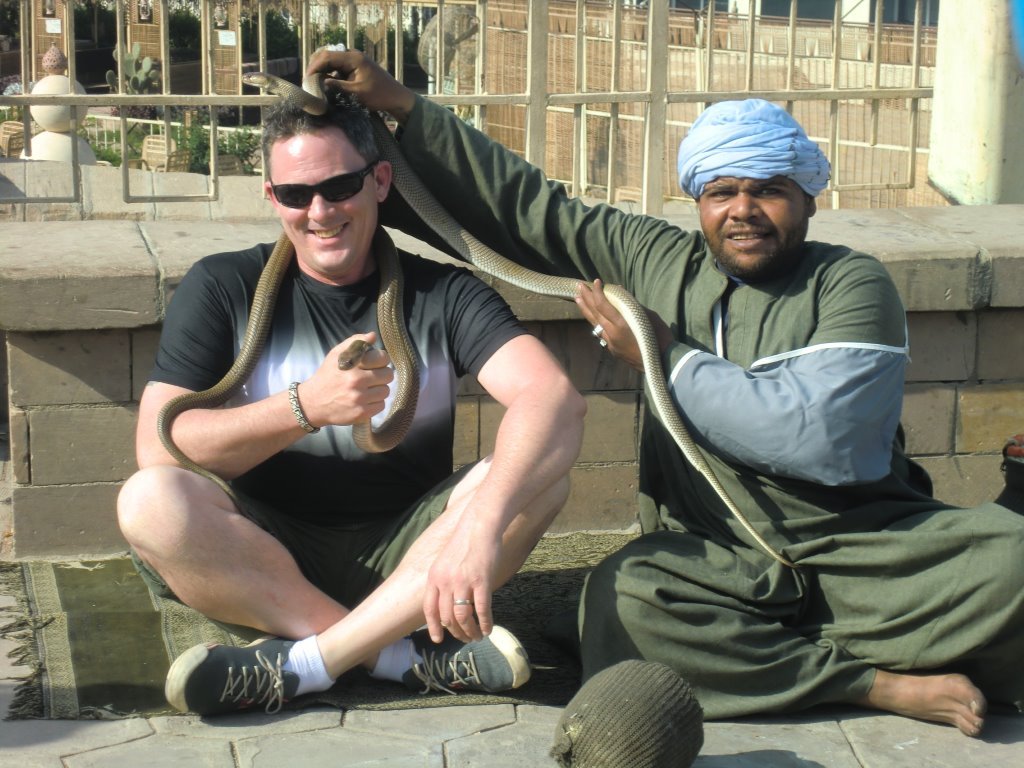
Kom Ombo Temple is dedicated in part to Sobek, the crocodile, reptilian god.  It was the only temple I missed and the only place in Egypt where we were to see a – ew, I don’t even want to say the word – cobra.  I could barely touch the screen for Diane’s shot of Simon:
And that is all I have to say about that.

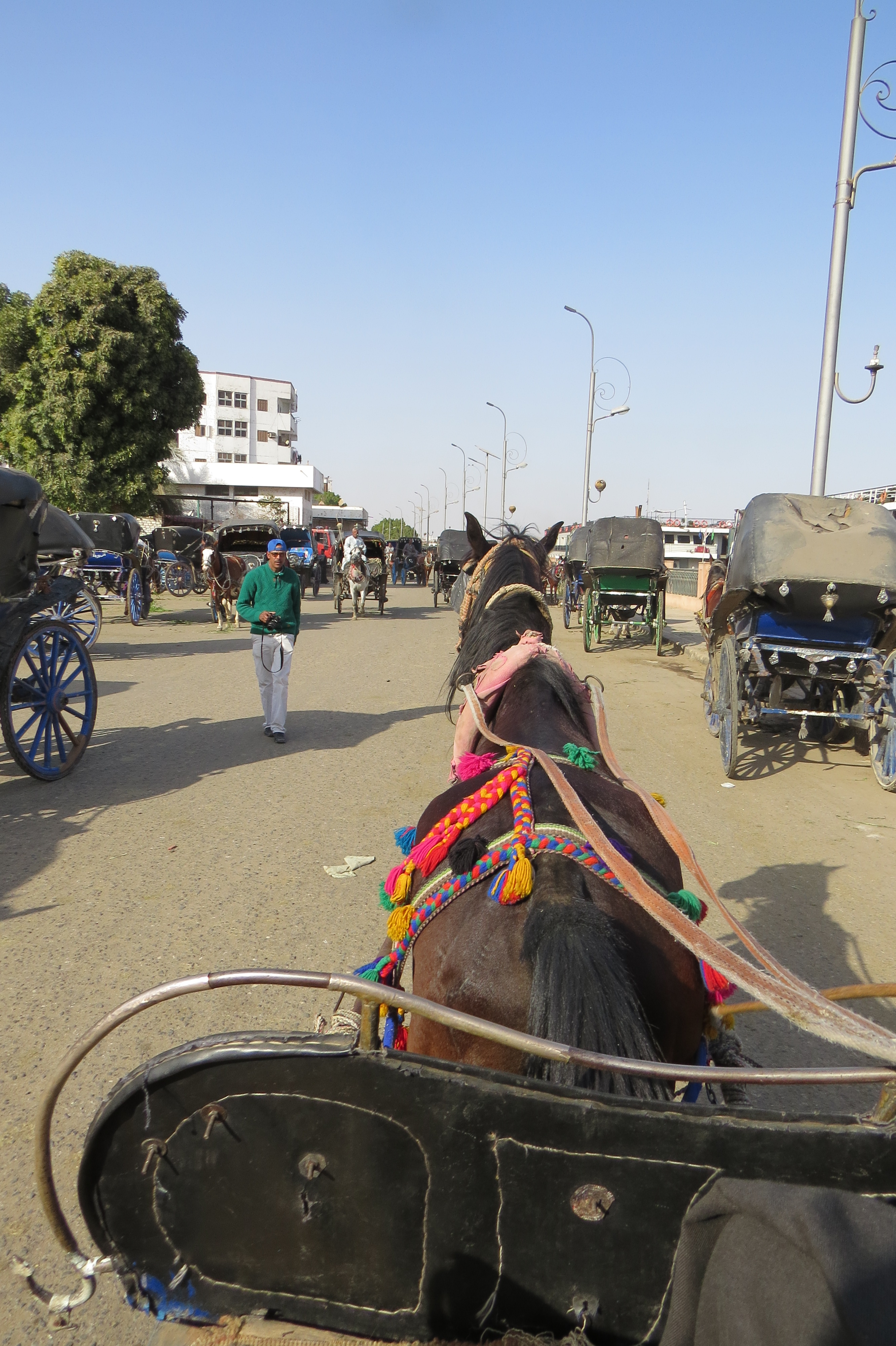
This afternoon, we stopped at Edfu to visit the temple there.  We boarded horse-and-buggies –

– in what must be said was a somewhat harrowing ride through busy traffic with a horse of dubious age and health.   Other horses and buggies roared past us.  Our driver may think it was my fault, since every time he tried to use his stick on the horse, I struck him on the arm.  Another driver told him to get a move on and a lengthy conversation ensued.  I imagine our driver was saying he was grateful I didn’t have Amelia Peabody’s parasol.

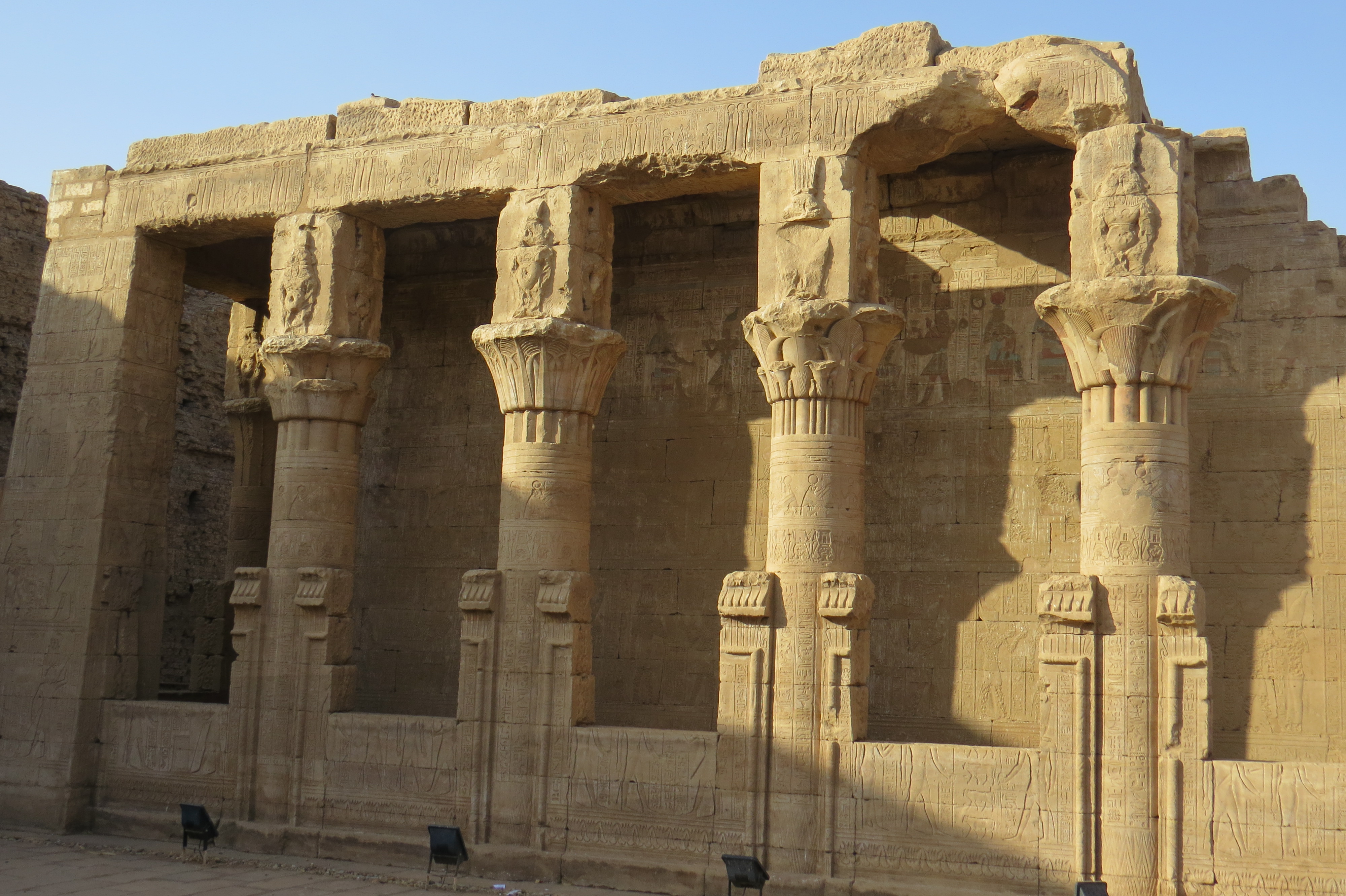
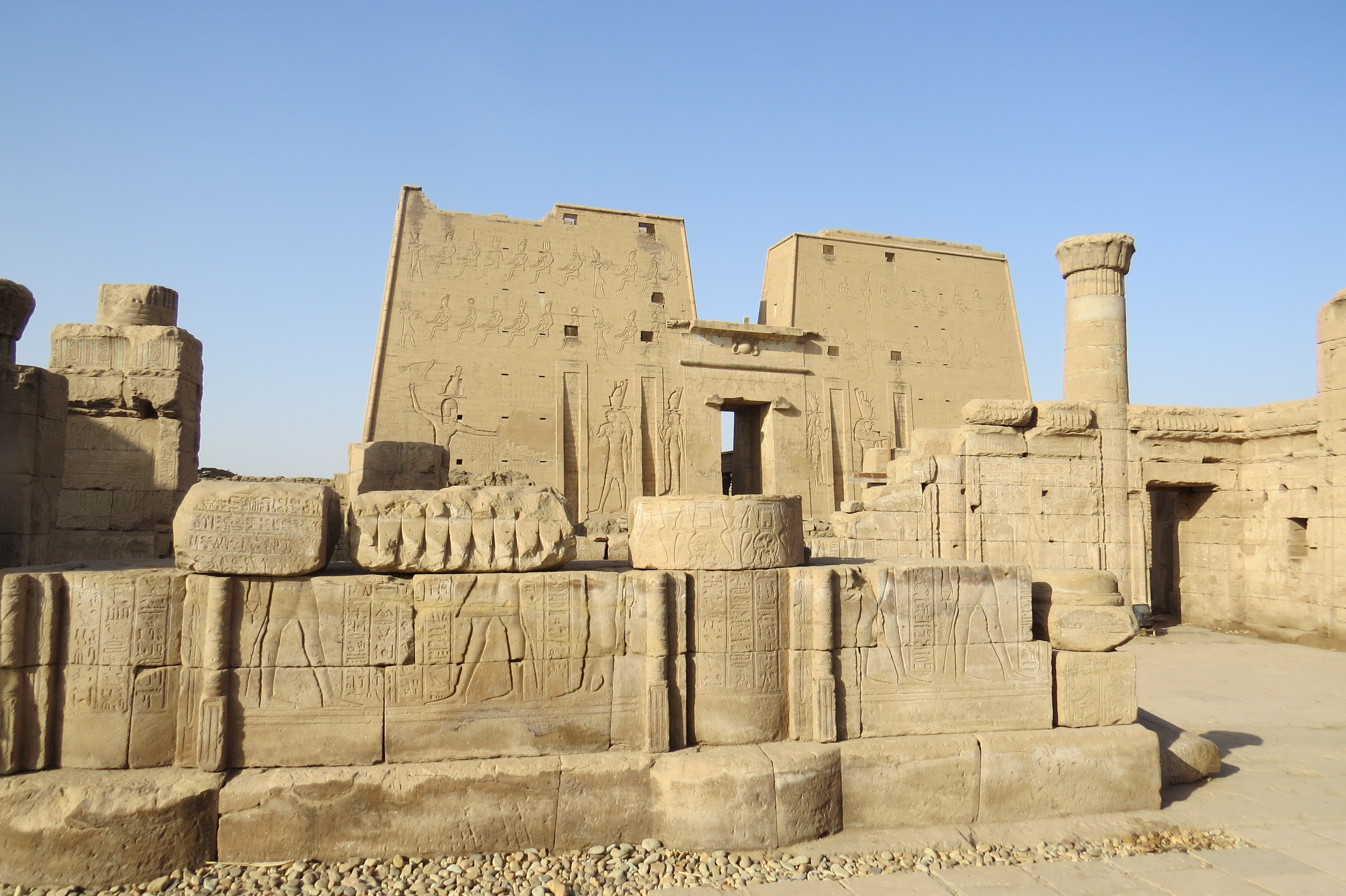
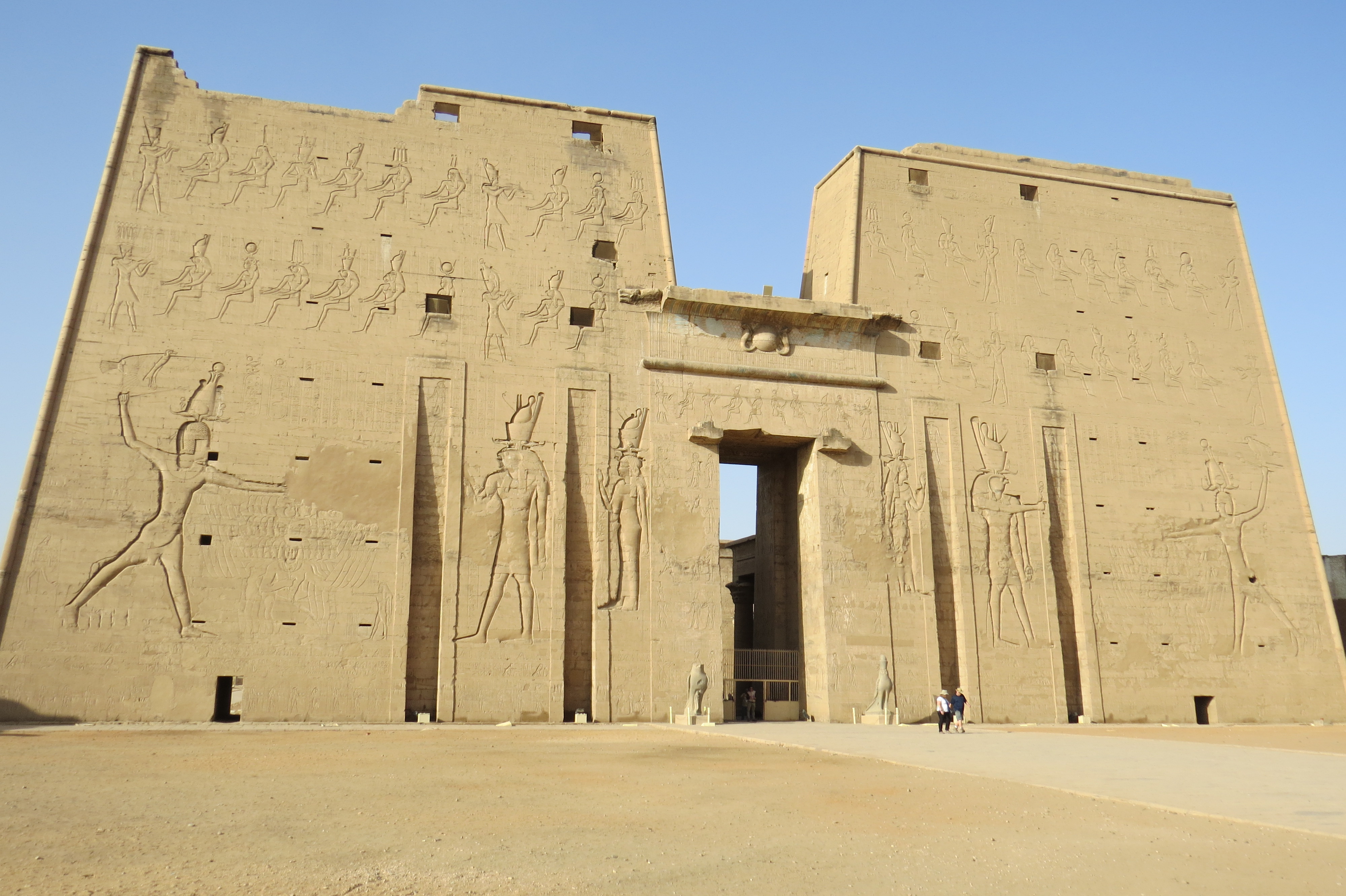
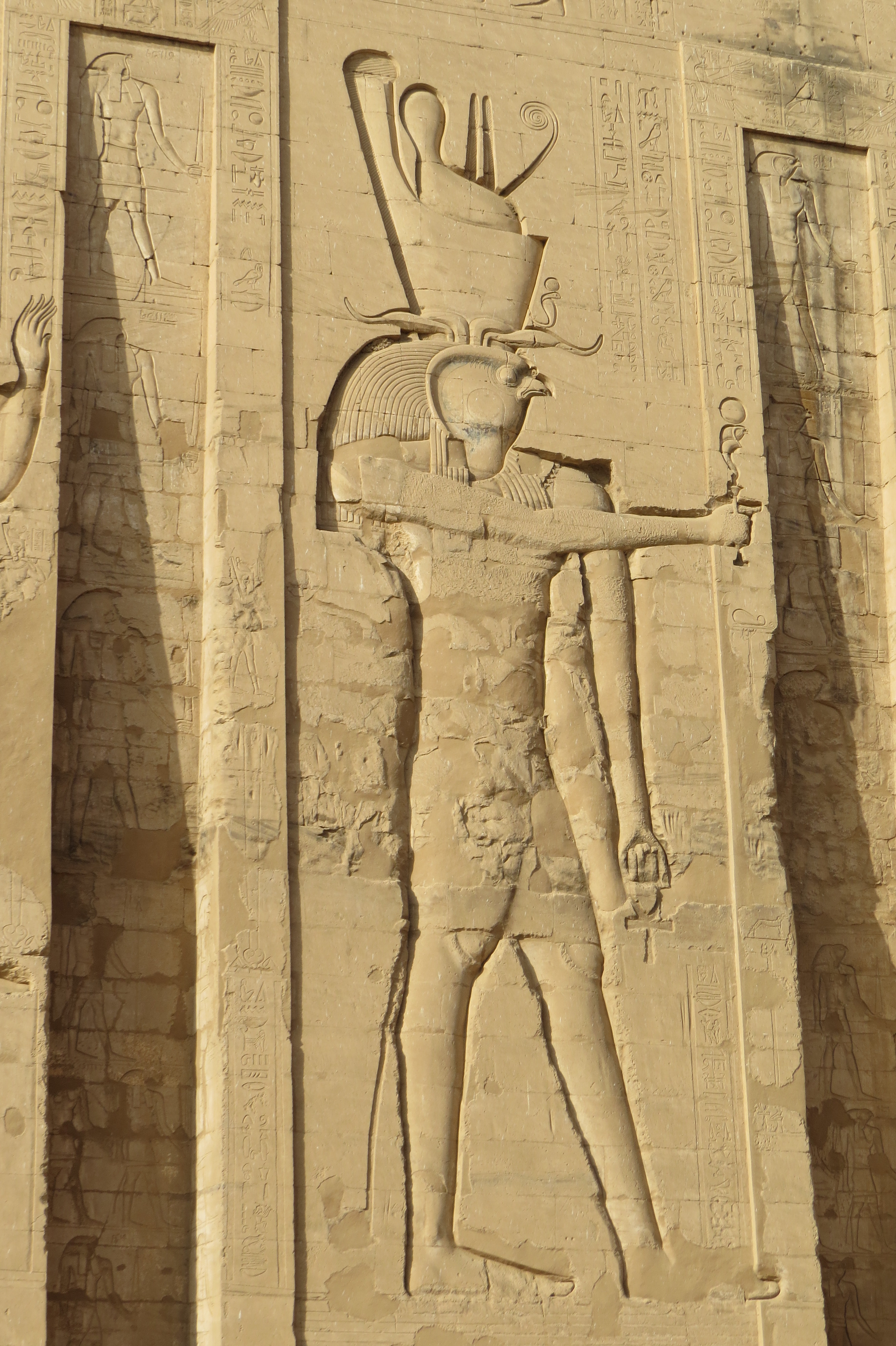
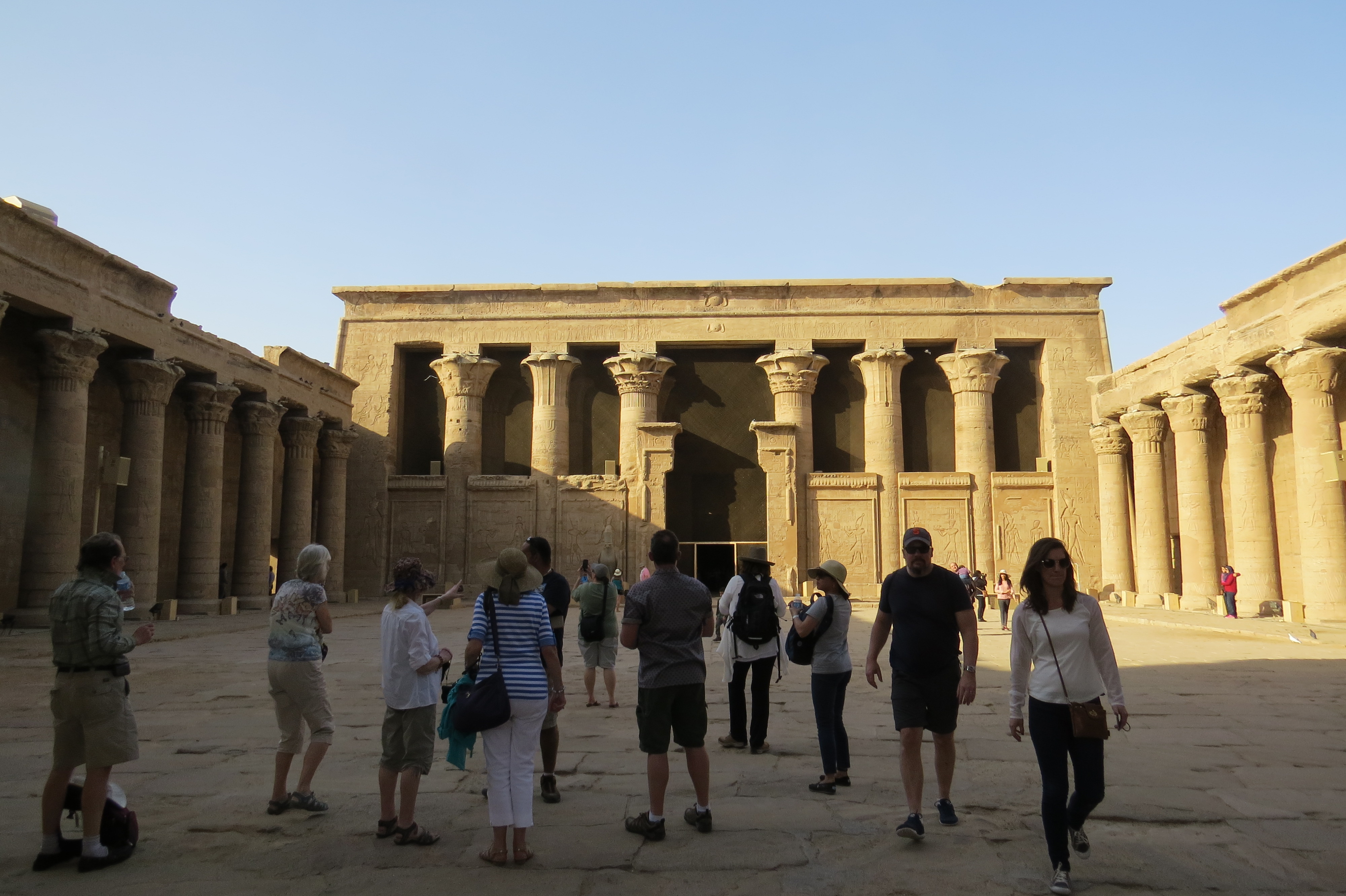
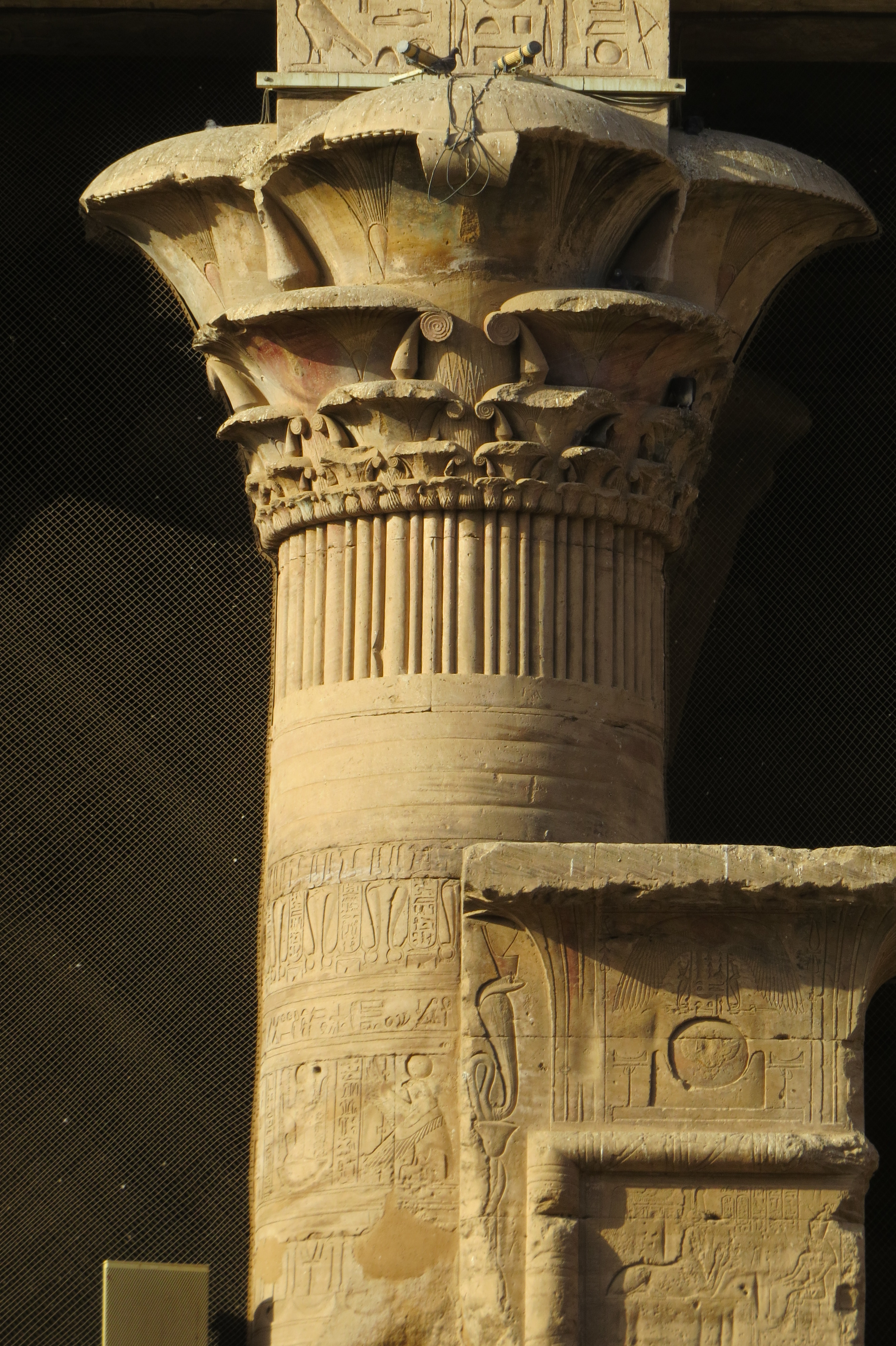
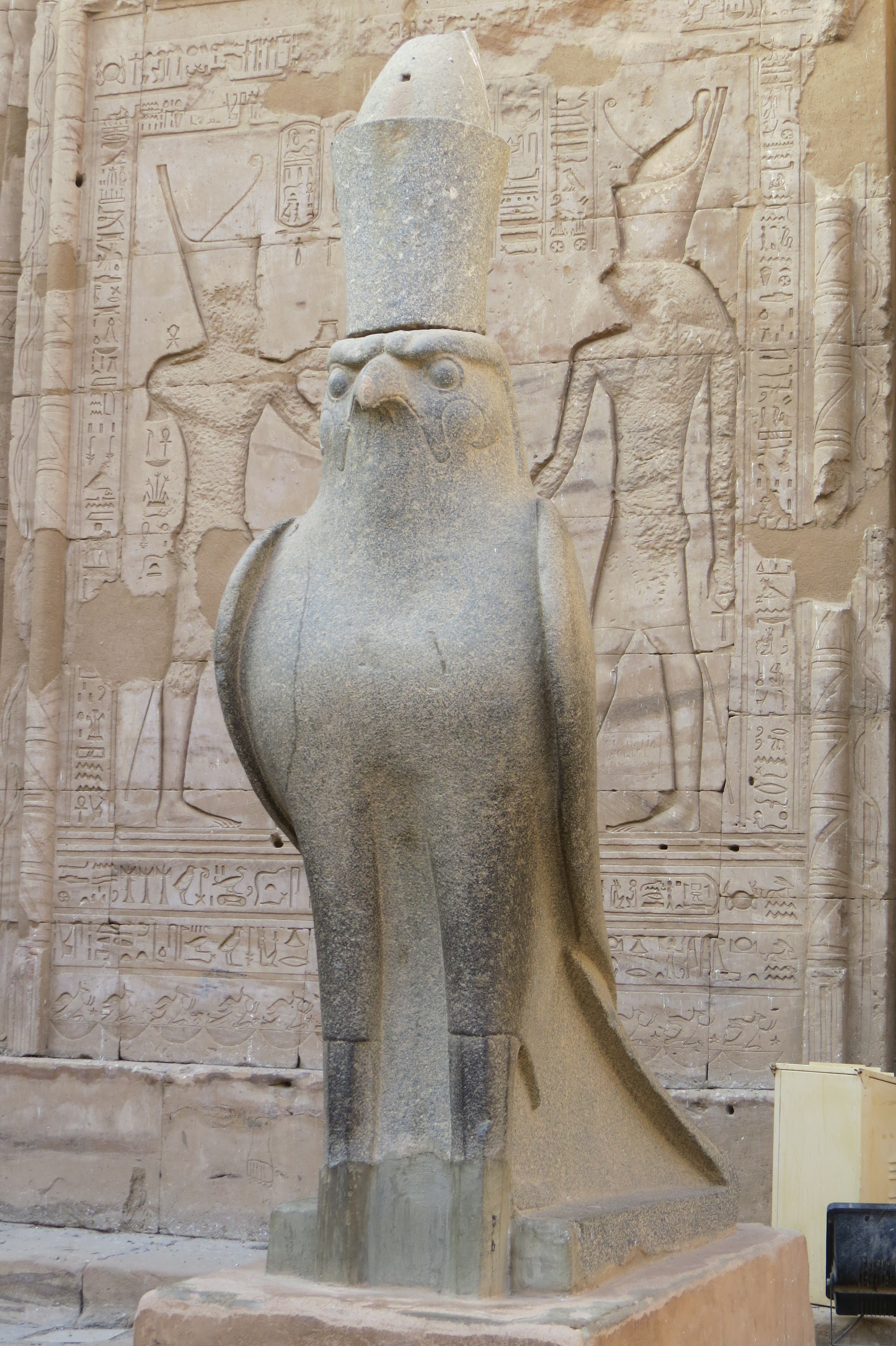
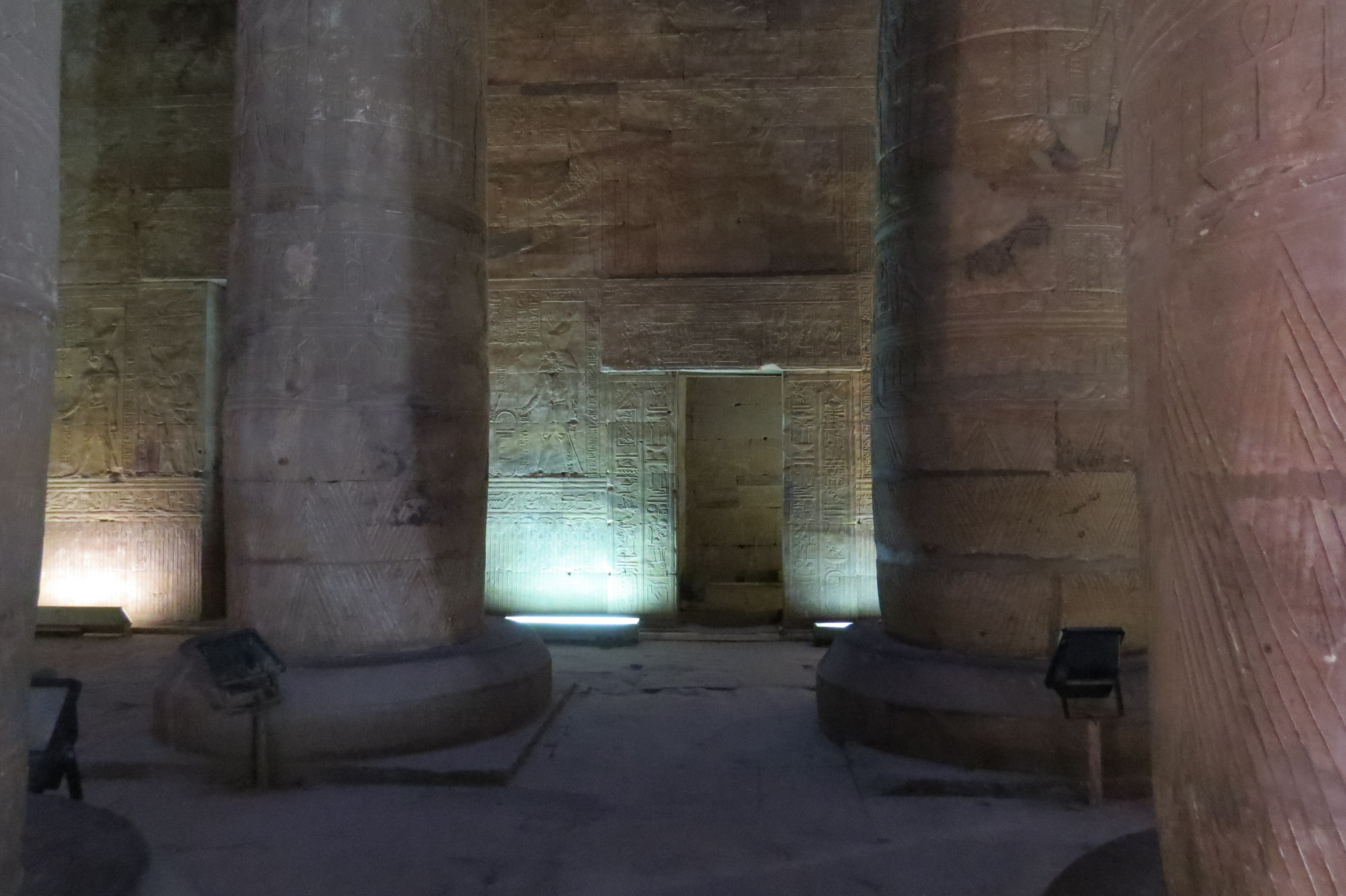
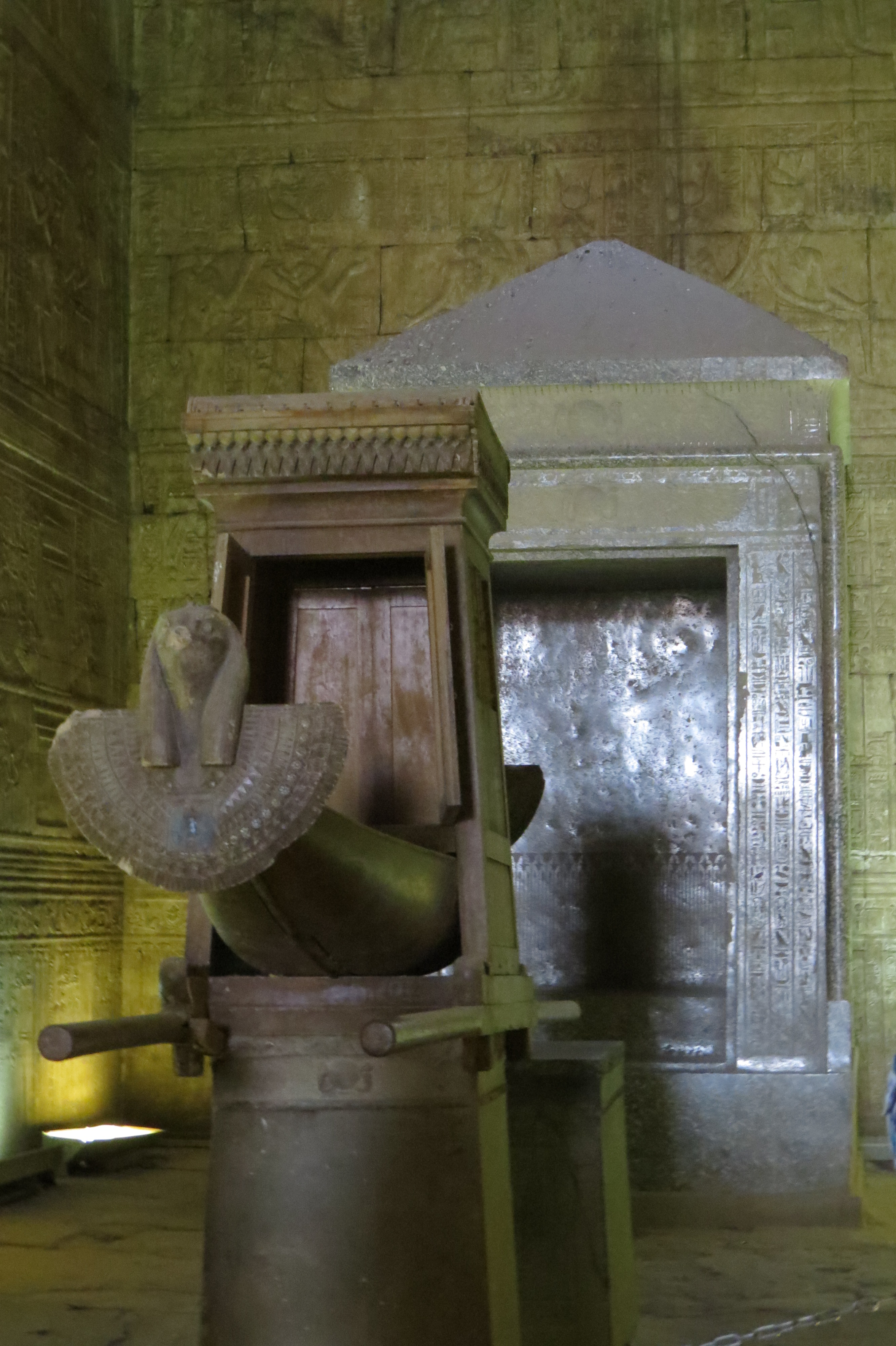
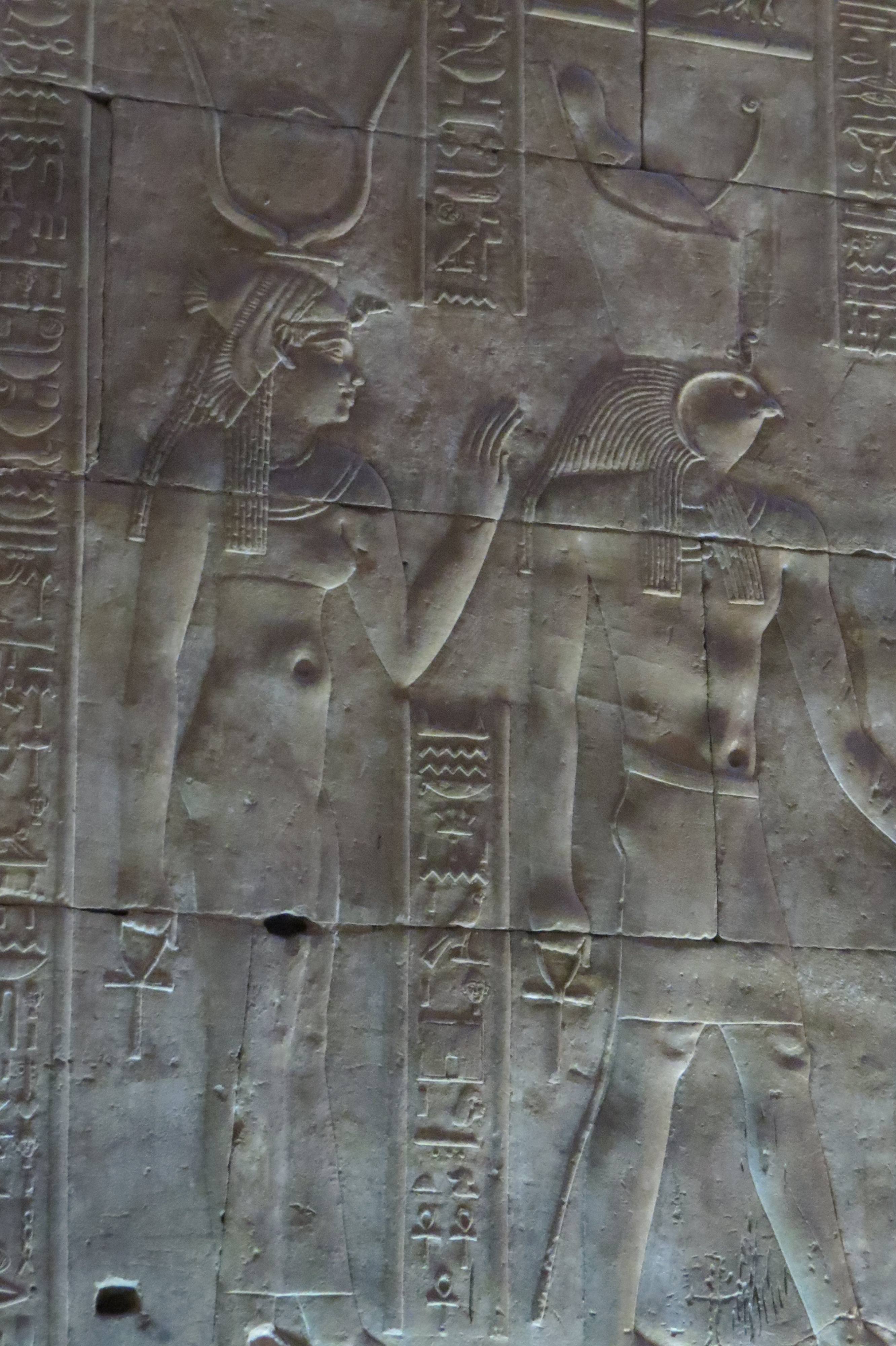
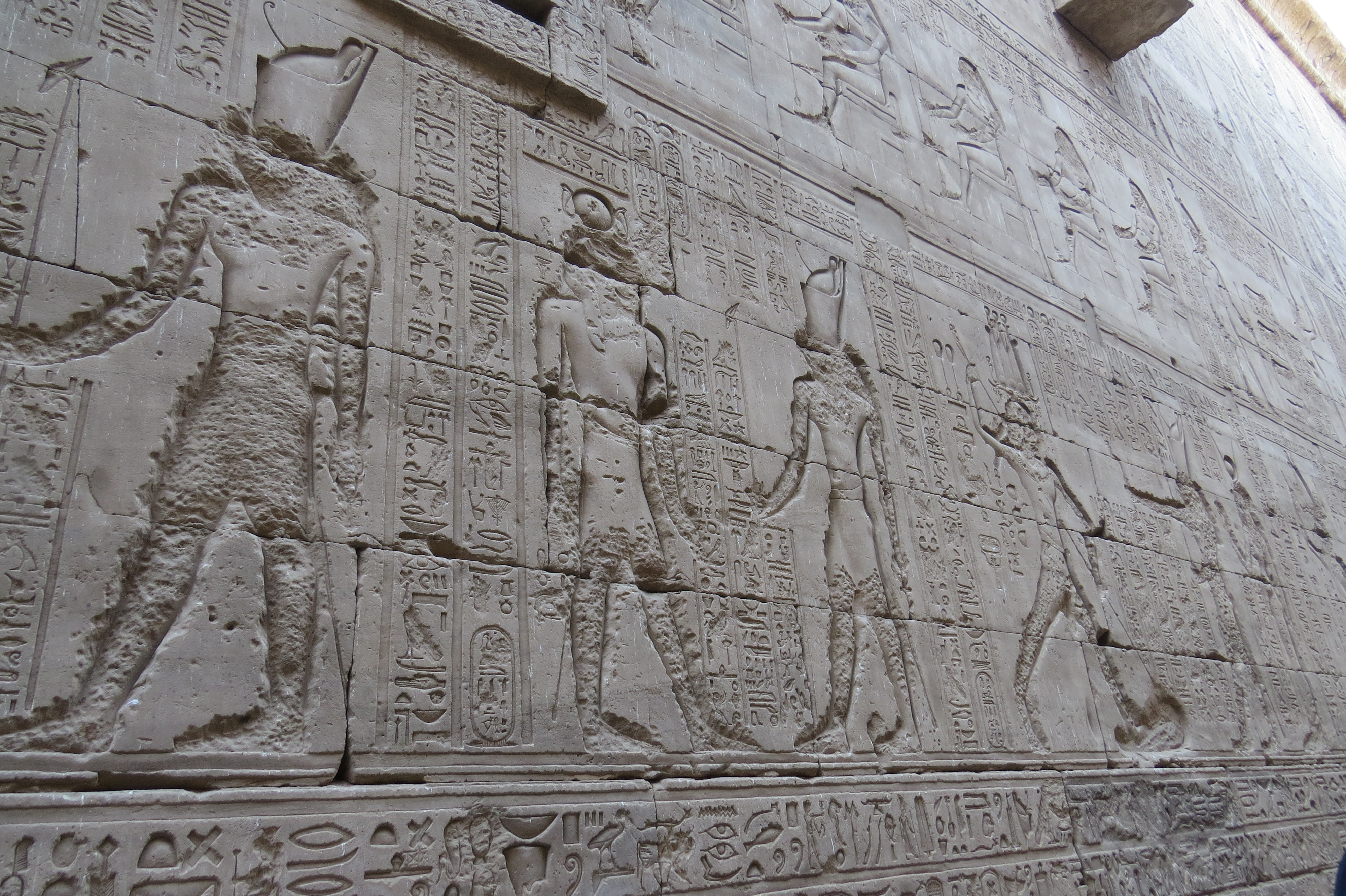
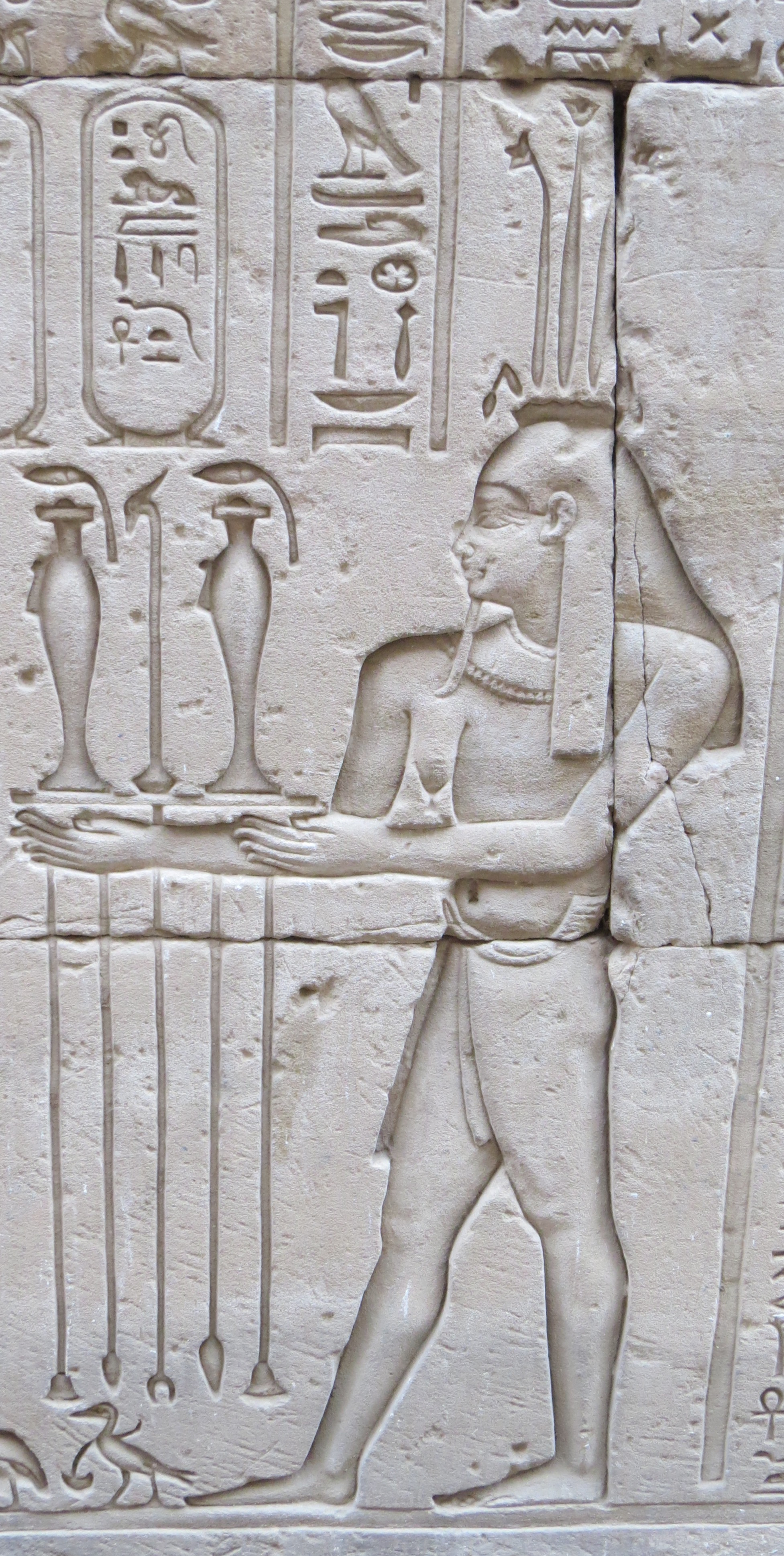
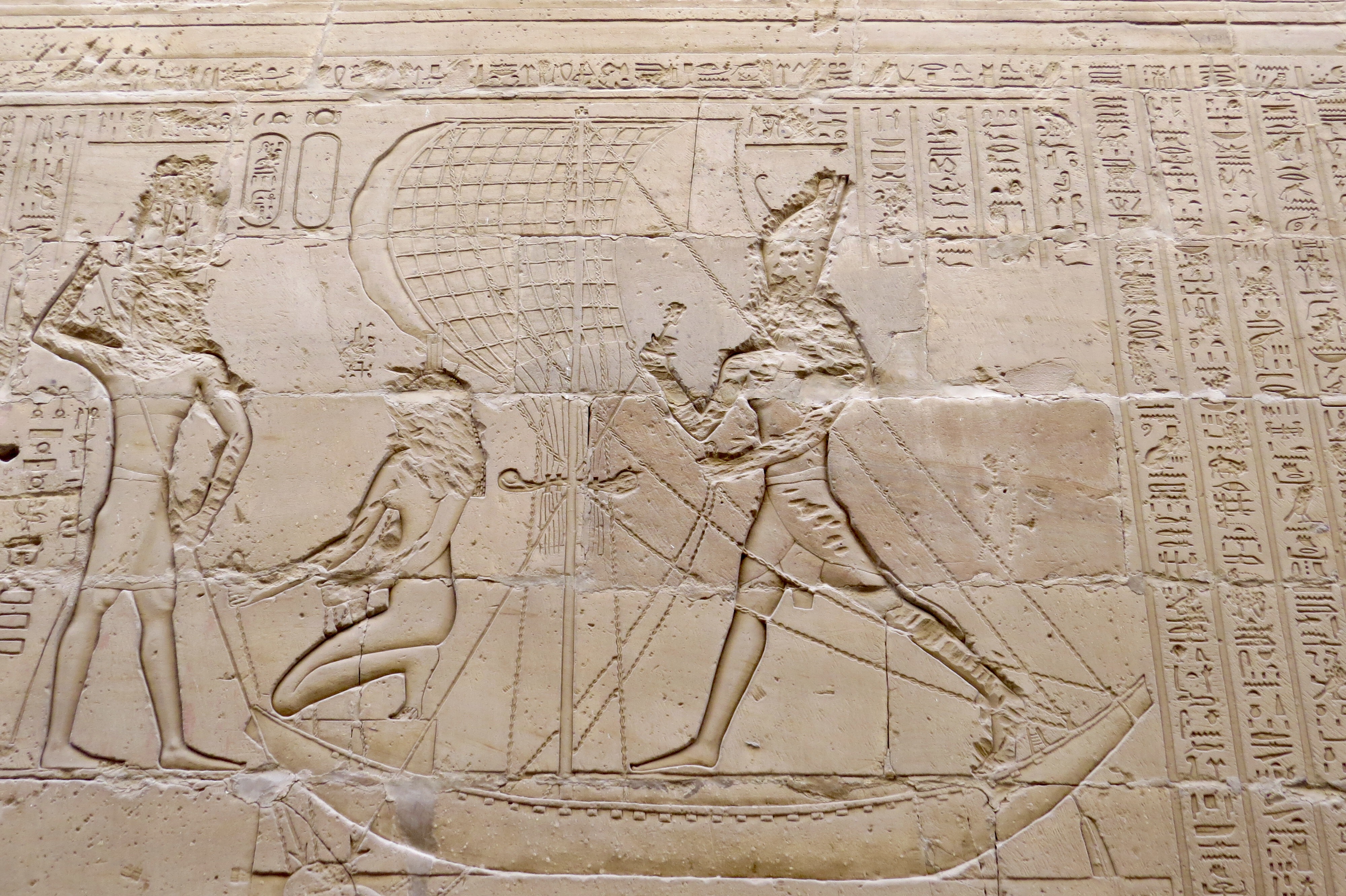
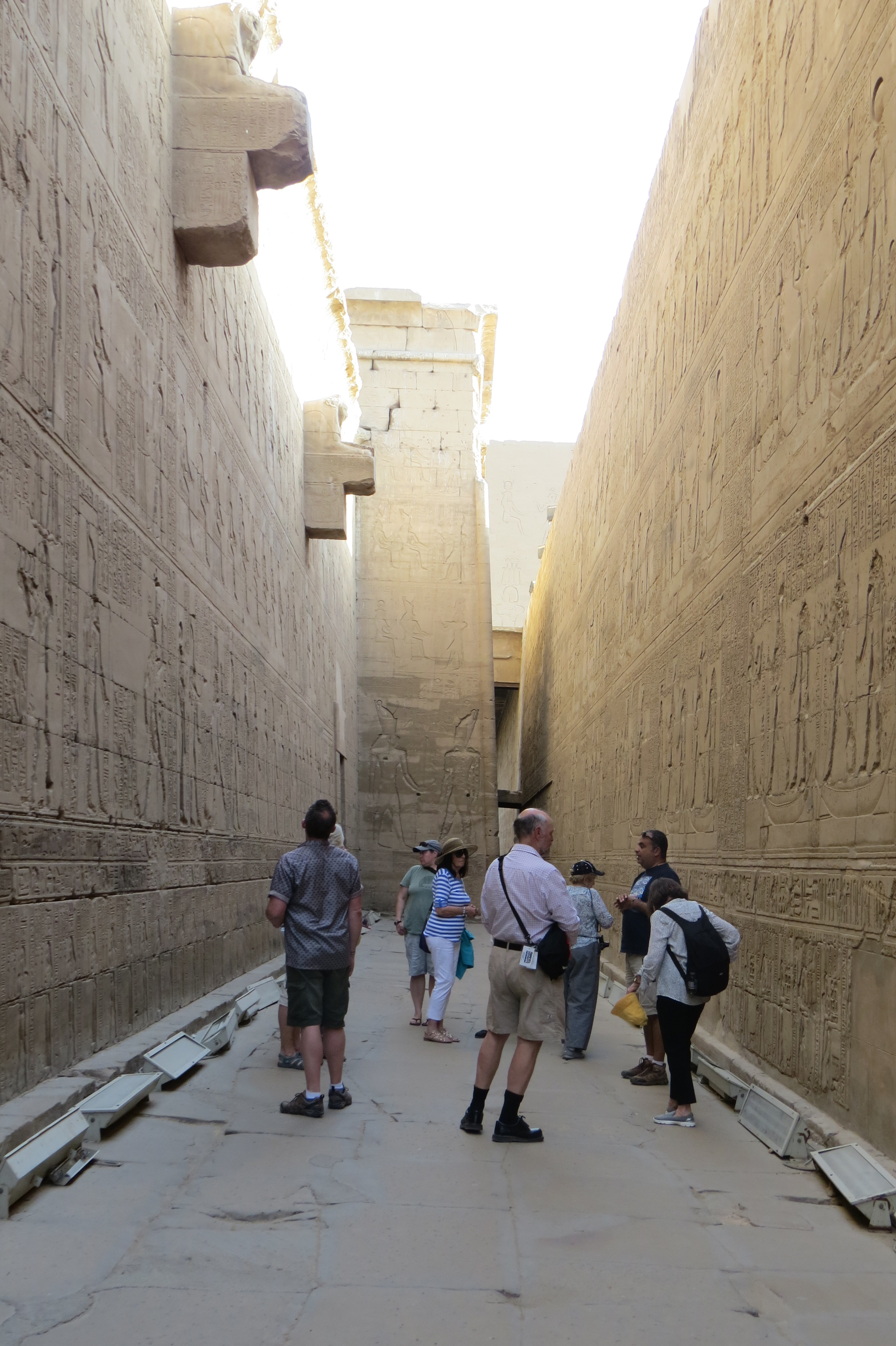
Edfu Temple was beautiful.  Sadly, much of its beauty had been erased by chisels and hammers, purportedly the work of Costic Christians who later occupied the temple.  However, there were still amazing sculptures and bas-reliefs.


Horus


Best,

Jan