All posts by J Silk

A Question of Art

Although I’ve been lucky enough to see some of the greatest Western art housed in the some of the greatest art museums on the planet, it wasn’t until I got to Madrid that I cast my eyes on two of the greatest paintings ever painted – one classical, one modern.

But don’t take my word for it.

Las Meninas – The Greatest Painting Ever Created?
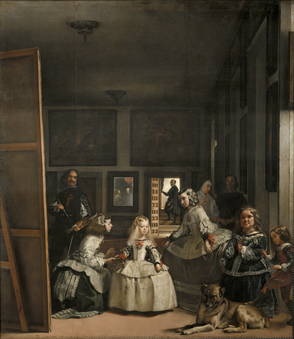
Las Meninas, Velazquez, 1656

Is it a work of realism?  Every person depicted in the picture, including the King and Queen reflected in the mirror, is a real person of recorded history painted in almost photographic detail.  The large canvas with its effects in perspective seems to make the King and Queen, also the viewer, life-sized, part of the picture, dissolving the canvas between them.  Or does the intellectual Velazquez seek to answer the artist’s question, once and for all, is painting merely craft, or art?  Is the artist’s place in society functionary, or noble?

“Apparently spontaneous but in the highest degree worked out, it is both Velázquez’s most complex essay in portraiture and an expression of the high claims he made for the dignity of his art. Luca Giordano called it ‘the Theology of Painting’ because ‘just as theology is superior to all other branches of knowledge, so is this the greatest example of painting’. Posterity has endorsed his verdict, for in a poll of artists and critics in The Illustrated London News in August 1985, Las Meninas was voted – by some margin – ‘the world’s greatest painting’.”

– From http://www.wga.hu/tours/spain/velazqu1.html
The Web Gallery of Art

“…Velázquez – a painter, albeit one with favour at court, who had the gall to photobomb a royal portrait. Velázquez has made the painting but also lives in the world of the painting; he is on our side looking in, but also in the painting looking out. Never before in western art had an artist depicted himself as the equal of princes, but Velázquez must have been so confident in the endurance of Las Meninas that he was ready to turn a royal commission into a self-portrait. Philip IV, anyway, seems to have approved. As Hapsburg Spain collapsed around him, he kept Las Meninas in his personal study, and no-one was permitted to gaze upon it except the man so slightly depicted in the mirror at rear. In 1659, Velázquez was inducted into the Order of Santiago, and when the artist died the next year Philip ordered a revision to Las Meninas – adding to the painter’s chest a grand red cross.”

– Jason Farago, BBC
http://www.bbc.com/culture/story/20150320-the-worlds-first-photobomb

You could also check out my Northern Spain Reading and Watch List at the top for a youtube video of Sister Wendy on Las Meninas.

Picasso, too, opined on the painting. He made no less than 58 paintings based on the Velazquez work, one of them painted on December 30, 1957.
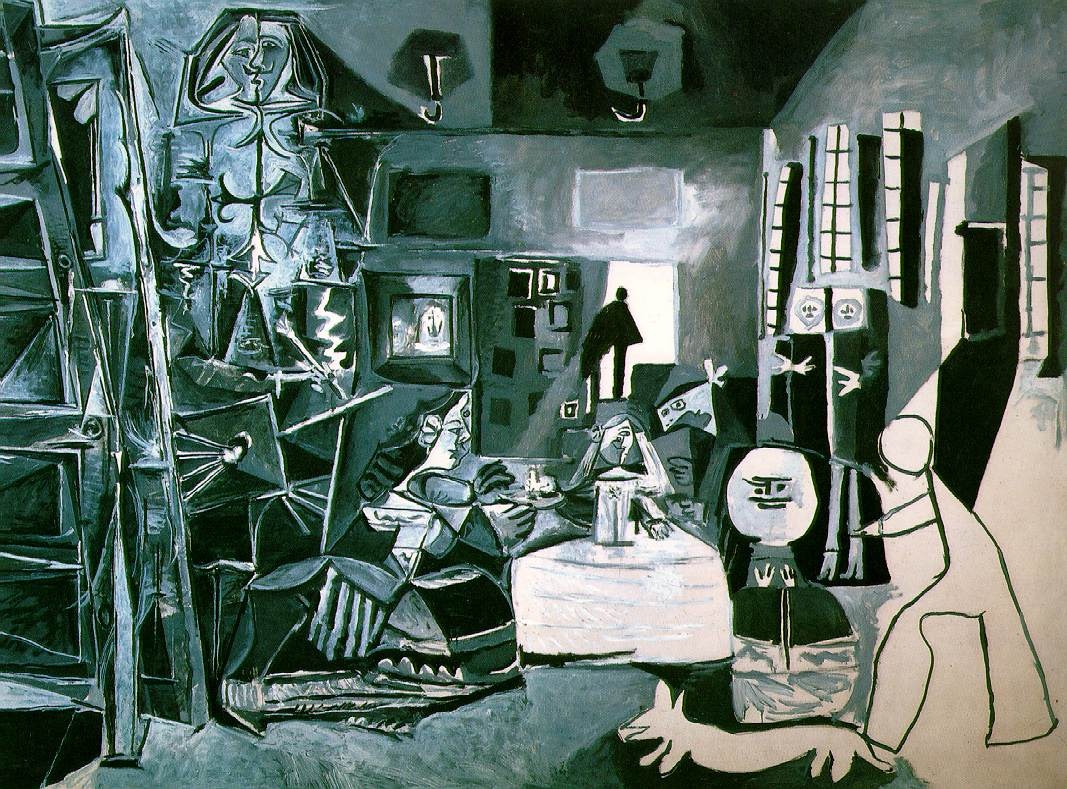
image

A wealth of other masterpieces are in the Prado’s collection, including:
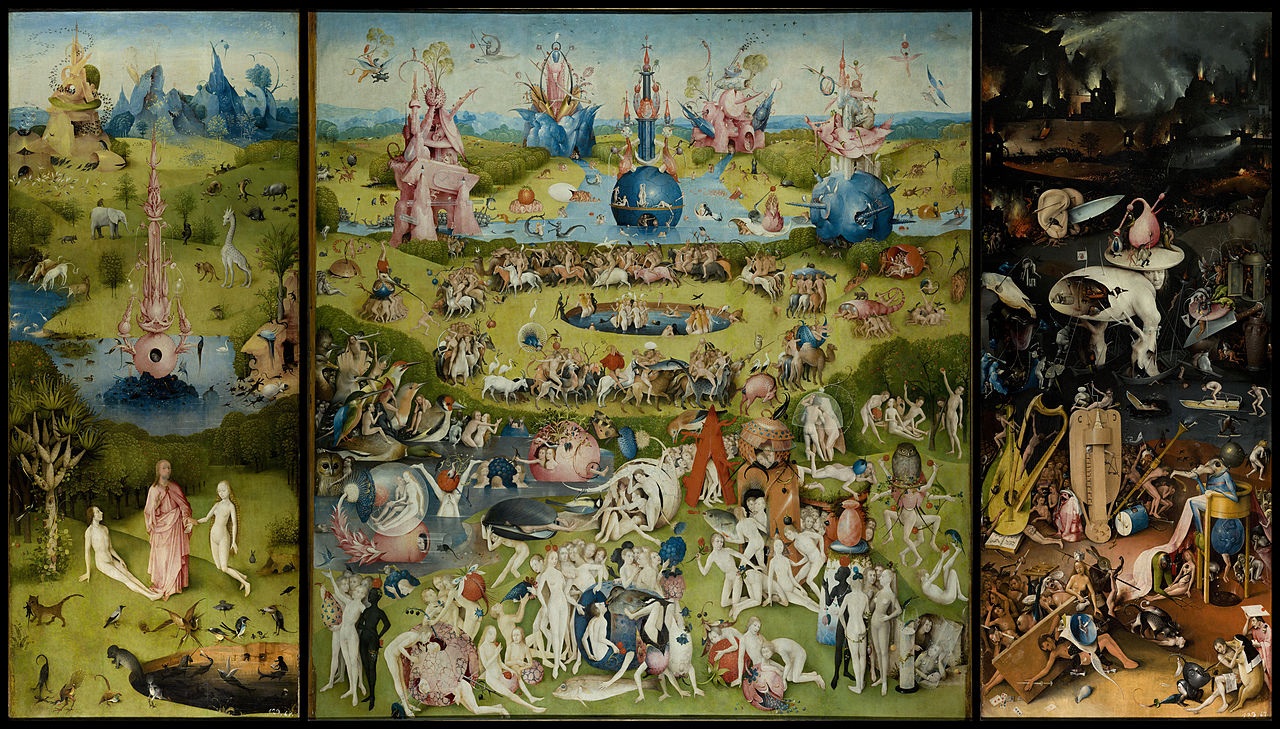
The Garden of Earthly Delights, Hieronymus Bosch, 1504
The Cardinal, Raphael, 1510
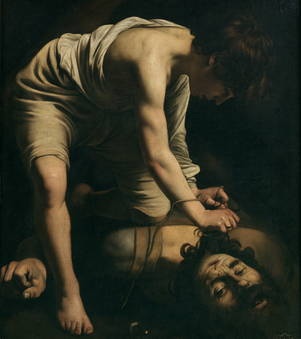
David and Goliath, Caravaggio, 1600
Equestrian Portrait of Charles V at Mahlberg, Titian, 1648
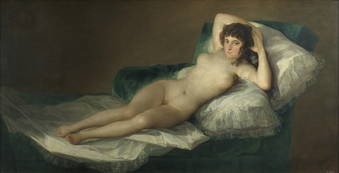
La Maja Desnuda, Goya, 1797
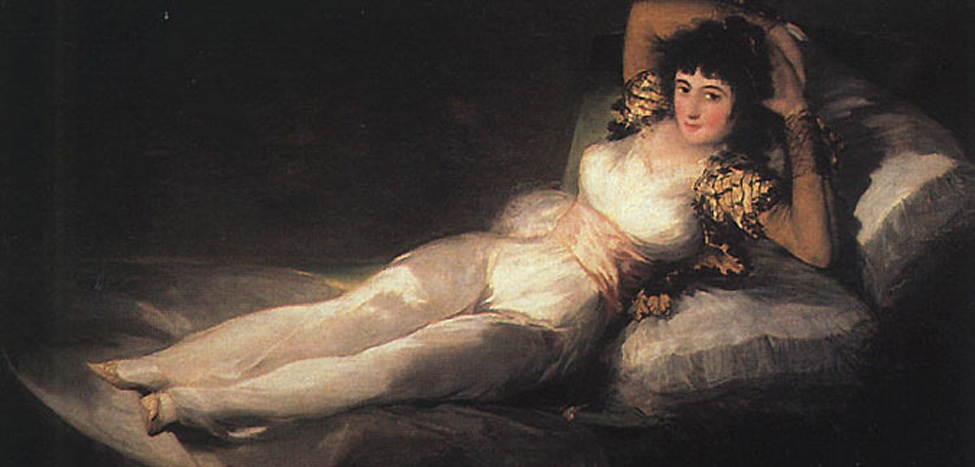
La Maja Vestida, The Clothed Woman, Goya, 1805

Goya’s nude was the first depiction of a nude woman, all previous depictions were mythological goddesses.  The two hang side-by-side at the Prado.
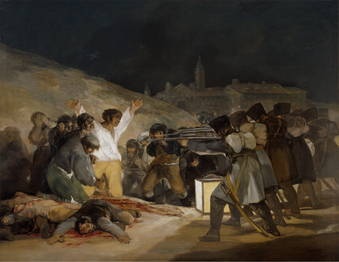
The 3rd of May, 1808, in Madrid, Goya, 1814

Guernica – A Call to Arms?

Guernica, Picasso, 1937

“Guernica, the most ancient town of the Basques and the centre of their cultural tradition, was completely destroyed yesterday afternoon by insurgent air raiders. The bombardment of this open town far behind the lines occupied precisely three hours and a quarter, during which a powerful fleet of aeroplanes consisting of three types of German types, Junkers and Heinkel bombers, did not cease unloading on the town bombs weighing from 1,000 lbs. downwards and, it is calculated, more than 3,000 two-pounder aluminium incendiary projectiles. The fighters, meanwhile, plunged low from above the centre of the town to machinegun those of the civilian population who had taken refuge in the fields.” For a full account, see the page at the top, April 28, 1937 New York Times article on the Bombing of Guernica.

In January 1937, the Spanish Republican government commissioned Picasso to create a large mural for the Spanish display at the Exposition Internationale des Arts et Techniques dans la Vie Moderne at the 1937 World’s Fair in Paris. At the time, Picasso was living in Paris, where he had been named Honorary Director-in-Exile of the Prado Museum. He had last visited Spain in 1934 and never returned. However, it was only on May 1, having read George Steer’s eyewitness account of the bombing of Guernica (originally published in the April 28th, 1937 article), that he abandoned his initial project and started sketching a series of preliminary drawings for Guernica, and which he would finish in early June 1937.
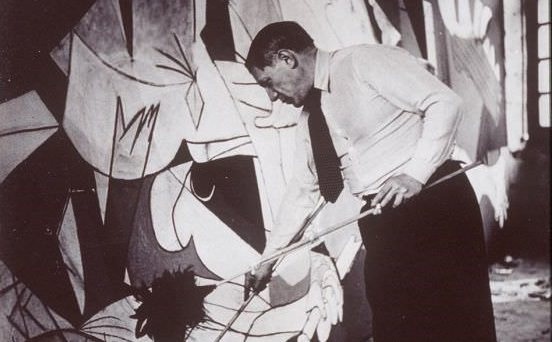
Picasso working on Guernica

The German Luftwaffe’s Condor Legion did the bombing at the request of Gen. Francisco Franco, who led a military rebellion against Spain’s democratically elected government. Franco enlisted the help of Adolf Hitler and Benito Mussolini, who were eager to practice modern techniques of warfare on the defenceless citizens of Spain. The bombing of Guernica was the first complete destruction by aerial bombardment of a civilian city in European history. While homes and shops were destroyed, several arms-manufacturing facilities, along with a key bridge and the rail line, were left intact.

PIcasso’s masterpiece depicts the horrors of war, etched into the faces of the people and the animals on the canvas. It would not prove to be the worst attack during the Spanish Civil War, but it became the most famous, through the power of art.

Franco himself recognized the significance of Picasso’s silent protest. Madrid sent propaganda posters to Paris, insisting they be hung outside the pavilion.

Picasso’s mural showed the world Spain’s fate under Franco’s regime. Artists from across Europe (including, of course, the brazen Ernest Hemingway) went to Spain and took up arms in support of the Republicans. There can be little doubt that Republicans themselves took up arms after word spread of Guernica, the bombing, and Guernica, the mural.

I prefer this view: Franco started the Spanish Civil War. Guernica inspired the courage to stop him. Unfortunately, it took 38 years to stop him, and another five years for Picasso’s Guernica to return to Spain. In the meantime, Picasso, in 1944, joined the French Communist Party. He attended an international peace conference in Poland, and in 1950 received the Stalin Peace Prize from the Soviet government, but party criticism of a portrait of Stalin as insufficiently realistic cooled Picasso’s interest in Soviet politics.
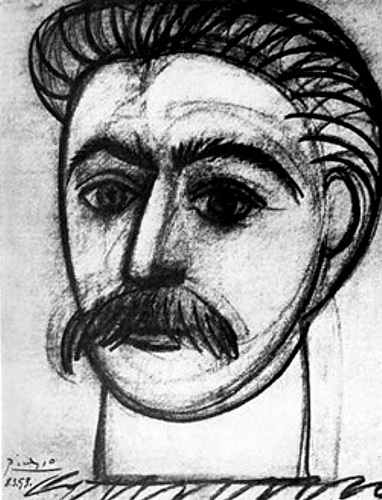
Stalin, Picasso, 1953

Picasso, an unceasing voice against Franco and fascism, died in 1973, just three years before Franco died and democracy was restored to Spain. Although Guernica returned to Spain, Picasso was never able to return to his homeland himself.

Where does Guernica belong?

On September 10, 1981, Spanish artist Pablo Picasso’s monumental anti-war mural Guernica is received by Spain after four decades of refugee existence. In 1939 at the outset of World War II, Picasso gave the painting to New York’s Museum of Modern Art on an extended loan and decreed that it not be returned to Spain until democratic liberties were restored in the country. Its eventual return to Spain in 1981–eight years after Picasso’s death–was celebrated as a moral endorsement of Spain’s young democracy.

The painting was occasionally lent to European museums at the request of Picasso, and there are original letters at the gallery showing MOMA’s extreme reluctance to loan Guernica, doing so only with the intervention of Picasso himself.

On September 10, 1981, Guernica arrived in Madrid under heavy guard. The painting was to be housed in a new annex of the Prado Museum, only two blocks from the Spanish parliament, which had been the scene of an abortive military coup in February 1981. King Juan Carlos defused the revolt by convincing military commanders to remain loyal to Spain’s democratic constitution. The mural was hung behind thick bulletproof glass.

A number of groups in Spain, particularly Basque nationalists objected strongly to Guernica‘s permanent exhibition in Madrid. Complaints escalated after the painting was relocated to the new Centro de Arte Reina Sofía in Madrid in 1992. Since the 1997 opening of the Guggenheim Bilbao Museo, Basque nationalists have been calling for its transfer there.
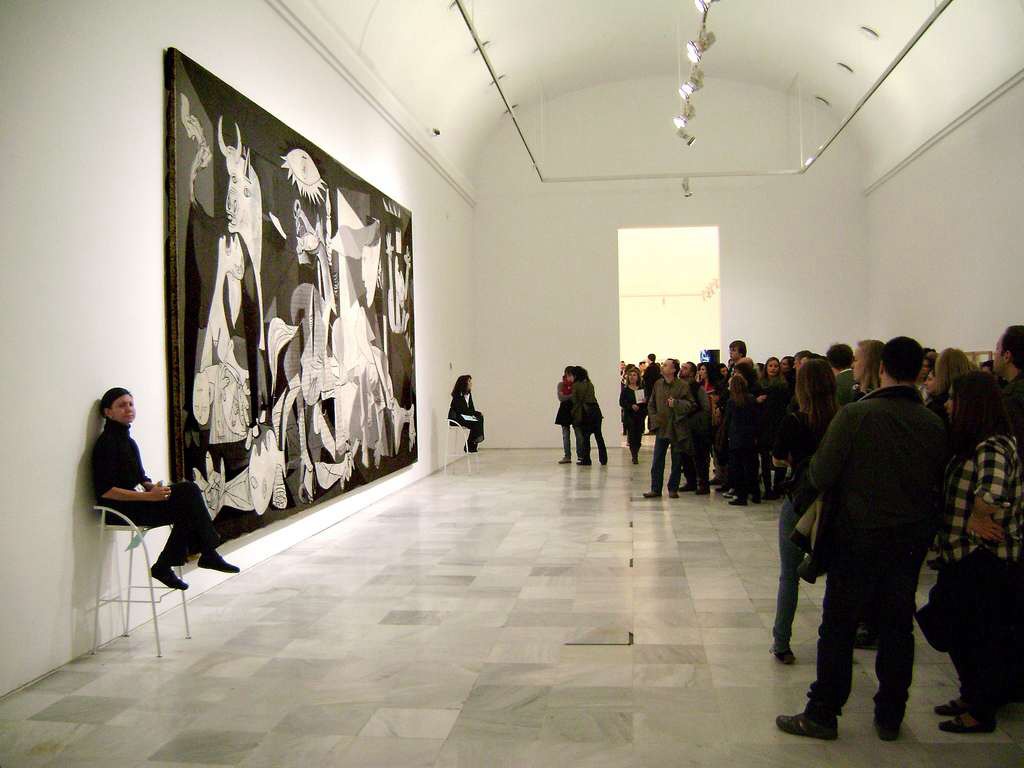
Guernica in the Reina Sofia

I can’t do the huge mural (11.5 feet by 25.5 feet) justice with these small images. You will have to see it for yourself, at the lovely Reina Sofia. They have said for the protection of the canvas it will never be moved again.  But perhaps you should confirm its location before you go…..

(Source: history.com)

Does Guernica endure?

Guernica is to painting what Beethoven’s Ninth Symphony (“Ode to Joy”) is to music [and, it could be added, what Beethoven’s opera, Fidelio is to freedom]: a cultural icon that speaks to mankind not only against war but also of hope and peace. It is a reference when speaking about genocide from El Salvador to Bosnia. Alejandro Escalona, on the 75th anniversary of the painting’s creation. said Guernica has become a universal and powerful symbol warning humanity against the suffering and devastation of war. Moreover, the fact that there are no obvious references to the specific attack has contributed to making its message universal and timeless.

“Some works of art…even in reproduction, won’t stay ‘uninvolved’. Although some people are turned off by its cubist composition or its cartoon-like images, ‘Guernica’ persists in reminding us about horrendous events that happen outside the museum. Rather than remaining a memorial specifically intended to recall the bombing of ‘Guernica’ in 1937, it has become a ‘picture of all bombed cities.’ At first, it was a powerful symbol representing the Loyalist cause during the Spanish Civil War and then the Allies during WWII, but the international Communist Party also took it up and, in the late 60’s, it was used by American artists opposing the Viet Nam War. It was an emblem of the international Peace movement, appearing, among other places, on postage stamps of the late Czechoslovakia and the United Republic of Cameroon in Africa. Basque separatists and even the survivors of the attack on the World Trade Center used it. Most recently, it has been a symbol of the anti-Iraq War movement. It has become a universal allegory about the massacre of innocents. It is archetypal and iconic.”

– (Leo Segedin)

Perhaps a question for us now, is, what artist will make a work of art so powerful that it will inspire ISIS to stop destroying humanity’s precious cultural monuments?

Other powerful art at the Reina Sofia:
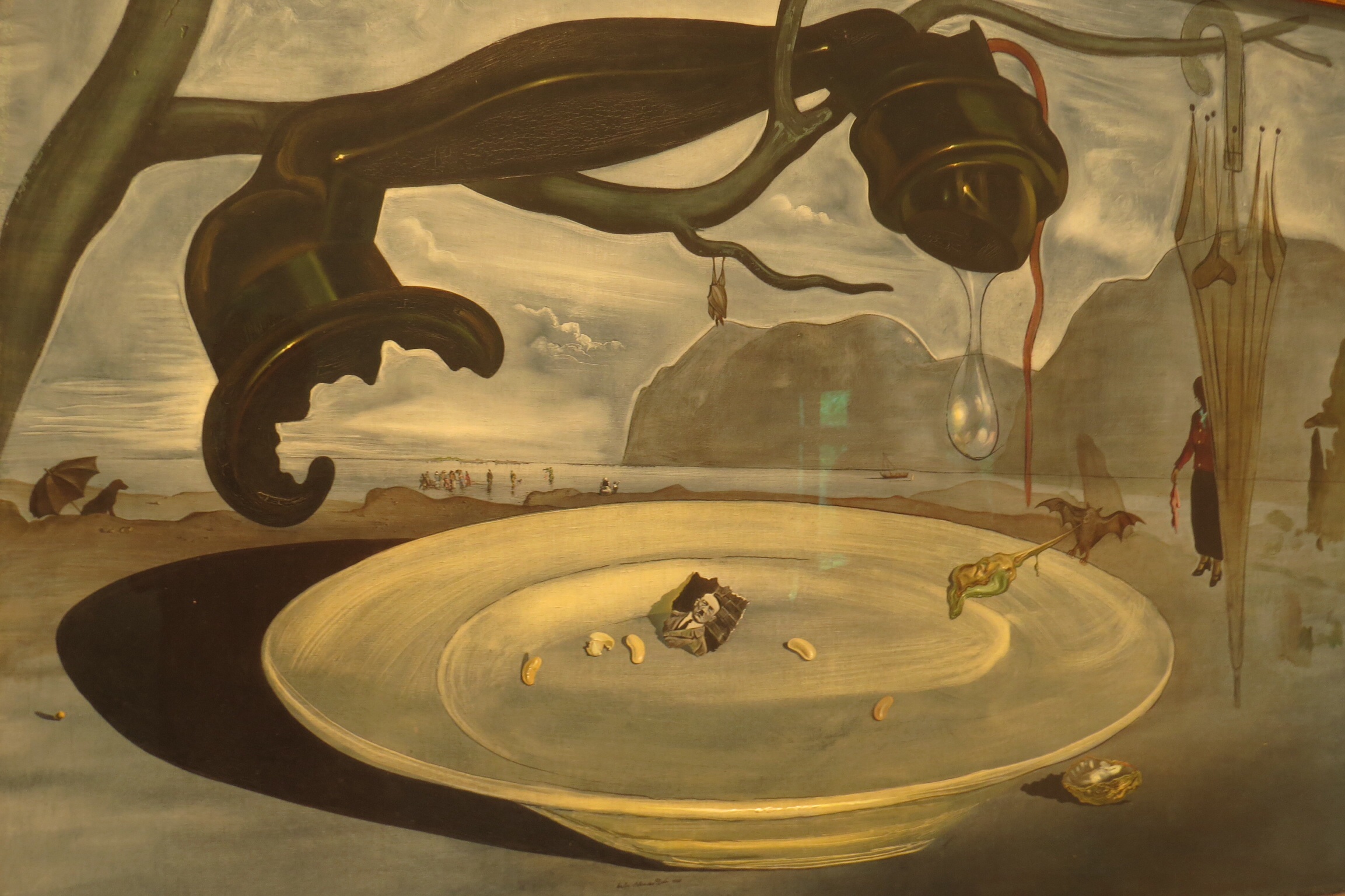
The Enigma of Hilter, Dali, 1939
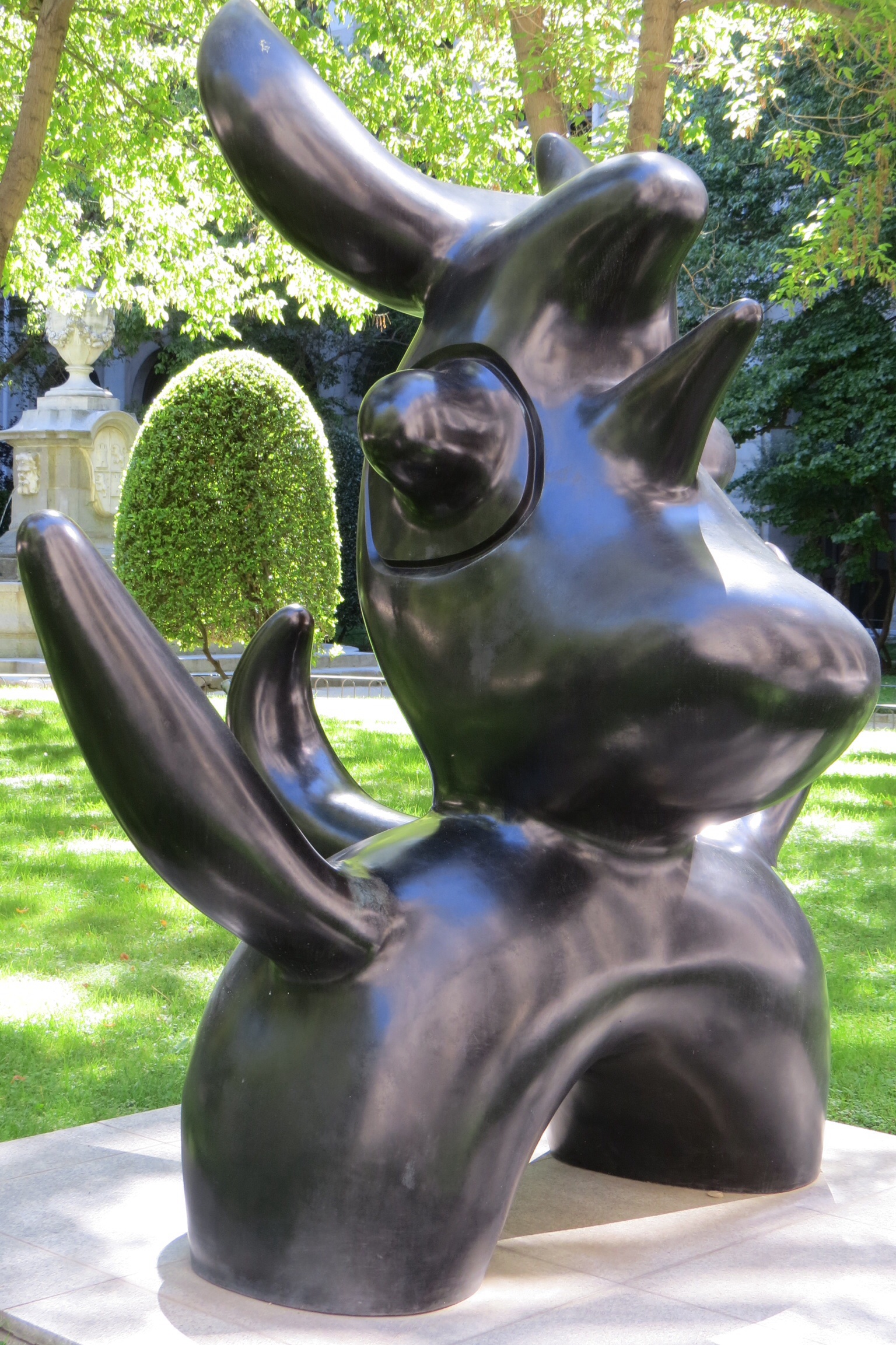
Moonbird, Miro, 1946
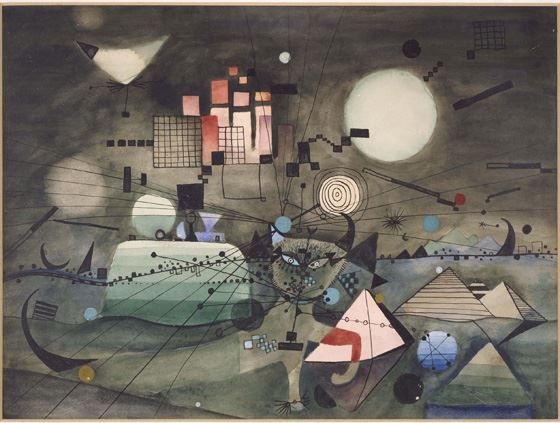
Jack and Pyramids, Tapies, 1948

Jan
Fidelity

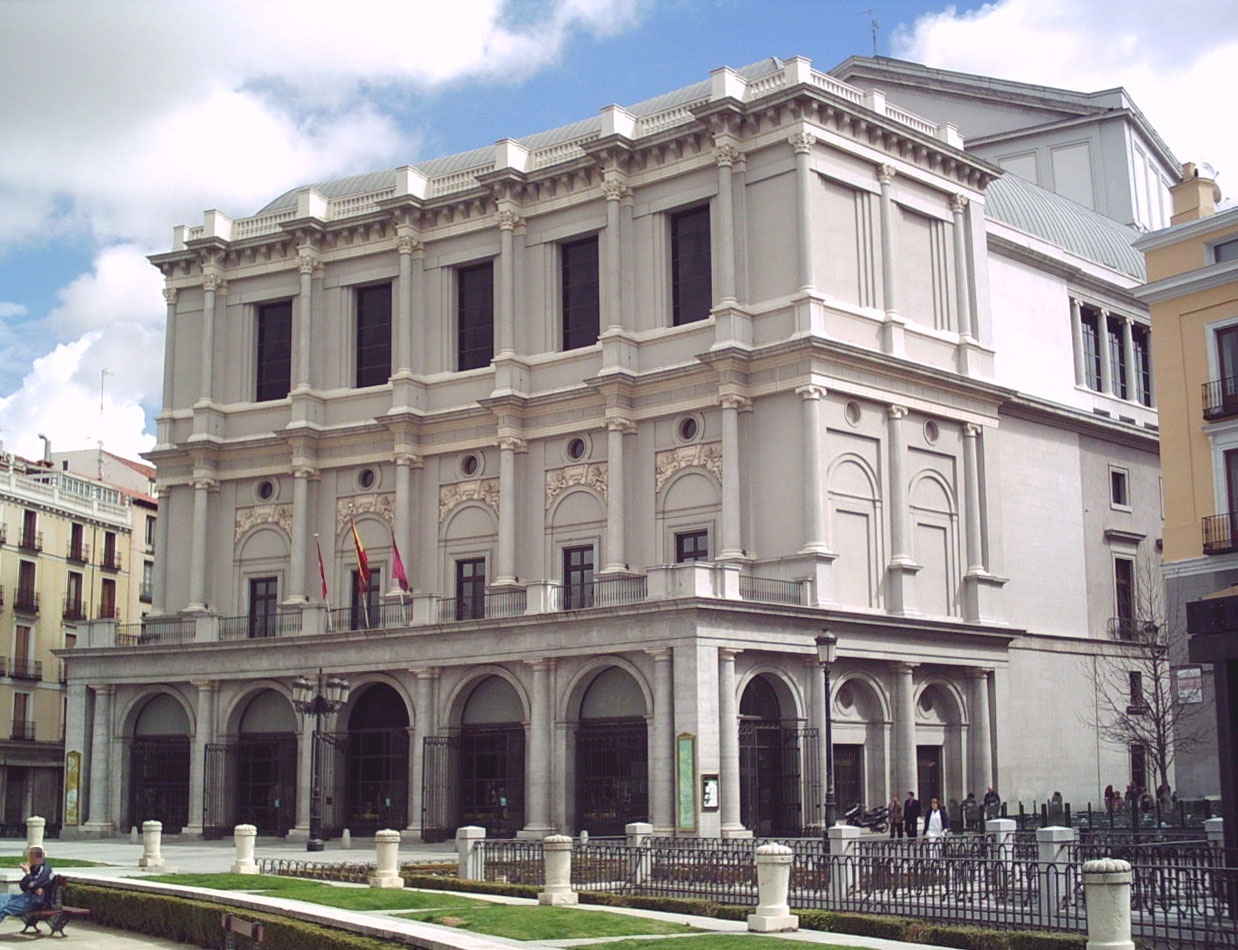
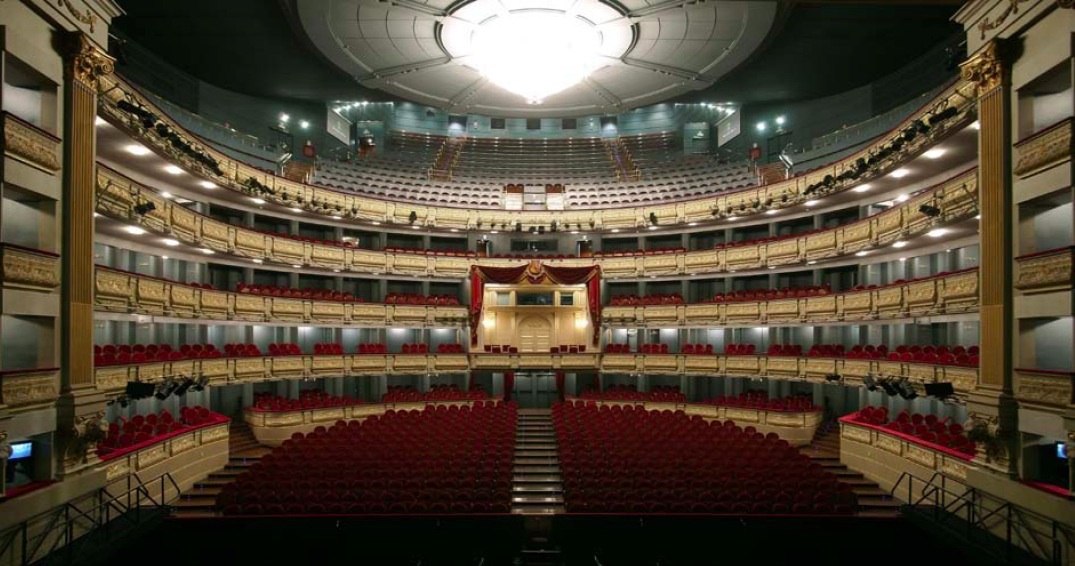
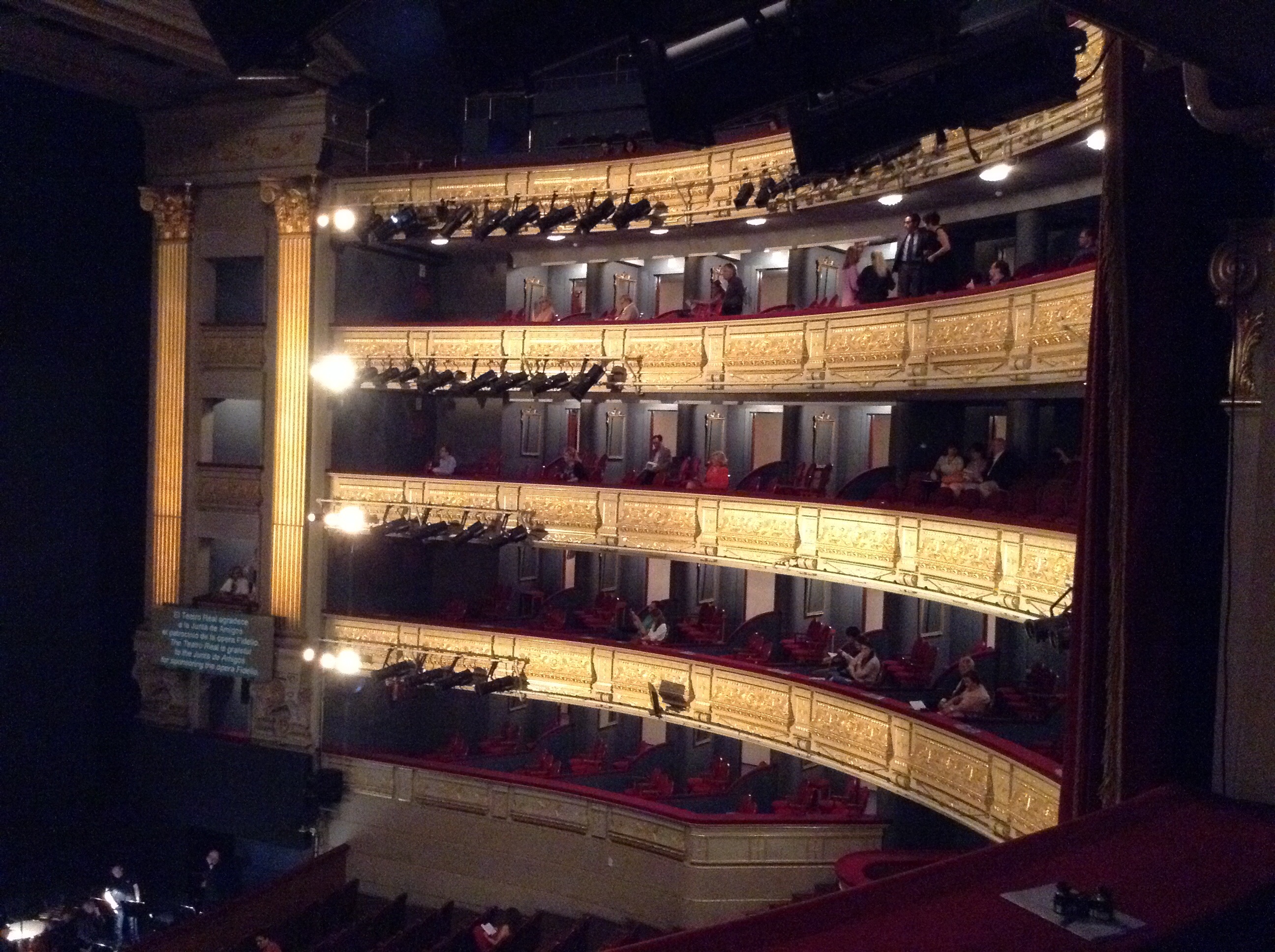
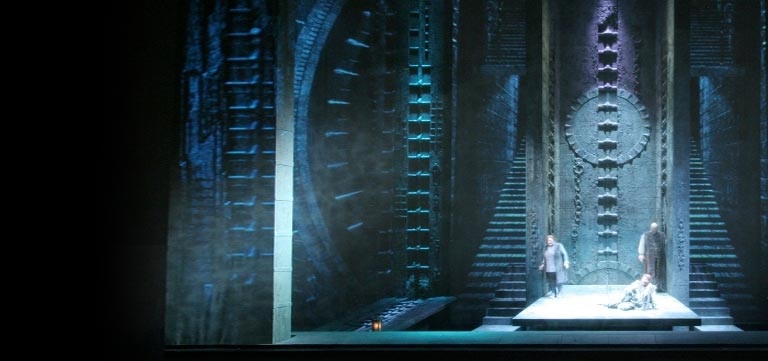
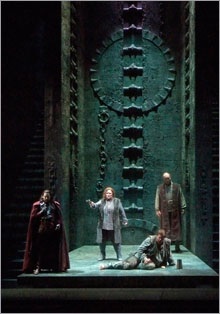
From the surreal Valley of the Fallen we drove on to Madrid. This evening, Shirley and I had tickets for an opera at the gorgeous Teatro Real opera house, Beethoven’s “Fidelio.” We could not have imagined how fitting this opera would be, following on the heels of a visit to the tomb of the dictator who had sentenced countless Spaniards to prison based on their political beliefs.

image image
image
T
eatro Real, Madrid

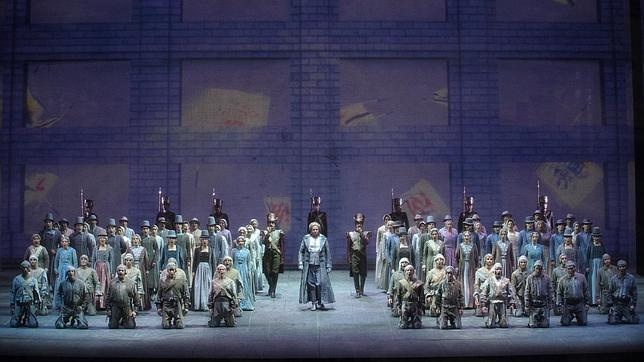
The opera’s protagonist, Leonore, disguised as a prison guard named “Fidelio,” enters the prison and holds the warden at gunpoint to rescue her husband Florestan from death in a political prison. Most operas end in tragedy; this opera ends with the arrival of the newly-appointed governor who declares Leonore and Florestan heroes and releases all of the prisoners.

image imageimage

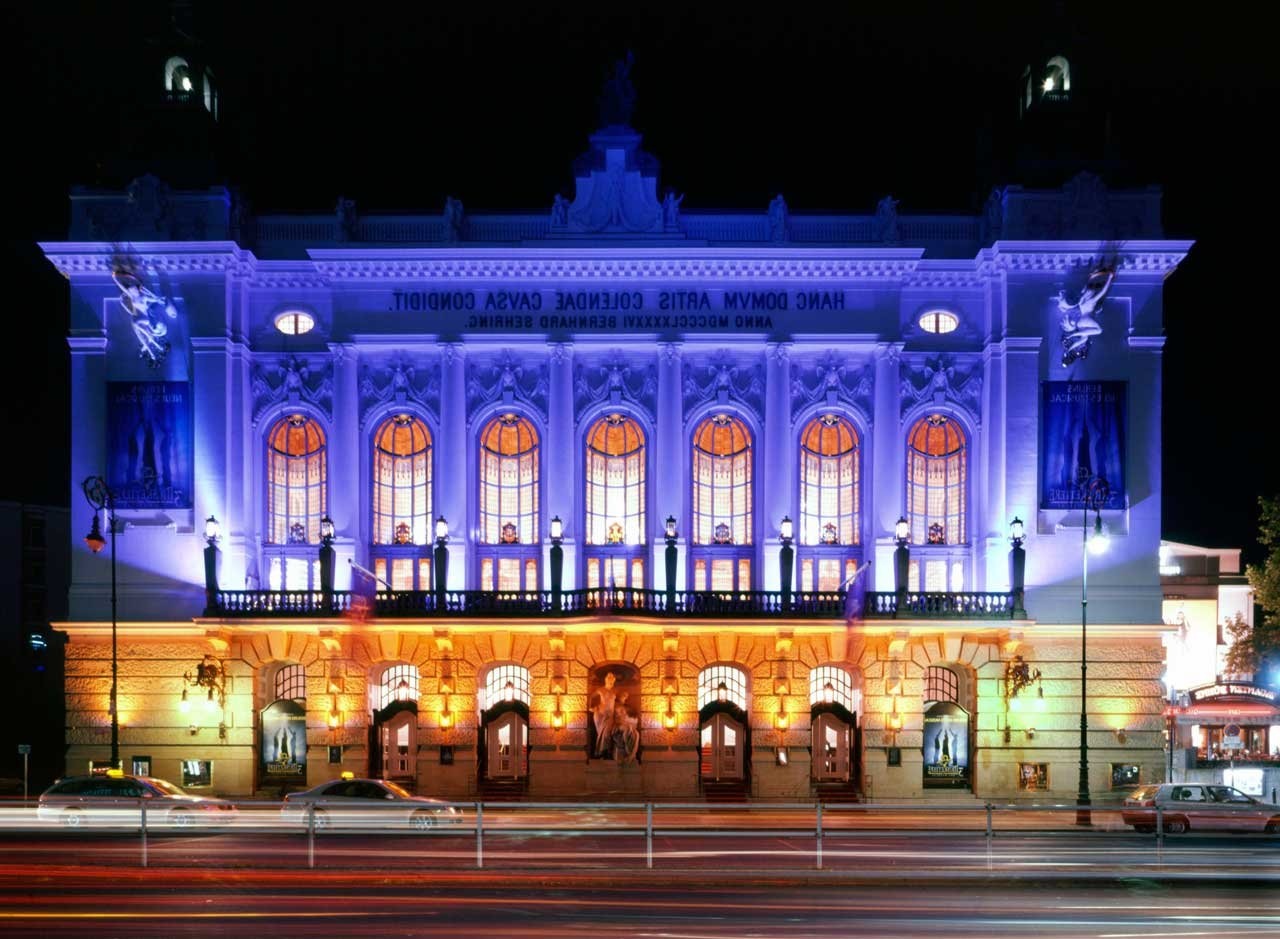
Fidelio was the first opera performed in Berlin after the end of World War II, with the Deutsche Oper staging it at the only undamaged theatre, the Theater des Westens, in September 1945. At the time, Thomas Mann remarked: “What amount of apathy was needed [by musicians and audiences] to listen to Fidelio in Himmler’s Germany without covering their faces and rushing out of the hall!”

image
T
heatre des Westens

Not long after the end of World War II and the fall of Nazism, conductor Wilhelm Furtwängler remarked in Salzburg:

“The conjugal love of Leonore appears, to the modern individual armed with realism and psychology, irremediably abstract and theoretical…. Now that political events in Germany have restored to the concepts of human dignity and liberty their original significance, this is the opera which, thanks to the music of Beethoven, gives us comfort and courage…. Certainly, Fidelio is not an opera in the sense we are used to, nor is Beethoven a musician for the theater, or a dramaturgist. He is quite a bit more, a whole musician, and beyond that, a saint and a visionary. That which disturbs us is not a material effect, nor the fact of the ‘imprisonment’; any film could create the same effect. No, it is the music, it is Beethoven himself. It is this ‘nostalgia of liberty’ he feels, or better, makes us feel; this is what moves us to tears. His Fidelio has more of the Mass than of the Opera to it; the sentiments it expresses come from the sphere of the sacred, and preach a ‘religion of humanity’ which we never found so beautiful or necessary as we do today, after all we have lived through. Herein lies the singular power of this unique opera…. Independent of any historical consideration … the flaming message of Fidelio touches deeply.”

On November 5, 1955, the Vienna State Opera was re-opened with Fidelio, conducted by Karl Böhm. This performance was the first live television broadcast by ORF at a time when there were about 800 television sets in Austria.

image
V
ienna State Opera

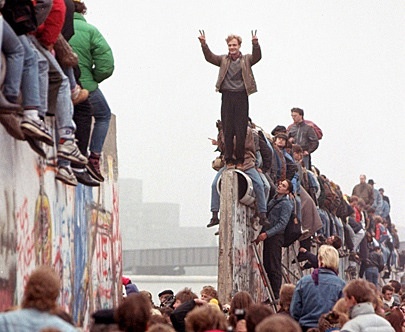
The first night of Fidelio at the Semperoper in Dresden on 7 October 1989 on the occasion of the 40th anniversary of the DDR (East Germany) coincided with violent demonstrations at the city’s main train station. The applause after the “Prisoners’ Chorus” interrupted the performance for considerable time, and the production by Christine Mielitz had the chorus appear in normal street clothes at the end, signifying their role as representatives of the audience. Four weeks later, on 9 November 1989, the fall of the Berlin Wall signalled the end of East Germany’s regime.

image
Semperoper, Dresden

image

In case you should feel so inclined, another production’s finale of Fidelio:

For us, Beethoven’s soaring music and the contrast between the dark, claustrophobic first act and the joyous exuberance and light of the second allowed us to shake off Franco, and turn towards the glorious art we are about to see in Madrid.

Jan
Some context:

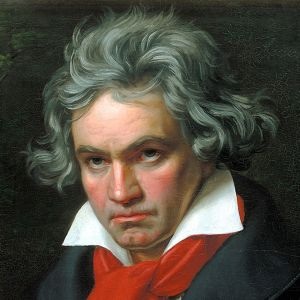
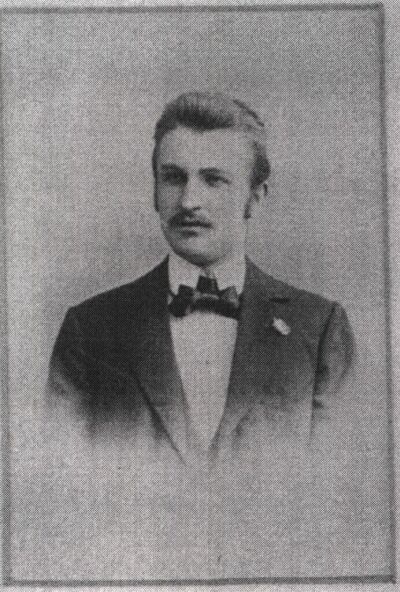
– Beethoven had written to his brothers in despair about his increasing hearing loss in 1802 (“the Heiligenstadt Testament”). He composed Fidelio, his only opera, in 1805; it was a work in progress until 1814. The final version was first performed in Vienna on May 23, 1814. The 17-year-old Franz Schubert was in the audience, having sold his school books to obtain a ticket. The increasingly deaf Beethoven led the performance, “assisted” by Michael Umlauf. This version of the opera was a great success, and Fidelio has been part of the operatic repertory ever since.

image
B
eethoven

imageimage
S
chubert                                                   Umlauf

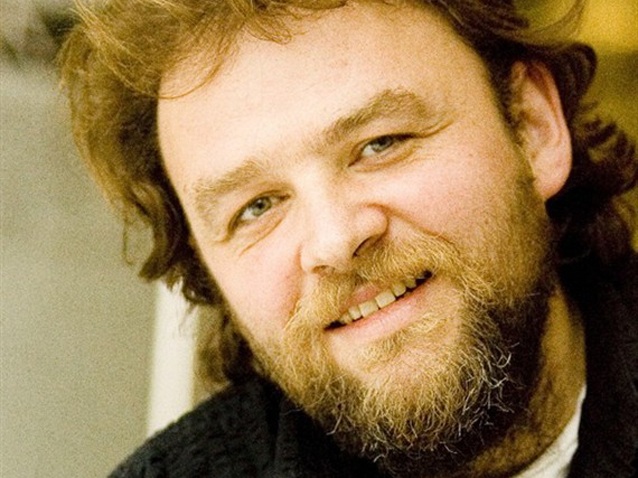
– While researching this production of Fidelio with a view to seeing an opera in Madrid, I read that German-Canadian opera tenor Michael Konig was to star, playing the role of Florestan. Hmmm. On further digging, I learned that Konig, a renowned tenor who sings in all the great opera houses of Europe, lives with his wife and four daughters on Haida Gwaii.  Whaaaaaat?  I popped him an email saying we BC-ers were going to the performance, and he responded immediately, “maybe we could meet.”  We didn’t connect, but what a fabulous performance he gave on closing night, and we felt as if we knew him.

image

The 20th Century: Weathering Storms

This afternoon we lurched into the 20th century, possibly the most brutal period in Spanish history.

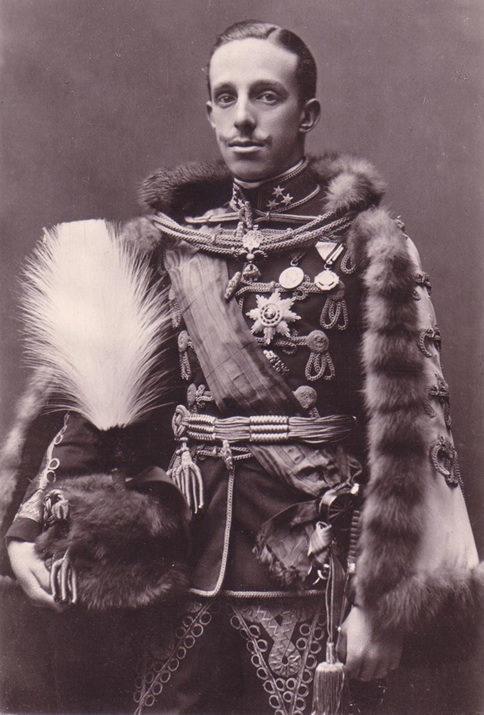
The century started with a weak monarch, Alfonso XIII, who kept Spain out of World War I (officially neutral) and domestically deepened the country’s economic crisis. Ultimately, he fell to a military “coup” (to which the King consented) and the country fell under the dictatorship of Primo de Rivera between 1923 and 1930. Primo de Rivera declared a state of war, abolished the Constitution and replaced local governments and police with military.

image image
Alfonso XIII                                         Miguel Primo de Rivera

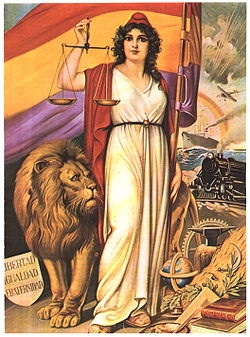
The country was deeply polarized, with the Communist party gaining strength even as conservative factions, in whom you would have thought Primo de Rivera might have found support, were a growing opposition party. In 1931, King Alfonso forced Primo de Rivero to step down and a “Second Republic” was declared and a new Constitution invoked. The people were deeply unhappy with the social and economic mess Rivero left in his wake.

image
Allegory of the Second Republic

By 1936 the tension in Spain was palpable and ordinary people lived in fear. The streets emptied, the shops were shuttered. The leftist Republicans, led by the Popular Front, mainly educated middle class and poor farm workers, were in power (supported by Russia) and the conservative Nationalists, mostly Catholic landowners and business leaders led by the Felange party (supported by Italy and Nazi Germany who eventually supplied them with munitions and soldiers) were in deep dissent. On the 12th of July, 1936, a group of Republican generals declared in Parliament a “pronunciamiento” – essentially a coup. The following day, Calvo Sotelo, a Nationalist leader, was assassinated, triggering the long-fomenting Spanish Civil War.

image
J
ose Calvo Sotelo

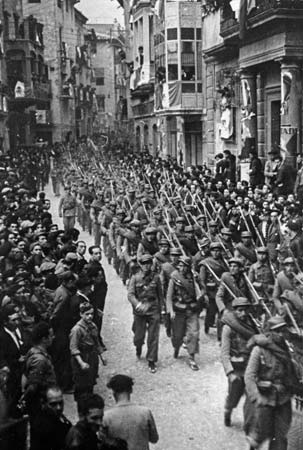
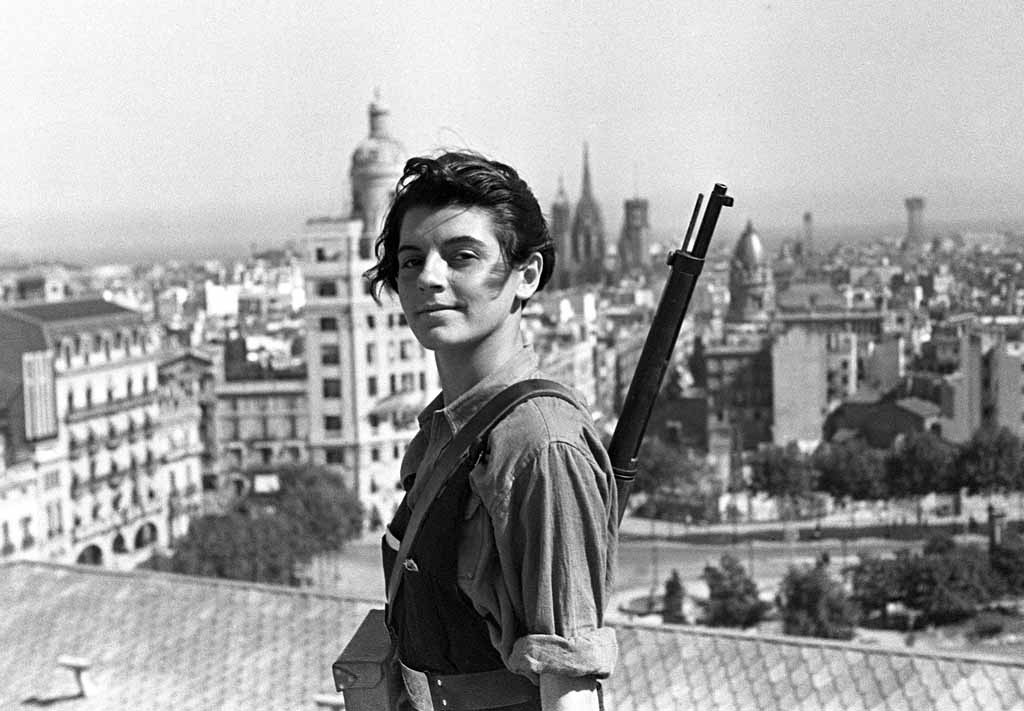
The war dragged on for over two years with as many as half a million killed and another half million fleeing the country.  It was a war of ideologies, a war against fascism.  The losers were the people of Spain, ordinary people struggling to live ordinary lives.

image
Mexican Auxiliary Battalion in Barcelona

image
Marina Ginesta, 17-year-old communist
militant, overlooking Barcelona

image
E
rnest Hemingway with photojournalist
Joris Ivens and two soldiers (John F. Kennedy
Presidential Library)

(For a fascinating sidebar on the Spanish Civil War, read the New York Times review linked at the top, The Mexican Suitcase, about the only four photojournalists reporting on the war from the front, getting news out of the country to the world.  After sending their negatives out of Europe via the underground, the films disappeared for decades….  I happened to see this fascinating exhibit in New York in 2010 at the International Centre for Photography.)

With Musollini in Italy and Hitler gaining power in Germany, the war against fascism spread across Europe and ultimately engaged most of the world. Spain, too, had a dictator in General Franco, and he was sympathetic to Germany, even though Spain was officially neutral in WWII. Franco repaid Germany and Italy for their aid in the Spanish Civil War with “volunteer” soldiers and civilian “volunteers.”   While the rest of the world trounced fascism and reshaped Europe and the Middle East, Spain was left with Franco.

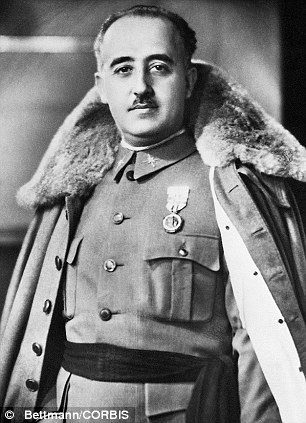
General Francisco Franco had emerged as Nationalist leader late in the civil war. He was a strategist and opportunist who stepped in at the right time (for him), just as the Nationalists won the war. In 1939, he seized control of power and his dictatorship began. Republican soldiers were jailed or worse.

image

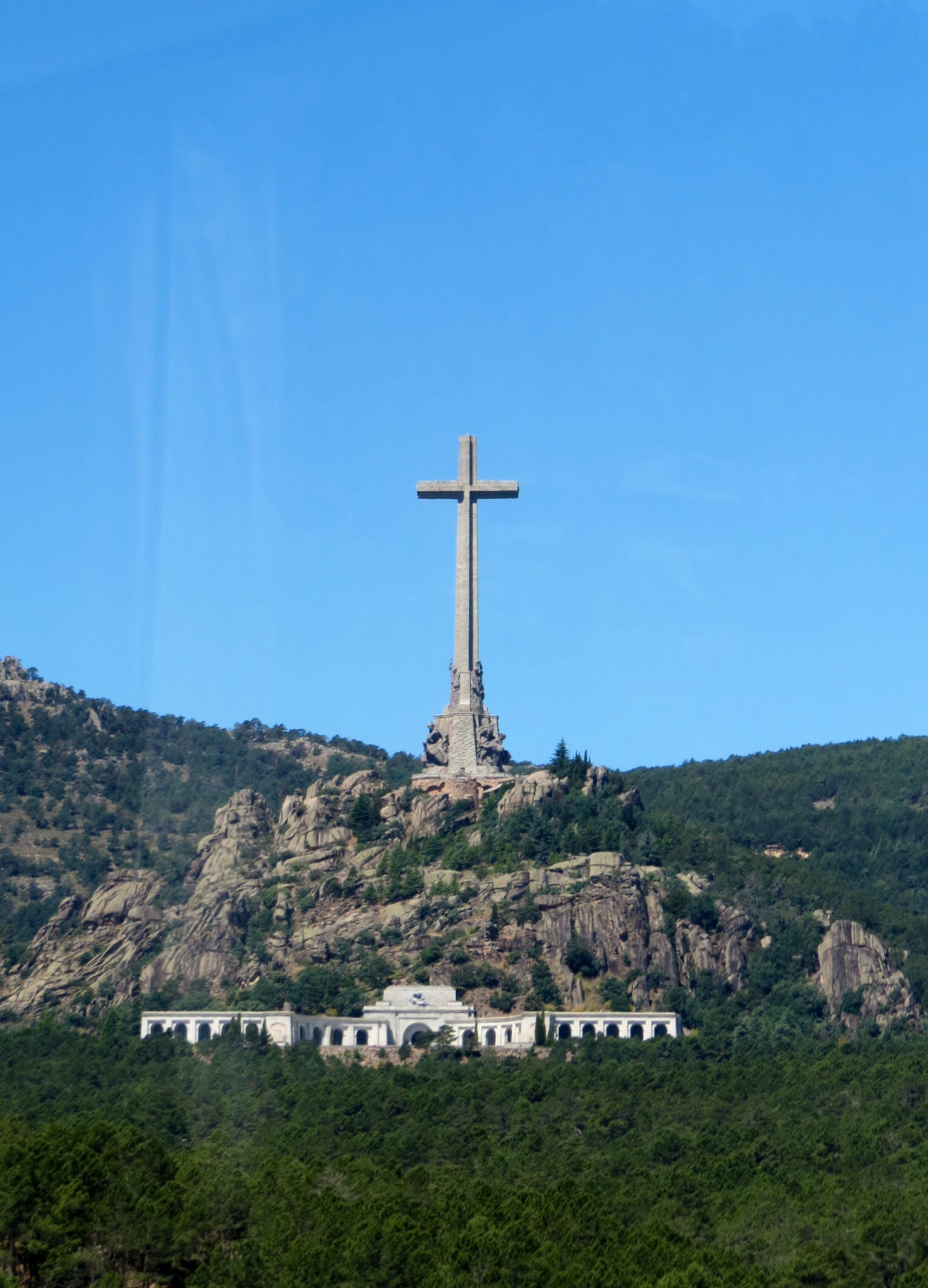
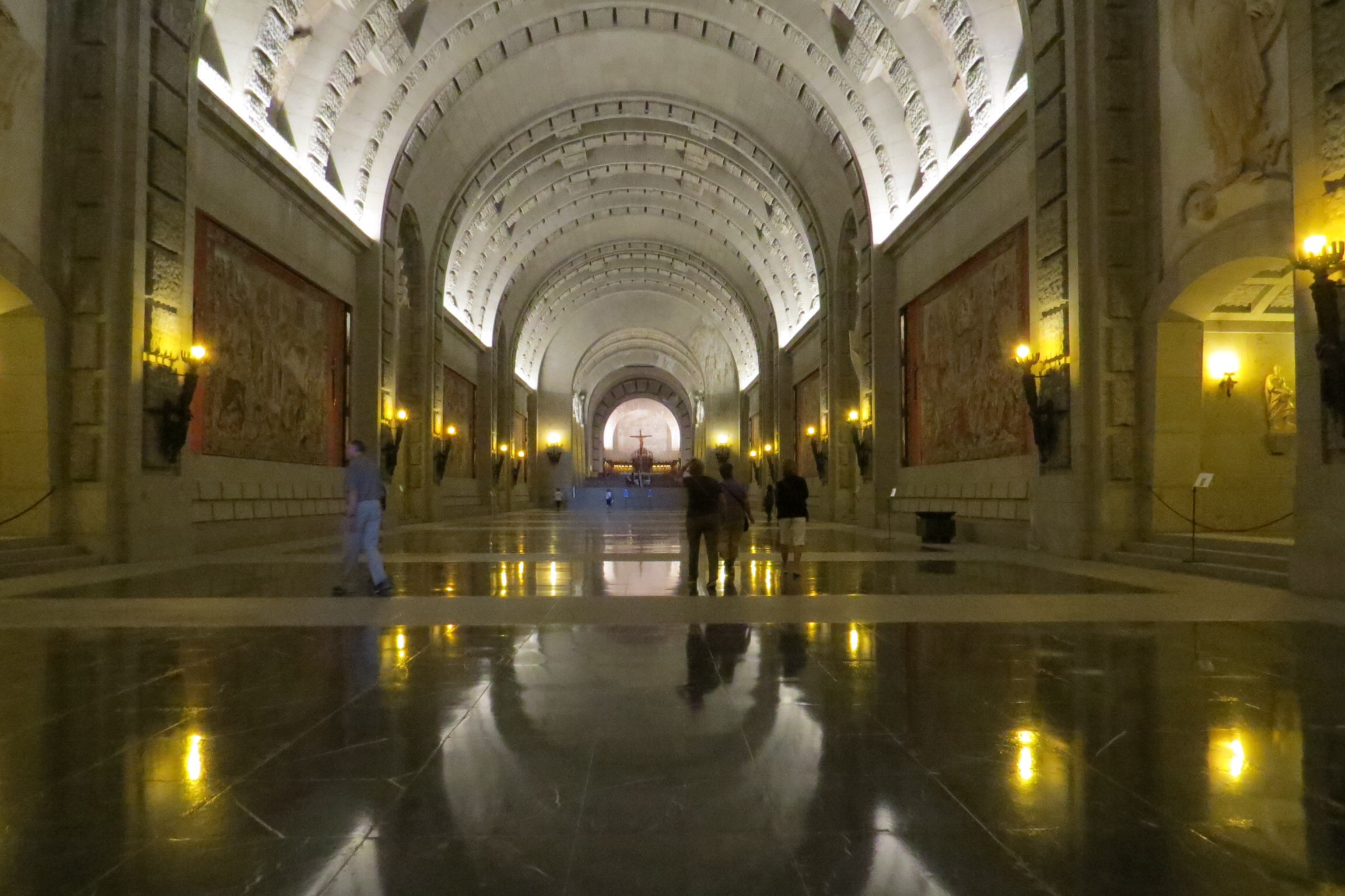
Which brings me to the Valley of the Fallen. In 1940, Franco, now in power, tried to rewrite history. He didn’t have the big personality of the other European dictators so he put his propagandists to work. He built a huge monument which he named The Valley of the Fallen, and to show how magnanimous a leader he was, he had all of the bodies of both Nationalists and Republicans moved to this unfathomably vast grave site (he knew only too well where all the bodies of the Republicans were originally located). He did this without the consent of the families and he used imprisoned Republicans as slaves to build the monument.

image
The monument dominates the landscape

image
S
taggeringly huge crypt at The Valley of the Fallen

Franco led Spain, and the Spanish people endured austerity and domination, until he died in 1975 (they simply could not face another civil war).  He arranged that his body would be buried at the Valley of the Fallen.

Among the 40,000 bodies at the Valley of the Fallen, the only person buried there who wasn’t killed in the civil war is Franco himself.

In 1976, democracy in Spain was restored. It is interesting that the Second Spanish Republic, as a government-in-exile, had an embassy in Mexico City from 1931 until 1976.

In 2007, the Historical Memory Law was passed by the Spanish Socialist Workers’ Party government. The law recognizes the victims on both sides of the Spanish Civil War, gives rights to the victims and the descendants of victims of the Civil War and the subsequent dictatorship of General Francisco Franco, and formally condemns the Franco Regime.

On May 25th, 2015, just days before we arrived in Spain, local and regional election results were startling.  The traditional parties, the incumbent conservative People’s Party and the opposing Socialist party resoundingly lost the elections; Spain voted for new parties, mainly of the Podemos movement who campaigned  against government corruption and austerity measures.  It will be very interesting to see what happens in the November general elections.

Imagine, with all that history, stepping into that box, a Spaniard, and picking up the pencil and marking an X.

Jan
 

Superpower

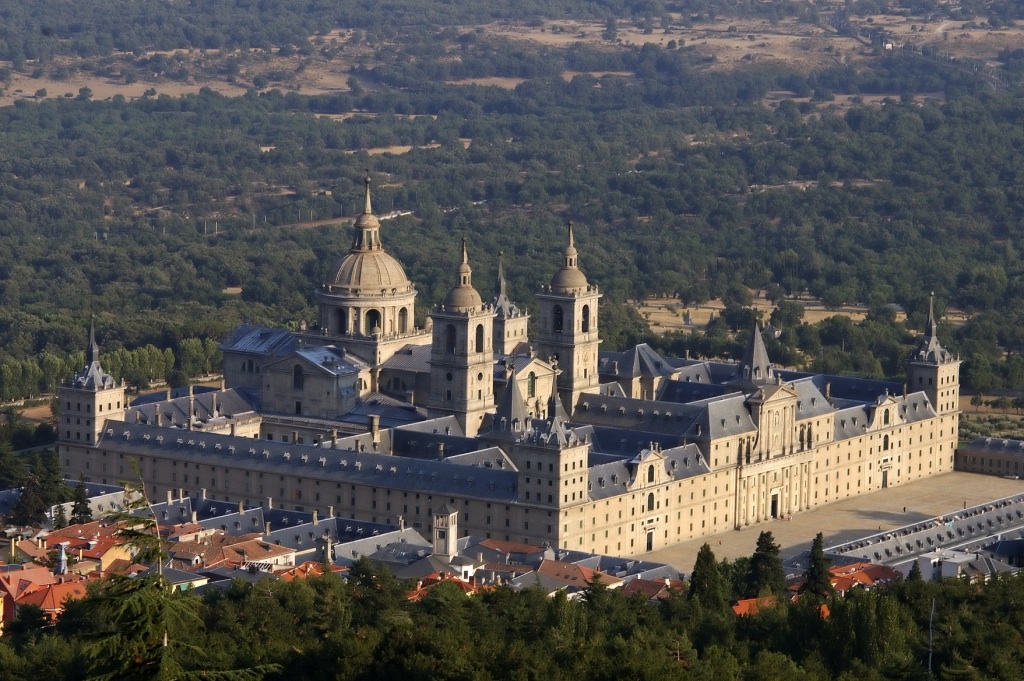
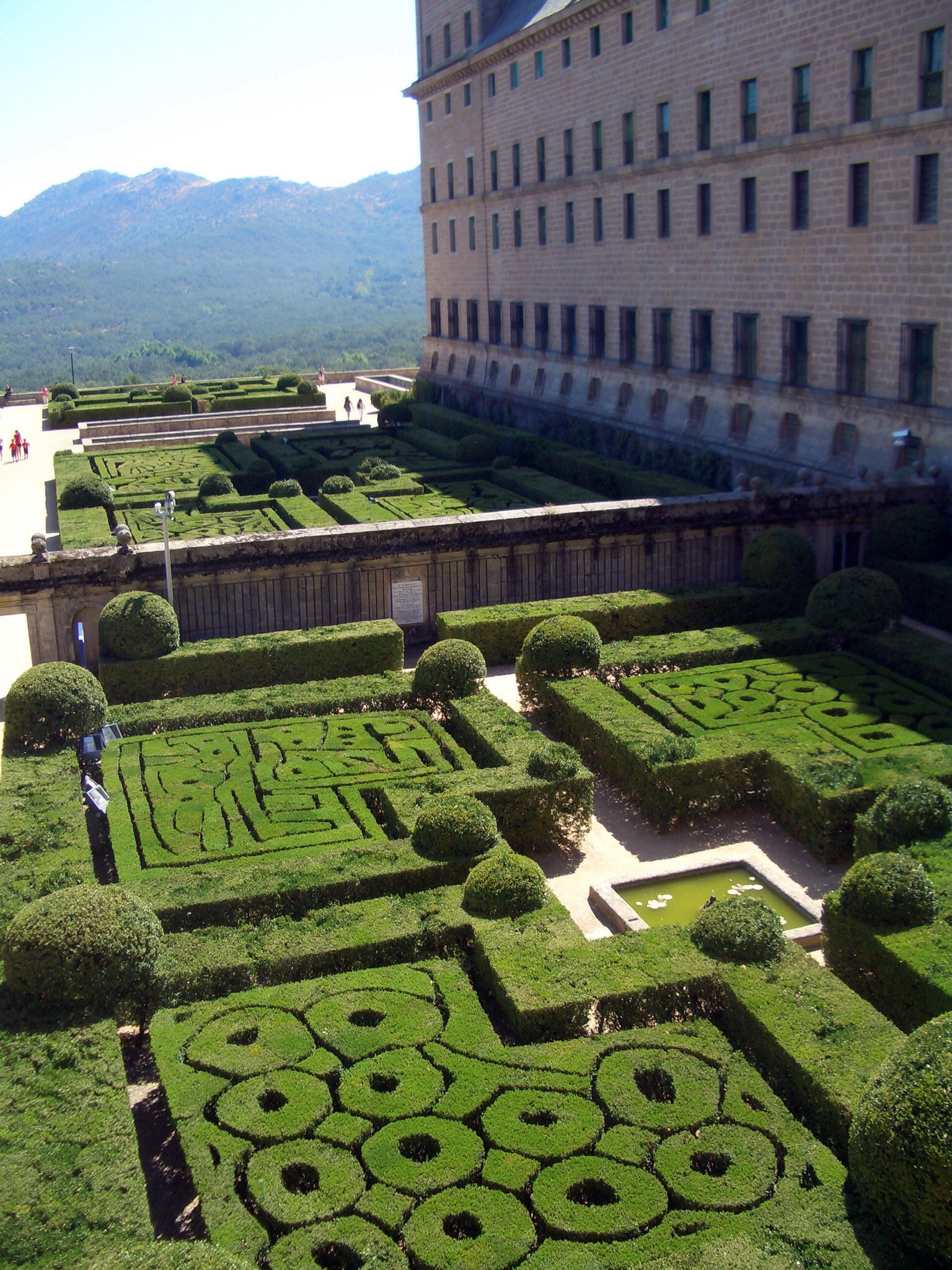
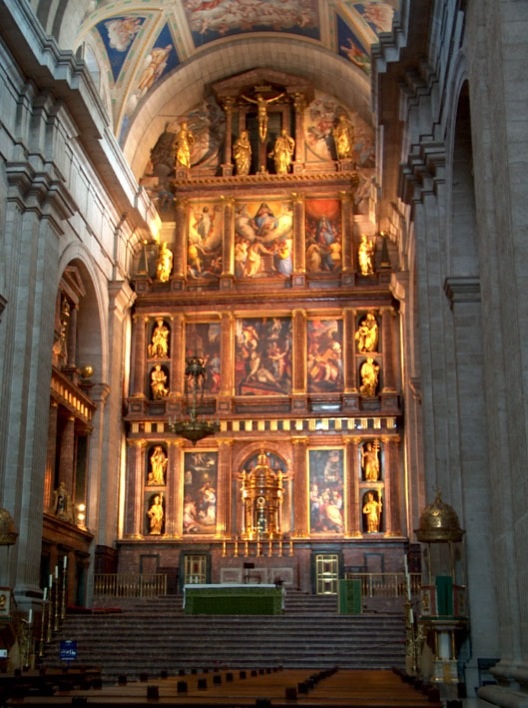
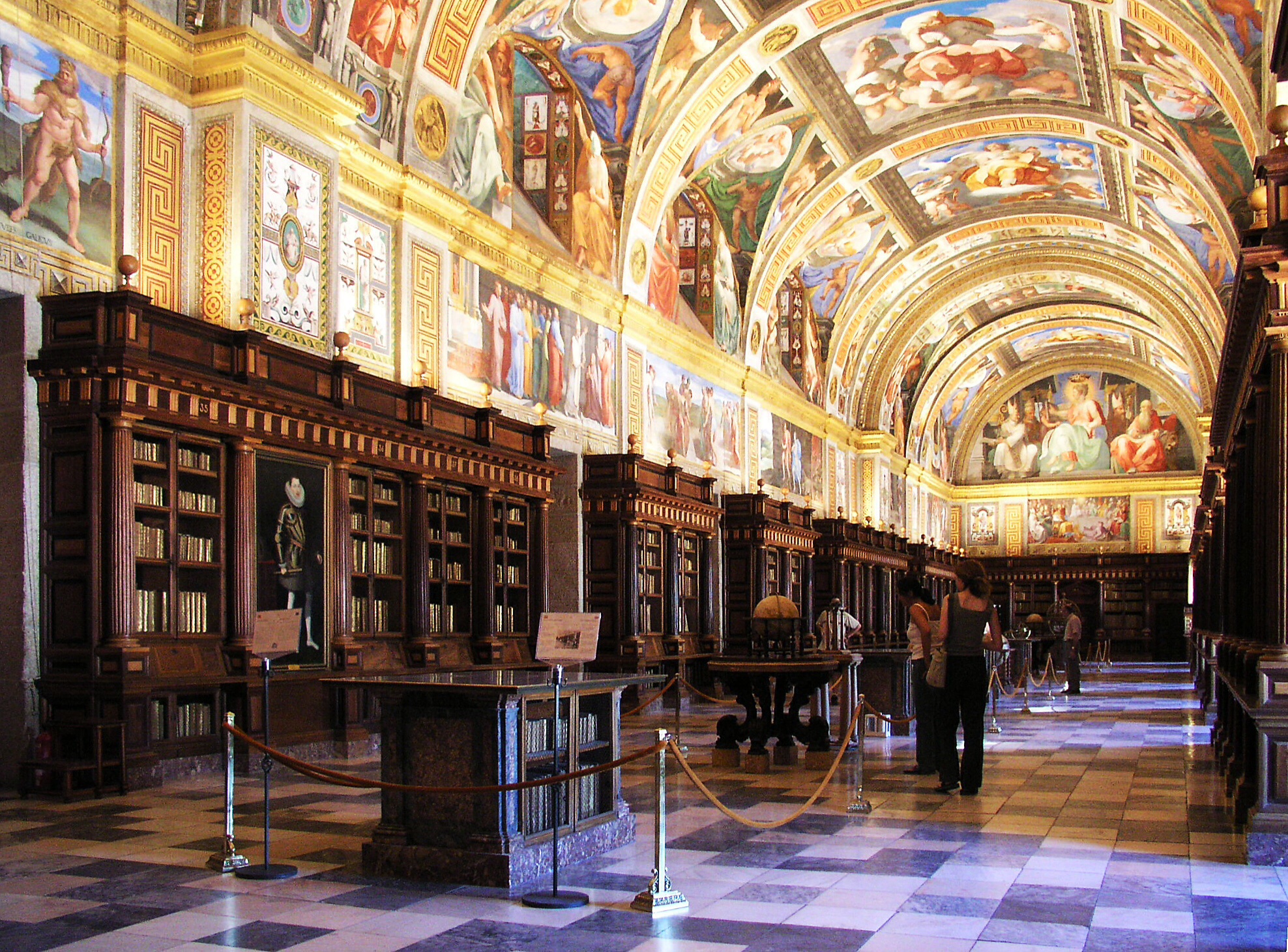
Stopping briefly today at El Escorial, we visited the massive palace built by Philip II from where he ruled from 1584 to his death in 1598. Designed by Juan Bautista de Toledo, the enclave includes a monastery, basilica, and a stunning library.

image image image image

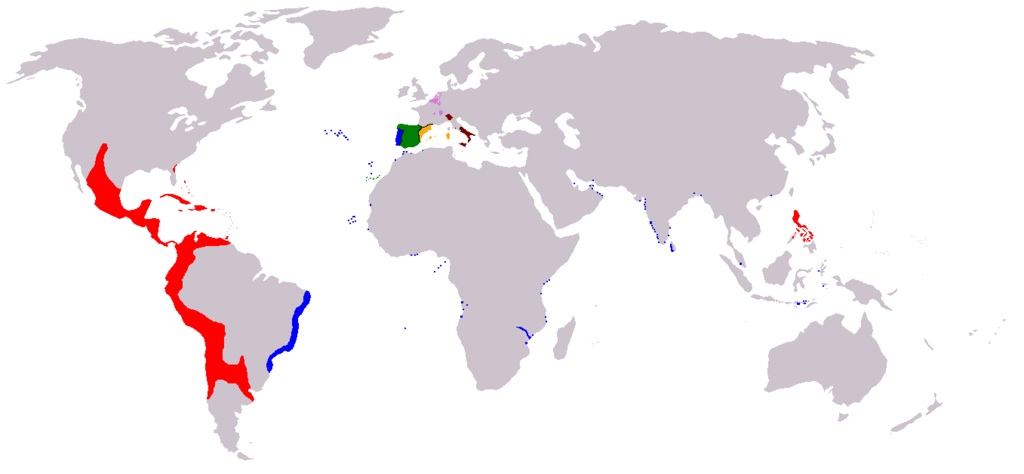
Philip II was perhaps the most powerful ruler in Spain’s history at a time when Spain was a world superpower.

In 1584, his title read: “Philip, by the grace of God second of his name, king of Castille, Leon, Aragon, Portugal, Navarre, Naples, Sicily, Jerusalem, Majorca, Sardinia, and the islands, Indies, and terra firma of the Ocean Sea; archduke of Austria; duke of Burgundy, Lothier, Brabant, Limbourg, Luxembourg, Guelders, and Milan; Count of Habsburg, Flanders, Artois, and Burgundy; Count Palatine of Hainault, Holland and Zeeland, Namur, Drenthe, Zutphen; prince of “Zvuanem”; marquis of the Holy Roman Empire; lord of Frisia, Salland, Mechelen, and of the cities, towns, and lands of Utrecht, Overissel, and Groningen; master of Asia and Africa.”

He was also King of England and Ireland upon his marriage to Mary I of England in 1554 (having first met her two days earlier) until she died in 1558.

The Phillipines are named for him.

image
S
panish Territories

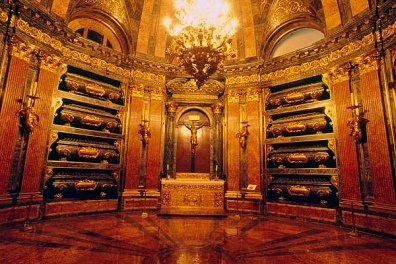
The most memorable and historically important part of our visit was to the Pantheons of Kings and Princes where almost all the Spanish monarchs, their consorts and (sadly) the infant heirs to the throne are buried. Gruesomely, the remains go first to the pudridero (“decaying chamber”) for 20 to 30 years; only then are they interred in the tombs. I wonder if this tradition started with the Hapsburgs, who for some reason buried the organs of their monarchs in St. Stephen’s Cathedral and their empty bodies in the Capuchin Imperial Crypt  in Vienna.

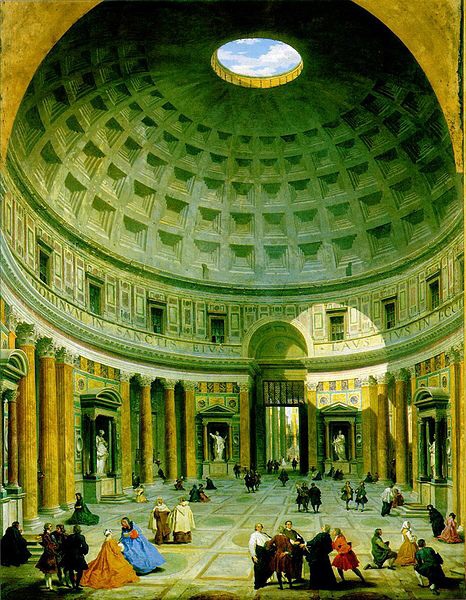
The Spanish Pantheon is gorgeous, with walls and crypts of marble decorated with gold-coated bronze. It reminded me of the Pantheon in Rome and the Medici crypt in Florence.

image
Pantheon of Kings, El Escorial

image
Medici Chapel, Florence

image
Interior of the Pantheon, Rome,
by Giovanni Paolo Pannini

Philip II is interred here; he died of cancer in 1598 and was succeeded by his son, crowned Philip III.

For more information, and for information about all Spain’s monarchs, this is a great website:

Spanish Royal Burial Sites

Jan
Note:  The images in this post are not mine.

Oh, Segovia!

Itinerary:
– tour of Segovia
– Lunch: Restaurante El Hidalgo
– Royal Palace of Granja

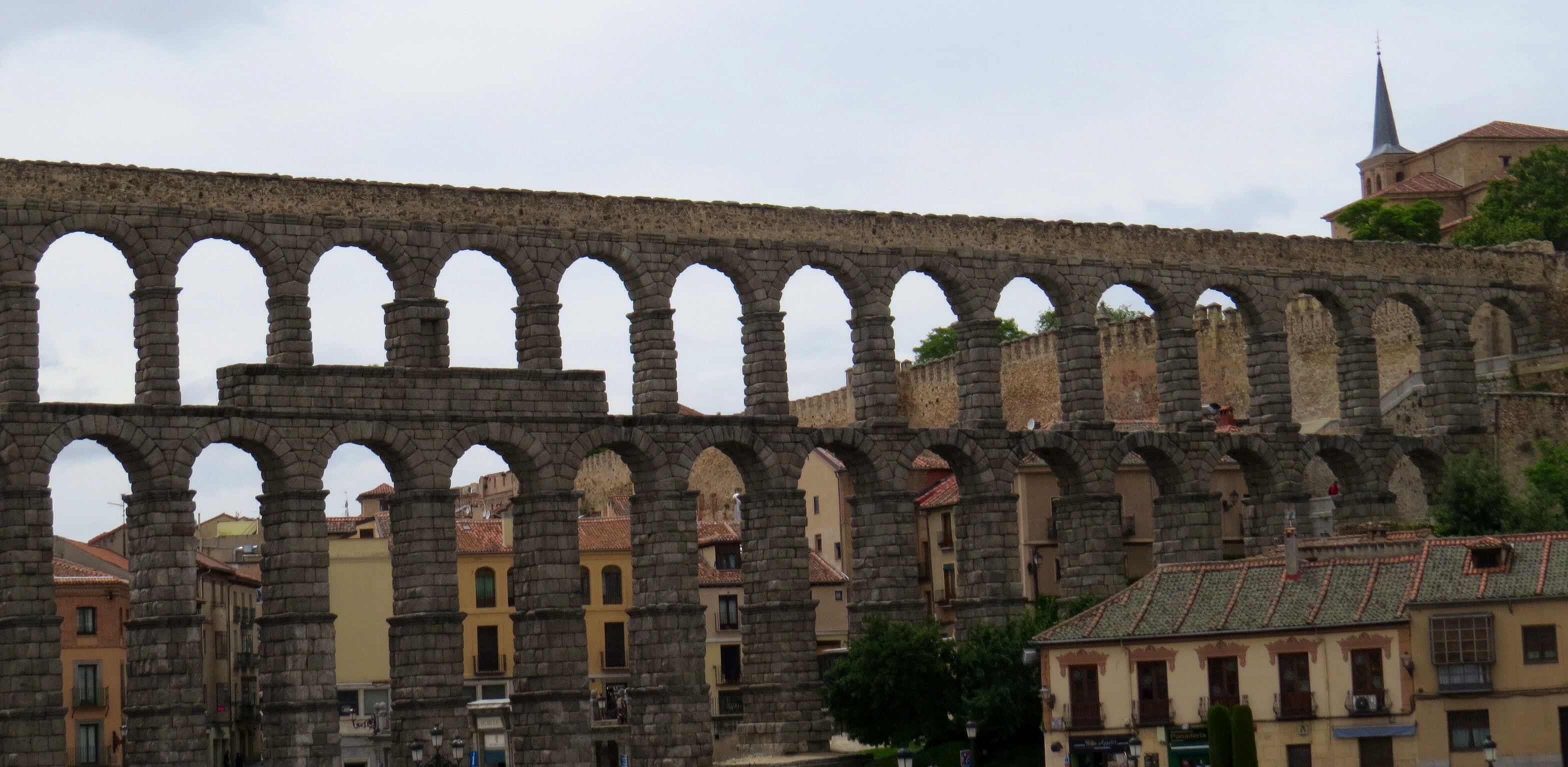
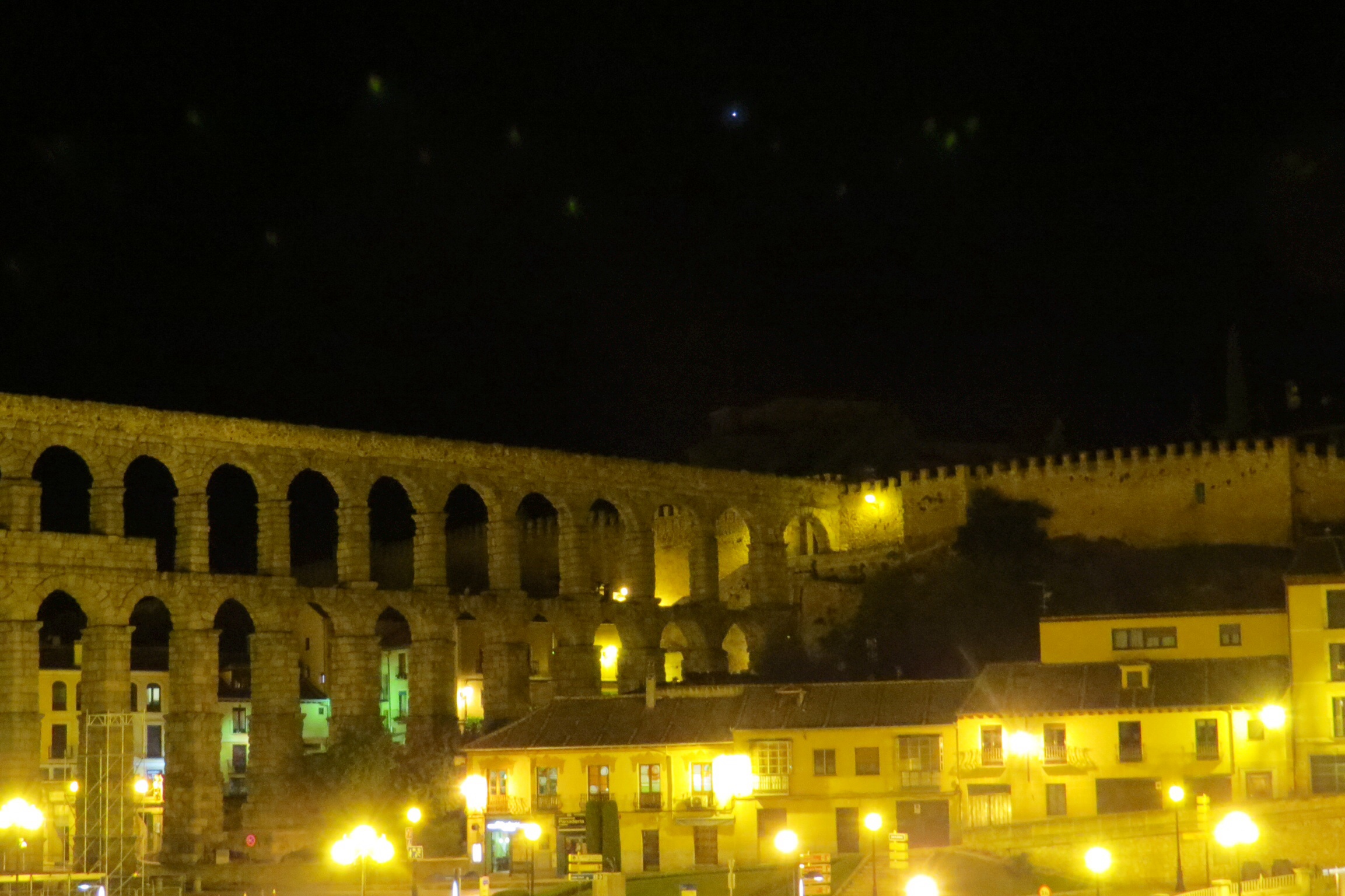
So this was our view from our hotel room:

image image

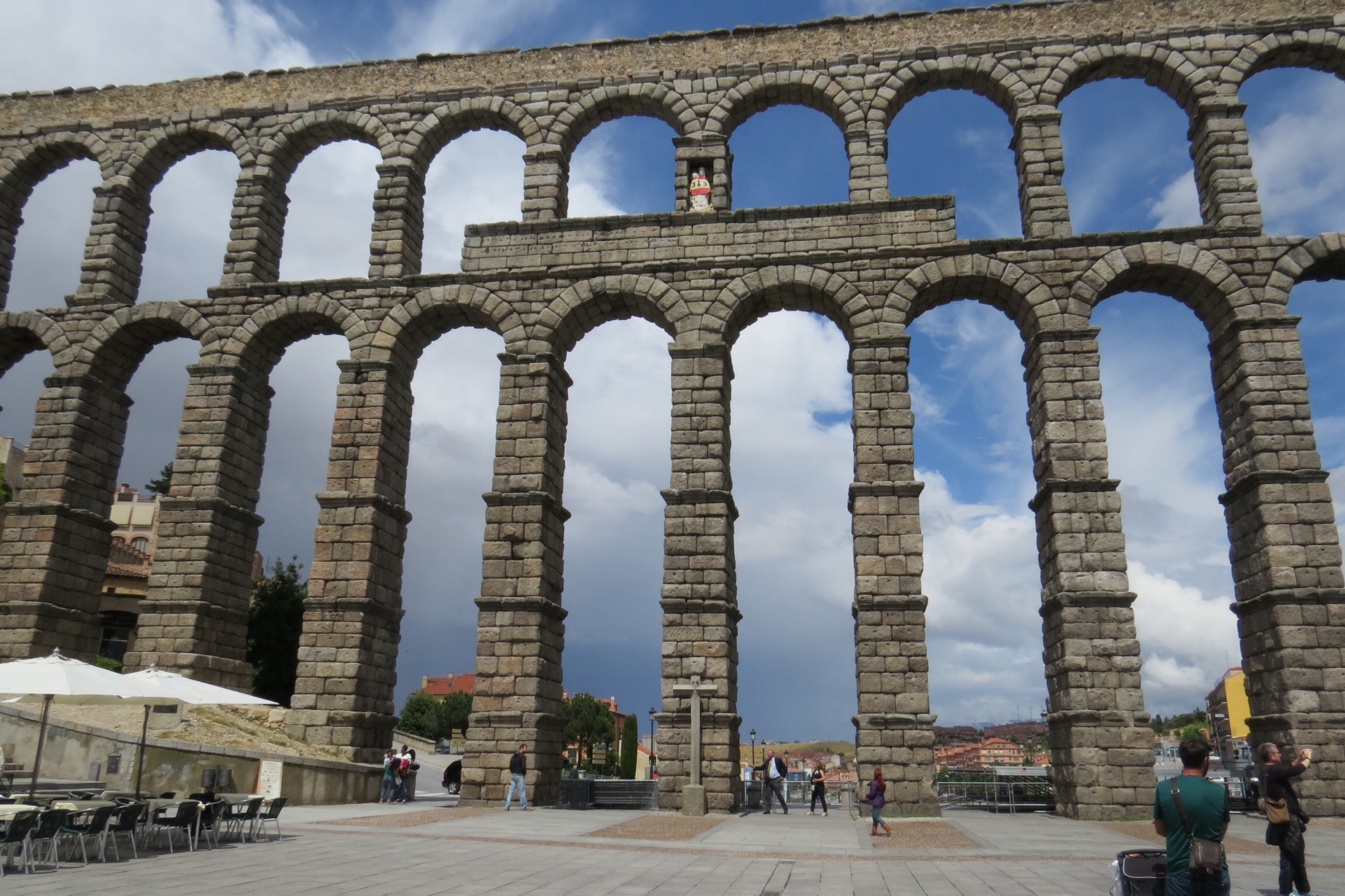
Aquaduct: (Civil Engineering) a conduit used to convey water over a long distance, either by tunnel or more usually by a bridge supporting the weight above it.

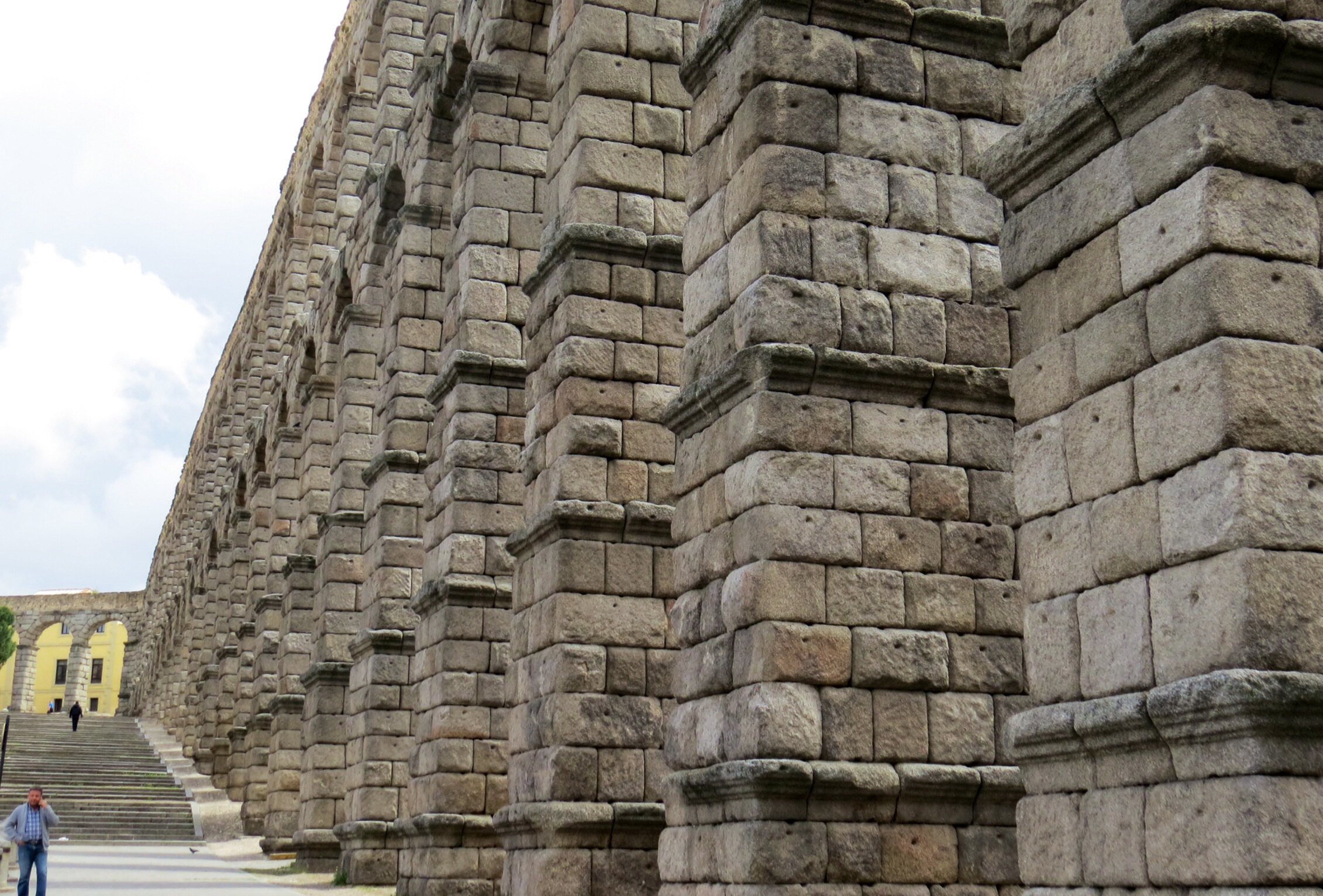
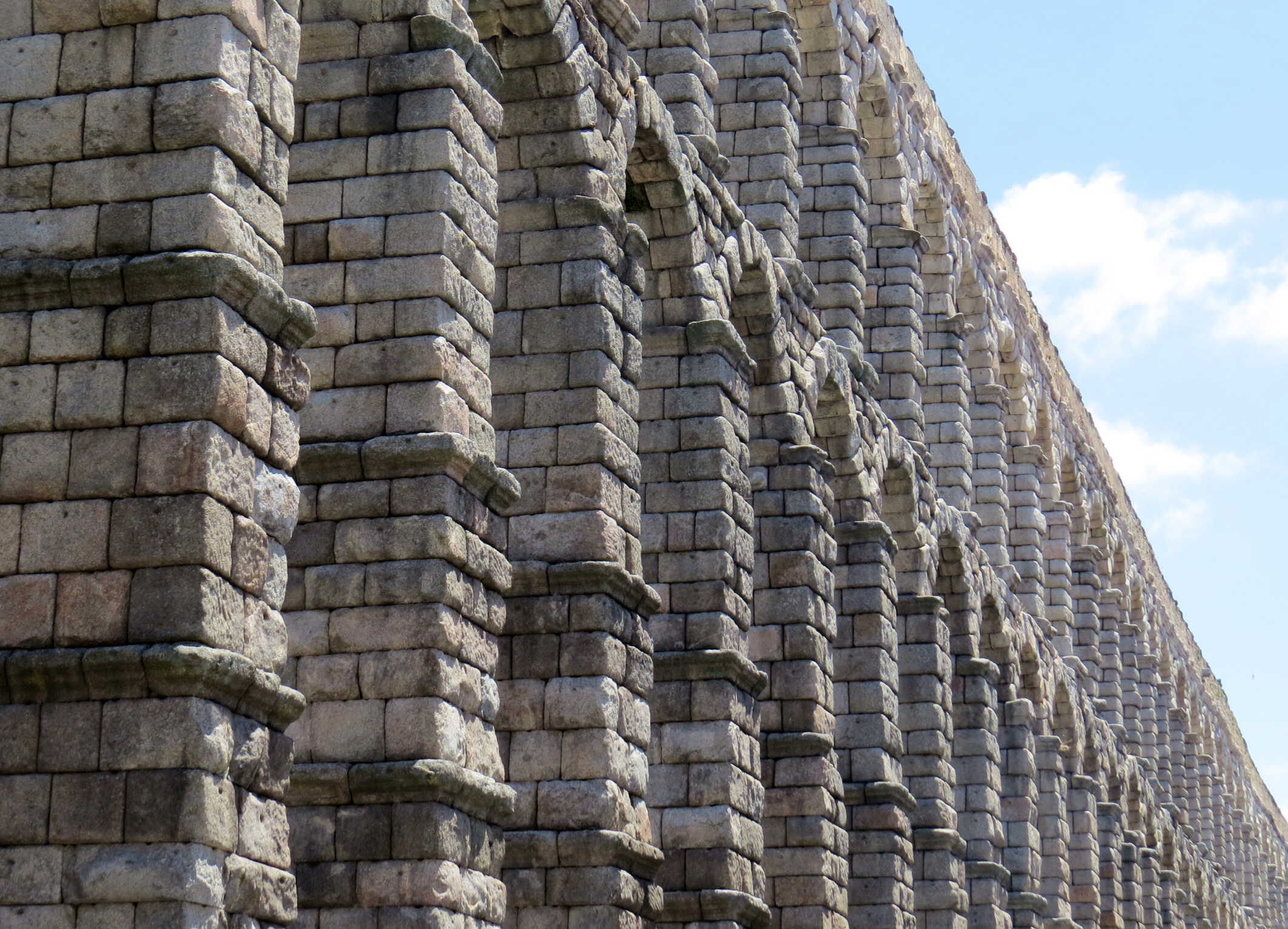
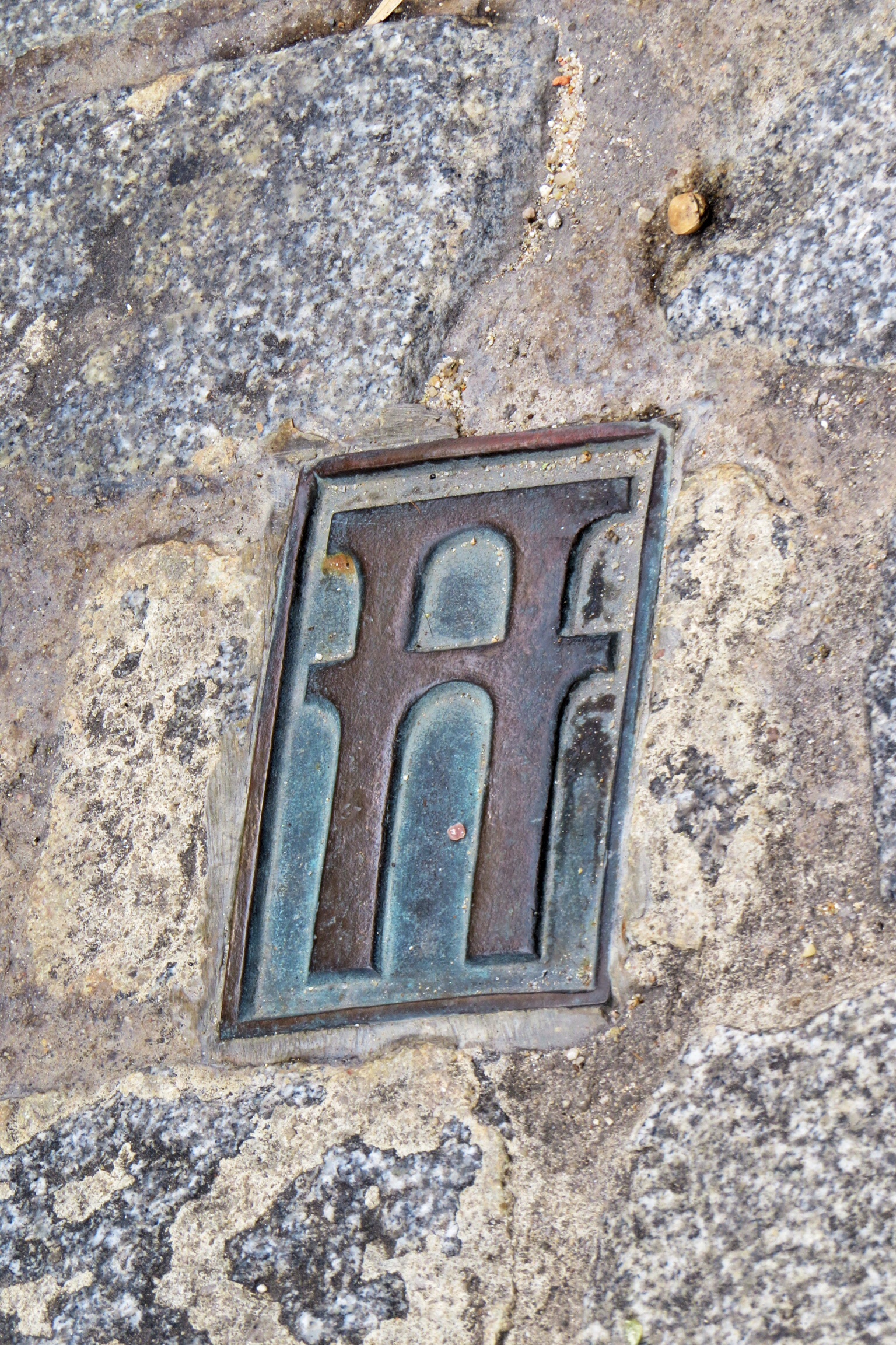
The stunning Roman acueducto is intact, its 900-metre length commanding against soft historical architecture in this modern city. Built to impress for political advantage, the structure remains a marvel today – constructed of granite, it extends 2-3 metres underground. The water channel starts at Cold River, travels over 14 kilometres including through the city via the acueducto and goes underground to El Alcazar, the Medieval palace at the opposite end of town.

Perhaps most amazingly, the acueducto was in use from the 1st century AD until 1929.

image image image image
Channel underground marker

Segovia. The capital of the province of the same name, both the city and the famous Roman structure within it are UNESCO World Heritage Sites.

Rich in history, Celtic in origin, the city was later conquered by Rome. Did Noah’s son found the town? Did Hercules? These are the legends, but later, in real life, the first running of the bulls took place here in the 12th century. In the more recent legendary archive, Walt Disney’s inspiration for the Sleeping Beauty palace and the film set for Snow White was El Alcazar, and Arnold Schwarzenegger’s Conan the Barbarian was set in the beautiful hillside around the city.

image

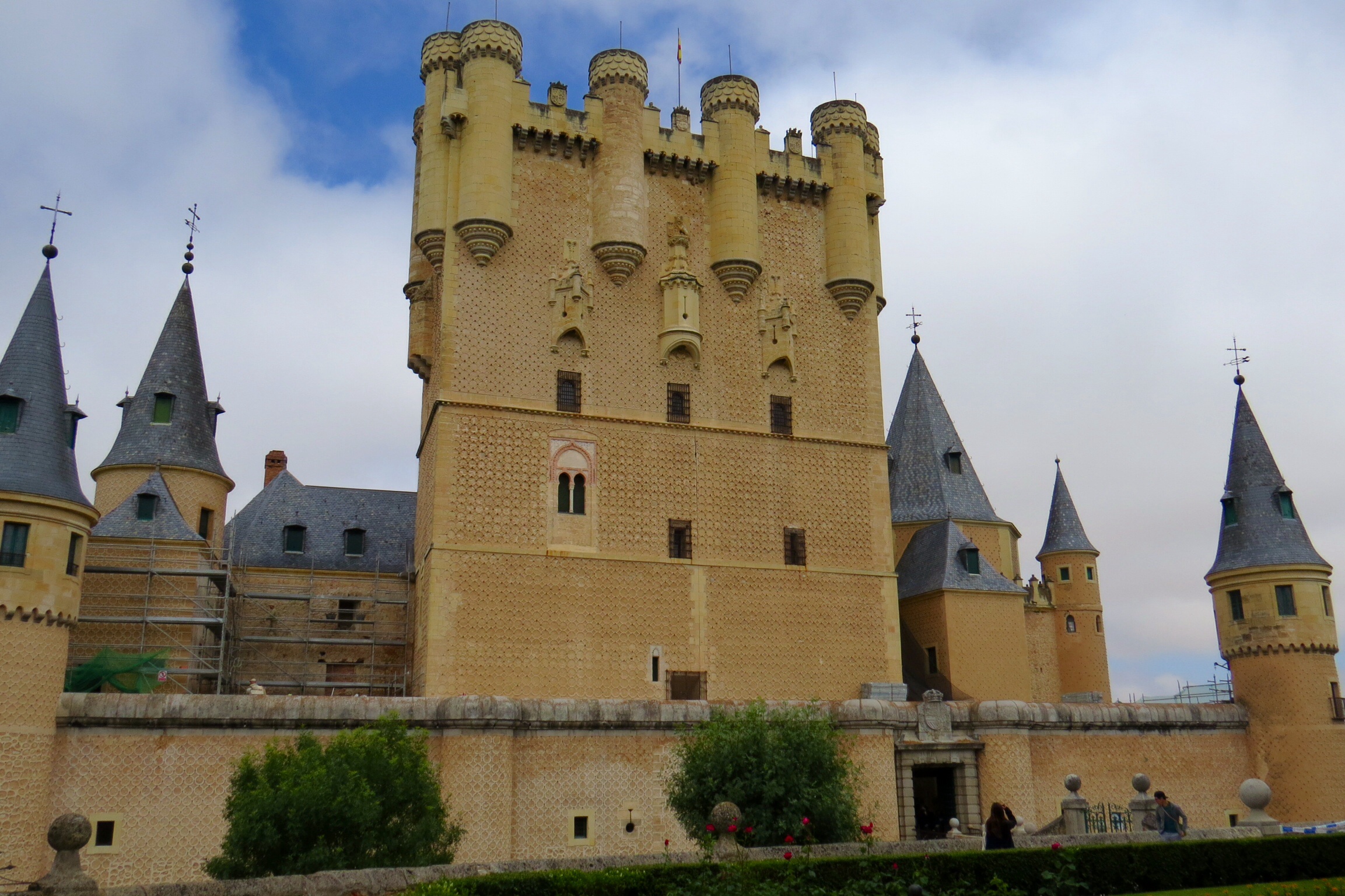
The foundation of El Alcazar was Roman, but the medieval palace was built of limestone in the 13th century. It has the kind of honest, simple, dramatic elegance that stares down the many guilded Baroque palaces of Europe and I recalled the similar rugged beauty of Prague Castle.

image image

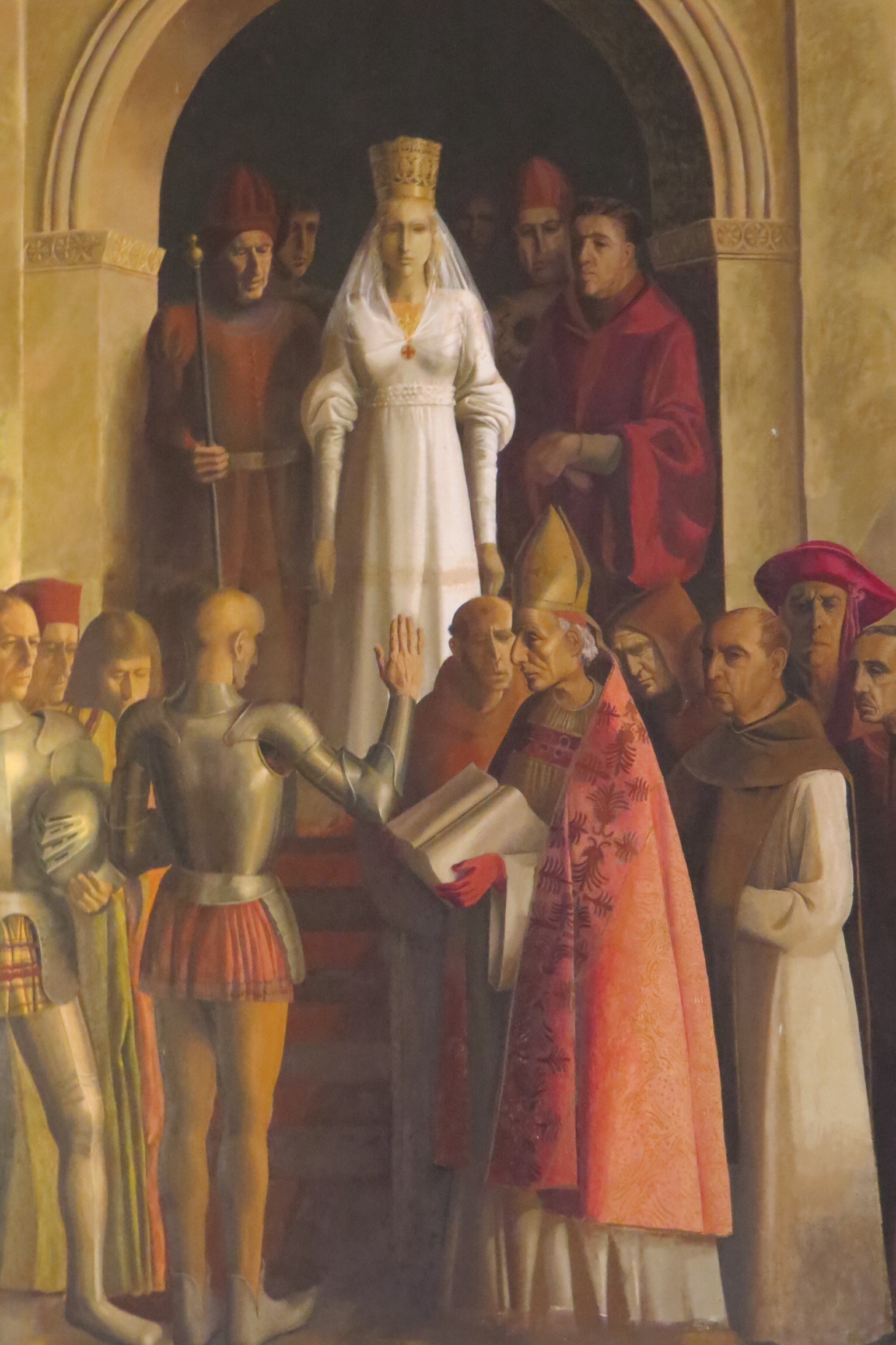
El Alcazar was the dramatic backdrop for one of the juiciest romances and marital power struggles ever told. Isabella was one half of the marriage that united Spain as we know it today. At age 6, Isabella was betrothed to Ferdinand, but that carried little weight. After a gnarly path of political promises, betrothals and deaths, Isabella’s own will led her back, ultimately, to Ferdinand. They wed on October 19, 1469.

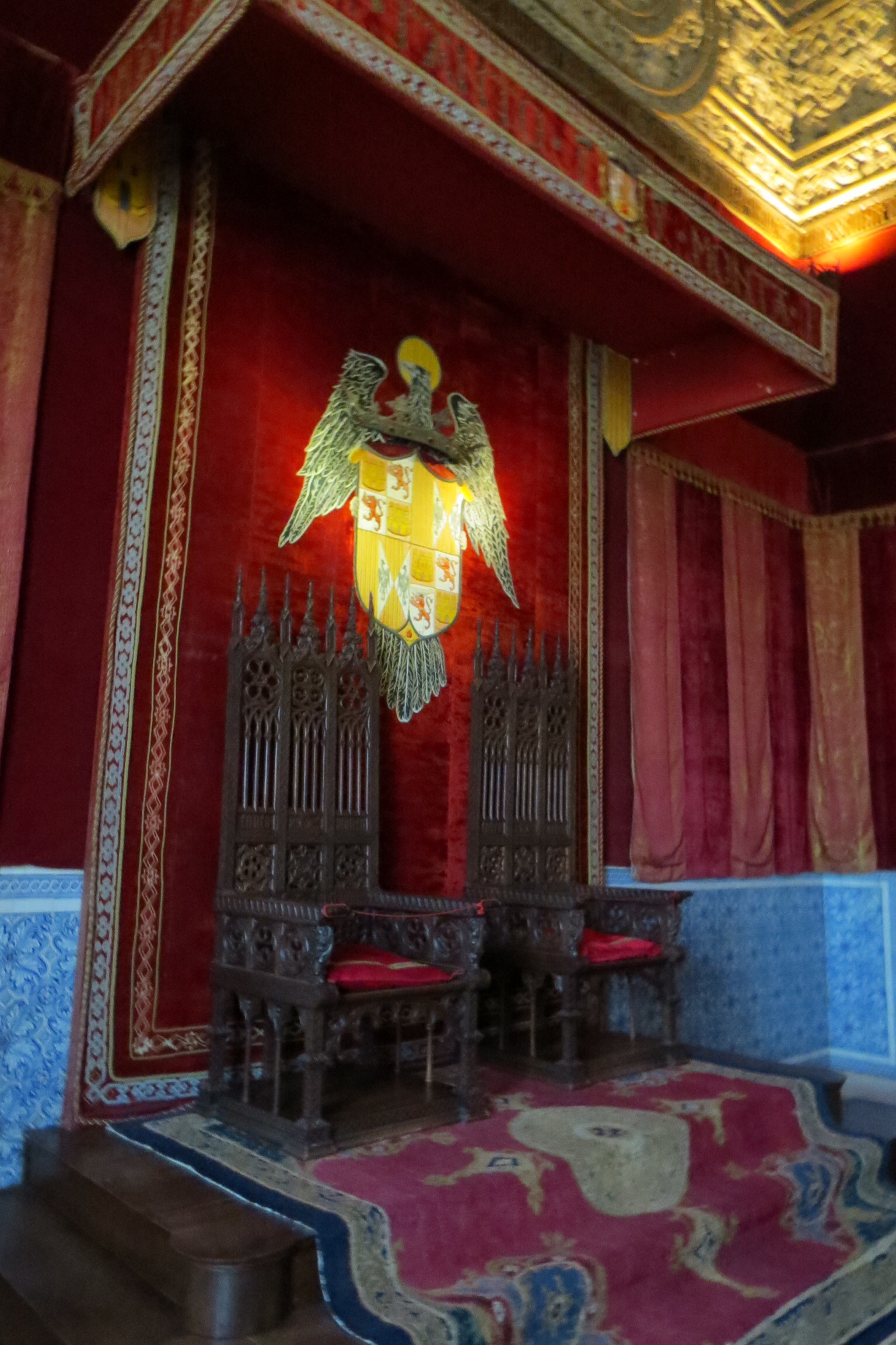
In December, 1474, Ferdinand was away in Zaragoza. Isabella was at home at El Alcazar in Segovia. Toward midnite on December 11 in Madrid, King Enrique, Isabella’s half brother, died. He had dithered about his succession and left no specific heir to the throne. Isabella’s supporters – the nobility, judges and the Church – knew haste was crucial to ward off real threats to her accession to the Crown. Isabella seized the day and and a coronation ceremony in El Alcazar (and the transmission of news of the coronation) solidified her position as the new Queen of Castile and Leon.

image

Ferdinand was furious to learn that Isabella had seized power while he was away, denying him the opportunity to be crowned King Regent. She had written to him of Enrique’s death without mentioning her coronation. It wasn’t until he read a December 21st account of her coronation ceremony that he realized she was Queen. “I never heard of a Queen who usurped male privilege,” he whined. Isabella pulled out all the stops in pageantry on his return to Segovia, including kneeling dignitaries and a celebratory mass, but Ferdinand was not convinced and threatened to leave her.

Isabella had to plead her case publicly, and based upon the marriage contract which negated any succession rights to the throne he might claim over her, Ferdinand relented. The couple adopted a new official motto: “one is equal to the other, equally Isabella, equally Ferdinand.”

image

Isabella introduced great reforms to her country (perhaps she was an inspiration to the well-read Catherine II of Russia), reorganizing government, lowering the crime rate and relieving her nation of a legacy of debt left behind by her half brother. And, of course, she was to become the “Mother of the Americas,” financing and endorsing Christopher Columbus, making Spain a world power for generations.

It must not be forgotten, on the other hand, that Isabella and Ferdinand instituted the Spanish Inquisition and expelled Jews and Muslims from Spain.

Well, we fanned ourselves prodigiously after this visit and lunch was imperative.

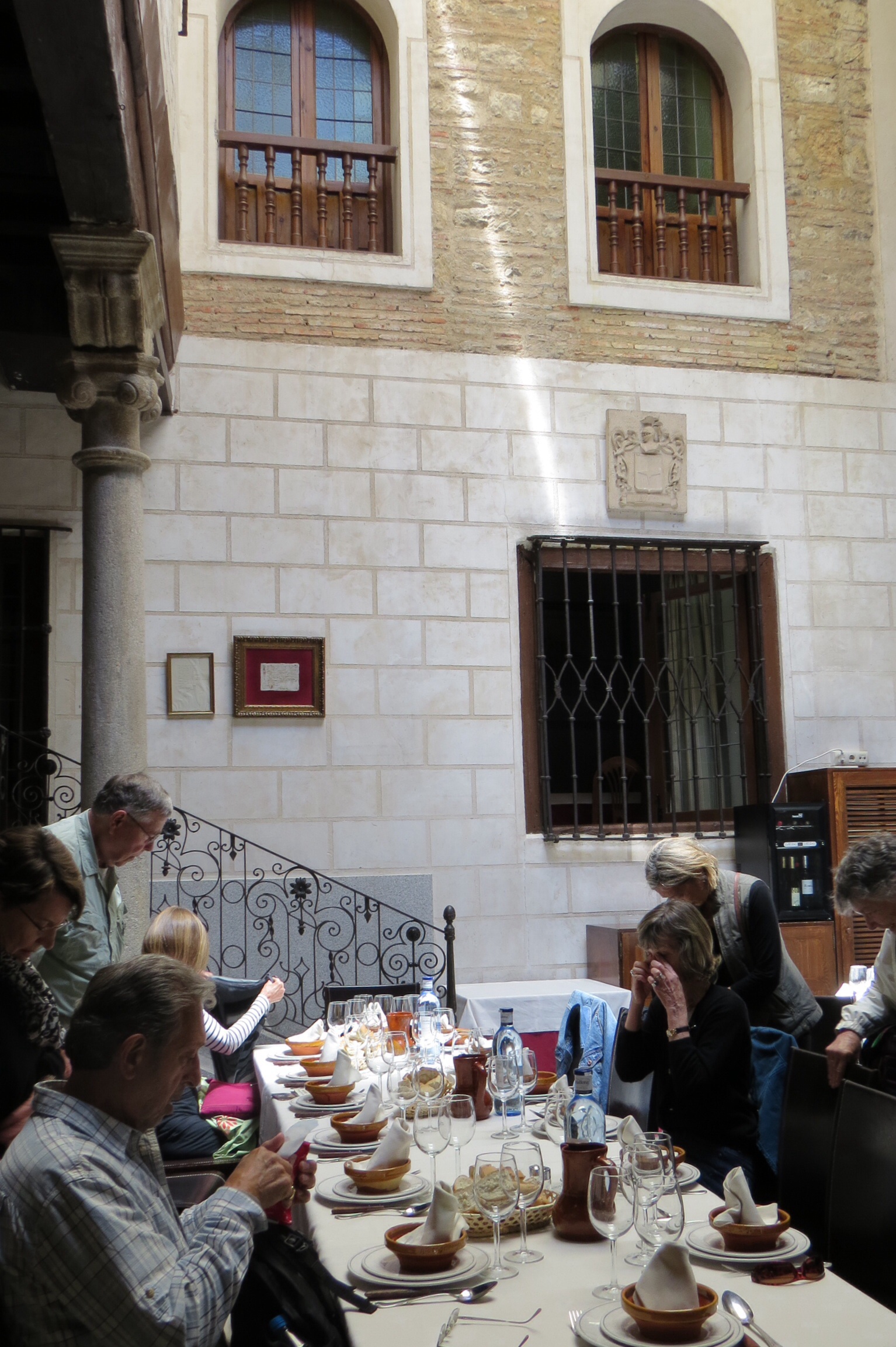
We had seen the interior courtyards of several aristocratic mansions in Spain, and today we would experience the hushed atmosphere of a meal taken surrounded by cool stone walls with the warmth of sun and light streaming in from above.

image

The meal here was impressive as well, gazpacho drizzled with golden olive oil, and duck.

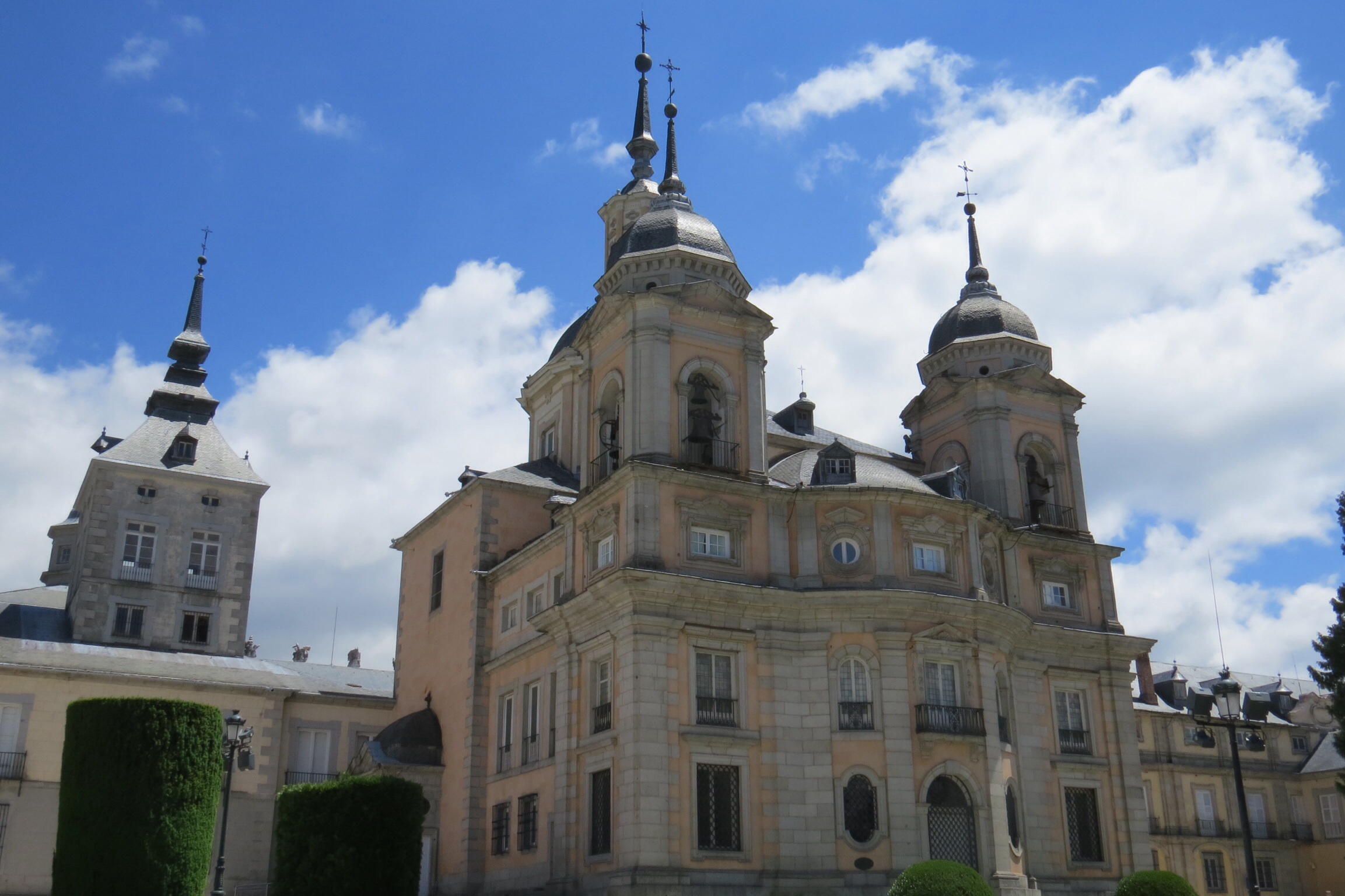
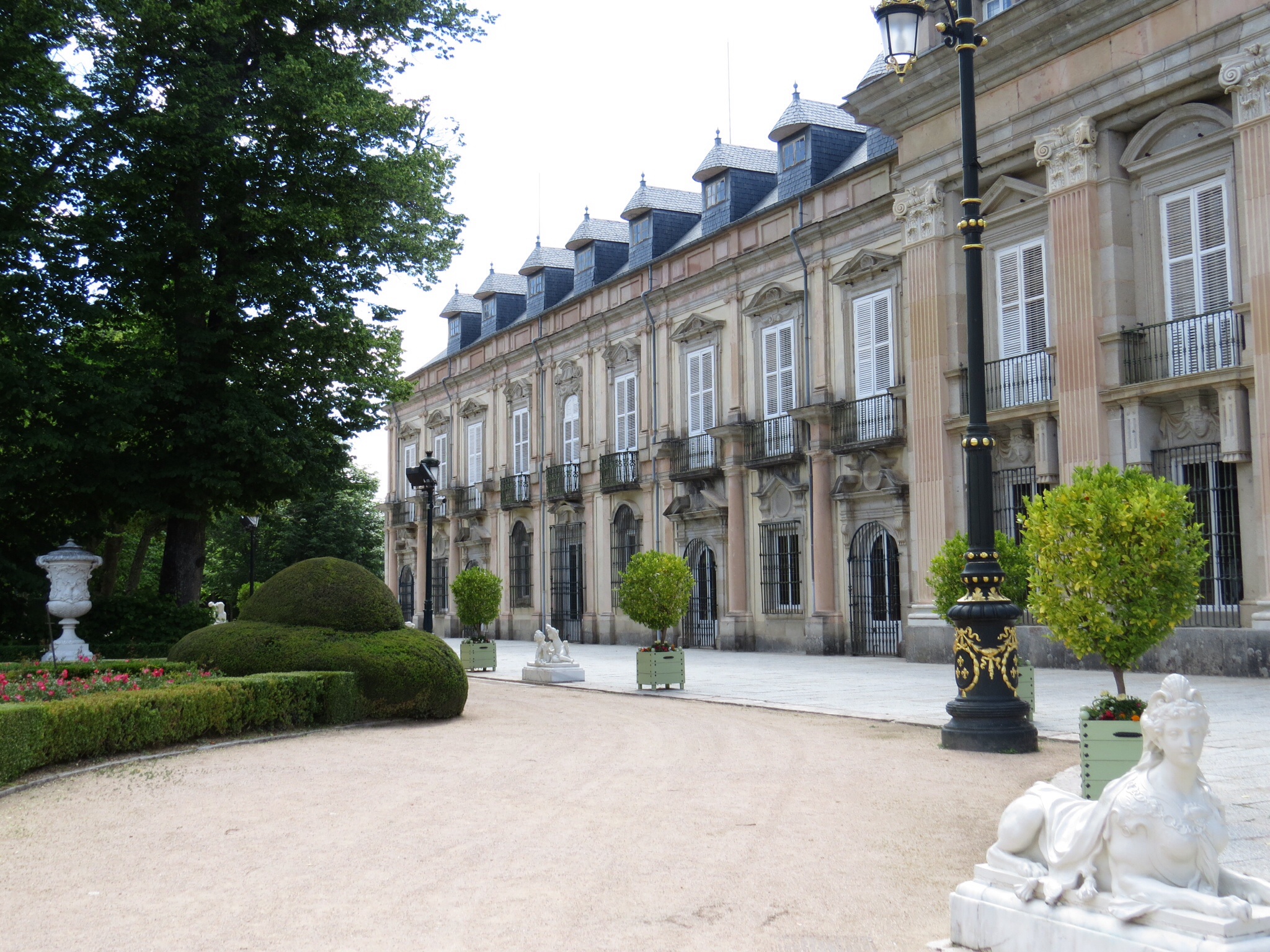
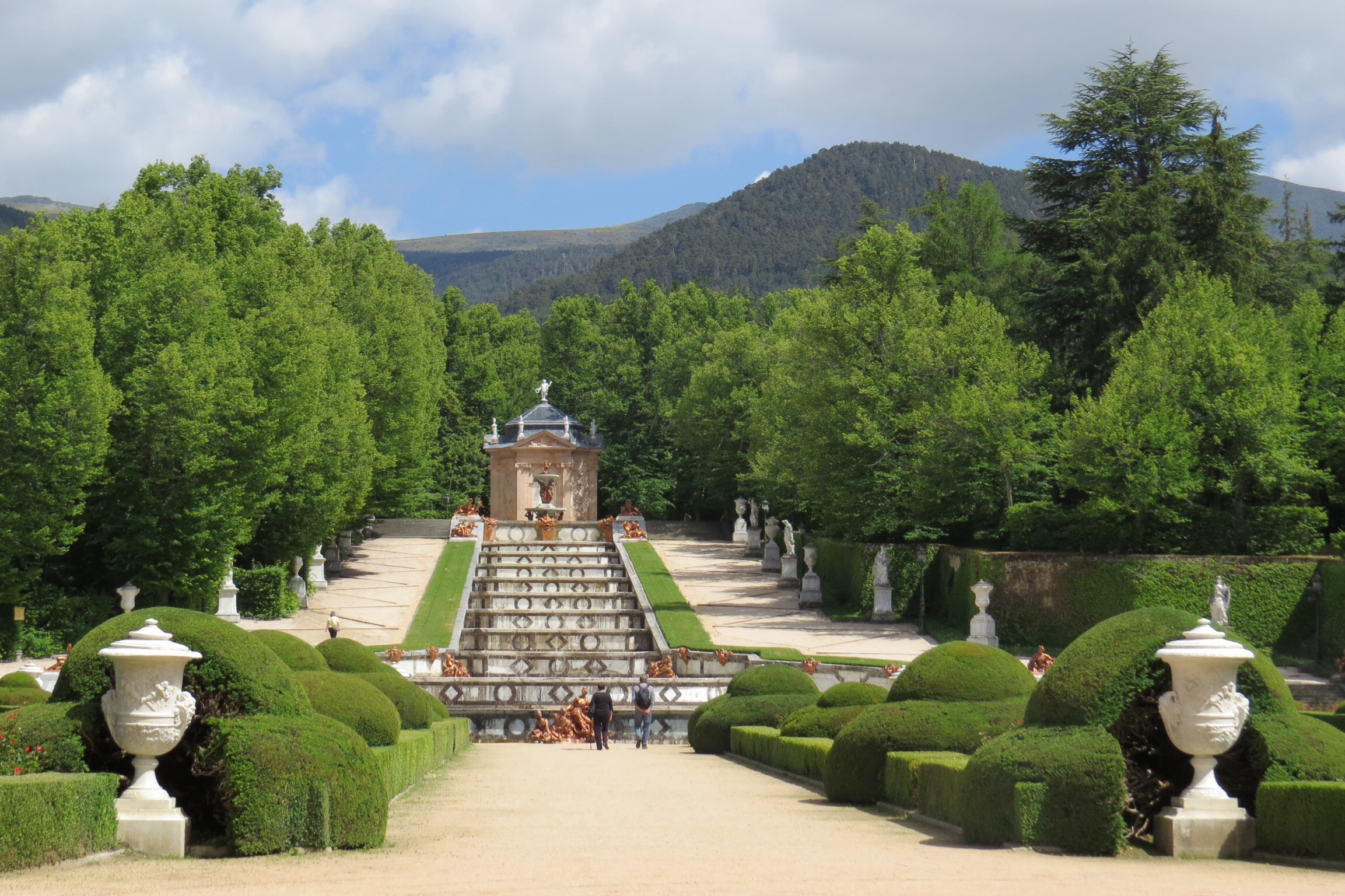
Next, we happily climbed once again into our 12-metre Nap Machine and then jumped ahead about 226 years to the reign of Felipe V, who built the spectacular Baroque palace La Granja in the foothills outside of Segovia. Such is the incestry of European royals, that Felipe was the French grandson of Louis Quatorze and the King of Napoli when he became the King of Spain in 1700. Felipe was nostalgic (who wouldn’t be?) for his childhood home outside Paris; this palace evokes memories of the beautiful Palace Versailles. The gardens were particularly stunning.

image image image

Deposited nicely back in Segovia at 6:00 p.m. there was time to shop, and a lovely little wine, meat and cheese shop made for a wonderful, spontaneous and rather boisterous pot luck buffet back at our hotel lobby to end the day.

Jan
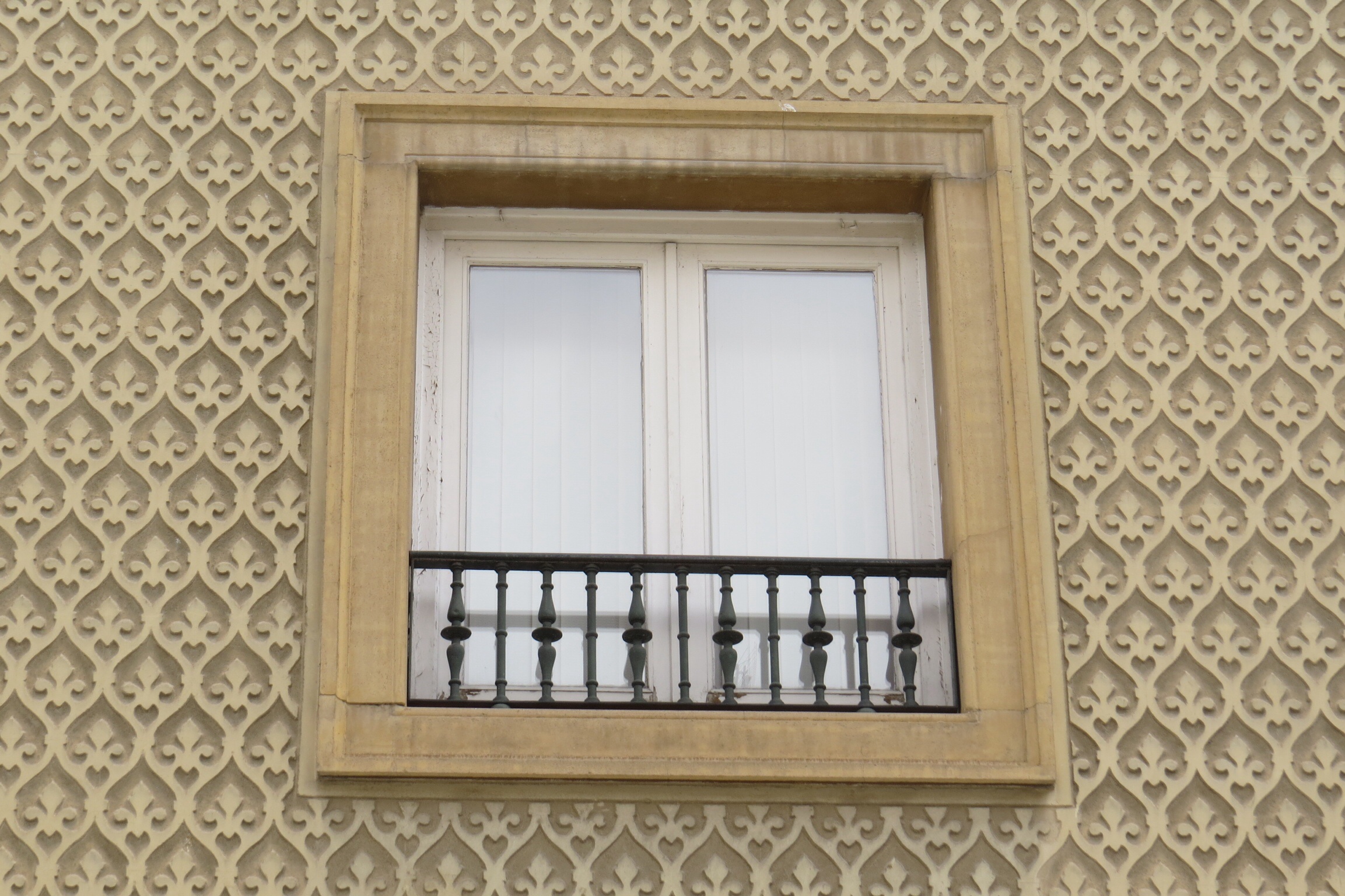
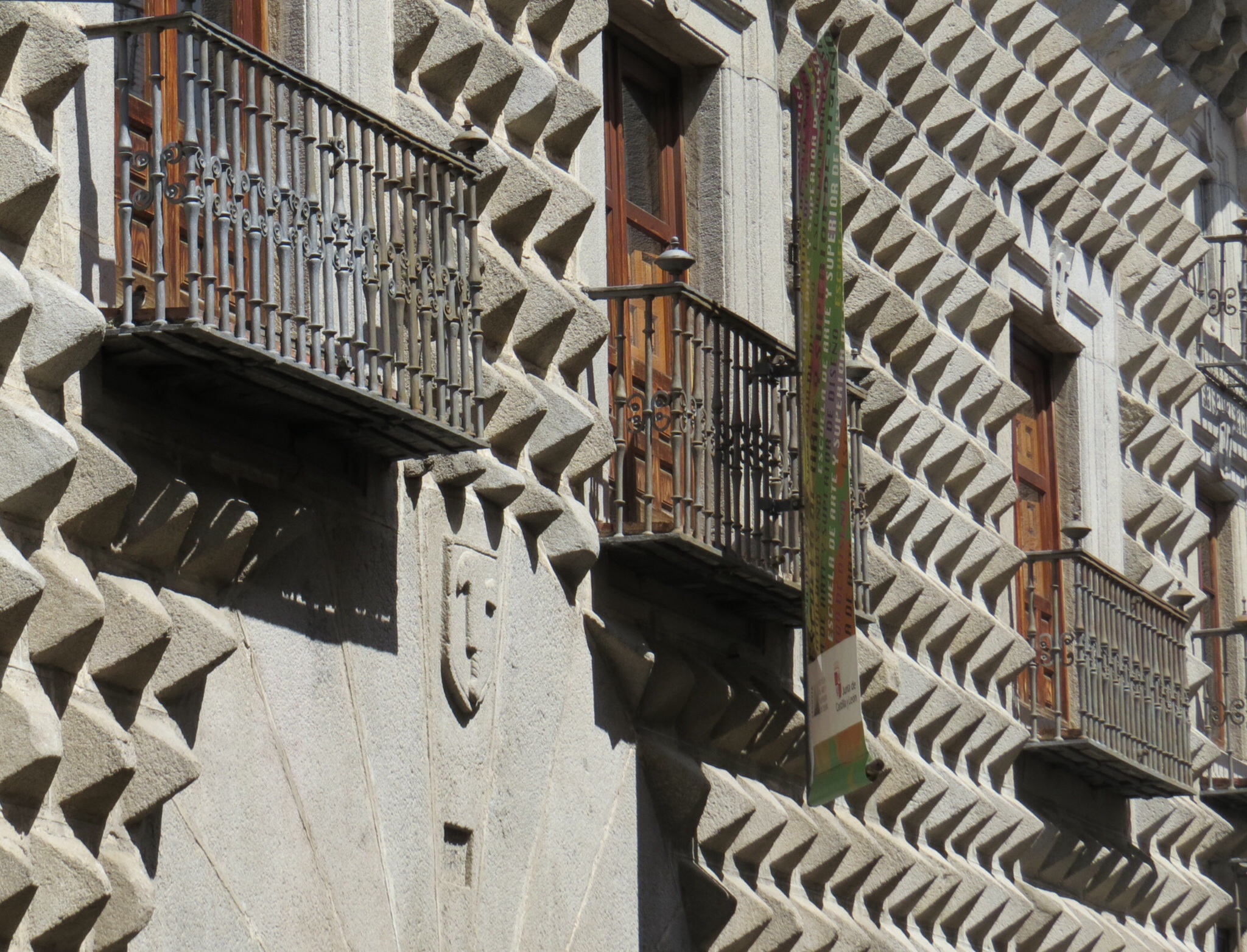
Textures of Segovia
imageimageimageimage
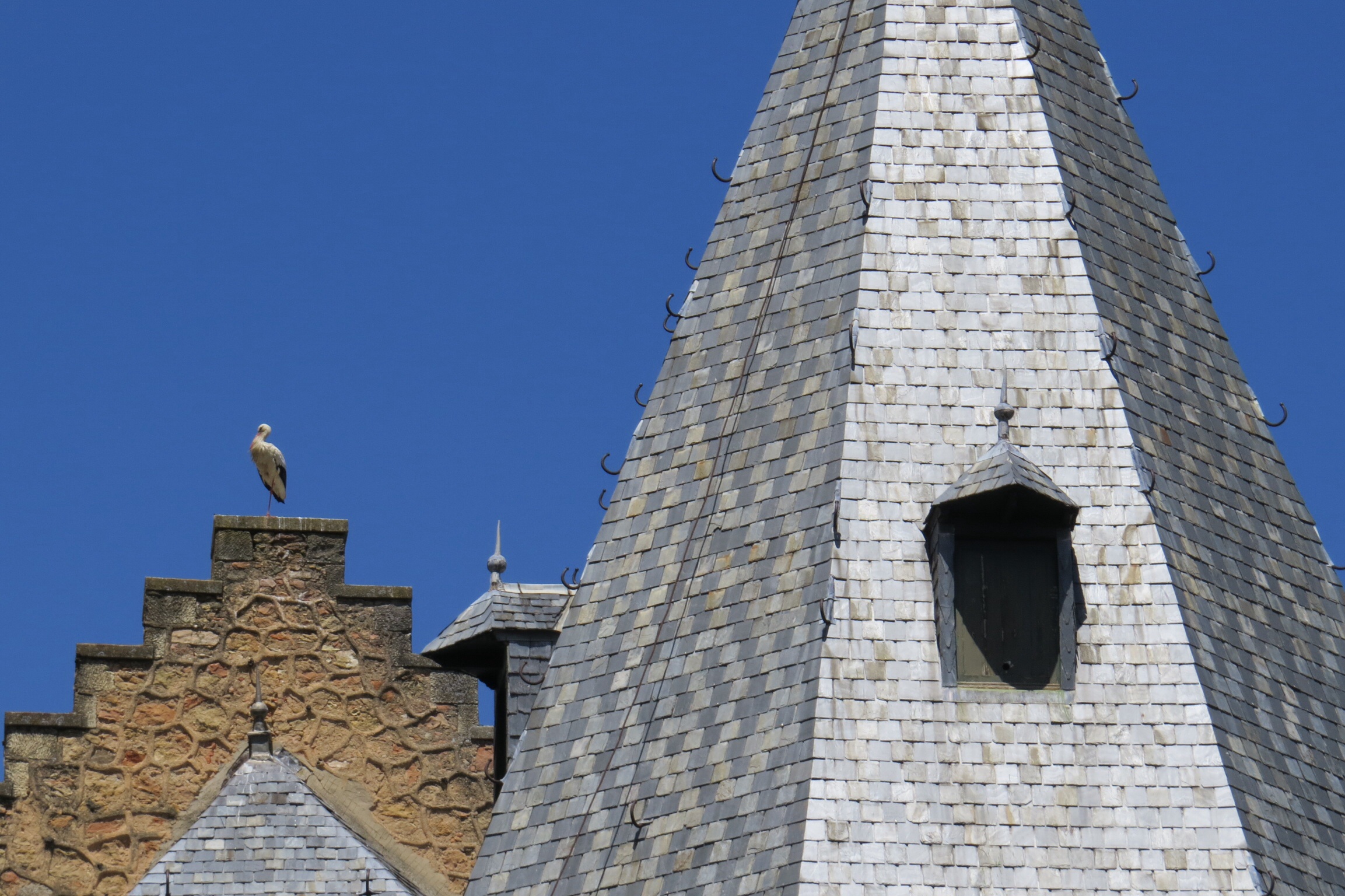
Stork

image image
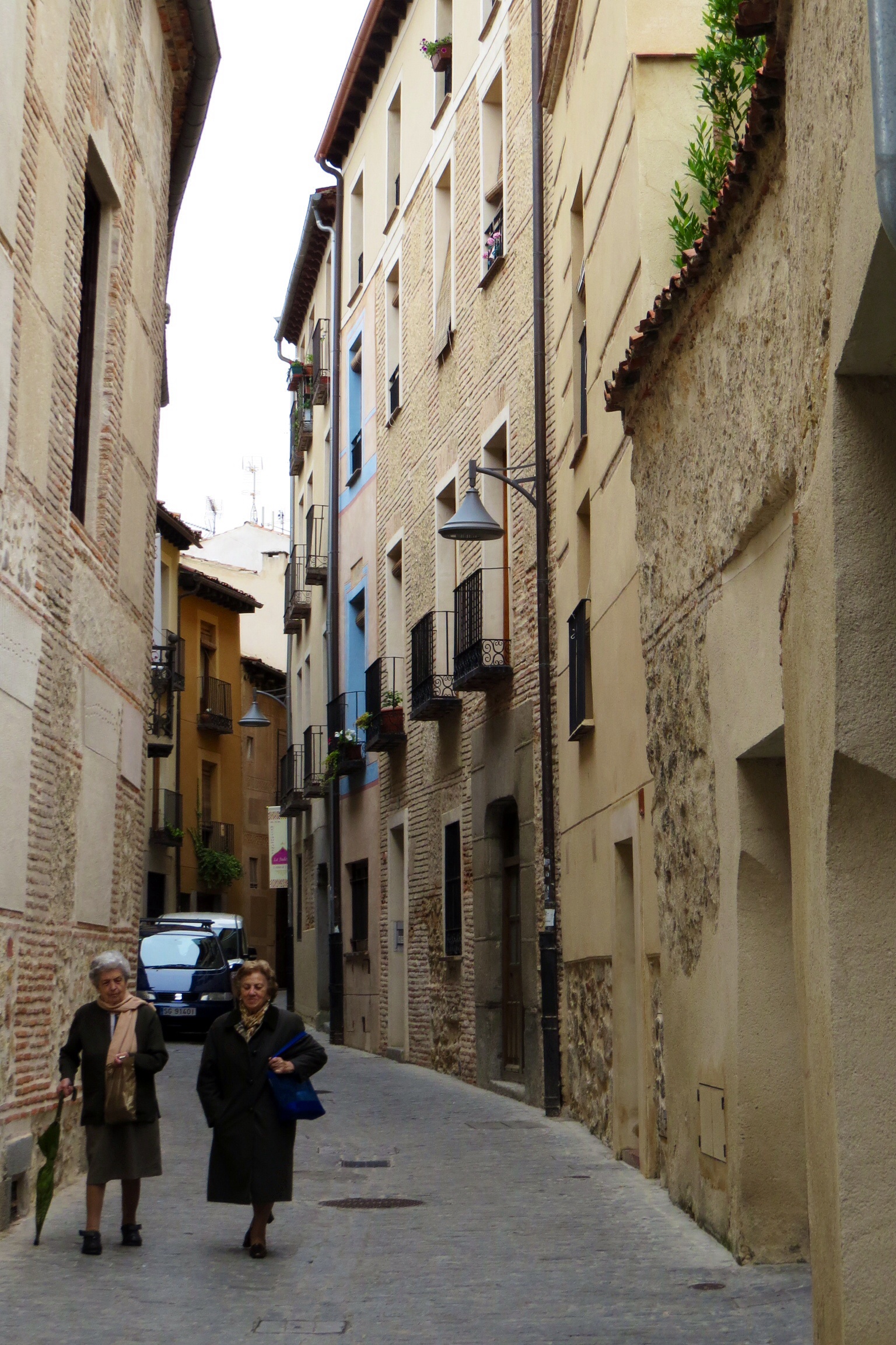
Historic Jewish Quarter

image
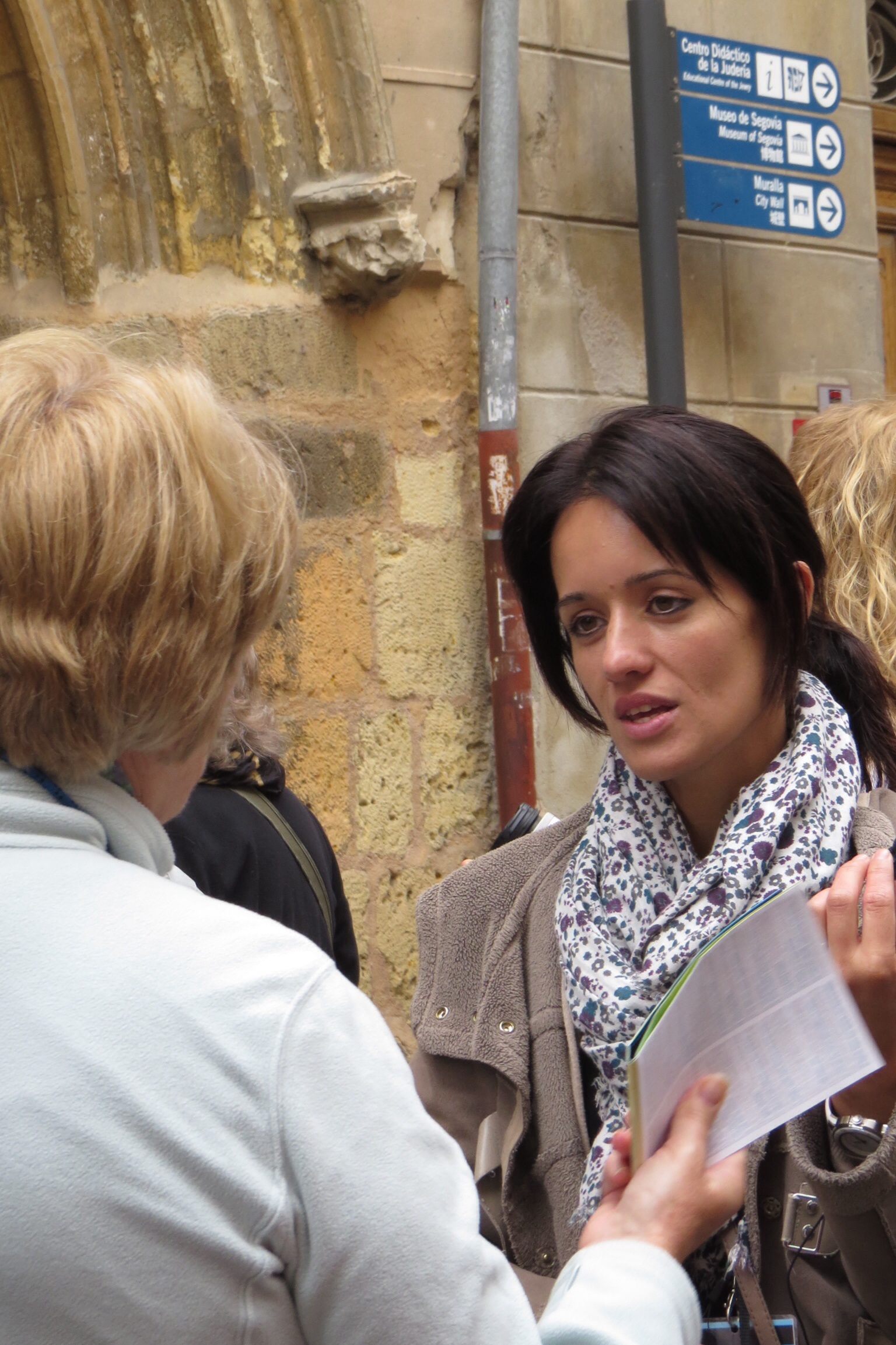
Our tour guide, Penelope Cruz

image
San Fructos, 8th century saint, patron saint of Segovia
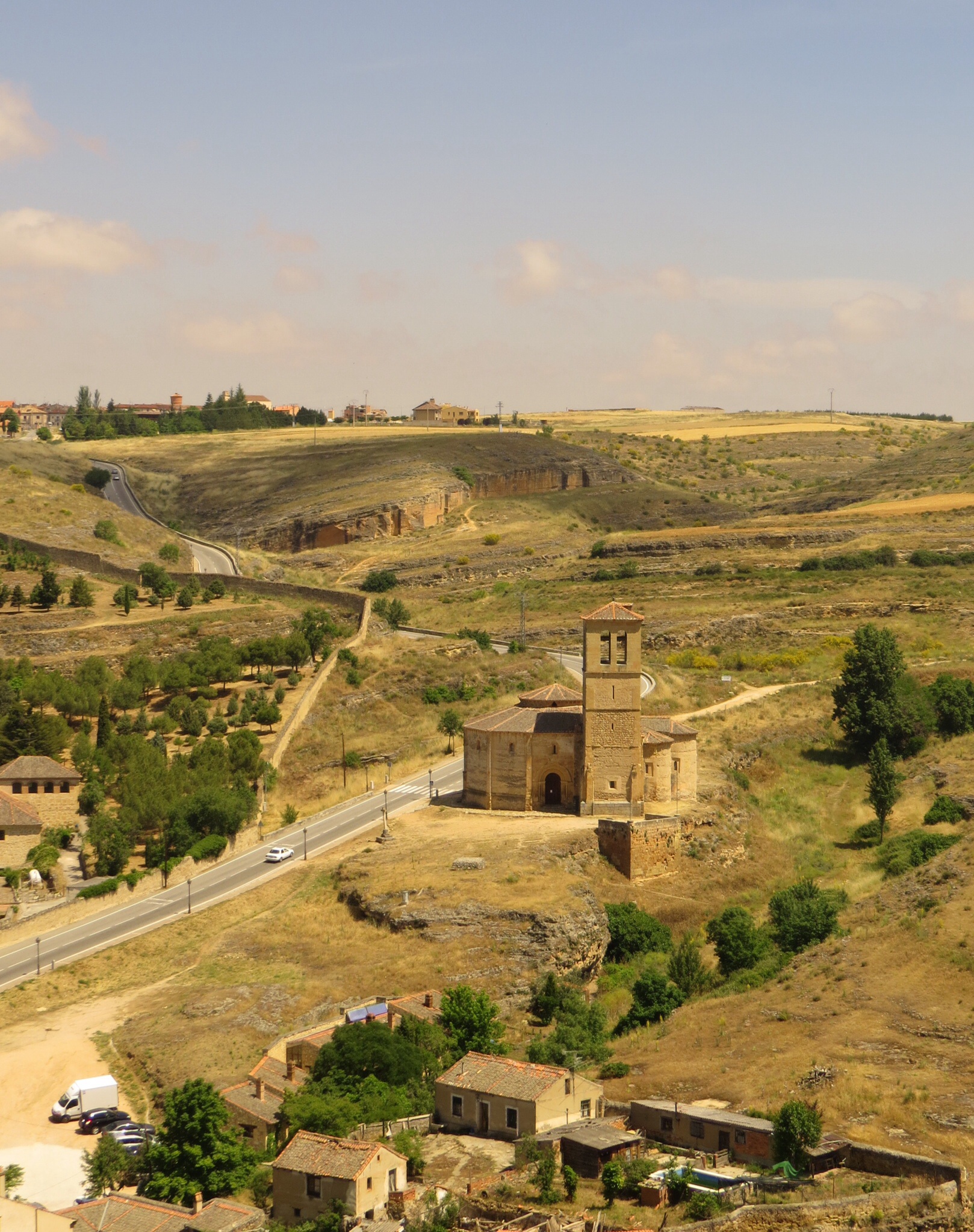
As the clock strikes 12 Midnite on October 24th, the Paso de la Hoja (Turn of the Page) procession culminates at this statue where he turns a page each year – it is said that when he turns the final page of his Book of Life, the world will end.

Proof!

I don’t take selfies, so thanks, Margaret, for the memories you have passed on!   I really am in Spain!

image
Bliss in San Sebastian
(shopping AND feet in ocean)

image
An aperitif with Chrissie
image
N
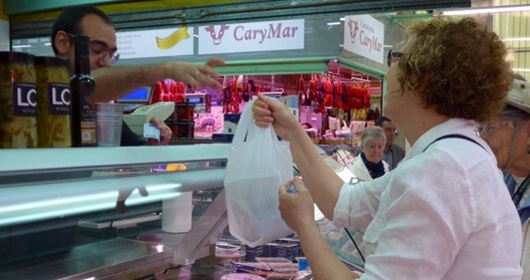
egotiating the language and the cash
at the Oviedo market

Jan

Stones and Saints, bulls, pigs and other creatures

Itinerary:
– travel to Avila
– walking tour of Avila
– travel to Segovia
– Dinner at La Postal

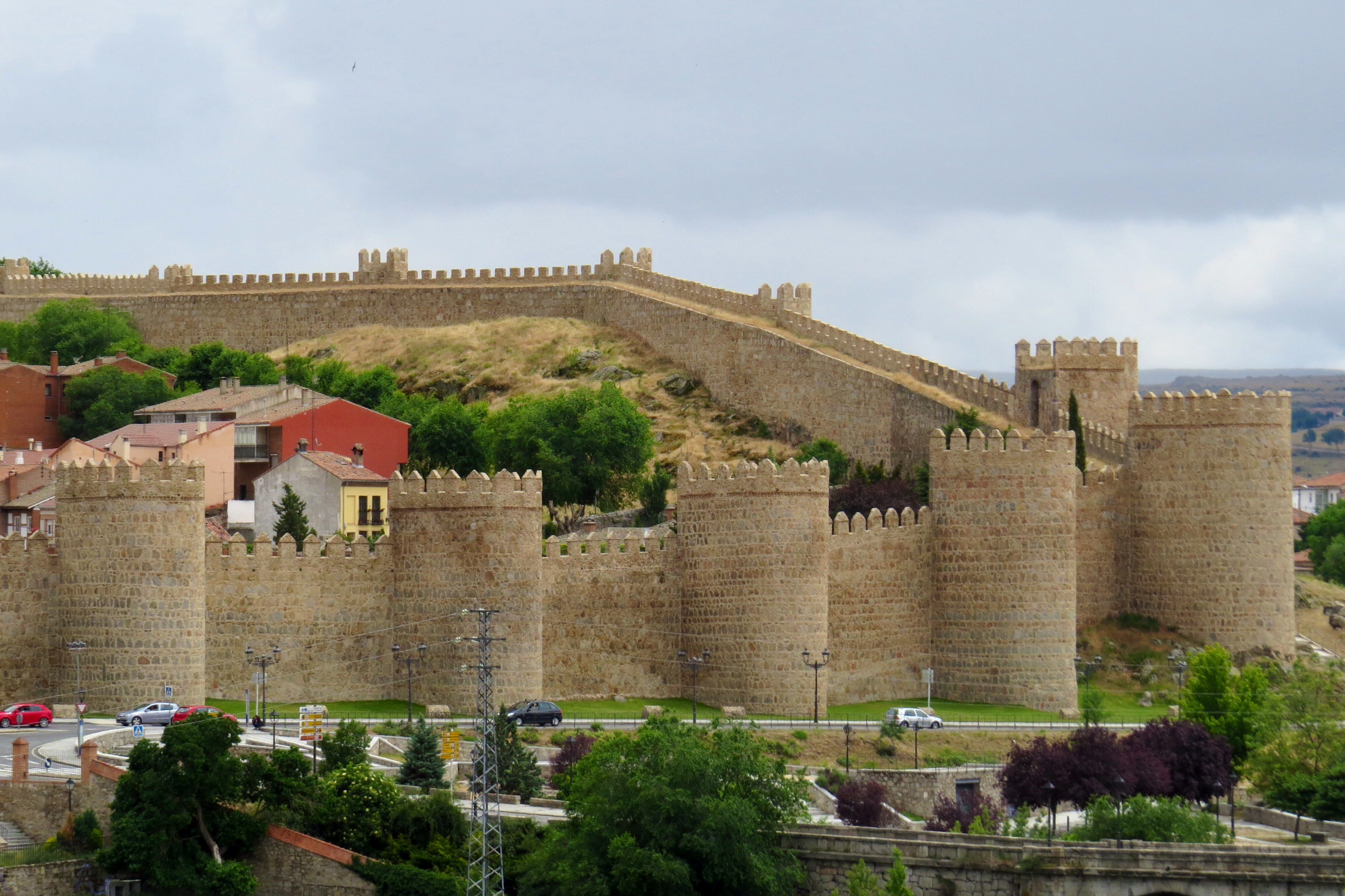
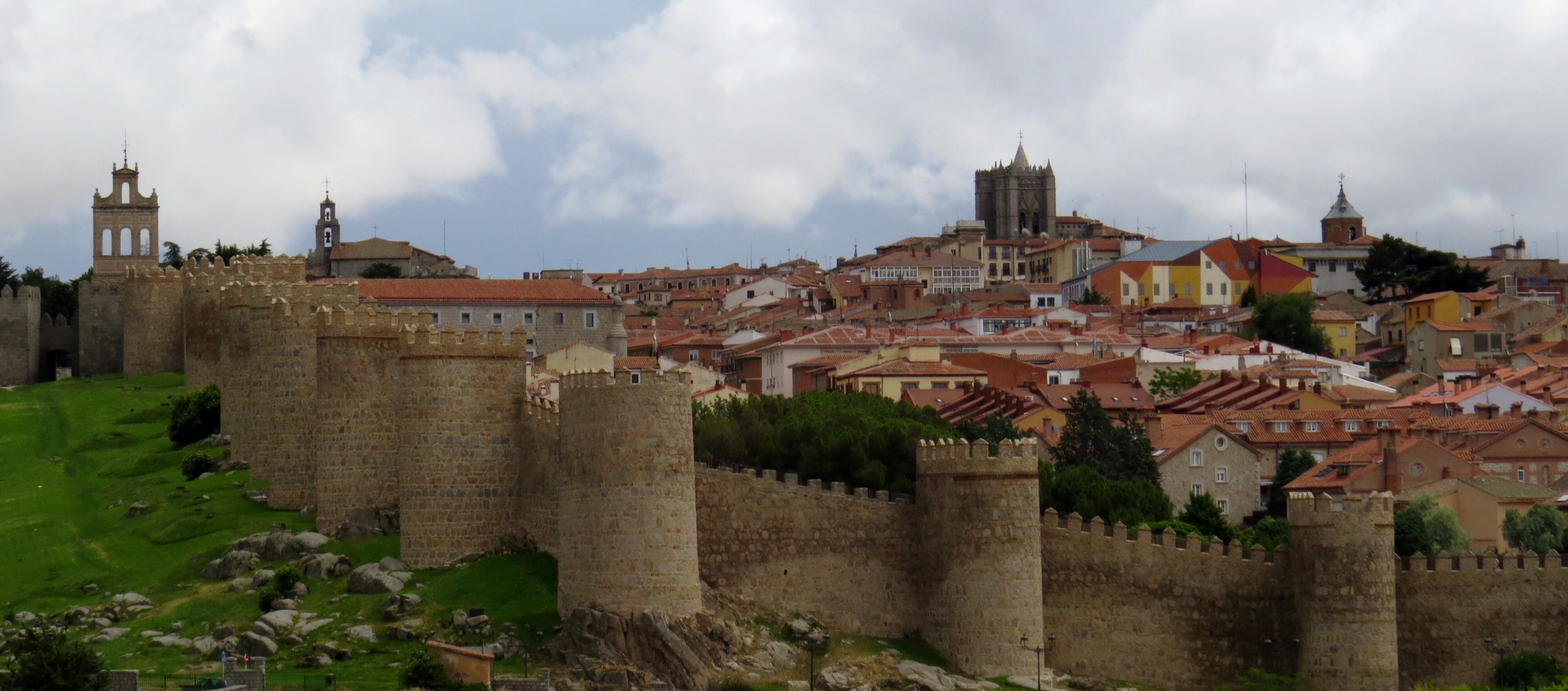
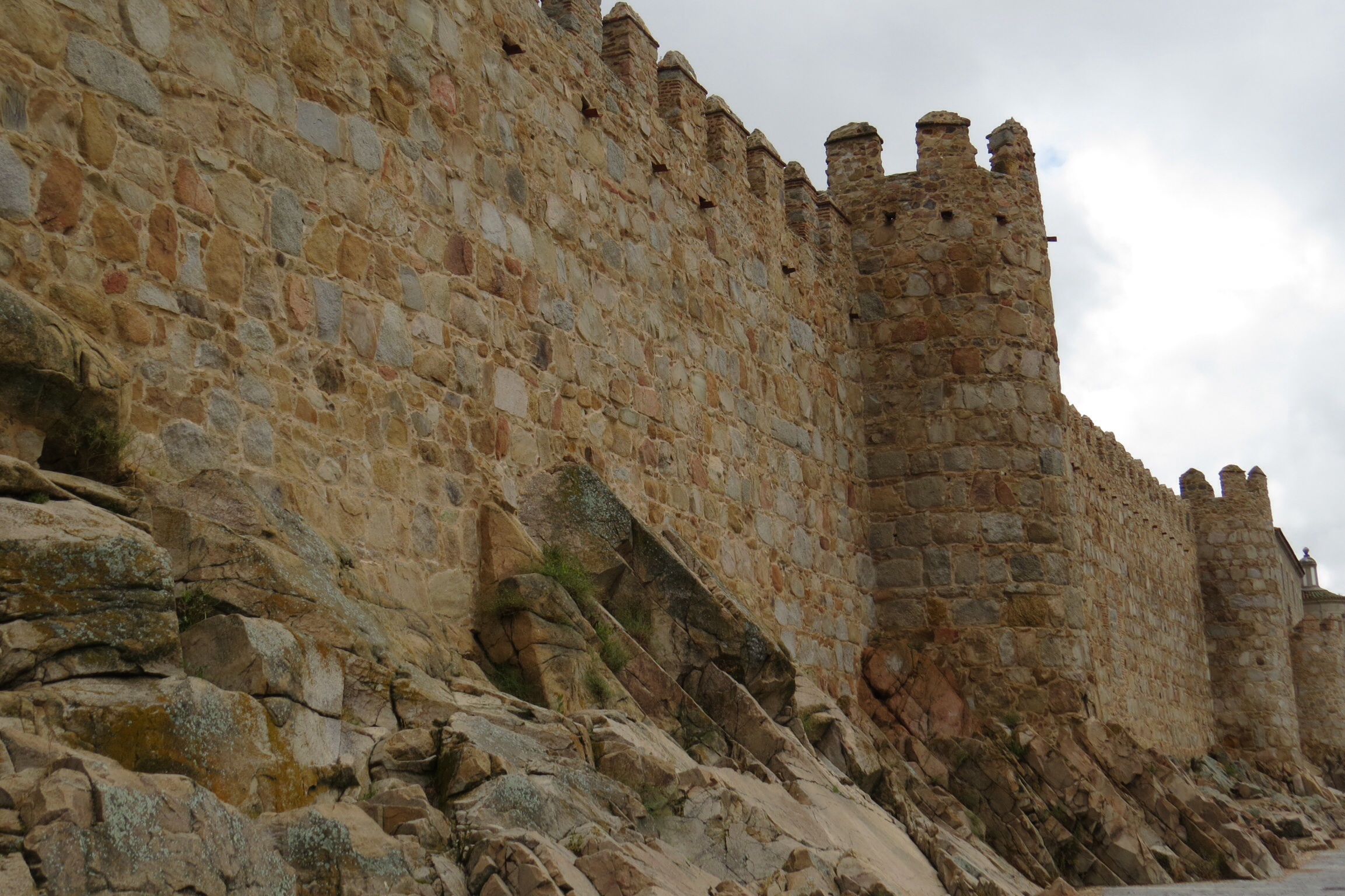
We set off early this morning, but not for long. We were scheduled for a 3-hour stop at Avila.  A UNESCO world heritage site, Avila has one of the few intact surrounding medieval walls. Construction started in 1090 and there are 2,516 metres of walled defence, 3 metres thick. In some areas, the rock for the walls was cut from the stone in situ, forming the base for the impervious structure.

imageimage image

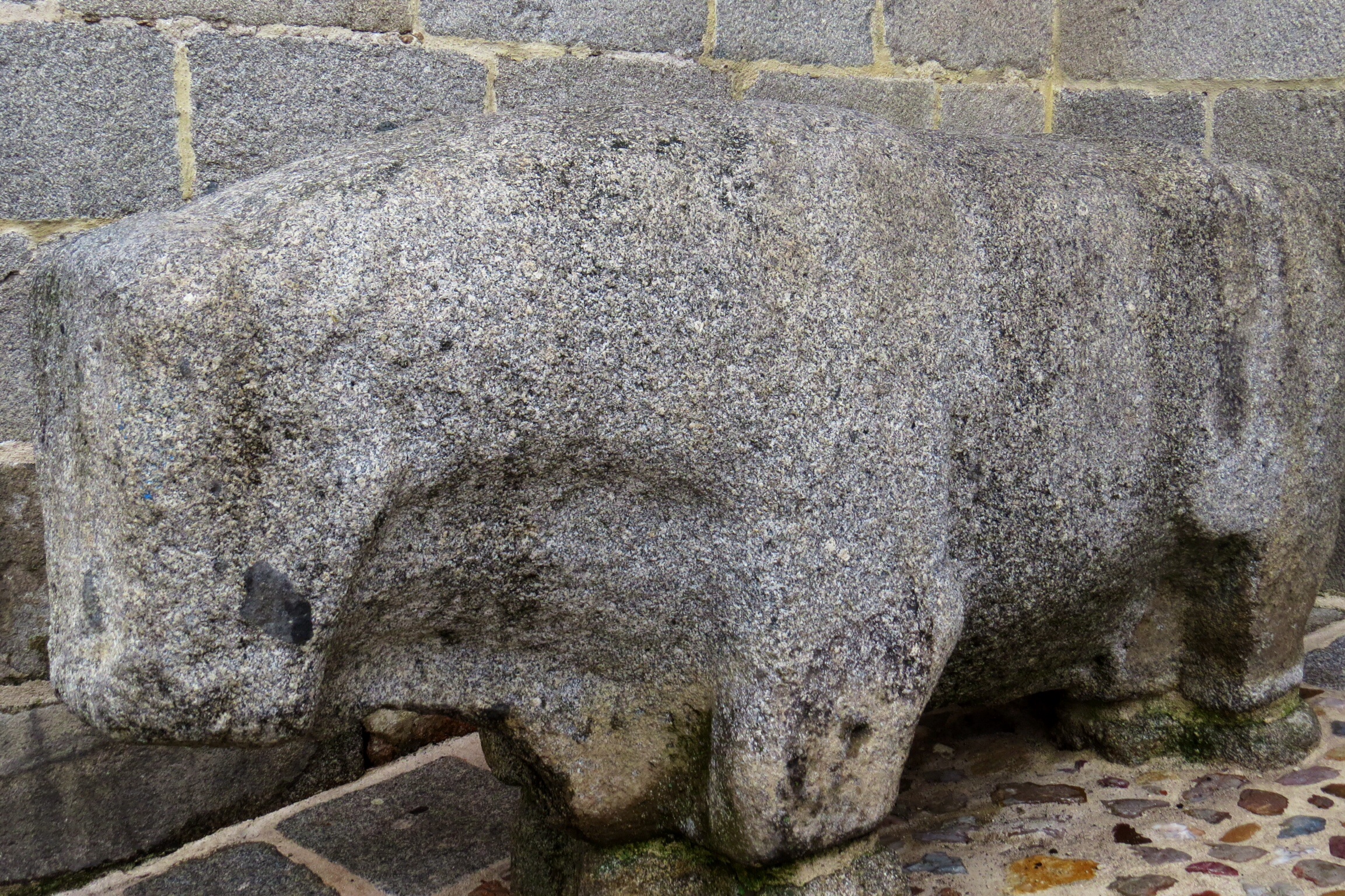
Other important stone can also be found at Avila – the “toros de Guisando” (bulls on hill Guisando) and the “verracos de piedra” (pigs of stone). These ancient sculptures are Celtic (pre-Roman) dating from approximately the 2nd century BCE.   Were these stone creatures the source of inspiration for bullfighting and the bull as the national symbol of Spain?

image image

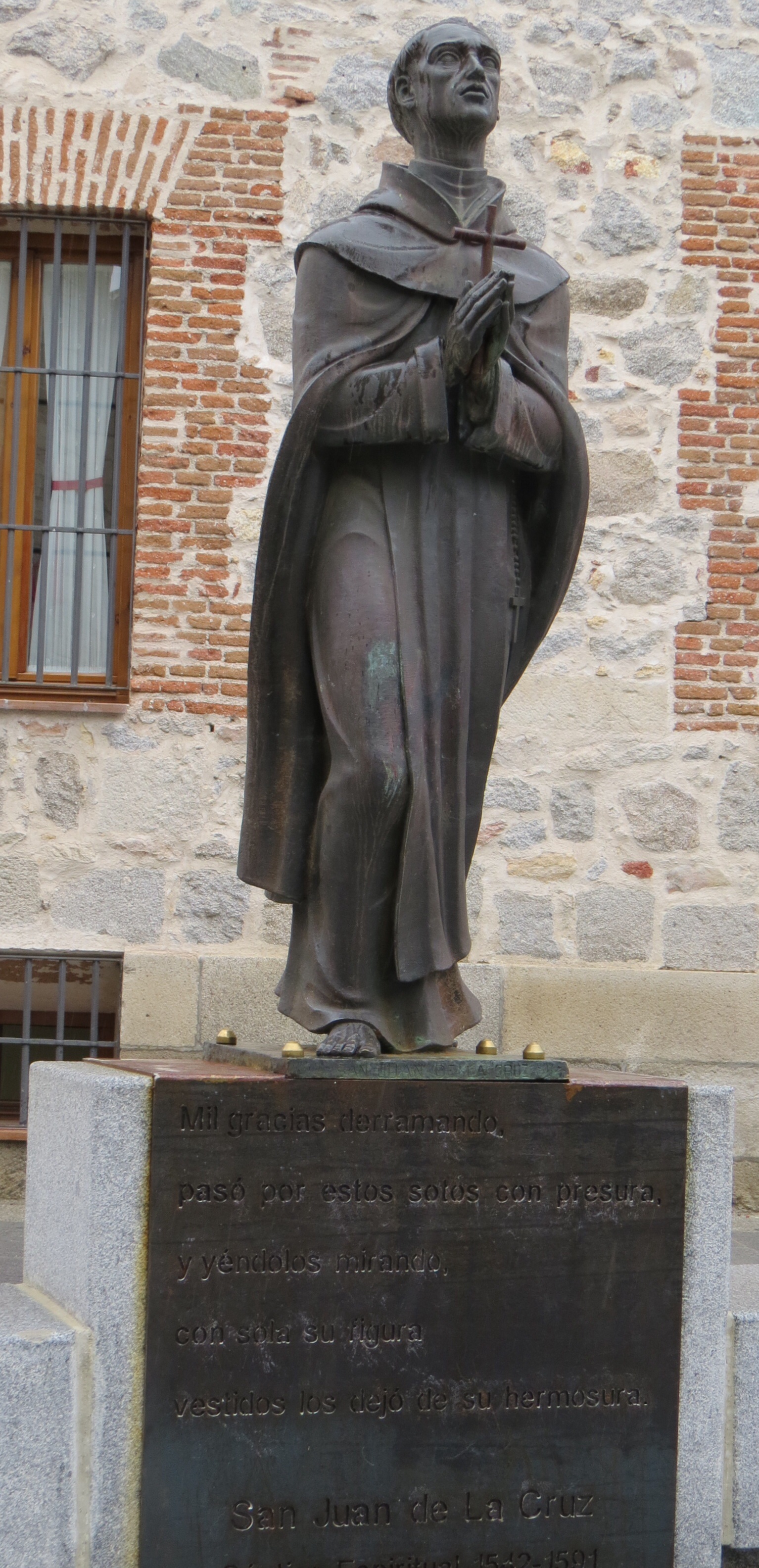
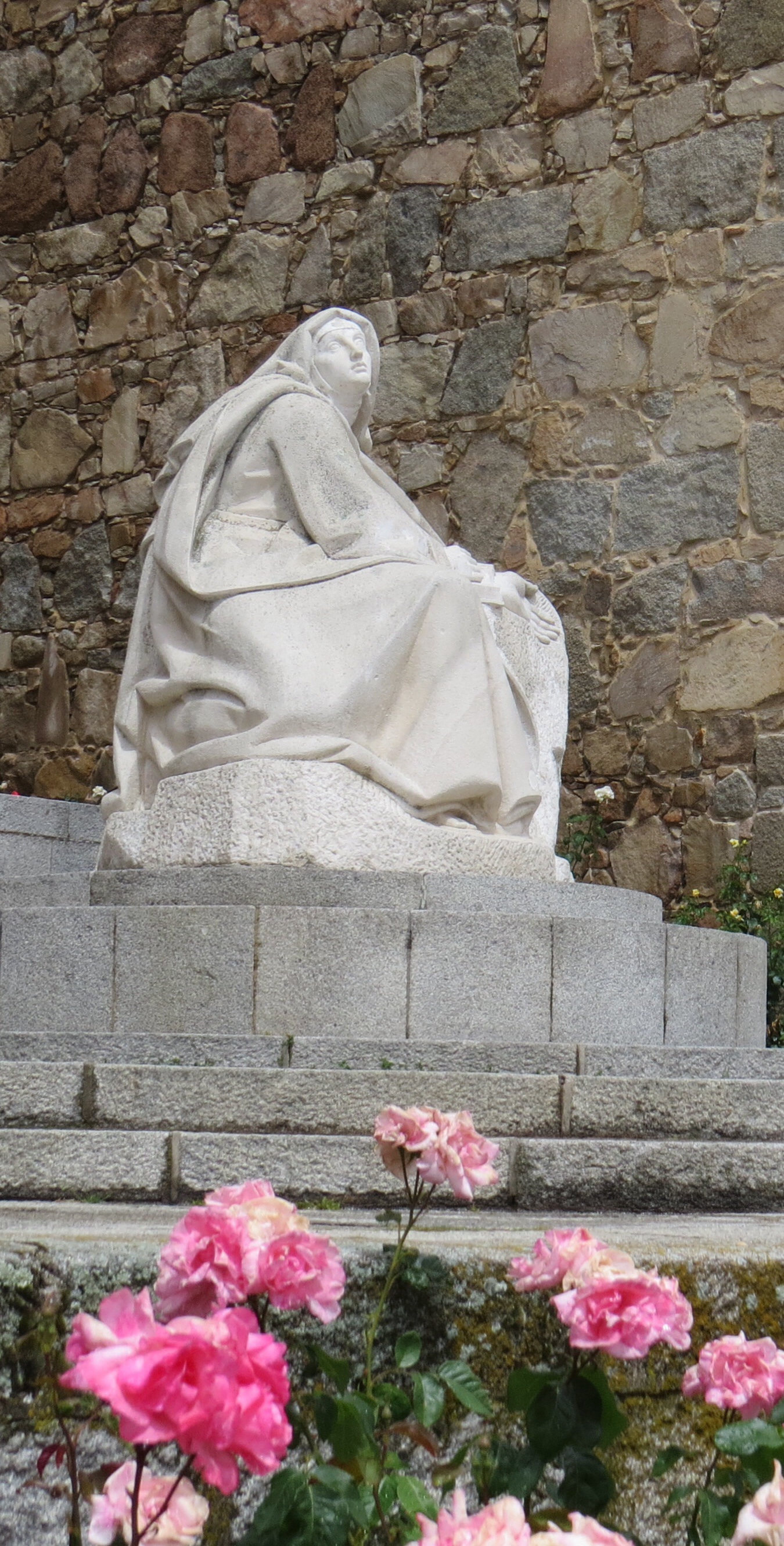
This explains the “Stones” part of the nickname for Aliva, and the Saints are easily answered as well.  Two saints emerged from this town in the 16th century, both Christian mystics and co-founders of the Discalced (“shoeless”) Carmelite order of priests and nuns:  St. John of the Cross and St. Theresa.  Both wrote extensively and their writing has influenced the  Catholic liturgy to this day.

St. John of the Cross wrote Dark Night of the Soul, my favourite poem from a humanities course I took at U. Vic. several years ago.  I am not religious, but the humanity of this poem resonates, and countless versions of the journey from darkness into light can be found in novels written today (a Canadian example is Margaret Laurence’s The Stone Angel).   The eroticism of the poem could be read in one sense as an offensive play in the Counter-Reformation.

“Songs of the soul rejoicing at having achieved the high state of perfection, the Union with God, by way of spiritual negation.

“Once in the dark of night,
Inflamed with love and wanting, I arose
(O coming of delight!)
And went, as no one knows,
When all my house lay long in deep repose.

“I stayed there to forget.
There on my lover, face to face, I lay.
All ended, and I let
My cares all fall away
Forgotten in the lilies on that day.”

—St. John of the Cross,
translated by A.Z. Foreman

The full text is on a separate page at the top of the blog.

Loreena McKennitt brought the poem into the popular culture:

St. Theresa wrote the “Camino de Perfeccion” (Way to Perfection) to teach her nuns how to progress through prayer and Christian meditation. It has sage advice for life, as well:

“Let nothing disturb you.
Let nothing make you afraid.
All things are passing.
God alone never changes.
Patience gains all things.
If you have God you will want for nothing.
God alone suffices.”

image image
St. John                            St. Theresa

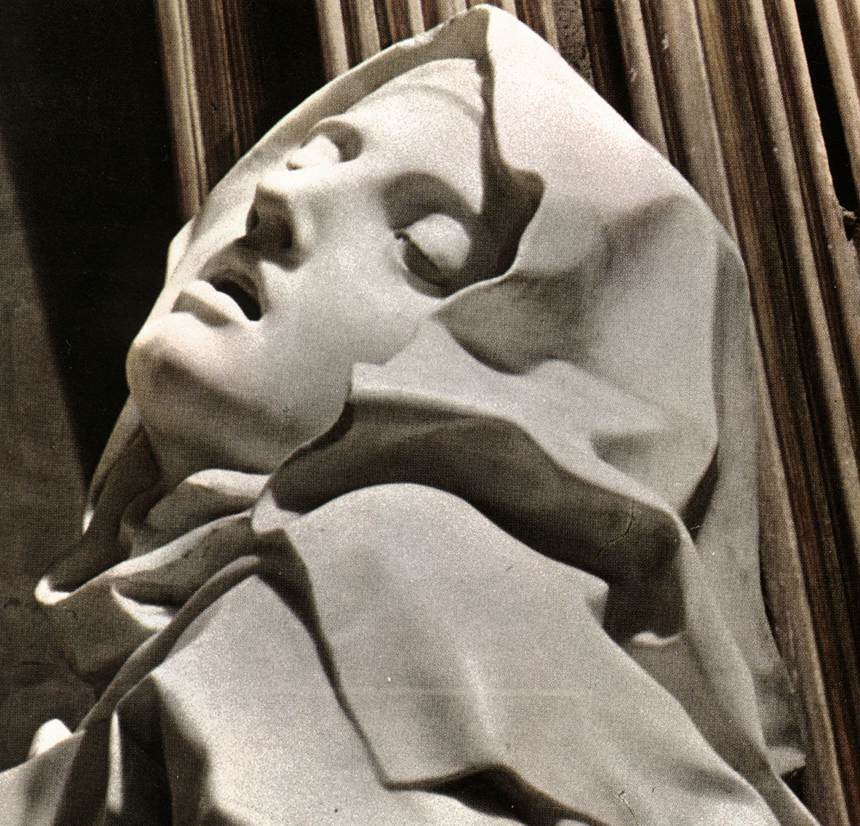
Another beautiful rendition of Theresa is found in Rome in the Cornaro Chapel in the Church of Santa Maria della Vittorio, Rome: Bernini’s “Ecstasy of St. Theresa.”

When Theresa had the first of many visions starting at age 40, she described in her autobiography the union of body and soul: “A rapture came over me, so suddenly that it almost lifted me out of myself. There was no doubt about it because it was very obvious. That was the first time that the Lord gave me the favour of a rapture. I heard these words, ‘Now I want you to speak not with men but with angels’.”

The passionate art historian, Simon Schama wrote in The Guardian of Bernini’s rendering,

“It was said that, every so often over his long career, Bernini could be found at the Cornaro Chapel, kneeling in prayer before what he called the ‘least bad thing I have ever done.’ …[When confronted with the sculpture] we stare and stare … as we stare at no other sculpture ever made. Perhaps the force of the spell comes from the realisation that Bernini has used the power of art to achieve the most difficult thing in the world: the visualisation of bliss.”

imageimage

The full text of Schama’s study on the sculpture and its creator is here:

http://www.theguardian.com/artanddesign/2006/sep/16/art

As you may have gathered by now, relics are an important feature of Catholic belief, used as “proof” that the mythology is true.  St. Theresa’s 16th century finger was on display here; fortunately for you, photographs were not allowed.

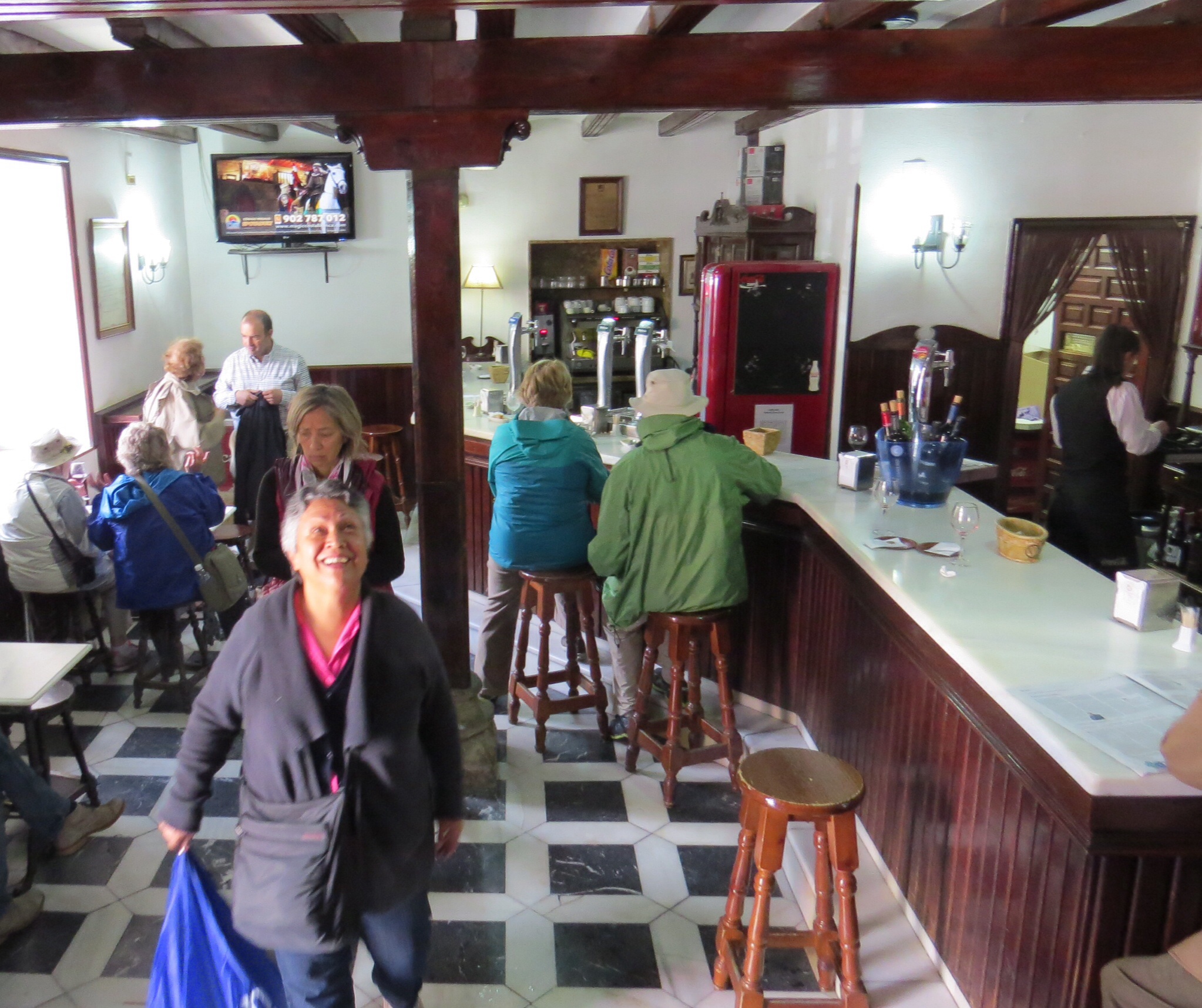
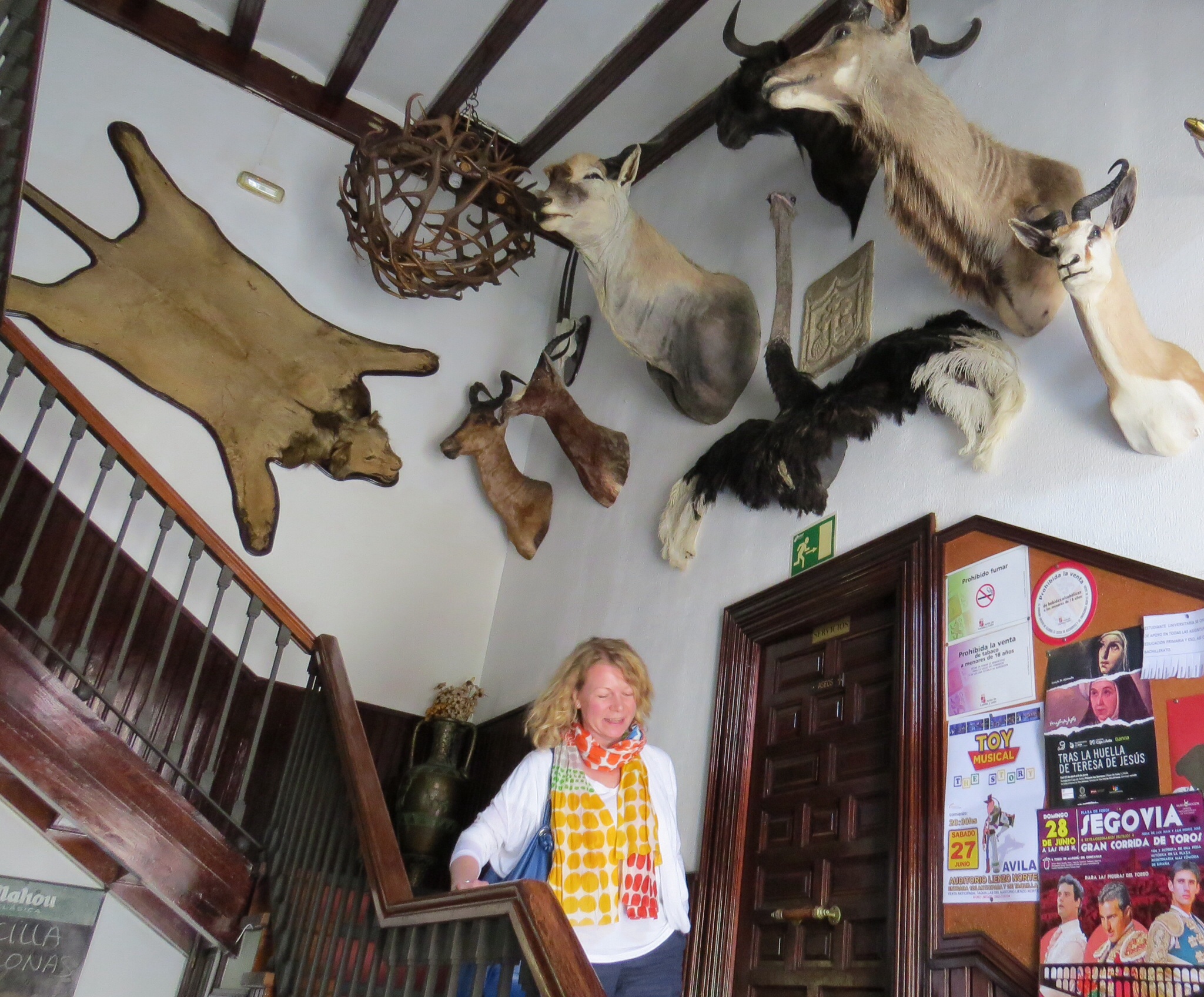
At one point during our walking tour, things took a decidedly comical twist.   Curiously, our guide said, not once, but both before the late-morning coffee break and before lunch,  “don’t worry, we will stop for a glass of wine soon.”  As it turns out, our Spanish guides had forwarded on word that “this group really likes its wine.”   Well!  The guide then ensured we stop for a glass of wine, and no-one turned it down; it came with a wonderful free tapa composed of beans and roast suckling pig, in this somewhat surprising bar:

imageimage

(On the wall opposite Chrissie was also a ginormous stuffed giraffe. I wondered if Ernest Hemingway had a hand in this operation?)

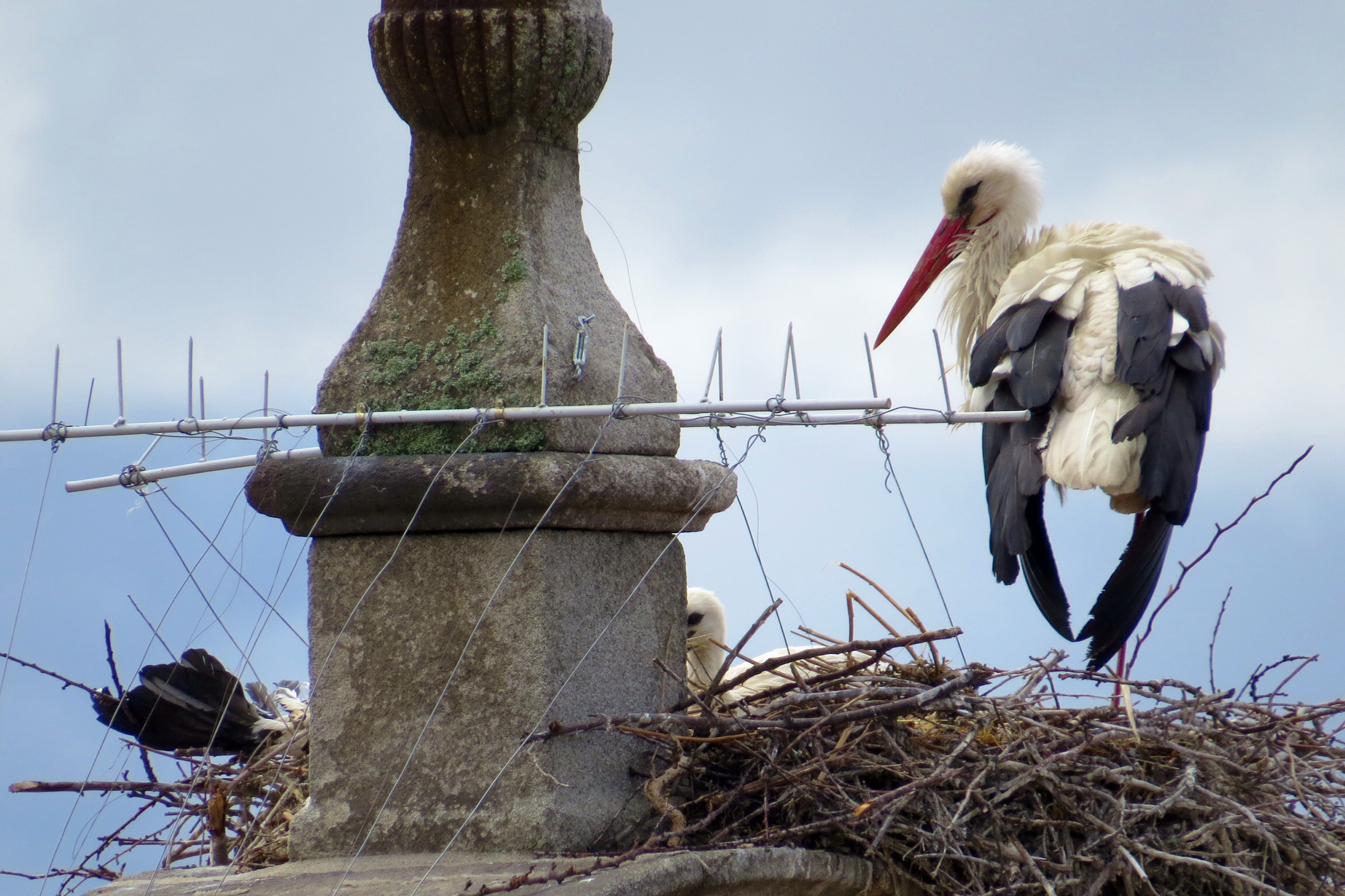
Another adaptive stork family on the horizon:

image

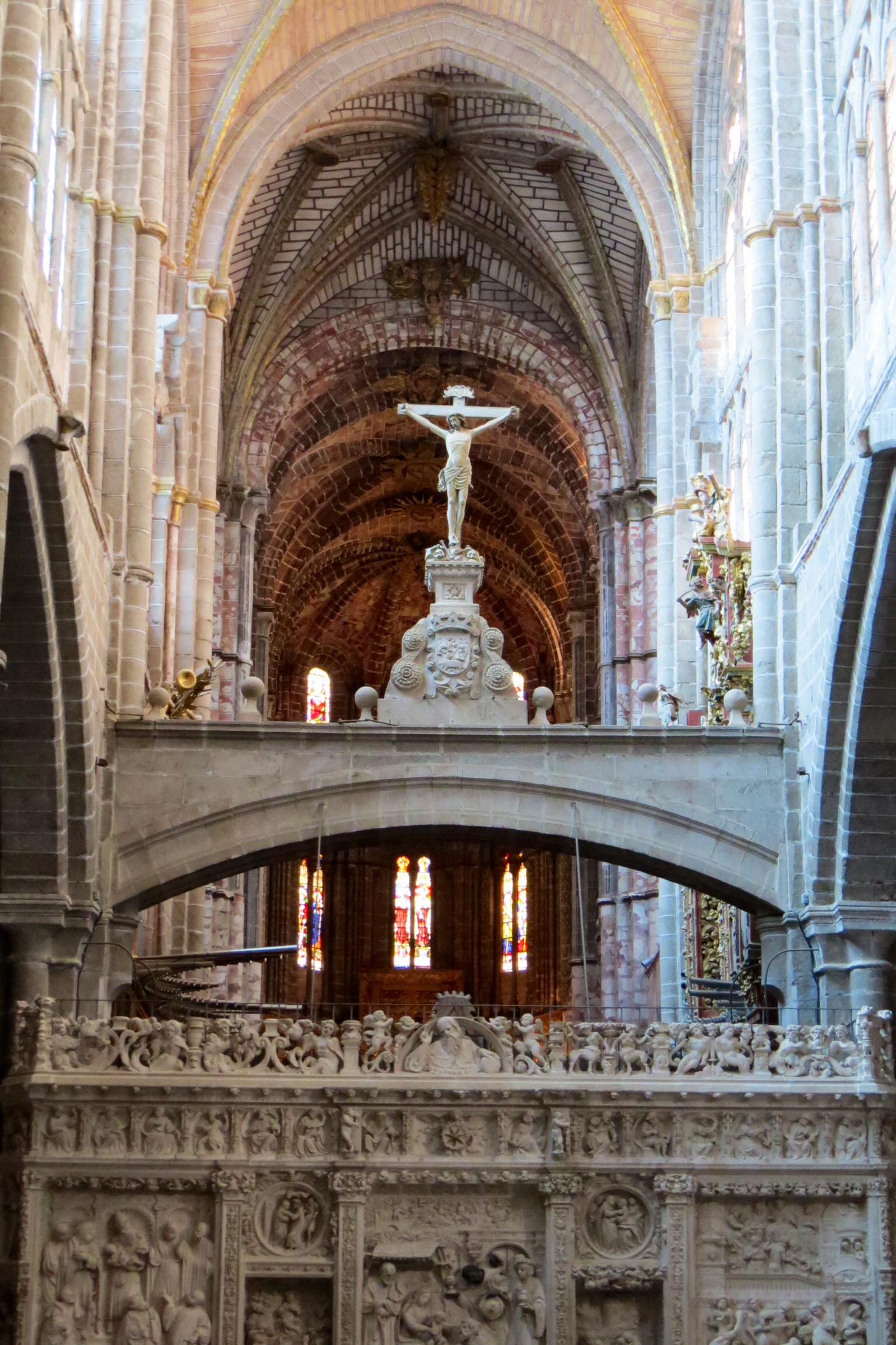
Our tour included a visit to the Avila Cathedral, one of the first Gothic Cathedrals built in Spain.  Constructed in the 12th century, it had also been used as a fortress and a palace.

imageimageimage

Rosa introduced us to Avila’s famous confection, the Yemas de San Teresa, made by nuns from egg yolks lightly cooked by the heat from a sugary syrup, and tossed with more sugar.  Yum!

image

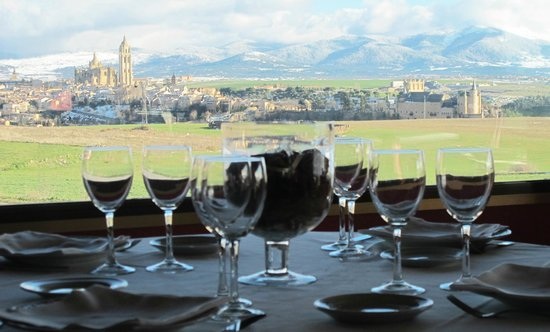
From Avila, we drove on to Segovia, got settled into our rooms and headed by bus into the Spanish countryside for what was unanimously our favourite meal in Spain at the beautiful restaurant, La Postal (The Postcard).  Gorgeously set overlooking the historical town of Segovia, the restaurant, normally dark on Mondays, opened especially for us.  One of the chefs and his wife, friends of Rosa’s, spoke to us about the food and joined us for a glass of wine.

image
(downloaded from net)

The meal began with two velvetty soups:  gazpacho and avocado, followed by a marvellous selection of house-dried meats, and the piece de resistance, Roast Suckling Pig.  In case it wasn’t immediately obvious from your years of hearing the expression, the Suckling part may be important.  The piglets came to table in a variety of parts, here a tiny hoof, there a little ear, and in my case, delicious, meaty, succulent ribs.

On the bus back to town, the group began to explore in a dissective way the various parts of the pig each of us had eaten until I had to implore, “please do not attempt to reconstruct the baby piglets!”  It seems more palatable at the end of the day to think of it simply as pork, but I like that the Spanish acknowledge and respect their food from its source. I couldn’t help but think back to our Celtic stone pig at Avila and wonder at the origins and tradition of the pig in Spain.

Rosa not only picked the location but arranged the menu, and it was a magical evening and another day made so special by Rosa.

Jan
Contemplation

Itinerary:
– Travel to Salamanca
– tour of Salamanca, town of Spain’s oldest university
– walking tour of the old town including the Cathedral of Salamanca

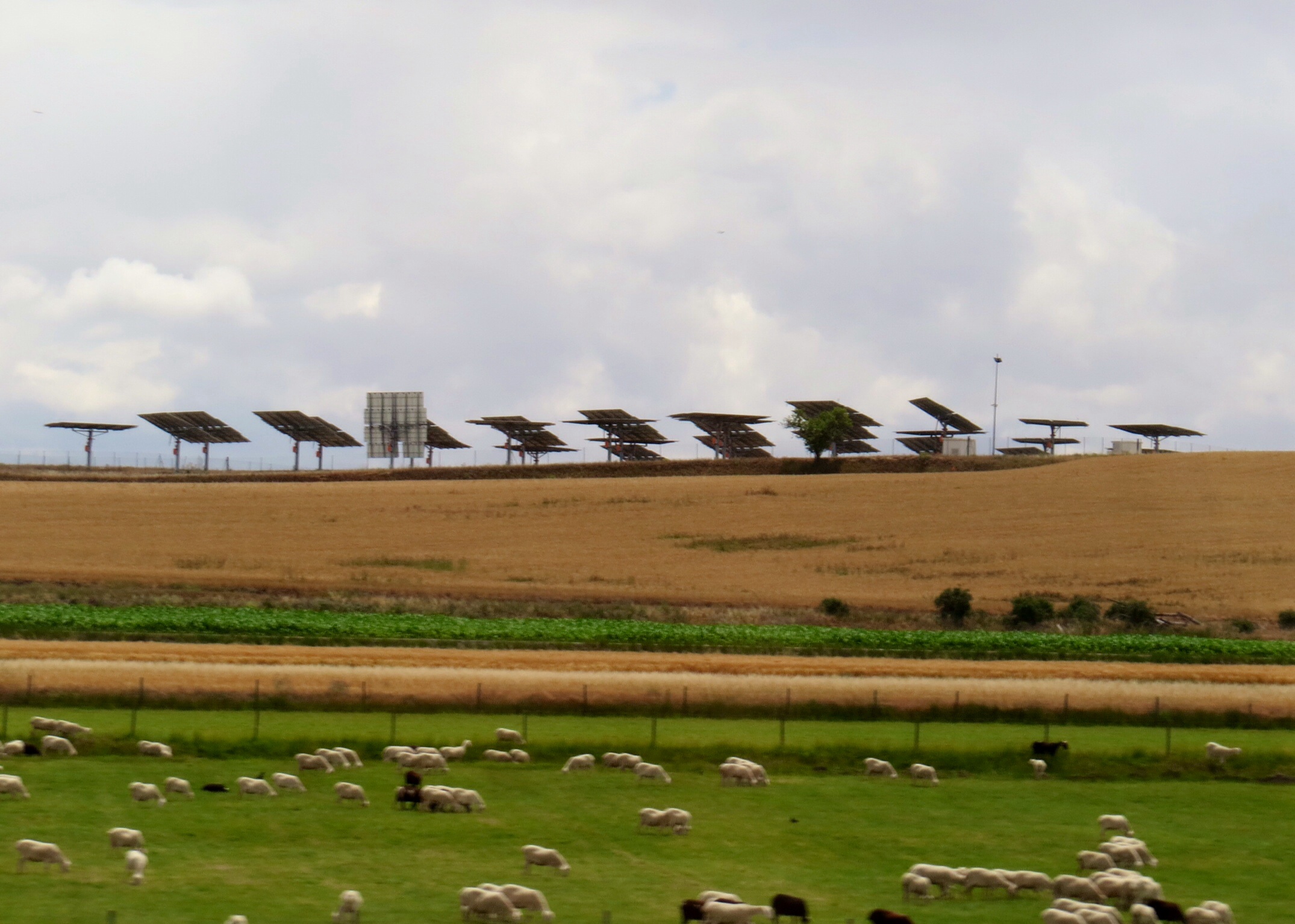
A pretty drive through the countryside causes me to reflect on the current economic crisis in Spain. The highways are tolled, boulevard-divided, perfect runways lined with windmills and solar panels in a country looking for alternatives to traditional sources of energy. The cities are sparkling clean and the art galleries magnificent. I am not sure about the country’s social programs but I think they are slightly better than ours.  The long-term conservative government was routed just days before we arrived, and it will be interesting to see whether spending will increase (not that I am against social spending) even as Spain, and Greece, seem on the brink of financial collapse.

image image image image

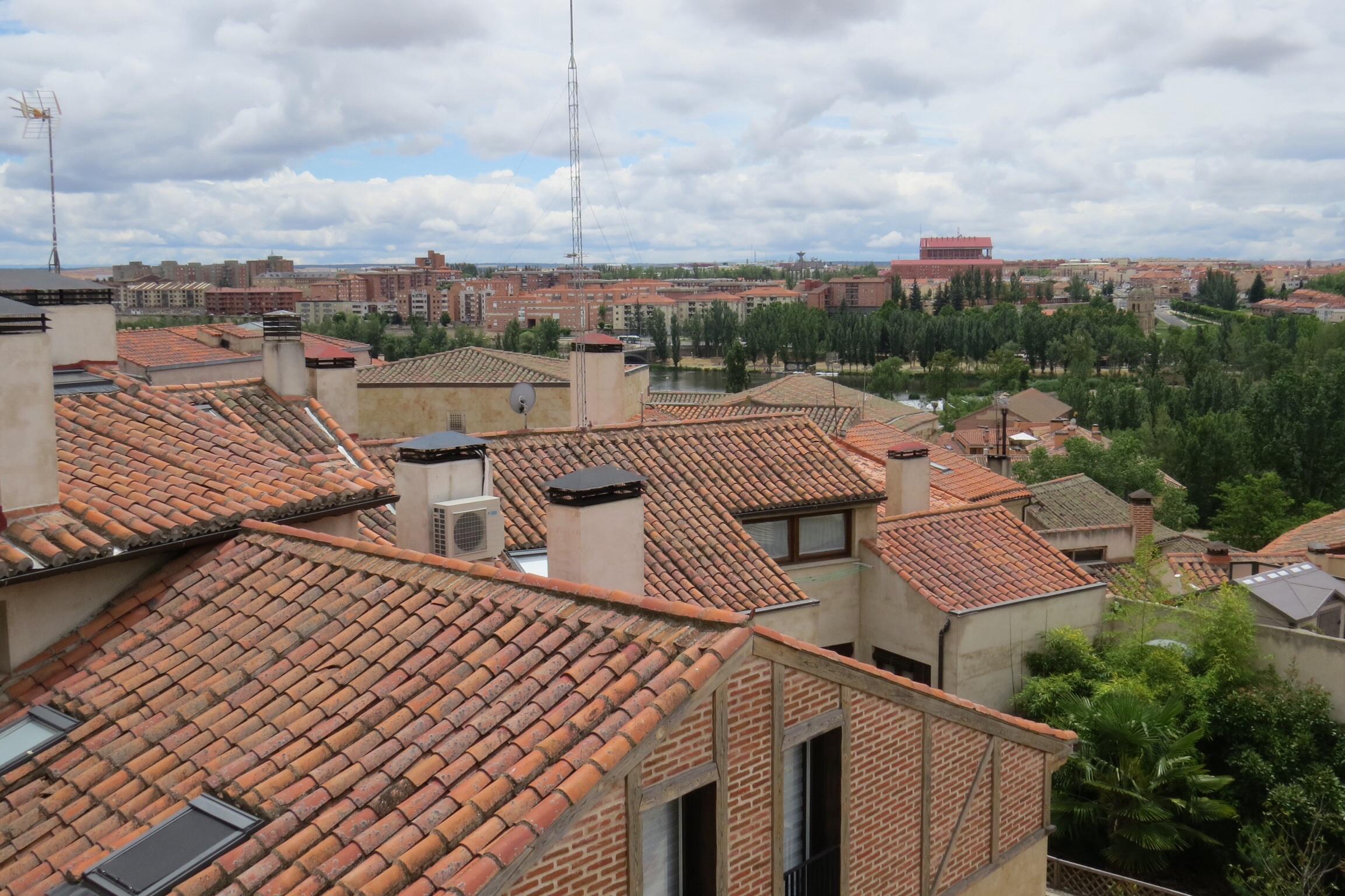
Salamanca is a university town. Founded in 1134, the University is the best in Spain and everyone from Cervantes to St. John of the Cross to Franco have attended here. The river is dotted with sculls and the town is a warm golden colour, sandstone enriched with age, strikingly similar to Cambridge and Oxford.

imageimage

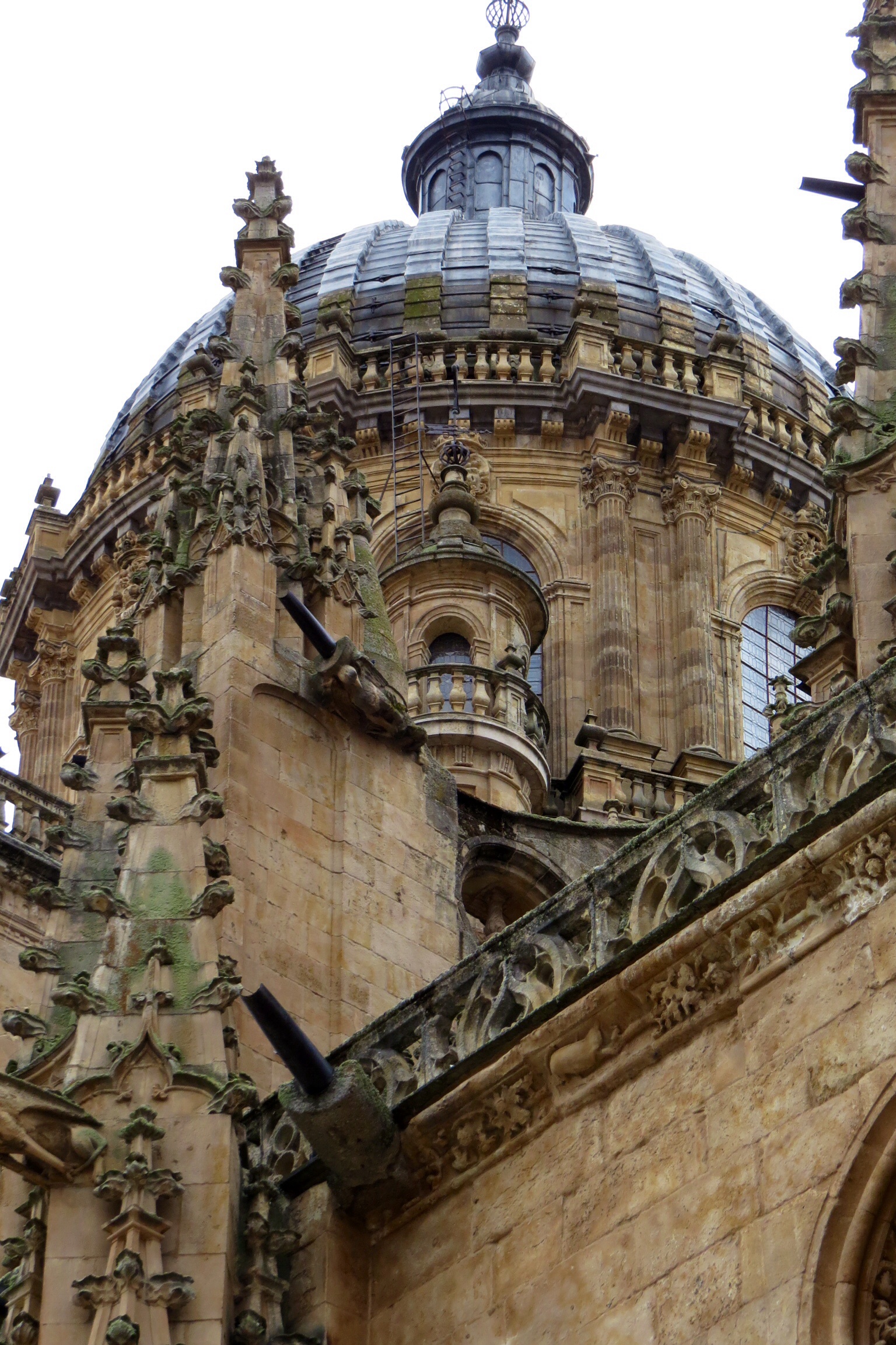
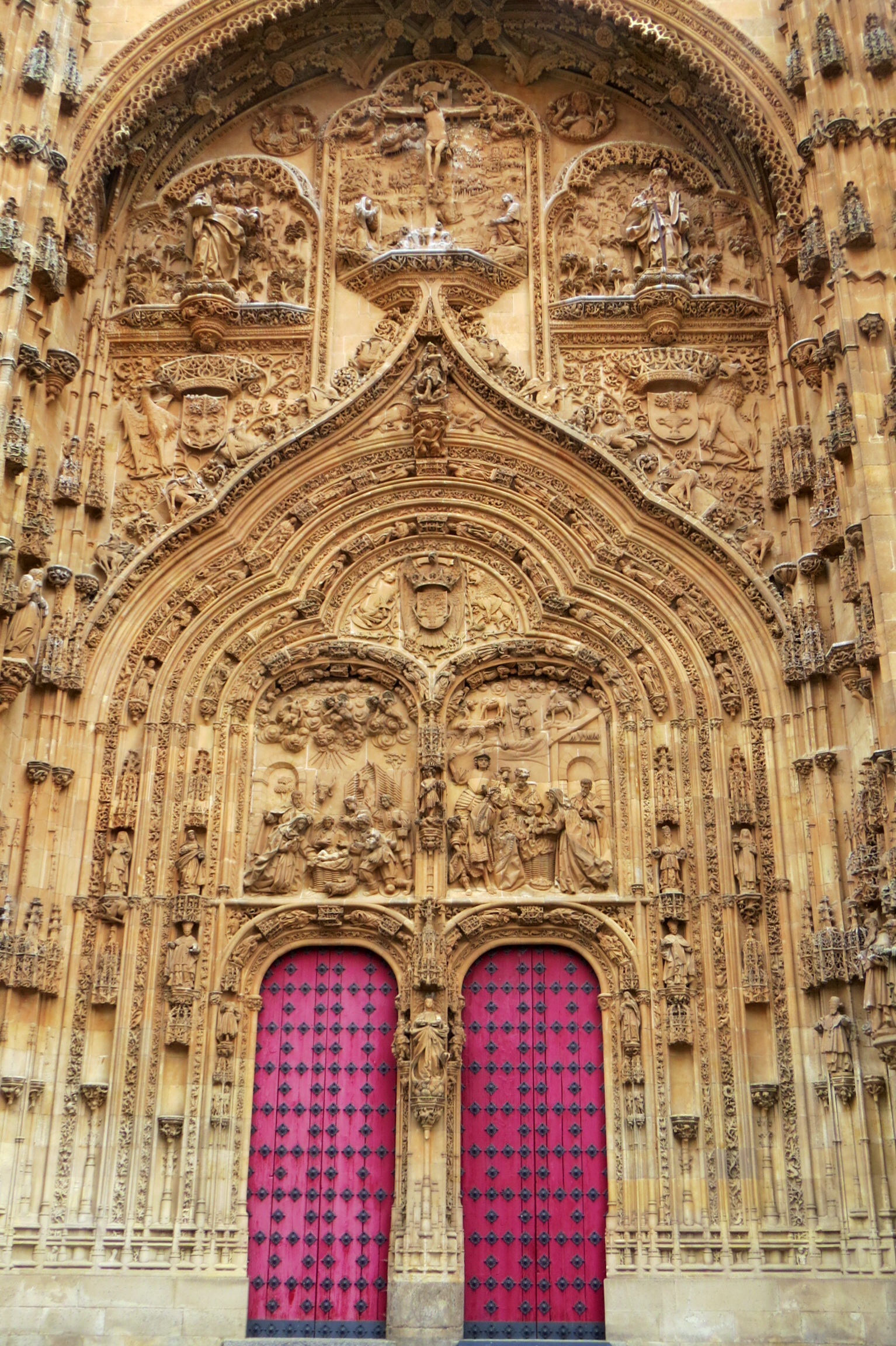
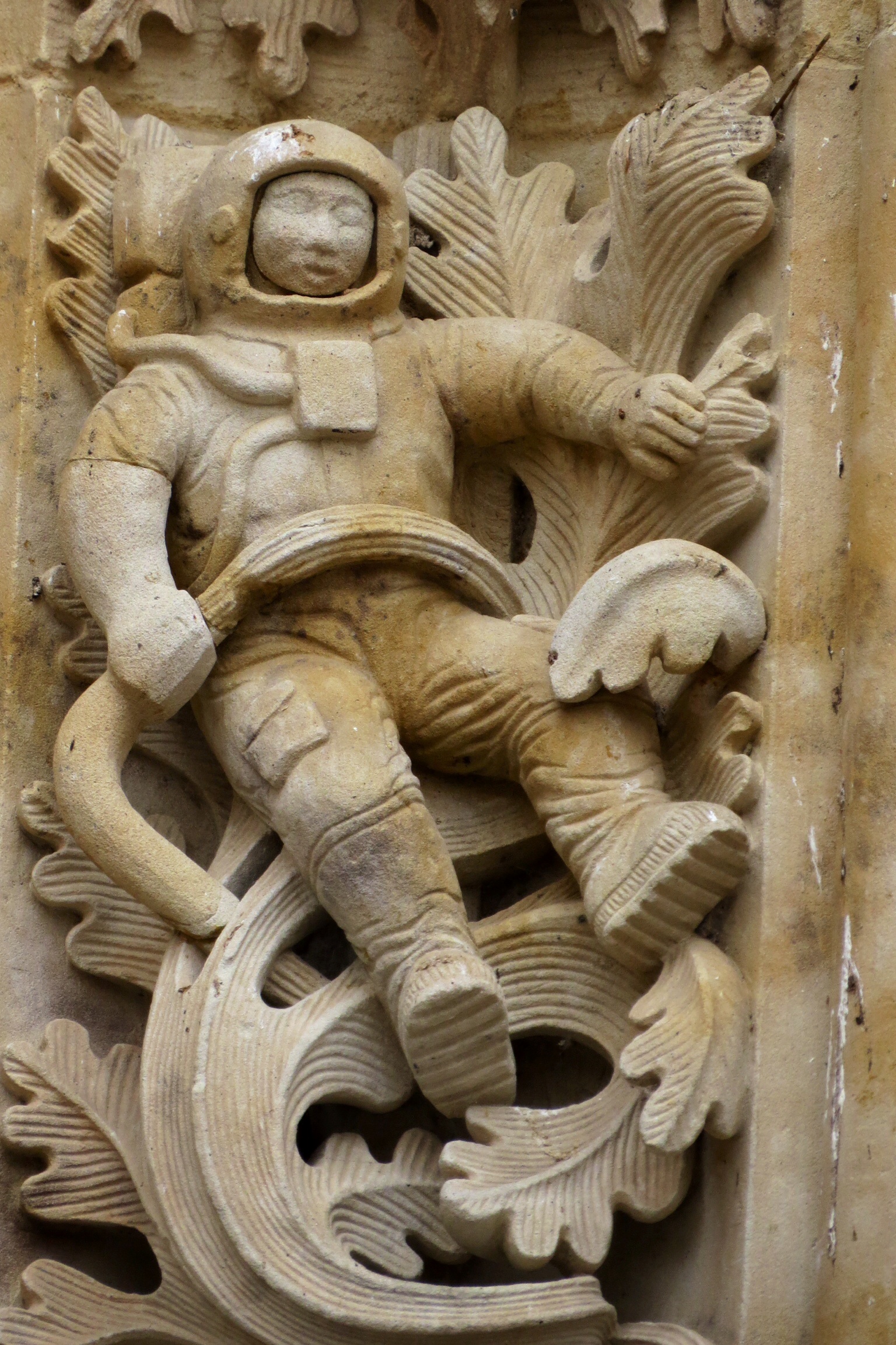
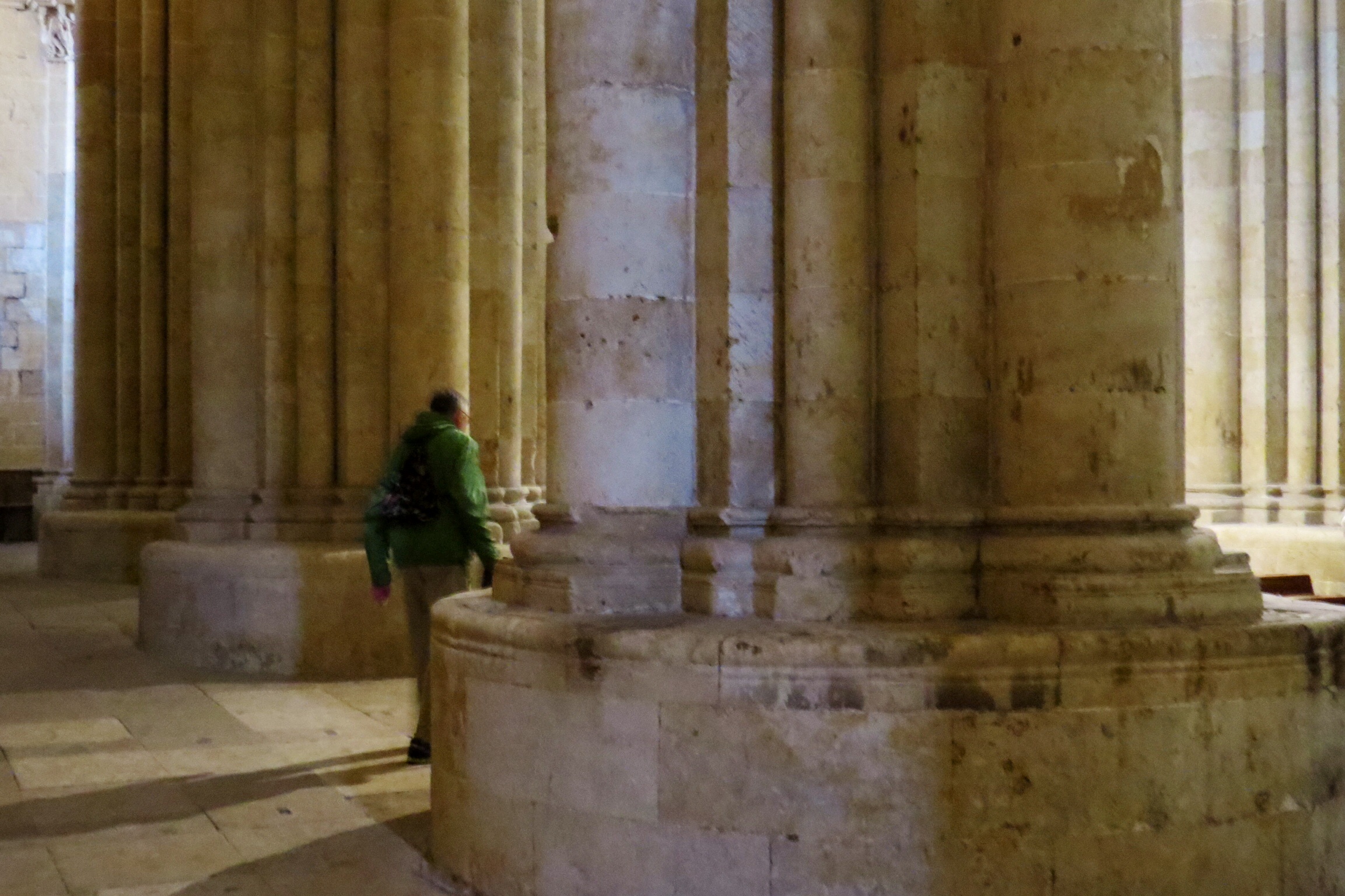
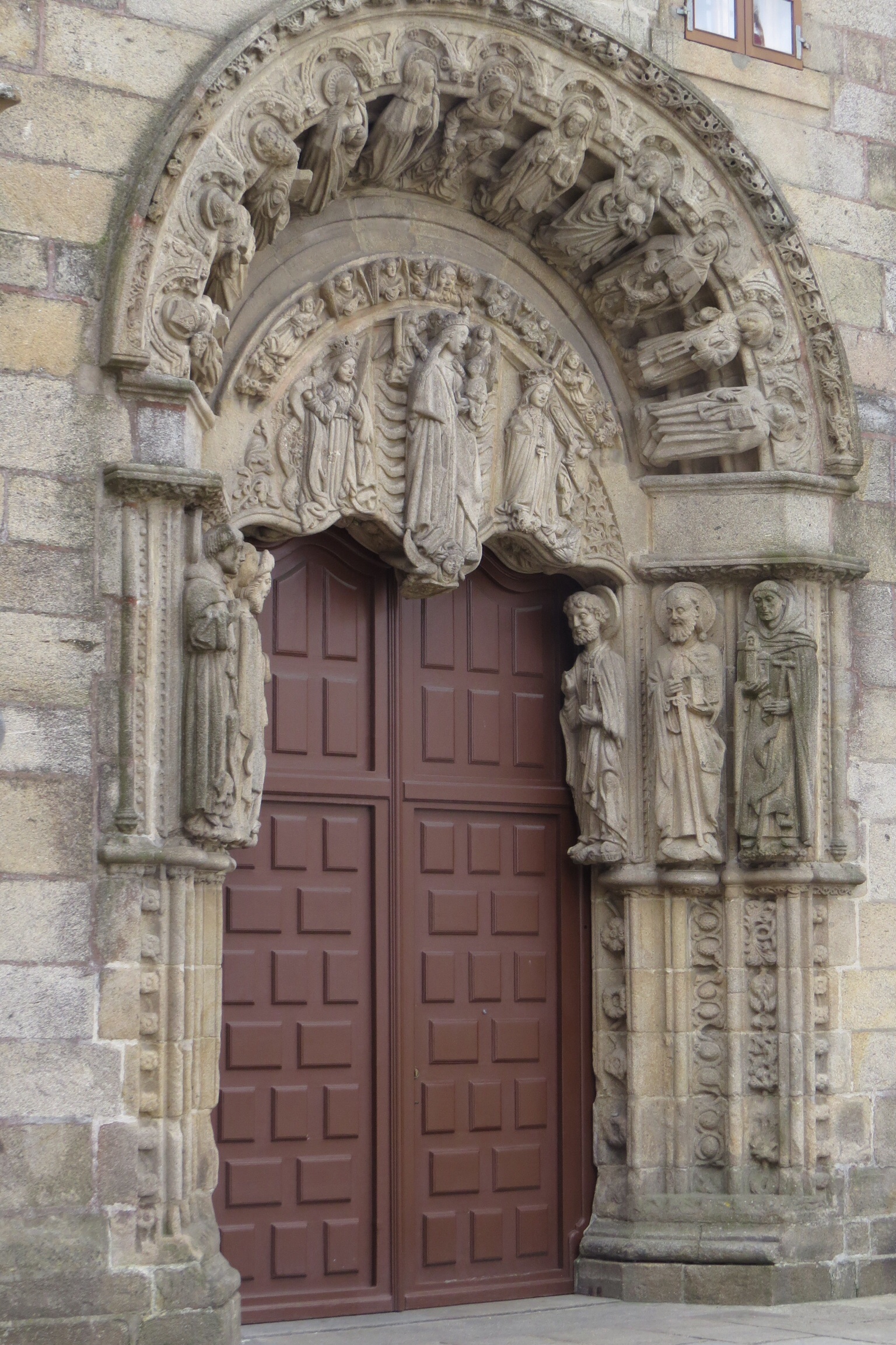
The magnificent cathedral was right across from our hotel and our visit began with a tour of the cathedral. Actually two cathedrals, one old, one new. You may recognize the entrance to the new by one of the carvings around the doorway.

image imageimage


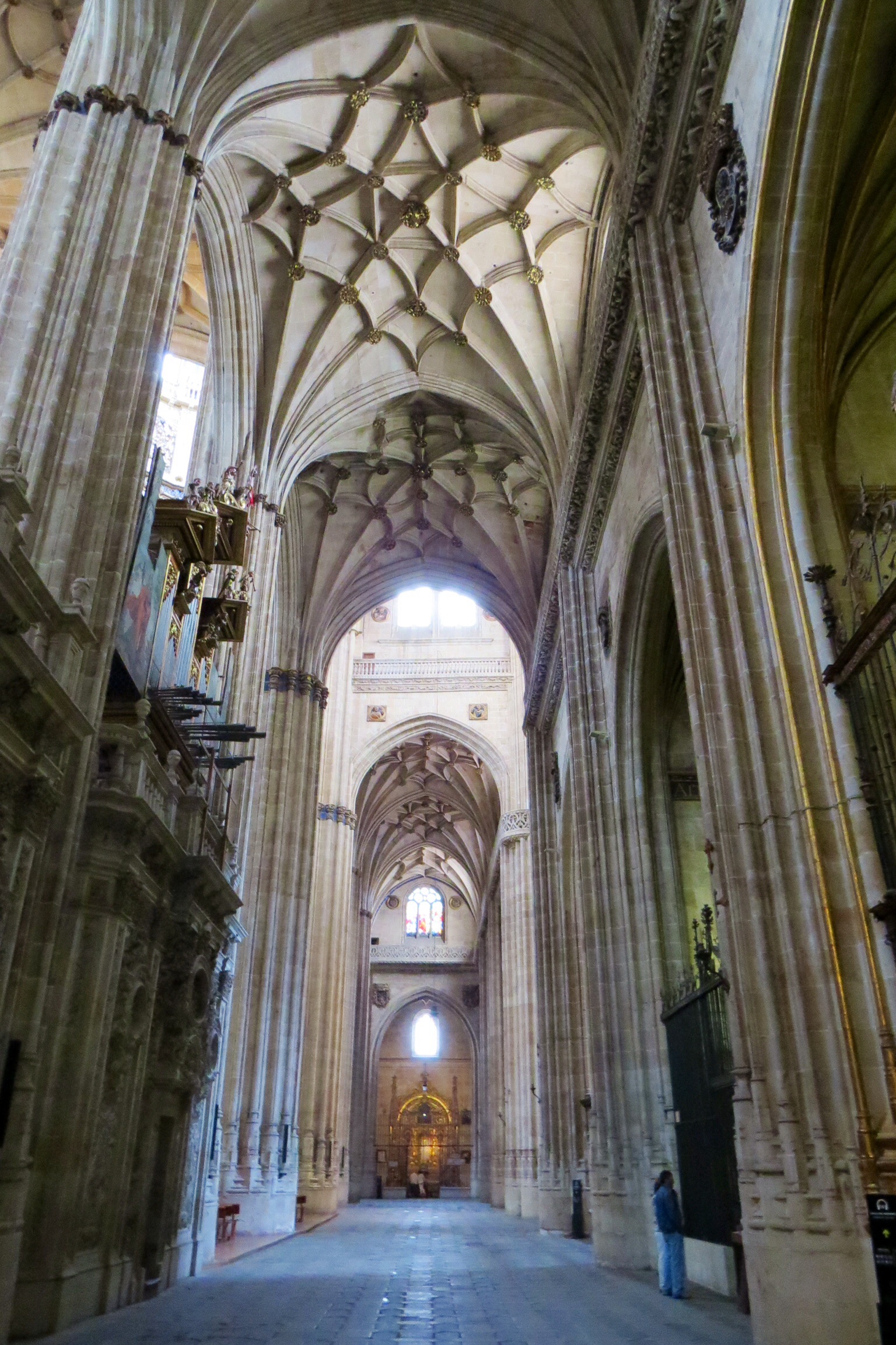
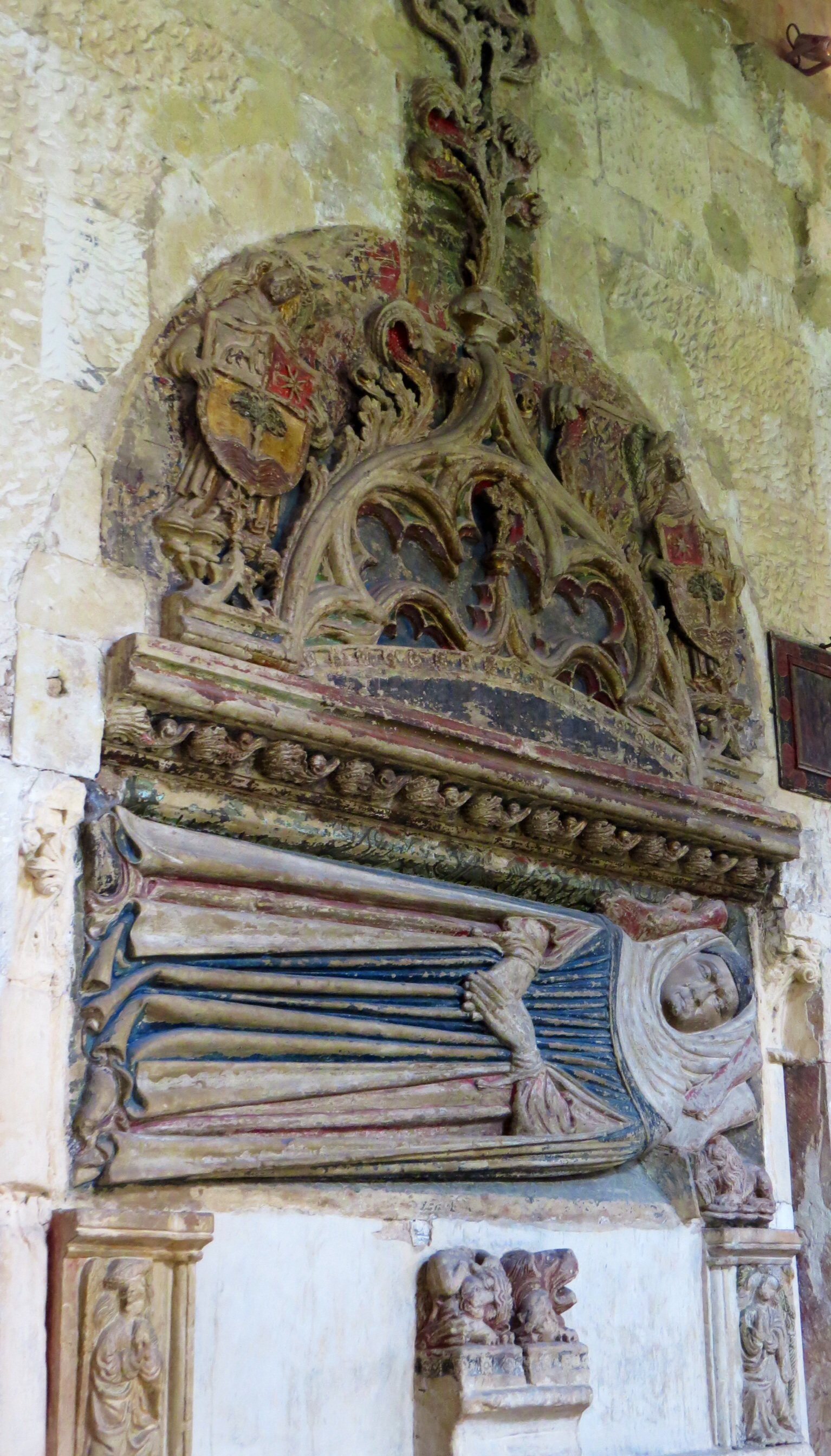
The interiors are equally rich:

image image image image image

The students used to have to write exams in the crypts of the cathedral, with a deceased bishop and a stern professor looking on.

image

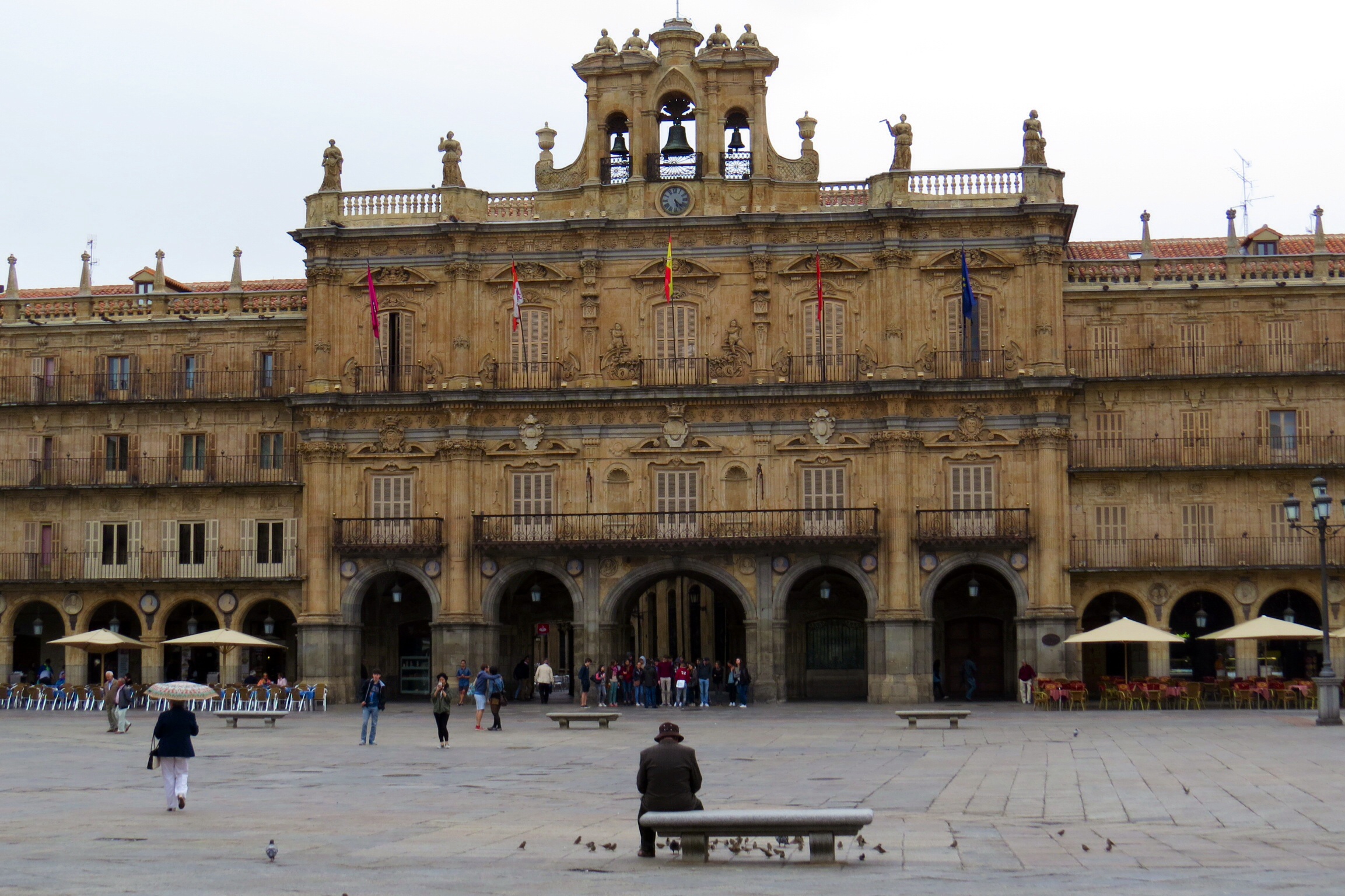
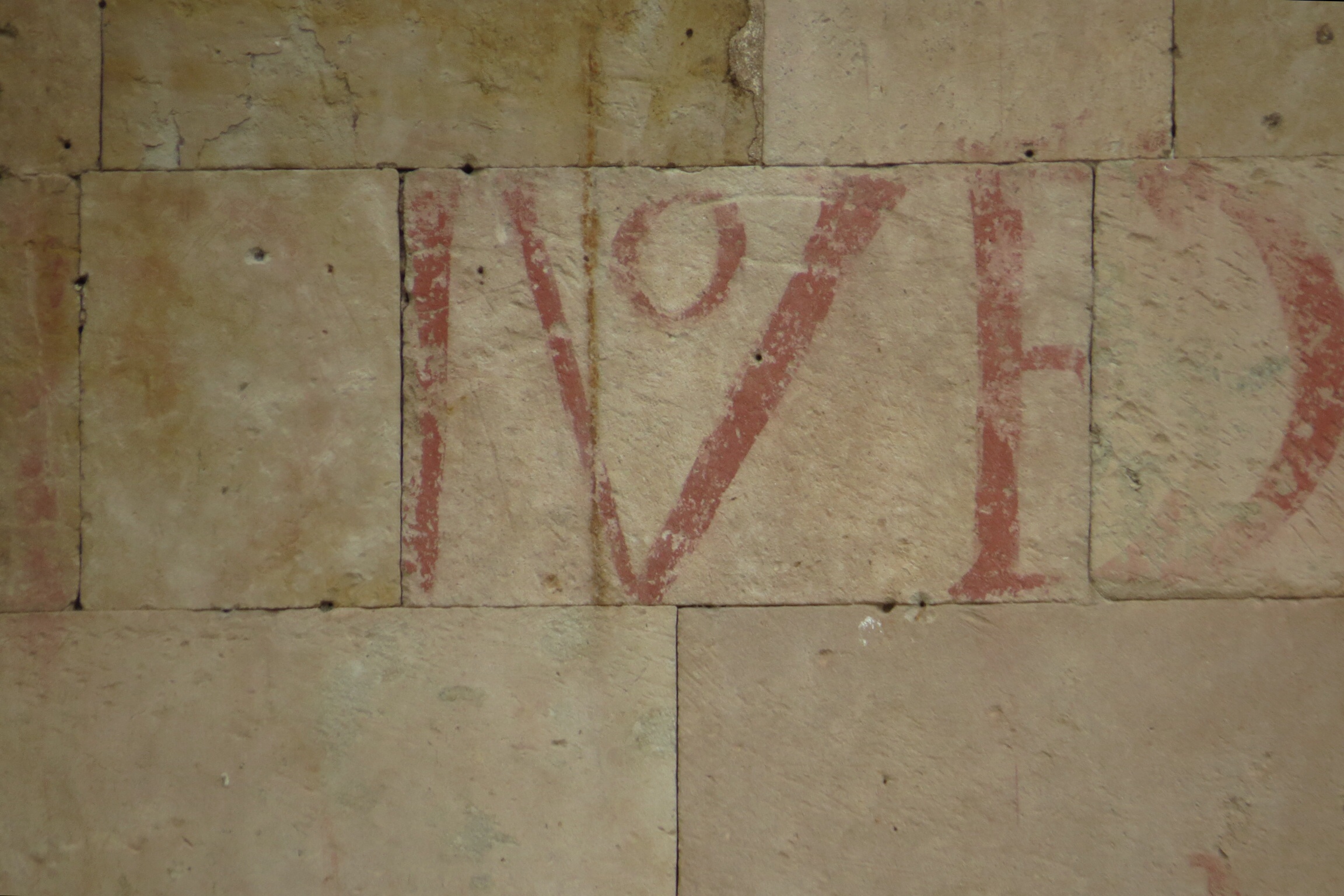
The town is completely devoted to the university and has a beautiful, sprawling plaza mayor, restaurants and bars populating its circumference, the town hall dominating the skyline. The students used the blood from bulls at bull fights in the square to paint their name and the symbol for Victorious on the walls when they passed their final exams.

image

image

image

image

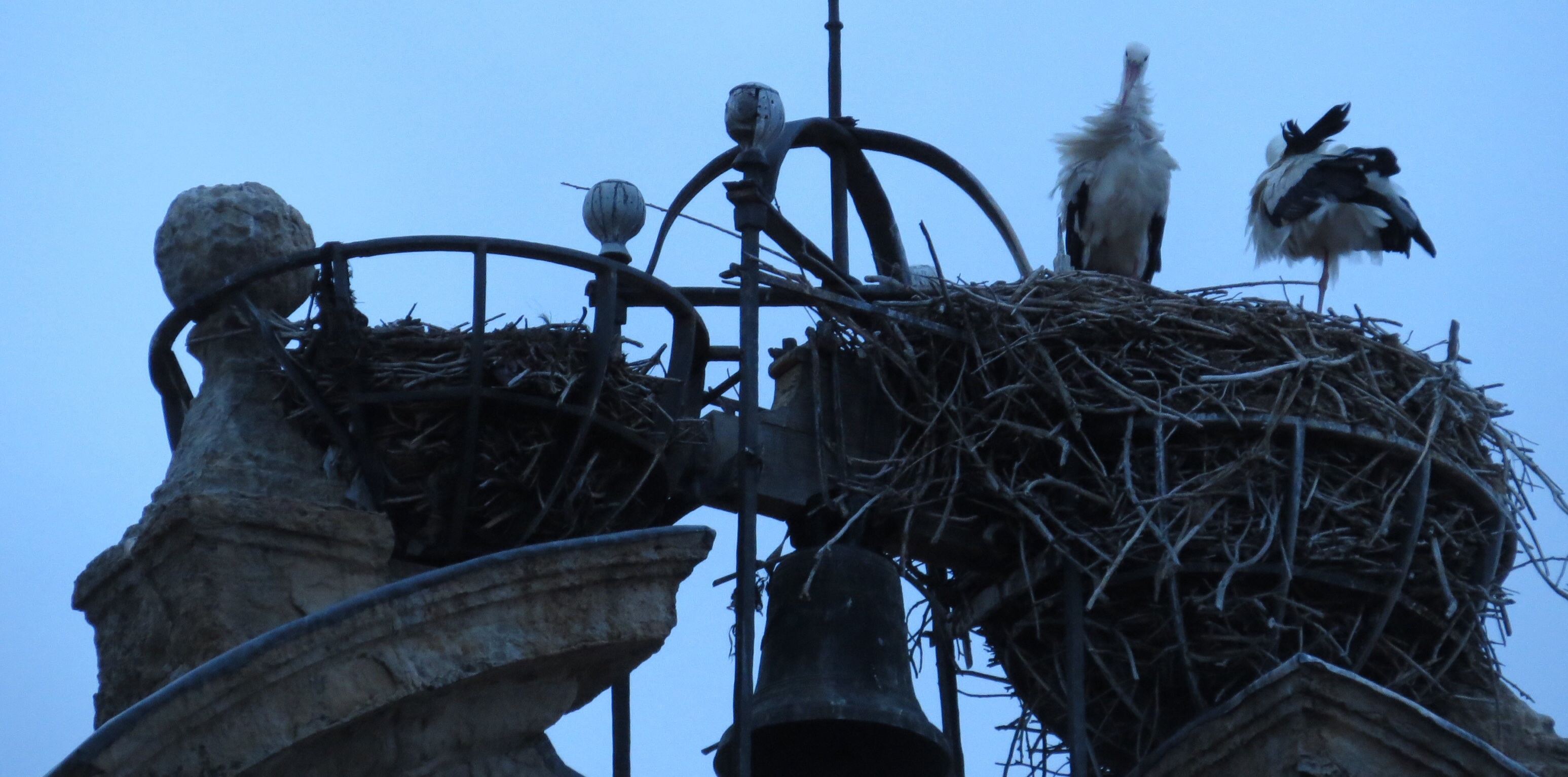
We had our first (of many) stork sightings today – they make our eagles and osprey look tiny!

image

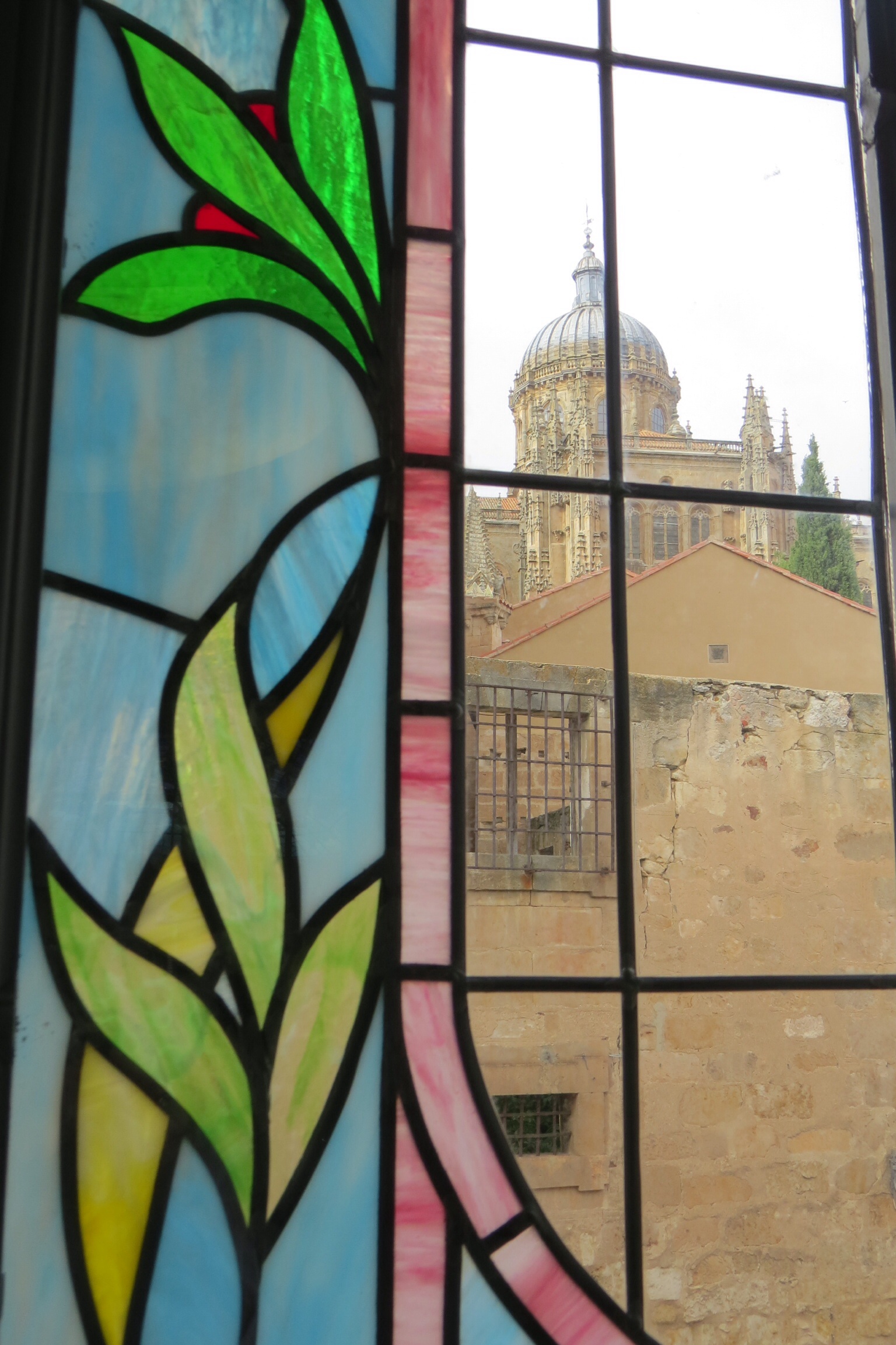
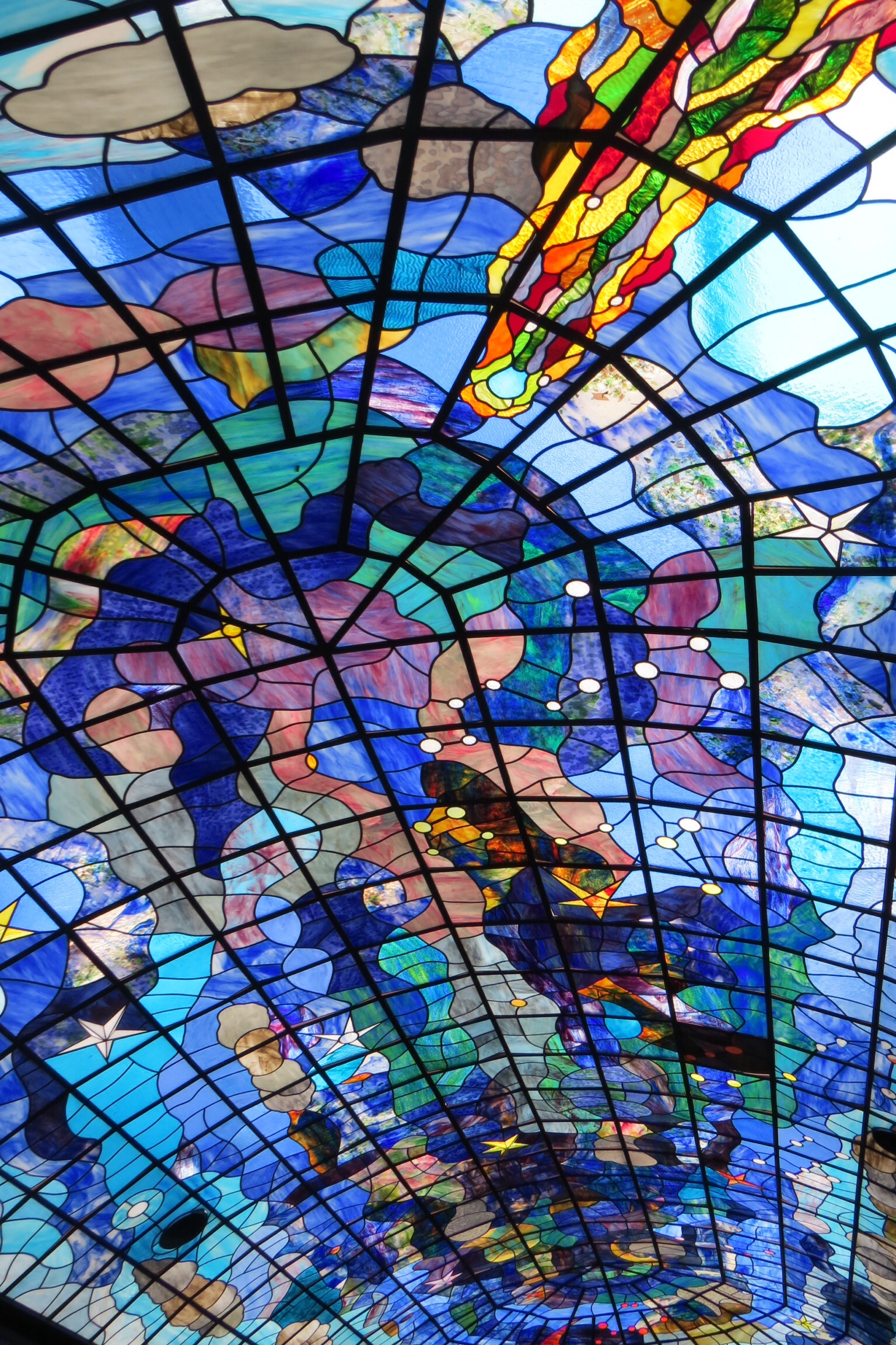
Shirley had discovered a wonderful little Arte Nouveau museum with Lalique jewelry (collector’s items similar to Faberge eggs) and we spent a couple of hours wandering under stunning stained glass looking at bronzes, lalique jewelry and crystal, Faberge eggs, and an excellent Coco Chanel exhibition.

image image image

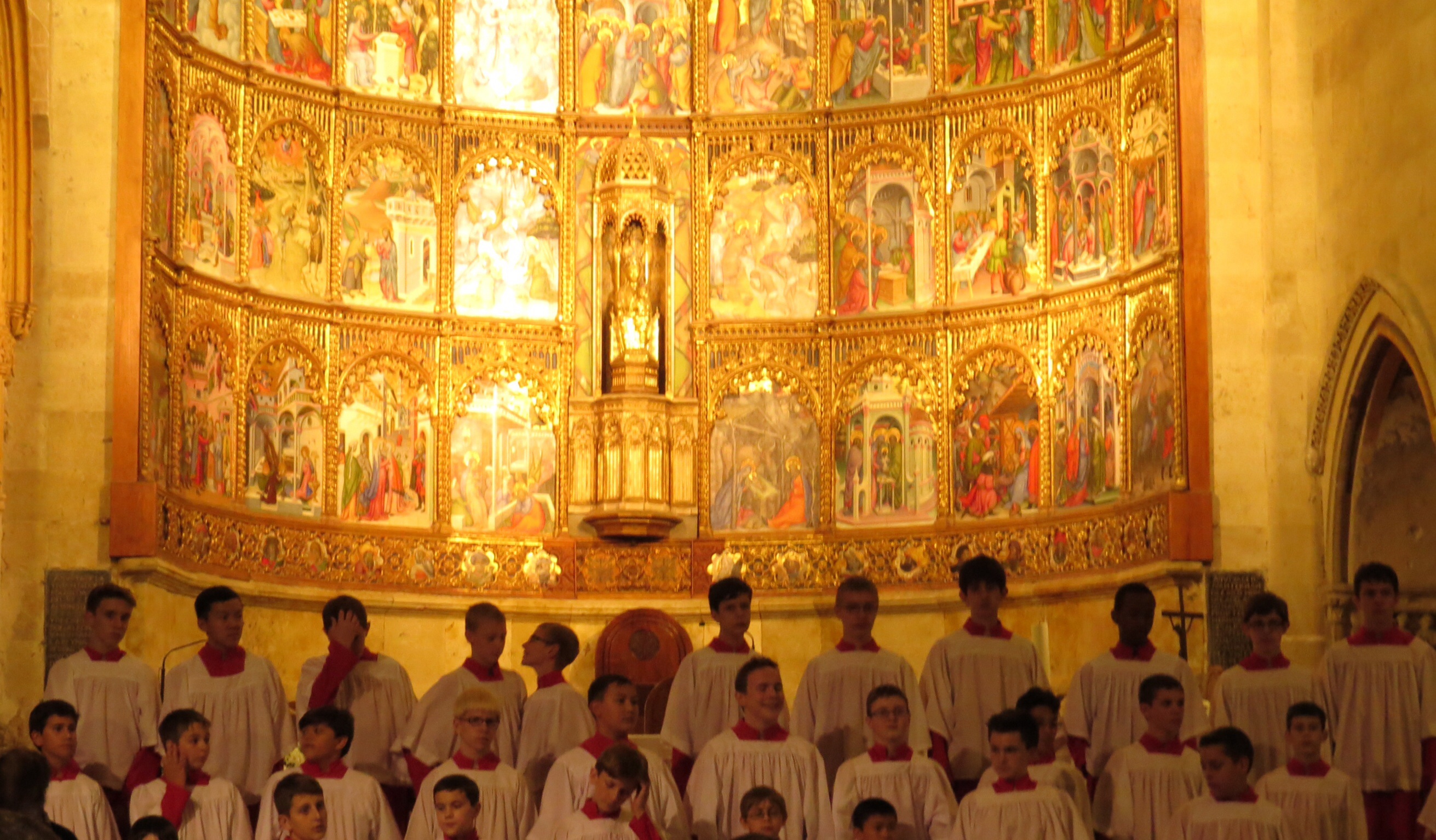
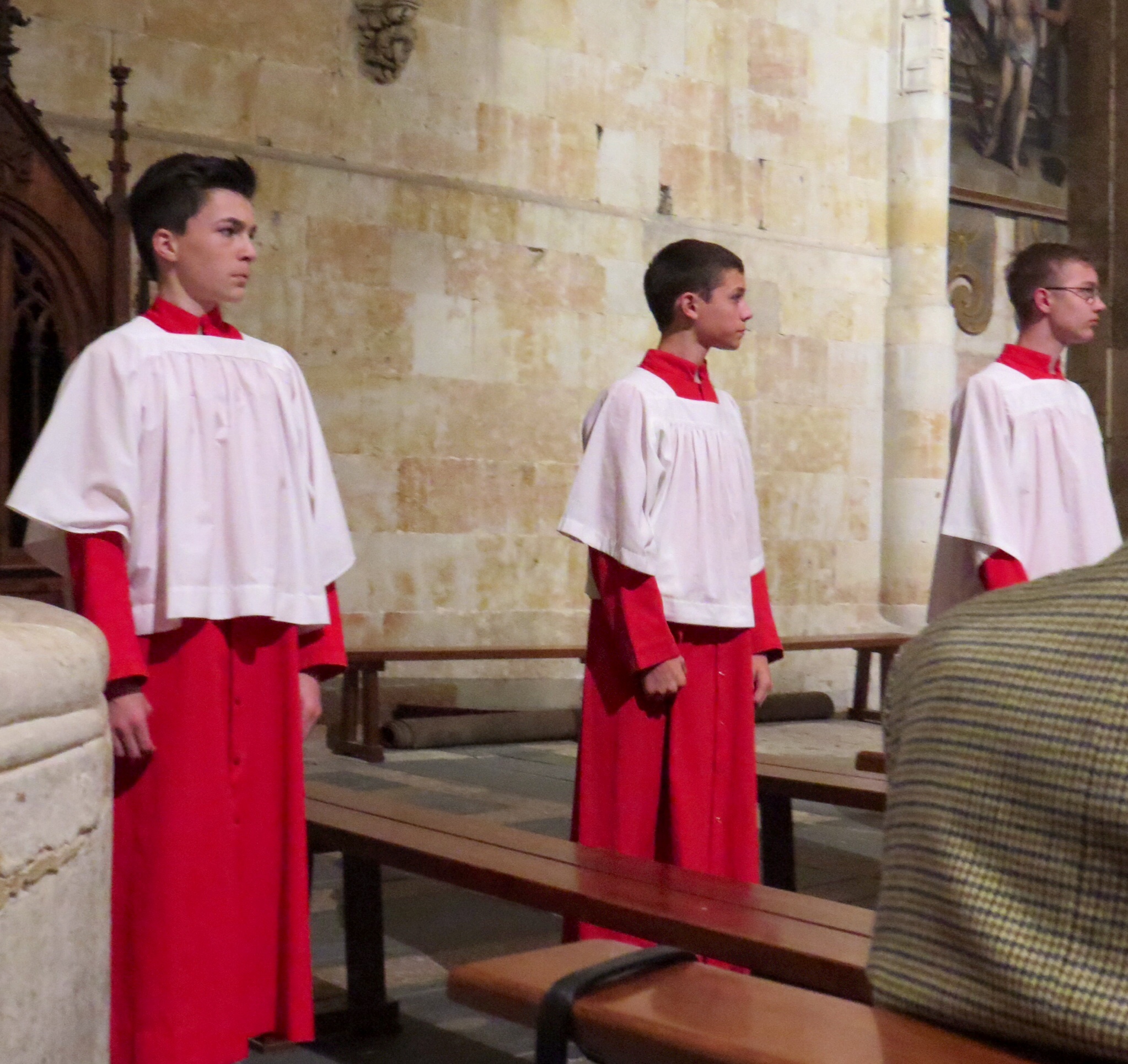
One of our group observed that the Phoenix Boys Choir, led by a former director of the Vienna Boys Choir, would be performing in the old cathedral, and many of us attended. The acoustics were absolutely amazing and the first and last songs were sung with the boys surrounding the audience. It was magical in the gorgeous setting.

image image

We had only one night here, but we had managed to pack in as much as we could of this rich cultural centre.  A very light late supper at the hotel rounded out the day.

Jan
Santiago de Compostela: The City

After the Friday evening service followed a delicious dinner at our stone hotel of croquettes, grilled prawns, grilled squid and pinwheel salmon with, appropriately, a scallop in its centre. (The primero of scrambled eggs filled with literally hundreds of baby eels, the equivalent to me of a plate of one million tiny snakes, was my worst nightmare, and I could not muster the bravado to even sample them.)

image image image image


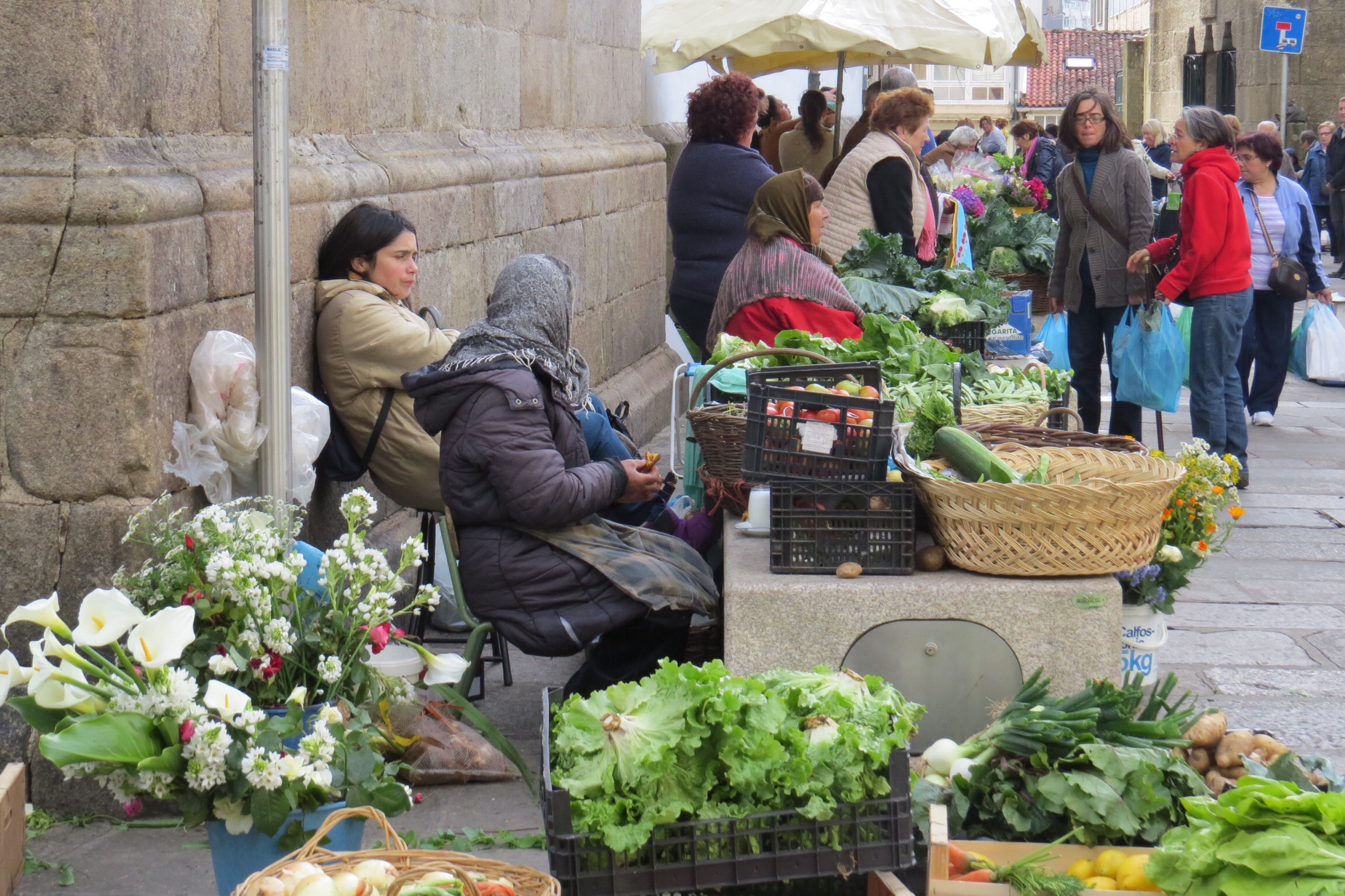
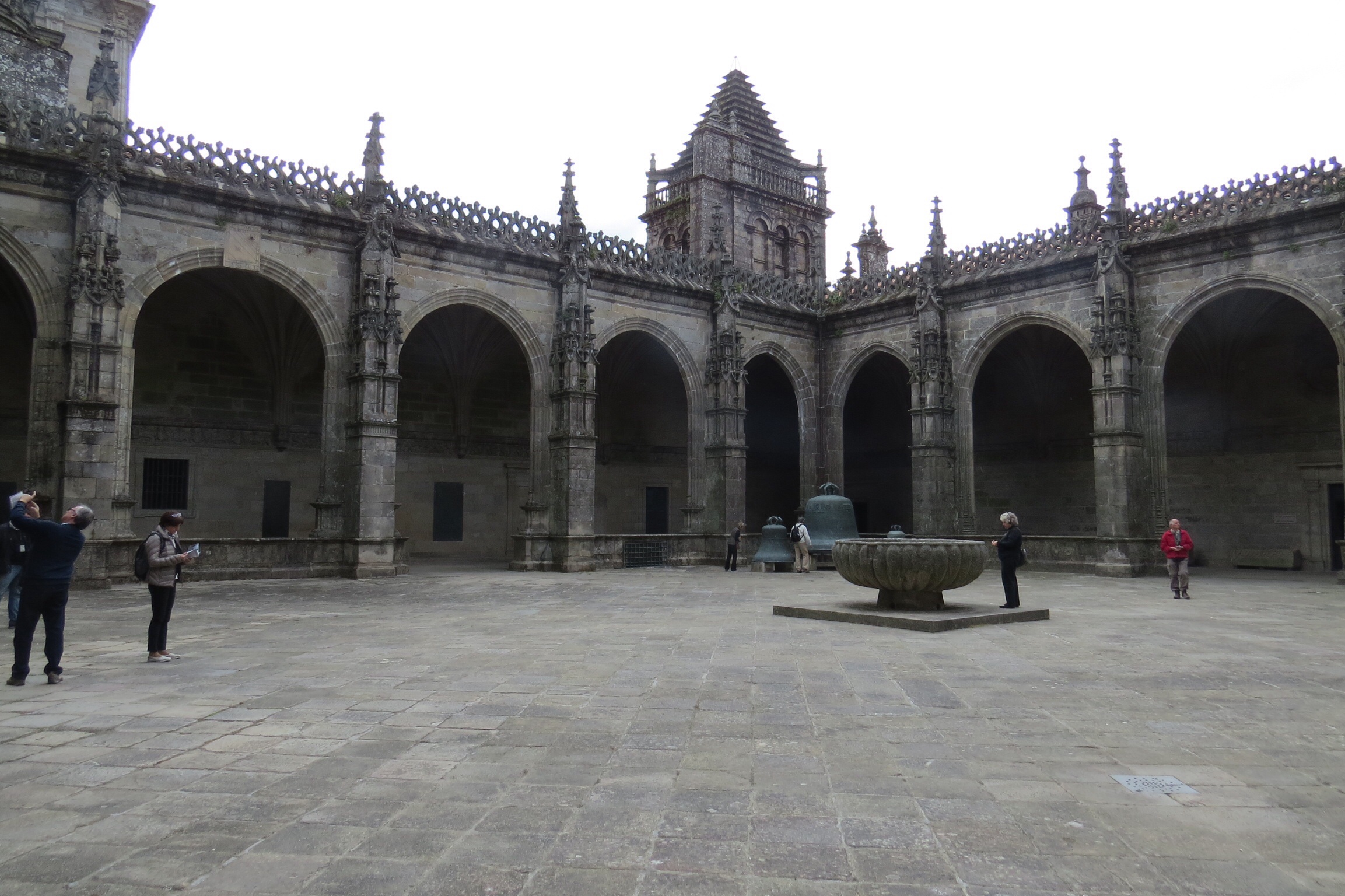
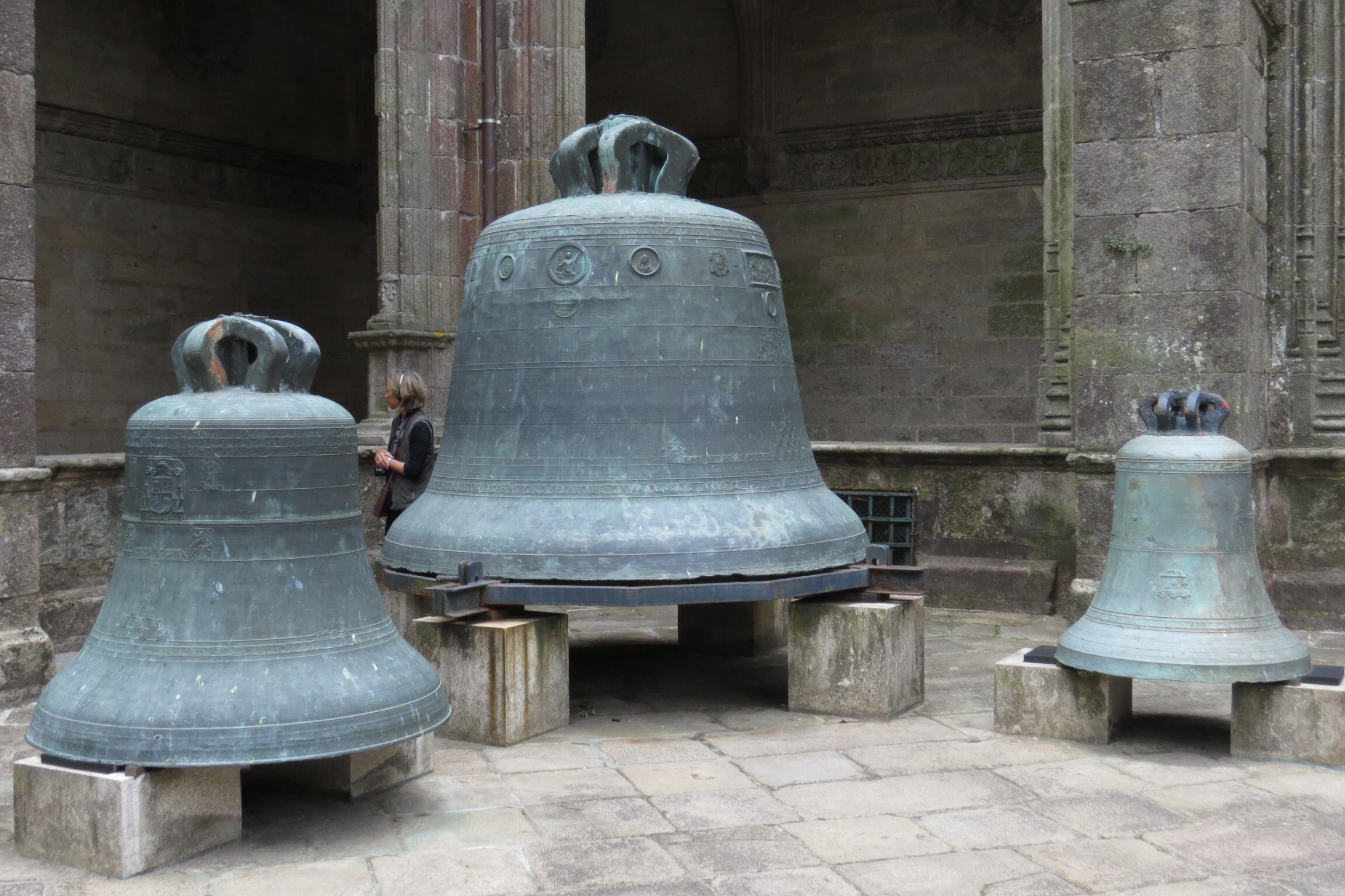
The next morning we had a walking tour of the old town, the market, the cathedral and the cathedral’s fascinating museum, cloisters and library. Manuel was one of our best guides and was recommended by Rick Steeves.

image image
Cervantes, author of Don            Manuel
Quixote

imageimage image

image image

image image image imageimageimageimage

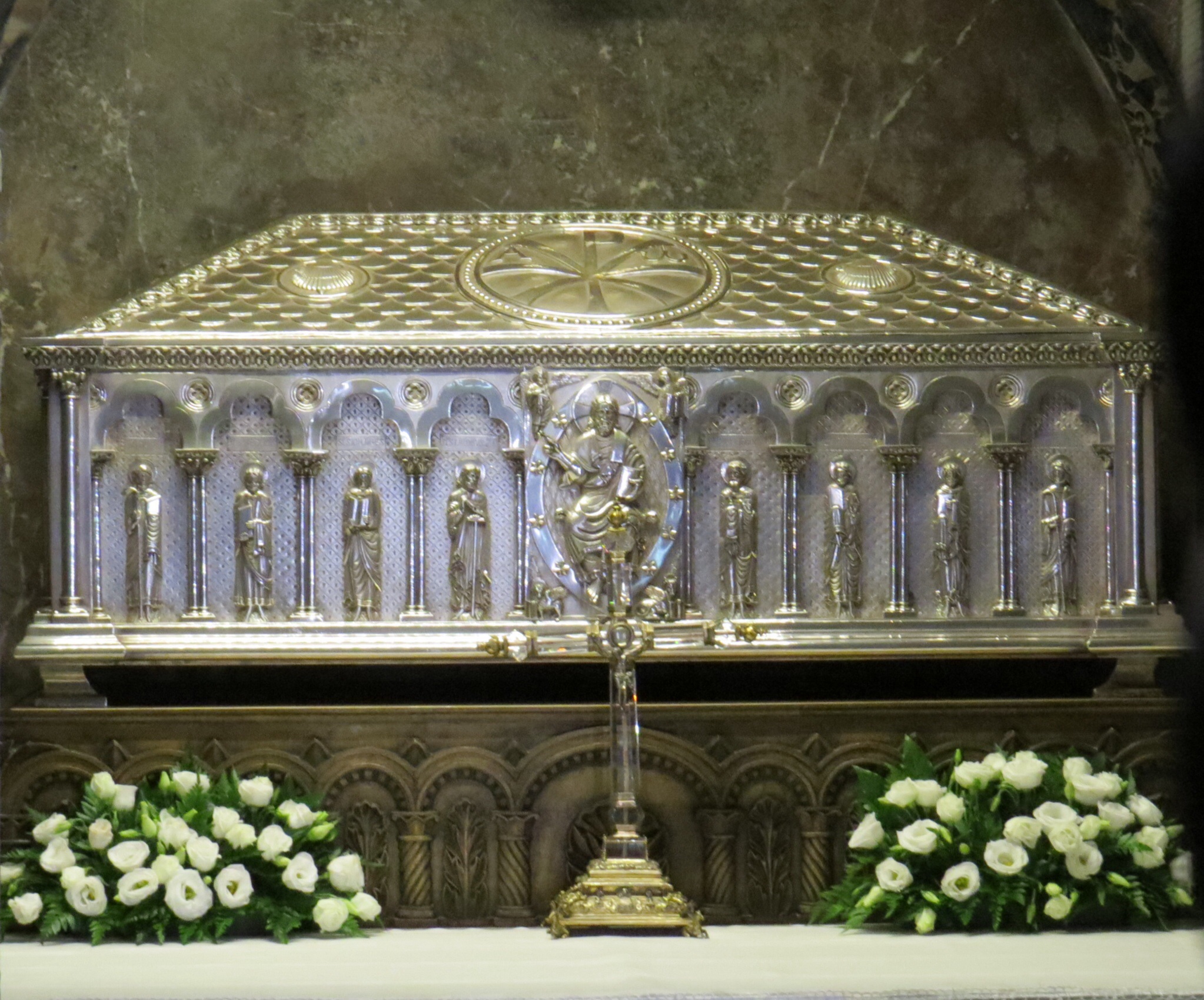
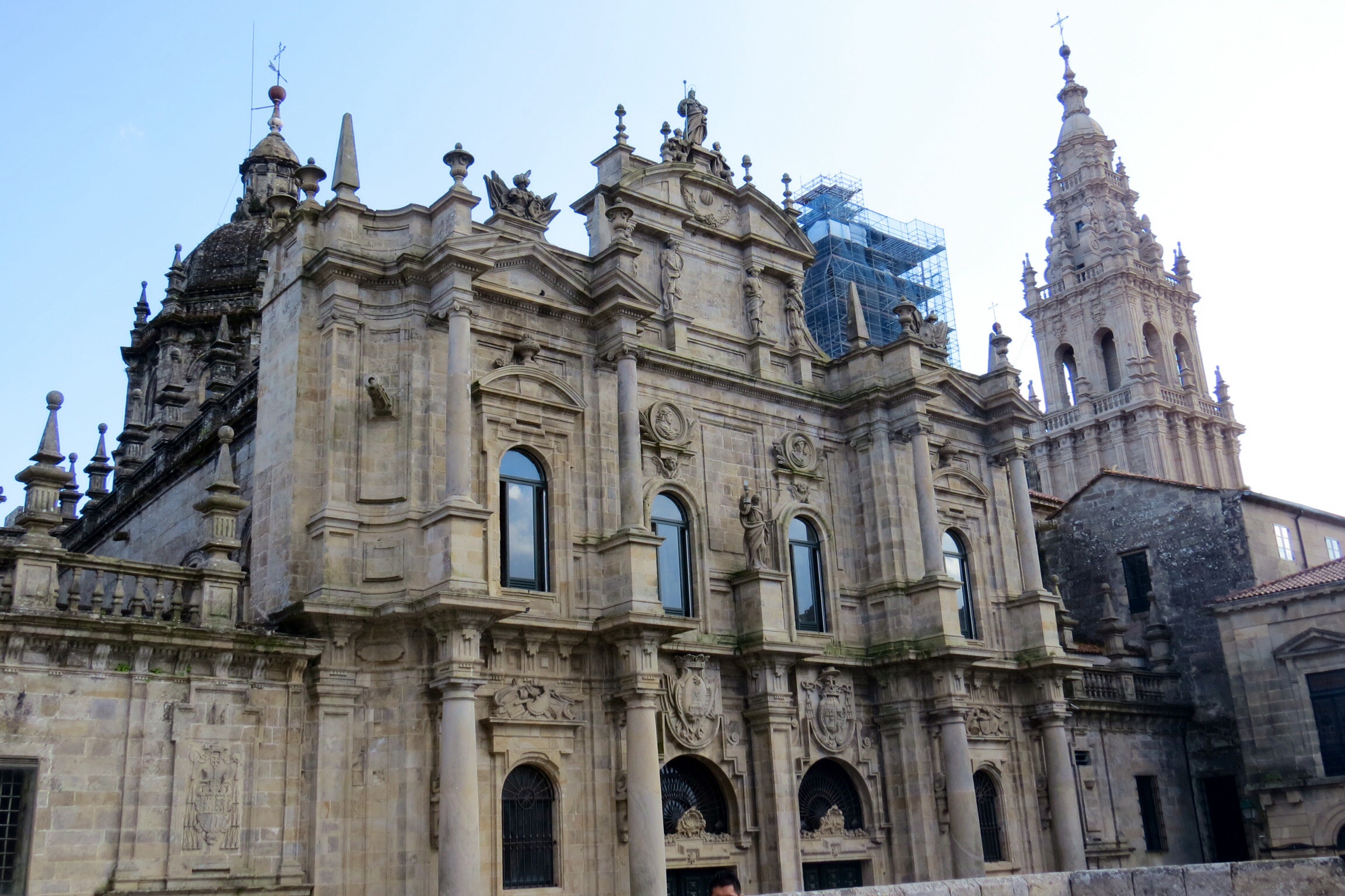
In the cathedral, we visited the reliquary where the bones of St. James are said to lie.

image

St. James, known in Spain as Santiago, was the fisherman disciple who died in Jerusalem in 44 AD. It was for centuries rumoured that his bones were carried to northern Spain and they were eventually discovered near this site in the 9th century. At that time, power in Spain was centralized in Toledo politicallty, religiously and militarily. In Toledo, Moors (muslims), Christians and Jews lived in a comfortable alliance. Alphonso II, using the example of Charlemagne’s rule in France, realized that if he was to seize power of this region, he would need the power of the Catholic church. He learned of the discovery of the bones of St. James and seized on this political opportunity to herald the discovery, move to militarily protect the pilgrims of the day on the Camino, and declare the Toledo Christians heretical.

Following the tour, we had lunch, shopped and wandered the pretty town, followed by the best hot chocolate I have ever tasted.. We left the old town – it has been fascinating to leave the touristic areas and wander the streets and grocery stores where ordinary Spaniards live. (The grocery stores have much the same junk food our grocery stores do – oreo cookies, spongebob squarepants crackers, etc.)

imageimageimageimage

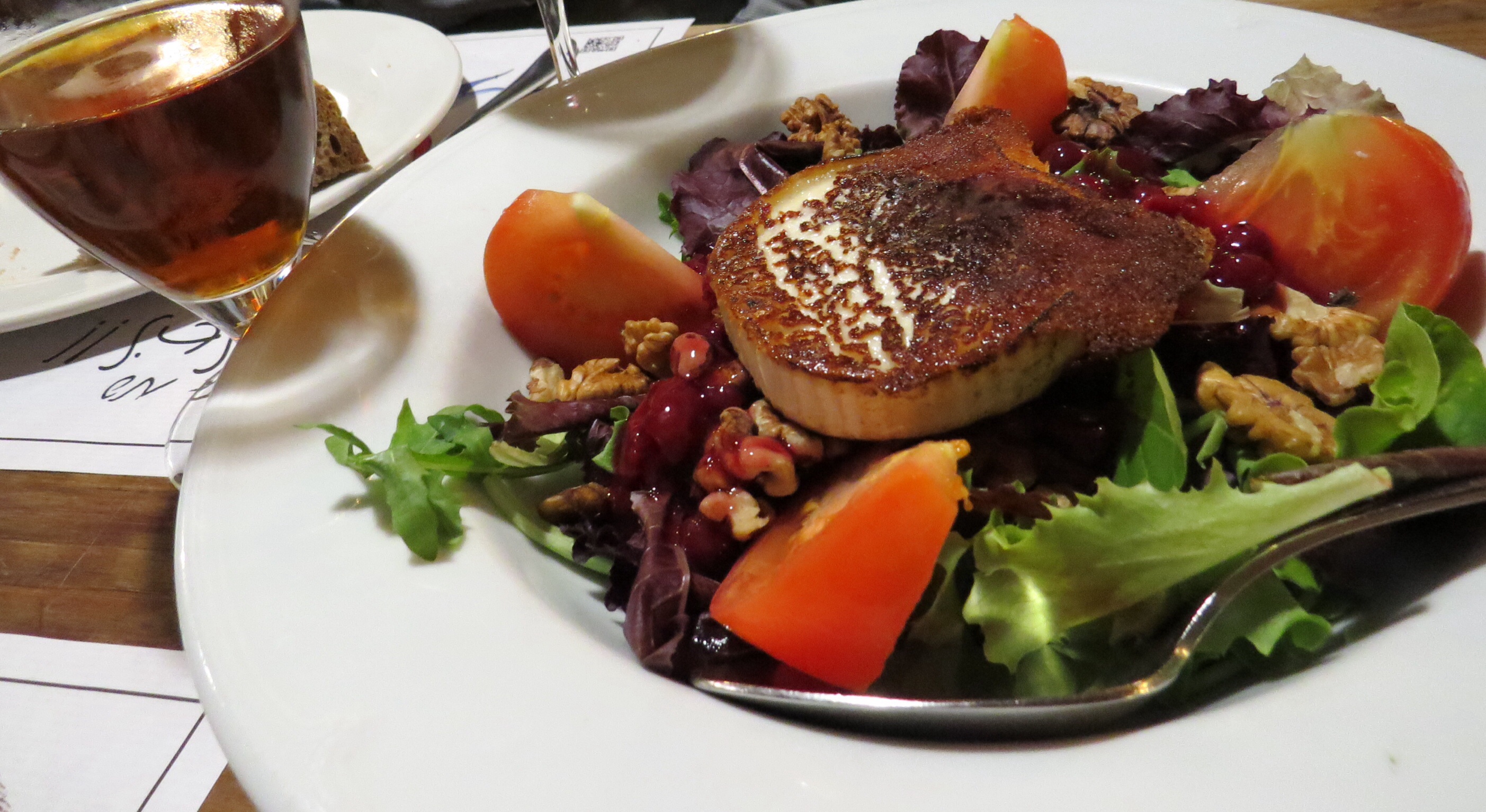
For a late dinner, we went to the Manuel-recommended No. 16 Restaurant, which did not disappoint. In an atmospheric stone-lined basement we started with a gorgeous walnut and goat cheese green salad with a cherry sauce, and I had my first entrecote, a perfectly medium-rare grilled steak the size of two New York strips. As usual, I managed my portions as best I could by eating only half of what was put before me. A delightful day shared with friends, old and new.

image

Jan

The End of the Earth

Well.

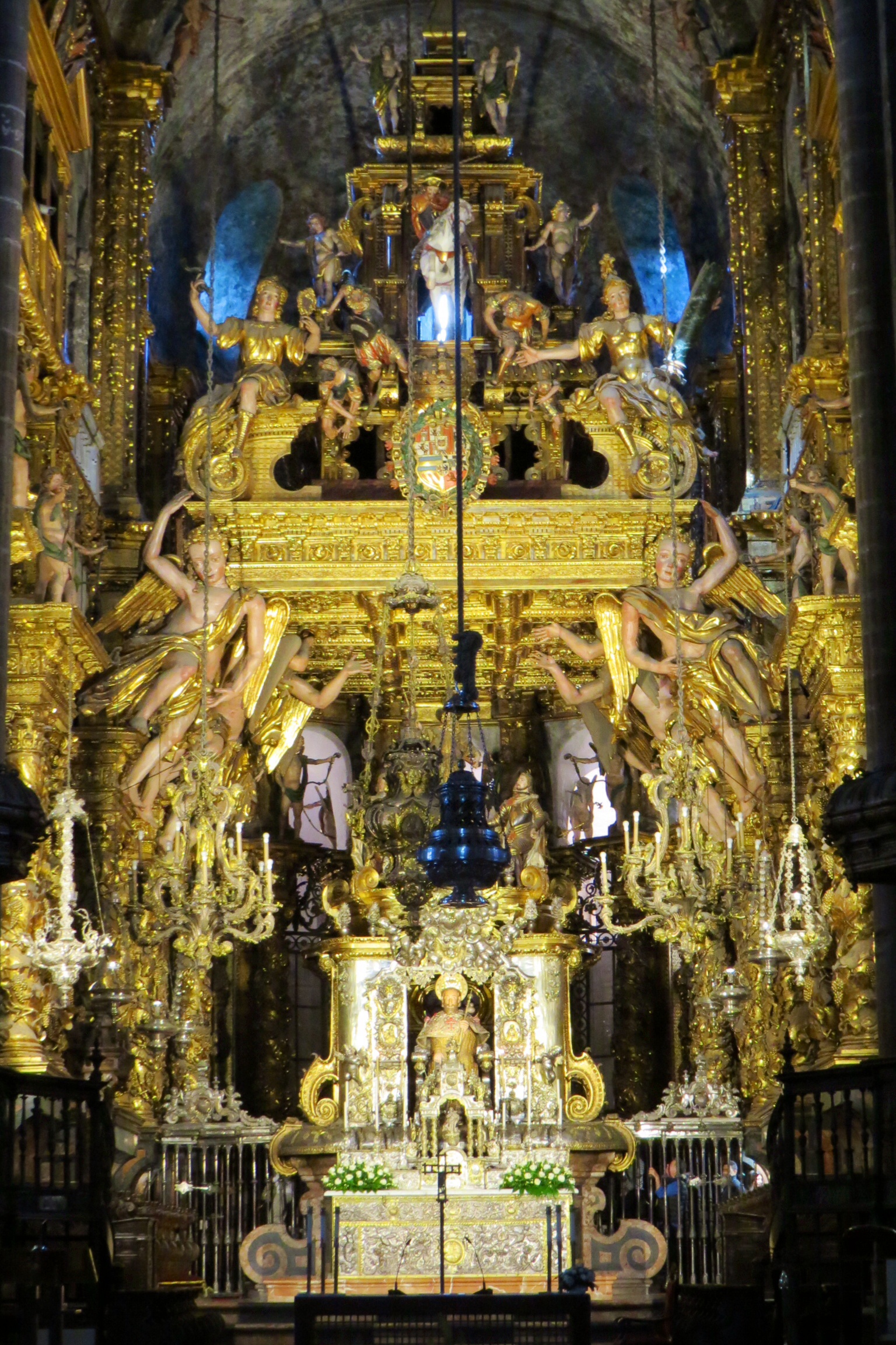
The culmination of the 800-km El Camino pilgrimage is the Catholic service at St. James Cathedral in Santiago de Compostela. The pilgrims metaphorically and literally go from the darkness into the light, entering the Cathedral by the north entrance and leaving by the south. In earlier times, Benedictine monks would be positioned at the north entrance with a fresh set of clothes and the hikers would turn in their by then worn-out, filthy clothes to be burned.

imageimageimage

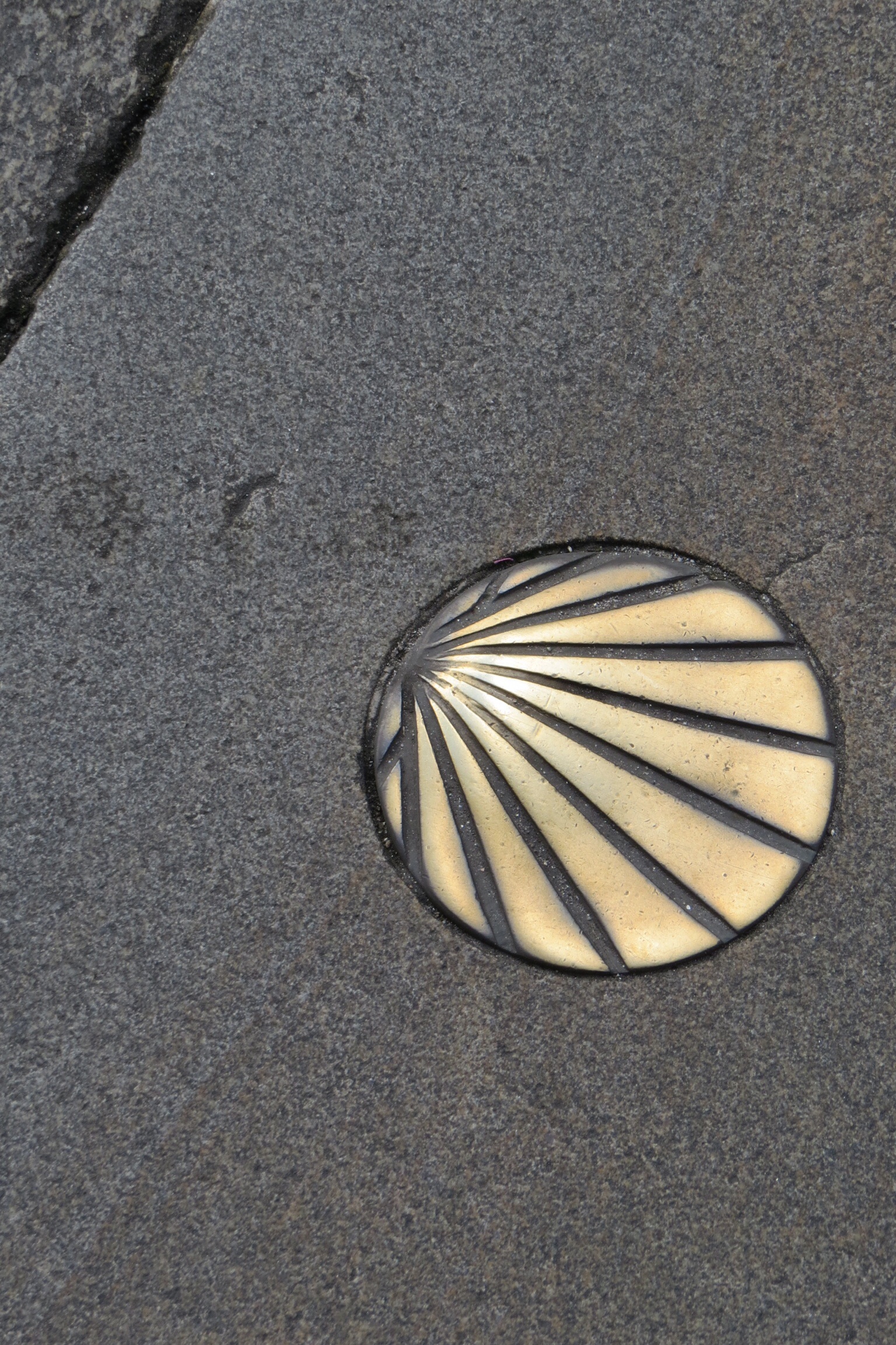
We had been on many portions of the Camino and had become accustomed to the familiar scallop shell symbol denoting the route to Santiago de Compostela in Pamplona, San Sebastian, Oviedo, etc.  There are many routes, starting in the Pyrenees of southern France, ending here at the westernmost tip of Europe at what — from at least Roman times until Columbus discovered the Americas — had been thought to be the end of the flat planet Earth. Imagine pilgrims making their way from all over Catholic Europe walking toward what was literally thought to be the end of the world.
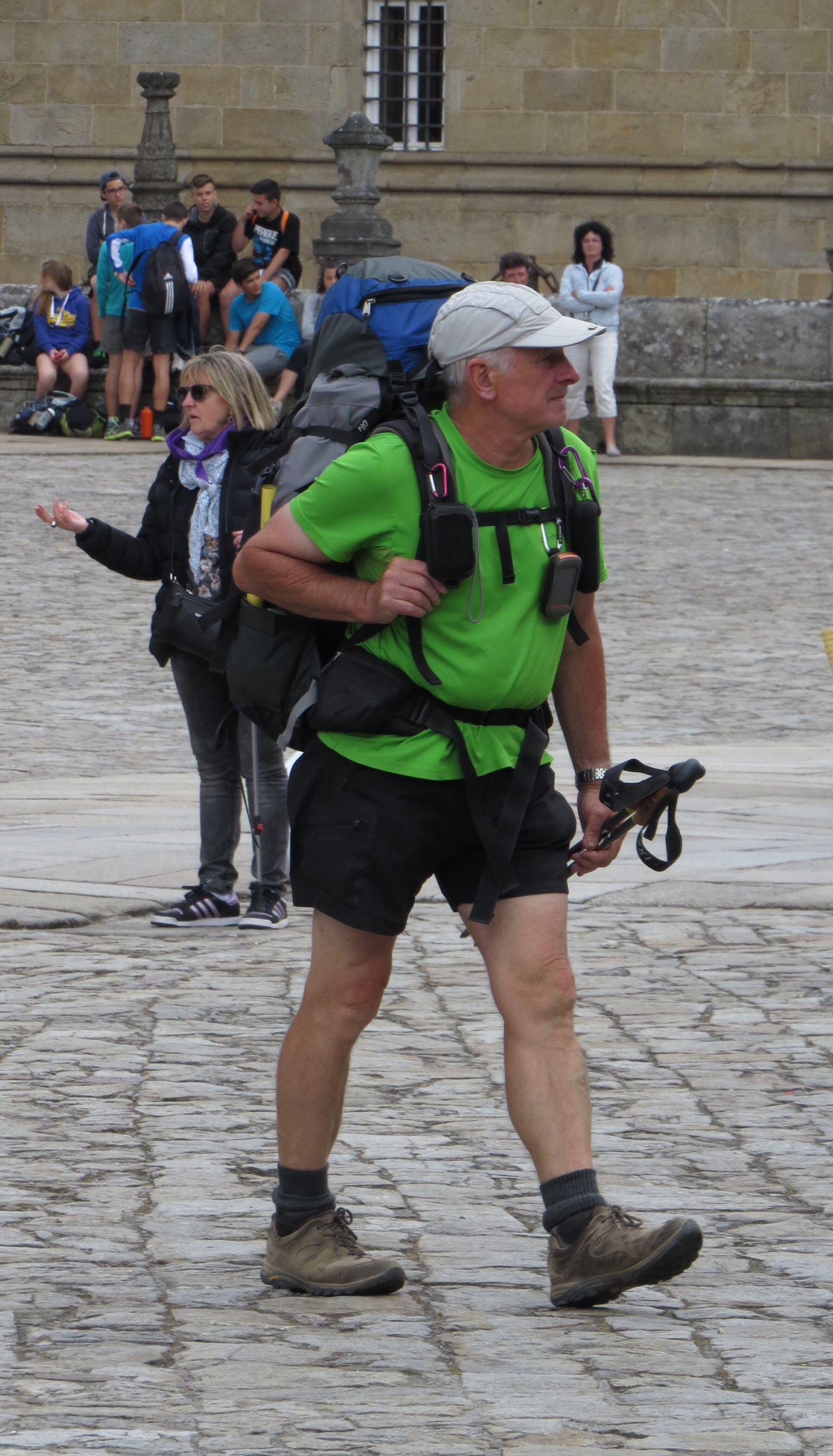
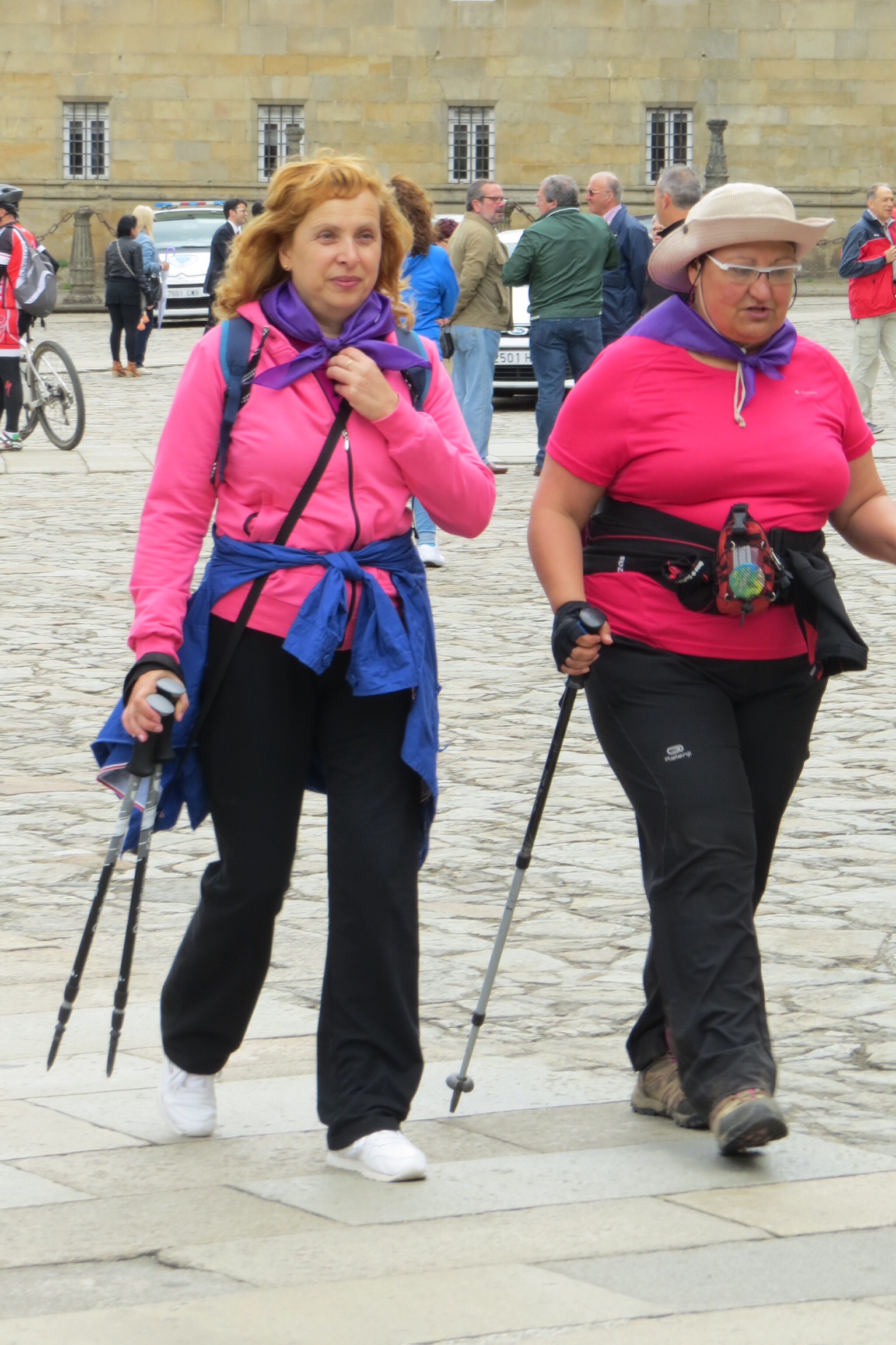
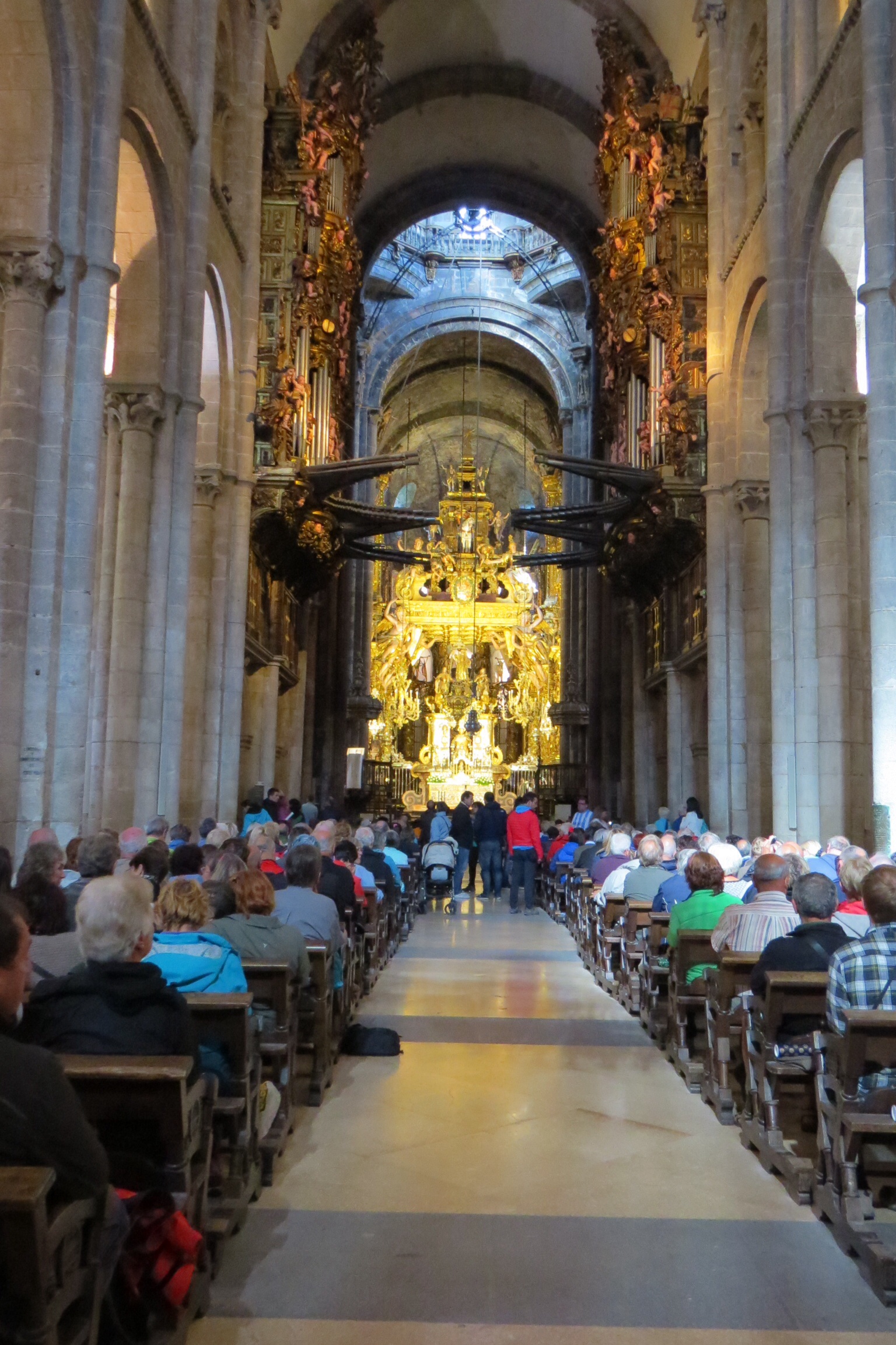
There are many routes to Santiago de Compostela, some shorter than others, and many choose their route according to the magnificent cathedrals they want to pray in along the way. Others make the journey for self-discovery or physical challenge, but whatever the reason, the 7:30 p.m. Friday mass held at the St. James cathedral, filled with hikers from all over the world, weary faces, messed up, blistered or bandaged feet, some hobbling, others hugging or crying, was a spiritual, moving and inspirational experience.

imageimage image image

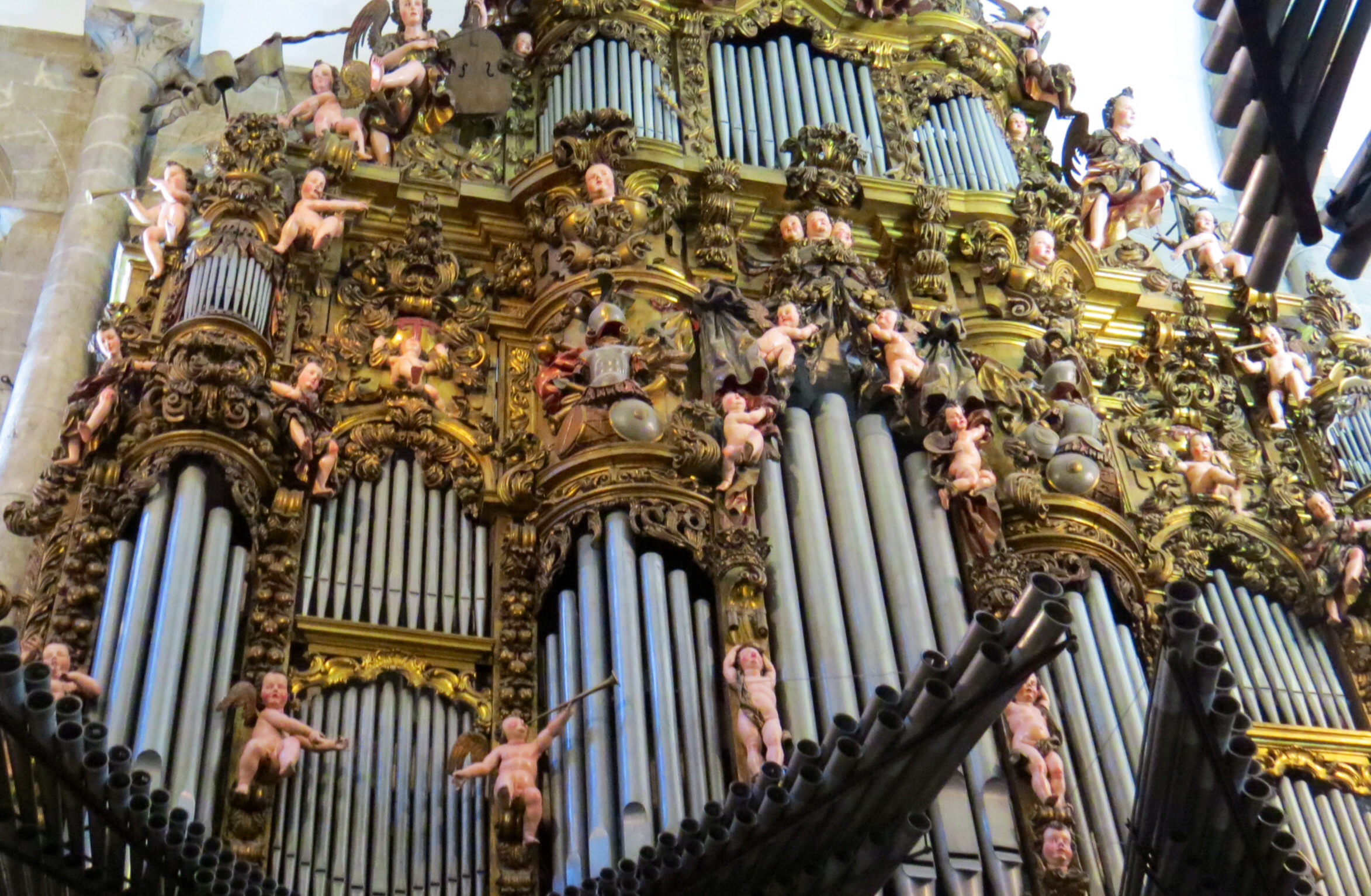
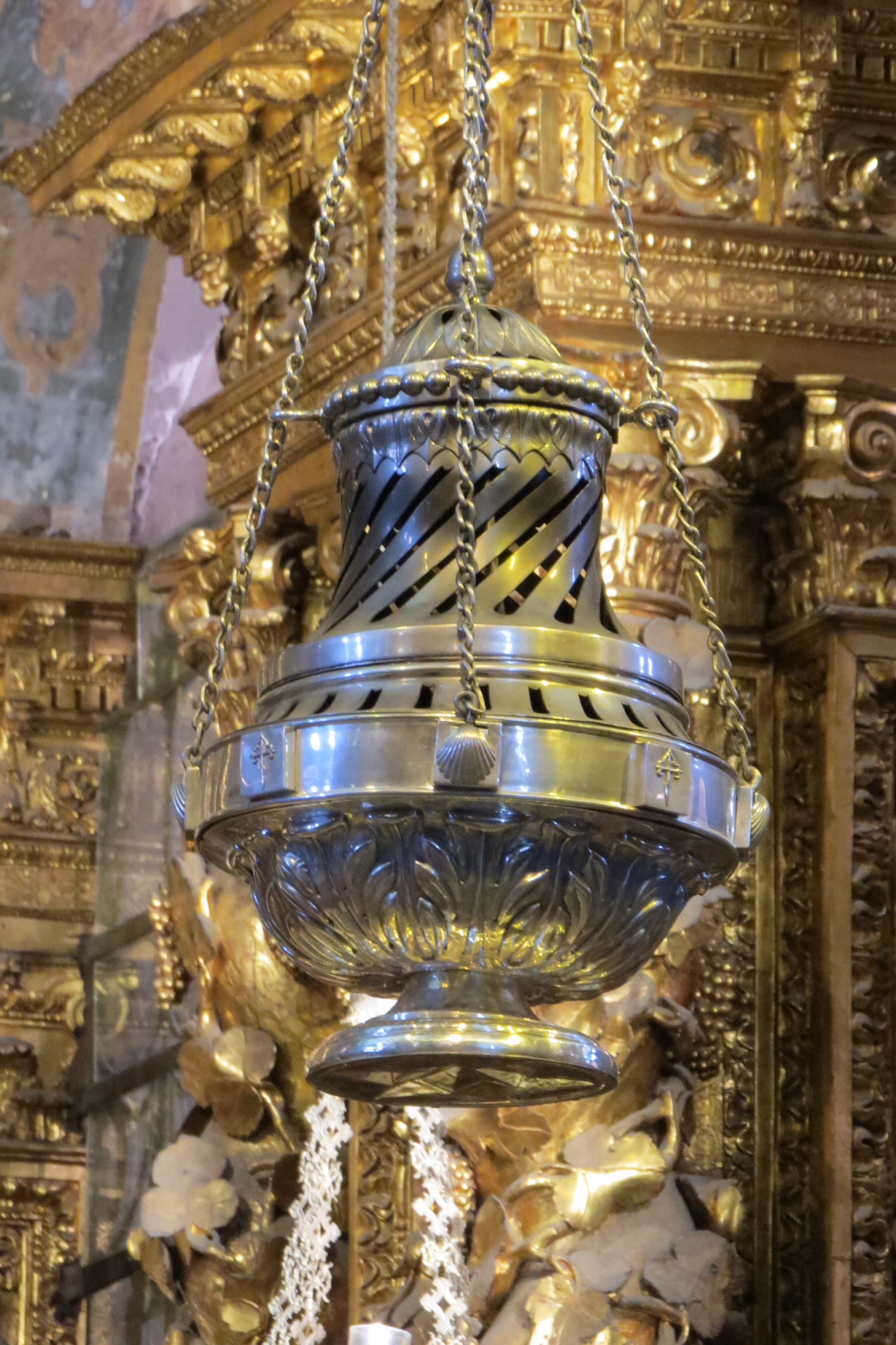
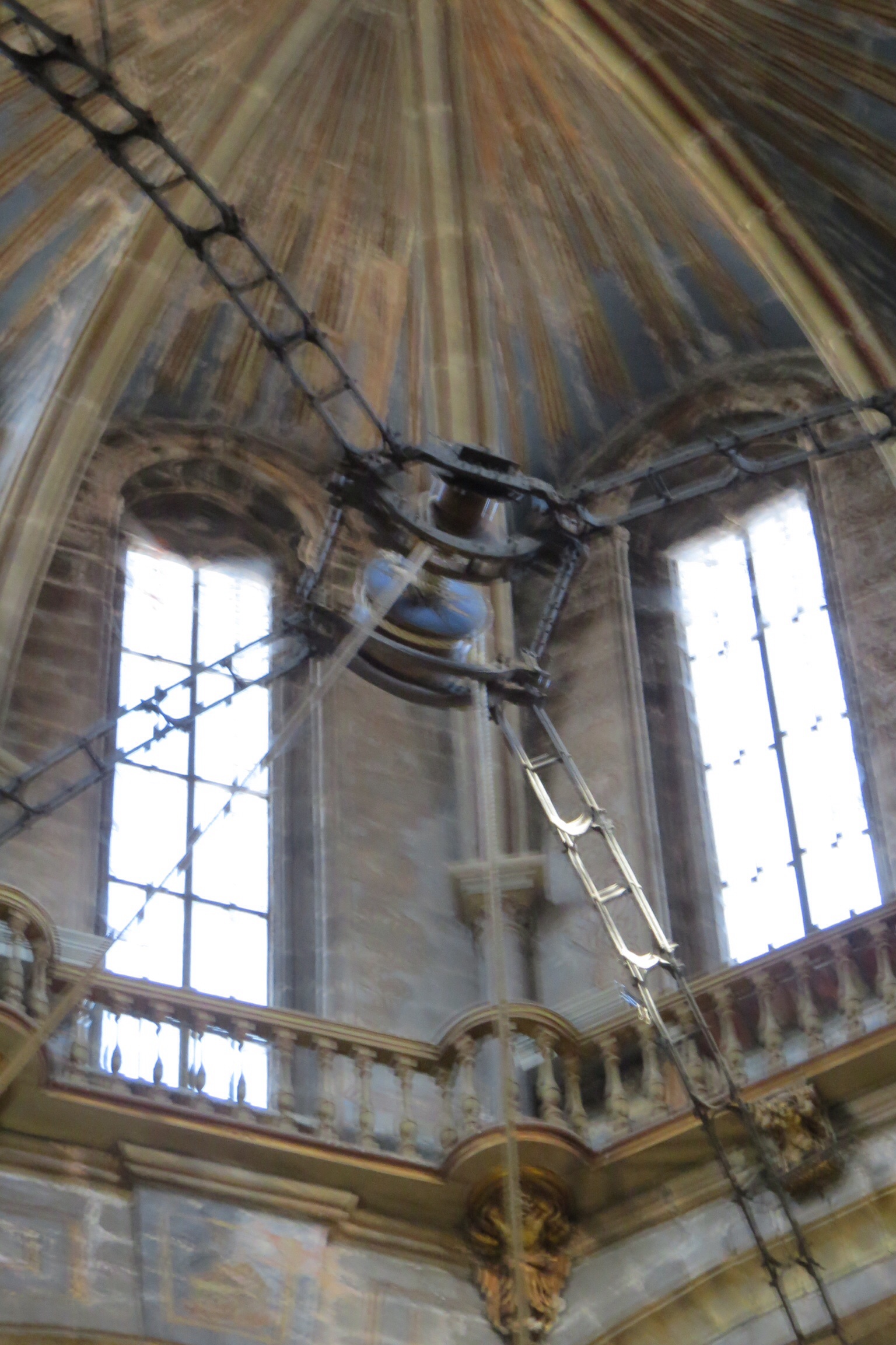
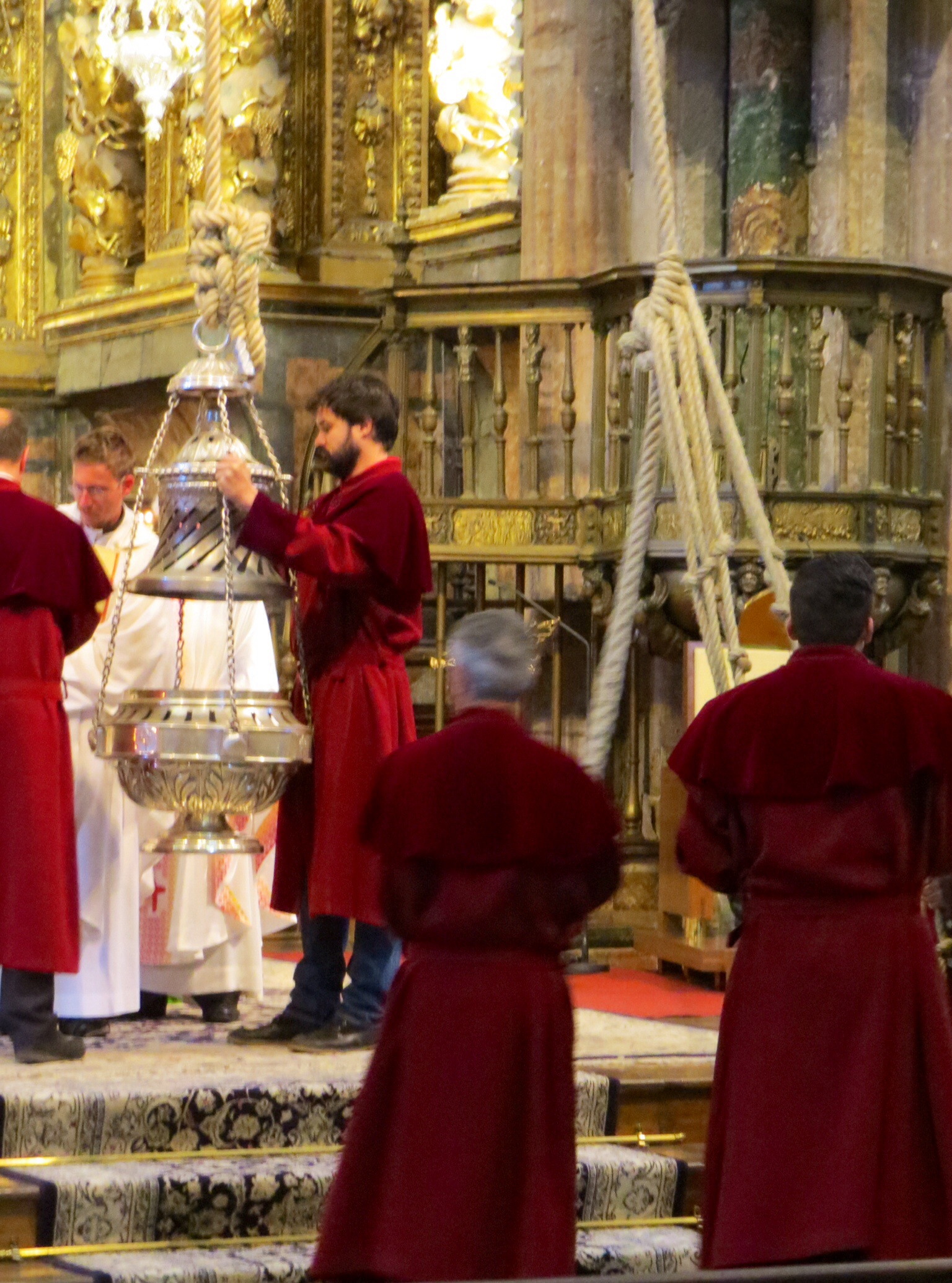
We stood for an hour waiting for the hour-long service to begin and watched as the pilgrims lined up to receive communion. They smiled, shook our hands, and said in English, “Peace be with you.” The service culminated with the Butafumaria. I snapped some still shots but used the rest of the time to absorb the experience. You can link to the YouTube video of this incredible event on my Reading and Watch List page above.

image image image image image

In the 1960’s there were, on average, 60 pilgrims walking El Camino; in 2014, 260,000 participated in the long journey toward this magnificent cathedral.

I was merely a hitchhiker on this path, but it was a privilege to breathe in the incense, and the spirit, of these seekers as they completed their amazing journey.


Jan