Category Archives: Uncategorized

al-Andulus, La Convivencia

6CE5166D-0521-4C08-A178-7944D8564D87

723487F6-3C92-4C23-84C8-CB96E13ACEB0

Amayyas Mosque, Damascus, Syria

It was a dark day in 750 A.D. in the Muslim city Damascus, Syria, for the once-ruling Umayyad dynasty and their young heir-apparent prince Abd al-Rahman.  The family’s arch rivals, the Abbasids, seized power from the Umayyads and, to eliminate any threat to their rule, massacred the entire Umayyad family save Abd al-Rahman who fled Syria for Egypt.  

The Abbasids moved the Muslim Caliphate to Baghdad and ultimately, the rich tapestry of the Arabian nights was woven and a Golden Age of Islam followed there.

Abd al-Rahman continued fleeing westward until he managed to cross the North African desert to his mother’s birthplace in northwestern Africa.   He became aware of the land to the north where he saw competing Muslims, the Berbers, make incursions.  He and his devoted military soon took Gibralter and within only eight years, had conquered most of Spain, naming his territory al-Andalus (“Land of the Vandals”).   

(Music in transition from Damascus, Syria to Cordoba, Spain)

A western rival Golden Age of Islam was about to unfold in al-Andulus, described by a visiting Arab as  “the highest of the high, the farthest of the far.”

From the 8th century came a period of extraordinary cross-cultural creativity known as La Convivencia (the, Coexistence).  Christians, Jews and Romans were free to practice their own religion.  As long as taxes were paid, everyone was able to carry on with their lives, and prosper.

My heart can take on any form:
A meadow for gazelles, a cloister for monks,
Sacred ground for idols, kaa’ba for the circling pilgrim,
The tables of the Torah, the scrolls of the Koran,
My creed is Love; wherever its caravans turn along the way,
That is my belief, my faith.

                                                                                     – Sufi mystic Ibn Arabi

The Muslims from the south introduced irrigation which revolutionized Spanish farming and with that came new foods, spices and textiles, just the first of many wonders of the Moorish world. 

Córdoba

Córdoba was the first magnificant Moorish capital of al-Andalus.  It was one of the most advanced cities in the world, and a great cultural, political, financial and economic centre.  Homes had running water and streets were lit at night.  A great period of scientific and mathematical advancement ensued (bringing with it Arabic numerals and terms like “algebra” and “algorithm”) while the rest of Europe was in the Dark Ages.  Paper was introduced and there were some 80 libraries in the city including the largest library in the world with over 400,000 texts and 500 employees.  There were medical centres and an educational system.  Philosophy was studied and Arab translations of long-neglected Greek works of philosophy helped lay the foundations of the Renaissance.  

We crossed a Roman bridge:

5E5CD2F6-3667-4490-866C-99424D202538

And had a quick lunch in a pretty courtyard.
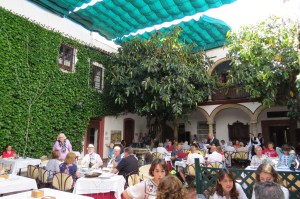
0D395A31-EE43-42B1-914F-1A446E94BDE8

Mezquita Mosque-Cathedral

Over one hundred mosques were built including the massive Great Mosque of Córdoba built by Abd al-Rahman to rival in magnificence those of Baghdad, Jerusalem, and Damascus.  He took inspiration from his beloved mosque back in Damascus, the Amayyas Mosque pictured above.  A famous Syrian architect made the plans for the Mosque. Leaving his own house on the edge of Córdoba, the Emir came to reside in the city, so that he might personally superintend the operations and offer proposals for the improvement of the designs. Abd al-Rahman moved about among the workers, directing them for several hours of every day.  There are 856 columns of jasper, onyx, marble, granite and porphyry.

The Moors went on to rule most of Spain for over 700 years.  Centuries later, after the Reconquista, the centre of the mosque was gutted and a cathedral was inserted.

5C08784D-BA6F-4347-AC70-148CC2128707

Two of the domes:

And some security personnel were installed:

The exterior of the massive complex looks like this from the air:
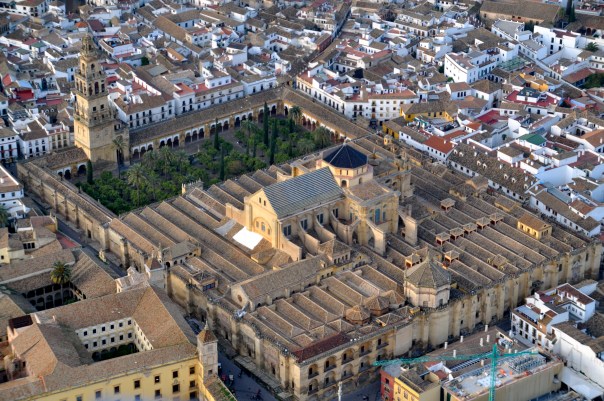
D22746BB-1C86-4F01-8CCB-6B16BB391B13

After our tour, we drove on to Seville, and dined in a fitting ambience.

386E5E59-C770-46A1-BC1A-C2B6B8917C07

Best,

Jan

History: “One damn thing after another”

A brief history of two or three damn things sets the stage for our trip south to Andalusia.

Roman Hispania

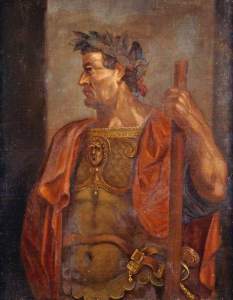
Titian, c.1488-1576; Sergius Galba, Roman Emperor

We will see many Roman structures and architecture, some still in use, in Spain. 

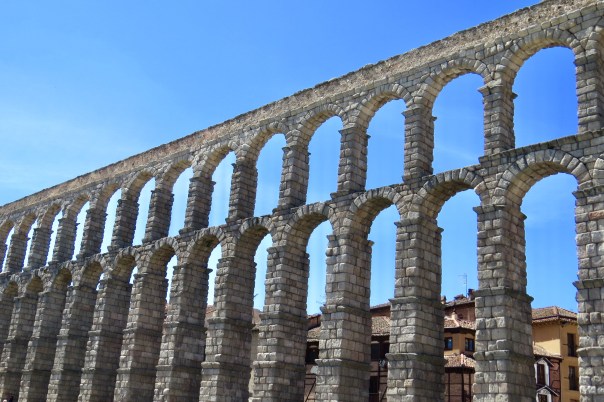
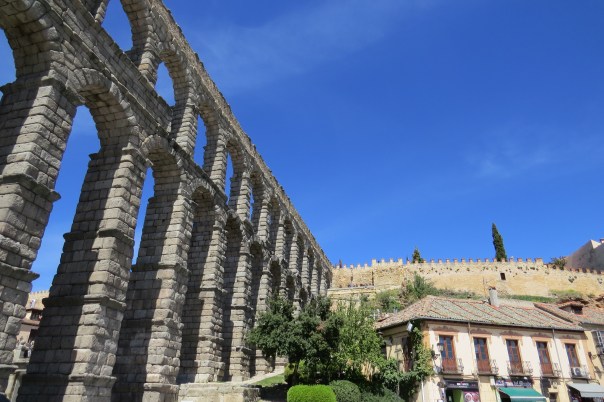
For example, the roman aquaduct we saw on a day trip to Segovia, about an hour’s drive from Madrid:

10A9B0AA-D0D0-4555-B0D9-2F9190467C2C

1EF1F23D-D008-4CF5-AAF7-5005BC24EEAE

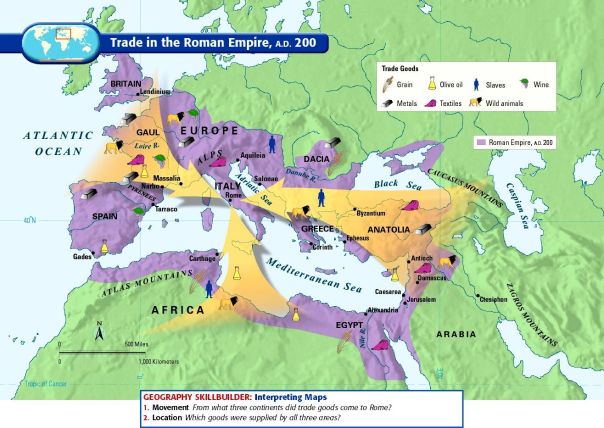
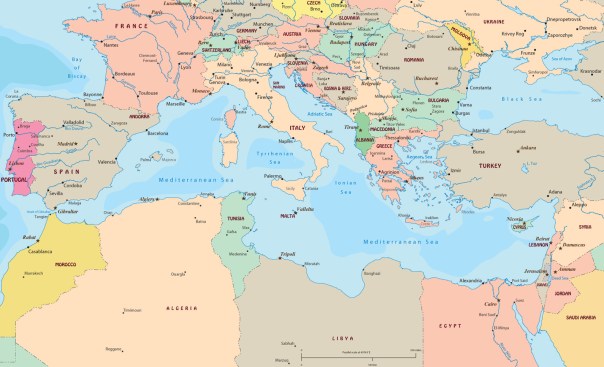
The location of southern Spain with Gibralter at its southernmost tip and Gibralter Strait just 7.7 nautical miles across to Africa made Spain a magnet for military strategists and trade throughout its recorded history.  After the Greeks, Roman armies first invaded the Iberian peninsula in 218 BC and used it tactically against the Carthaginians (in Carthage in what is now Morocco). 

BDF88510-C810-4861-A774-0C1602875D27

Roman Hispania was for 500 years part of a cosmopolitan world empire bound together by law, language, and the Roman road.   Hispania also had its influence on Romans – Caesar wrote that soldiers from the Second Legion regarded themselves as hispanici.  Some of the peninsula’s population were admitted into the Roman aristocratic class and they participated in governing Hispania and the Roman empire.  However, Jewish people came with the Romans, and they were treated appallingly badly, as little more than slaves.

Visigoths

509DB521-C8B4-43C7-B18C-86C6A5B41601

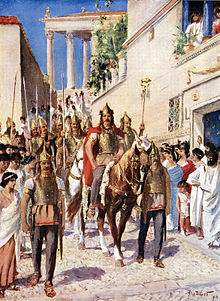
The Goths were a nomadic Germanic people who fought against Roman rule in the late 300s and early 400s A.D., helping to bring down the Roman Empire.   The Visigoths were the tribes in the west.  (The Orthogoths caused a good deal of trouble for the eastern Roman Empire in what is now Turkey.) Following the Visigoths’ sack of Rome in 410 A.D. was a terribly dark and violent period in European history after the vacuum created by the fall of the Roman Empire with Goths fighting the Vandals, the Huns, the Barberians and each other.  The ascendancy of the Goths is said to have marked the beginning of the medieval period in Europe.   

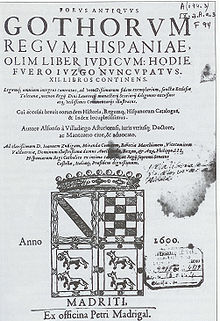
The Visigoths ruled Hispania starting in 475 under King Euric and eventually settled down in Spain and converted to Catholicism in the seventh century. In 643, Visigoth King Chindasuinth ordered the writing of the so-called Visigothic Code and it applied equally to the conquering Goths and the general population, most of whom had Roman roots and had lived under Roman laws. It effectively ended the distinction between the “gothi” and “romani” people in the eyes of the law, decreeing that all those residing within the Visigoth Kingdom were considered “hispani.”

2D25EA74-3041-4B65-9BCB-EBB79E0CAE43

The Visigothic Code also established rules for marriage and the inheritance of property.  Women were allowed to inherit property and manage assets independently.   They could also represent themselves in legal proceedings and arrange their own marriages.

Some elements of the Visigothic Code endured. It formed the basis of the laws established by the Moors following their conquering of the kingdom in the early 700s.  Like the “romanis” during Gothic rule,  Christians were allowed to live under their own laws, as long as they didn’t conflict with those of the conquering Africans.

Much of the Code is reflected in our law today in Canada.

Here is a link to the translated Code:

Click to access 0506-0506,_AA_VV,_Leges_Romanae_Visigotorum_%5BScott_JP_Curatore%5D,_EN.pdf

And speaking of the arrival of the Moors, in 750 A.D. in far away Damascus, Syria, a completely foreign land and culture to the Hispani, a violent incident was to profoundly change the course of European history, starting with that little southern tip of the Iberian Peninsula, Gibralter.  More to come.

73D13224-24D6-4316-98B8-312CD35B25A8

Best,

Jan


“Not all those who wander are lost”

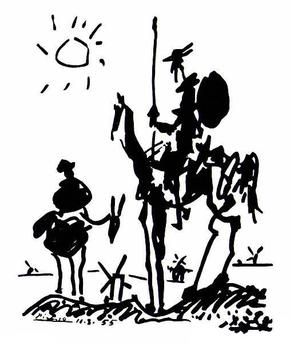
Andalusia, where we are headed, is the land of the second-most famous literary traveller of all time, Don Quixote. 

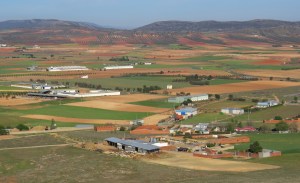
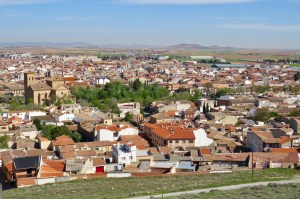
The valley and town of Consuegra are lovely.

6A8F7981-BD7F-4237-948F-48ED222DA854 4B62475E-B44C-40AF-AA82-86D411A55A46

We stopped to see where Quixote slayed the giants:

The journey theme serves as another connection between southern Spain and Turkey, the latter being the birthplace of the most famous literary traveller of all time, Homer, author of Odysseus and the Iliad.

The Journey

0075C32F-62DA-45DA-8159-5C44CE2DF83D

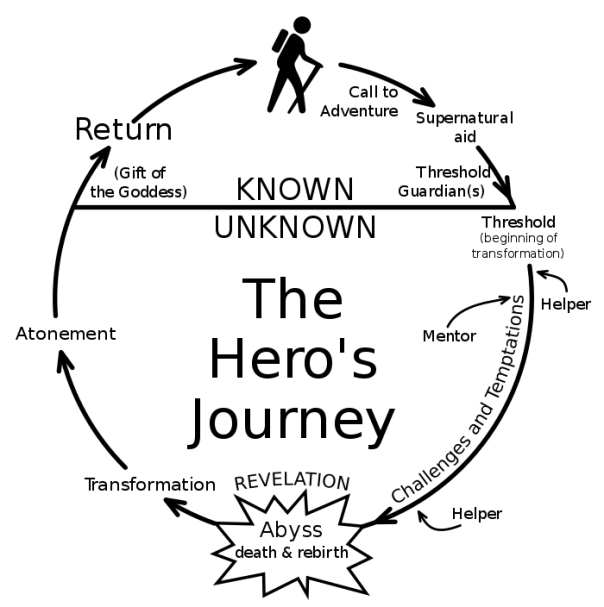
Long before Carl Jung and Joseph Campbell took on the physical journey as an archetypal metaphor for the journey through a struggle or a journey through life, the journey myth began.  The hero heads out on a journey, has a struggle, overcomes it and comes back transformed, but scarred.   It’s the story of Jacob in Genesis, of Moses, Christ and the Buddha.  It’s also the story of Helen of Troy.

Homer understood it, and so did Cervantes.

FA009194-5B6D-44C1-8990-847775B1FB6C

Best,

Jan

Madrid & Two Medieval Walled Cities


Our few days in Madrid and surrounds have been even better the second time around.  Here are a few impressions.  For more information about these areas, please scroll down to my previous trip to Northern Spain.

Madrid

Our brief tour of the city took us past the newly renovated modern art gallery, the Reina Sofia, which houses Picasso’s “Guernica,” a mural that triggered the Republican resistence in the Spanish Civil War.

64118B5D-3880-4713-91FC-3E310490F40C

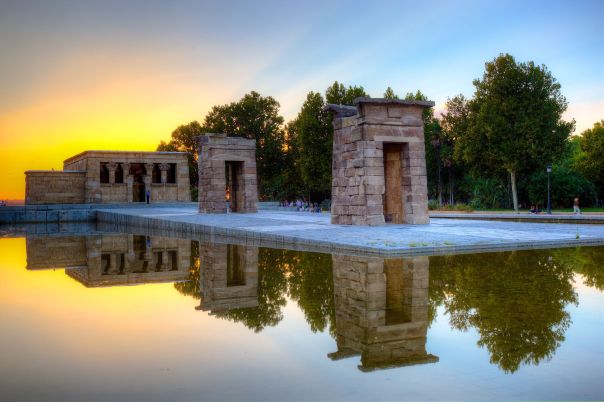
When Egypt built the huge dam at Aswan to power Cairo, a number of temples were going to sink under an artificial lake created by the dam.  UNESCO made a call around the world to save the magnificent Abu Simbel temple.  The temple was saved

and it took an engineering feat to move it to Egypt’s southern border with Sudan where it was re-assembled.  Spain was the biggest donor and to show thanks, Egypt gave Spain the Debod temple.  Spain erected it in a park.  We only got a peekaboo view:

89AE4C74-B12C-4B8E-A848-930AE977F23F

Here it is up close [not mine]:

7A8D11F0-3330-441D-A04F-287753FAA7B5

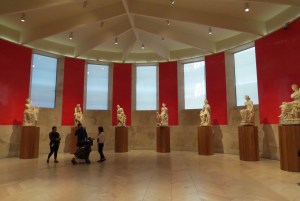
The sumptious cherry lobby in the Prado, one of the most important art galleries in the world:

E4B851C8-0038-4416-9122-5FC9B5C6ECE3 ECF464FE-8386-4E88-980F-4F7458292BA4

Preparations were being made for the Madrid marathon taking place on Saturday.  To spur on the runners along the 47 km route and to celebrate the Prado’s bicentennial, large reproductions of the best of the Prado’s collection were installed at each kilometer.

99585746-F3DE-4069-BC29-A112D2AE54F9

Of course the food was fabulous in Madrid, especially at La Catedral, just steps from our hotel.


Segovia

I went to Segovia again mainly because of the food, but I was pleasantly surprised to see things at a new angle.   We stopped at a low spot to get a great shot looking up at the castle (“Alcazar”) in which Isabella was crowned Queen of Castille.  

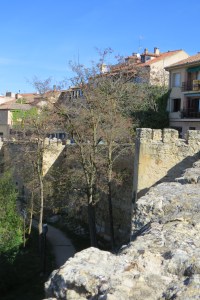
We walked along the medieval wall of the city, then toured the Alcazar.

99DC1C0C-9140-41EA-9A3B-AFEF3FBE11CF

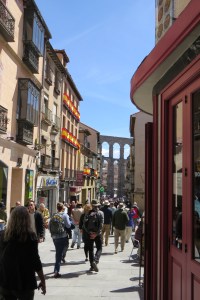
We walked down through the town to the Roman aquaduct.

8066D7F1-25F6-423E-A575-B48367495417

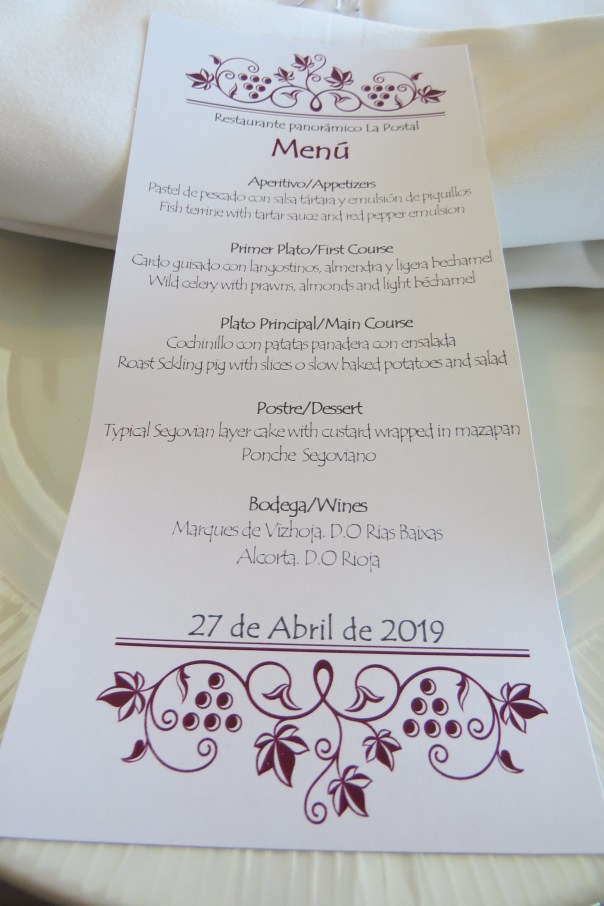
We went to what I anticipated would probably be the best meal of the trip, at La Postal (“the Post Card”) – here’s how it got its name.

We feasted:

355E98F9-574E-4ADD-ADFD-C7F657D7AA38

Rosa cut the roast suckling pig in the traditional way (Bonnie, you may want to scroll past these images):

It is the tenderest meat I have ever tasted with a filo-thin crust of crackling.  I was grateful not to get a hoof or a curly tail on my plate.

We toured the nearby Bourbon palace built by a king homesick for Versailles.  Since I’d seen it before, I took a stroll in the gardens.

Segovia was a lovely getaway from the bustle of Madrid.

Toledo

On our free day, I decided to return to the historical city of Toledo, about  20 minutes by train from Madrid, to see some of the things I wasn’t able to see on our first visit due to time constraints.  I was meeting tour friends.  who had left for Toledo earlier in the day.

Iglesia de Santo Tome

C0008C52-DABE-4596-8EE1-326B1522F477

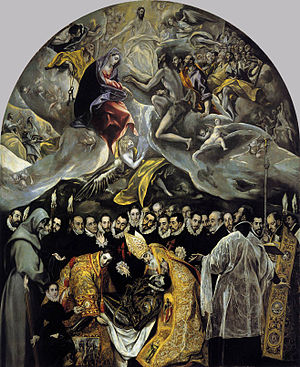
The Burial of the Count of Orgaz is a 1586 painting by the great artist and Toledo emigre,  El Greco. Among his finest works, it has been called “one of the most truthful pages in the history of Spain”, as a masterpiece of Western Art and of late Mannerism, and as the epitome of Greco’s artistic style.

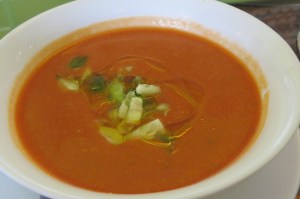
First gazpacho!

6A27775C-0D10-414E-8931-8733B19B6F4F

Synagoga del Santa Maria del Blanca

A quick trip back to Madrid, another delicious dinner, and the end to another magical day.  Tomorrow, new ground.  Vamos!

Best,

Jan


Sun Gate and 12 Grapes

Aqui!  

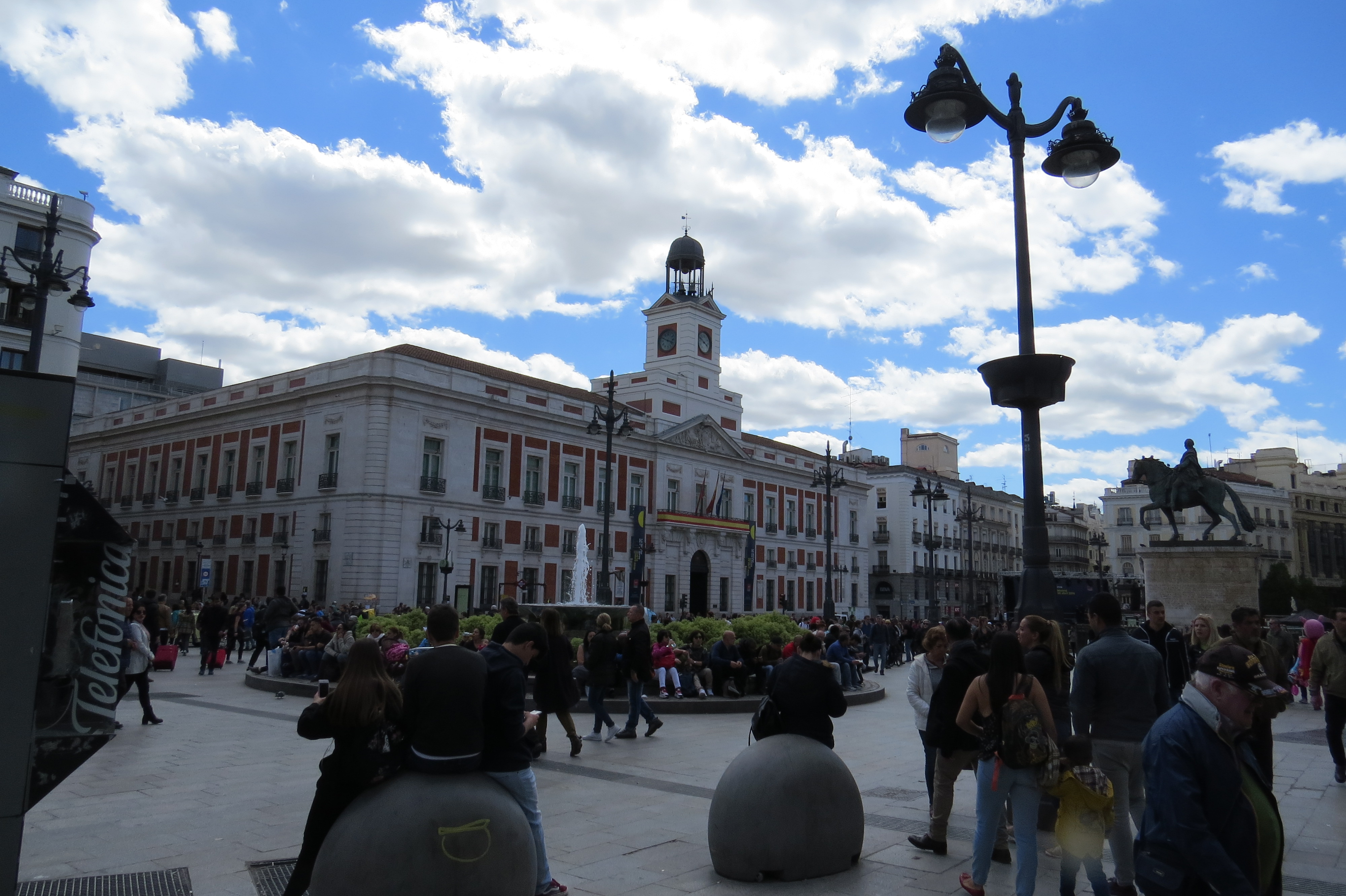
Our hotel is nearby the Puerta del Sol (Sun Gate), one of the best known landmarks in Madrid. 


Puerto del Sol

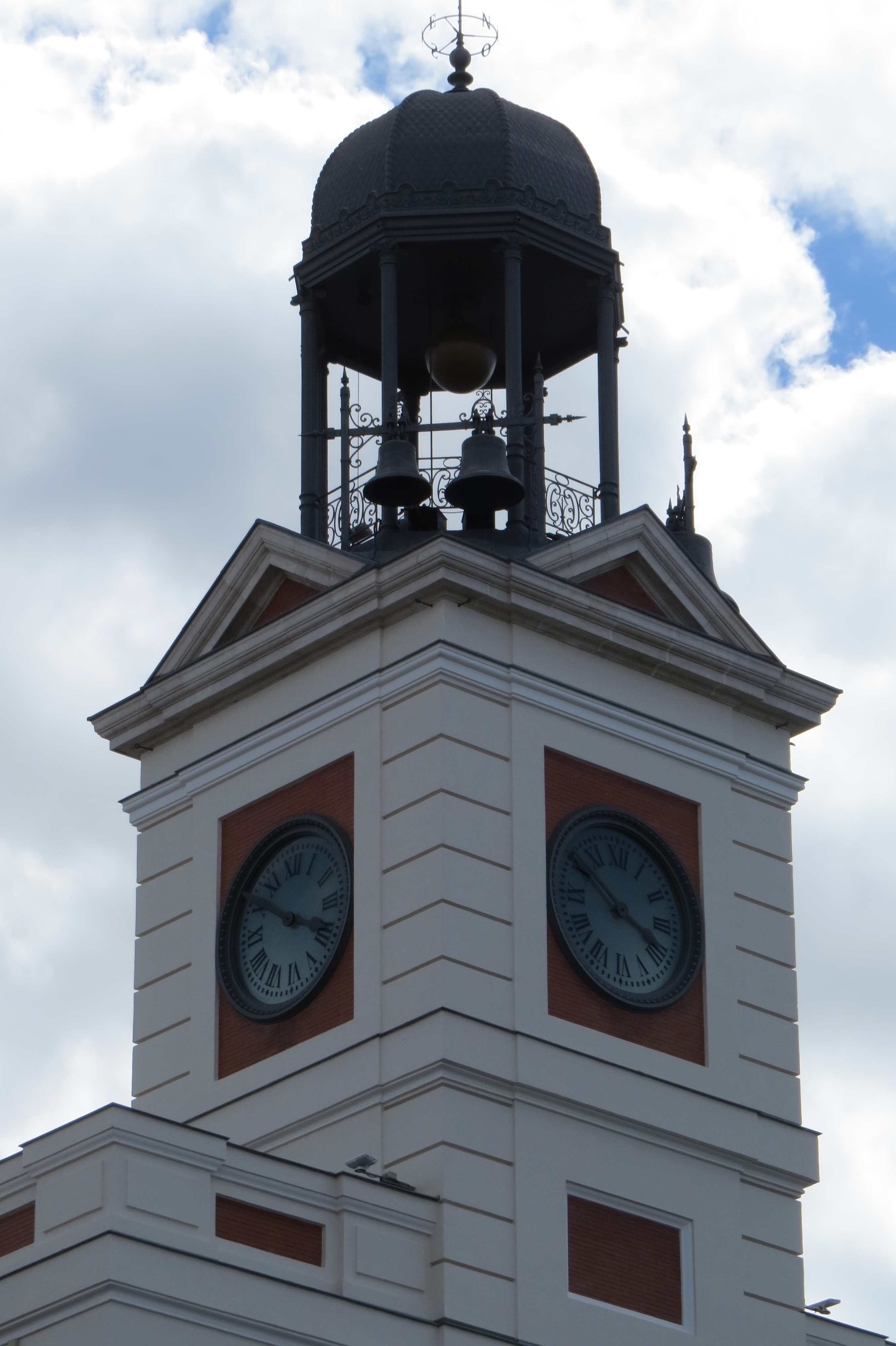
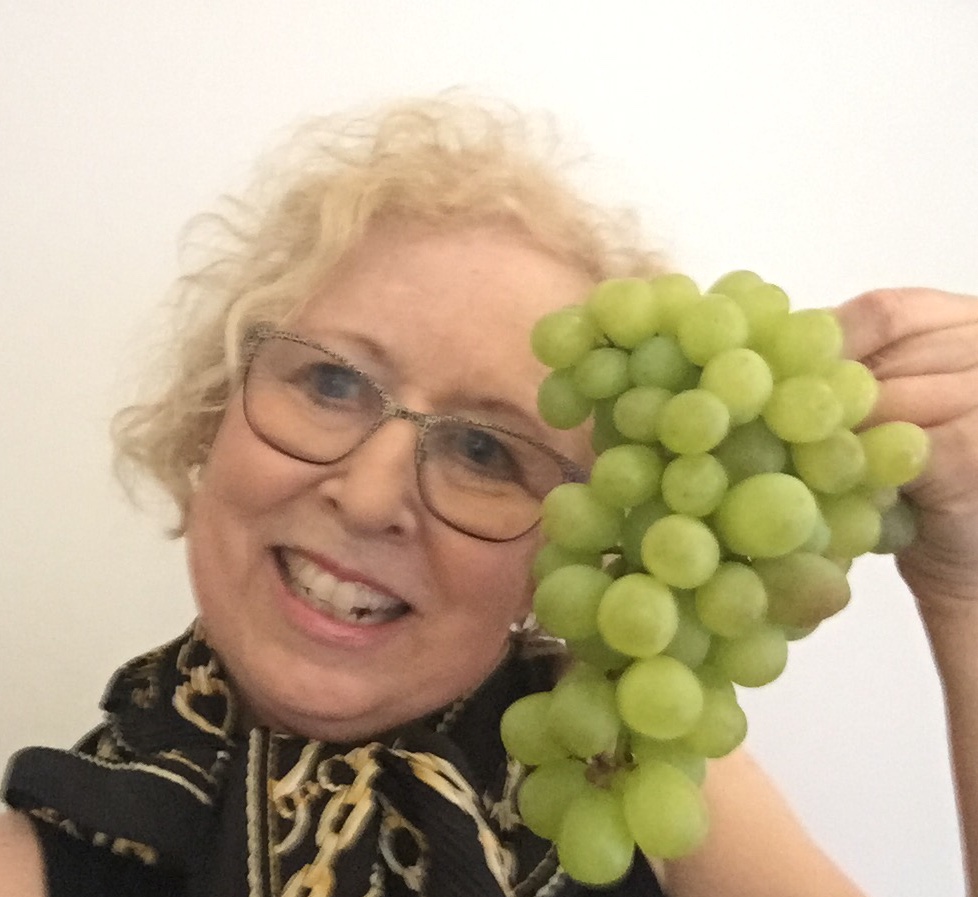
In the centre of the square is a tower clock – and Madrid’s version of the NYC Times Square New Year’s Eve ball drop.    The clock, broadcast nationally, chimes 12 bells at midnight each December 31, and the Spanish eat 1 grape with each chime, leading to a year of prosperity. 

Bring it! 

Uh, wait.  How does a person eat 12 grapes in 12 seconds?  Like this:

Kind of takes the romance out of the midnight kiss 💋 , but I’m sure they find a way.

It will be interesting to see what happens in Sunday’s national snap election called after the leading party’s budget was voted down and a week after negotiations with Catalan separatists broke down.   Another factor is the rise of Vox, a far right party advised by former Trump strategist Steve Bannon, who oppose any kind of dialogue with Catalan separatist supporters.  (Catalan is the richest region in Spain and is crucial to Spain’s economy.) 

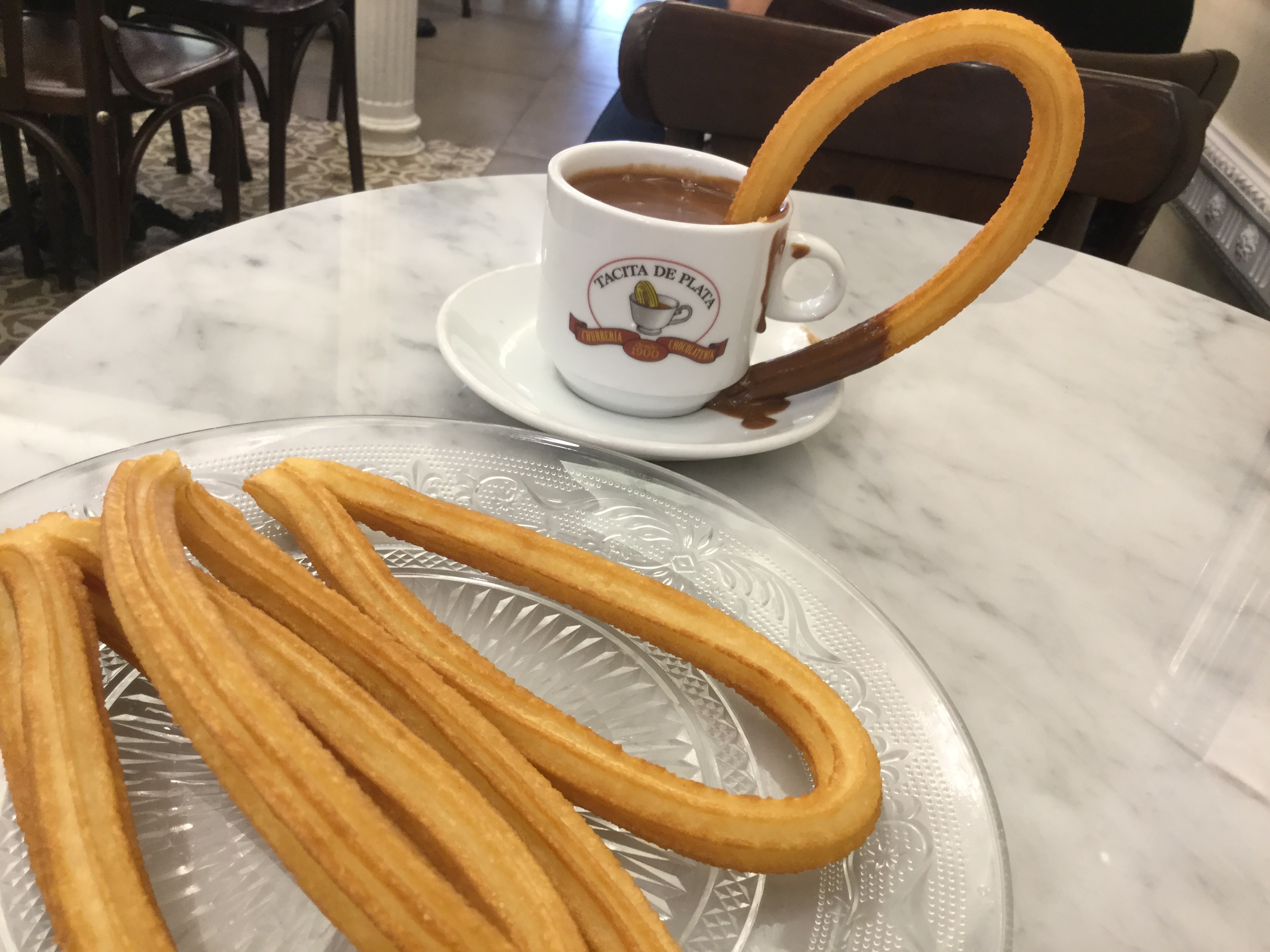
In Puerta del Sol, I had my first Churros e Chocolate, a Spanish classic.   The hot chocolate is as thick as pudding.

This has little to do with my travels but en route I read this sad but moving and inspiring story I want to share:

https://www.bbc.co.uk/news/world-us-canada-48043765

In the first few days in Madrid, Segovia and Toledo there will be some repeats but I hope to dig deeper.  We head to new ground (starting with Cordoba) on Monday.

Best,

Jan

Synchronicity

After travelling to northern Spain on a U. Vic study tour in 2015, I was delighted to learn there would be an opportunity this year to see southern Spain with the two mujeres bonitas, Rosa and Chrissie (also the tour leaders on our South American tour last year), who were our leaders on the northern half.  Booked!

A0434274-695E-4554-8622-D3808890DA07

Then, Royal Heights (whose tours I have been on to Greece and Egypt) posted a trip to Turkey starting 3 days after the Spain trip ends.  A plan!  

After 3 extra days in Barcelona to recharge, I fly to Istanbul.  Even better, a new friend, Yasuko, from the South America trip decided to do the same thing, so I will have company.  And Bonnie joining us in Barcelona, I’m excited!

Connections

29C074C2-8DE9-416F-8728-B7FDC38FB1D9

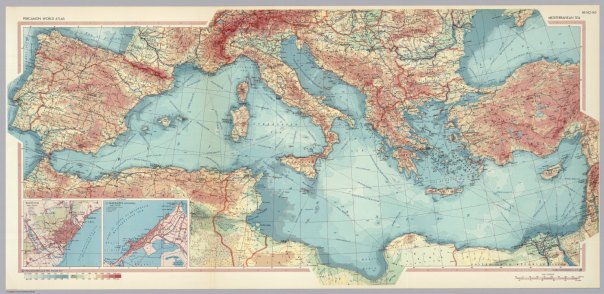
Southern Spain will be the perfect entree to Turkey, although the historical timelines of the two countries are inverted.  It seems there is room in the world for at least two religious empires at once.  The Moors (muslims from the east) occupied southern Spain in a glorious empire from about 711 AD to 1492, after which the Catholics, King Ferdinand and Queen Isabella, expelled anyone who wouldn’t convert to Catholicism and a new Spanish Golden Age soon began. The country today remains mainly Catholic.

3A773033-0077-47F1-87AA-8AD100D50BA5

 Meanwhile, from about 330 AD to 1453, Constantinople and Byzantium were the true headquarters of the Roman Empire and Christianity while Rome was left behind as a backwater after the fall of the Empire there.   At the crossroads of two trade routes and militarily defensible, glittering Byzantium had incredible wealth – architecture, gold, mosaics, spices and more.   Then the Muslims invaded and the Ottoman Empire ruled in what is now Turkey from 1453 until 1923.  

C36159C8-DAA6-4892-AC6D-3F9BB992CF21

Turkey also closes the circle of the Medterranean for me on our ancient foundation and we will visit many Roman and Greek ruins including perhaps the most famous of all, Troy.

The journey is the thing.

                                                                                   – Homer

So once again, heading out to do the thing!

6B678546-5750-4EAC-8BC1-0C5DA453E593

Best,

Jan


Gracias a la vida

He who does not travel,
who does not read,
who does not listen to music,
who does not find grace in himself,
she who does not find grace in herself,
dies slowly.

                                                                                        Pablo Neruda

I am not questioning the great Neruda,  his words were meant to incite change in a country that badly needed it, but now, from my perspective while considering my travels, I think of a more positive way to put it:   Follow your curiosity, reach out, read, listen, travel if you can, and both challenge and accept yourself, and if you have paid attention, you will have lived life to its fullest and ignited a spark in someone else.

Likewise, when Violeta Parra wrote the most powerful song, Thanks to Life! (Gracias a la vida), it was a dirge written a year before her suicide.  It motivated people to action when they were paralyzed.  Mercedes Sosa revived the anthem, having had her share of political trials, but here is how she reinterpreted it much later in life, having come out the other side, and this is what I leave South America with.

Signing off, until next time, many thanks to our wonderful U. Vic. academics and tour guides, Chrissie Forster and Rosa Stewart.

A few blog out-takes courtesy of awesome travel-bud and dear friend, Margaret:


As the Argentines say, Ciao,

Jan

Pampas Country

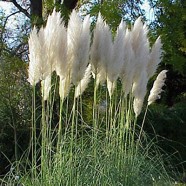
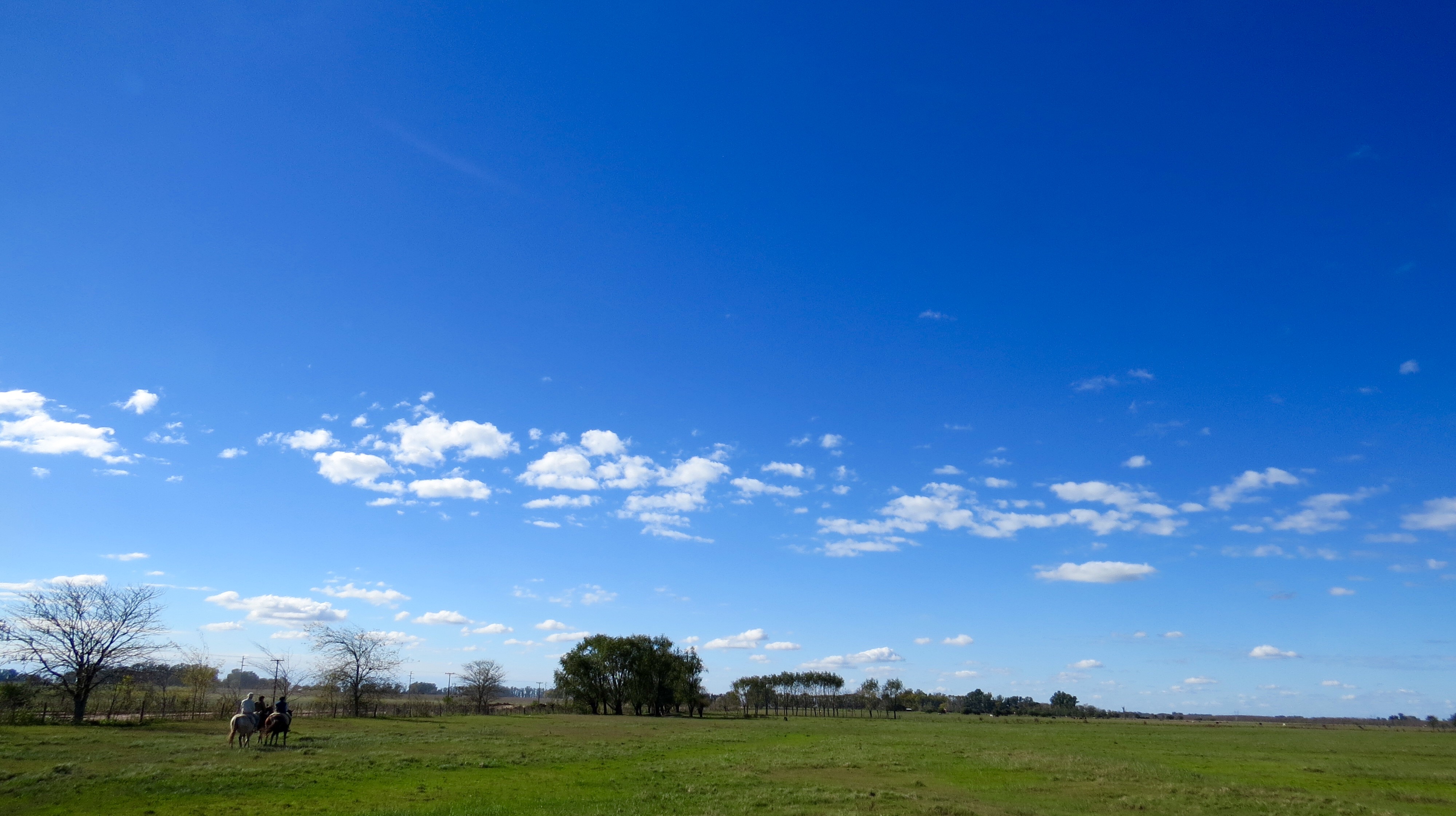
Today we headed out into the Pampas grasslands region southwest of Buenos Aires.  Soon the city gave way to farms, ranches, and waves of Pampas grass silvery in the sun.

The Pampas region is big blue sky country like Alberta and Montana.

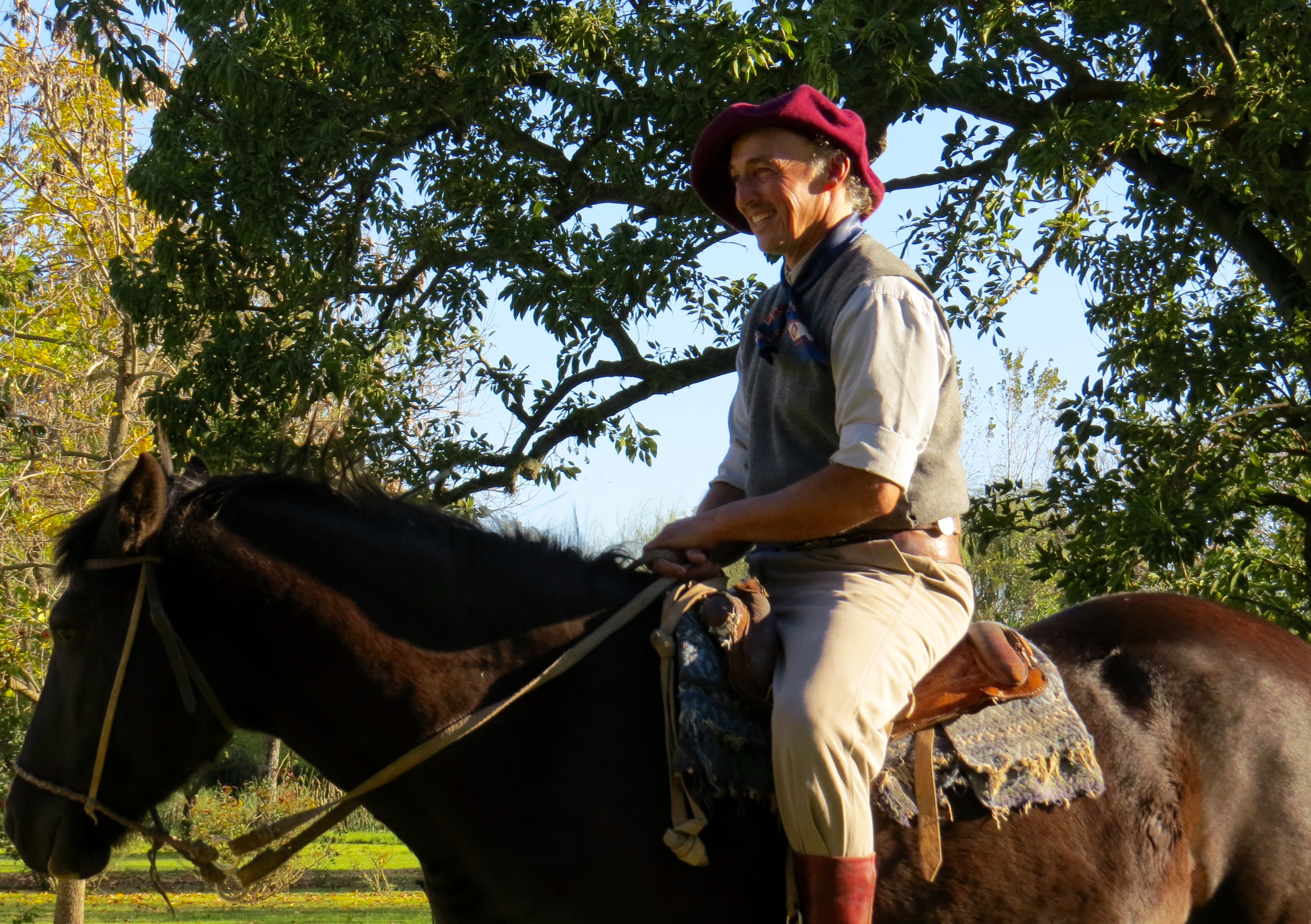
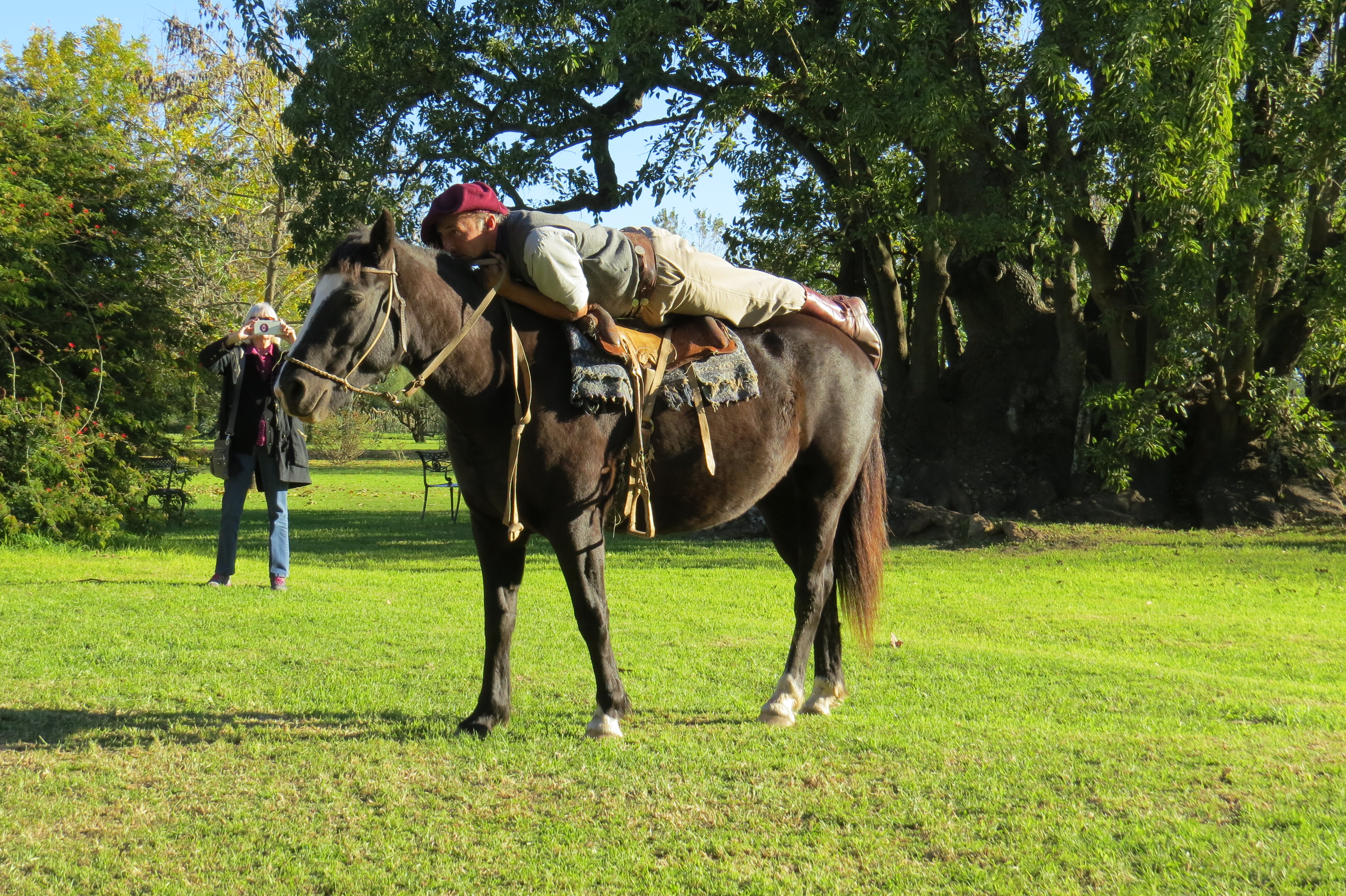
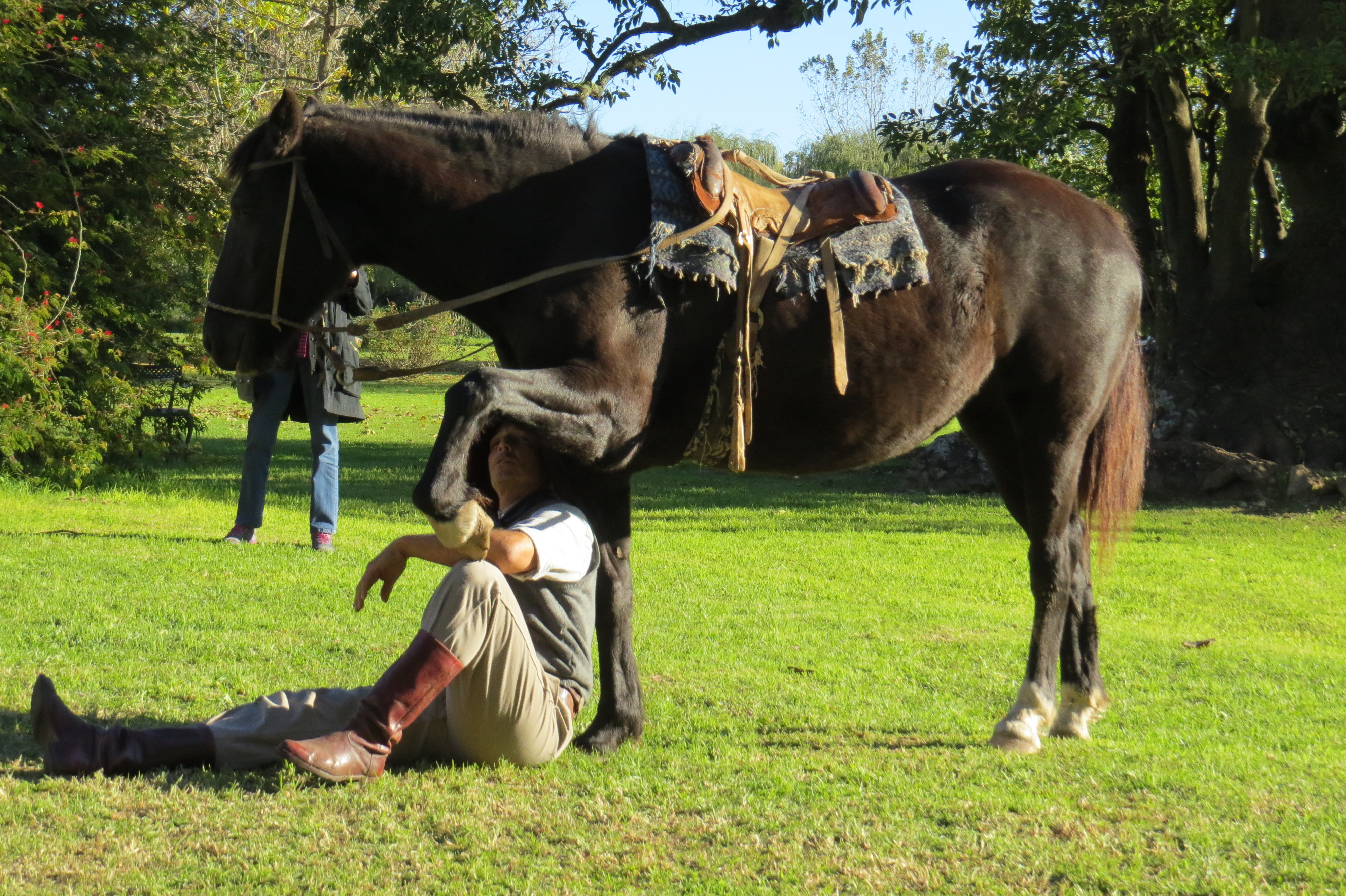
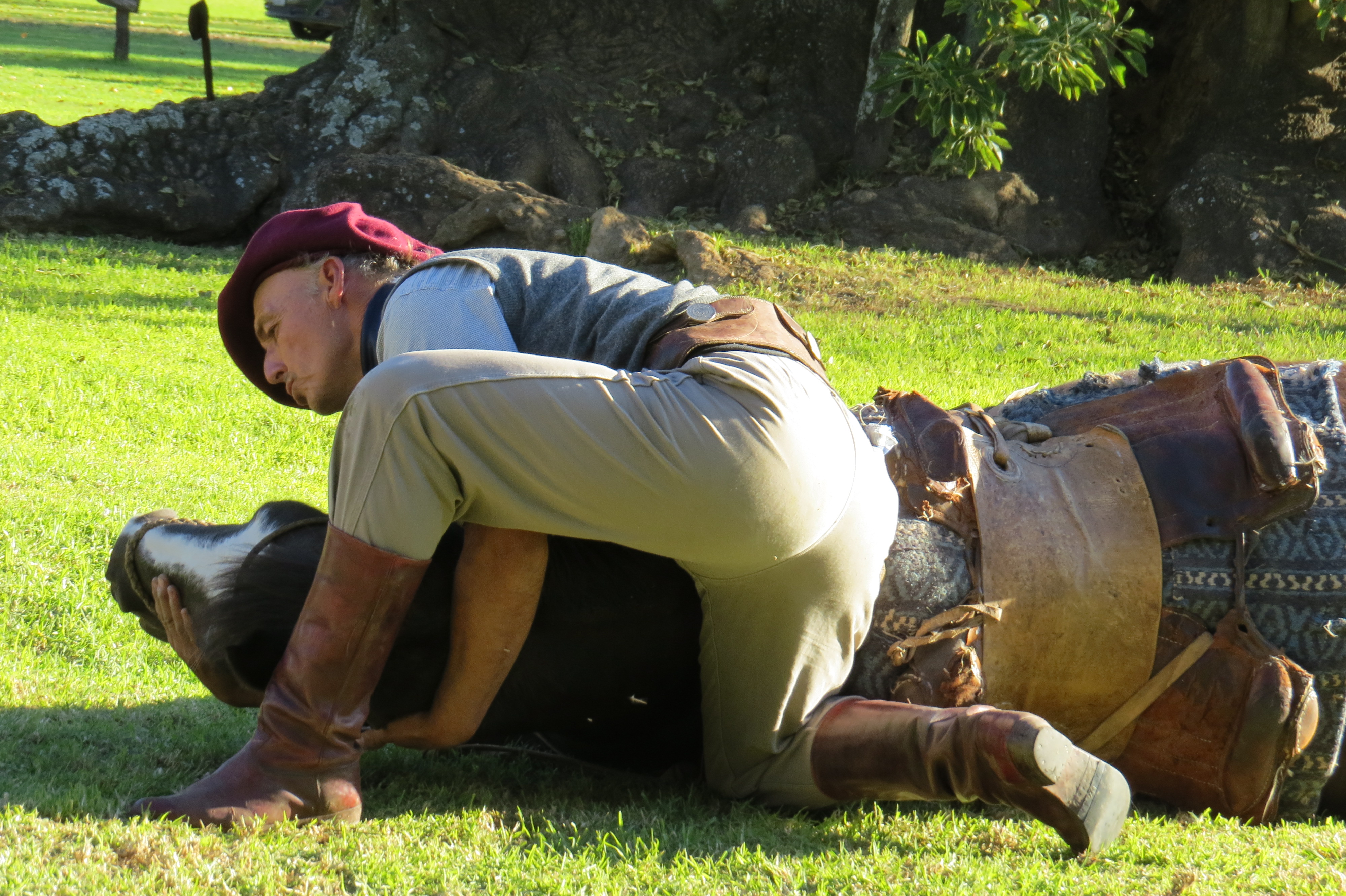
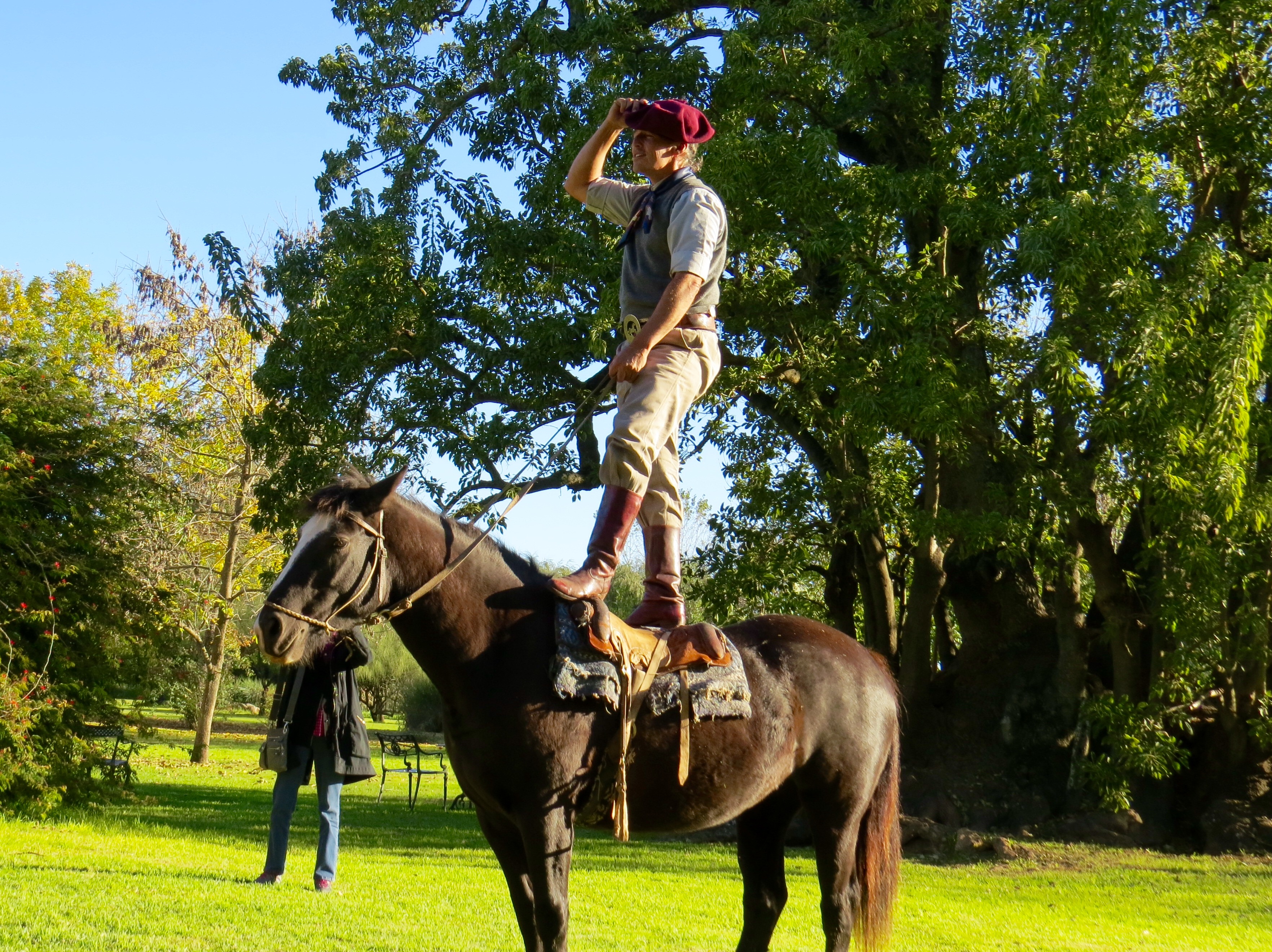
It also has its own breed of cowboy, the Gaucho, a man of fiercely independent spirit who lives a hard, sometimes violent life rewarded with self-determination.  Because of their skills, gauchos were forced into the military and during the wars of the 19th century in the Southern Cone, the cavalries on all sides were composed almost entirely of gauchos.  Because of the resentment arising from this, gauchos have become an important symbol of contemporary Argentine thinking and are part of Argentina’s folklore and literature.

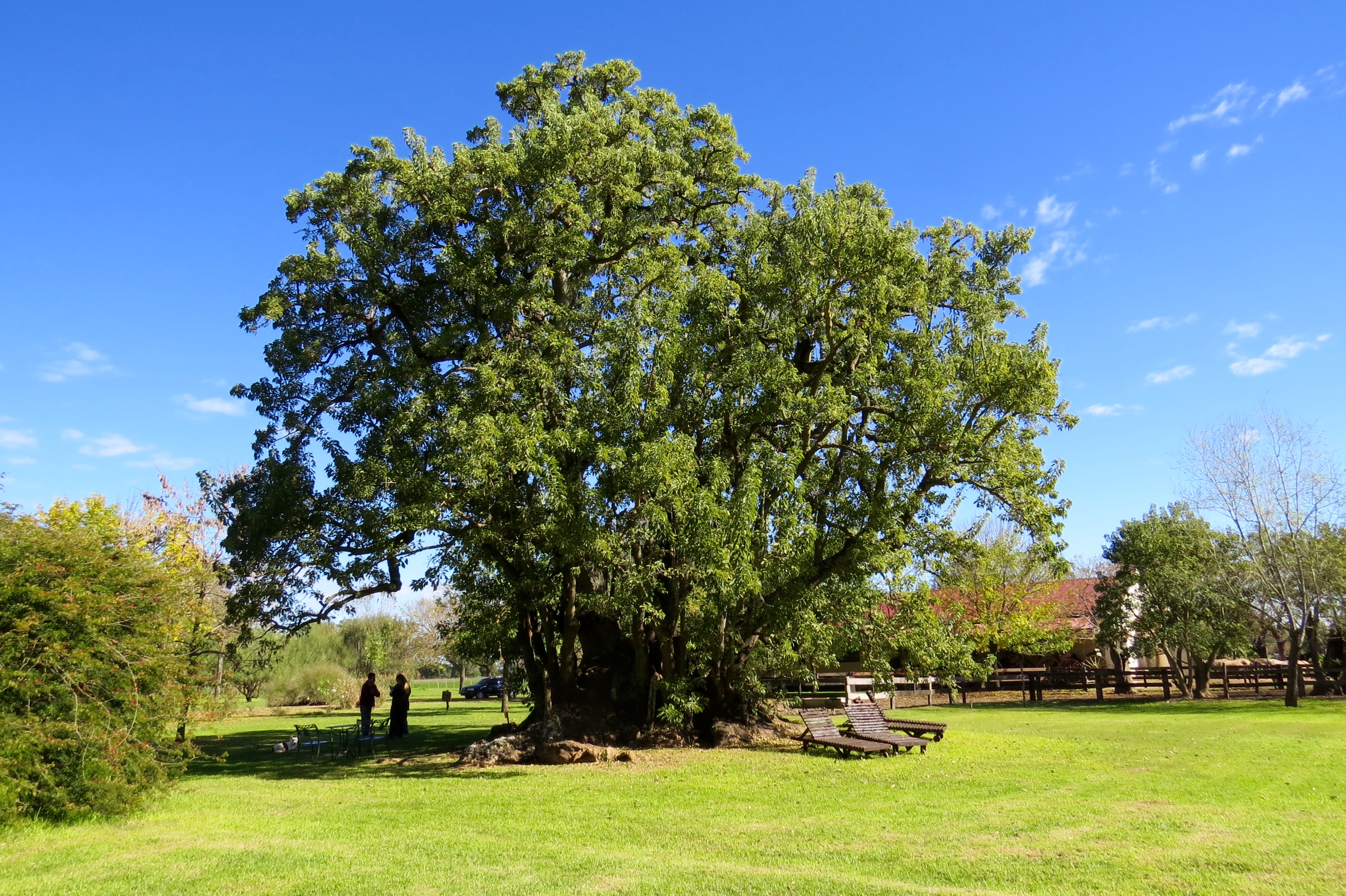
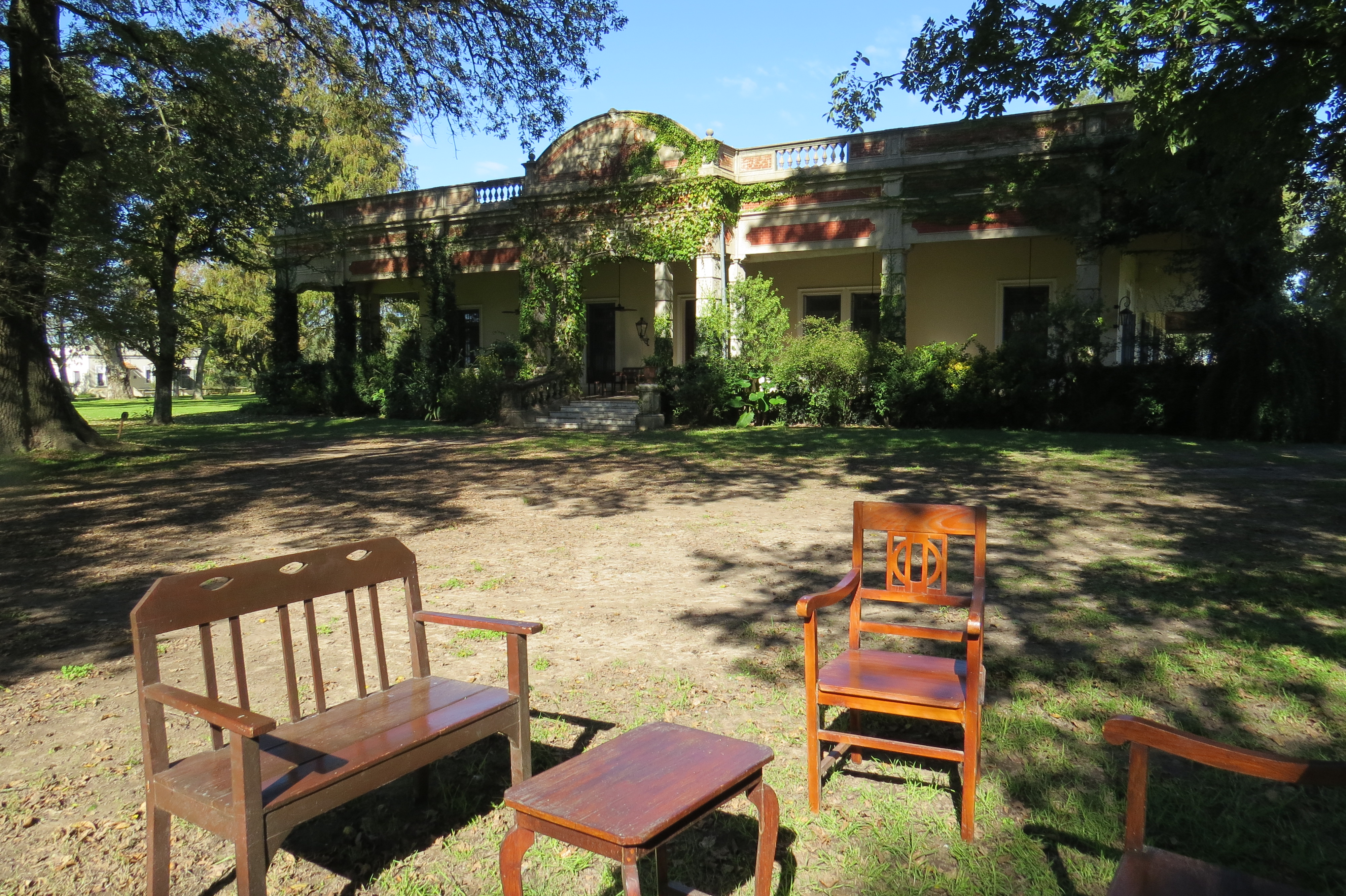
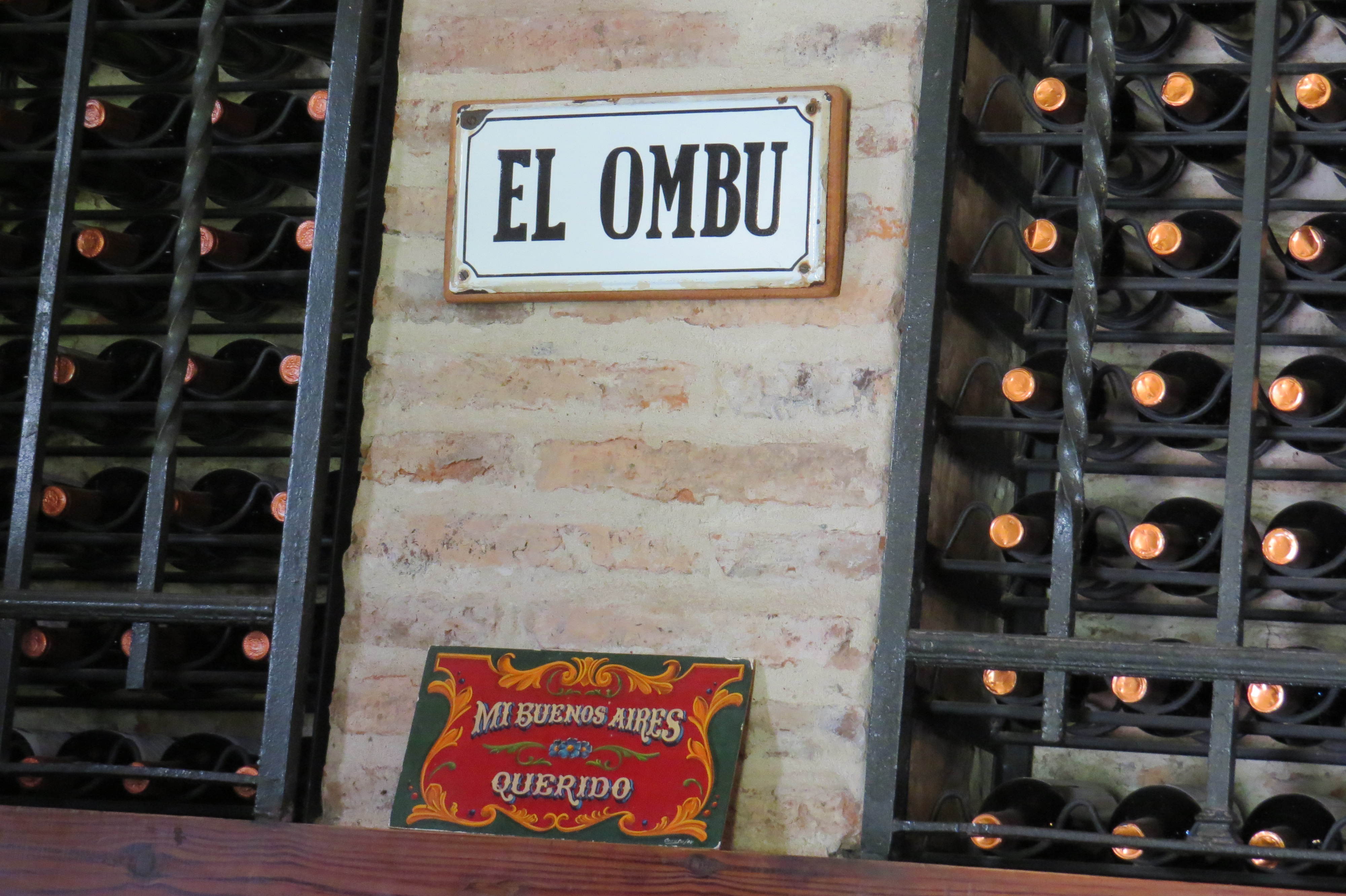
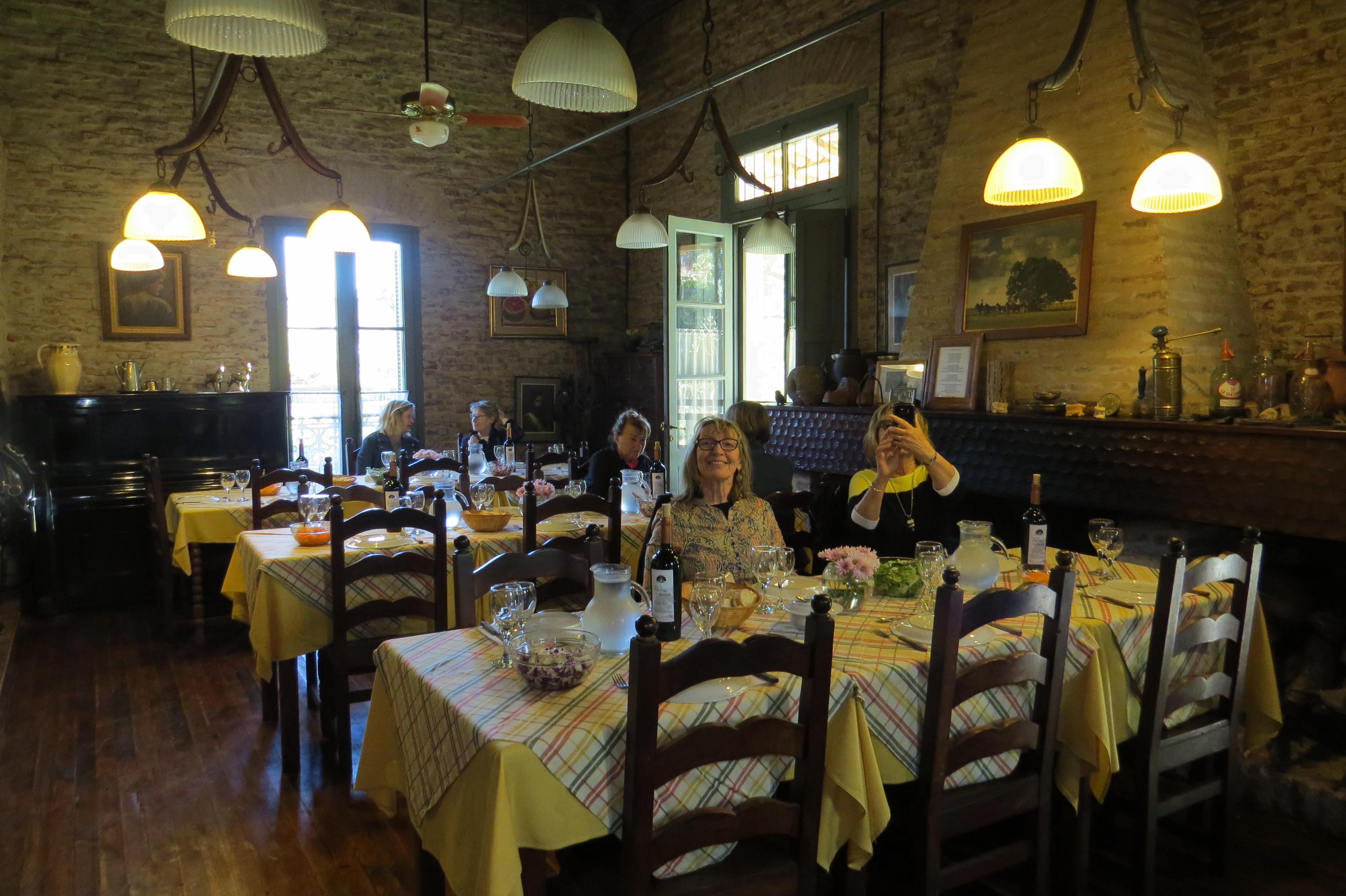
We were to learn all about their culture at El Ombu Ranch, named for the magnificent tree in the middle of the property.


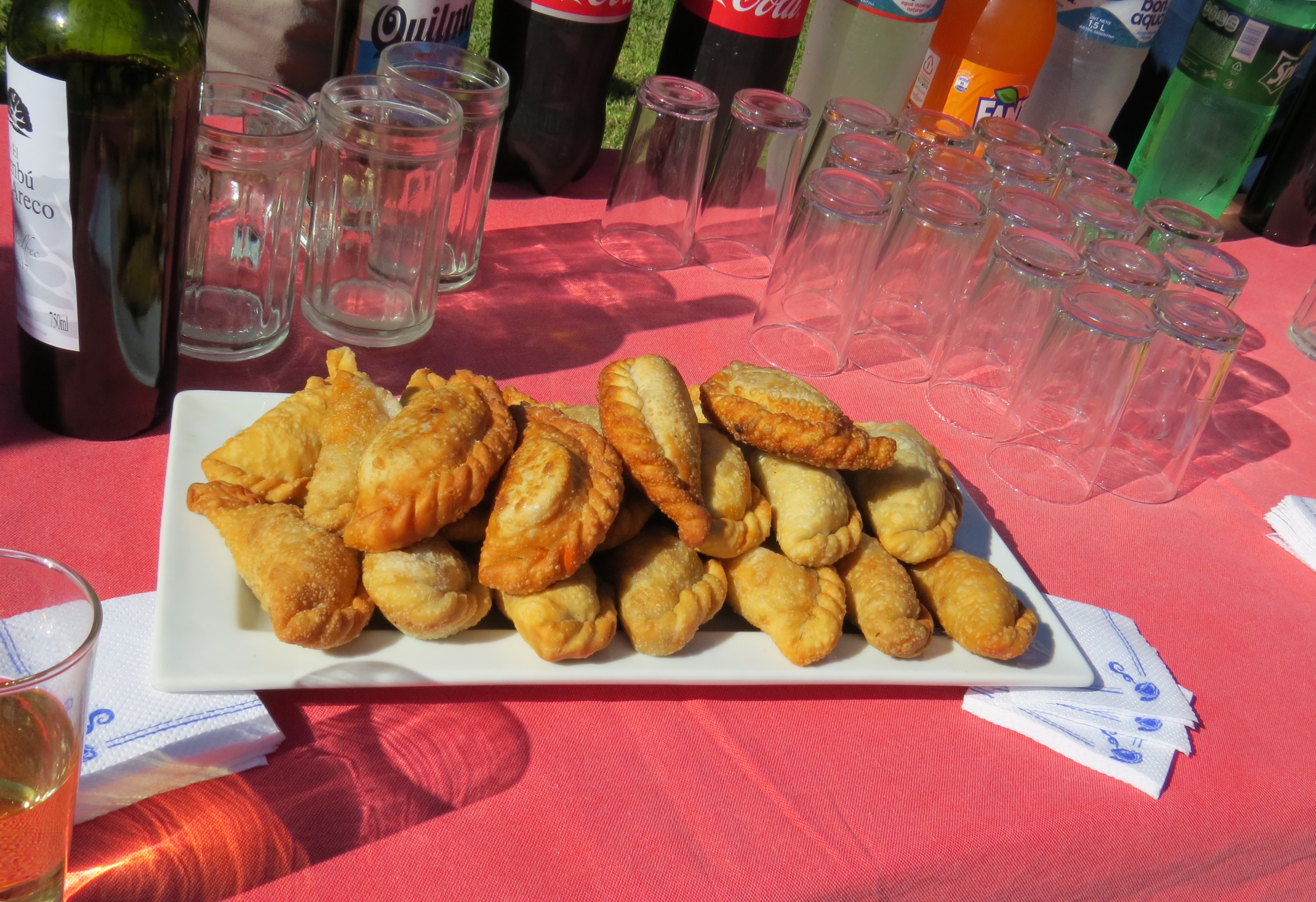
First, we were treated to some mouth-watering empanadas,

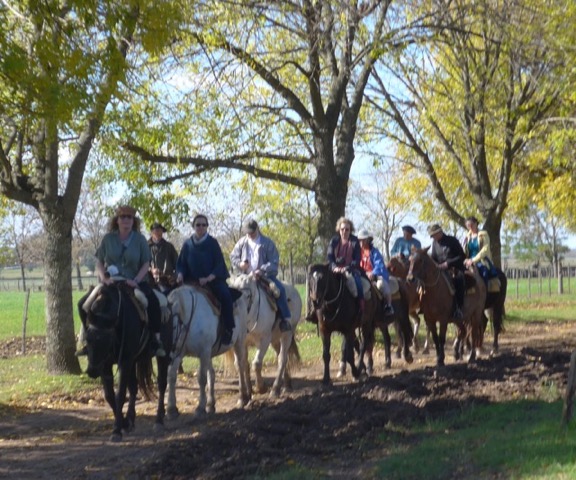
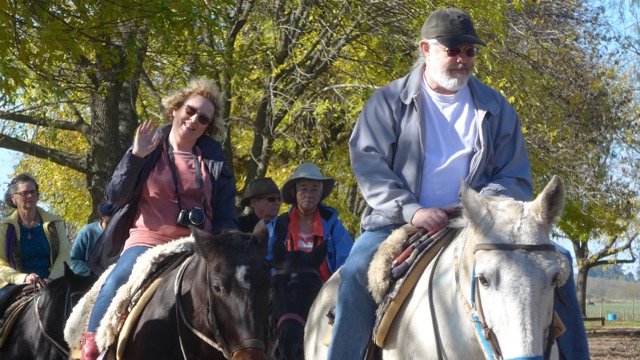
And then, some horseback riding.

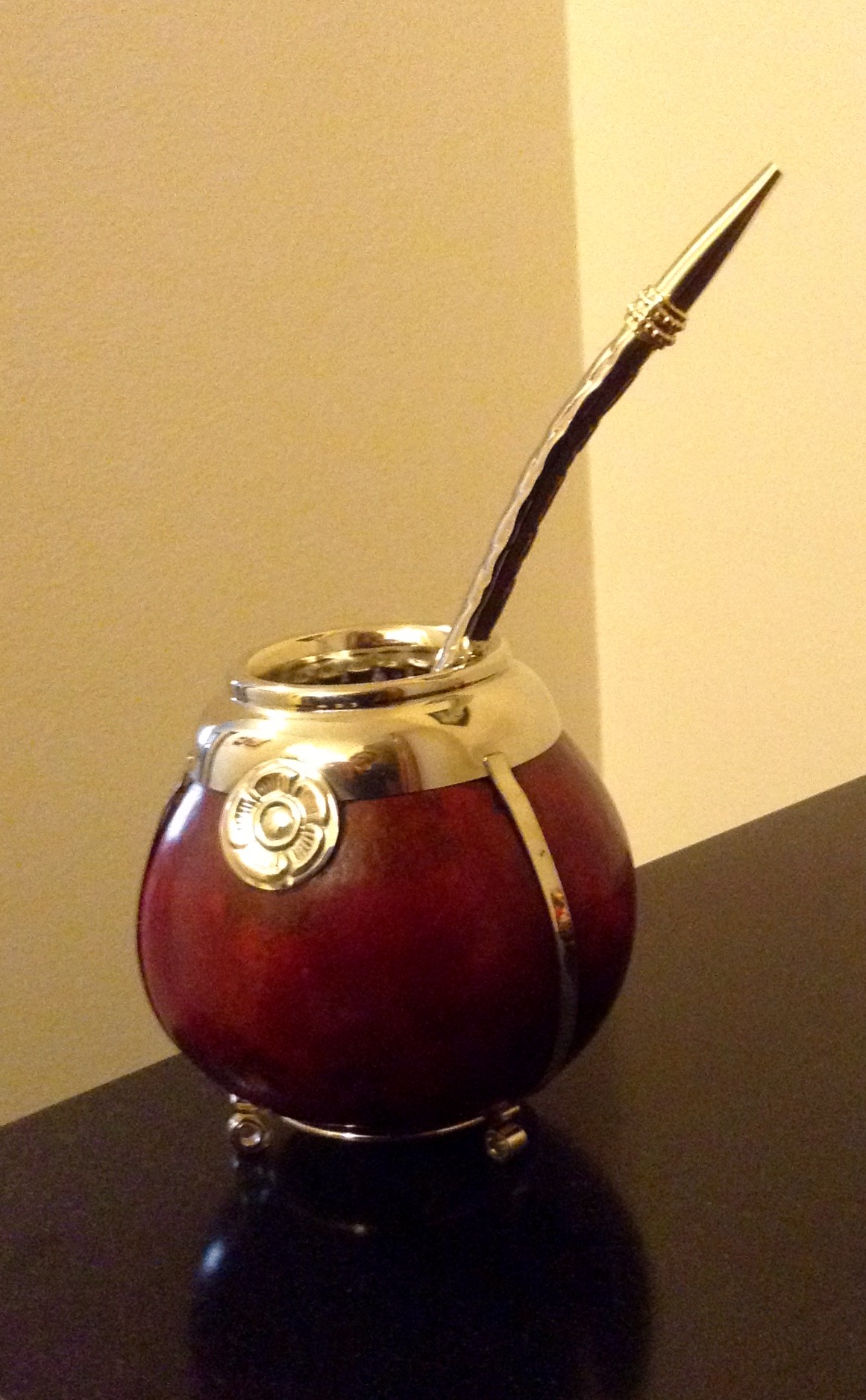
The gaucho diet was composed almost entirely of beef while on the range, supplemented by yerba mate, an herbal infusion made from the leaves of a South American tree, a type of holly rich in caffeine and nutrients, usually drunk from a gourd by a shared straw..

Mate cup & straw

At El Ombu, we were treated to considerably more, we were served the full asado – chorizo sausage, chicken, pork ribs, pork loin, flank steak, and filet mignon.  Whoooa, doggie!

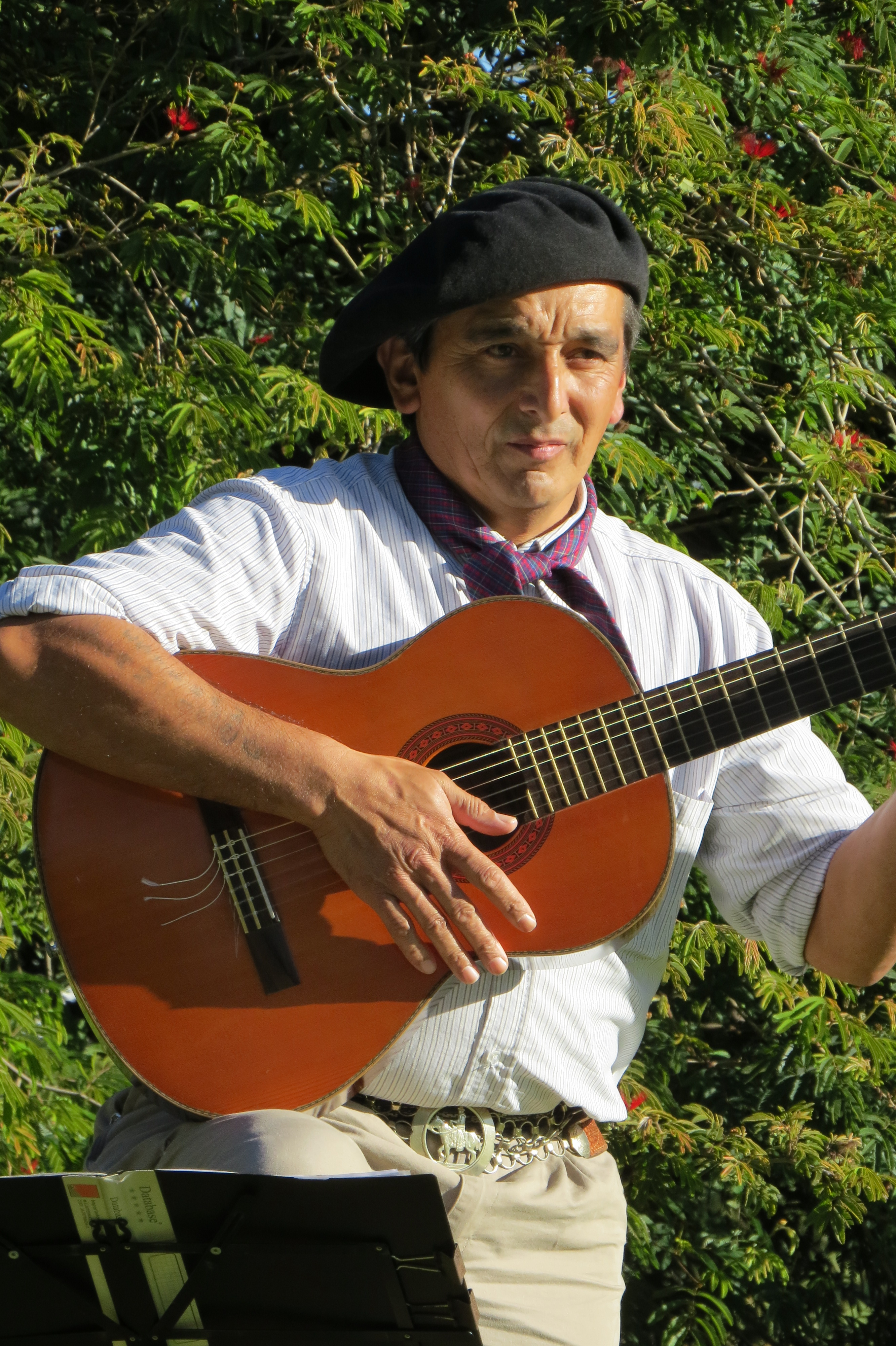
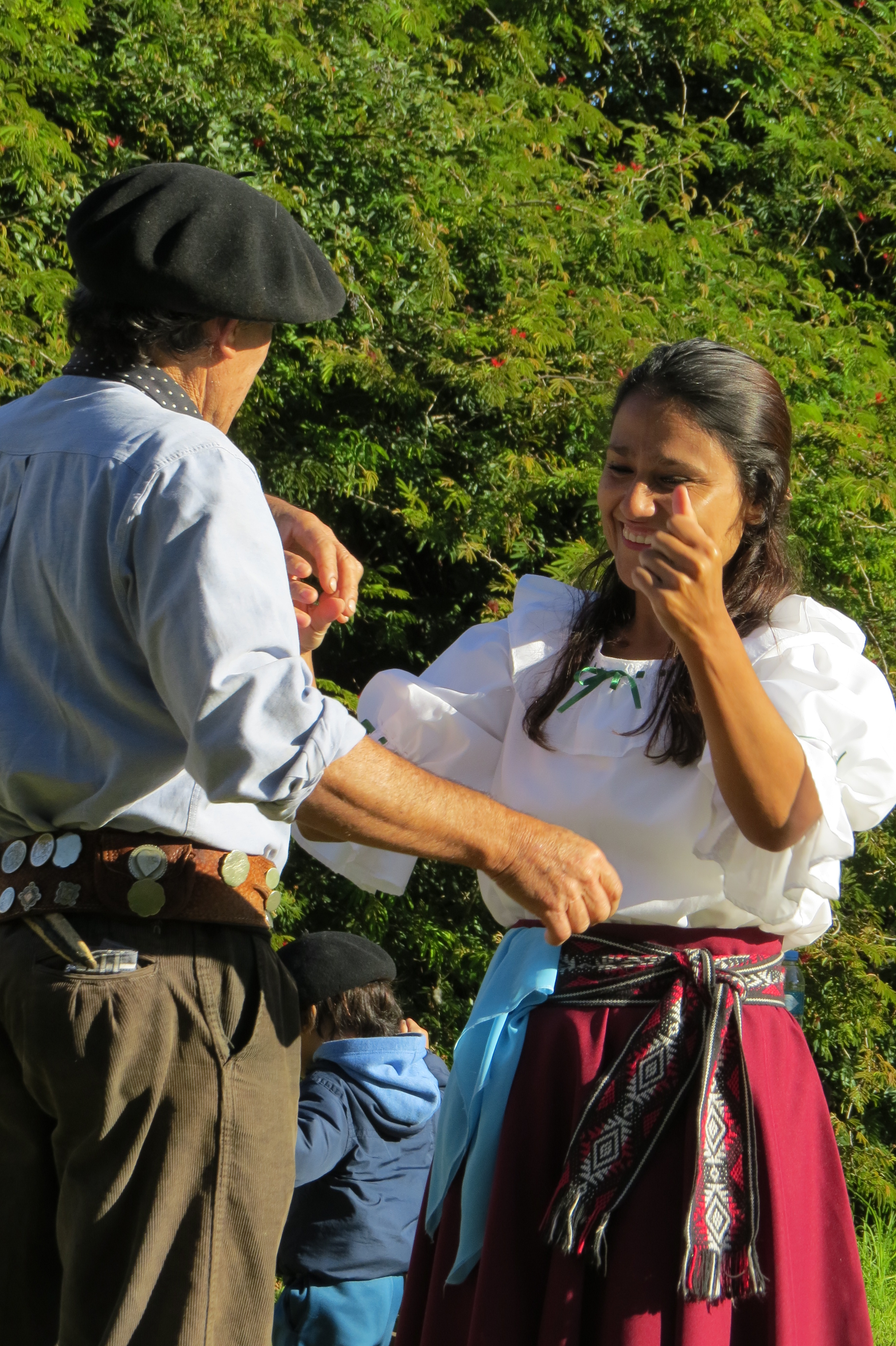
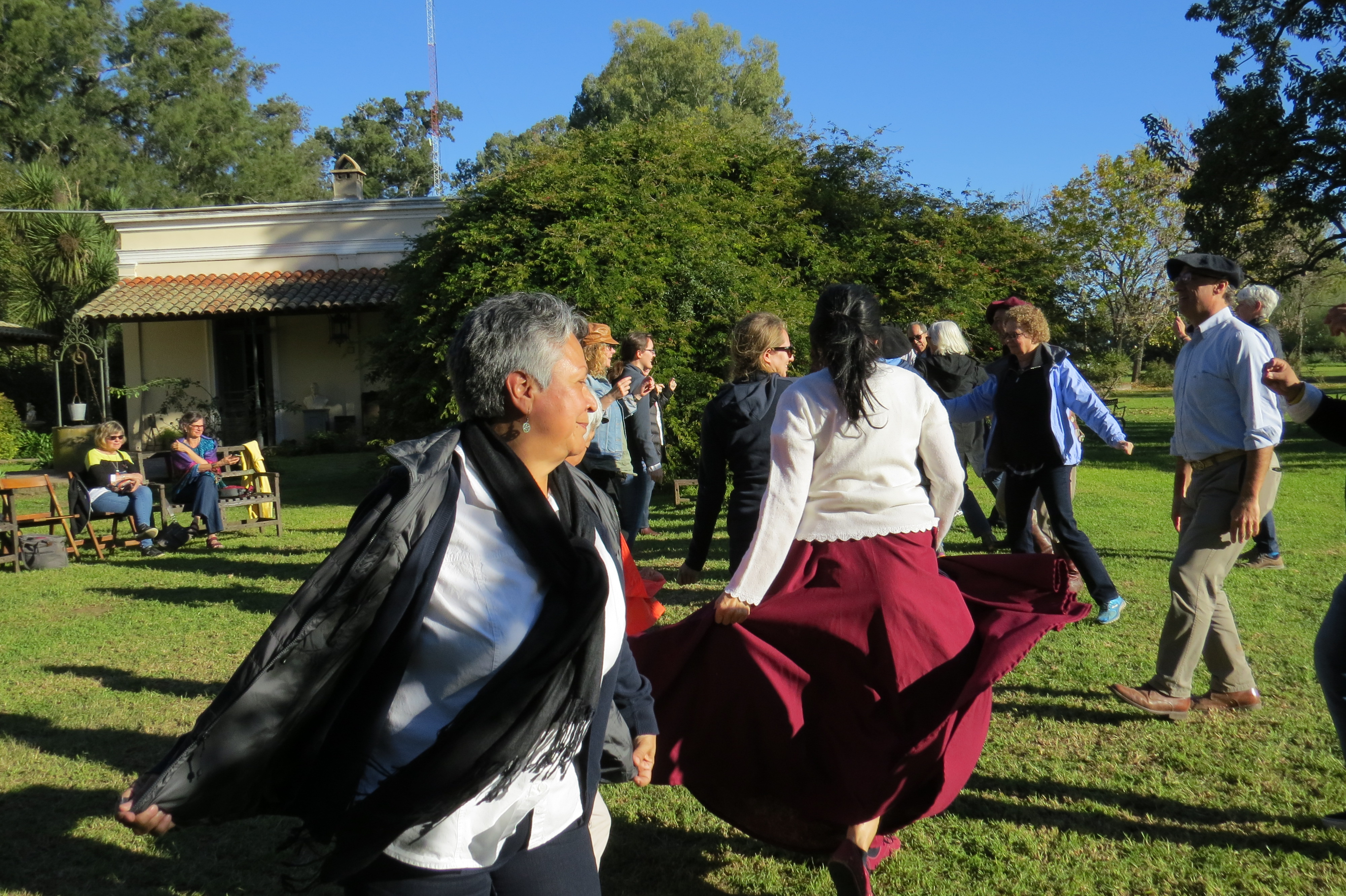
Of course, music became part of the tradition and the guitar a natural instrument for the same reason North American cowboys used it – its portability.  The music, song and dance is passed on from generation to generation and was shared with us today.


An essential attribute of a gaucho was that he was a skilled horseman. “He has taken his first lessons in riding before he is well able to walk”.  Without a horse the gaucho felt himself unmanned. The naturalist William Henry Hudson (who was born on the pampas of Buenos Aires province) recorded that the gauchos of his childhood used to say, a man without a horse was a man without legs.  Richard W. Slatta, the author of a scholarly work about gauchos, notes that the gaucho used horses to collect, mark, drive or tame cattle; to draw fishing nets; to hunt ostriches; to snare partridges; to draw well water; and even − with the help of his friends − to ride to his own burial.

“The eagle lives in its nest,
the tiger in its jungle,
the fox in the cave of another,
and, in his uncertain destiny,
only the gaucho lives wandering
to wherever his fortune leads.”

– from Martin Fierro by Jose Hernandez,
Translated by Emily Stewart

Best,

Jan

Cultura from the Teatro Colón to the Bombonera

As Paris is to France, Buenos Aires is the cultural magnet and hub of Latin America and we navigated to as much culture as we could.

Literary

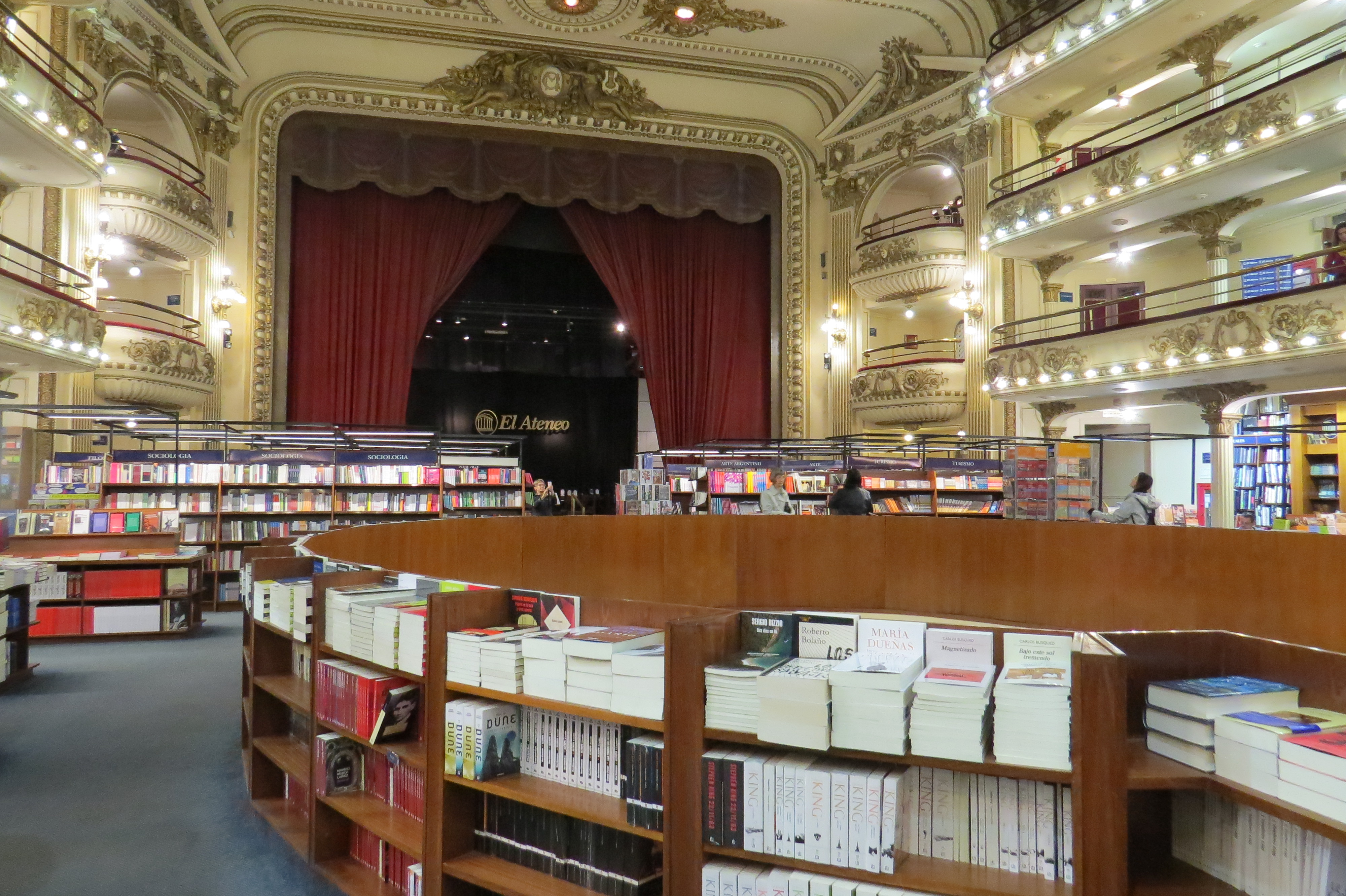
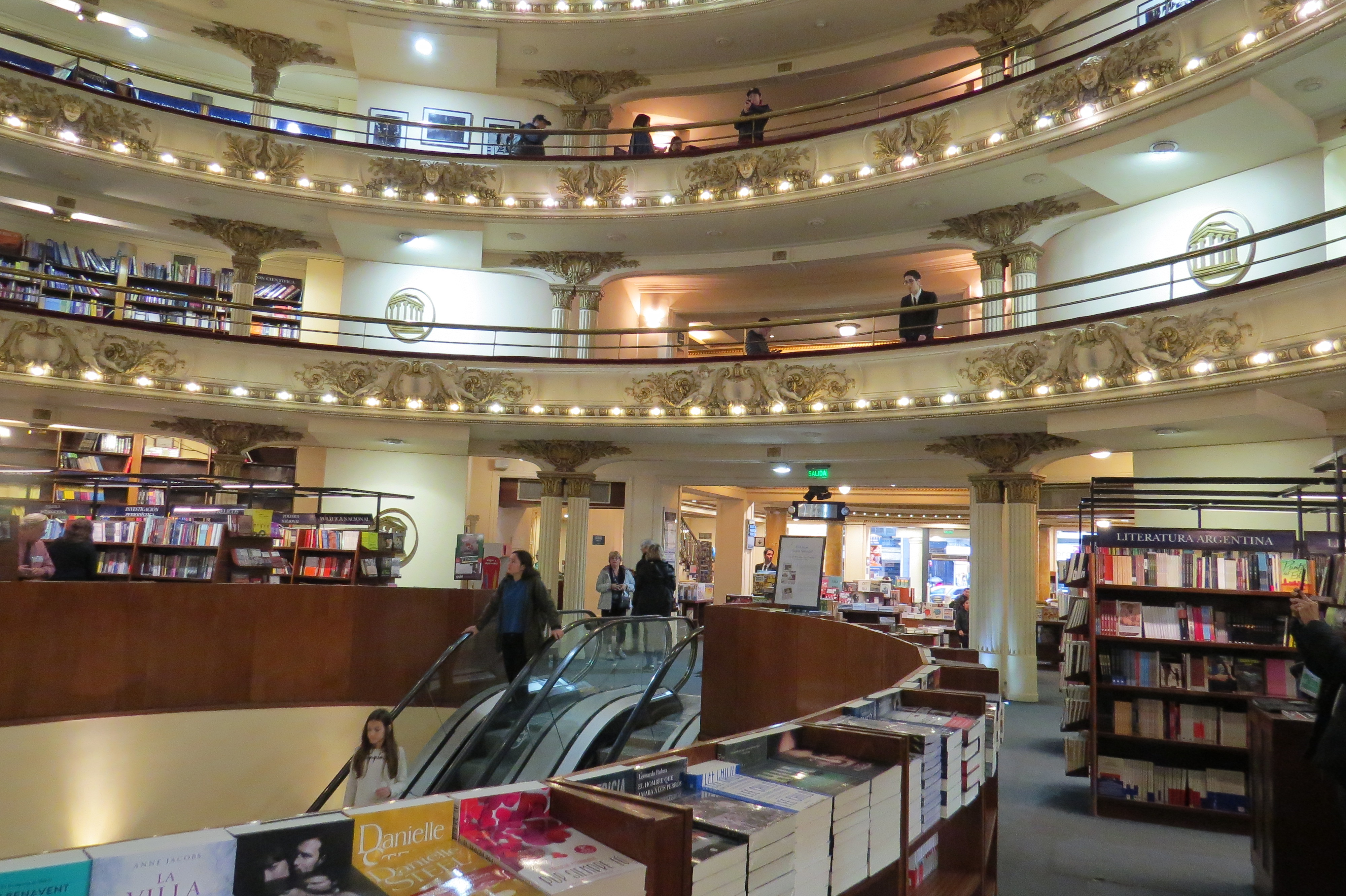
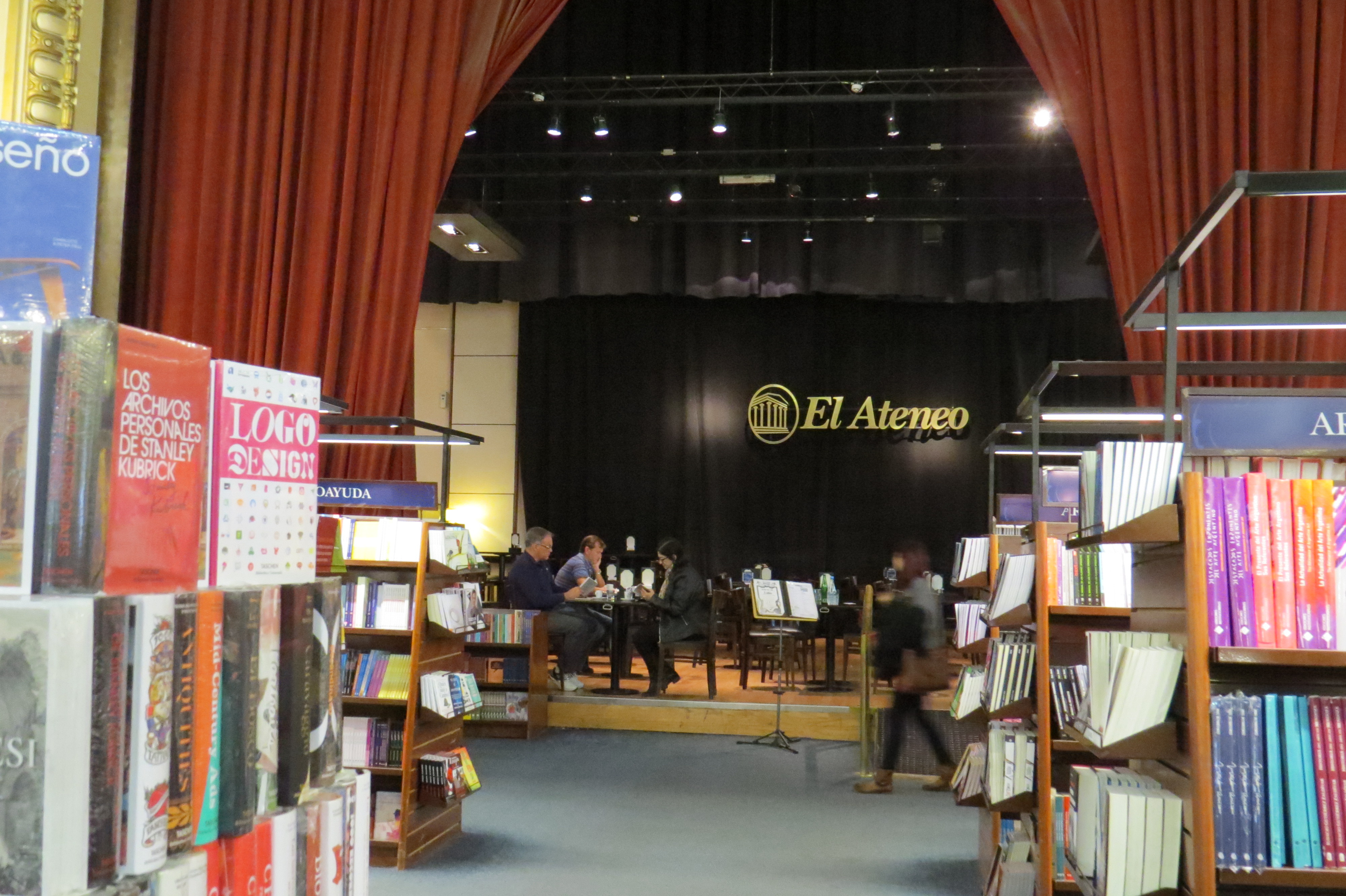
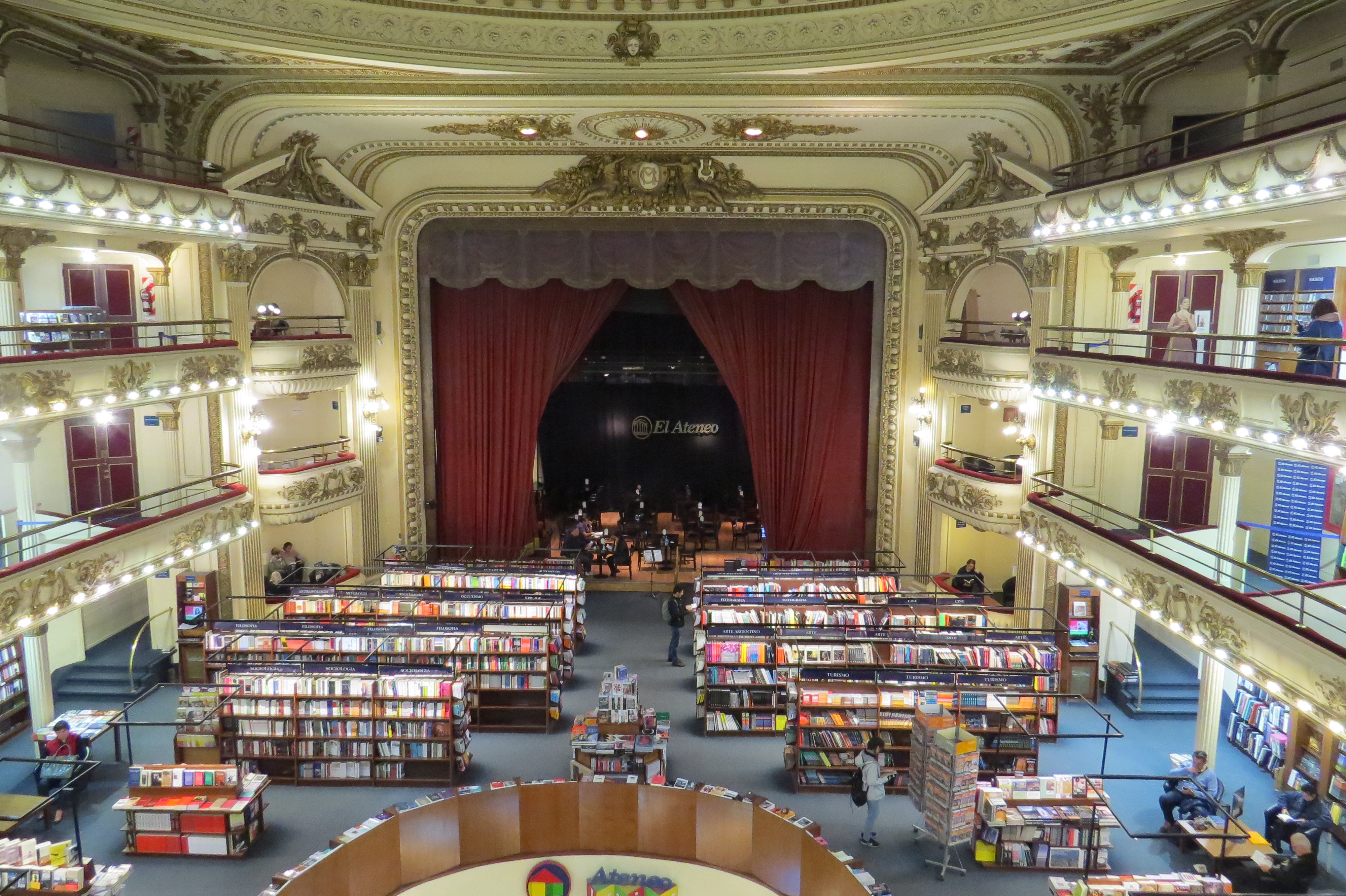
One of our first stops was to one of the world’s greatest bookstores, El Ateneo Grand Splendid.  The building originally housed the theater Teatro Grand Splendid, designed by architects Pero and Torres Armengol in 1919. After years of popular shows, including performances by the famous tango singers Carlos Gardel and Ignacio Corsini, the Grand Splendid was converted into a movie theater in the late ’20’s, featuring some of the first sound movies shown in Argentina.  The El Ateneo publishing house converted this old theater into a bookstore in 2000.

The El Ateneo publisher has contributed a central role in Argentina’s literary scene.  Opened in 1912 by Spaniard Pedro Garcia, El Ateneo started out as a publishing house whose initial catalog included The Divine Comedy, Montaigne’s essays, Shakespeare, Ruben Dario, Machiavelli and Homer translated and printed for an Argentine readership. In 1968, the publishers launched “The Spring of Letters”, a series of lectures and signings with famous authors which eventually evolved into the International Book Fair held annually in April. Today, the editorial forms part of Argentina’s most important literary conglomerate with many bookstores throughout BA and the rest of the country.

Tango

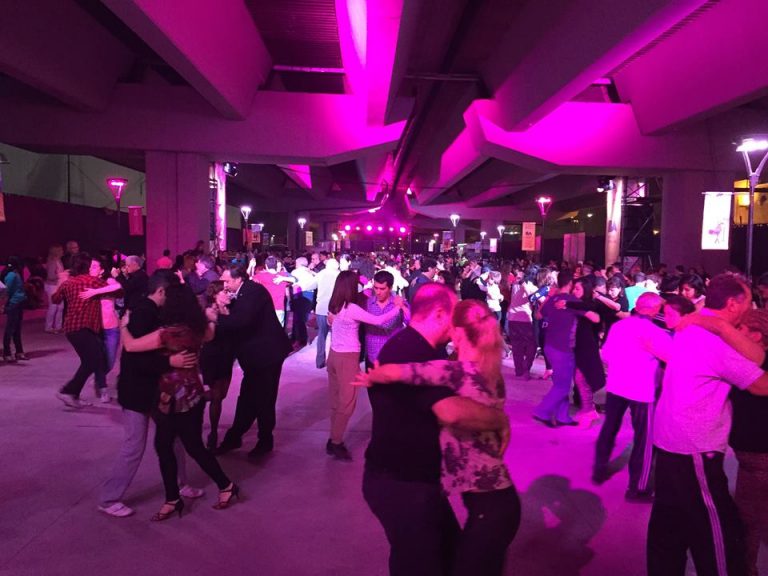
We went to a dinner show that featured a history of the tango that had great music and dancing, but I would have loved to go to a milonga where locals go to dance the tango – there is a dance club, cultural centre or park hosting milongas almost every night of the week.  We did learn of one in Palermo but alas the Argentines have Spanish hours and the dances don’t start until 11:00 p.m.  (I read that if you wanted to go night clubbing, don’t even think about showing up until 2:00 a.m, that is when they are just getting started.)  However, it is cool to know that the tango is still alive and well and being danced very tightly in Buenos Aires.

A typical Milonga

Jazz

BA also has a rich jazz scene and many artists flock to this city.  It was only an ill-timed, electrifying thunderstorm that kept us from the Thelonius Jazz Club on Thursday night.

Art

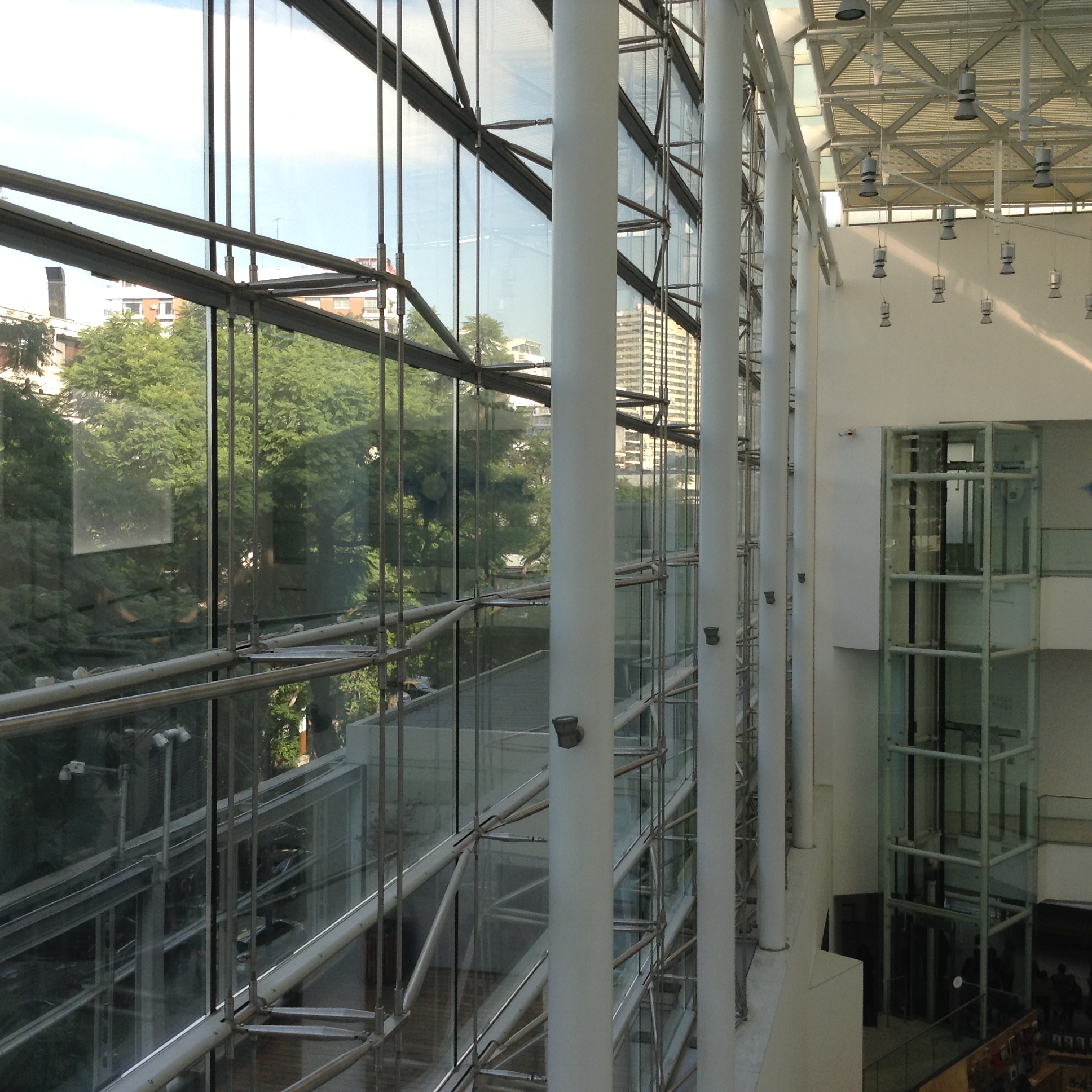
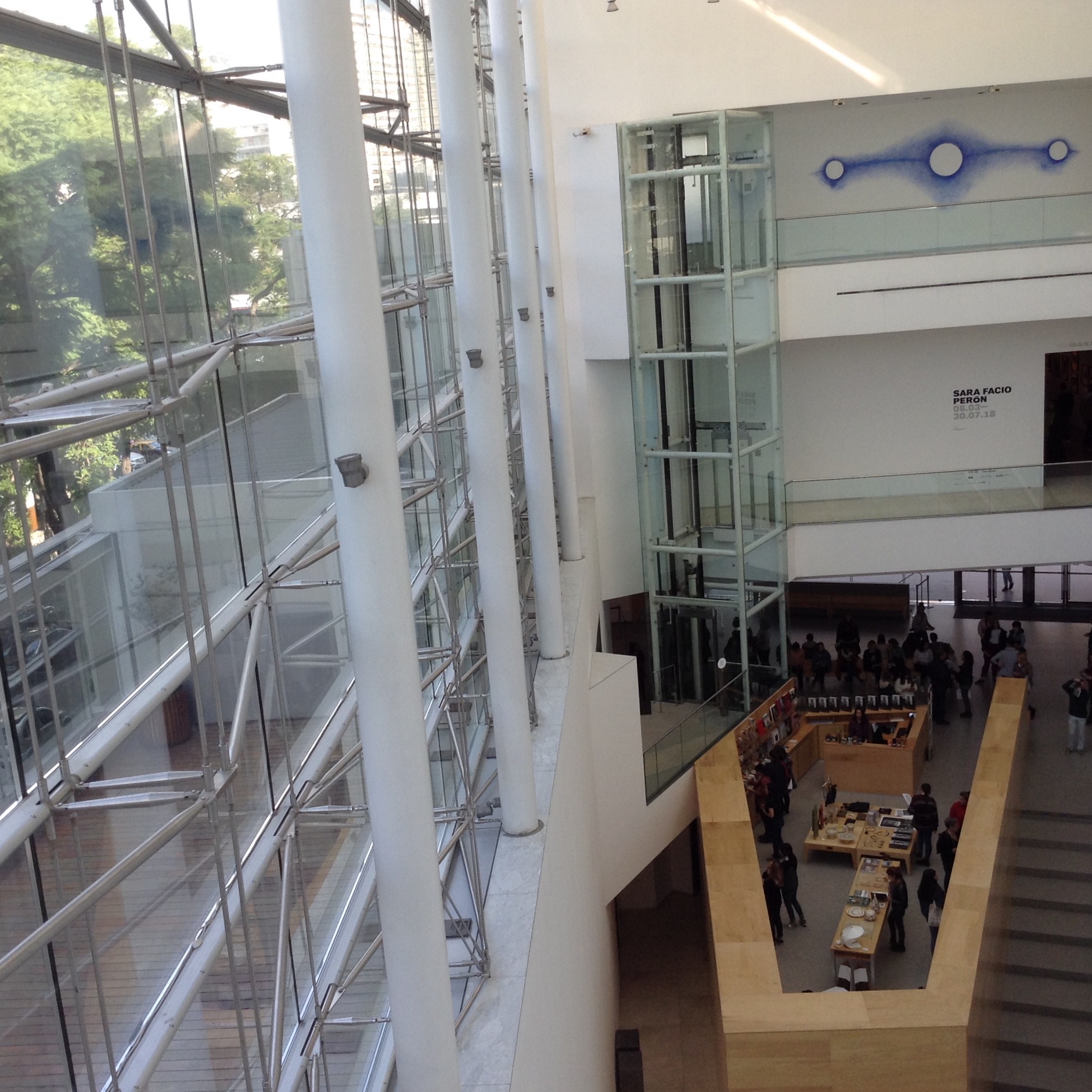
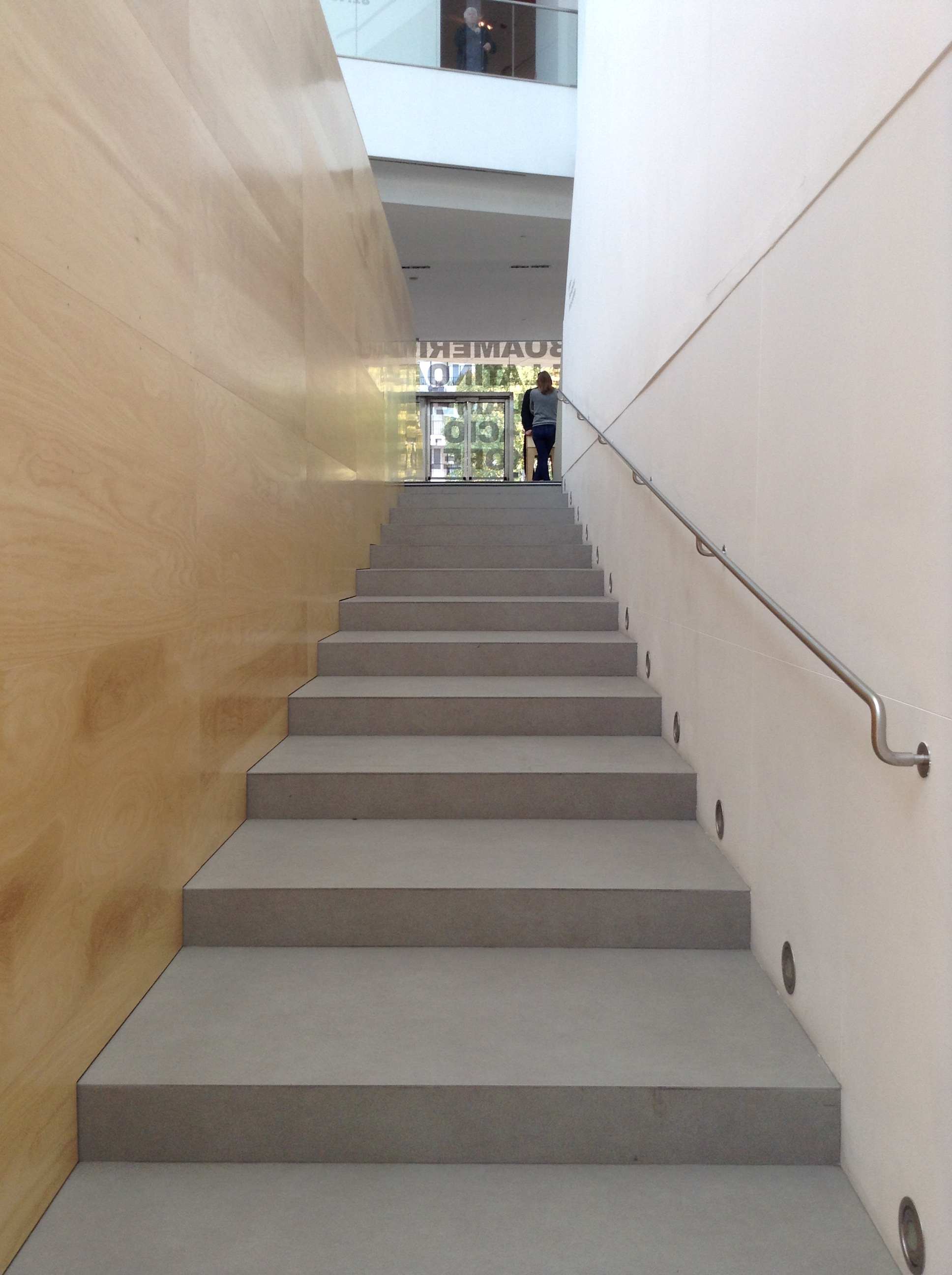
The Museo de Arte Latinoamericano de Buenos Aires (the MALBA) is probably the most important art museum in Latin America.  Similar to the MOMA in New York, its architecture is almost as impressive as its collection.  Interestingly, the museum has a cinema in which art films are screened, in a happy cross-cultural mingling which we saw more than once in S.A.

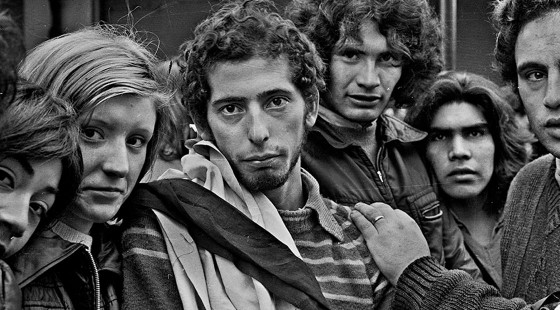
Along with paintings by the greats – Kahlo, Rivera, Berni, Matta and many more, there are wonderful exhibitions, and we saw the photography show of  Sara Facio’s powerful documenting of Juan Paron’s return to Argentina between 1972 and 1974 – amazing, artistic photographs created in the extreme heat of the moment.

Opera/Ballet

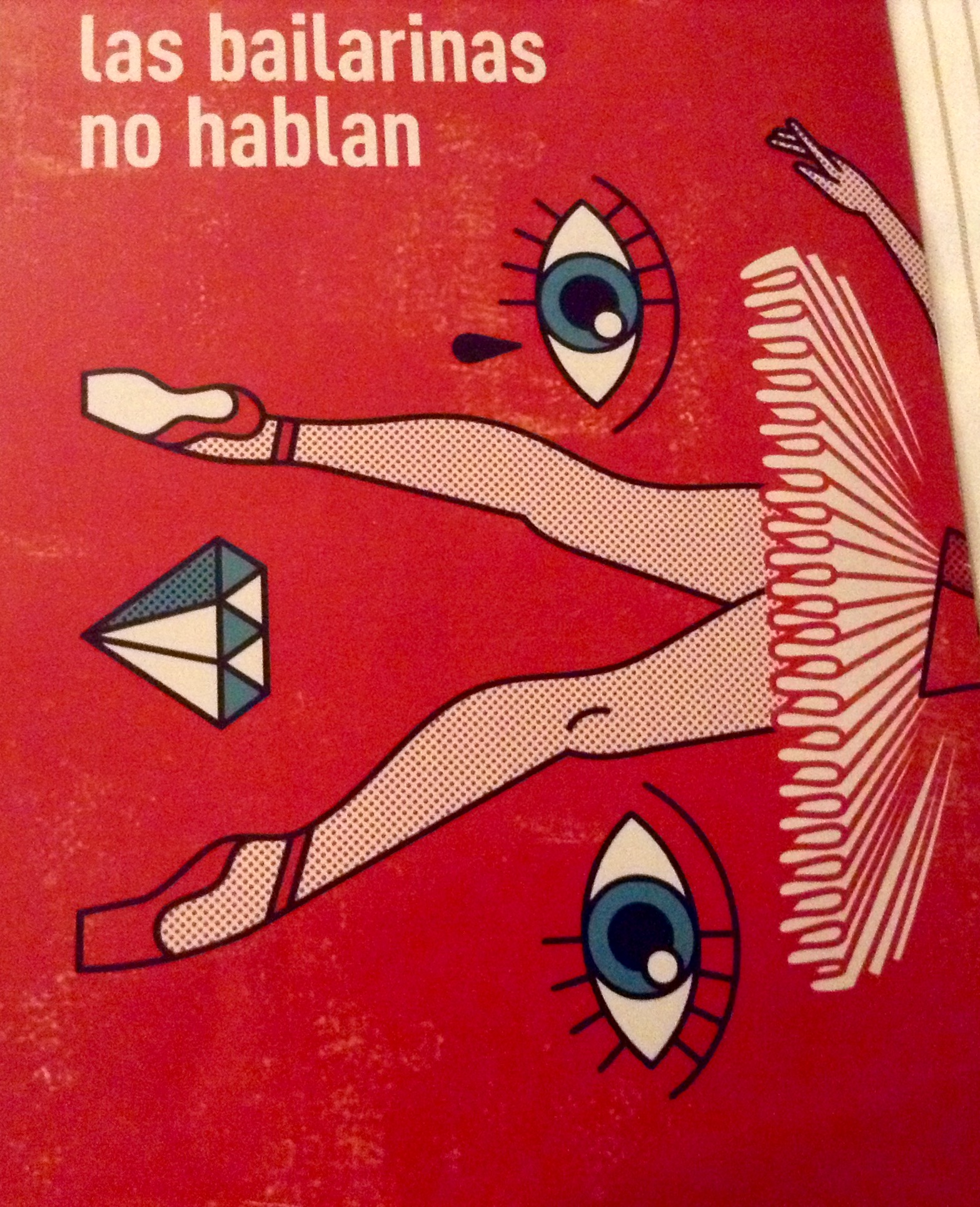
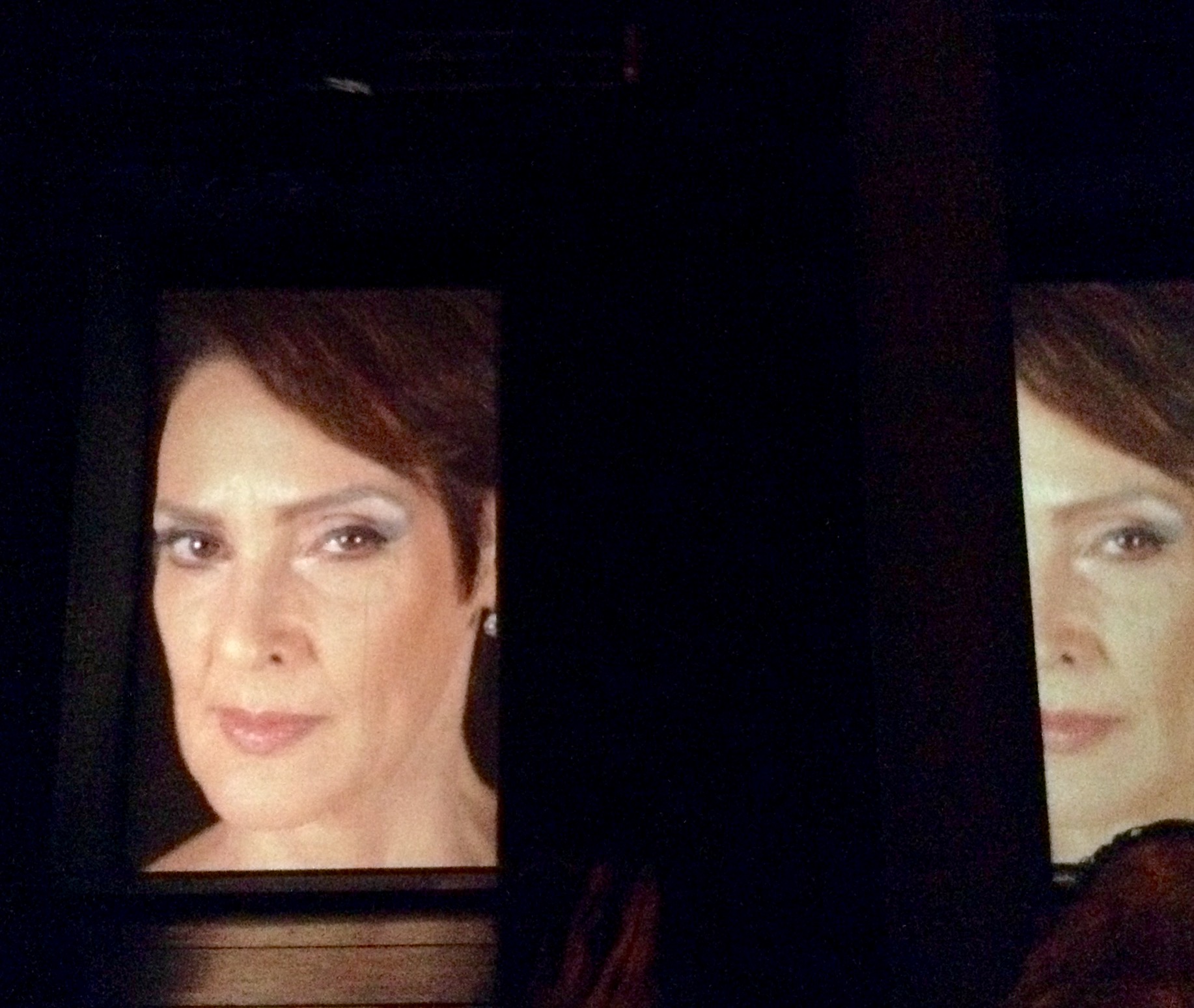
We missed Aida by only a week at the Teatro Colon, one of the three best opera houses in the world.  We went to a modern ballet performance but it was held in a rehearsal hall.  That did not take anything away from the performance, however. Experimental, exploratory, intimate, las bailarinas no hablan was based on the brave memoir of dancer Florencia Werchowsky.

Babilonialiteraria.com says of the book which predicated the dance:

“With a constant rhythm and a very personal prose that balances fair humor and drama, this book is a book to rethink the mandates to child prodigies, the unwavering will of demanding parents and the cultural policy of a country in constant crisis.”  There appeared to be many dancers in the sold-out audience, and delight when Ms Werchowsky and some older performers took the stage.  It was one of our most authentic cultural experiences in Buenos Aires.

Coffee

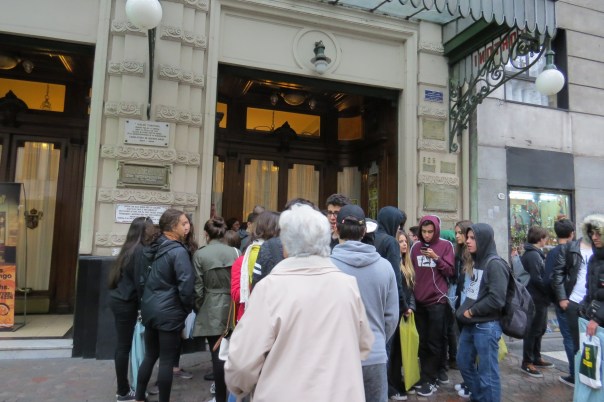
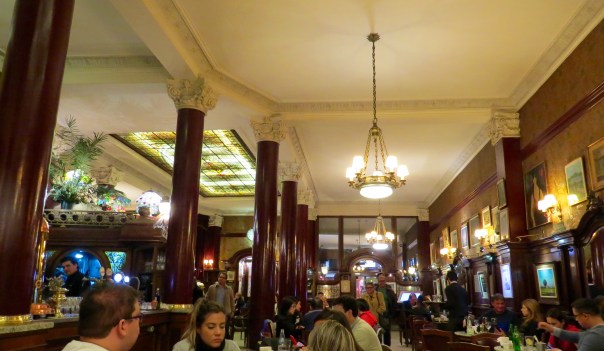
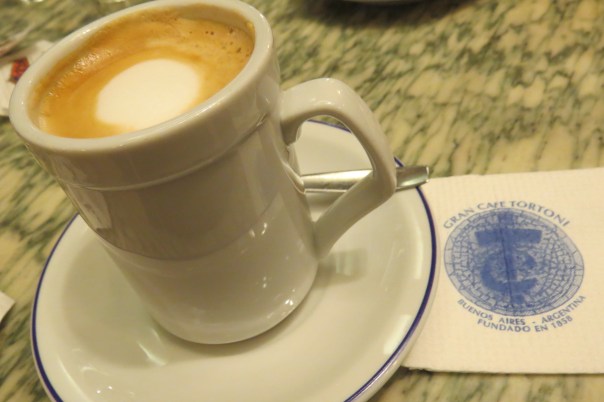
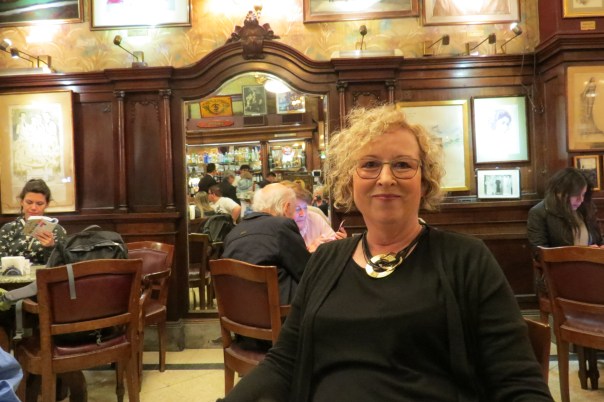
Starbucks may have penetrated the BA market, but walking around carrying a coffee with a lid has not replaced Argentina’s coffee culture.  Coffee can take hours, whether to socialize with friends or to spend an afternoon reading a book – you will never be thrown out of a BA cafe.  A cortado – an espresso cut with milk – is served with a small glass of sparkling water and a sweet treat.  We went for the ultimate cultural experience at Buenos Aires’ original coffee house just off the Plaza de Mayo:  Cafe Tortoni:

imageimageimageimageimage

Food

Argentina is world-renowned for its food and many specialties – empanadas, the pastry-wrapped meat mixtures, the ultimate finger food; dulce de leche, the sweet specialty made by caramelizing sweetened condensed milk and the alfajores which wrap pastry and chocolate around the dulce de leche (BA’s answer to the macaron); gelato introduced by the Italians; and of course, asado, the endless meat BBQ so central to Argentine culture and the better part of most families’ Sundays.  We were lucky enough to experience a home-cooked family asado with all the wine pairings at the home of a retired chef and very good friend of Chrissie.

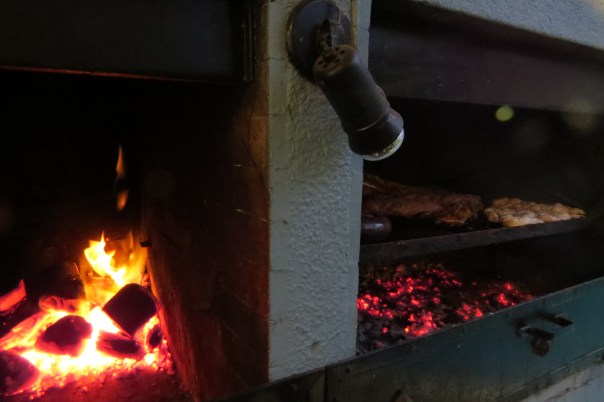
We pulled up to an impressive home next door to the Presidential residence.  We walked through the lovely home, past the pool, past the amazing bbq with wonderful aromas emulating

image

and into a dining area leading off a kitchen where our gracious hosts, Rodolfo and Alejandra awaited.

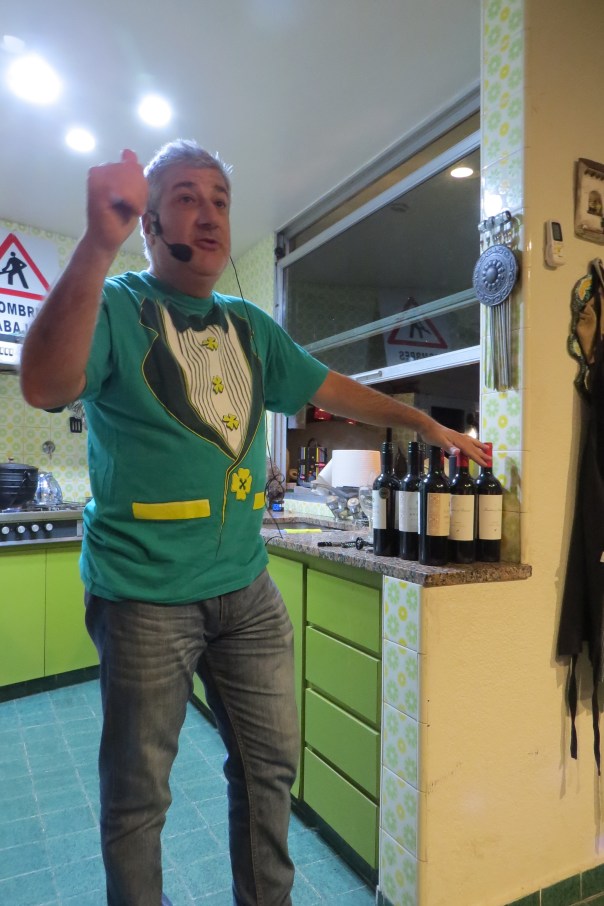
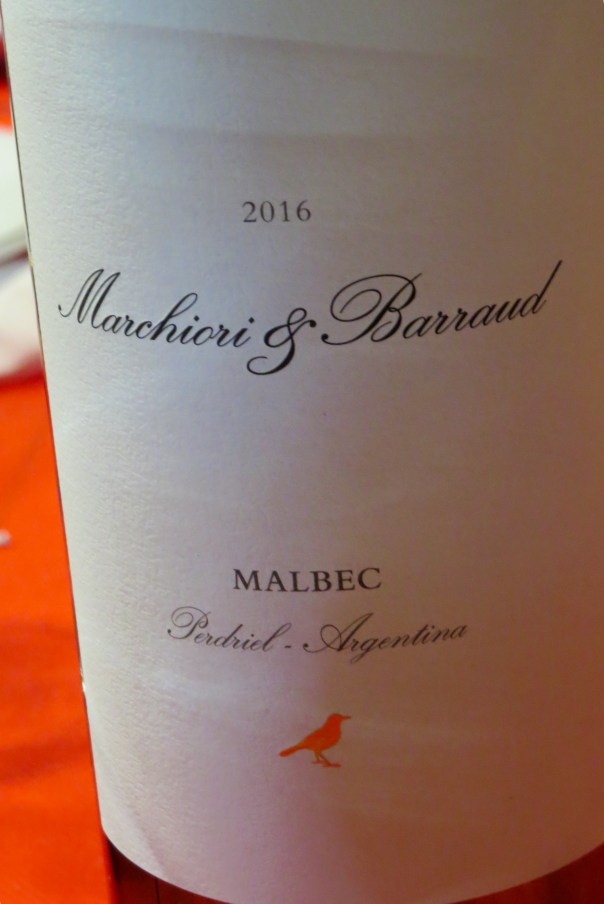
First we were given a very professional wine tasting lesson by Rodolfo during which he took us through proper looking, smelling and tasting the wine, punctuated by gentle coaxing, if we cheated, “shut UP!”  🙂  We tasted beautiful Torrontes and two Malbecs for comparison.

image

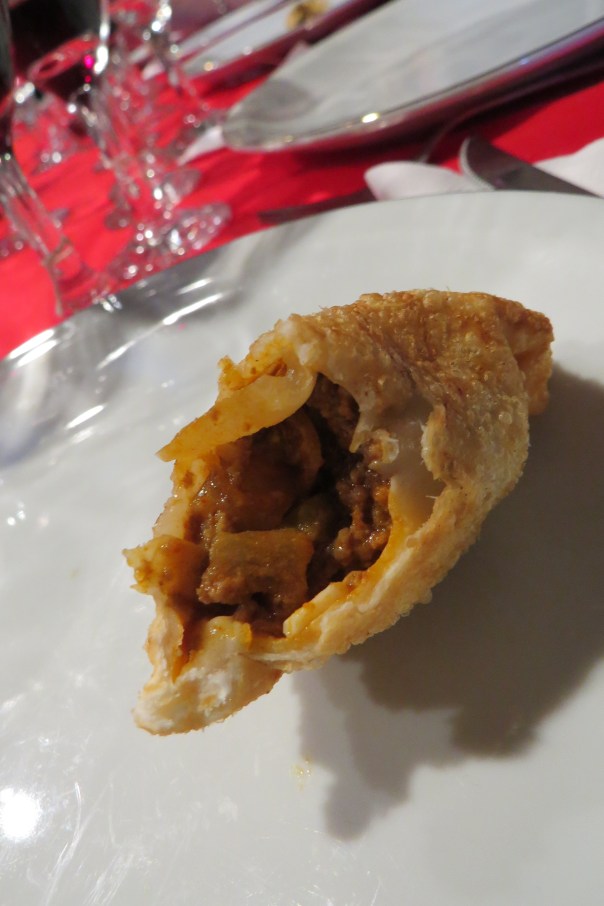
Along with the wine came some tempting empanadas.

image

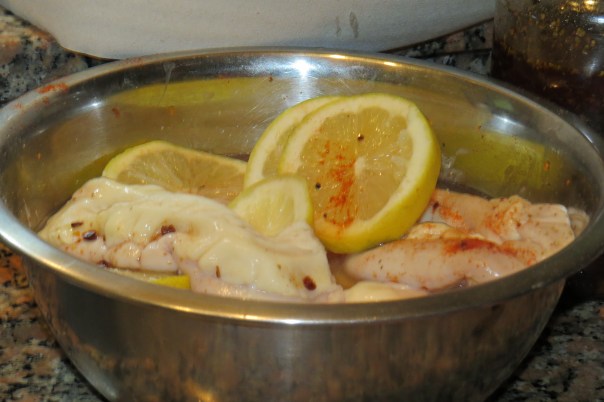
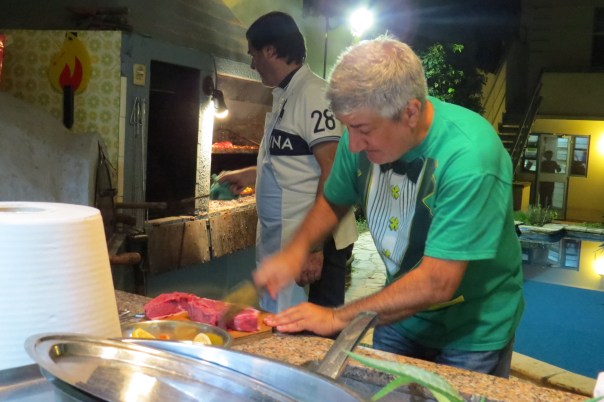
Next our host and cook led us out to the bbq, an altar to the carnivore gods. Intestines are marinated for 2 days in lemon and garlic, they are served first.

image

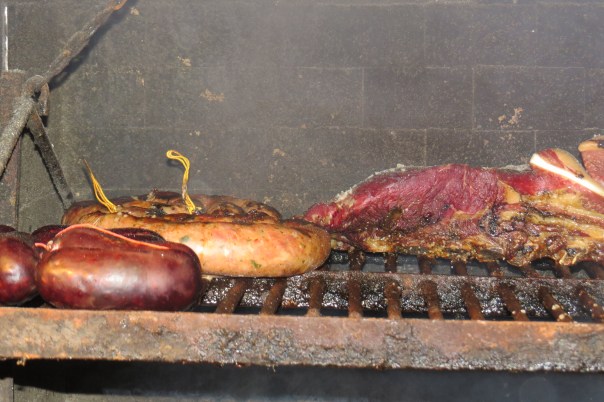
The sausages are on the grill.

image

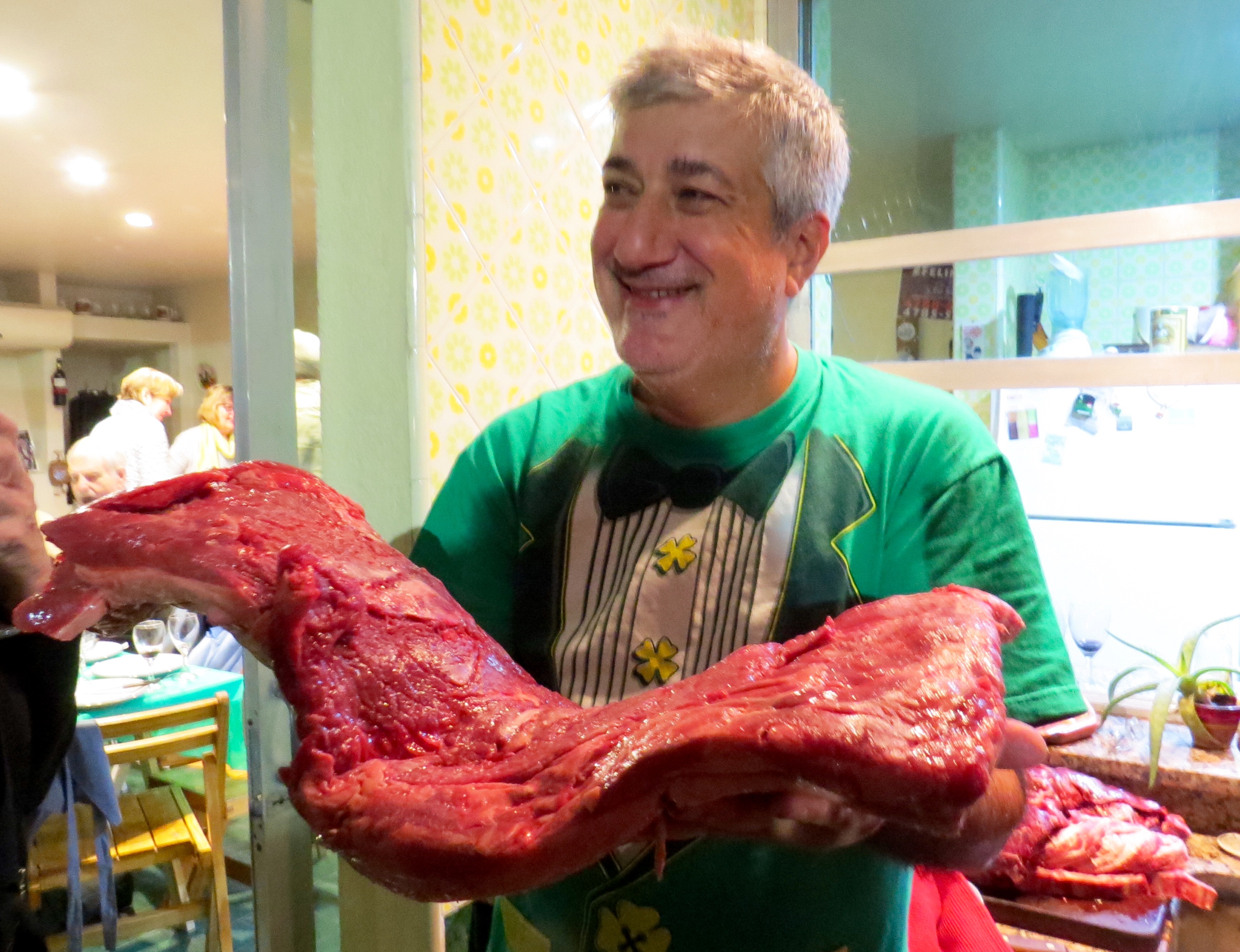
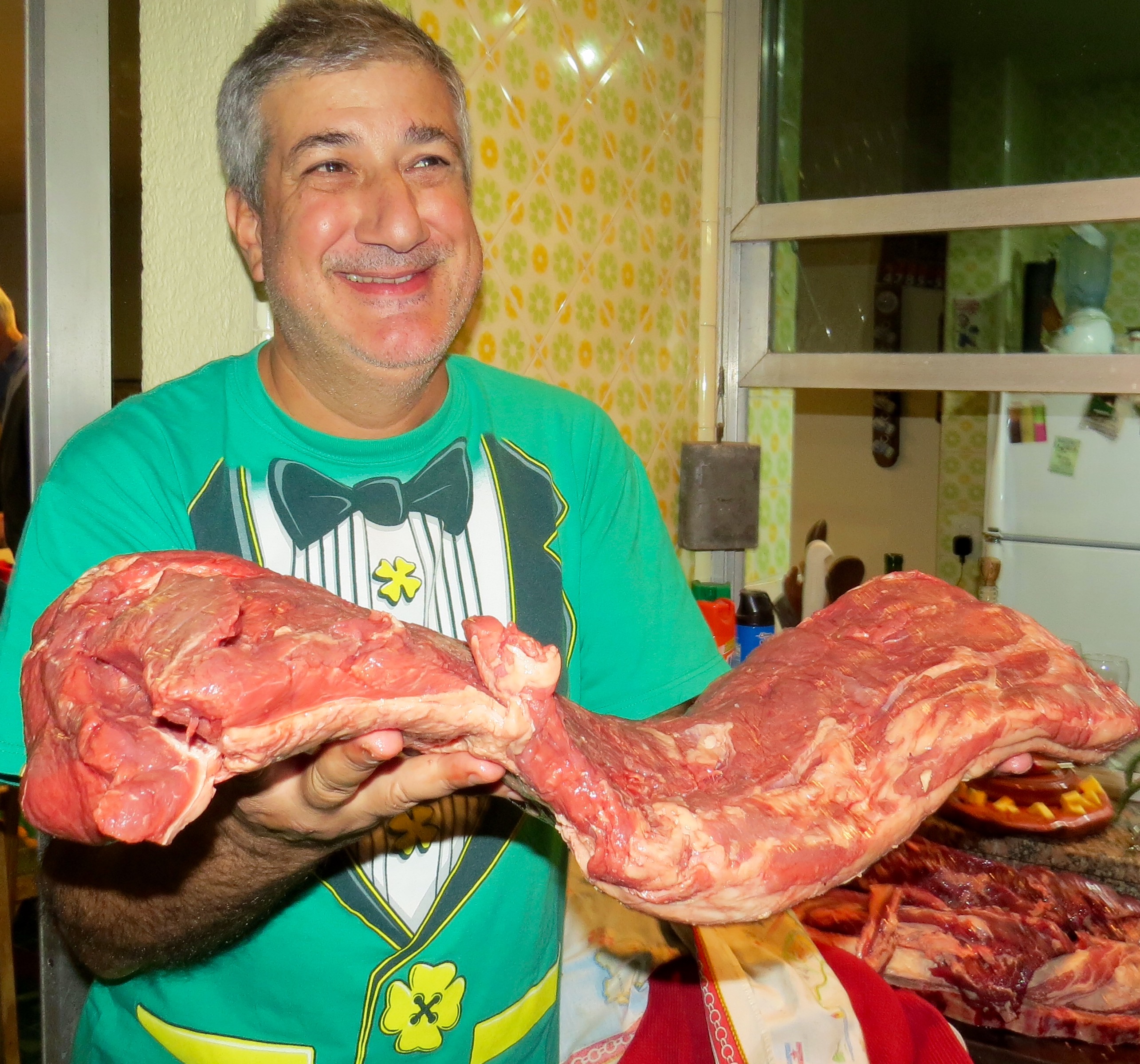
Great slabs of meat await us – pork ribs and a legendary slab of beef from which will be cut the exquisite filet mignons.

image

The intestines required a few more sips of wine for courage. Trying to adhere to the maxim that one should go out of one’s comfort zone on these trips, I braved a couple of bites – it tasted like liver to me, which I like – but combined with the consistency, shape and the thought of what it was, I looked ahead to the beef.

But first, the sausage – rings of chorizo and links of blood sausage and heaping baskets of bread. I was surprised to learn that Argentines do not favour spicy foods and think pepper is too heavy a spice, so only salt is on the tables. Mostly the cooks use fresh herbs of all kinds for flavour. The chorizo is lovely and delicately flavourful, not hot and spicy like Mexican or Italian sausages.

Time to sample more wine, just the right amount.

Now a wonderful aroma reaches us as the pork ribs arrive on the table. We try to pace ourselves knowing the beef is yet to come, but the ribs were moist , meaty and delicious.

A little more of that tasty Malbec, please!

image

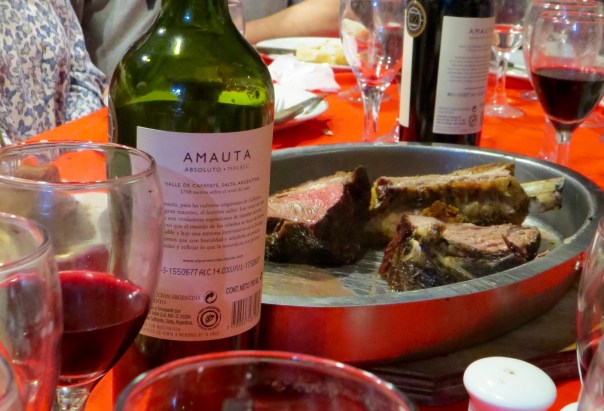
At last, the steaks arrive. The cows raised for meat in Argentina, mostly herefords, are grain-fed and roam free and the meat is much more flavourful than Canadian or indeed any other beef I have ever tasted, cooked to perfection and the crescendo to the meal.

image

It was an honour to be invited into the home of these Portenos and have them share their culture with us in the most relatable way, by sharing a meal with us.  There are many different modes to learn about a country’s culture, but to have someone open their home to strangers must be the most heartfelt, kind and genuine experience we could have asked for.  Thank you!

image

P.S.   Chrissie told us later that Rodolfo was telling his friends that we all entered the asado acting as though we were going to the Teatro Colón, and left as though we had just seen a Boca Jrs. game in the Bombonera. 🙂

Best,

Jan
Porteños and the Heart of the City

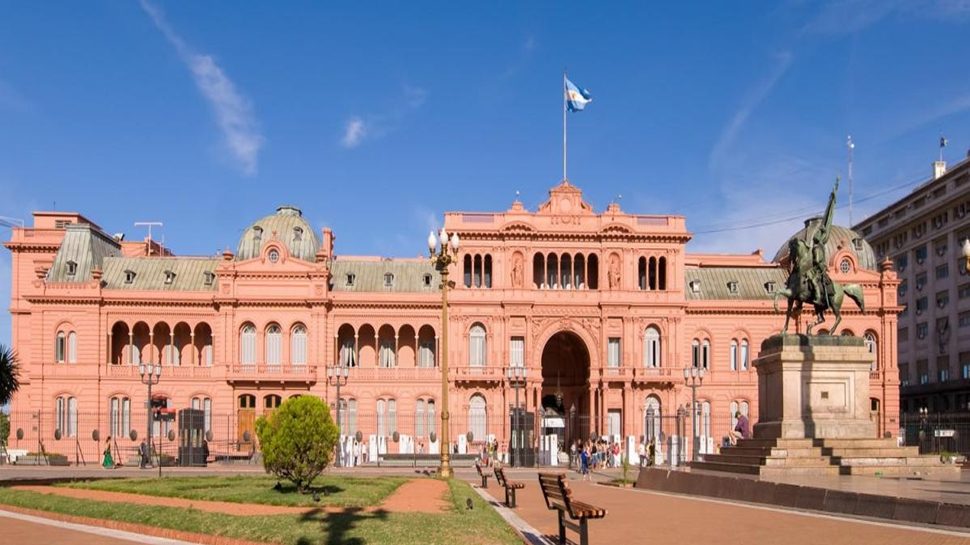
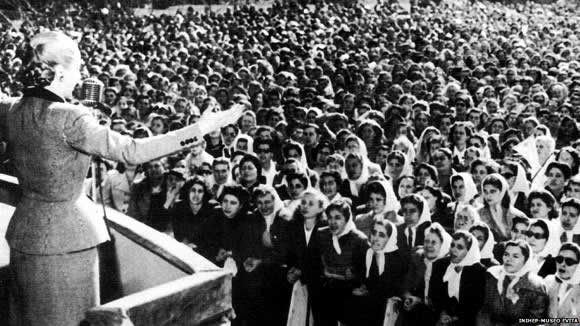
The Plaza de Mayo is the heart of the city both physically and psychically – all downtown streets radiate off this central square. On the square is the Casa Rosada (“rose palace”, the country’s parliament).  From its balcony,  Peron addressed the crowds and Evita spoke, delivering her news that she would not run for Vice-President, where the country learned of Evita’s death, where the people wept.

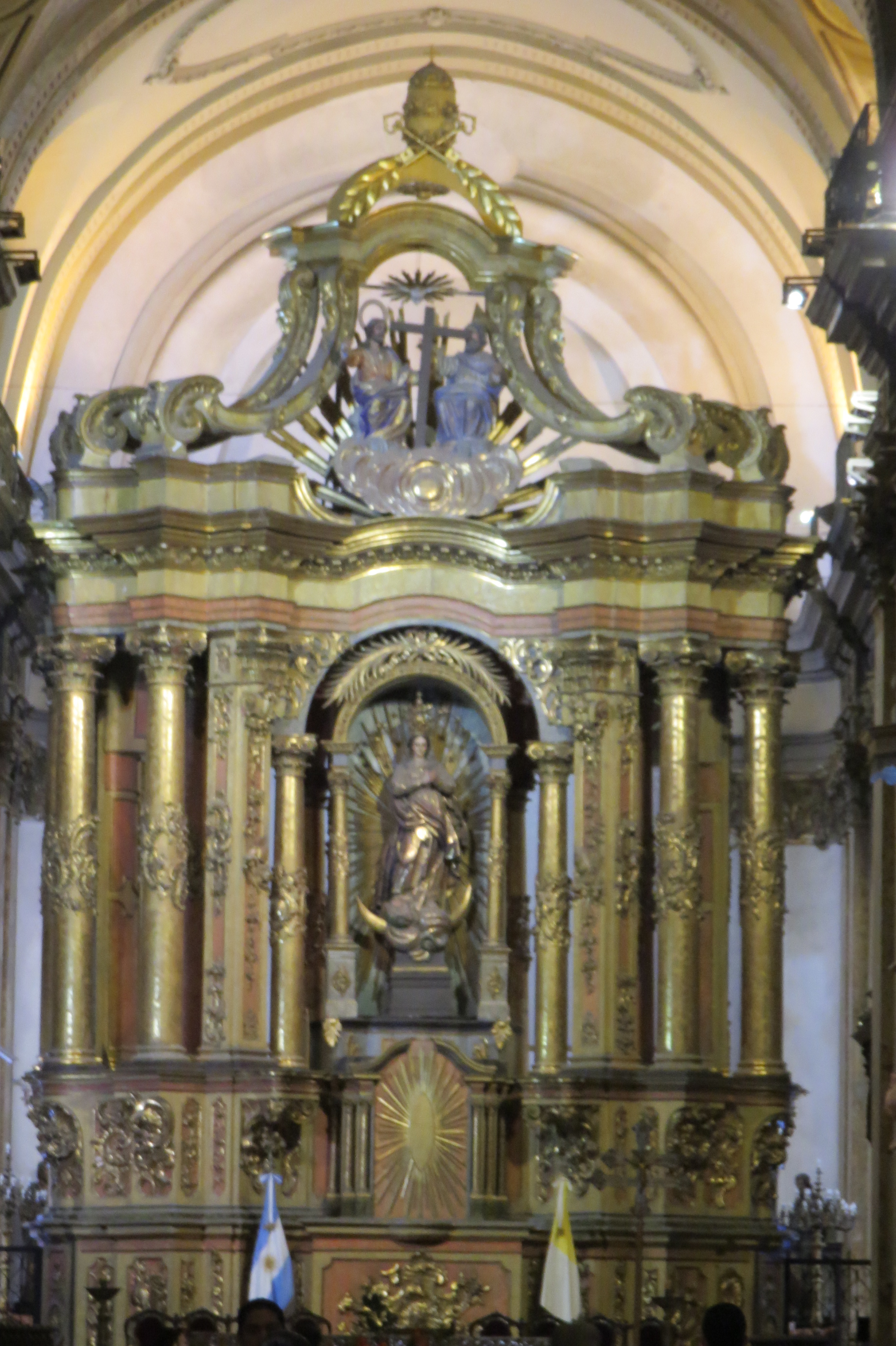
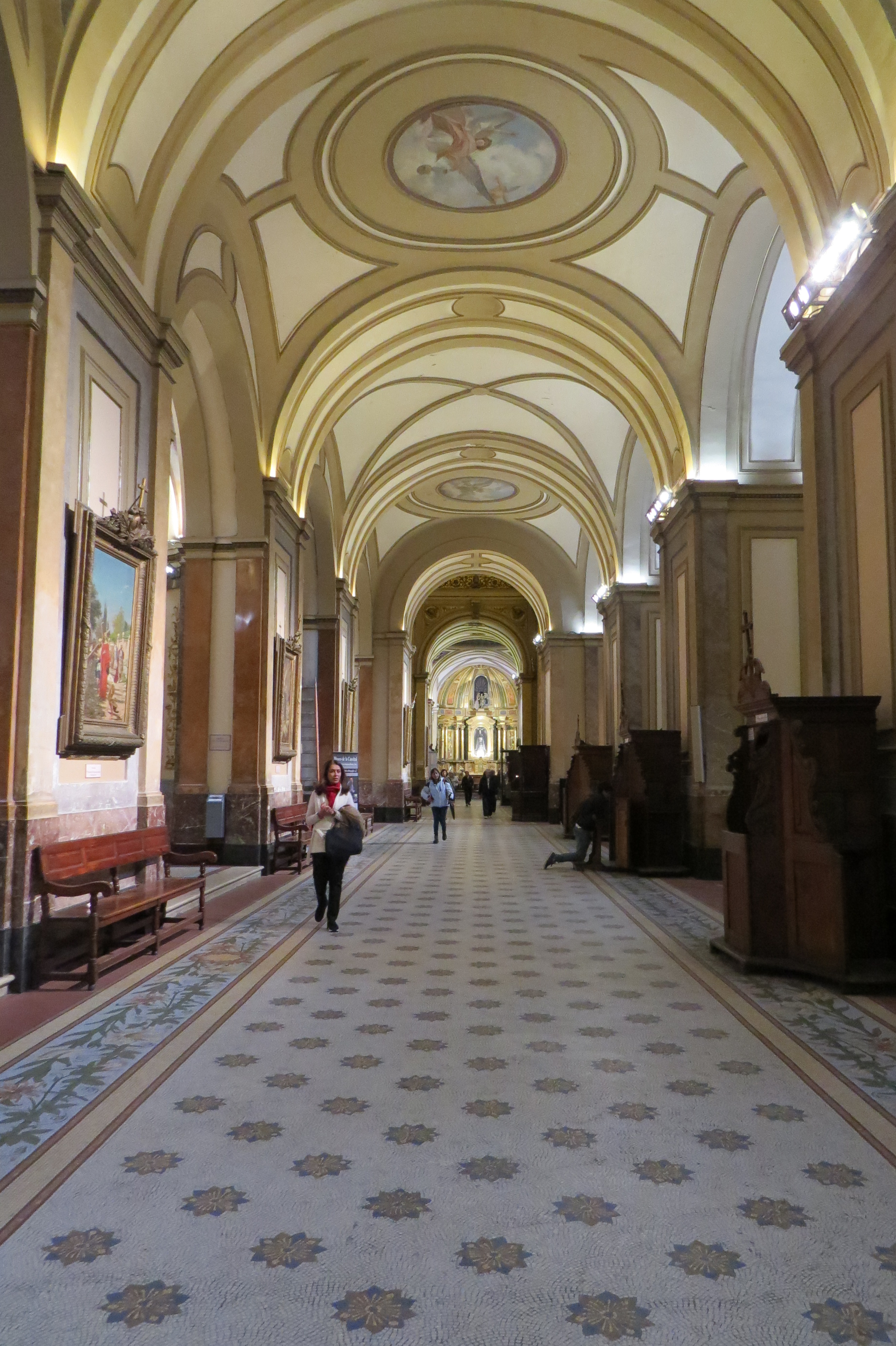
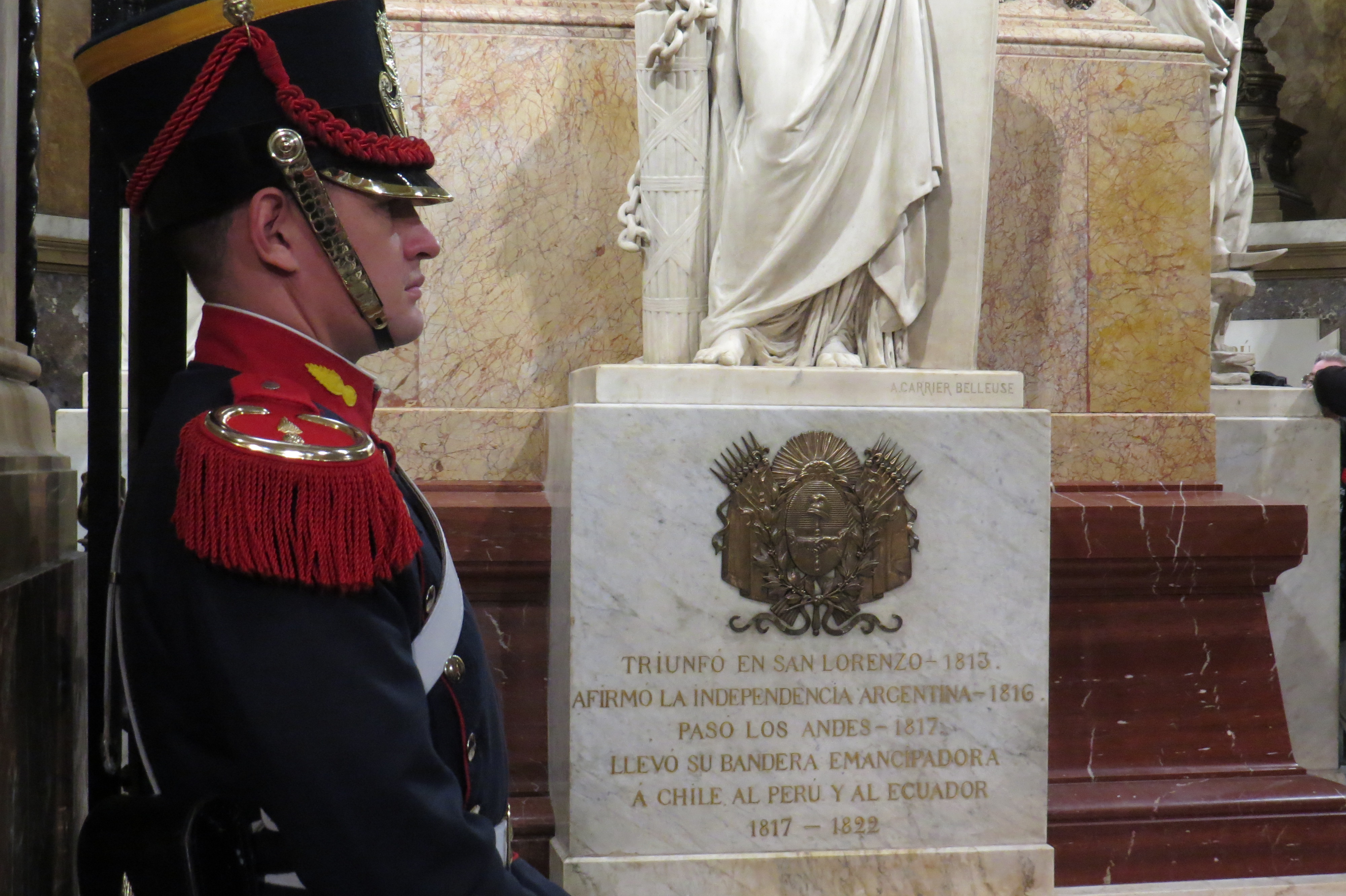
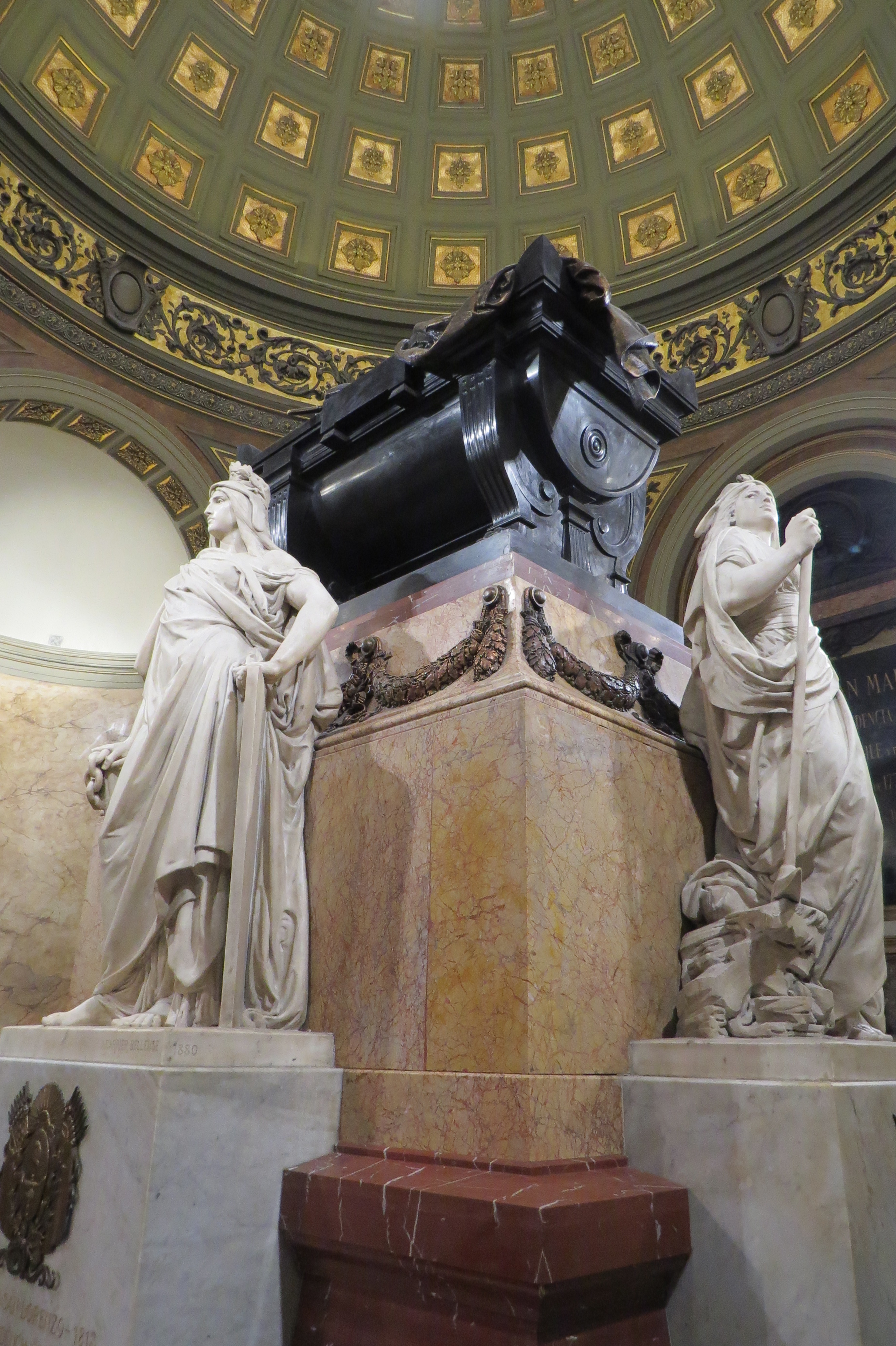
Also on this square is the Metropolitan Cathedral, which houses the crypt of San Martin, the greatest soldier and along with Simon Bolivar, liberator of Latin America from colonialism.
      

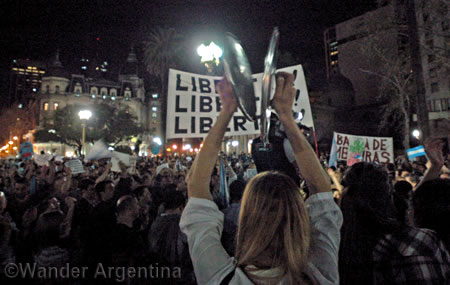
This square is where the Madres march, where all Portenos gather whenever depth of feeling requires it.  There have been protests, demonstrations, and bombings at May Square.  An attempted coup against Juan Peron happened here.  In the 2001 economic crisis, this is where the protests occurred.
We were at the square on Thursday at 3:00 p.m to see the Madres march, but could only see them from afar as the plaza was being prepared for the 25 de Mayo celebrations.

To the south off the square along Defensa is San Telmo, an area that seems most like a typical middle class area of any large Canadian city, a mix of high-rise apartments, condos, with transit busses and all the shops one would need for ordinary life.

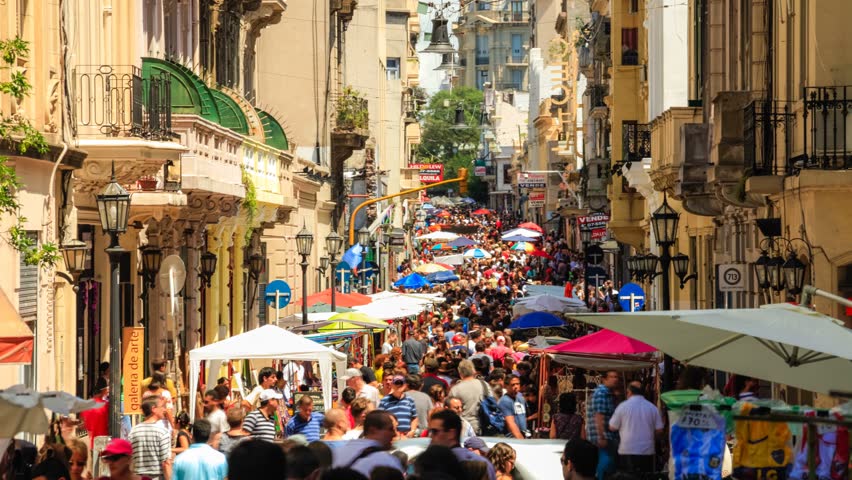
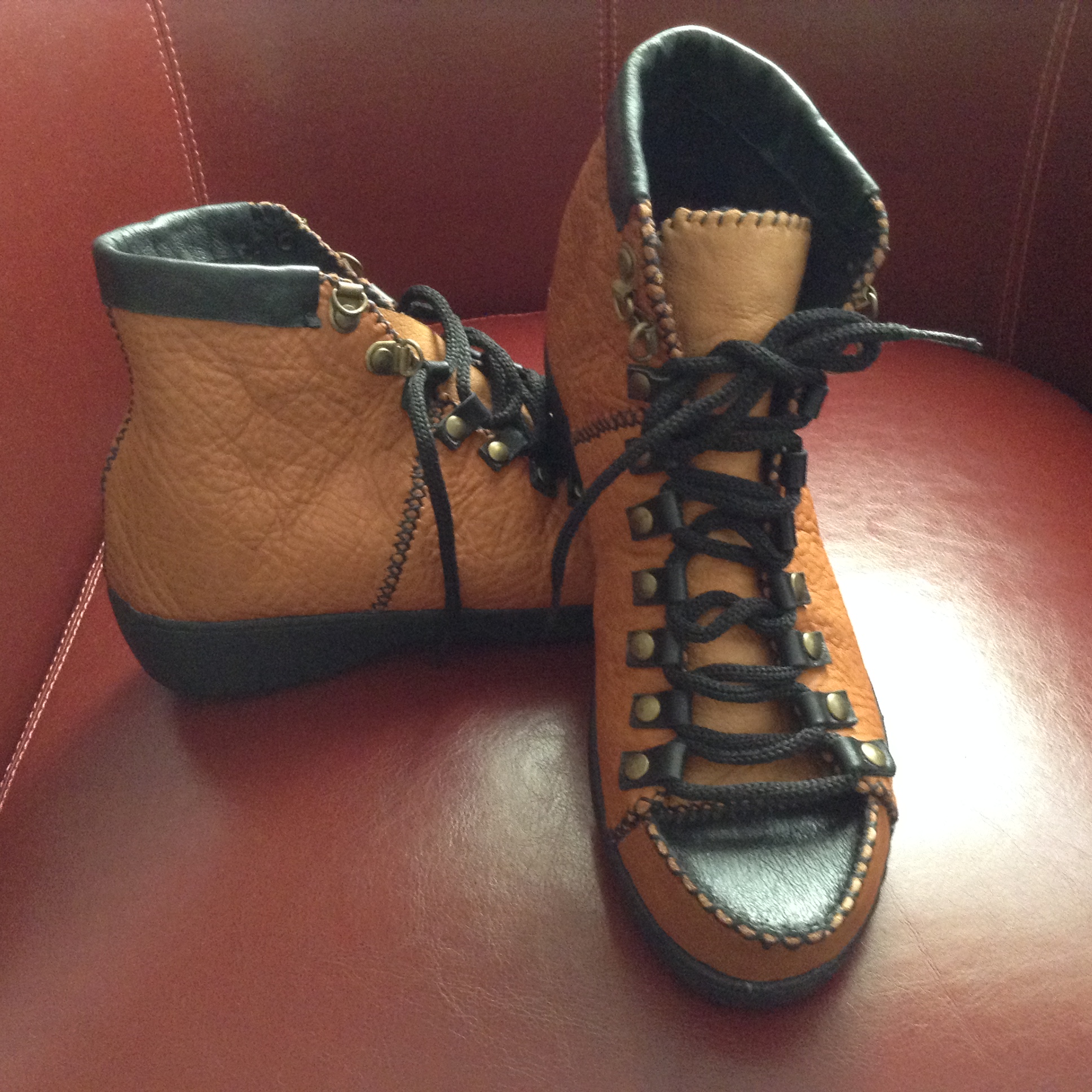
Sundays in San Telmo, the city’s largest market stretches on for blocks and blocks of  antiques, purses, scarves, ponchos, clothes, coats, leather hats, candy shops, paintings, photography, lingerie, plug adaptors, toys, and throngs of people.  As many locals attend as tourists, something like the Moss Street Market on a grand scale.  We spent several hours there talking to artisans and trying to resist so many beautifully-made items. We bought a lot, but left much more behind simply by virtue of the limitations of our luggage. After a second trip to an ATM, handmade leather shoes by the young woman who made them – she showed us all the little scars on her hands which proved it.


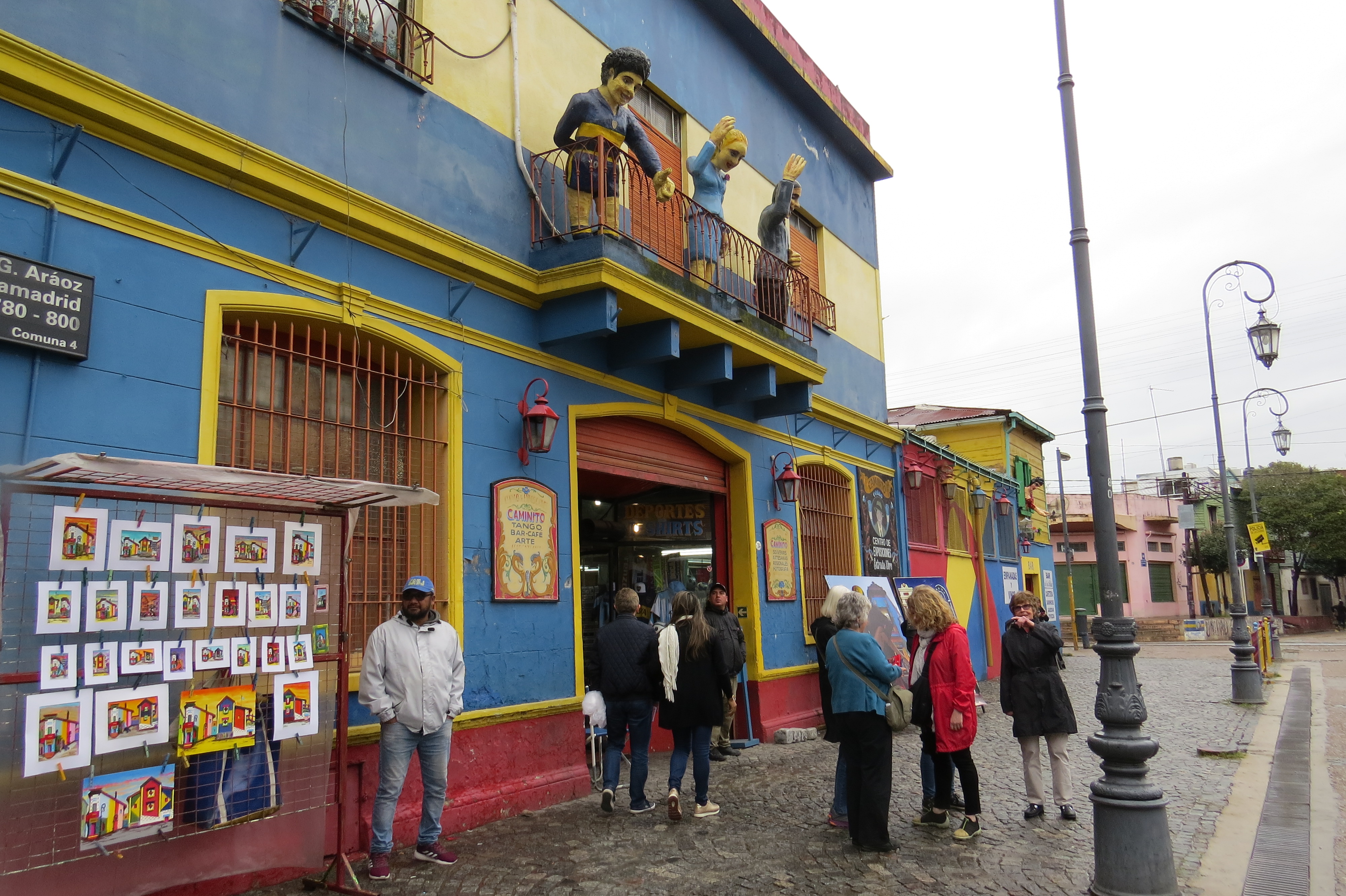
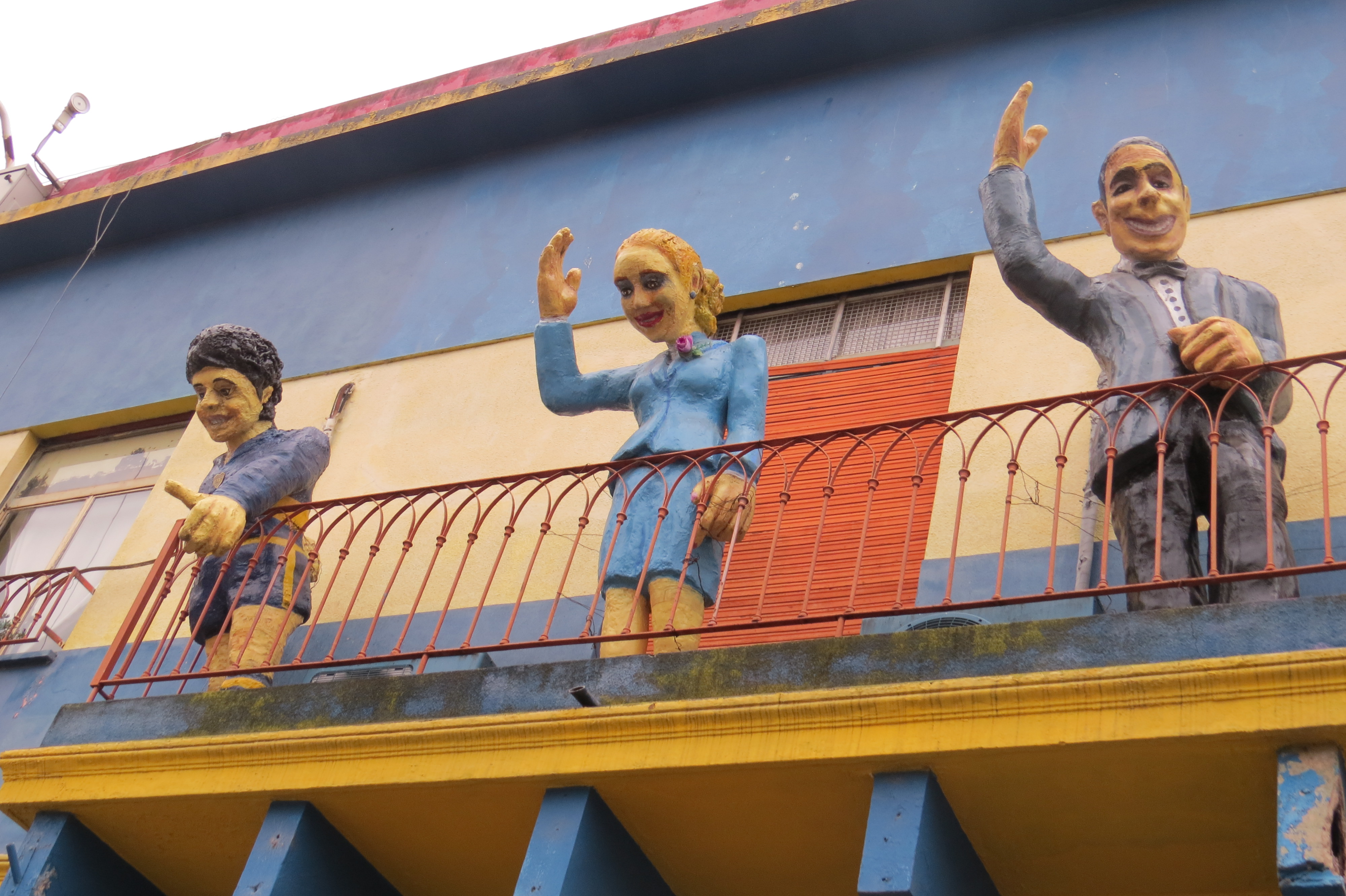
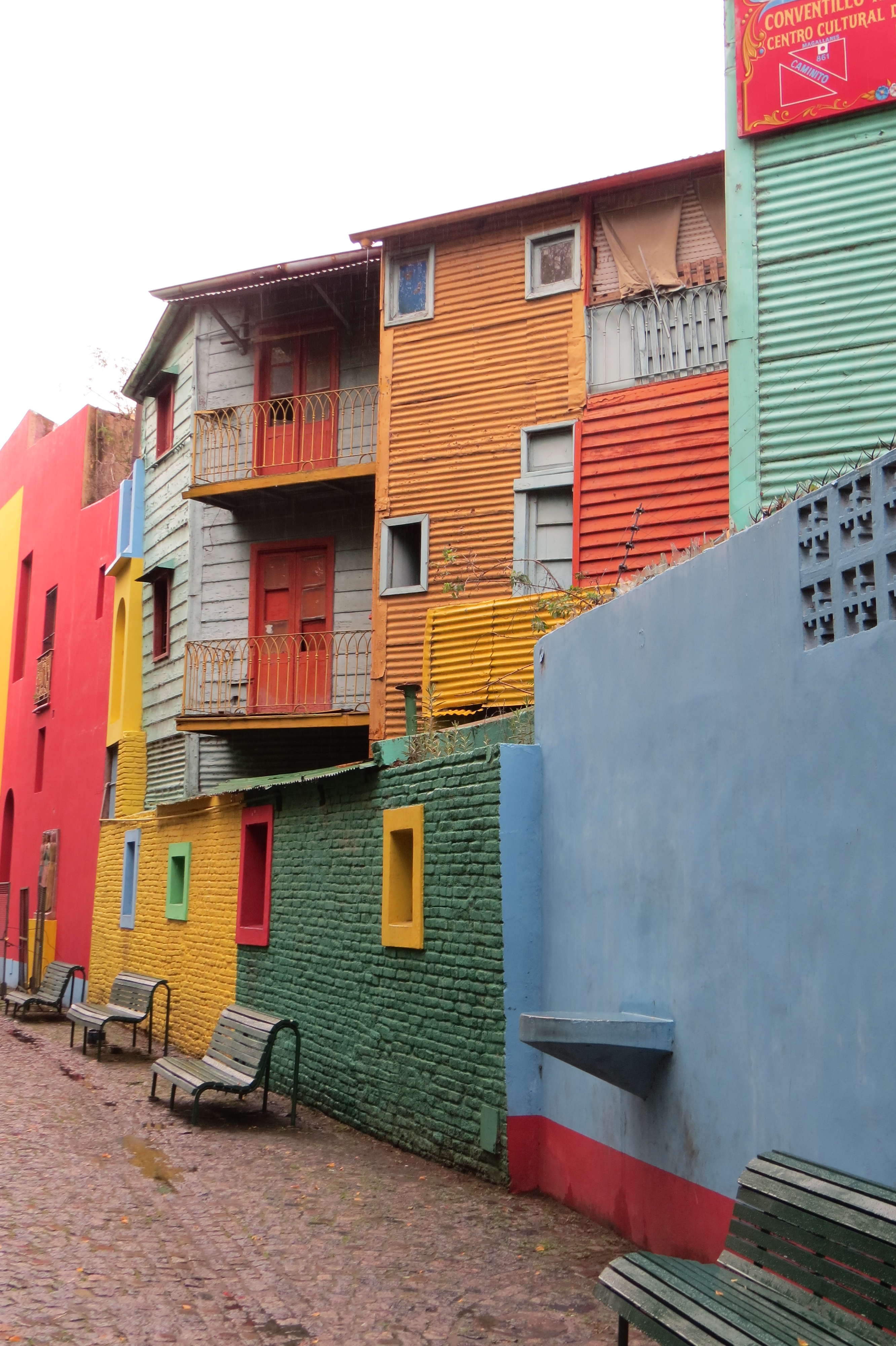
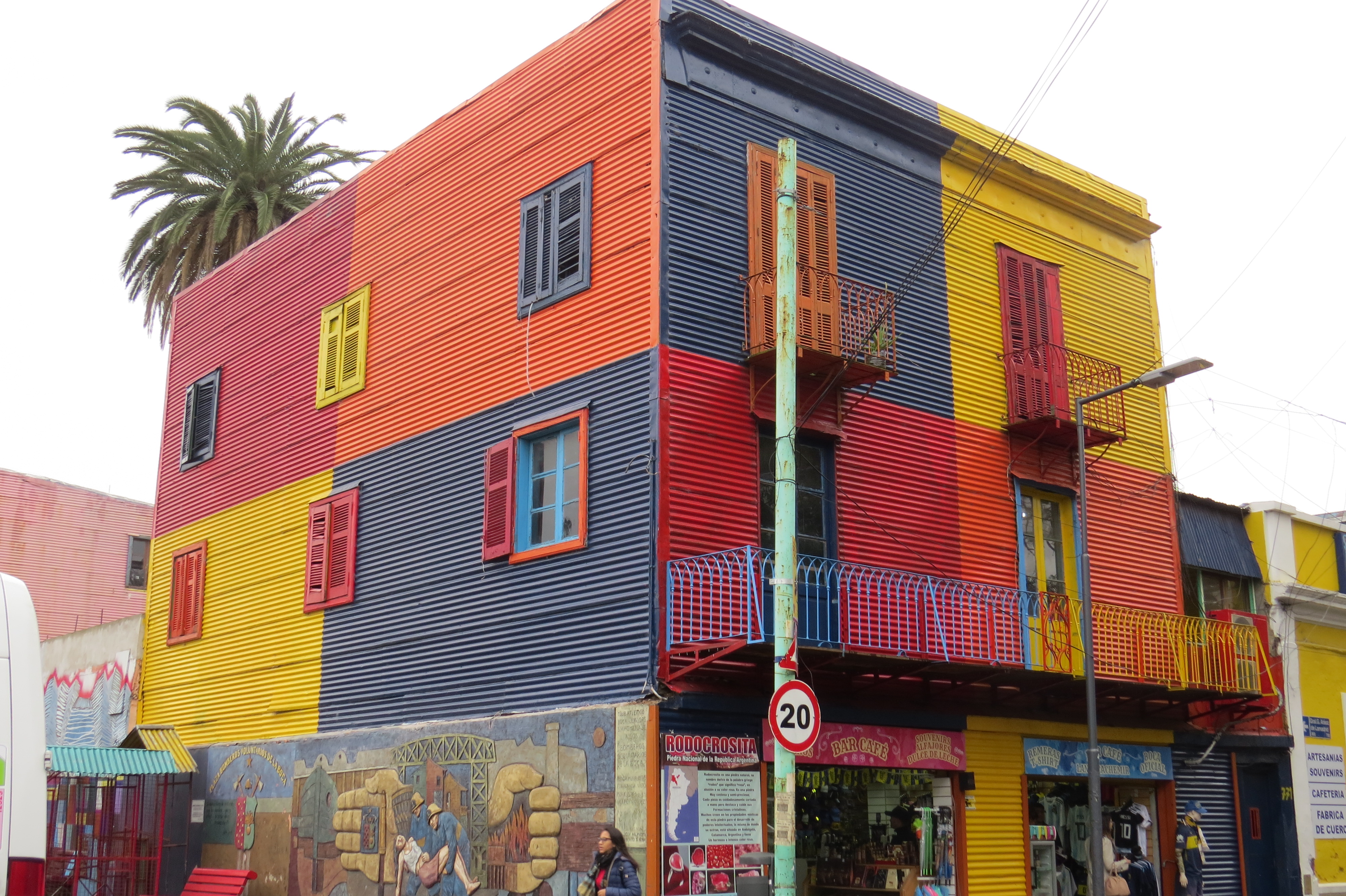
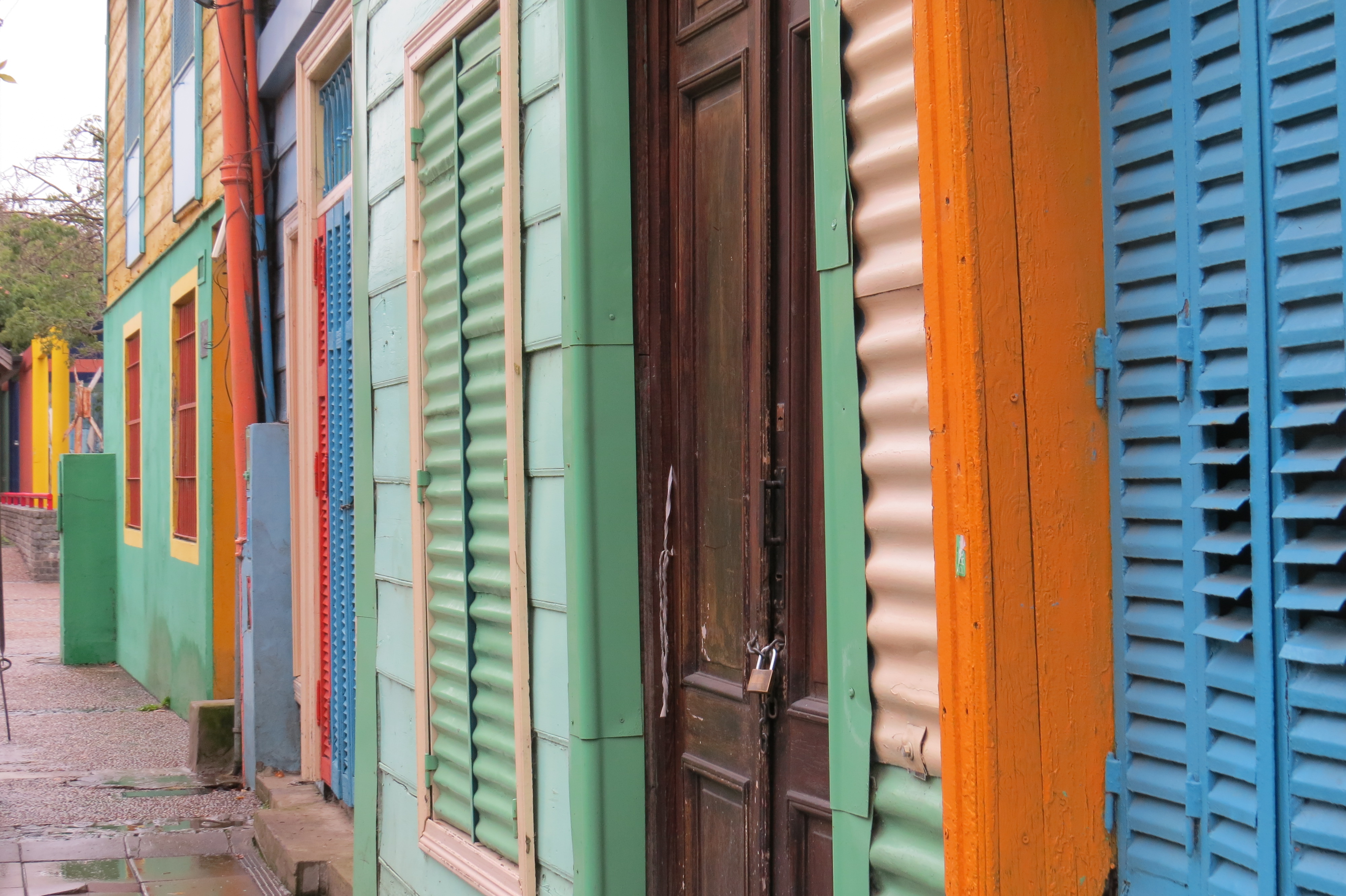
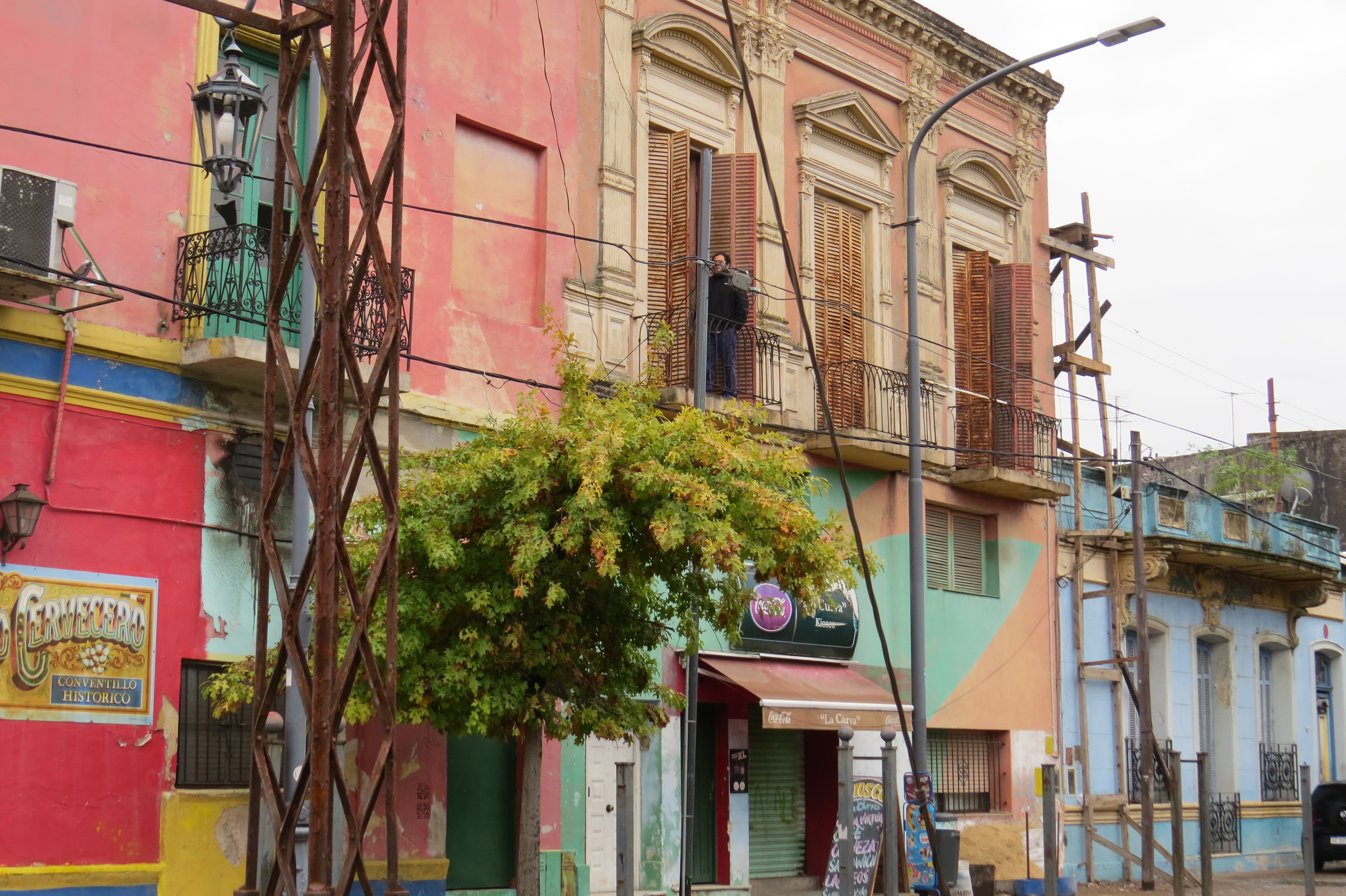
Beyond the area of San Telmo lies La Boca – the oldest part of the city and the original port on the river.   This is where the term for Buenos Aires residents began – “Porteno.”  The mainly immigrant population in the early 20th century were so poor they got leftover paint from the ships docked here to paint their houses and the colourful streets remain. It seems natural that the smoky, sultry,  simmering Tango emerged here.

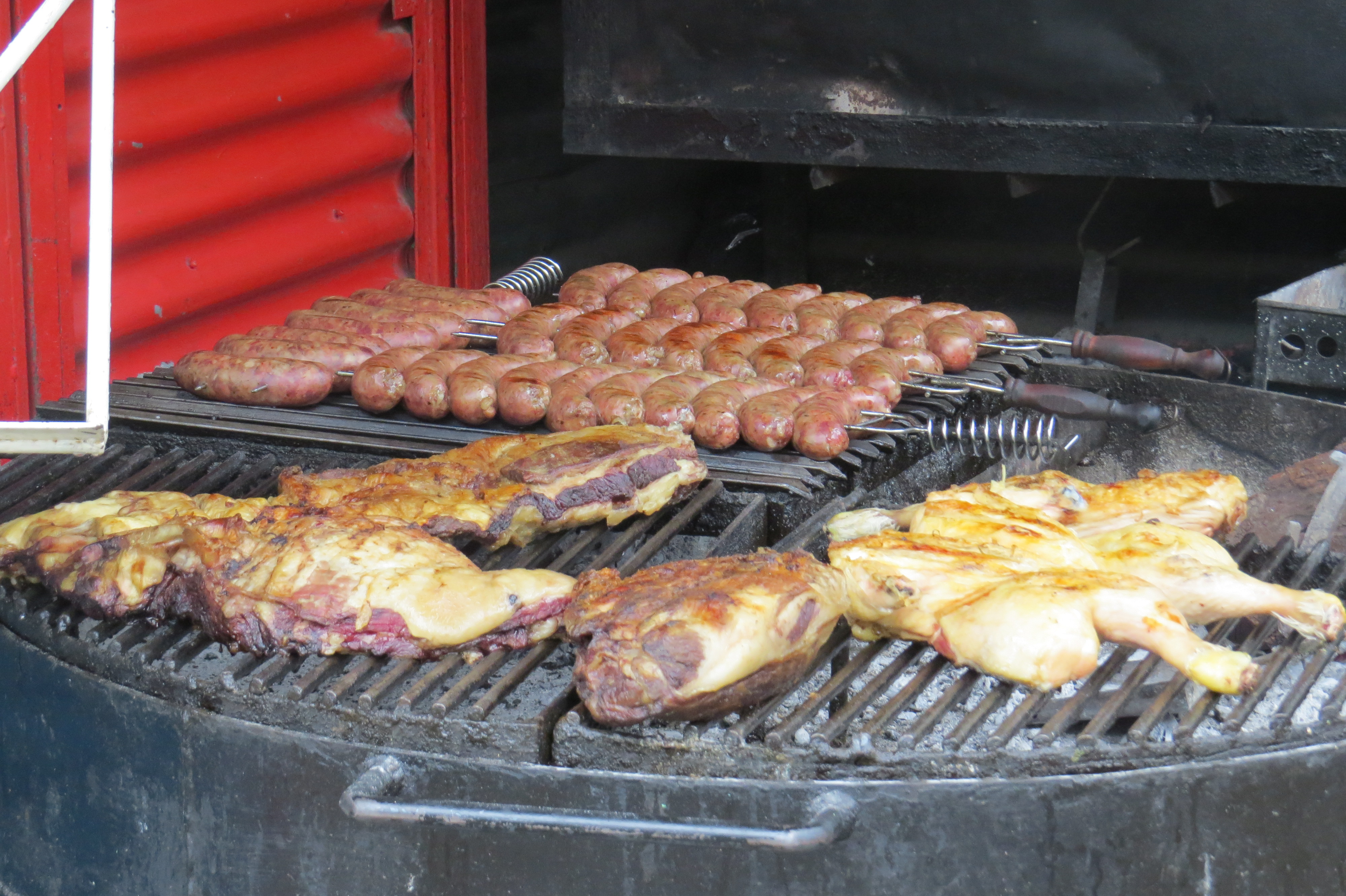
Asado witing for you in La Boca

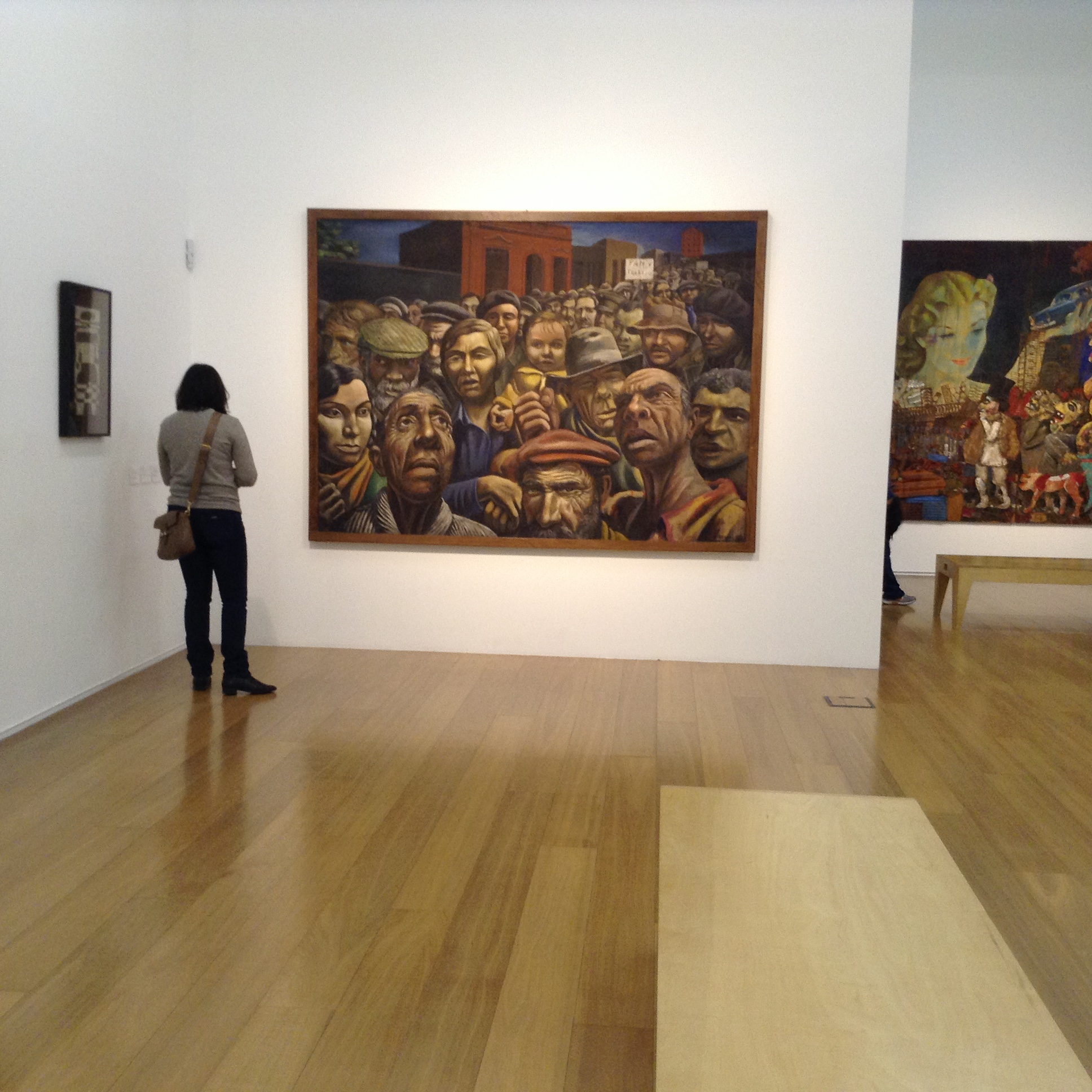
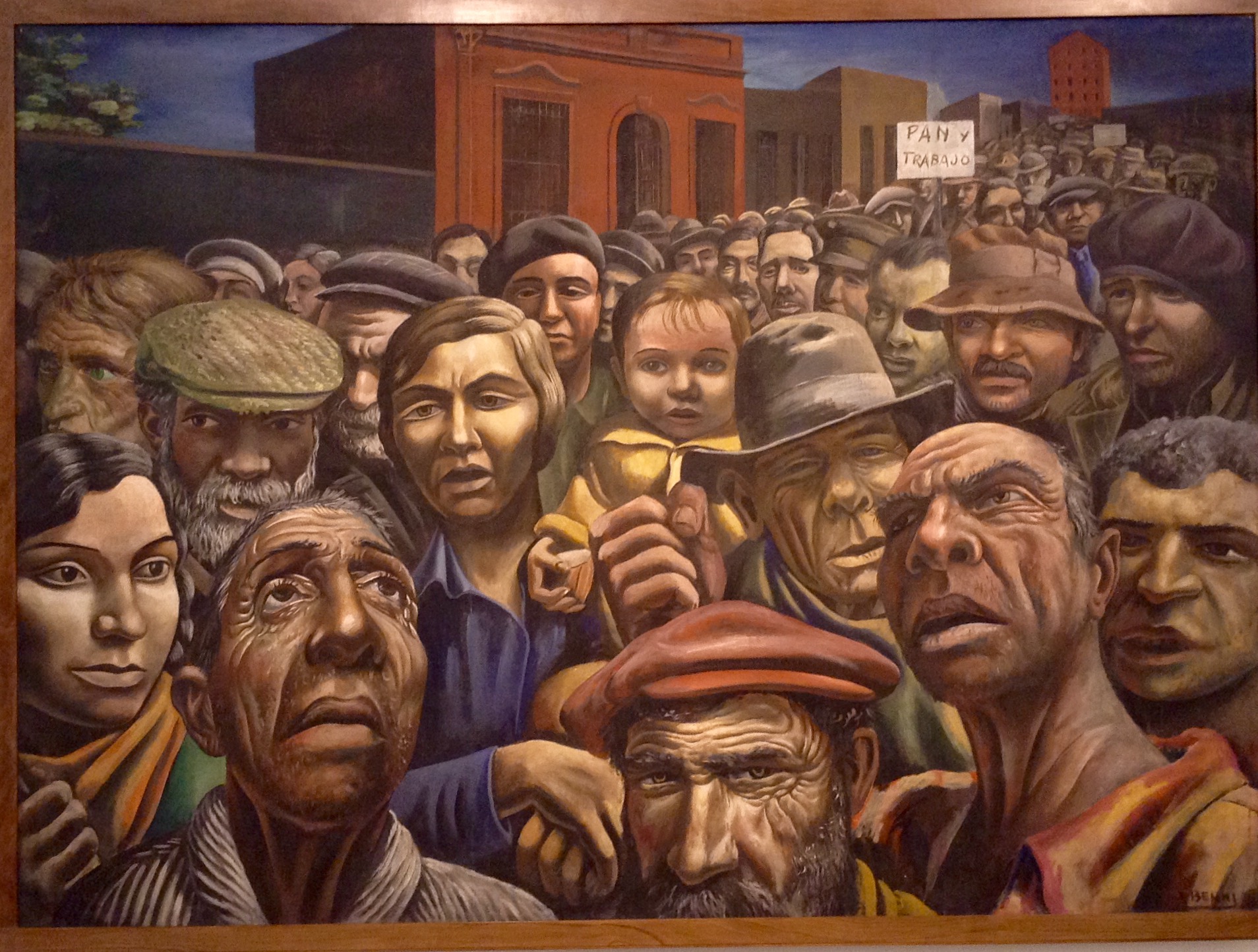
Portenos are depicted in the famous Berni 1934 painting, Manifestacion, which we were lucky enough to see at the MALBA (BA’s answer to New York’s MOMA).  The deep lines in the faces of the subjects speak to a harsh life in the early days in La Boca.

Home to the beloved football club, the Boca Juniors, the Boca football stadium is at the heart of the neighbourhood, and La Boca’s restaurants prove the Portenos’ love of its football club.

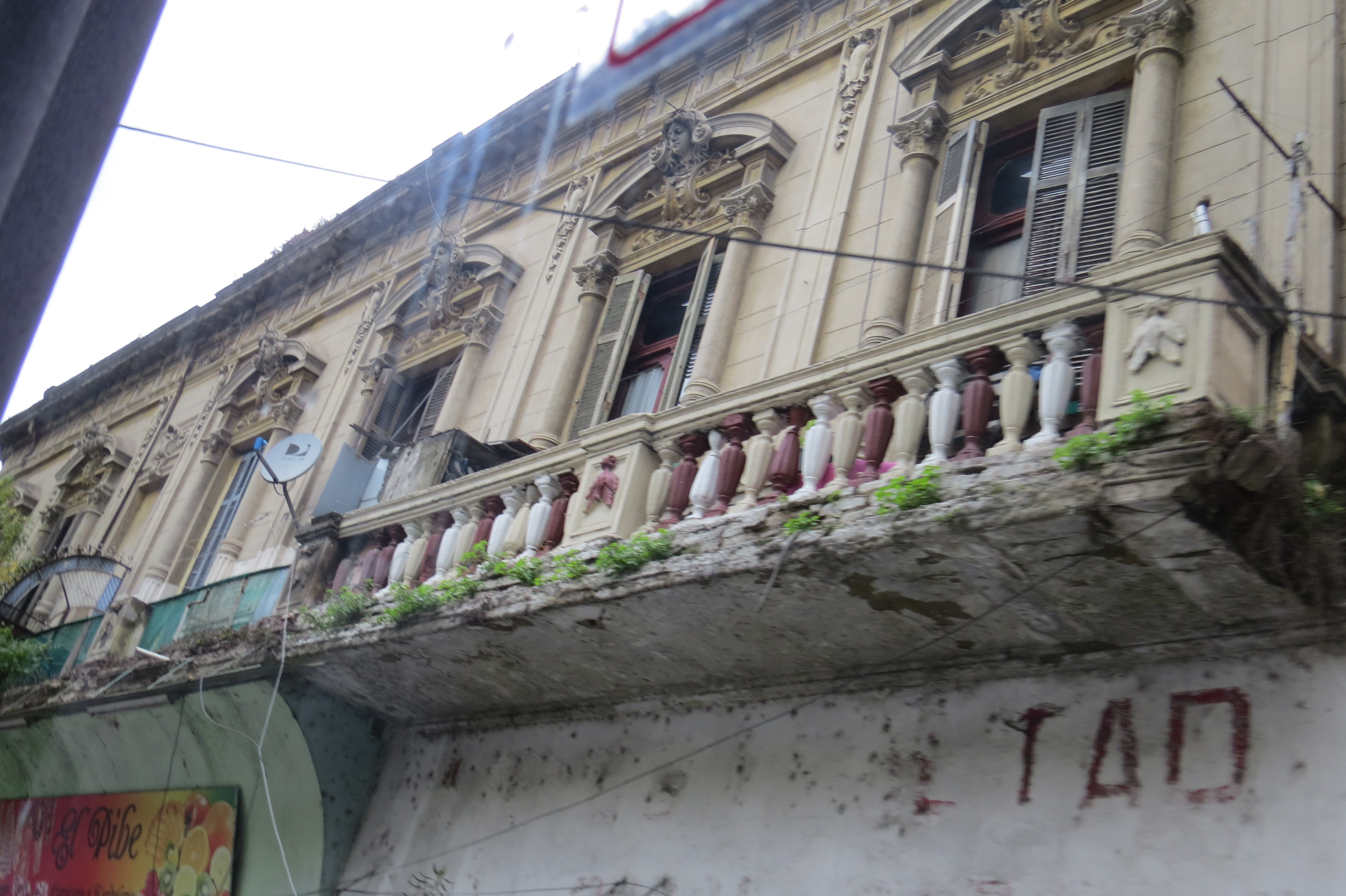
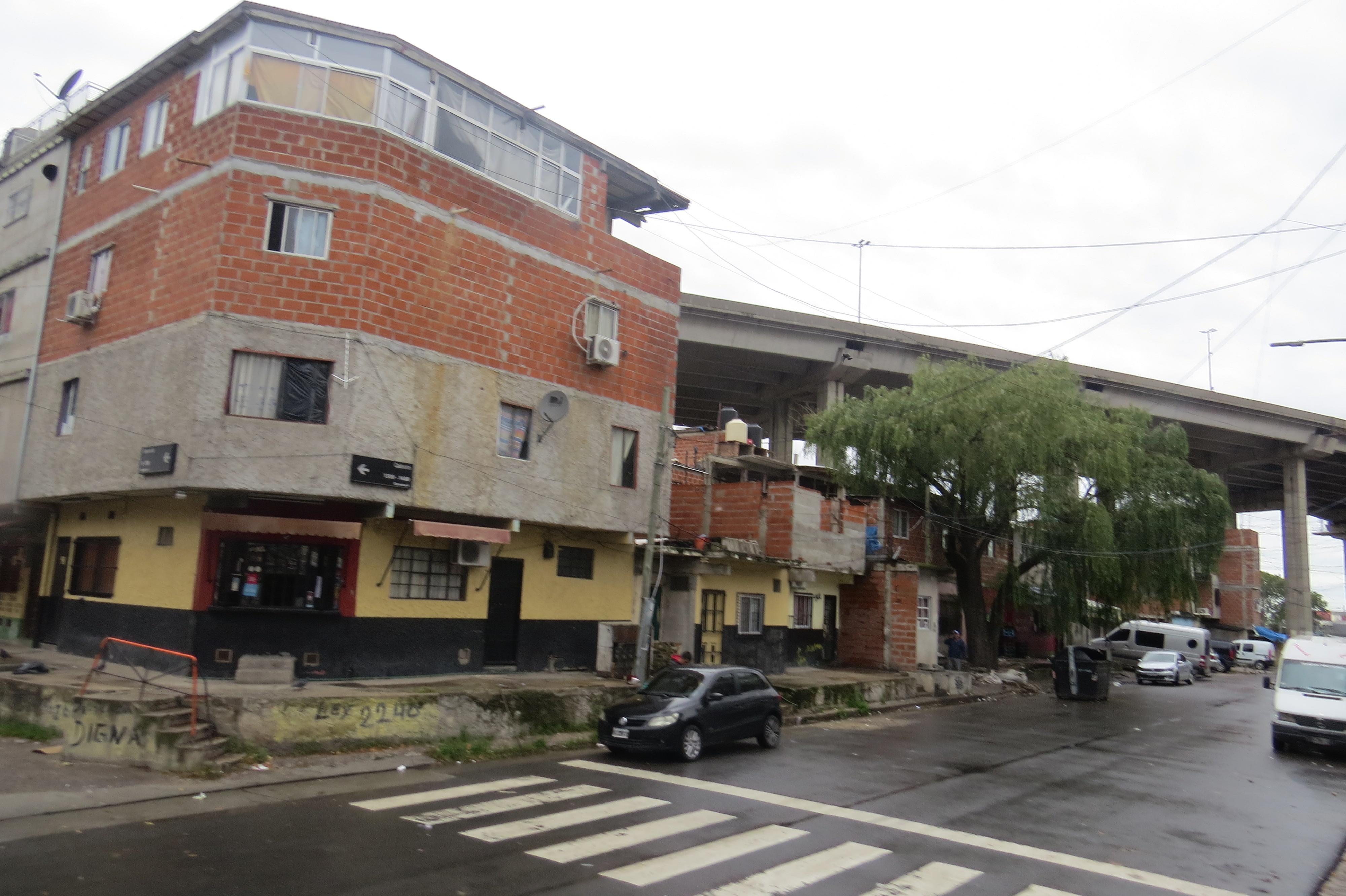
Leaving the touristic area of La Boca, one sees what may be a more realistic view:

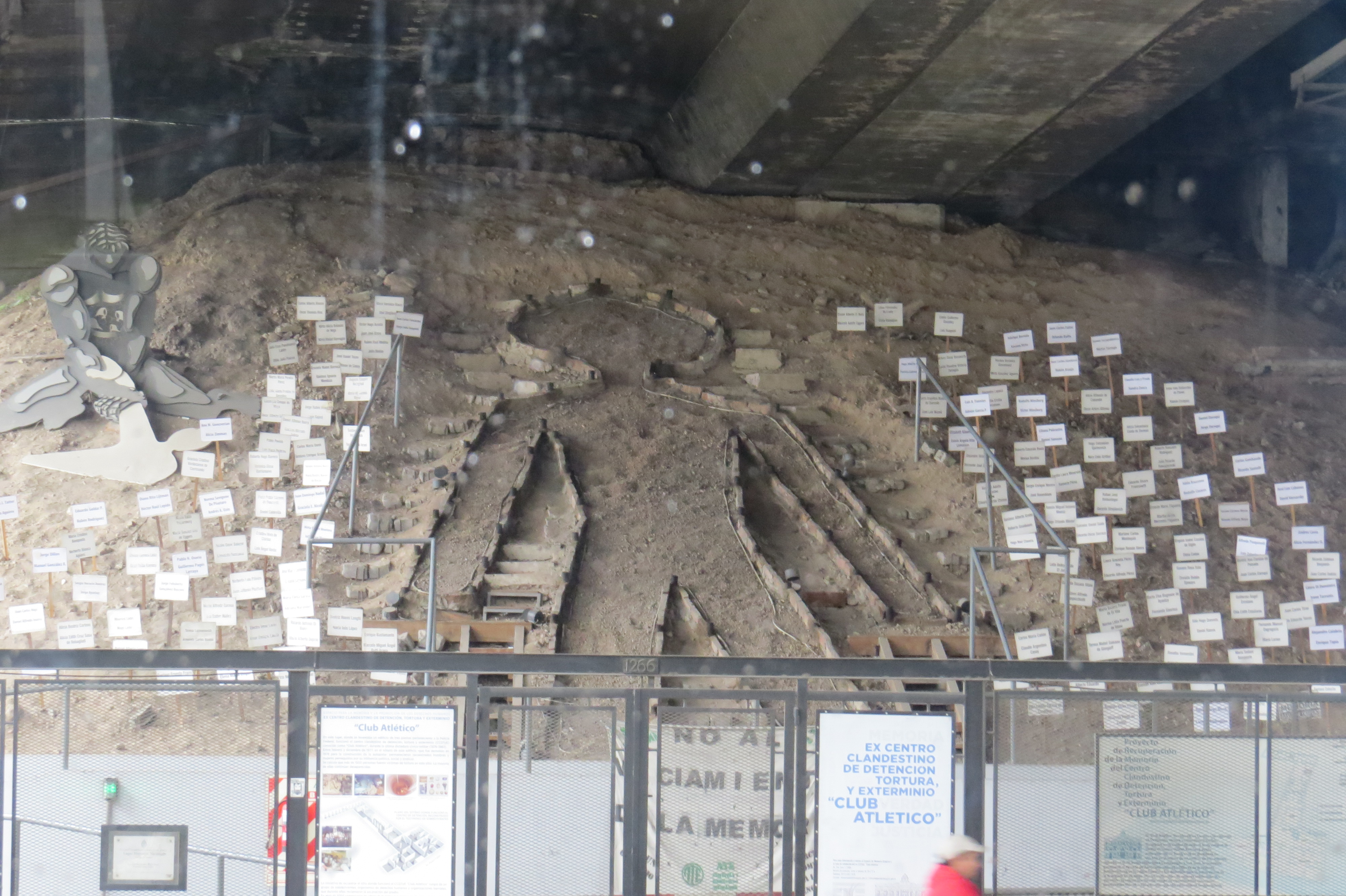
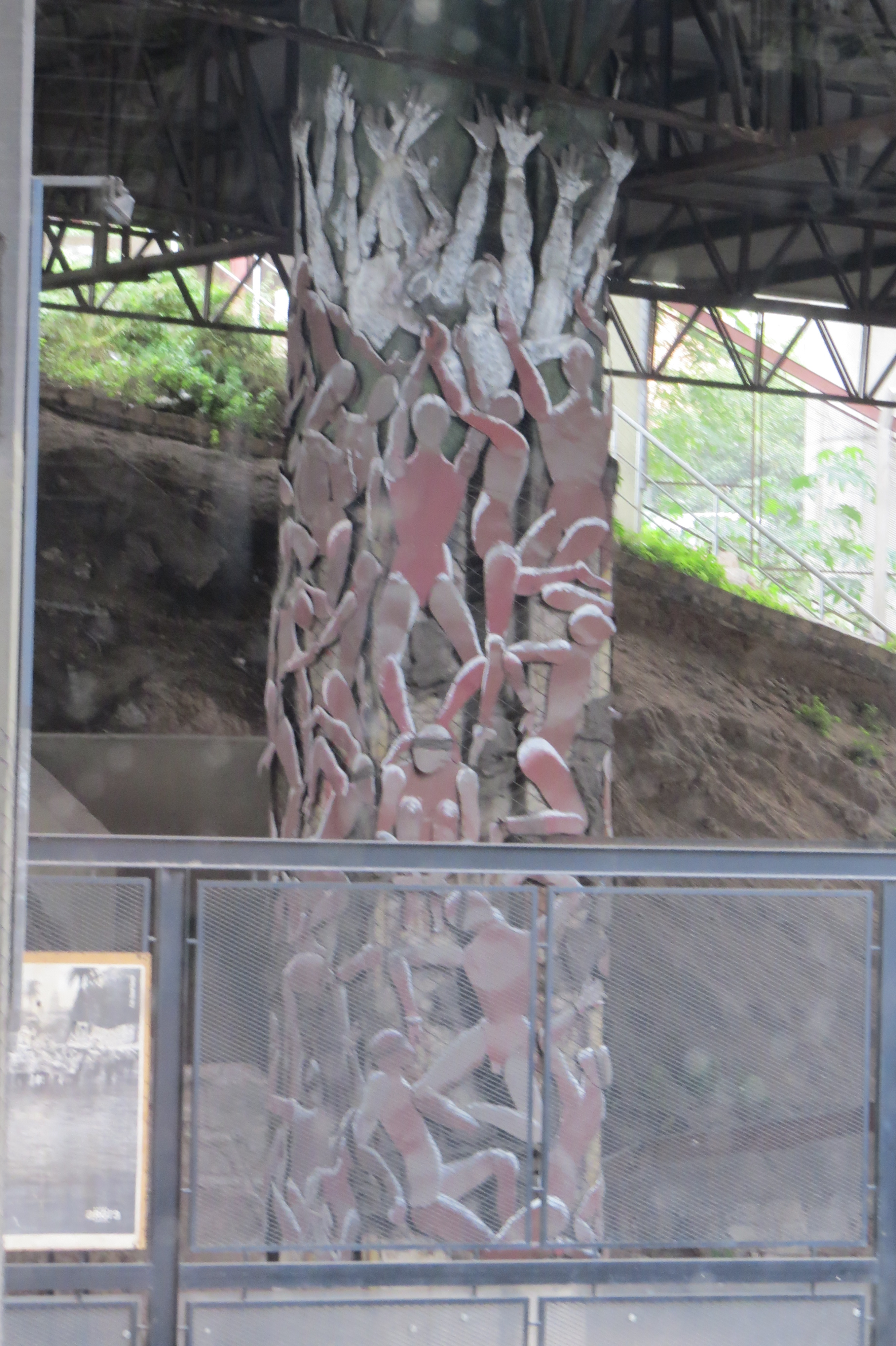
La Boca has its own memorial to the disappeared:

We took a taxi back to the hotel today and, sitting shotgun, it was a bit of an adventure.  Here they have lines painted on the pavement indicating the lanes, but little actual attention is paid to them.  They have a honking system similar to Egypt, letting everyone know where you are.   At one point as a bus attempted to squeeze over while we had a stopped bus in front of us, I attempted to stifle a scream and it came out as a piglet’s squeal, and I said I would hold onto the “holy shit” handle – the taxi driver burst out laughing –  I guess I spoke a universal language.  Next taxi trip I indicated to my friends that there was no holy s— handle and again this delighted the driver!  Both very nice fellows and we arrived alive.

Best,

Jan