Category Archives: Uncategorized

Nubia

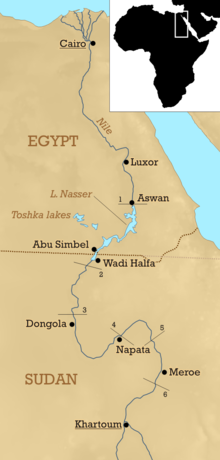
Nubia is a region along the Nile river located in what is today northern Sudan and southern Egypt. It was the seat of one of the earliest civilizations of ancient Africa, with a history that can be traced from at least 2000 BC.    Nubians also have an early archeological history and at some point in ancient times largely assimilated with Egyptians.  Many of the artifacts in the Egyptian Museum in Cairo are Nubian.  They have two languages, one of which was used as a secret code by Egyptians during the 1973 Egypt-Israeli war.   Some Nubians are still gathered in villages along the Nile in upper Egypt, after a forced migration due to the building of the Aswan dam.   Tonite we were headed for a village on the west bank of  the Nile.

Nubian music, as we were about to discover, has been preserved and is very popular throughout Egypt and around the world and had an influence on the blues.

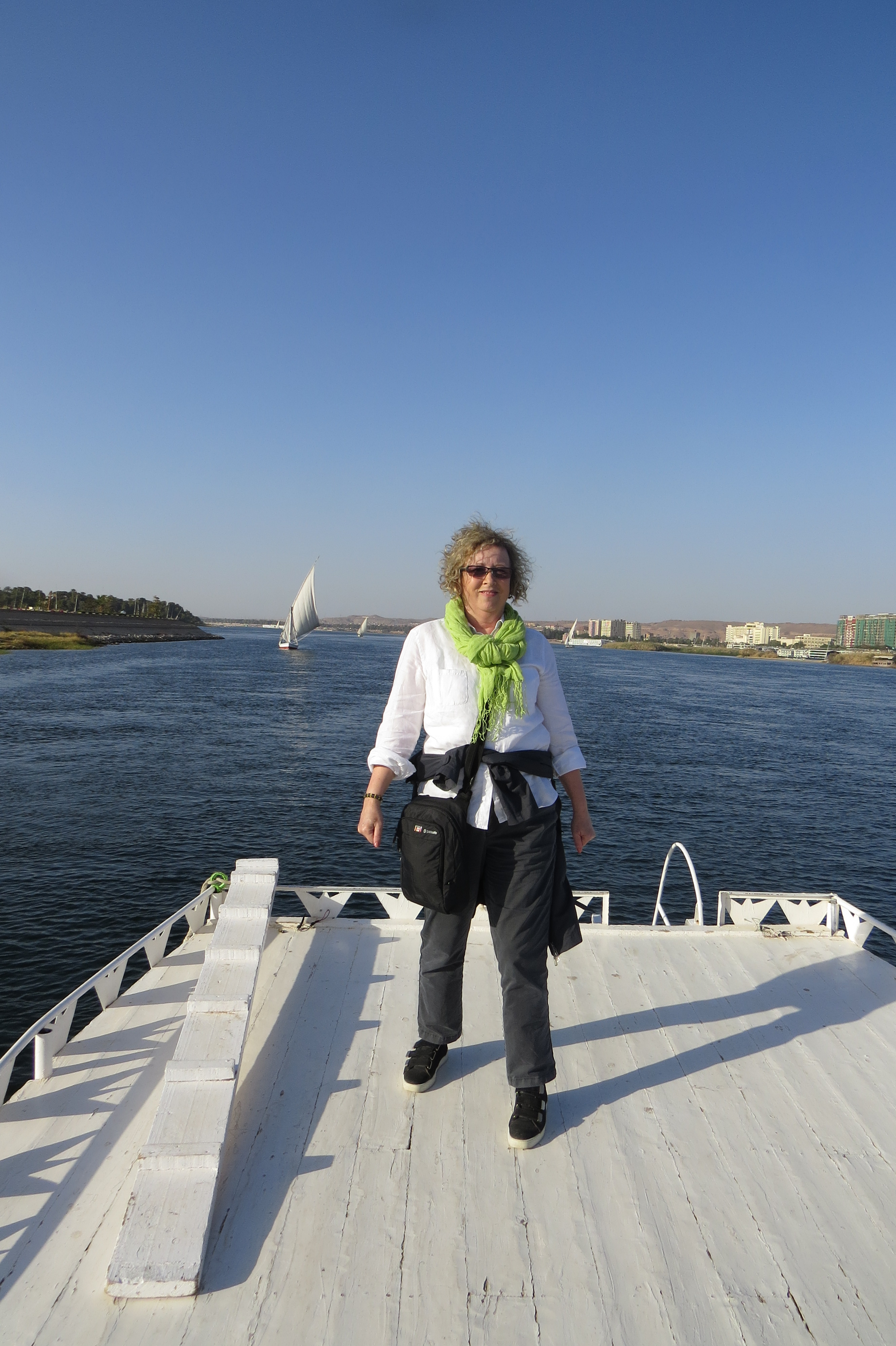
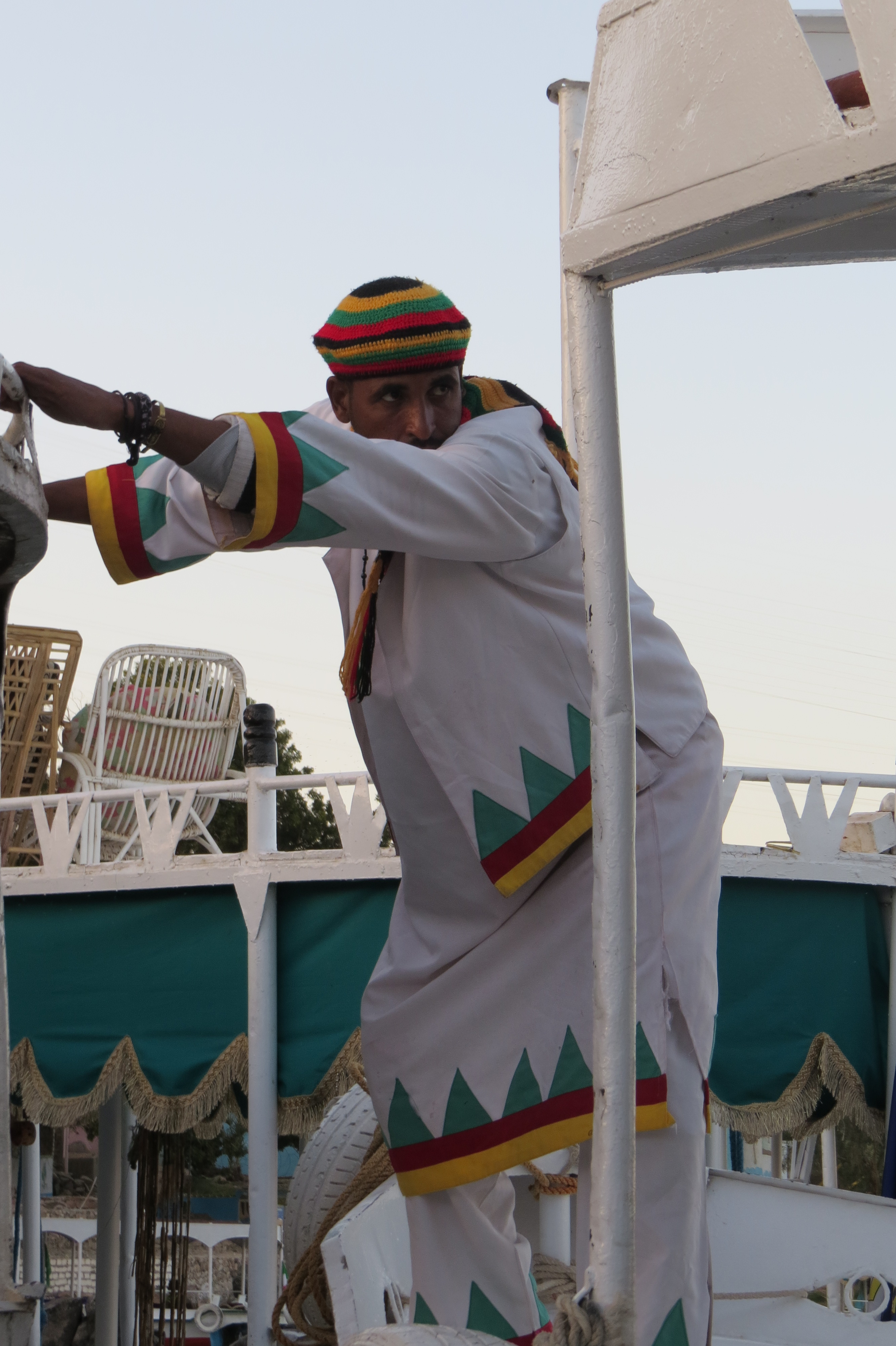
We were met at our hotel by a motorboat to take us to the village.  Some of us climbed to the roof for the best views.
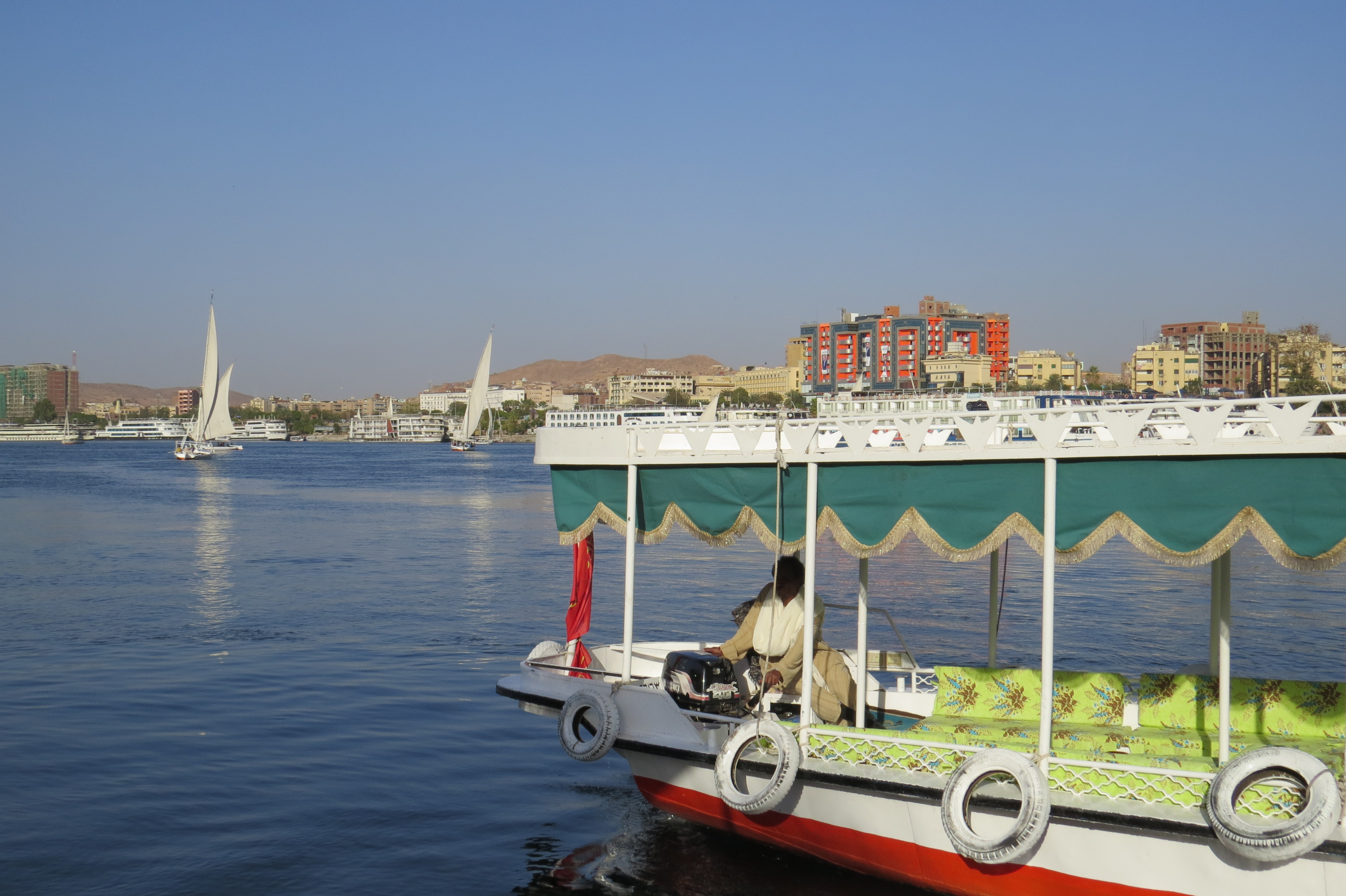
 

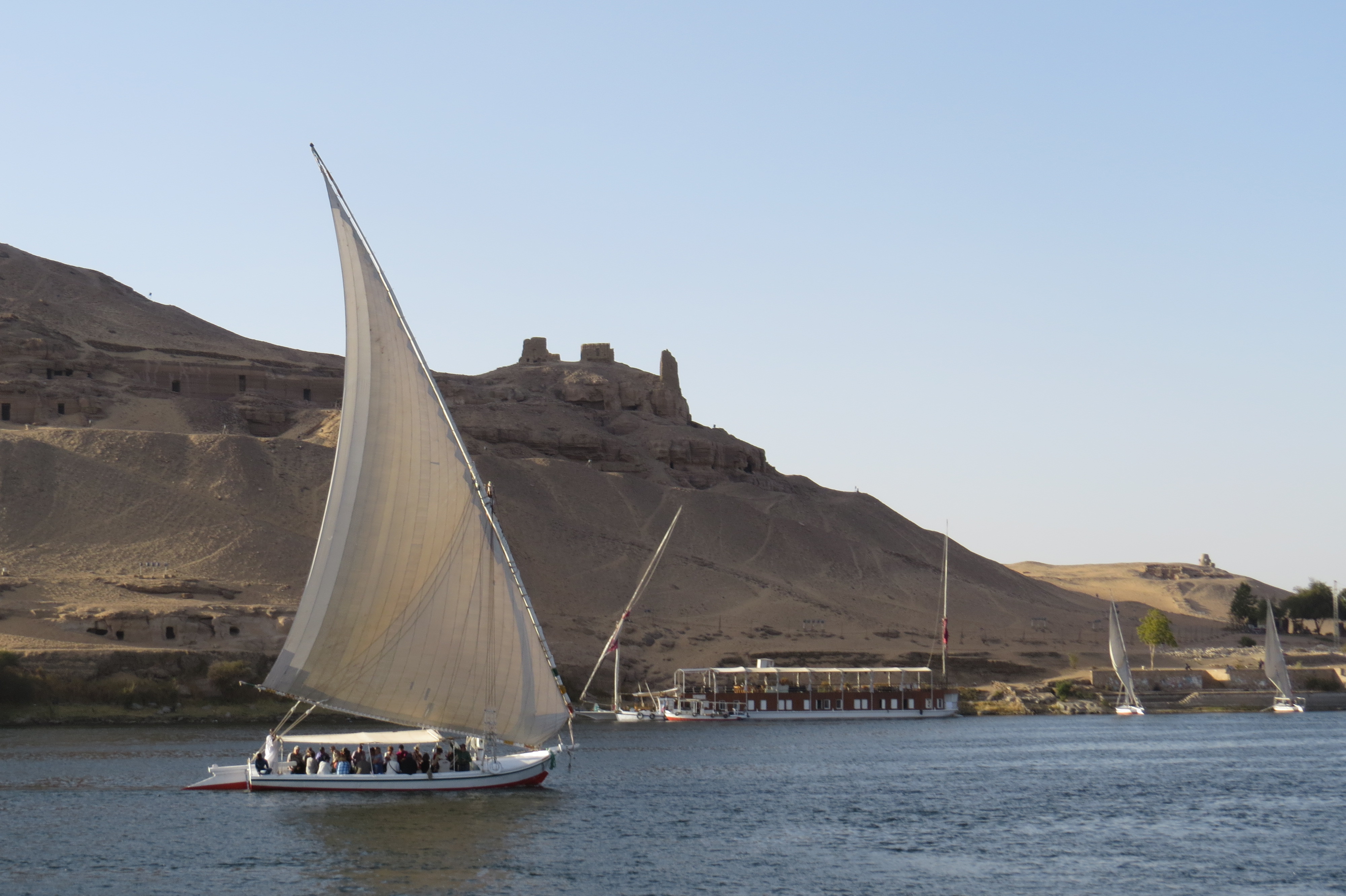
The graceful faluccas with their elegant sails trailed us along the Nile.
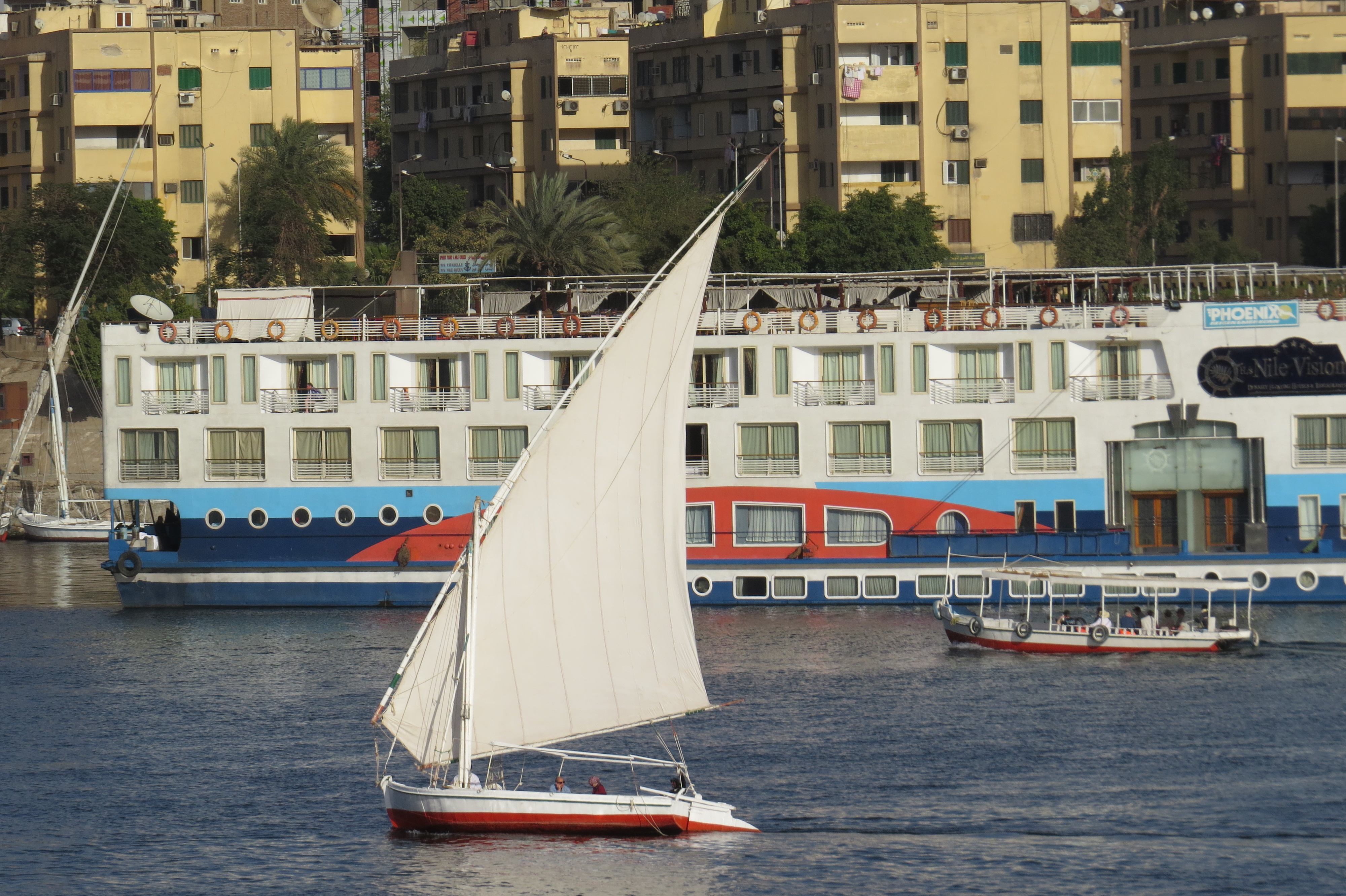
  

We looked on enviously as one particular party boat throbbed with Nubian music.  We had no idea that the musicians had been arranged by our local guide to come and entertain us at dinner and were giving an impromptu concert on the boat.

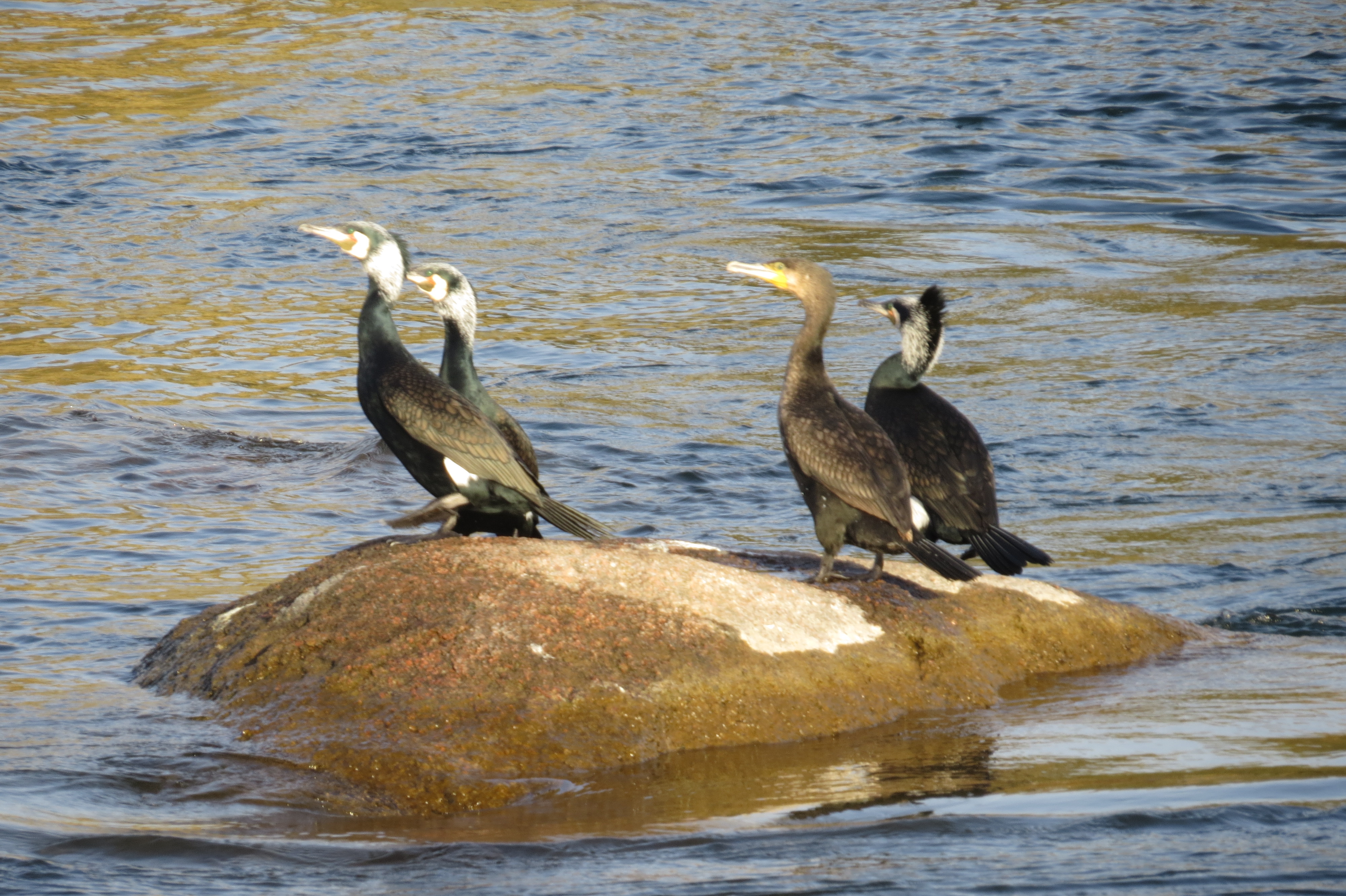
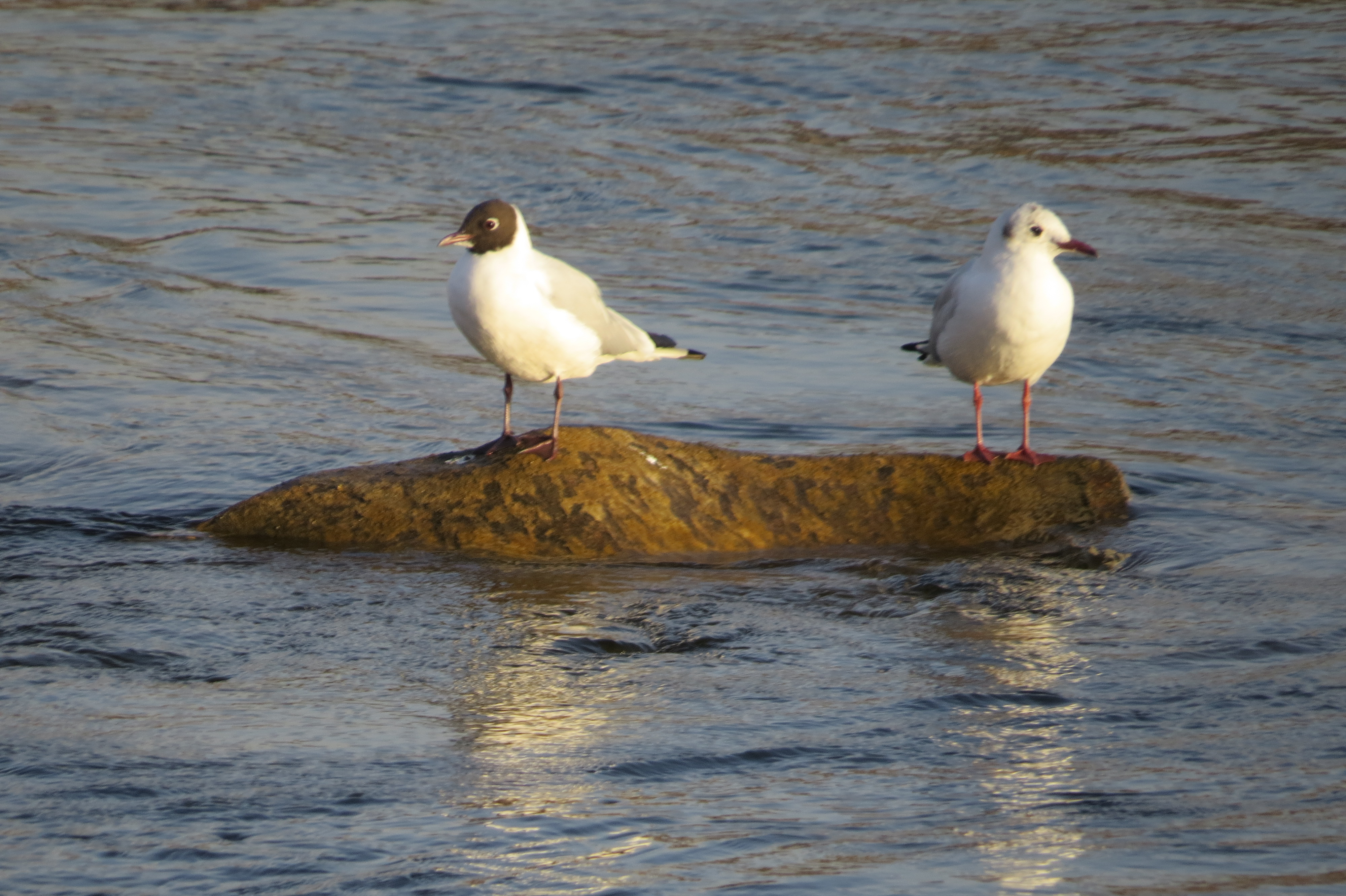
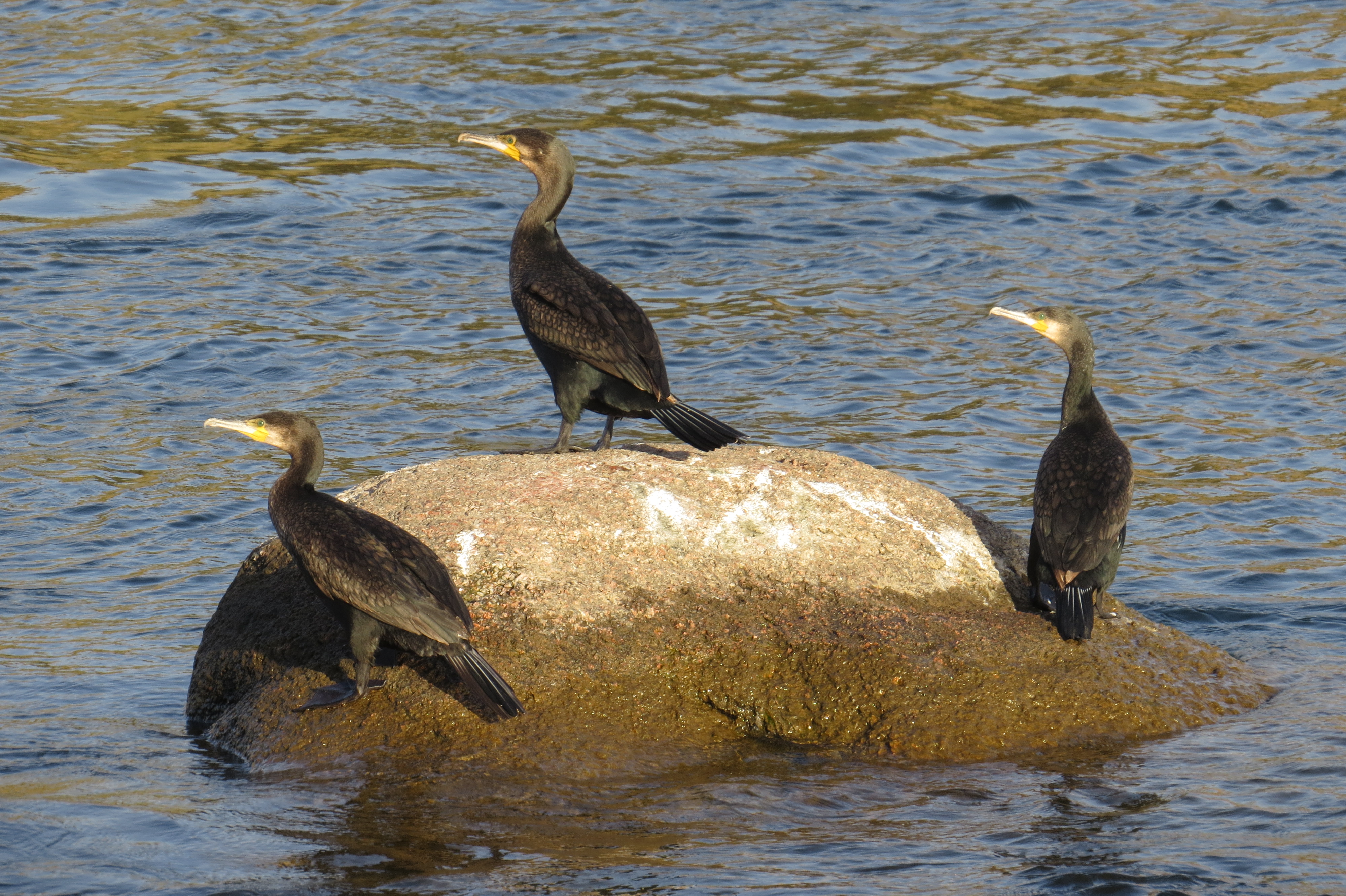
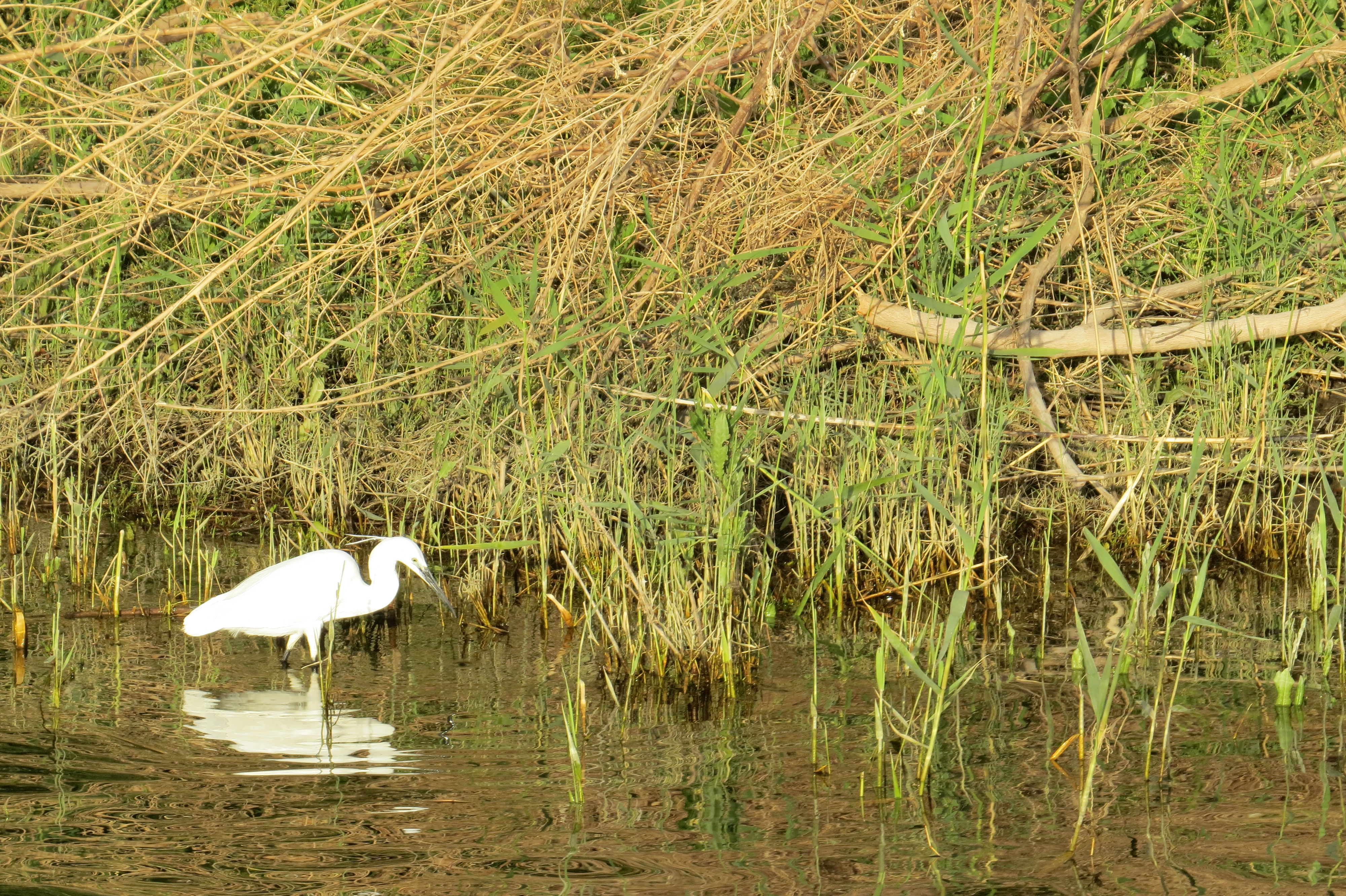
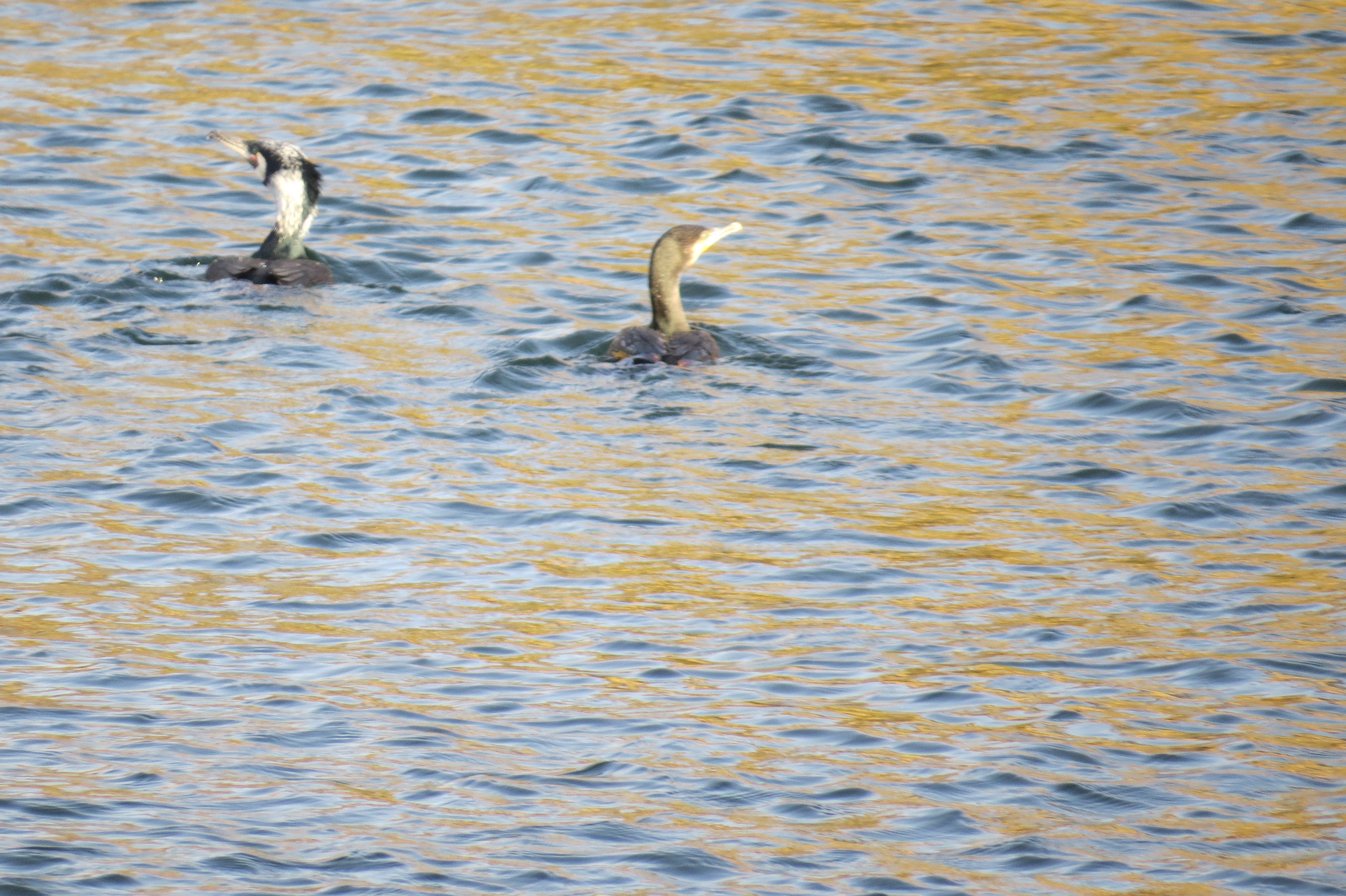
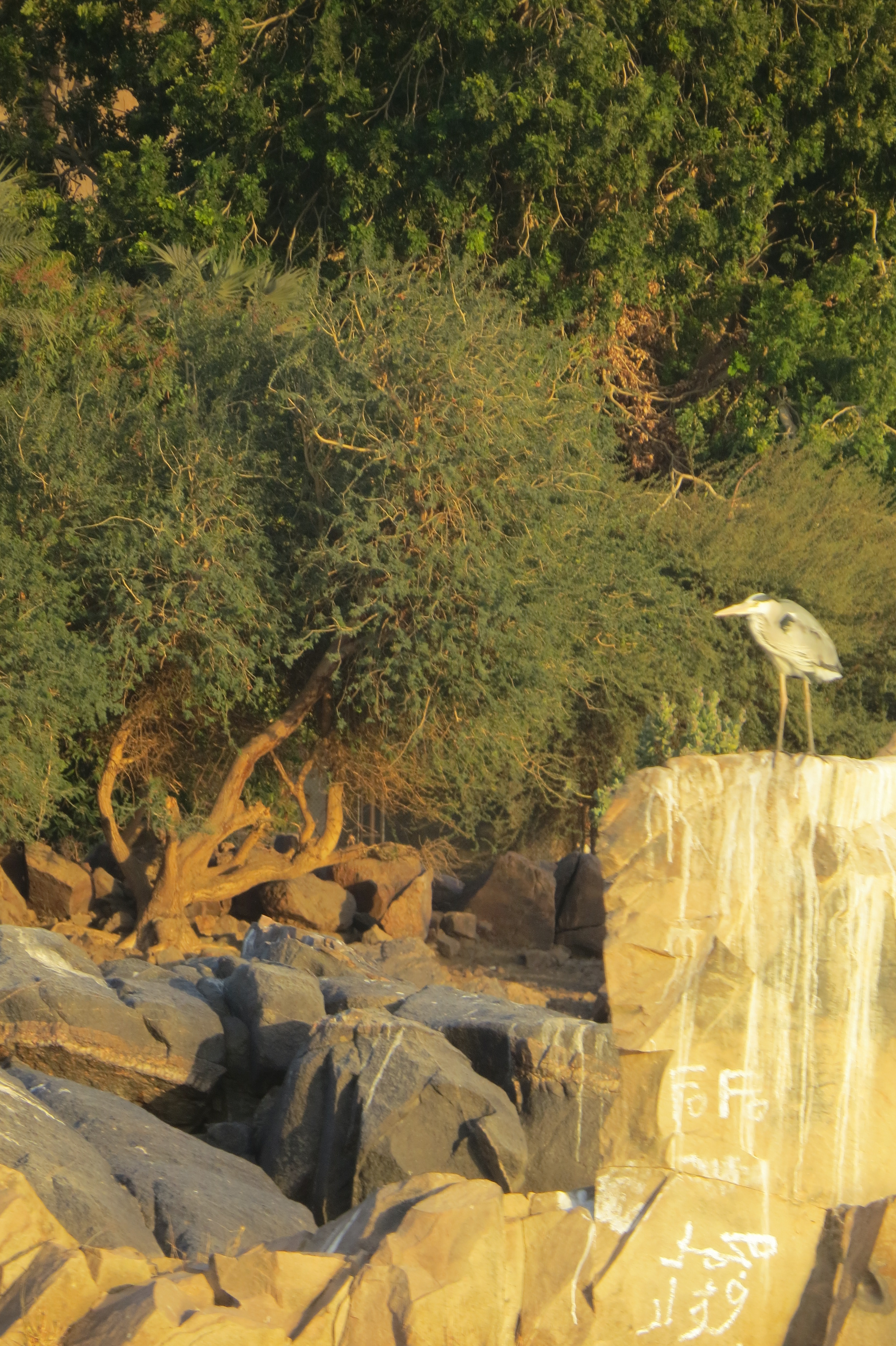
Along the way, we saw a botanical garden, Aga Khan III’s mausoleum, and a bird sanctuary:
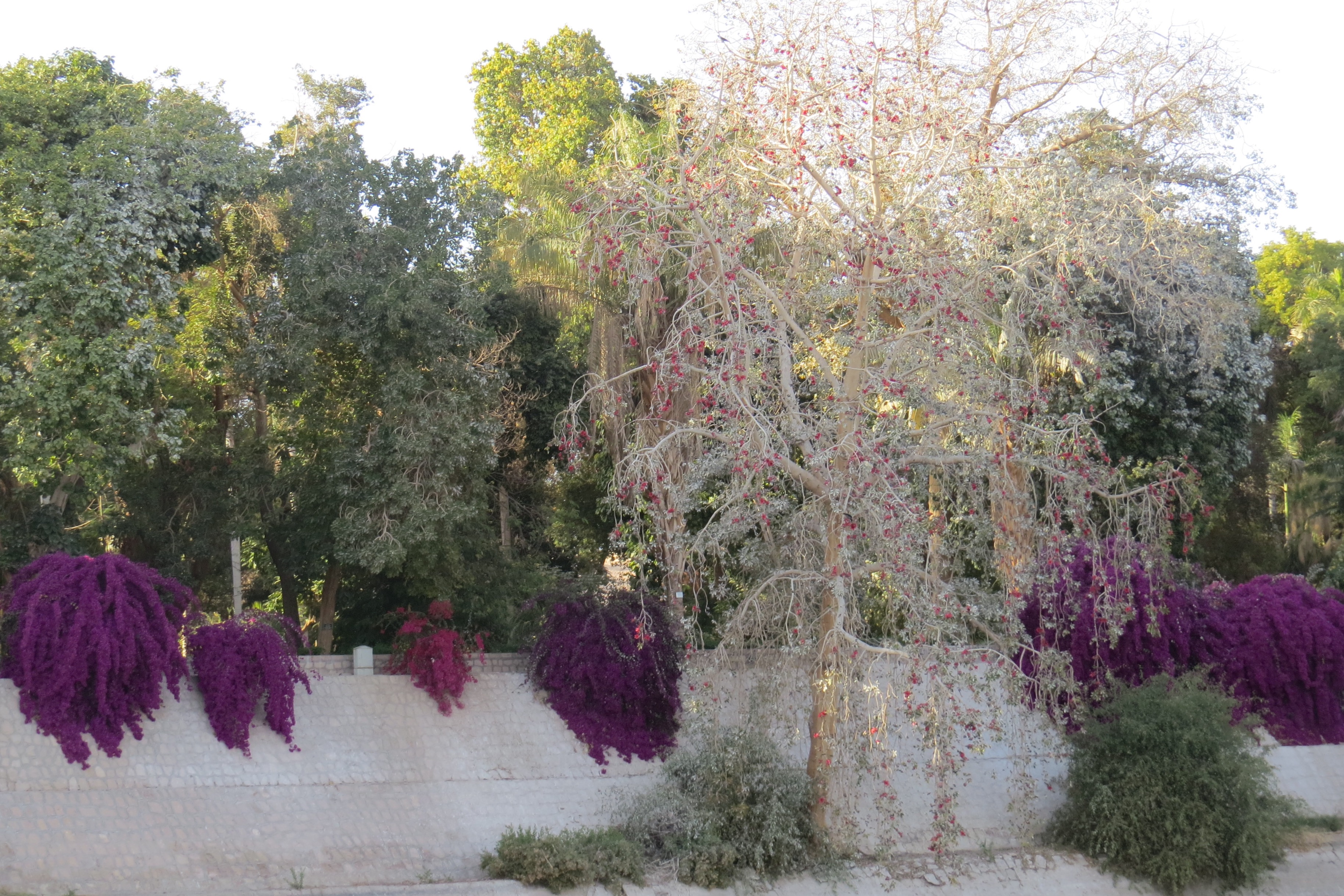
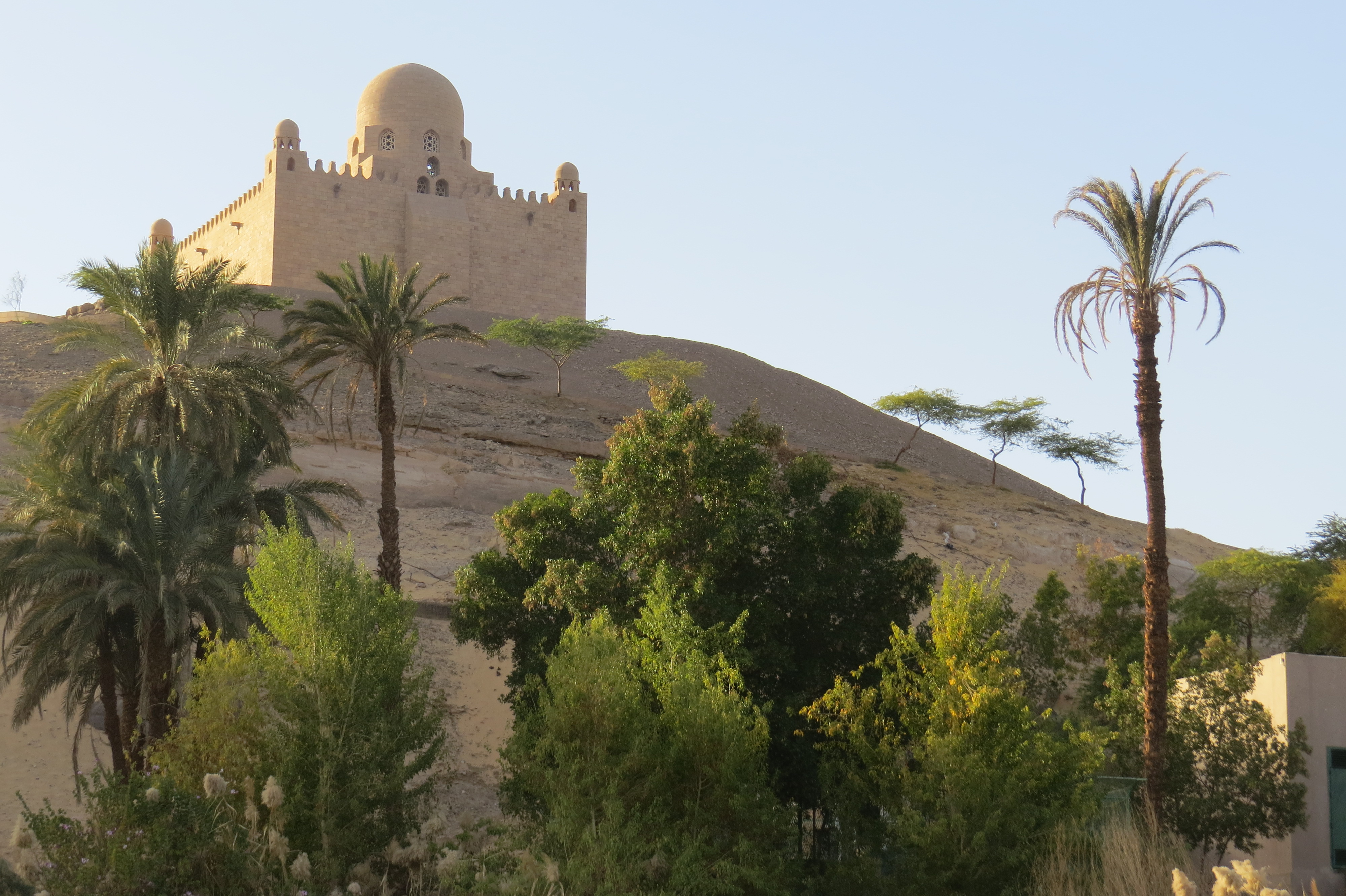
    

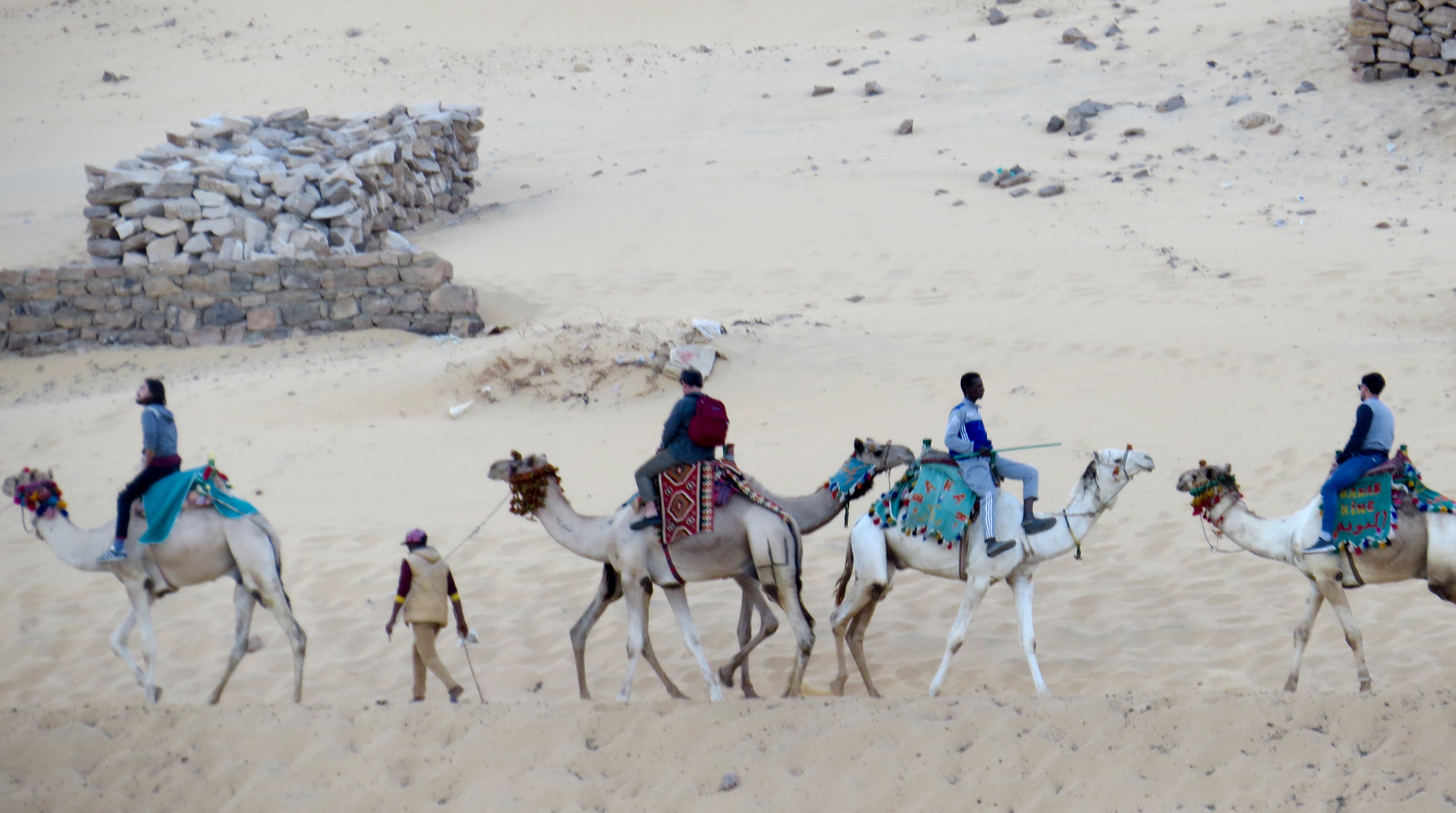
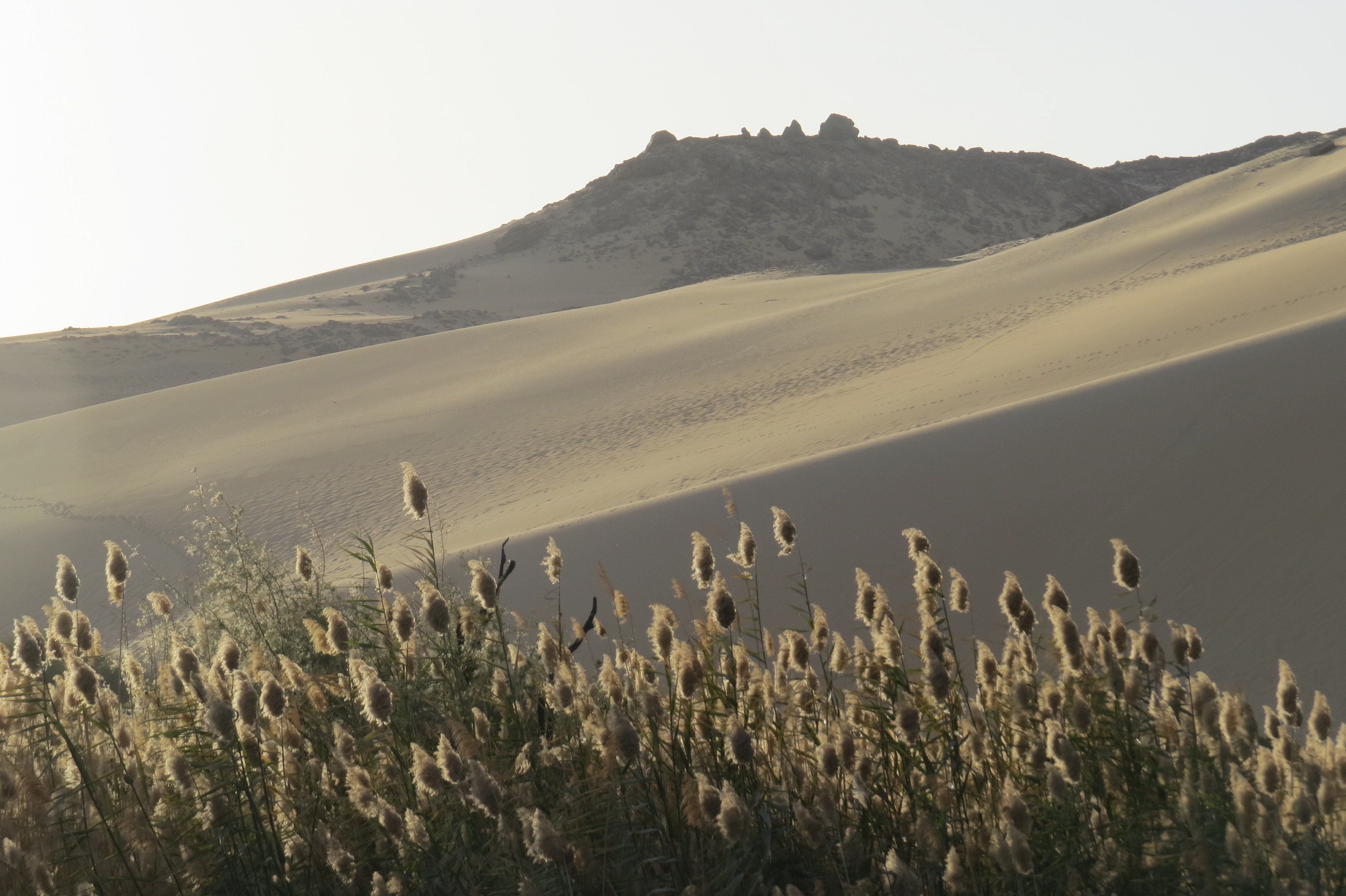
I had to remind myself where I was while floating past gorgeous scenery – and a camel thruway – in the glowing light of the fading Egyptian sun:
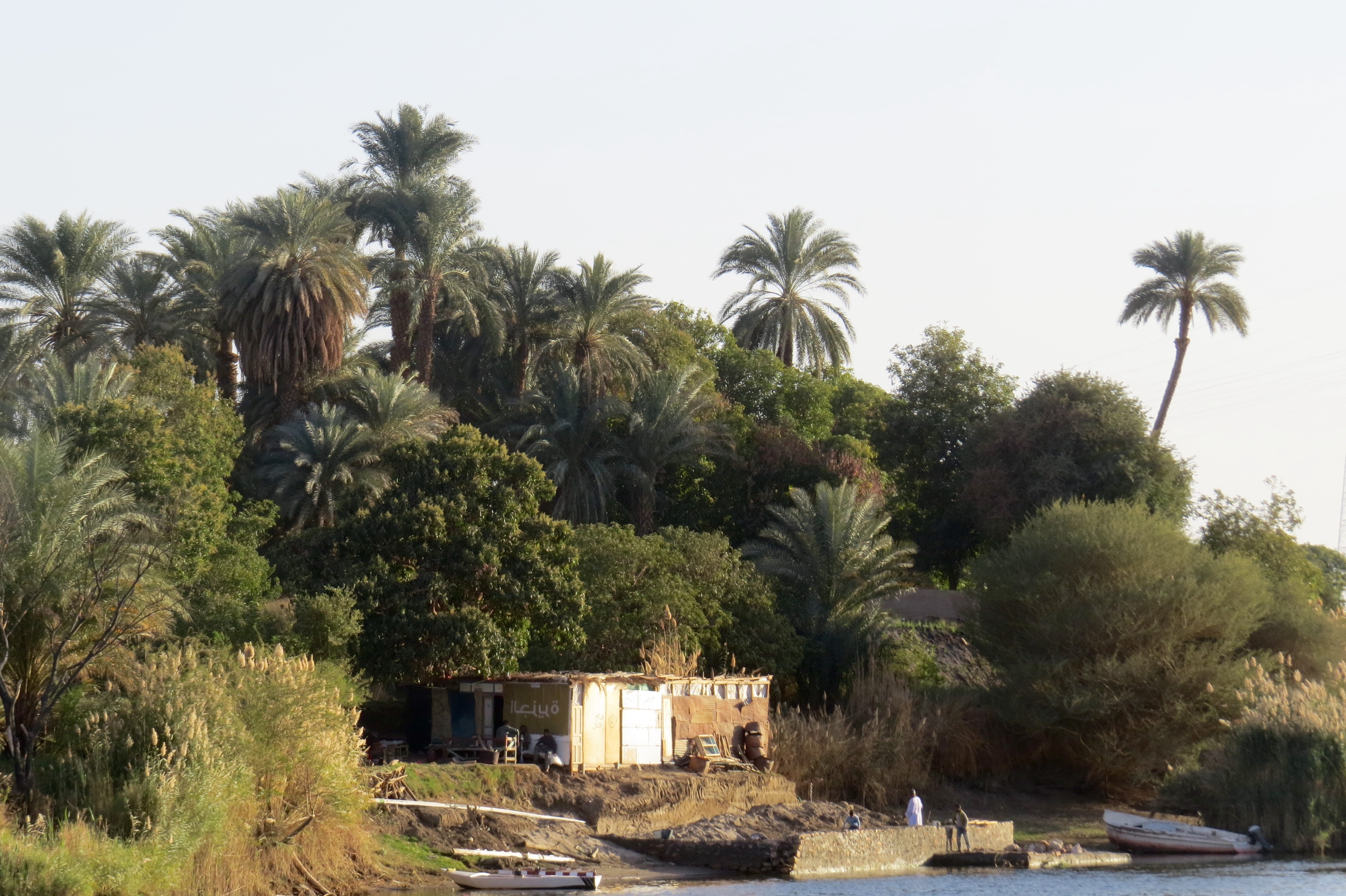
  

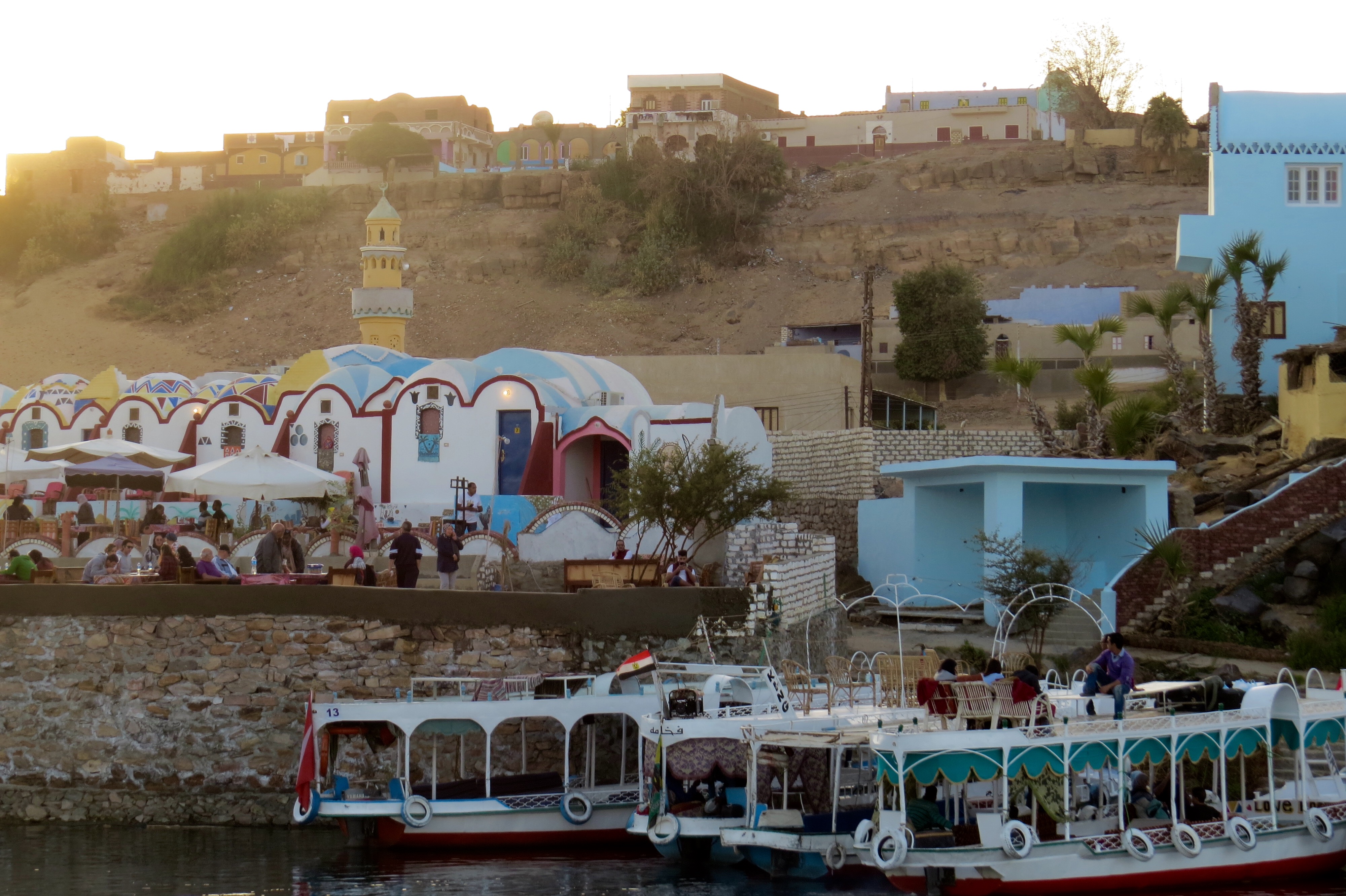
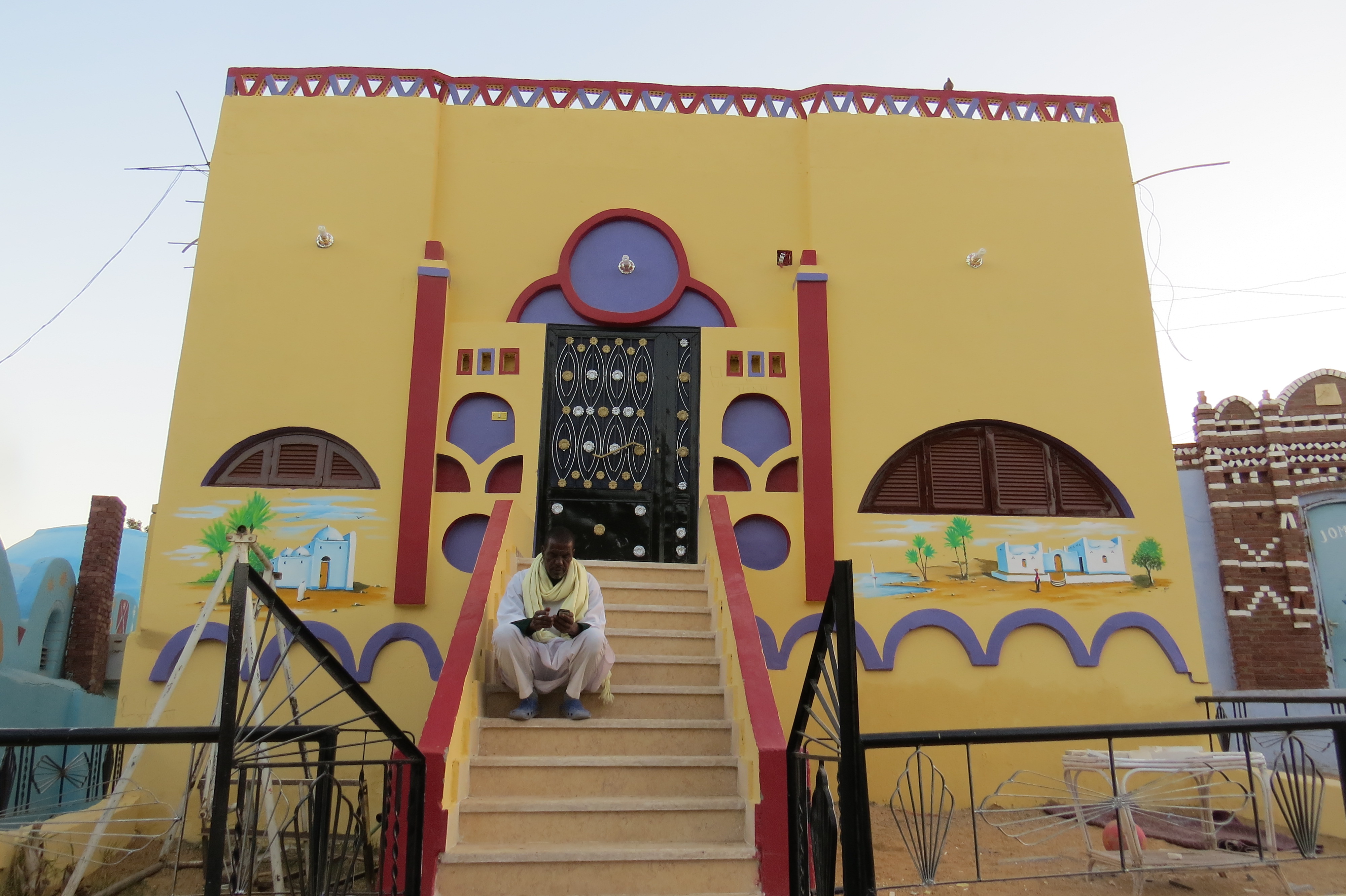
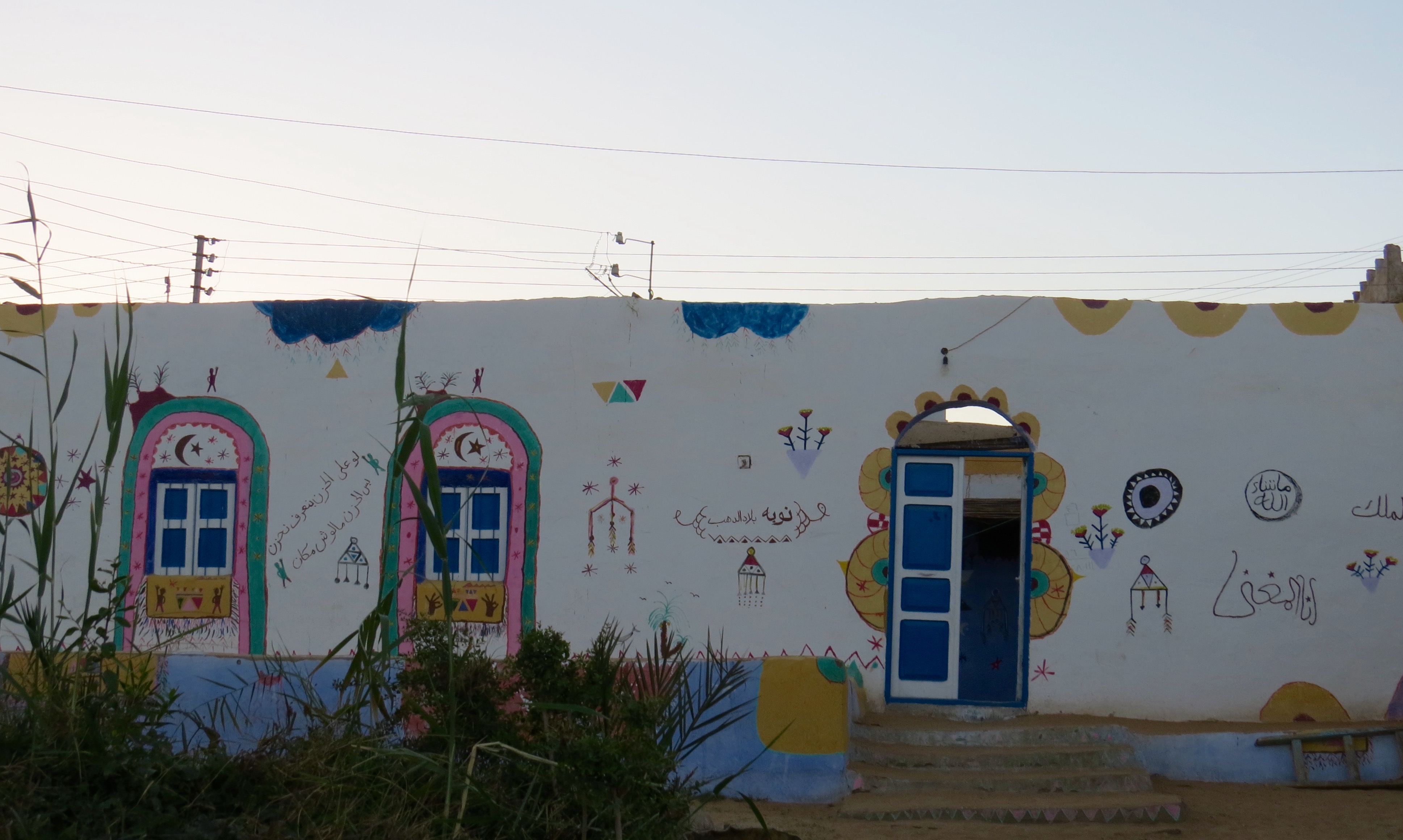
We pulled up to the Nubian village, climbed ashore and noticed a ’60’s vibe.  We passed some colourful houses and the local school.
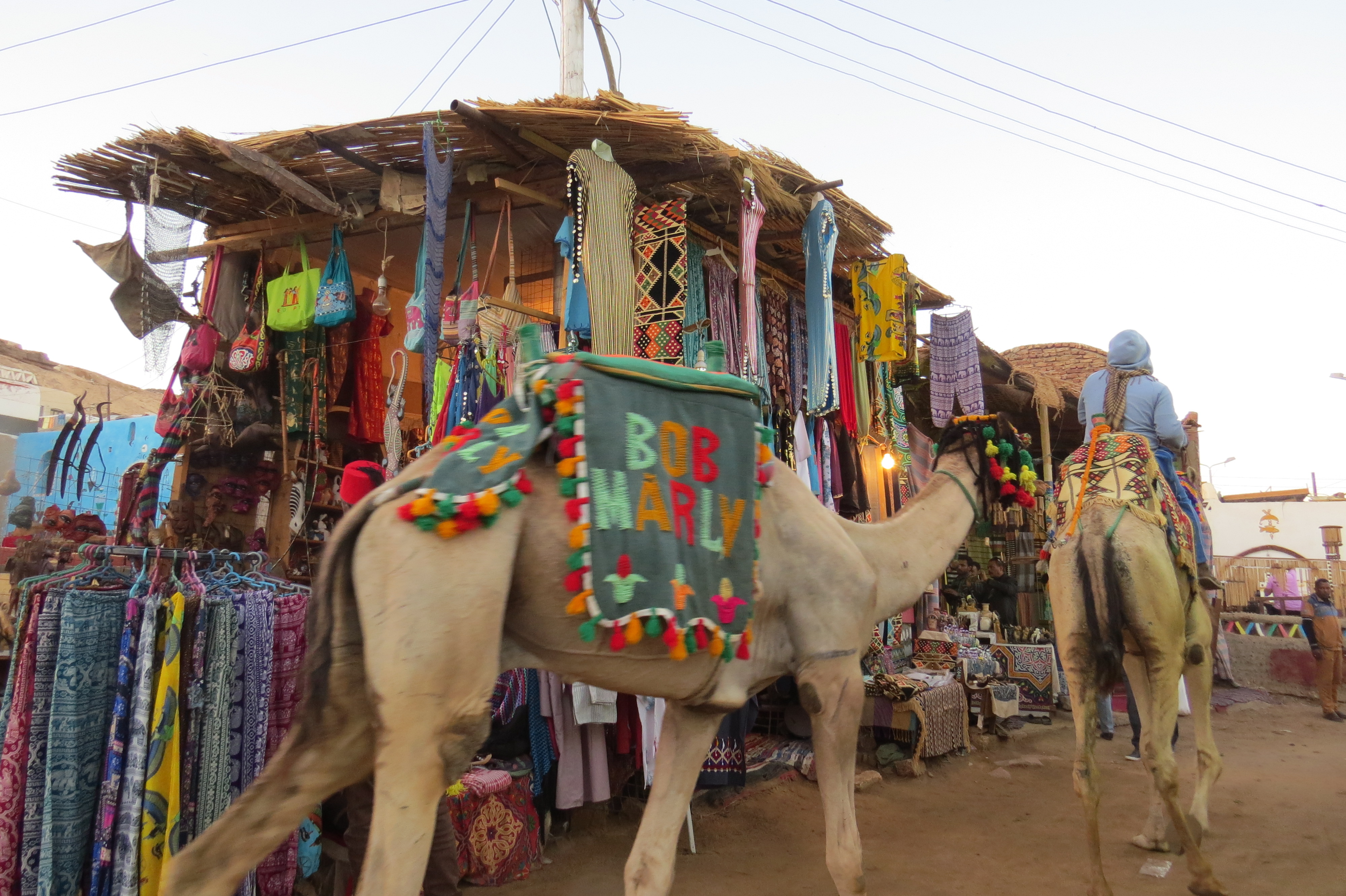
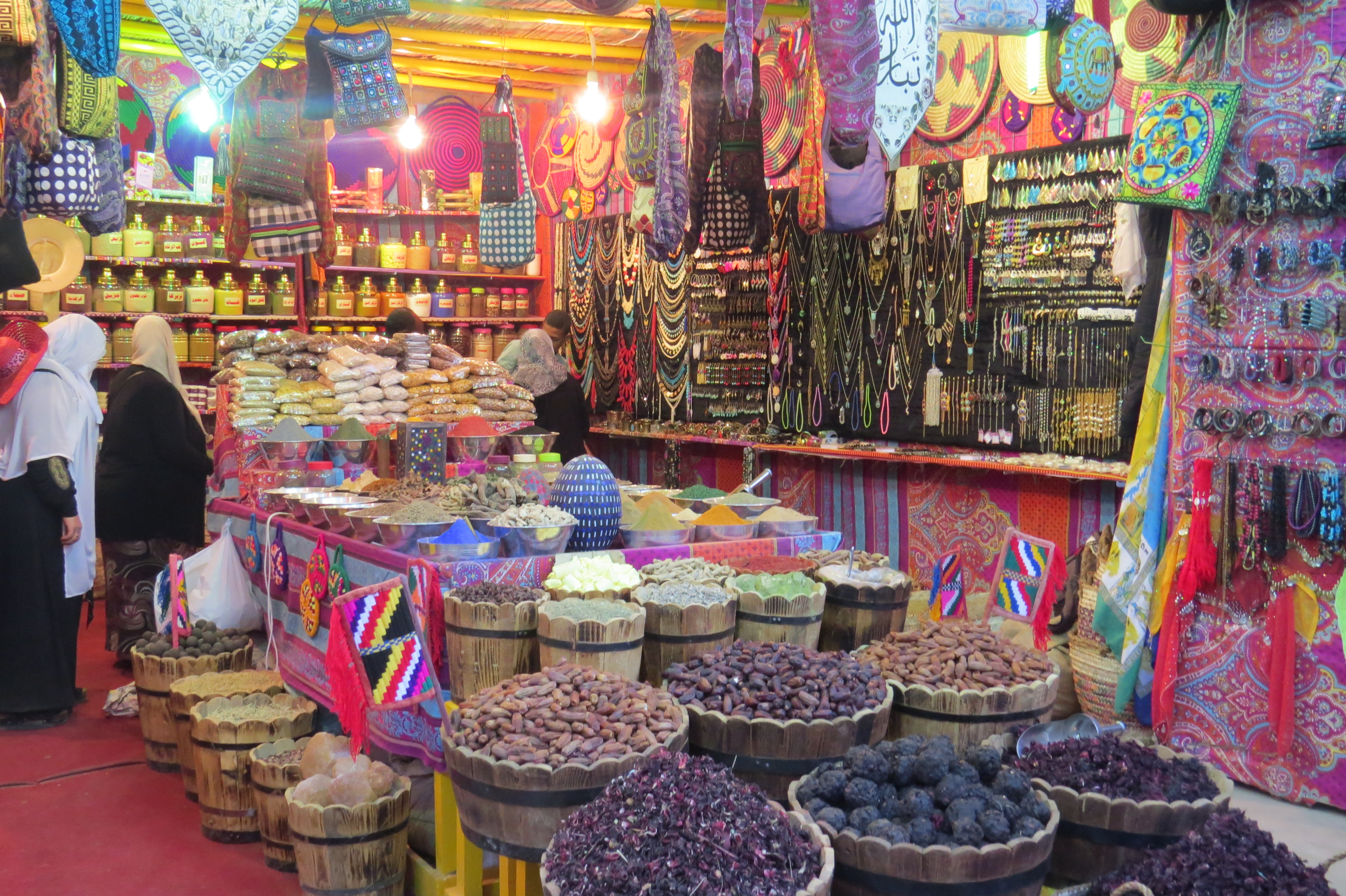
We wandered thru an exotic scene:  the market, with camels ambling  by just as if they belonged there.
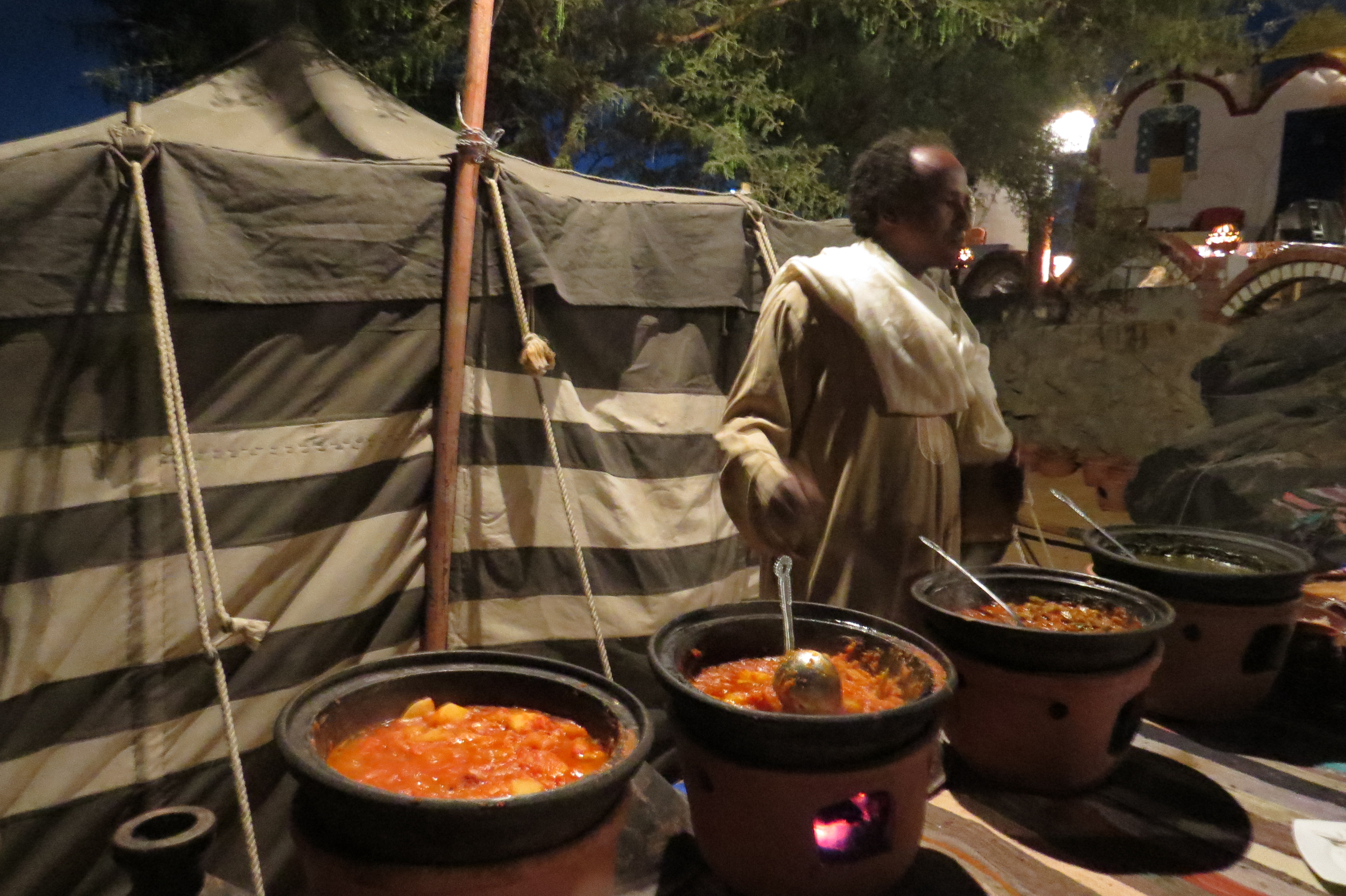
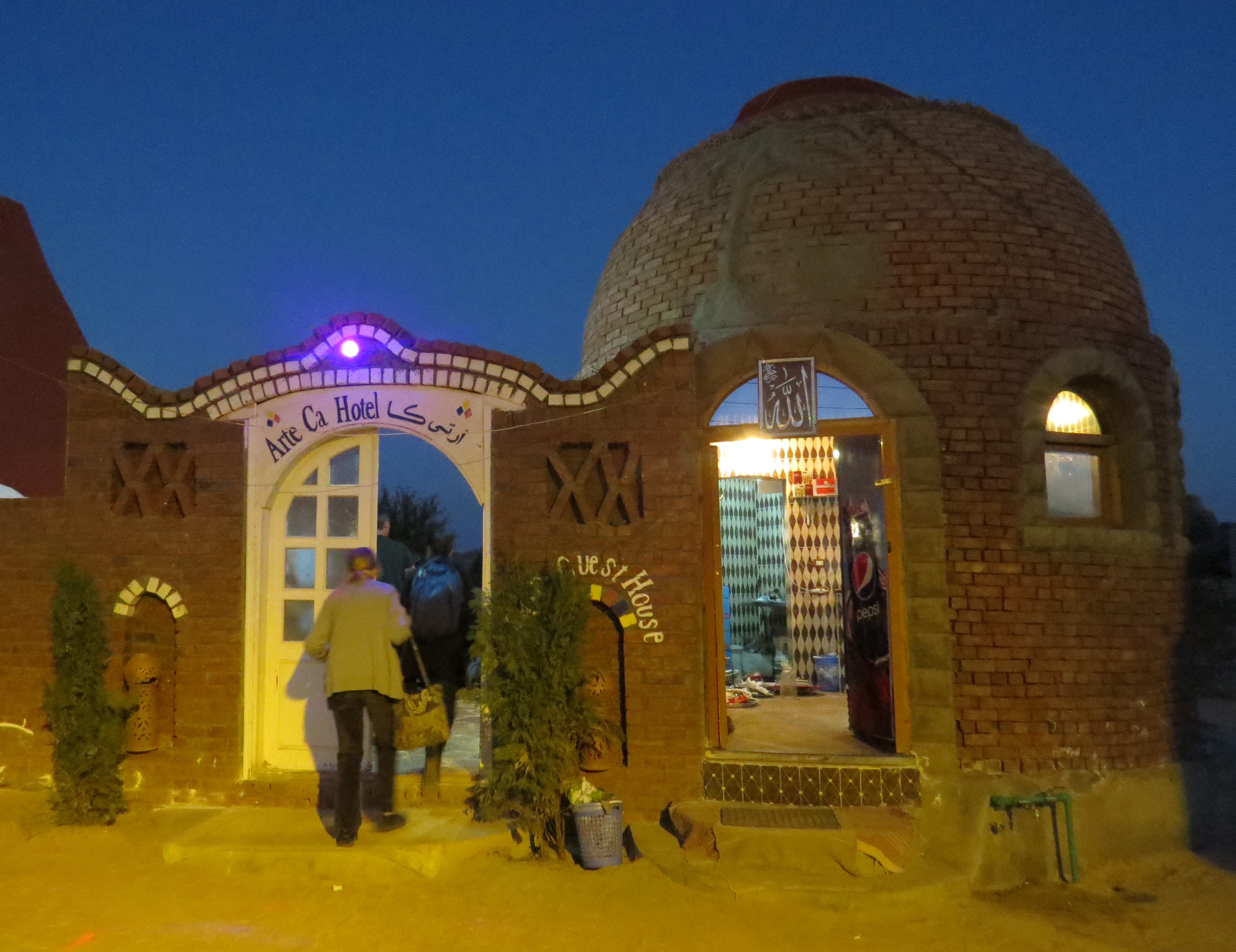
We headed “in” for our al fresco delicious tagine dinner next to the Nile.
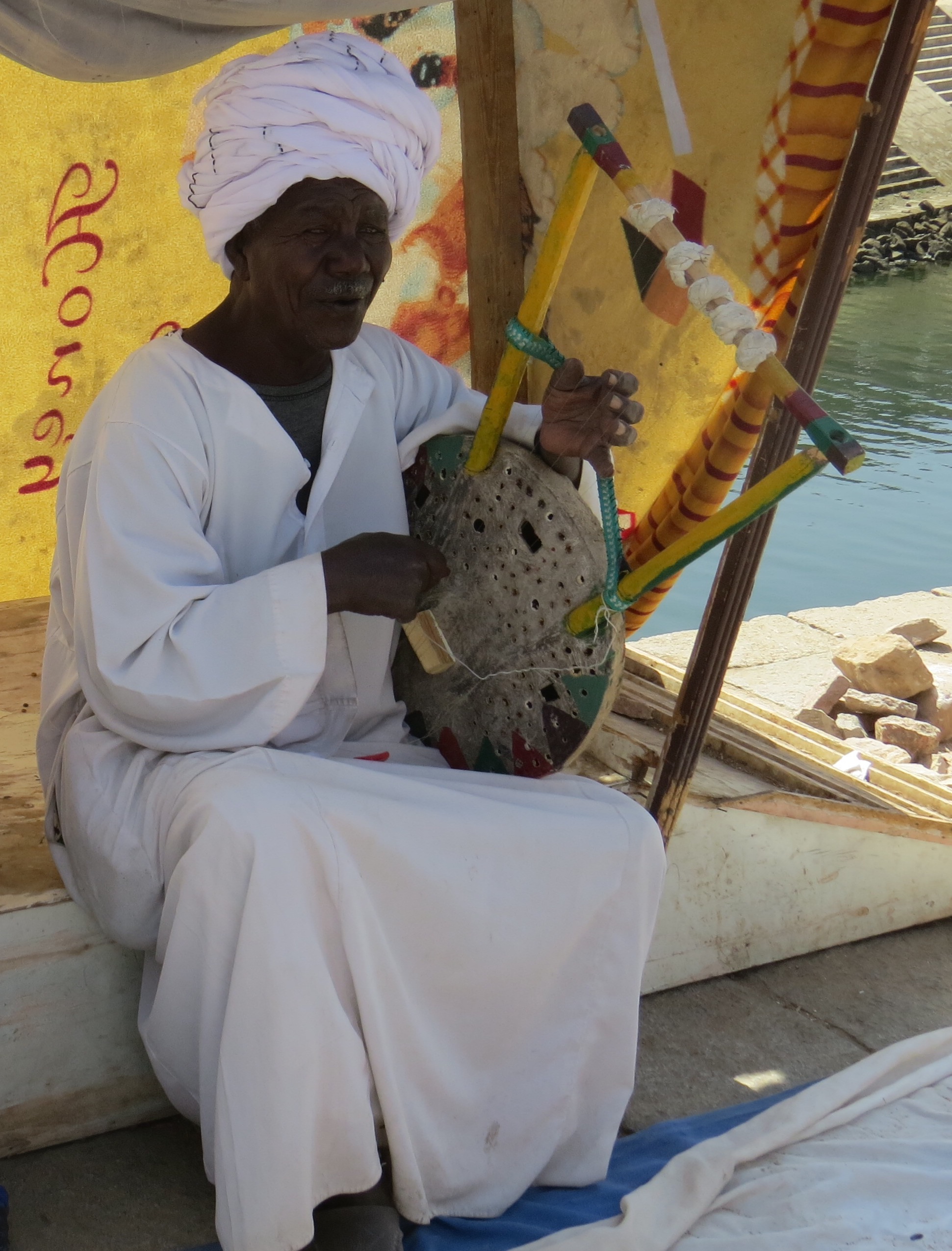
And then came the music.
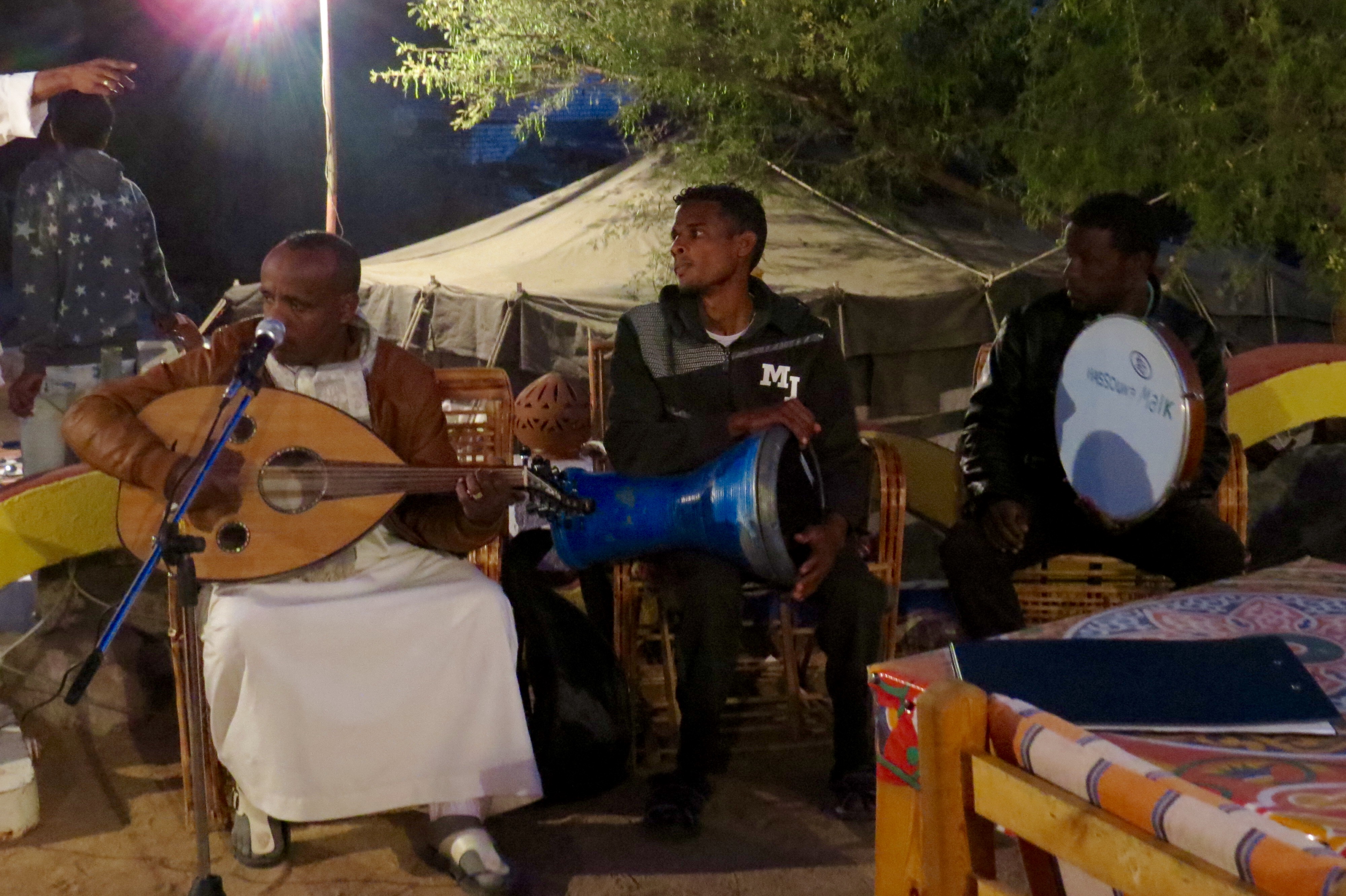
Playing, left to right, the Oud, Drabukkeh and Tar

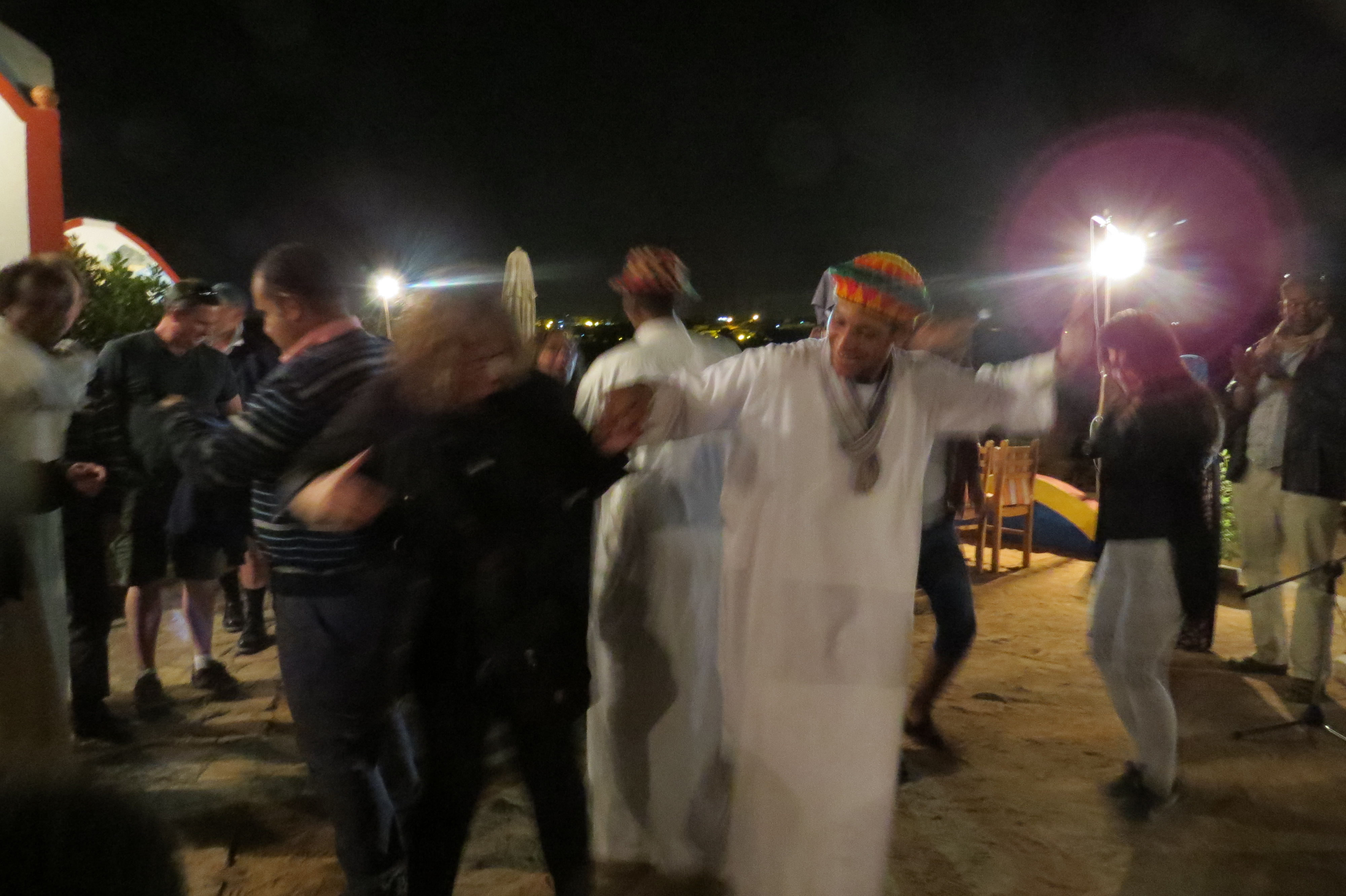
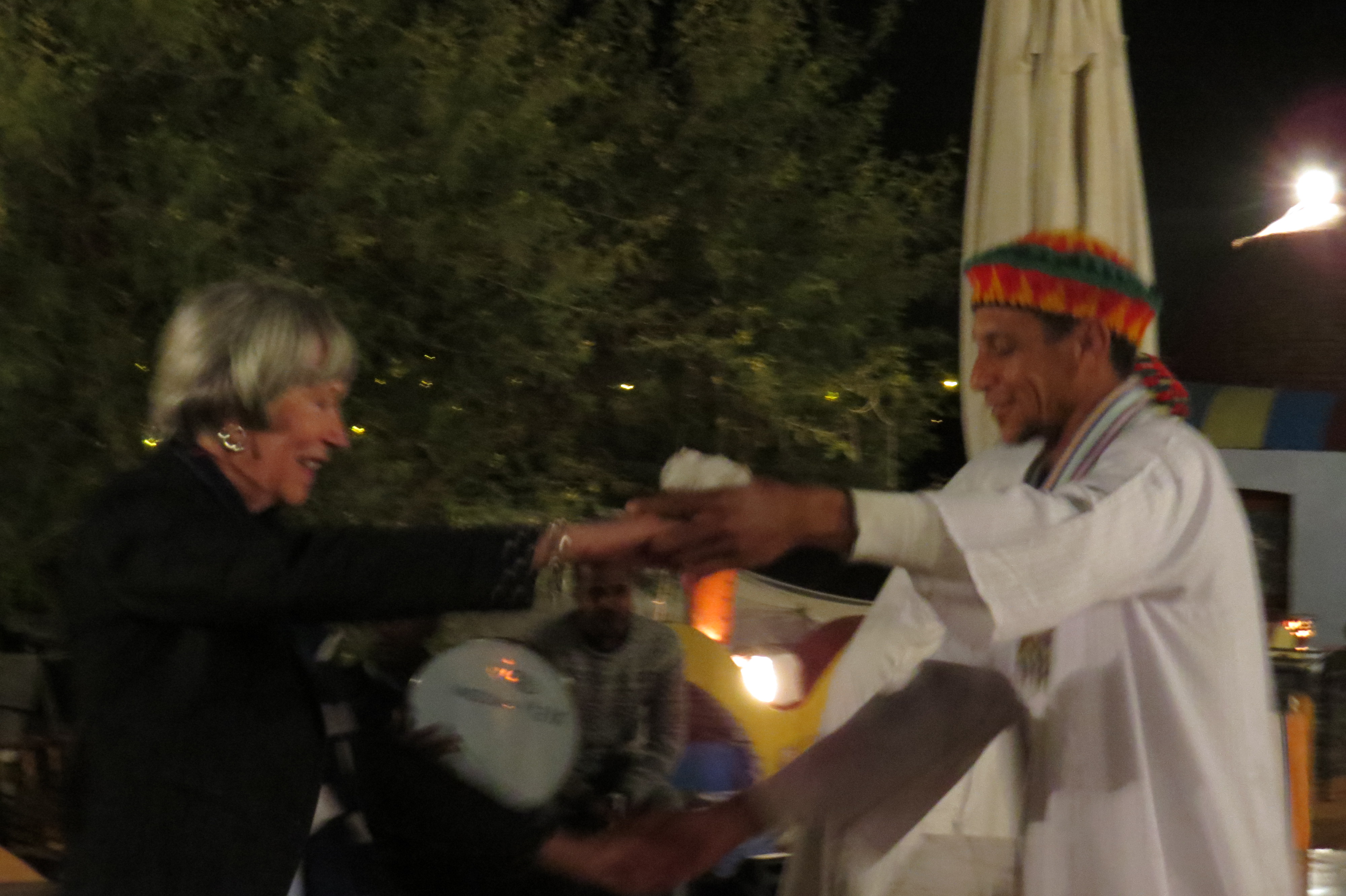
I would defy you not to move when you hear this music.   One of us had had actual belly dancing lessons, the rest of us just followed the lead of the locals.  I danced my tush off, badly, but taking a selfie was not top of mind.
 

Later,  we visited a Nubian home.  Four couples shared the home.

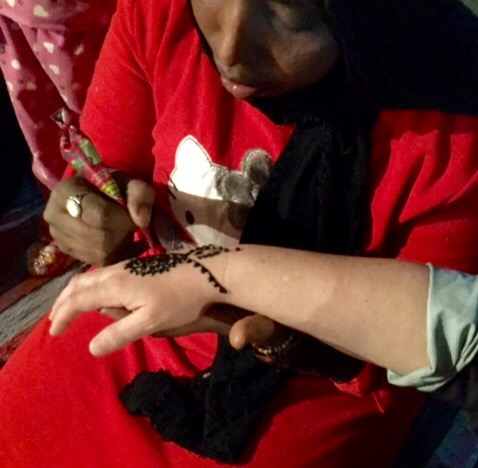
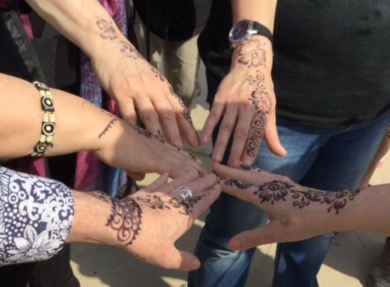
Nubian women wear beautiful patterns on their hands, like black versions of the brown hennas that celebrate women’s hands in India.  Of course several of us jumped in offering our hands..  Each one was done in a few minutes, each one different.  Our awesome men waited patiently, sipping Karkady tea..
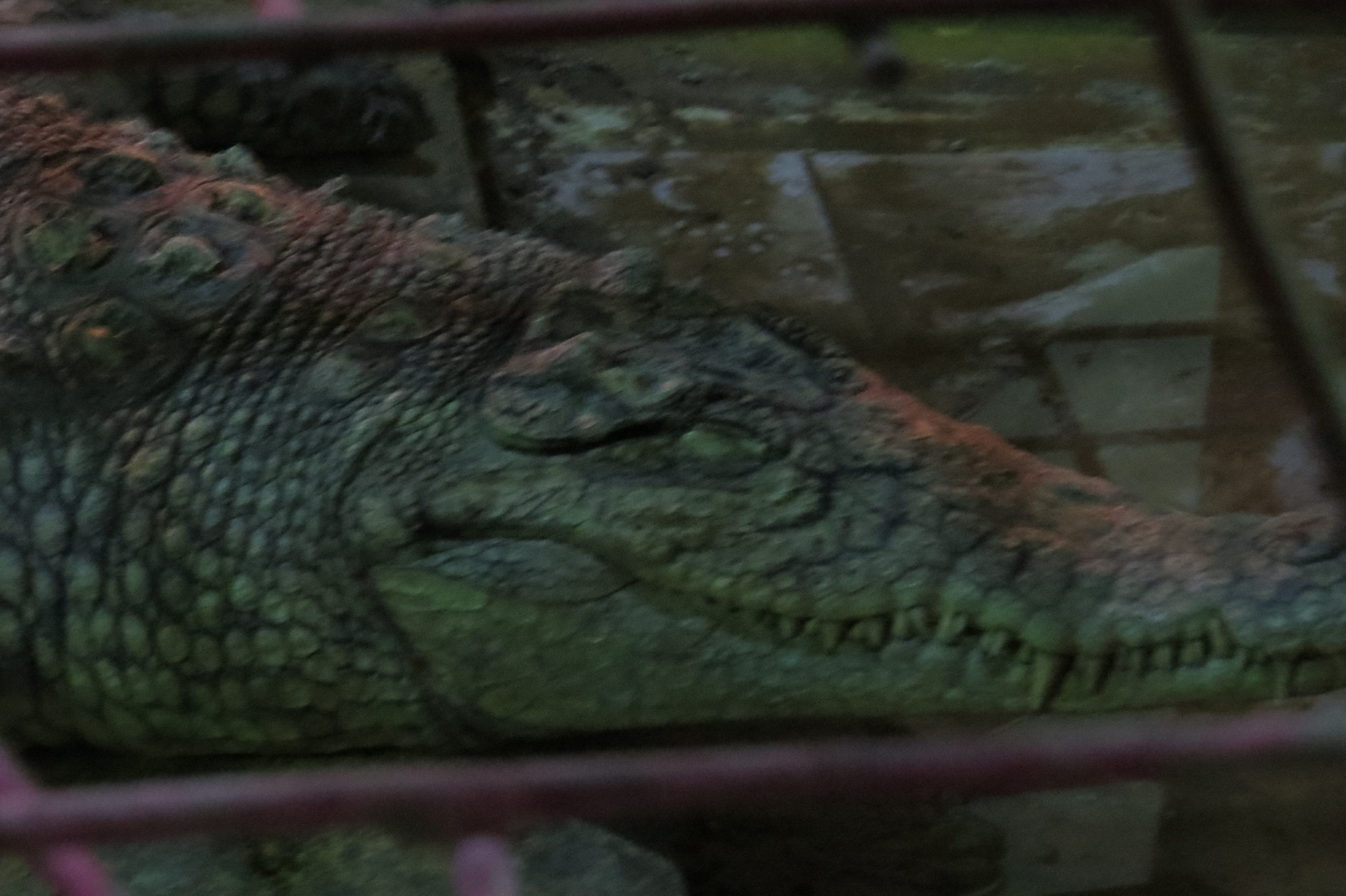
We learned that some Nubians practice black magic, and most Nubians believe the crocodile is a god (and Egyptians have Sobek the crocodile god) so it is meaningful to care for a crocodile, possibly in your own dining room.  Some of us held a tiny. baby crocodile, with tiny, baby crocodile teeth.  This is the adult:
If you would love to hear some upbeat traditional Nubian music, enjoy:
Best,

Jan
 

The Main Course

We boarded our bus this morning to Waleed’s tantalizing words: “So we have seen the Pyramids, ridden camels, visited Alexandria and the Egyptian Museum. But Family, if this trip was a meal, that was only the appetizer. Now, our tour of the real Egypt starts, and we are moving to the main course.”

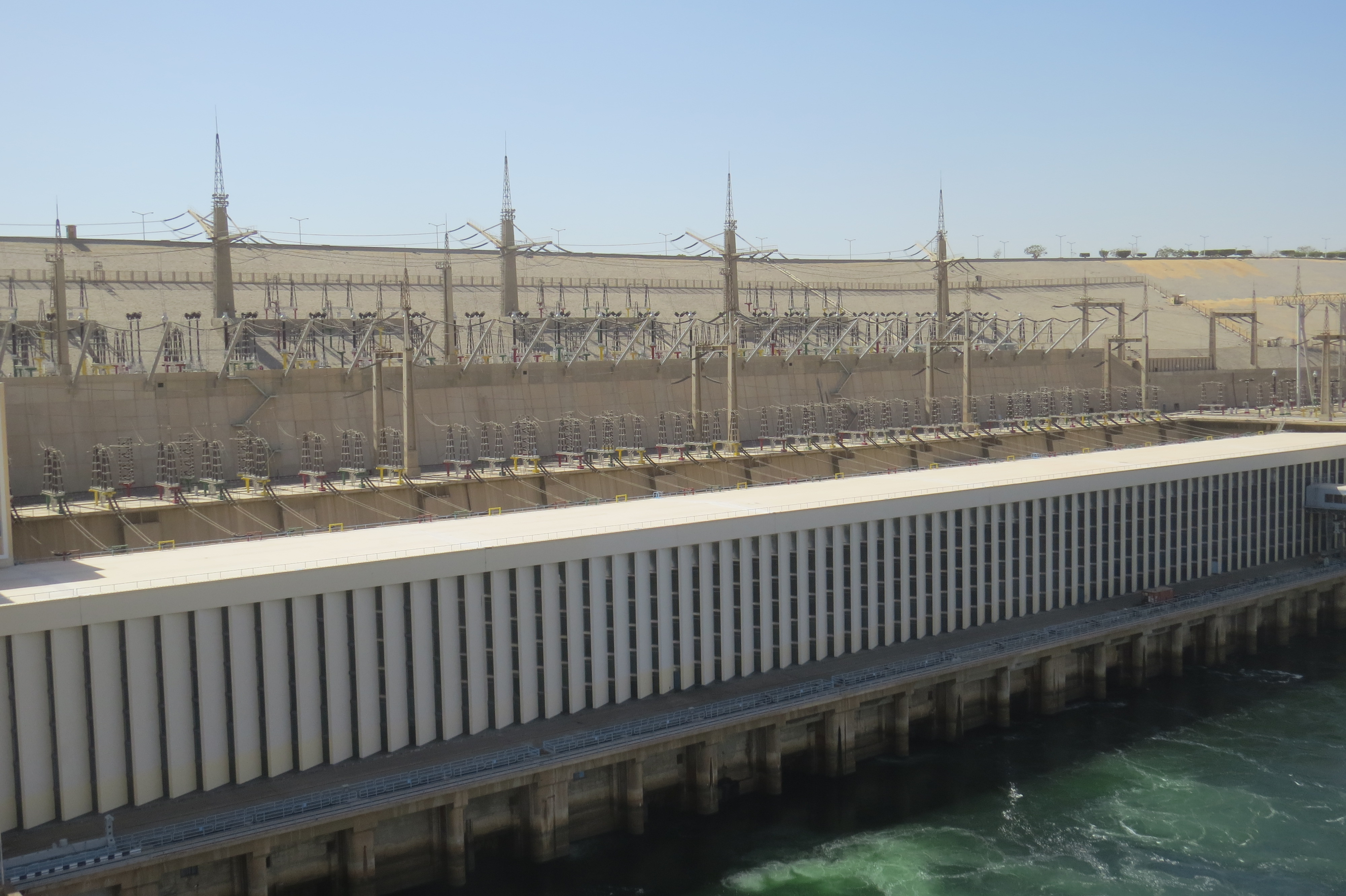
Our first stop was the massive Aswan High Dam, the second in the upper Nile’s history, completed in 1970. Like so many dams, it had upsides and downsides.  Its upsides were production of about 20% of the country’s electrical power, irrigation and farming benefits, but the downsides were it caused the relocation of over 100,000 people and the sinking of several important archeological sites (a few were saved and relocated).

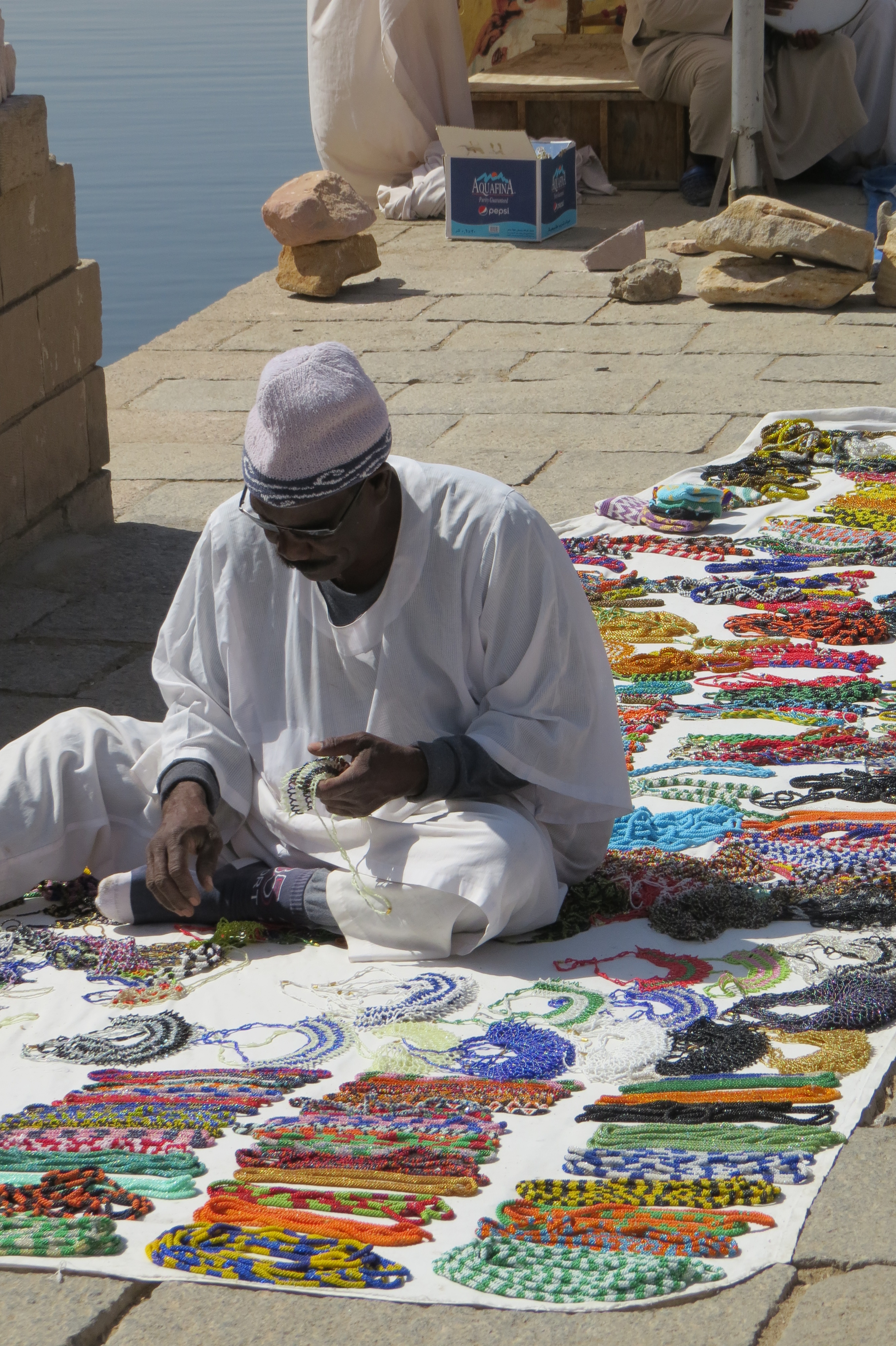
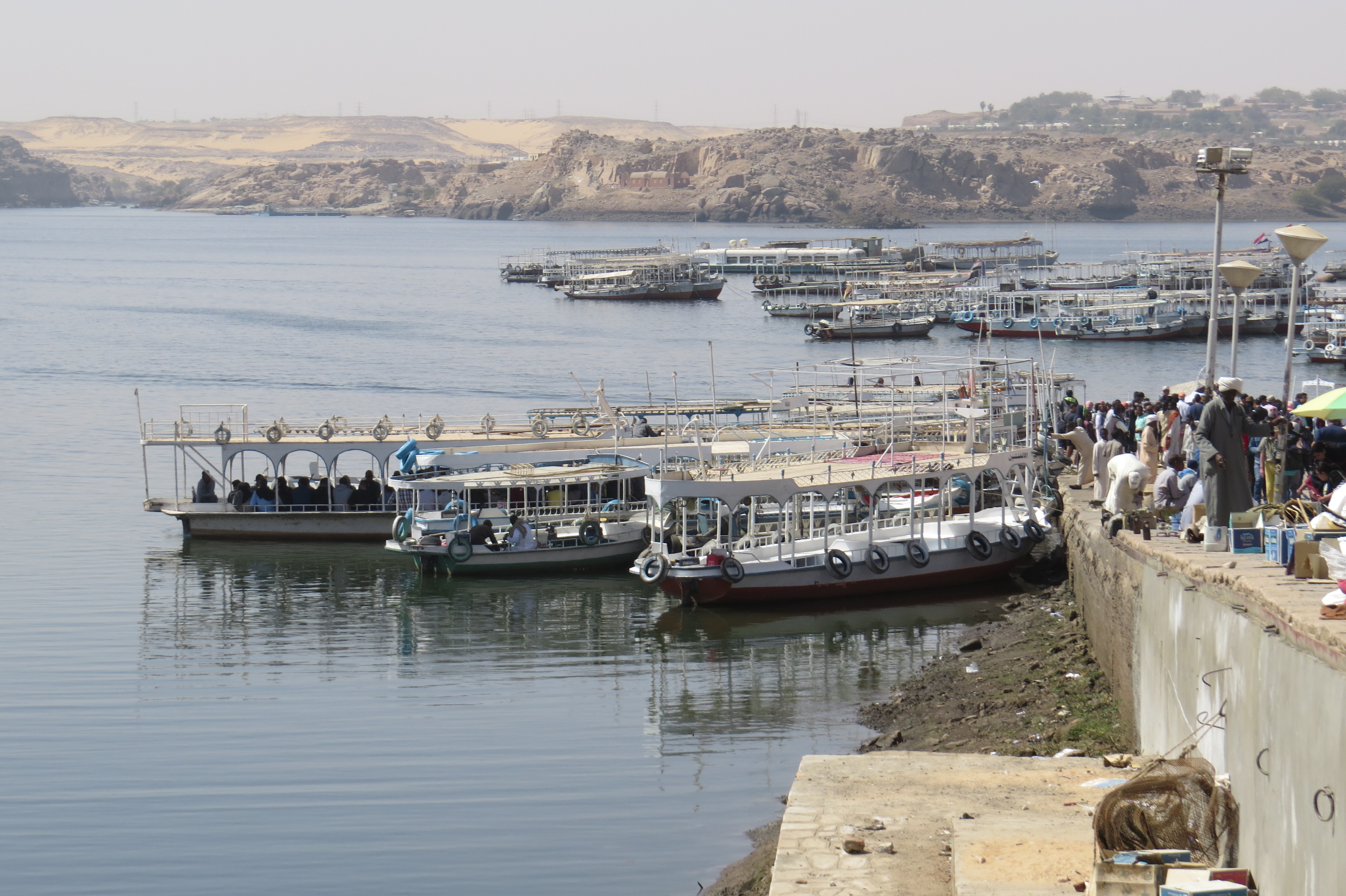
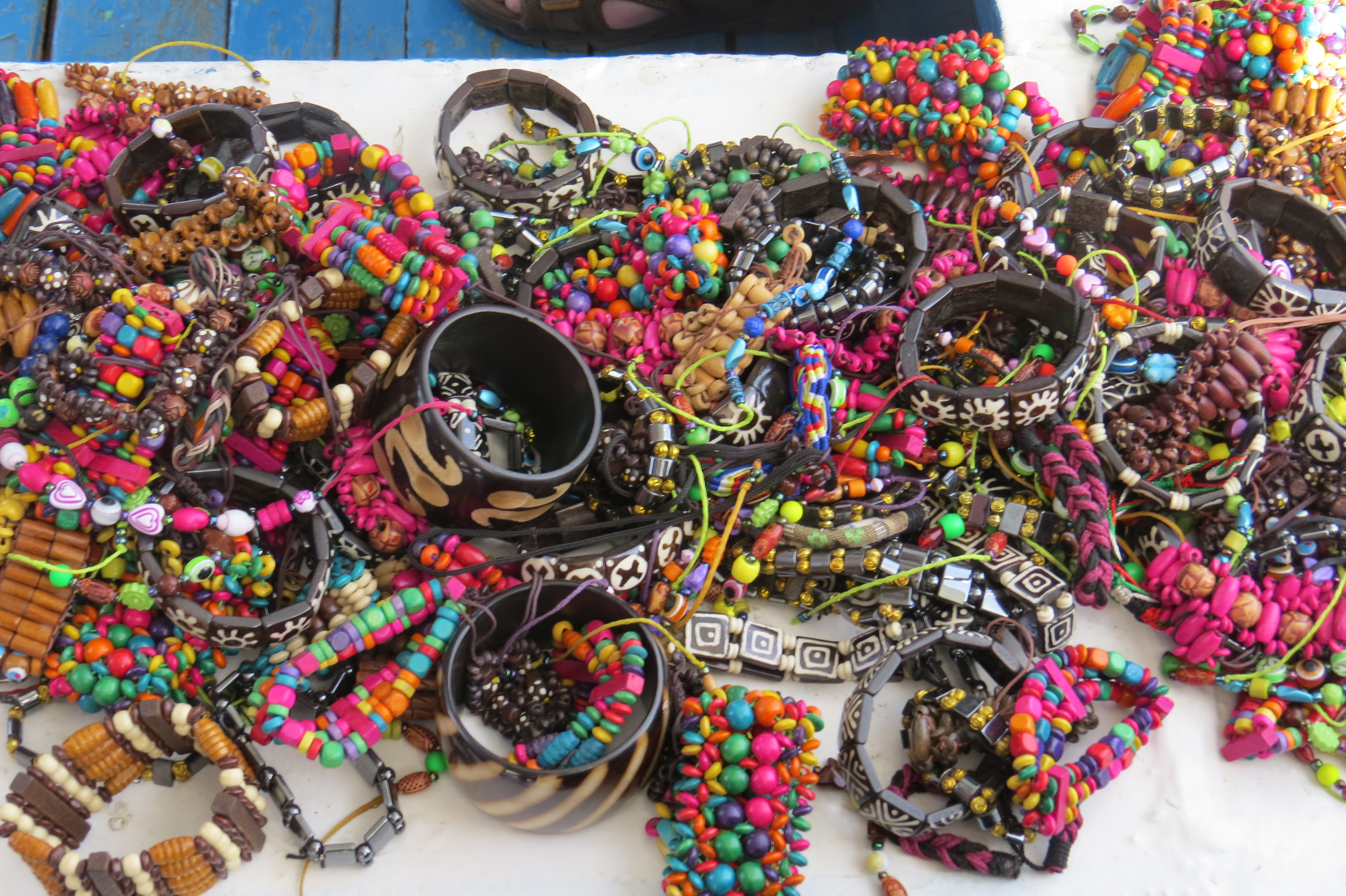
Next we headed down a walkway past a colourful market and boarded a motor boat, where handcrafted bracelets were for sale.


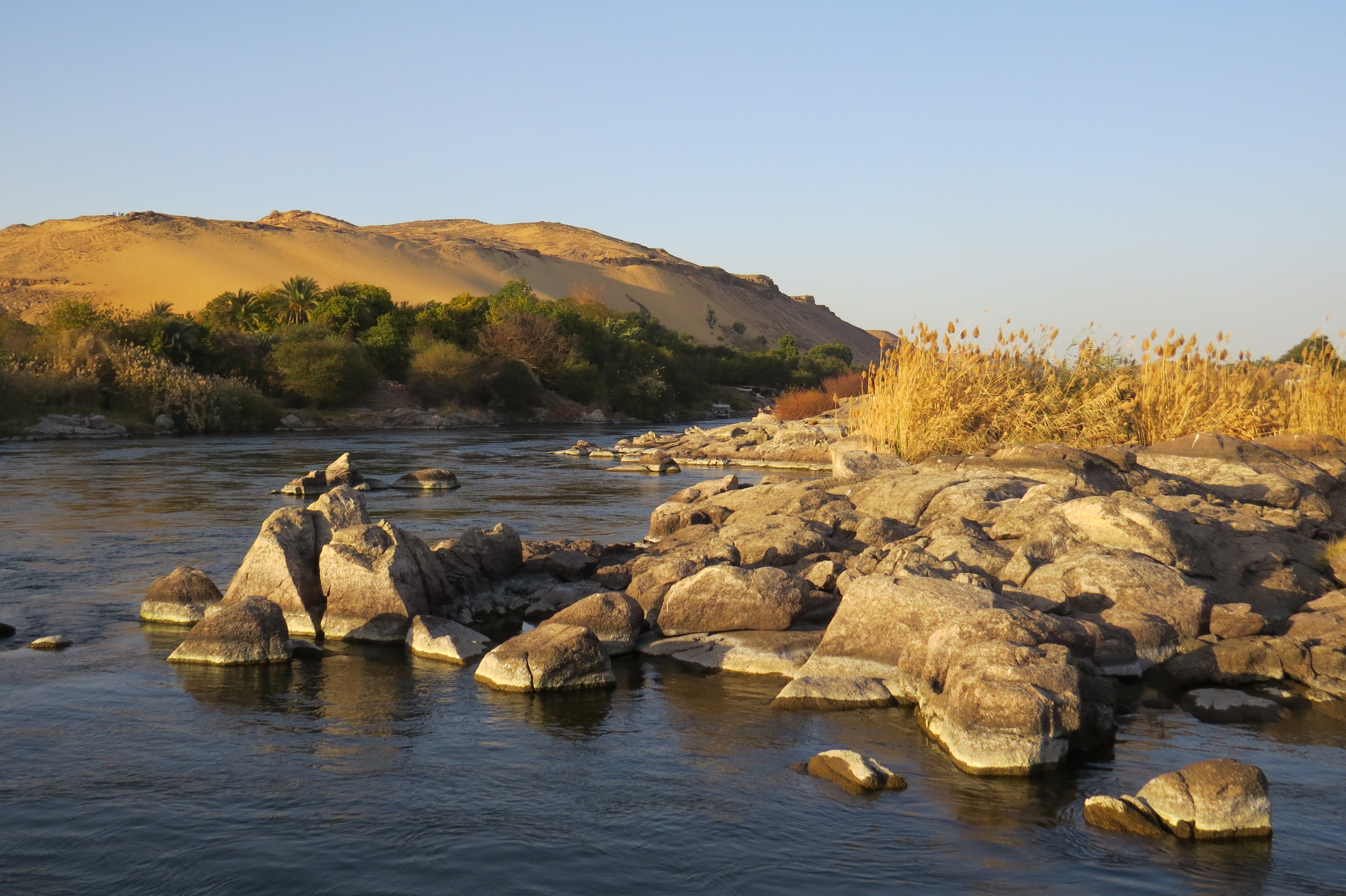
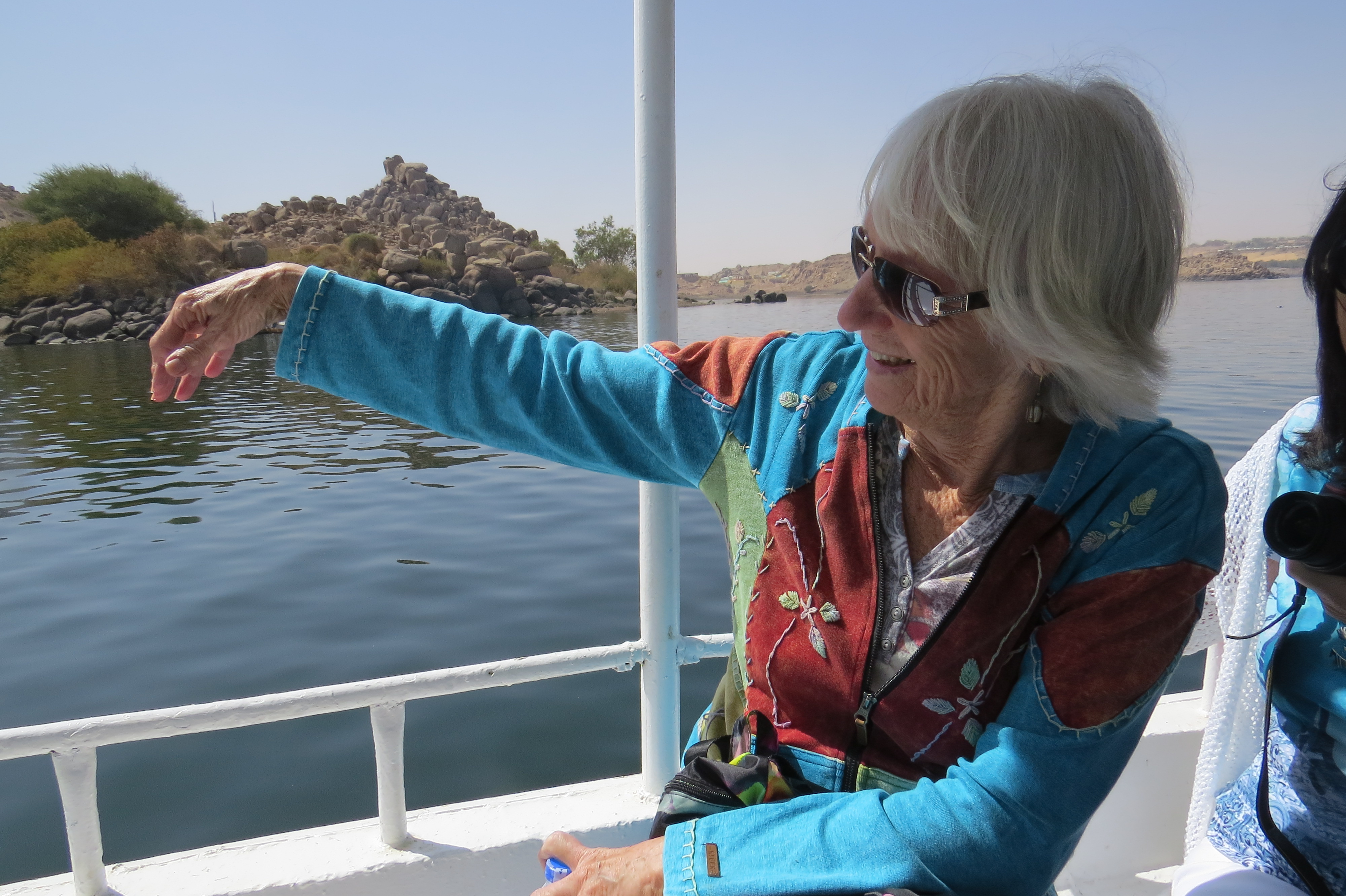
Rocky islands along the Nile

Pat dips her hand in the Nile and doesn’t get eaten by a crocodile

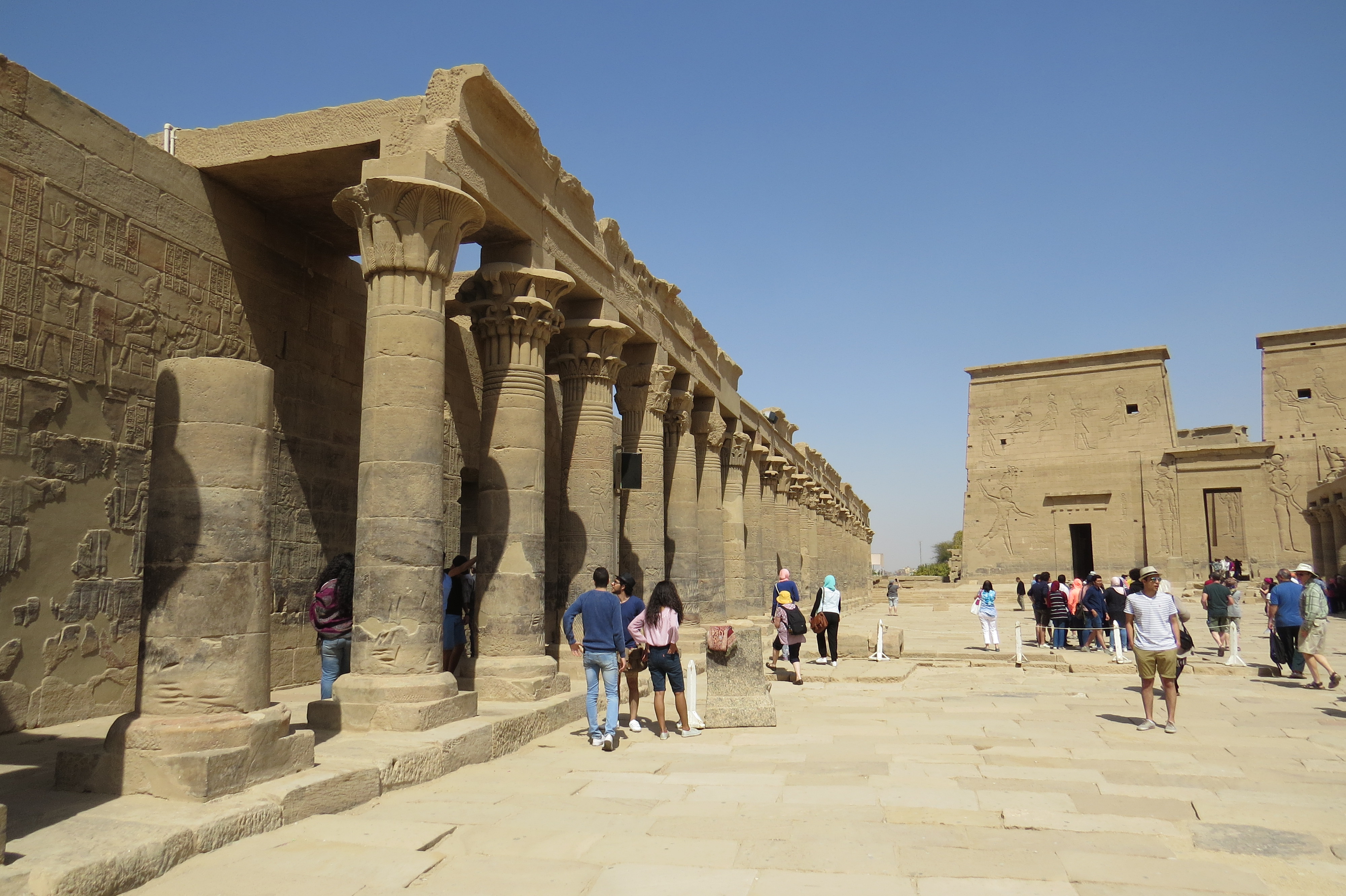
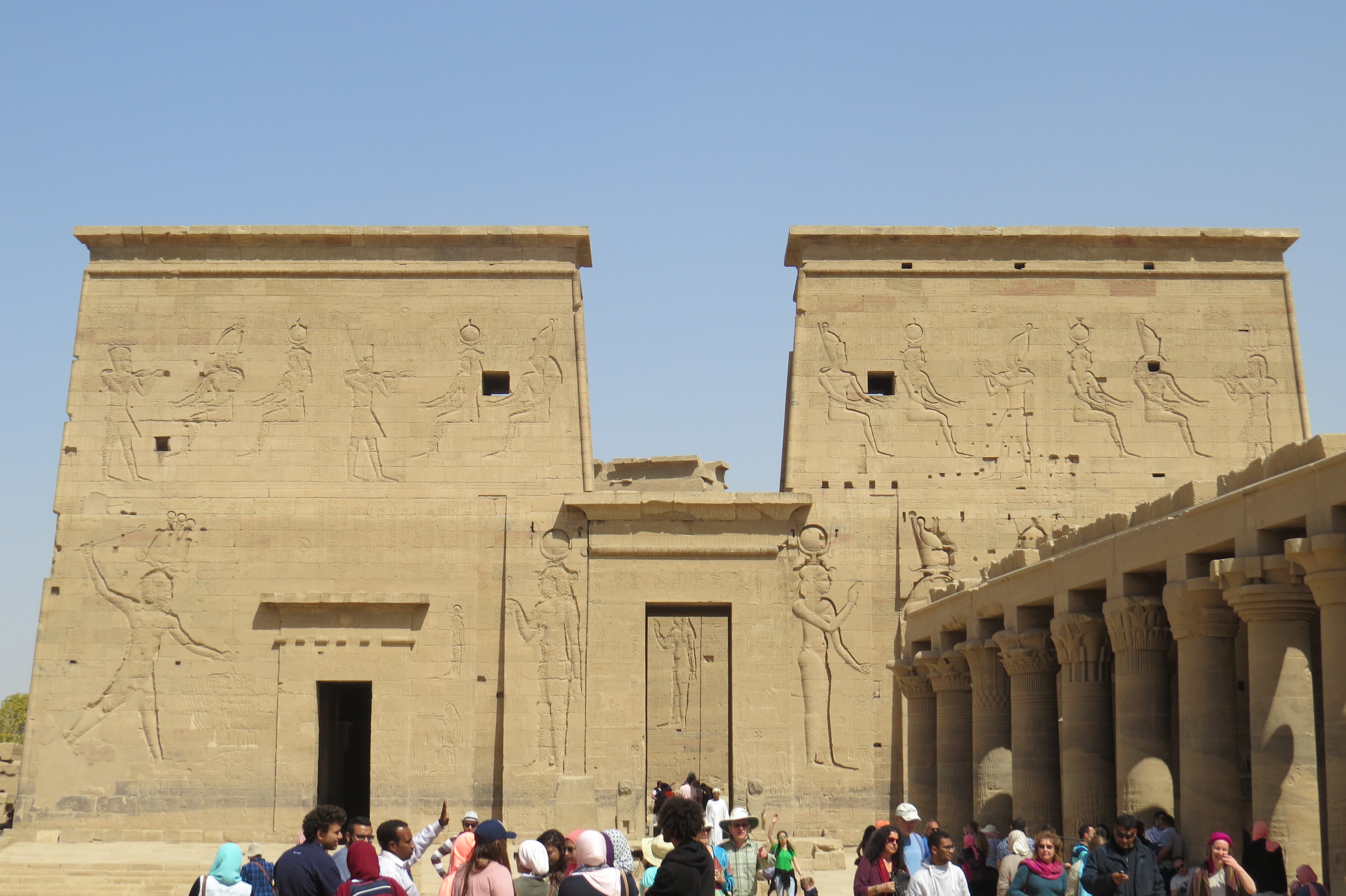
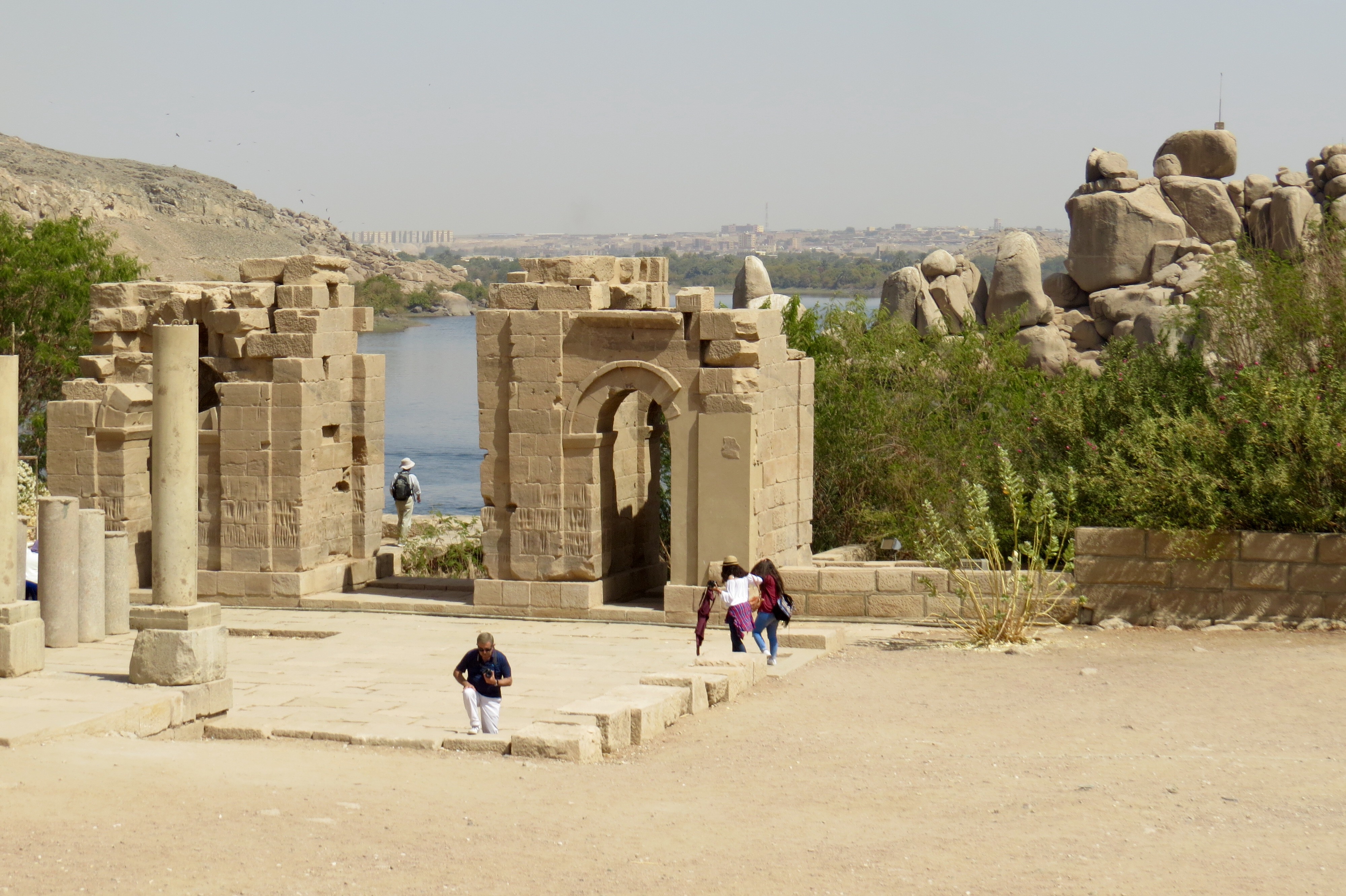
Our gentle ride took us to Philae Temple, on an island in the Nile.

This was one of the relocated temples, dismantled and relocated as part of the UNESCO Nubia Campaign project, protecting this and other complexes before the 1970 completion of the Aswan High Dam.  (One temple was purchase by Spain and is now in Madrid.)

The Philae obelisk had hieroglyphs which were compared with those of the Rosetta Stone, and it threw great light upon the Egyptian alphabet.  Egyptologists believe that Philae was the last active site of the ancient Egyptian religion and that the last Egyptian hieroglyph was written here.

Since Philae was said to be the temple of Isis and one of the burying-places of her spouse, Osiris, it was held in high reverence both by the Egyptians to the north and the Nubians (often referred to as “Ethiopians” in Greek) to the south. It was deemed profane for any but priests to dwell there.

I haven’t even introduced the gods in Egyptian history, a mere 2,000 of them, further complicating matters.  Royal Heights kindly gave us a cheat sheet and I’ve attached it.  If you like, open the link at the top of the blog, “Gods of Egypt” and click on the link “Egyptian Gods.”   Most of the Pharaohs associated themselves with certains gods in hopes of ensuring their stability.

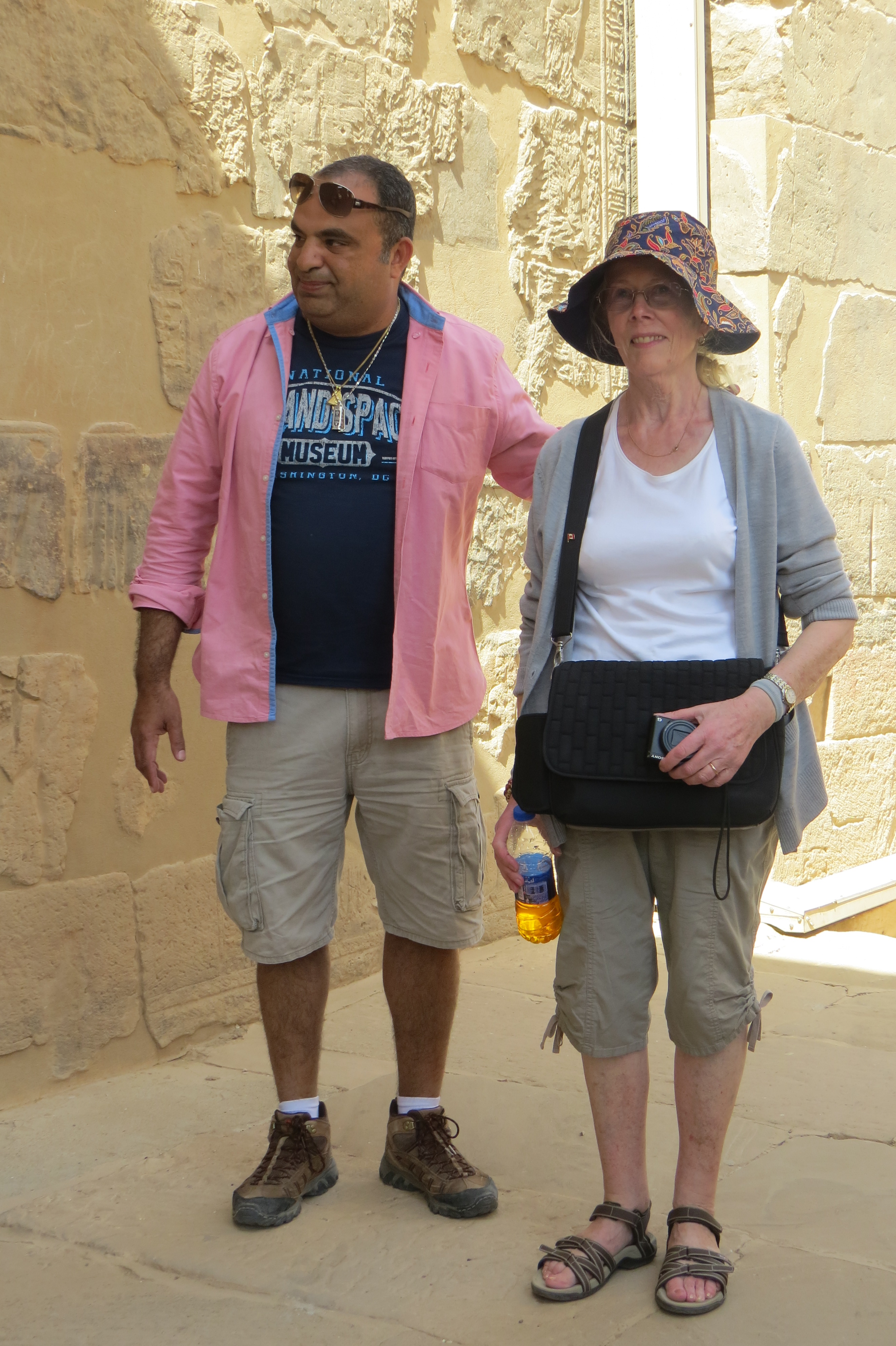
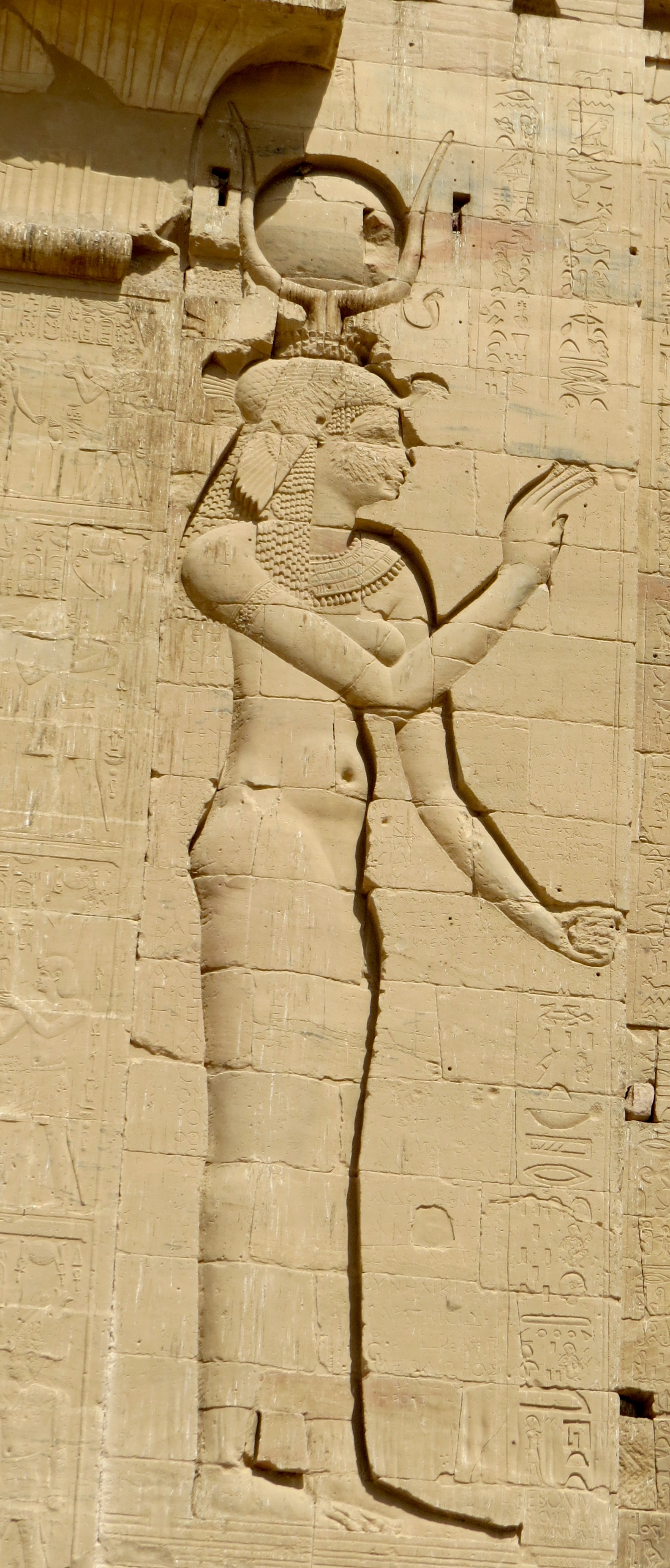
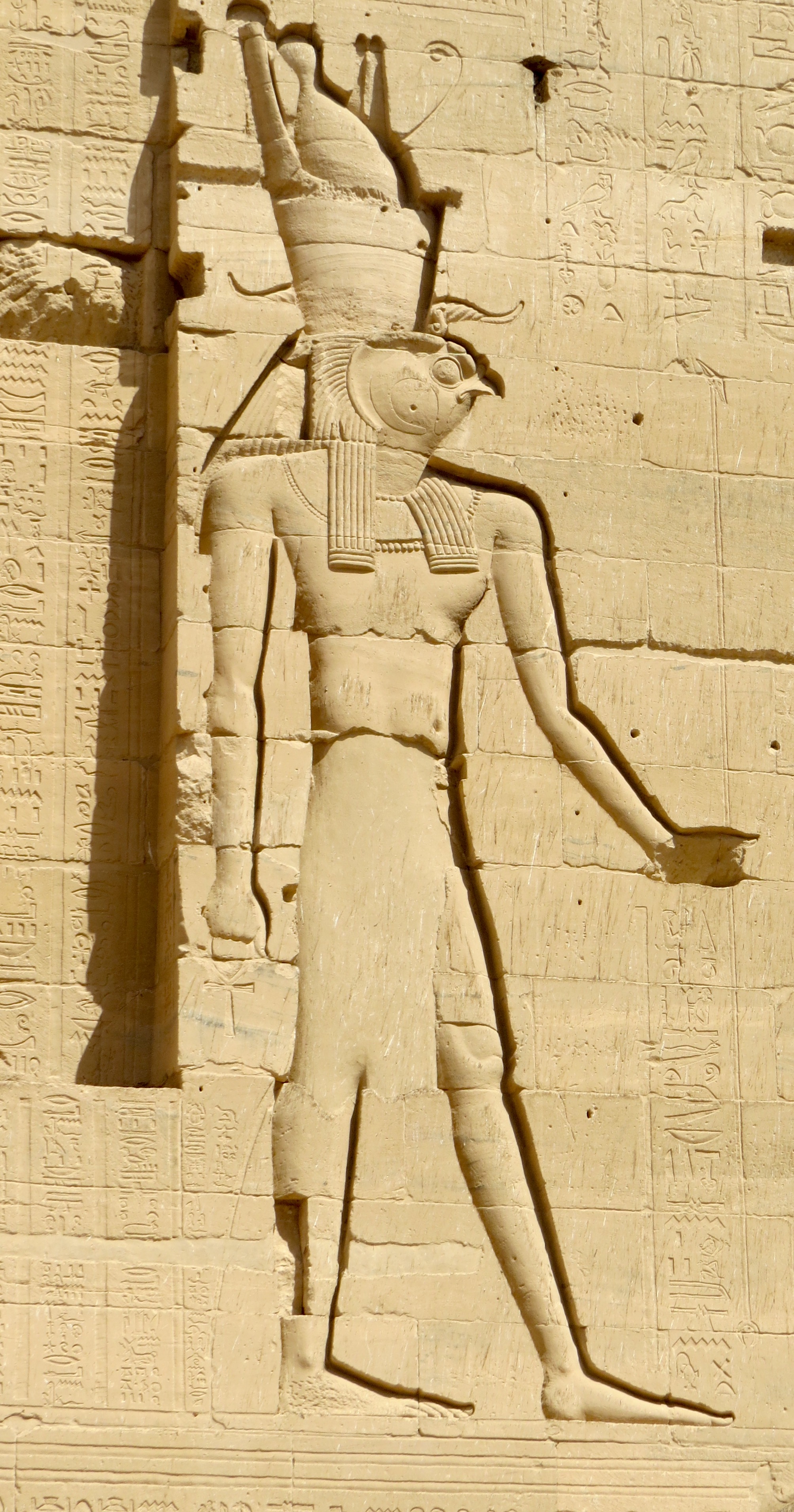
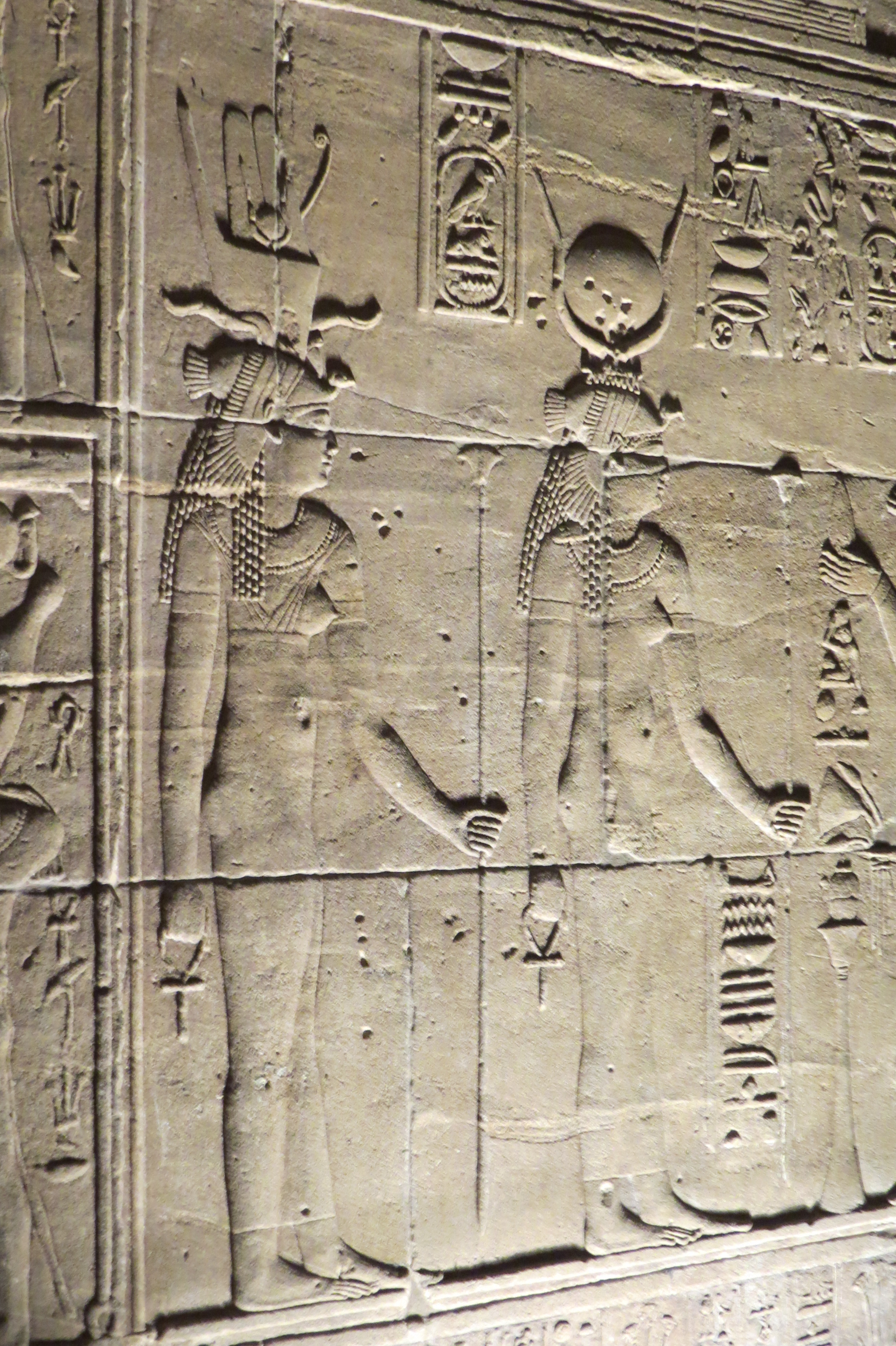
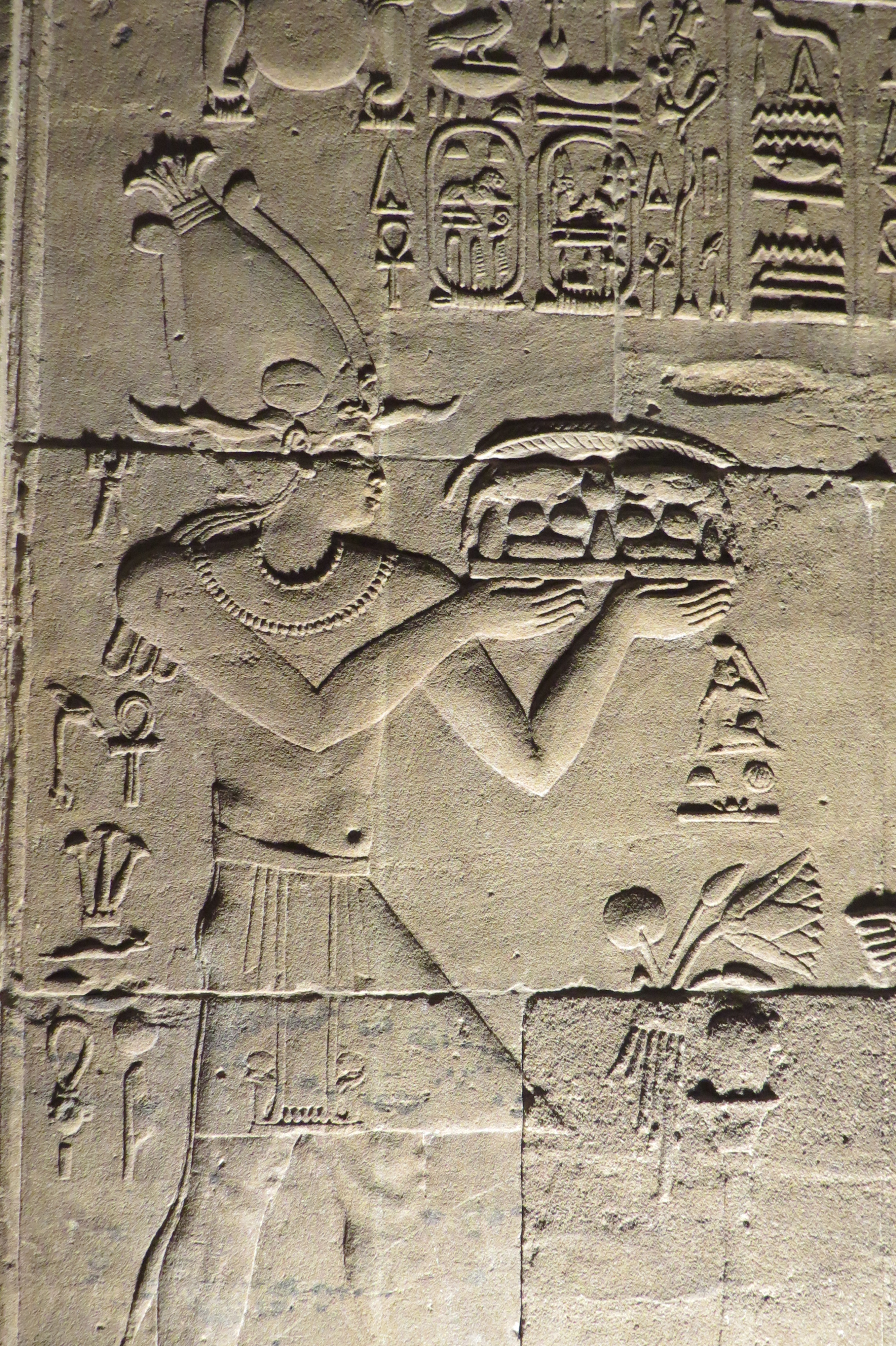
Starting with the Philae Temple, Waleed used us as stand-ins for the gods to try and explain their various roles and functions and their stories.

Isis
Horus
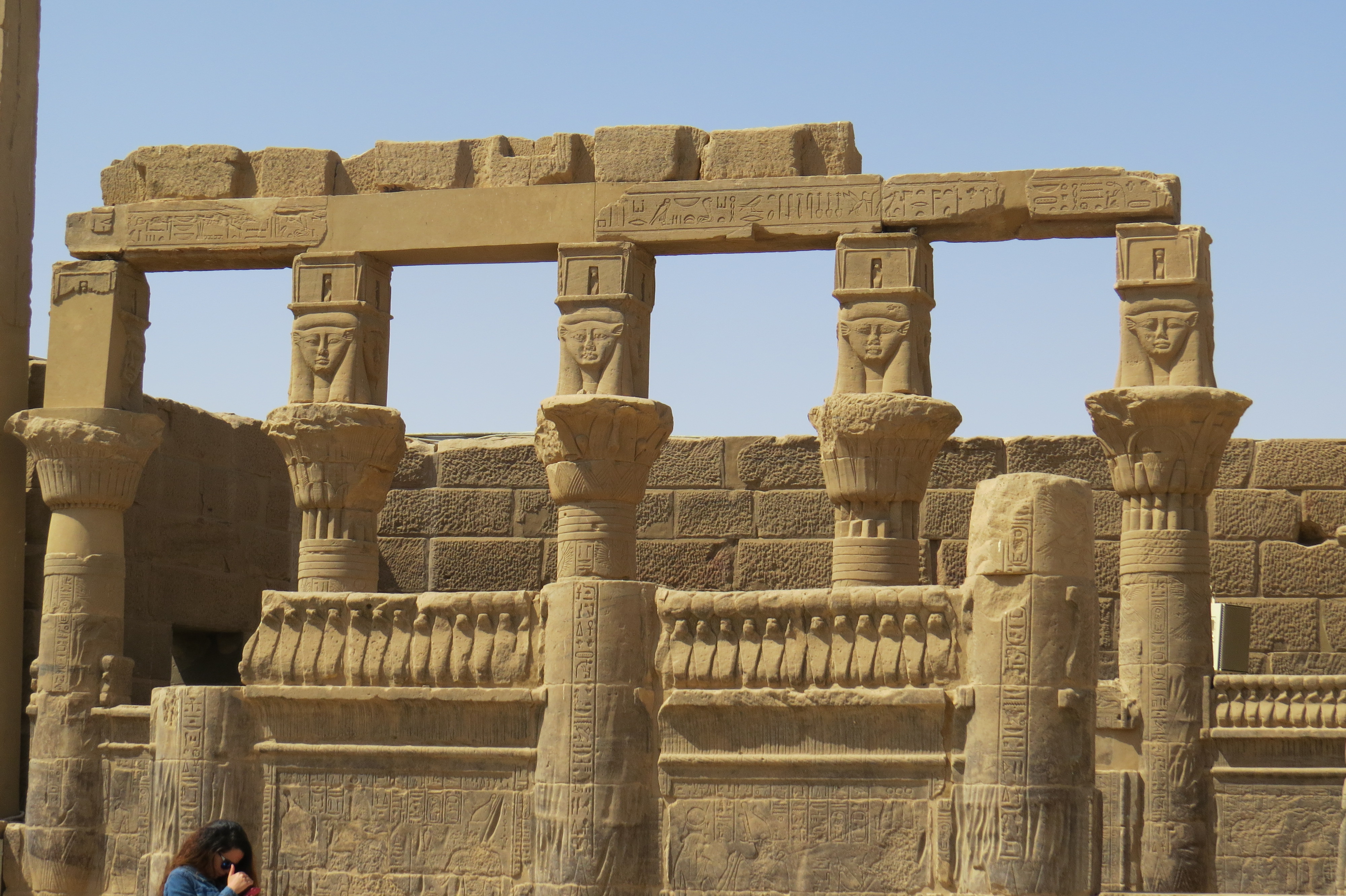
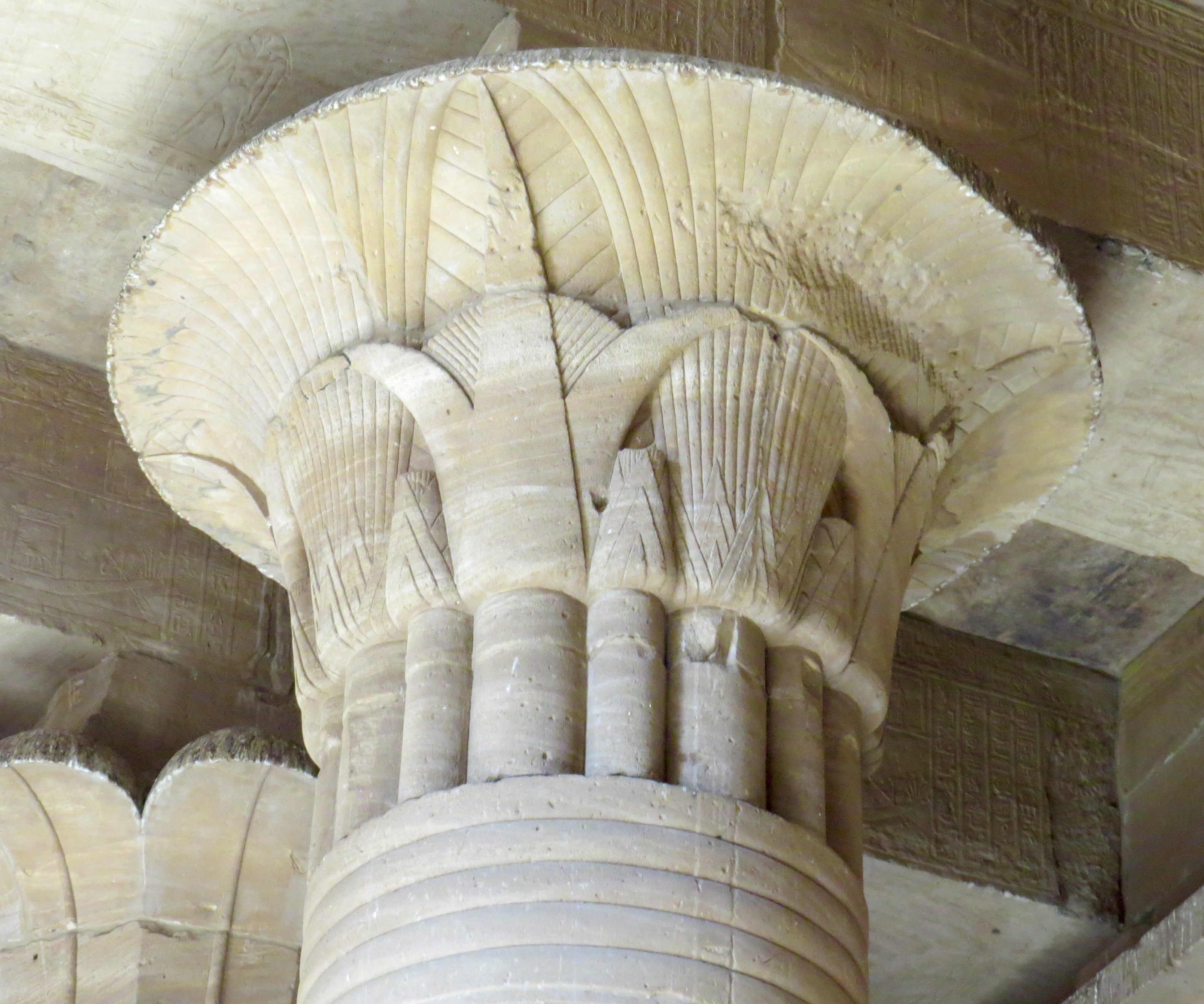
Stunning Corinthian-style capital with the unified symbol of Egypt, the lotus flower and papyri

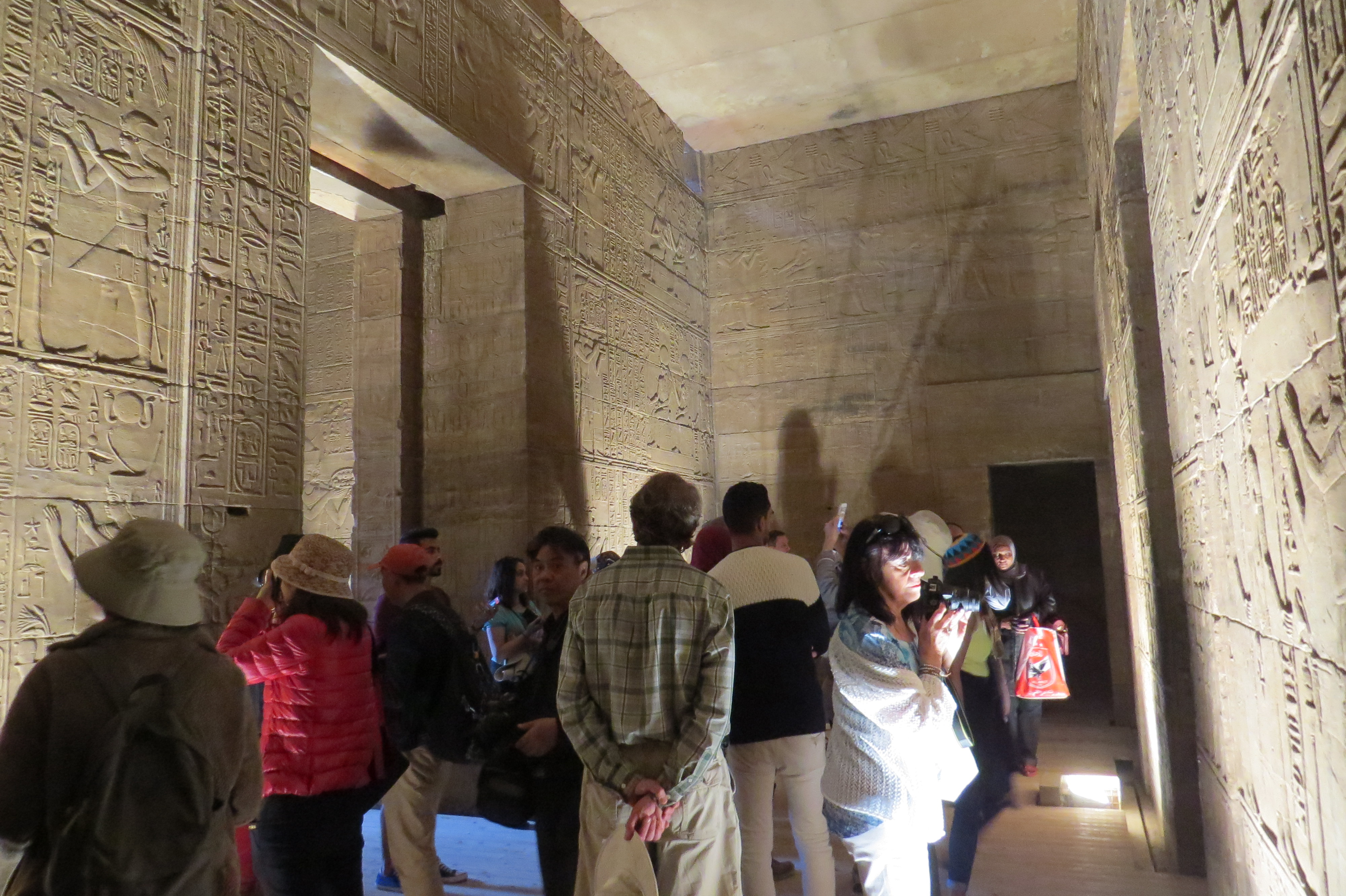
Views of the temple’s interior:


After exiting the temple, we had some more excellent views of the site, a little shopping and an excellent cappuccino.

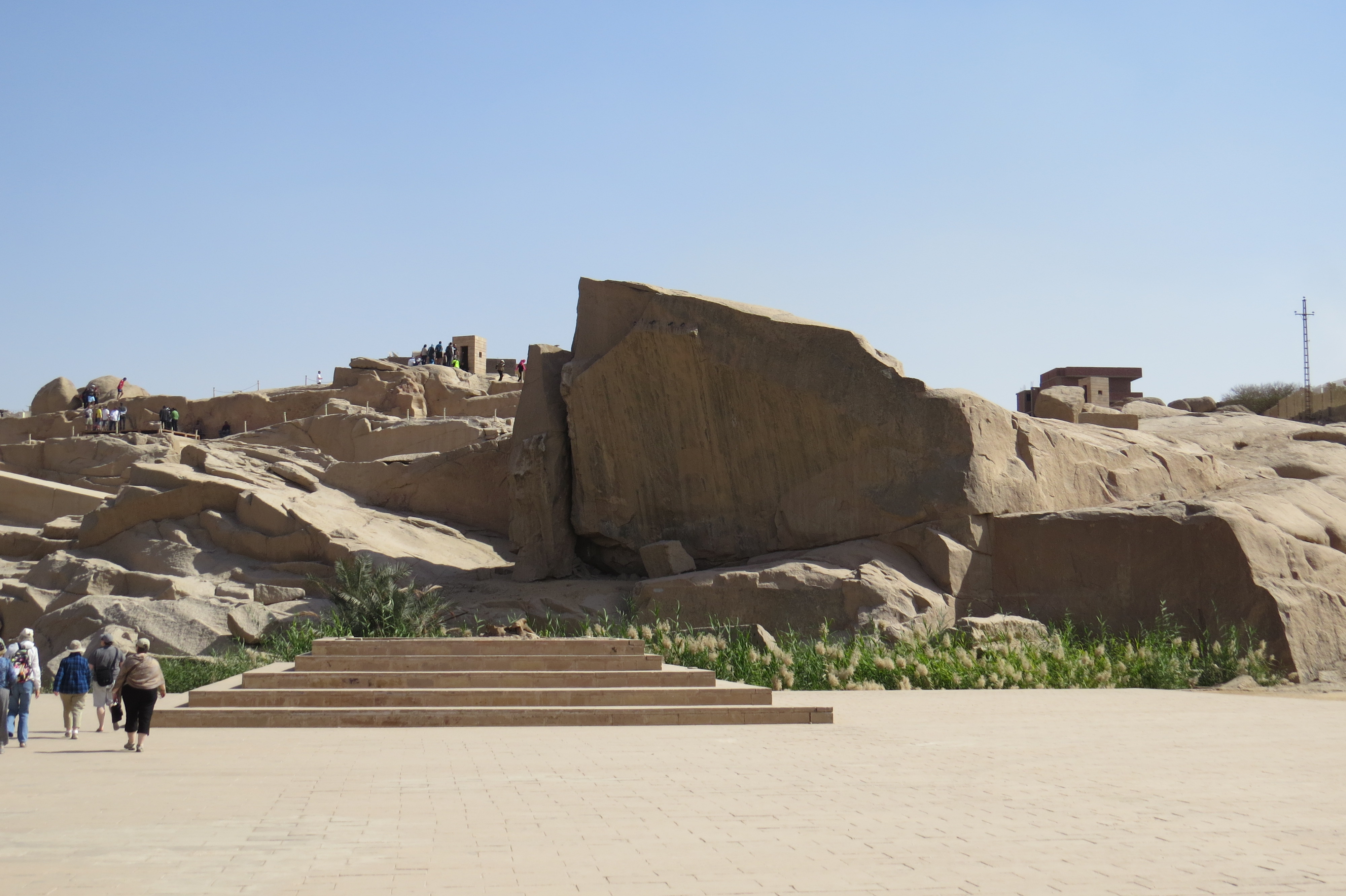
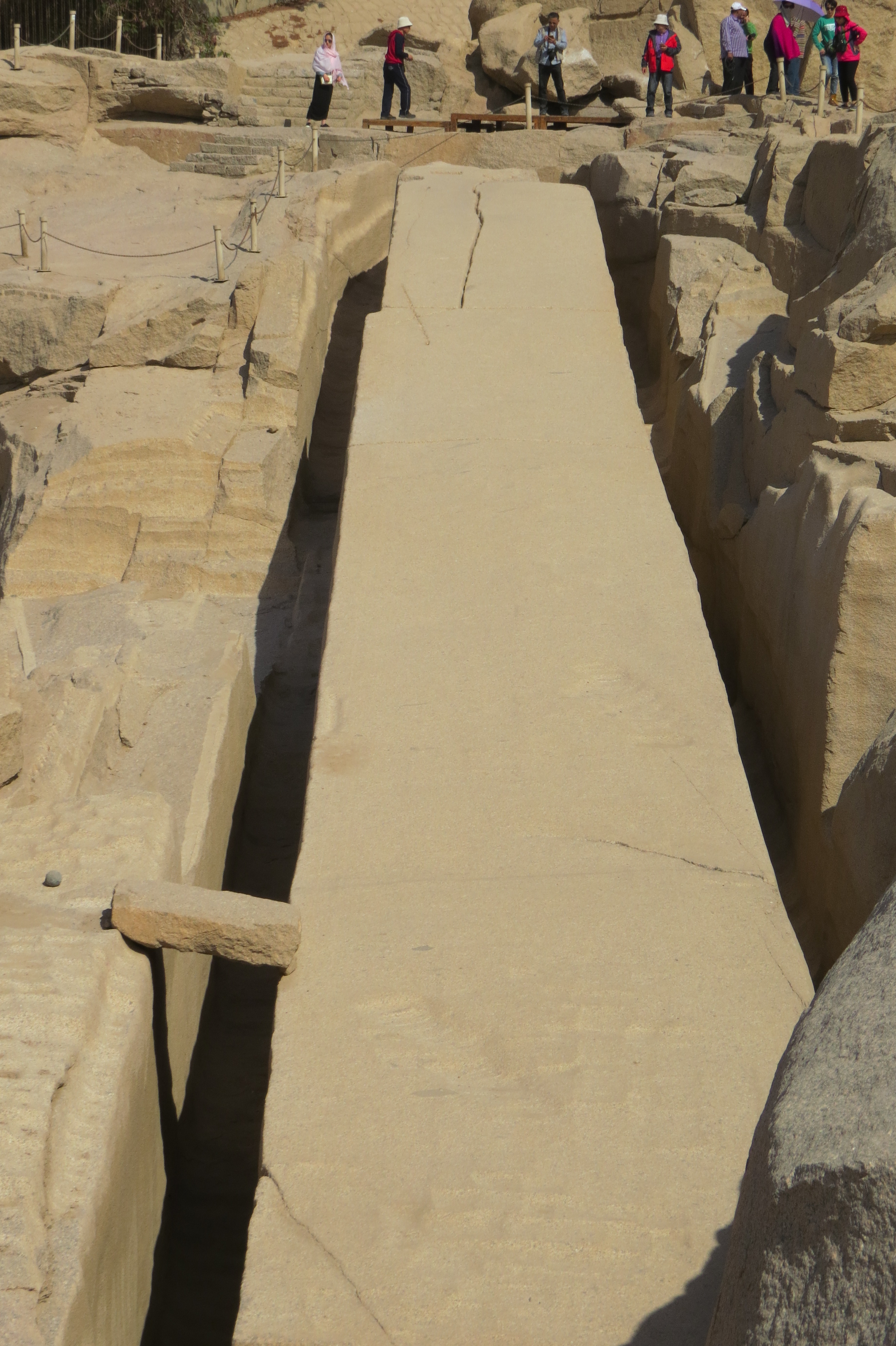
Before siesta, we stoped  briefly at another Aswan site, a huge obelisk.  Or rather, should I call it a potential obelisk?  Is it really an obelisk if it never stood up?  An incredible 1,100 tons of stone in one piece, lying down because, after workers shaped the monolith, a construction worker tapped his chisel, and it cracked like an overdone egg.  That must have been a terrible feeling, not alleviated when it became a museum,  in situ.


Our dinner at Nubia promises to be special, so more later.

Best,

Jan


The Other Mohammed Ali

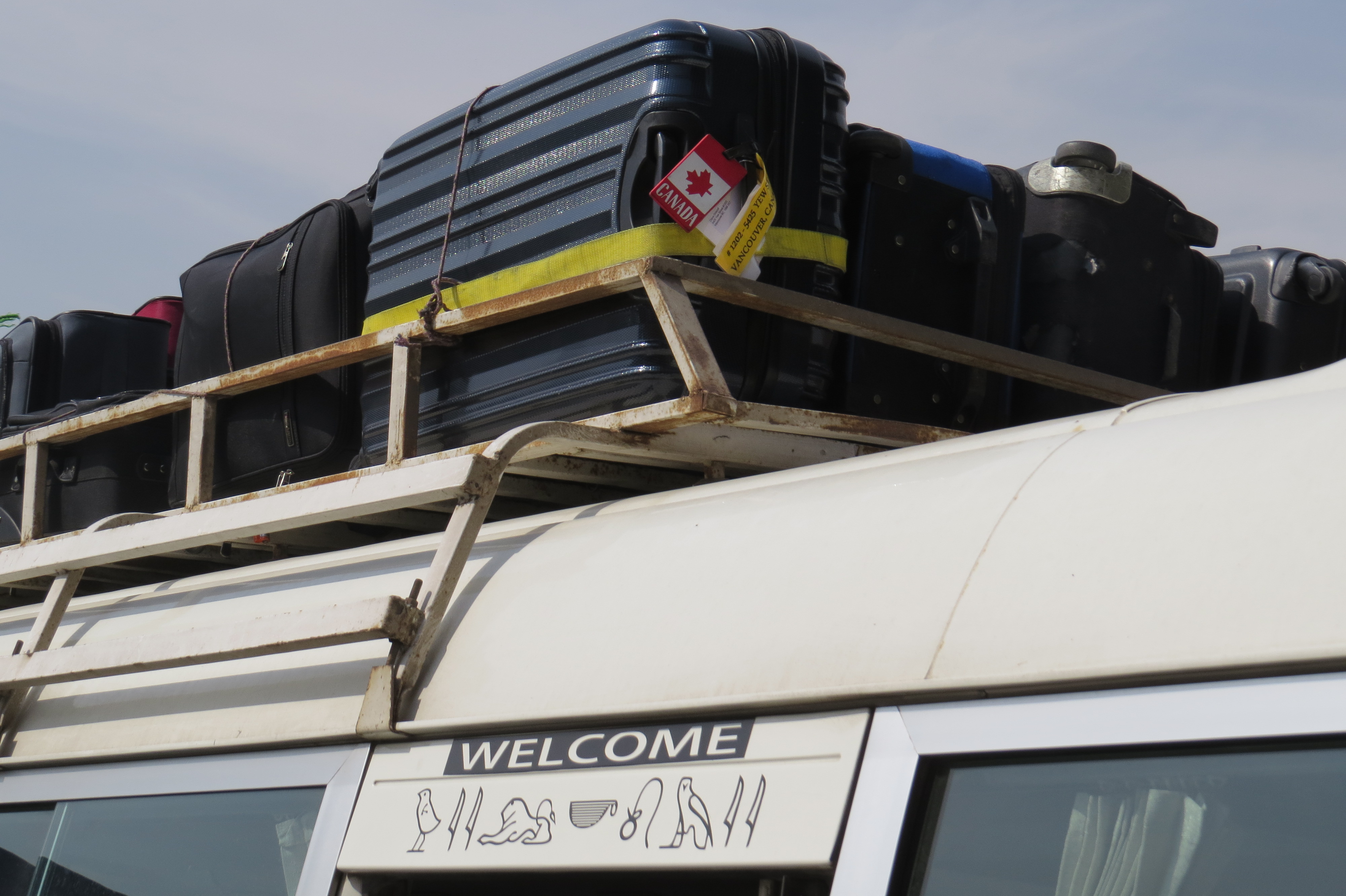
Of course, coming to a 90% Muslim country was top of mind given the current political situation south of our border. Many of us, without consultation, plastered Canada flags everywhere, on our collars, purses, luggage etc. It was interesting that local baggage handlers also kept the distinction in the forefront:

I don’t think I’ve ever had pre-conceived notions about Muslims; Toronto is a cosmopolitan city but I grew up in a neighbourhood that was primarily me-ish and Jewish. Before I was a Justin Trudeau fan, I was a Pierre Trudeau fan; I am proud of our openness and our refugee policy and I hope the xenophobia happening today never creeps across our border.  The West may be bombing Syria for justifiable geopolitical reasons, but that bombing is leading to people fleeing their homes, and it is to me intrinsically a moral imperative that we take responsibility for them. It must be heartbreaking for Syrians to see the photographs of the destruction of Aleppo, I try to imagine if that were my home town in Victoria or Vancouver or Toronto.

I have always thought of Egypt as a moderate, tolerant, well-educated society.  It may be slightly more conservative today but as I have said, most Egyptians welcome us with open arms in displays that most Canadians would be too restrained to reciprocate.  I also think about my own impatience on lunch hours working in a tourist town with dawdling, gawking tourists.

Sorry for the digression, but it seems necessary.

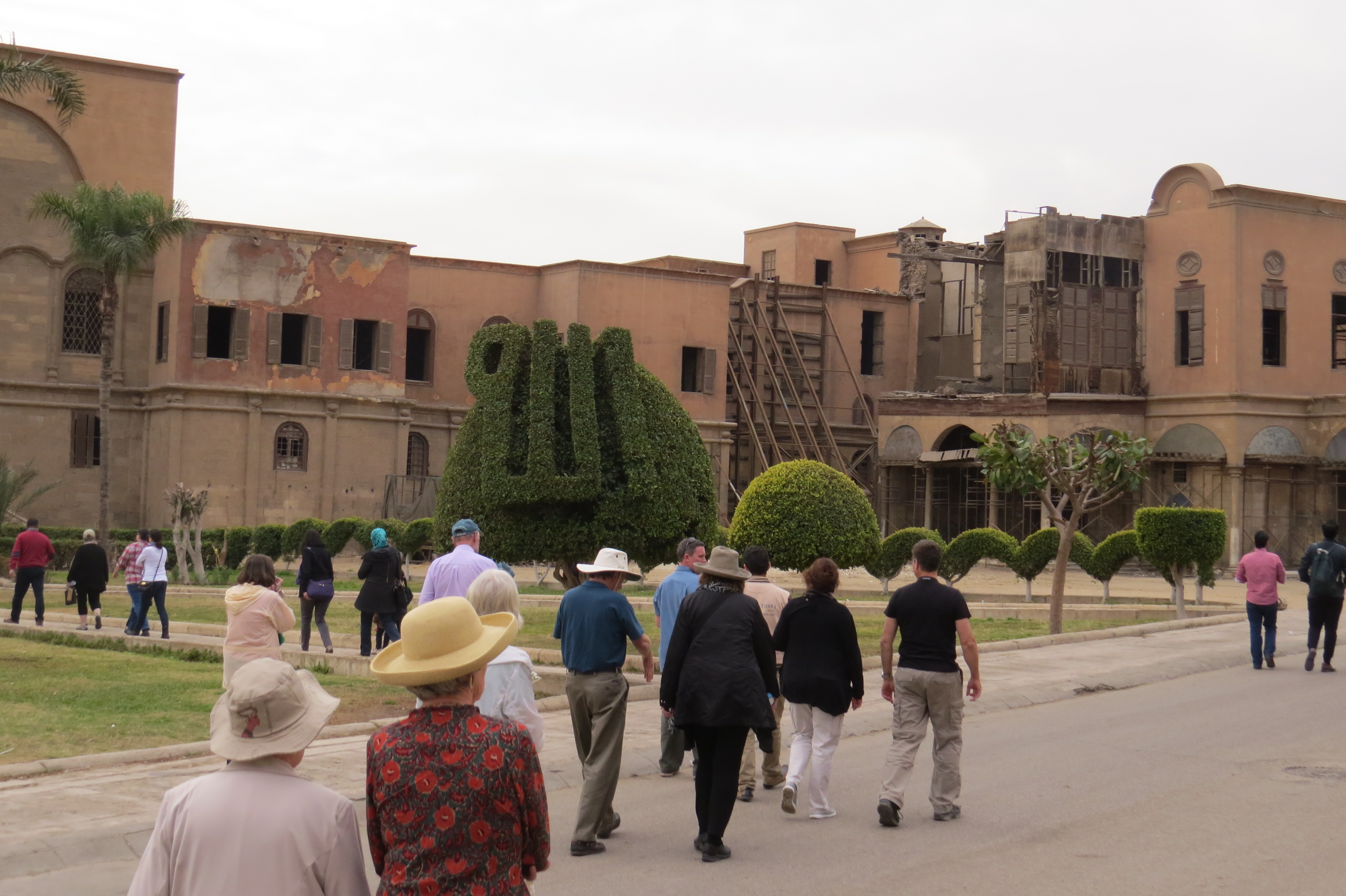
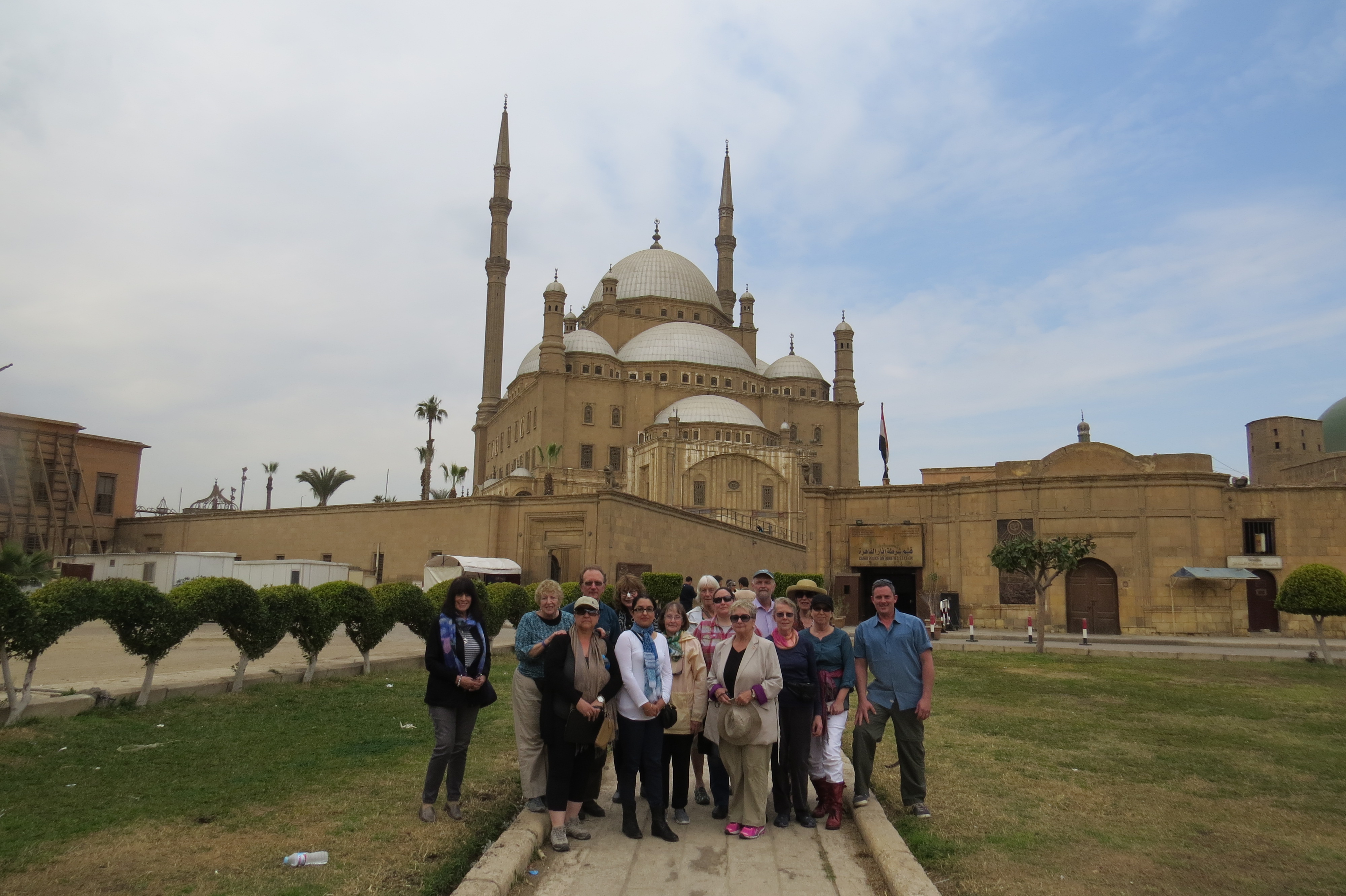
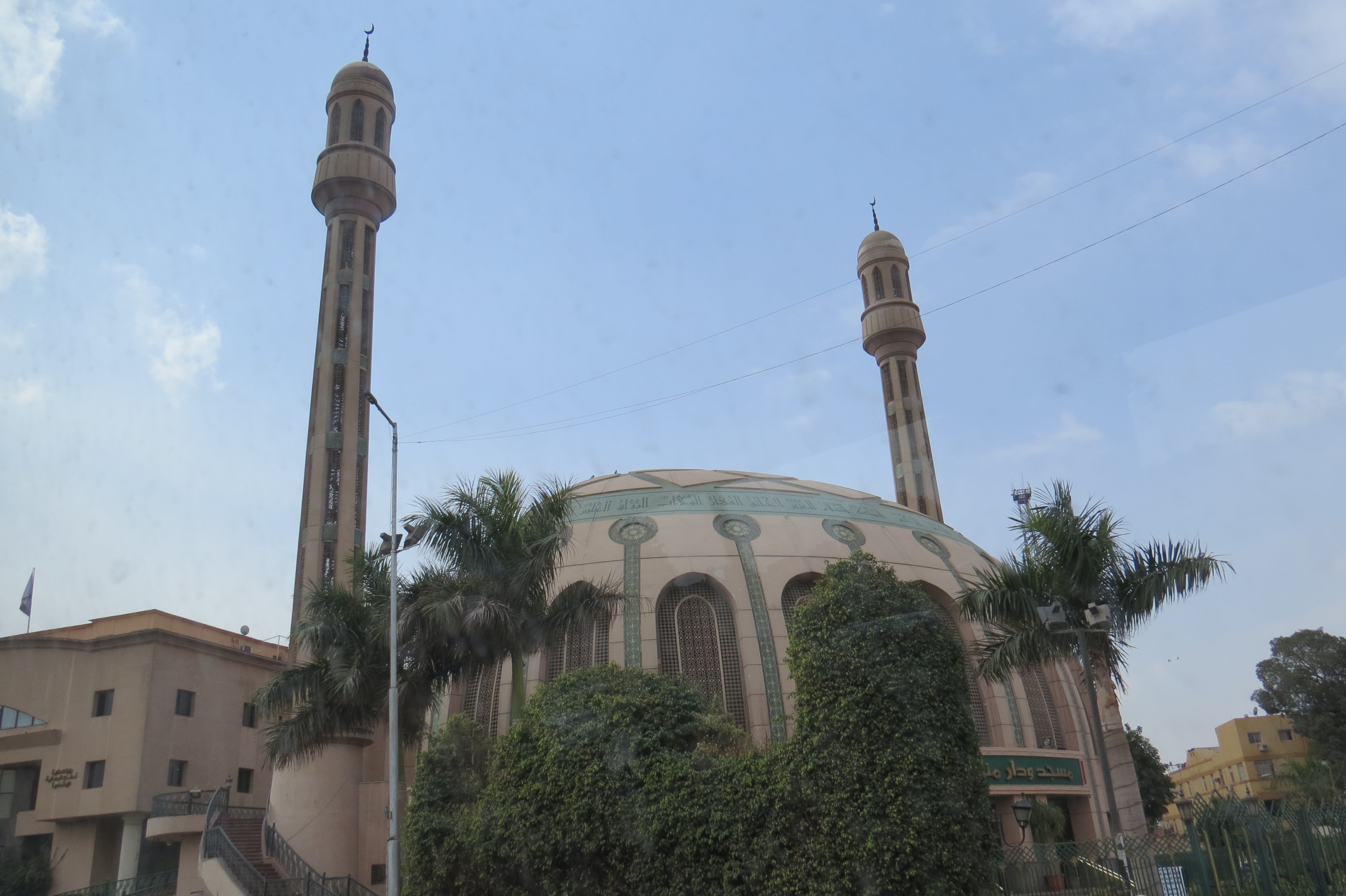
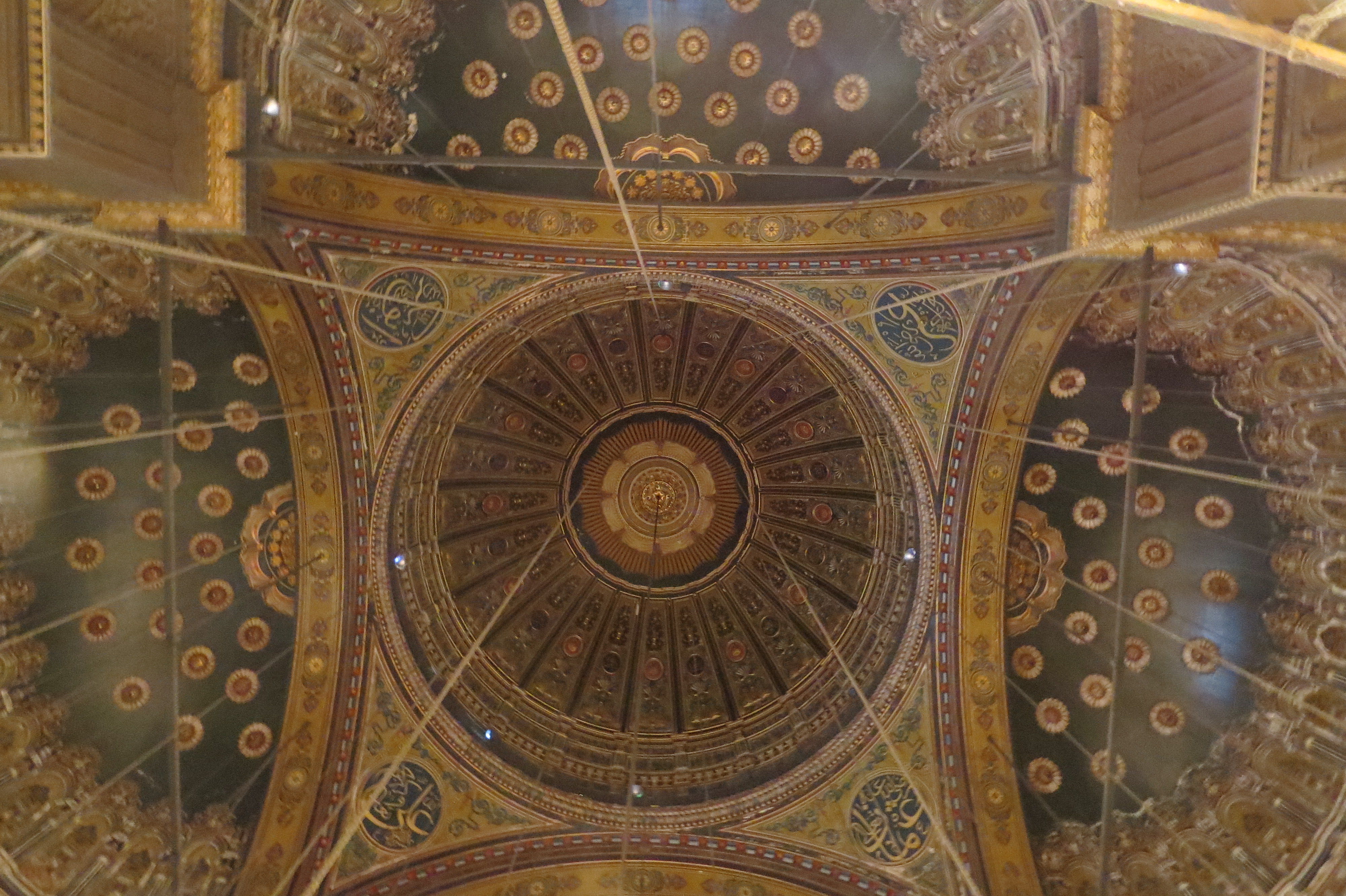
So, it was a great experience for me to visit a mosque for the first time, the most important mosque in Cairo, the Mohammed Ali Mosque and the Citadel.  Ali was a Turk who conquered Egypt in the 9th Century but, like the Moors who occupied Spain, he was only interested in collecting taxes from Egyptians and was actually a tolerant leader and did not impose his culture and laws on Egyptians. In fact, he conceived of and built the country we now know as Egypt, eventually returning Egypt to its people and ending tax collection on Egyptians so they could move forward with their own country.

Our shuttle climbed to the Citadel surrounding the Mosque, which is modelled on the gorgeous Blue Mosque of Istanbul. Gleaming silver domes and minarets rise above the city from every viewpoint.


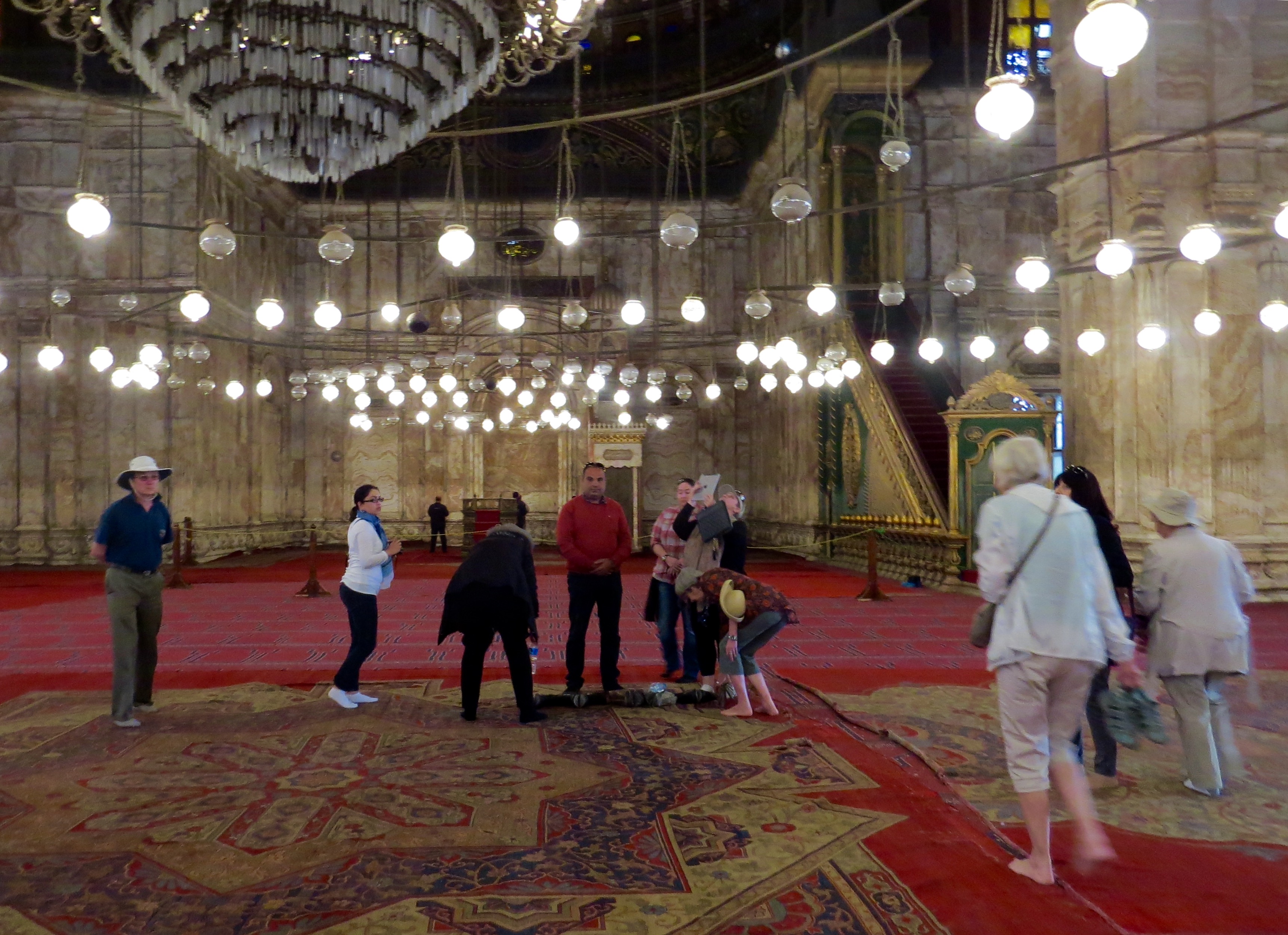
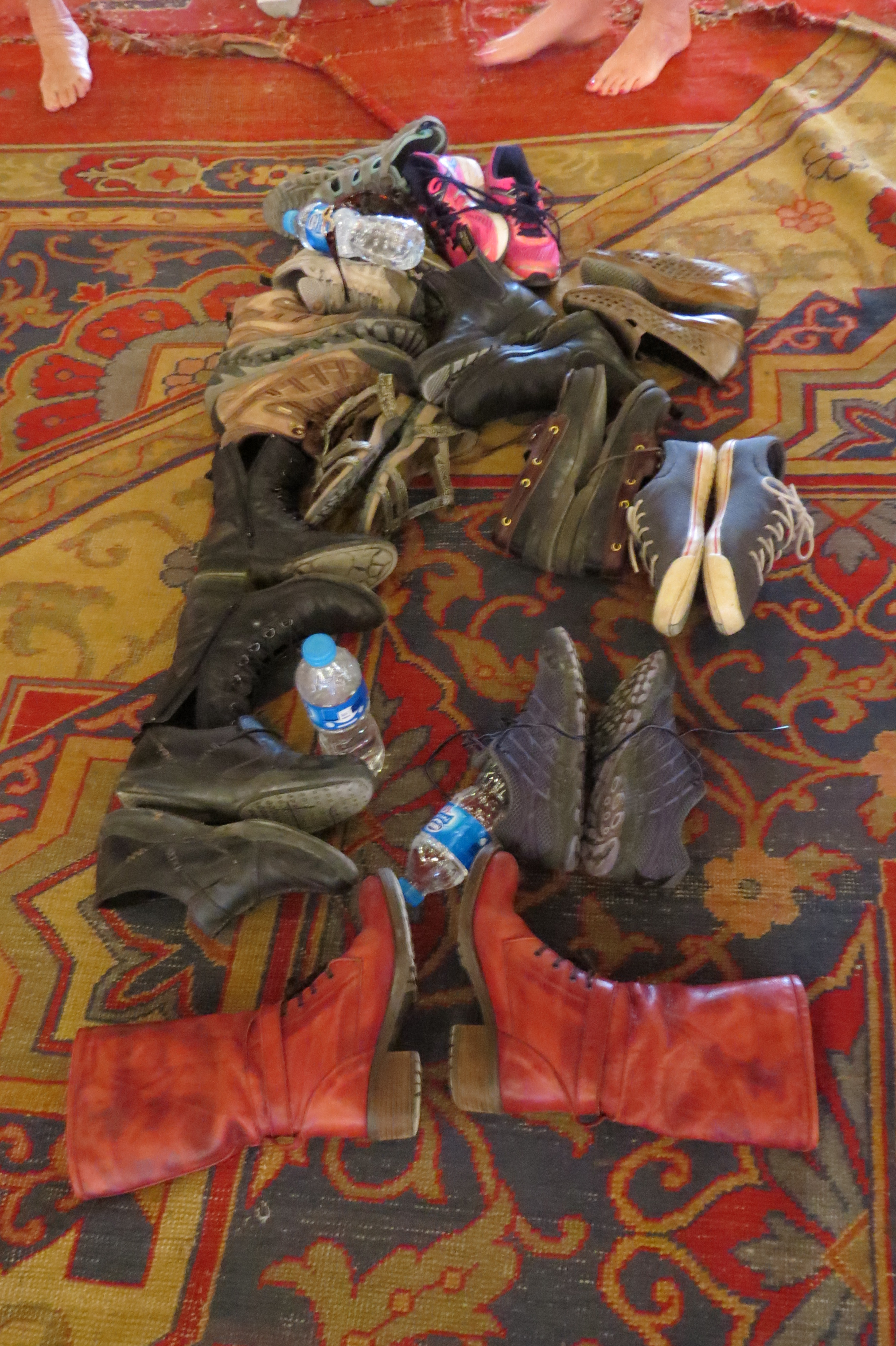
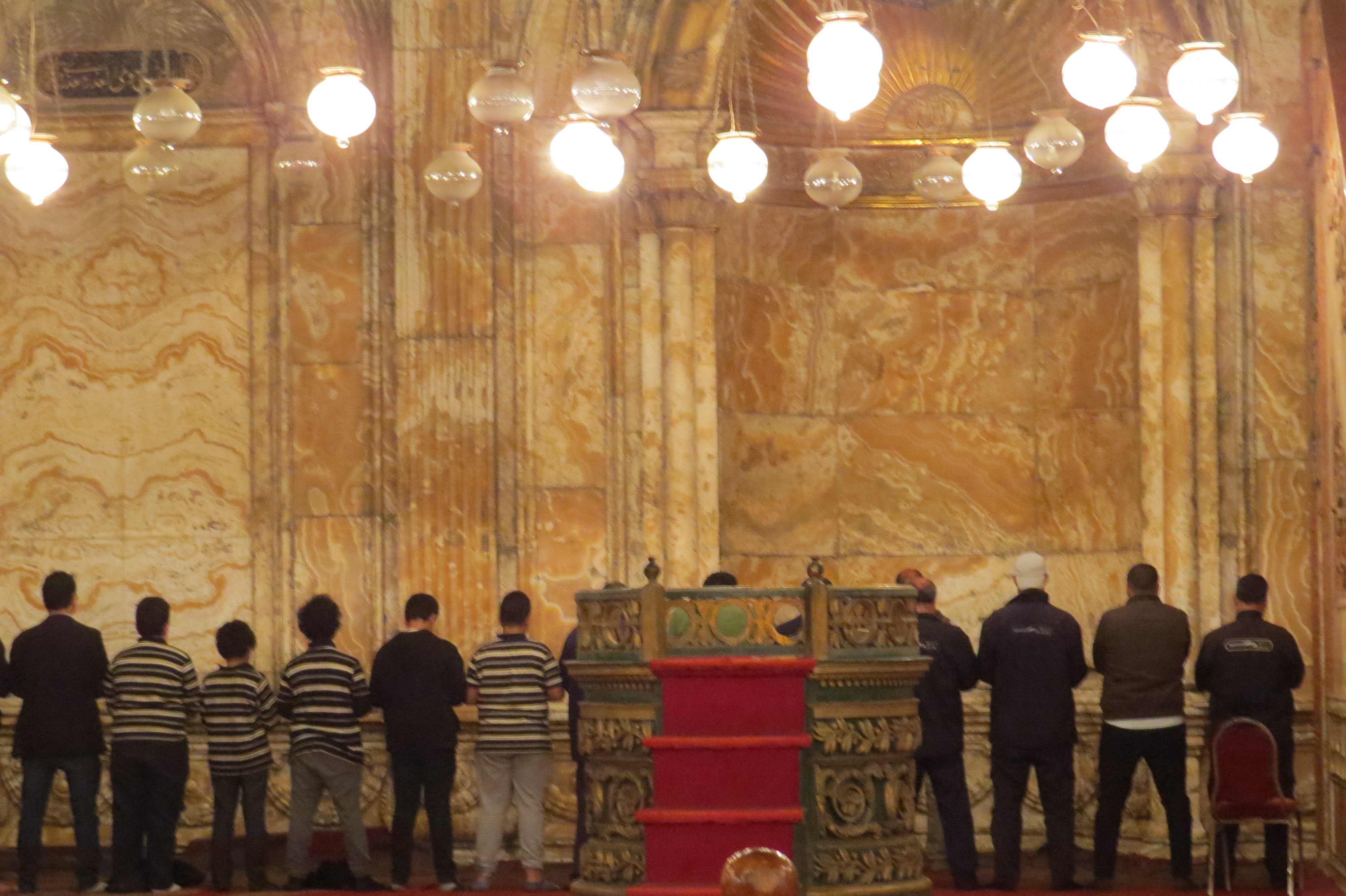
Although the Mosque is treated as a museum, it remains a house of worship with an Imam and students of the faith. In the centre of the courtyard is a fountain where the faithful ritually cleanse themselves before entering (“Wudu”). We arrived as the call to prayer began. We women put on our scarves and we all took off our shoes and carried them with us.

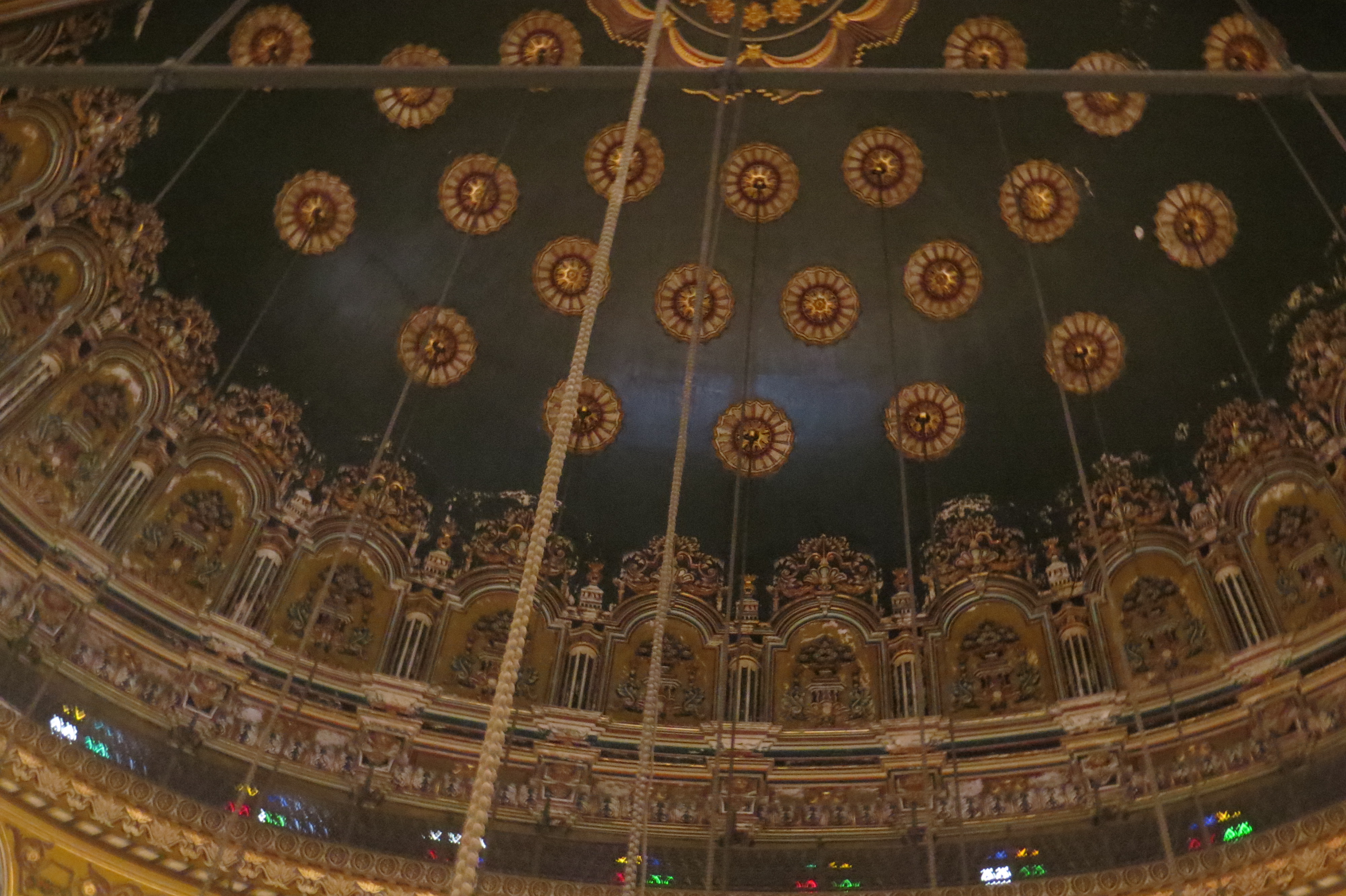
Blue domes rose above the huge space. As we entered, we laid our shoes on one of the rich red rugs covering the inner surface of the mosque.


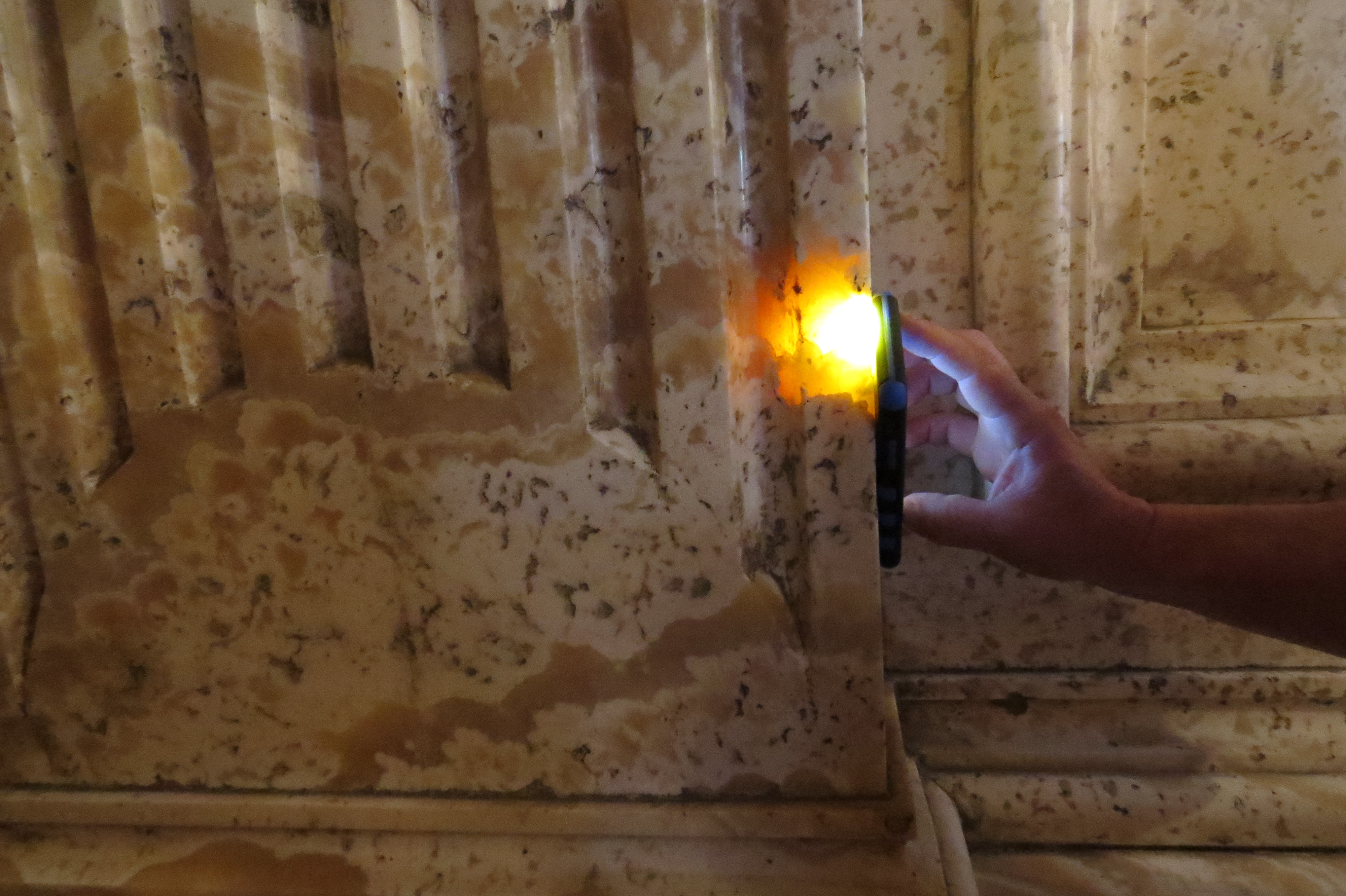
The gorgeous interior was lined with gossamer alabaster marble typical of Egypt; it glows in light.

We saw a few men and boys run to the sanctuary to pray (mostly tourists visiting the site). A leader at the front gave the word for them to stand, bend, kneel, and drop their foreheads to the ground in supplication. Some men wear bruises on the foreheads as a symbol of their devotion to Allah. Sunni Muslims follow the Quran, of course, which incorporates Christ, Moses and others as prophets in their religion.


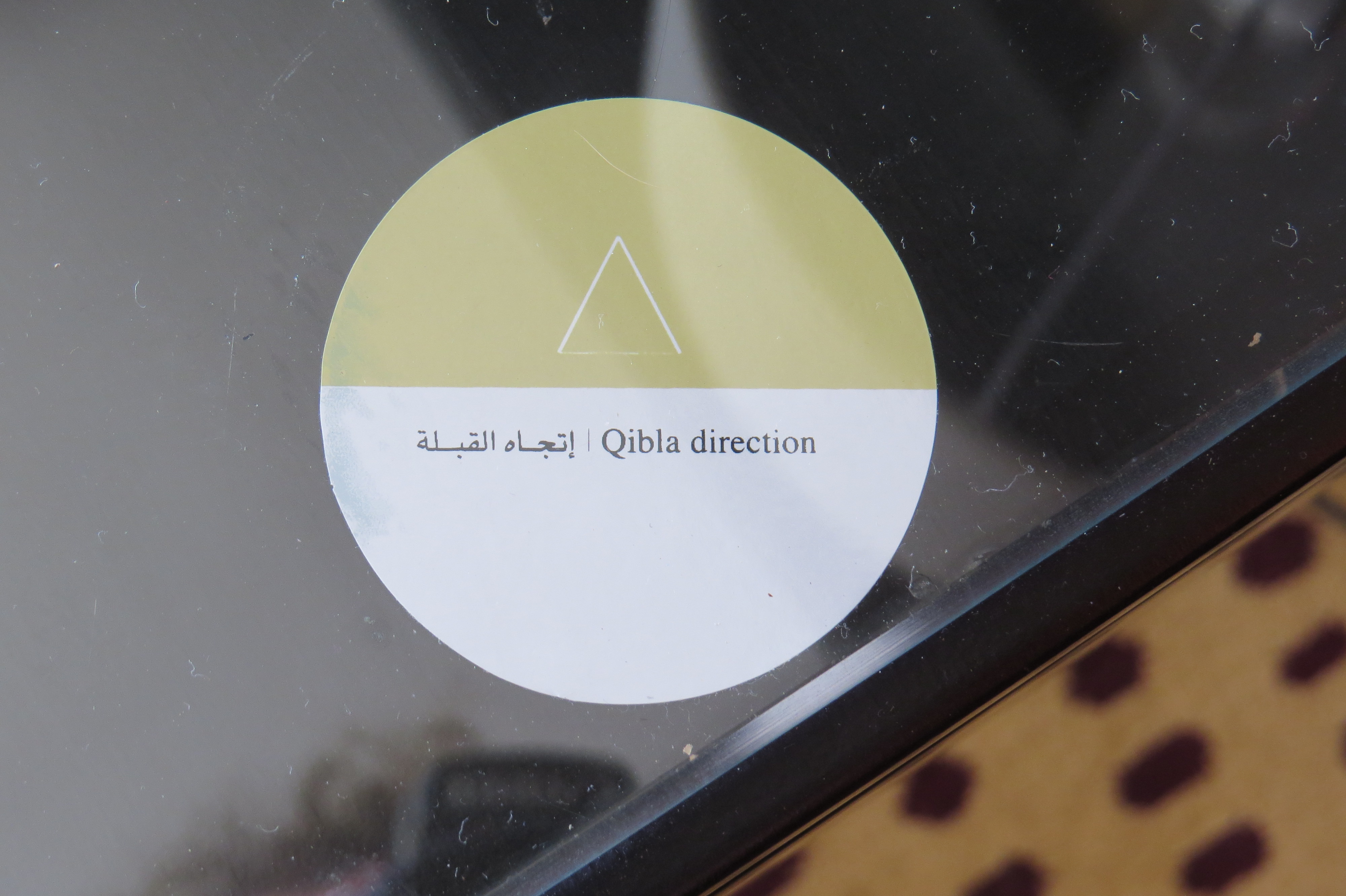
Parenthetically, this notice on a tabletop was typical in our hotel rooms:

Orients guests to the direction of Mecca

A lovely woman outside the Mosque was happy to be photographed in a quiet moment with her baby against the Cairo backdrop.

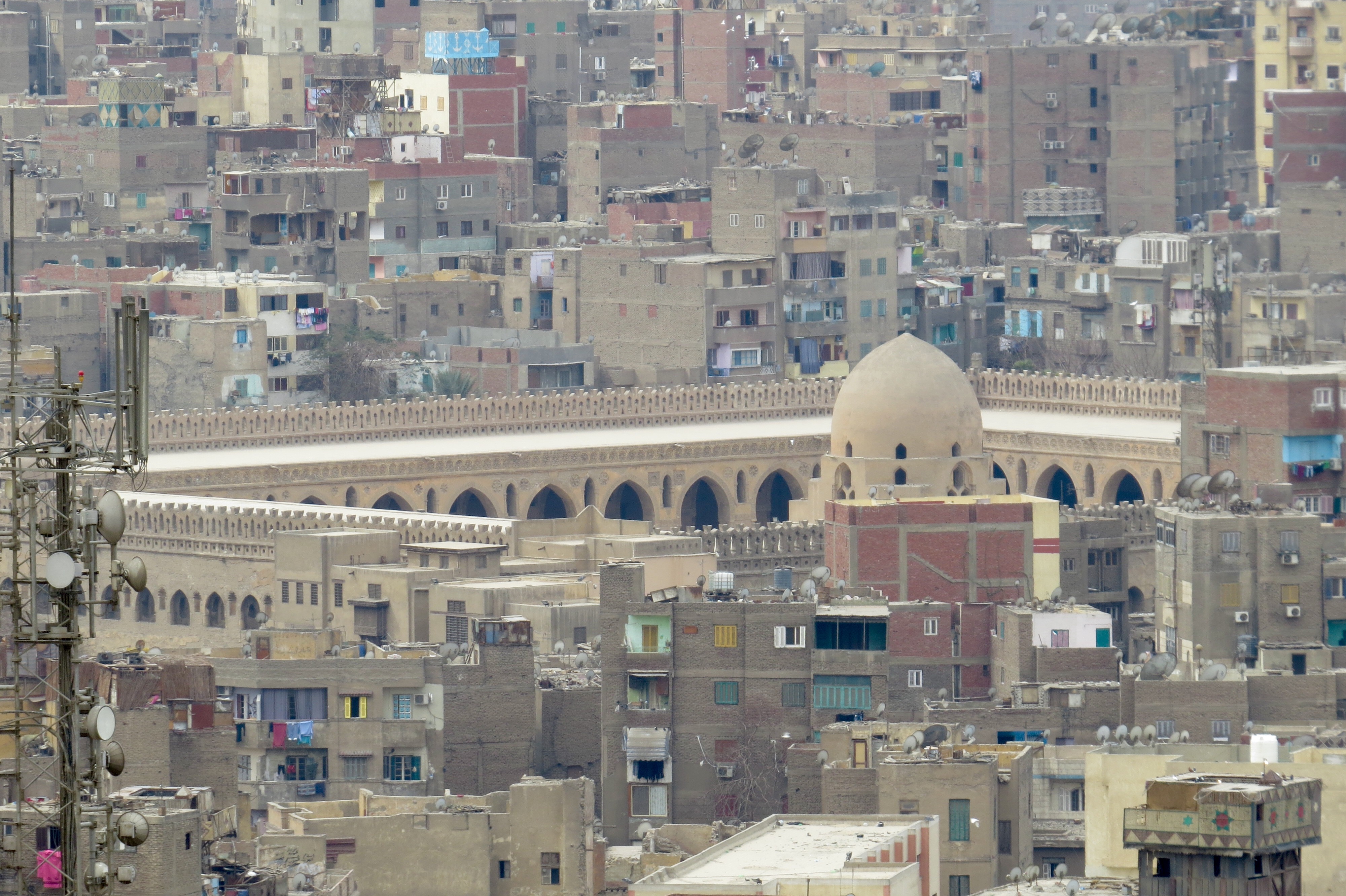
Other mosques dotted the landscape from this high vantage point.


It was a brief passing experience, and I don’t pretend to have a full grasp of the religion, but hopefully experiences like this open doors to understanding.

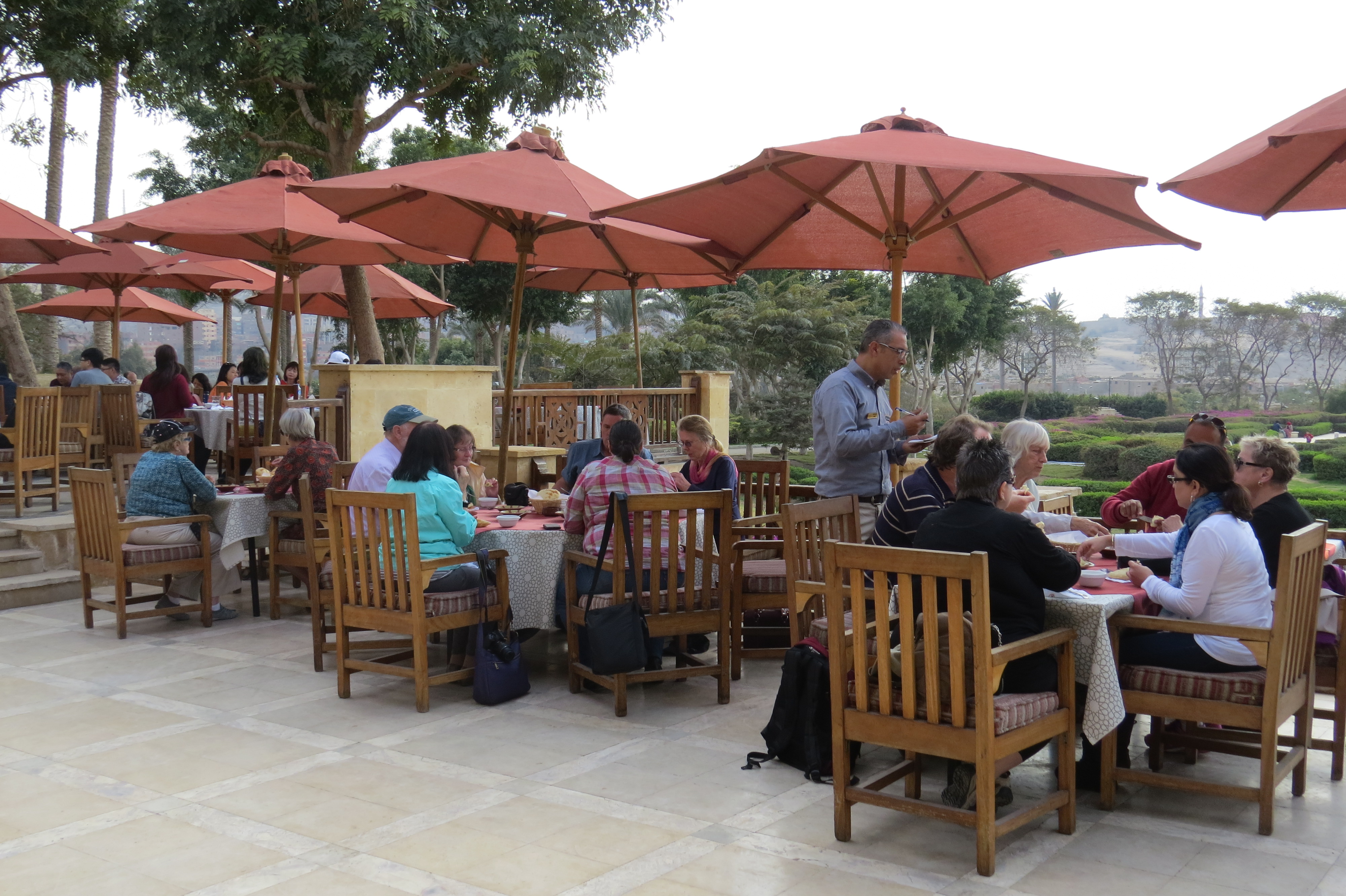
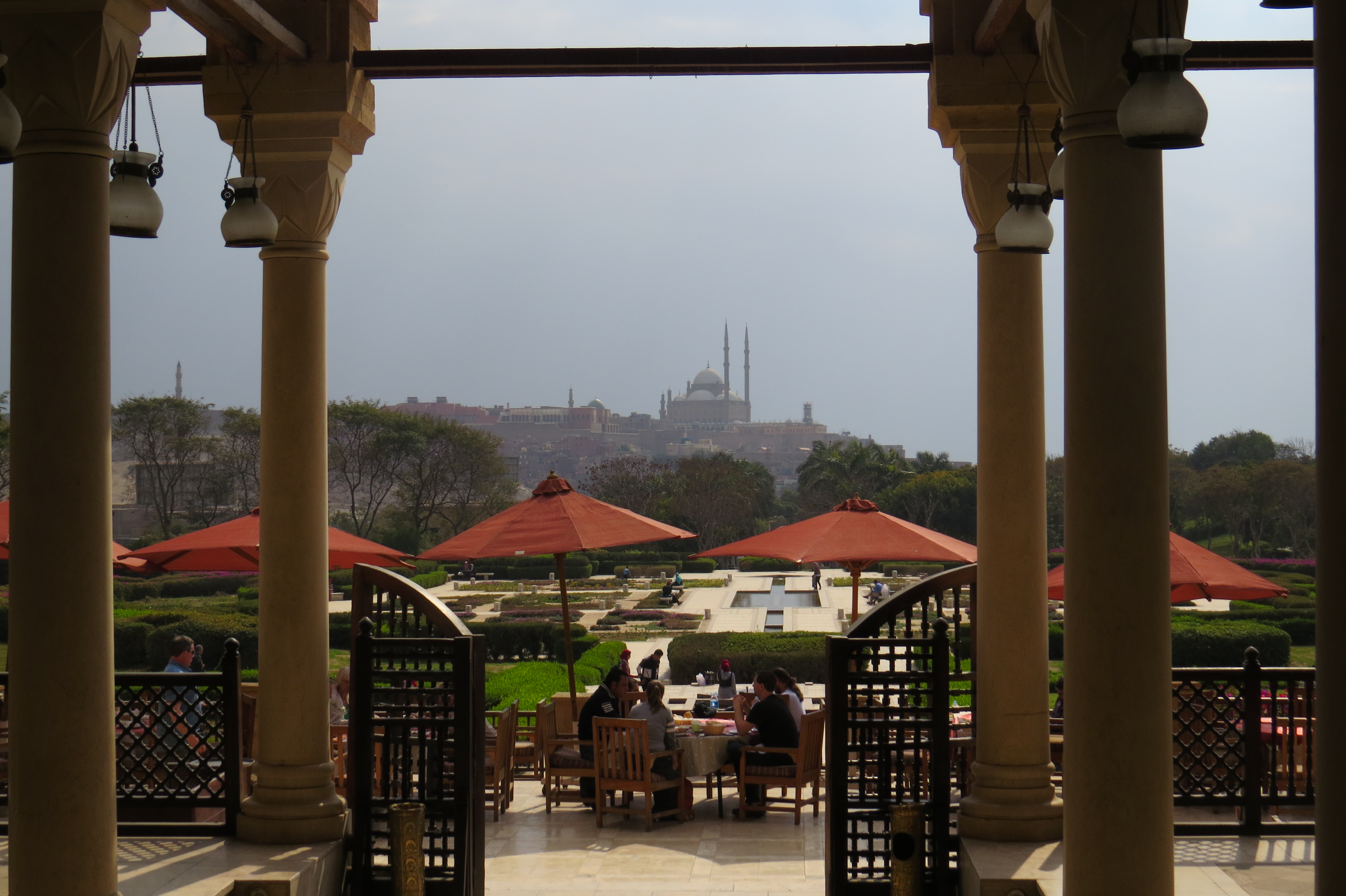
Before heading to the airport, we had a lovely lunch in a garden where the Mosque still hung in the frame.

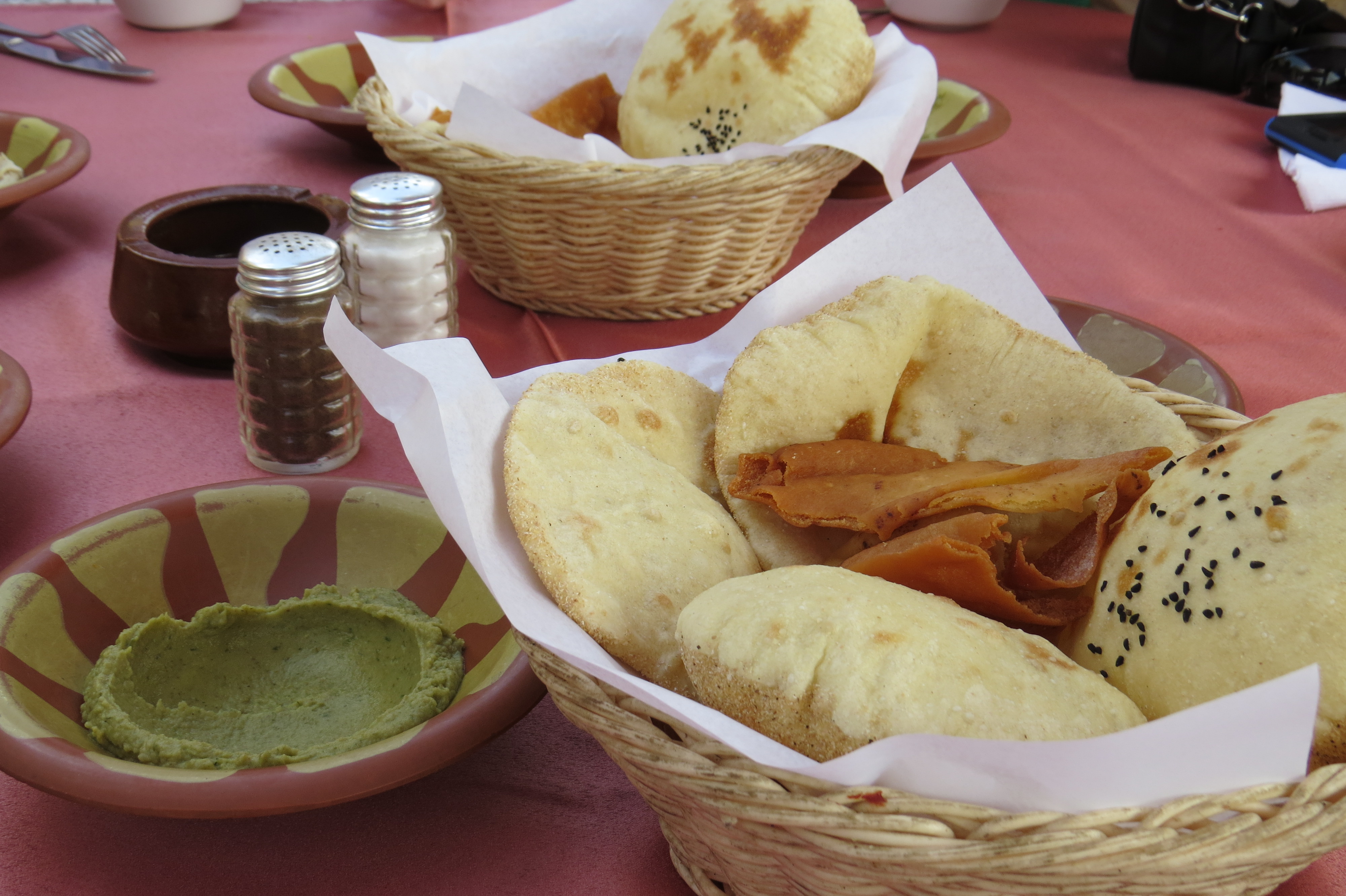
Aish Baladi, Egyptian puffy “flatbread” eaten fresh from a scorching hot oven with a variety of dips that usually includes Baba Ganoush.

Best,

Jan

In Transit

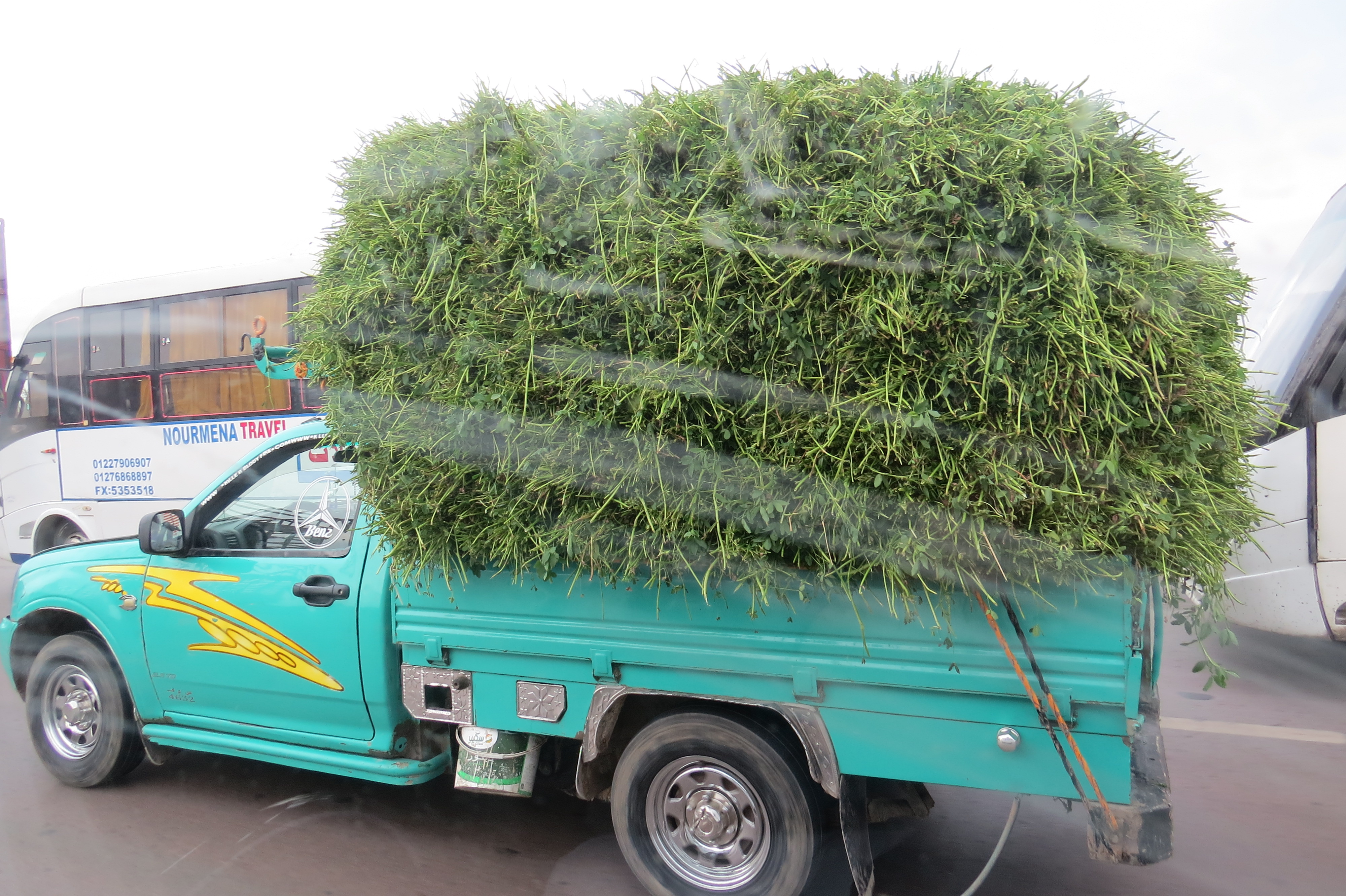
Today was mostly a travelling day, but driving back to Cairo from Alexandria we continued to enjoy watching the world go by:

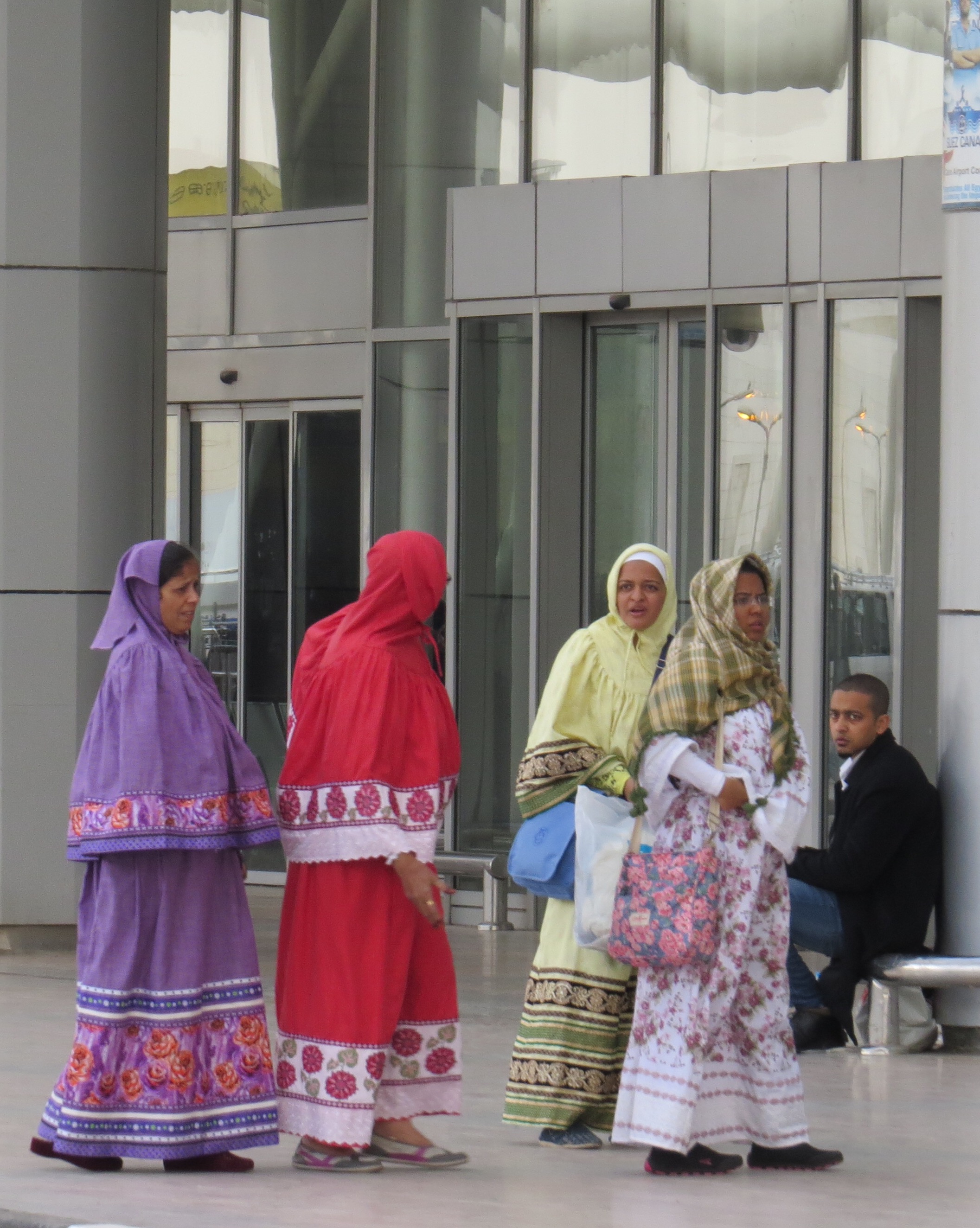
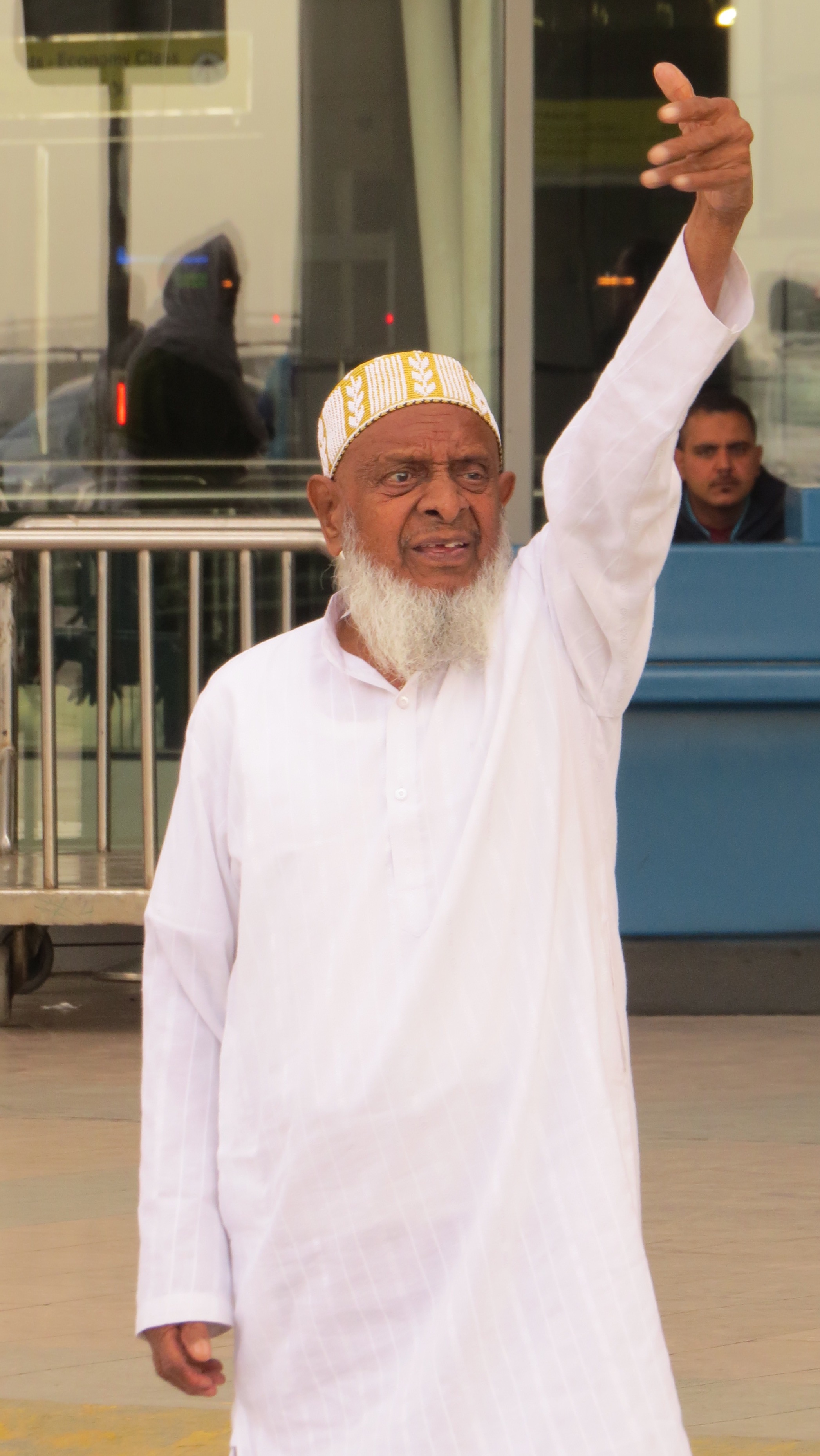
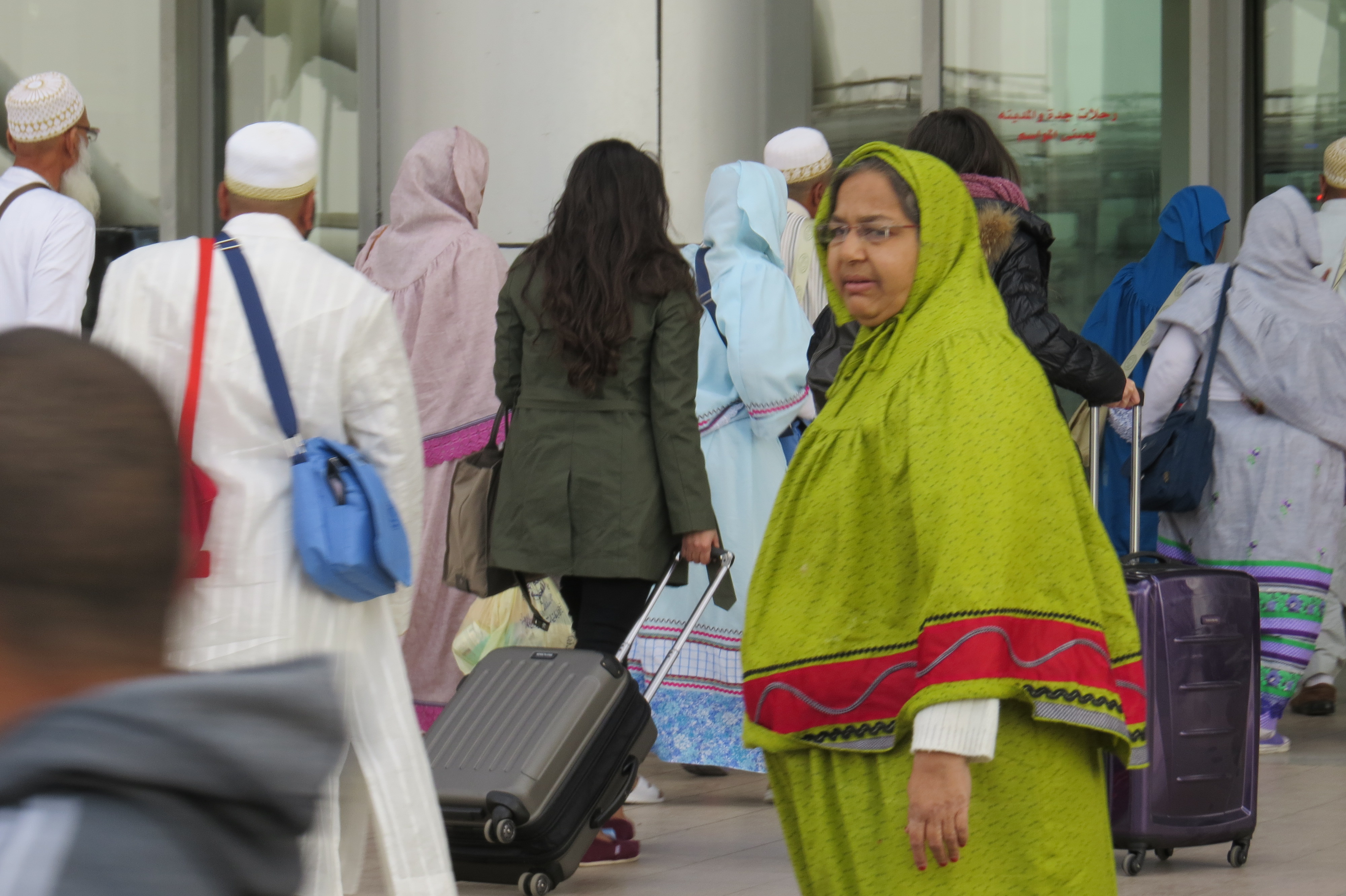
andcatching our flight to Aswan in southern (Upper) Egypt where I am writing now. I always love people-watching at airports, but Cairo was the most exotic yet:

Colourful Afghani Women

We gaze at them, and they glance over their shoulder at us.

It was like this everywhere we went – local Egyptians were just as curious about us as we were about them.  They were wonderful to us; many people walked up to us and said, “Welcome to Egypt!”  Today we were standing outside a convenience store and a woman came out and called to us, “Welcome!  Is there anything you need?  Can I get you anything?”  Another told us she wanted to visit Great Britain but she was too afraid to go because she felt her English wasn’t good enough.  It was almost perfect and we assured her that it was.  Whether or not she would be able to understand some of Britain’s thicker regional accents remains a question, but we certainly didn’t raise it with her.

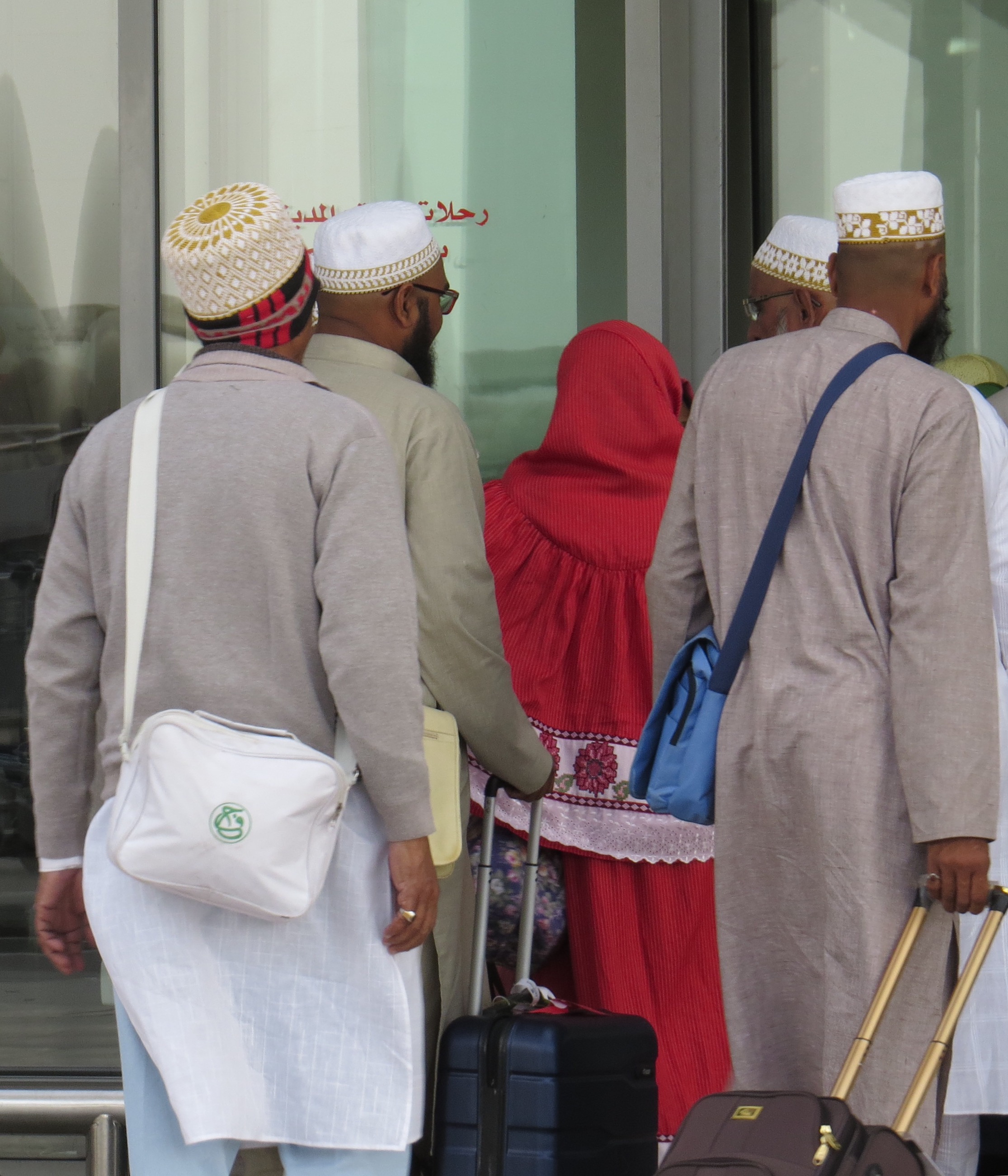
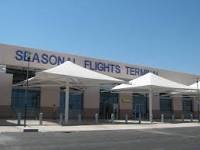
At the airport, our wonderful guide Waleed explained the sign we saw at the airport for the turnoff to the “Seasonal Terminal.” One of the tenets of the muslim religion is the requirement to, at least once in your life, if you are able, make the pilgrimage to Mecca during the religious season of Hajj.  When a man from a village sets out for Mecca, his entire village comes to see him off. They arrive in caravans of busses and there is music and dancing and food eaten seated on the floor in the terminal. So you can imagine the chaos that would ensue at the international terminal. The villagers return to greet the returning pilgrim again and they will have the freedom of their own terminal to celebrate his return.  Wouldn’t that be wonderful to witness?  It takes place this year from August 30th to September 4th, probably the hottest time of year to visit Cairo.

“Seasonal Terminal”

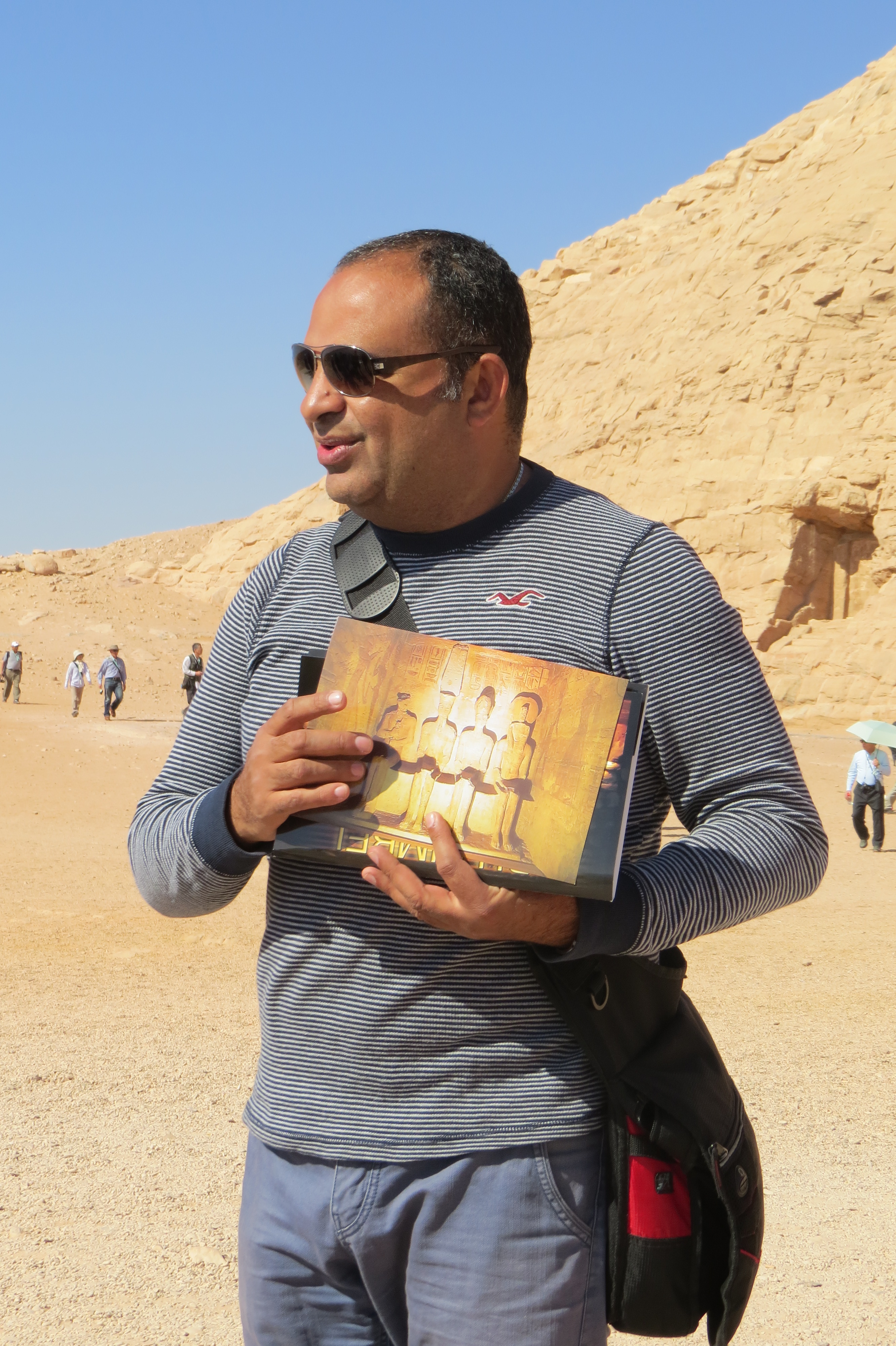
Speaking of Waleed, he is a marvel. Our lovely guide is devoted to and passionate about his country and has a heart of gold. He has bought us many treats and if anyone shows an interest in something special, he makes it happen. He calls us, “Family” and we have become accustomed to hearing him bellow from down a museum hall when he needs us to gather: “Fam-i-leeeeee.” He’s also an archaeologist (and, seasonally, a farmer) and when we were at the pyramids he had people approach him, touch his arm and say, “Shalom, Doctor.” He is treated with great respect and we have had access to many sites (such as going down into the tomb at the Step Pyramid) that other groups did not.

Norman, the owner of Royal Heights in Victoria, is also here working to make everything perfect for us, ensuring all our comforts are looked after, assisting Waleed with restaurant and menu choices, etc. He spent years living in Egypt giving guided tours from Scotland before he emigrated to Canada and he and his wife established their own tour company. He planned a leisurely itinerary that is not lacking in experiences, education, meaningful visits and awesome food.

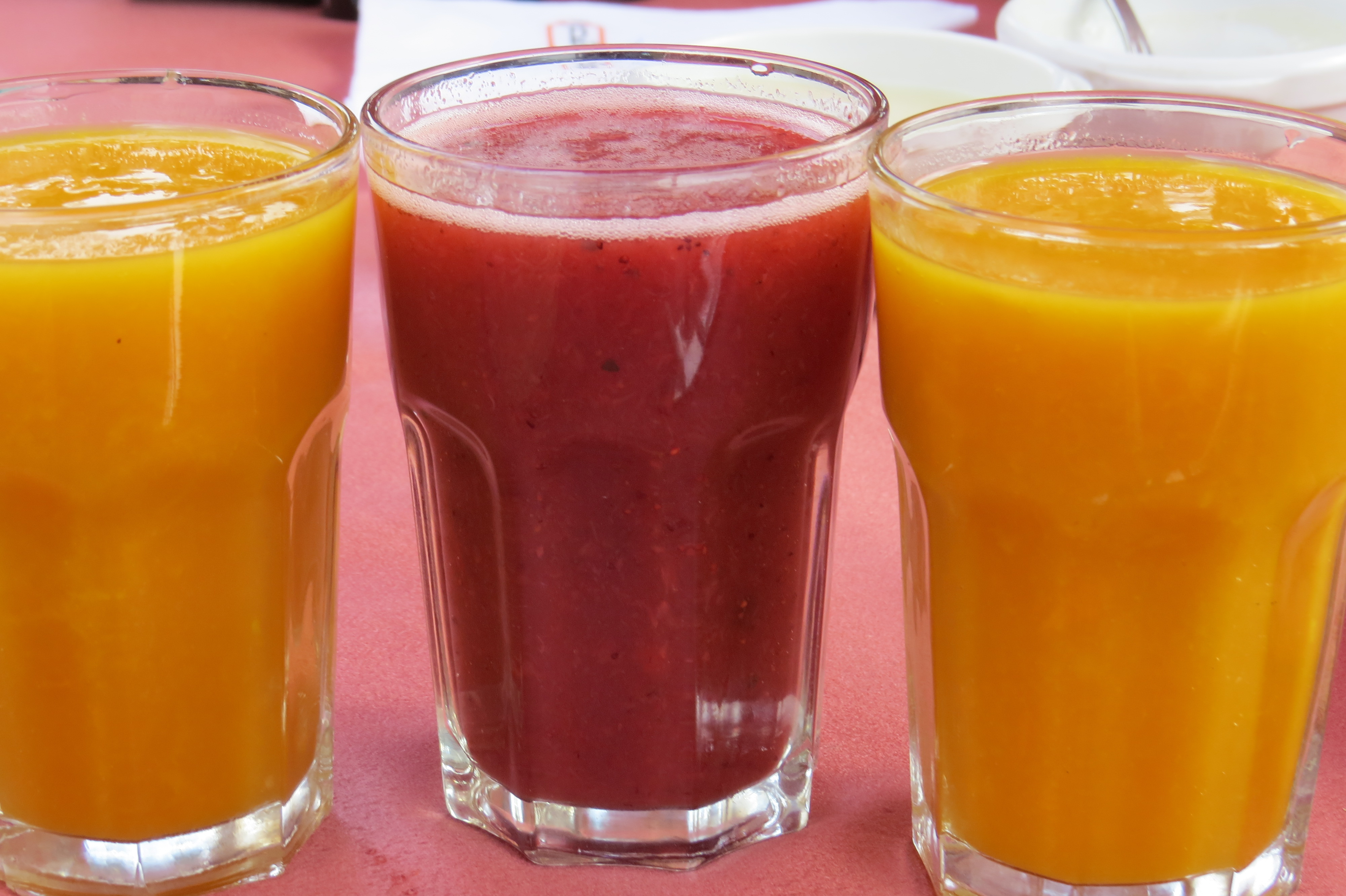
He likes a beer or a glass of wine as well as the rest of us, which is not always easy to find in a country that is 90% Muslim. When we have eaten at dry restaurants we have had wonderful housemade juices – mango, lemon-mint, strawberry, etc., which are often nothing more than blended, frothed fresh fruit – like drinking a glass of Egypt sunshine.

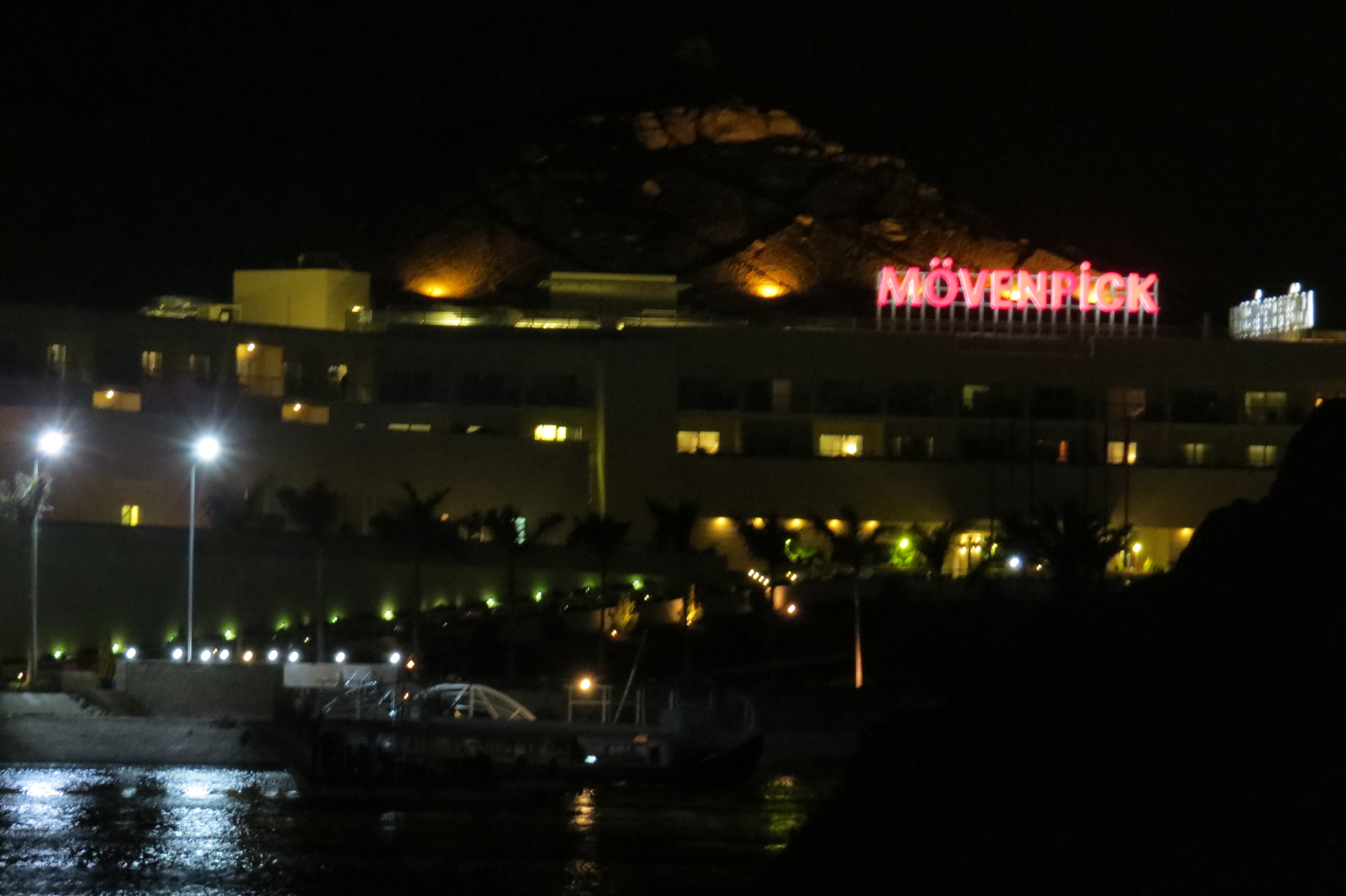
We did have time in Cairo to visit the iconic Mohammed Ali Mosque and Citadel before we headed to the airport but I’m going to post on that separately.  Tonite here in Aswan we will be crossing the Nile by motor boat to Elephant Island where we will check into the Movenpick Hotel, one of the nicest hotels in Aswan.

Later:

Best,

Jan
Time Machine

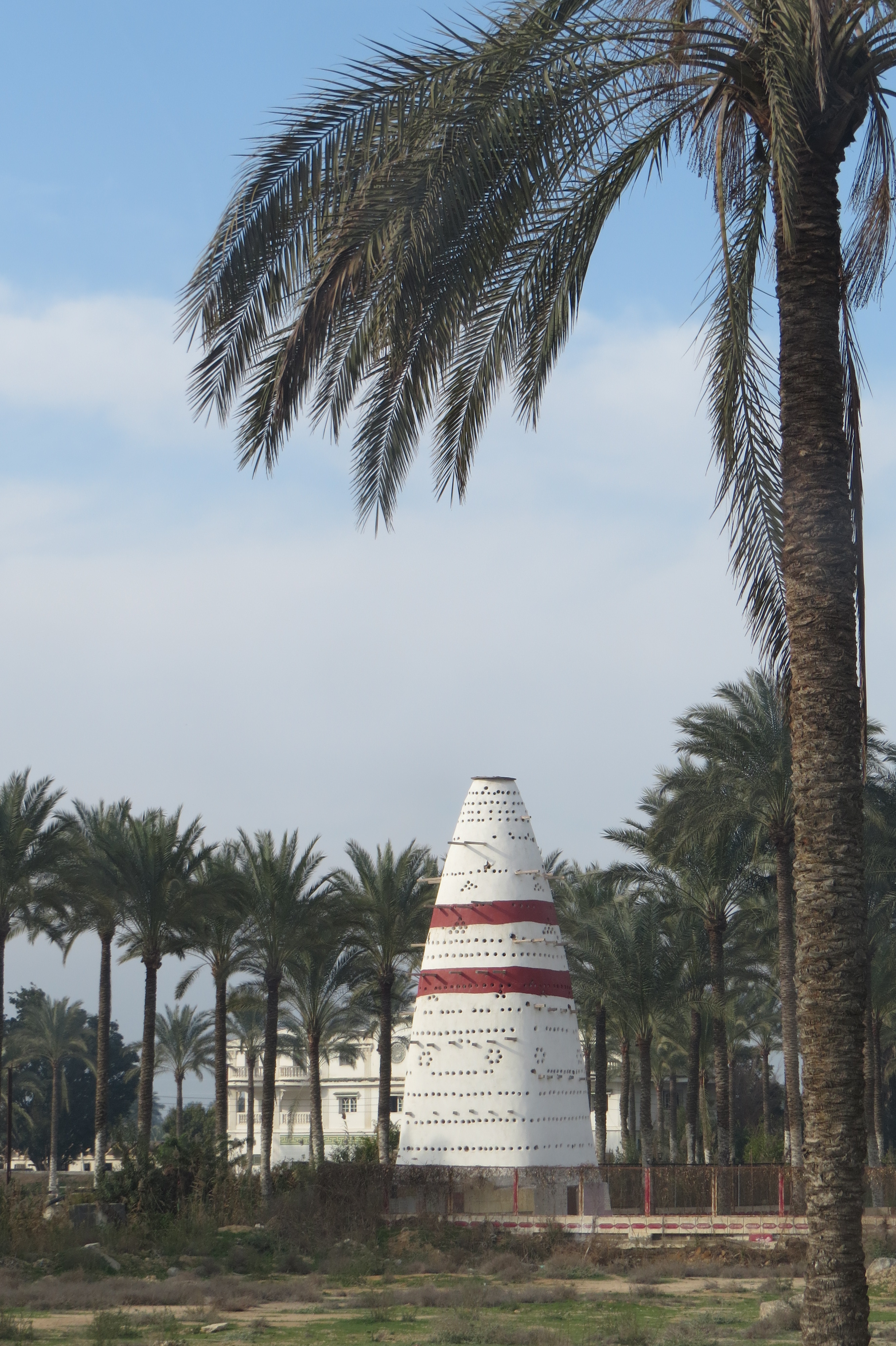
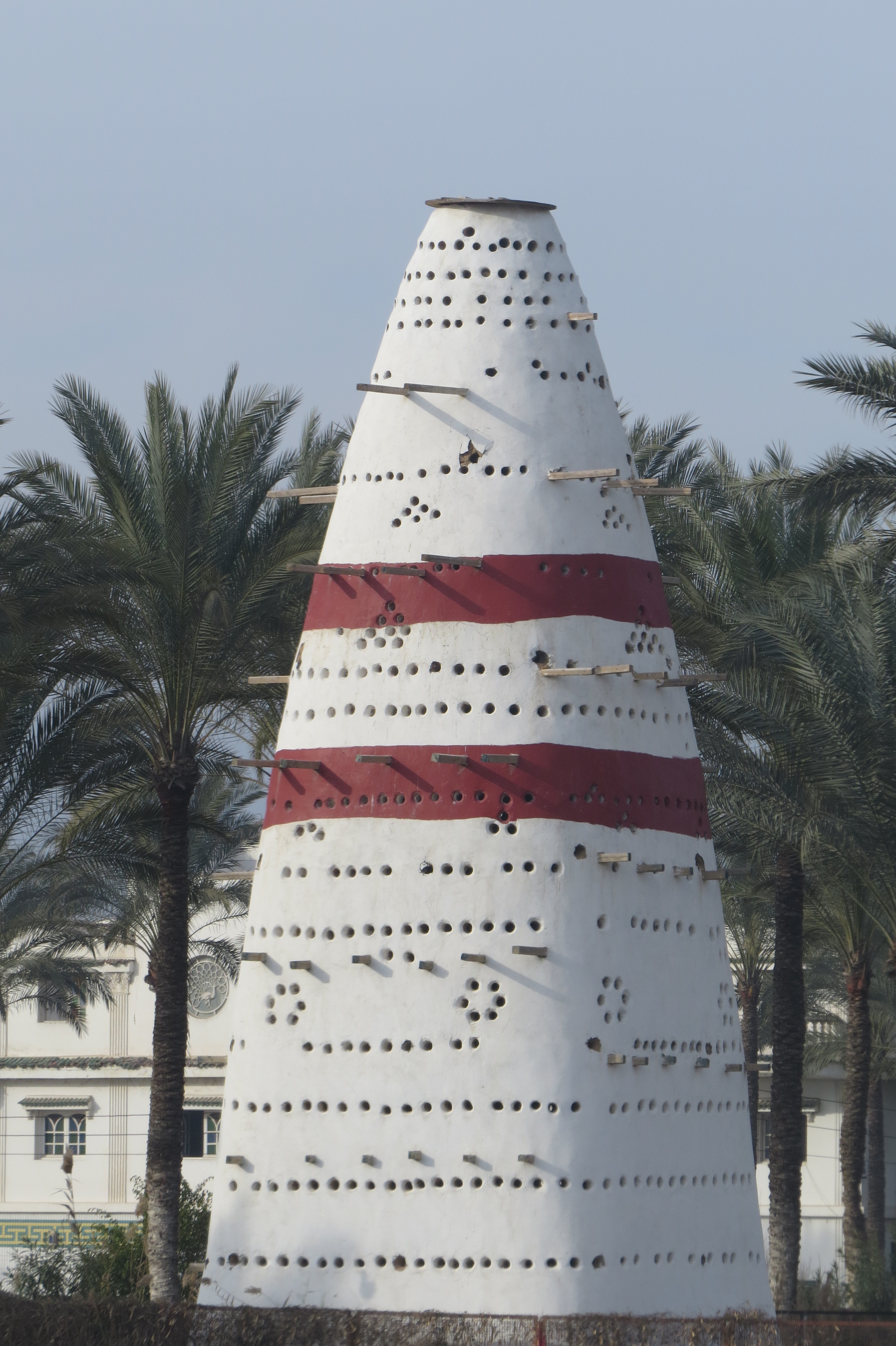
This afternoon we drove north to Alexandria. Along the excellent highway connecting Cairo to Alexandria, we passed many examples of pigeon coops which are seen all over the country. Pigeon is commonly eaten in Egypt (like chicken or Cornish game hen, reportedly delicious), and people keep their own pigeons as a food supply.


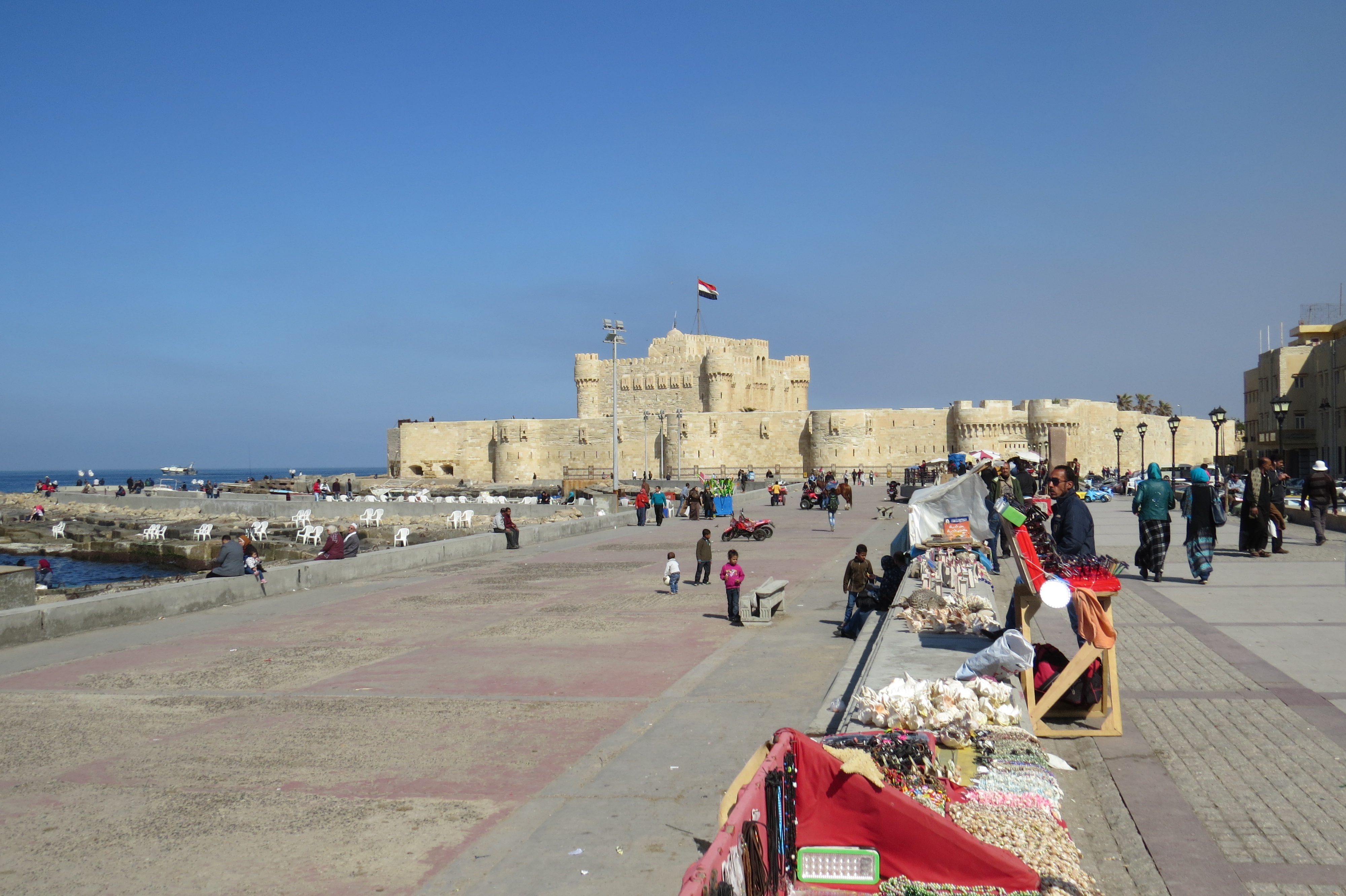
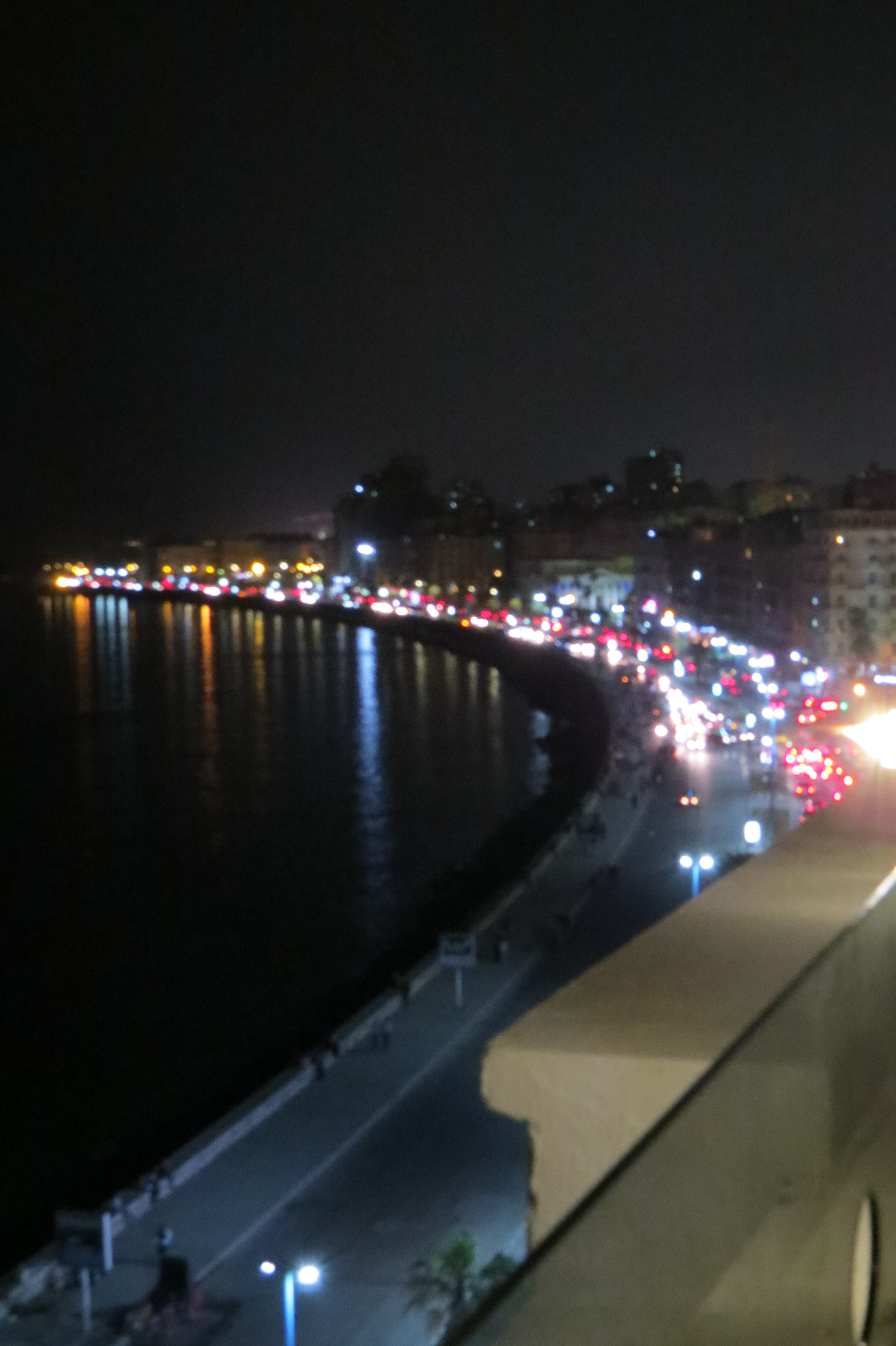
Arriving in Alexandria felt like coming home – sea air, fresh breezes and foam-crested waves. Alexandria is the northernmost city in Egypt on the Mediterranean and has a much more European (and west coast) feel than Cairo. It is much cleaner and “Le Corniche” (“the Crescent”) is a several-kilometres-long promenade along the beach.

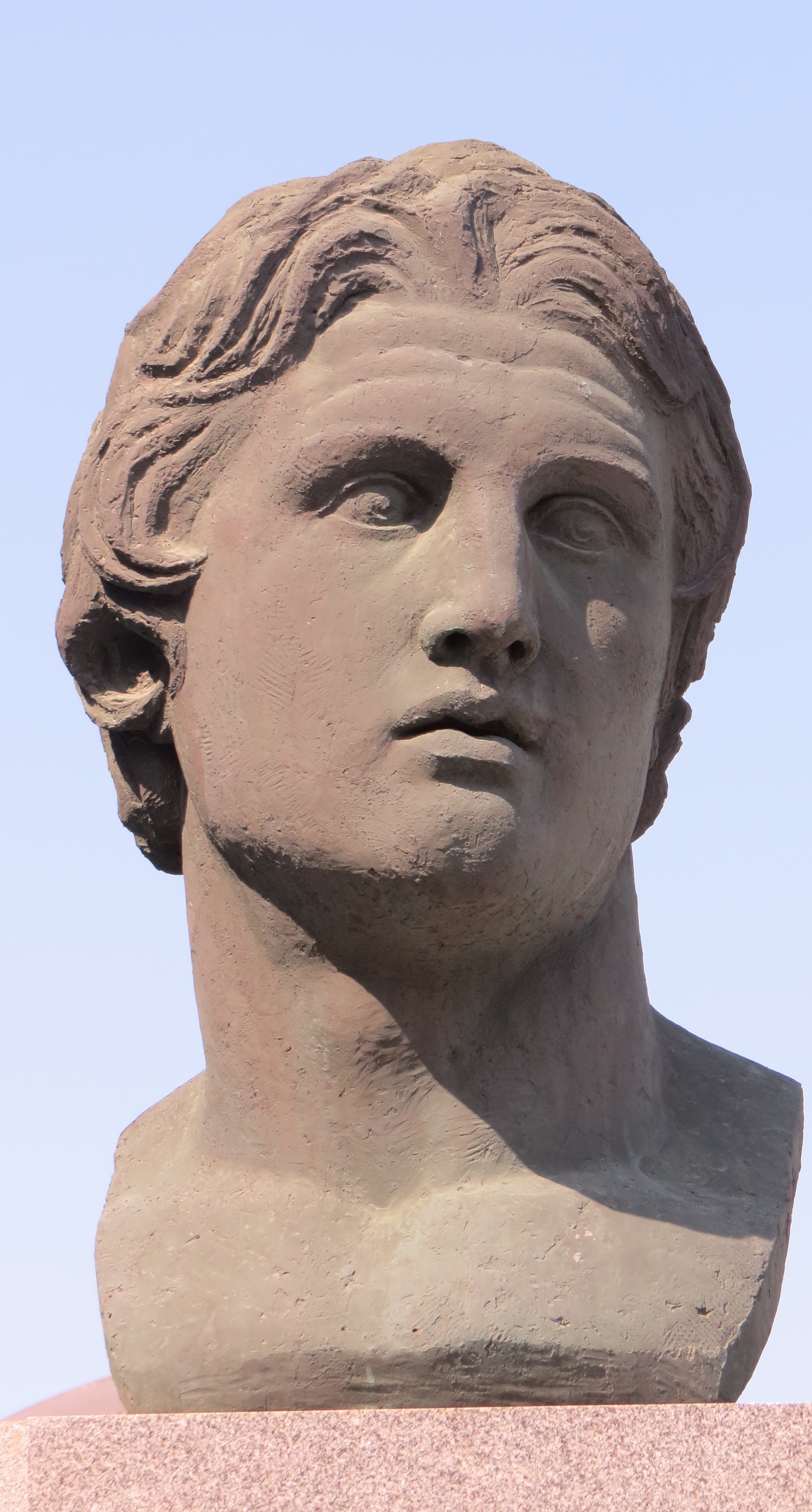
We also quantum lept ahead to 356 BC (so young!). The city was founded by Alexander the Great (from Macedonia) and it was the greatest city in the world in its day. Like Mohammed Ali, and the Moors who ruled Spain for hundreds of years, Alexander devoured country after country but his success in maintaining power despite long absences was thru tolerance. He died at a very young age and It is unknown today whether he was buried at Alexandria or in Macedonia.

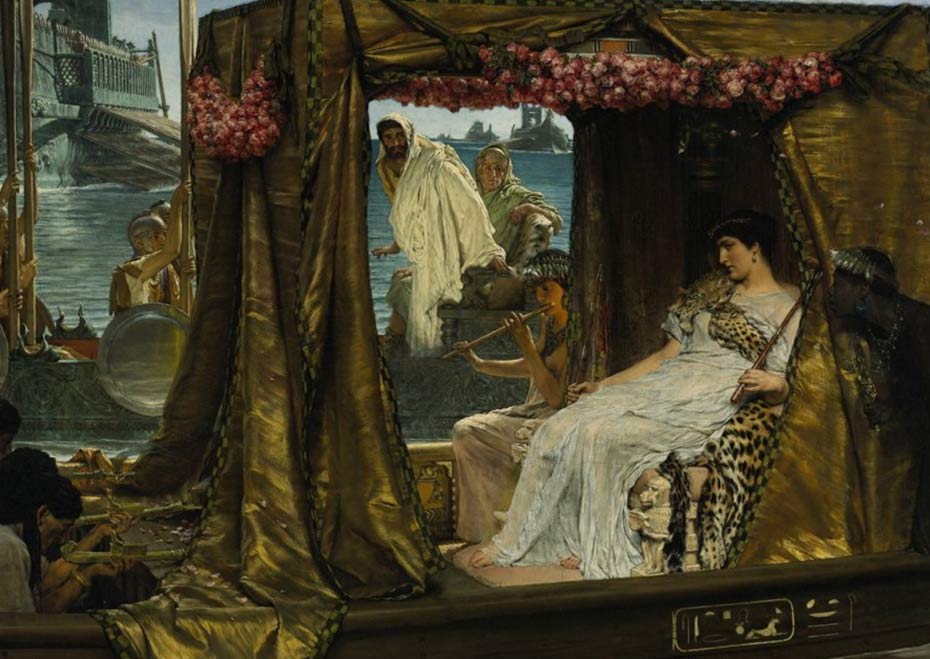
Cleopatra, Alexandria’s second-most famous citizen, also ruled from Alexandria but because the Greco-Roman Museum was closed for renovations, we didn’t learn too much about her.  Cleopatra’s palace is buried at the bottom of the sea (there are points in Alexandria where you can actually see some of the ruins beneath the sea, but we didn’t make it there) and will probably one day be turned into an underwater museum.  I did picture her sweeping along Le Corniche in all her majesty, black hair swept back in the breeze and lilac black-lined eyes gleaming.

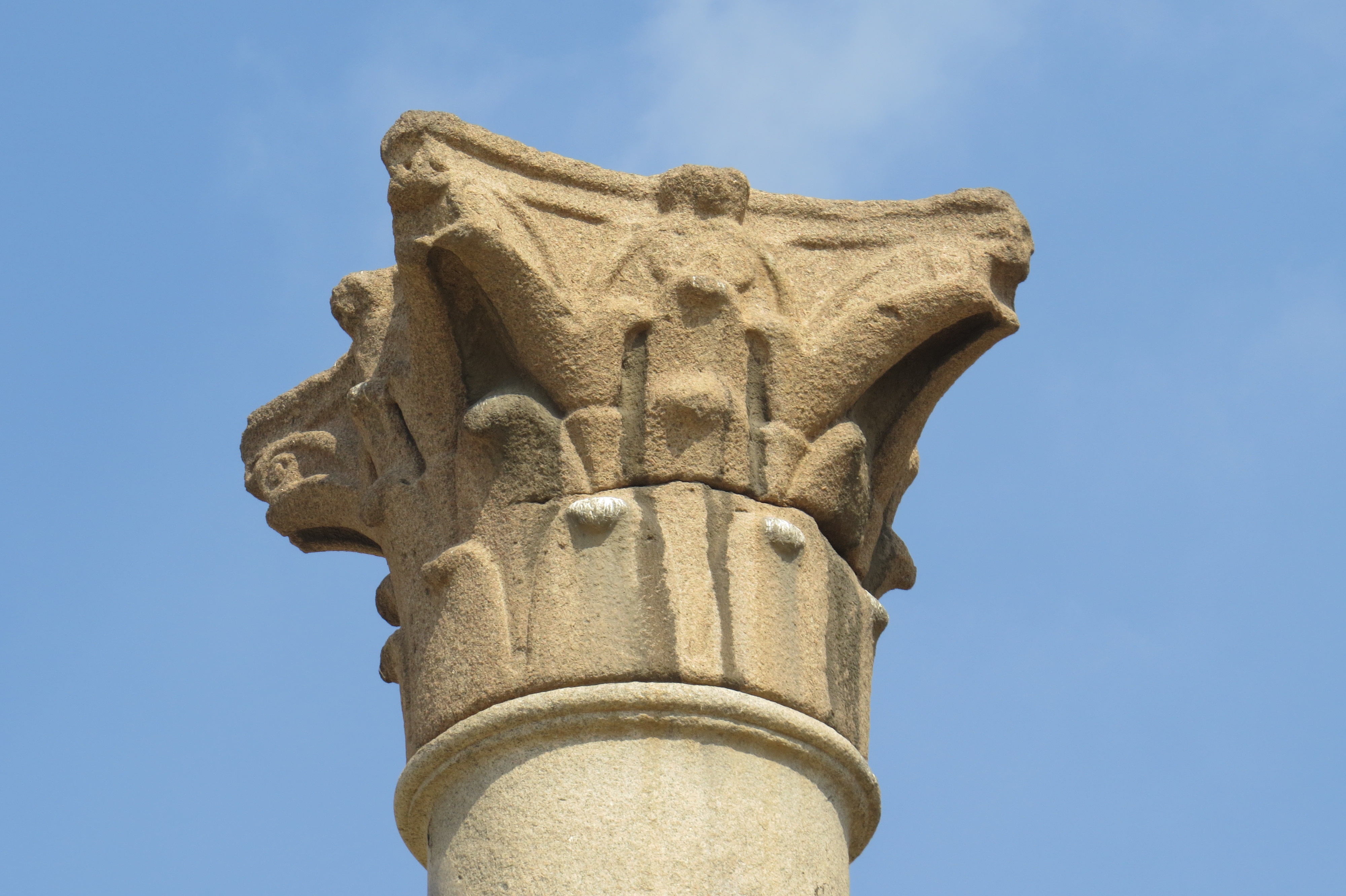
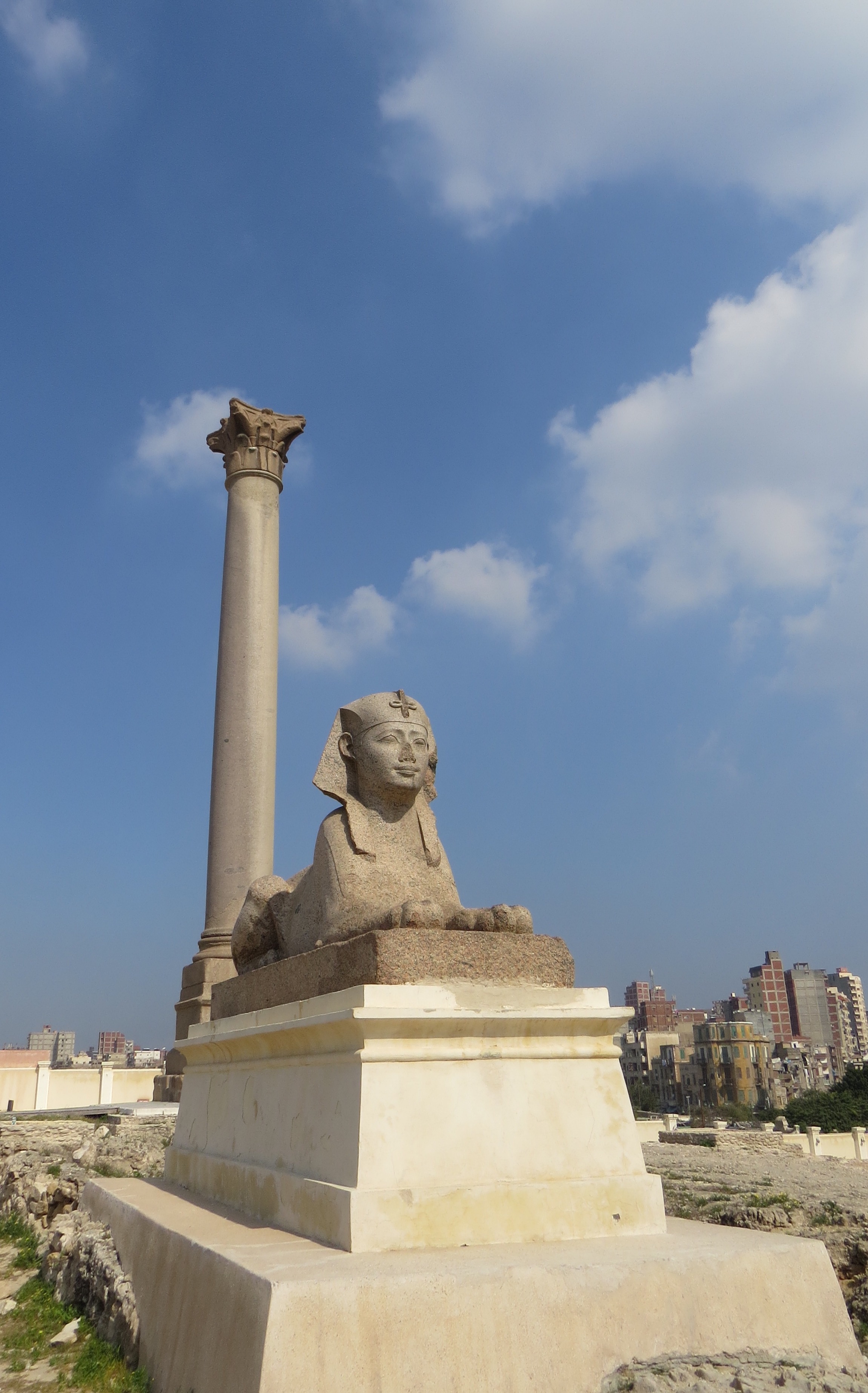
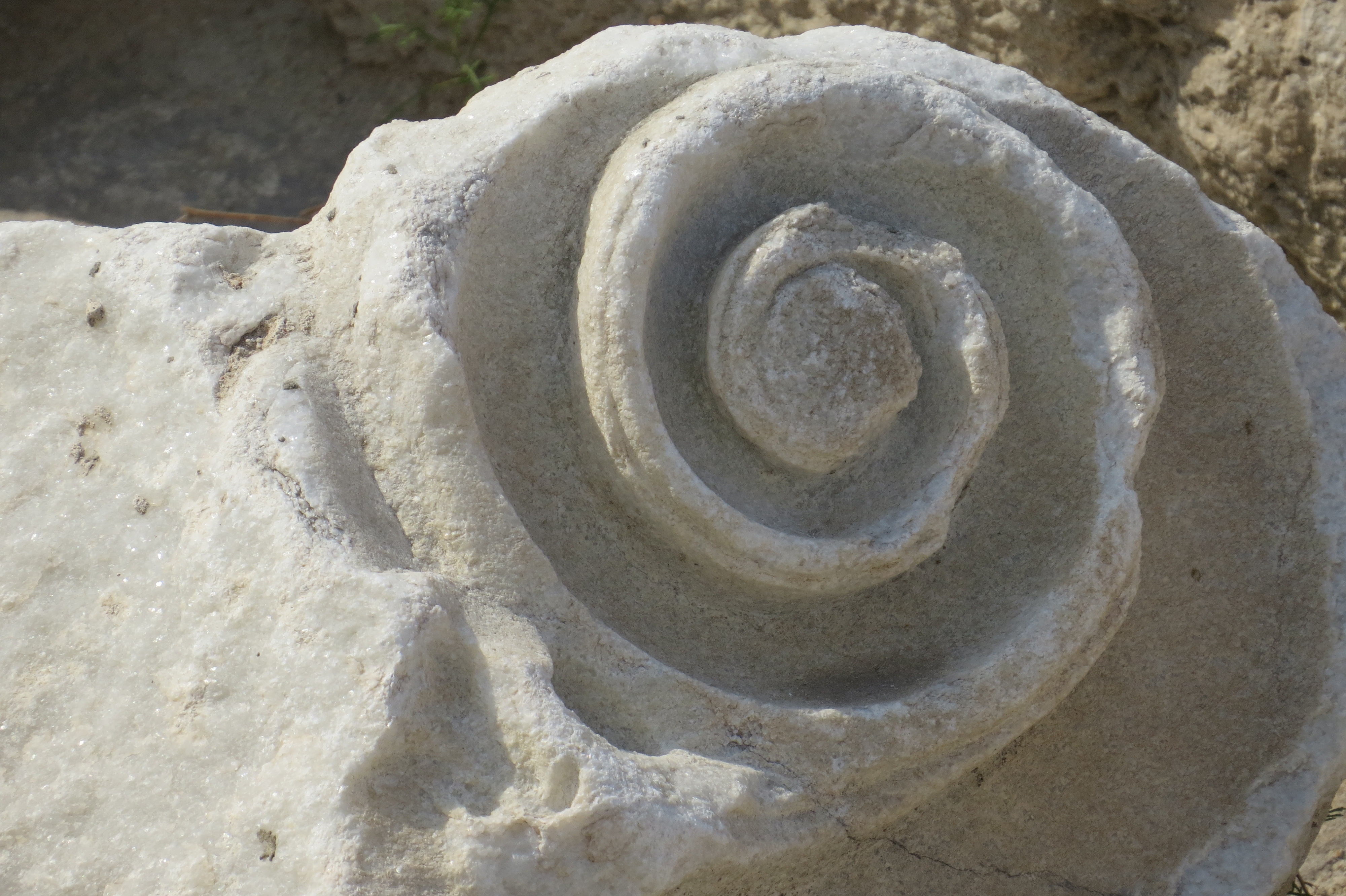
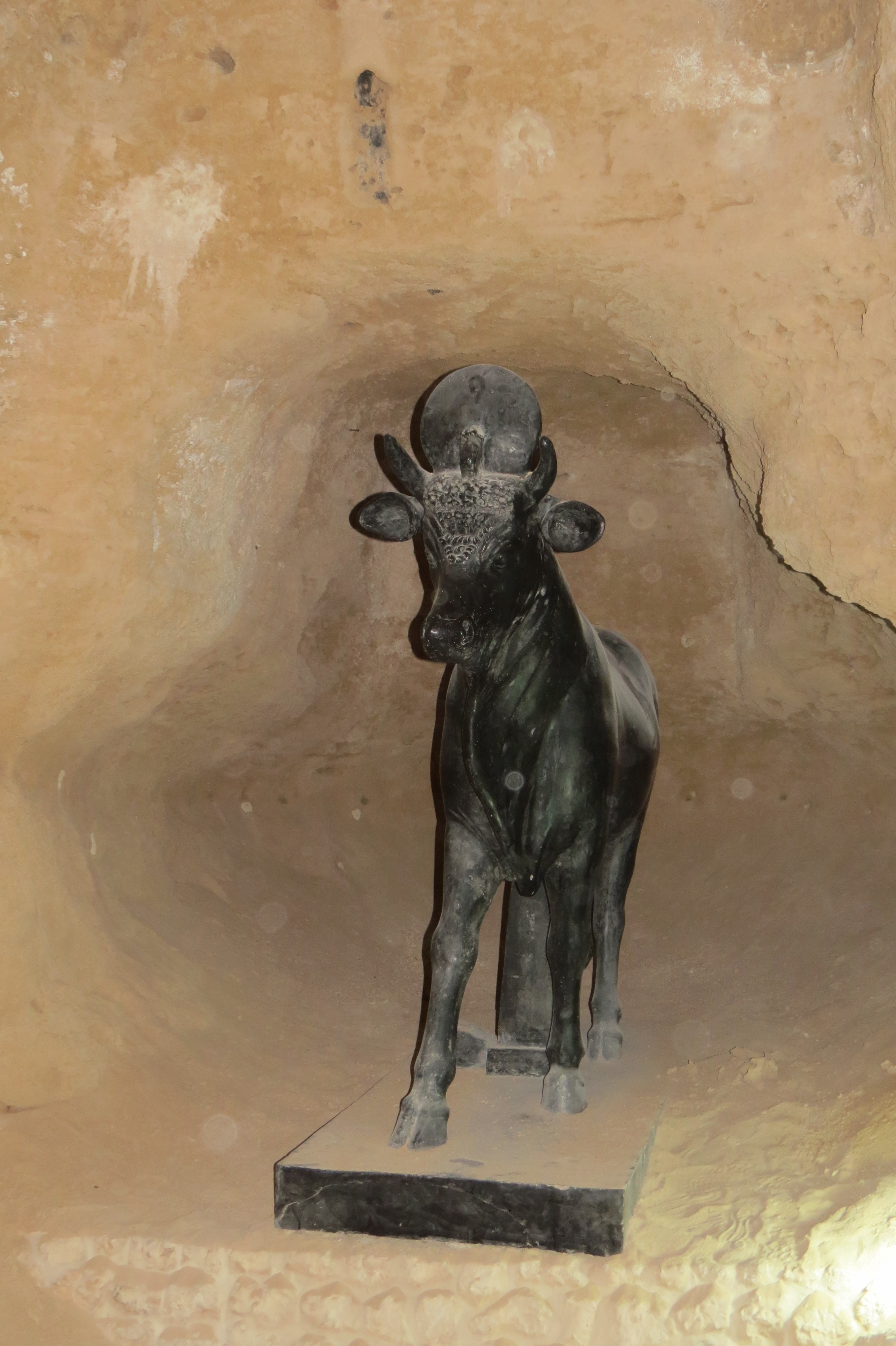
We visited several sites from the Greco-Roman period, and all were enhanced with Egyptian artifacts.  Pompey’s Pillar is the largest triumphal column outside of Rome and Constantinople and was carved from a single piece of stone.  The pillar was surrounded by Egyptian relics including a symbol of eternity which looked like a rose of stone.  We visited an ossuary and a life-sized image of the Apis Bull.

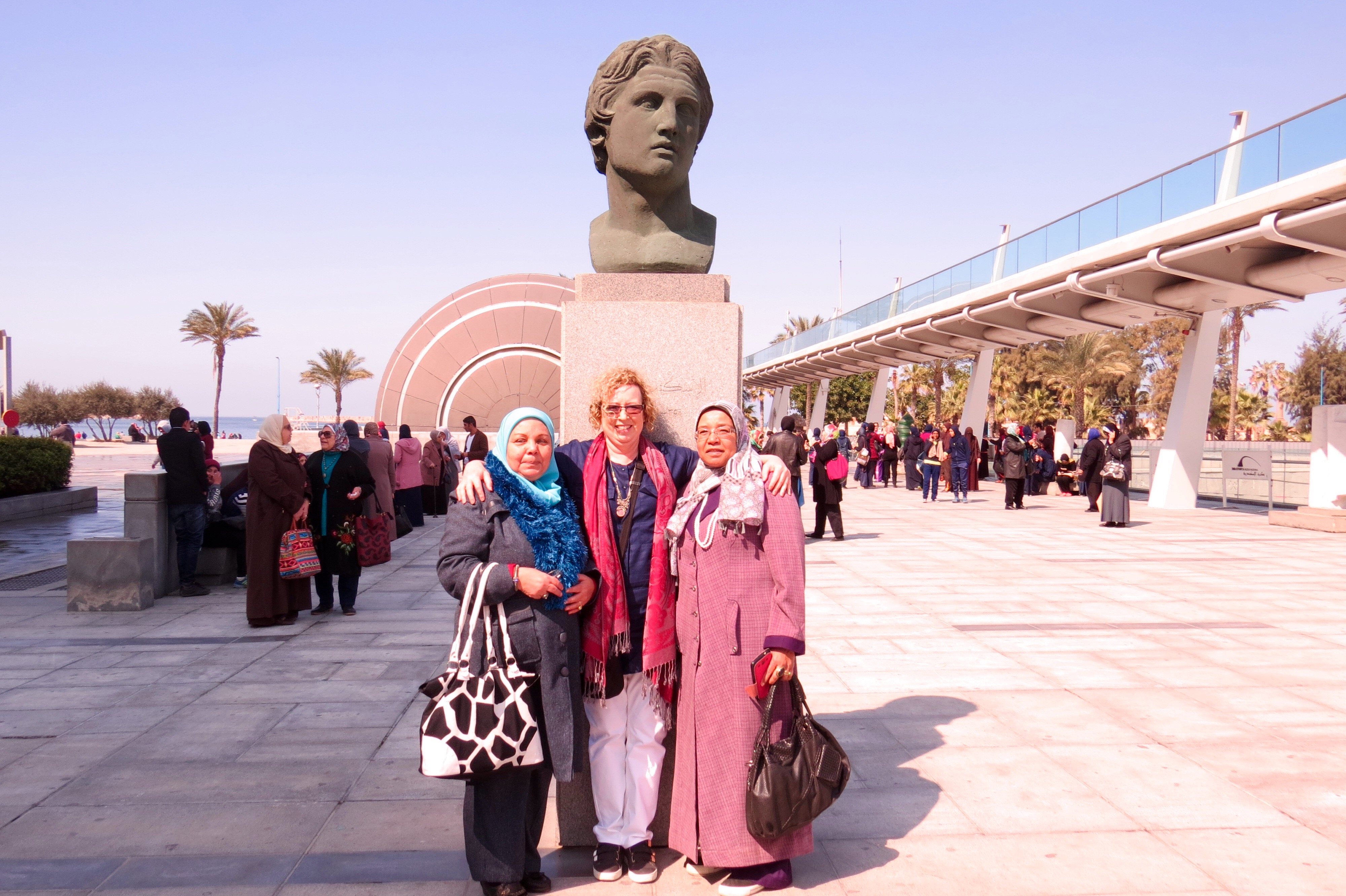
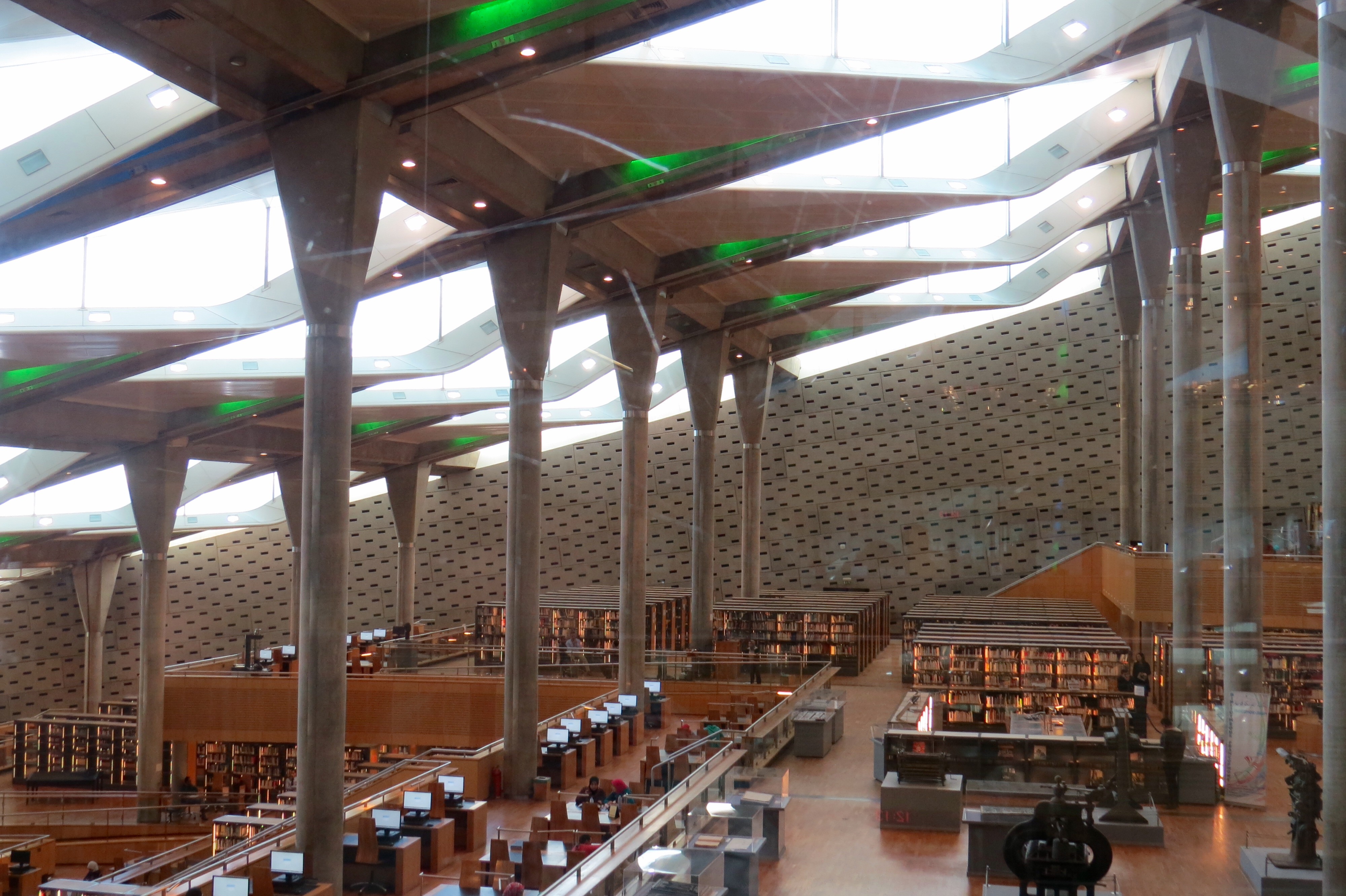
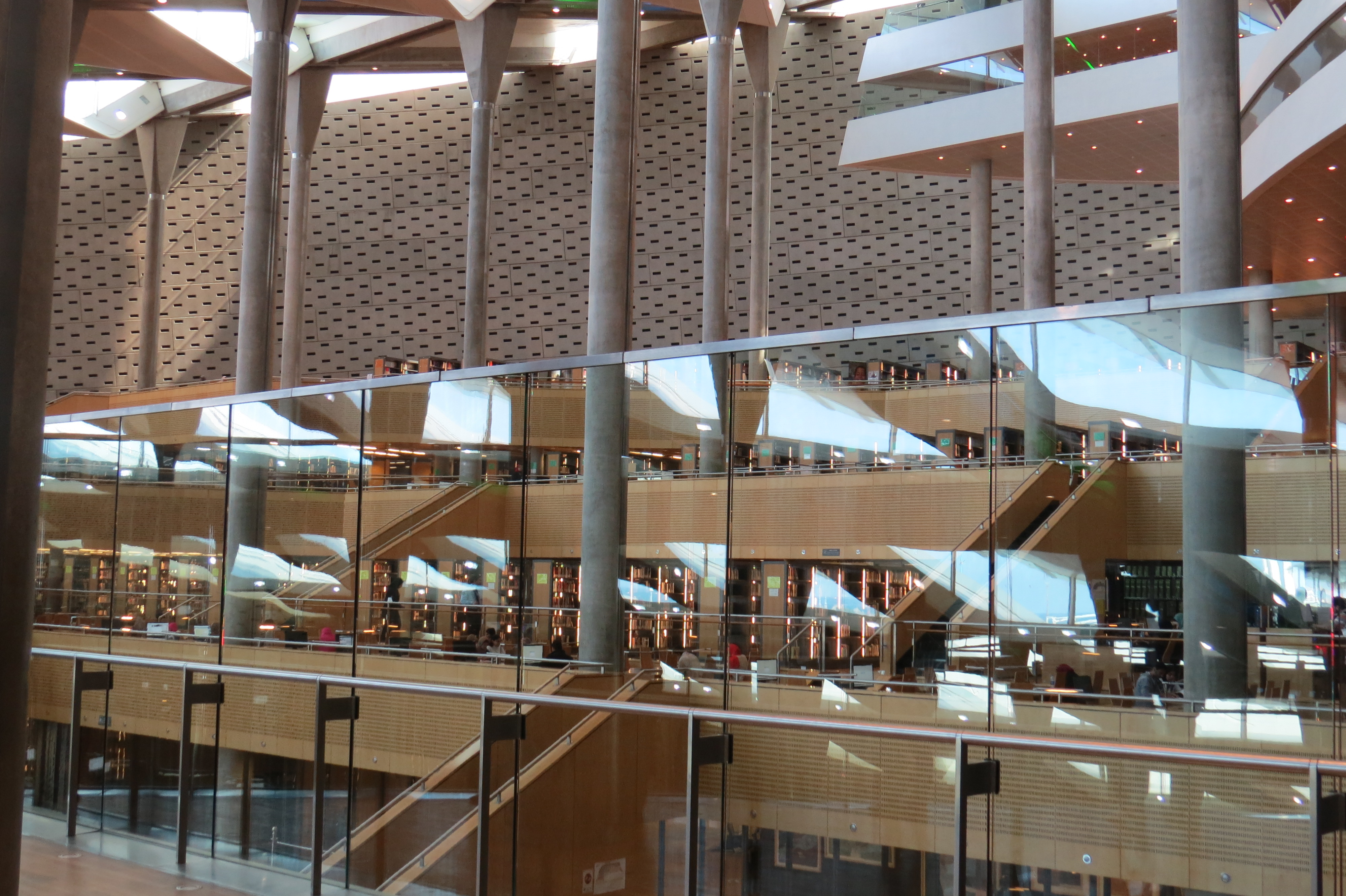
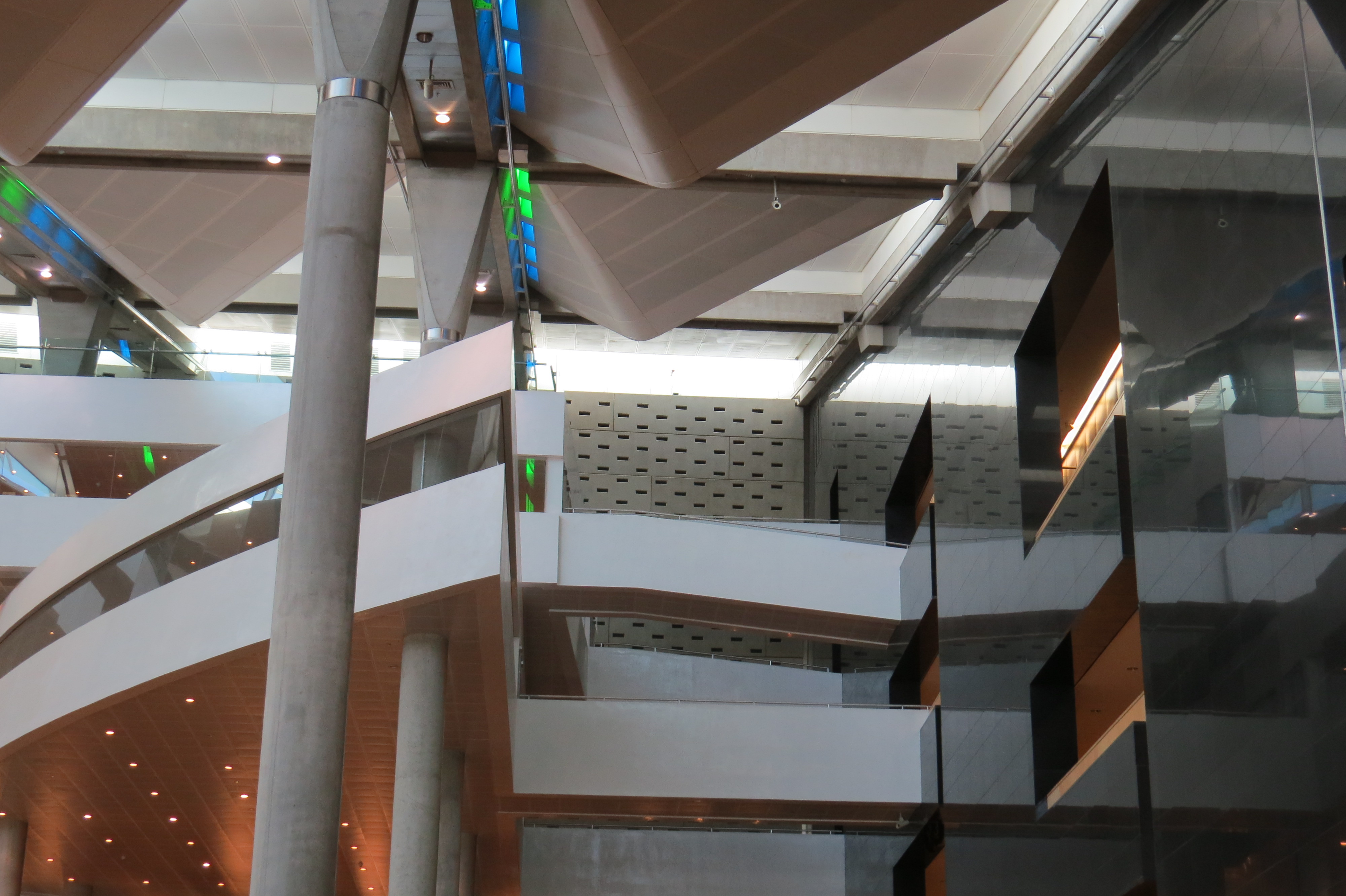
Our most important visit today was to the Alexandria Library.  I was excited to see it, it was one of the attractions of Egypt for me.  In its ancient day, the Alexandria library was famous; it was the most important collection in the world, with over 400,000 scrolls amassed of the most influential literature of history at that time. Sadly, that library burned down. It isn’t clear whether it was Julius Caesar, the Coptic Christians or the invading Muslims who are responsible for the destruction of the library and its contents. To me, it is fantastic that Egypt has honoured this important history with a modern library on its former site. When we visited, a large group of women who are educators was holding a conference. Imagine how significant that is in Egypt and how honoured I was when two of them wanted a photograph with me.

The stunning library, 80,000 square metres in size, was commissioned by the Ministry of Education during Mobarek’s leadership.  Egyptian architectural firm Hamza Associates built it – it was designed to mirror the rising sun.

Aerial view showing rising sun representation

The interior of the library made me think maybe I should come here and study Egyptology, I wouldn’t be the first.

The museum has a sophisticated website.  The link is:

Alexandria Library

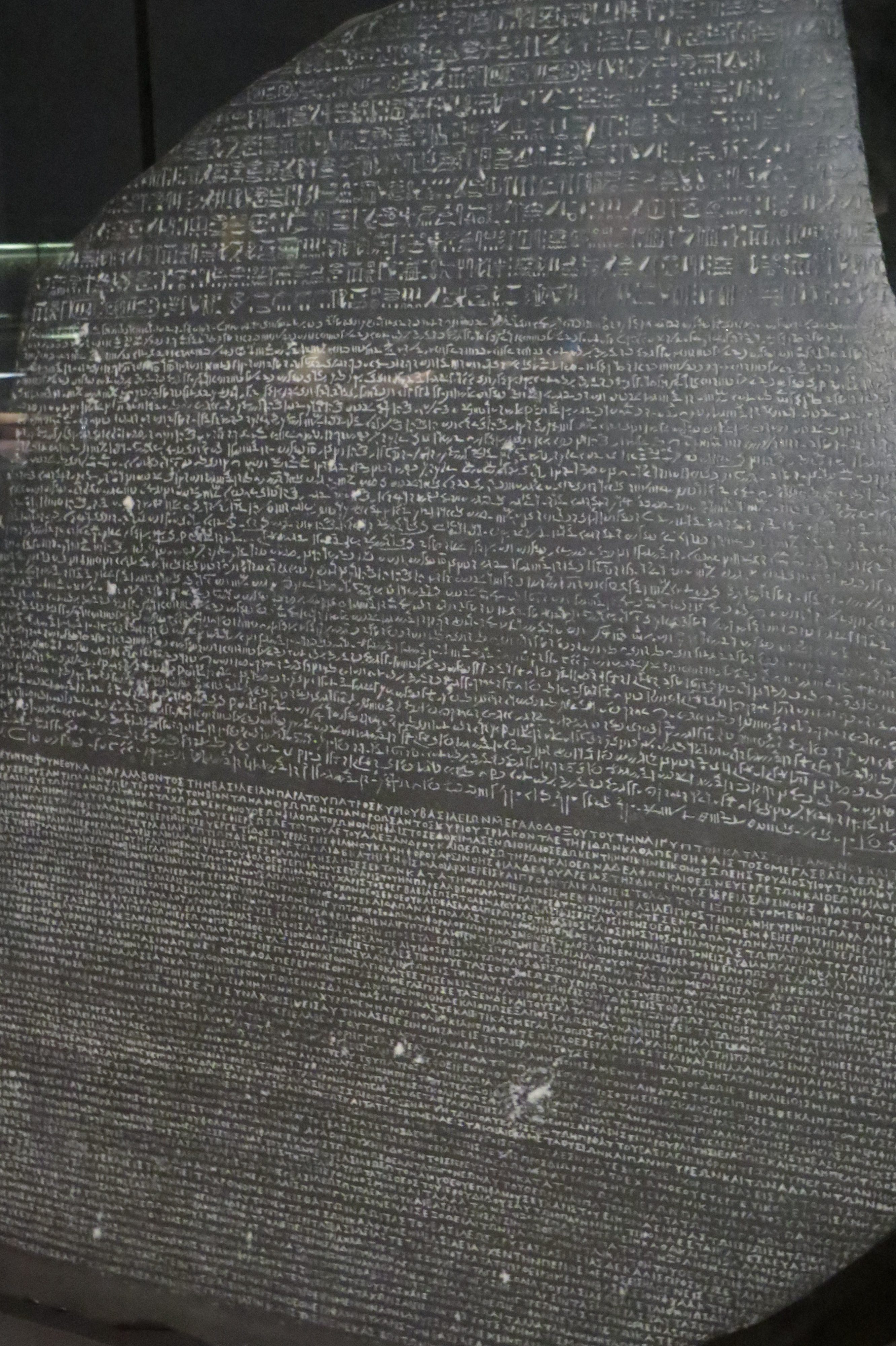
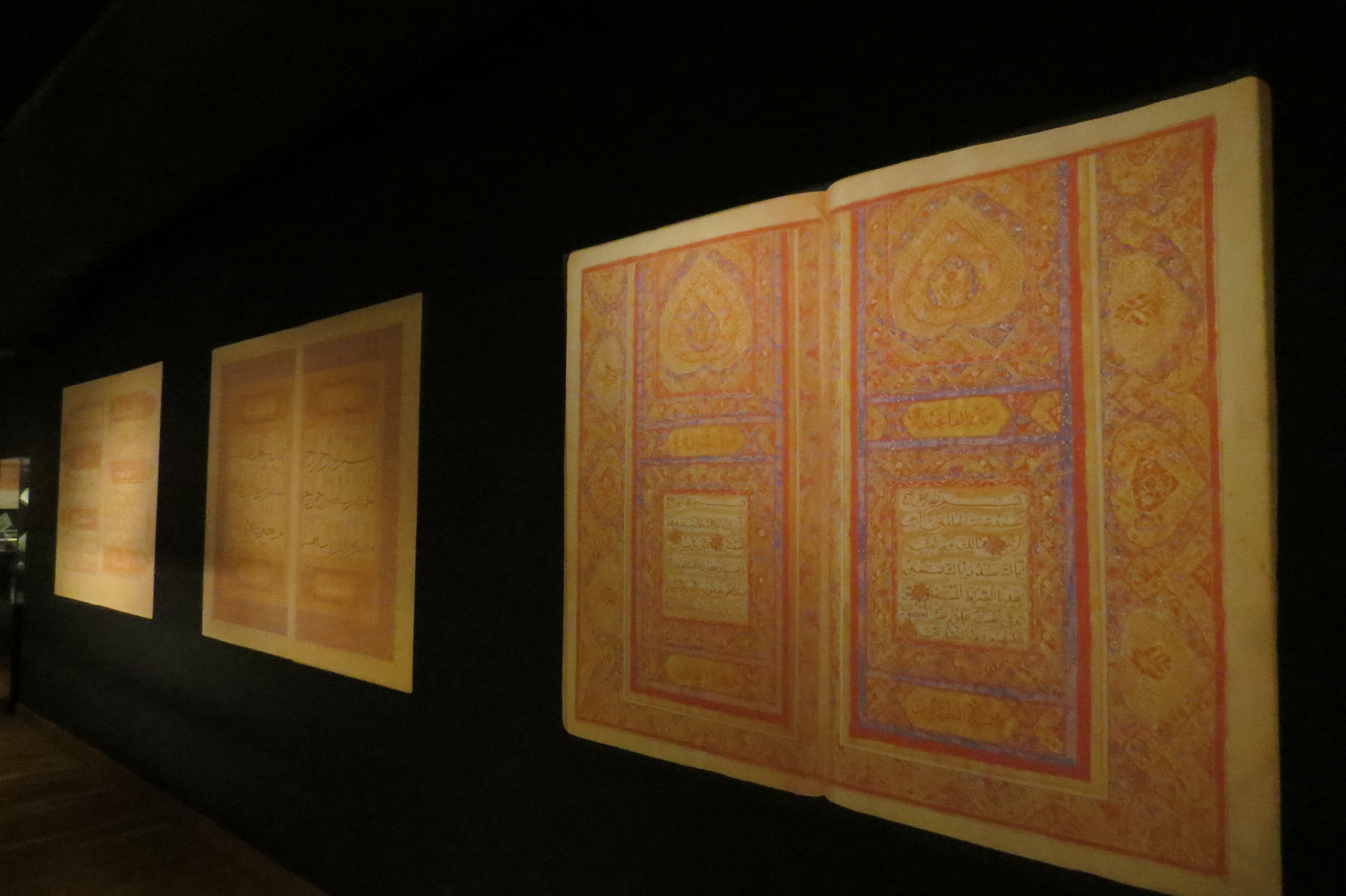
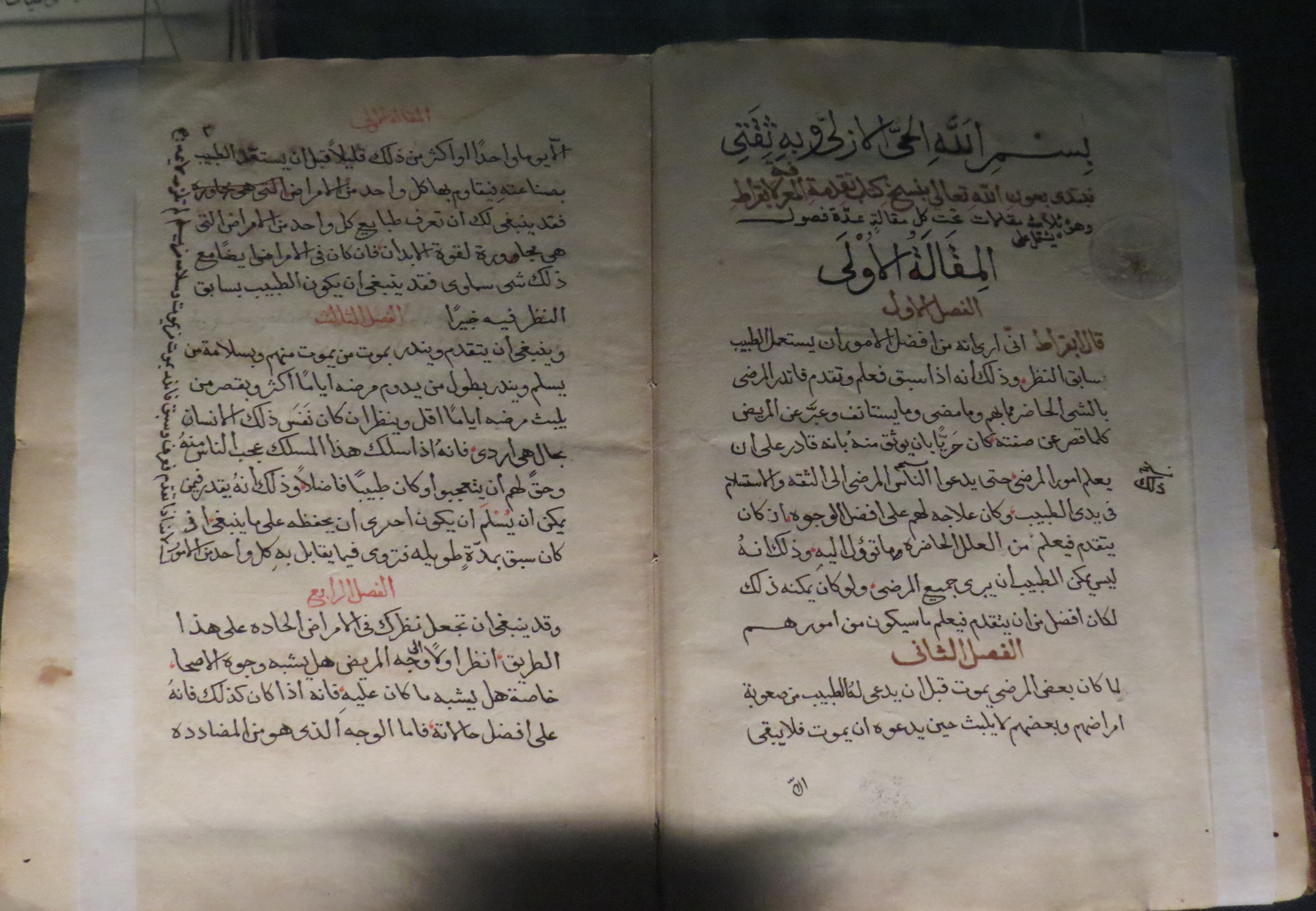
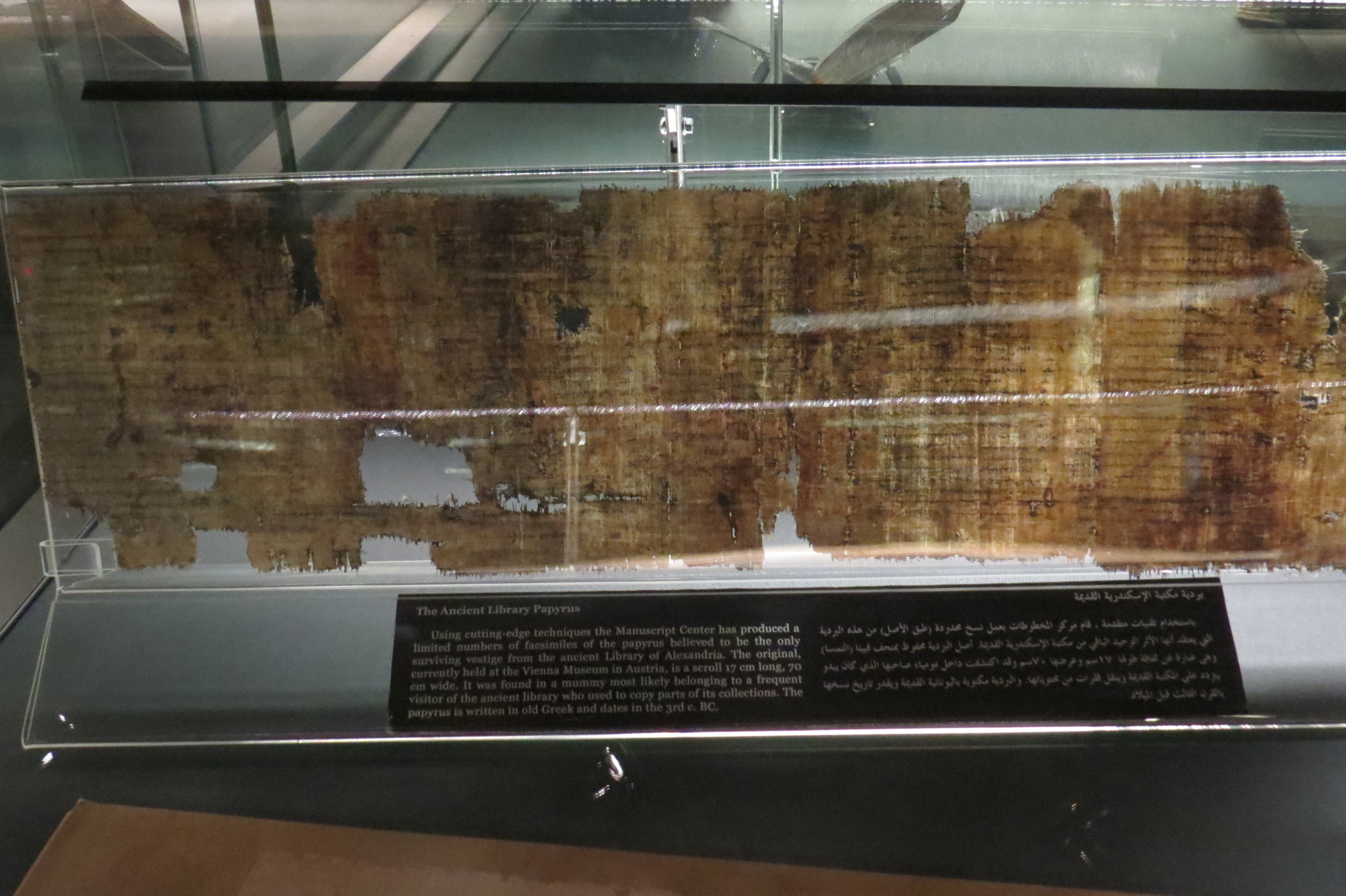
There are several museums in the interior of the library, and Chris Mundigler recommended I visit the Museum of Manuscripts, which naturally didn’t disappoint.  There was a reproduction of the Rosetta Stone, the key to unlocking the language of the hieroglyphs, the original of which is currently trapped in the British Museum (it’s my blog).

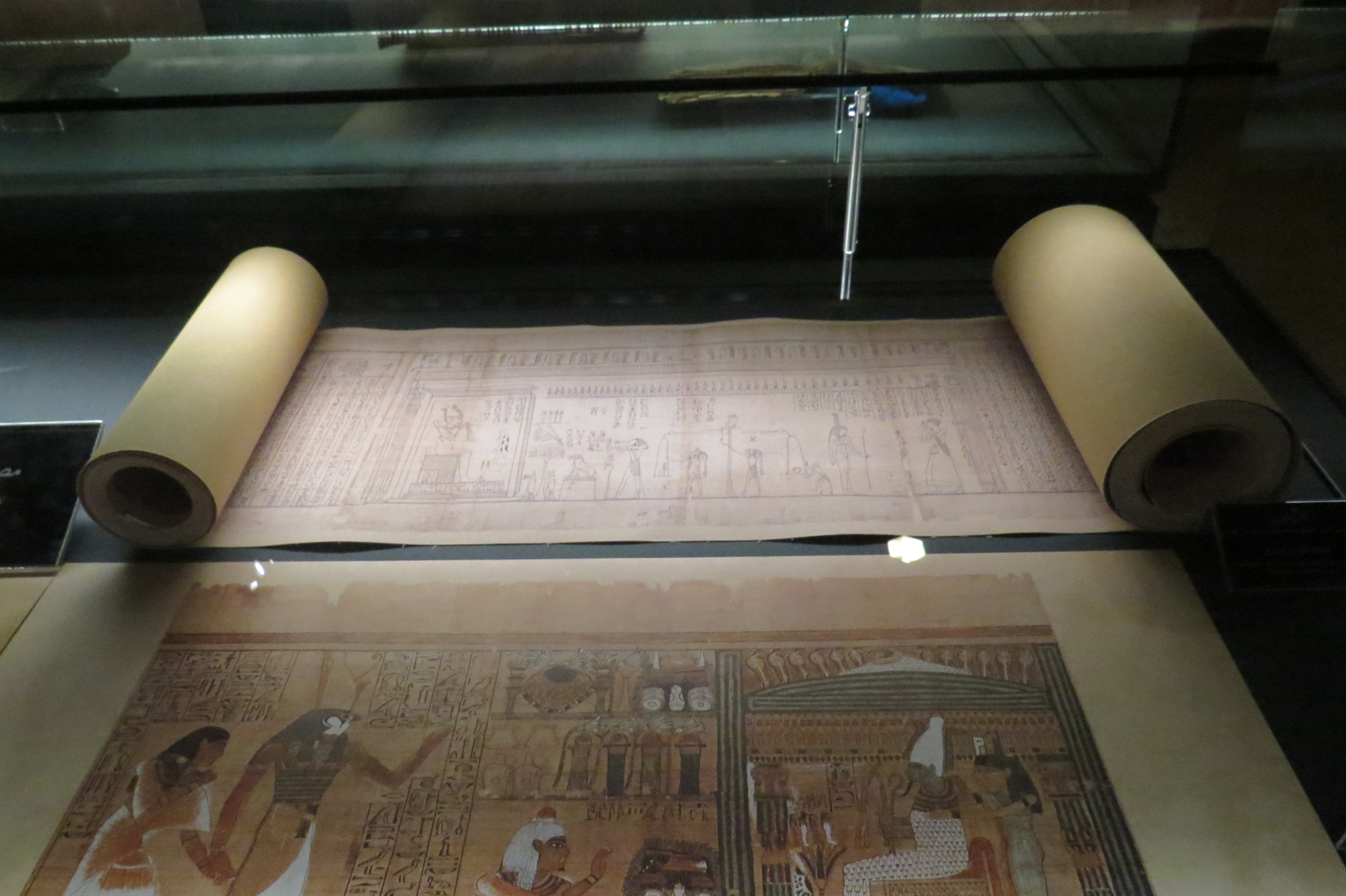
There were many beautiful manuscripts and papyri here:

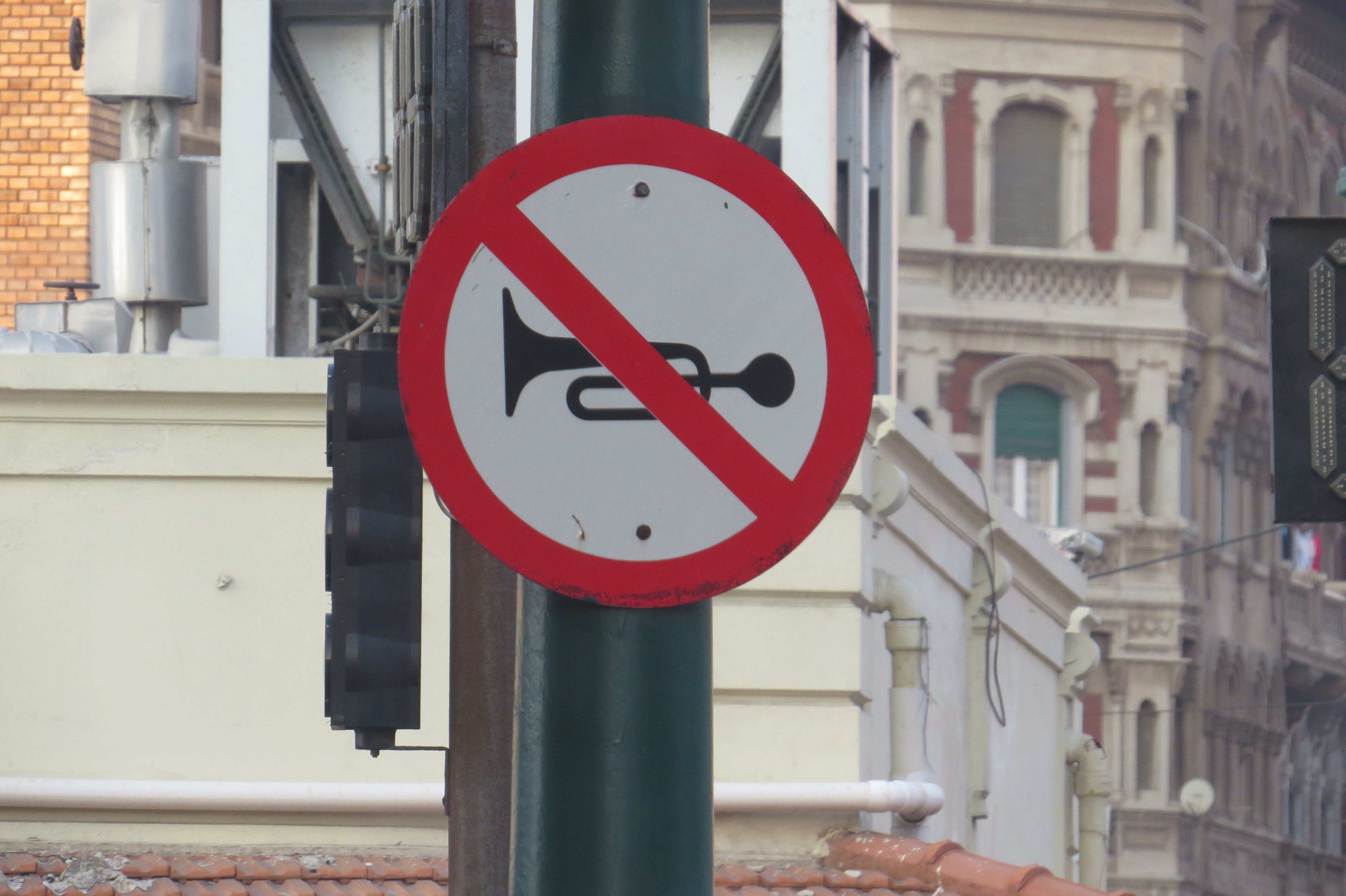
We finished the day with a fresh seafood dinner overlooking Le Corniche, but I was so hungry I devoured dinner before I thought to photograph it.  We returned to our elegant, older hotel where I kept expecting Agatha Christie to pop out.  The cacophony of honking horns followed us to Alexxandria.  I saw several funny signs in Egypt, but this one was the best, just outside our hotel.  I should have taken video so the horns could be heard:

Best,

Jan
The Old Kingdom Part II

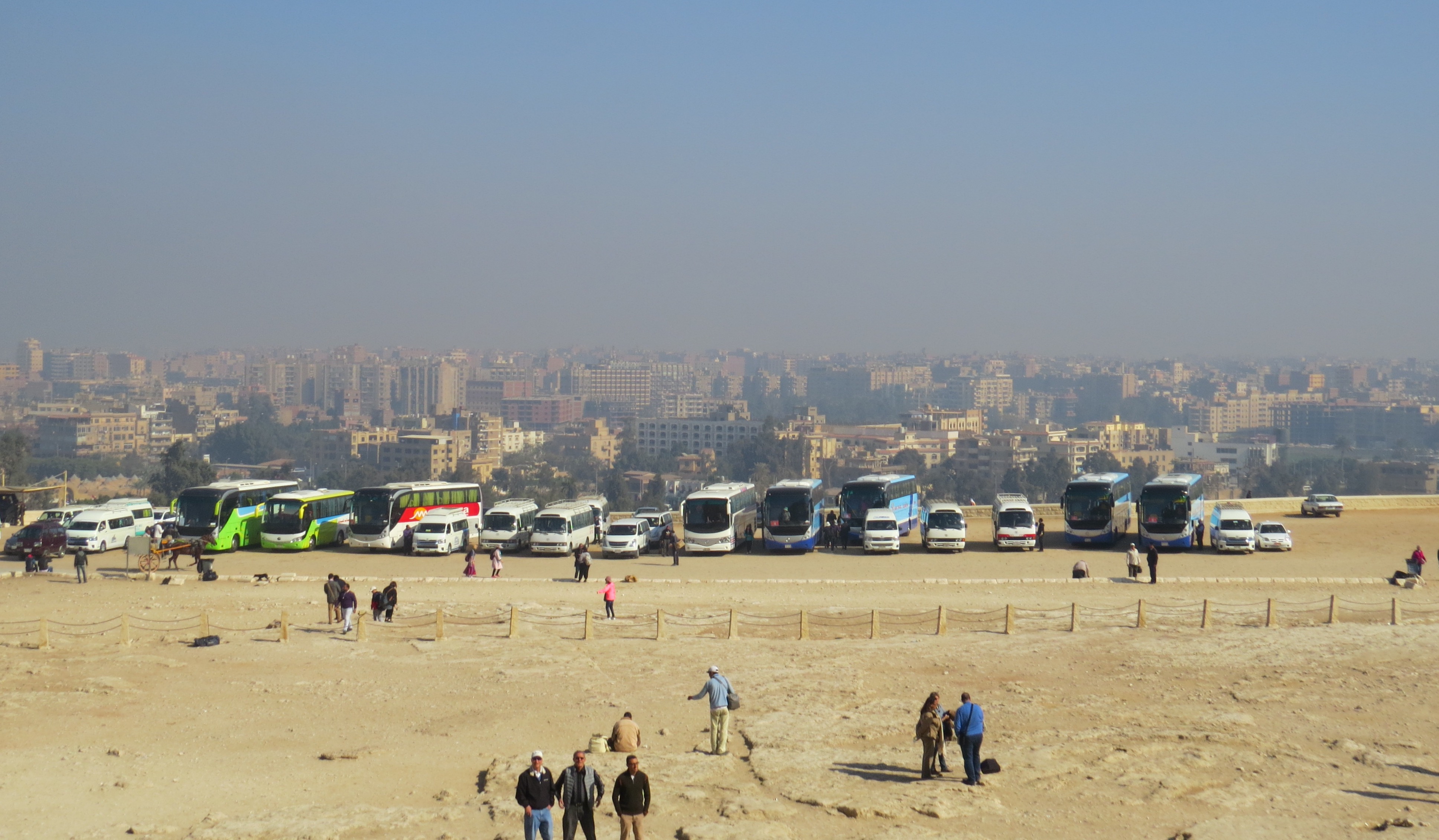
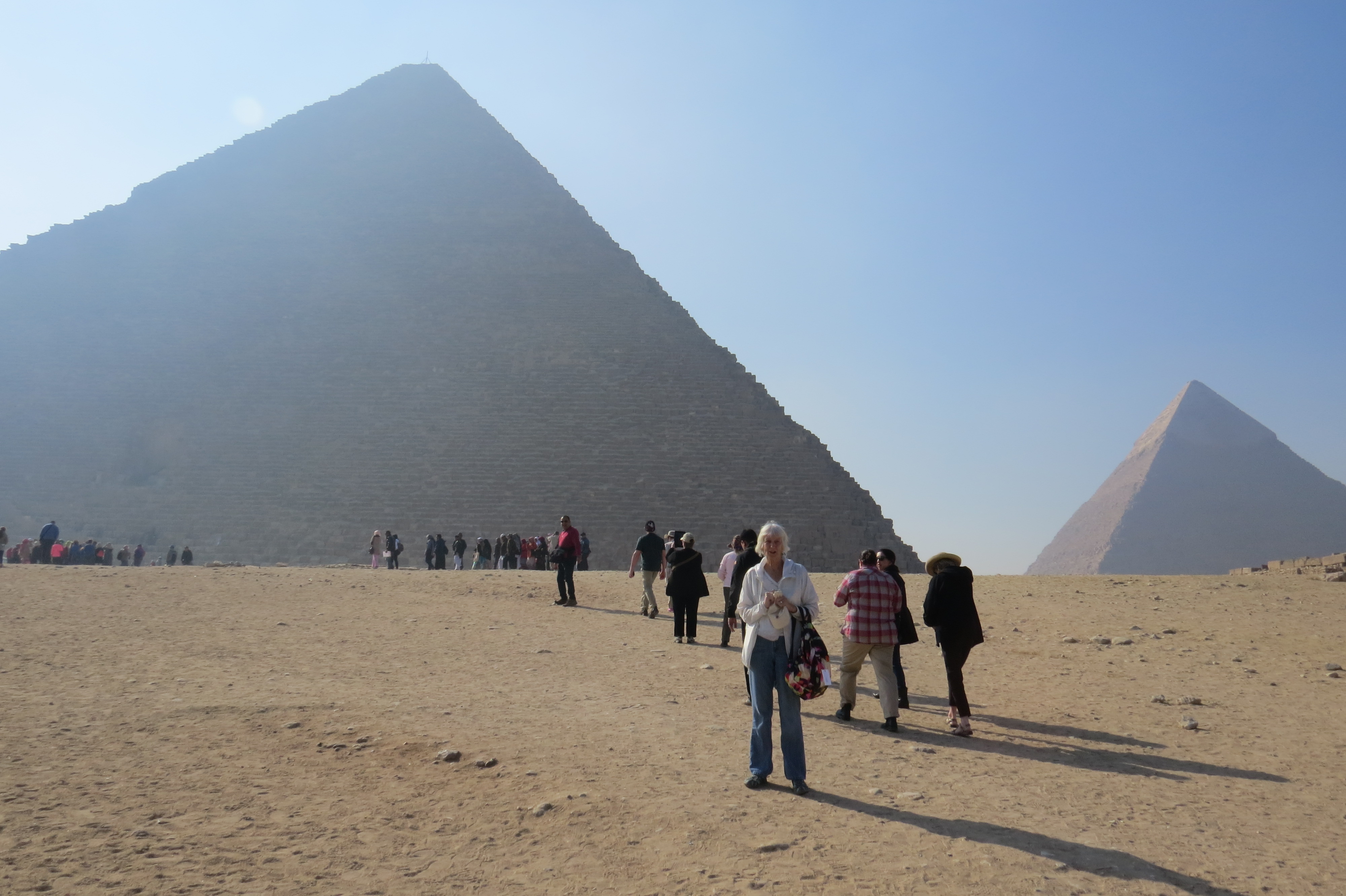
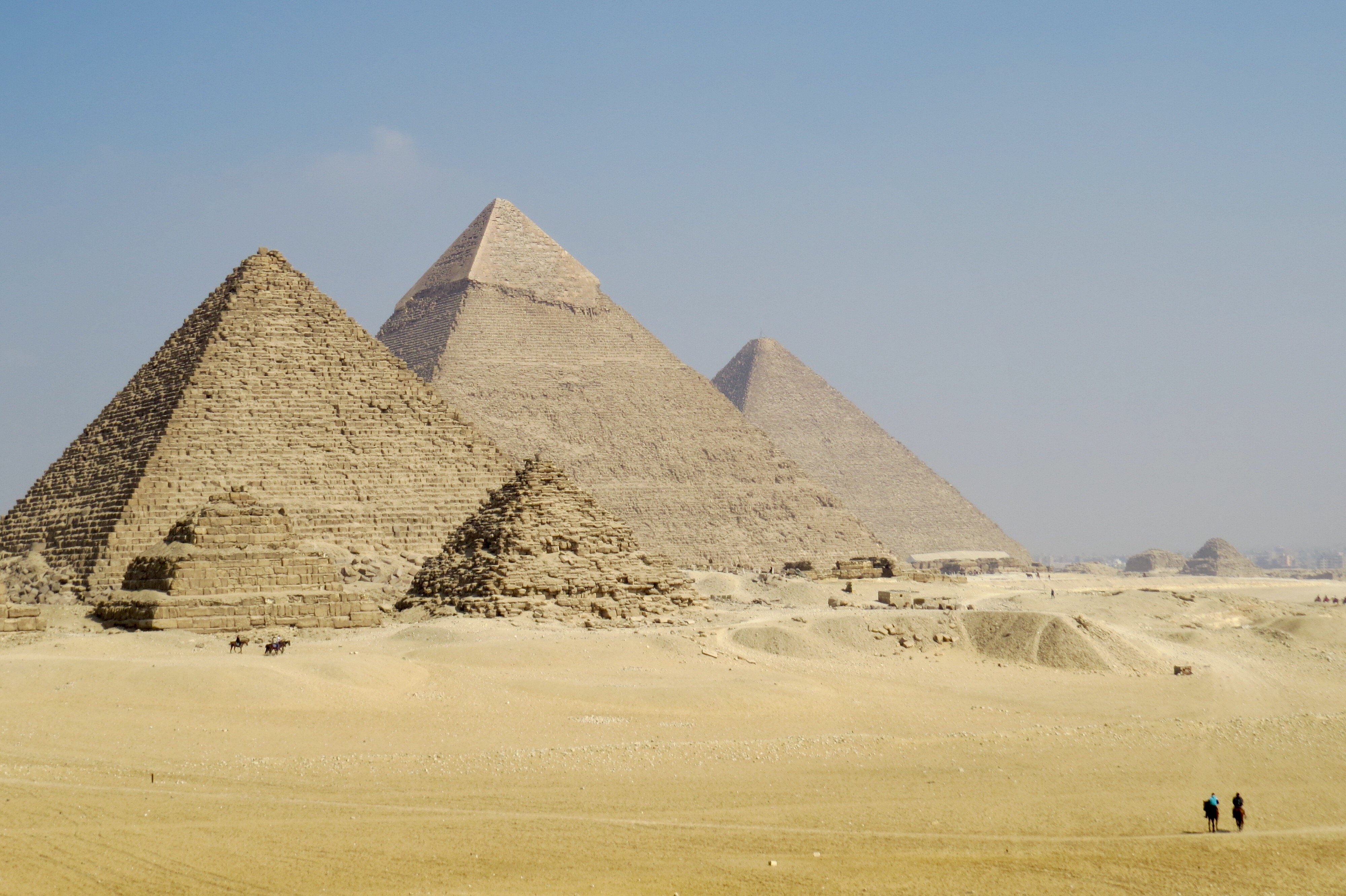
The Pyramids hang over Cairo and Cairo hangs over the Pyramids.  You turn a corner at these iconic, monumental images of the Pyramids and pause: these are the real thing.

image

View of Cairo from the Great Pyramid

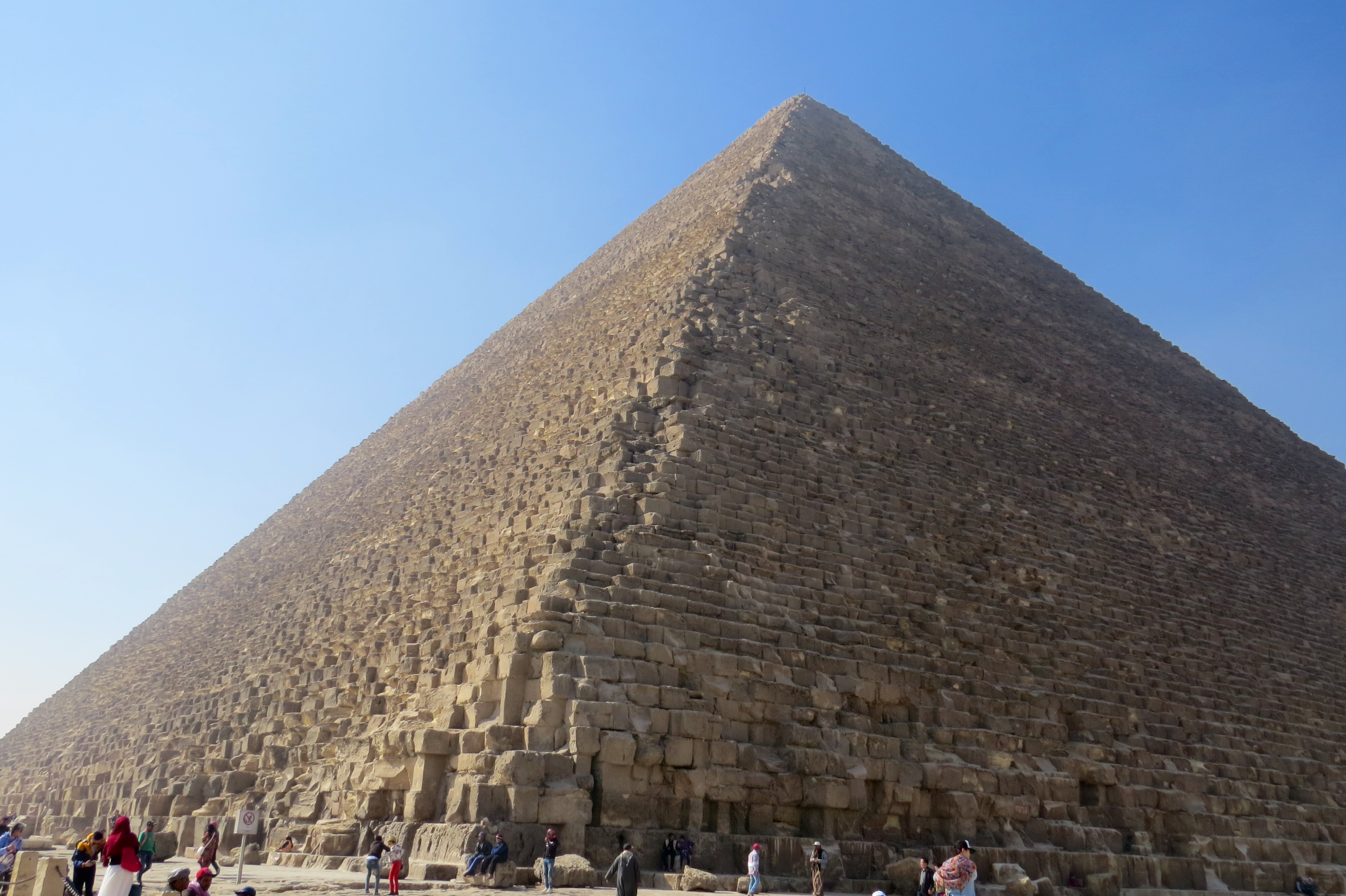
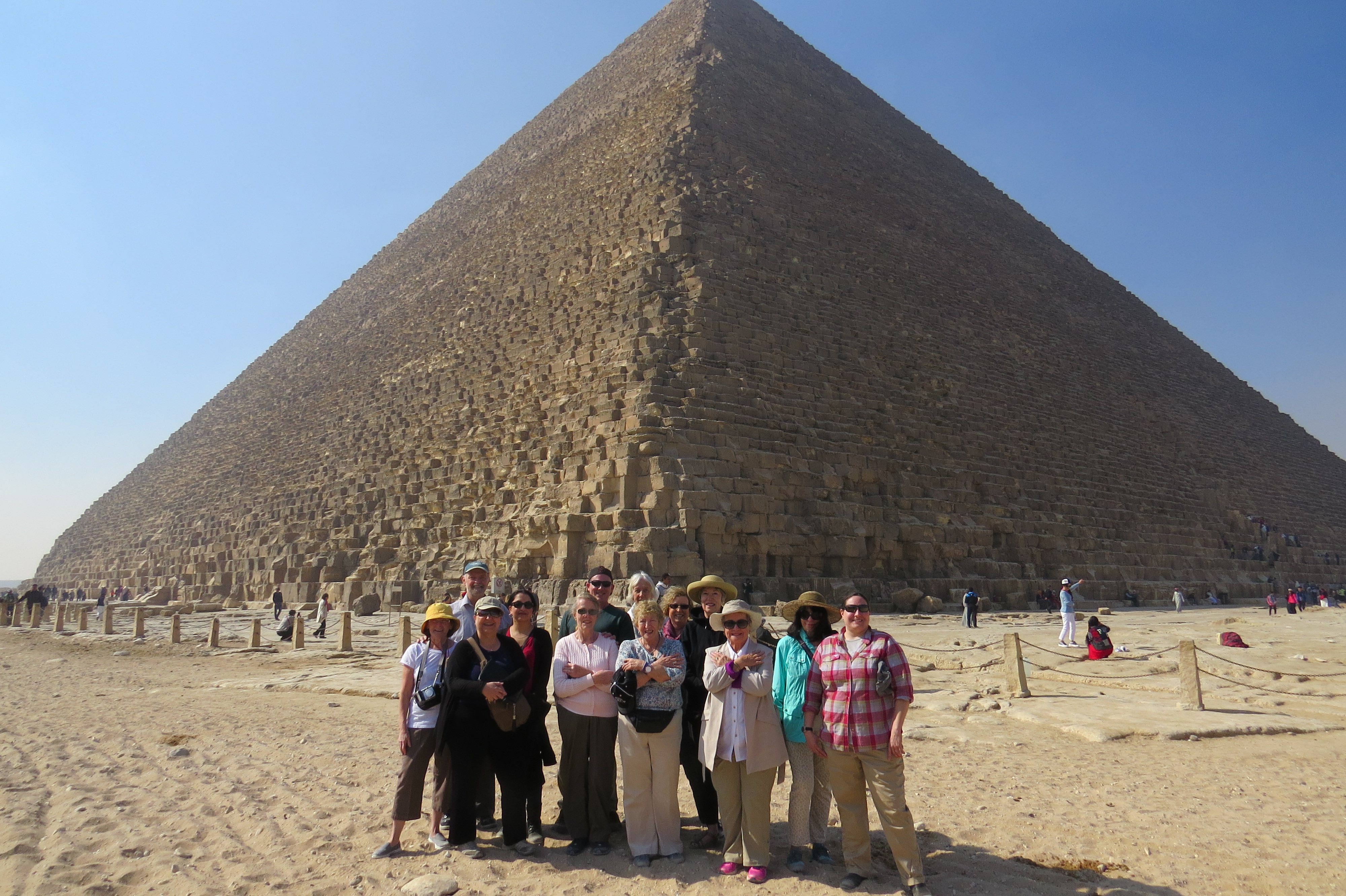
As previously mentioned the Great Pyramid was thought to have been commissioned by Pharoah Khufu during his reign in the Old Kingdom era, 2,589-2,566 BCE.  This remained the largest building on the planet until the 20th Century, some 4,500 years.  It is not known how it was engineered, but modern conjecture is that it was constructed by workers, not slaves.

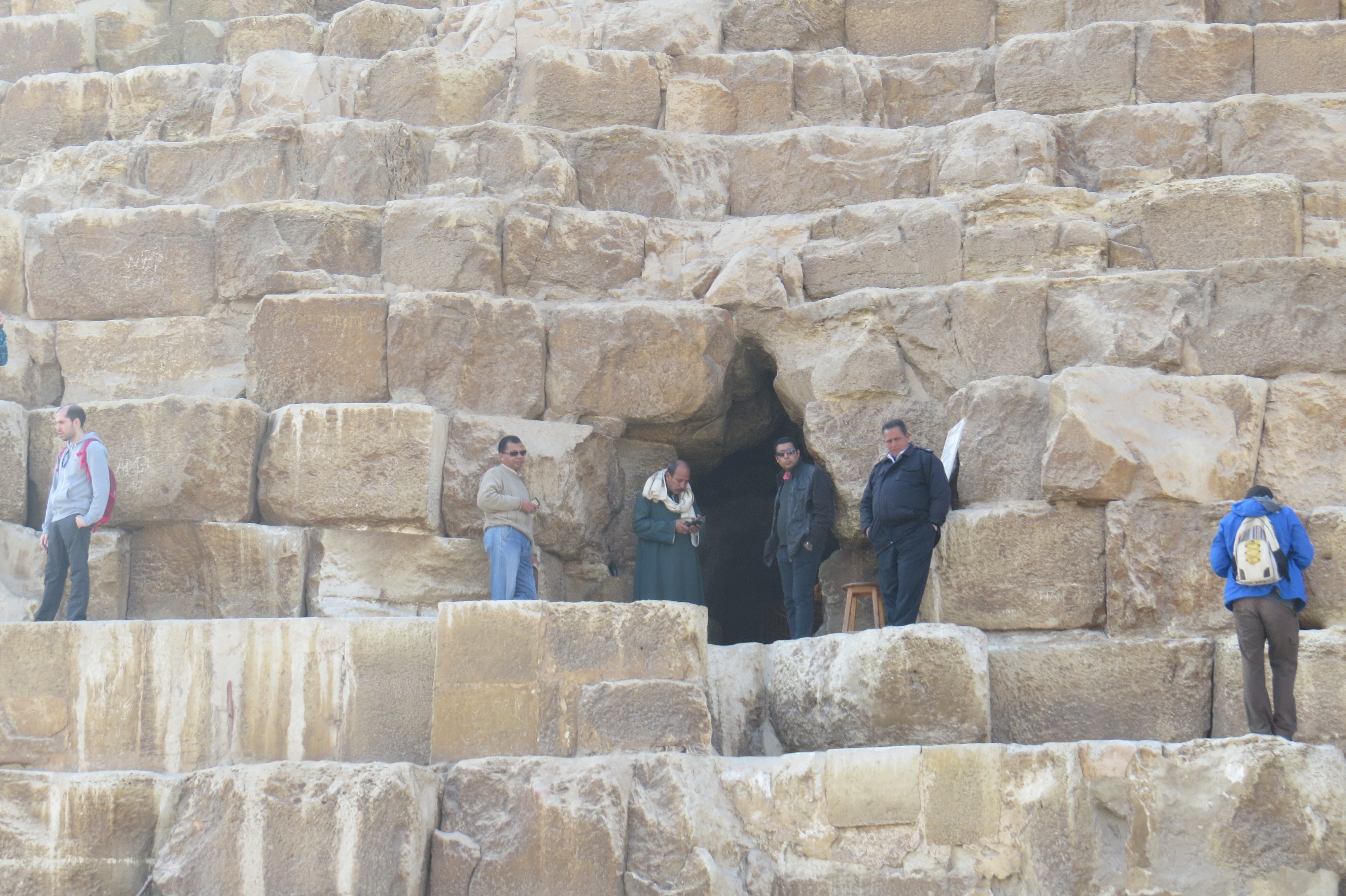
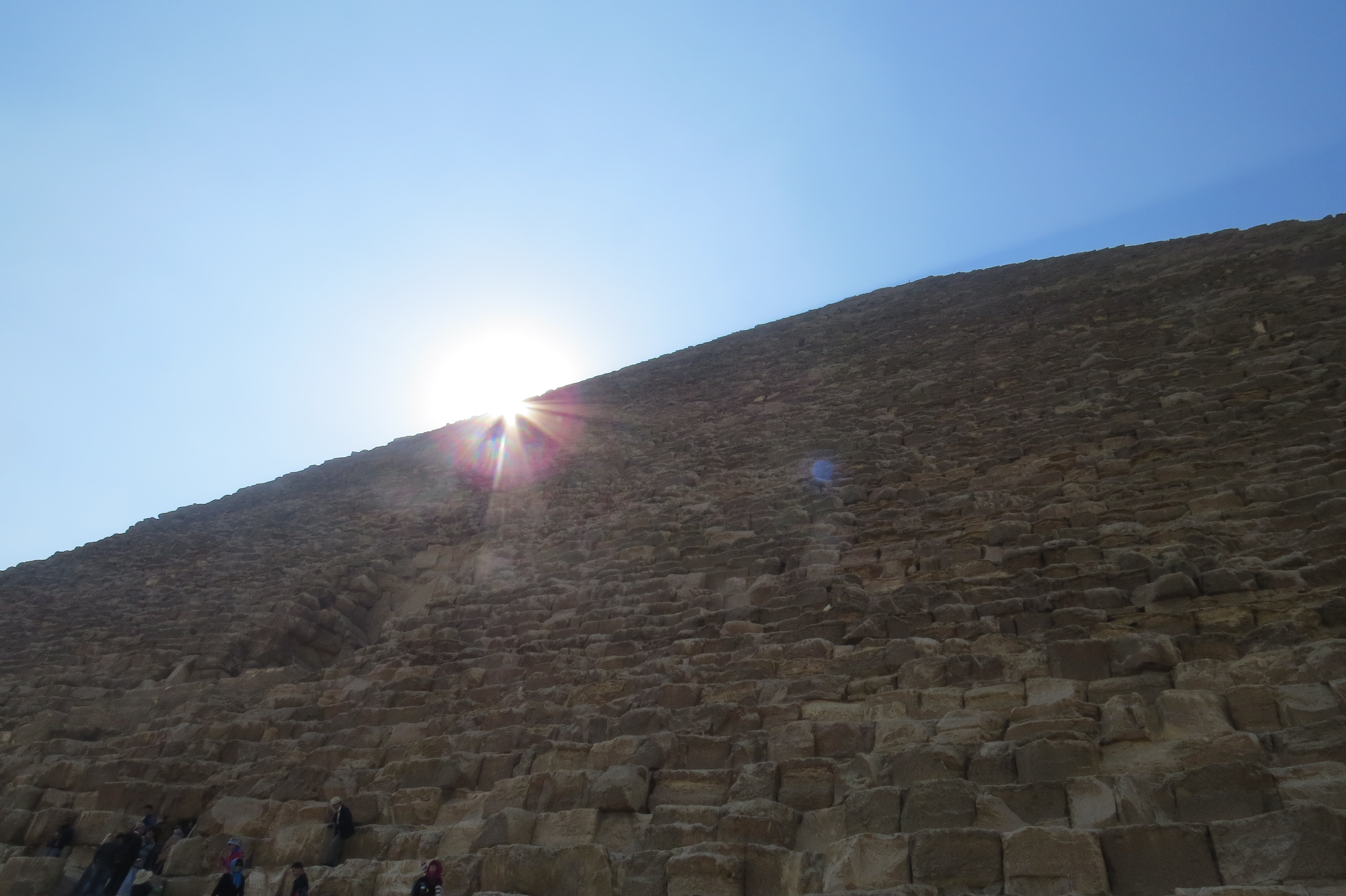
We first stopped to touch and climb to the entrance of the Great Pyramid.

imageimageimageimageimageimageimage

It was easy, with Agatha Christie and other pre-conceived notions from contemporary culture, to discern the non-Middle Eastern tourists from the locals:

image

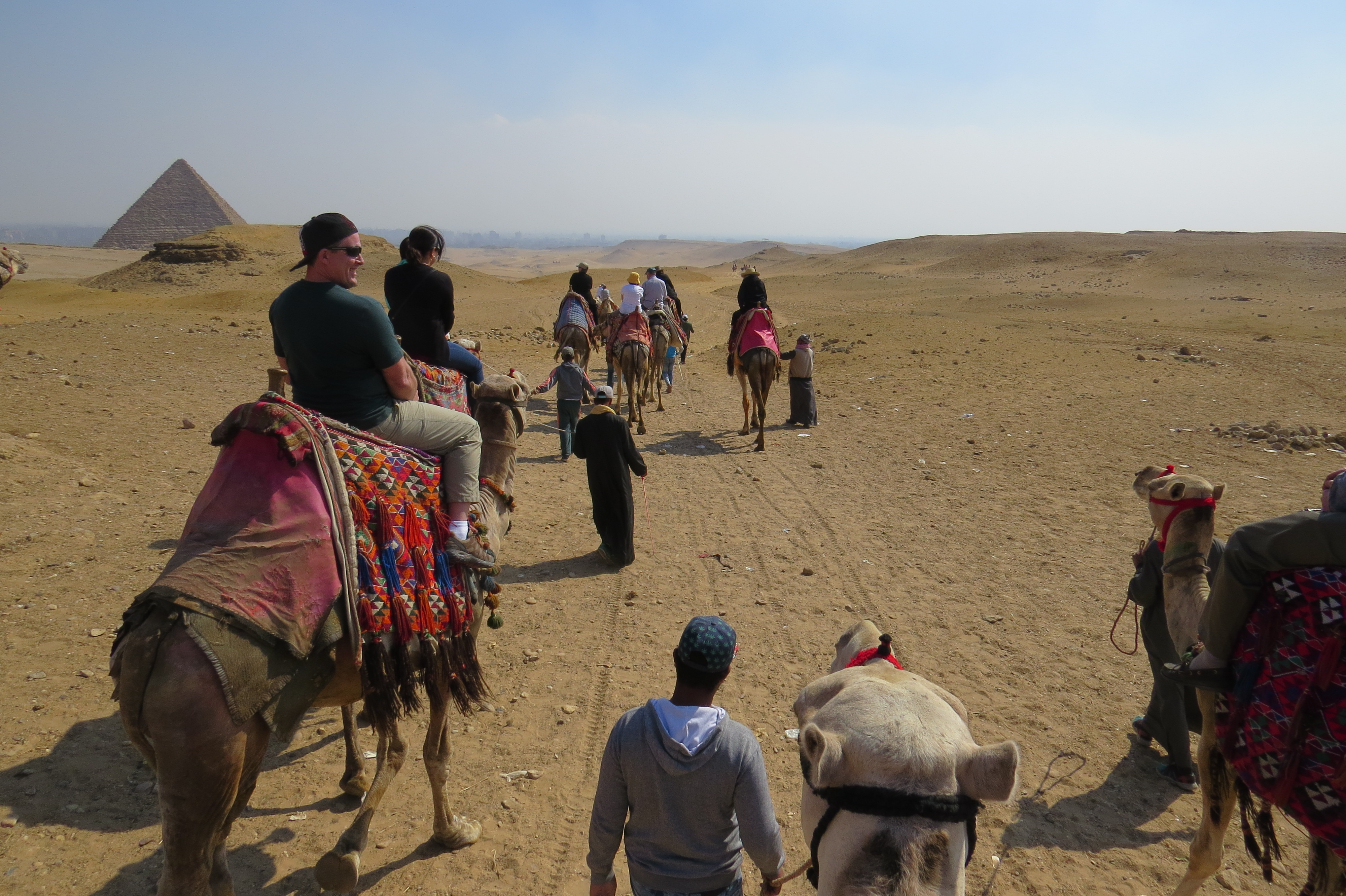
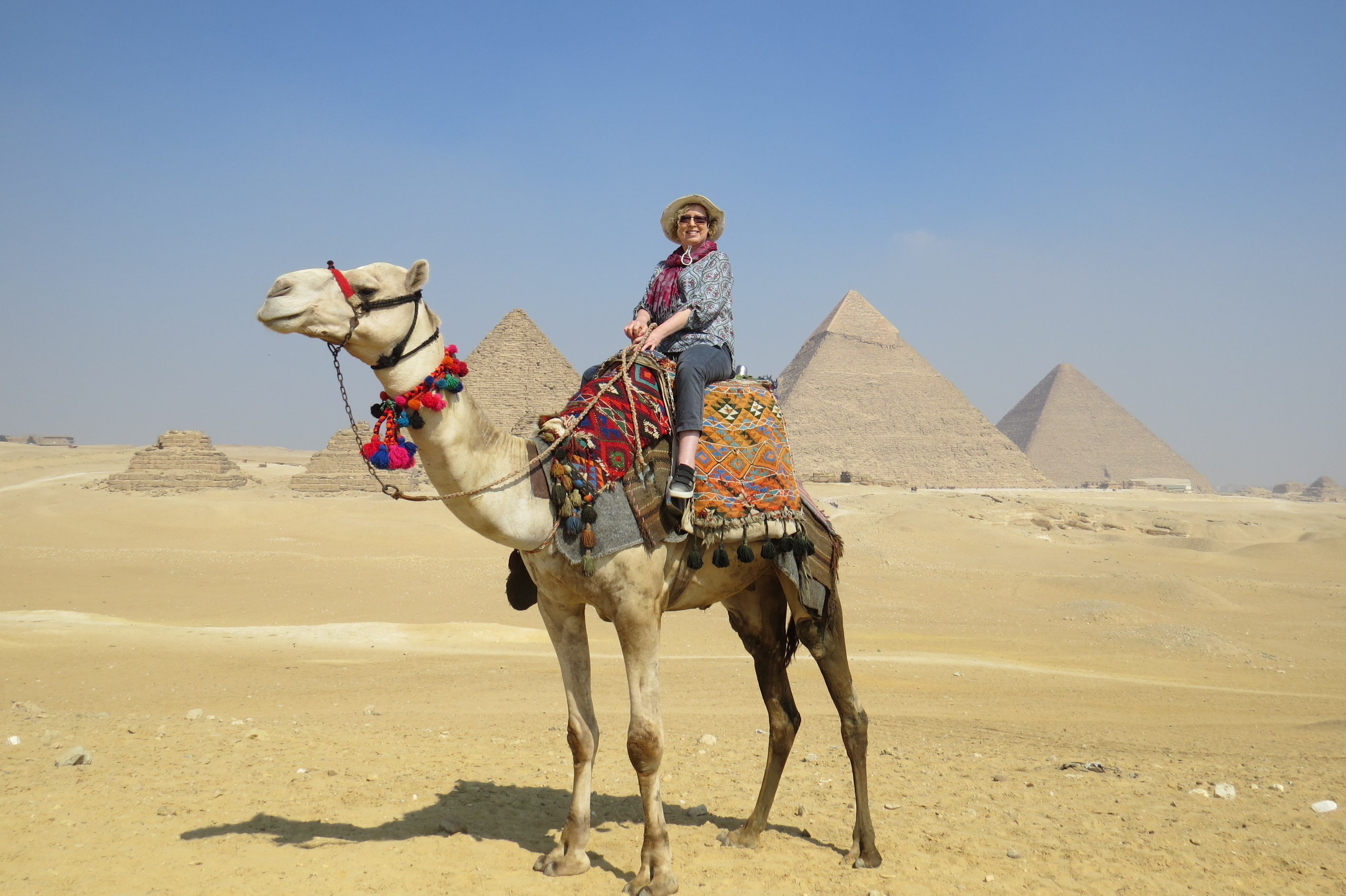
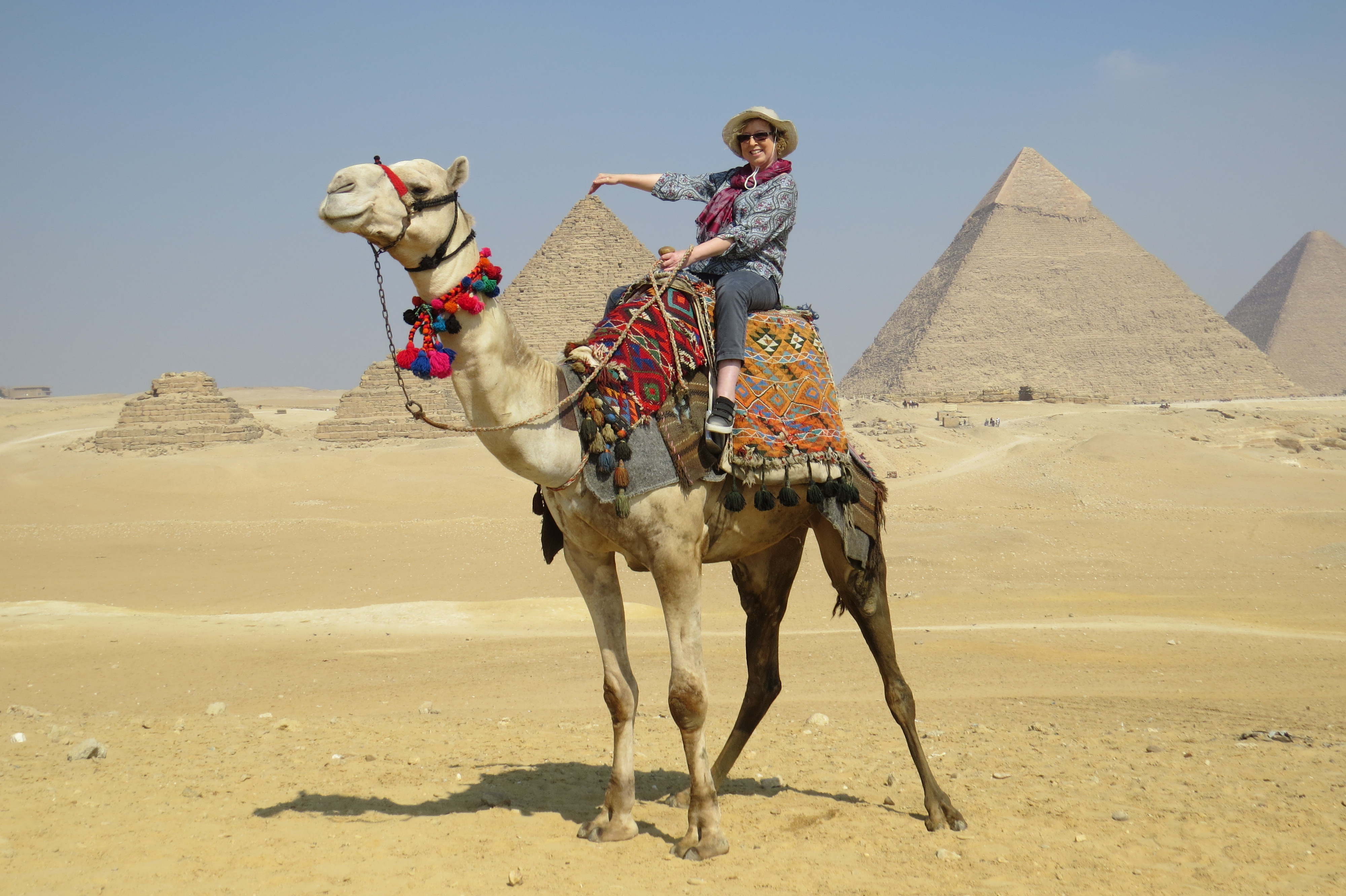
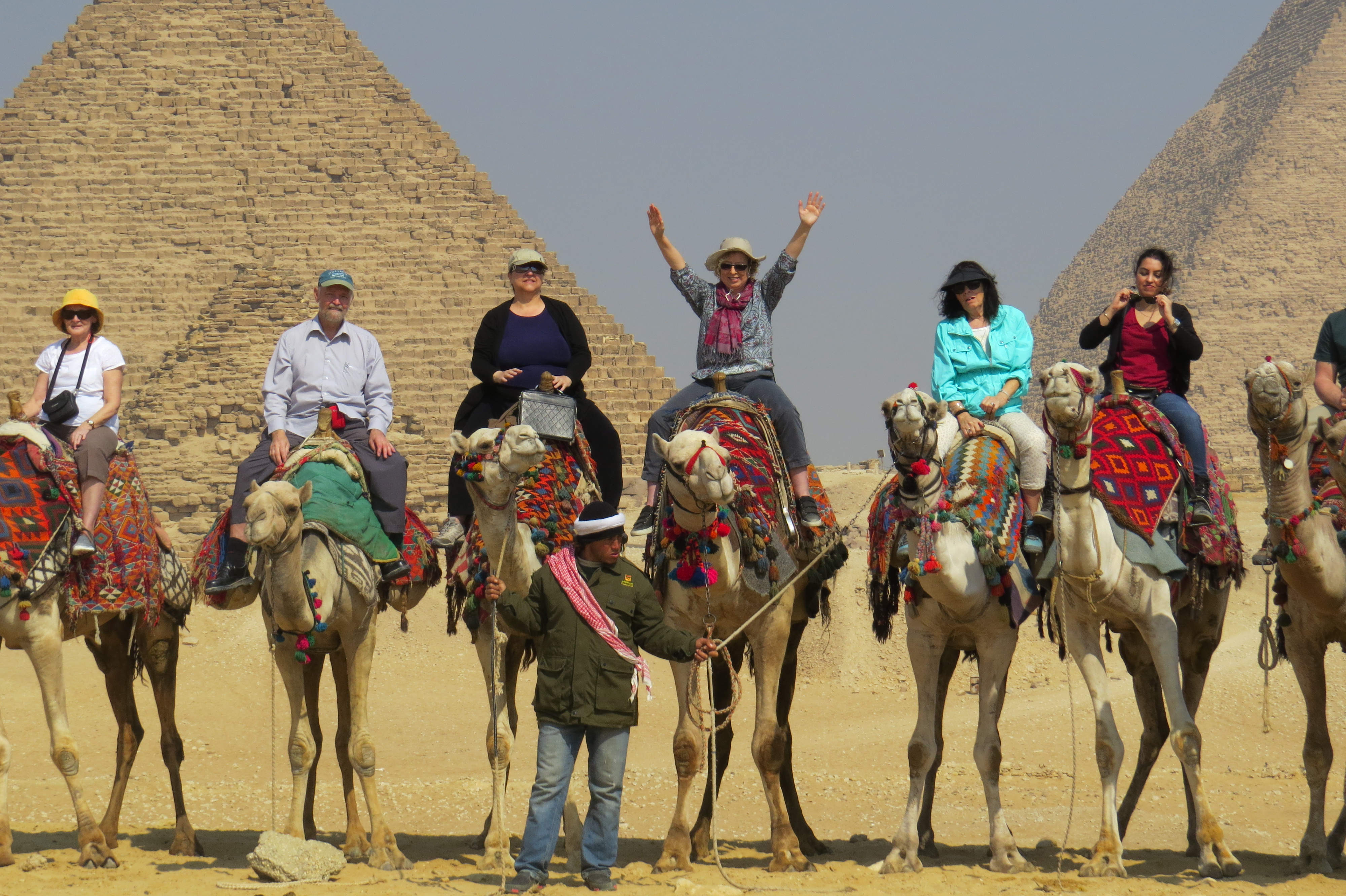
To really experience the Pyramids as they once were, unspoiled, you have to go around the back, and for breathtaking views, you really need to ride a camel for an hour and a half out into the desert.   No problem! – Waleed had a caravan assembled waiting for us.

imageimageimage

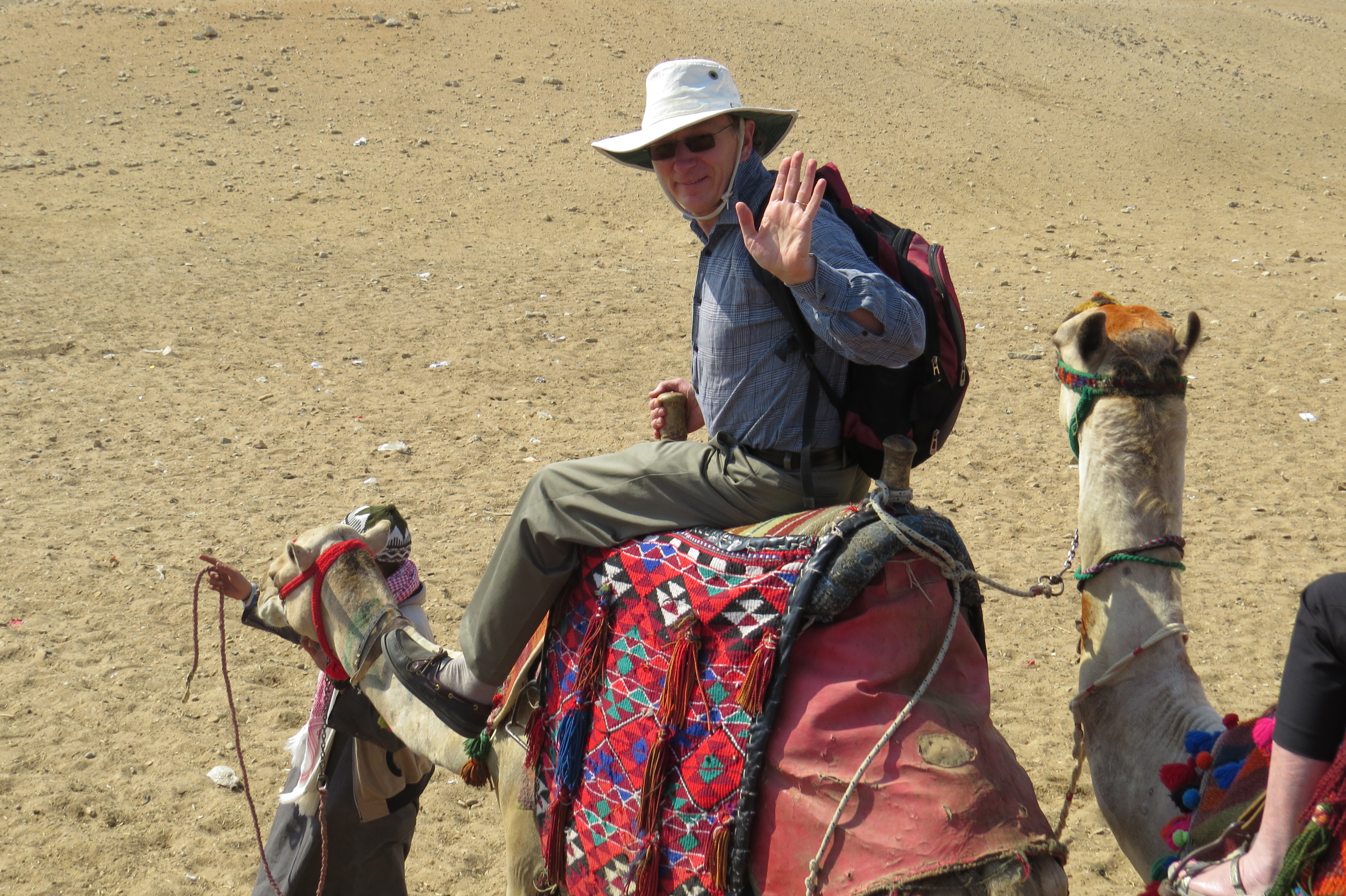
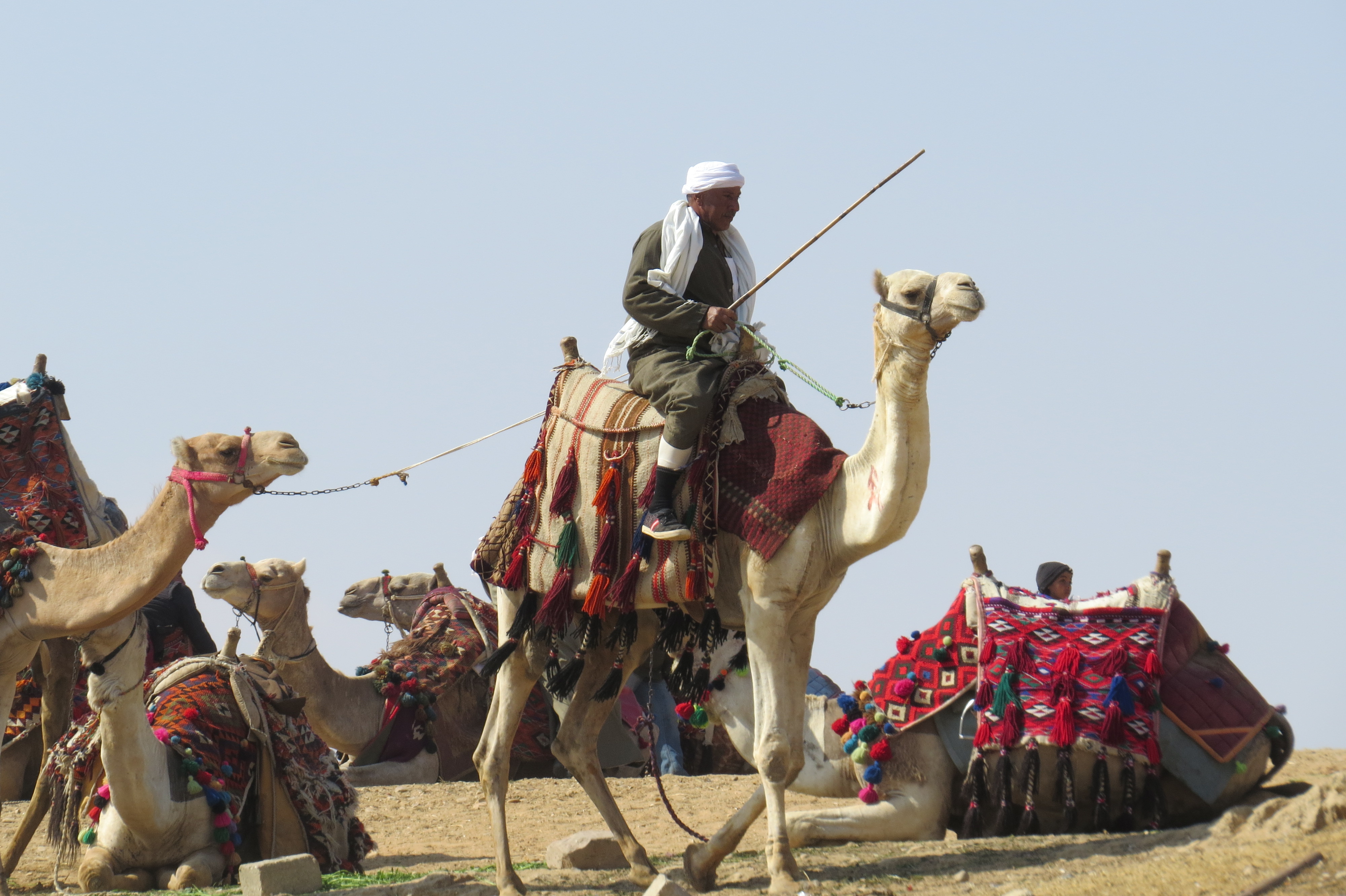
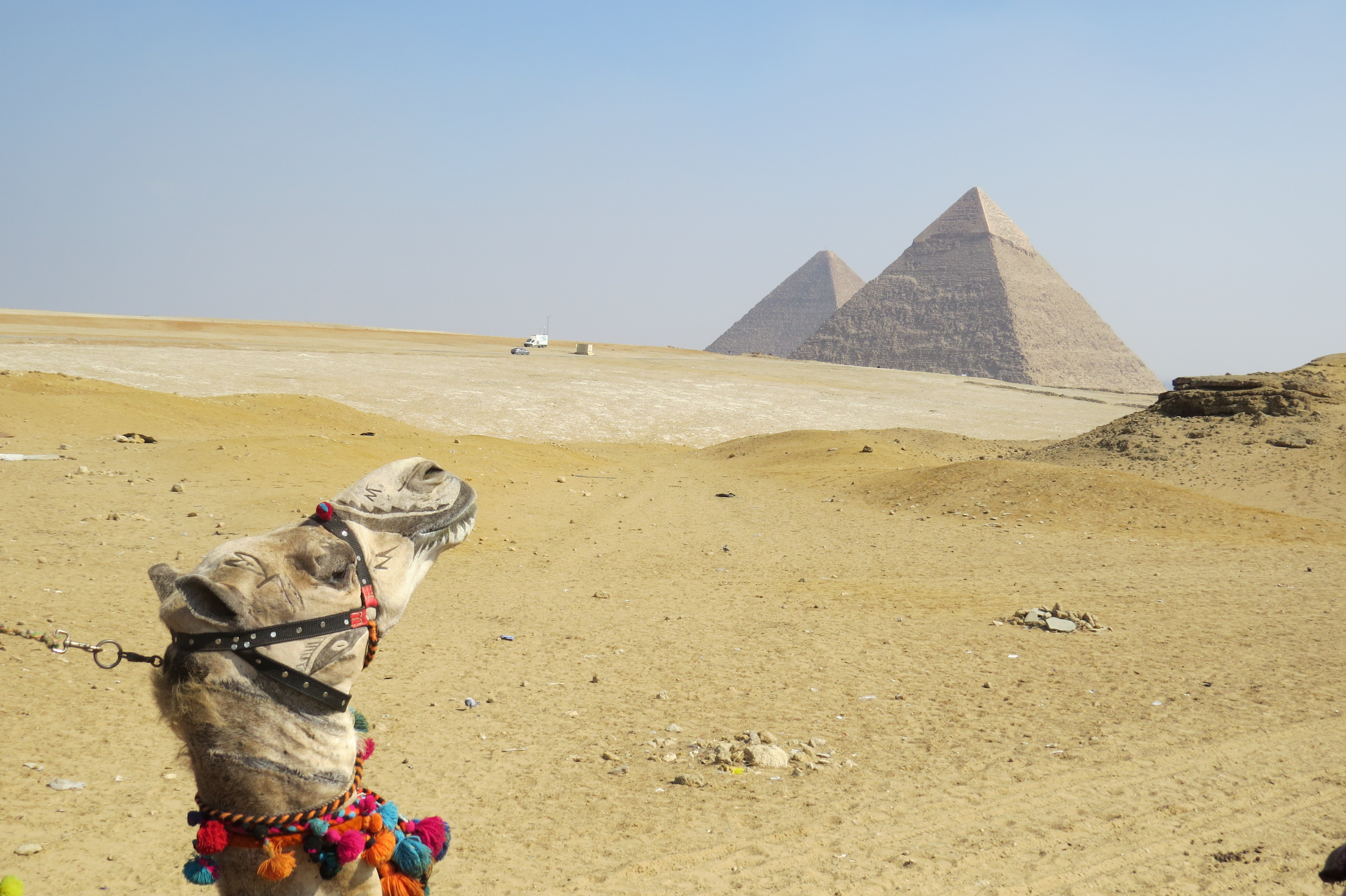
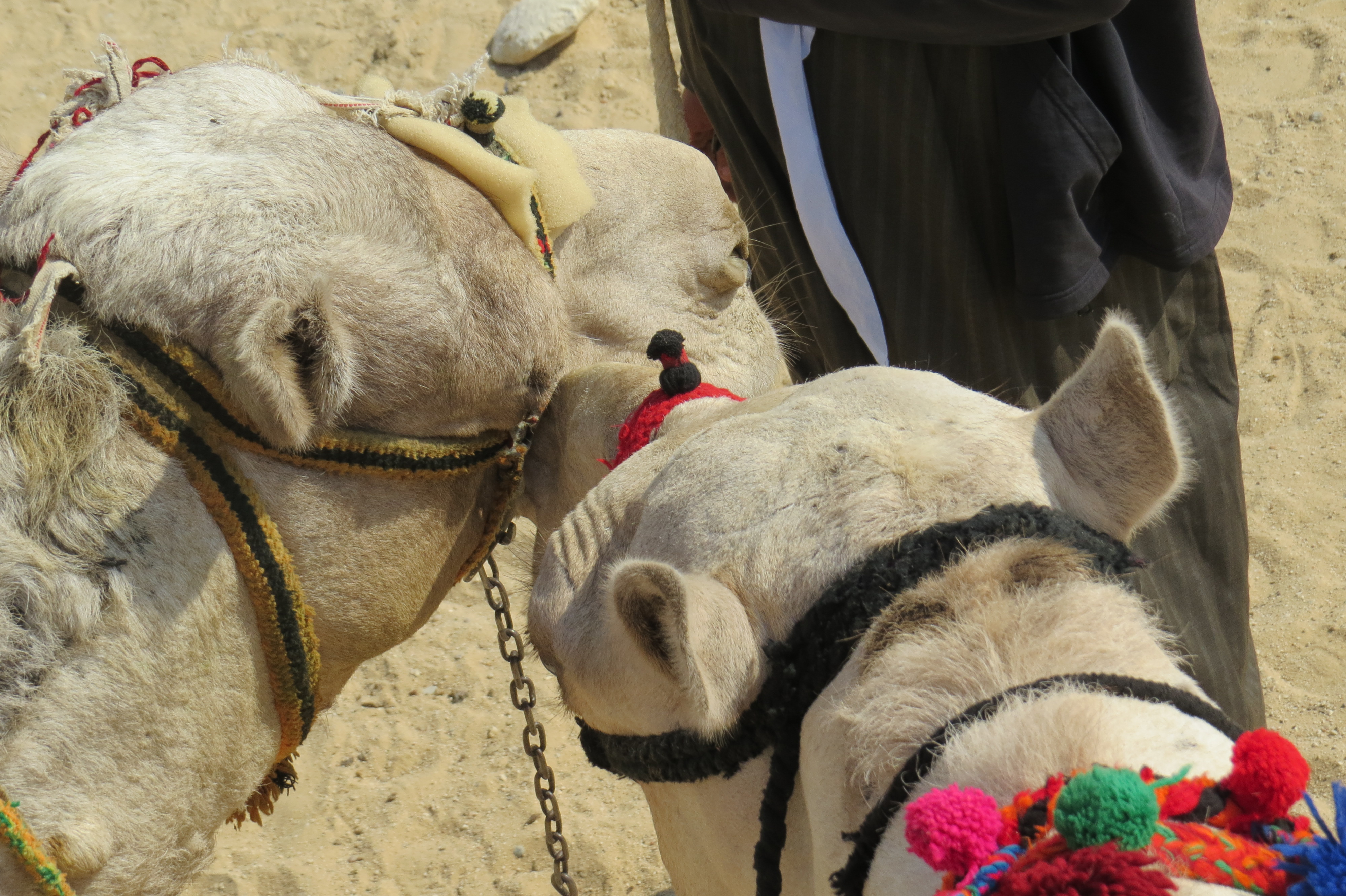
Johnny, my adorable camel, acknowledged me when I patted him through his blanket and spoke his name.  He was affectionate with, or indeed seeking out regurgitated food, from his fellow dromedaries.  I prefer the former.  My lead assured me that dromedaries don’t spit; of course I learned otherwise when I later googled it.   One of the camels gurgled so profoundly that a surprising pink bladder fell out of his mouth whose contents appeared imminently to be disgorged, but thankfully that was just a show of strength.  It was a delightful, gentle ride, and an unforgettable experience.  However, some camels are, apparently,  better than others, if you want a laugh, click on the link above, “How to Ride a Camel.”

Johnny
Johnny

Our experience was ethereal, calm, quiet and magical.  Even as I was riding I knew it was an experience of a lifetime.

imageimageimageimage

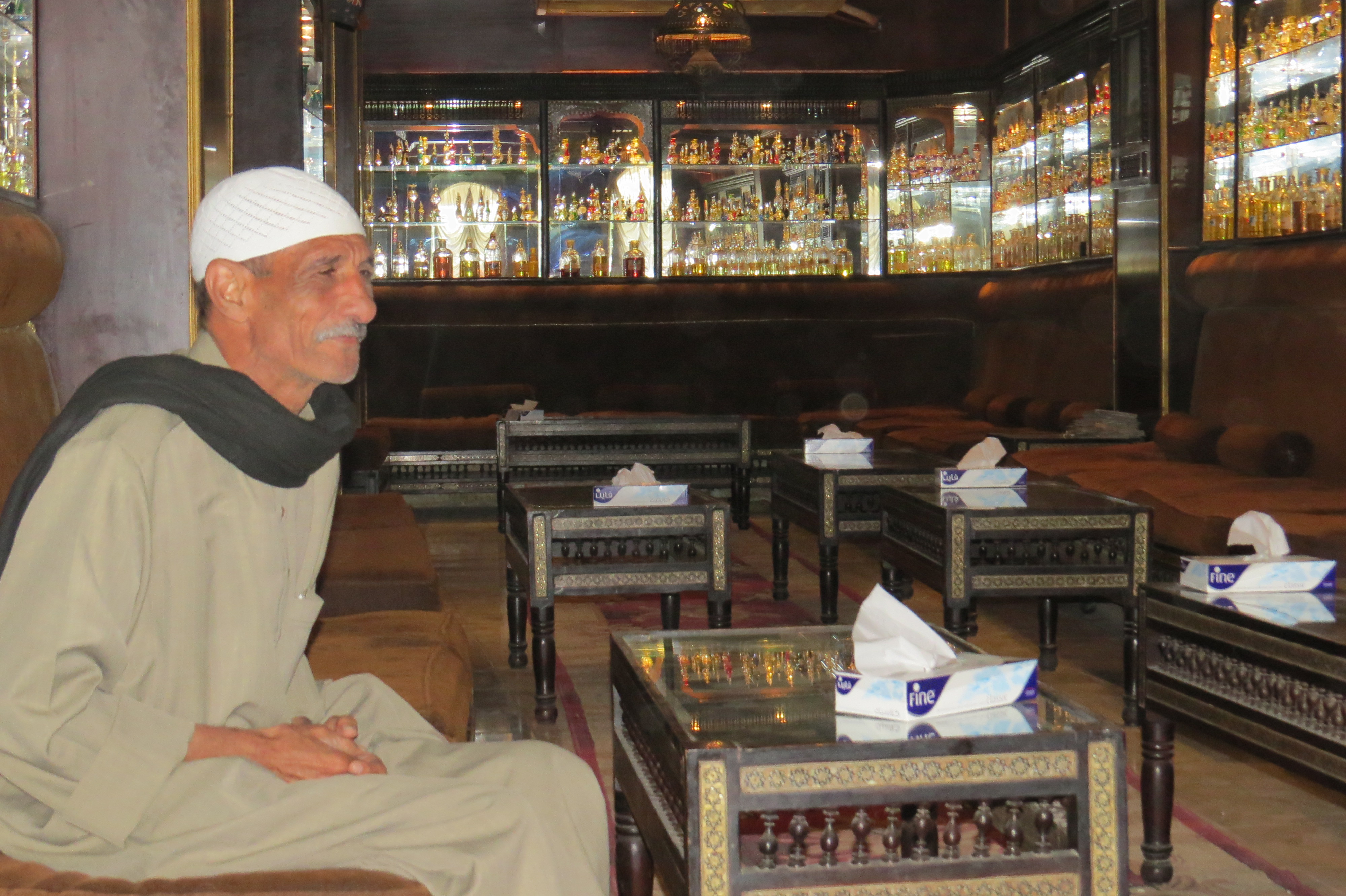
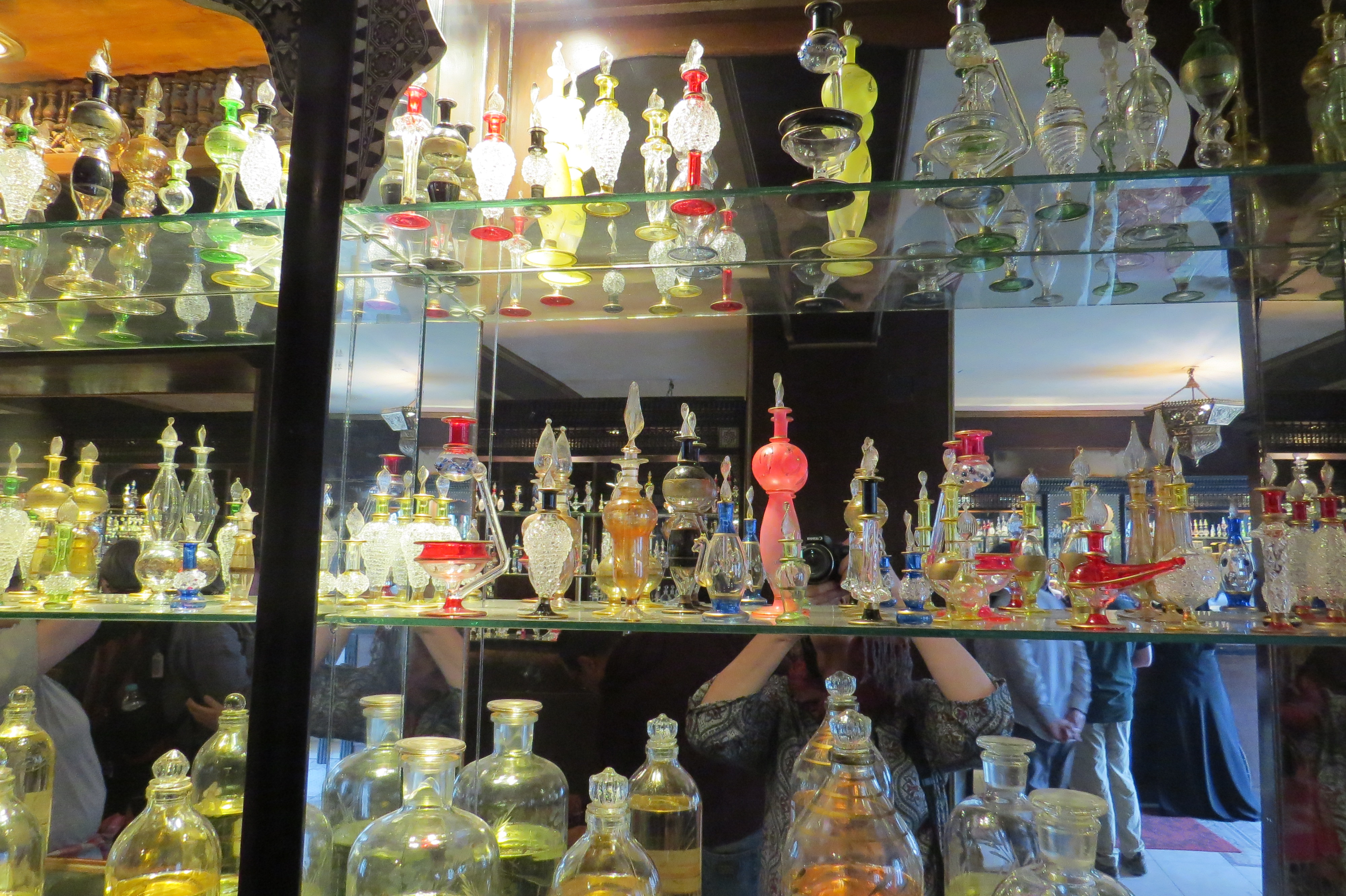
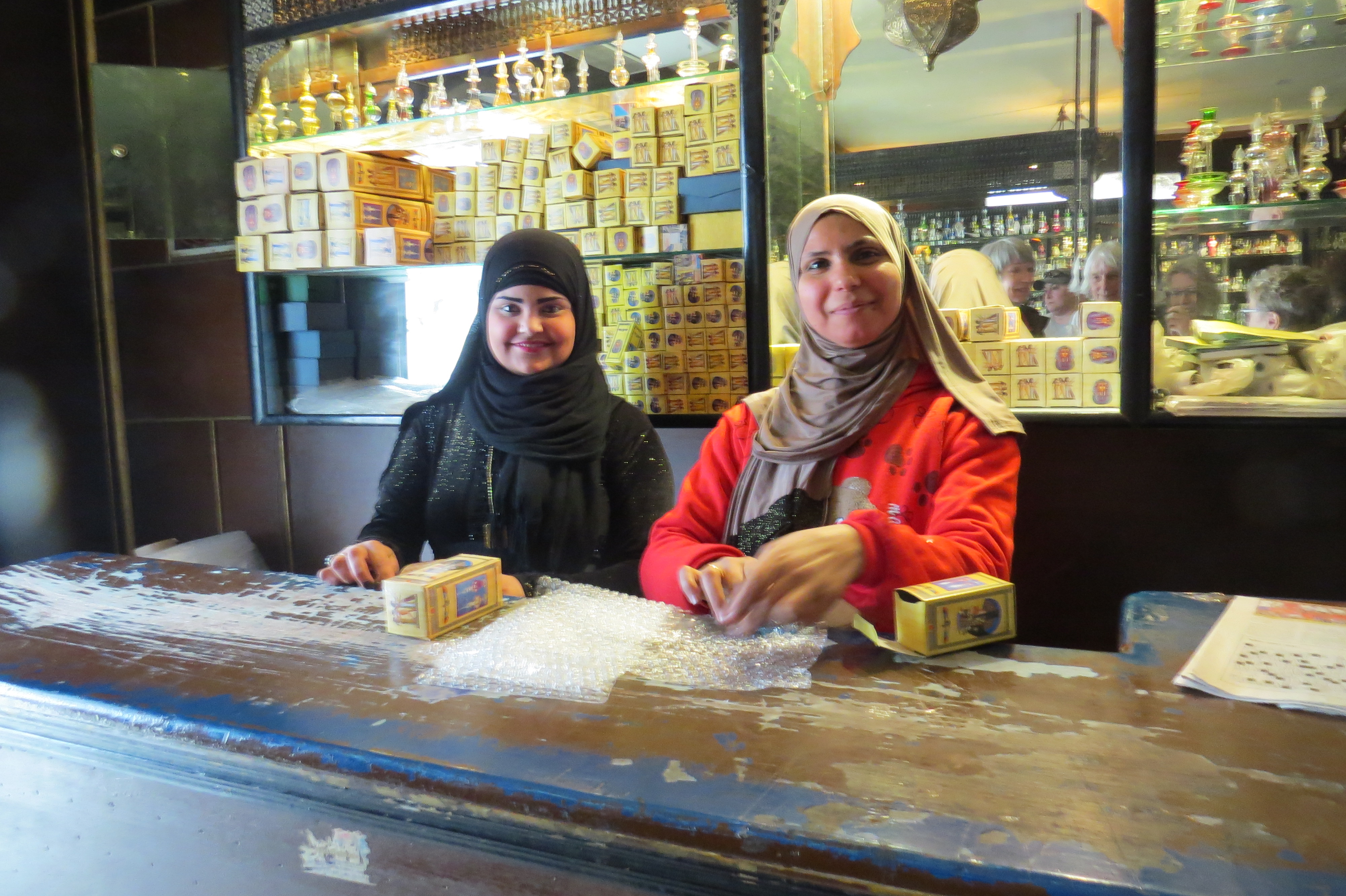
To round out a perfect day, we visited a perfumerie before heading back to our hotel.  Temple Flower Essence, a perfumerie who supplies Paris with many of its essential oils, its owner had been in the family business since he was 8 years old, and he knew every perfume on the market, right up to today’s most popular brands.  It was slightly unsettling to hear him listing “Passion,” “Obsession” and “Opium,” but he exuded warmth and knowledge and also provided a wonderful lunch of Falafel sandwiches and Karkady tea.  His lovely staff member on the right in the last image clapped her hands and cheered after I took her picture; it was the first time a customer had asked to take her photo.

image image image

Best,

Jan
The Old Kingdom Part I

With a history spanning thousands of years, Egypt’s political history is long and complex, but there are ways of breaking it down. Earliest Egyptian history begins at 5,550 BCE and carries through to about 2,586 BCE. Two of the most important periods which shaped a unified Egyptian history and about which we have most information, are the “Old Kingdom” roughly from 2,686 BCE to 2,181 BCE and the “New Kingdom” from about 1,570 BCE to about 356 BCE when Alexander the Great conquered Egypt. He started a Greek lineage which ruled Egypt up to 30 BCE when Cleopatra gave up power to the Romans and famously committed suicide.

The Old Kingdom was the first to unify upper Egypt with Lower Egypt into the Egypt we know today. This was during the Bronze Age and the time of the Minoans on the Greek Islands who may have competed with Egyptians for copper and tin (most copper came from what is now the Island of Cyprus).

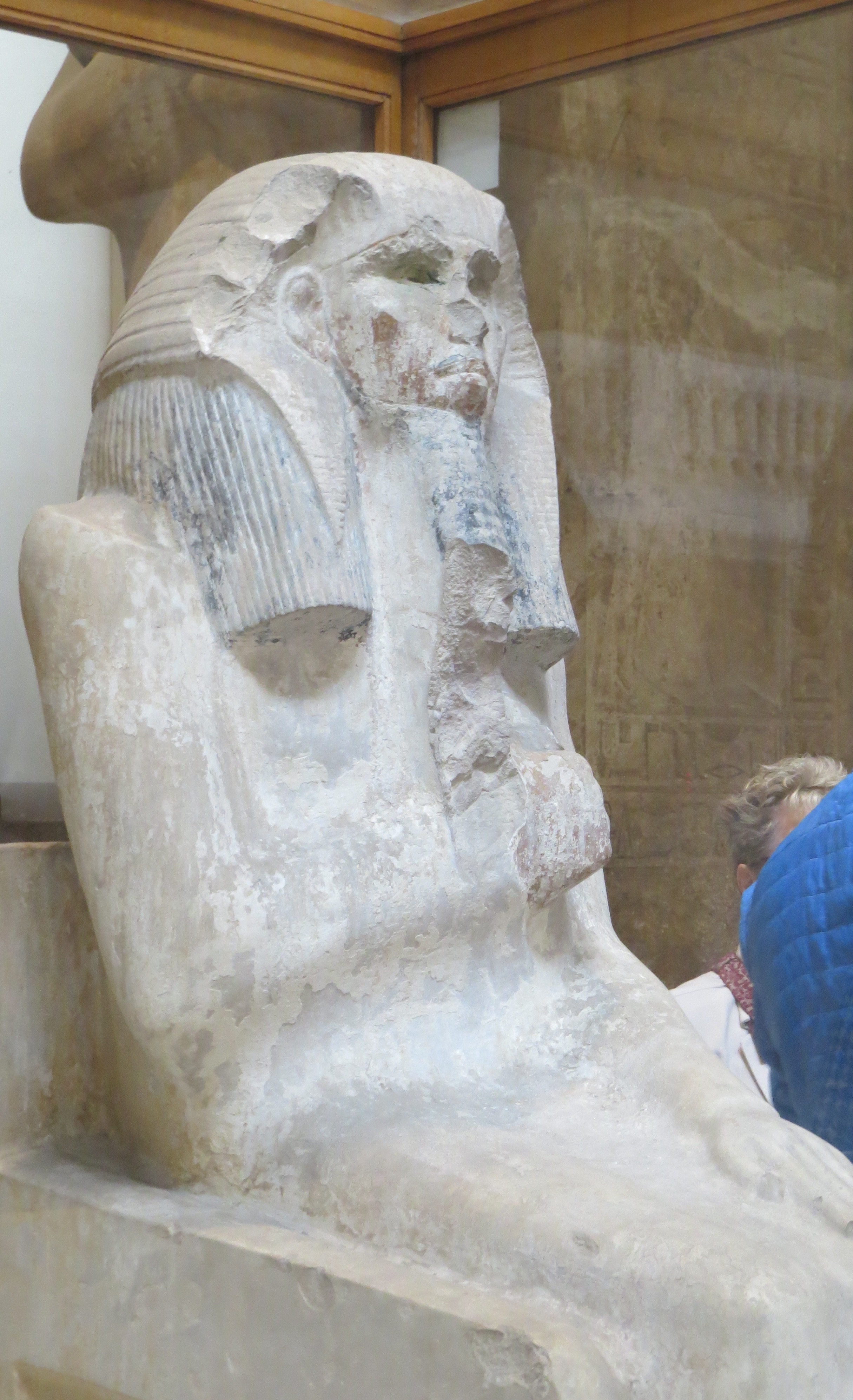
The earliest centre of power was in Northern Egypt (also counterintuitively referred to as Lower Egypt – referring to the direction of the flow of the Nile from Lake Victoria in Uganda down into the Mediterranean) and this is where the iconic architecture of the Old Kingdom (including the pyramids at Giza) are found. The first important god-king, or pharaoh, was Zoser who ruled from 2,668 BCE to 2,649 BCE.

Zoser, depicted in earliest known statue at Cairo Museum

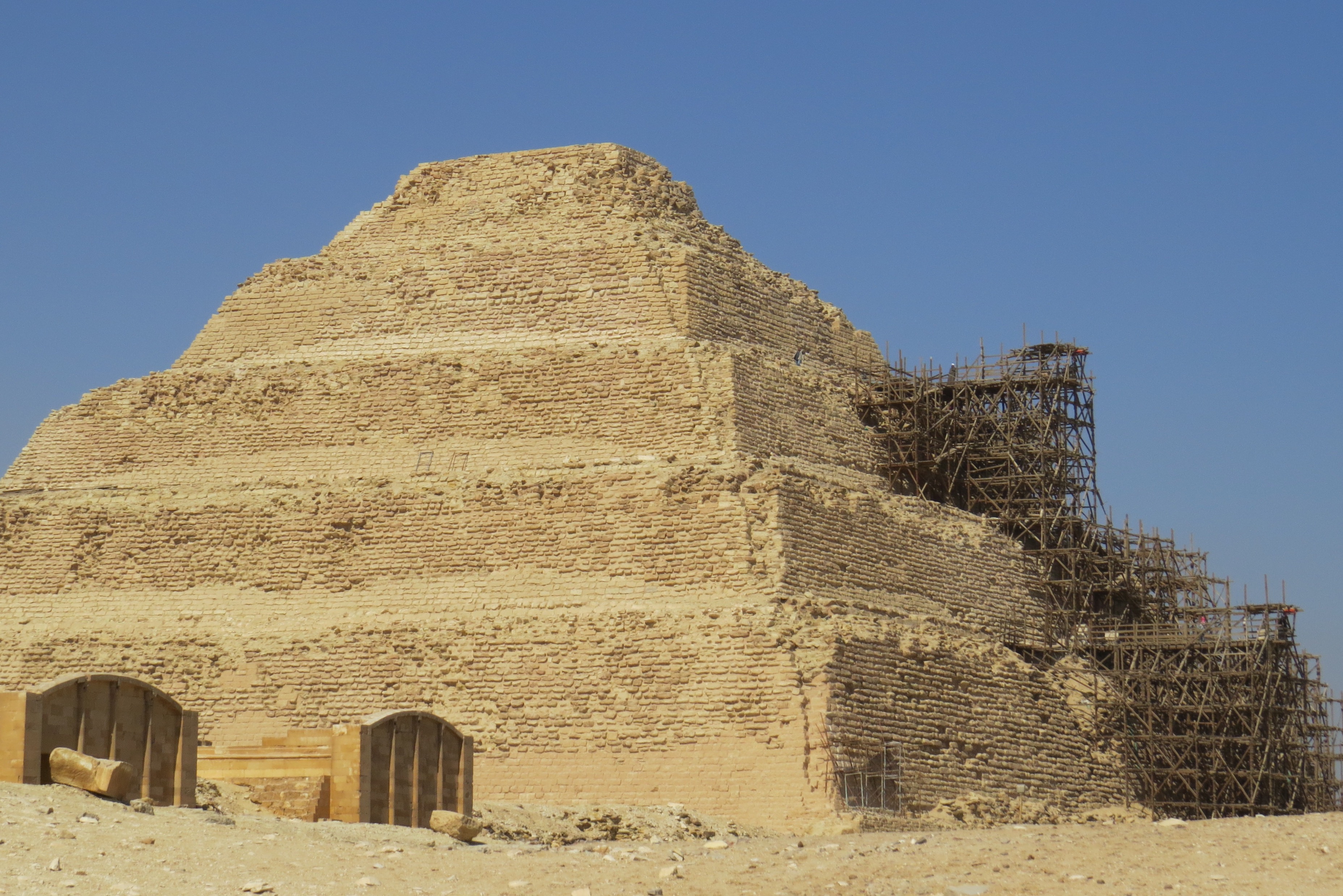
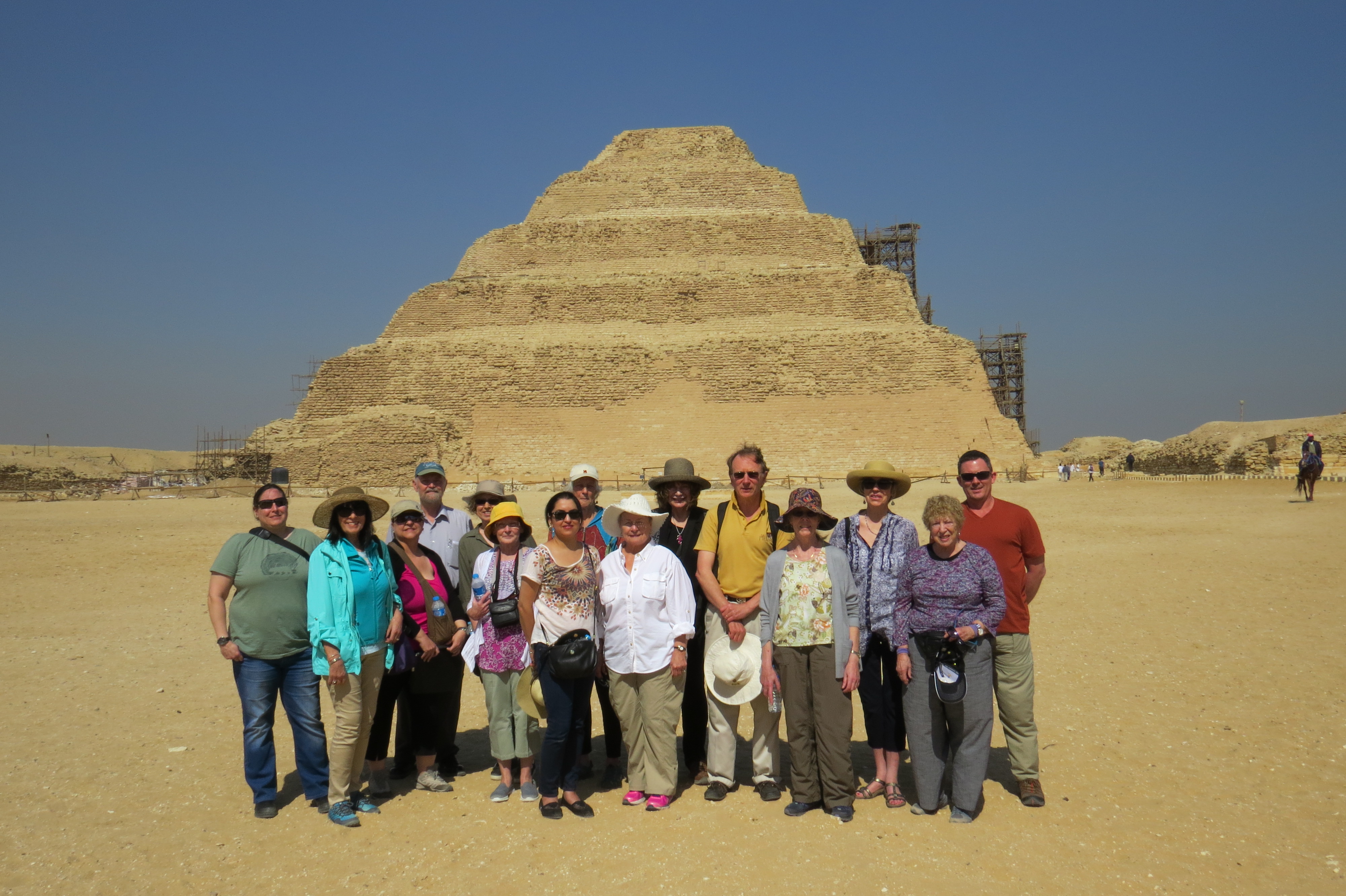
Zoser commissioned the brilliant architect Imhotep to build his palace.  At the time, architecture was constructed of mud-bricks.  Imhotep built the first stone building in history.  Initially it was a single-storey building, but Imhotep engineered a way to add storeys by adding new levels in decreasing size.  Ultimately, this produced what became known as the “Step Pyramid,” thought to have inspired the Great Pyramid at Giza.  We visited the Step Pyramid and Imhotep Museum at Sakkara.

image image

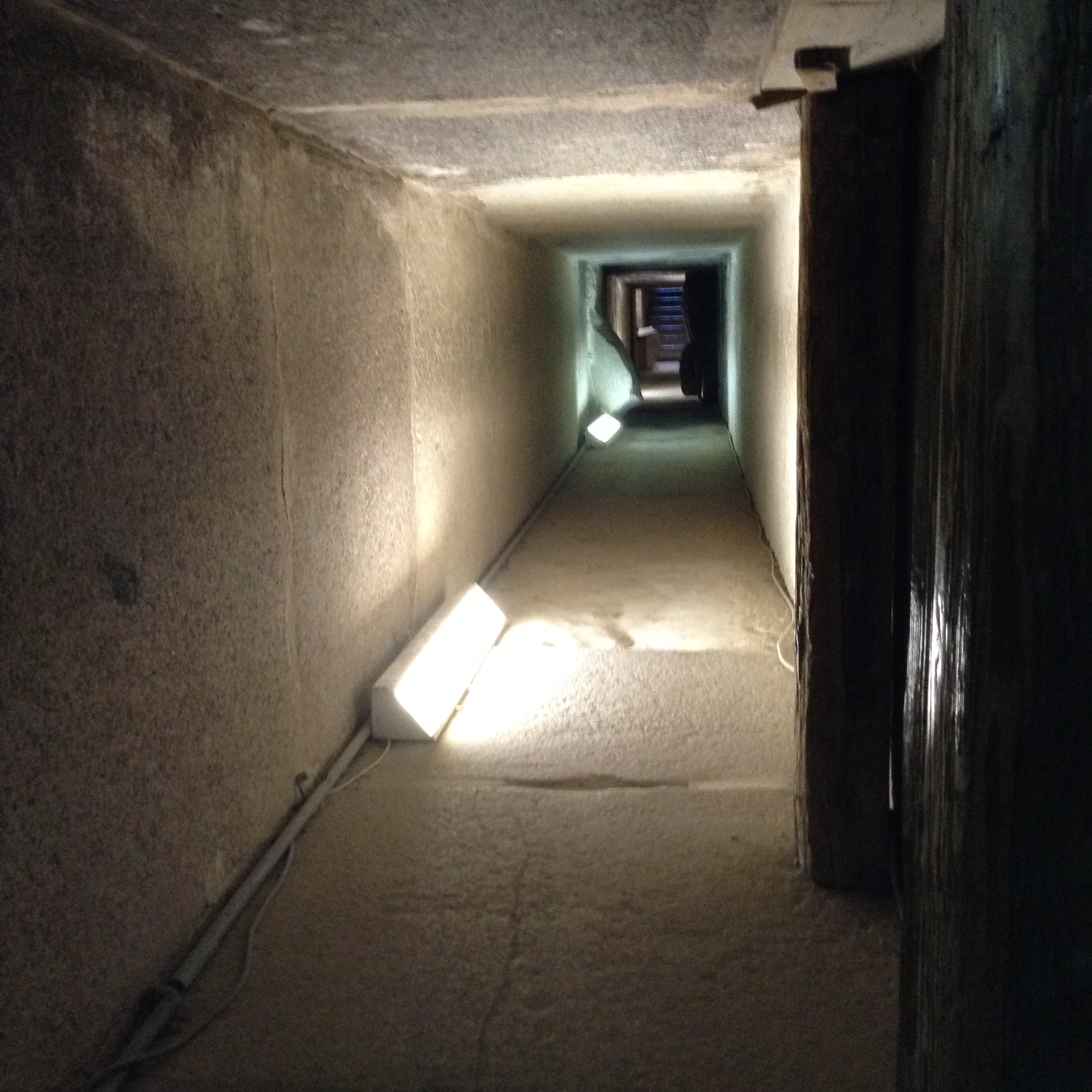
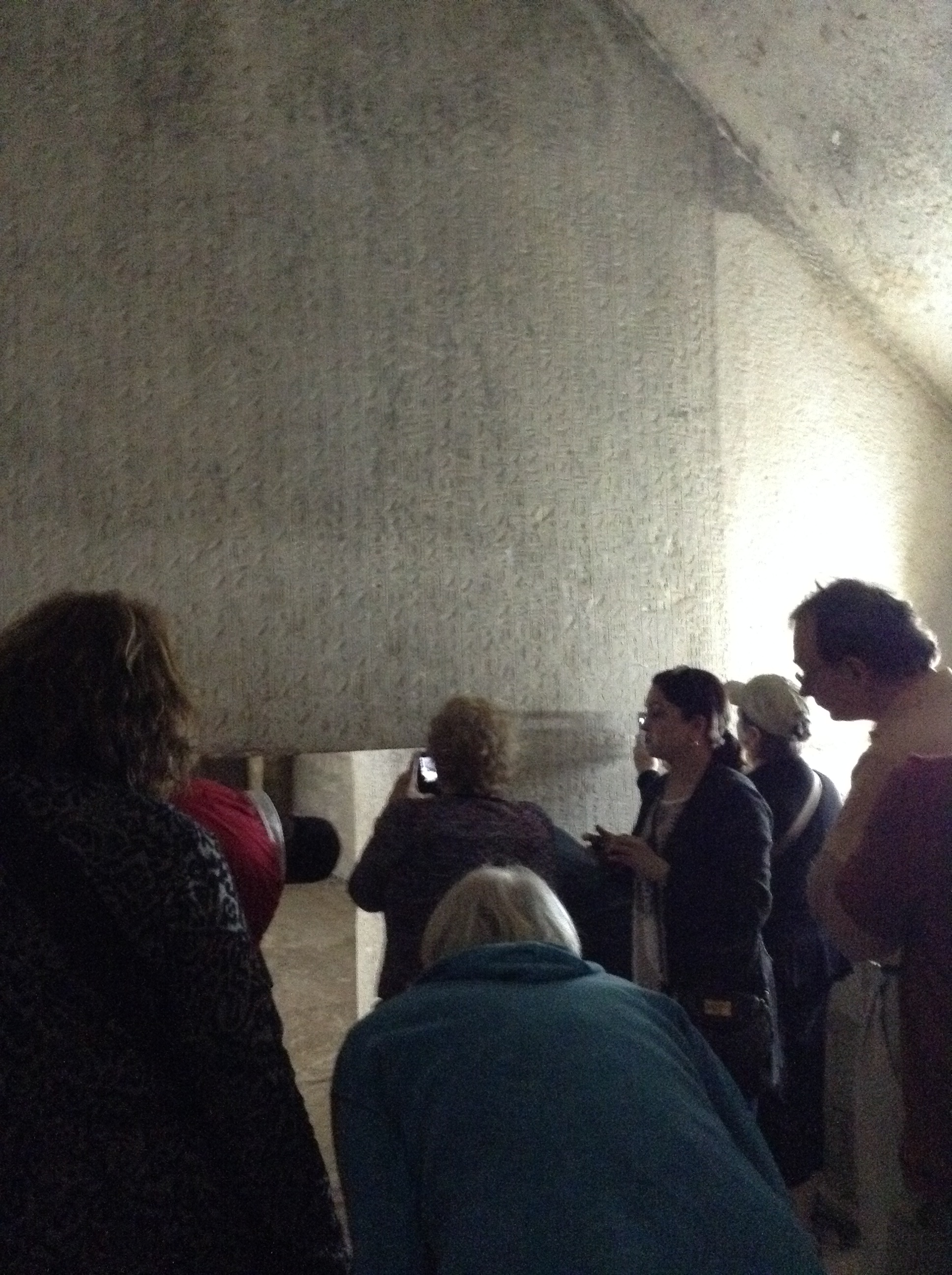
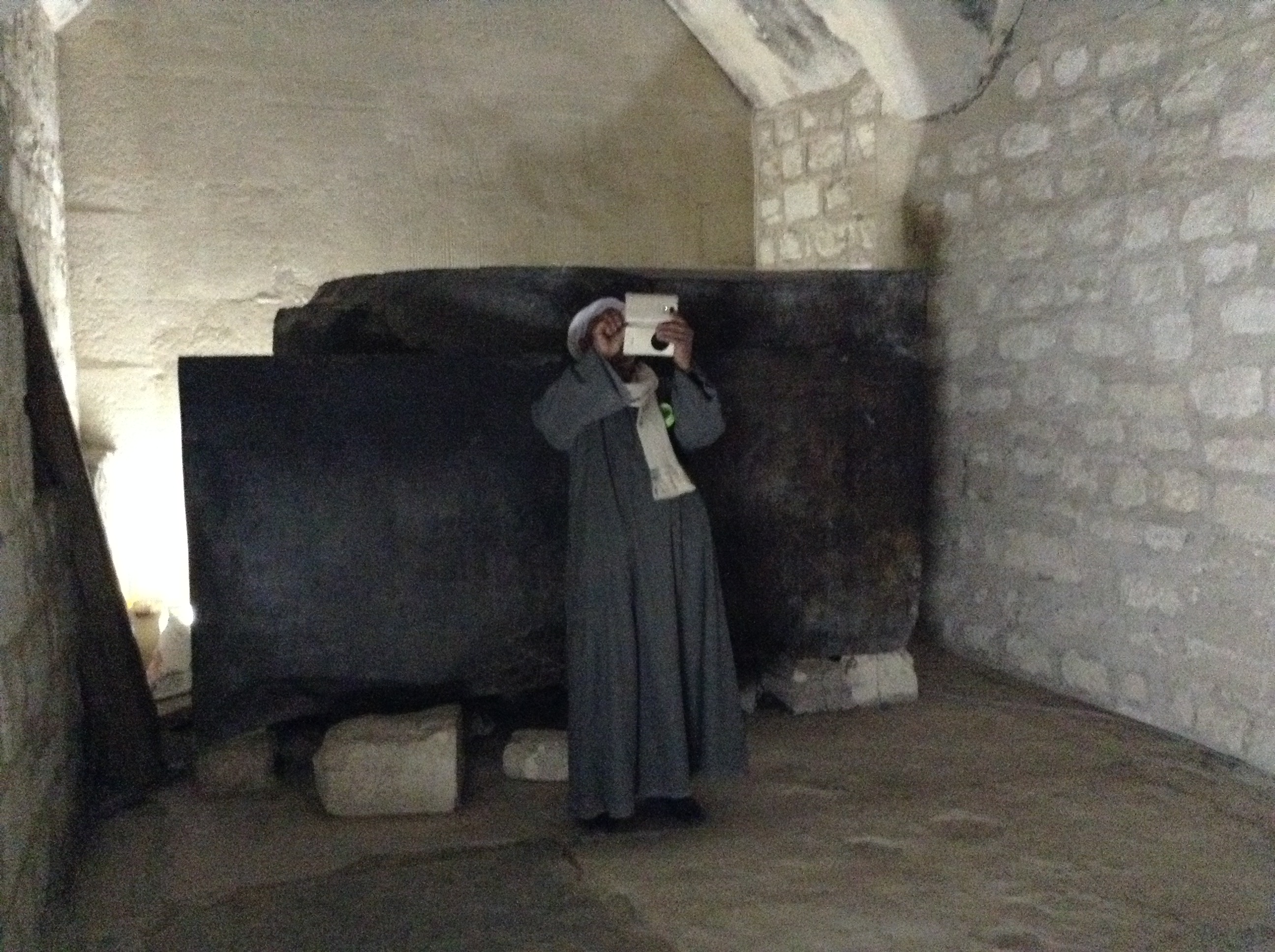
We were lucky enough, thanks to our well-respected guide Waleed, who holds a Ph.D in Egyptology, to enter one of the other nearby tombs at Sakkara, a memorable experience.

image image

image image

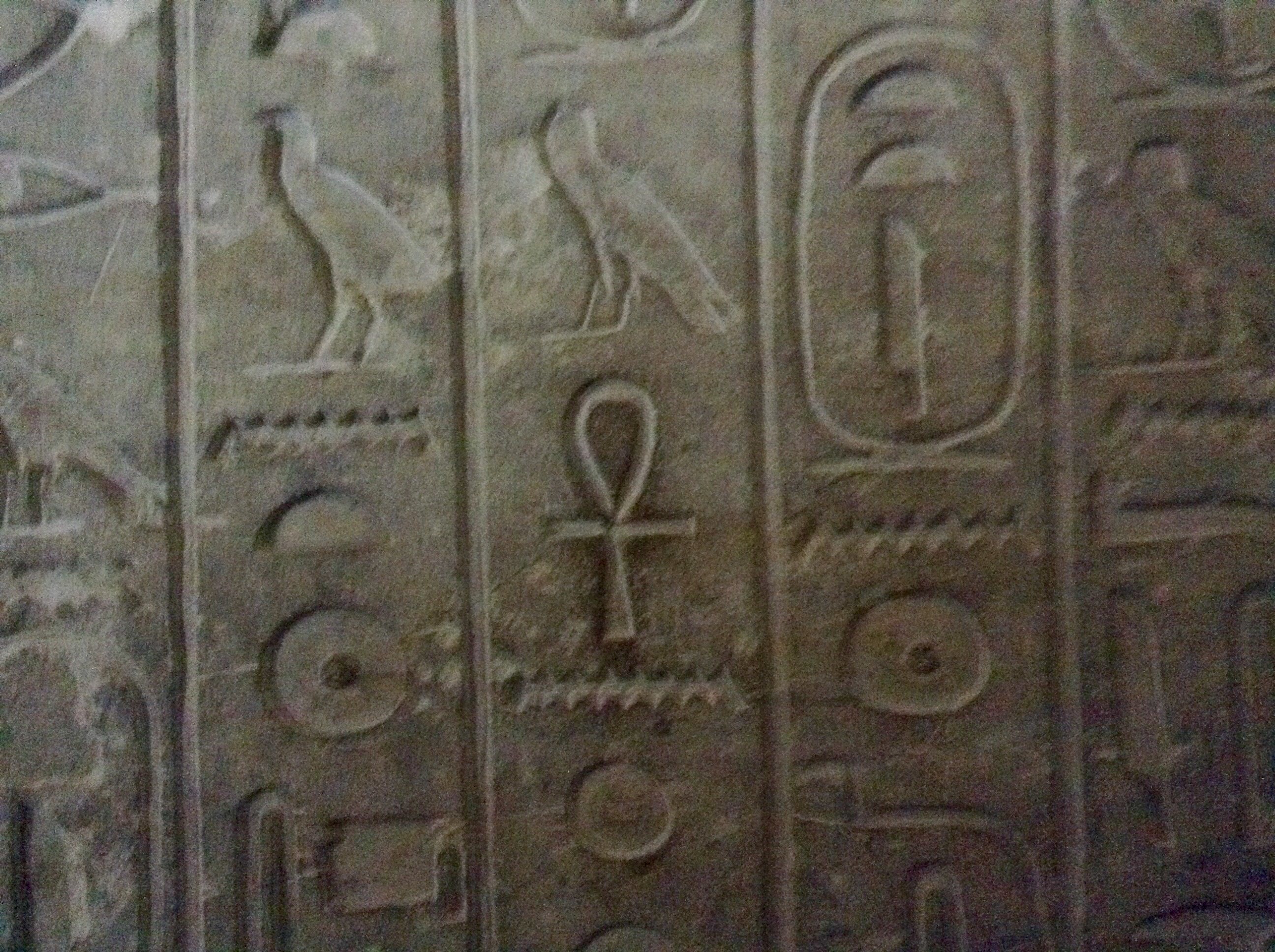
The walls inside the tomb were covered with heiroglyphs, the ceiling with stars:

imageimage

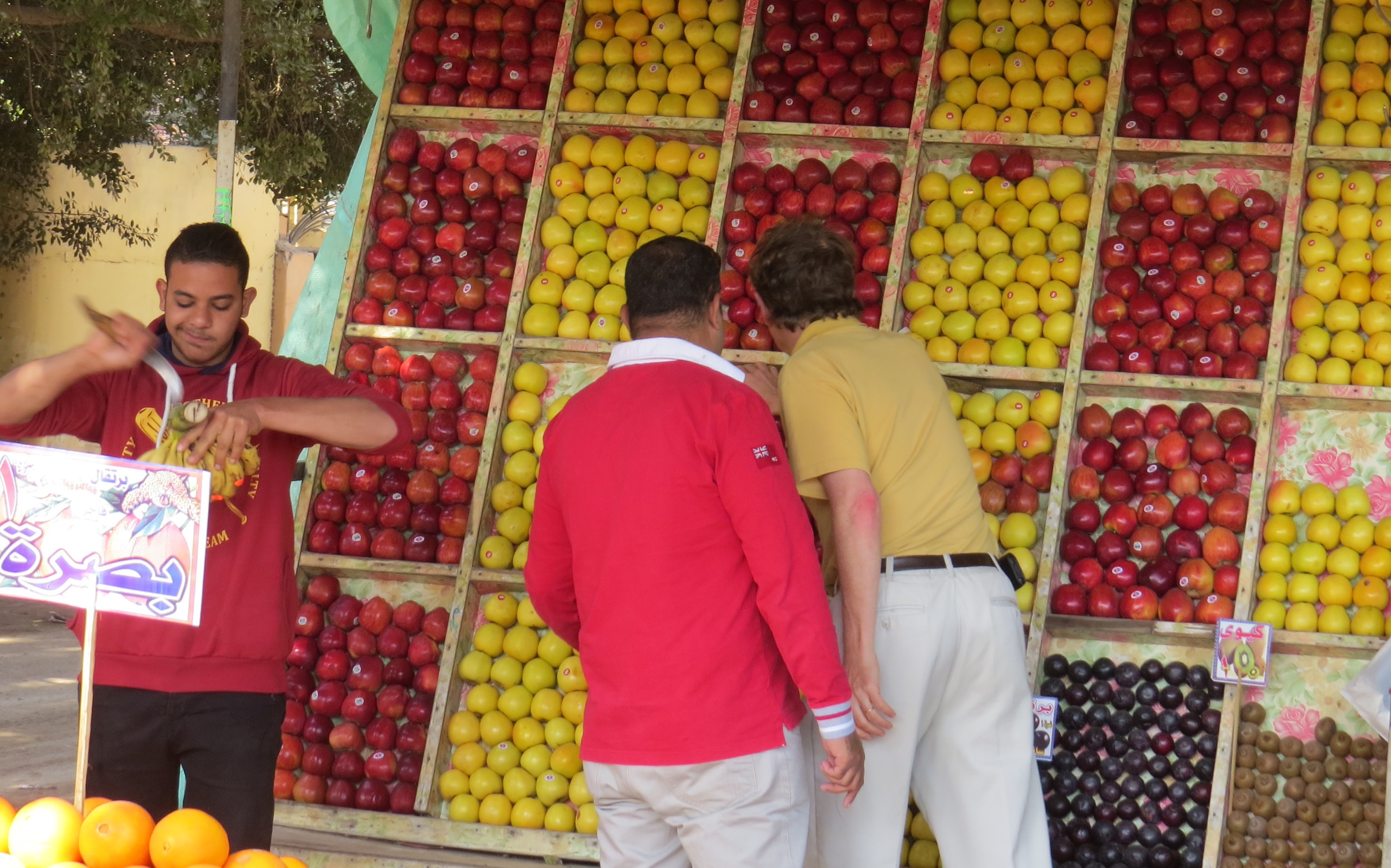
Next we went to Memphis, the old capital of Egypt, our tour leaders stopping en route for sweet, fresh fruit:

"Weighing Fruit"
“Weighing Fruit”

The site at Memphis is from the New Kingdom era (Ramses II) so I’ll deal with that later.

Other important Old Kingdom artifacts we saw at the Cairo Museum of Egyptian Antiquities:

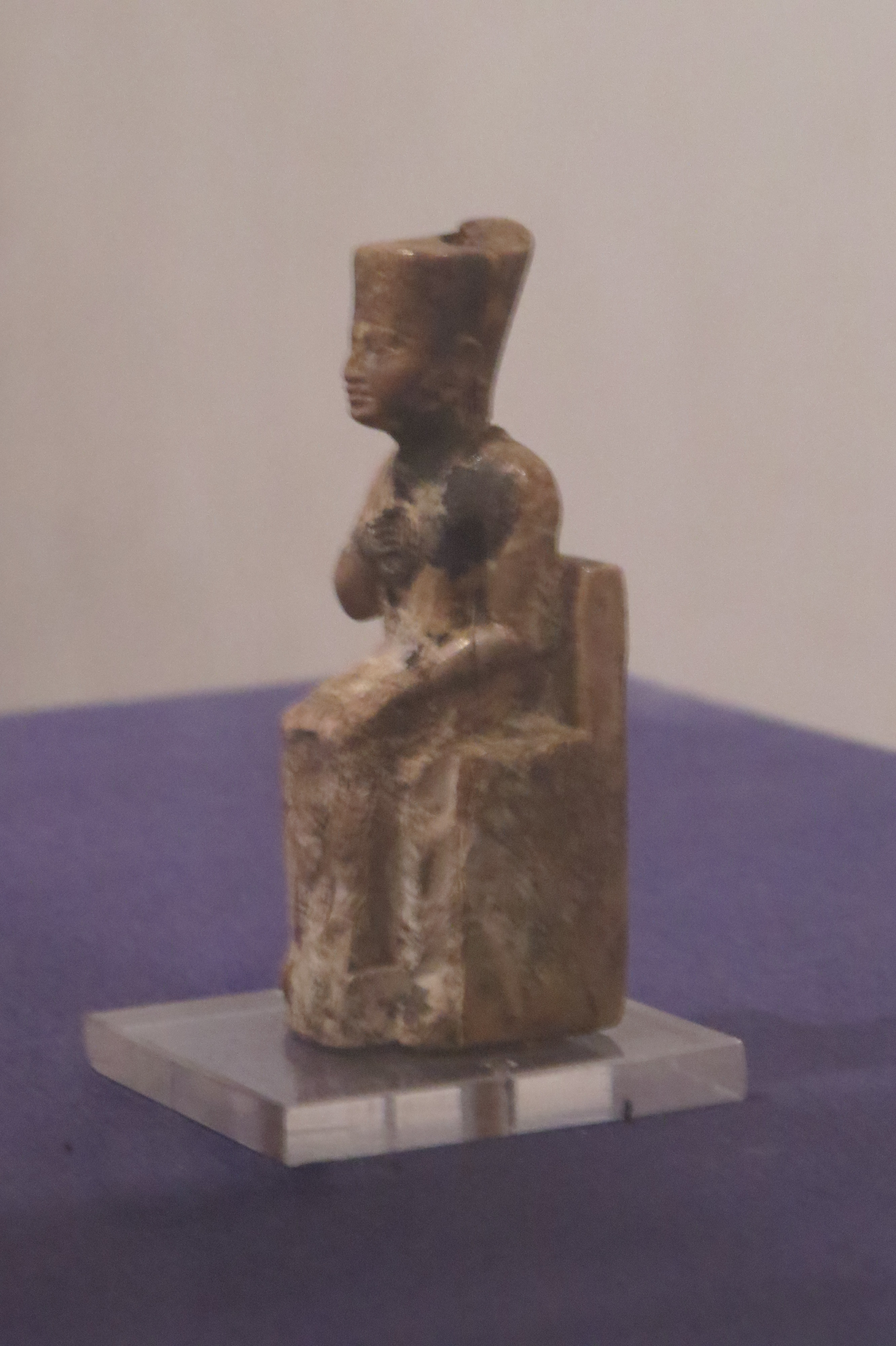
Pharoah Khufu, reigm 2,589-2,2,56 BCE, whose only surviving statue is 3" tall, is thought to be the Pharoah who commissioned the Great Pyramid.
Pharoah Khufu, reigm 2,589-2,256 BCE, whose only surviving statue is 3″ tall, is thought to be the Pharoah who commissioned the Great Pyramid.

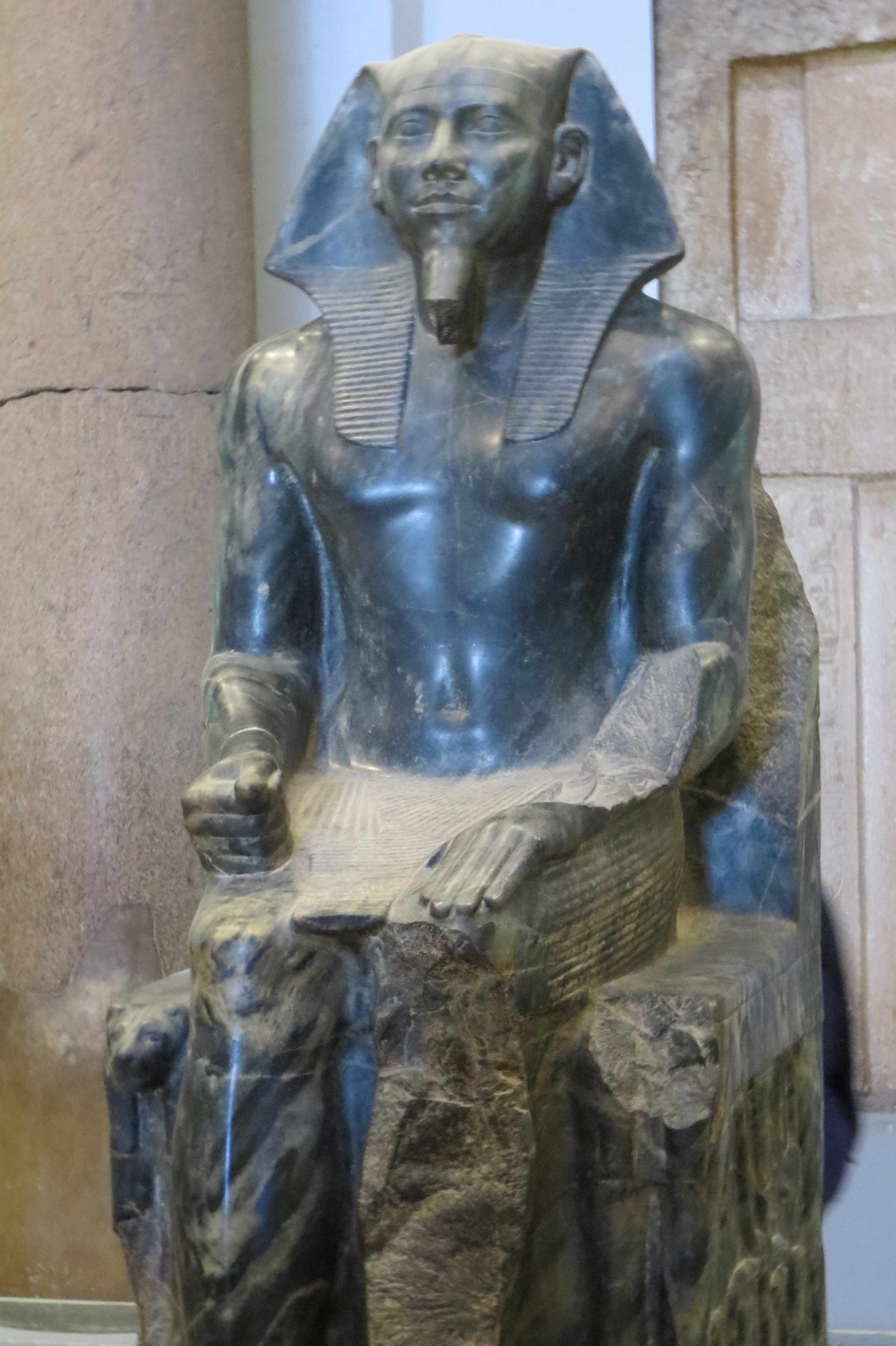
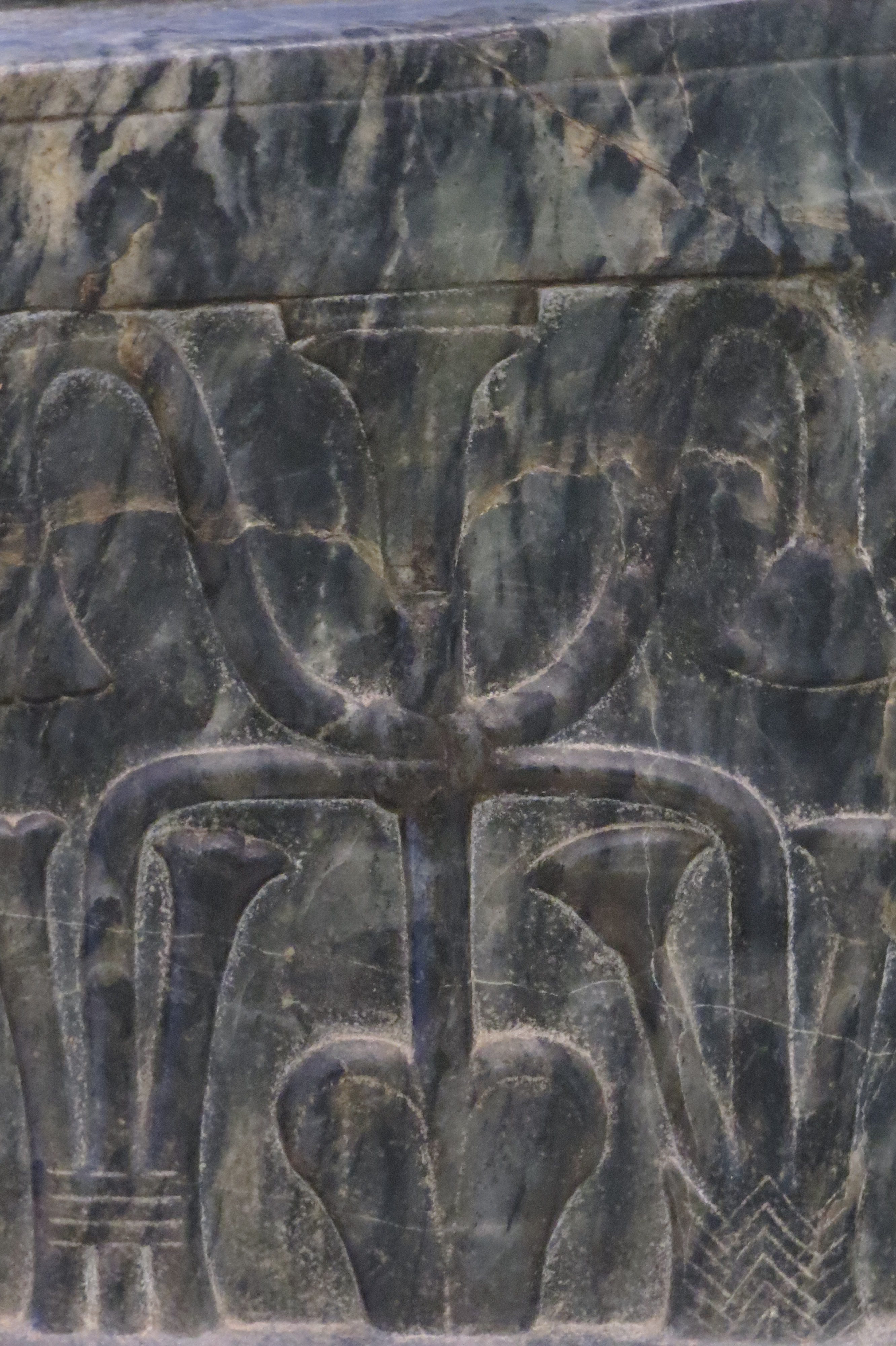
Pharoah Khafra, reign 2,558-2,532 BCE, depicted sitting on a throne with the symbol of a unified Egypt, the lotus flower and the papyrus:

image image

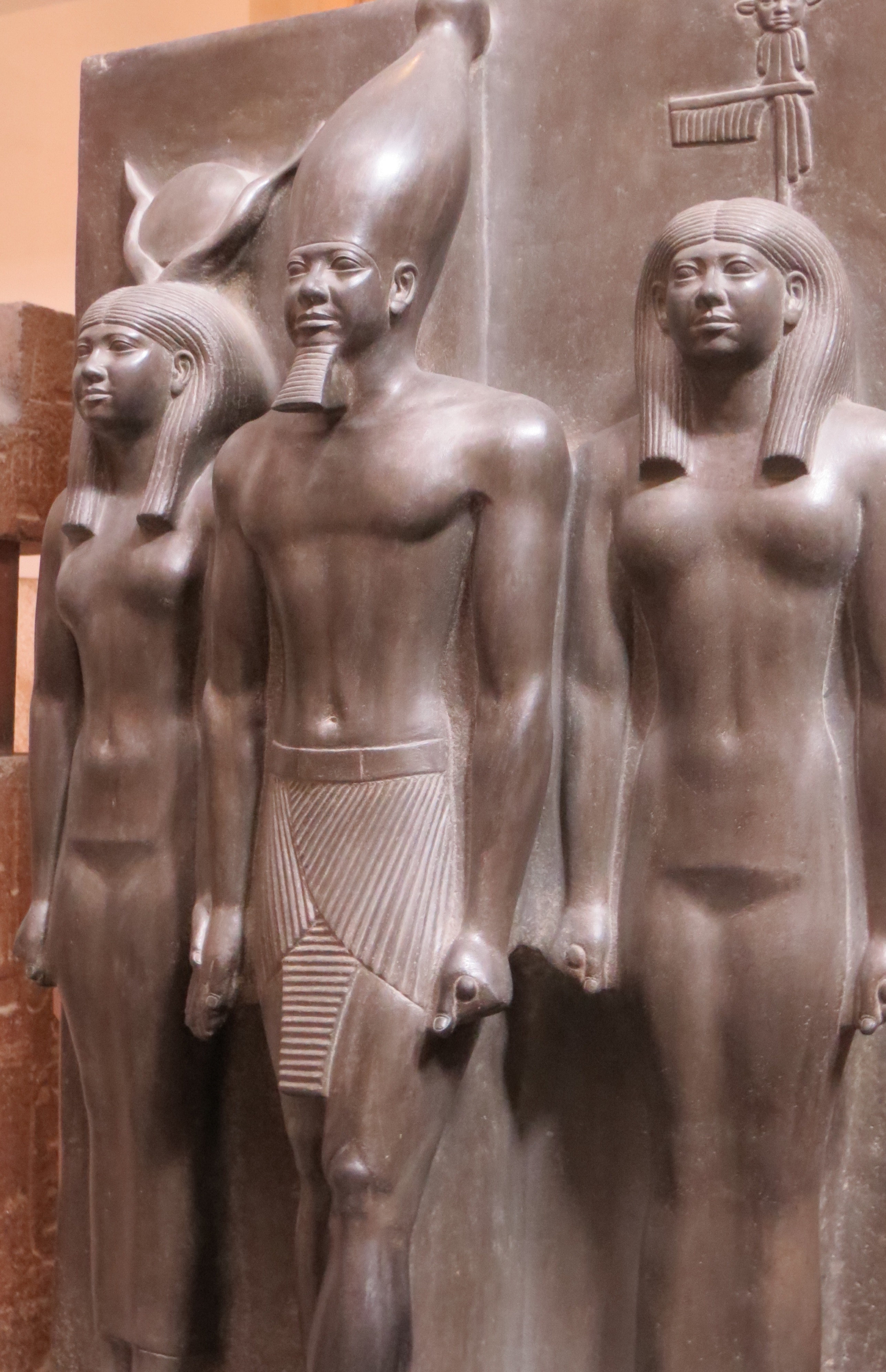
Pharaoh Menkaure, reign 2,532-2,504 BCE, depicted here in a wonderful carving of Menkaure, Hathor and a goddess.  The technology used to carve this piece is unknown to us today.  I thought it was da Vinci in the Renaissance who opened cadavers to study human musculature for the most graceful depictions of limbs and bodies?  Beautiful!

image

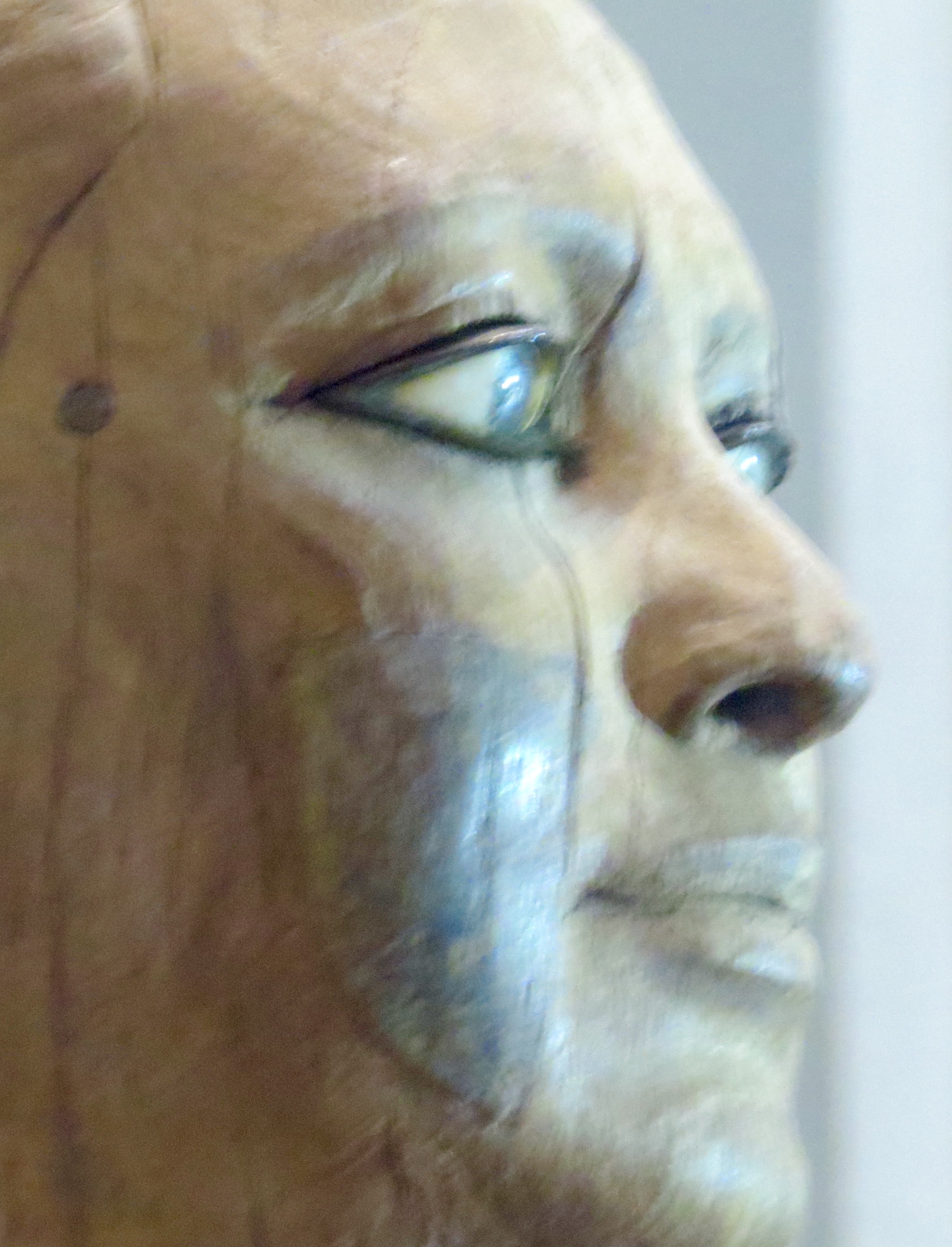
The wooden statue of Sheik el-Beled, a priest of the 5th dynasty, is worth noting, the haunting eyes were made of rock crystal (whole books have been written on the subject):

image

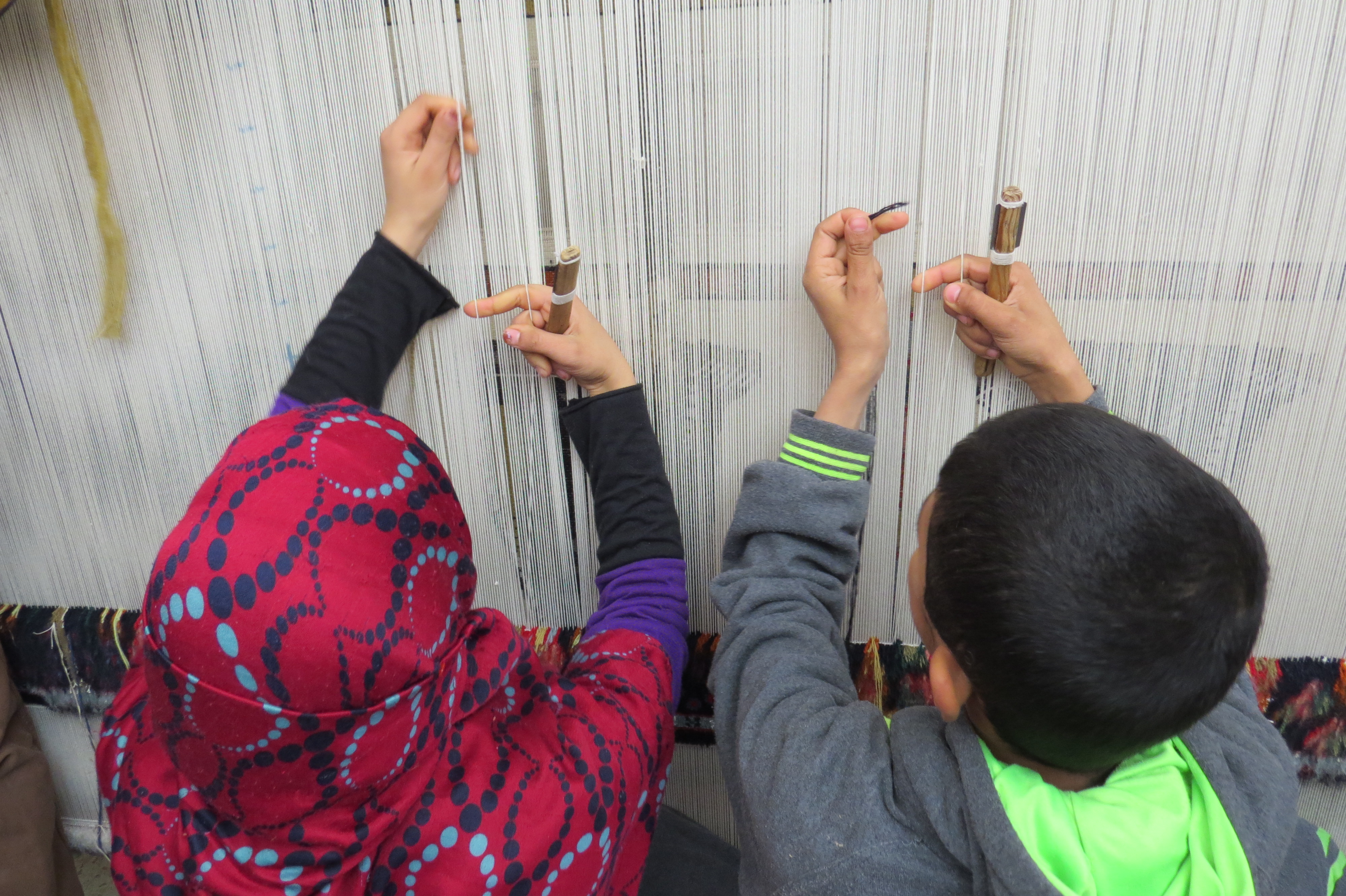
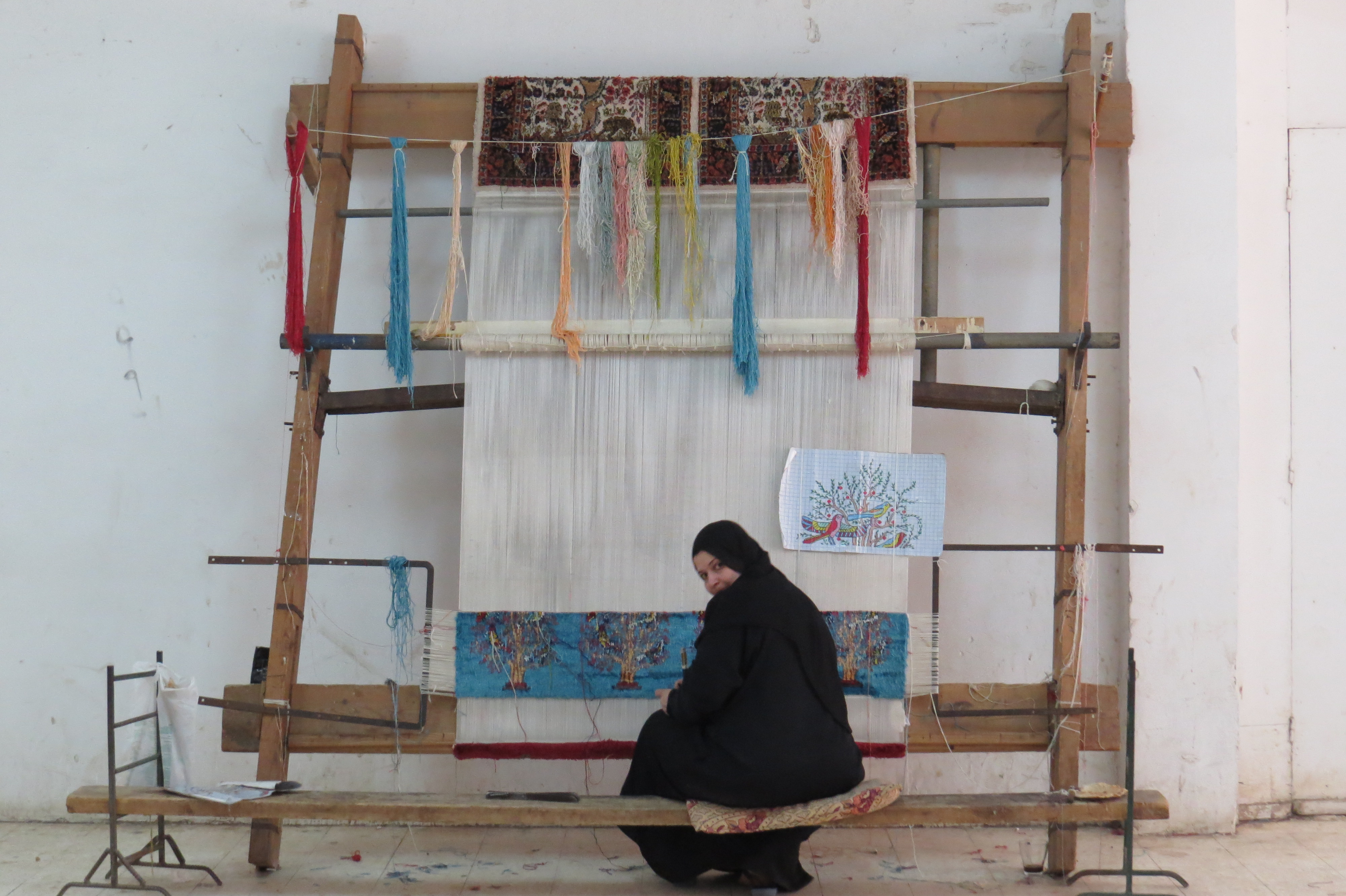
A visit to a rug factory completed our day* and not all of us came home empty-handed 🙂

image image

image

Best,

Jan
*We were told that these kids are paid for their time and work part-time after school.  There were several adult employees on site, like this shy woman who allowed me to photograph her.

Coptic Cairo

Virtually all 90 million Egyptians live along the Nile delta. 10% of these are Coptic Christians, the Byzantine Egyptians who were here before the Arabs first invaded in 641 AD (by the 10th century the majority of Egyptians were Muslim).  Coptic Christianity is unique to Egypt but closely related to Eastern Orthodoxy and there were many similarities to the cathedrals of Russia and Greece – the bearded priests, iconography and the worshippers who lined up to kiss and touch their namesakes.

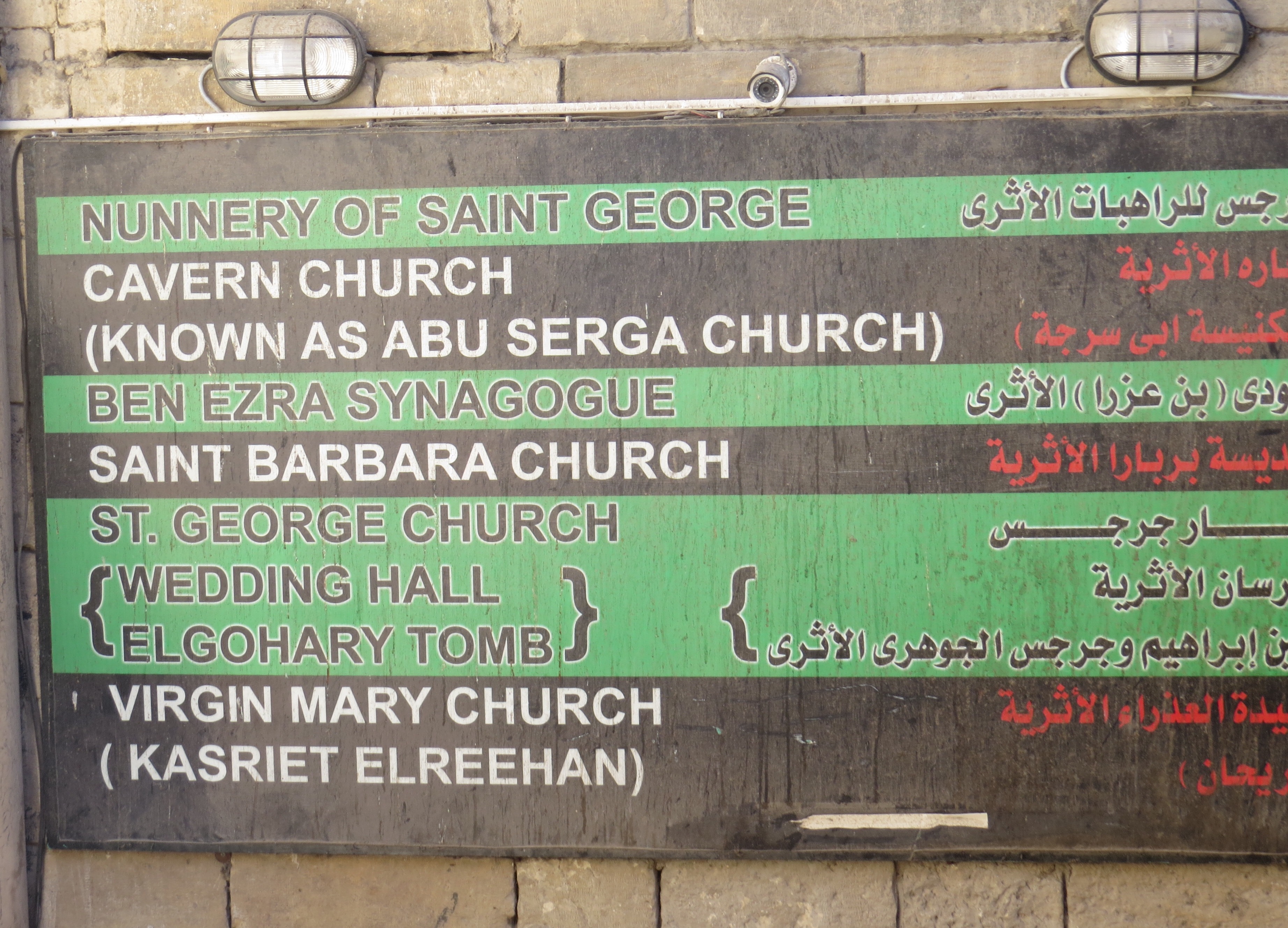
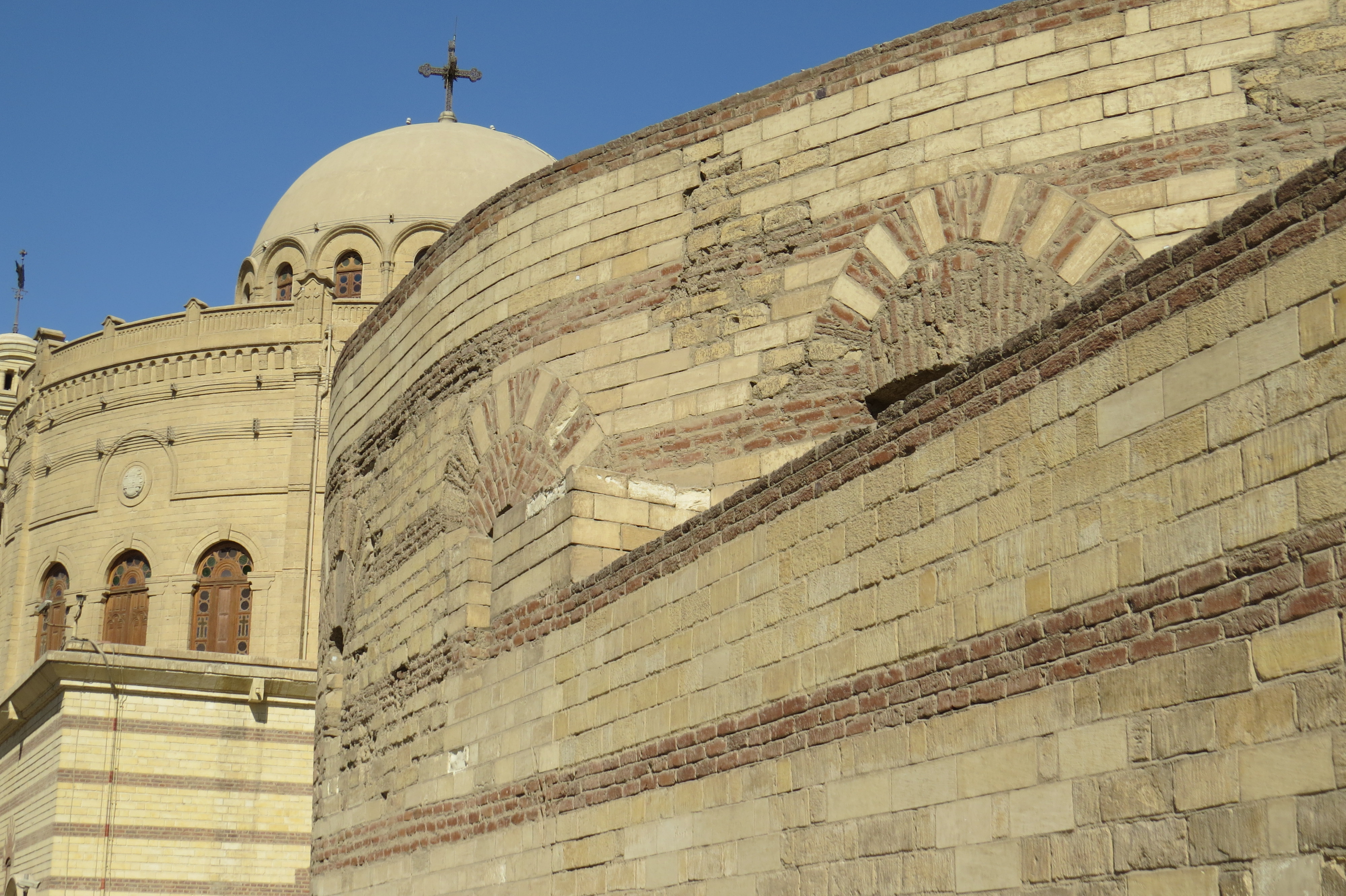
We had a walking tour of the old Coptic area of Cairo through its maze of narrow winding streets with many cathedrals, churches and a synagogue.

image

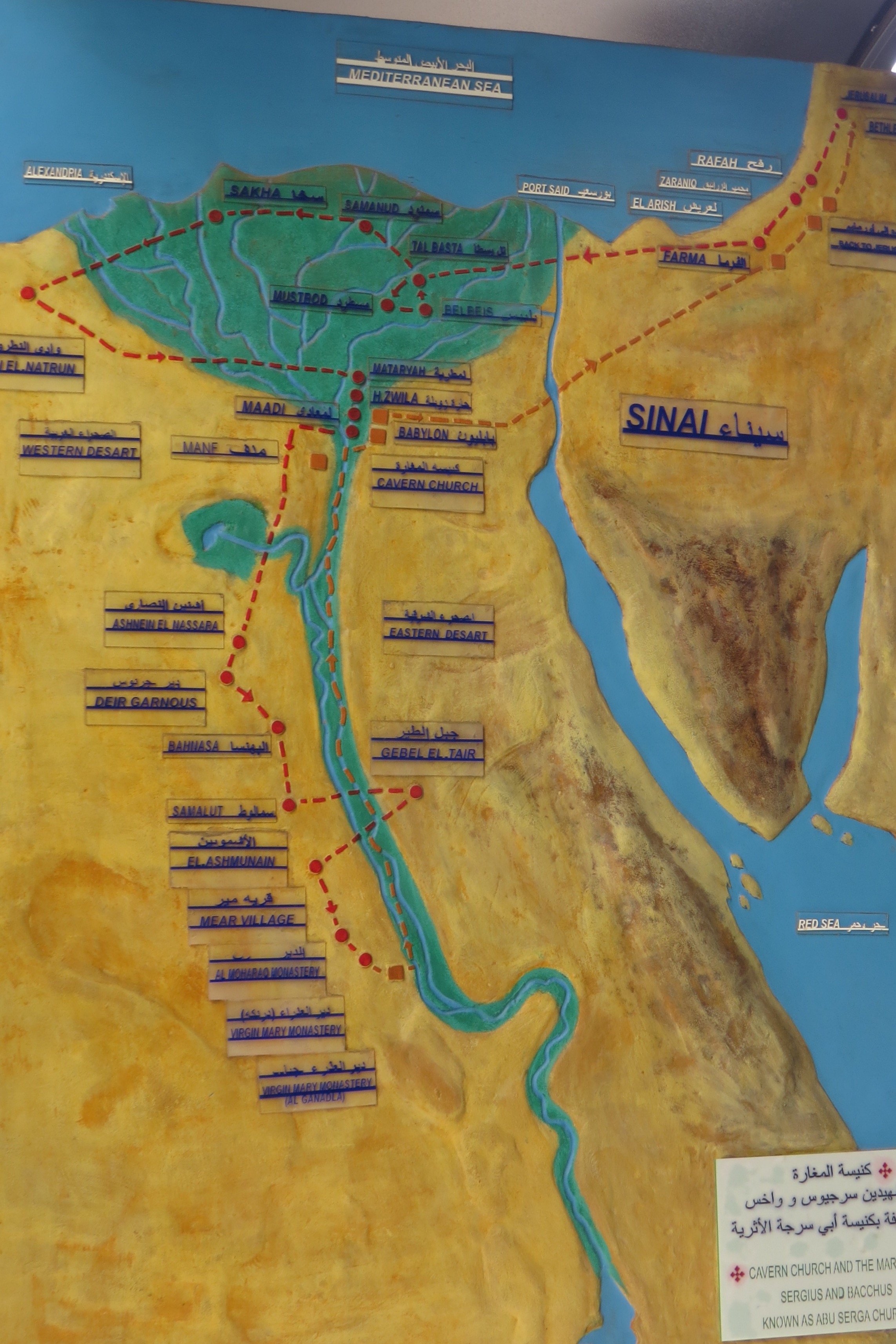
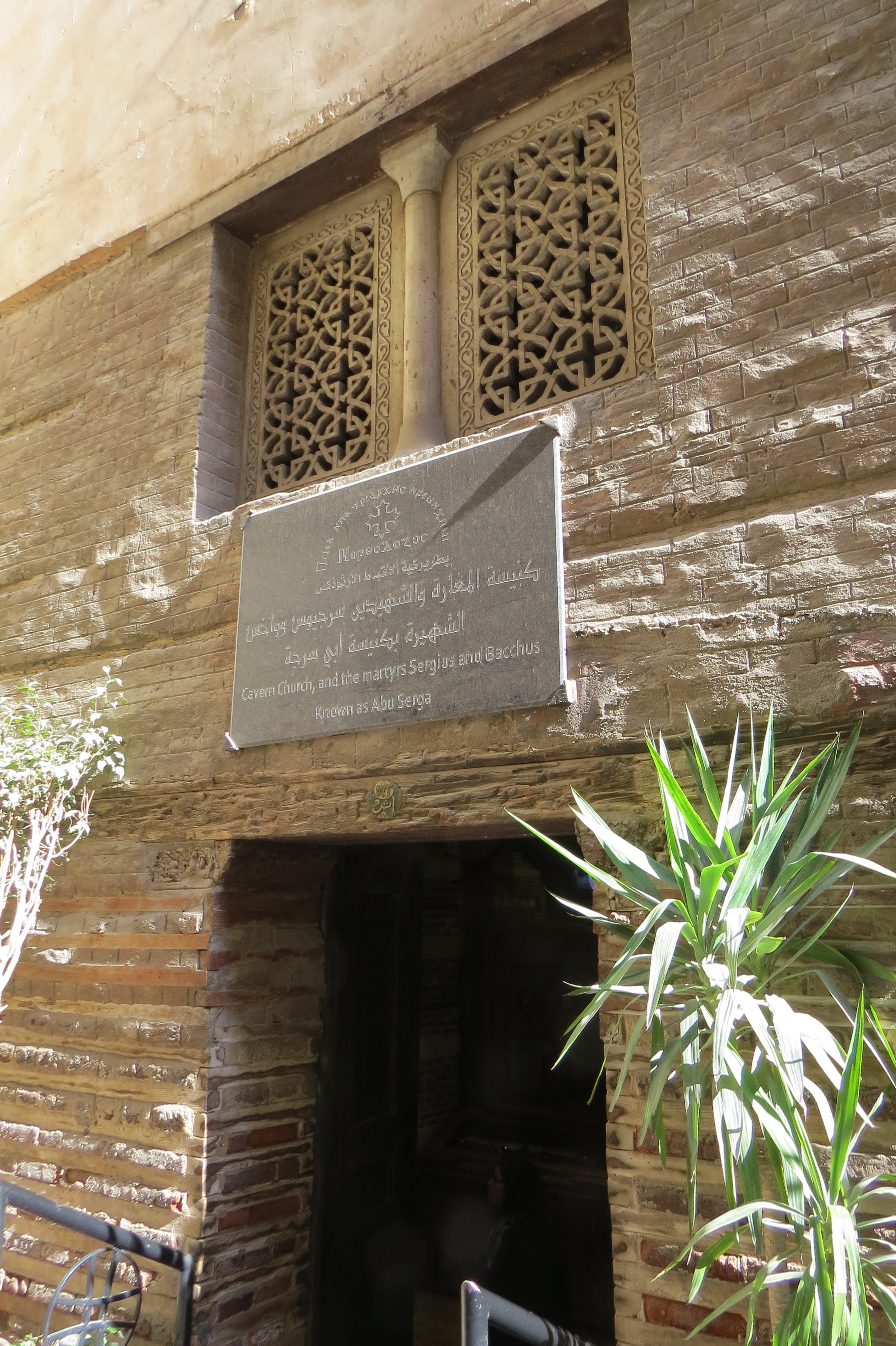
One of the cathedrals, Abu Serga, or Cavern church, was built atop a site where the holy family rested and a path walked by Christ was carefully preserved. (No photos allowed).  A map of the Holy Family’s journey into Egypt:

image

Entrance to Abu Serga Coptic Orthodox Church

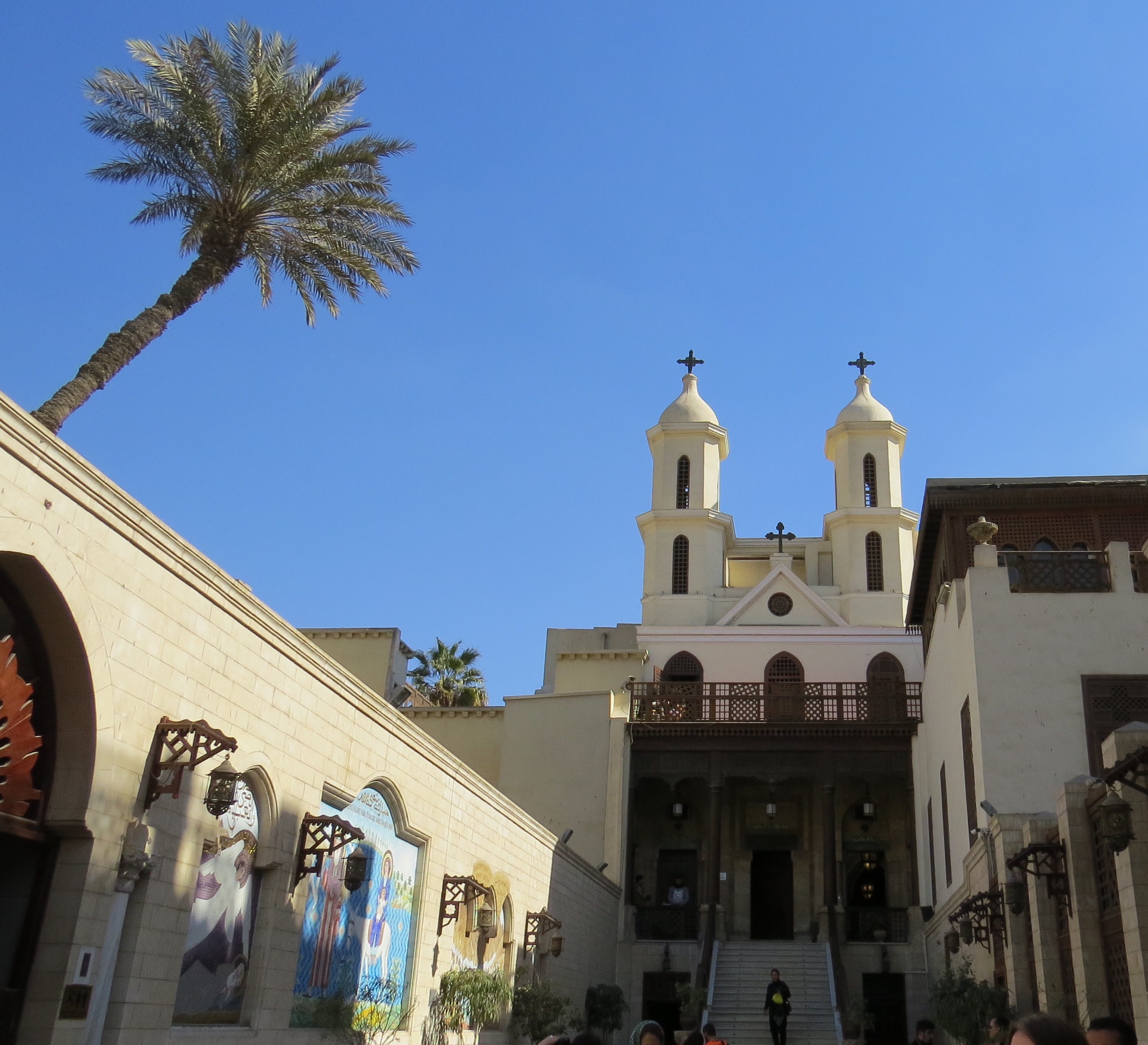
We visited another beautiful church, Al-Moallaqa, also known as the Hanging Church because it was built over a Roman ruin.

Al-Moallaqa, The Hanging Church

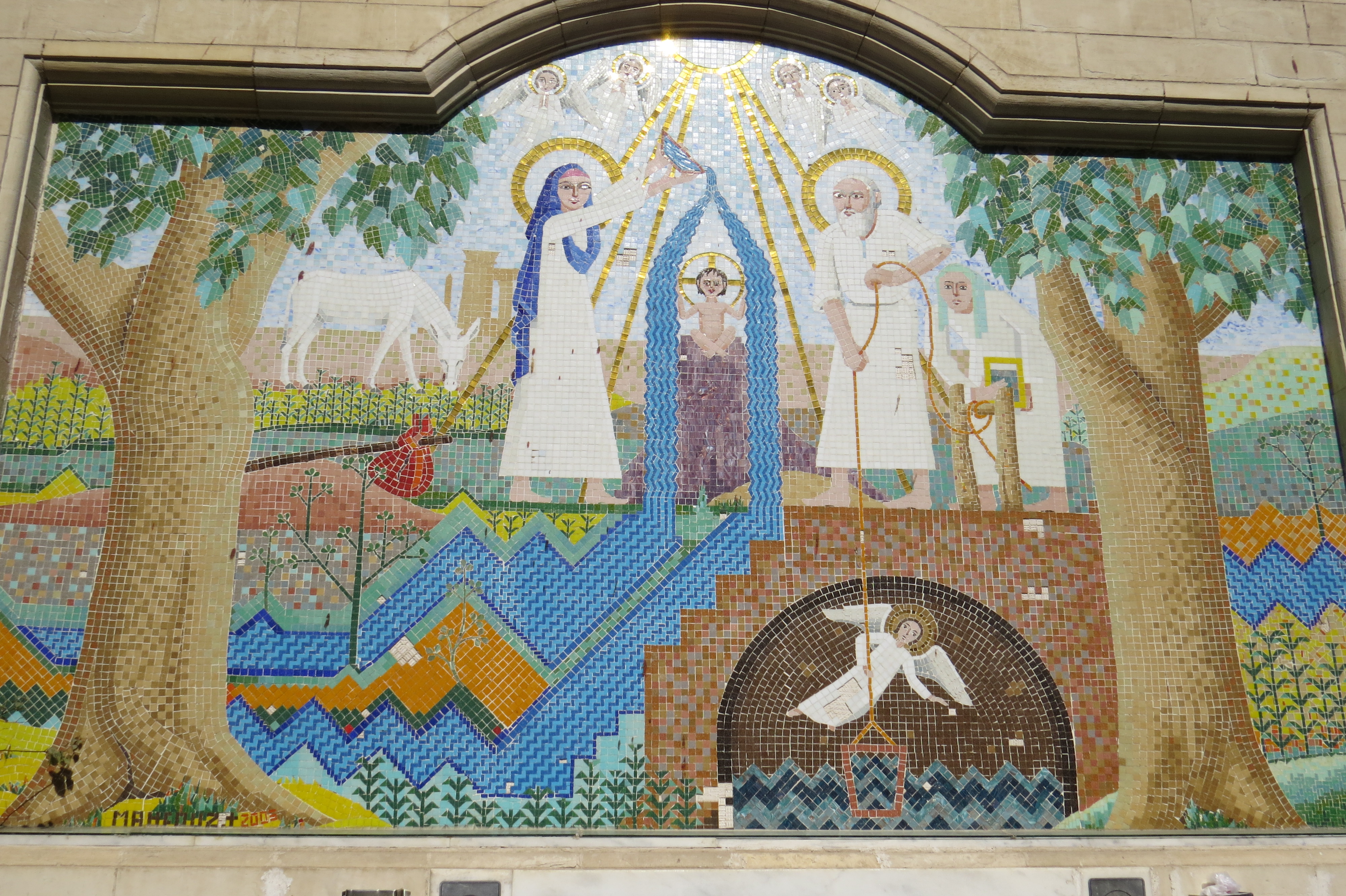
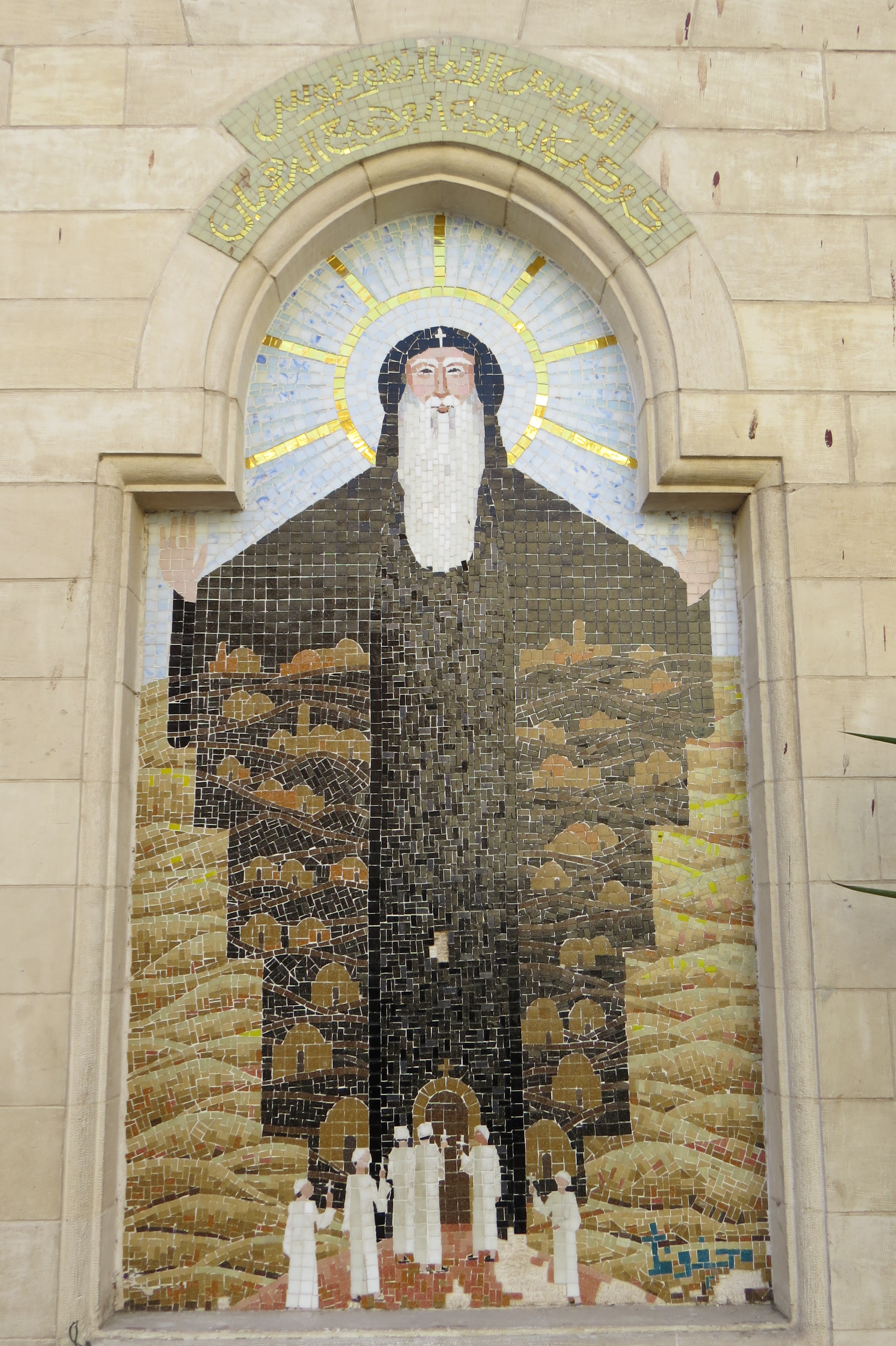
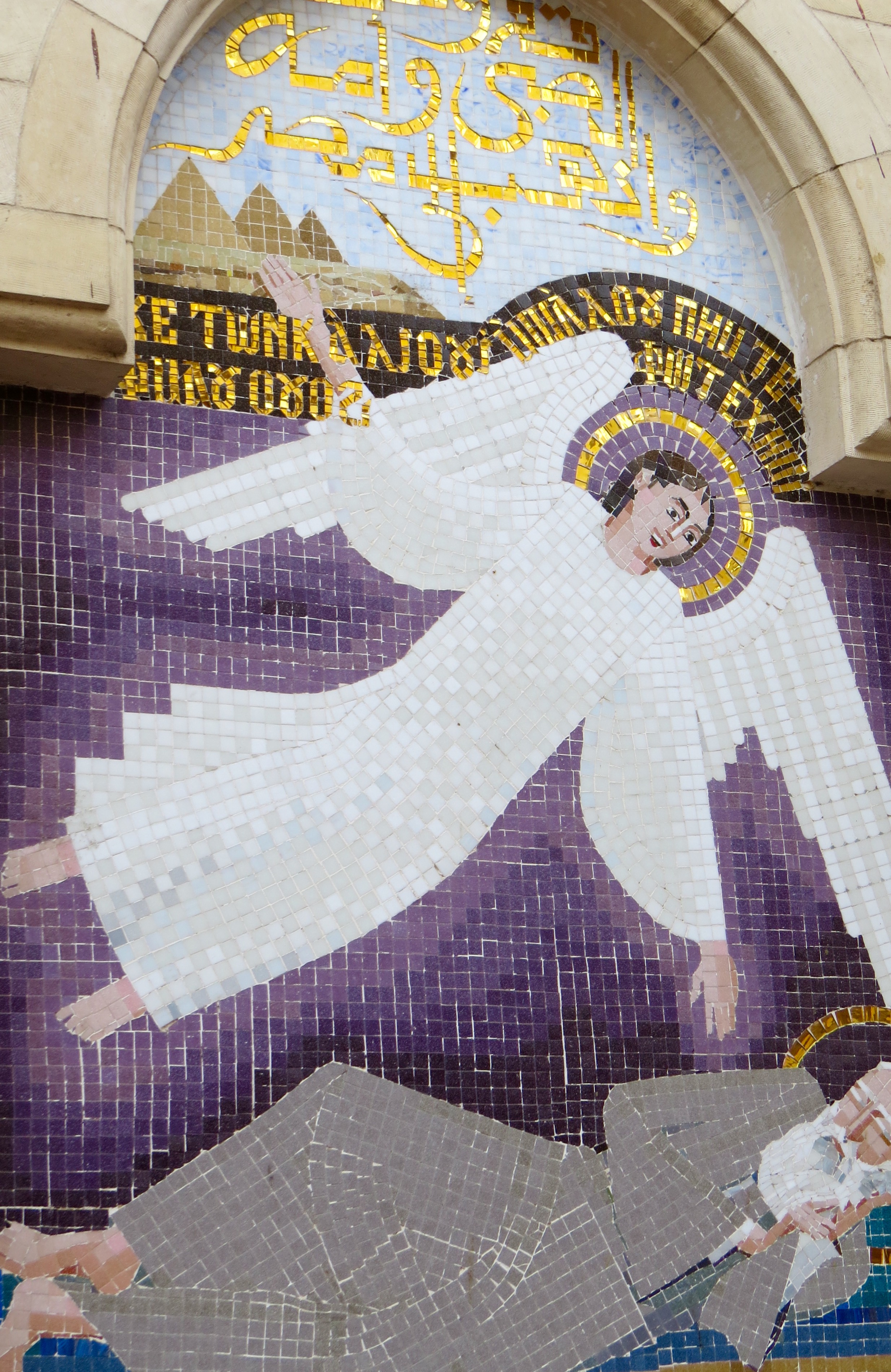
Its exterior courtyard is flanked by stunning mosaics:

image

image

image

image

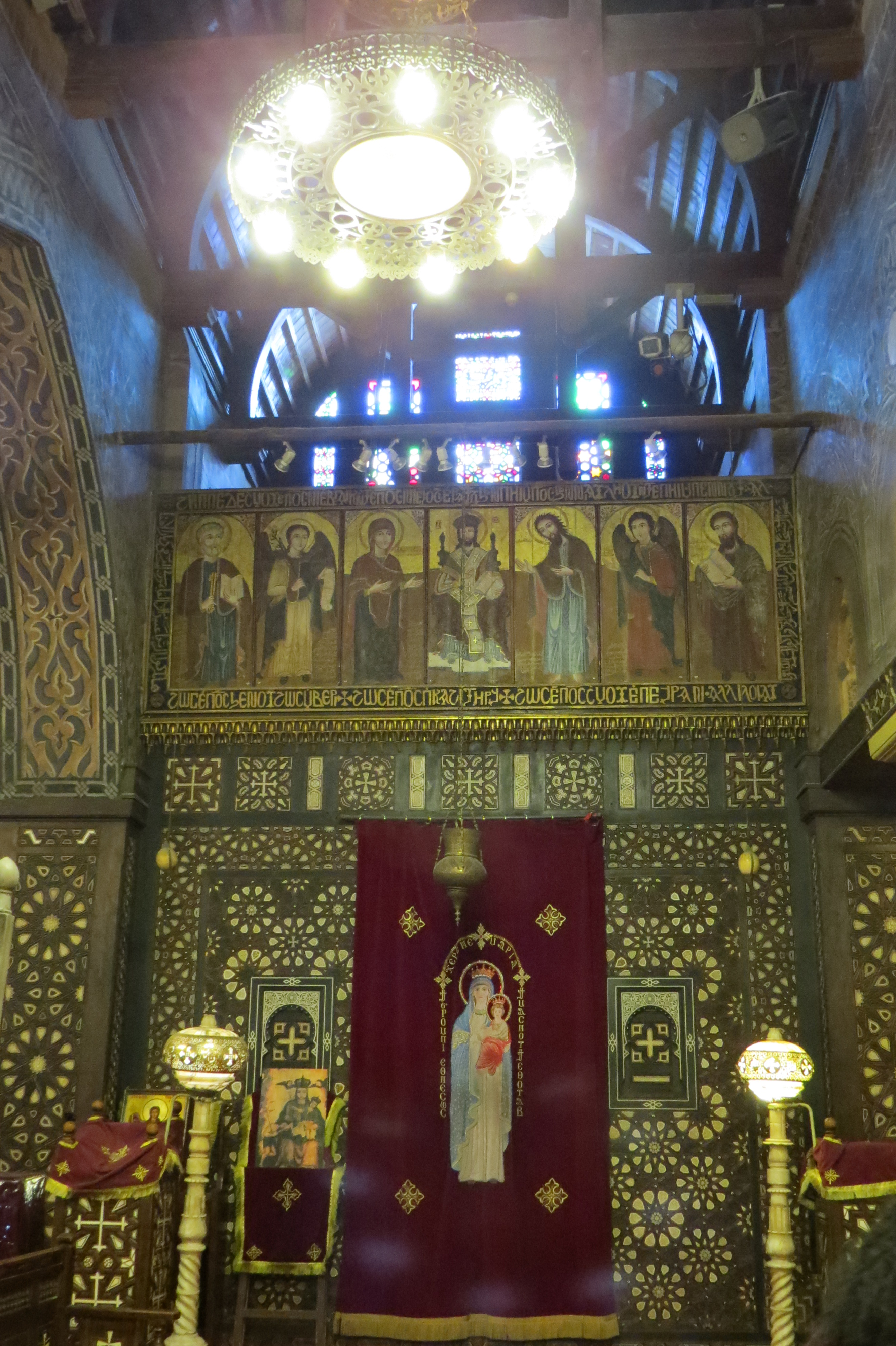
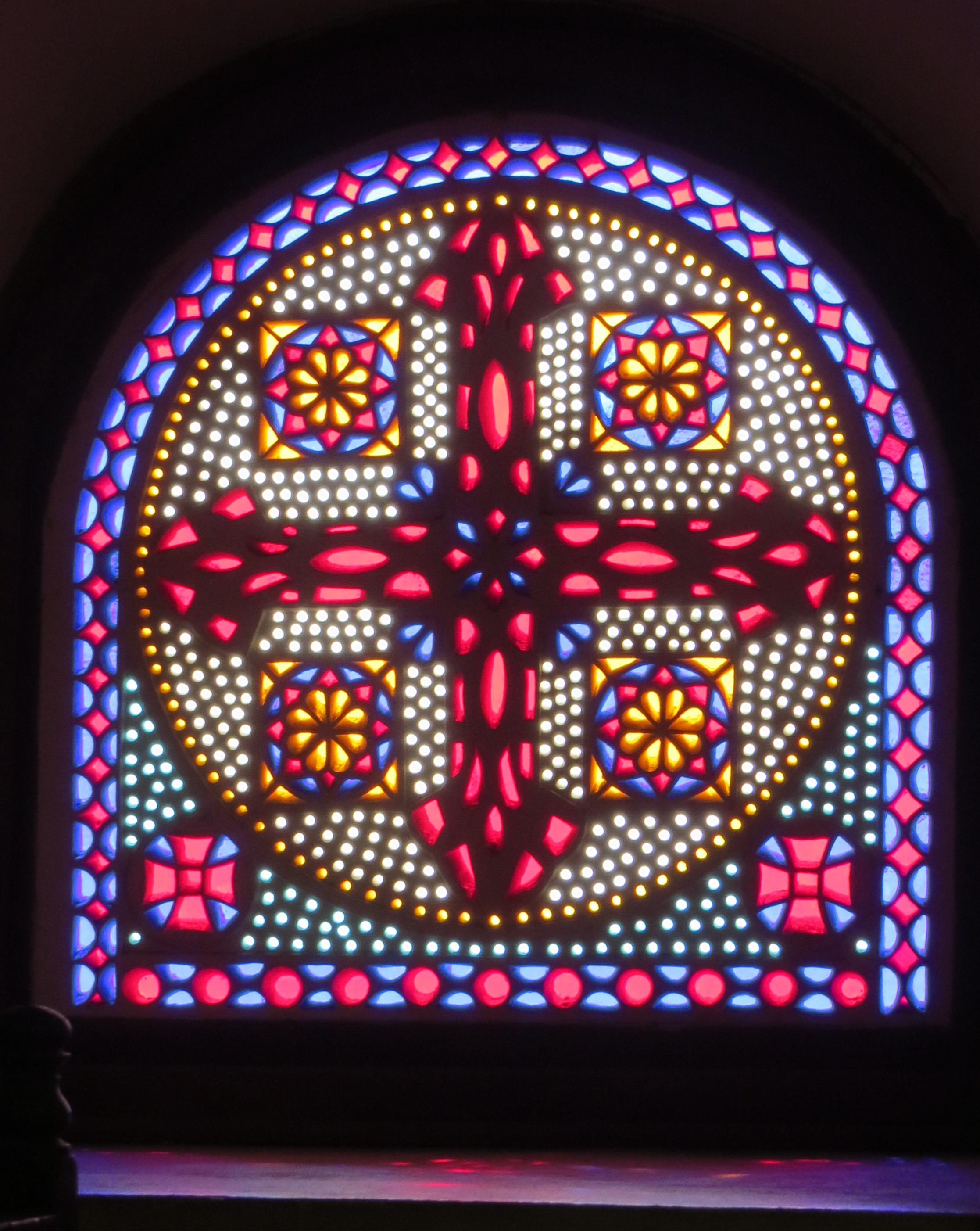
We covered our heads and entered the hushed sanctuary.

image

image

image

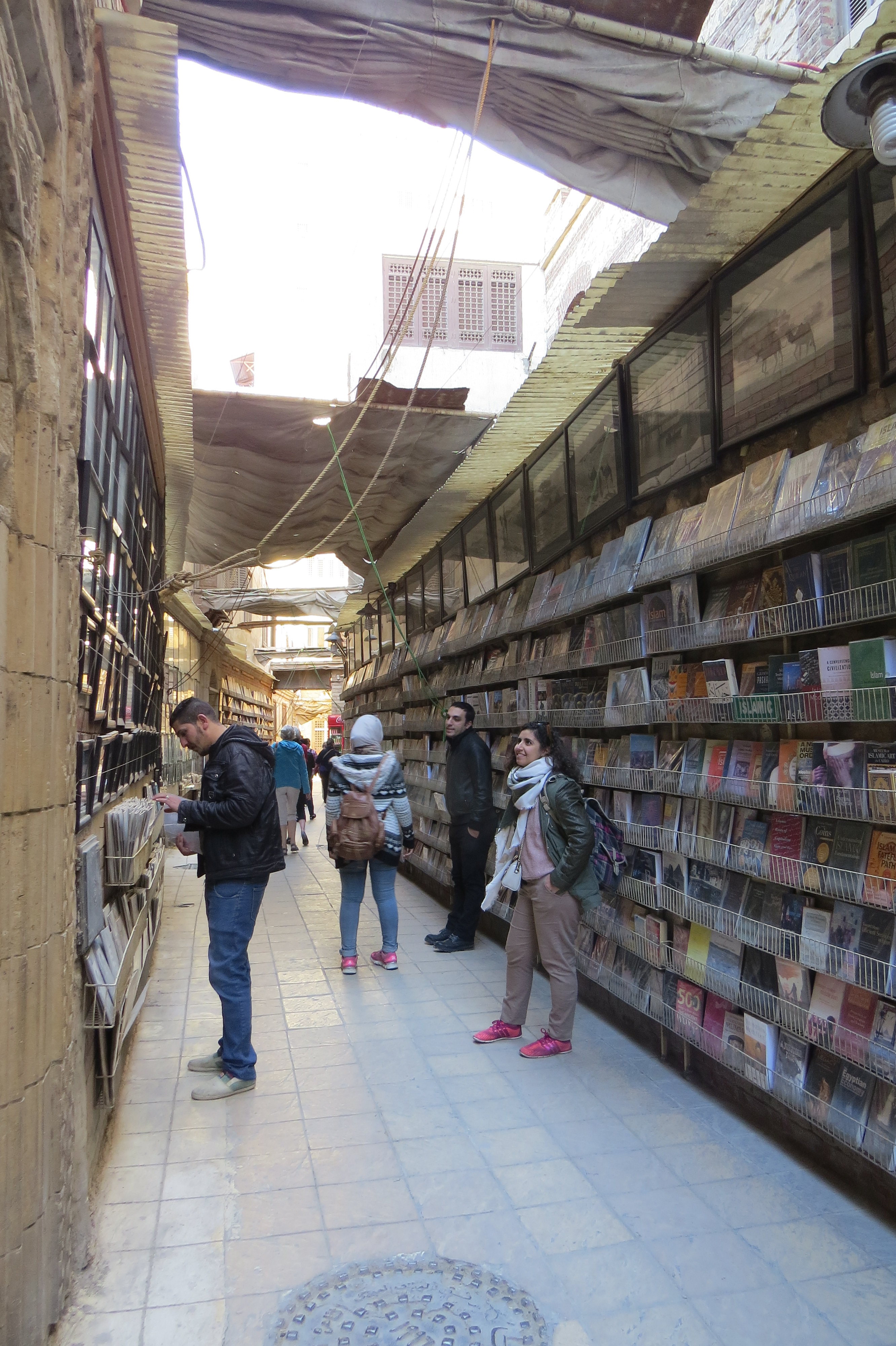
Outside again, a narrow street was lined with religious texts for sale.

image

We also visited Ben Ezra Synagogue which is supported by wealthy Jews in Israel and the US who visit – there are few Jewish people living in Egypt now, having fled persecution at various points in Egypts complicated past.  As we sat in its cool interior, our guide extraordinaire, Waleed, attempted to unravel for us the knotted political/religious conflicts in the Middle East.

I came away with a better understanding but I won’t attempt to amplify it here.   I may be better equipped to give you a sense of some local opinion on Egypt’s current situation which is largely hopeful and optimistic.

Tunisia’s revolution was infectious and imbued courage in Egypt’s youth who bravely overthrew Hosni Mubarak ending a 30-year dictatorship in its Arab Spring revolution.

However, because there was no political infrastructure in place, a vacuum was created and the Muslim Brotherhood was legalized.  It formed a political party with the heady name The Freedom and Justice Party and its leader Mohamed Morsi won the 2012 election.  Within a year, however, the MB’s injustices revealed to Egyptians the mistake they had made in electing Morsi and the military was also alienated.  What followed was not so much a military coup as a handing over of power from the MB to the people.  An election followed in 2012 in which Al Jazeera reported a “landslide” win of 93.3% of the vote to former army chief Abdel Fattah el-Sisi.  The opposition leader conceded defeat.  In the years following his election, though not perfect (ask Mohamed Fahmy), the country is making great strides under Sisi, who seems to have Egyptians’ best interests at heart, building highways, improving access to medical care and education, etc.  Further democratic elections are promised for 2018.

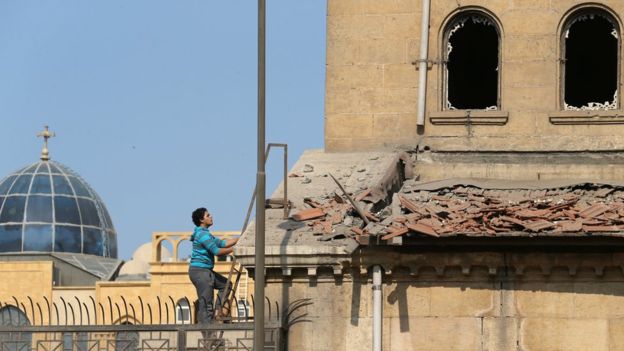
Meanwhile, ISIS and other Islamist militants moved into the Sinai Peninsula.  They have focussed their attacks on the military and police but have also brutally attacked both Coptic Christians and the Sunni (moderate) Muslim majority in Egypt.  Just before we arrived in Cairo, on December 11, 2016 during Sunday service, a suicide car bomb struck St. Mark’s Cathedral, Coptic headquarters in Cairo and home to Pope Tawarose II, killing 25 and wounding dozens of others.

Force of car bomb on St. Mark's Cathedral Dec 11, 2016
Force of car bomb on St. Mark’s Cathedral Dec 11, 2016 – Reuters

There was no evidence of the attack on our Saturday afternoon tour of the Coptic area other than a Manhattan-like police presence which existed all over Egypt, ensuring our safety.

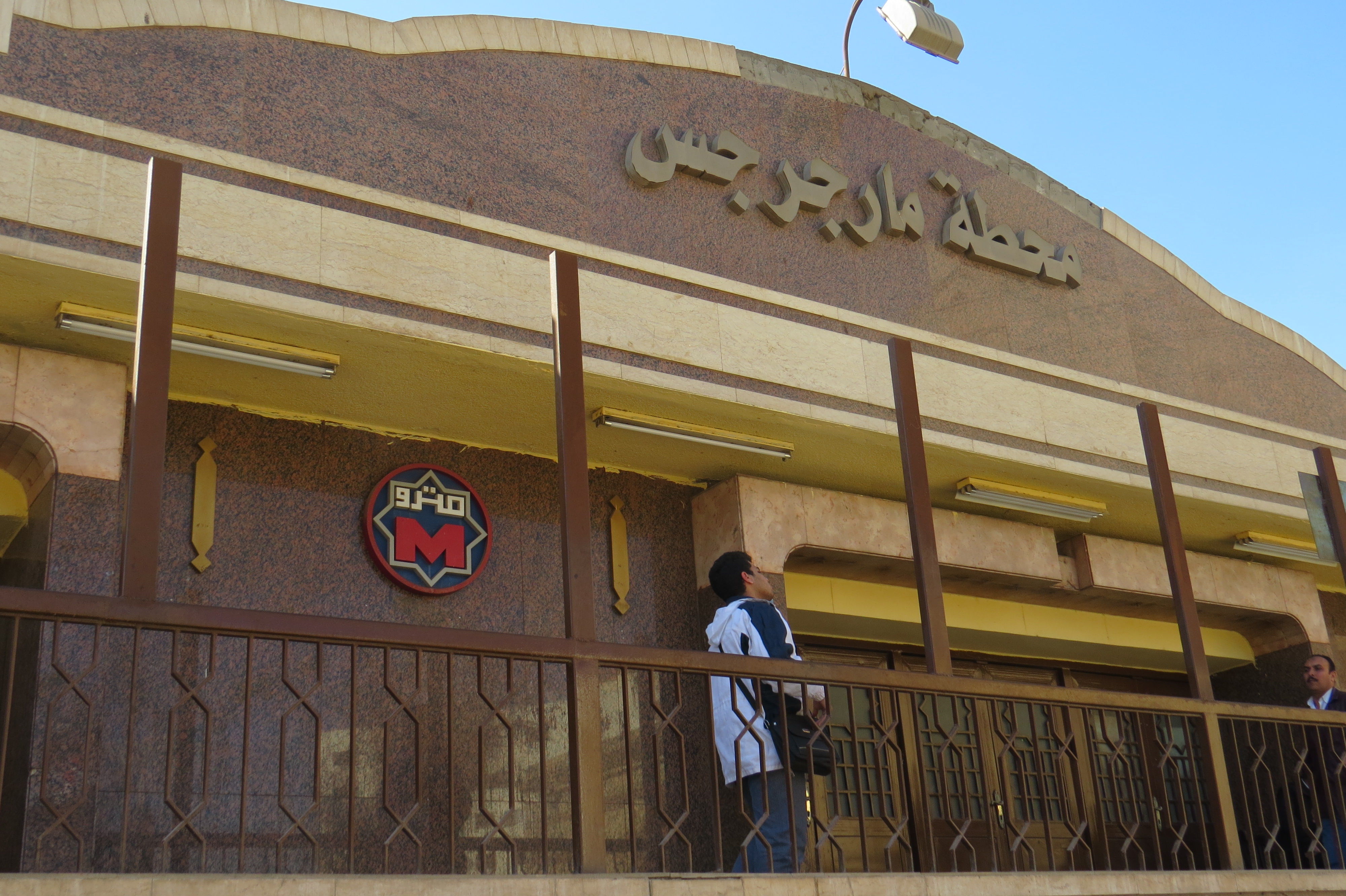
Finally, on a lighter note, an island of modernity floated in a sea of ancient architecture, a solid marble Metro station:

image

Best,

Jan
Mean Streets

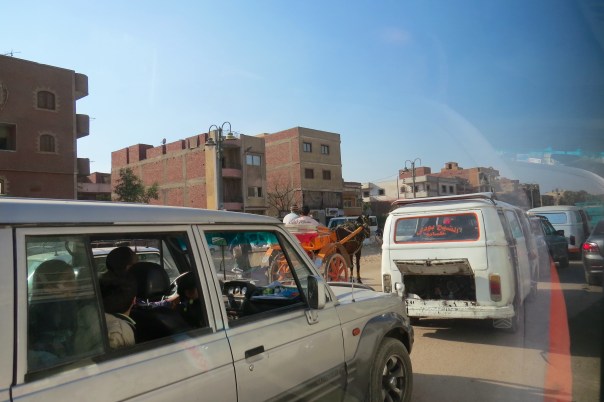
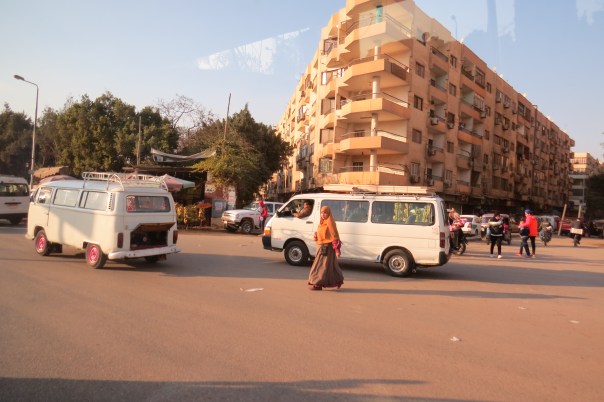
…but only from the perspective of the millions of the poor cars consigned to drive in Cairo. No lanes? No problem – just honk! 10 lanes across, and every car, from beaters to antique to luxury, have dents and sidescrapes. I don’t think there are auto body shops here – what would be the point? However, there don’t seem to be major accidents, likely because no-one can travel fast enough! We had dinner at a restaurant on the 14th storey of a building and could still hear the cars and trucks honking below. But they are not the familiar annoyed, impatient honks of Canada, they are friendly little toots that are used to alert one another.    Hey!  I’m squeezing in!  Hey! I’m comin’!  Hey! I’m passing you!  And alongside the cars are donkey wagons, water buffalo, horses, scooters with 5 people on them, tuk-tuks and just about anything else you could imagine.

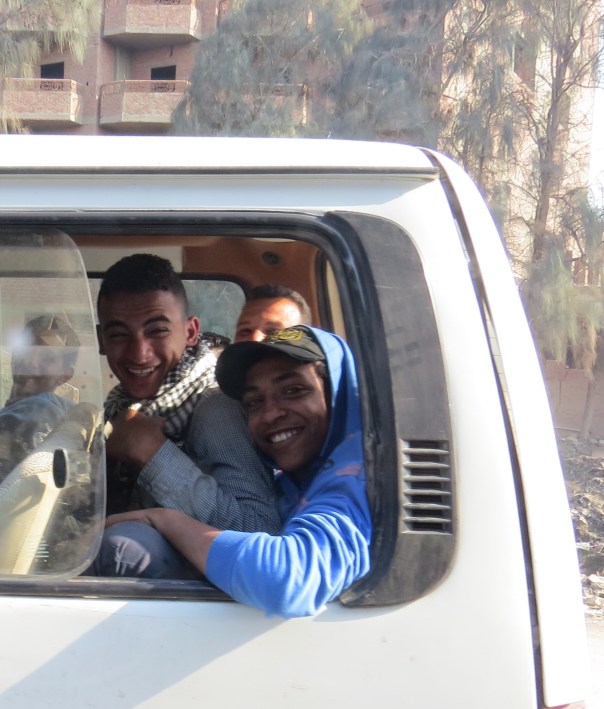
In the traffic jams we have been having a blast with the children crammed into school vans like anchovies, they have beautiful smiles and the teens hold up air cameras, click, click, take a photo of me!

image

image

image

image

image

image

image

Best,

Jan
Because, Egypt.

Everyone asks, why Egypt, is it safe?  It is as safe here as almost anywhere else in the world right now, 5 years post-Arab spring and with a stabilized government in place.  And security is incredible here, precautions are being taken and our safety is assured.
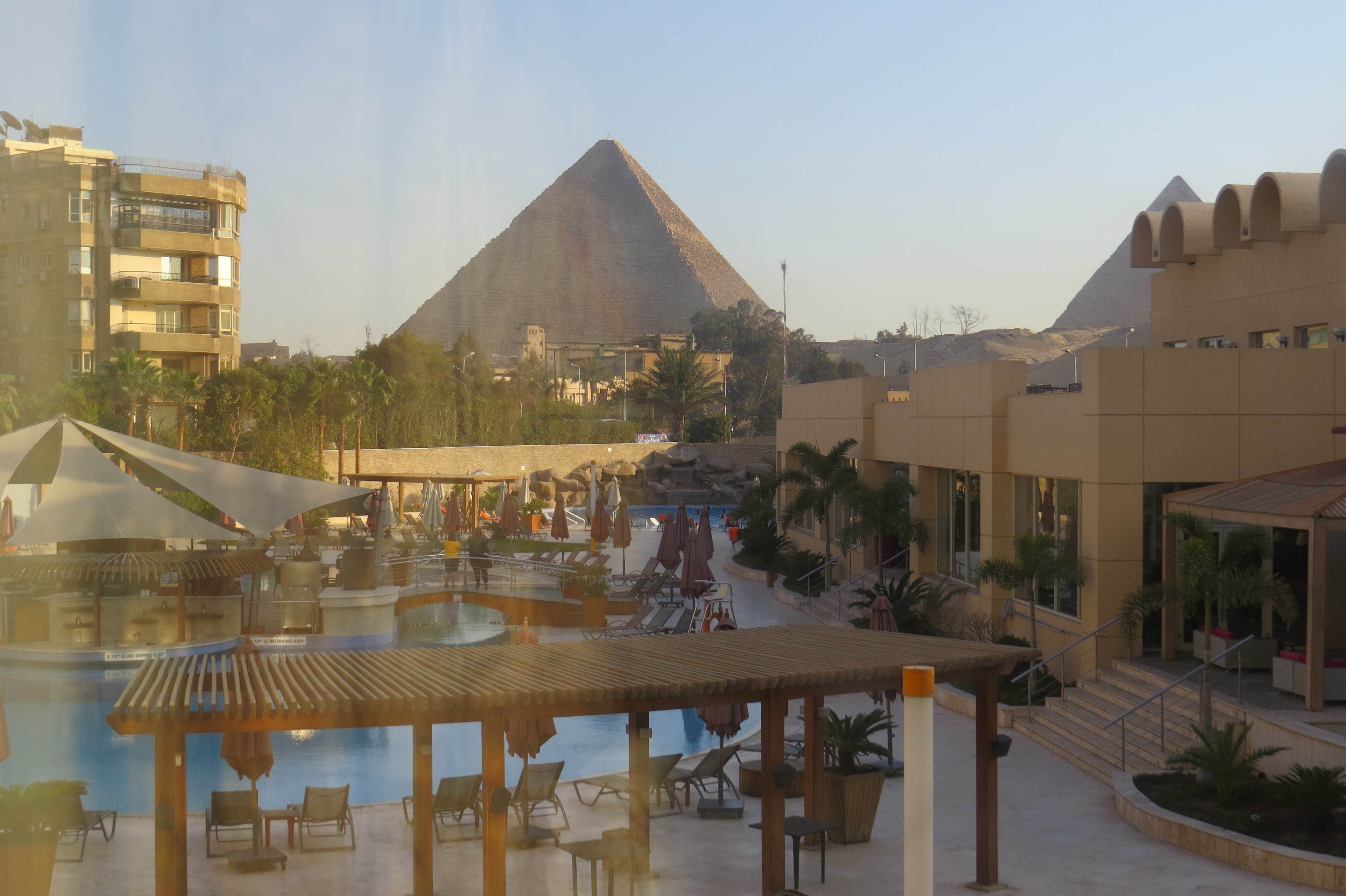
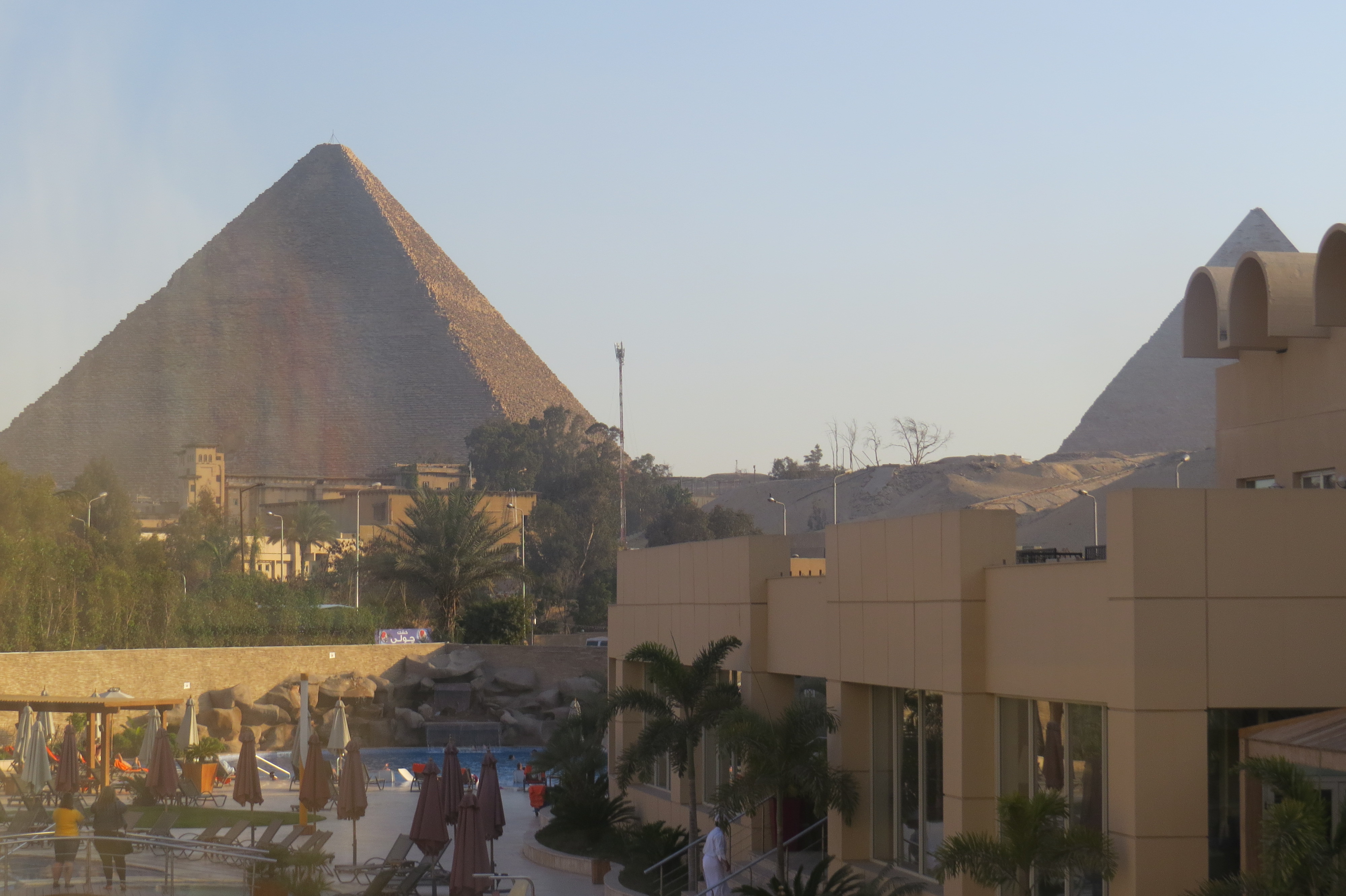
And then there’s this – the view from my room:

image

image

And the beautiful people and culture of Cairo:

image image

image image

image image image

image

Best,

Jan