All posts by J Silk

Cultura from the Teatro Colón to the Bombonera

As Paris is to France, Buenos Aires is the cultural magnet and hub of Latin America and we navigated to as much culture as we could.

Literary

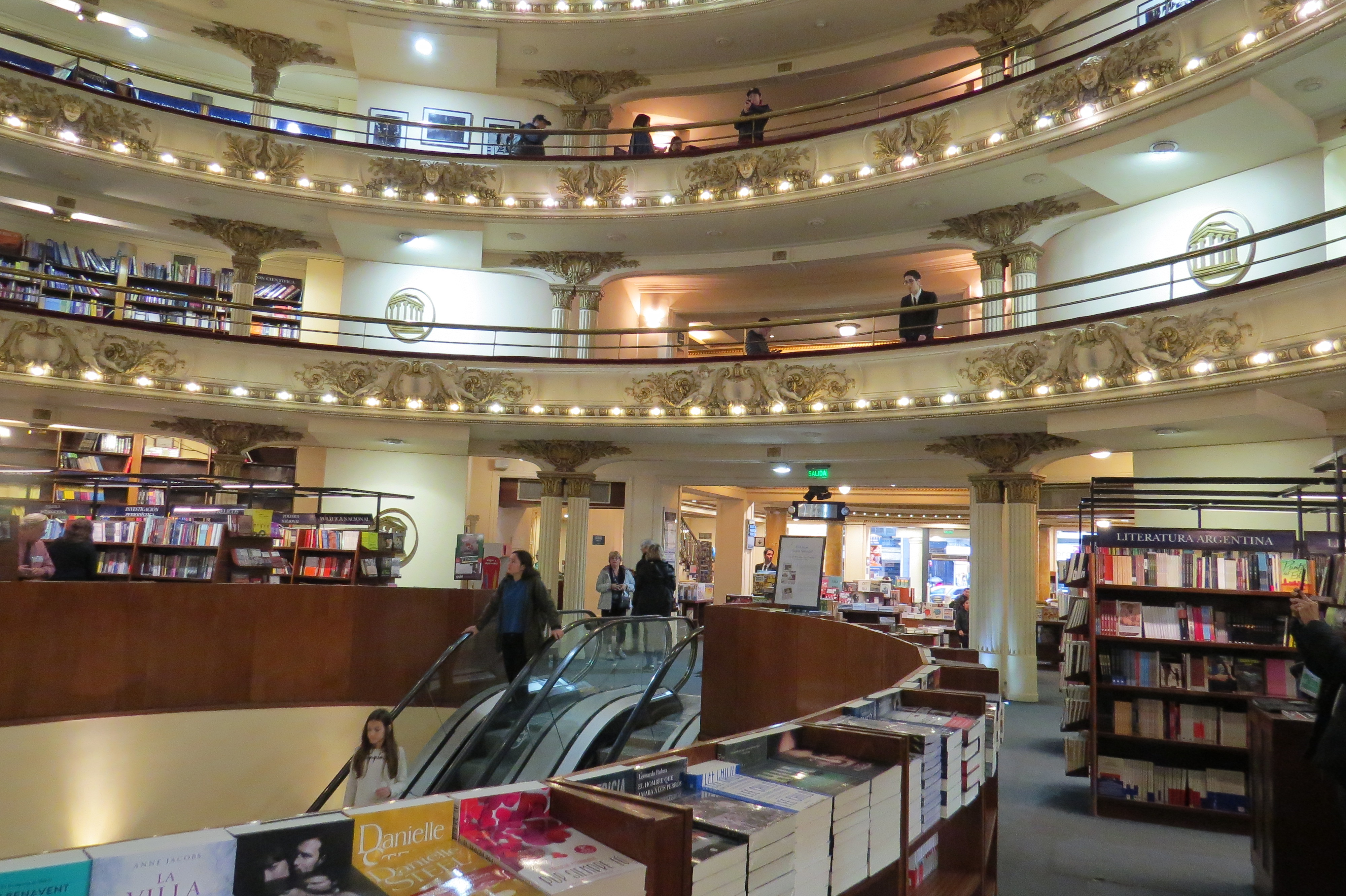
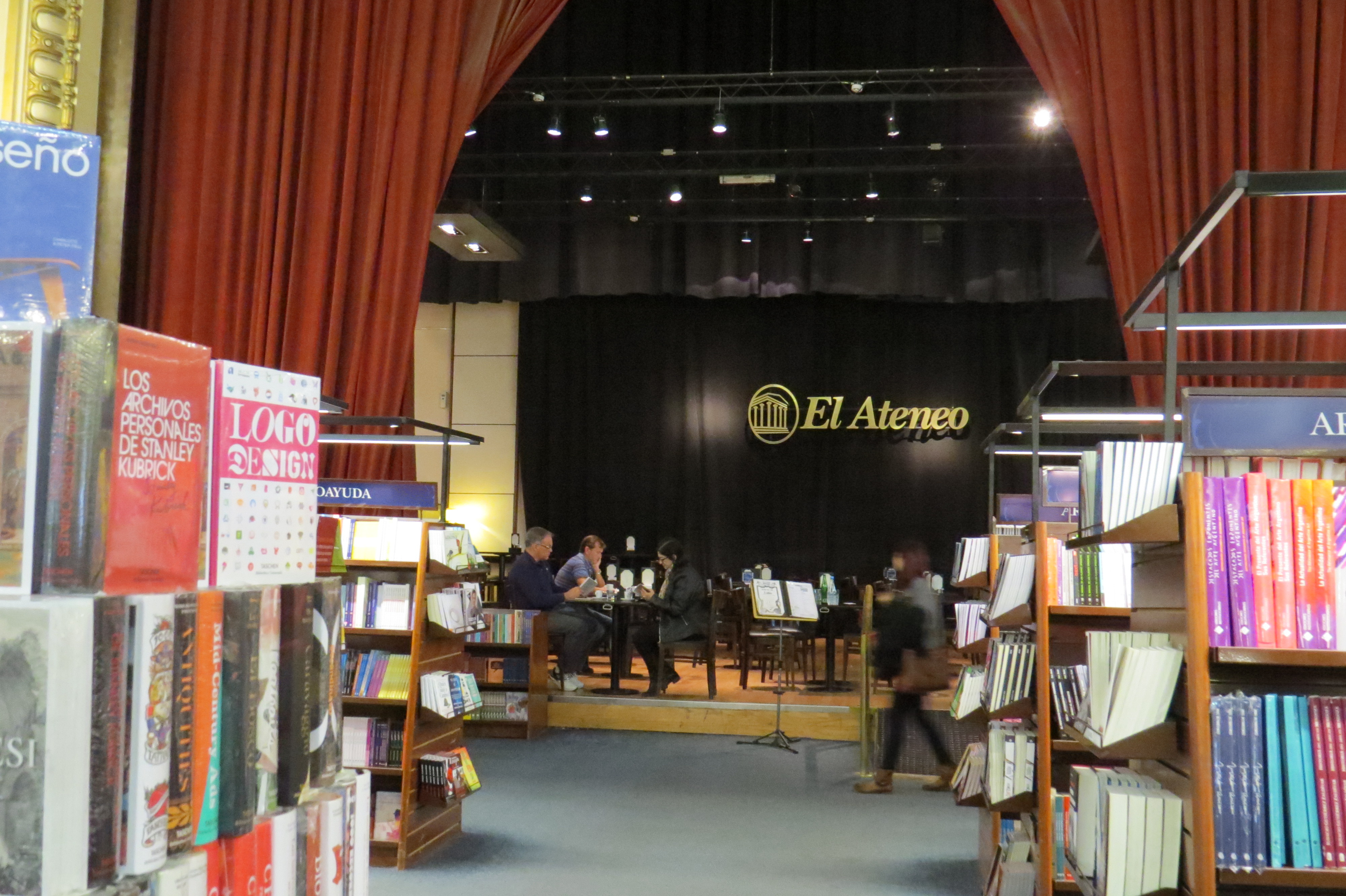
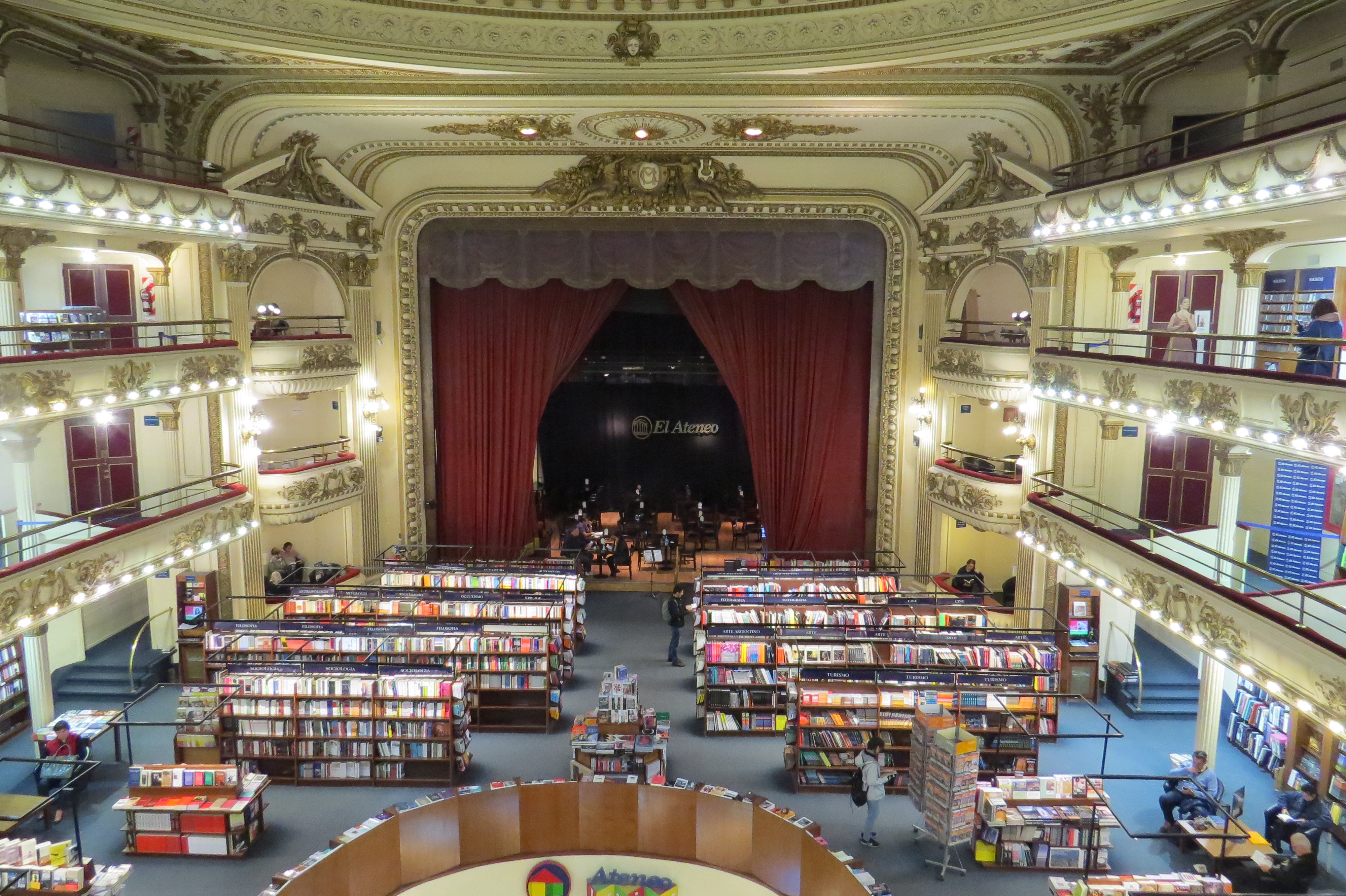
One of our first stops was to one of the world’s greatest bookstores, El Ateneo Grand Splendid.  The building originally housed the theater Teatro Grand Splendid, designed by architects Pero and Torres Armengol in 1919. After years of popular shows, including performances by the famous tango singers Carlos Gardel and Ignacio Corsini, the Grand Splendid was converted into a movie theater in the late ’20’s, featuring some of the first sound movies shown in Argentina.  The El Ateneo publishing house converted this old theater into a bookstore in 2000.
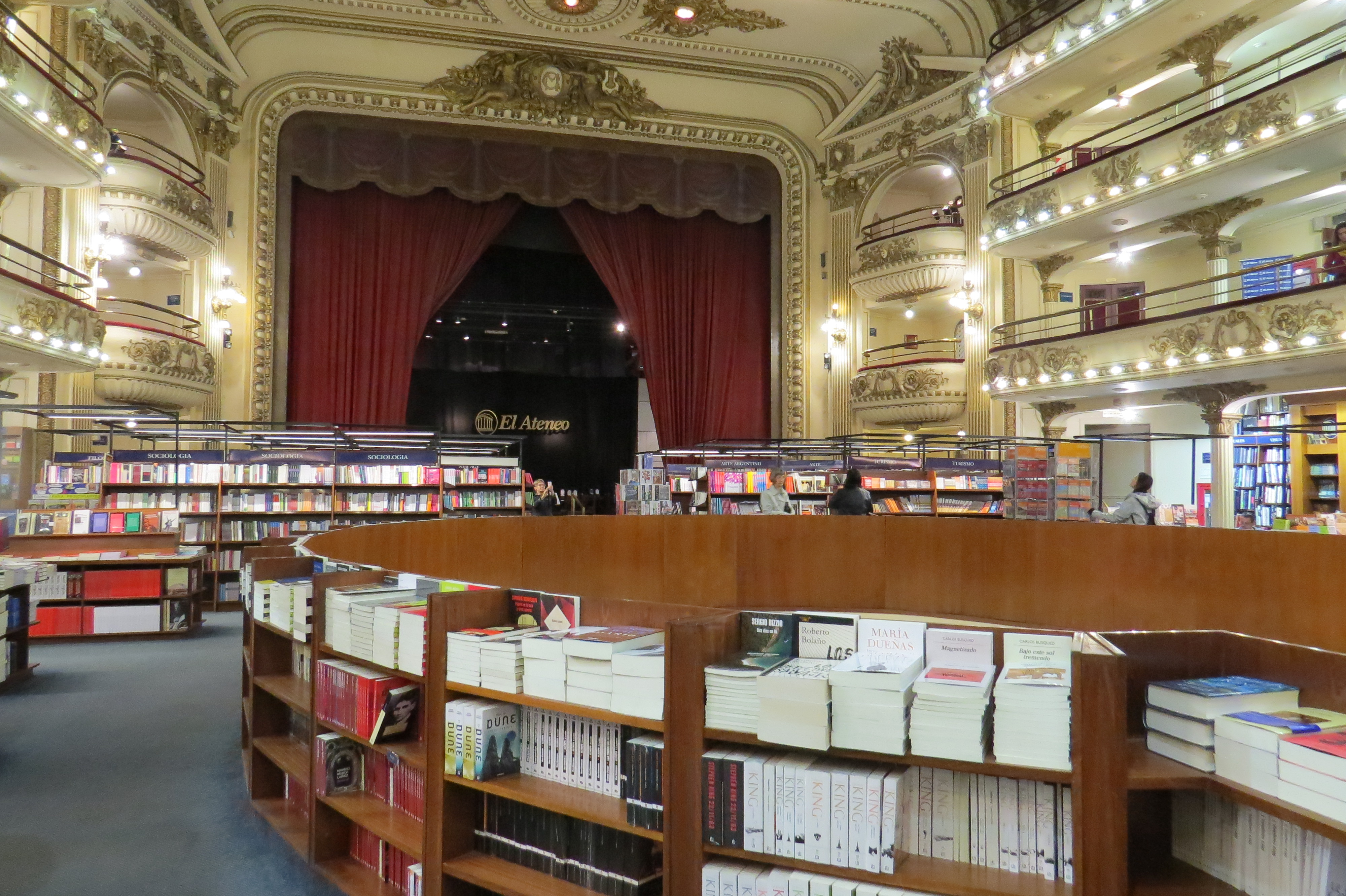
The El Ateneo publisher has contributed a central role in Argentina’s literary scene.  Opened in 1912 by Spaniard Pedro Garcia, El Ateneo started out as a publishing house whose initial catalog included The Divine Comedy, Montaigne’s essays, Shakespeare, Ruben Dario, Machiavelli and Homer translated and printed for an Argentine readership. In 1968, the publishers launched “The Spring of Letters”, a series of lectures and signings with famous authors which eventually evolved into the International Book Fair held annually in April. Today, the editorial forms part of Argentina’s most important literary conglomerate with many bookstores throughout BA and the rest of the country.

Tango

We went to a dinner show that featured a history of the tango that had great music and dancing, but I would have loved to go to a milonga where locals go to dance the tango – there is a dance club, cultural centre or park hosting milongas almost every night of the week.  We did learn of one in Palermo but alas the Argentines have Spanish hours and the dances don’t start until 11:00 p.m.  (I read that if you wanted to go night clubbing, don’t even think about showing up until 2:00 a.m, that is when they are just getting started.)  However, it is cool to know that the tango is still alive and well and being danced very tightly in Buenos Aires.
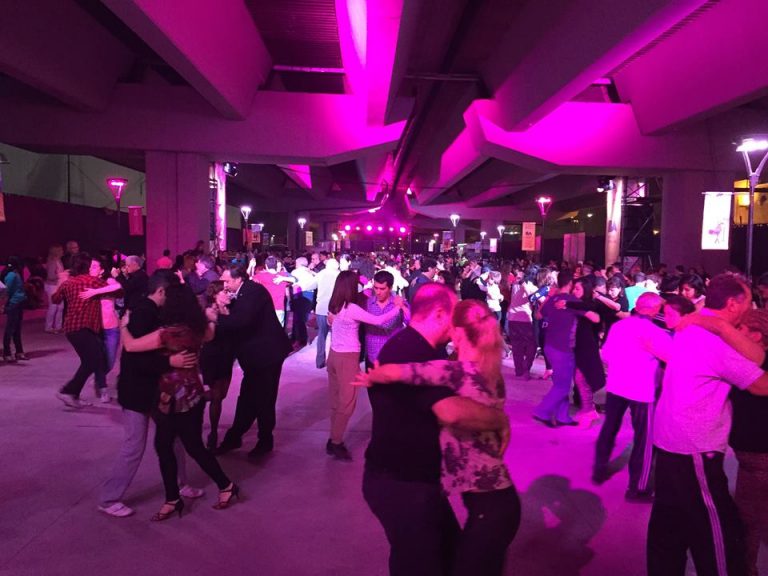
A typical Milonga

Jazz

BA also has a rich jazz scene and many artists flock to this city.  It was only an ill-timed, electrifying thunderstorm that kept us from the Thelonius Jazz Club on Thursday night.

Art

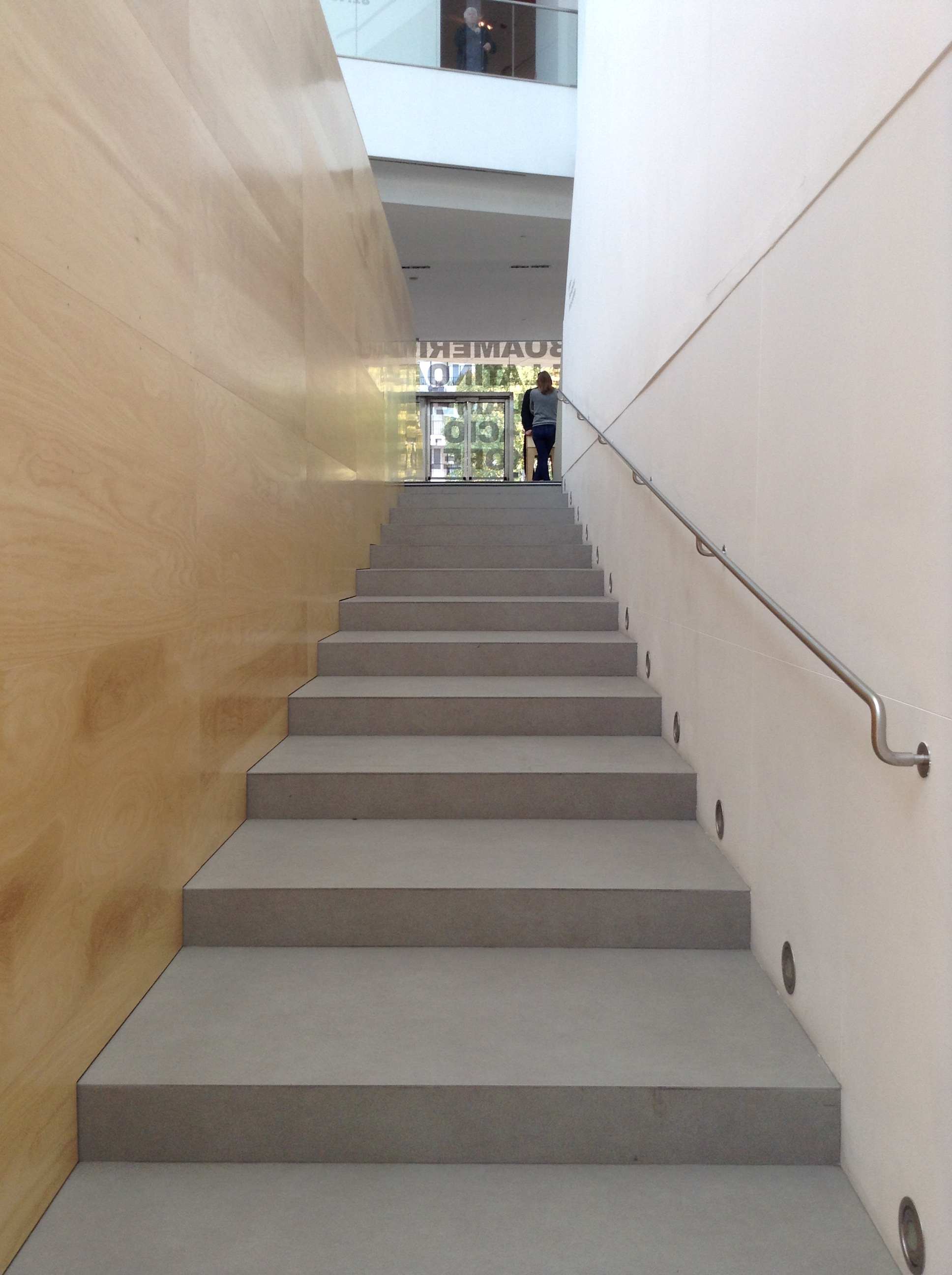
The Museo de Arte Latinoamericano de Buenos Aires (the MALBA) is probably the most important art museum in Latin America.  Similar to the MOMA in New York, its architecture is almost as impressive as its collection.  Interestingly, the museum has a cinema in which art films are screened, in a happy cross-cultural mingling which we saw more than once in S.A.
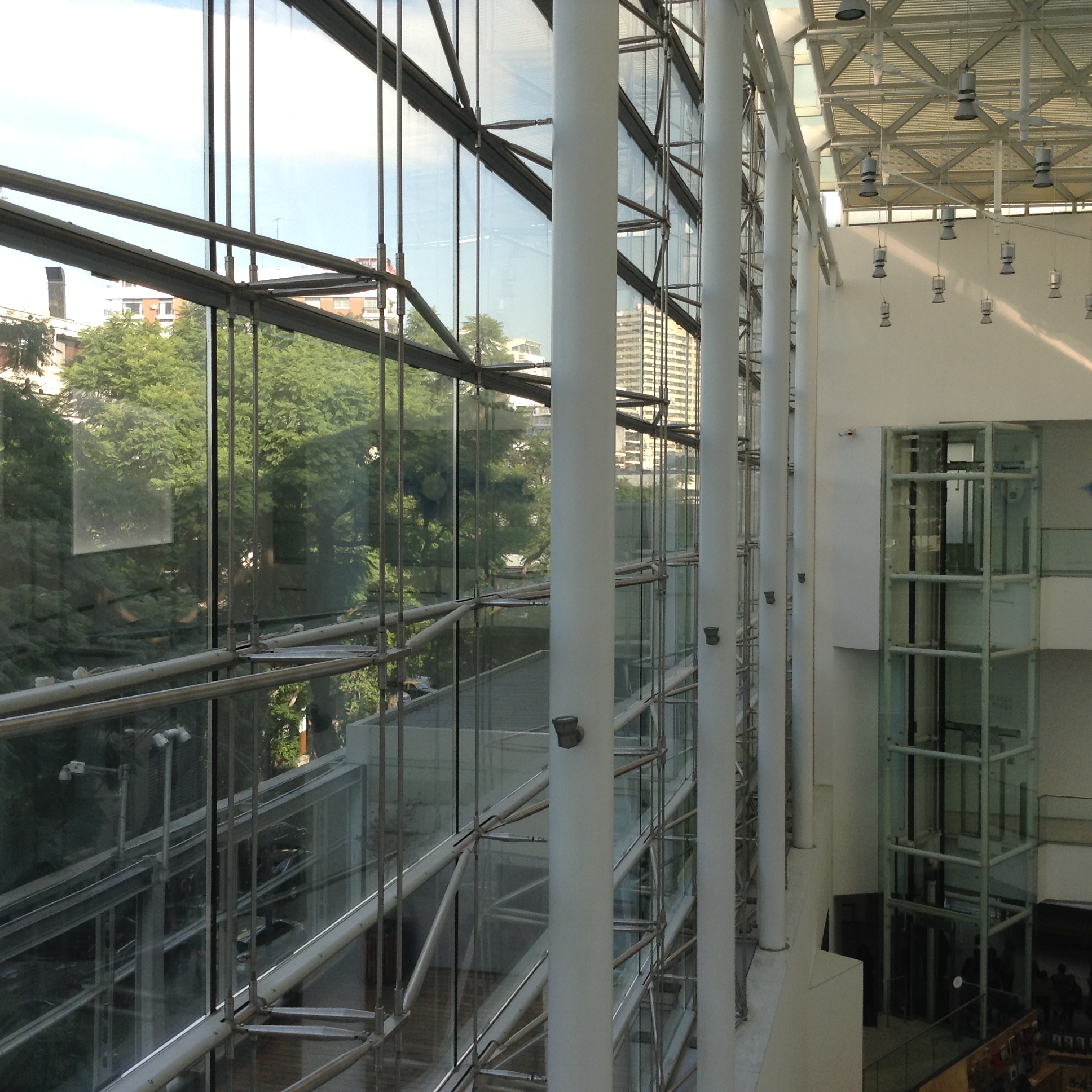
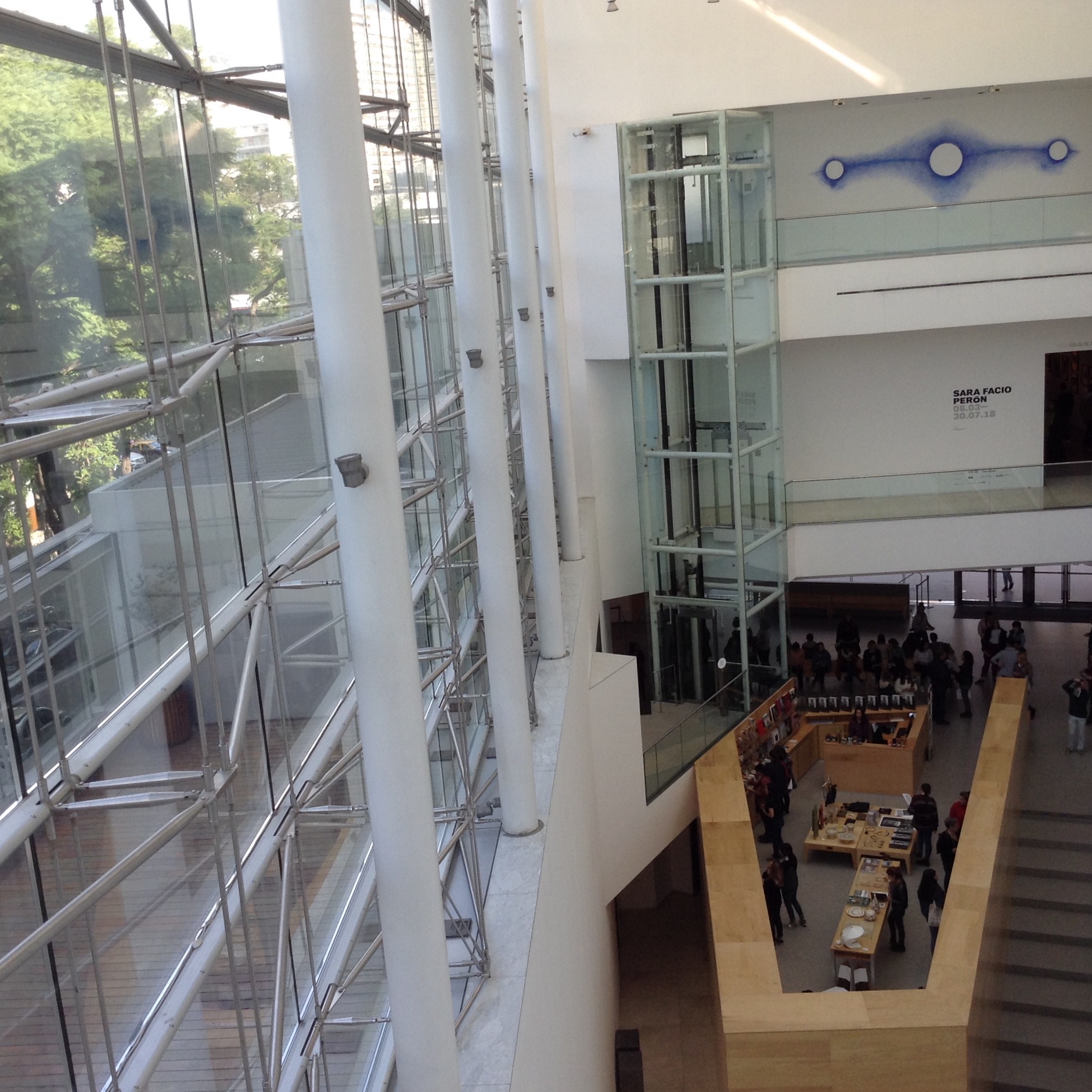
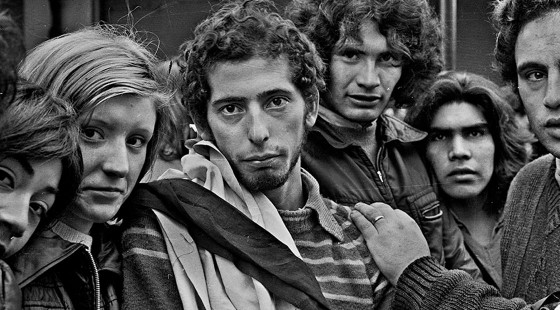
Along with paintings by the greats – Kahlo, Rivera, Berni, Matta and many more, there are wonderful exhibitions, and we saw the photography show of  Sara Facio’s powerful documenting of Juan Paron’s return to Argentina between 1972 and 1974 – amazing, artistic photographs created in the extreme heat of the moment.
Opera/Ballet

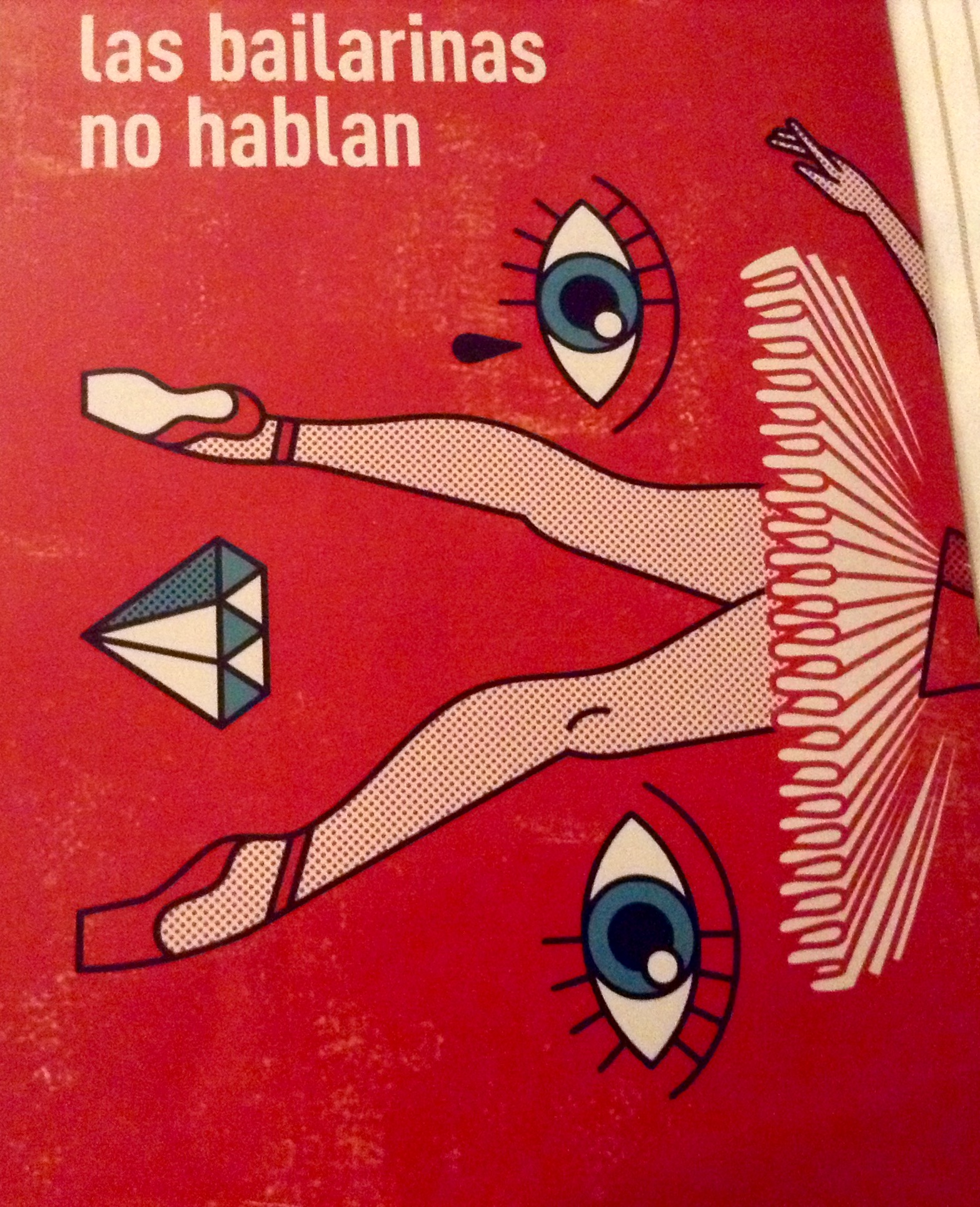
We missed Aida by only a week at the Teatro Colon, one of the three best opera houses in the world.  We went to a modern ballet performance but it was held in a rehearsal hall.  That did not take anything away from the performance, however. Experimental, exploratory, intimate, las bailarinas no hablan was based on the brave memoir of dancer Florencia Werchowsky.

Babilonialiteraria.com says of the book which predicated the dance:

“With a constant rhythm and a very personal prose that balances fair humor and drama, this book is a book to rethink the mandates to child prodigies, the unwavering will of demanding parents and the cultural policy of a country in constant crisis.”  There appeared to be many dancers in the sold-out audience, and delight when Ms Werchowsky and some older performers took the stage.  It was one of our most authentic cultural experiences in Buenos Aires.
Coffee

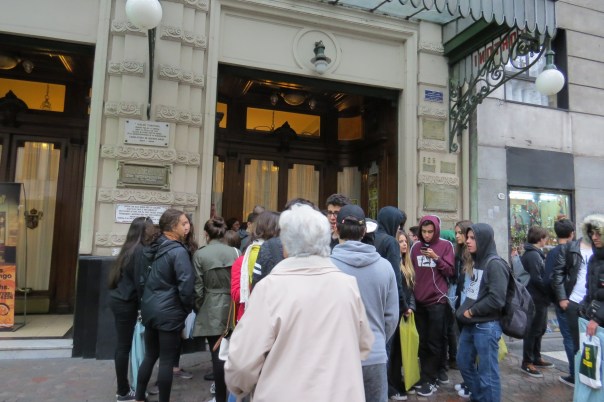
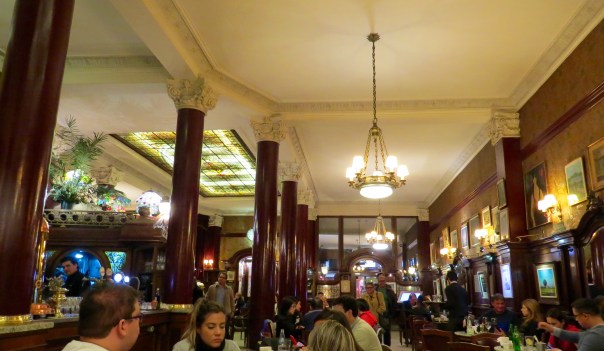
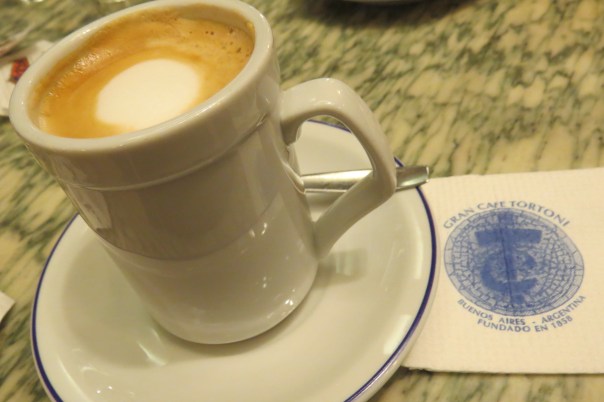
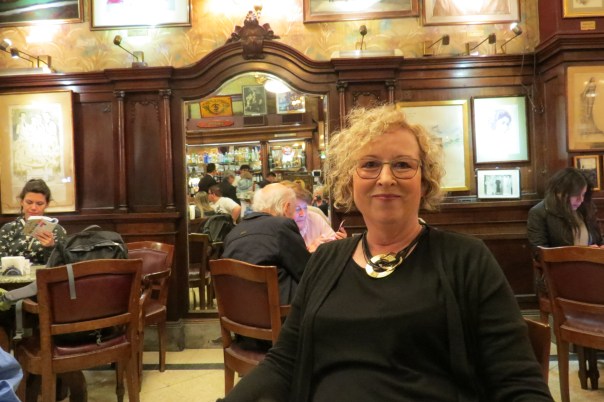
Starbucks may have penetrated the BA market, but walking around carrying a coffee with a lid has not replaced Argentina’s coffee culture.  Coffee can take hours, whether to socialize with friends or to spend an afternoon reading a book – you will never be thrown out of a BA cafe.  A cortado – an espresso cut with milk – is served with a small glass of sparkling water and a sweet treat.  We went for the ultimate cultural experience at Buenos Aires’ original coffee house just off the Plaza de Mayo:  Cafe Tortoni:

imageimageimageimageimage

Food

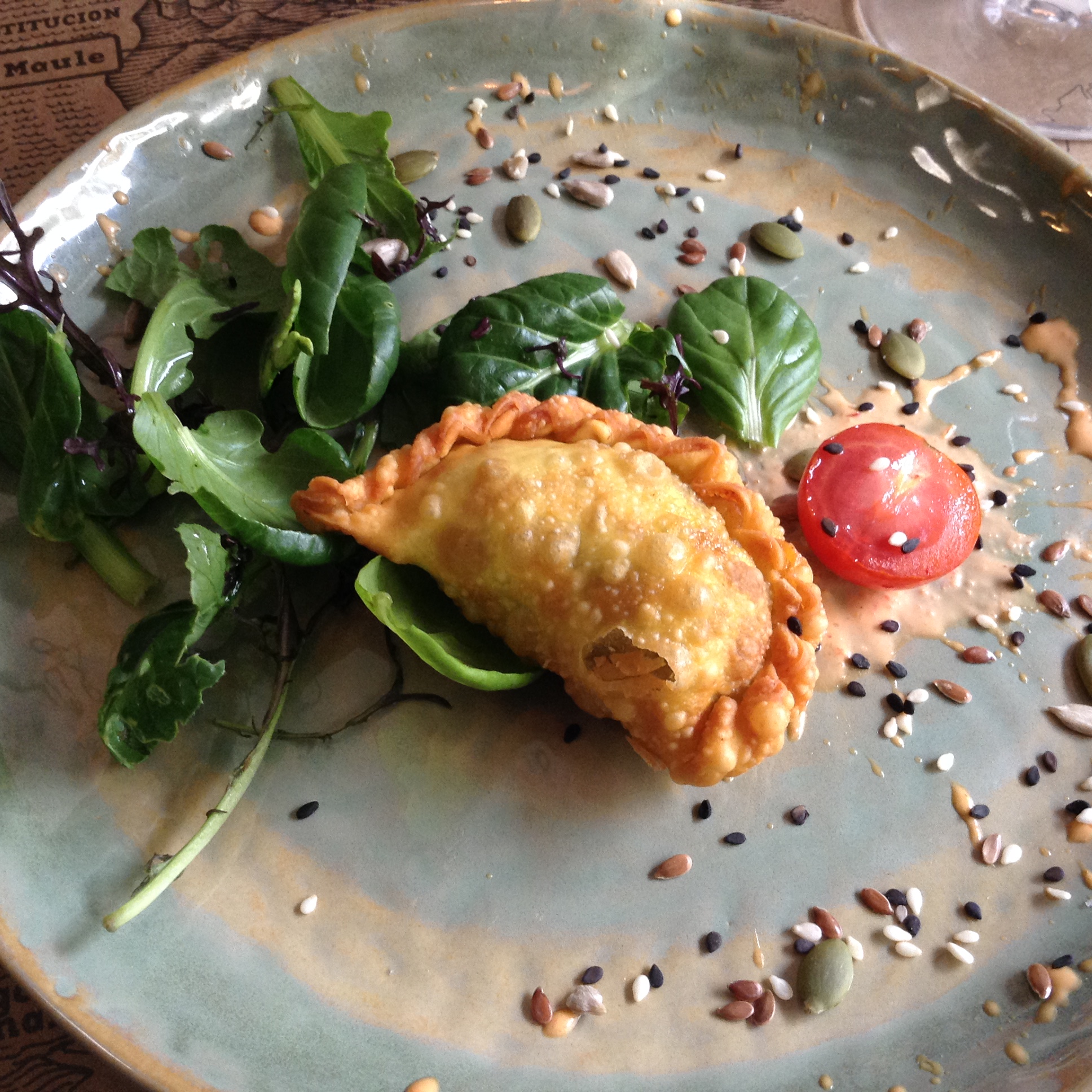
Argentina is world-renowned for its food and many specialties – empanadas, the pastry-wrapped meat mixtures, the ultimate finger food; dulce de leche, the sweet specialty made by caramelizing sweetened condensed milk and the alfajores which wrap pastry and chocolate around the dulce de leche (BA’s answer to the macaron); gelato introduced by the Italians; and of course, asado, the endless meat BBQ so central to Argentine culture and the better part of most families’ Sundays.  We were lucky enough to experience a home-cooked family asado with all the wine pairings at the home of a retired chef and very good friend of Chrissie.

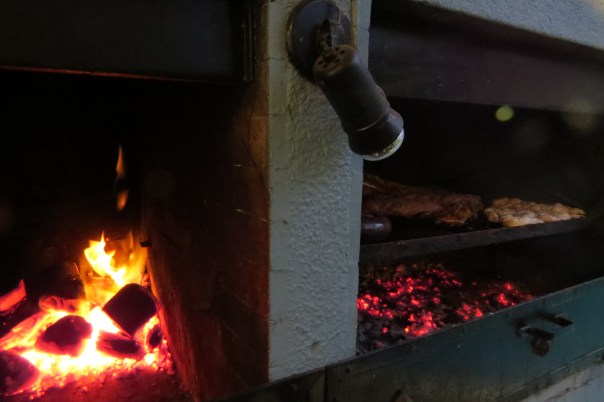
We pulled up to an impressive home next door to the Presidential residence.  We walked through the lovely home, past the pool, past the amazing bbq with wonderful aromas emulating
image

and into a dining area leading off a kitchen where our gracious hosts, Rodolfo and Alejandra awaited.

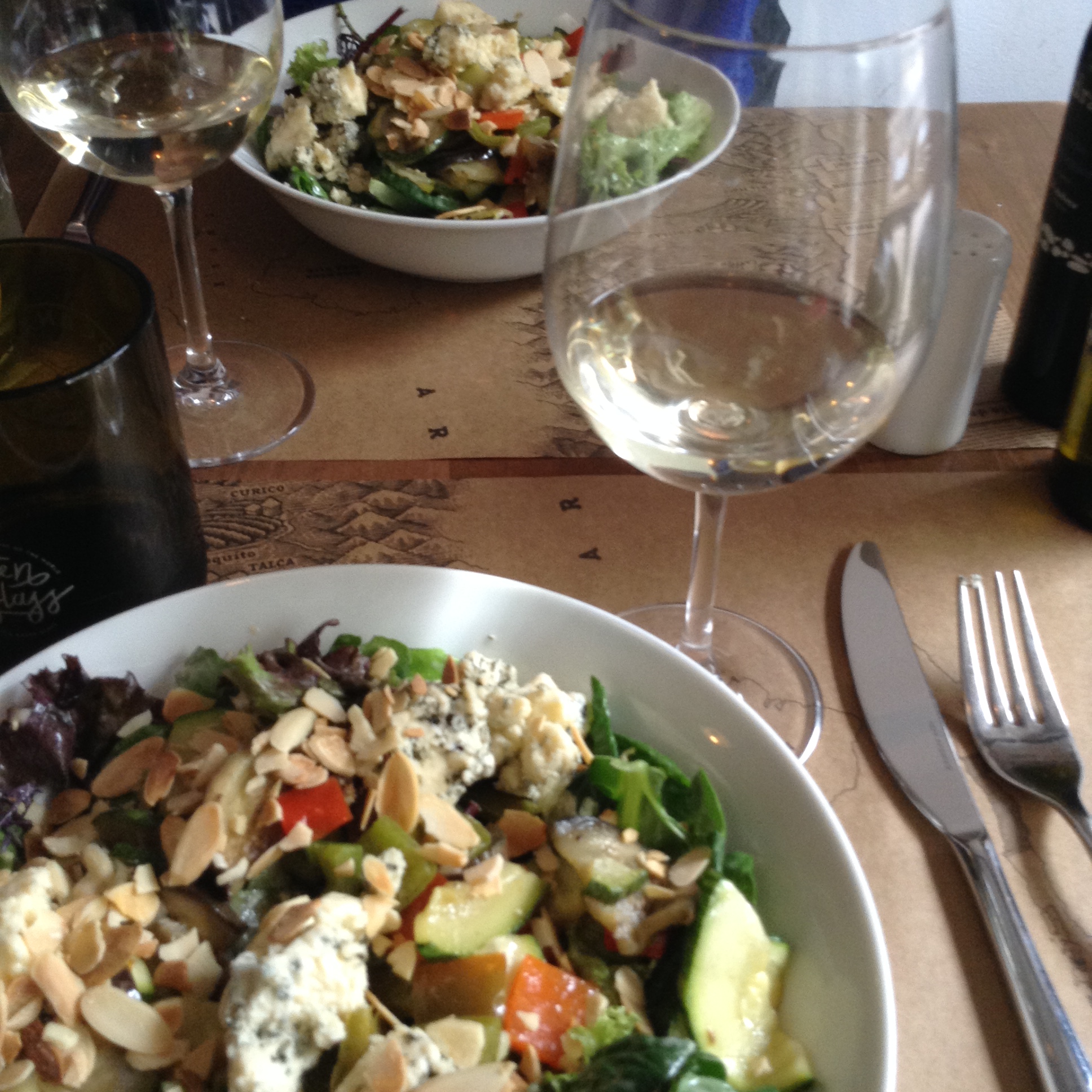
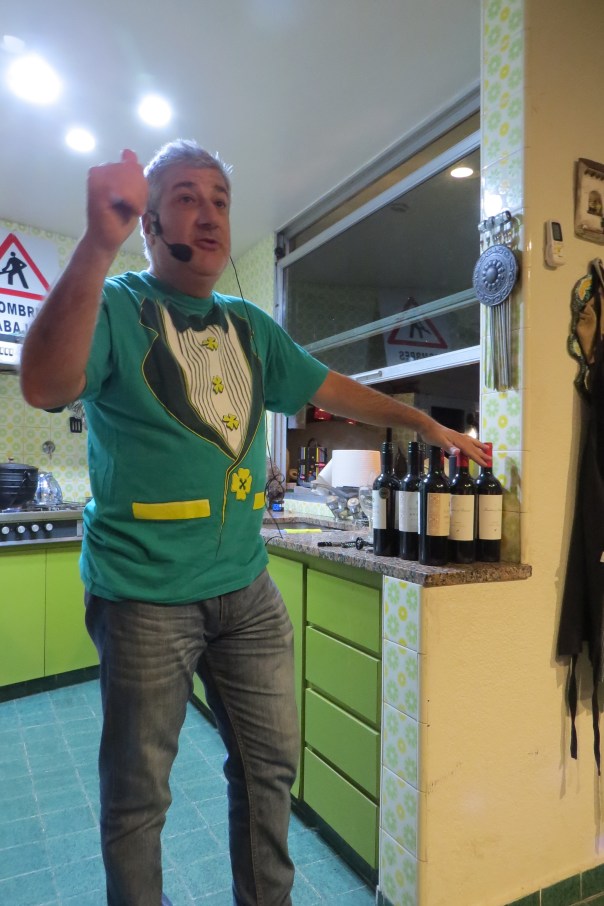
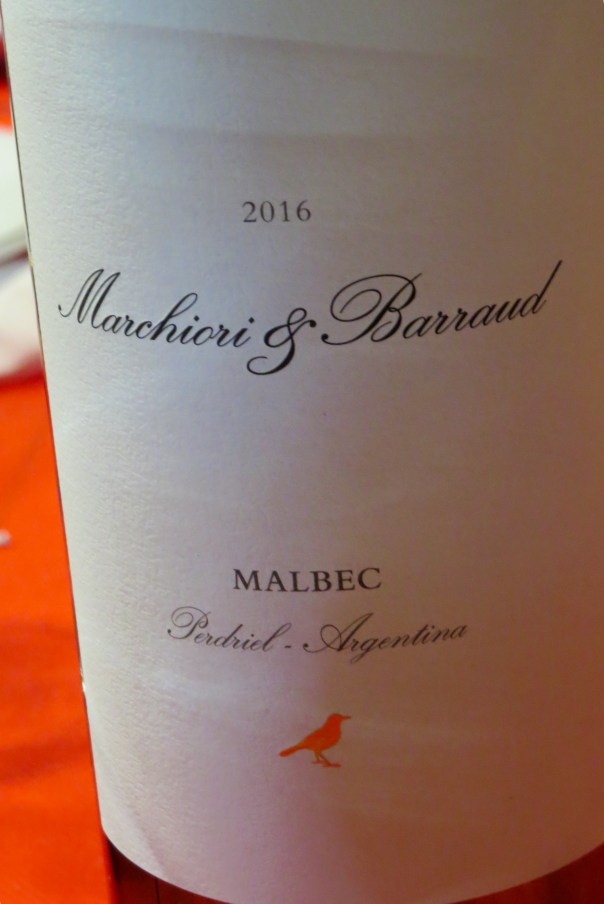
First we were given a very professional wine tasting lesson by Rodolfo during which he took us through proper looking, smelling and tasting the wine, punctuated by gentle coaxing, if we cheated, “shut UP!”  🙂  We tasted beautiful Torrontes and two Malbecs for comparison.
image

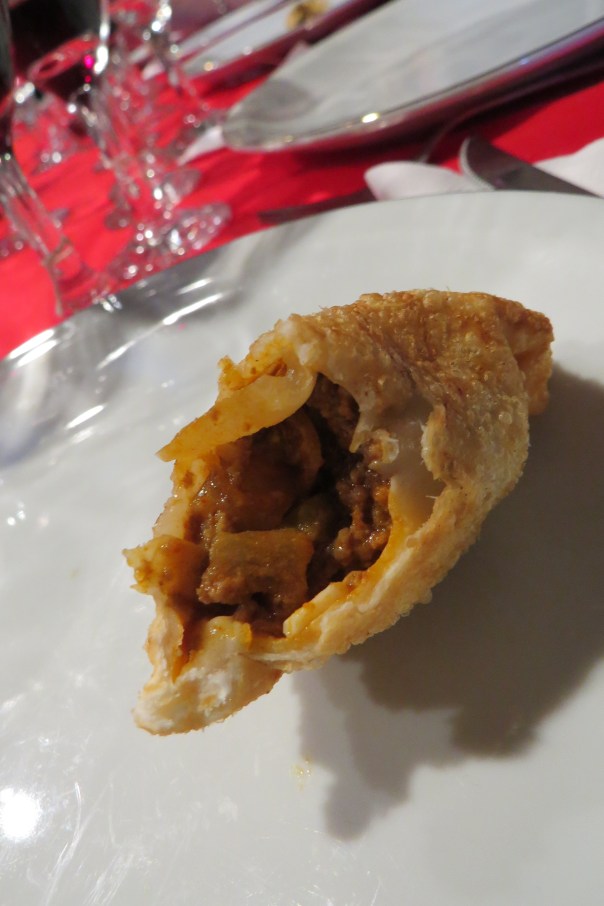
Along with the wine came some tempting empanadas.
image

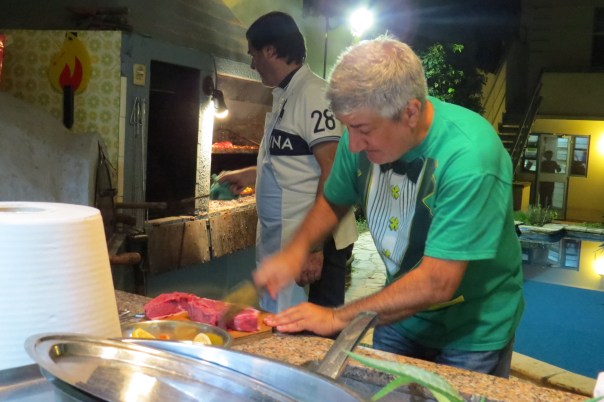
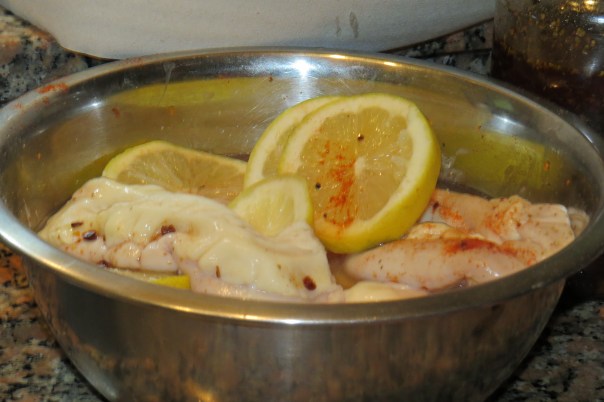
Next our host and cook led us out to the bbq, an altar to the carnivore gods. Intestines are marinated for 2 days in lemon and garlic, they are served first.
image

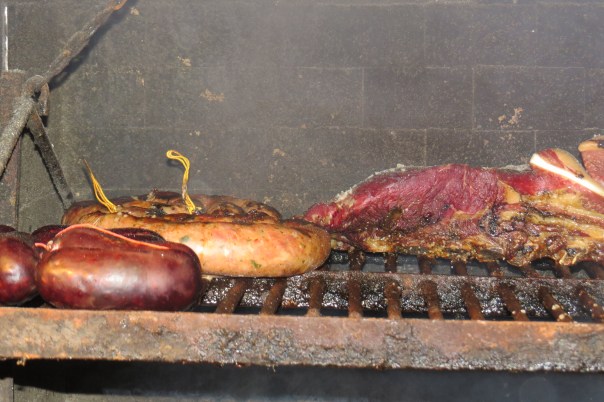
The sausages are on the grill.

image

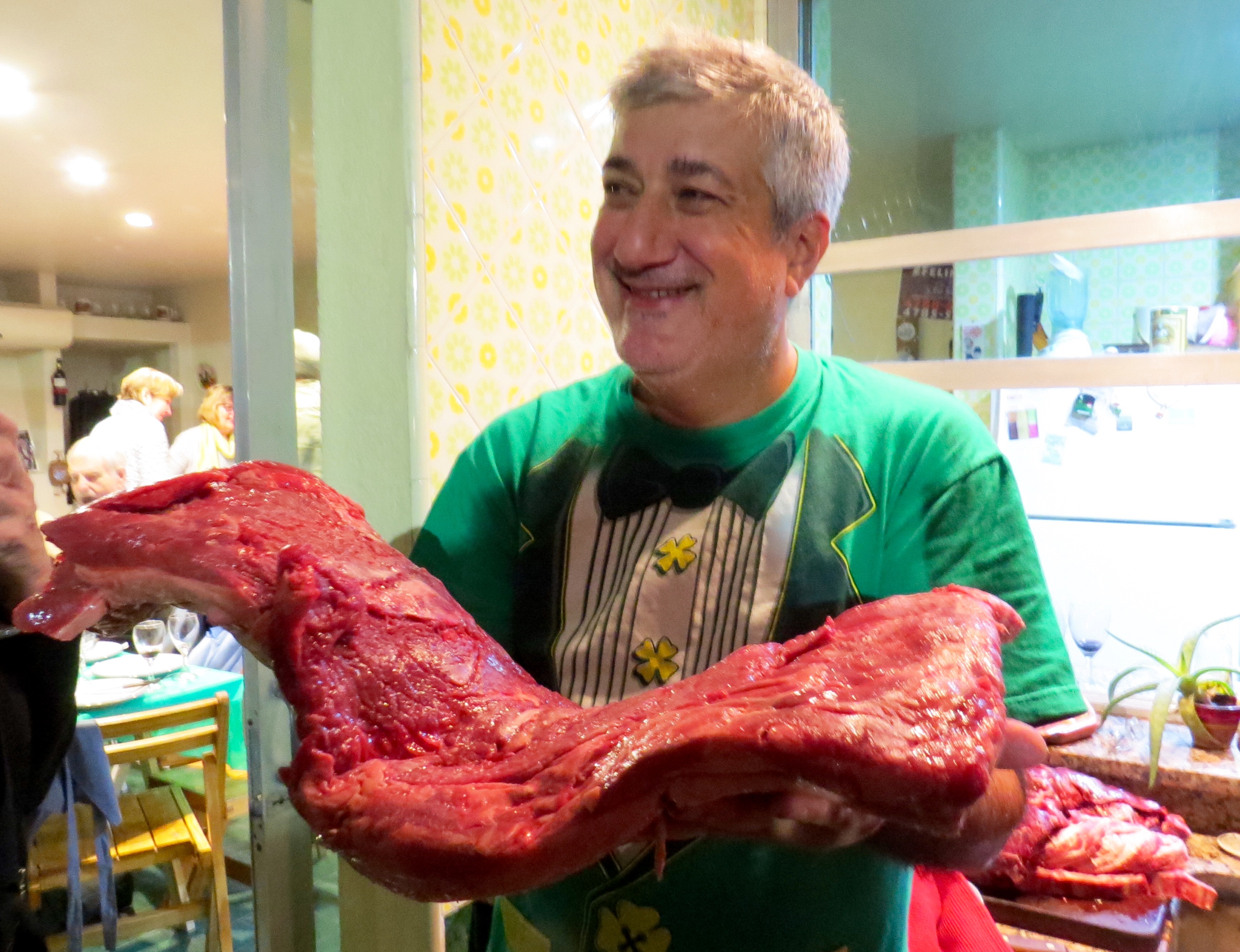
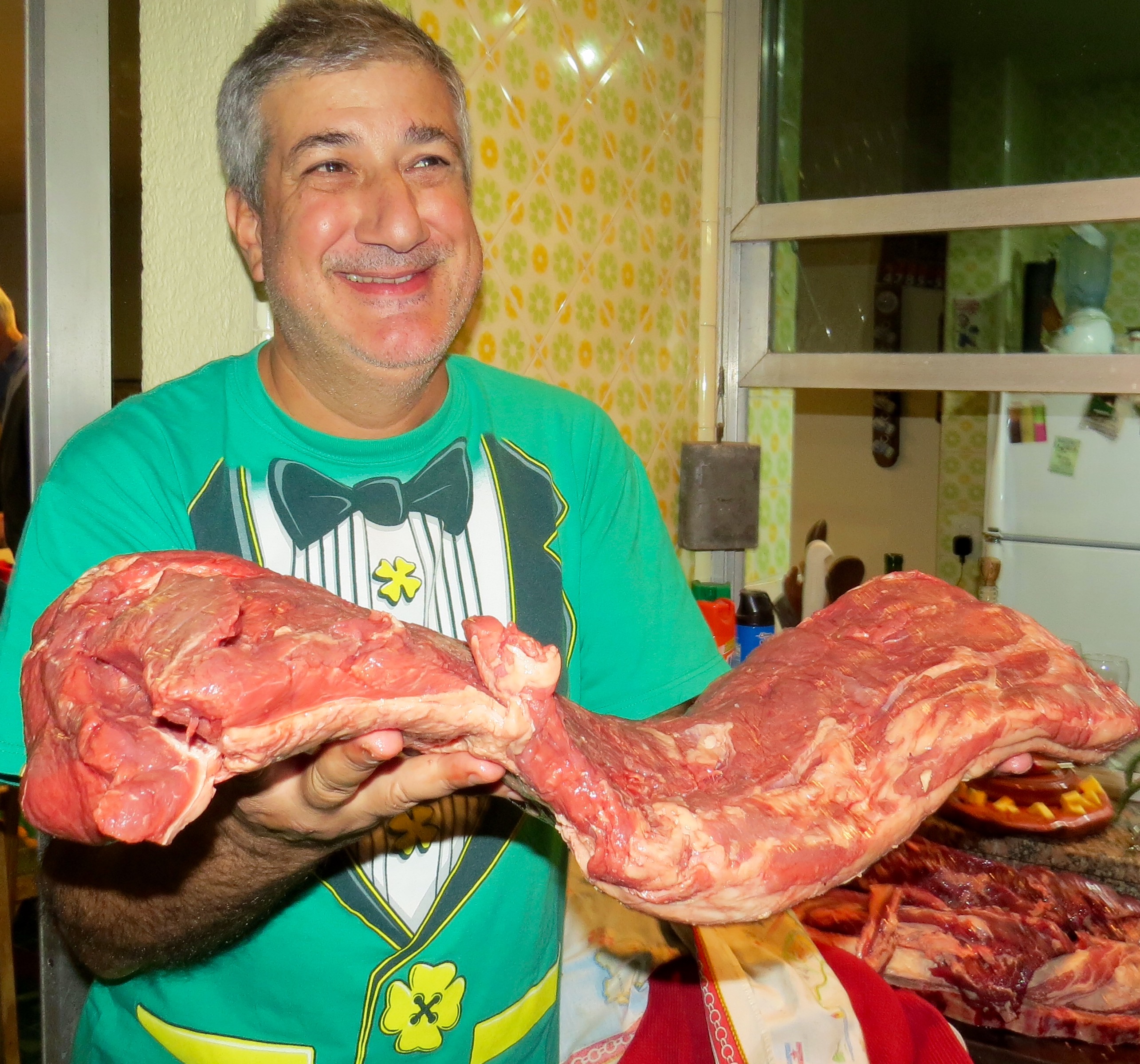
Great slabs of meat await us – pork ribs and a legendary slab of beef from which will be cut the exquisite filet mignons.
image

The intestines required a few more sips of wine for courage. Trying to adhere to the maxim that one should go out of one’s comfort zone on these trips, I braved a couple of bites – it tasted like liver to me, which I like – but combined with the consistency, shape and the thought of what it was, I looked ahead to the beef.

But first, the sausage – rings of chorizo and links of blood sausage and heaping baskets of bread. I was surprised to learn that Argentines do not favour spicy foods and think pepper is too heavy a spice, so only salt is on the tables. Mostly the cooks use fresh herbs of all kinds for flavour. The chorizo is lovely and delicately flavourful, not hot and spicy like Mexican or Italian sausages.

Time to sample more wine, just the right amount.

Now a wonderful aroma reaches us as the pork ribs arrive on the table. We try to pace ourselves knowing the beef is yet to come, but the ribs were moist , meaty and delicious.

A little more of that tasty Malbec, please!
image

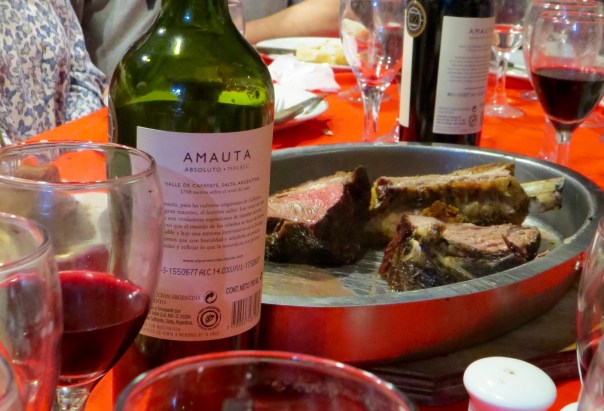
At last, the steaks arrive. The cows raised for meat in Argentina, mostly herefords, are grain-fed and roam free and the meat is much more flavourful than Canadian or indeed any other beef I have ever tasted, cooked to perfection and the crescendo to the meal.
image

It was an honour to be invited into the home of these Portenos and have them share their culture with us in the most relatable way, by sharing a meal with us.  There are many different modes to learn about a country’s culture, but to have someone open their home to strangers must be the most heartfelt, kind and genuine experience we could have asked for.  Thank you!

image

P.S.   Chrissie told us later that Rodolfo was telling his friends that we all entered the asado acting as though we were going to the Teatro Colón, and left as though we had just seen a Boca Jrs. game in the Bombonera. 🙂

Best,

Jan
Porteños and the Heart of the City

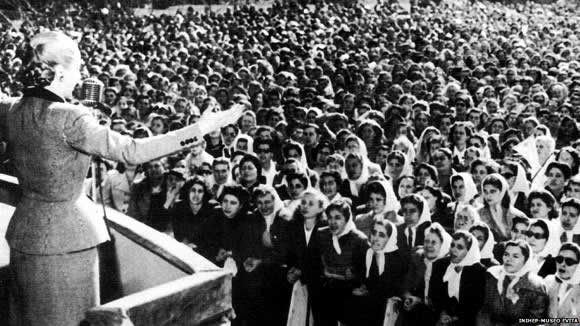
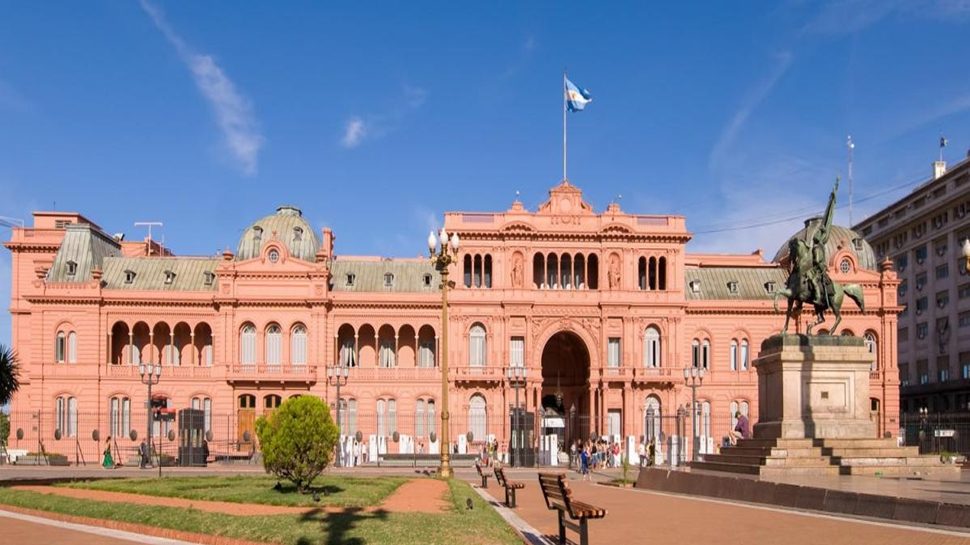
The Plaza de Mayo is the heart of the city both physically and psychically – all downtown streets radiate off this central square. On the square is the Casa Rosada (“rose palace”, the country’s parliament).  From its balcony,  Peron addressed the crowds and Evita spoke, delivering her news that she would not run for Vice-President, where the country learned of Evita’s death, where the people wept.

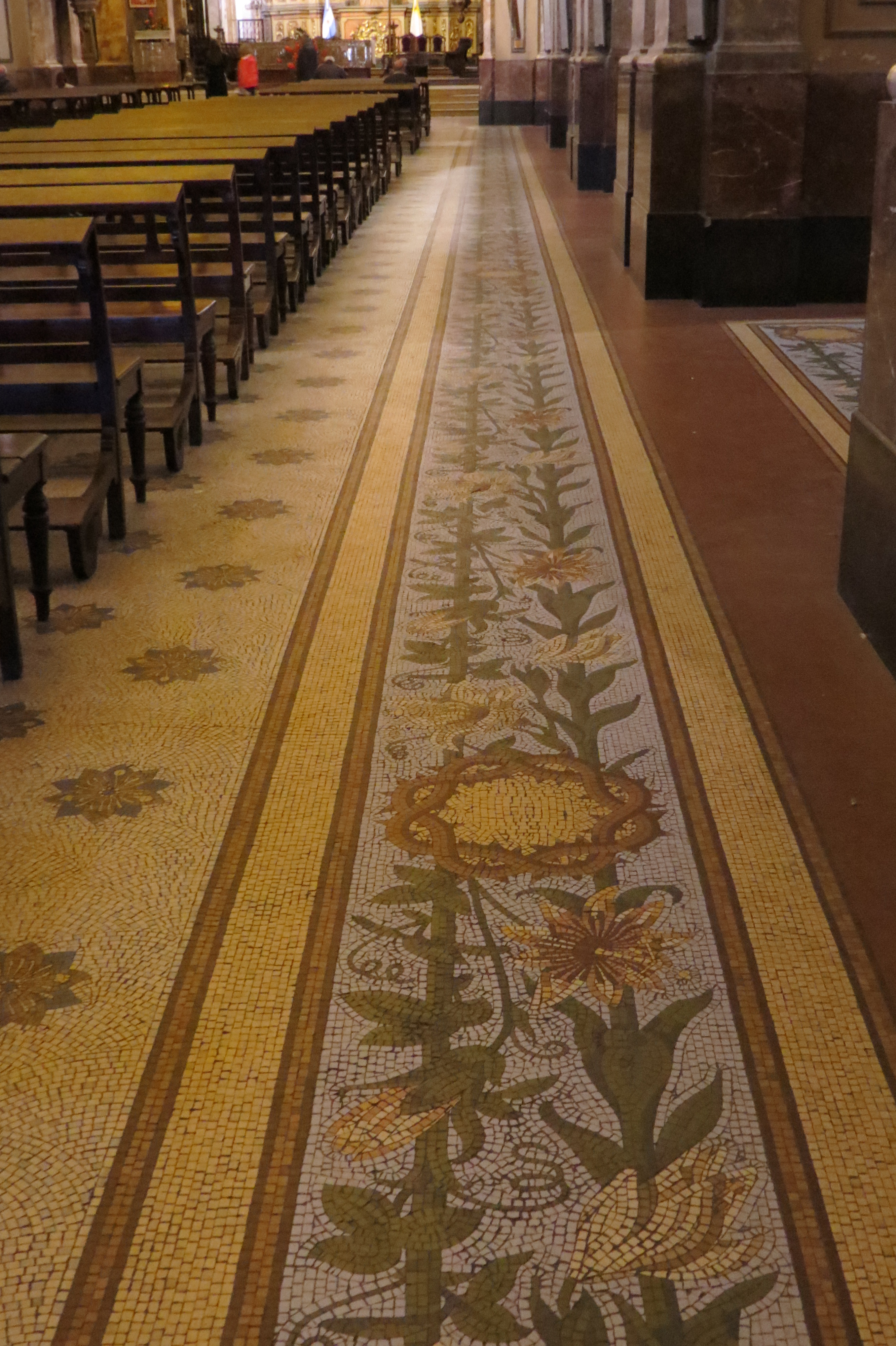
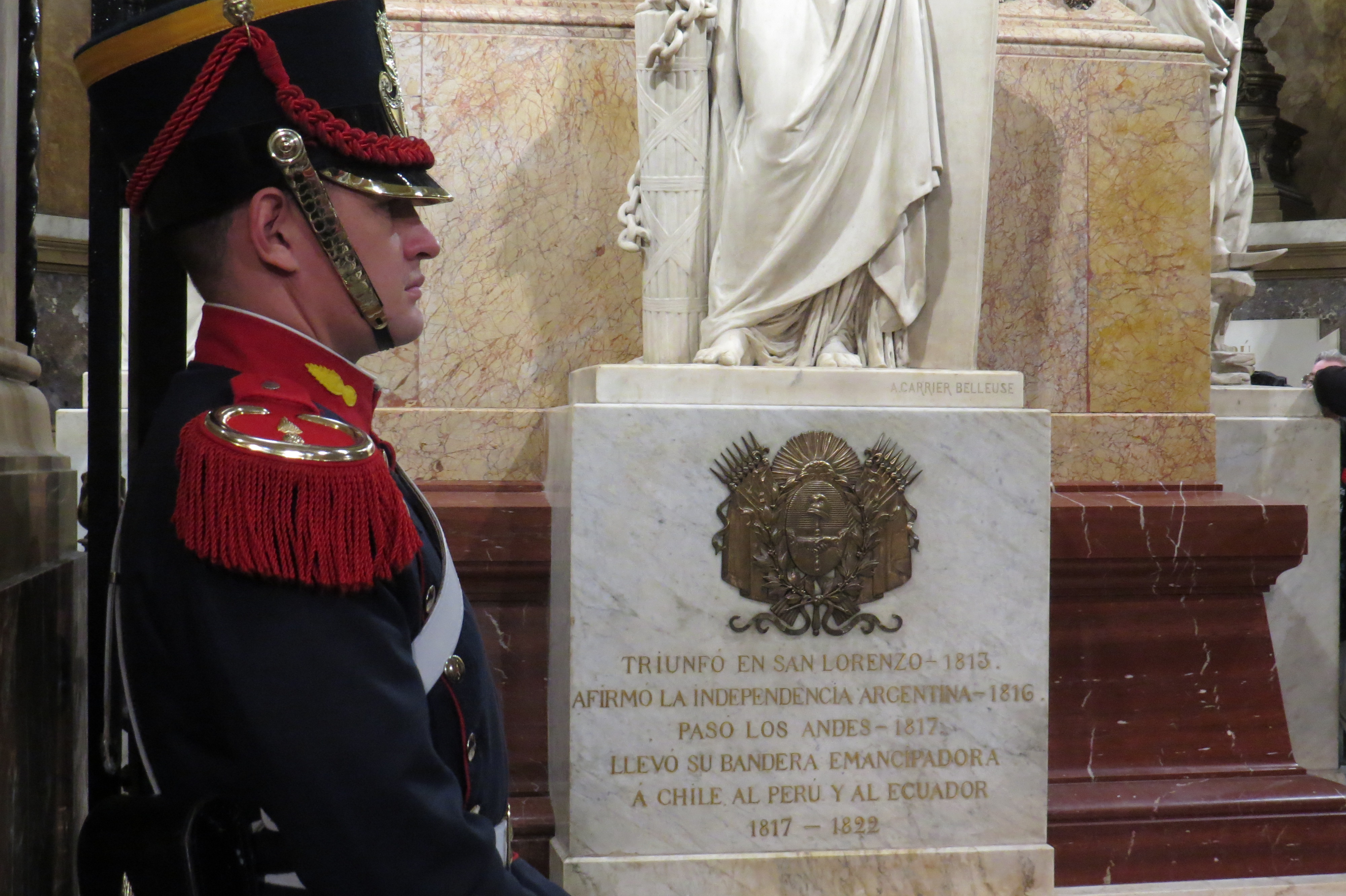
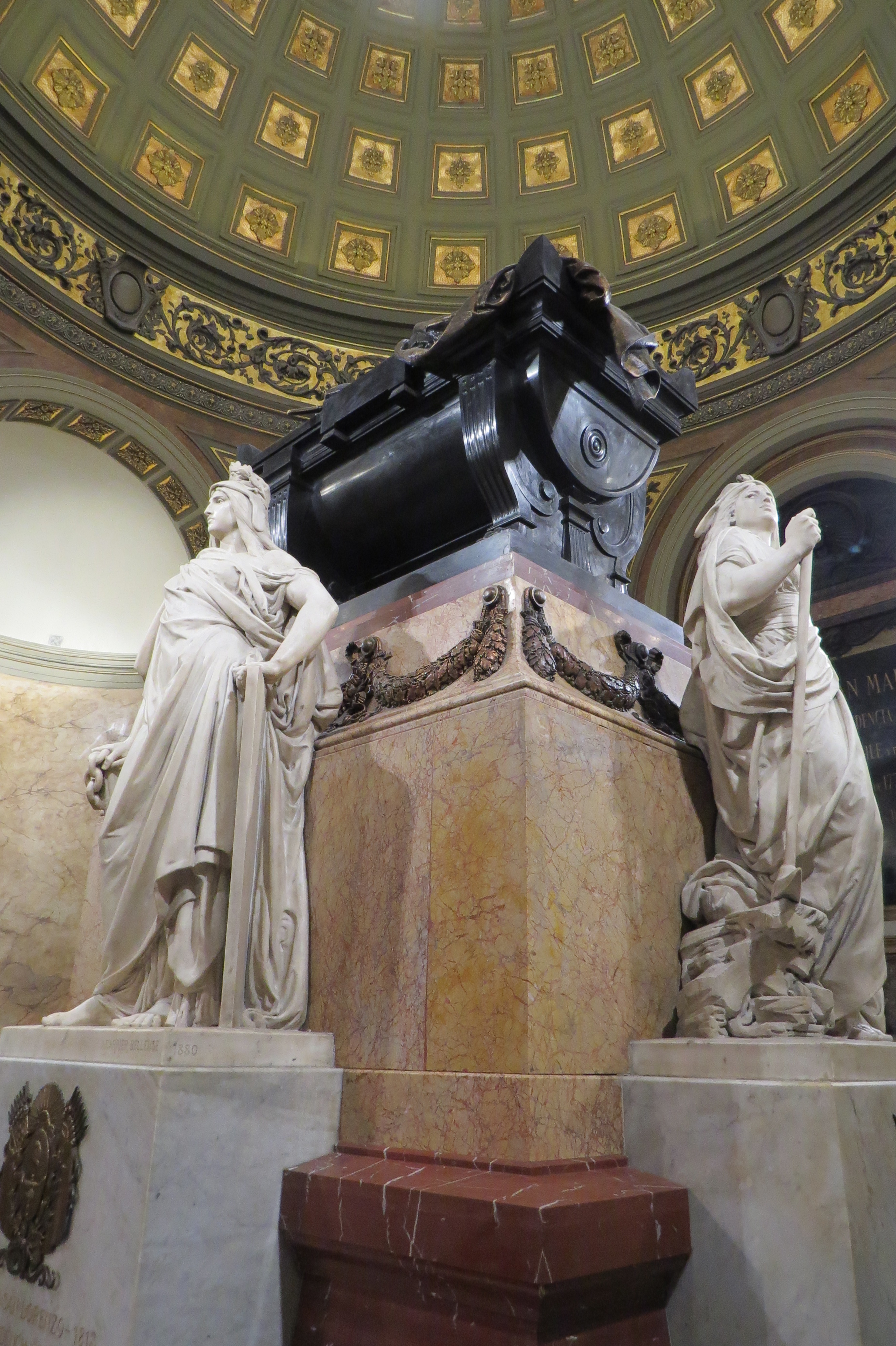
Also on this square is the Metropolitan Cathedral, which houses the crypt of San Martin, the greatest soldier and along with Simon Bolivar, liberator of Latin America from colonialism.


This square is where the Madres march, where all Portenos gather whenever depth of feeling requires it.  There have been protests, demonstrations, and bombings at May Square.  An attempted coup against Juan Peron happened here.  In the 2001 economic crisis, this is where the protests occurred.

We were at the square on Thursday at 3:00 p.m to see the Madres march, but could only see them from afar as the plaza was being prepared for the 25 de Mayo celebrations.

To the south off the square along Defensa is San Telmo, an area that seems most like a typical middle class area of any large Canadian city, a mix of high-rise apartments, condos, with transit busses and all the shops one would need for ordinary life.

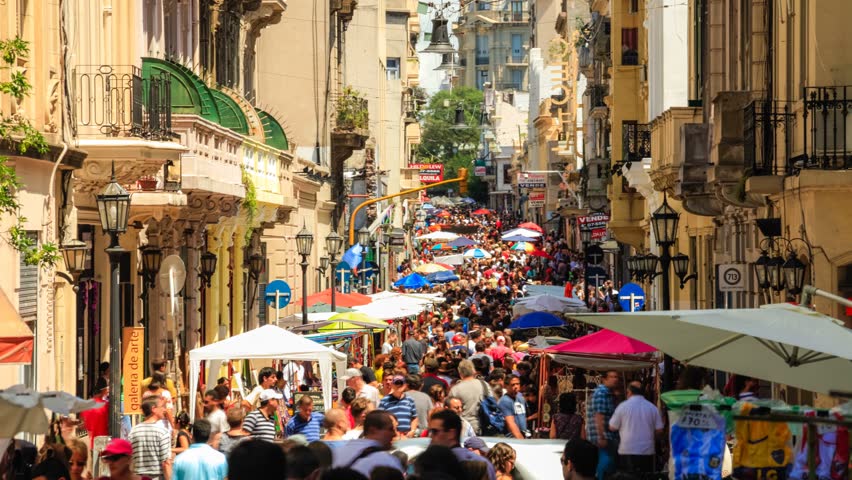
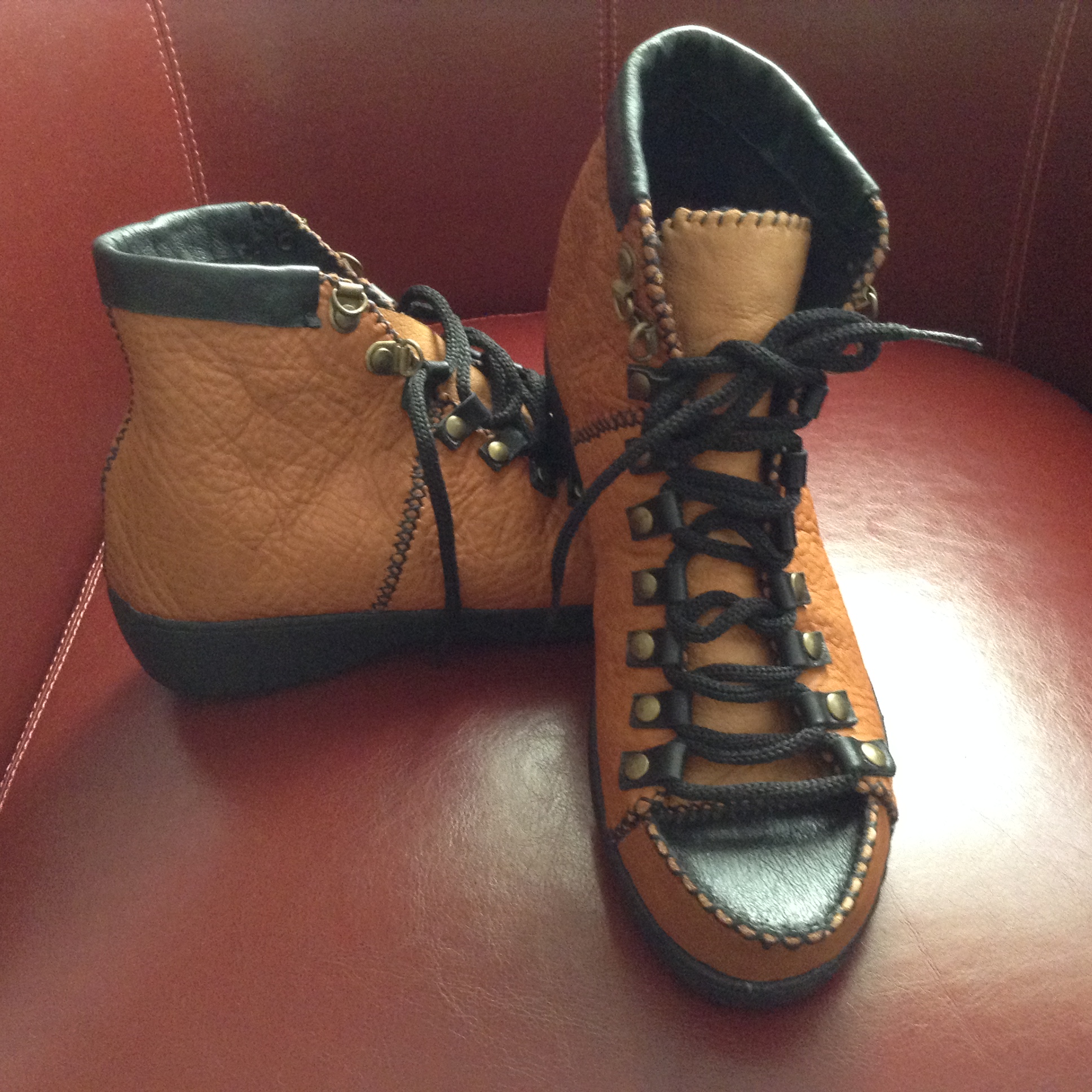
Sundays in San Telmo, the city’s largest market stretches on for blocks and blocks of  antiques, purses, scarves, ponchos, clothes, coats, leather hats, candy shops, paintings, photography, lingerie, plug adaptors, toys, and throngs of people.  As many locals attend as tourists, something like the Moss Street Market on a grand scale.  We spent several hours there talking to artisans and trying to resist so many beautifully-made items. We bought a lot, but left much more behind simply by virtue of the limitations of our luggage. After a second trip to an ATM, handmade leather shoes by the young woman who made them – she showed us all the little scars on her hands which proved it.


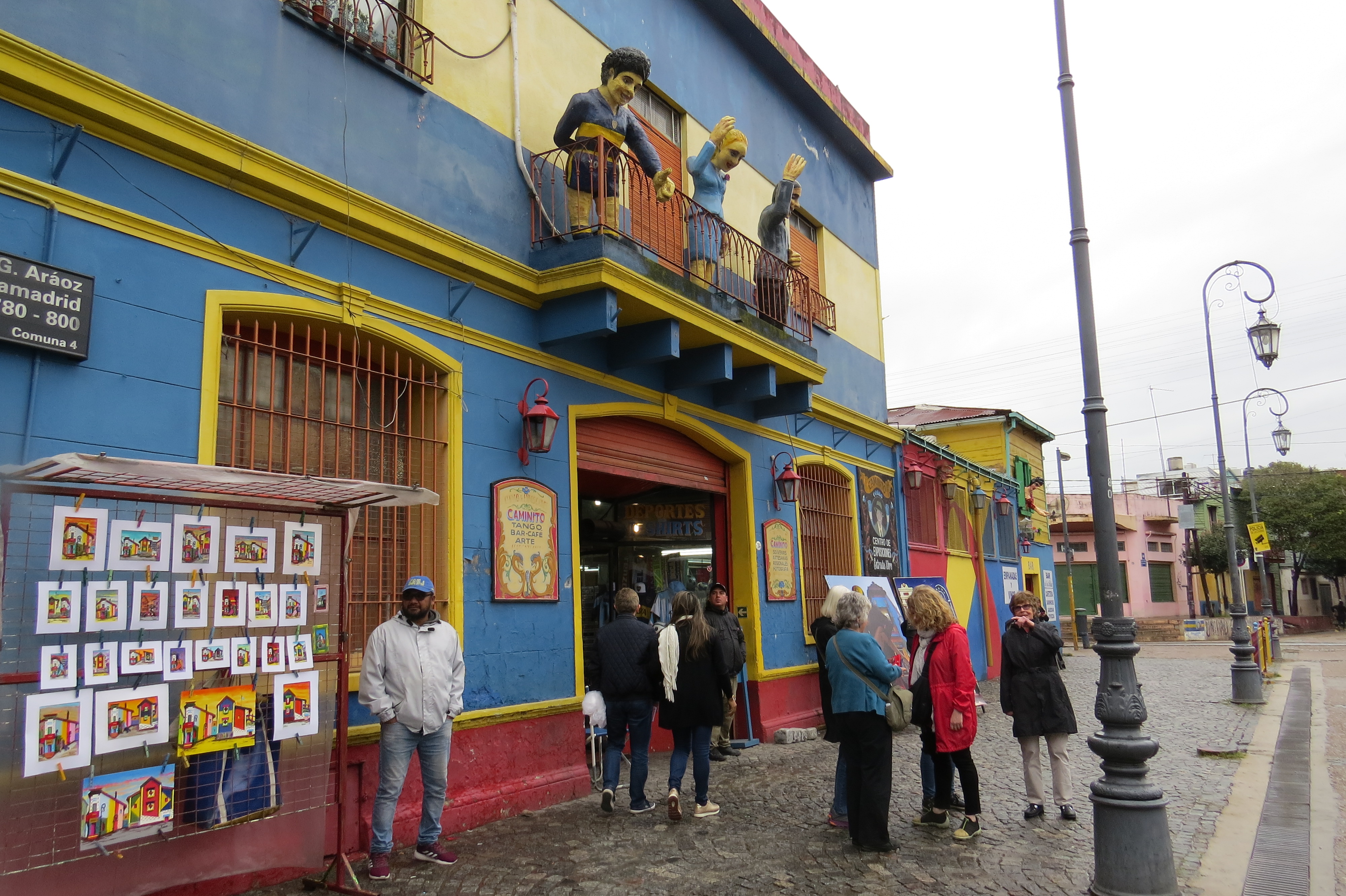
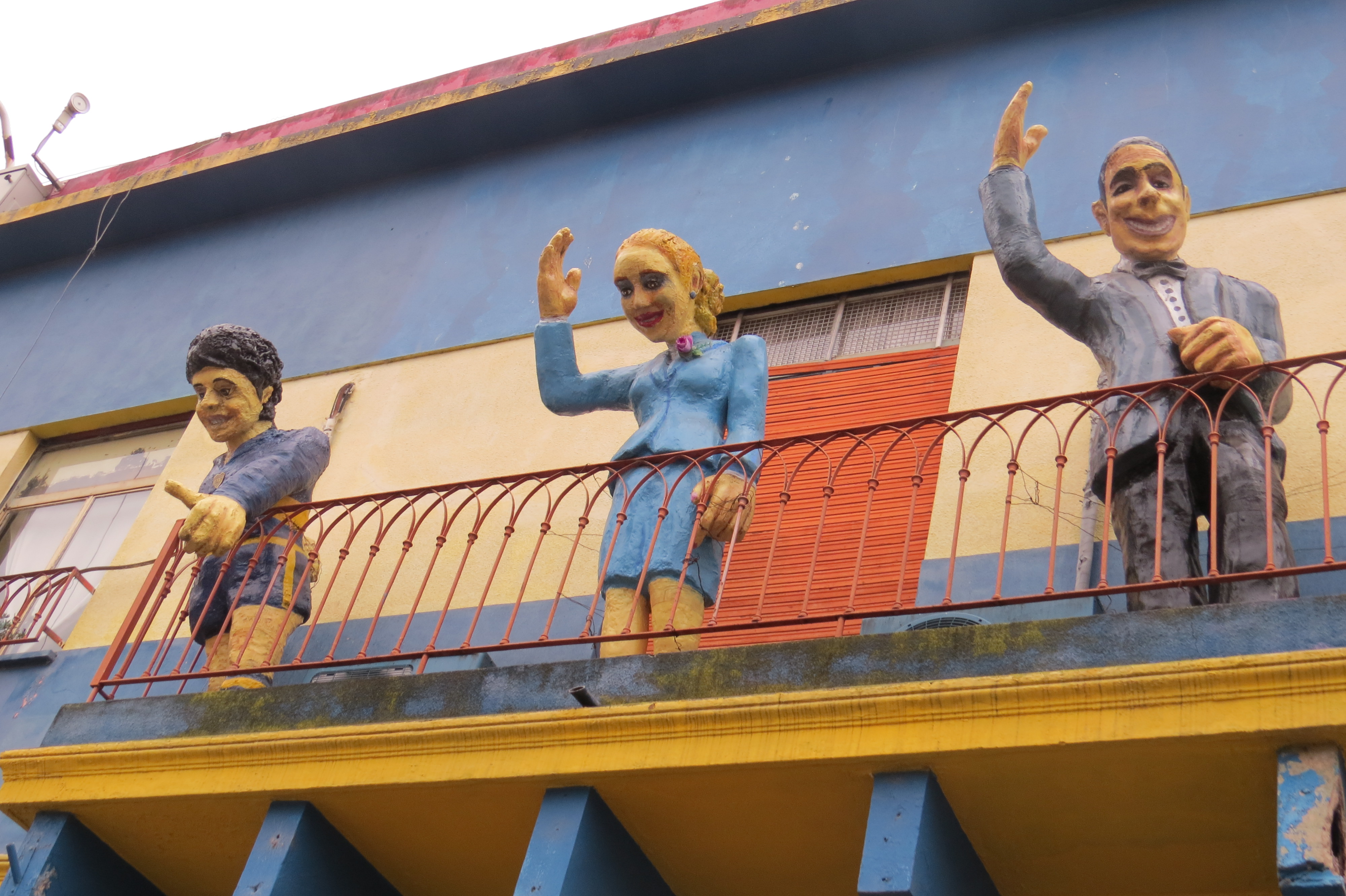
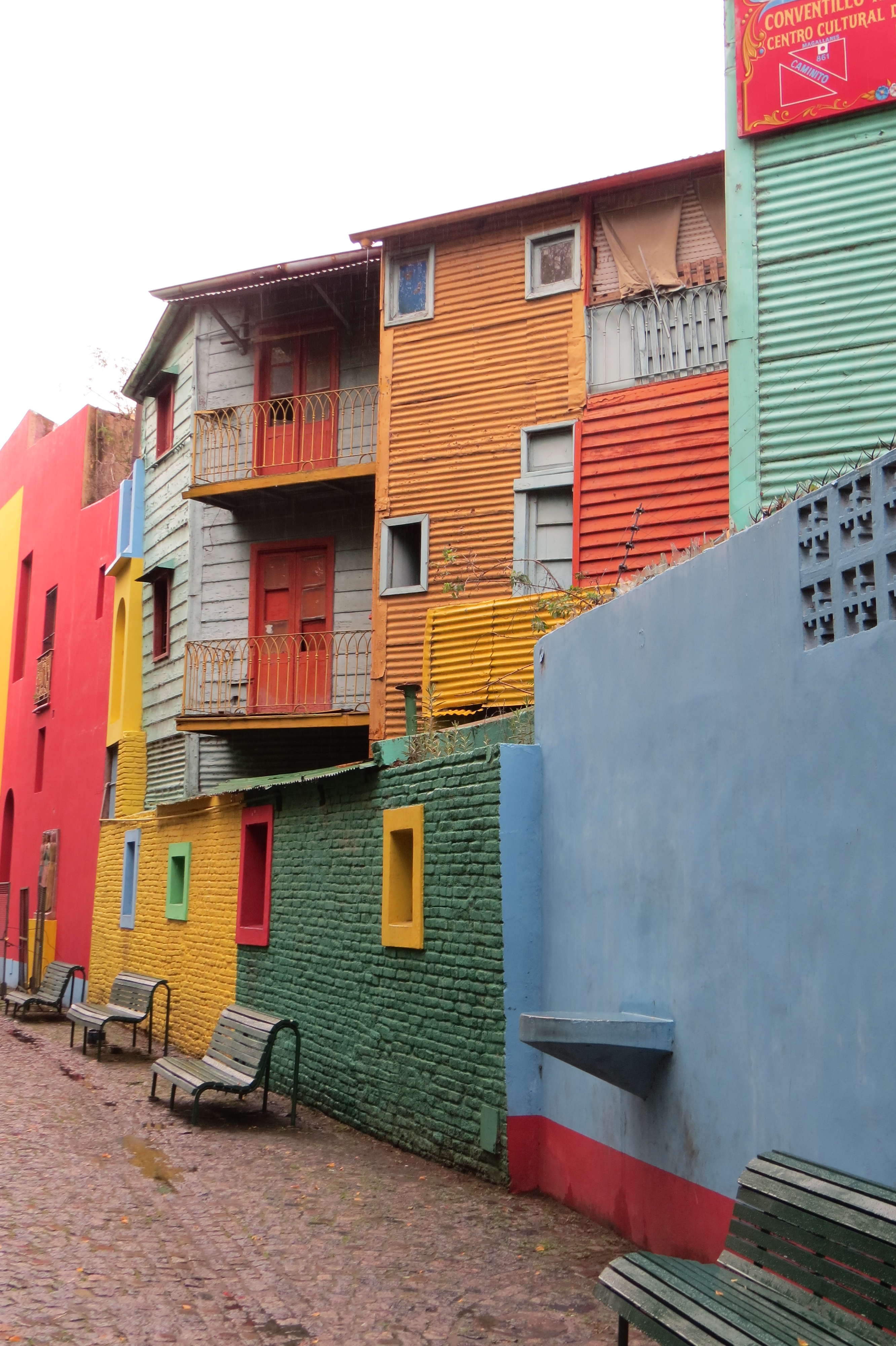
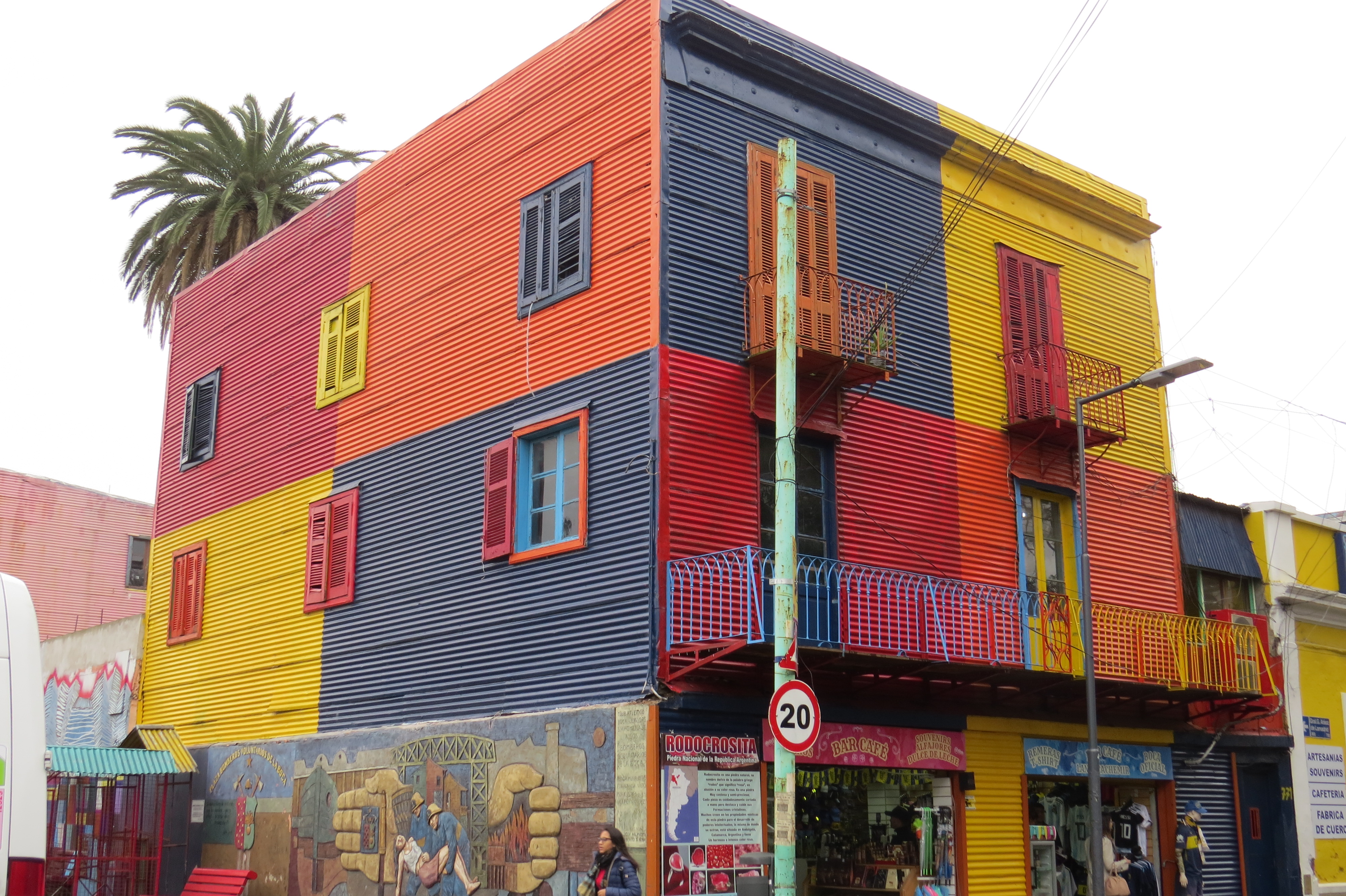
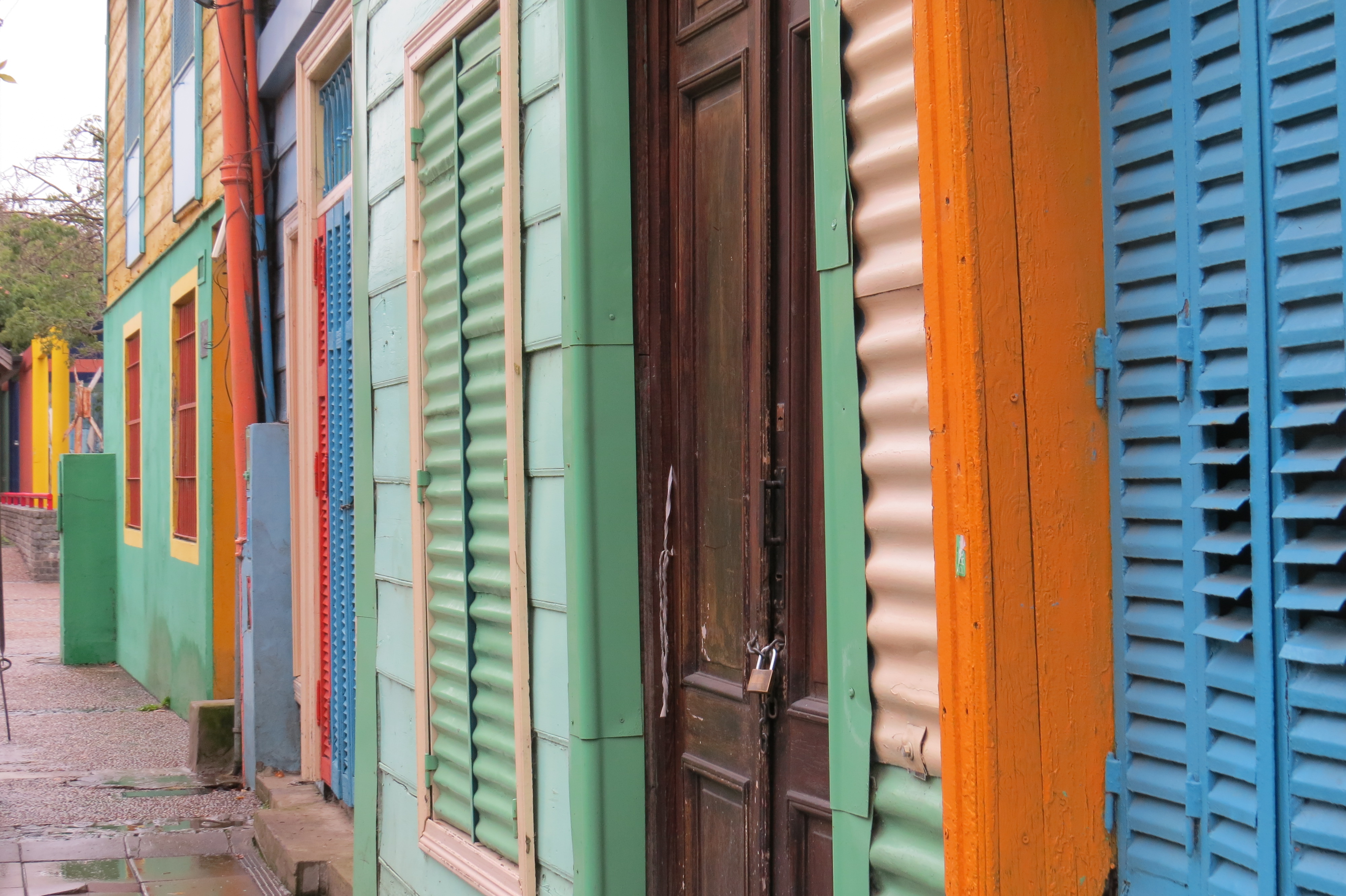
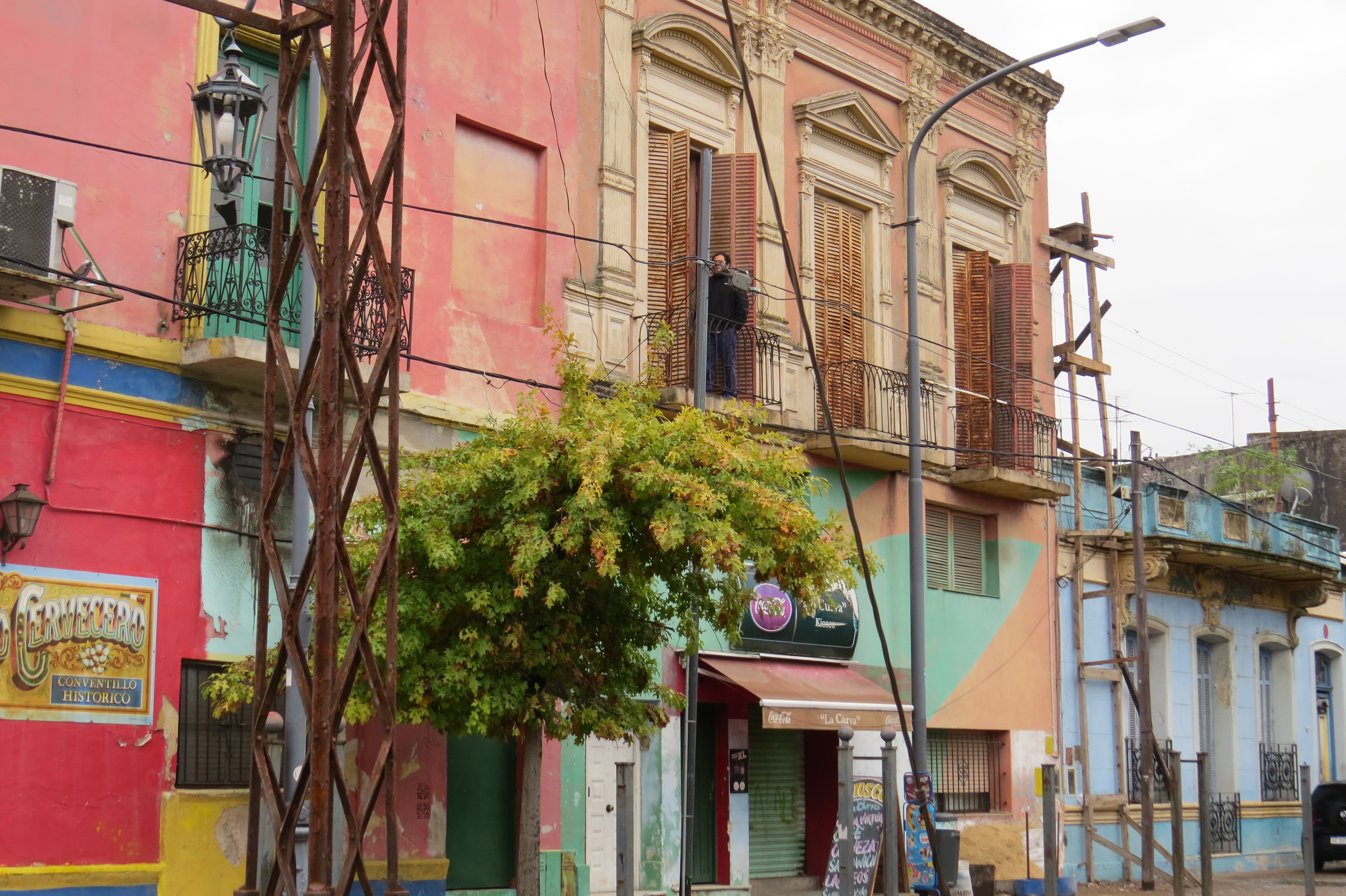
Beyond the area of San Telmo lies La Boca – the oldest part of the city and the original port on the river.   This is where the term for Buenos Aires residents began – “Porteno.”  The mainly immigrant population in the early 20th century were so poor they got leftover paint from the ships docked here to paint their houses and the colourful streets remain. It seems natural that the smoky, sultry,  simmering Tango emerged here.

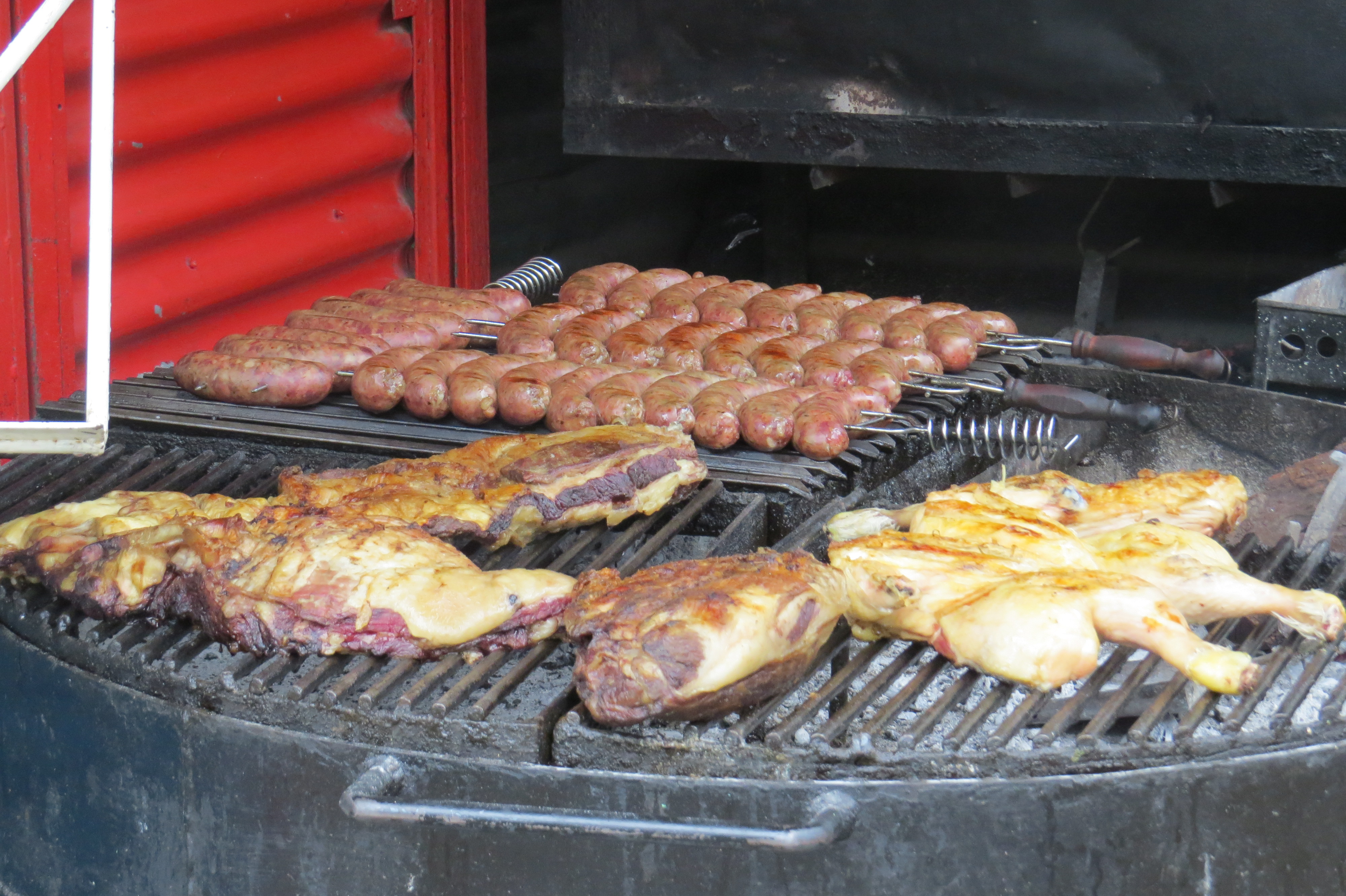
Asado witing for you in La Boca

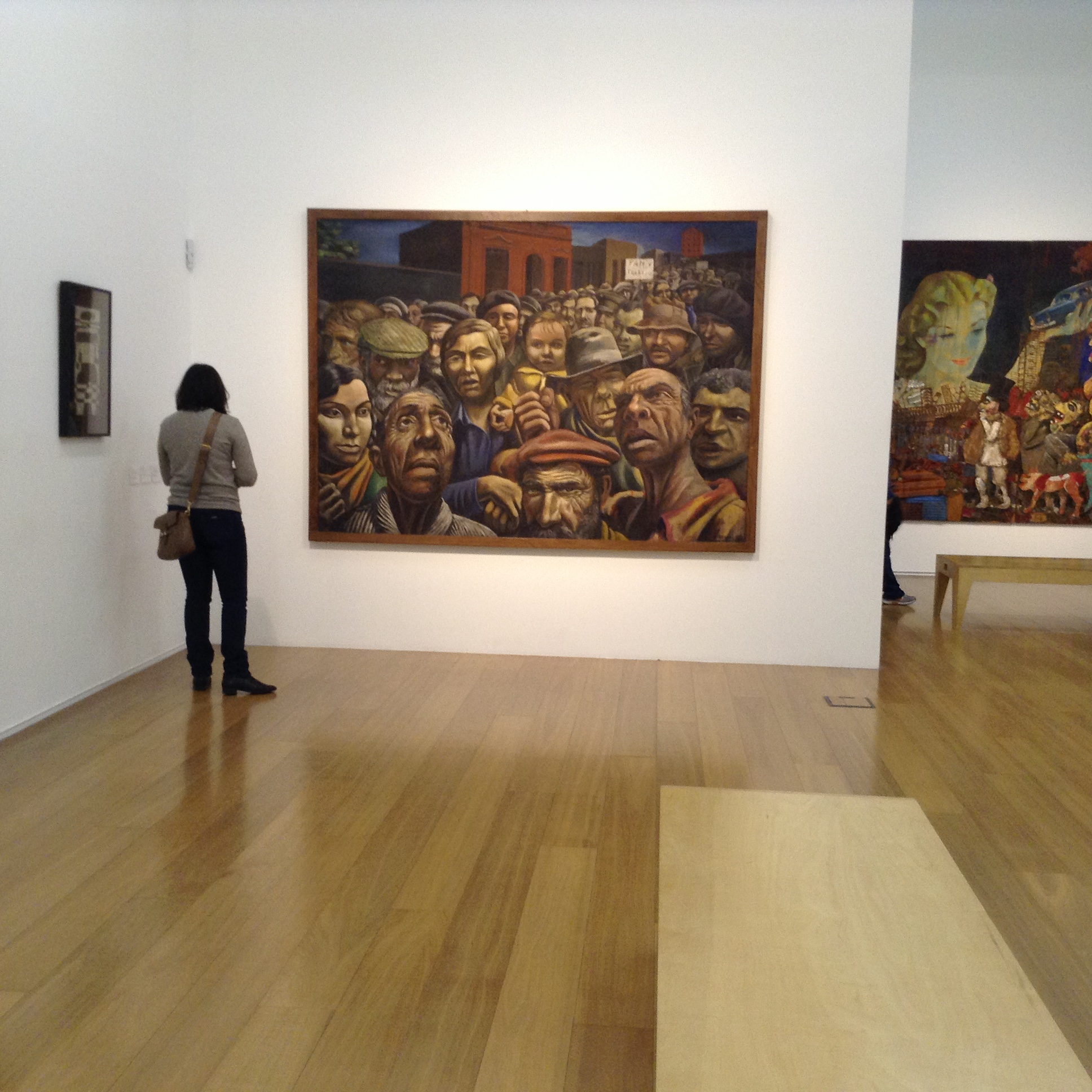
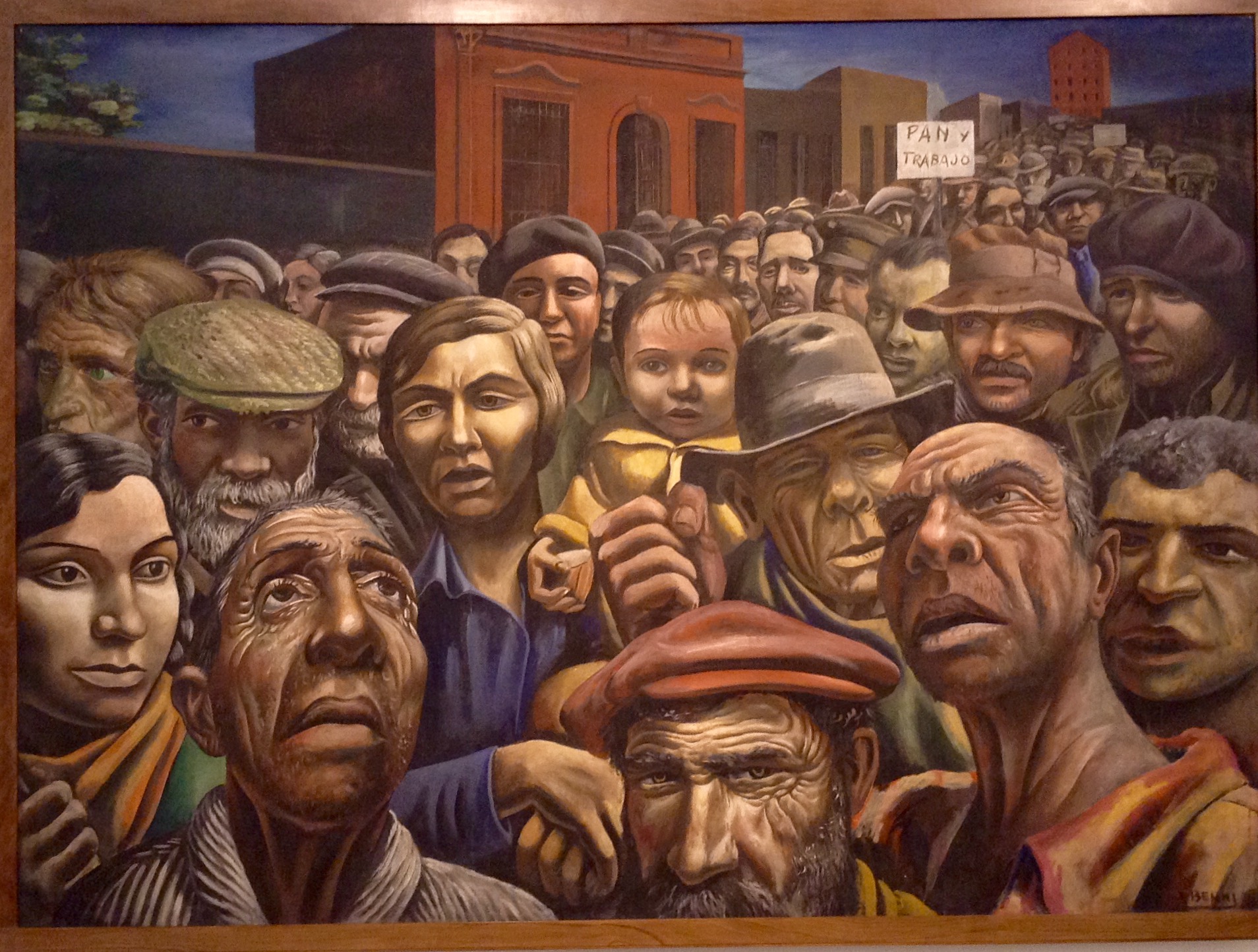
Portenos are depicted in the famous Berni 1934 painting, Manifestacion, which we were lucky enough to see at the MALBA (BA’s answer to New York’s MOMA).  The deep lines in the faces of the subjects speak to a harsh life in the early days in La Boca.

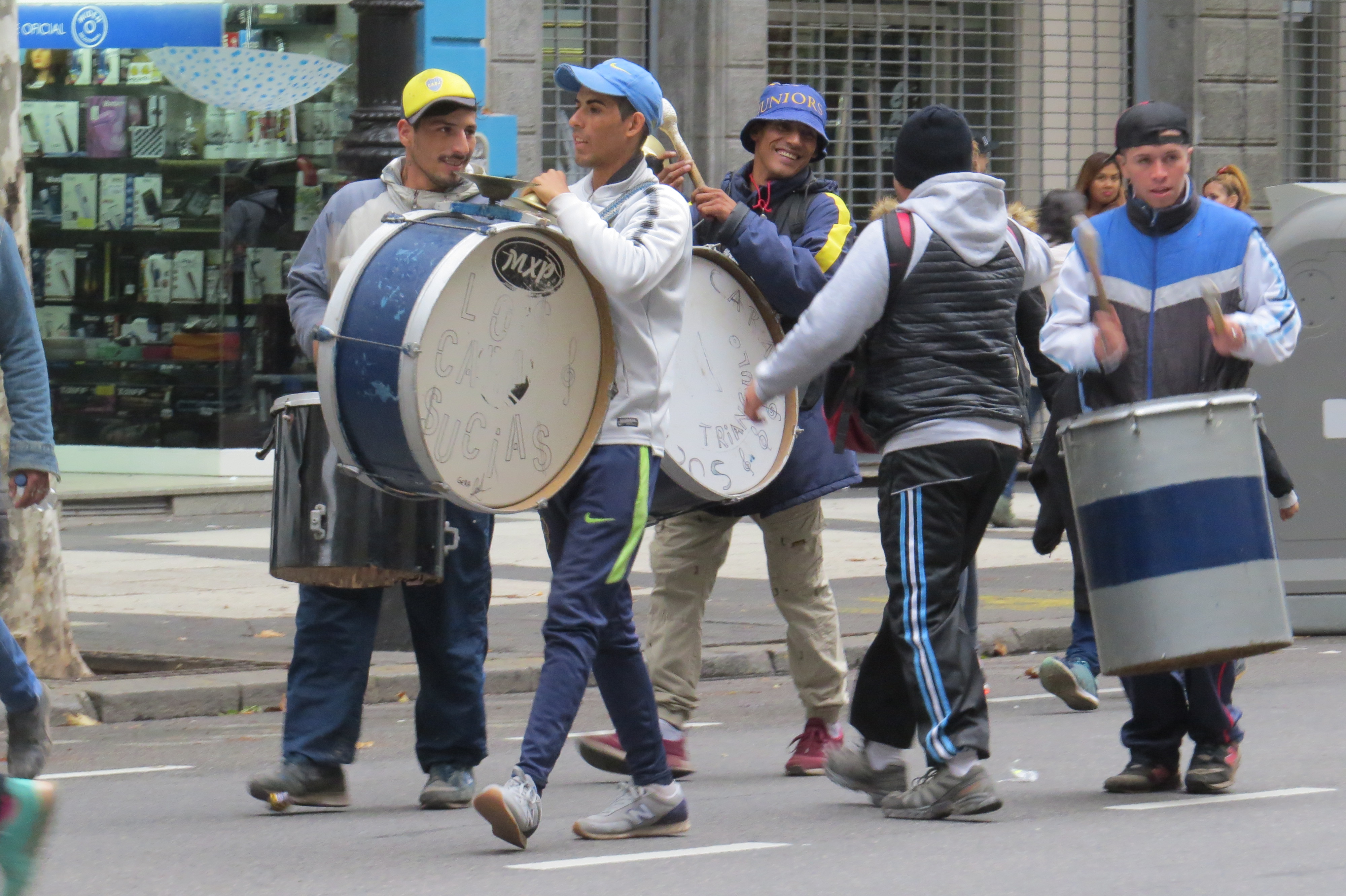
Home to the beloved football club, the Boca Juniors, the Boca football stadium is at the heart of the neighbourhood, and La Boca’s restaurants prove the Portenos’ love of its football club.

Leaving the touristic area of La Boca, one sees what may be a more realistic view:

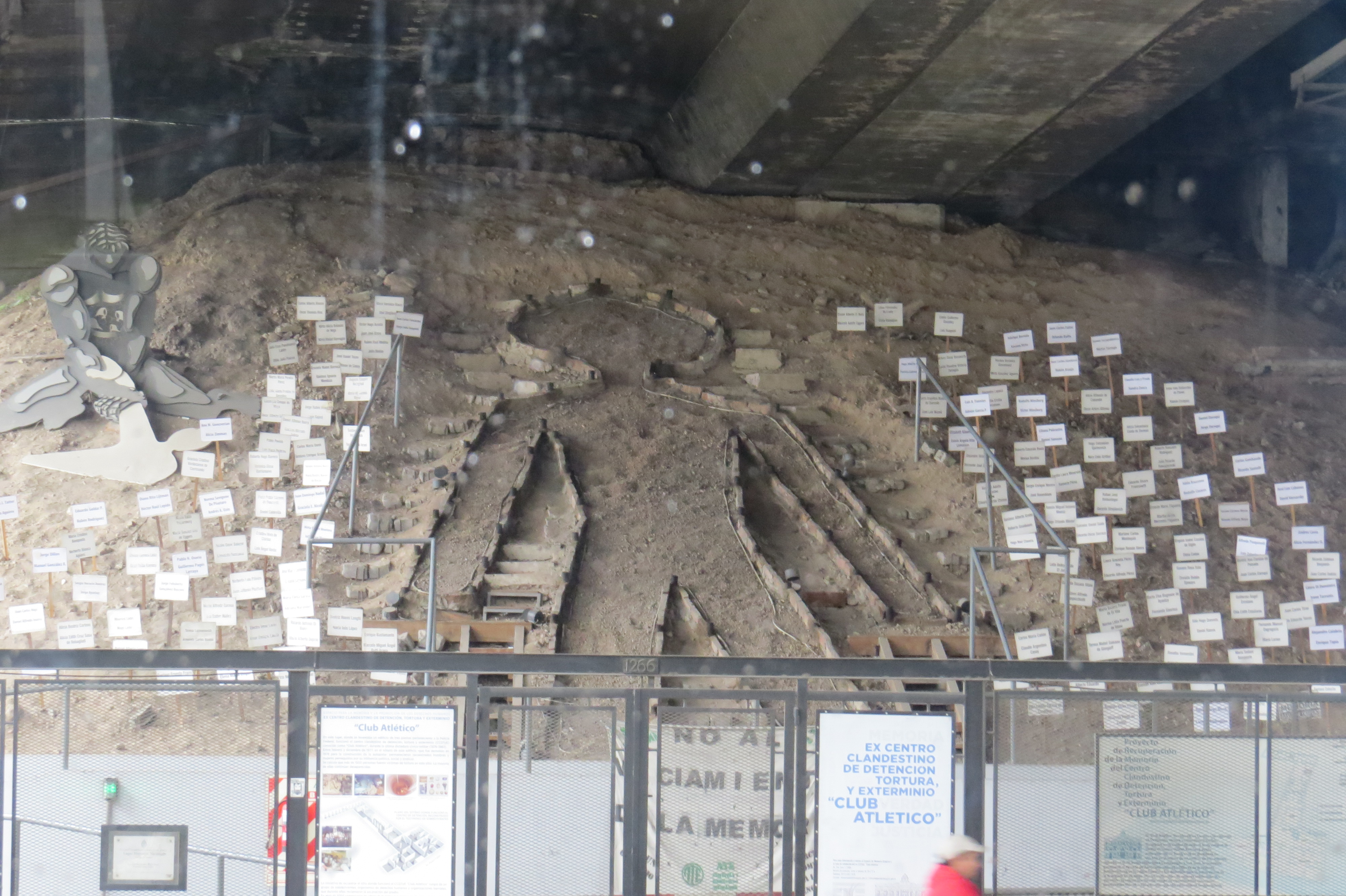
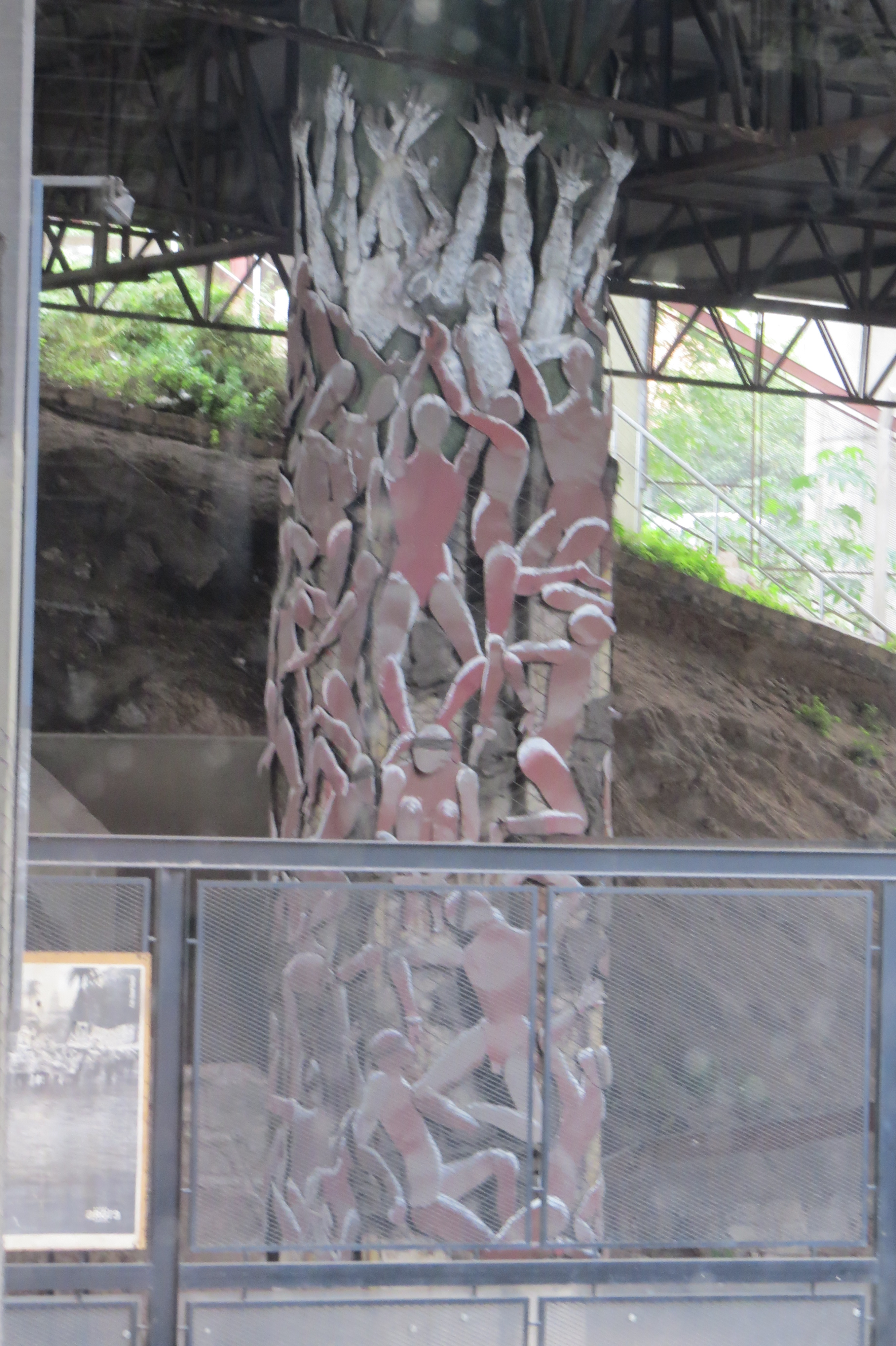
La Boca has its own memorial to the disappeared:

We took a taxi back to the hotel today and, sitting shotgun, it was a bit of an adventure.  Here they have lines painted on the pavement indicating the lanes, but little actual attention is paid to them.  They have a honking system similar to Egypt, letting everyone know where you are.   At one point as a bus attempted to squeeze over while we had a stopped bus in front of us, I attempted to stifle a scream and it came out as a piglet’s squeal, and I said I would hold onto the “holy shit” handle – the taxi driver burst out laughing –  I guess I spoke a universal language.  Next taxi trip I indicated to my friends that there was no holy s— handle and again this delighted the driver!  Both very nice fellows and we arrived alive.

Best,

Jan
Good Airs

Whether the modern name Buenos Aires still reflects the reality of this city of nearly 3 million and 40% of the total Argentine population, is debatable, but certainly the air in Bs. As. is clearer here than the pinkish smog that hung over Santiago.  Founded by a Spanish expedition in 1536, the city is one of the world’s great ports – facing the Rio de la Plata (“river of silver”) looking far across its 220 km width to Montevideo, Uruguay.

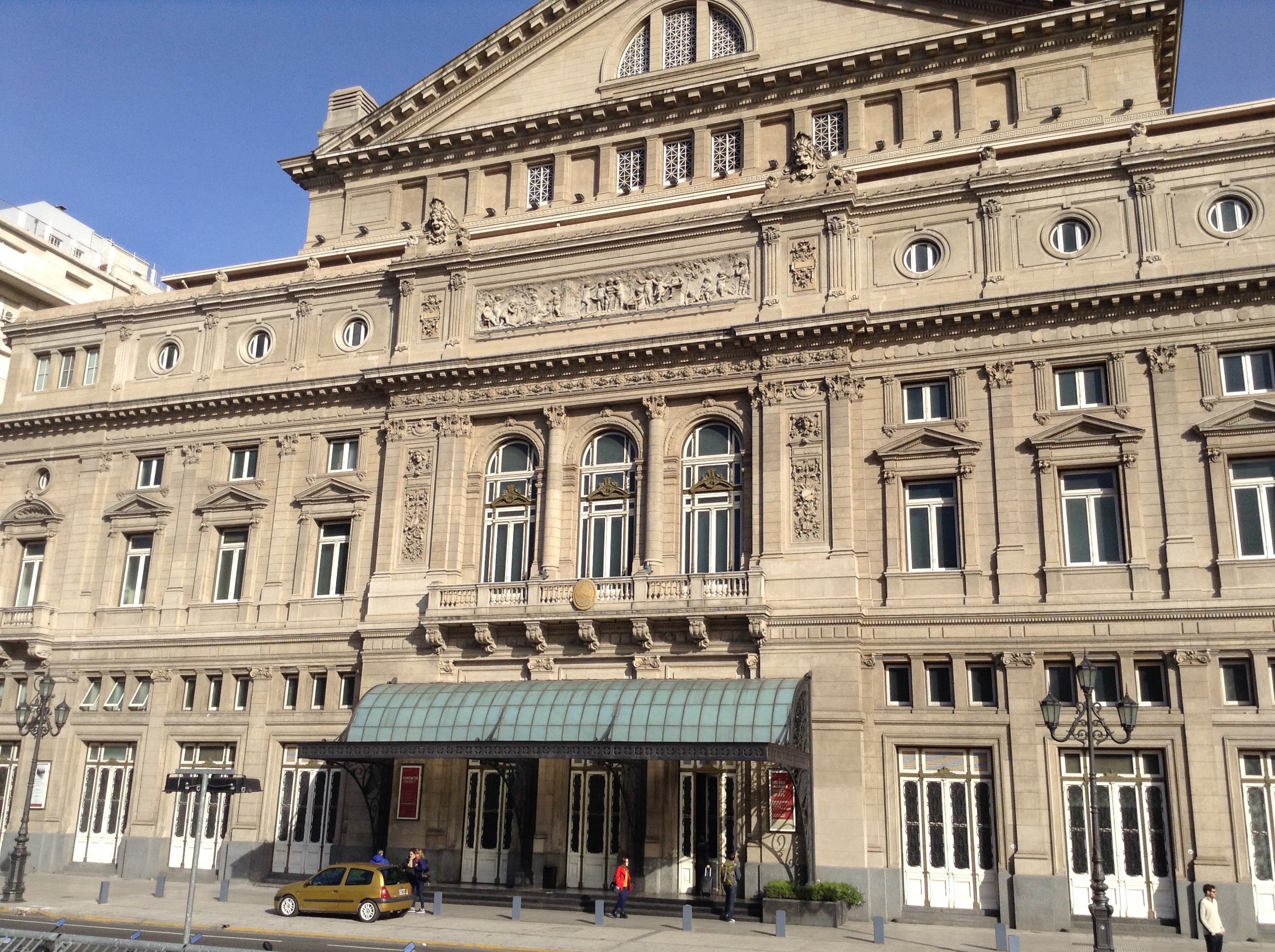
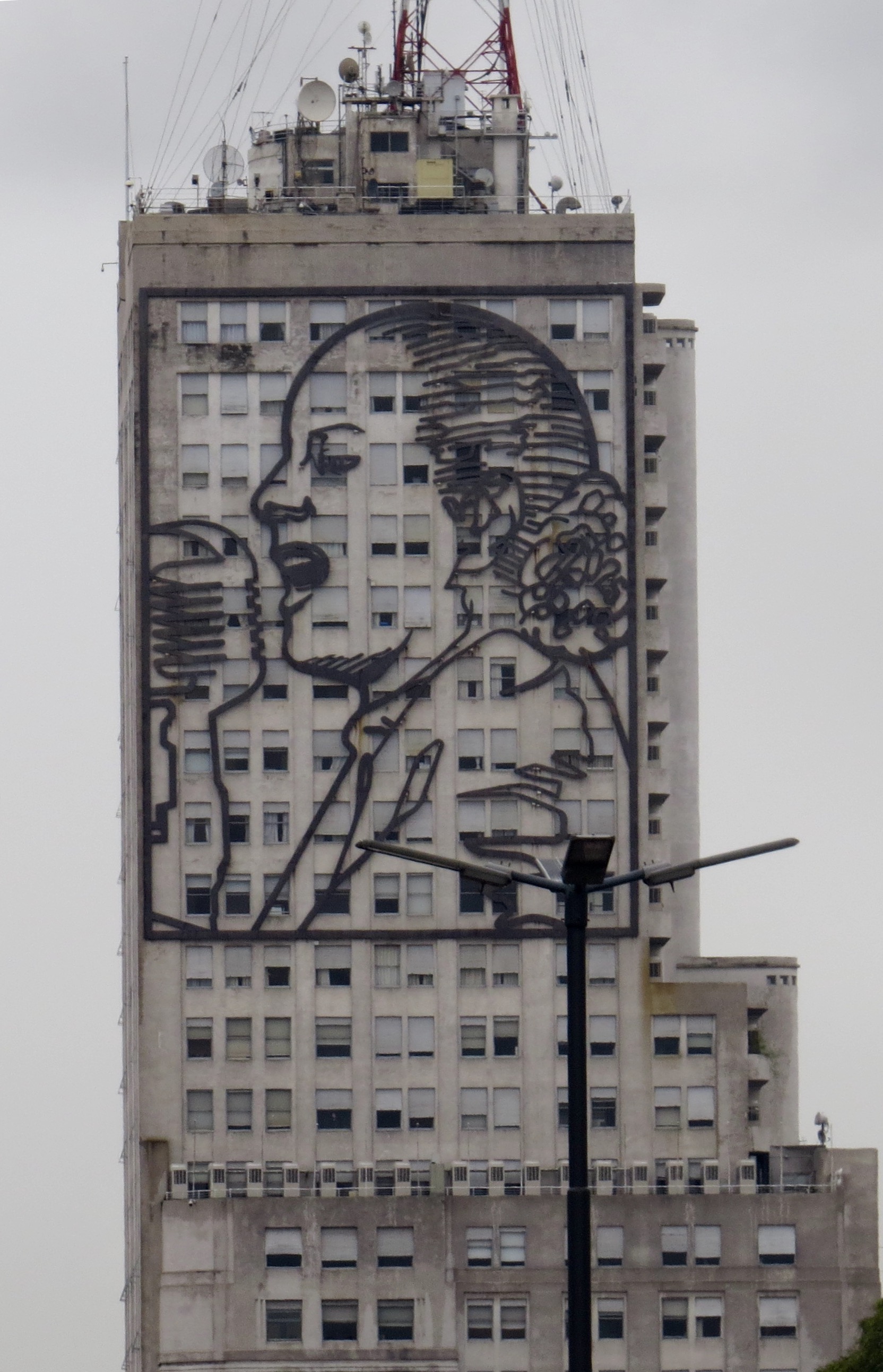
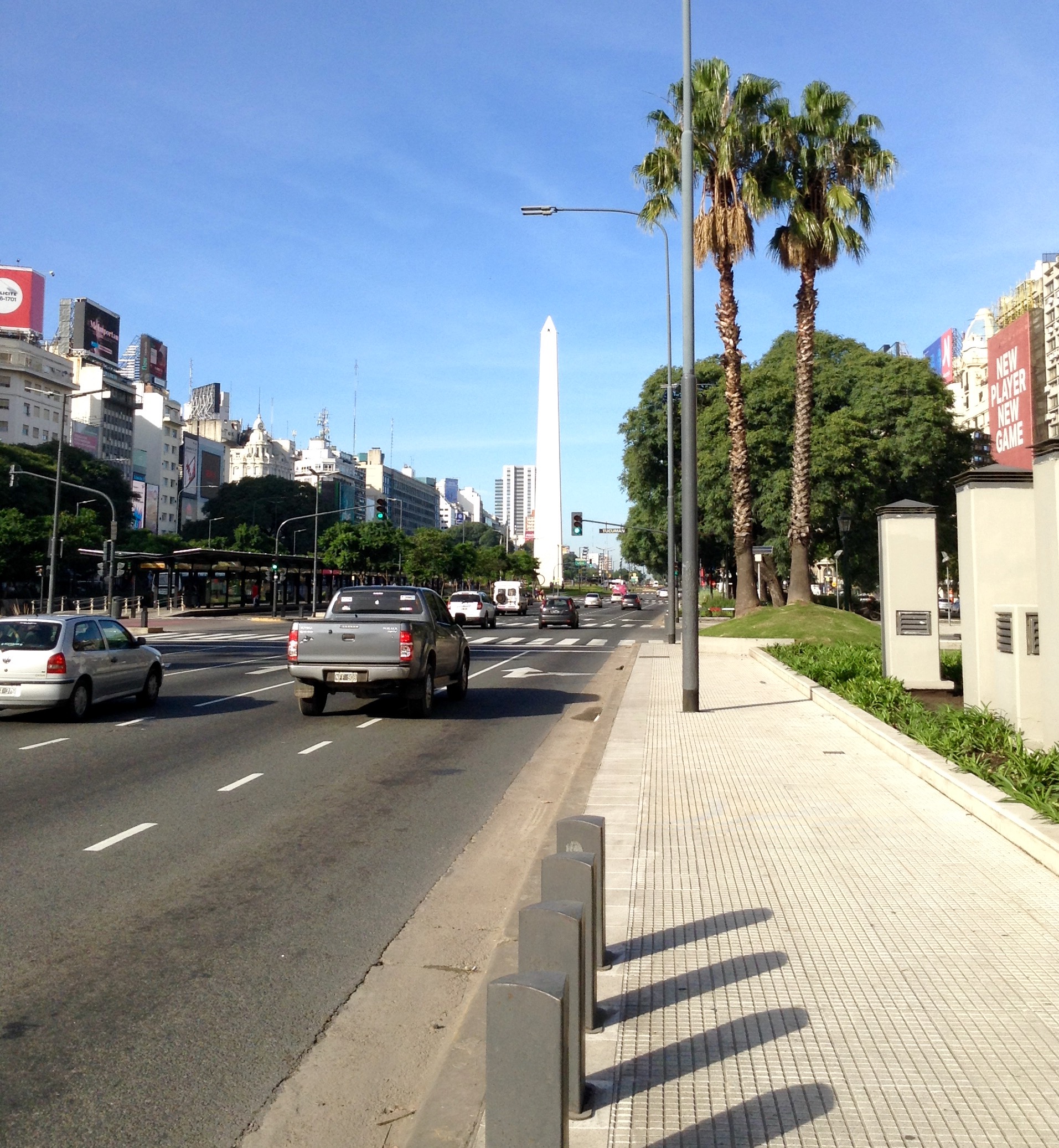
Known as the Paris of the South, Buenos Aires is the most European city in Latin America.  In its own Belle Epoch (golden age) at the beginning of the 20th century, French planners and architects were brought in to fashion a beautiful city.   9 to Julio Avenue (July 9th Avenue referencing Argentina’s Independence Day when in 1816 Argentina gained independence from Spain) claims to be the widest street in the world and rival to the Champs-Elysees.  White palaces line the street (many of them now used as embassies), buildings were constructed like the architectural marvel and one of the top opera houses in the world, the Teatro Colon.  A white obelisk presides over one end of the avenue while a high tower has been inscribed with a cameo of Buenos Aires’ favourite (or at least most contraversial) citizen, Evita Peron.

Teatro Colon

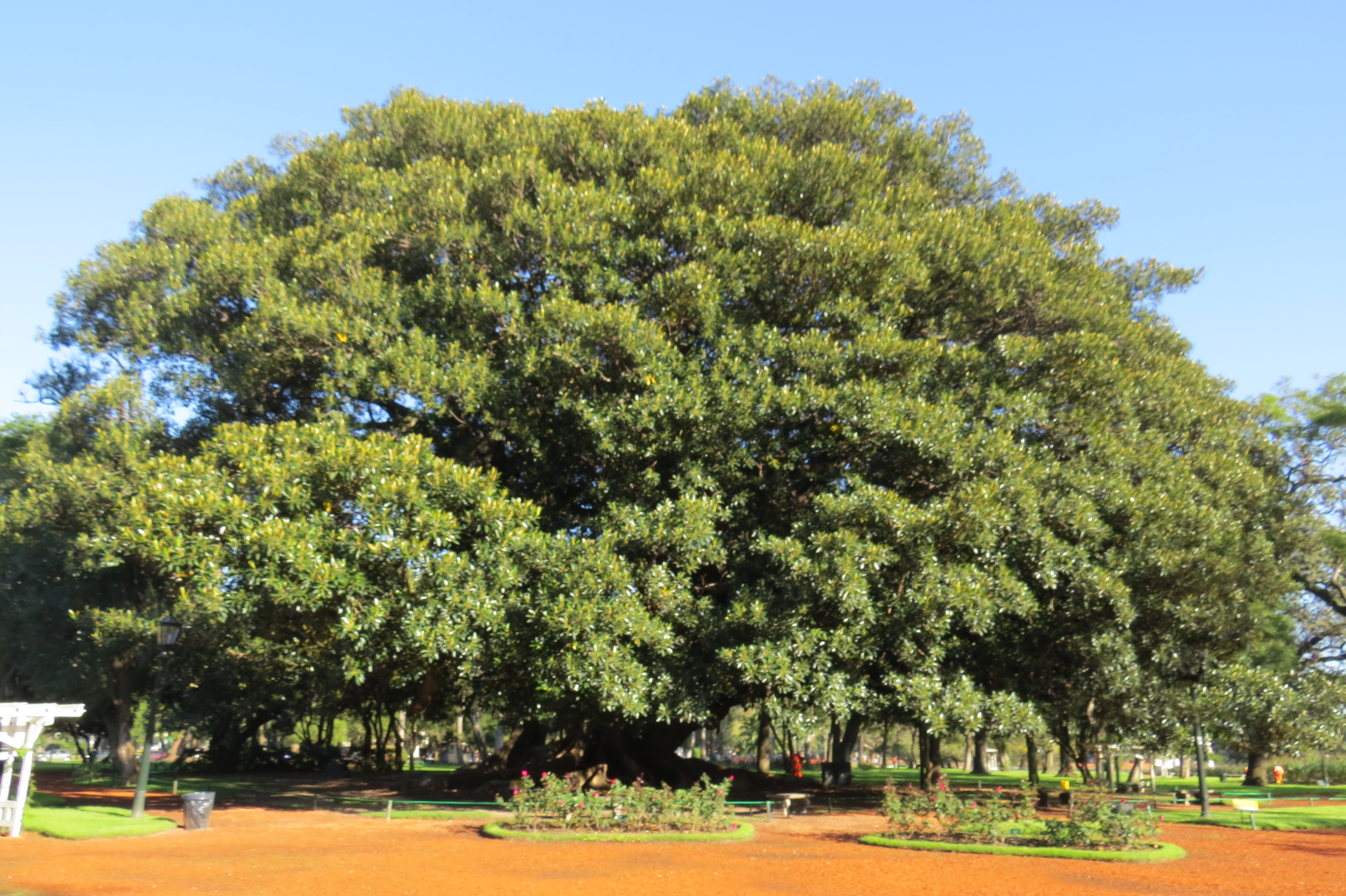
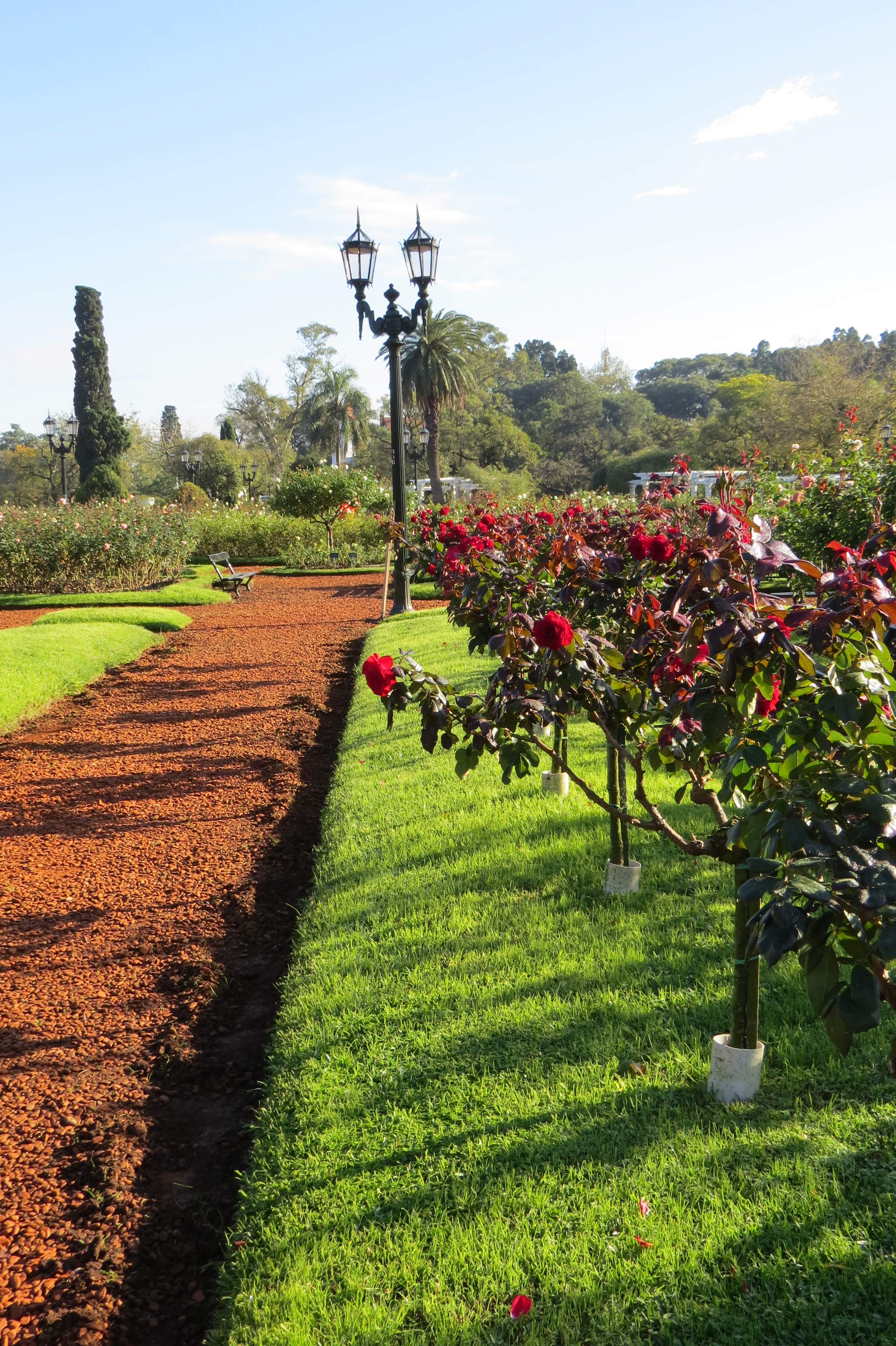
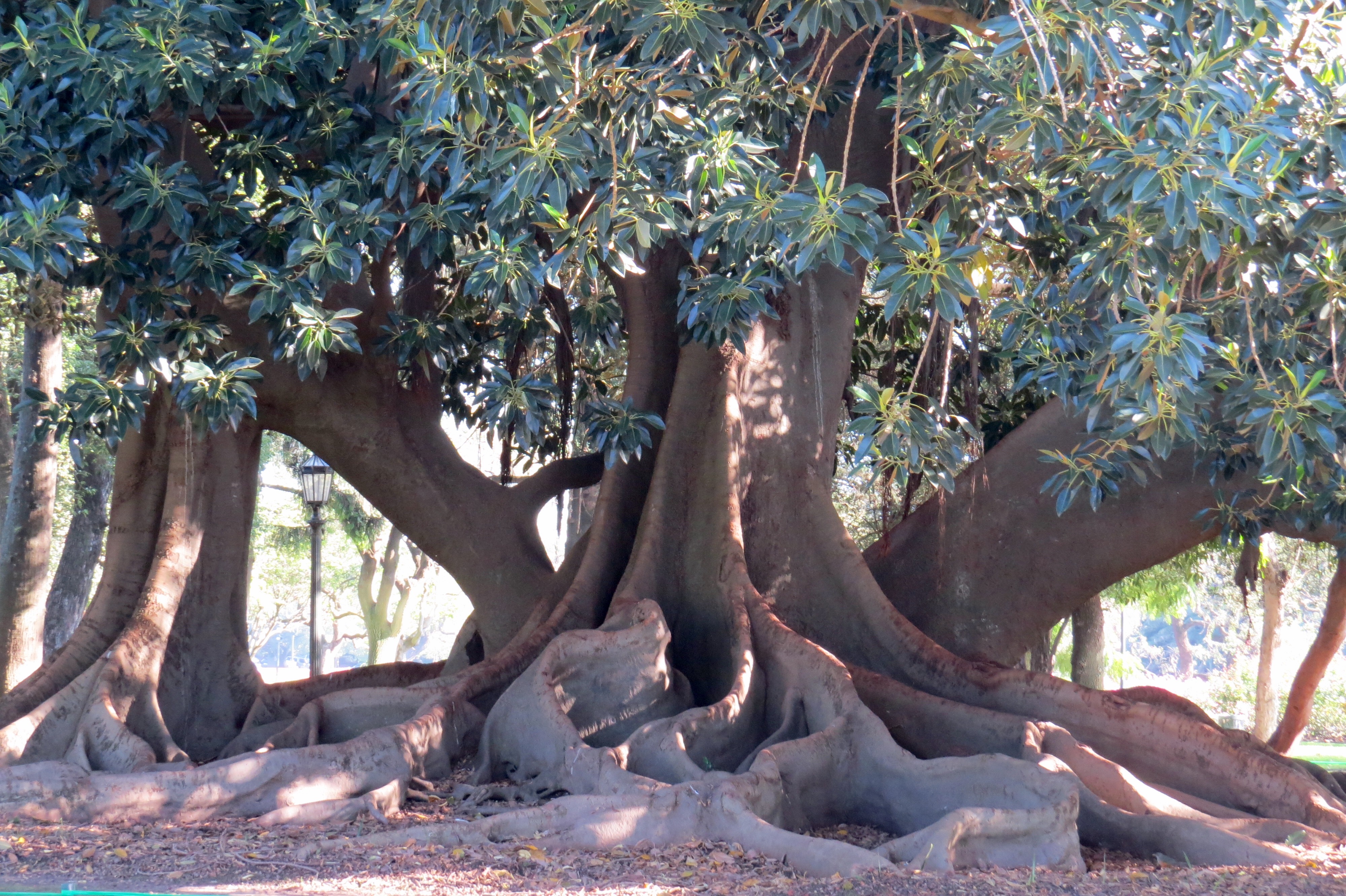
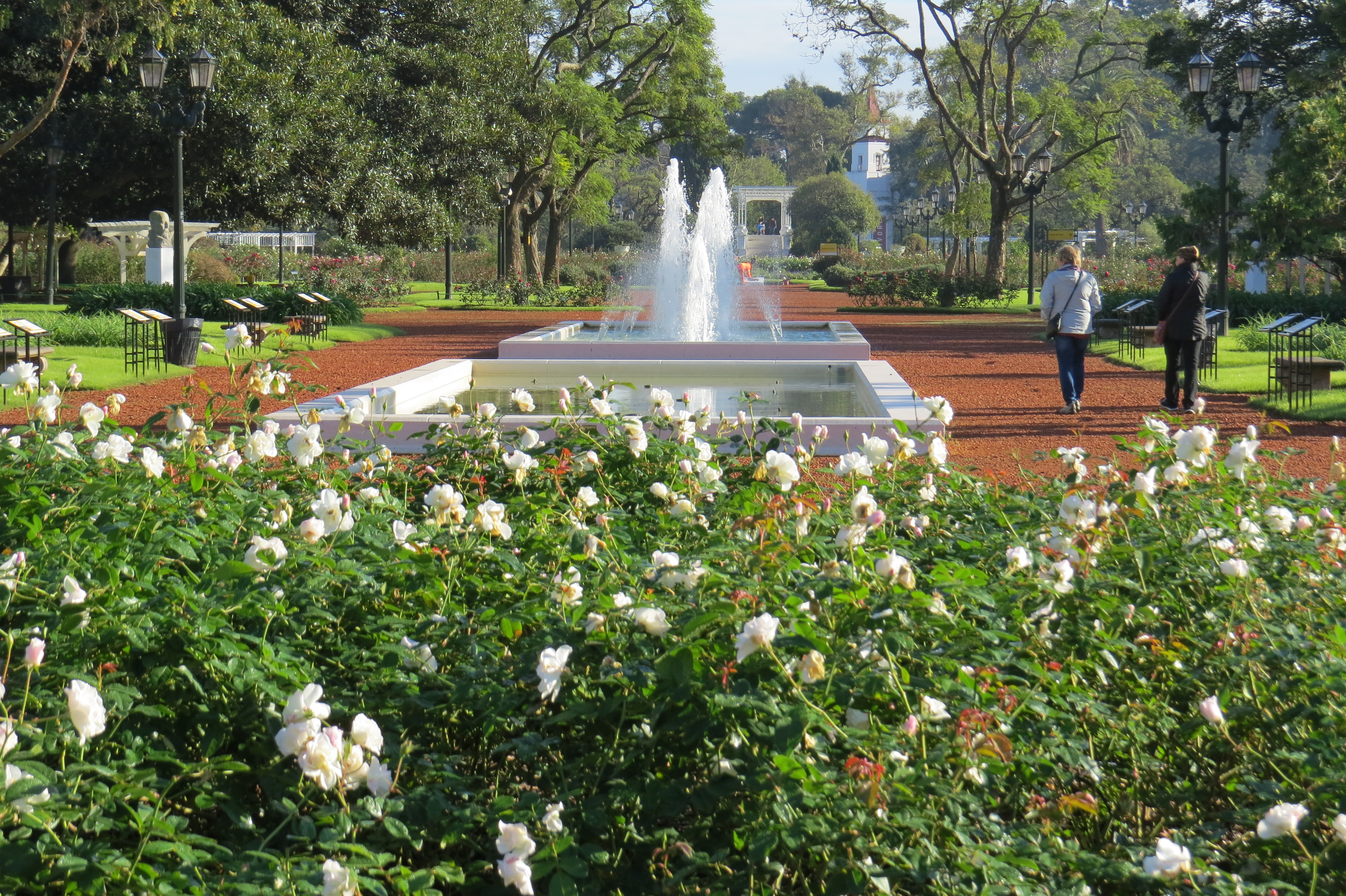
The city has an incredible network of beautiful green parks with triumphant trees, rose gardens, lakes, marble statuary, song birds and flocks of wild, bright green, noisy parakeets too busy to pose for photographs.  Like Parisiennes, Argentines are mad for dogs and the city’s dog walkers can be seen in the parks with a hundred dogs at any given time.

Side streets are leafy, shady avenues lined with cafes and bars whose outdoor tables overtake the sidewalks, which open onto squares.  It is autumn here on the Southern Cone, summer vacation ended in March, stores are packed with alpaca sweaters and shoppers are bundled in puffy coats and scarves, even though the daily high temp can reach 21.

Buenos Aires is known for its diverse neighbourhoods, each with its own character.  Our hotel is in Palermo “Hollywood” and we really did see film shoots and movie people.  Next door is Palermo “Soho” which I’d been told is shopping heaven.

Exhuberant young women and elegant older ladies wear sparkle, glitter, and 8-inch platform heels and totter along cobbled streets.  This must be one of the best shopping areas in the world, more like Milan than Paris, with customers from all over the world.  There are blocks and blocks of stores with antique wrought-iron and polished wooden doors that open by buzzer.  Inside, eclectic collections of bags, shoes, jewelry, clothes, jeans and home dec in gorgeous, creative displays. Outside the doors, lively markets with simpler handicrafts. There were all kinds of specialty stores, such as one with woven ponchos, handmade by one family for 150 years.

I did my best to contribute to the economy.

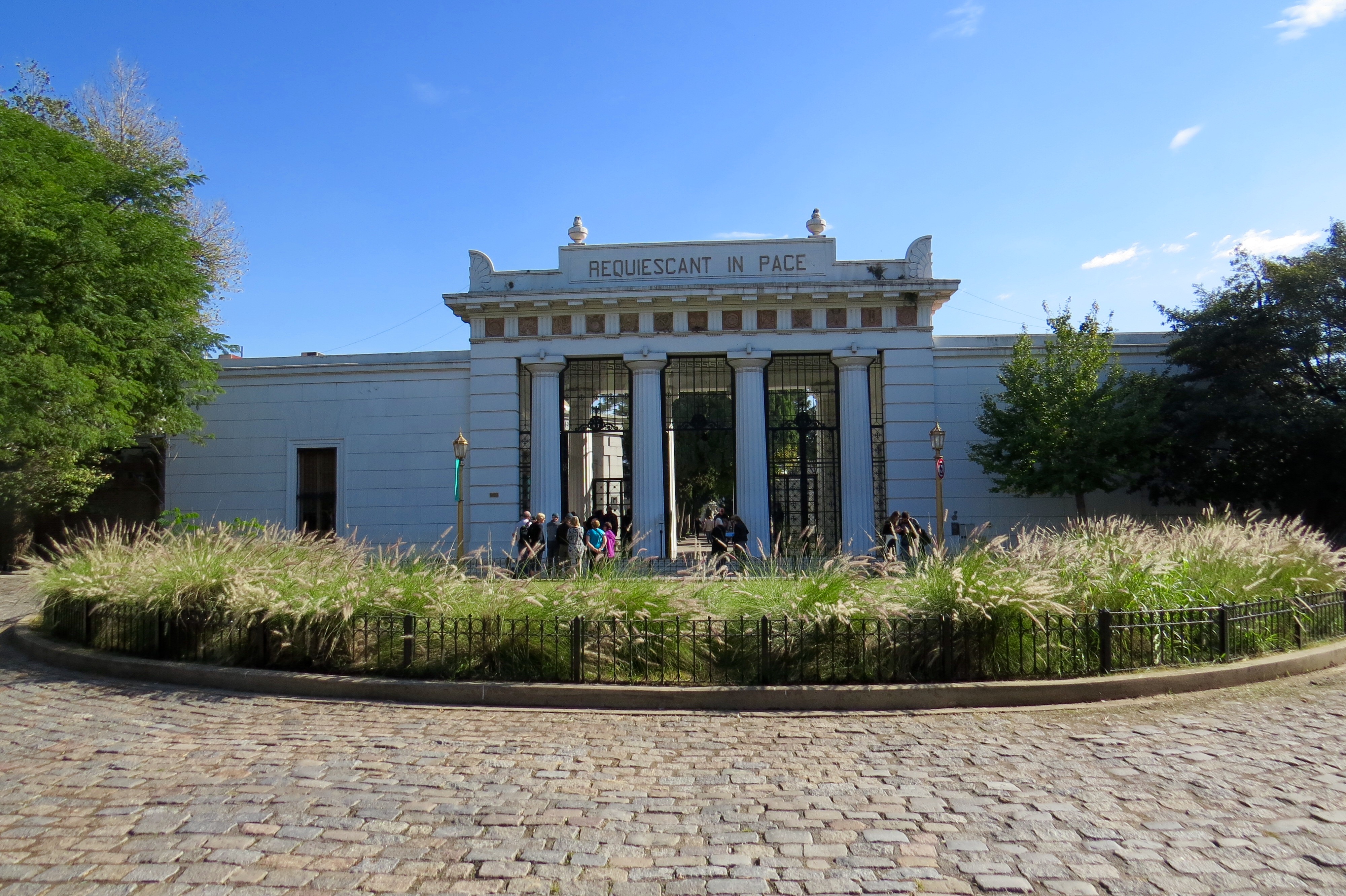
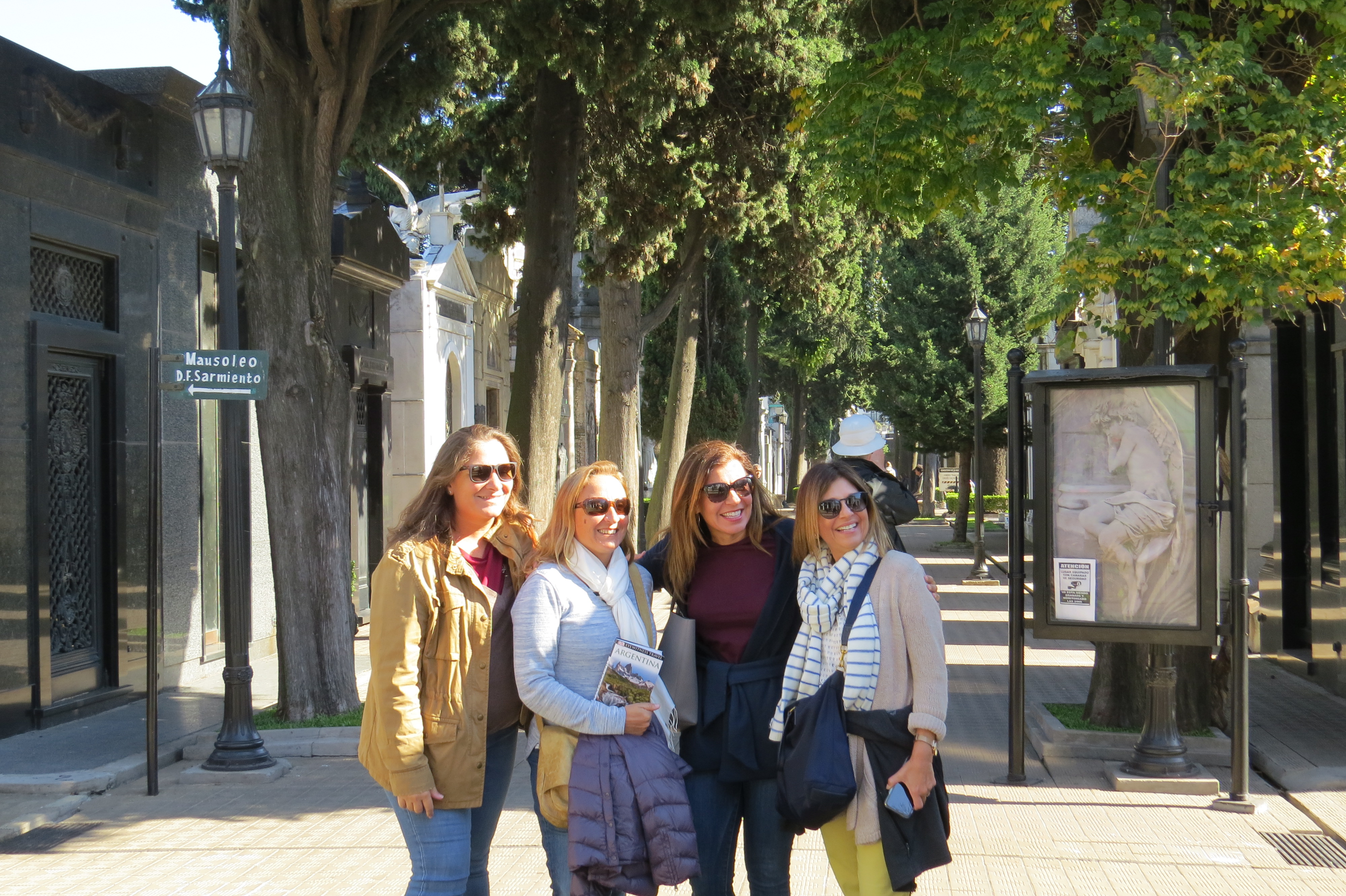
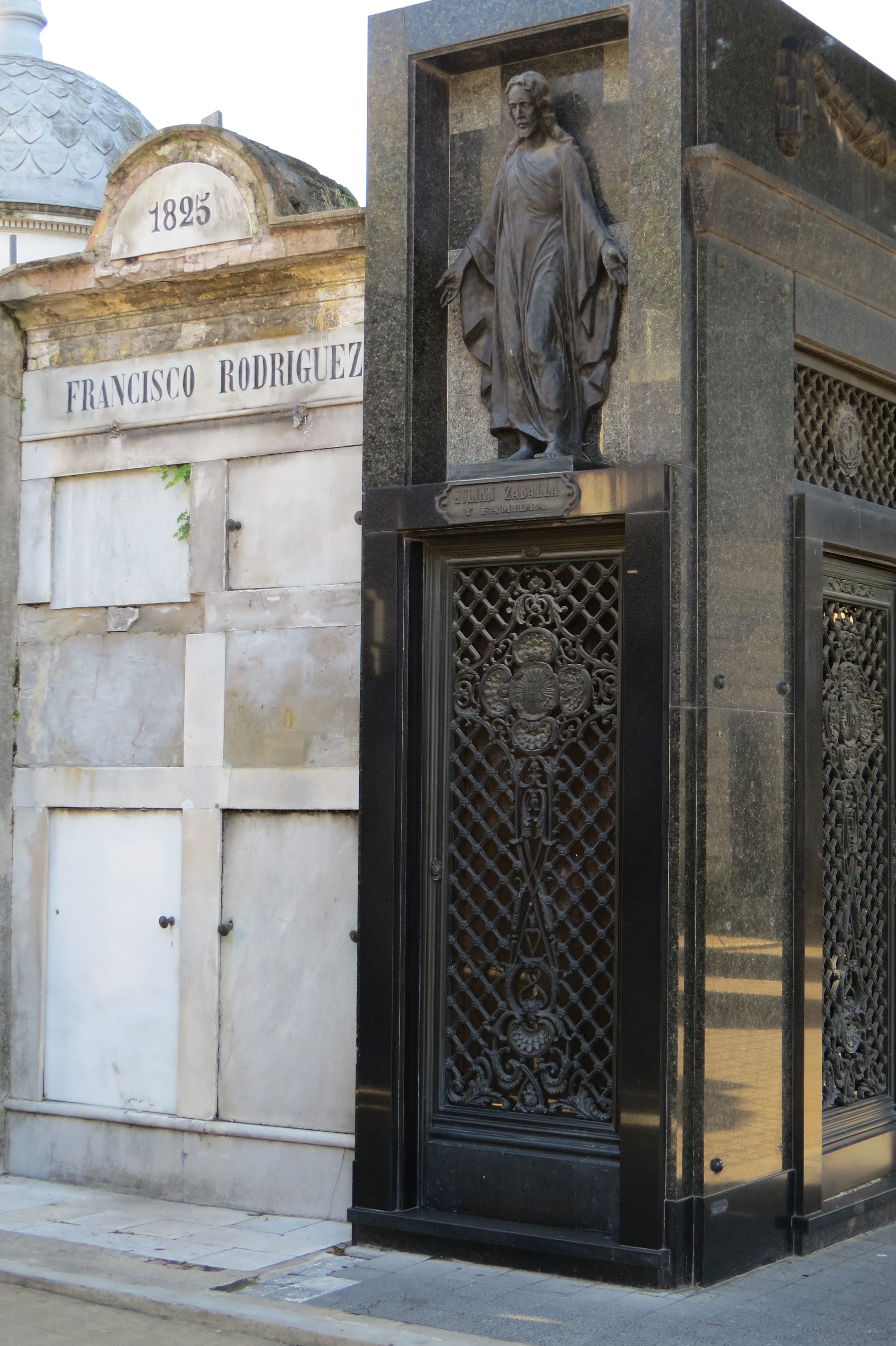
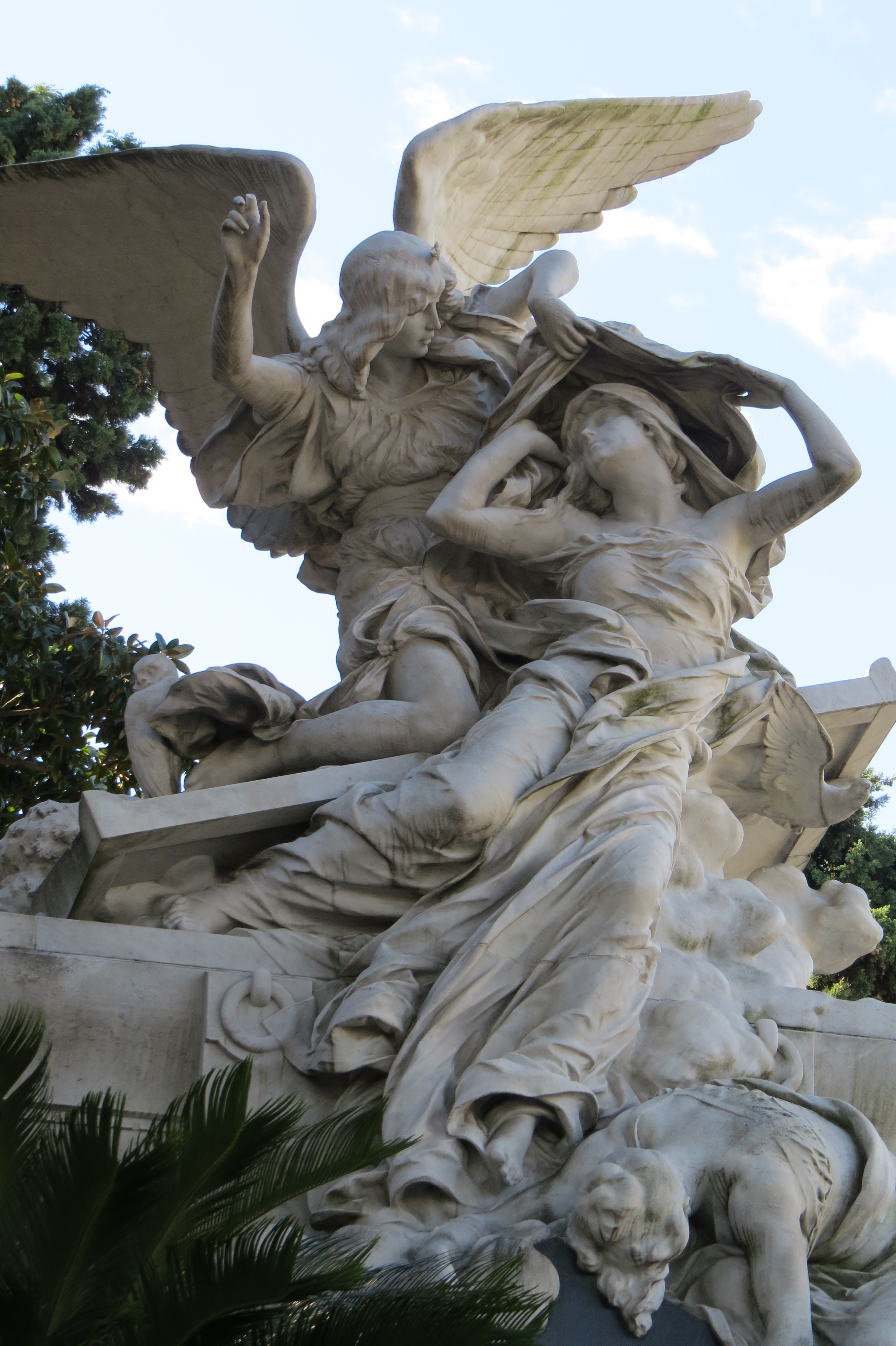
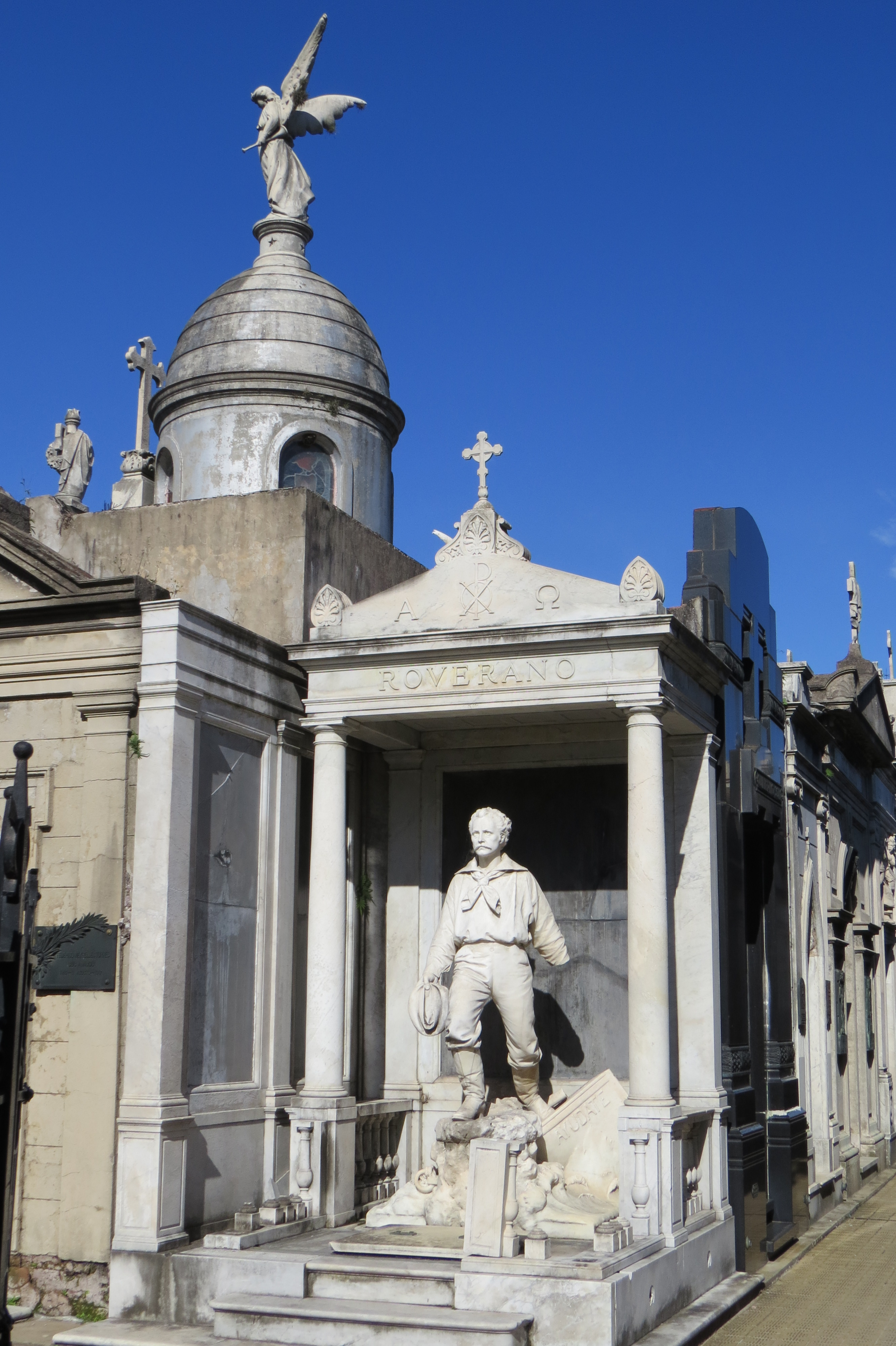
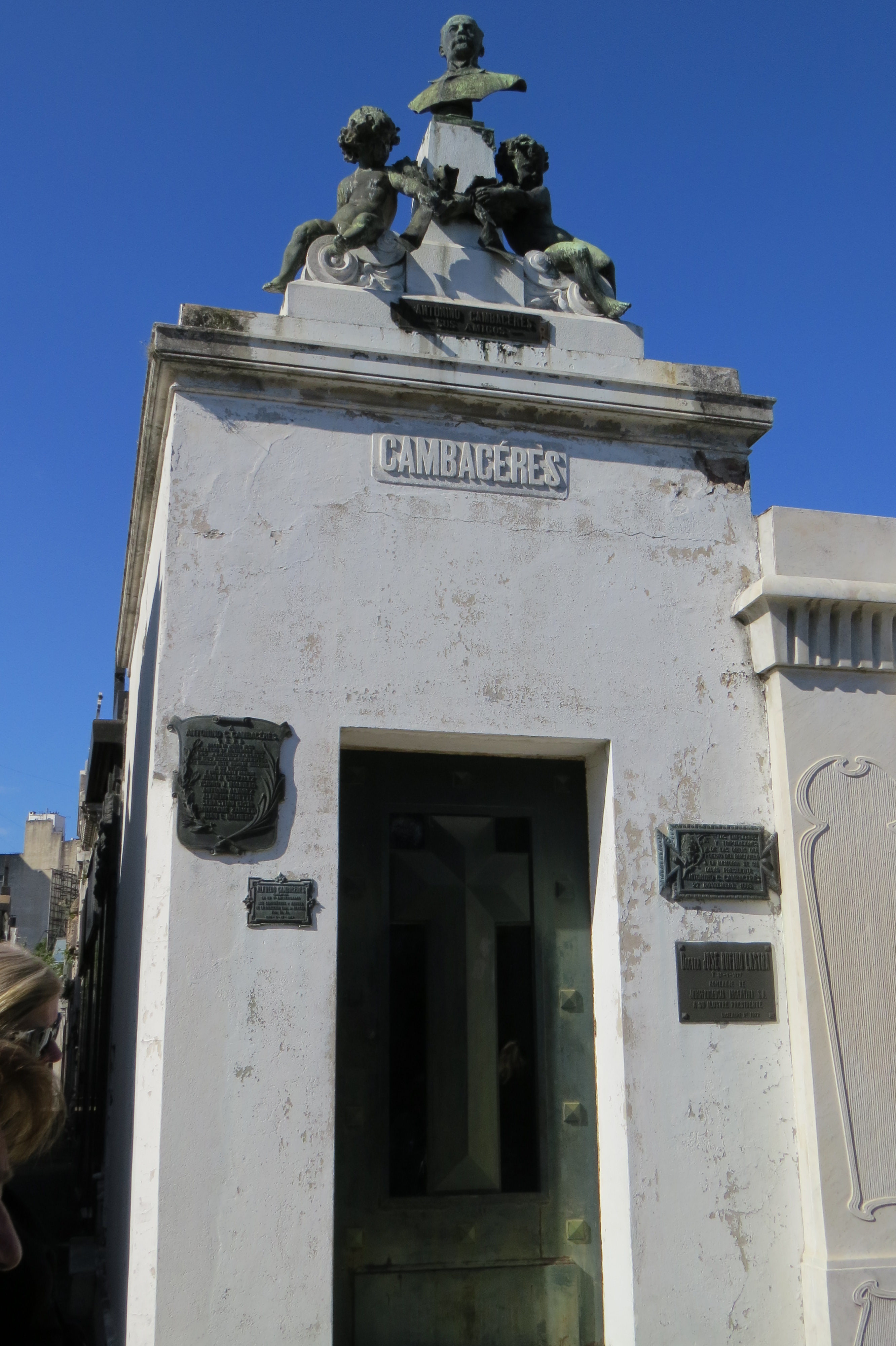
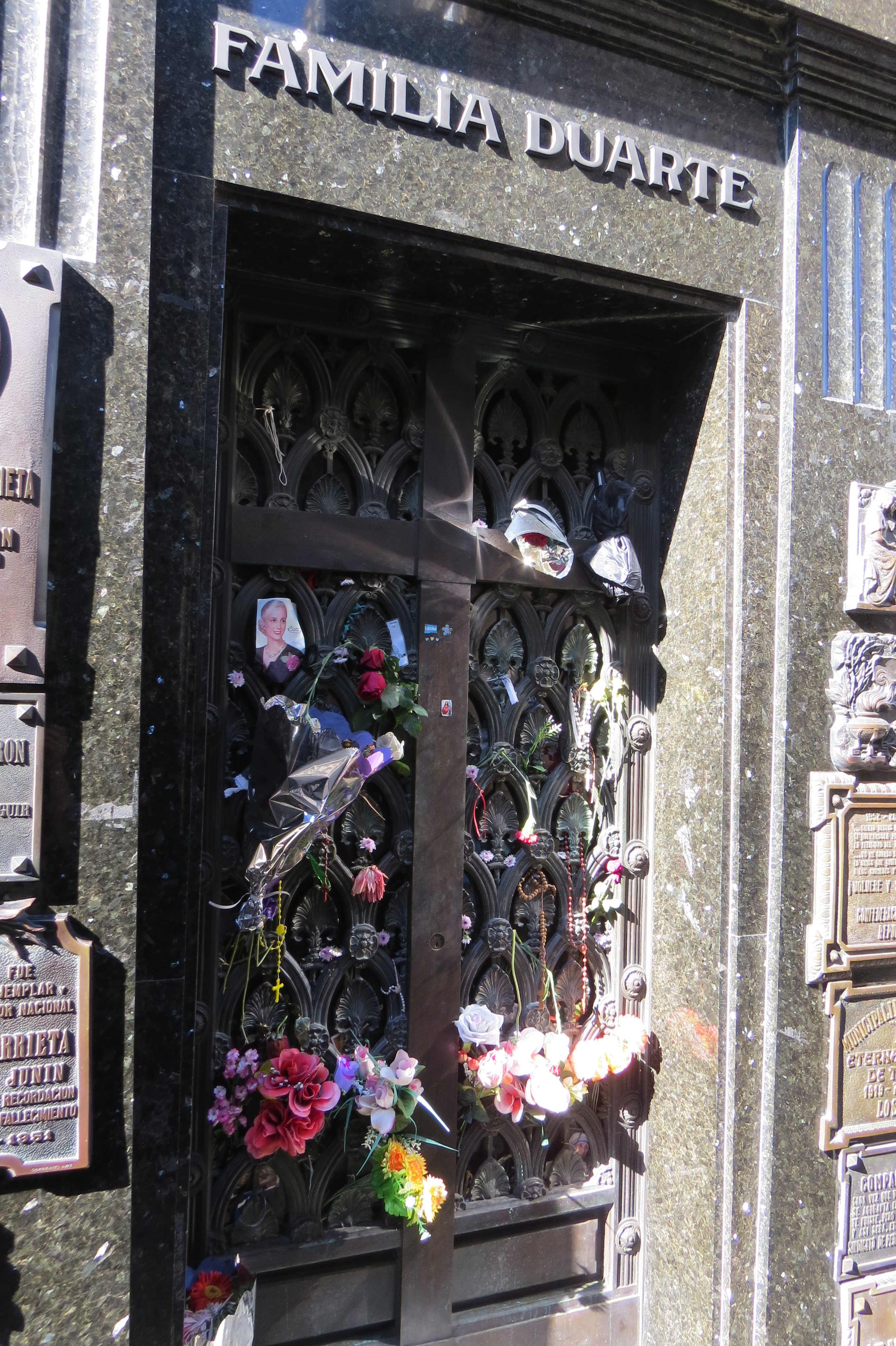
Another elegant BA neighbourhood is Recoleta, an upscale neighbourhood where even the deceased reside in glamour.   Some of the most renowned Argentines are buried in Recoleta cemetery.  I’ve always found cemeteries fascinating for the stories they tell, and I’ve never seen a cemetery like this – a small city unto itself.  Each building will hold several generations of a family deep into the ground, and some even have elevators.

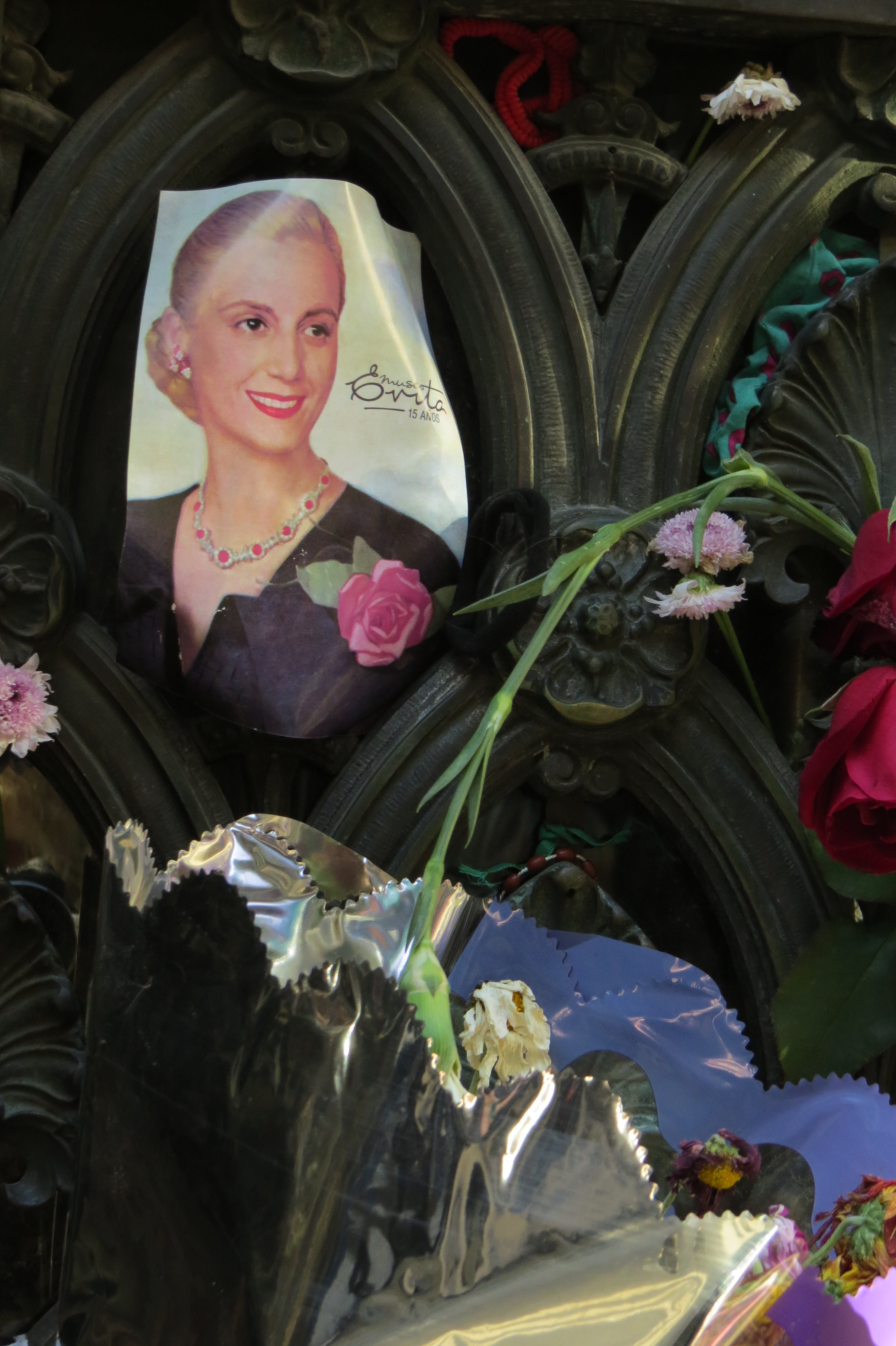
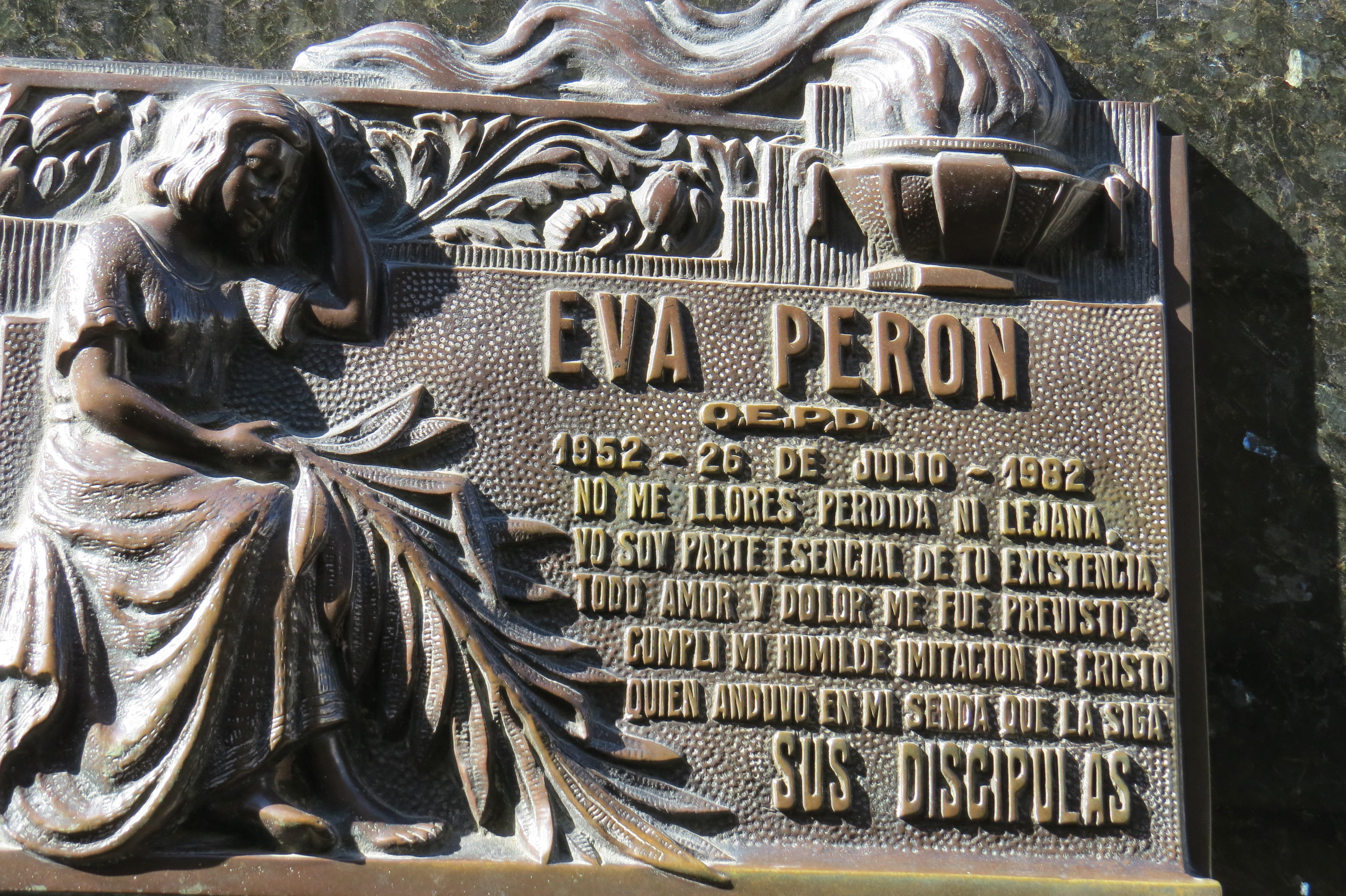
Probably its most famous inhabitant is Eva Peron (nee Duarte) whose enduring impact is evident by the fresh flowers placed here to this day.

Evita is the Argentine equivalent to Diana, the “People’s Princess.” Although she had the most expensive jewelry and Chanel gowns, she had been born into a poor family.  She eventually made her way to BA as a soap actress. There, she met Juan Peron when he was verging on becoming President of Argentina in 1946. They fell passionately in love and eventually married. Naturally, the aristocracy disliked and felt threatened by her.

Dior gown worn to Teatro Colon

When Juan ran for President, Evita’s political skills emerged and she brought trade unions and the poor to support Peron. Once Peron was in power, she literally became the country’s Ministry of Social Services, and built hospitals and schools. There was always a lineup outside her door and she gave homes, clothes, food and anything else needed to the poor, always giving them more than was requested.  She raised money herself, got large donations from trade unions and eventually the government had to create a budget and grant funding for the progressive work she was doing.  Juan Peron was hoping to make her Vice-President when she got the devastating diagnosis of terminal cancer. She died, the country wept, and Evita became a martyr and remains a powerful political figure today.

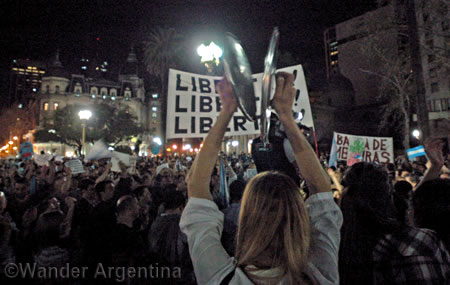
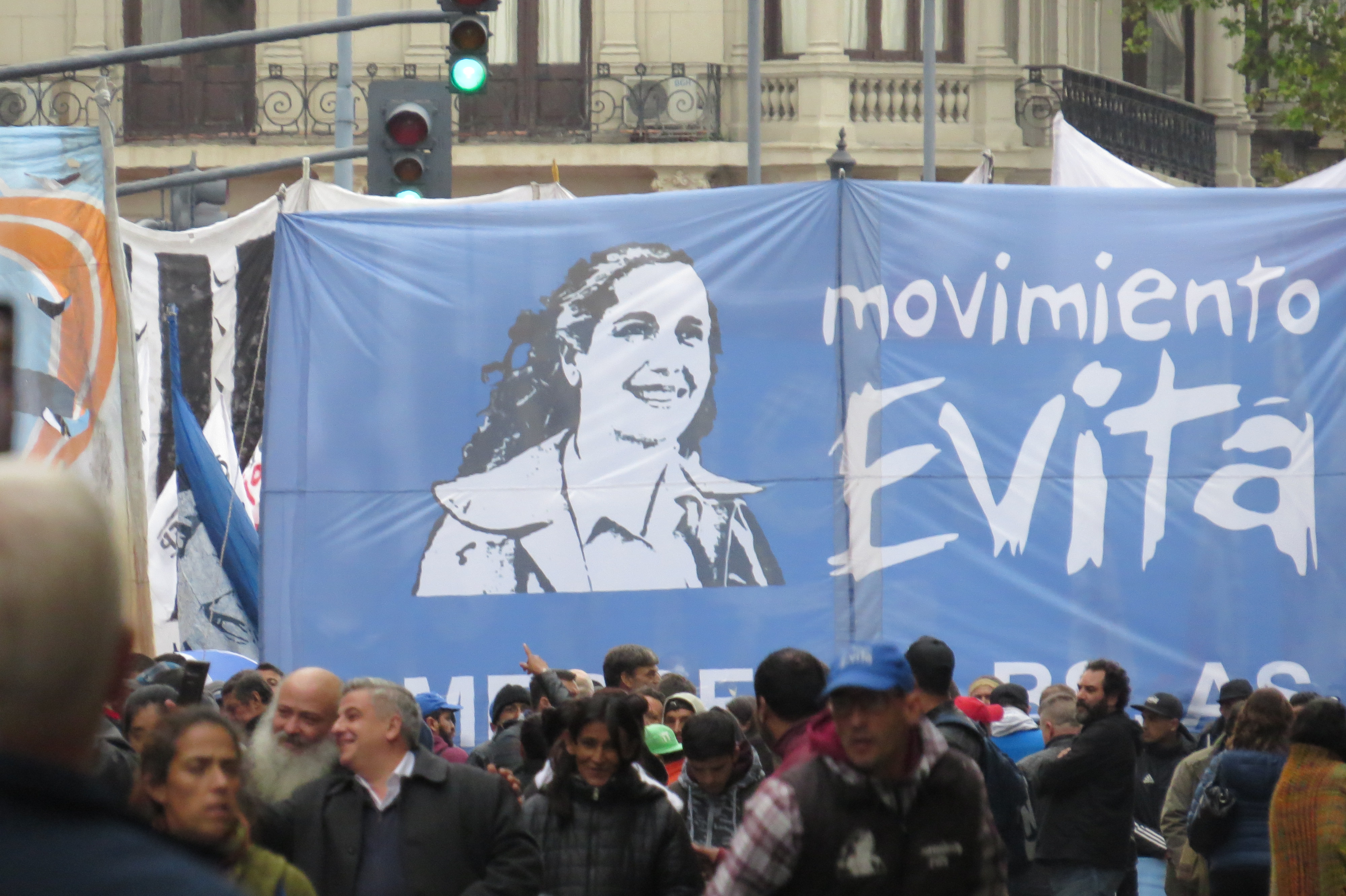
We came upon a student demonstration in support of “Peronism” – invoking the name and work of Evita Peron.

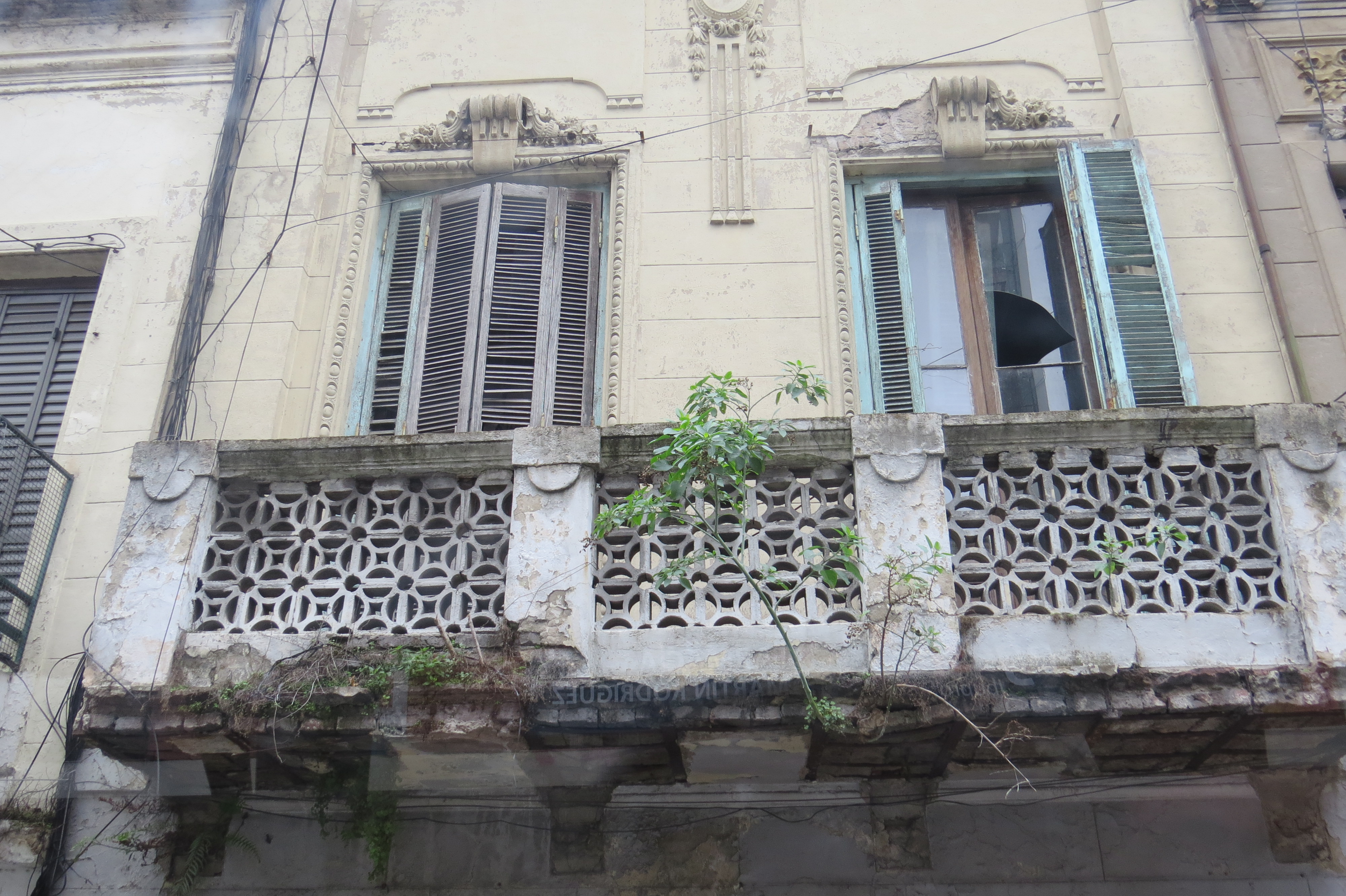
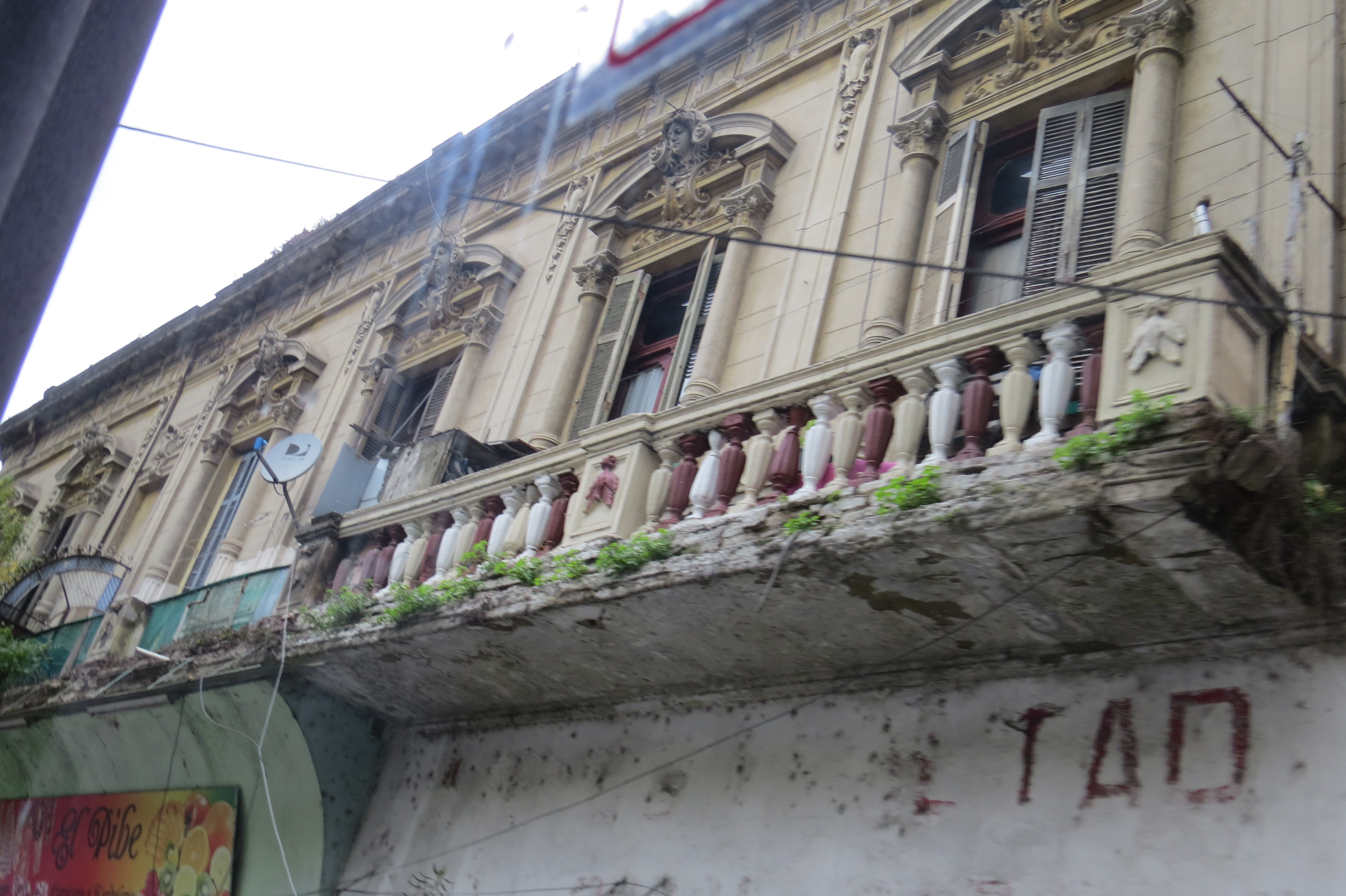
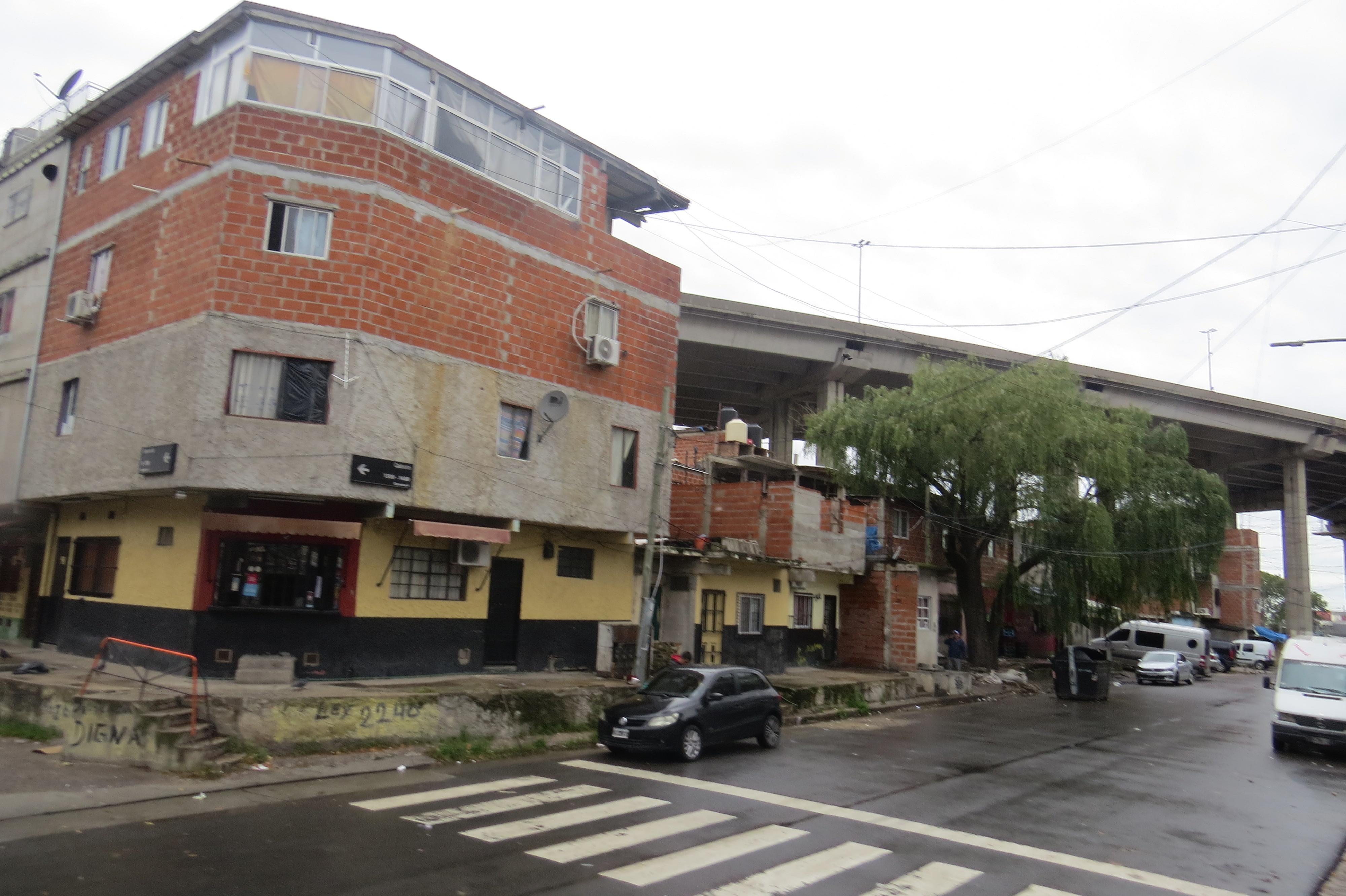
Of course this city has a dark side.  On every building, every home, there are bars on windows and metal shutters, usually down.  There is an incredible police presence.    And we drive past shantytowns, vast neighbourhoods where there are few windows in buildings that surely should be condemned, sometimes butting up against million-dollar condos.  We were told that most of these inhabitants are recent immigrants who have no access to social programs, but this seems unlikely.  The bright side is that there is a growing middle class and we did visit neighbourhoods that were comfortable so I hope the social programs will continue to expand and living standards will demarginalize.

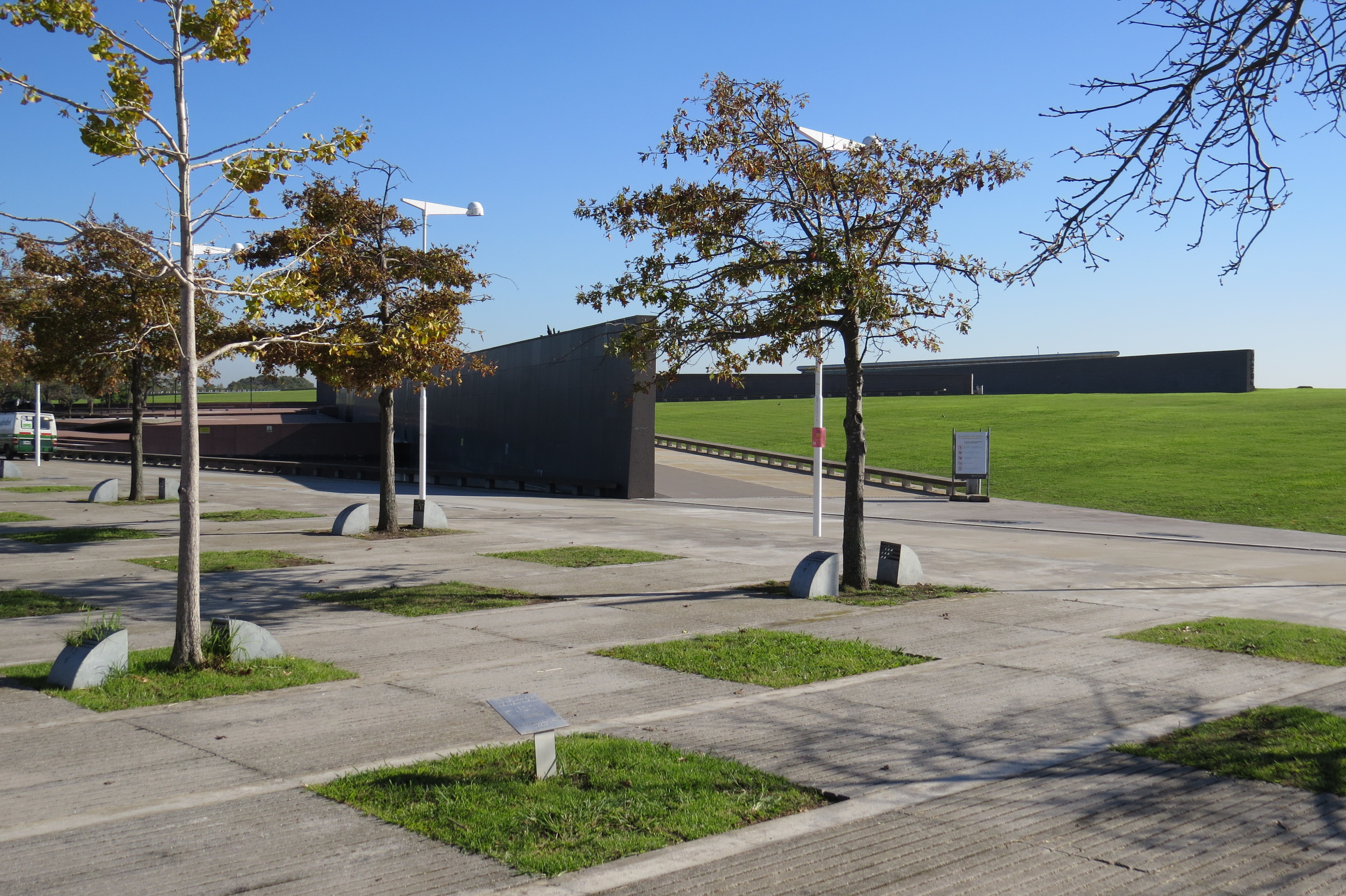
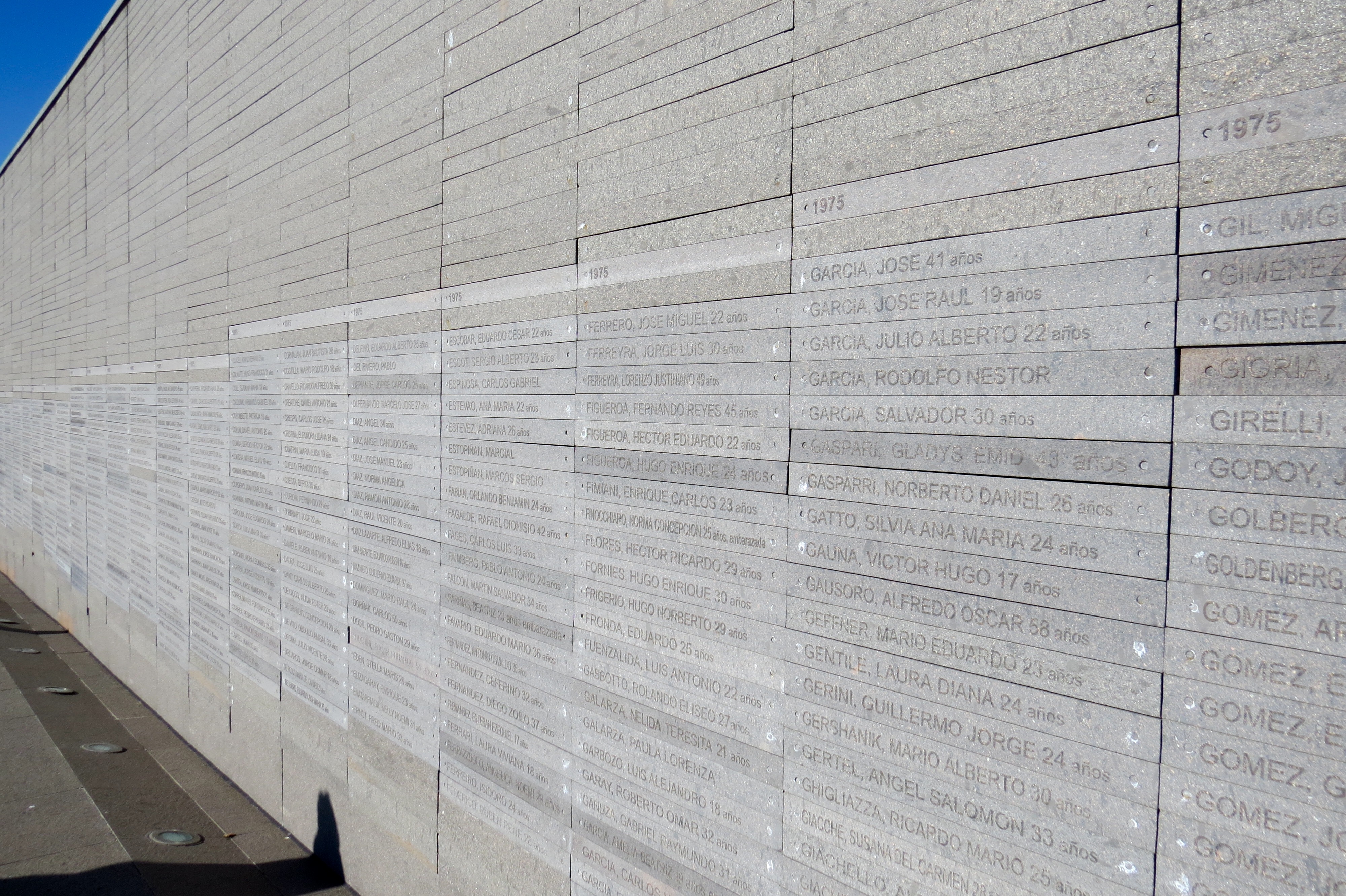
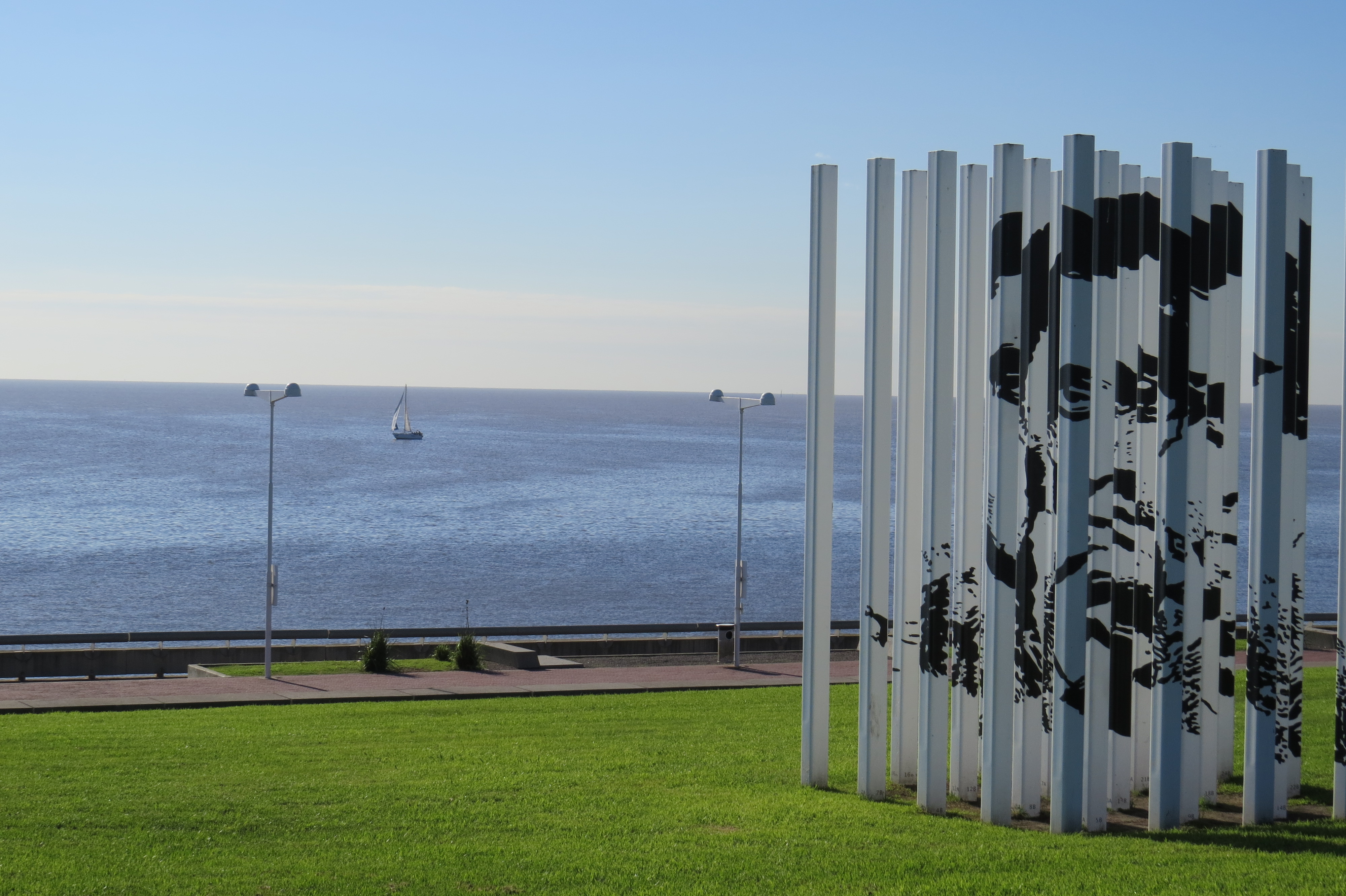
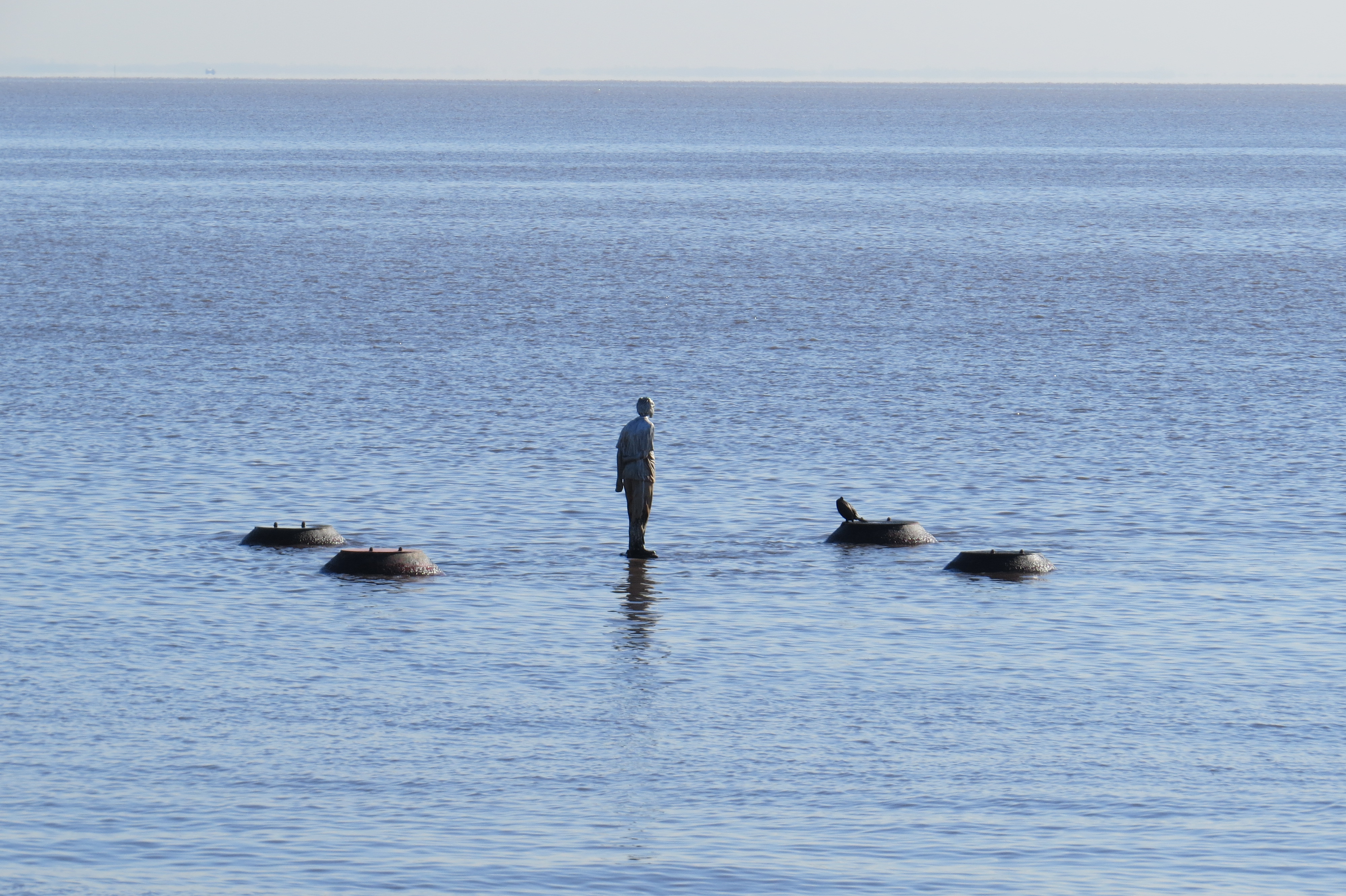
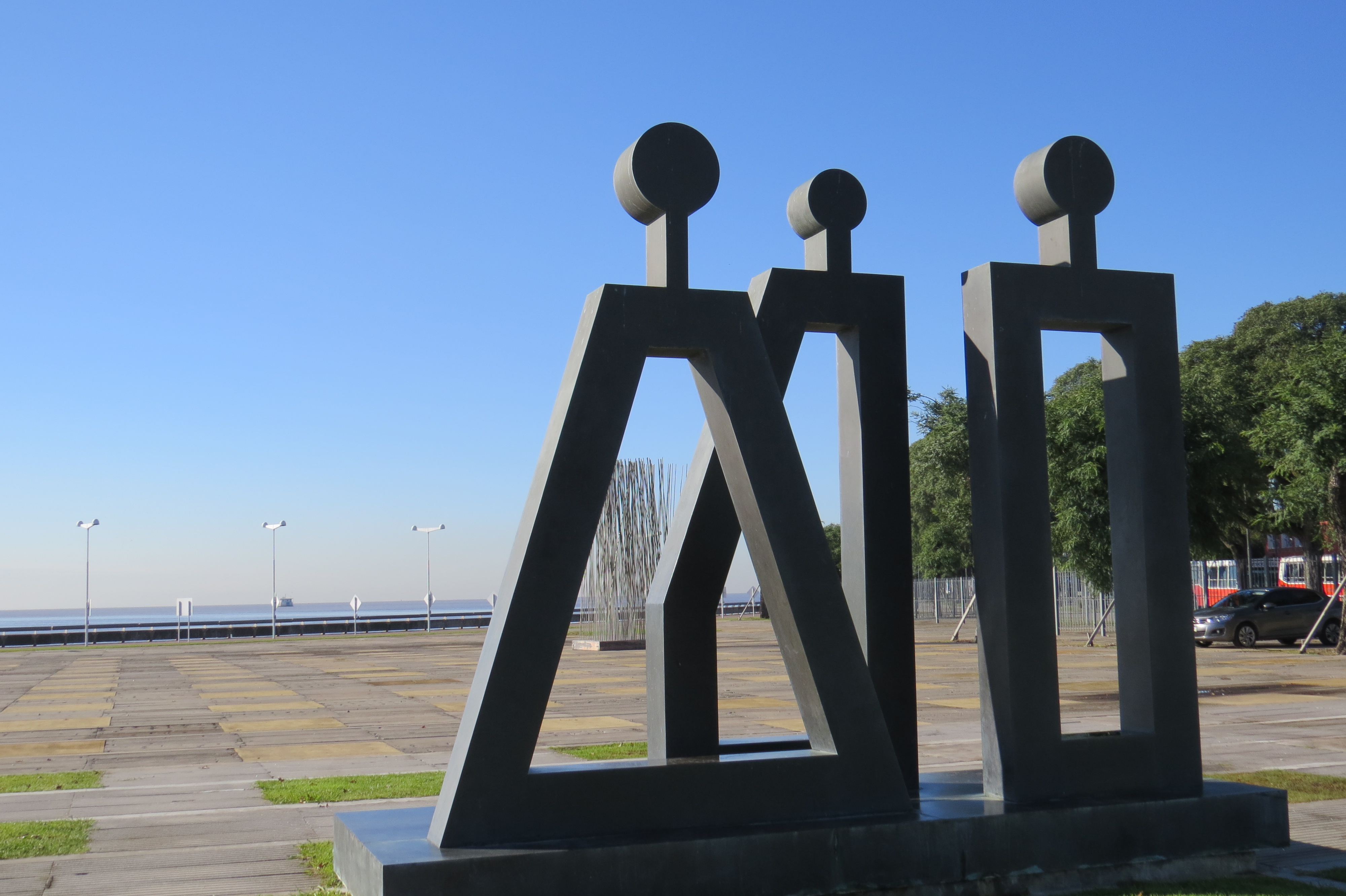
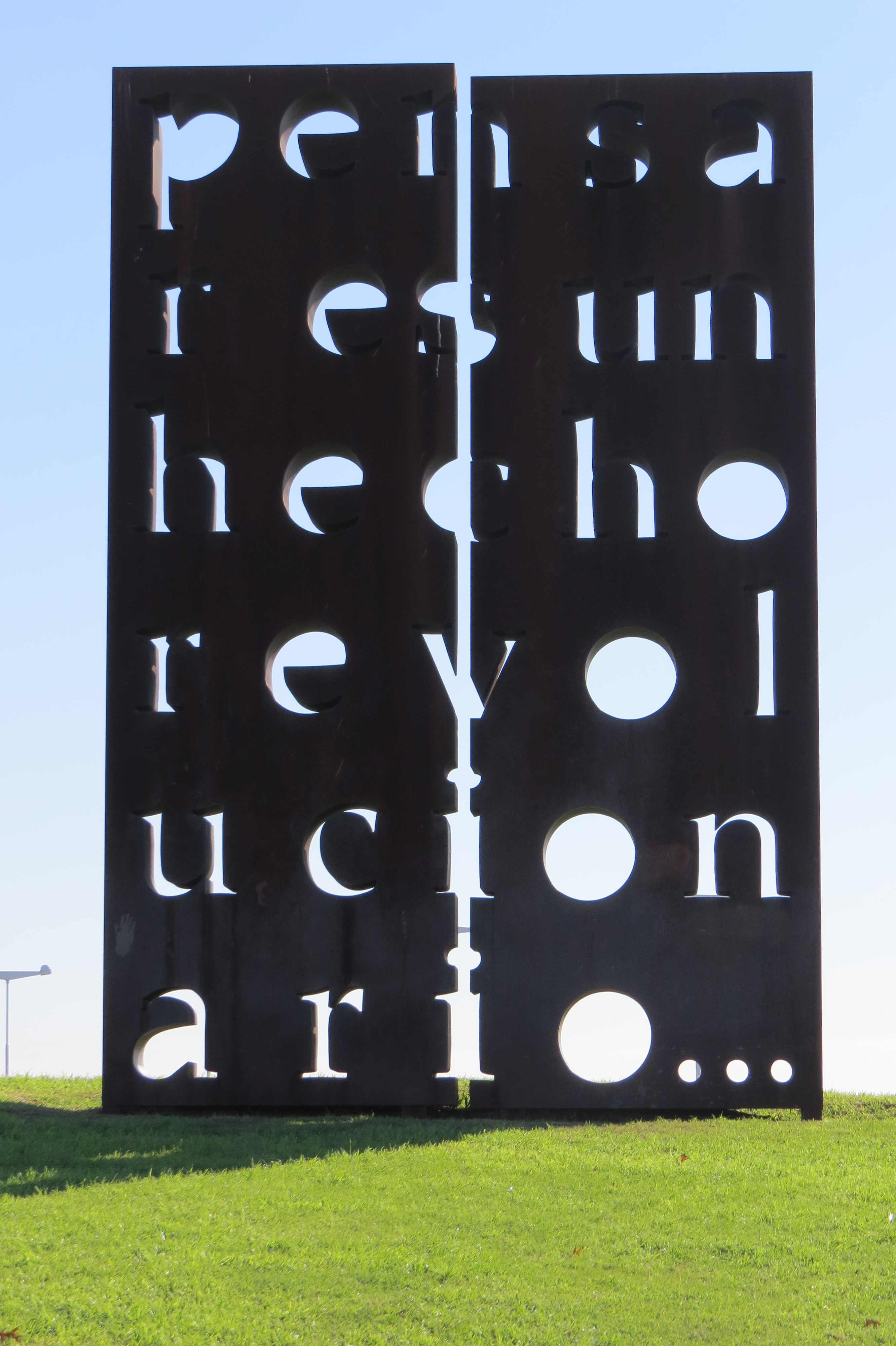
Like Santiago, and indeed Berlin, Buenos Aires is finally, in recent years, making its dark history of the “disappeared” an open topic.   A beautiful memorial was built along the Rio de la Plata where so many citizens
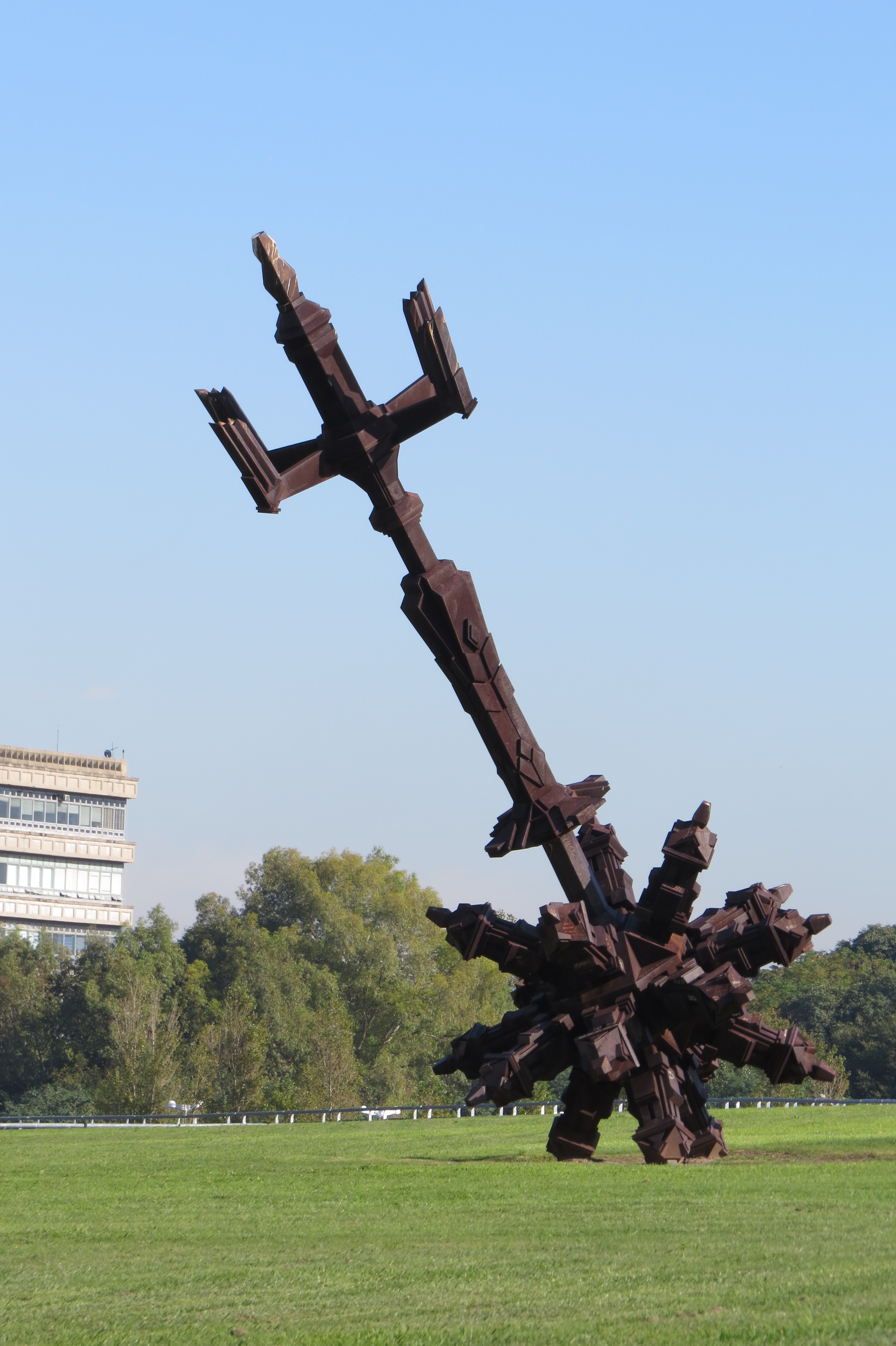
disappeared.  Its location between the river and a municipal airport with planes zooming overhead (many of the disappeared were dropped in the river from “death flights”) is a poignant reminder of the dark past and again we saw several school tours and children looking for their family names on the memorial.  There are 9,000 names along the wall, some as young as 13 and most under the age of 25, those who could be identified among the 30,000 who disappeared.  Several artists were commissioned to make powerful works of art.


All in all, on first impression, this city has room to breathe, is expanding its lungs, and deep gulps of its air make me want to explore more.

Best,

Jan
 

Monigote de Nieve

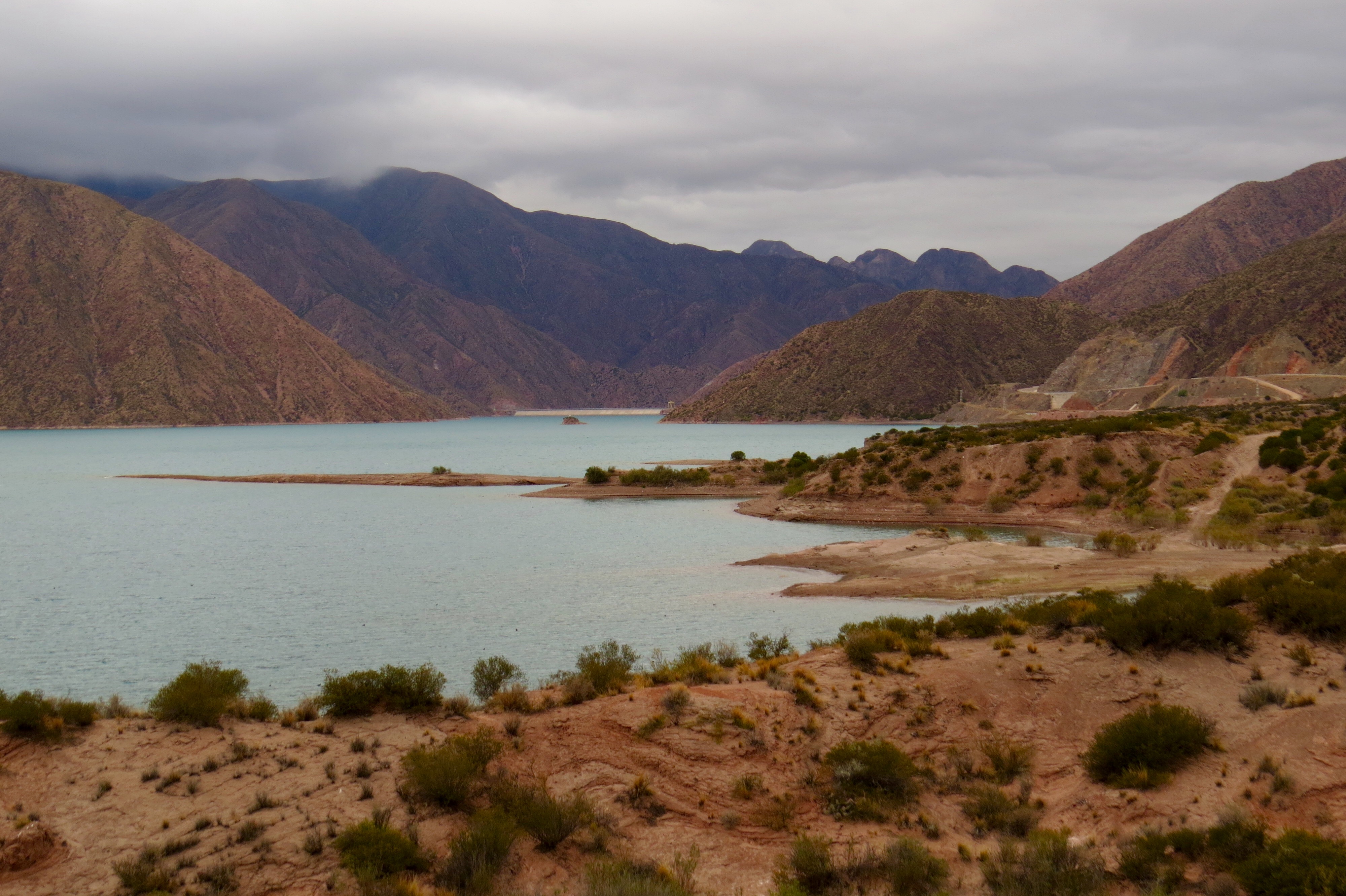
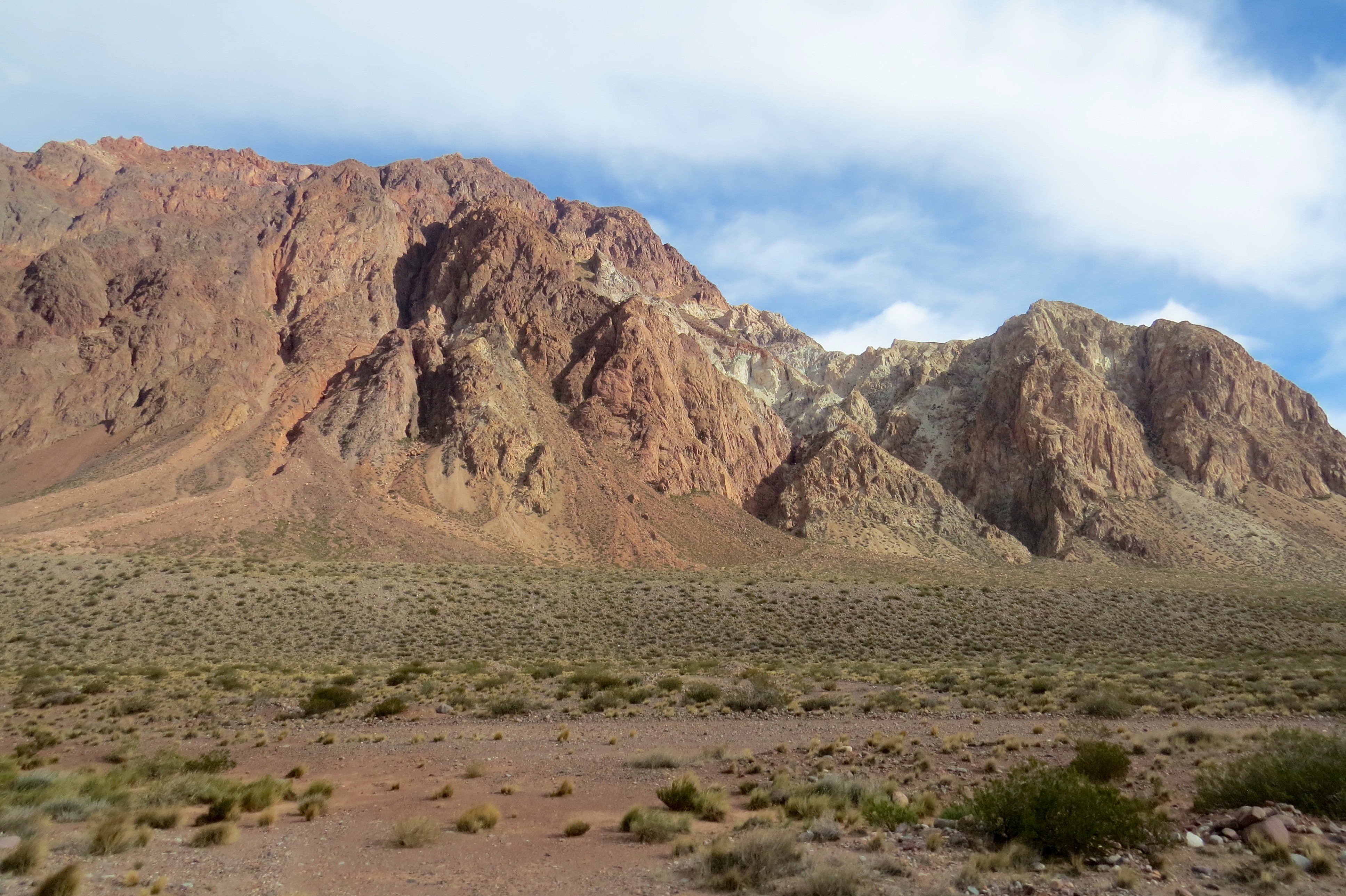
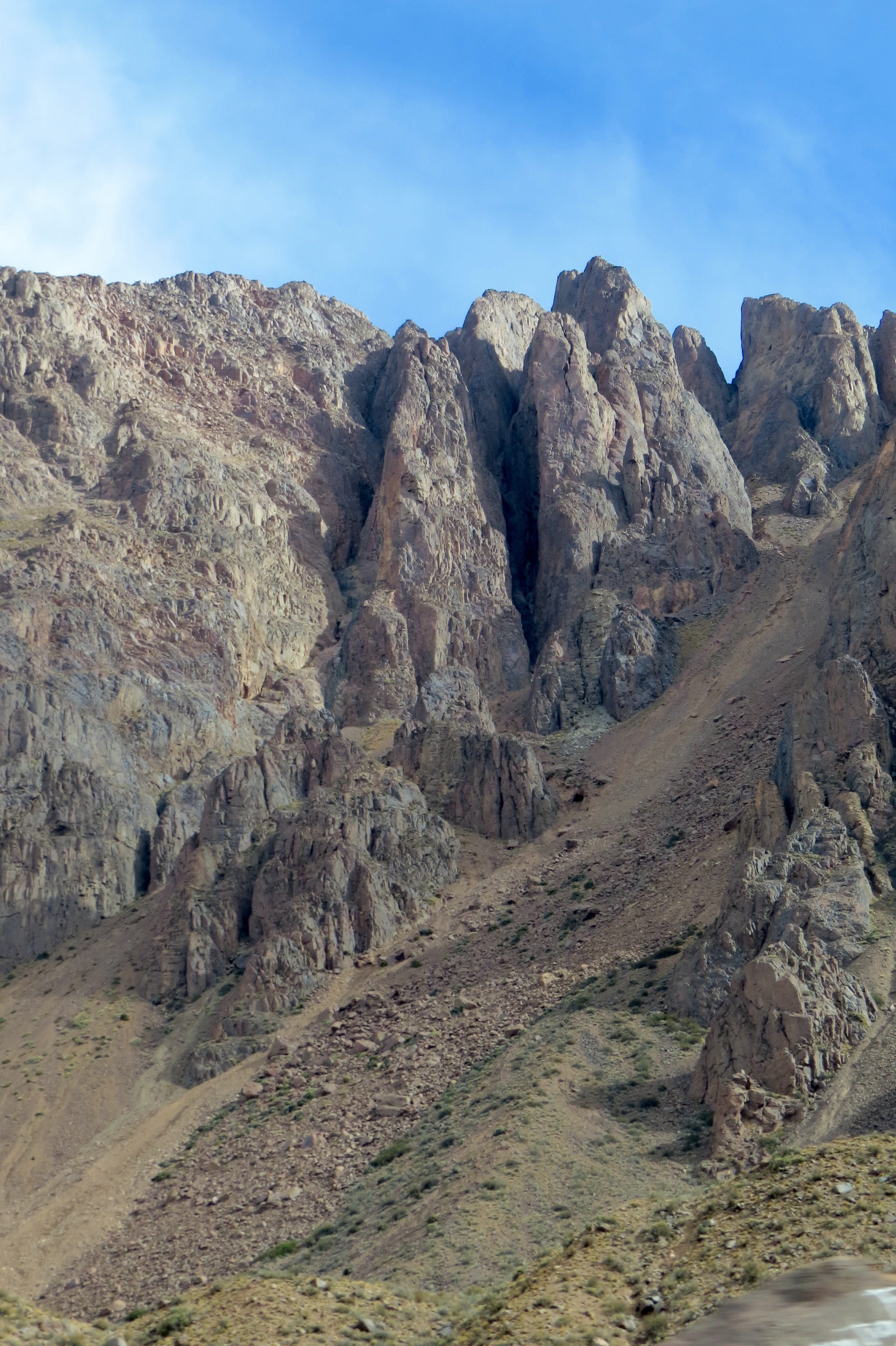
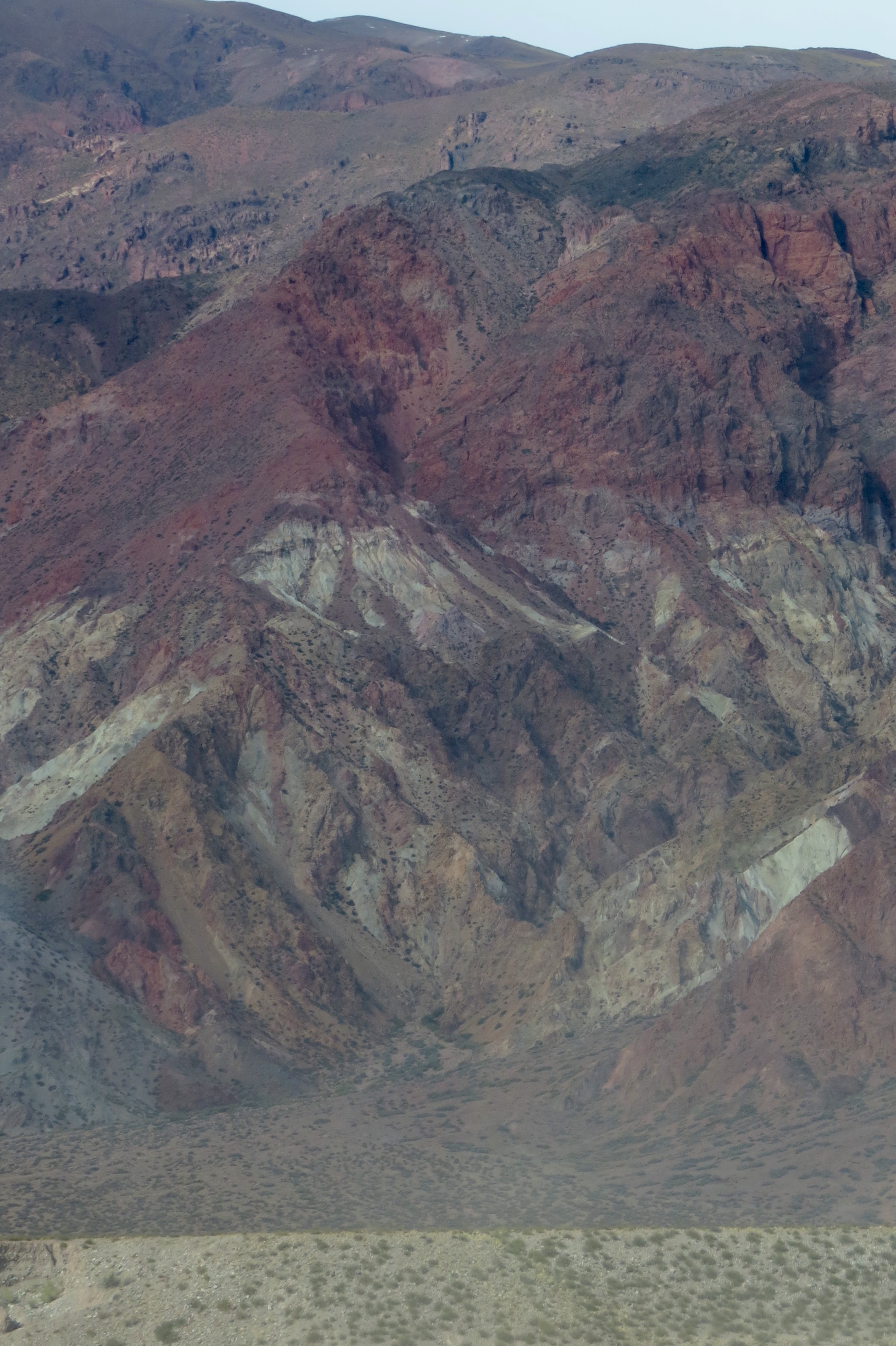
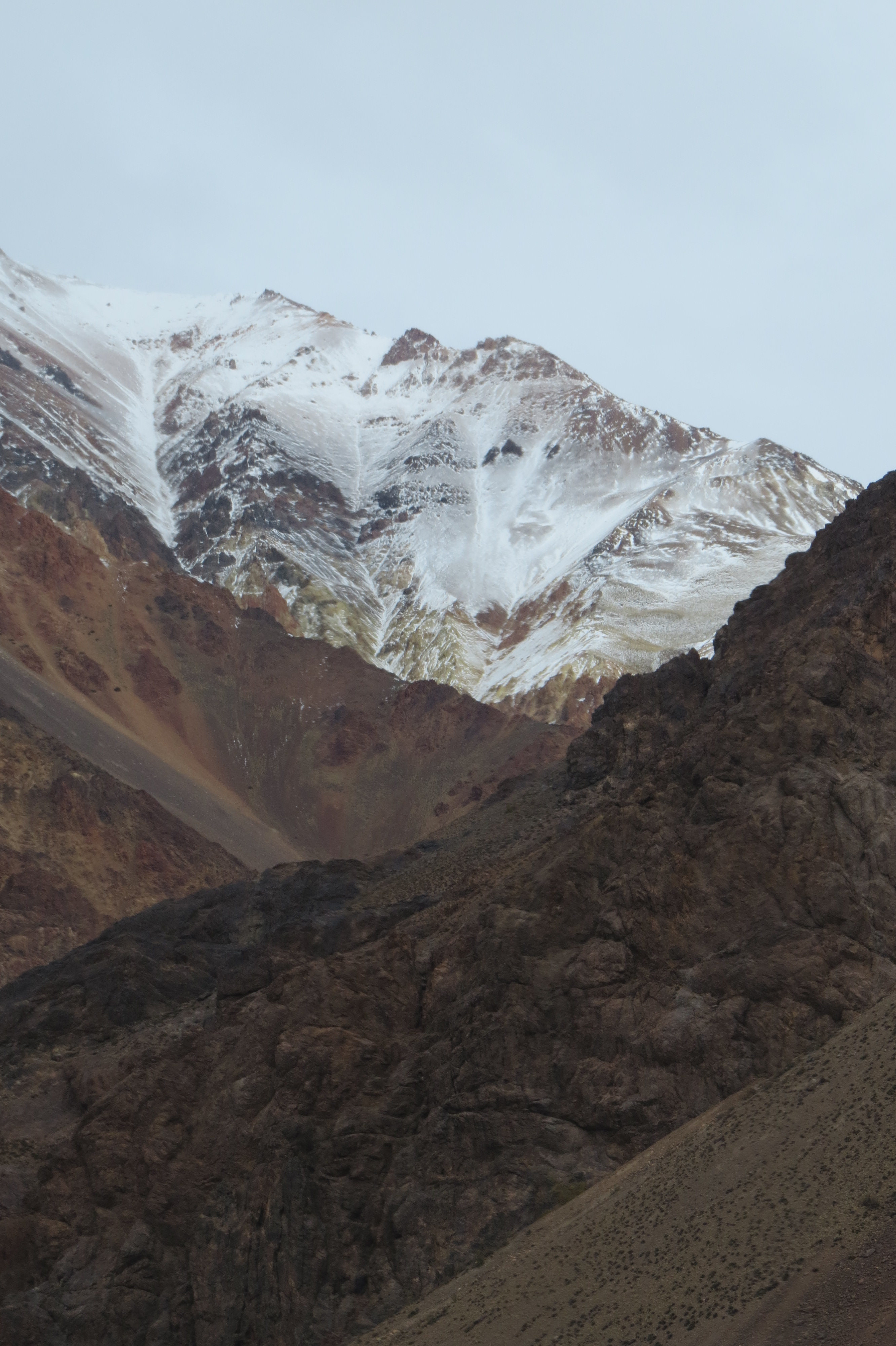
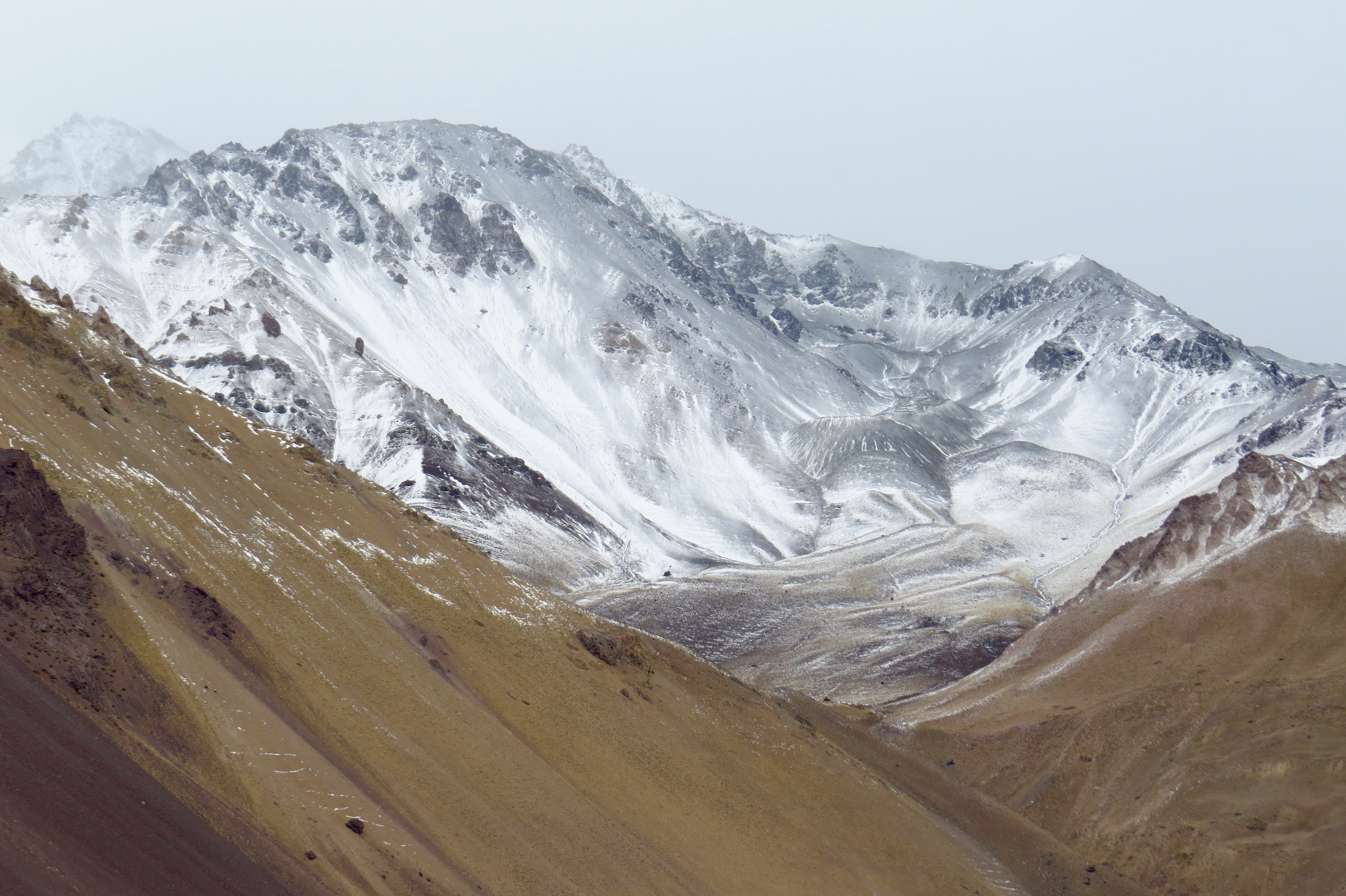
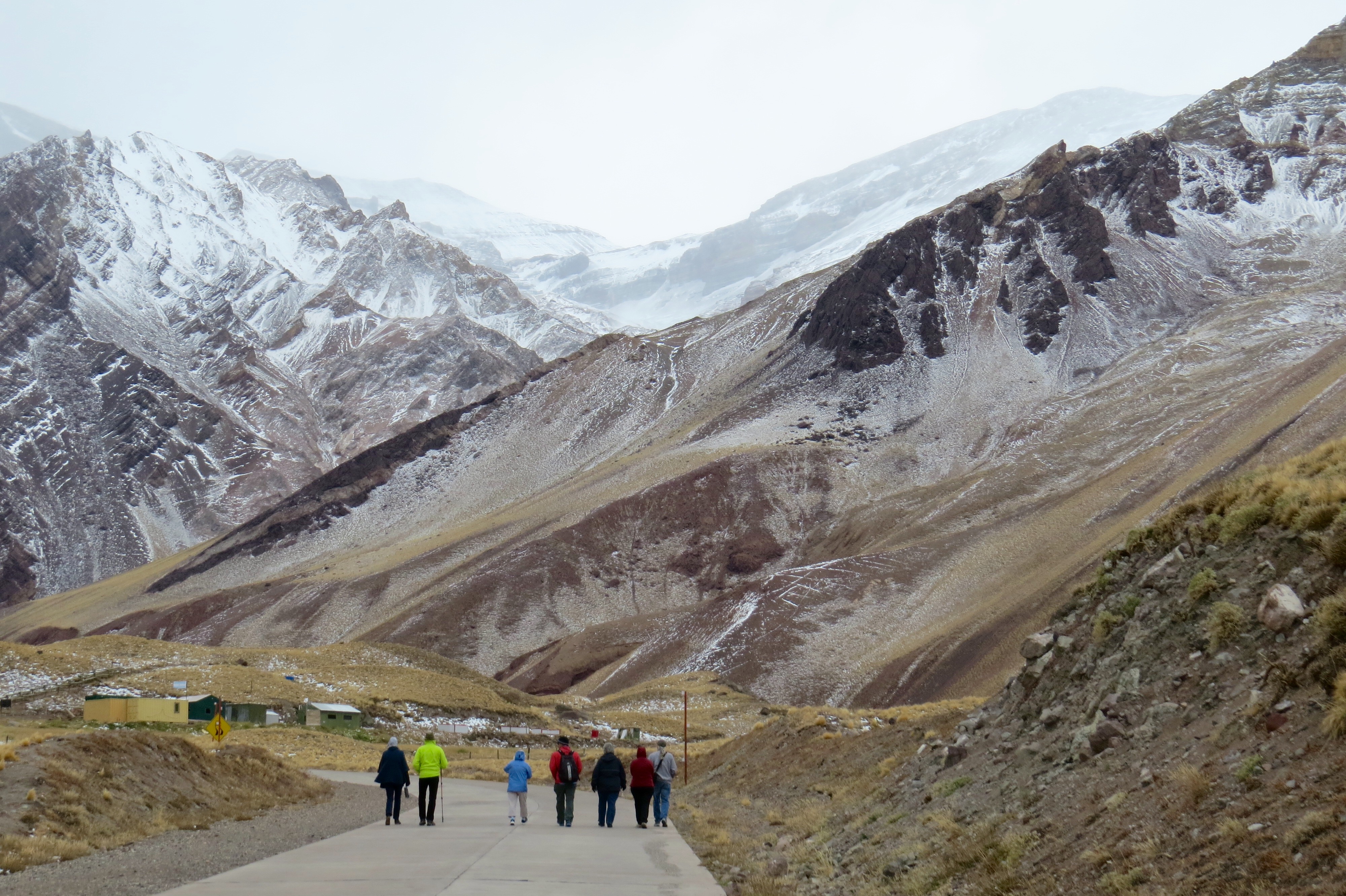
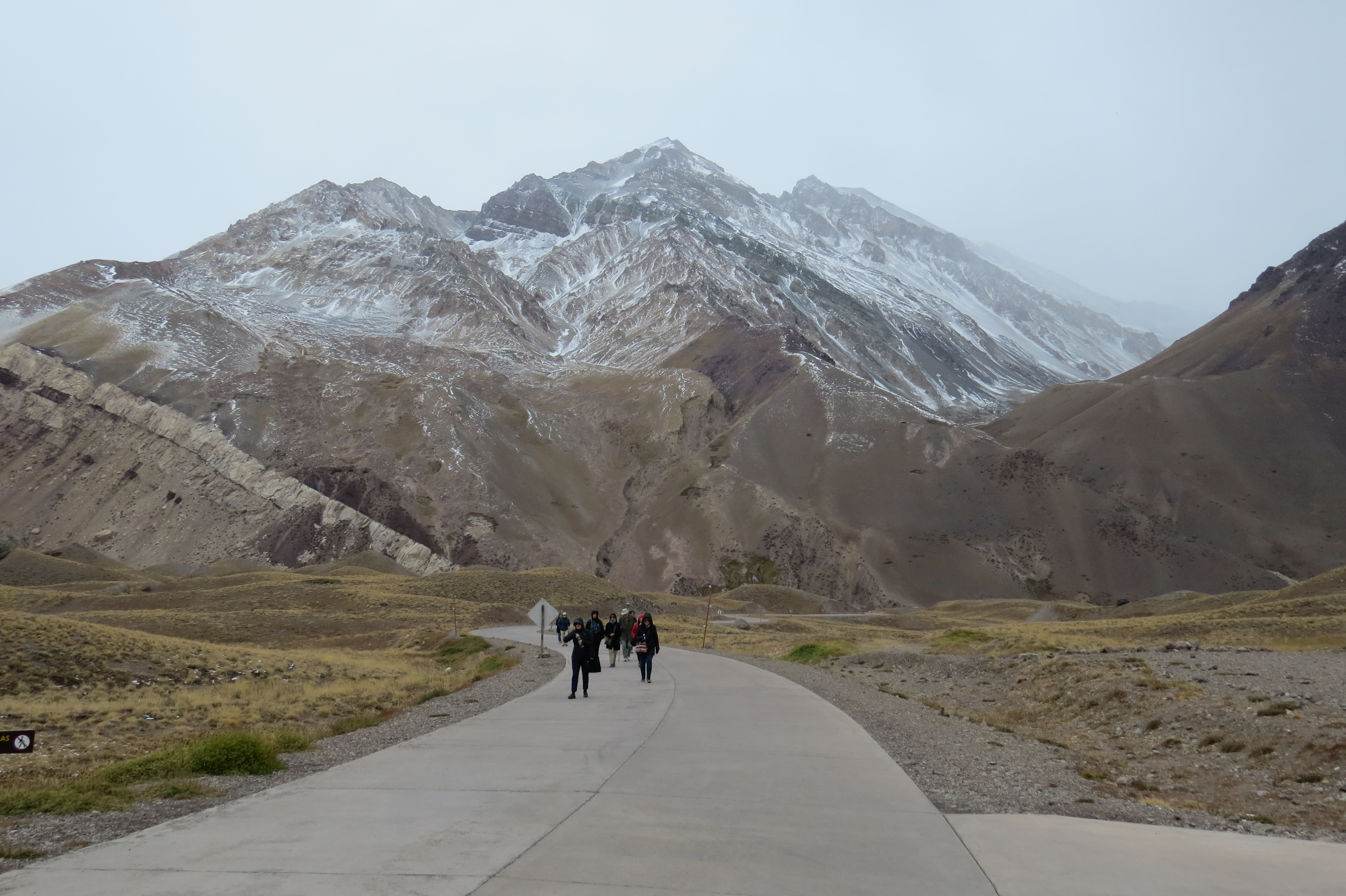
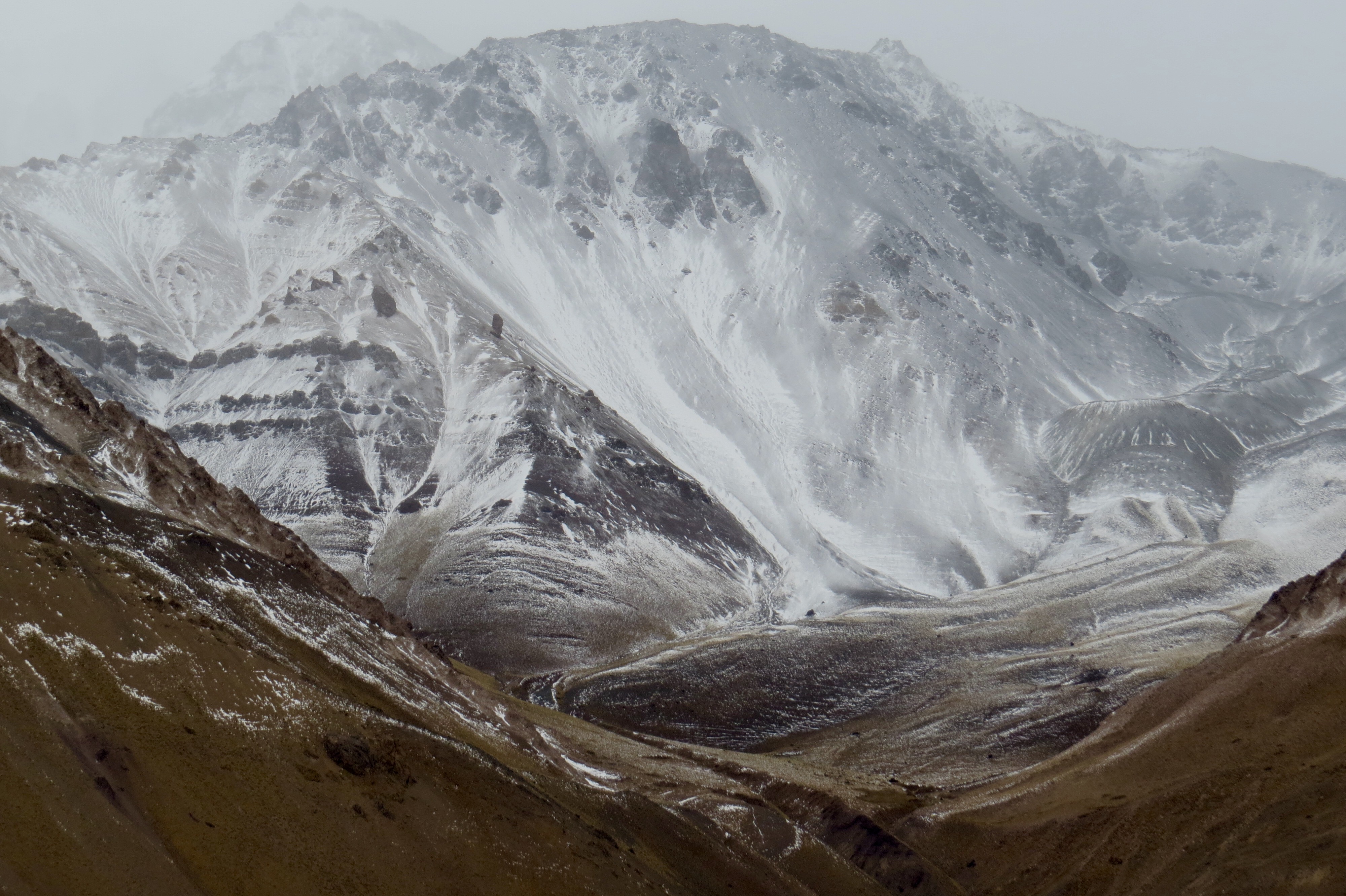
Today, we bundled up and headed into the mountains for an adventure. We passed through two colourful mountain ranges before reaching the Andes. In the morning, we stopped at a viewpoint and Estefano set up his table and treated us to hot coffee and the country’s best Alfrejo’s – chocolate mousse and dulce de leche (caramelized sweetened milk) wrapped in chocolate – perfect!


We were surrounded by mountains and we were mainly at their peaks. We saw many condors circling overhead. It was cold and windy, but we reached the Andes national park (near the Chilean border) and had a wonderful walk up into the mountains.  The air was extremely thin and our lungs felt it.   Aconcagua is the tallest peak in the Americas.


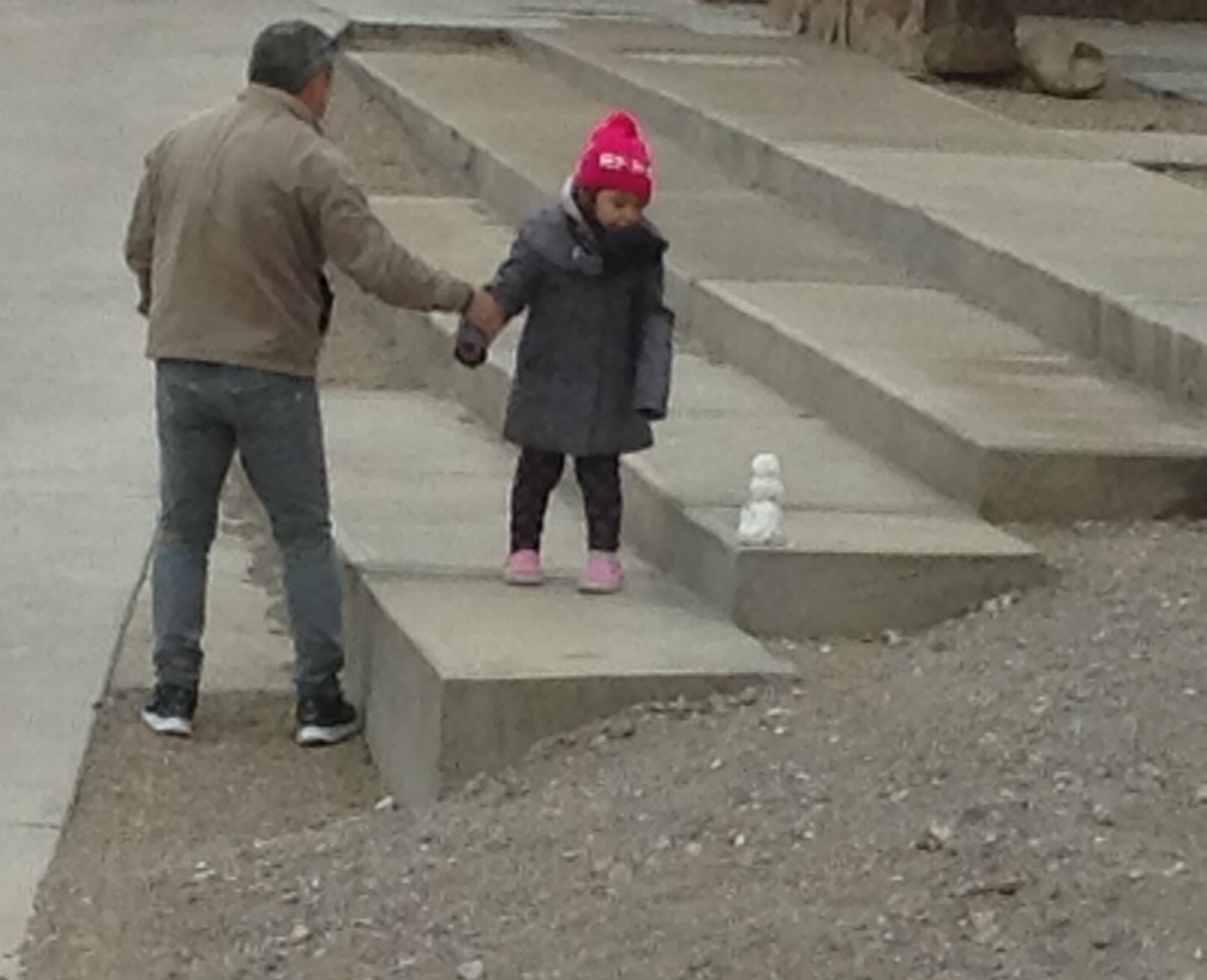
Some of our group reached the snow and in a supremely Canadian act, they brought back a little snowman which they left at the door of the visitor centre. One little Argentine had never seen a snowman (“monigote de nieve”) before.

We had a “boxed lunch” on board the bus which included hot soup, sandwiches, red wine, more alfrejos and half-bottles of champagne.

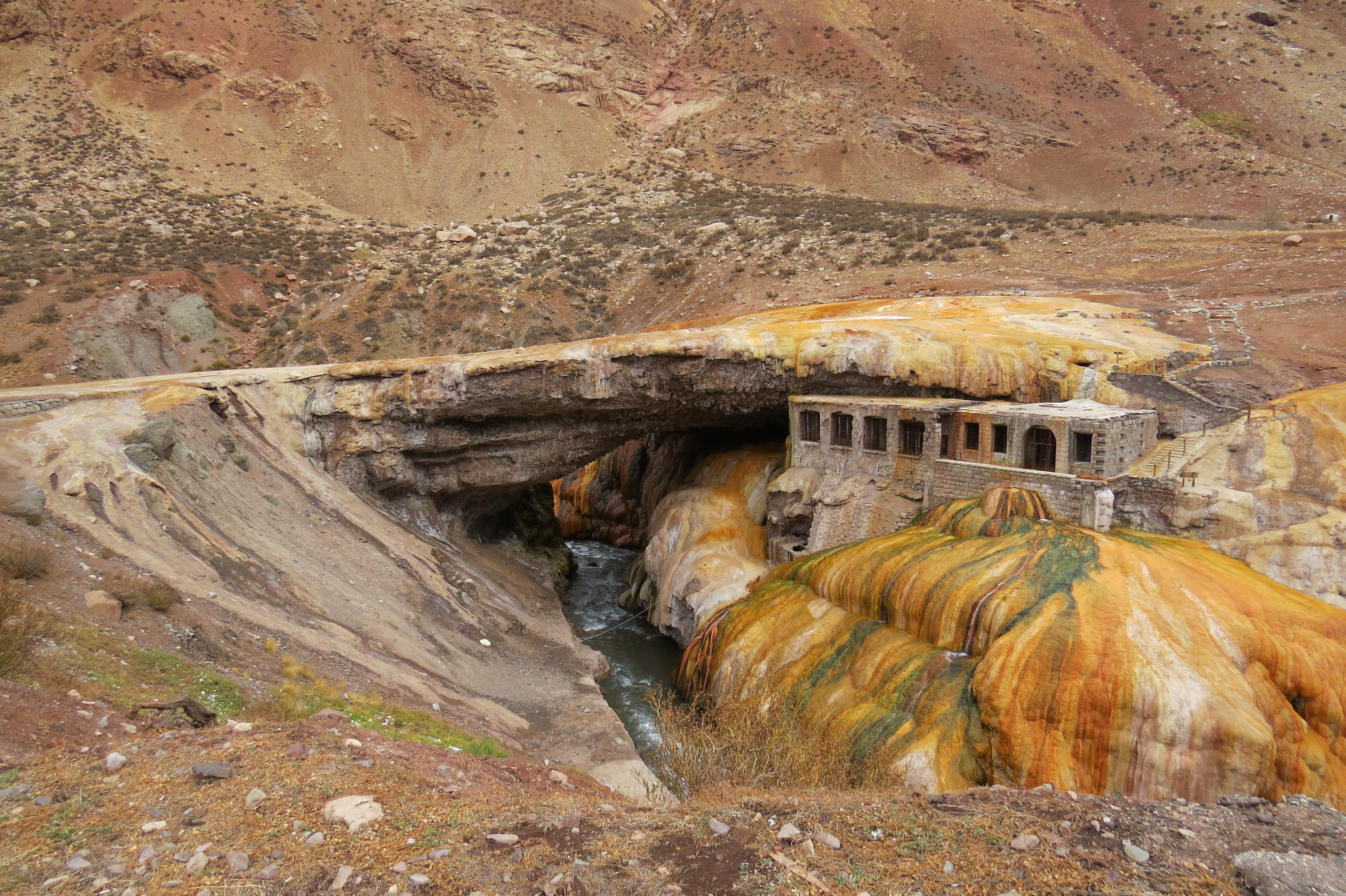
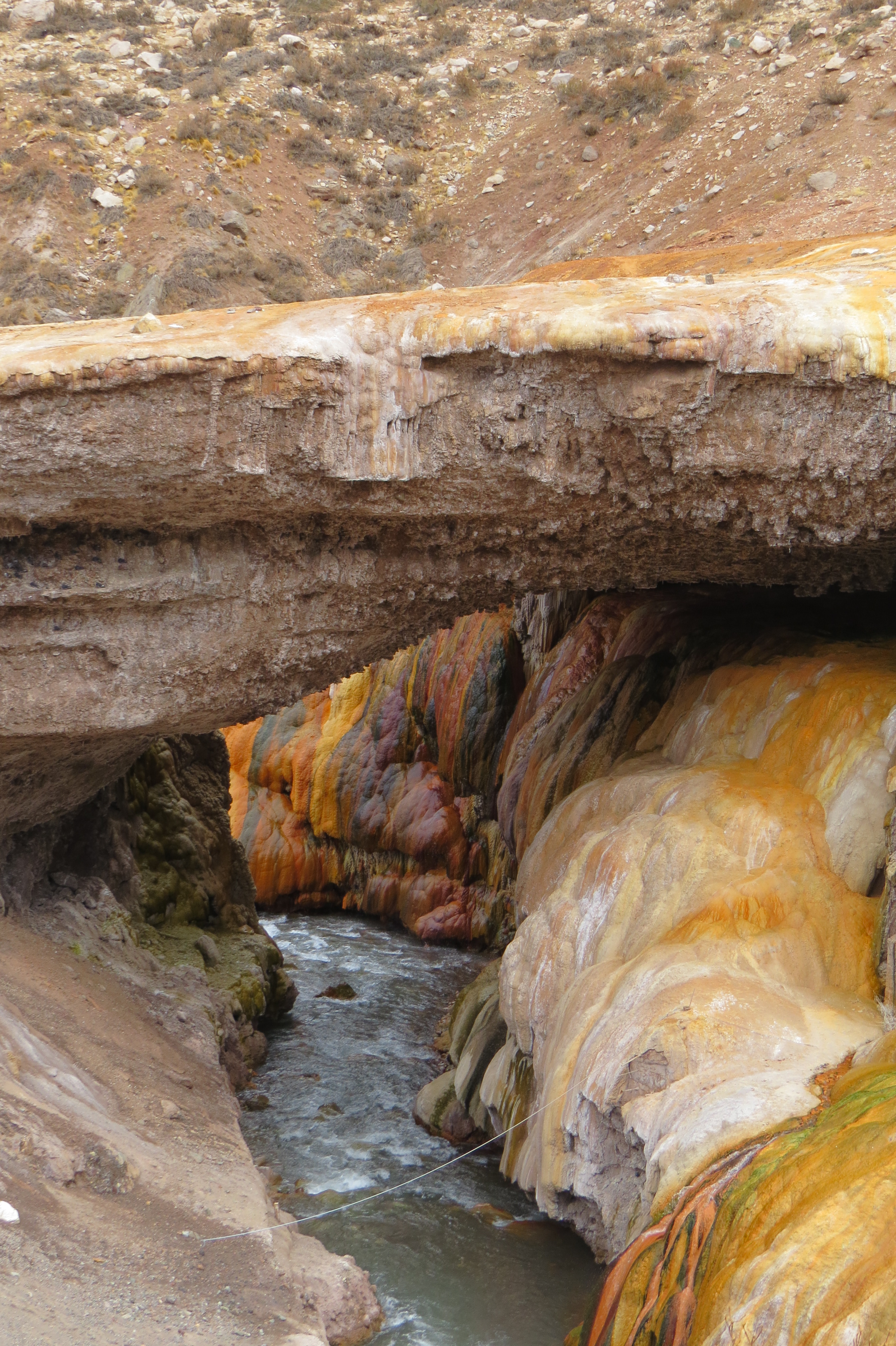
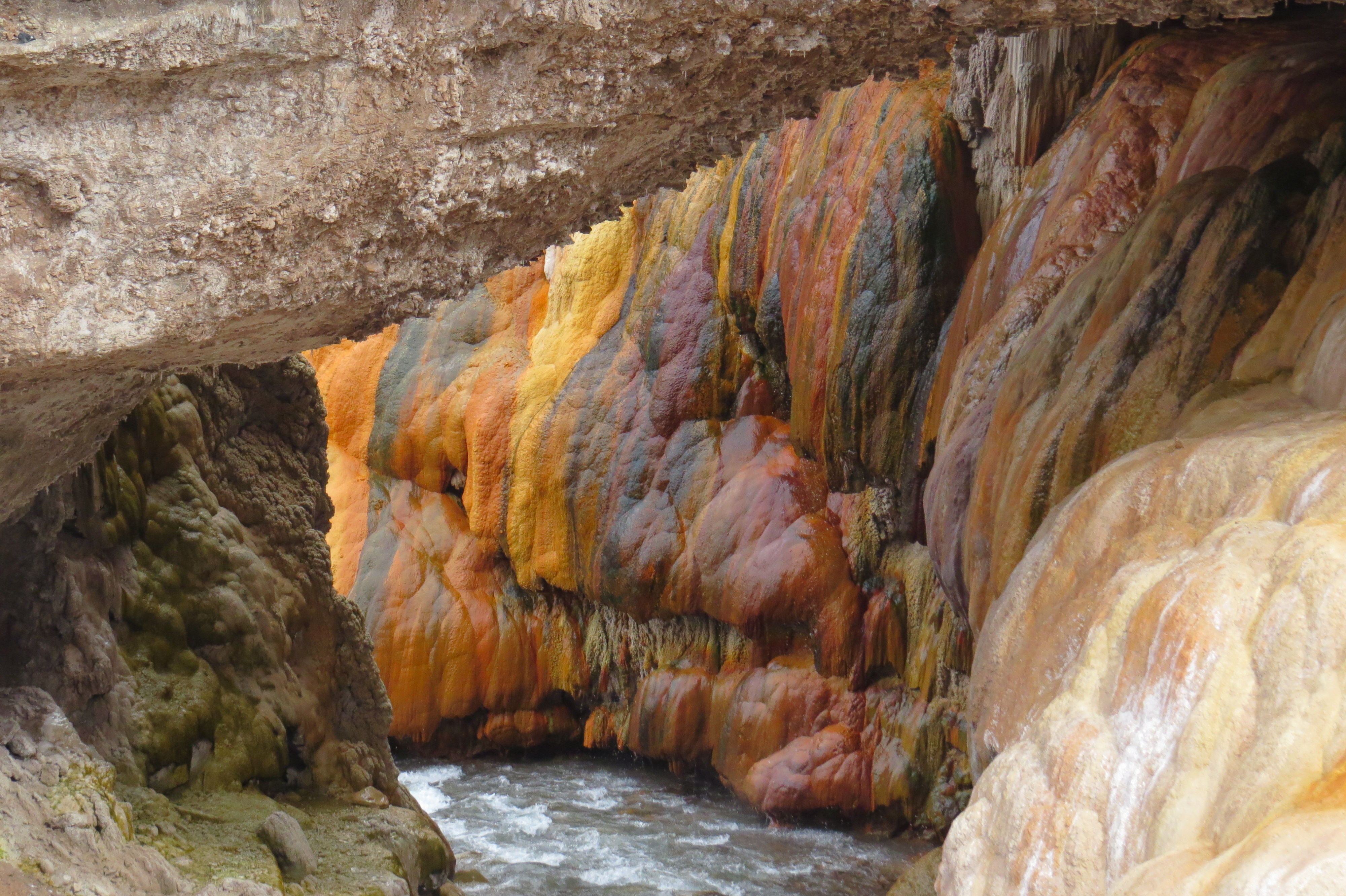
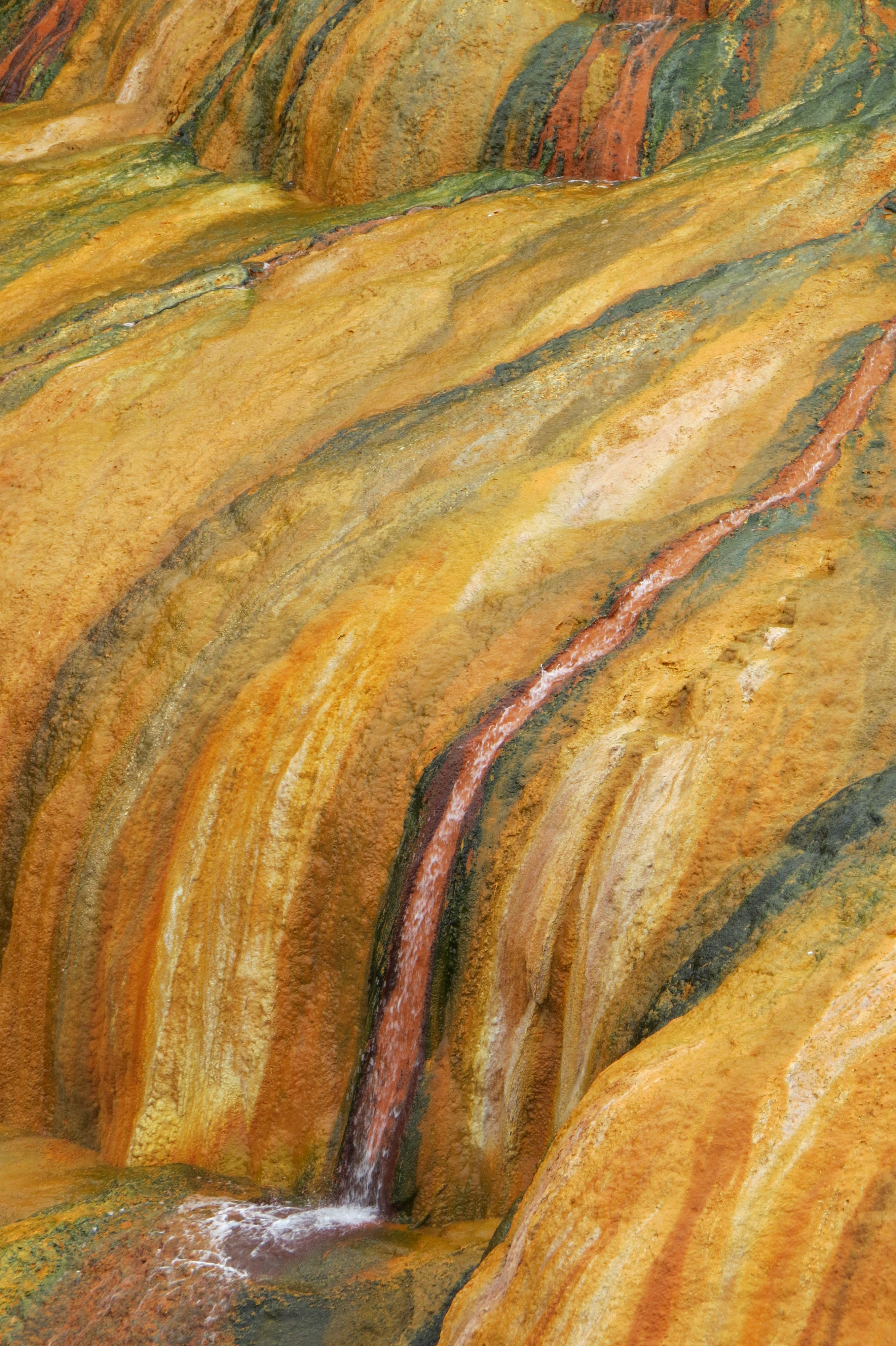
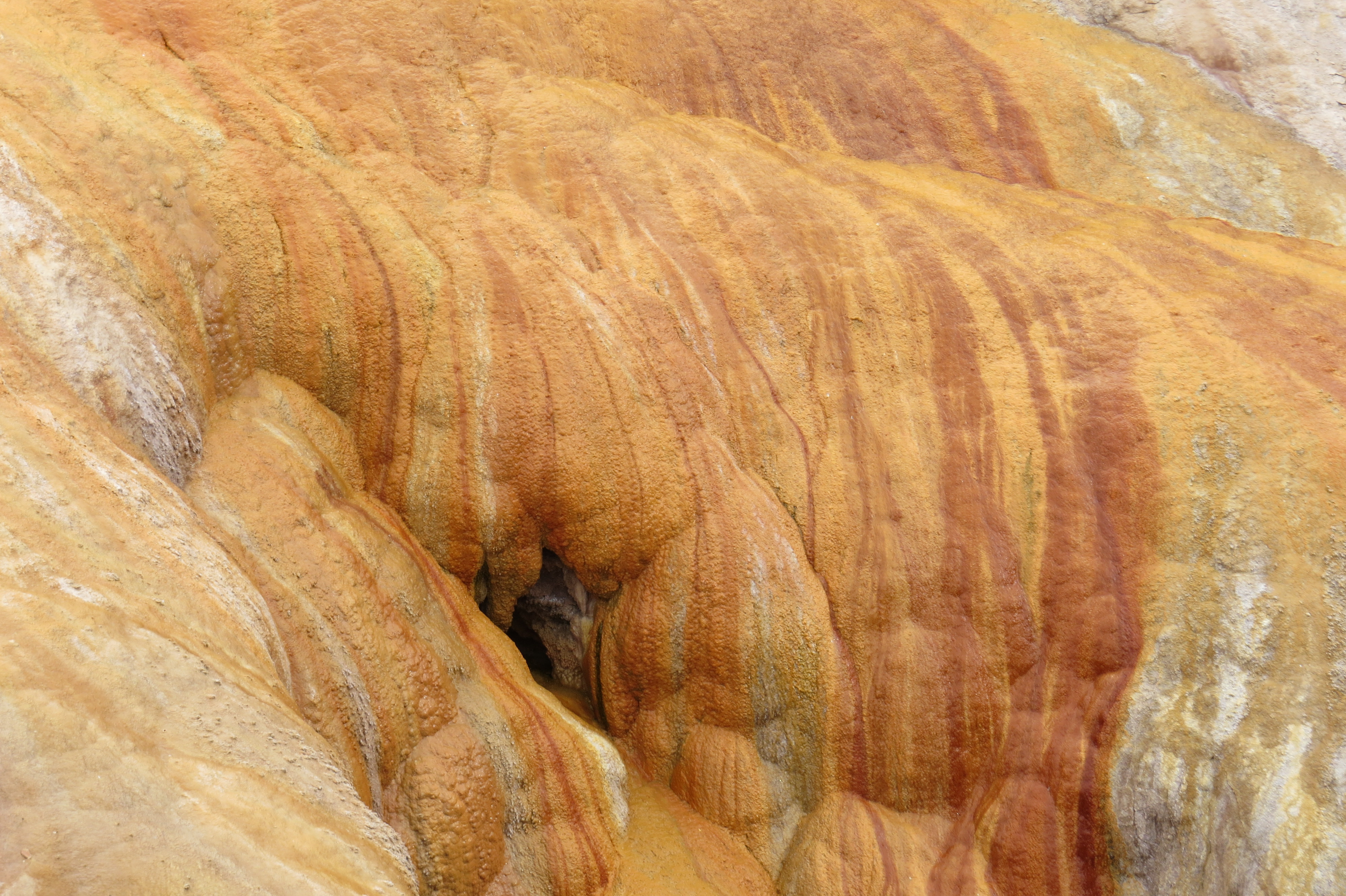
We stopped at a magnificent natural bridge and geological formation that looked as though it had been painted by a modern artist. It reminded me a bit of Antelope Canyon in Utah, only much colder. In fact, as we were leaving, it began to snow.

We also had time to visit a market and a shop selling local handicrafts and had fun on the bus comparing purchases. It was lovely to buy local handicrafts from local people.

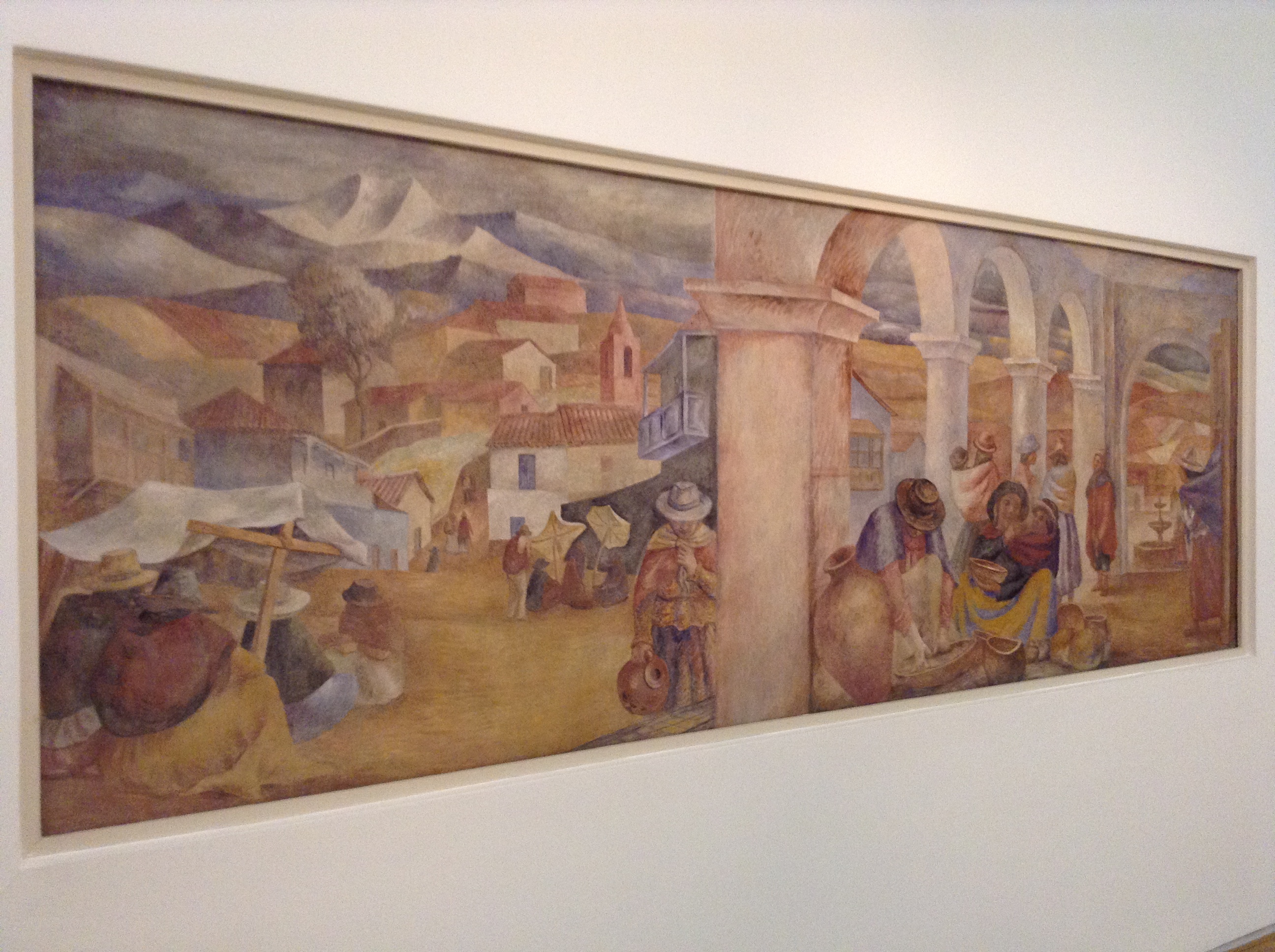
By Berni, Andes mountain villagers

It was an adventurous day, much different than all the others, and it was hard to believe, bundled up, shivering, amidst the rock and seeing snow, that tomorrow night we will be watching a tango show in Buenos Aires.

Best,

Jan
Ruta del Vino

Our wine tour actually started on our last day in Chile but was back-to-back with our winery tour in Argentina. It is interesting to note there is a healthy competition between the two countries regarding their football teams, and their wines.

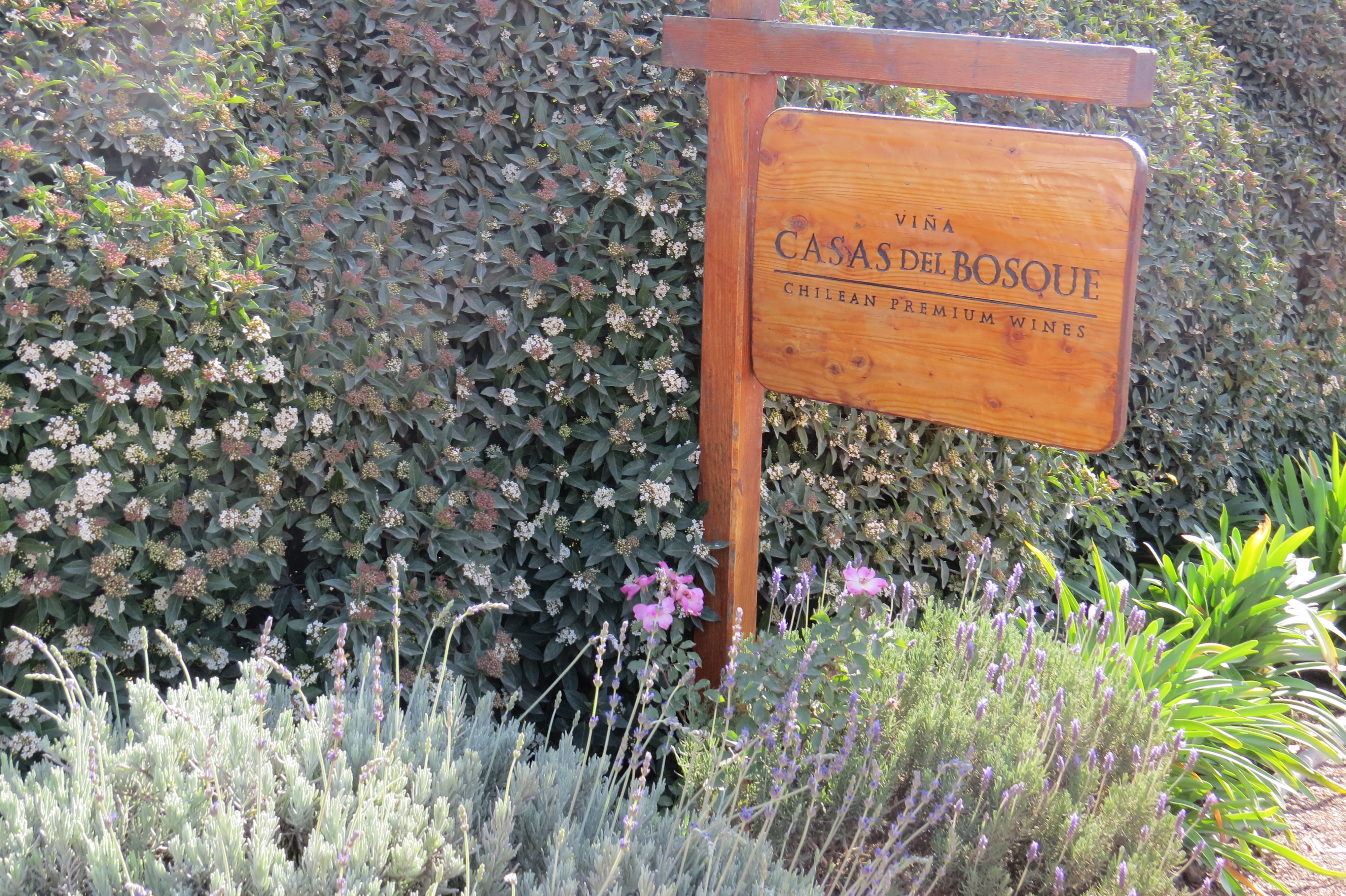
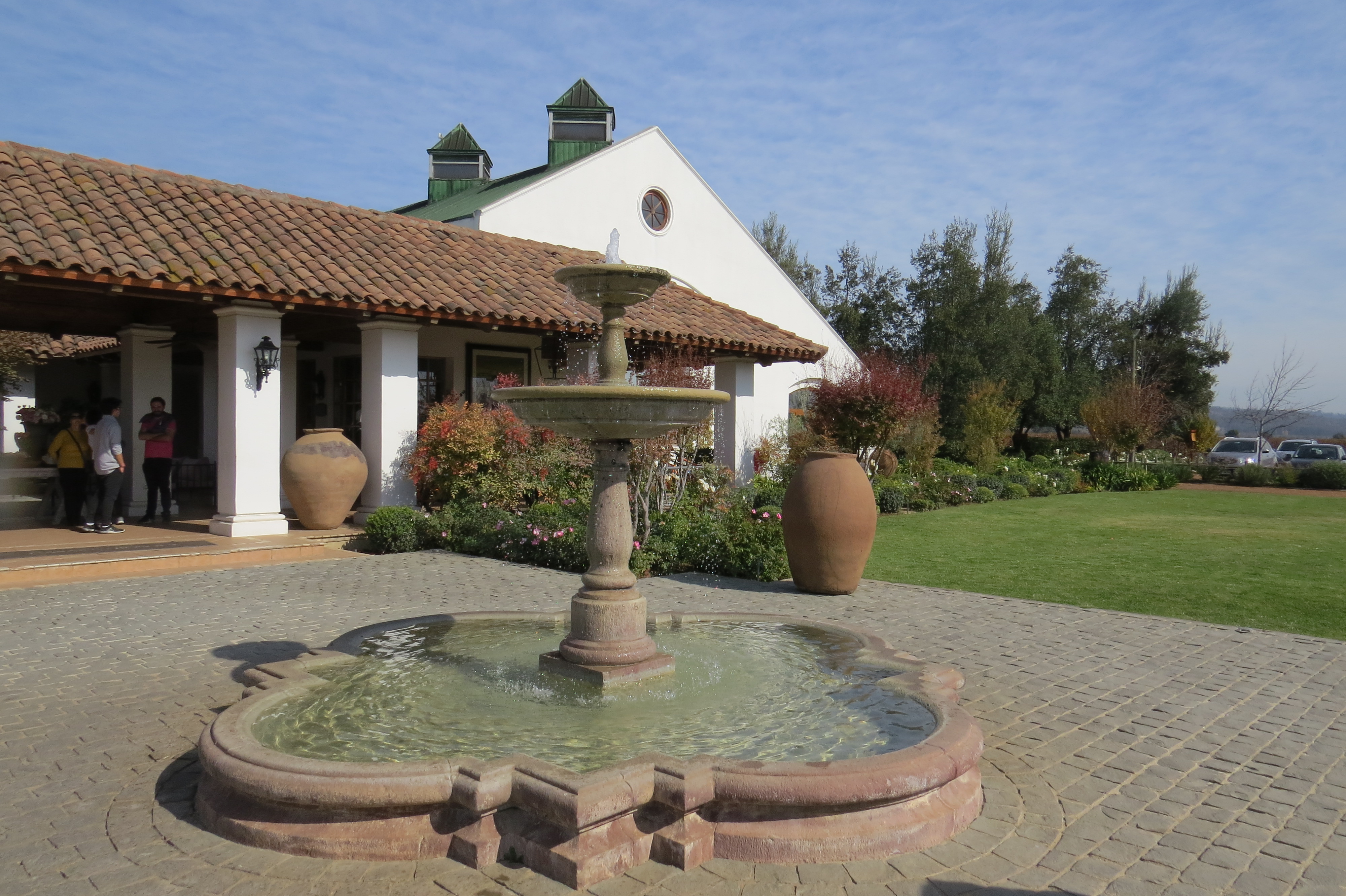
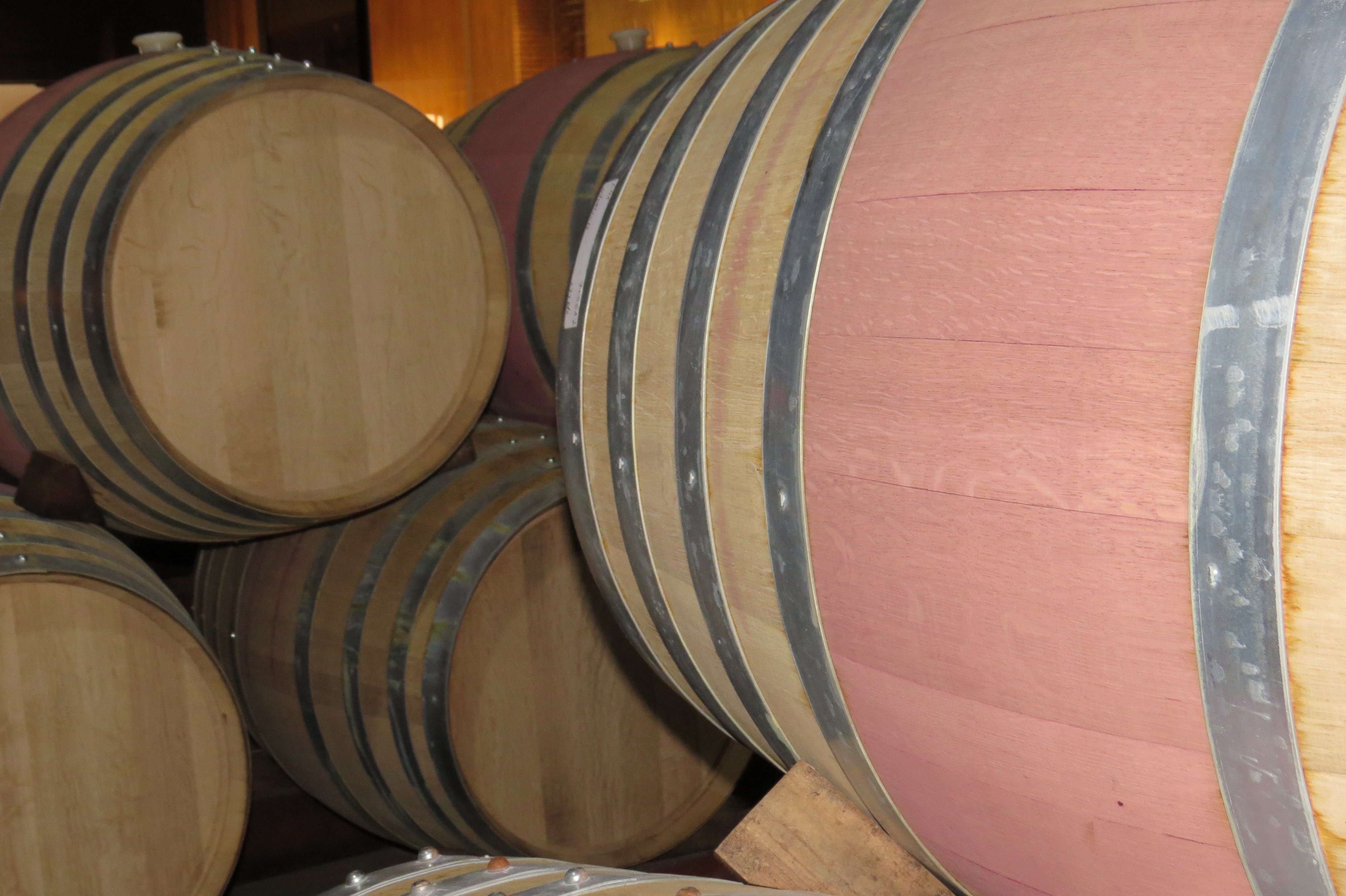
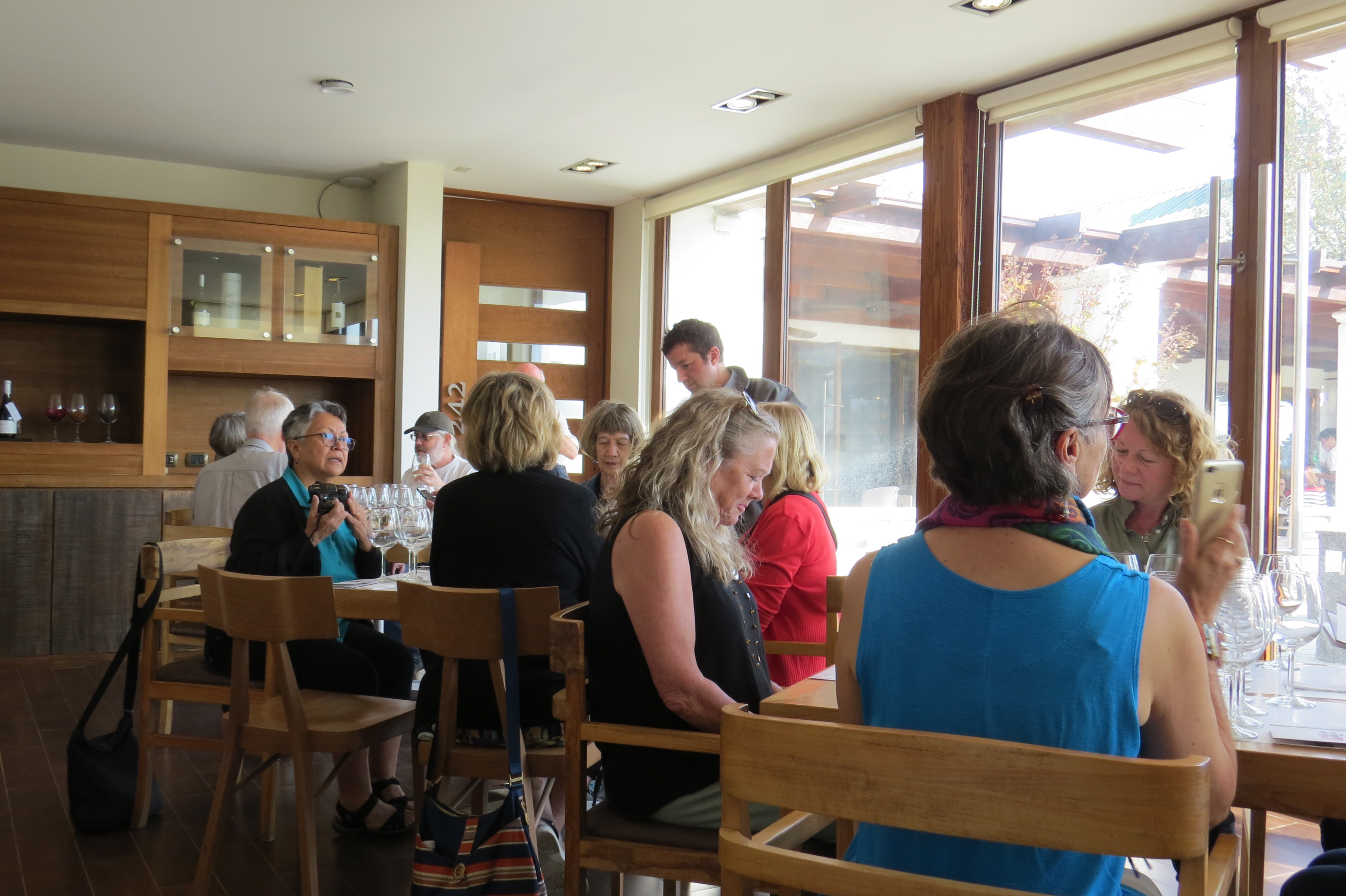
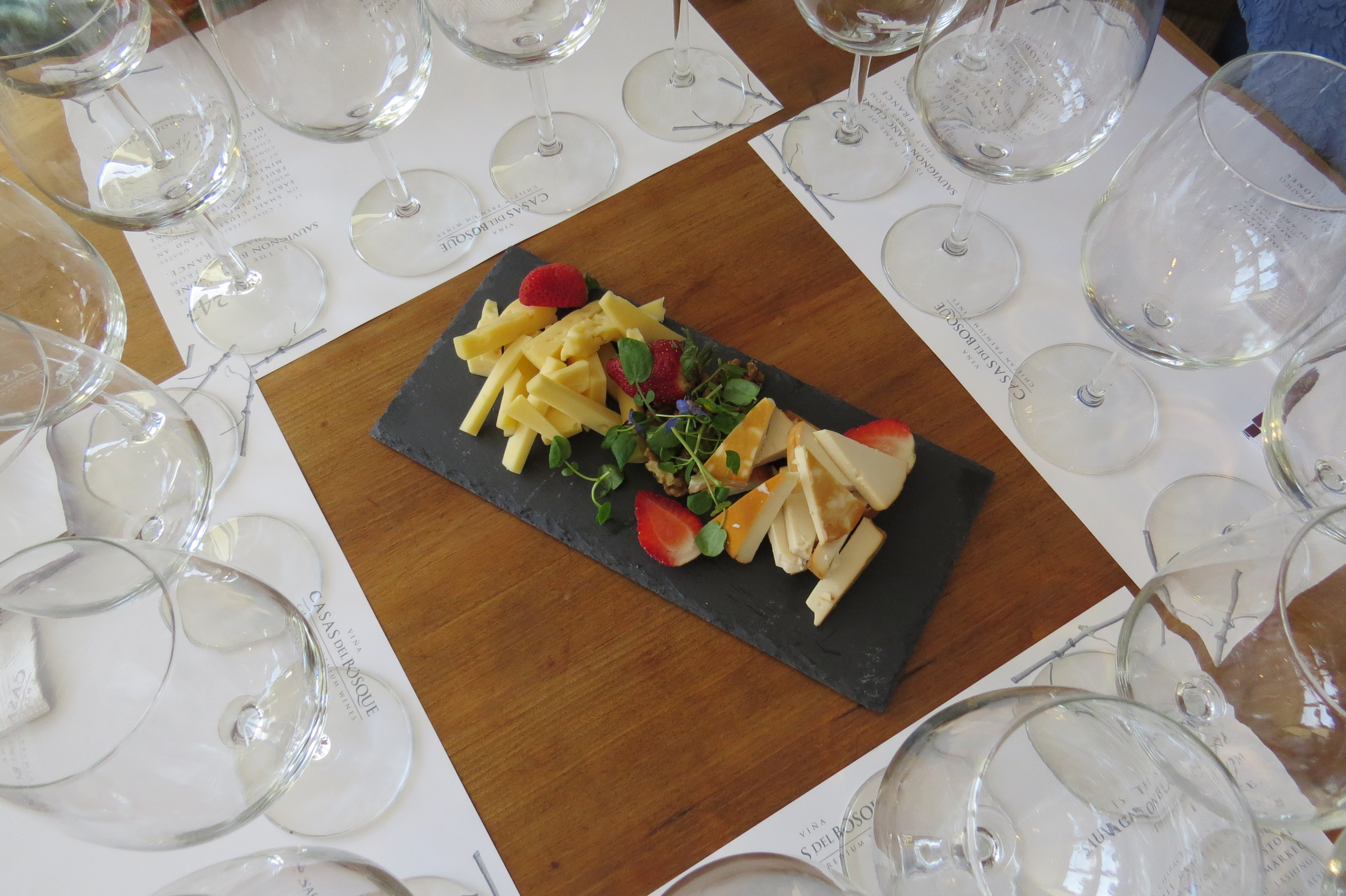
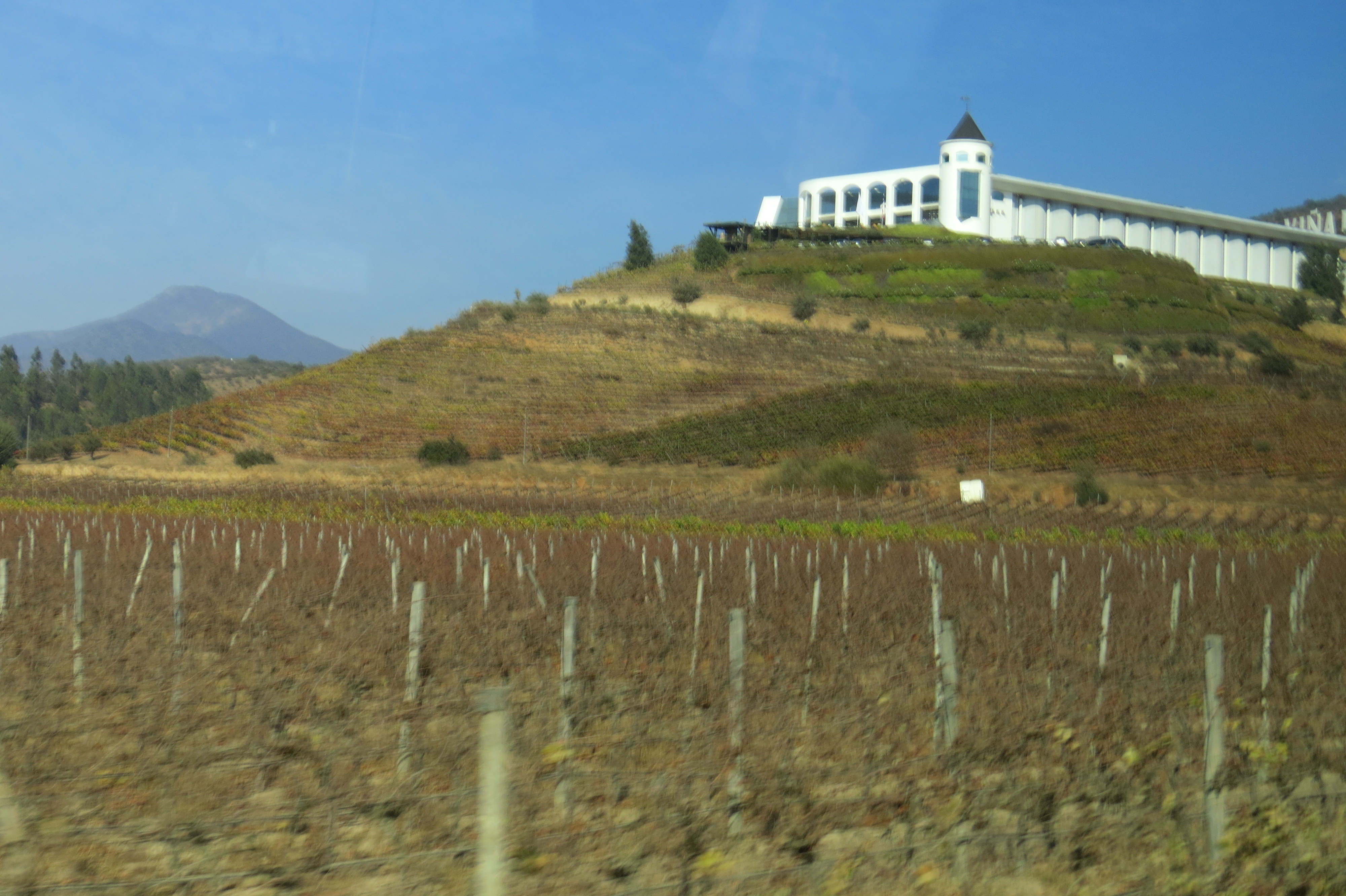
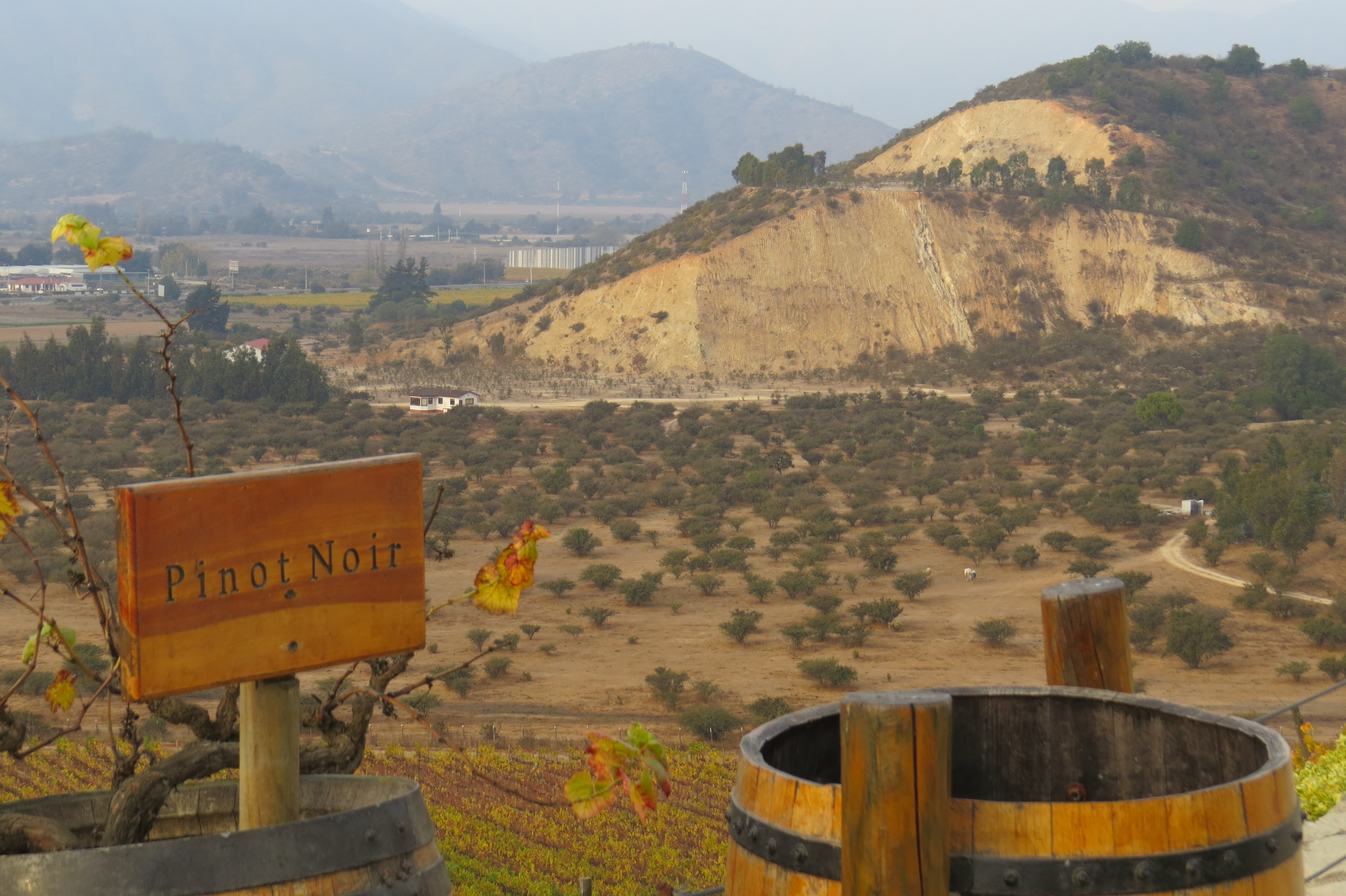
Our first stop was to the prizewinning Casas del Boque and it was a favourite. We were shown the grapes, toured the facilities and were then ushered into a very bright and pretty tasting room. Chilean wineries produce mainly Sauvignon Blanc and Chardonnay whites and a lovely Pinot Noir, Carmenere (a Chilean native) and Cabernet Sauvignon reds.

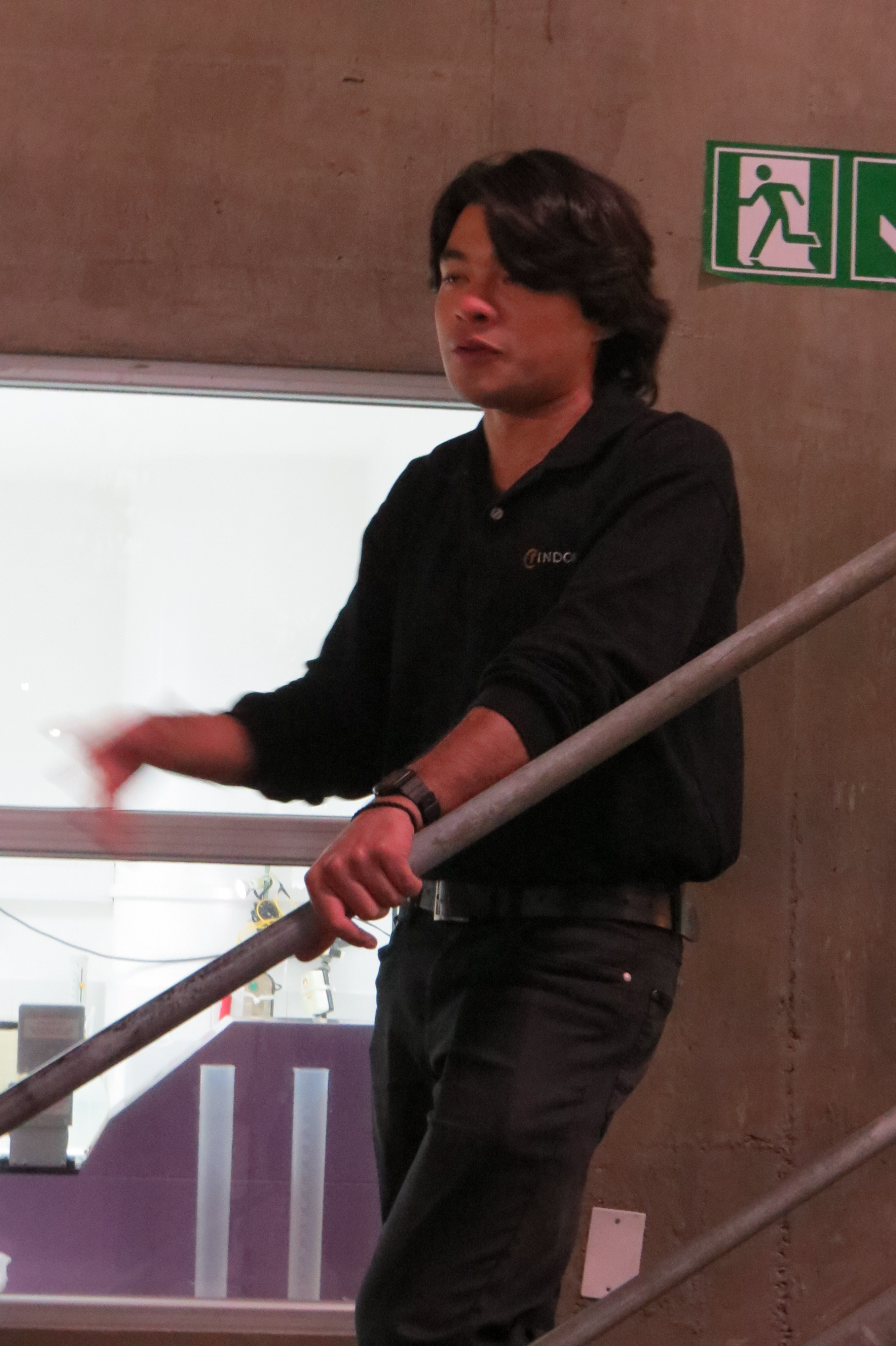
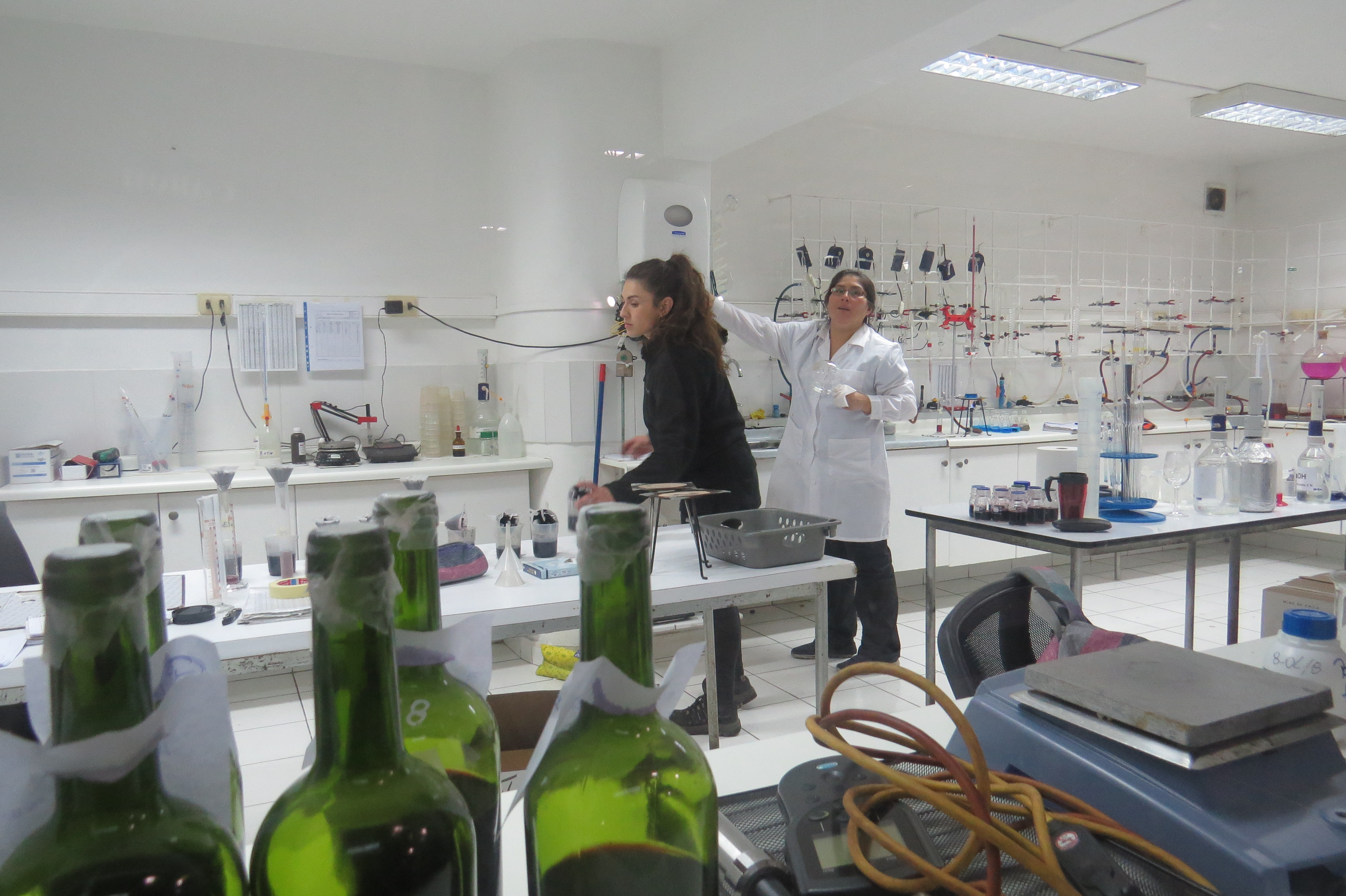
Next we visited Indomita where we began with a tour and then had lunch while being serenaded by a violinist. A much bigger wine production at this winery and the wine mostly reflected it but for a smooth late harvest. Lunch was pleasant but perhaps we would have enjoyed lunch more at the Vina Casas del Boque which had a lovely outdoor restaurant.

After a travel day, we continued with our tour in Mendoza.

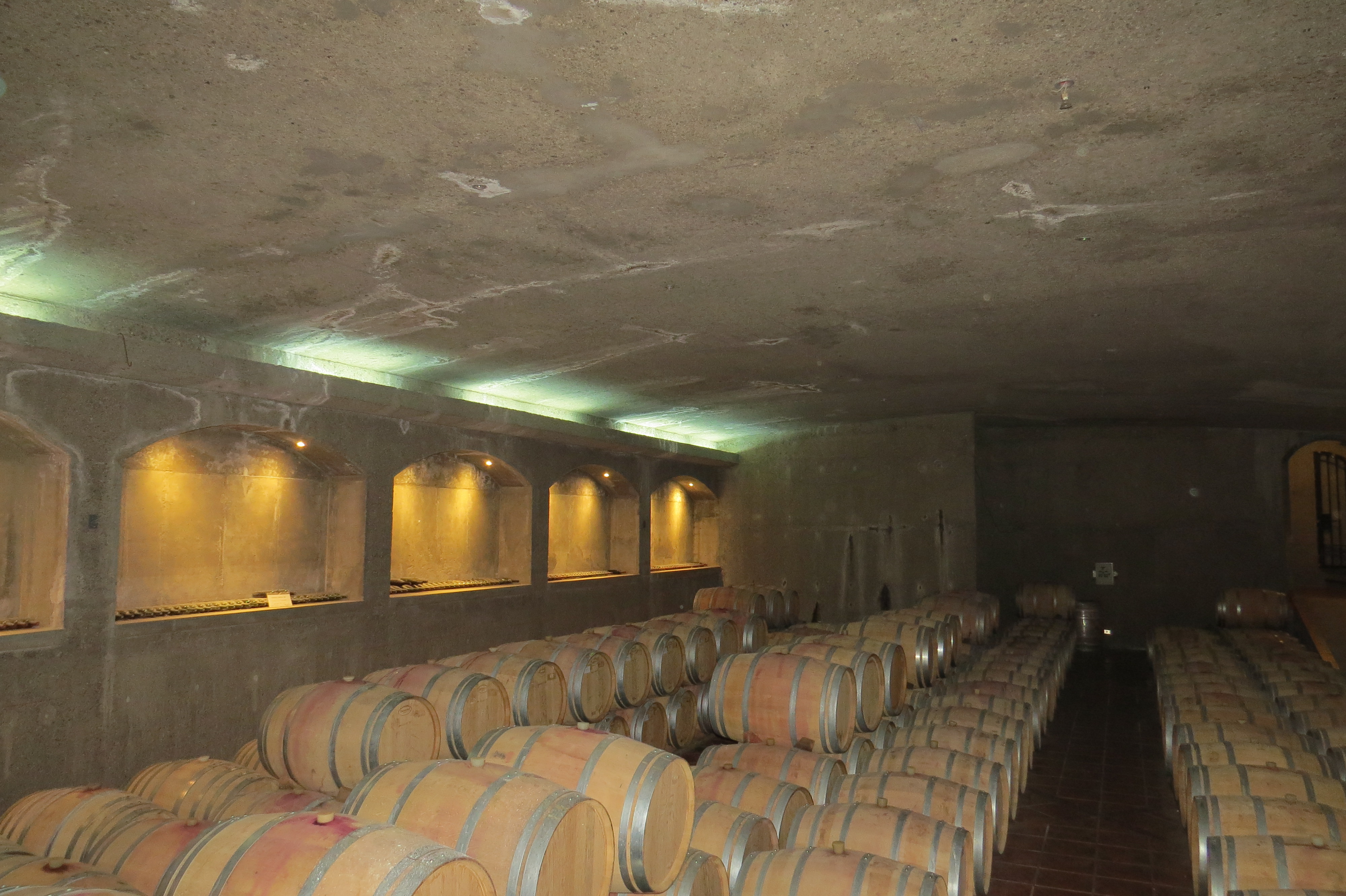
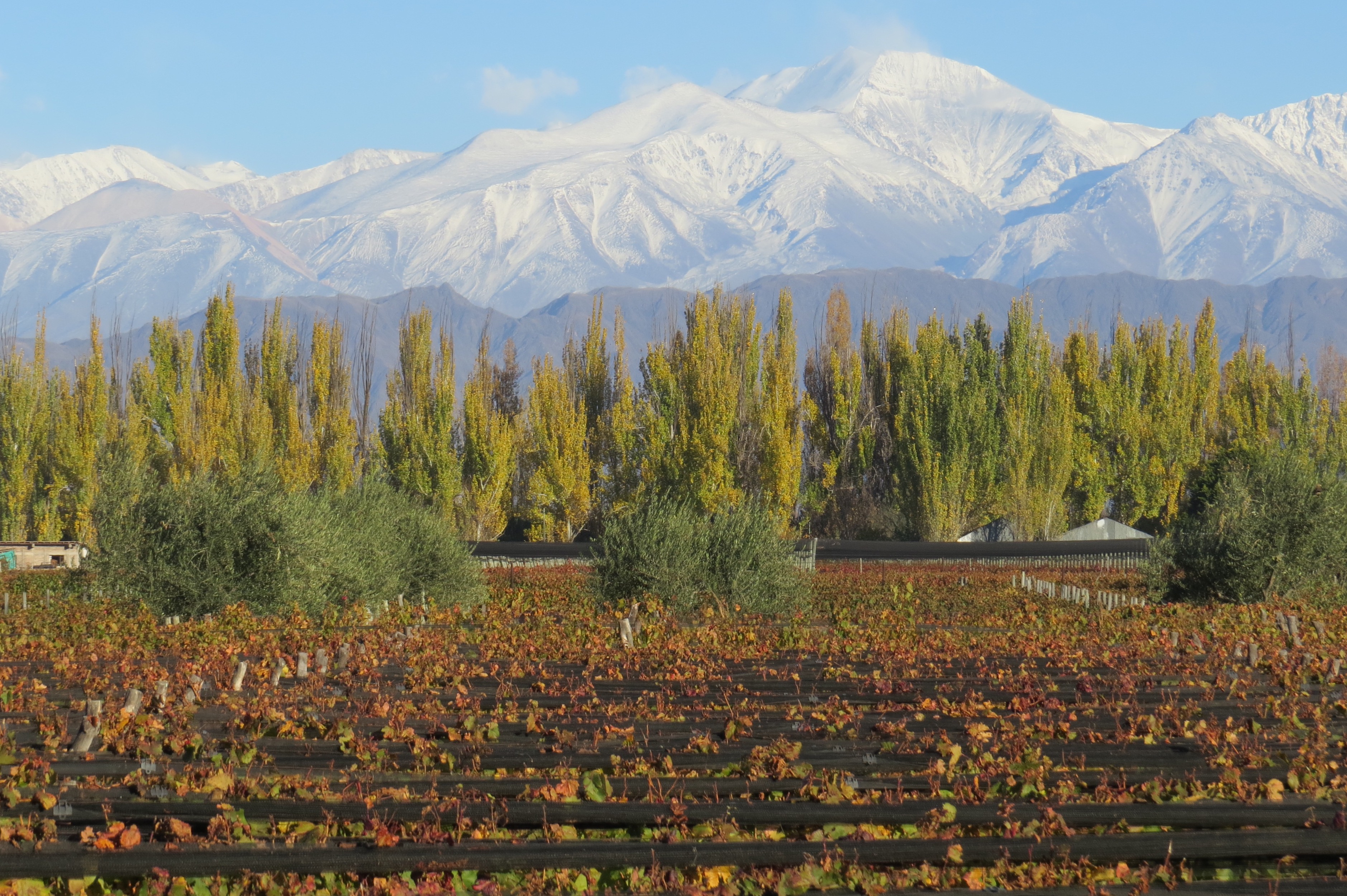
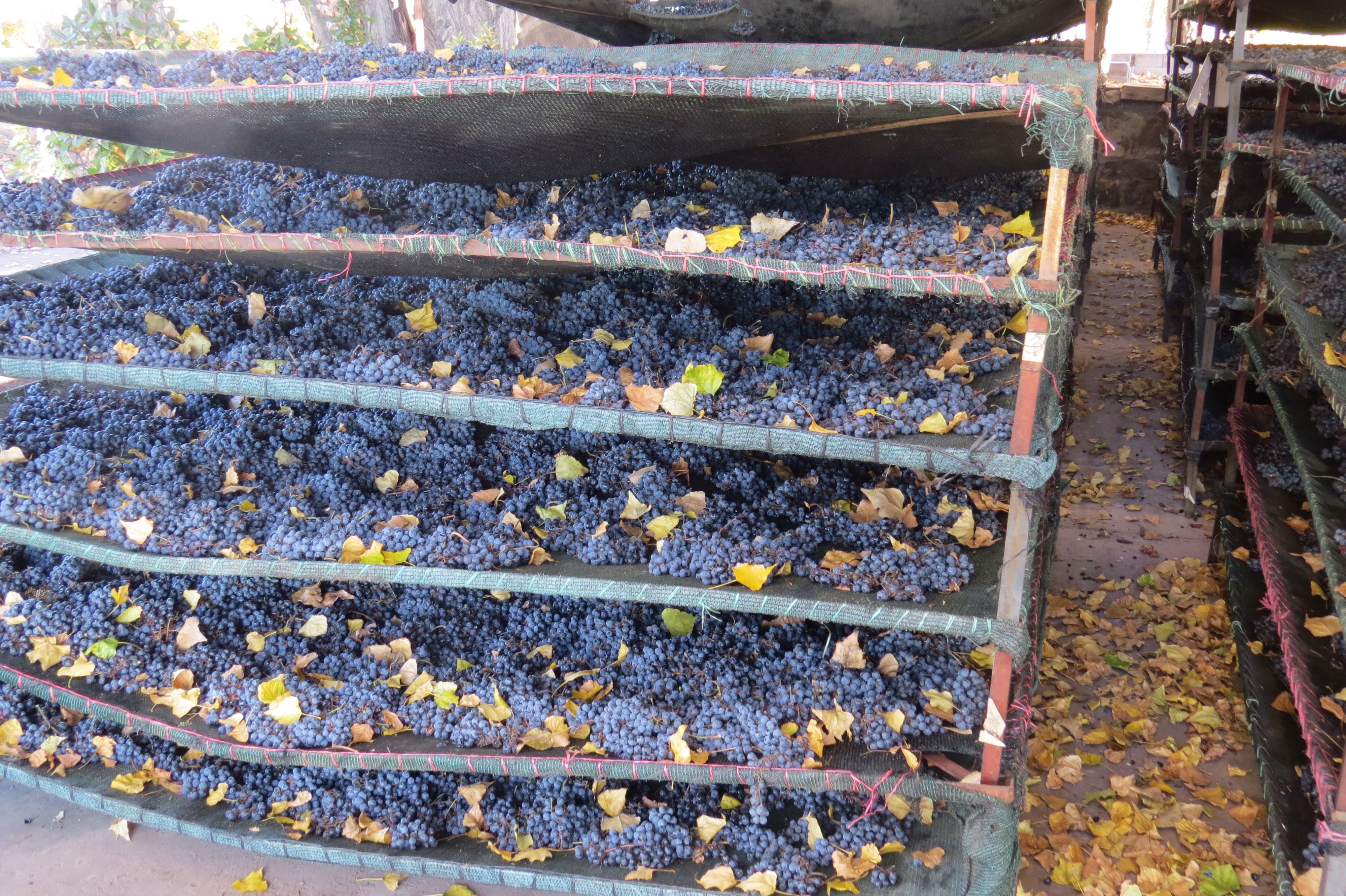
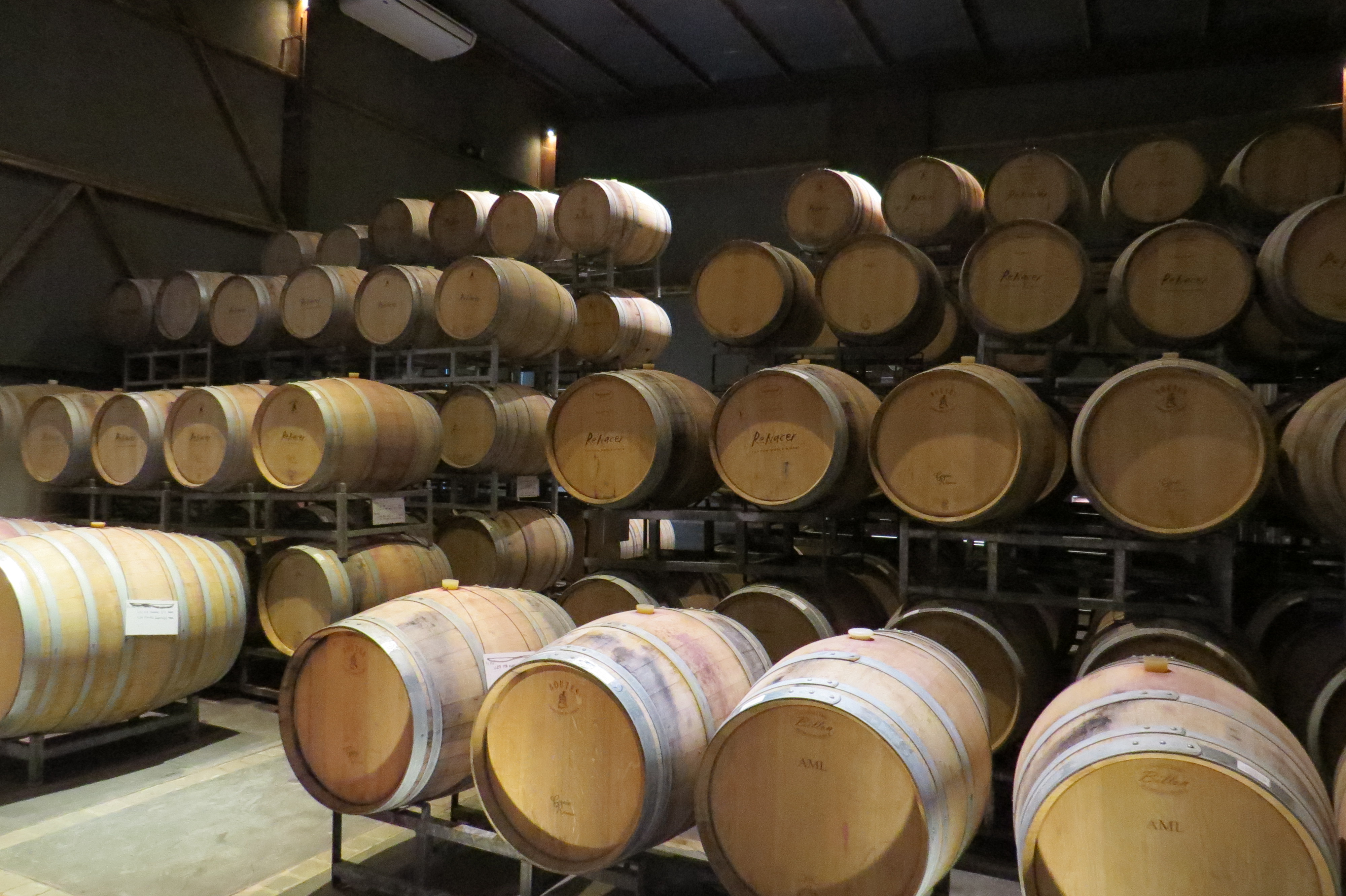
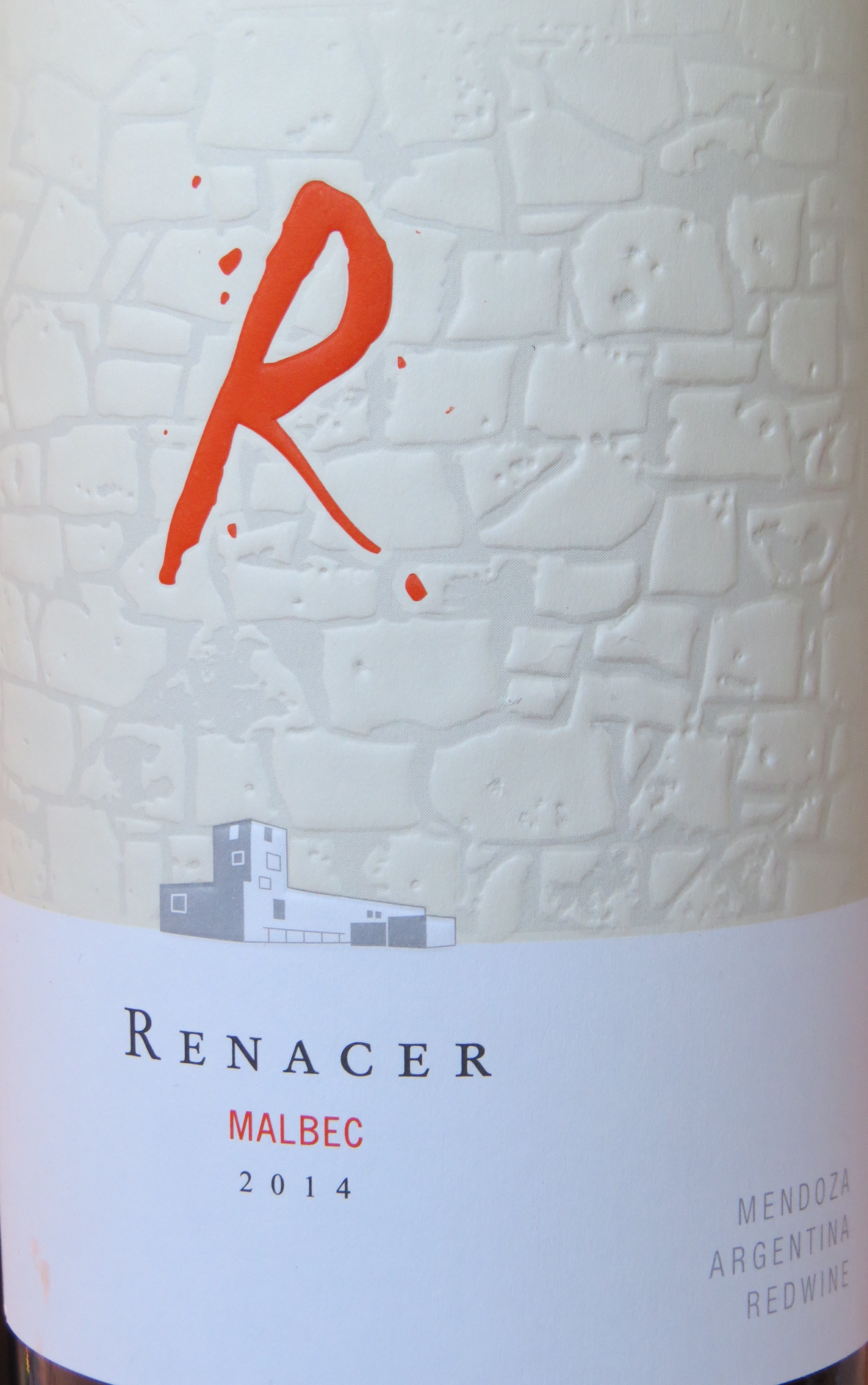
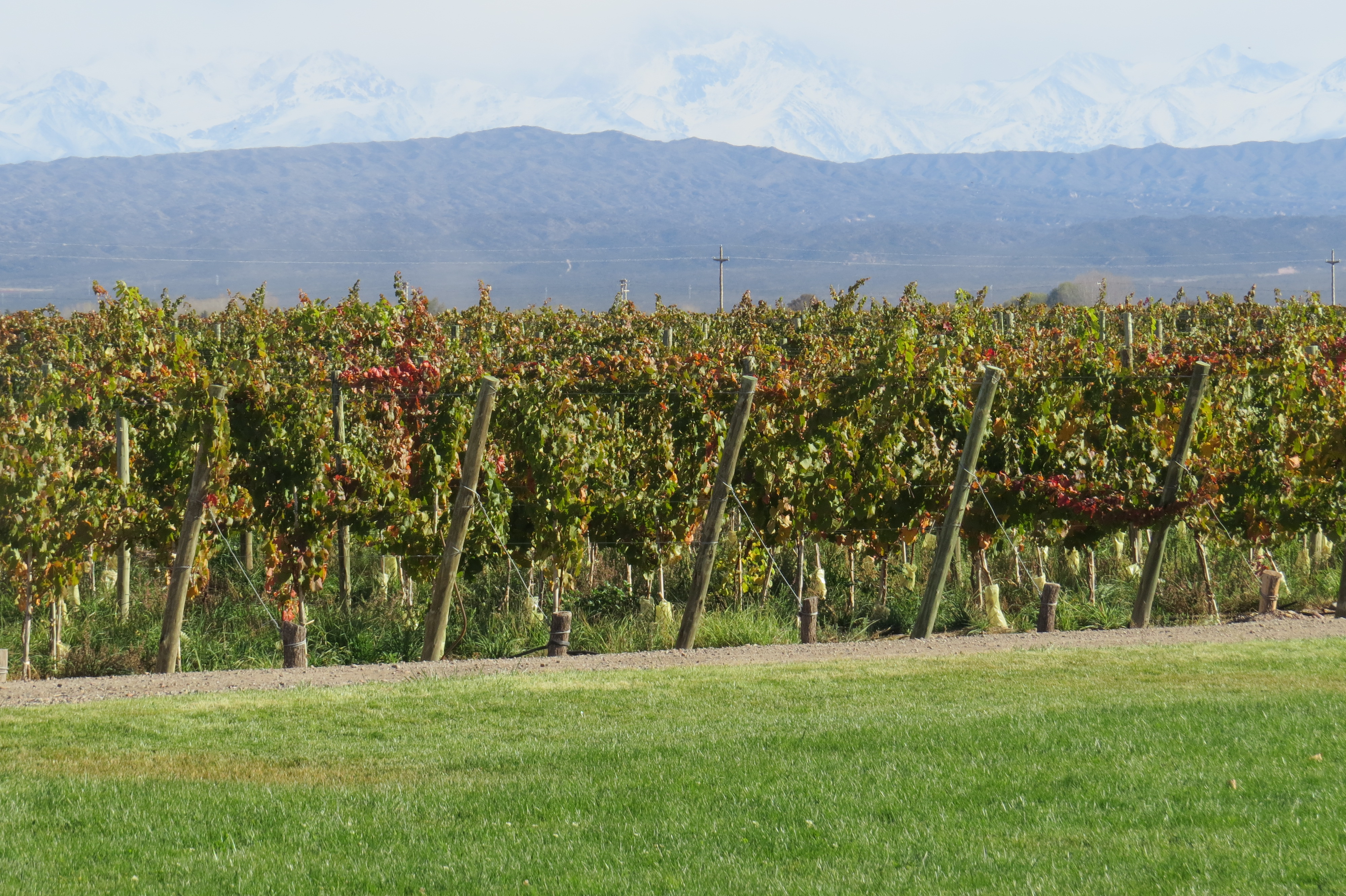
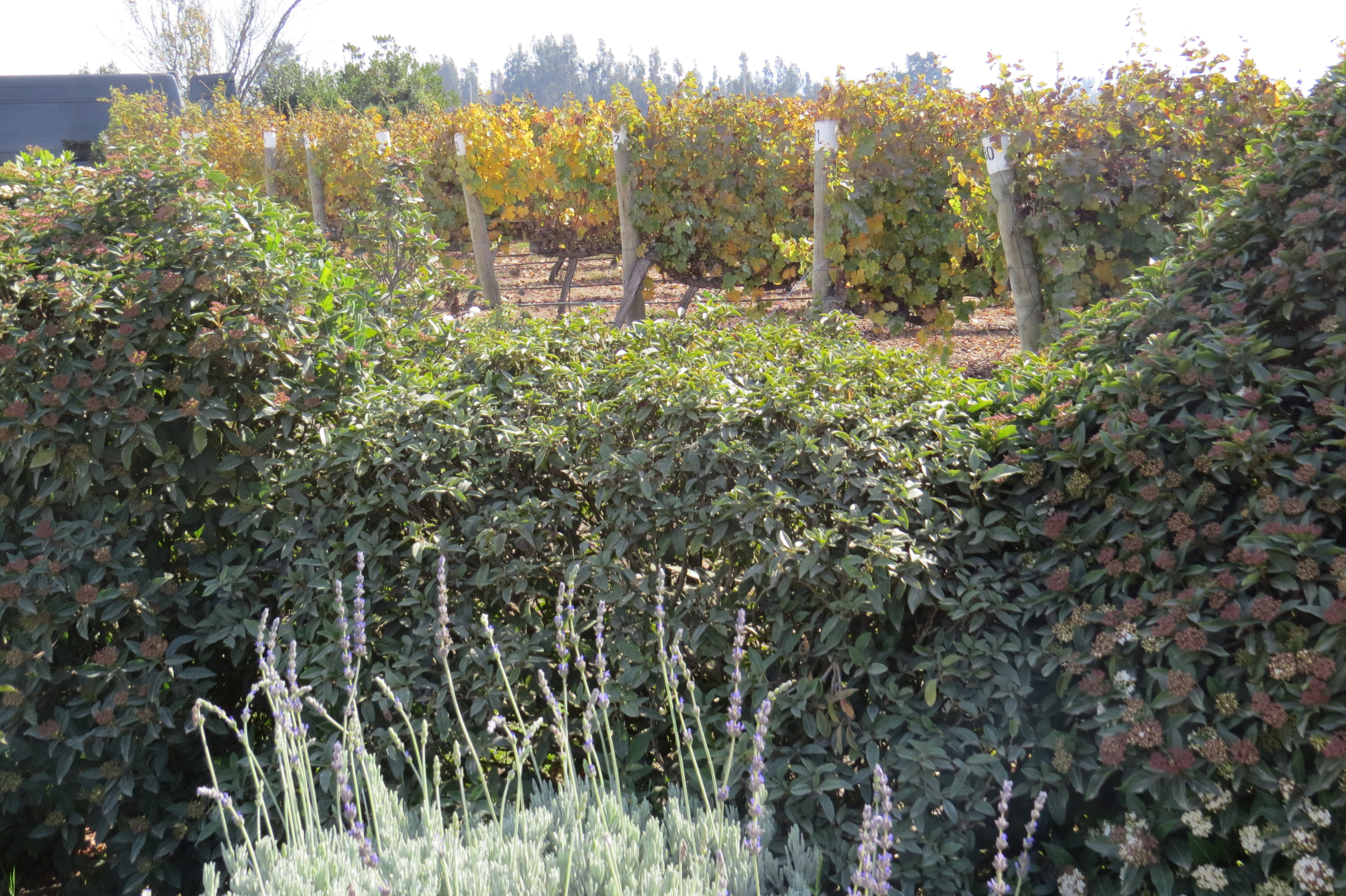
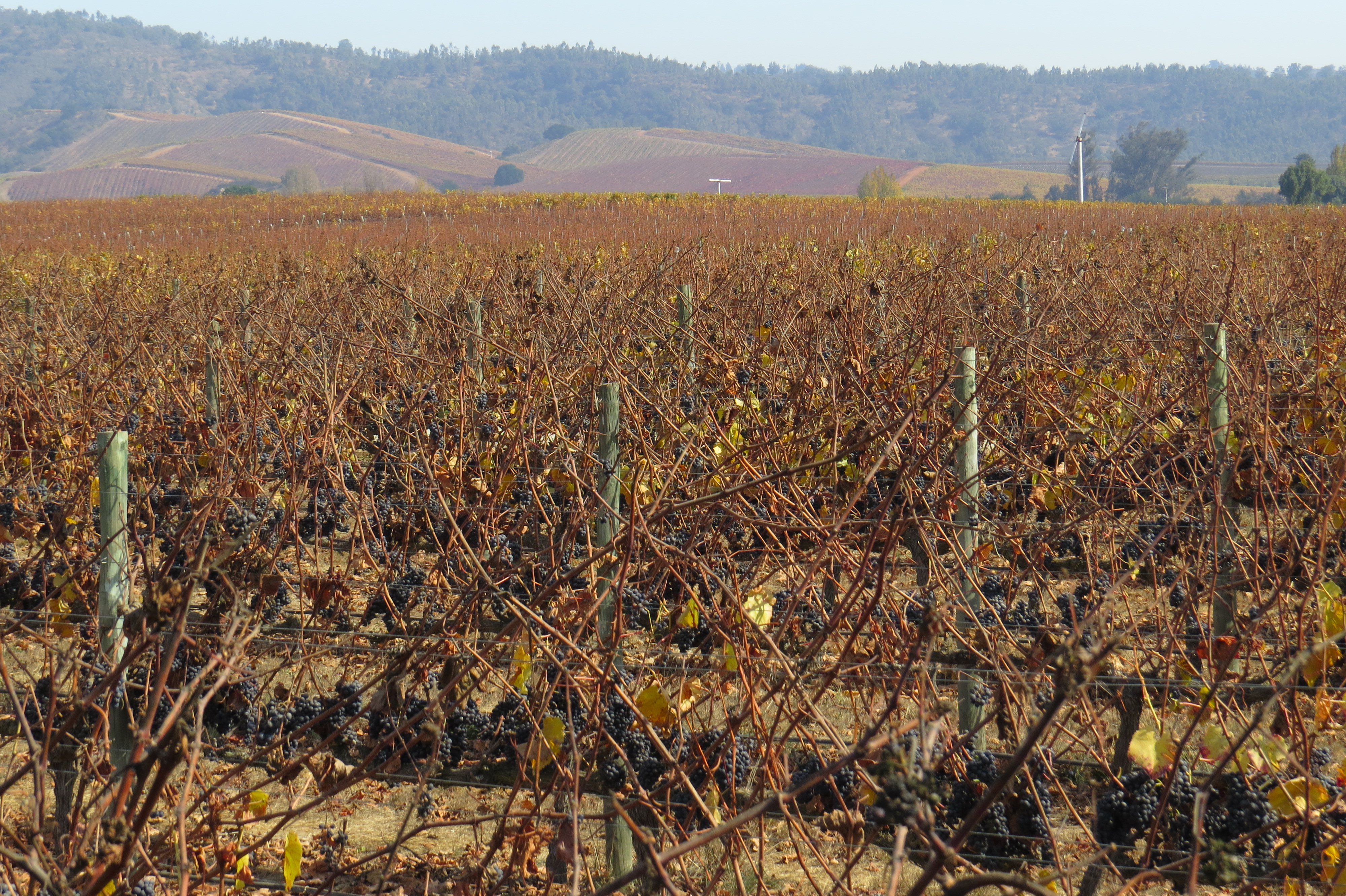
We arrived at ReNacer, our first winery at 10:00 a.m and had a fairly detailed tour of this elegant property with the fall-coloured vines set off by a magnificent backdrop of mountains.  Some grapes were dried on racks to increase sugar content.

“The Wine Cathedral”

We really struggled with our 11 a.m. tastings, but we managed. We progressed through a series of whites and reds but the standout was the Malbec.

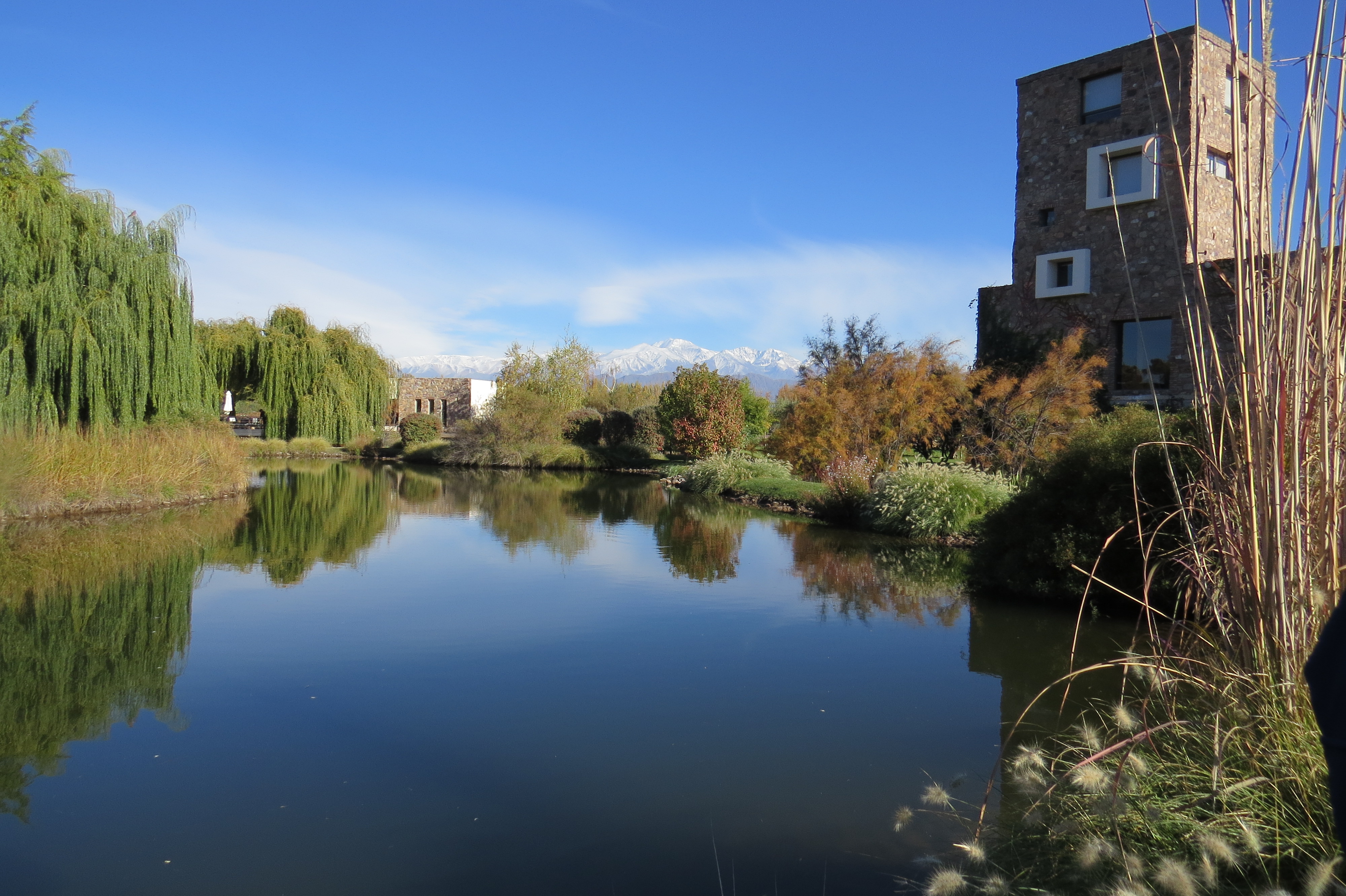
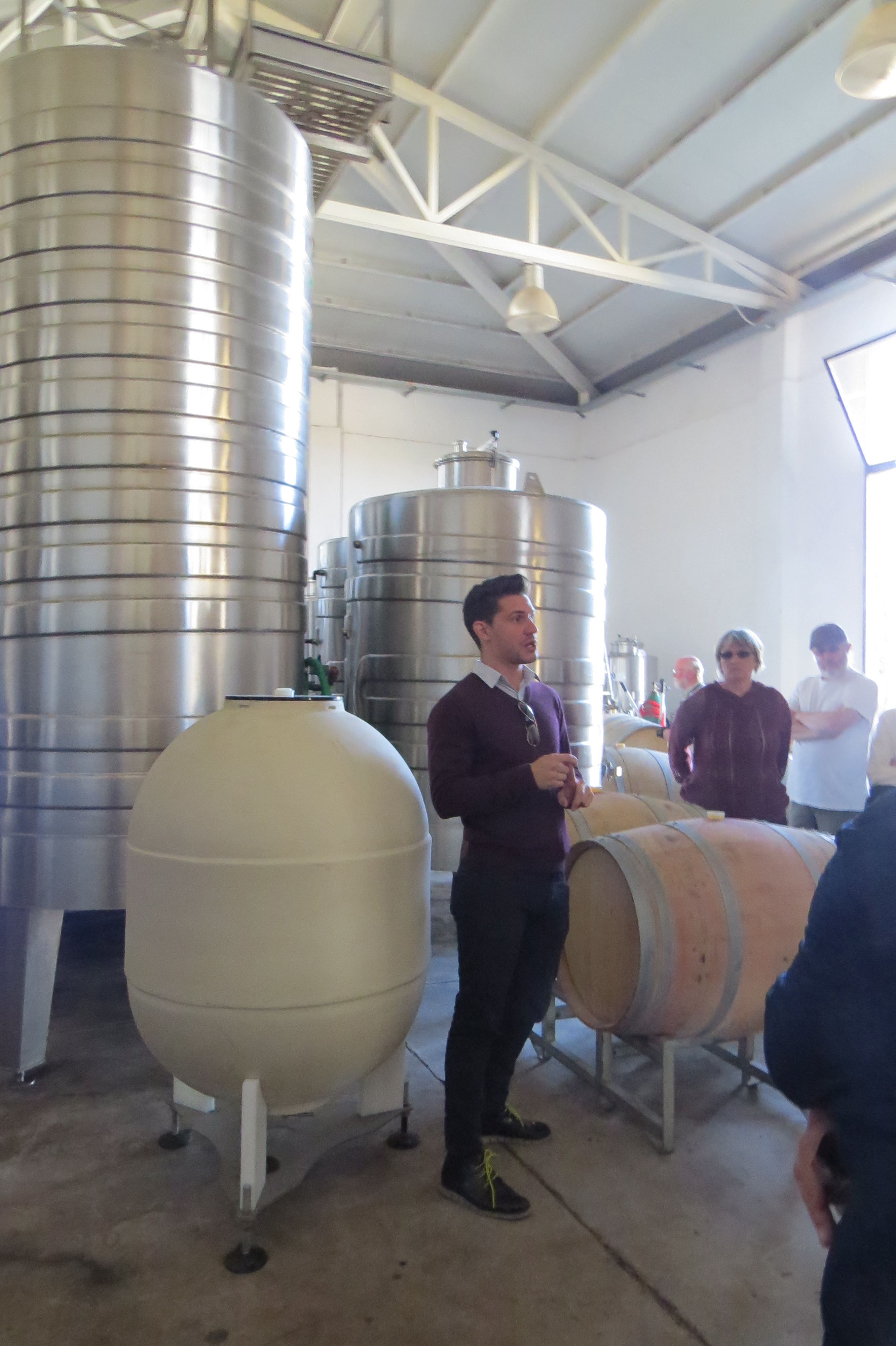
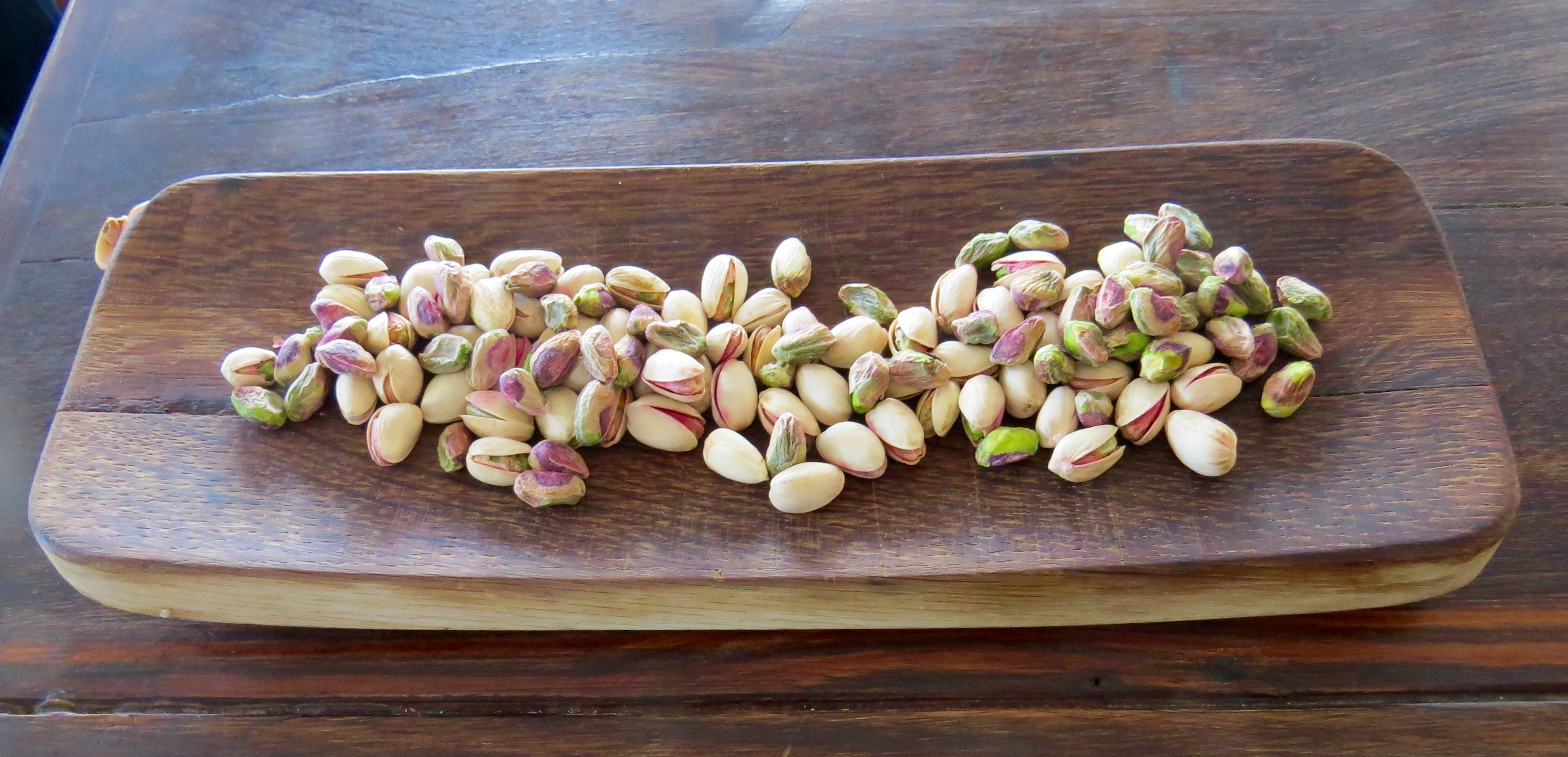
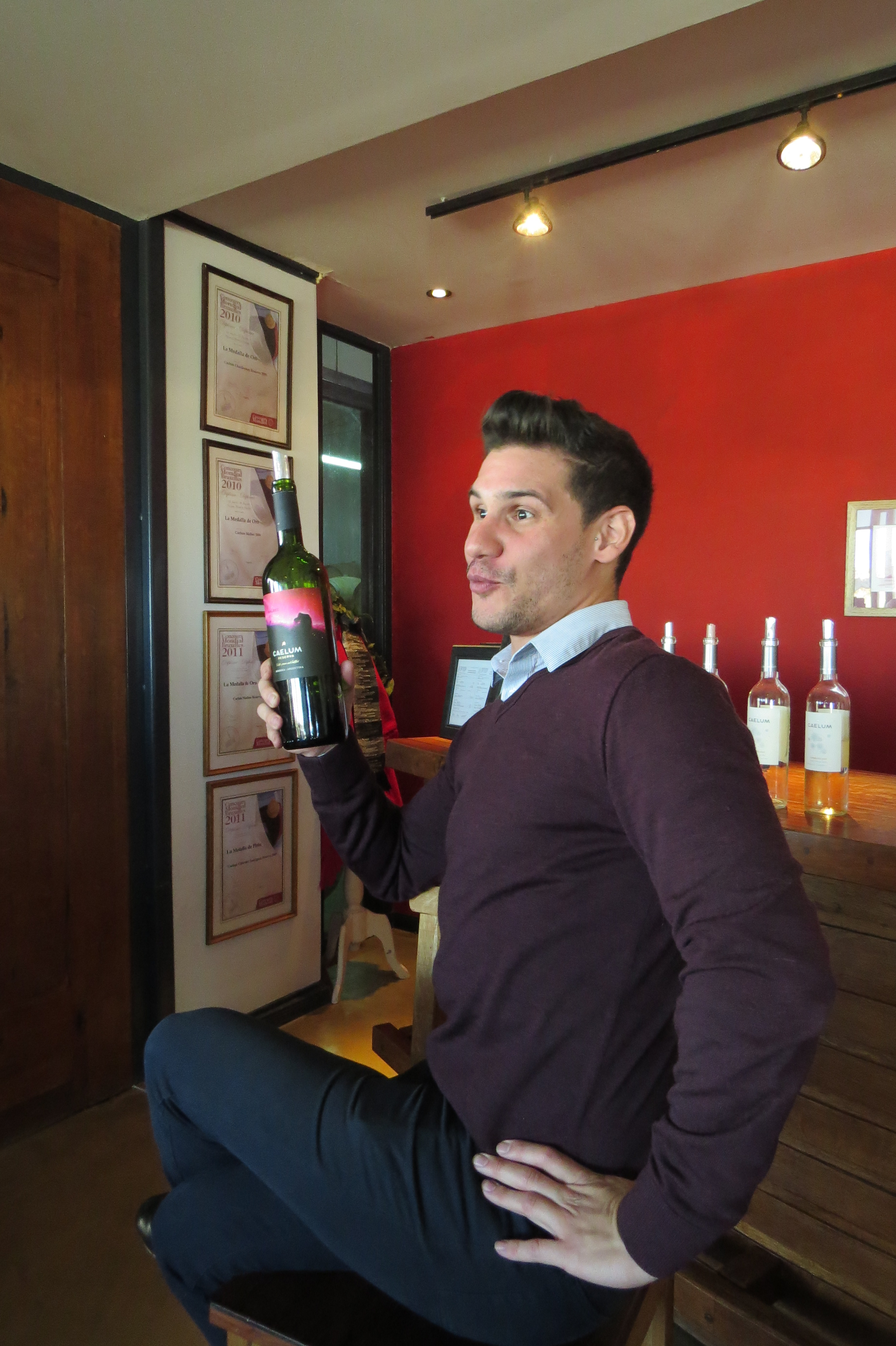
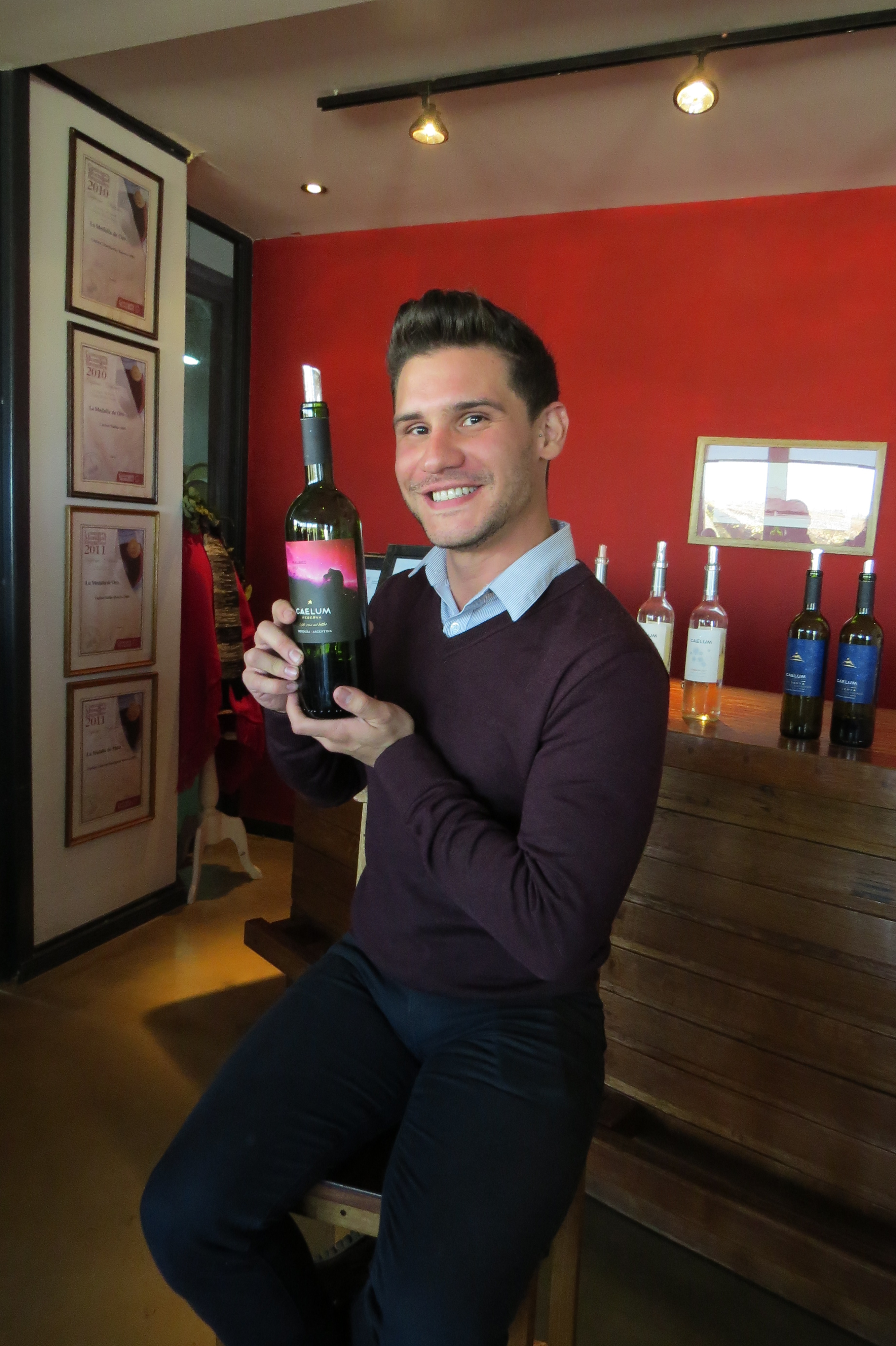
We moved on to Caelum winery where we had a sympathetically brief description of the wine process. They are experimenting with a ceramic barrell.  It was interesting to see how they labelled all of the wines by hand, well, by hand with a machine. Netting protects the vines from hail.  Here we had a bright and festive tasting with a spirited sommalier. The property also produces pistachios which nicely complement the wine. Again, the standout was the Malbec, and it was the most delicious wine we had tasted so far.


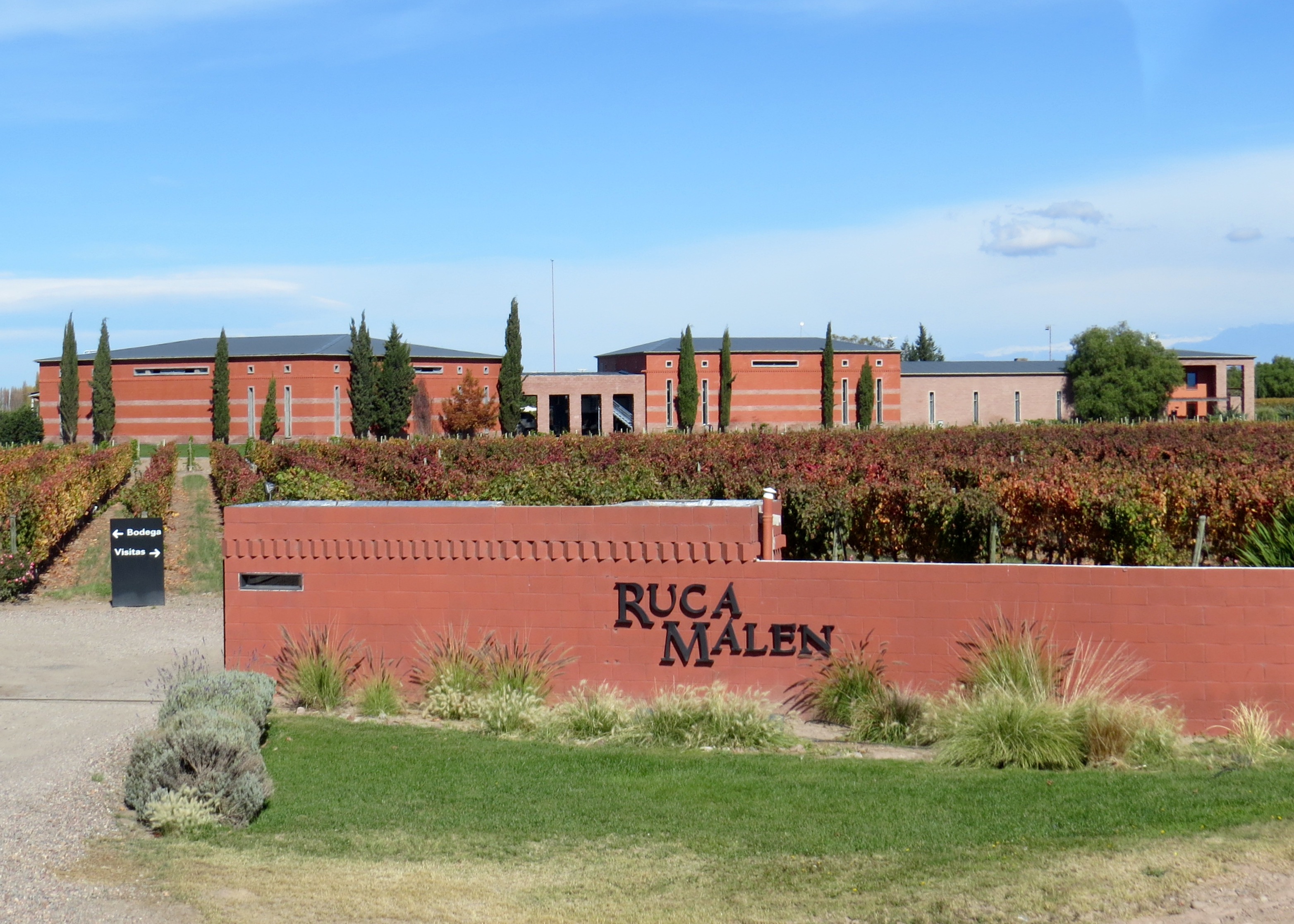
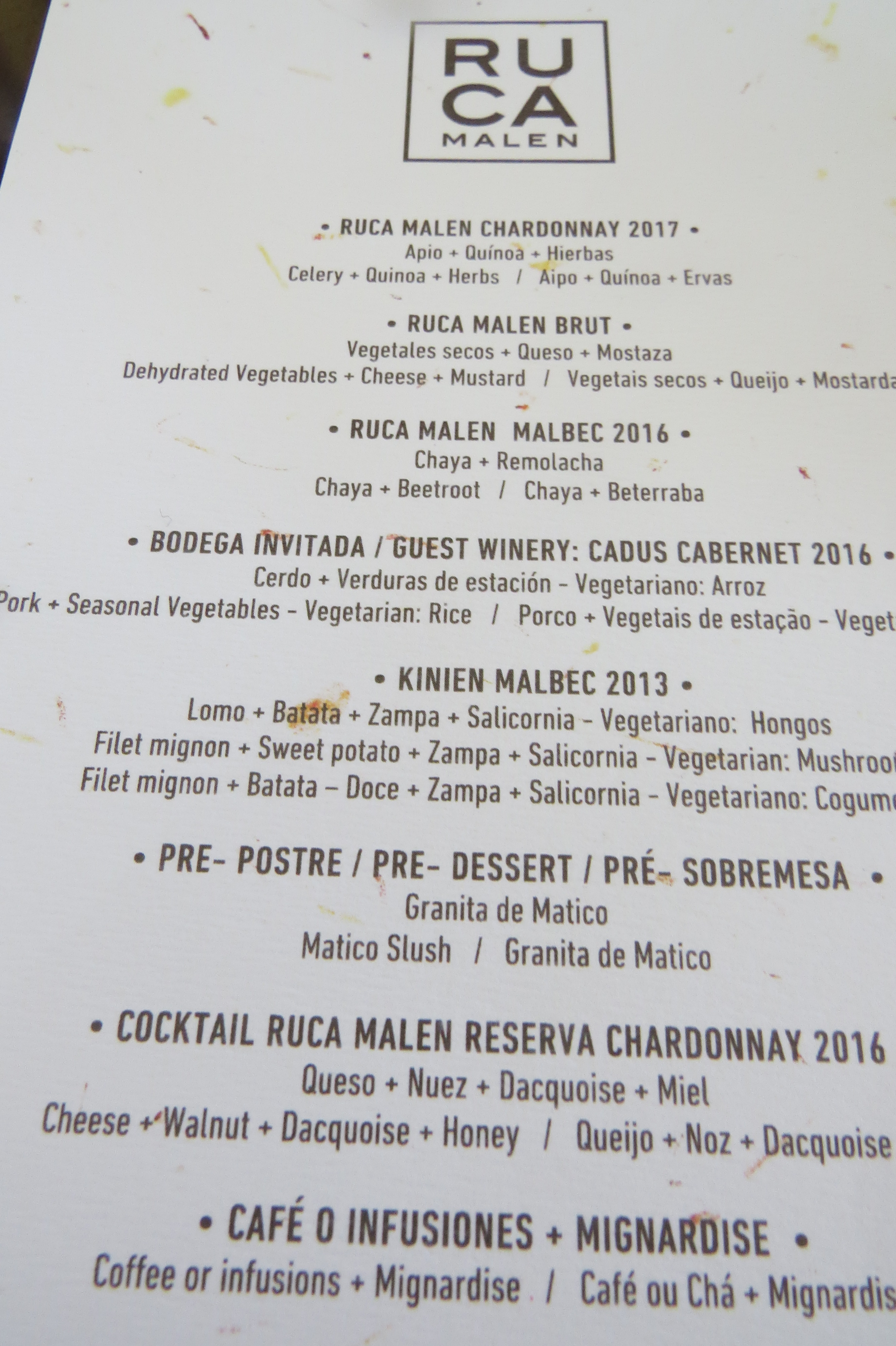
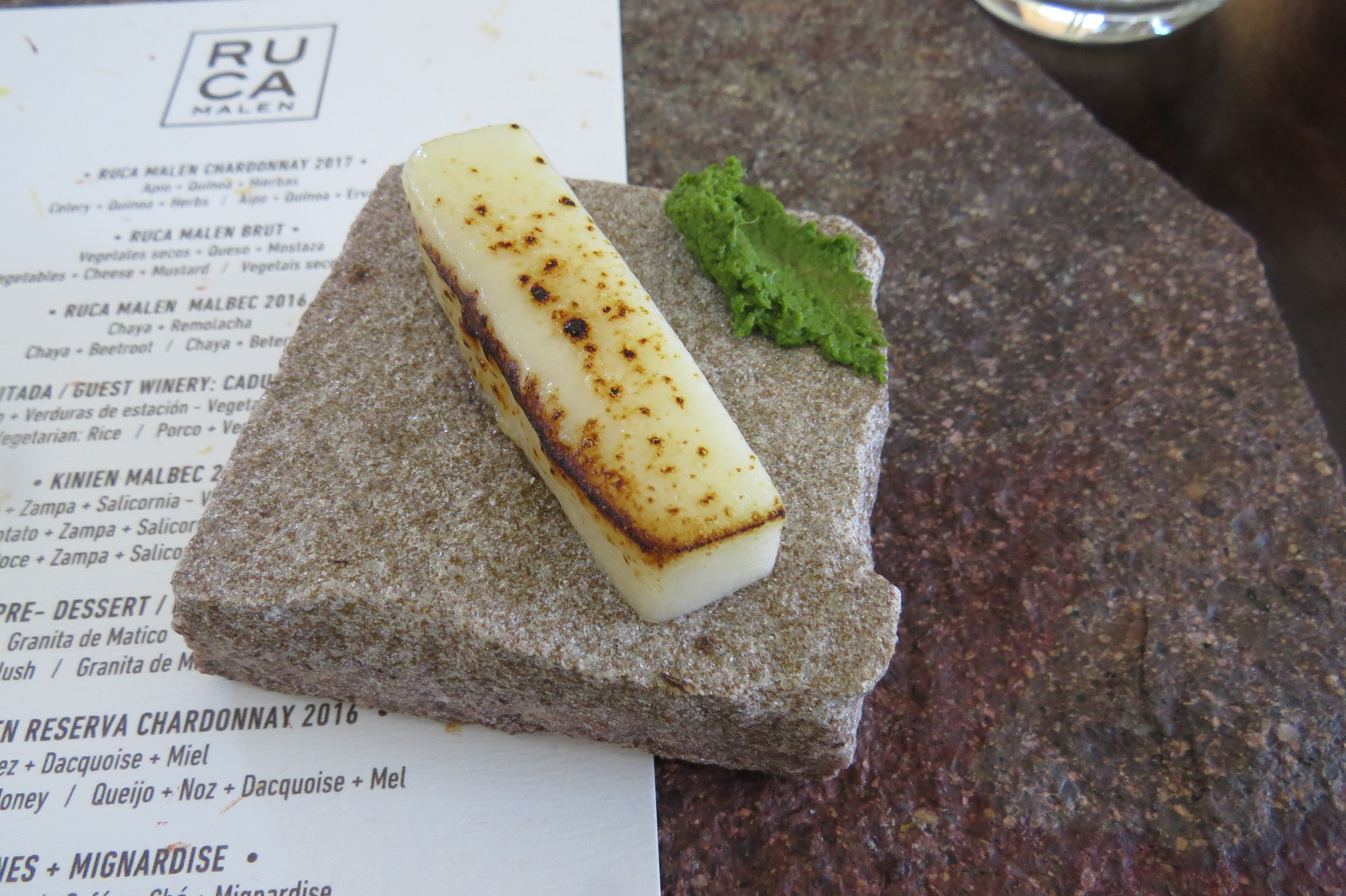
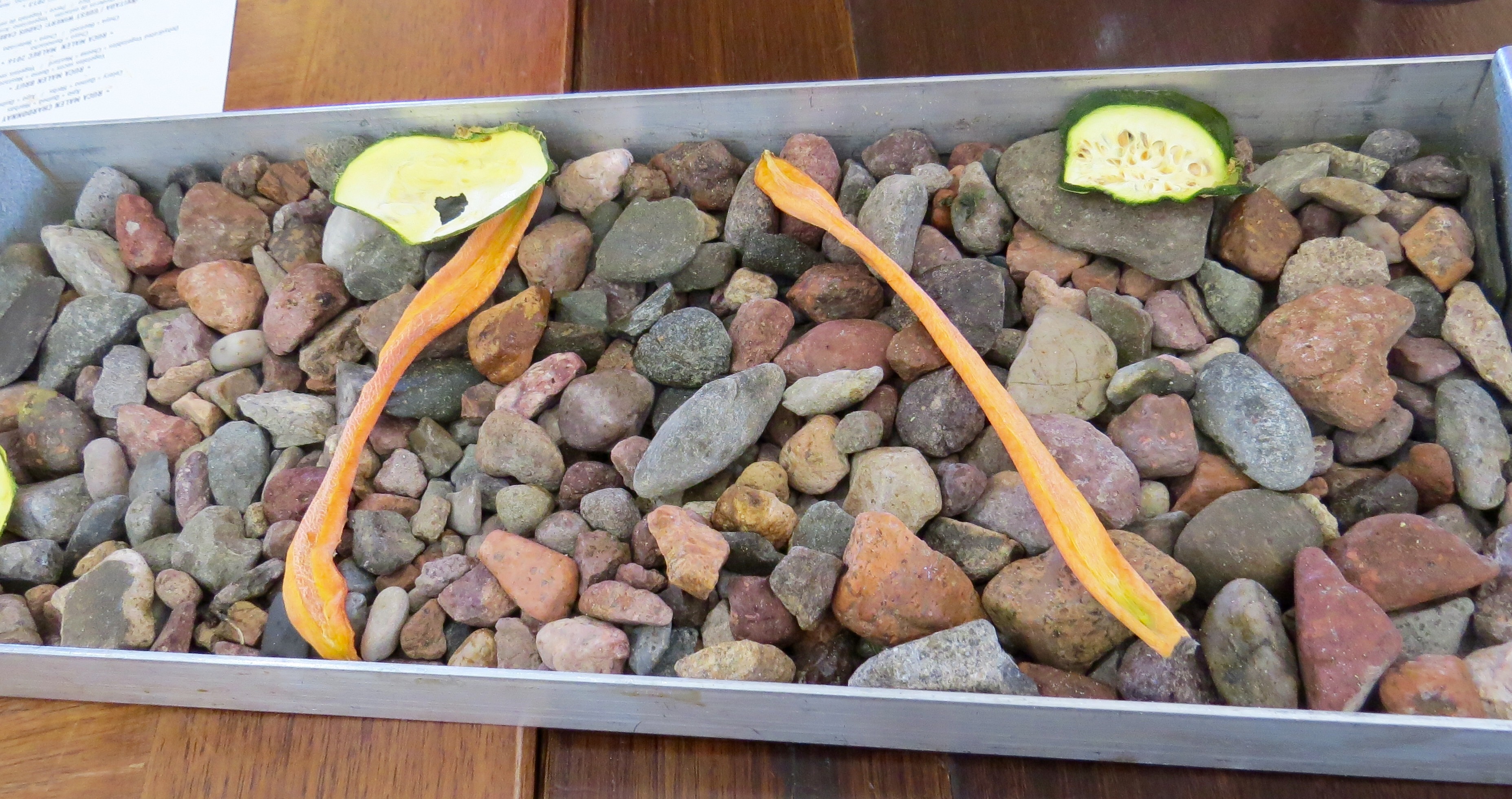
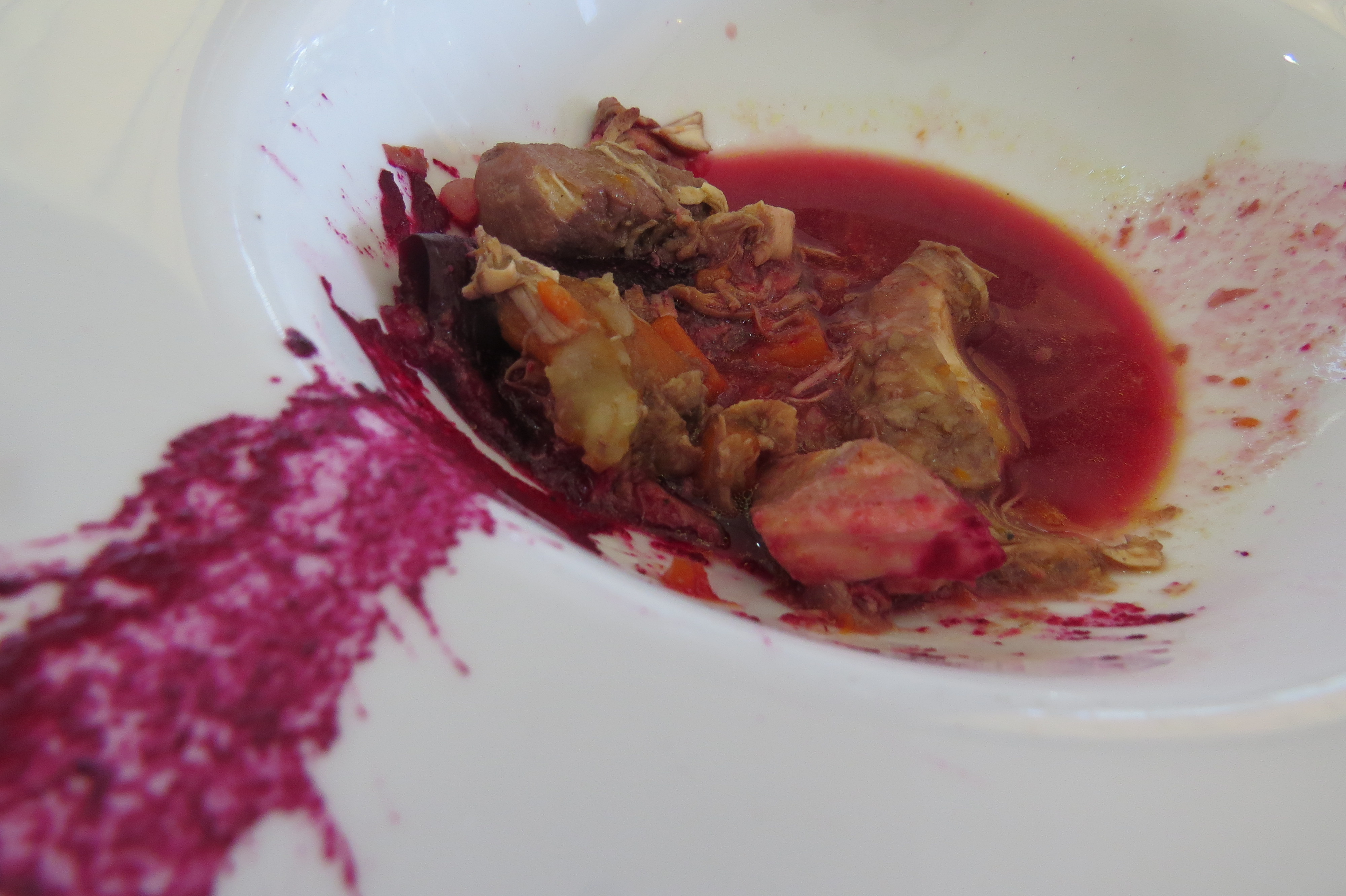
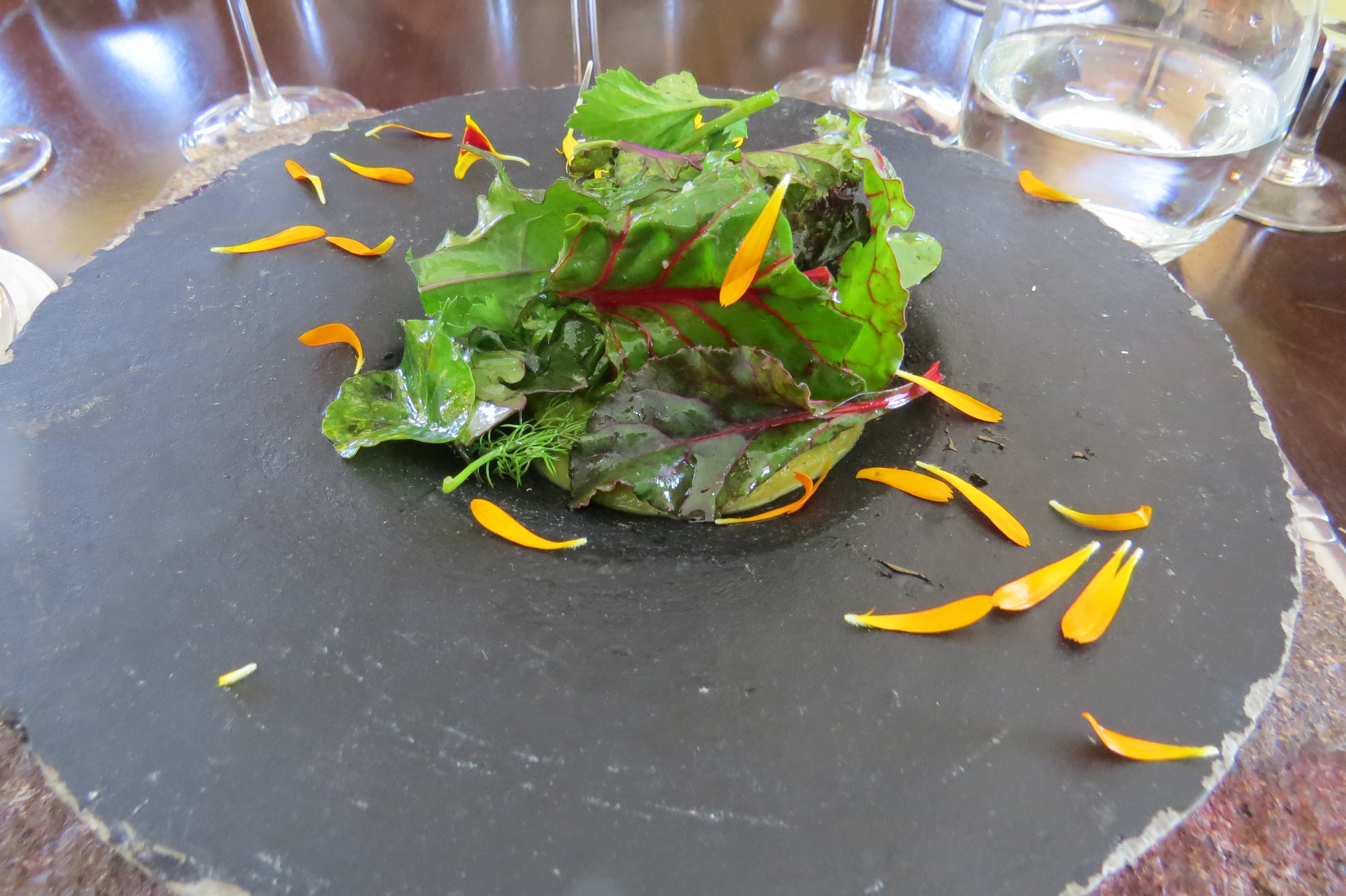
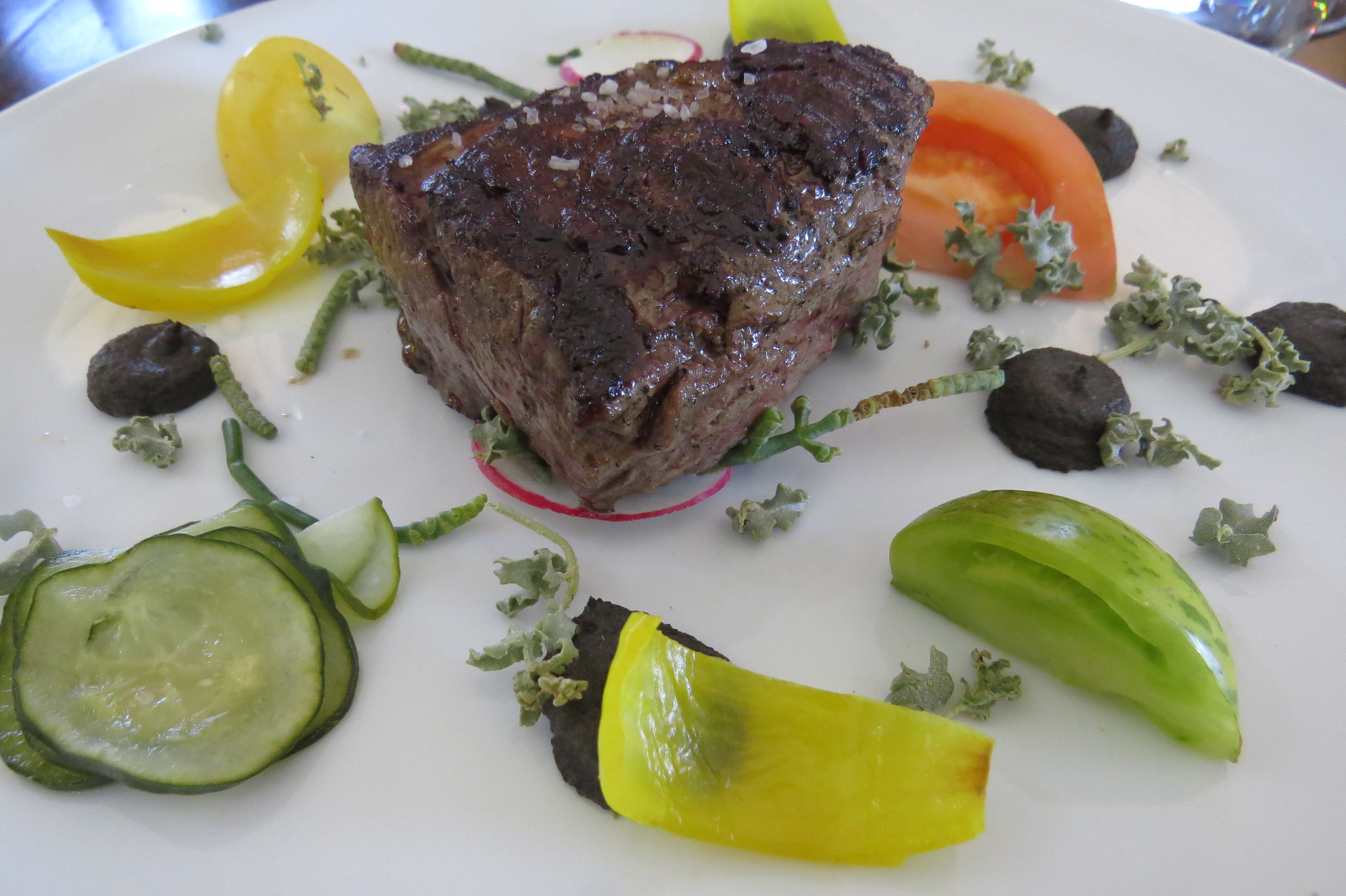
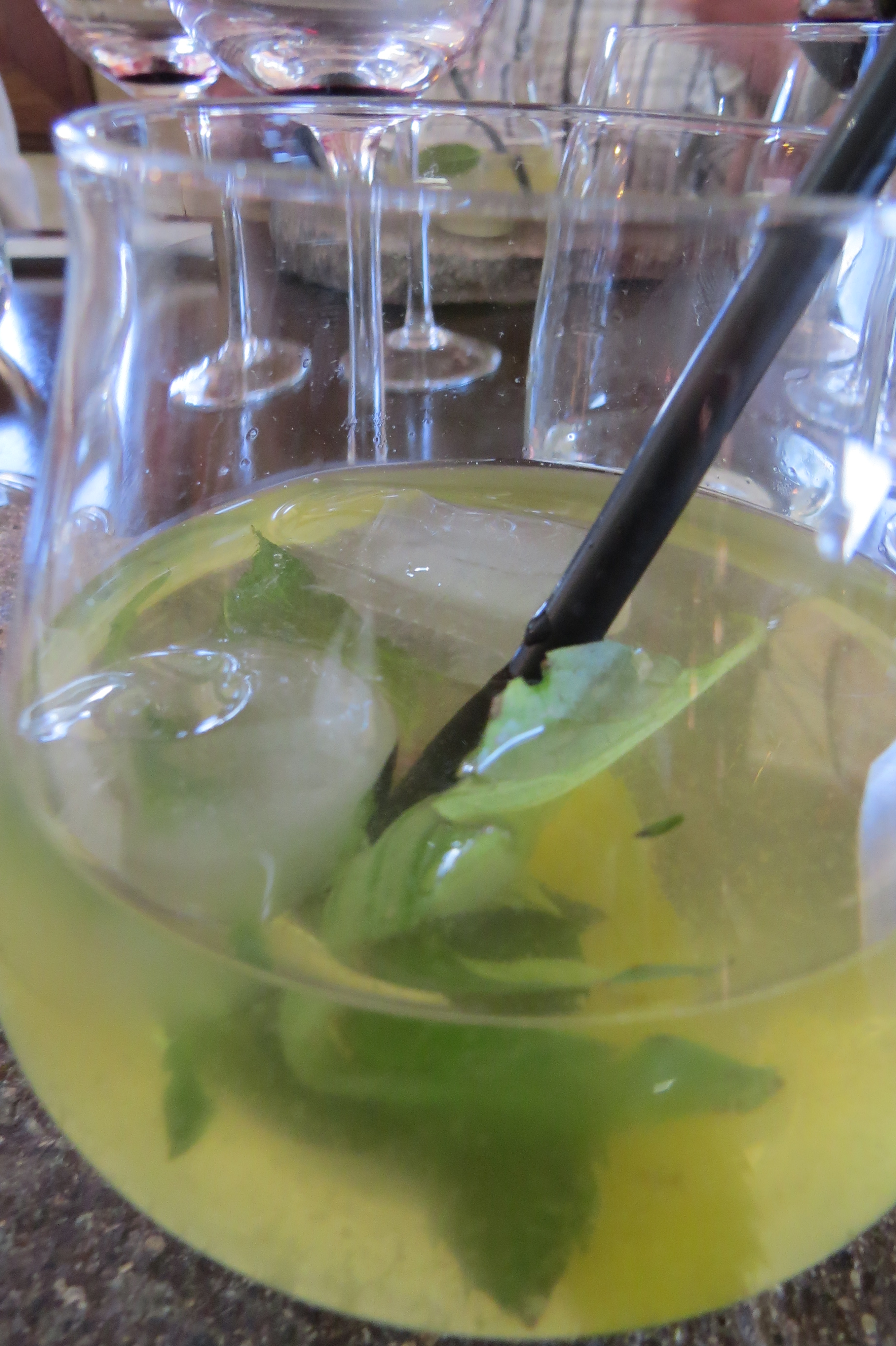
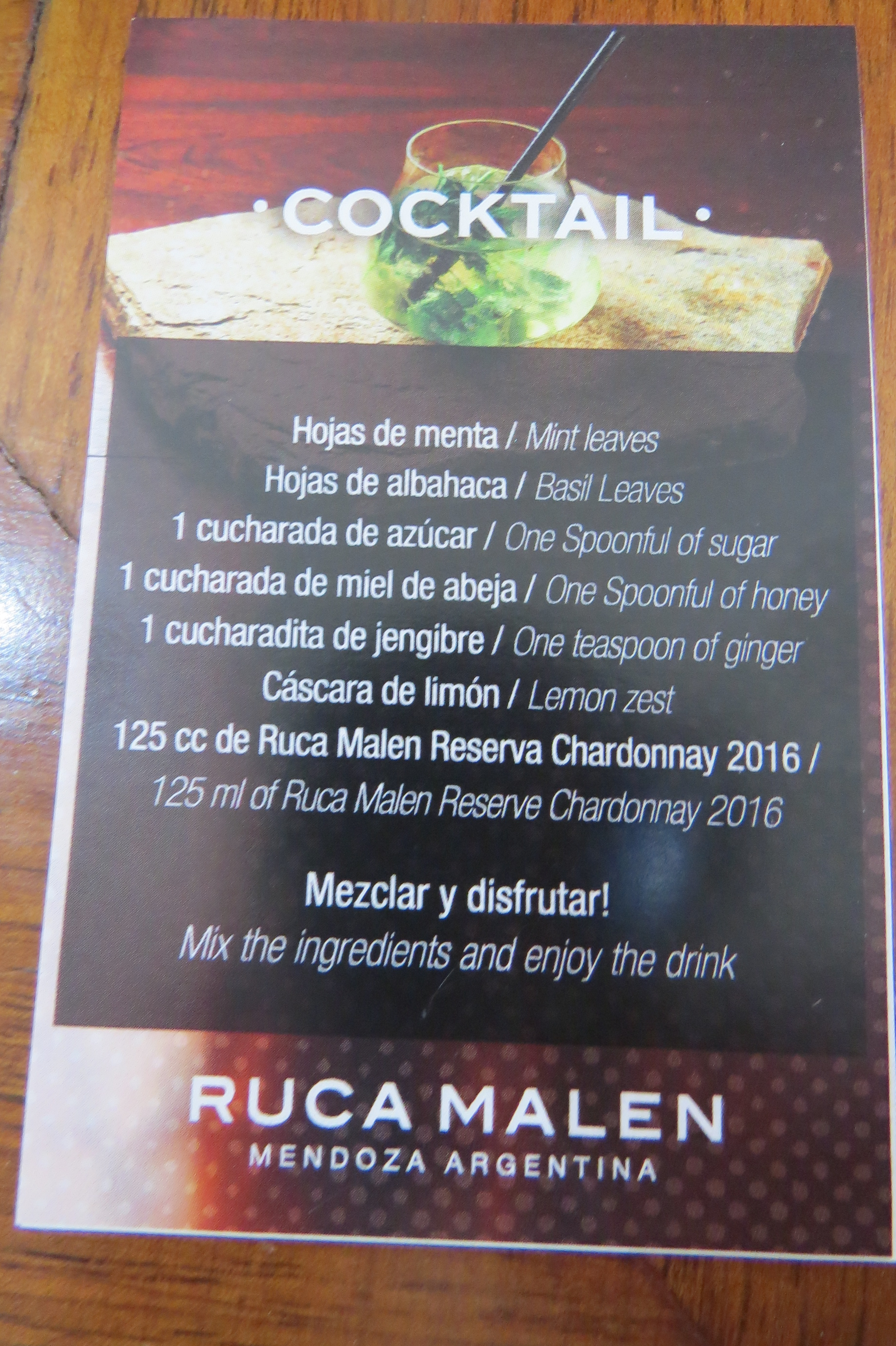
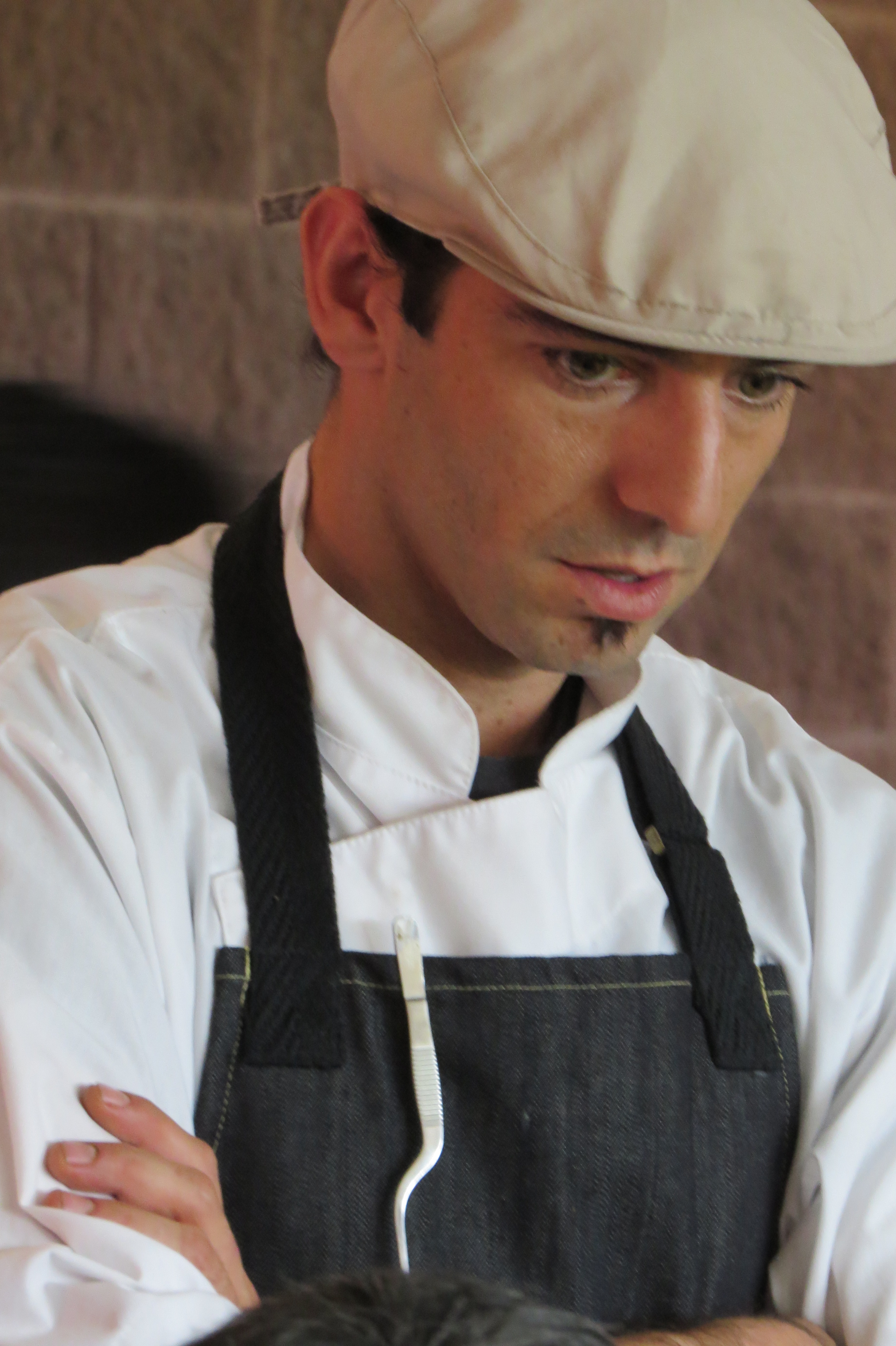
Next we drove virtually across the street to Ruca Malen. We had no idea what was in store for us! Our “cooking class” was really a class in pairing wines with the meal, and what a meal it was. Another lovely setting and the table settings were artfully made with stone from the local mountains. Seven courses, each paired with generous pourings of different wines, a prosecco and a cocktail made with basil-infused chardonnay. One of the best meals I’ve ever had, which included Argentina filet mignon cooked to perfection. The pictures speak for themselves.

Chef

Our ruta del vino was a marvellous adventure with a spectacular finish. It was great to compare the two countries’ wines; I generally liked the Chilean wines better with the exception of the magnificent Mendoza malbec.

Salude,

Jan

Adios Chile, Hola Argentina

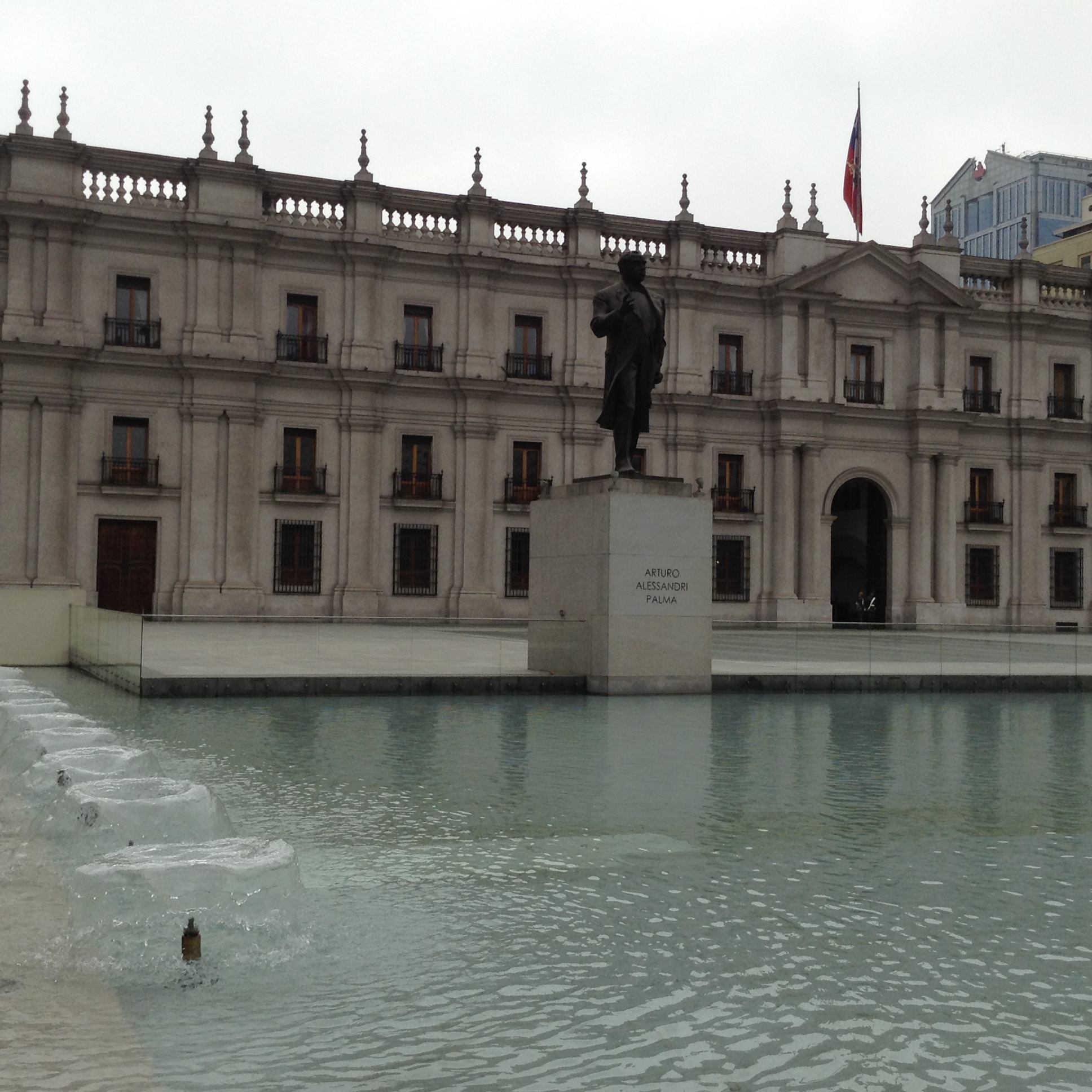
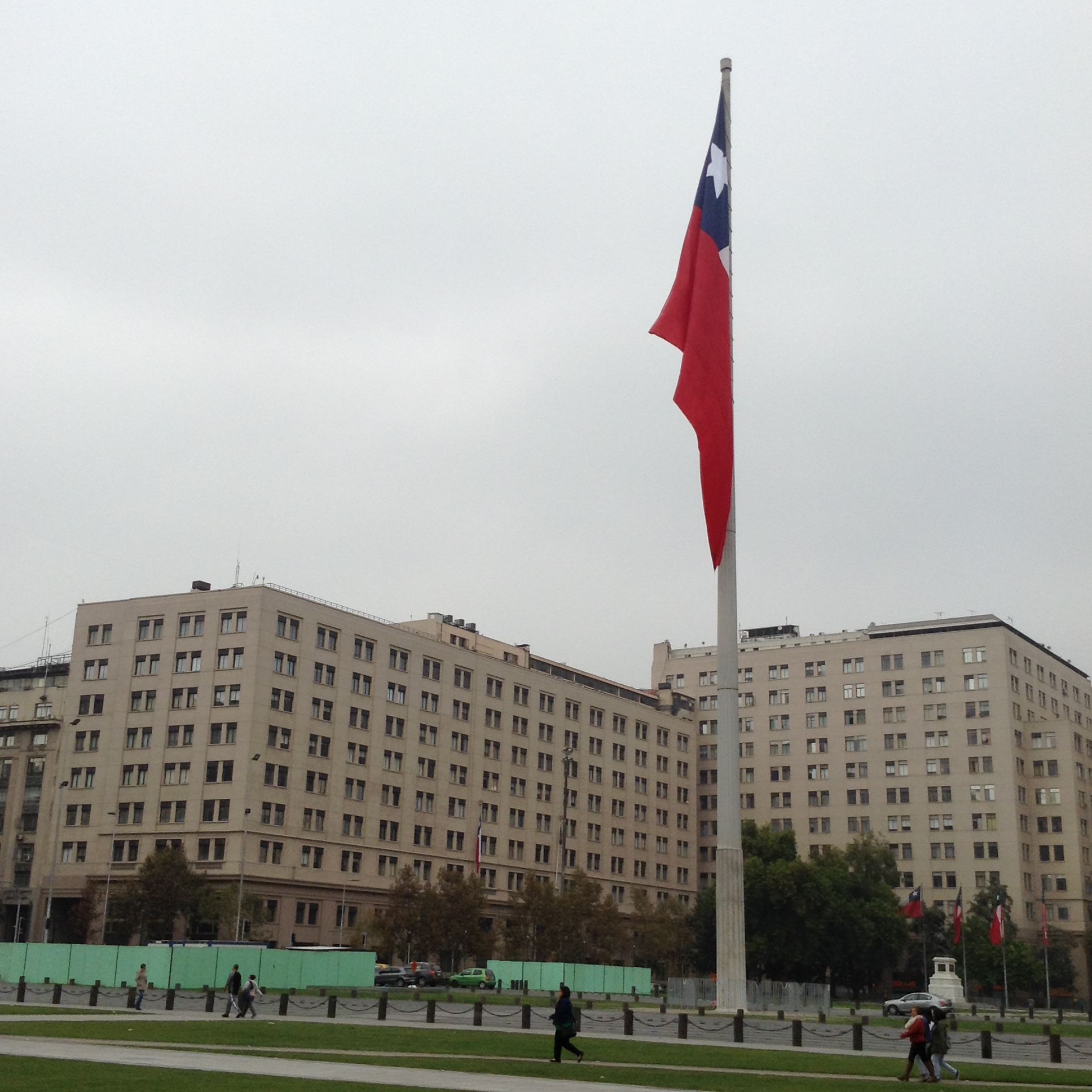
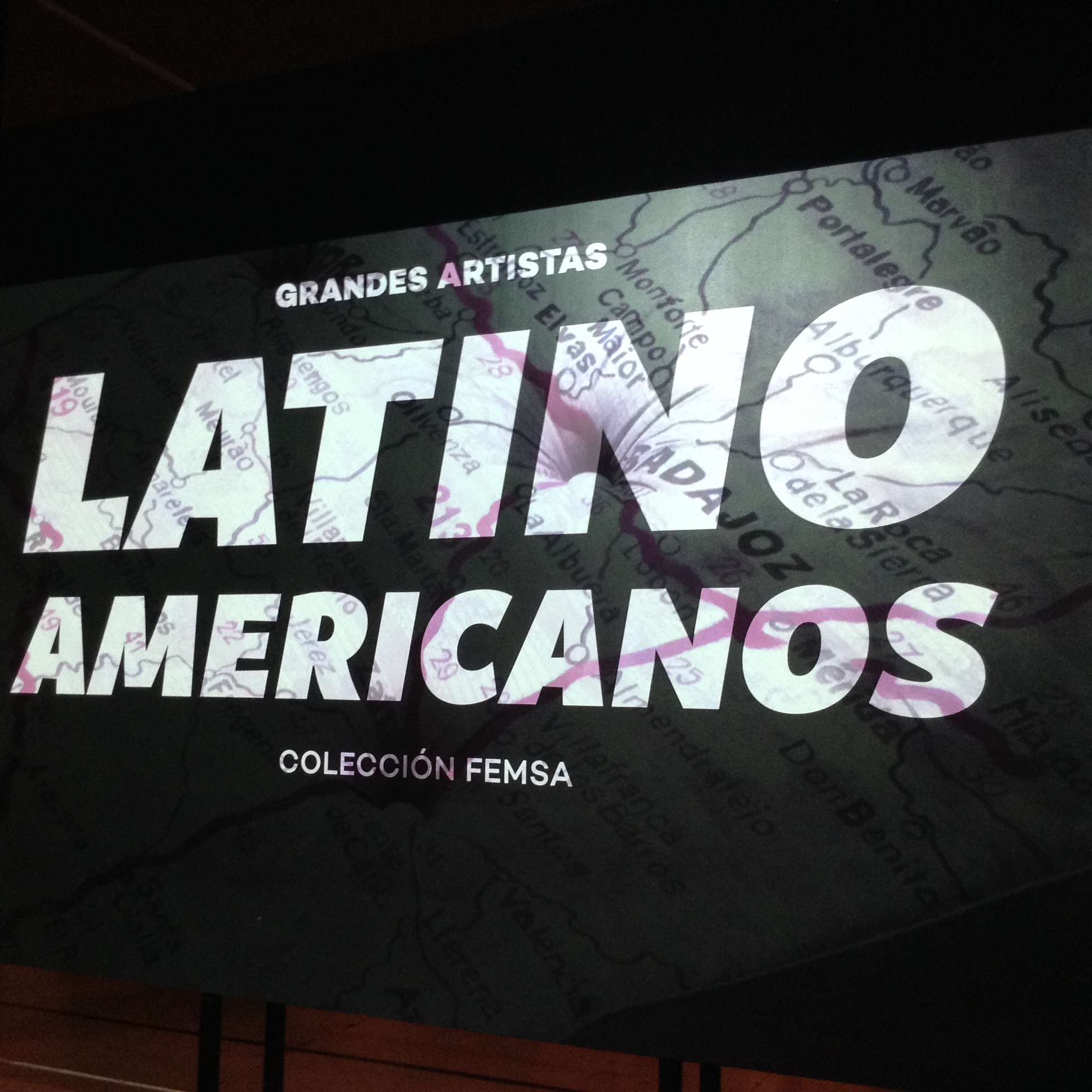
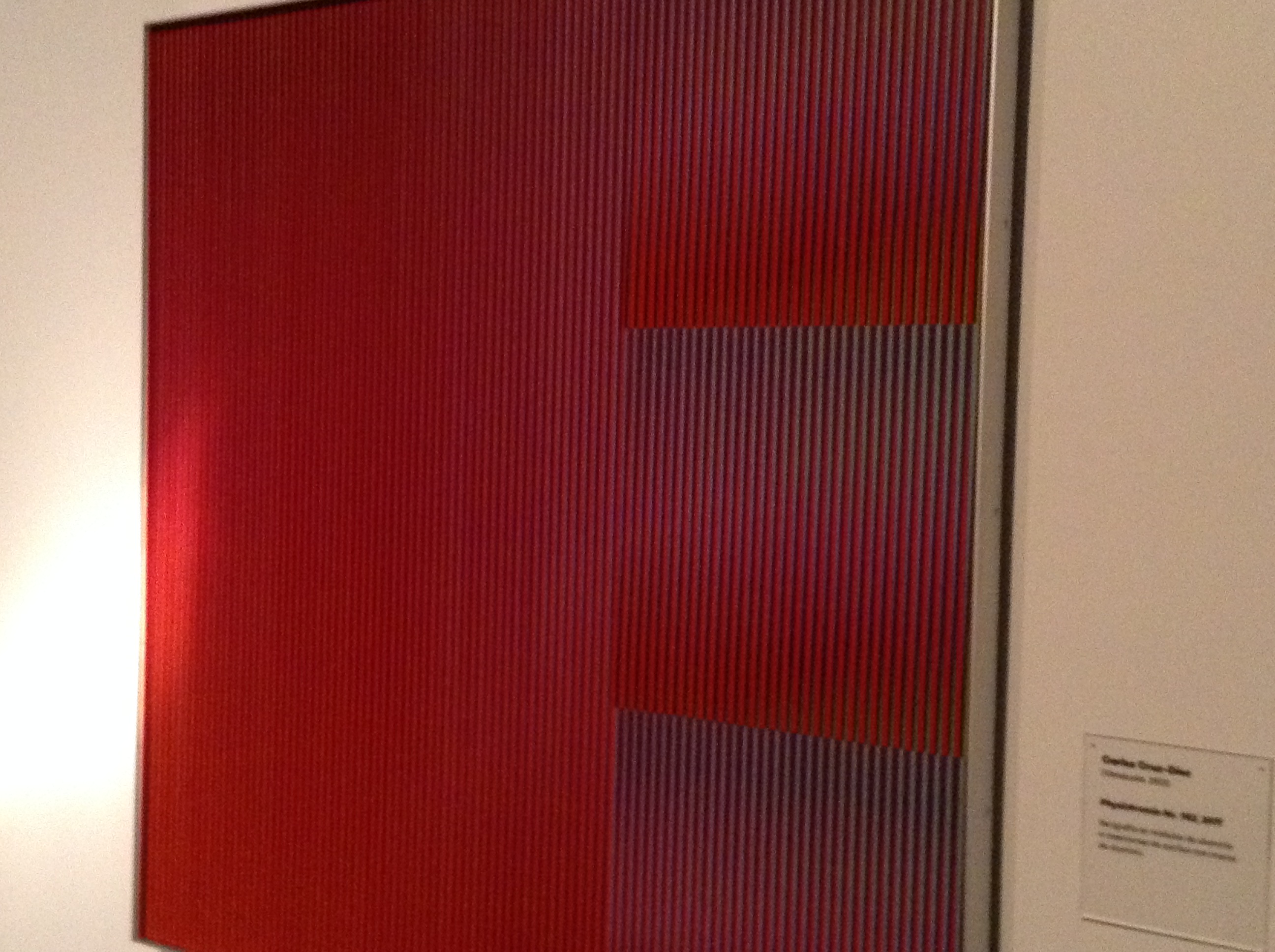
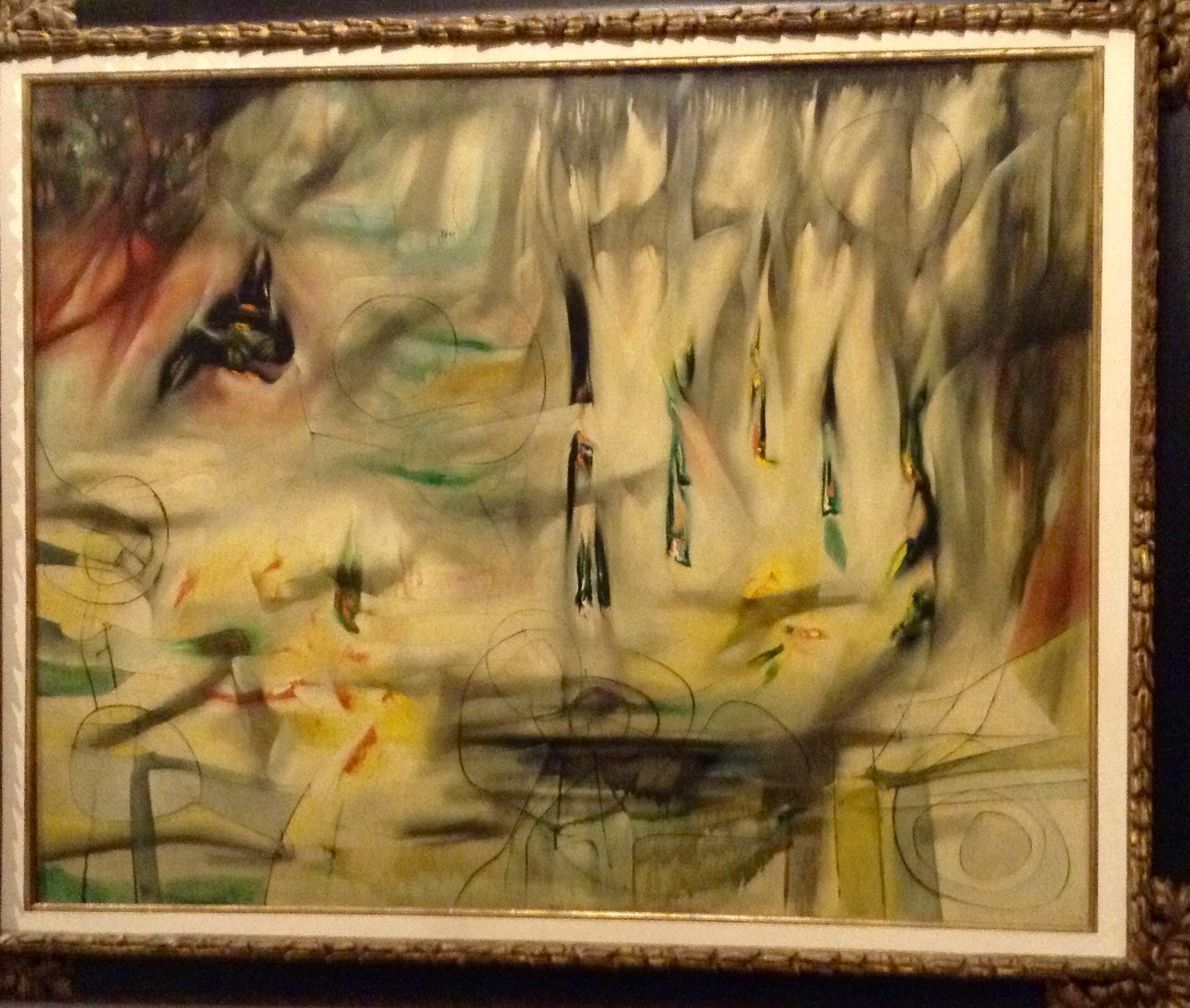
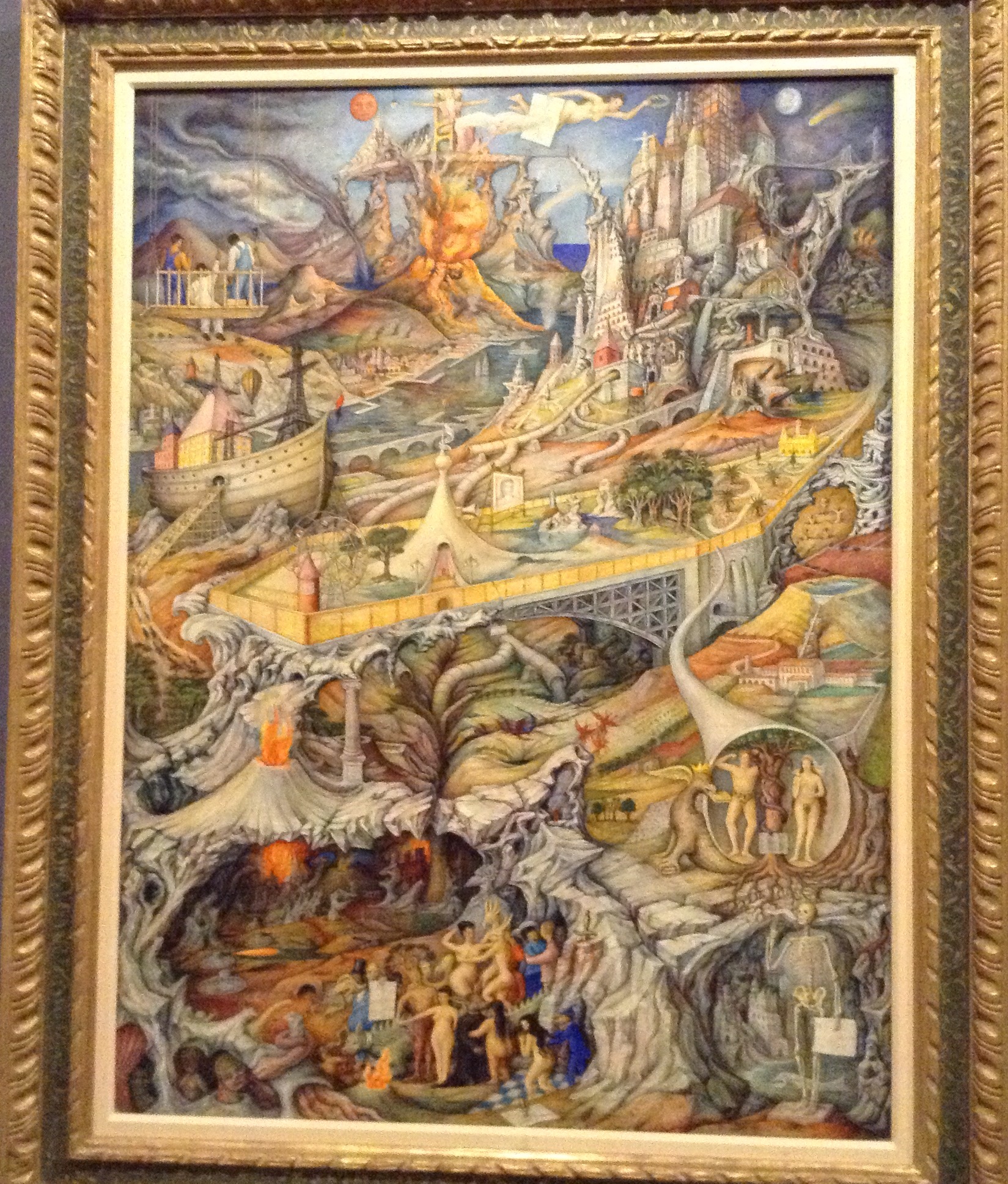
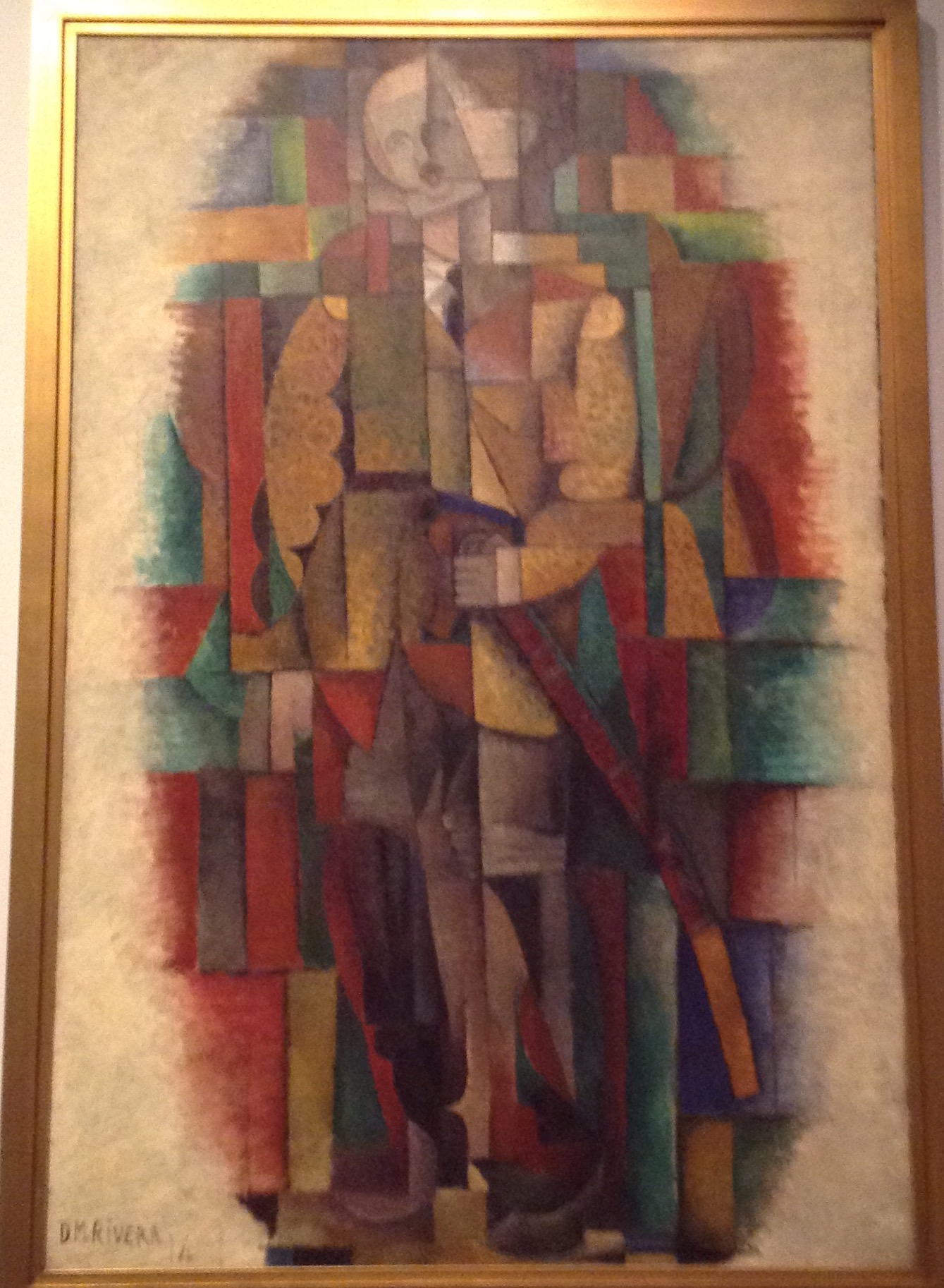
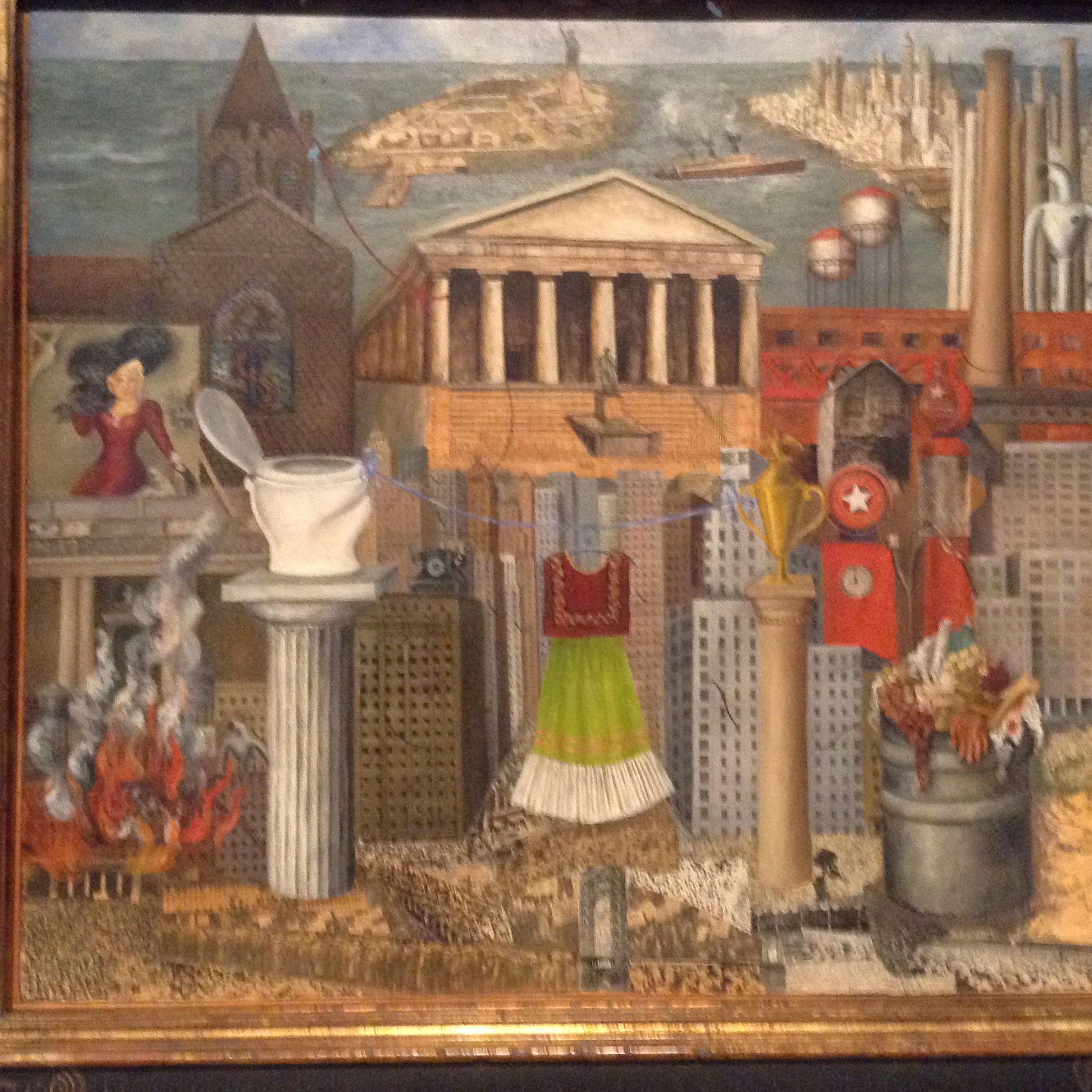
Before departing Chile we visited La Moneda, the Chilean Parliament, in which was exhibited the work of some of the most important modern Latin American artists, including a Frida Kahlo, Diego Rivera and many others.

Carlos Cruz-Diaz
Francisca Aninat
Roberto Matta
Juan O’Gorman
Diego Rivera
Frida Kahlo

Chile is a dynamic country and Santiago a vibrant city. We were able to experience its city life and culture, learn about its agriculture and visit its breathtaking west coast. The food and variety of restaurants was amazing and our hotel was lovely. We had several enjoyable evenings winding down our days with a glass of wine with new friends.

We caught a short flight to Mendoza, Argentina and almost immediately went out for our first group dinner in this country. We had some wonderful Italian food in a private room at Cava Marchigiana, and our first tastes of the legendary Argentine steak.

Buenos Noches,

Jan

Messy Hair

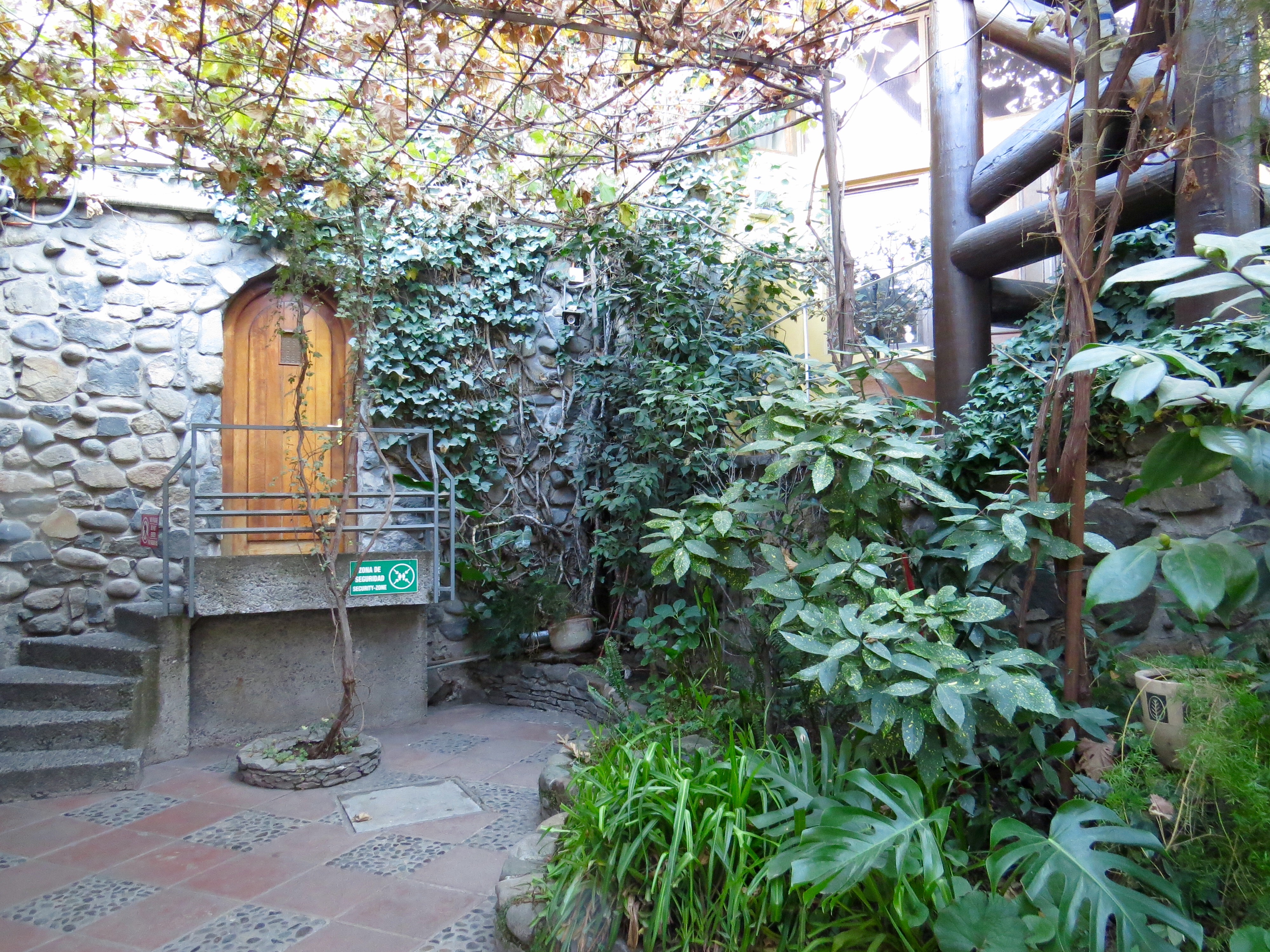
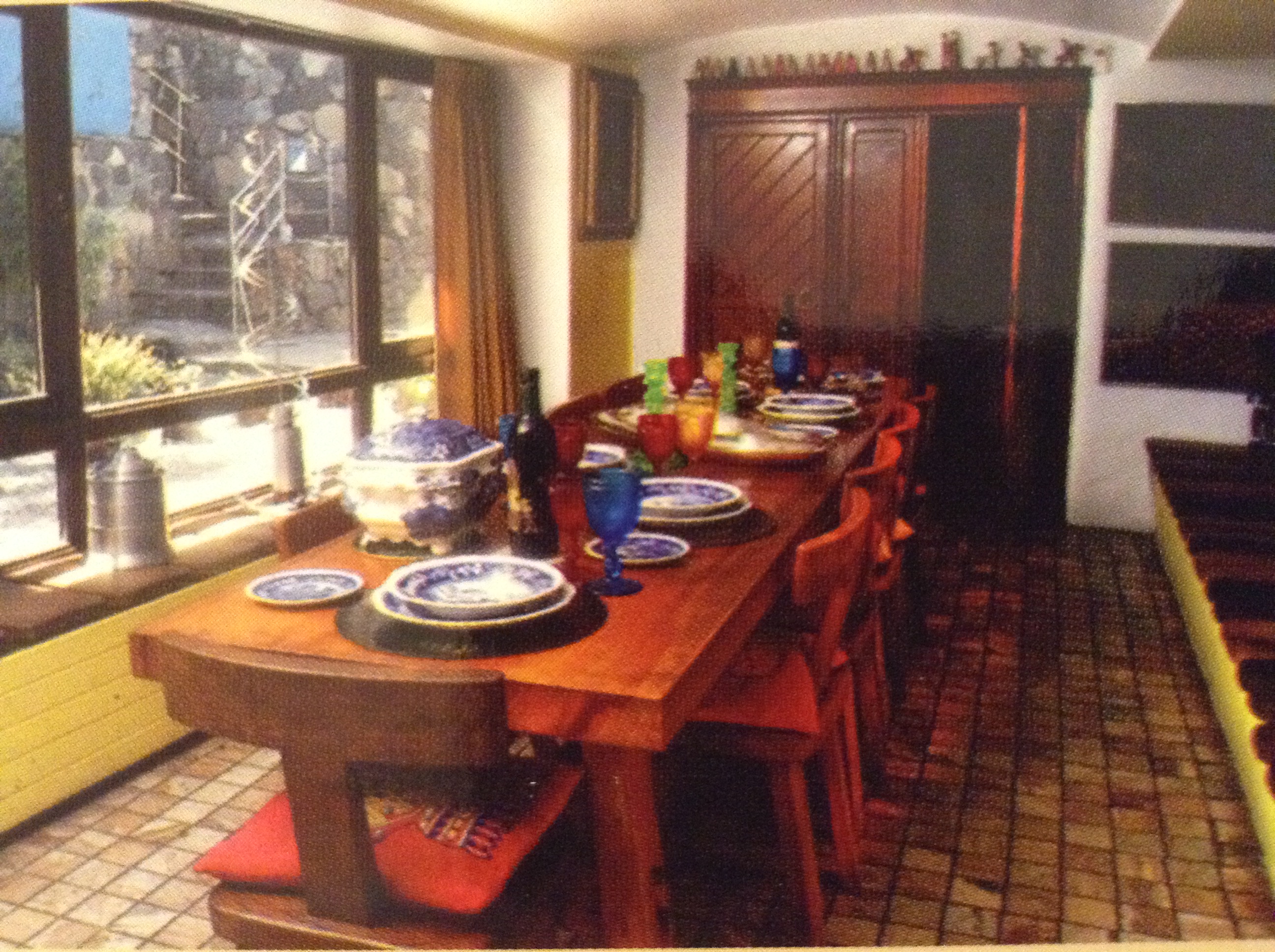
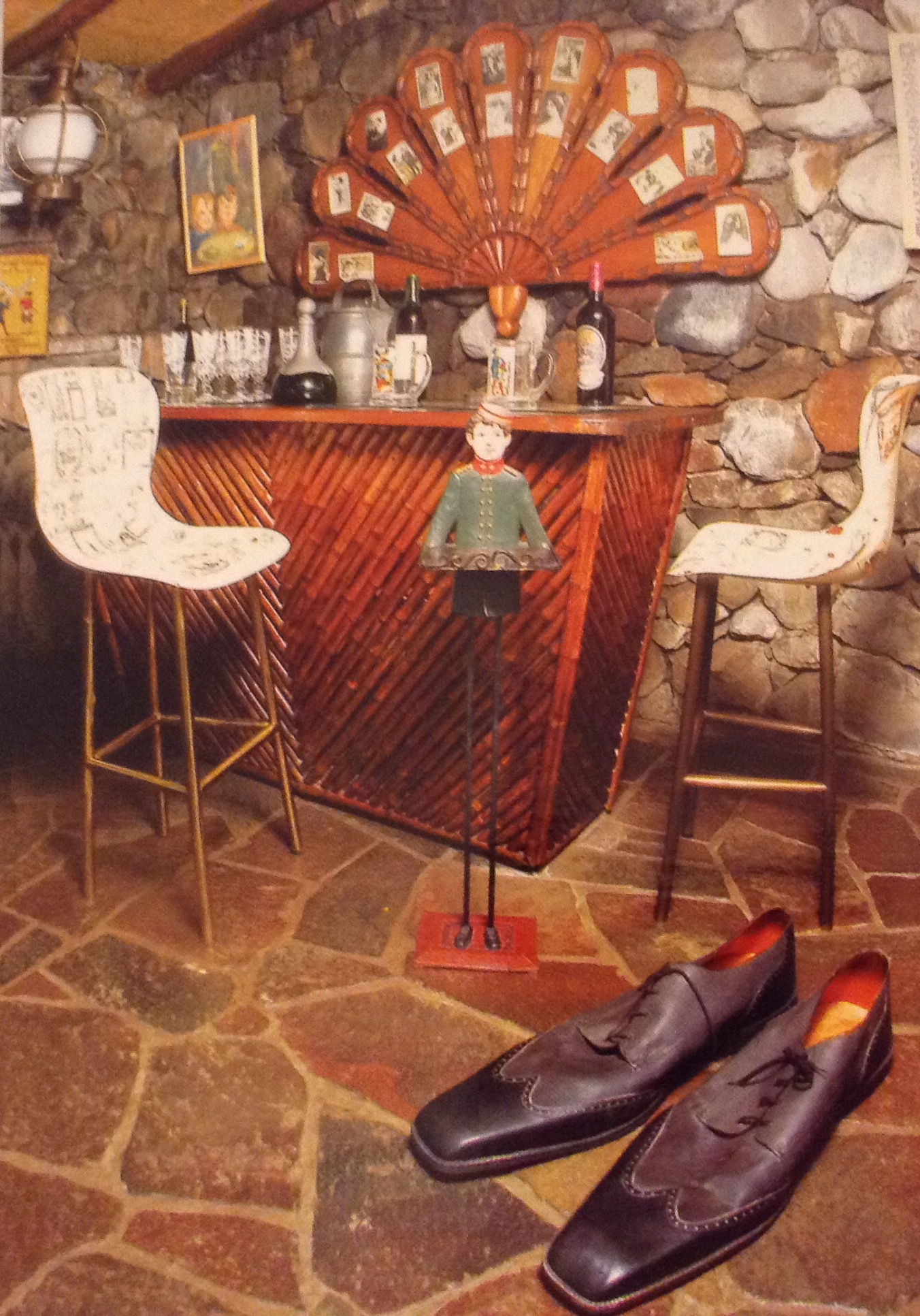
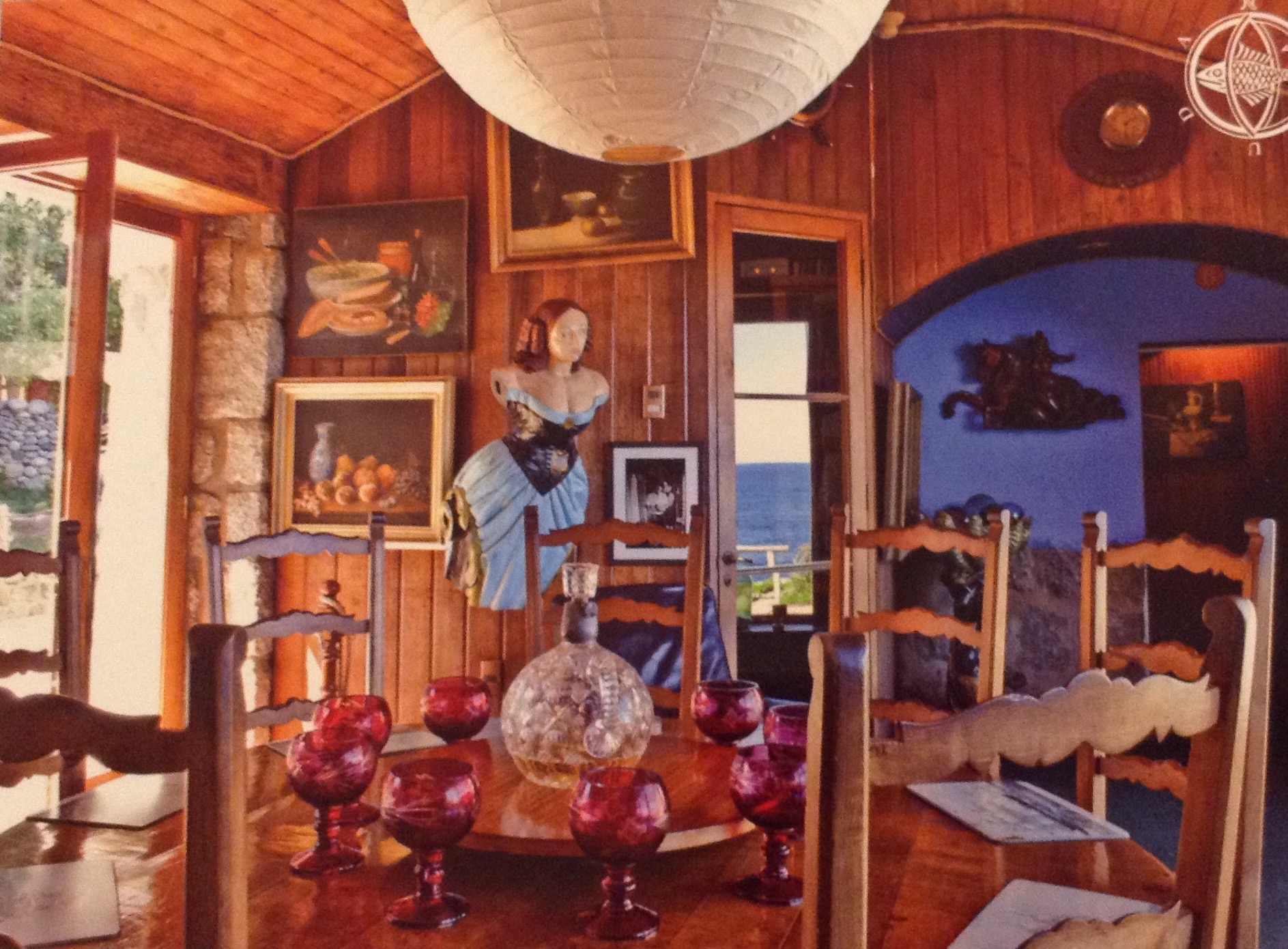
During our visit to Chile, we have visited the three homes of the beloved poet, bohemian, activist, ambassador and politician, Pablo Neruda. Each site was on a perch and he chose each home to take full advantage of the view. The entryways were narrow giving way to open rooms with a flow from room to room. Neruda appreciated the finest things and his homes are filled with the art and objets d’art he collected. He loved to entertain and looked after all the details, down to the bright colours of the glass in the wine goblets. His dining room table was half the normal width so diners would be drawn closer and conversation made easier. He often dressed in costume to amuse his guests and his homes had secret passageways to add to the surprise. His parties would be packed with musicians, artists and intellectuals.

A New York Times writer’s vivit to the 3 Neruda homes:

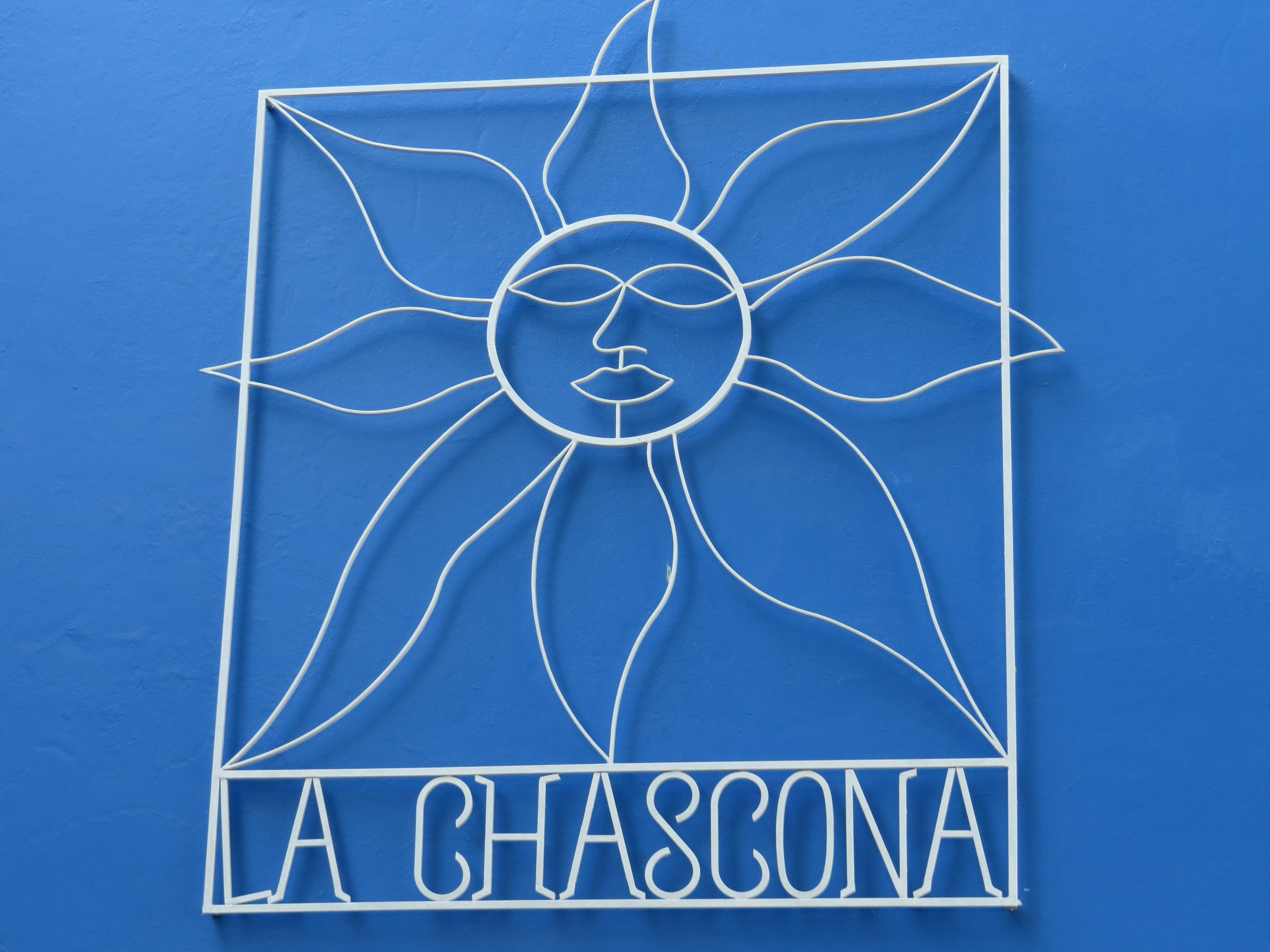
La Chascona

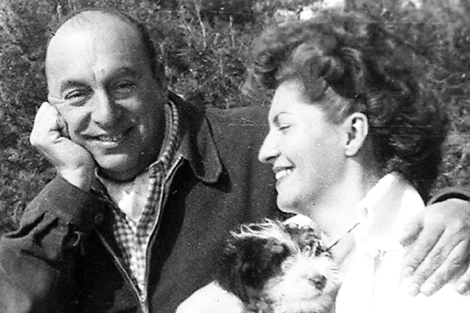
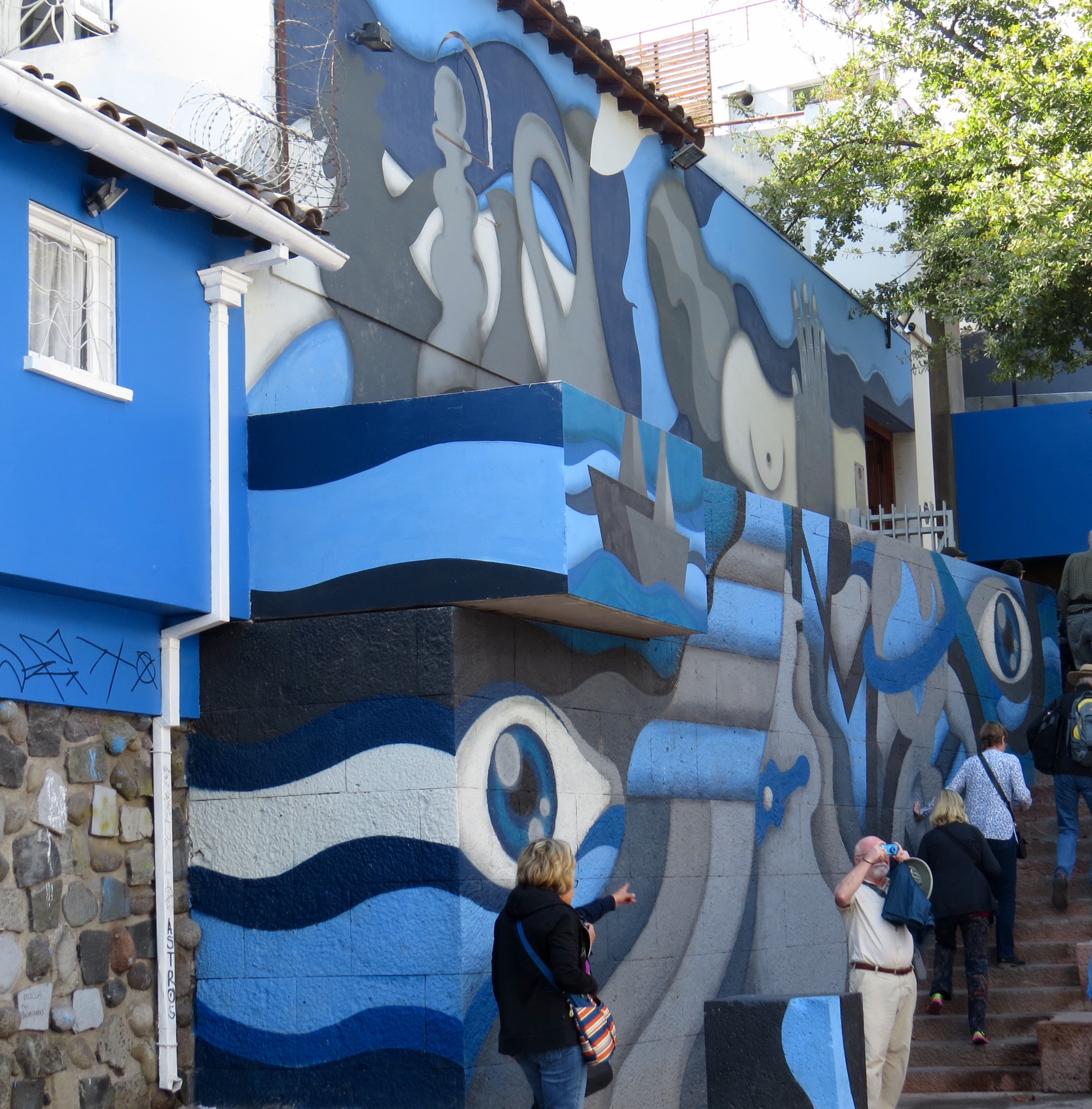
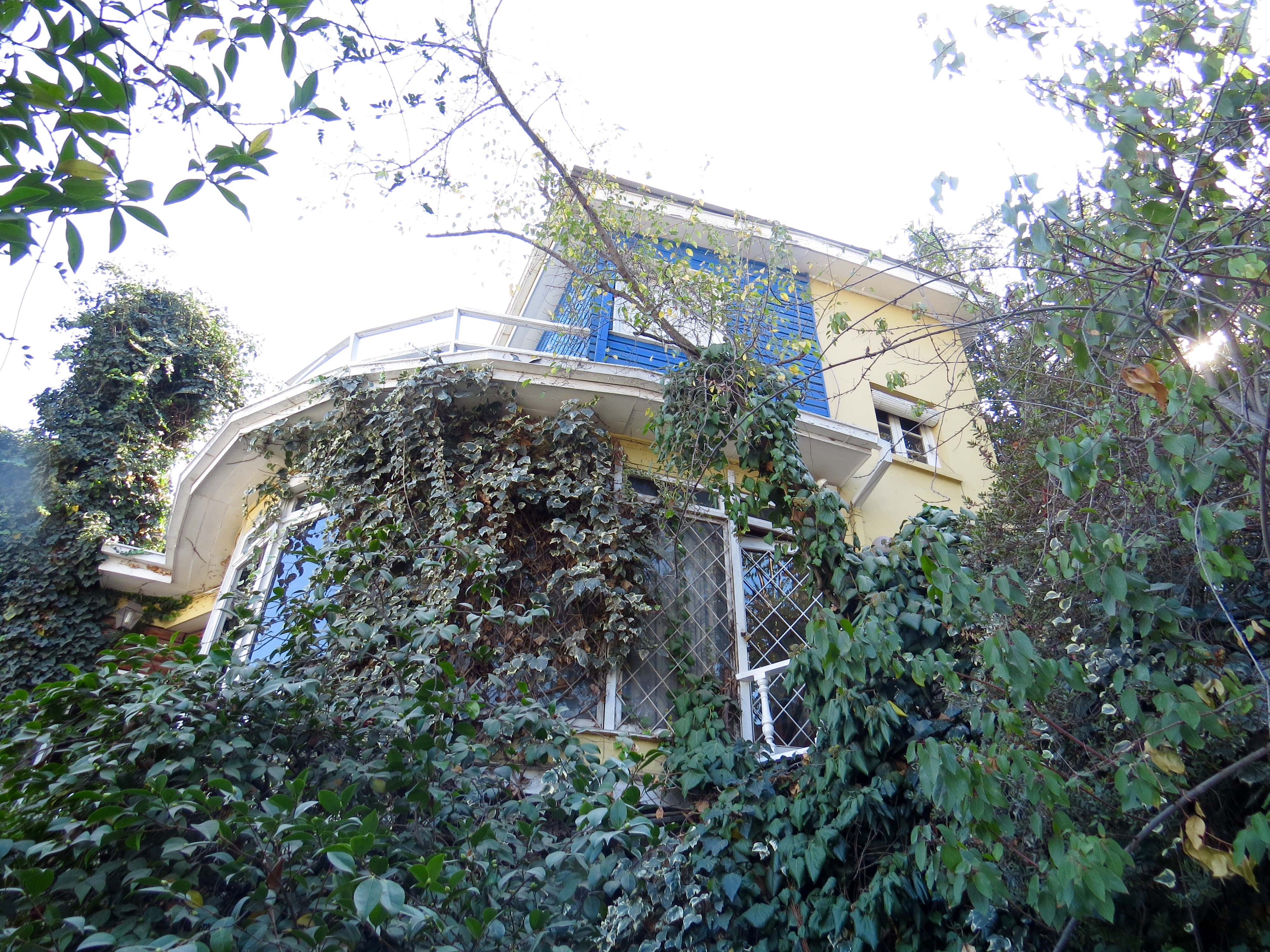
In 1951, Neruda bought this house in Bellavista, a bohemian section of Santiago, for the then secret love of his life, Matilde Urrutia. He named the house “Messy Hair” as he might have described hers. But he was a man of passion and his 100 Love Sonnets written to her feature her hair:

“I lack enough time to celebrate your hairs
One by one I count them and worship them
Other lovers want to live with certain eyes
I only want to be your hairdresser.”

A view of the Andes from the living room has been overtaken by the city

————————————————————-

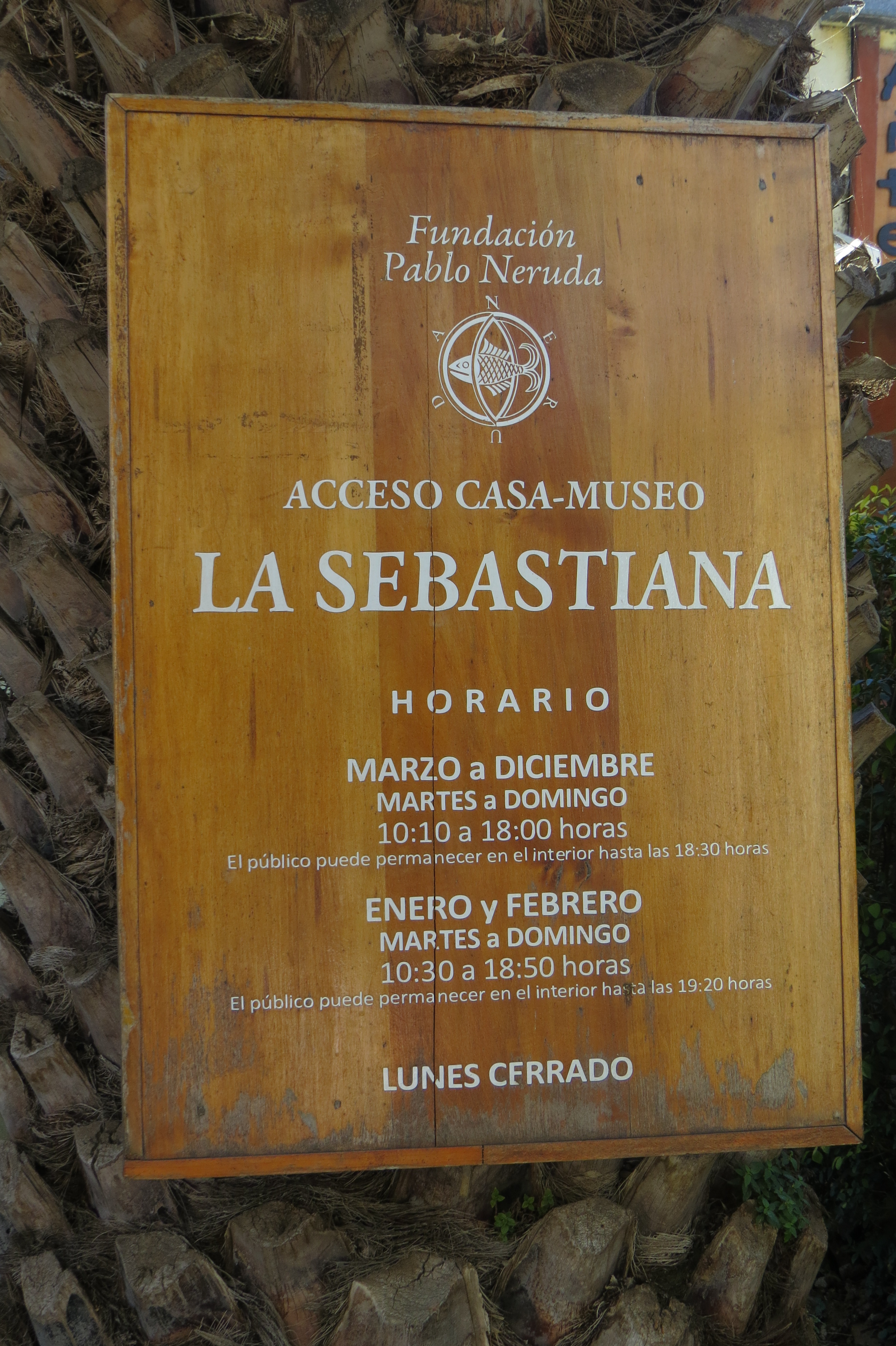
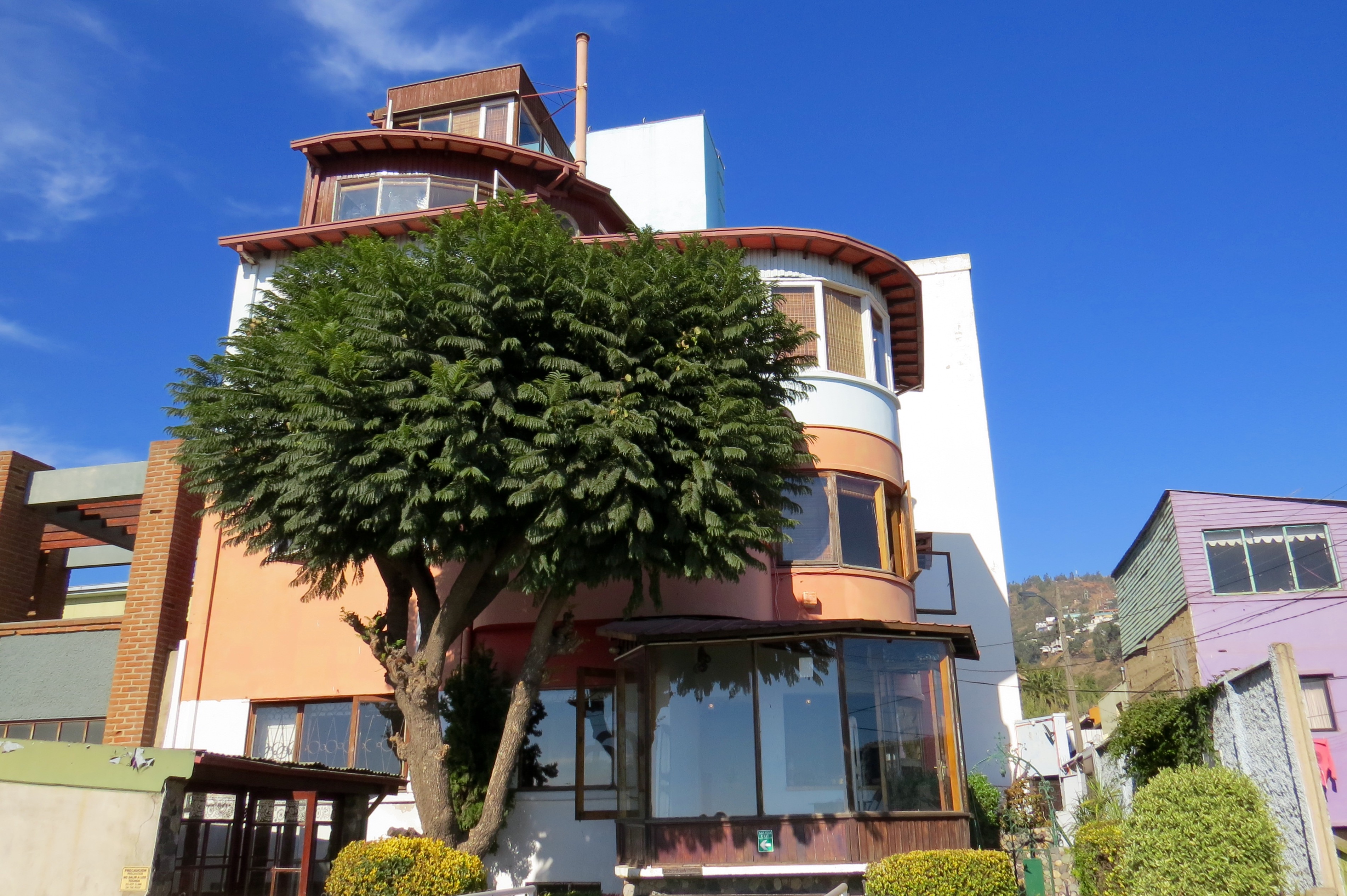
La Sebastiana

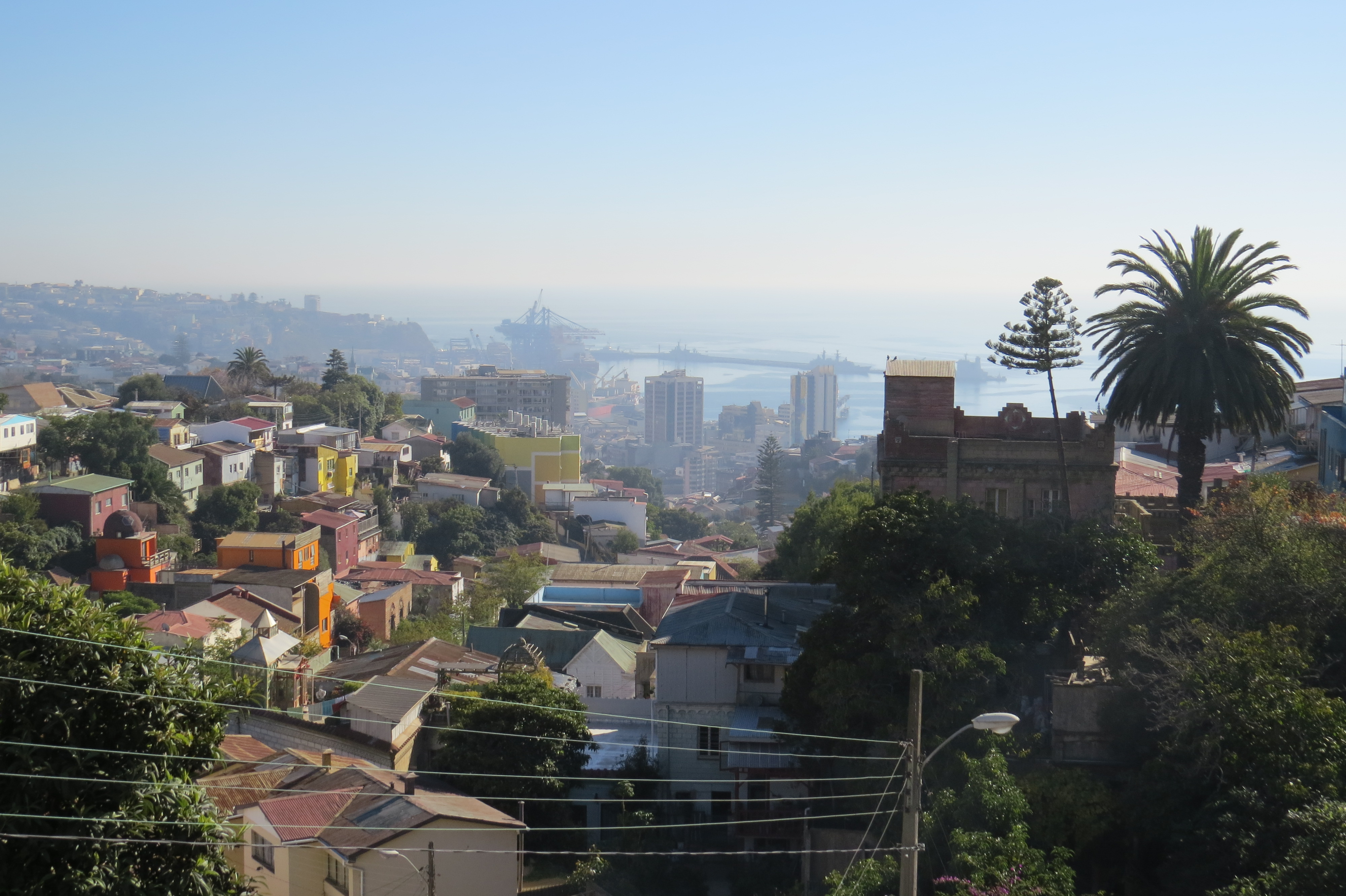
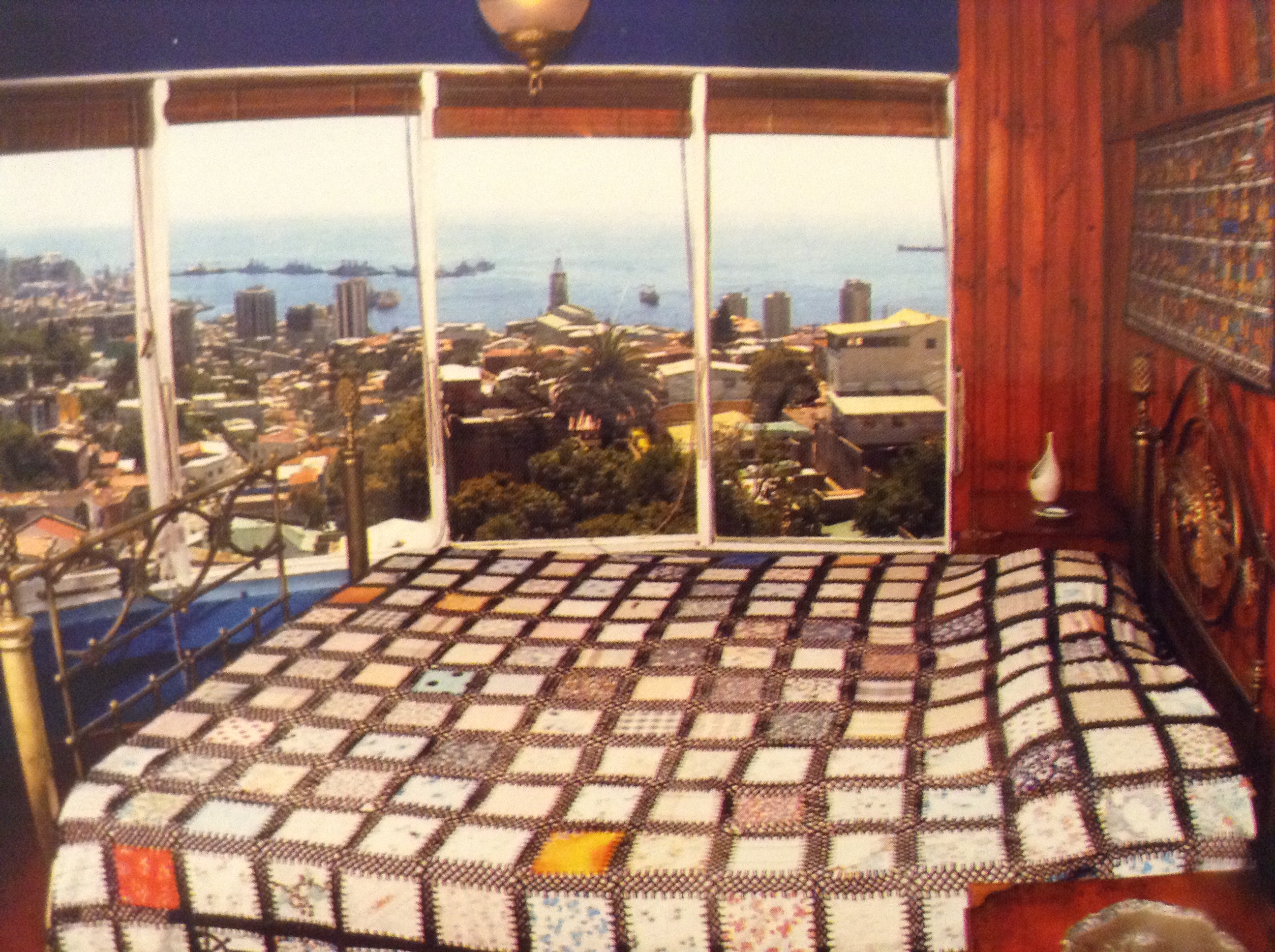
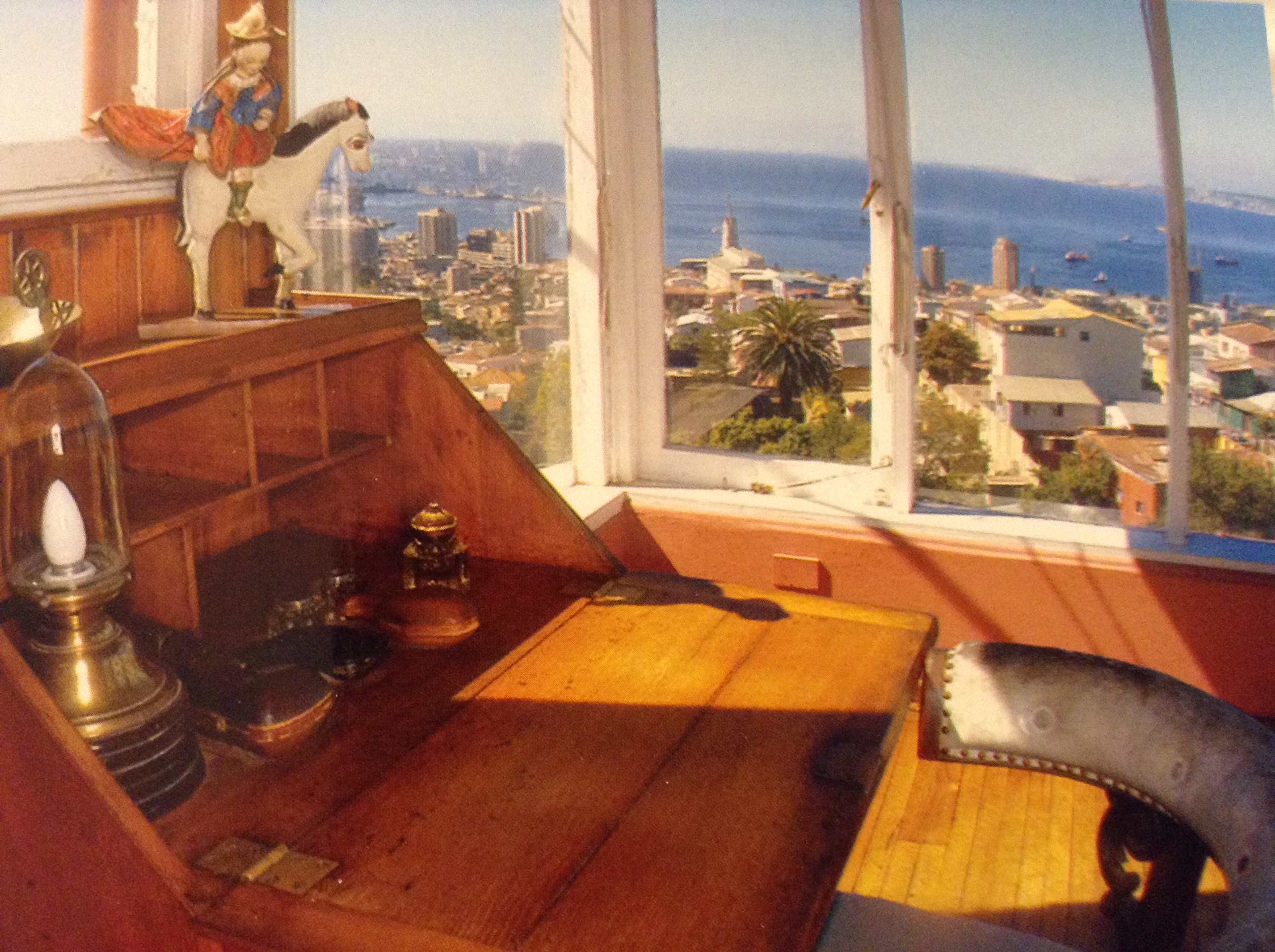
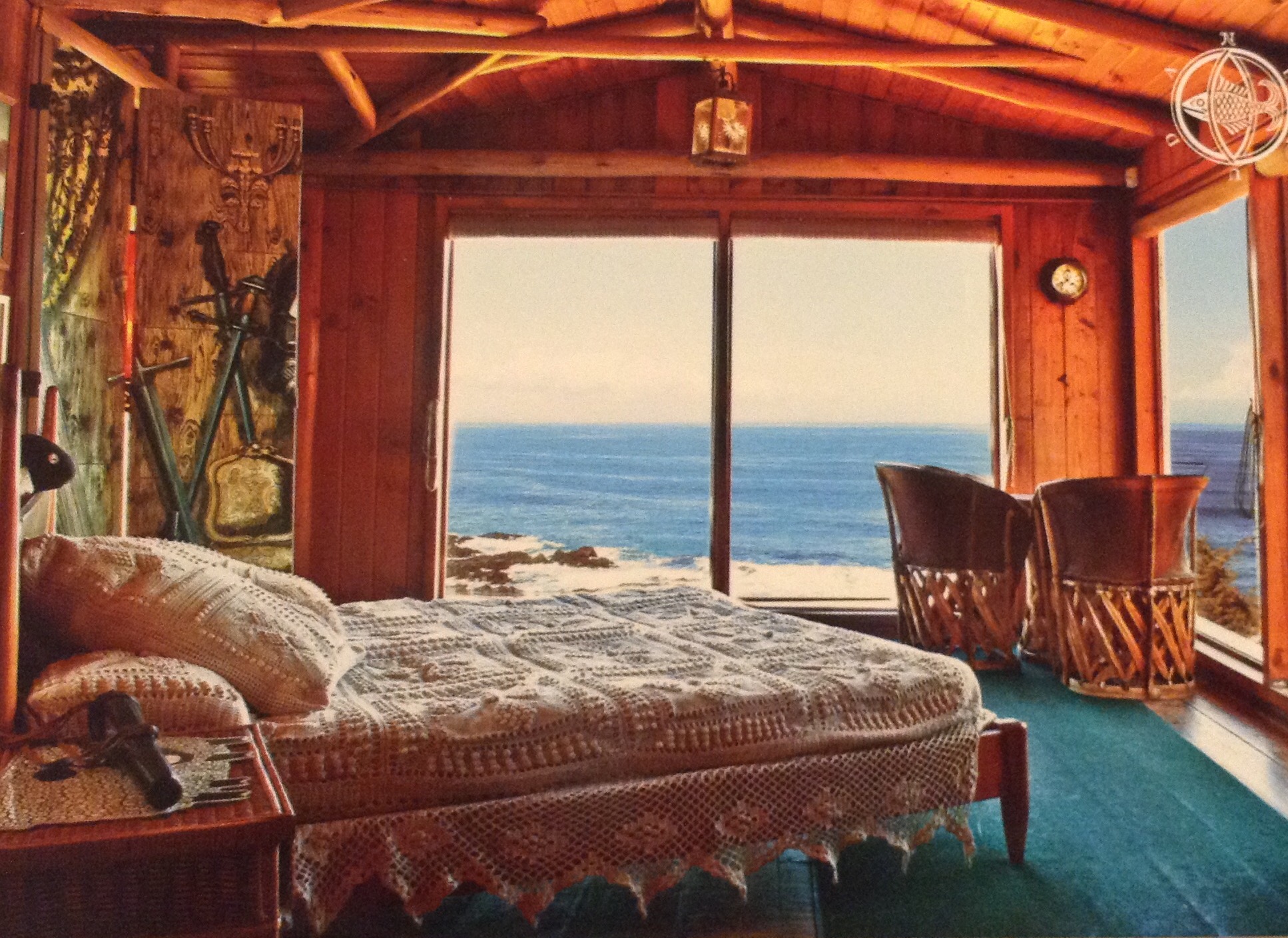
Neruda loved the colourful city of Valparaiso two hours from Santiago through Chilean countryside to the Pacific Coast. He was well-suited to the edgy vibe and he and Matilde bought their second home together here which they shared with another couple.  With a lofty view of the harbour, the couple hosted many new year’s eve parties here where guests could watch the fireworks over the harbour. My favourite room was the bedroom with the positioning of their bed to enjoy the view. His office was on the top floor, the most private room in the house.


————————————————————-

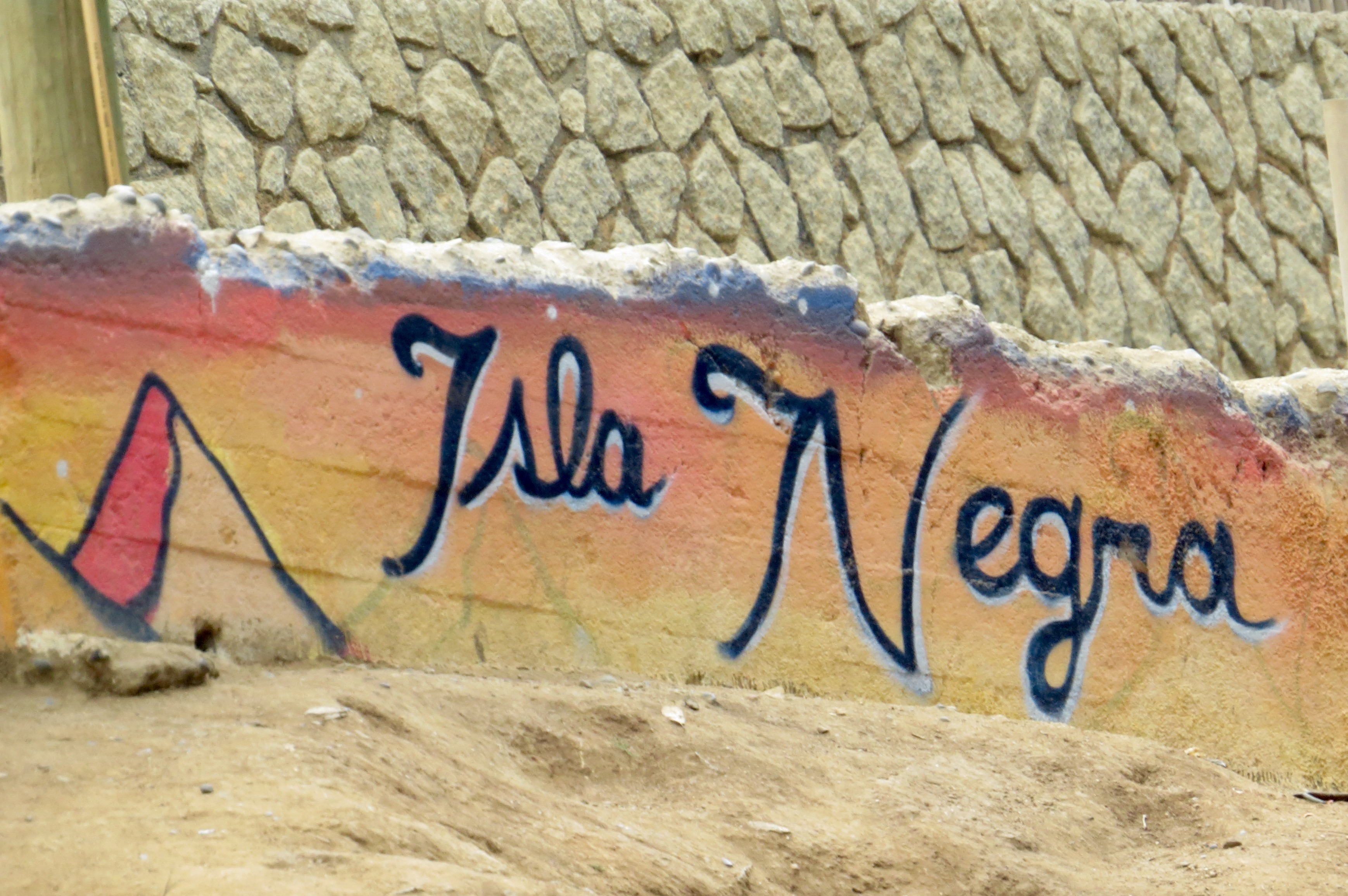
Isla Negra

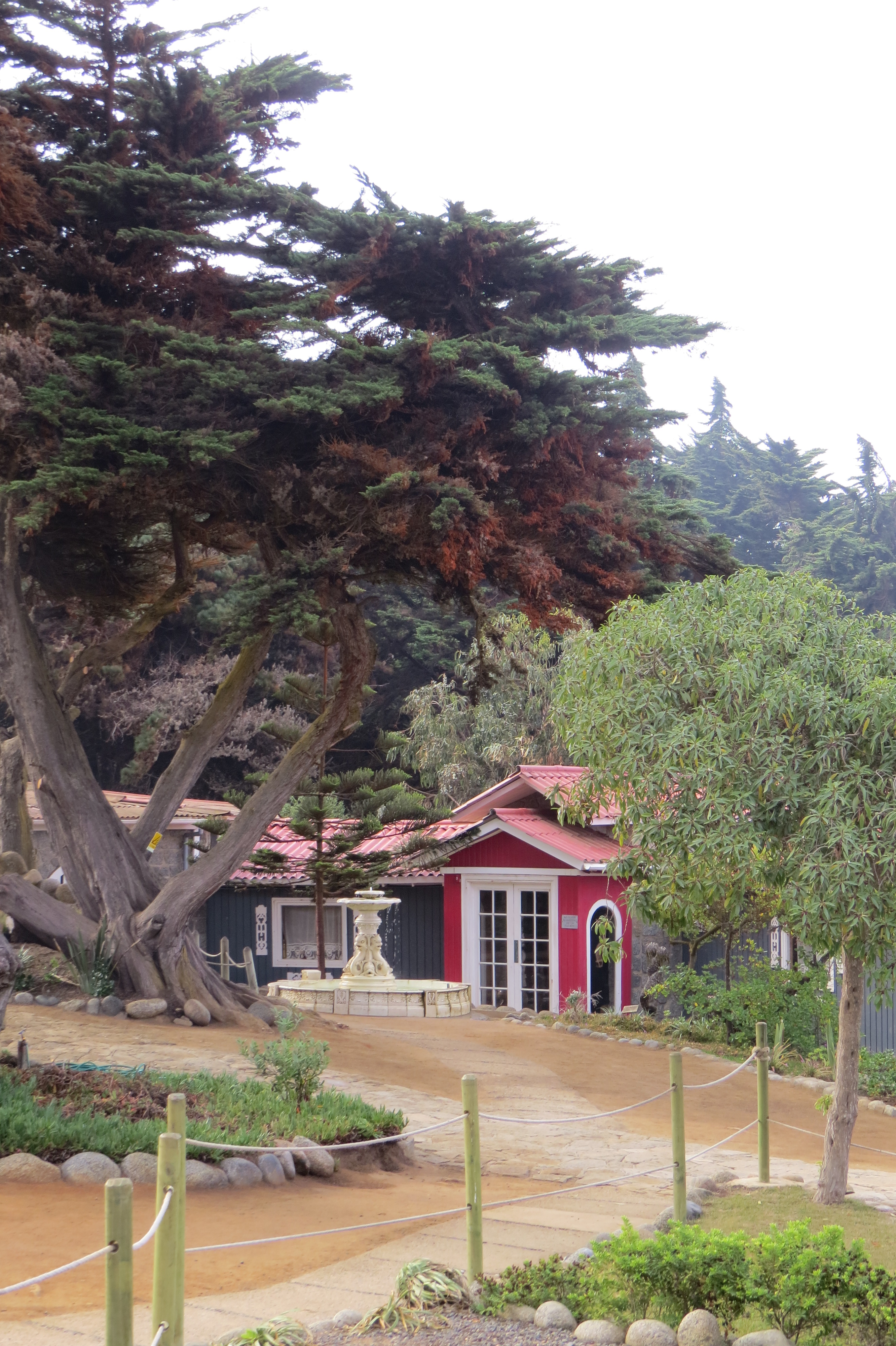
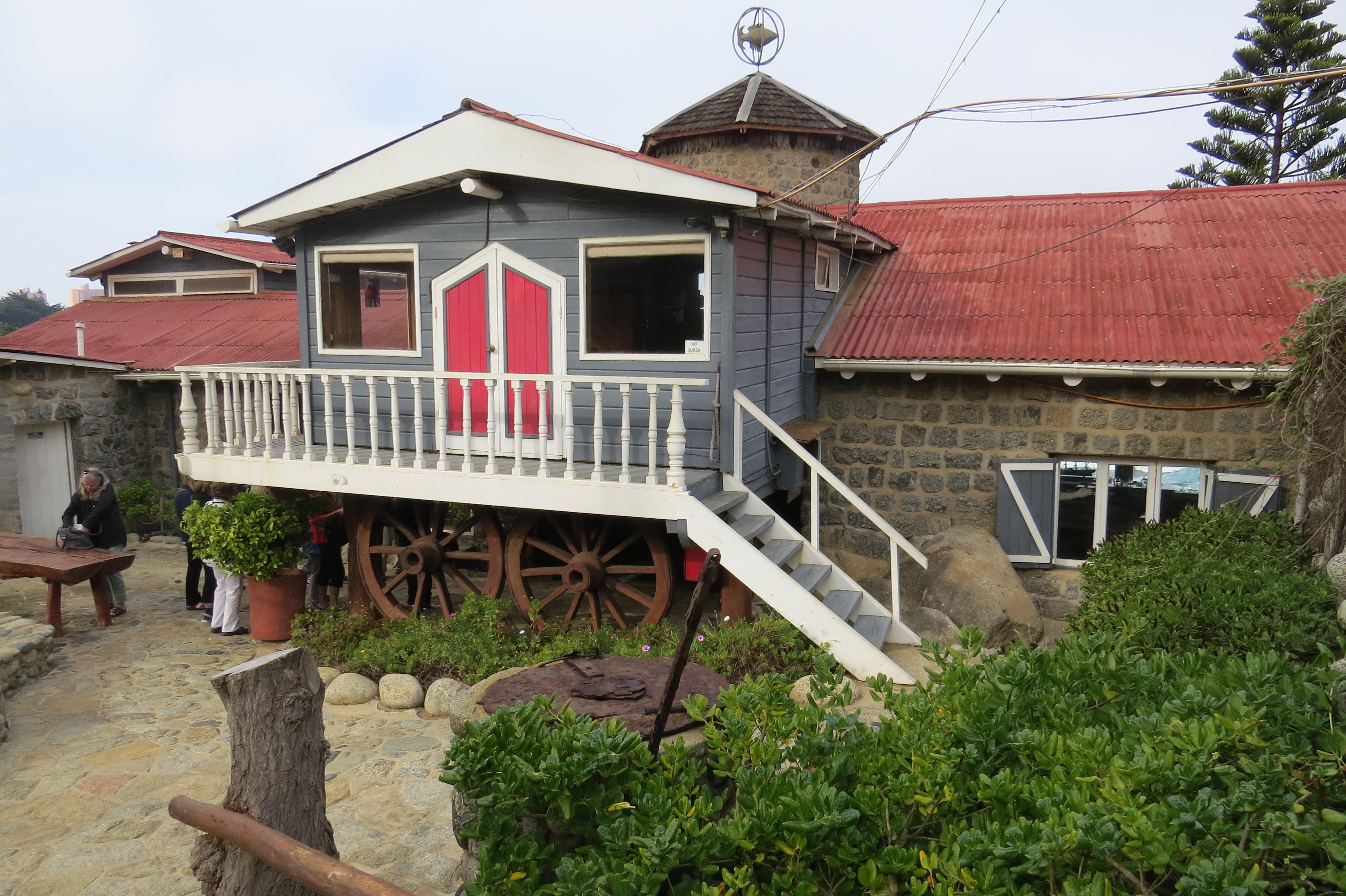
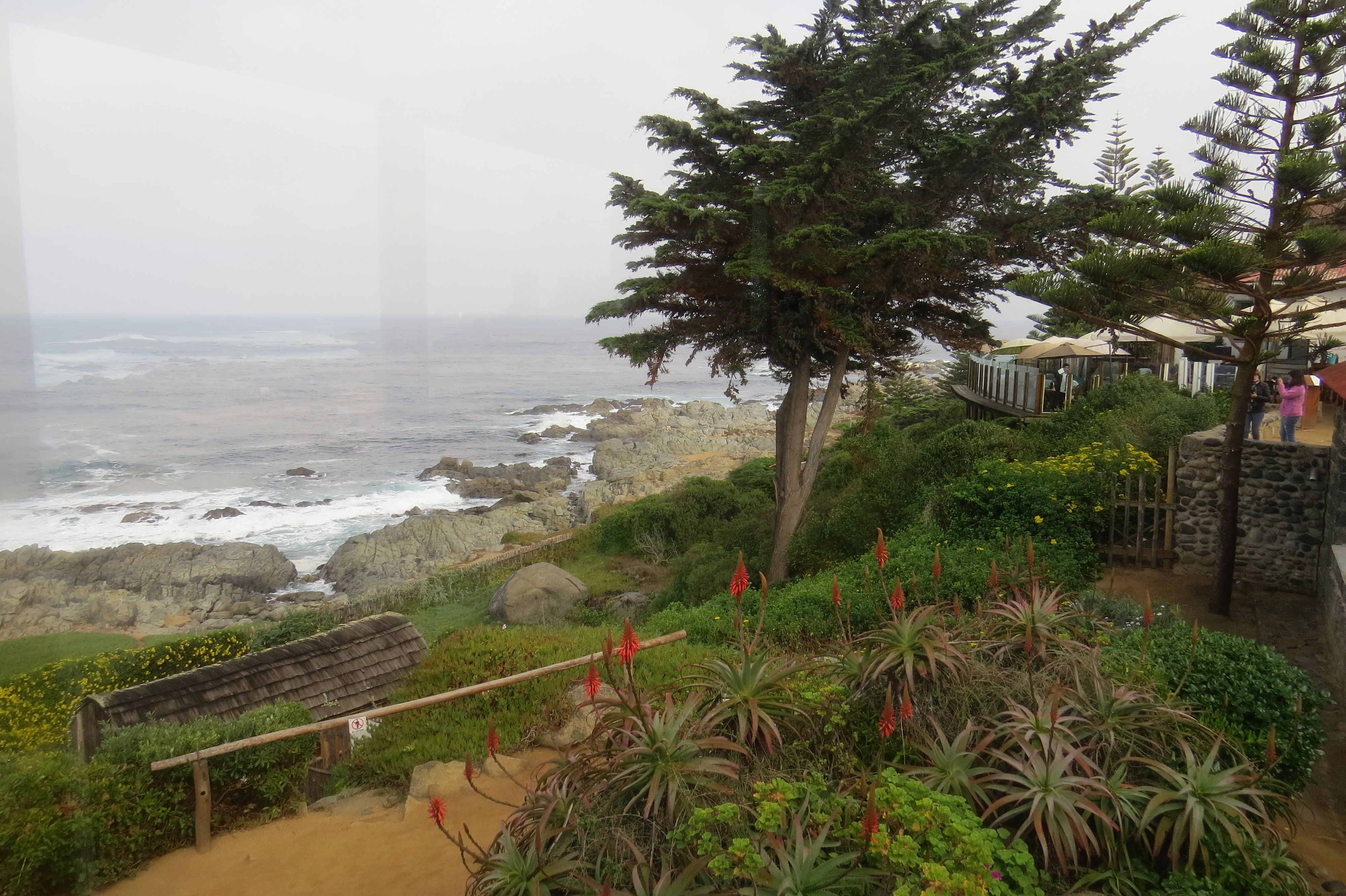
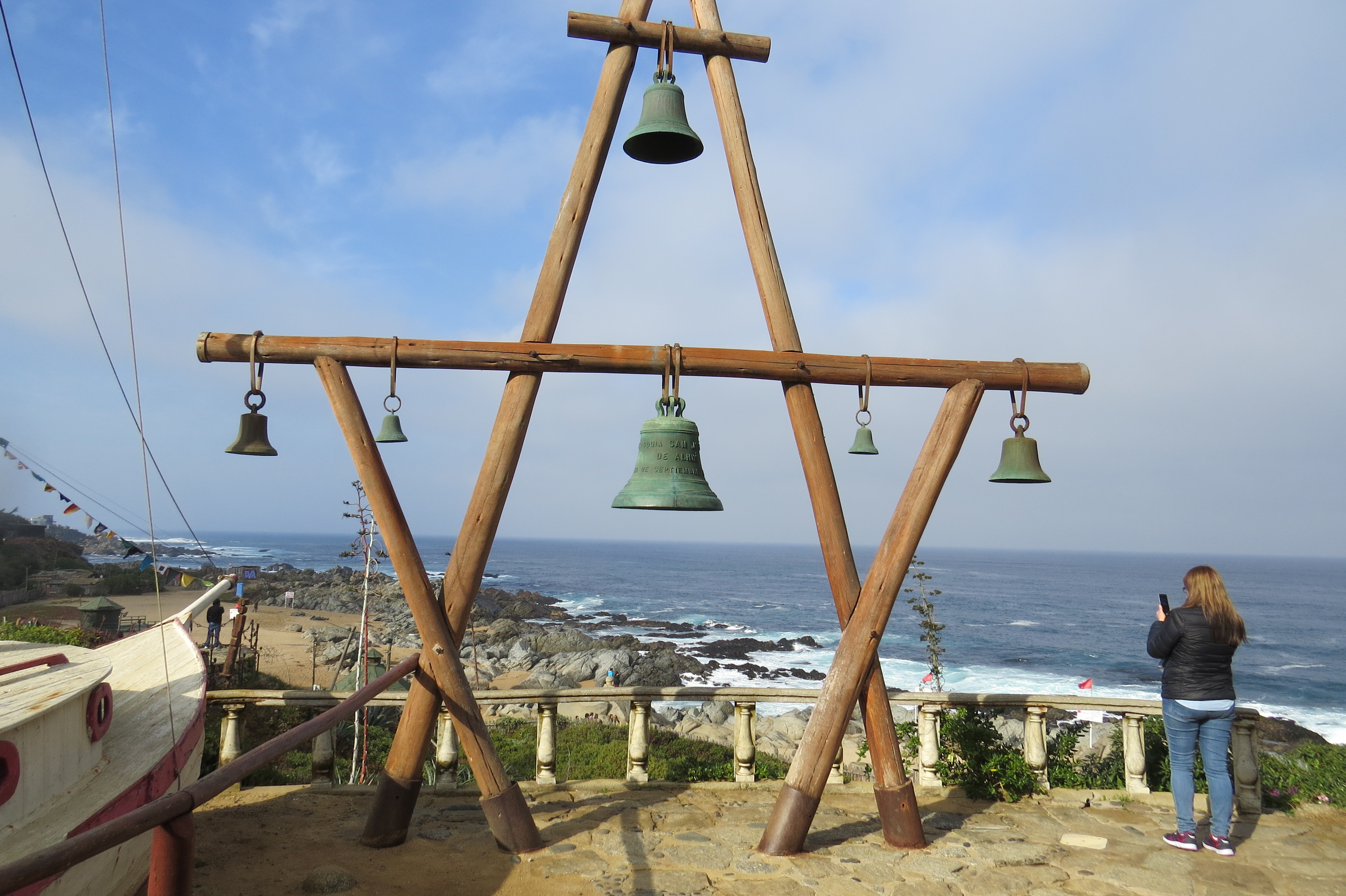
This was Neruda’s first and favourite home purchased in 1939 and named by him for an outcropping of dark rocks just offshore. The surrounding community has come to be known as Isla Negra too. The home is 45 kms south of Valparaiso with sweeping views of the Pacific not dissimilar to those off the western shores of Vancouver Island.

Later, Neruda and Matilde spent much of their time here and this is where Neruda did most of his writing, including his famous I Confess that I have Lived. Neruda and Matilde were married here and they had many guests stay with them, among them Salvadore Allende.

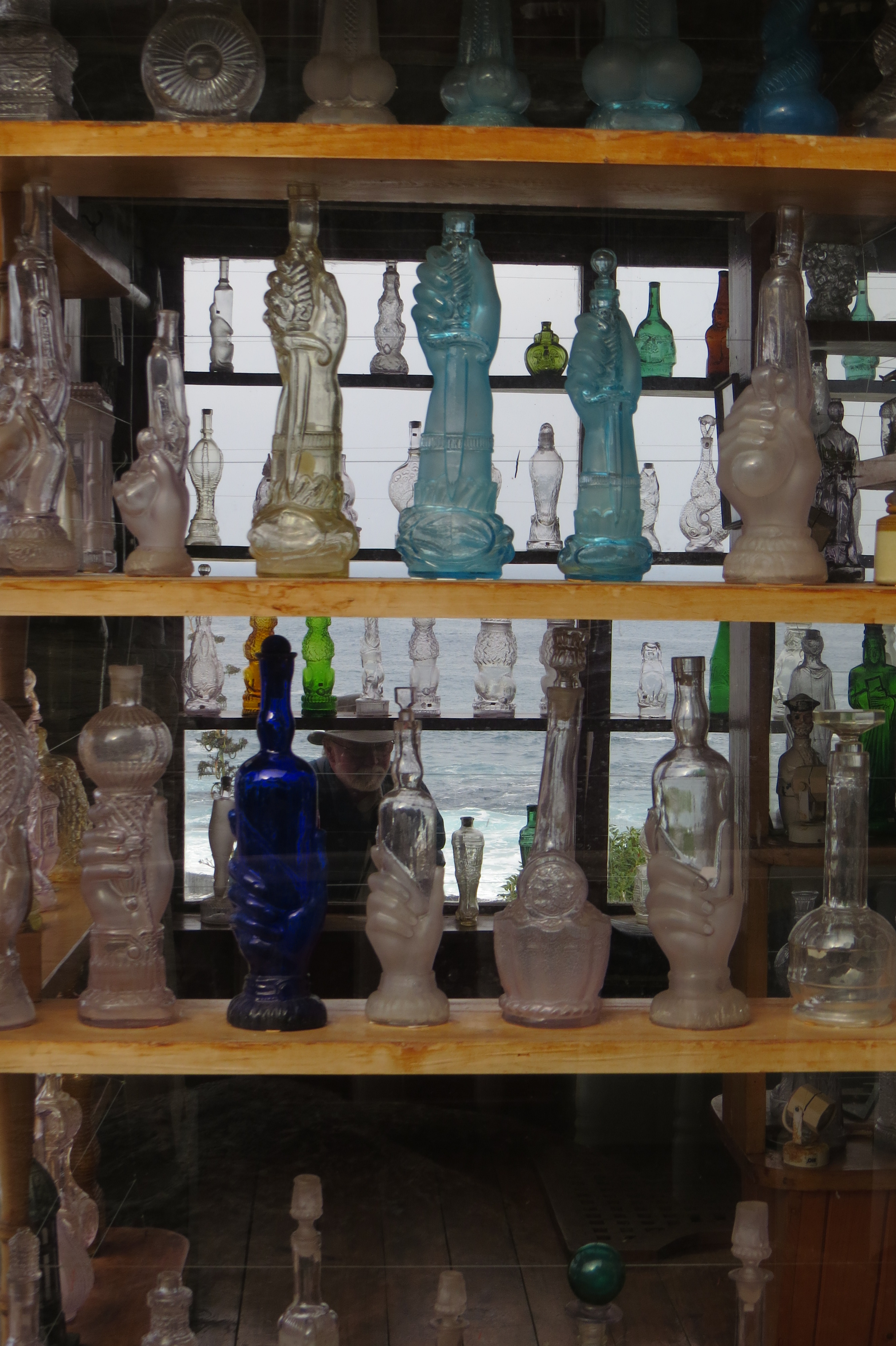
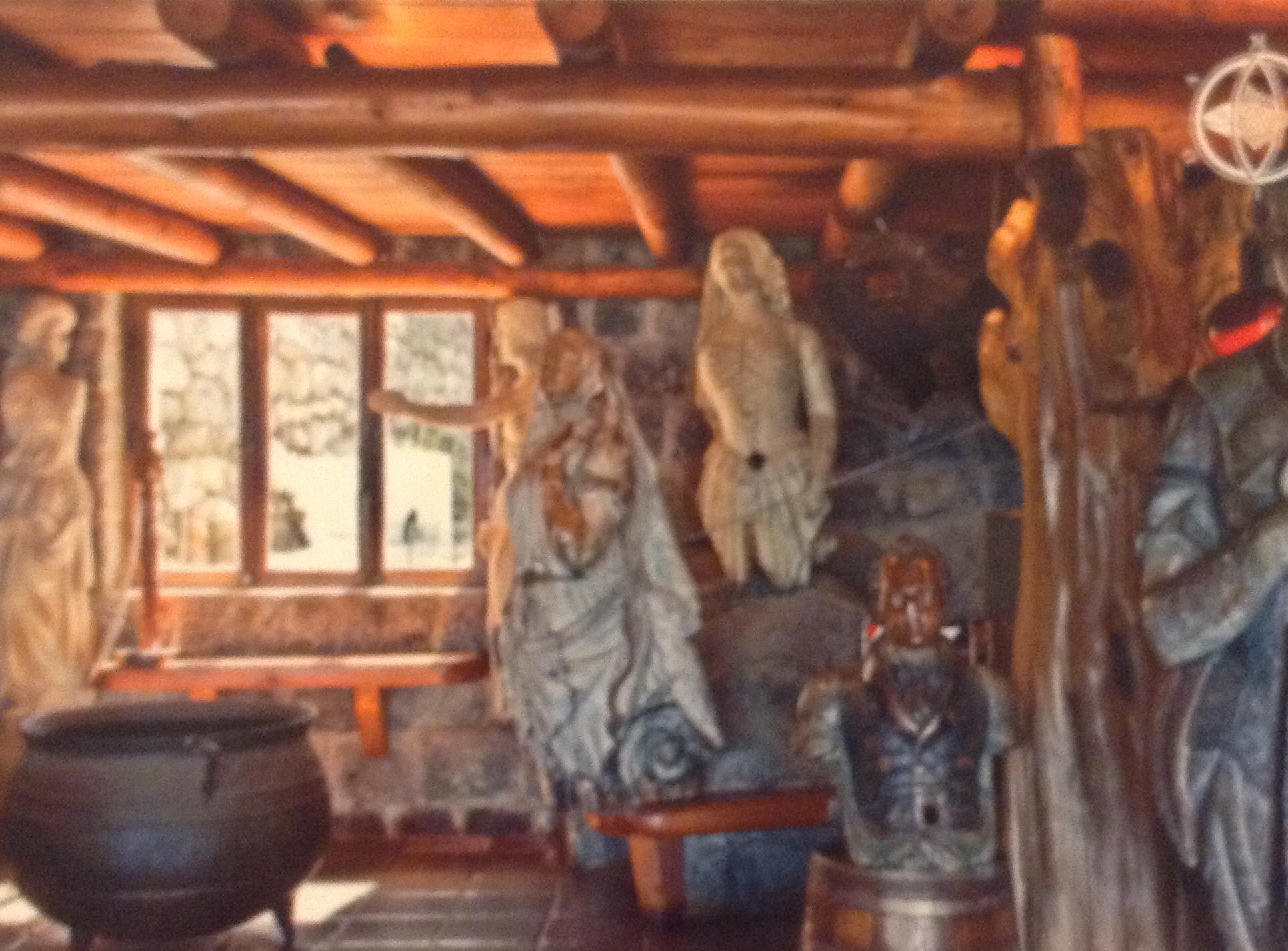
Isla Negra has perhaps the most eclectic of Neruda’s collections – seashells, butterflies, pipes, ships in bottles and many more – but most impressive of all is a collection of ship’s figureheads looming overhead in a great room. The stone fireplace mural by Maria Martner is also spectacular, but I have not been able to find an image to share.


————————————————————

Denouement

The very popular poet Neruda was elected as a Communist senator in 1954 and ran for President of Chile in 1970. He decided the country would be better off with his friend, socialist Salvadore Allende, so Neruda stepped aside in order for Allende to be elected. After winning the election, Allende made Neruda the Chilean ambassador to France.  (In 1971, he was awarded the Nobel Prize for Literature.)  A few short years later, Neruda was diagnosed with prostate cancer and returned to Chile. As the coup d’etat of 1973 unfolded, Neruda was devastated by the mounting attacks on the Allende government, the success of the coup and the death of his friend, President Allende, on September 11, 1973.

On September 12, 1973, La Chascona was raided by the military and much of the home and its contents were destroyed or stolen (Neruda and Matilde were at Isla Negra).

Shortly thereafter, during a search of the house and grounds at Isla Negra by Chilean armed forces at which Neruda was reportedly present, the poet famously remarked: “Look around—there’s only one thing of danger for you here—poetry.”

A few days later, because of his cancer, Neruda was transferred to hospital from Isla Negra. He was in hospital for 5 days when he phoned Matilde and said he had suddenly become extremely ill and believed Pinochet had ordered a doctor to poison him. Matilde came and took him home to Isla Negra where he died 6 hours later on September 23, 1973. The Chilean government in 2015 acknowledged that it was clearly possible and highly likely that Neruda was killed due to the intervention of third parties.

Neruda was hugely popular and even though it was dangerous an enormous crowd participated in his funeral procession through Santiago. Because of the Chileans’ love for the poet, he was buried in Santiago, notwithstanding his poem Disposiciones, written in 1950, which says,

“Friends, bury me at Isla Negra,
before the sea I know, before each wrinkled stretch of stones,
and before the waves my lost eyes
will see no more…”

At the time of the raid of La Chascona in 1973, Matilde asked in despair, why did a house which had seen so much joy now see so much destruction? After Neruda’s death, she spent many years faithfully restoring La Chascona. All three homes are now national museums. When Matilde died in 1992, both she and Neruda were buried together at Isla Negra.

Best,

Another Chascona

Divergence

Valparaiso

“Valparaiso, how absurd you are,
you haven’t combed your hair,
you’ve never had time to get dressed,
life has always surprised you.”

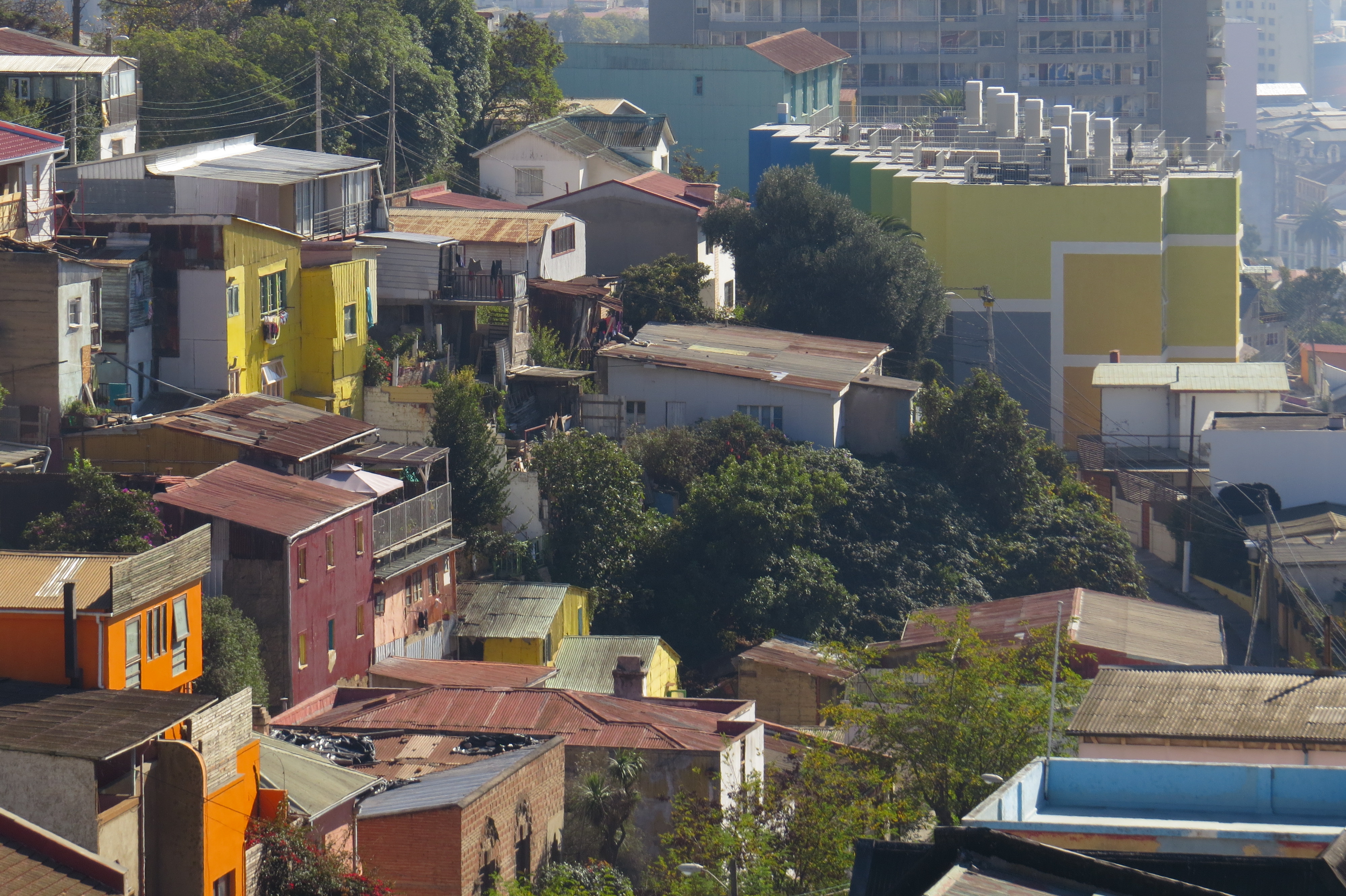
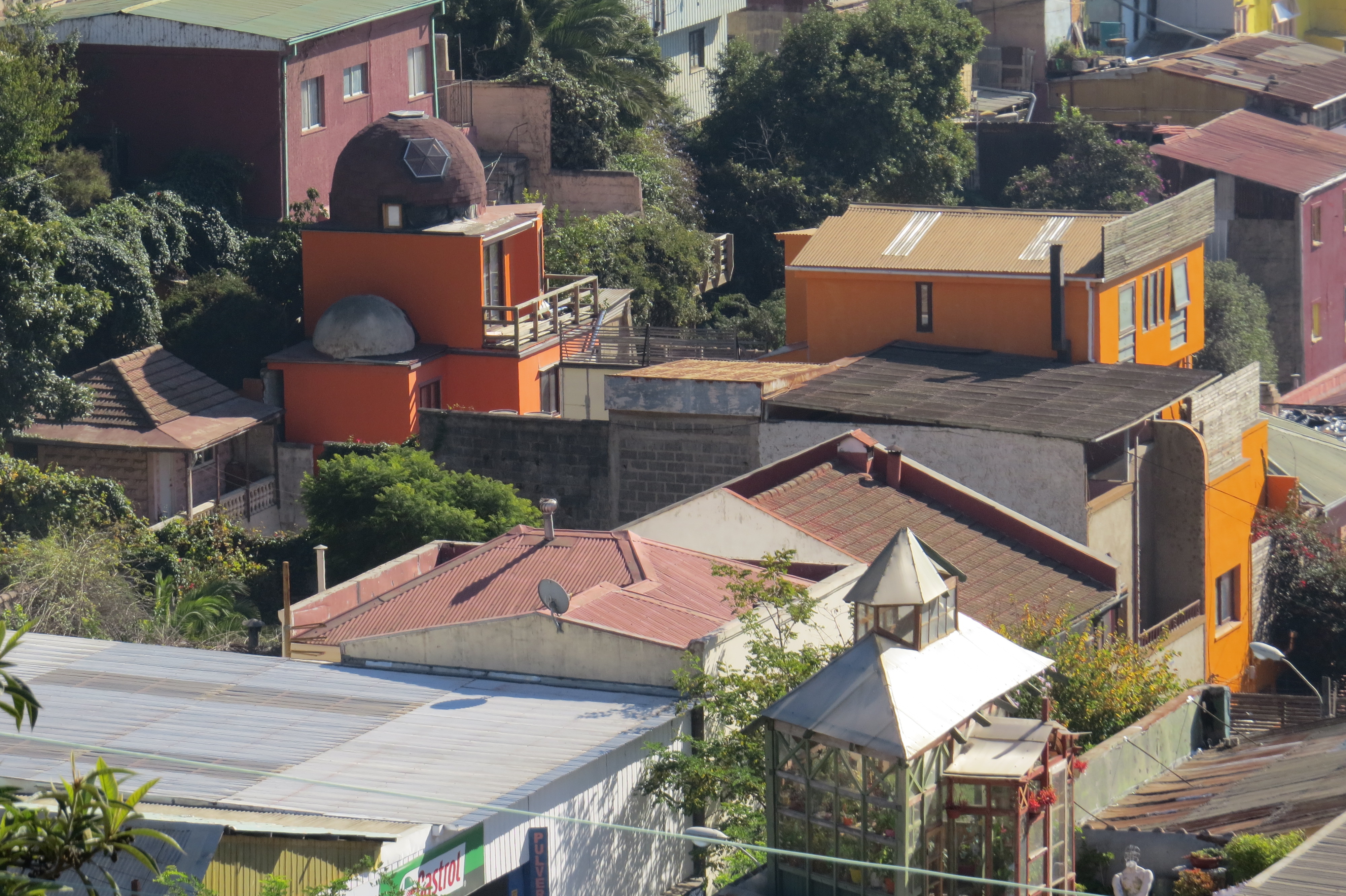
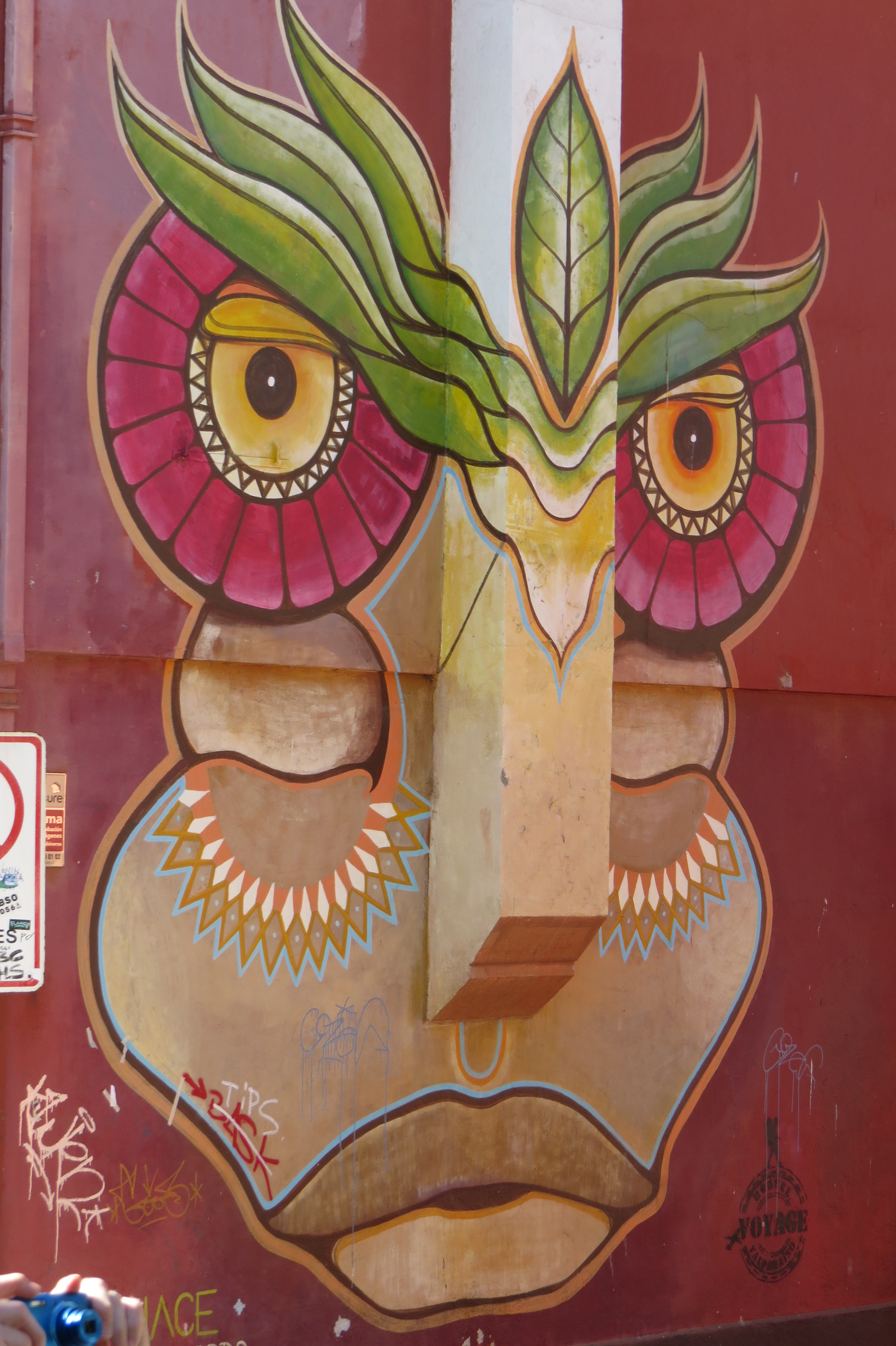
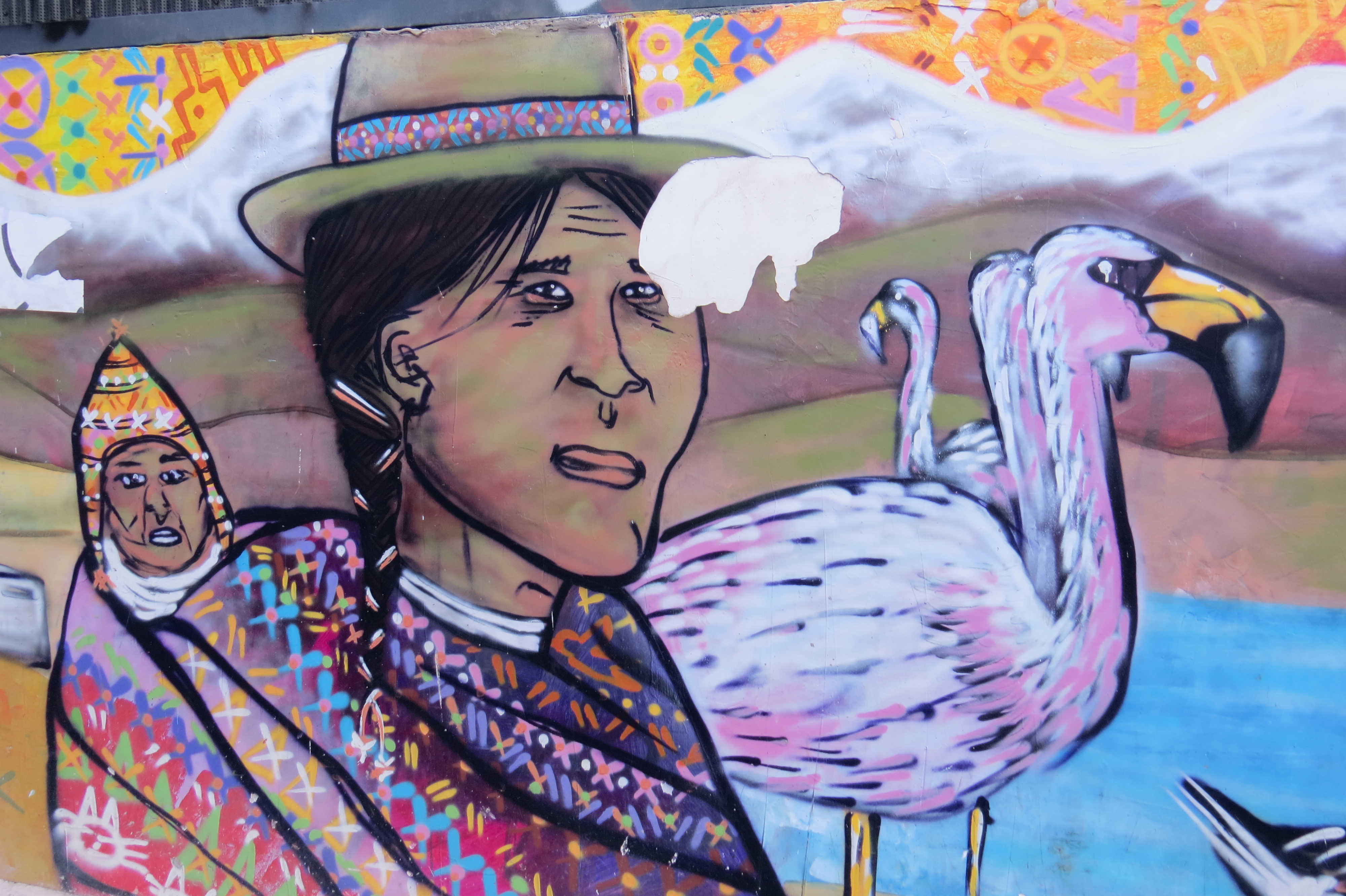
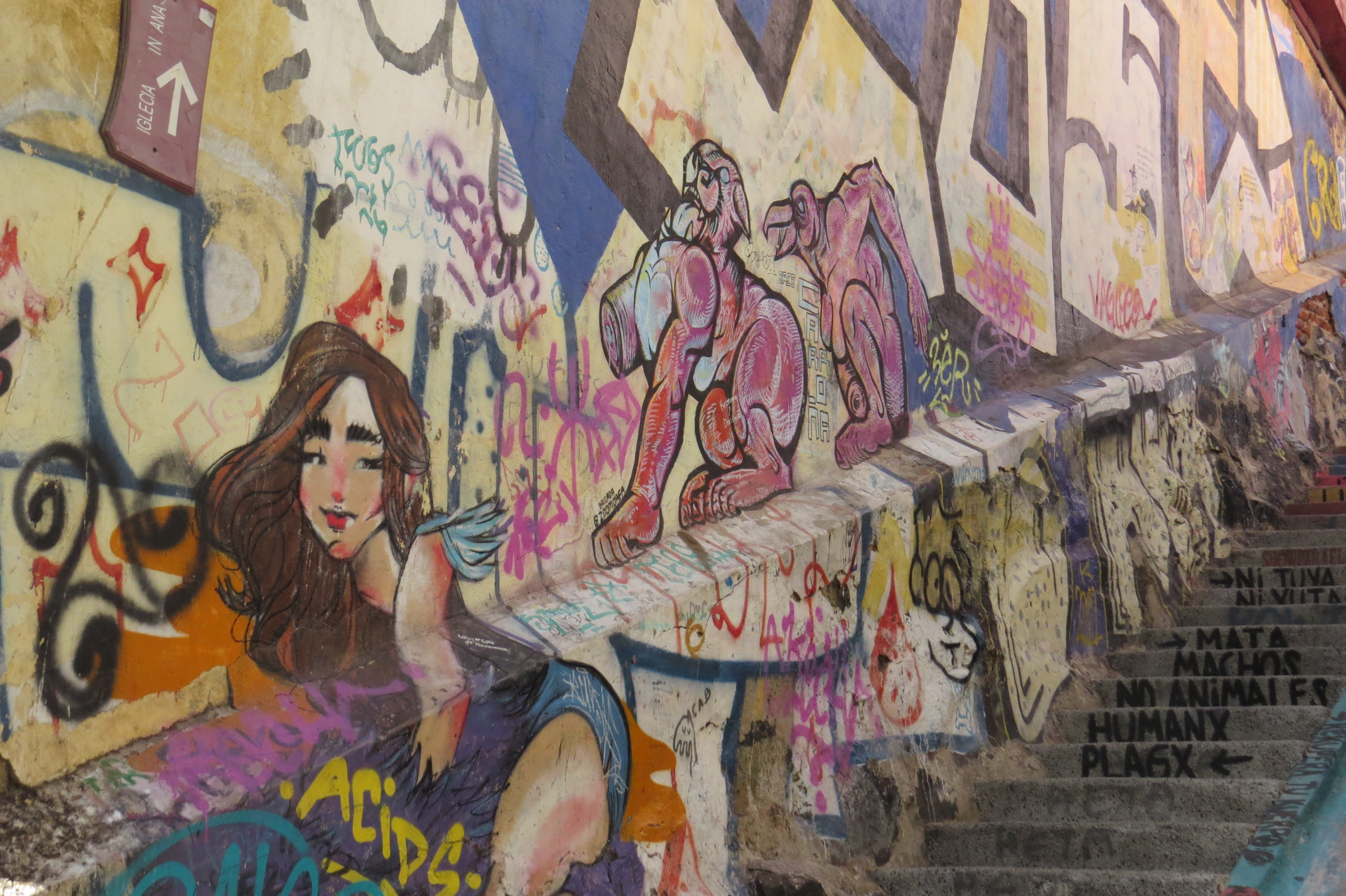
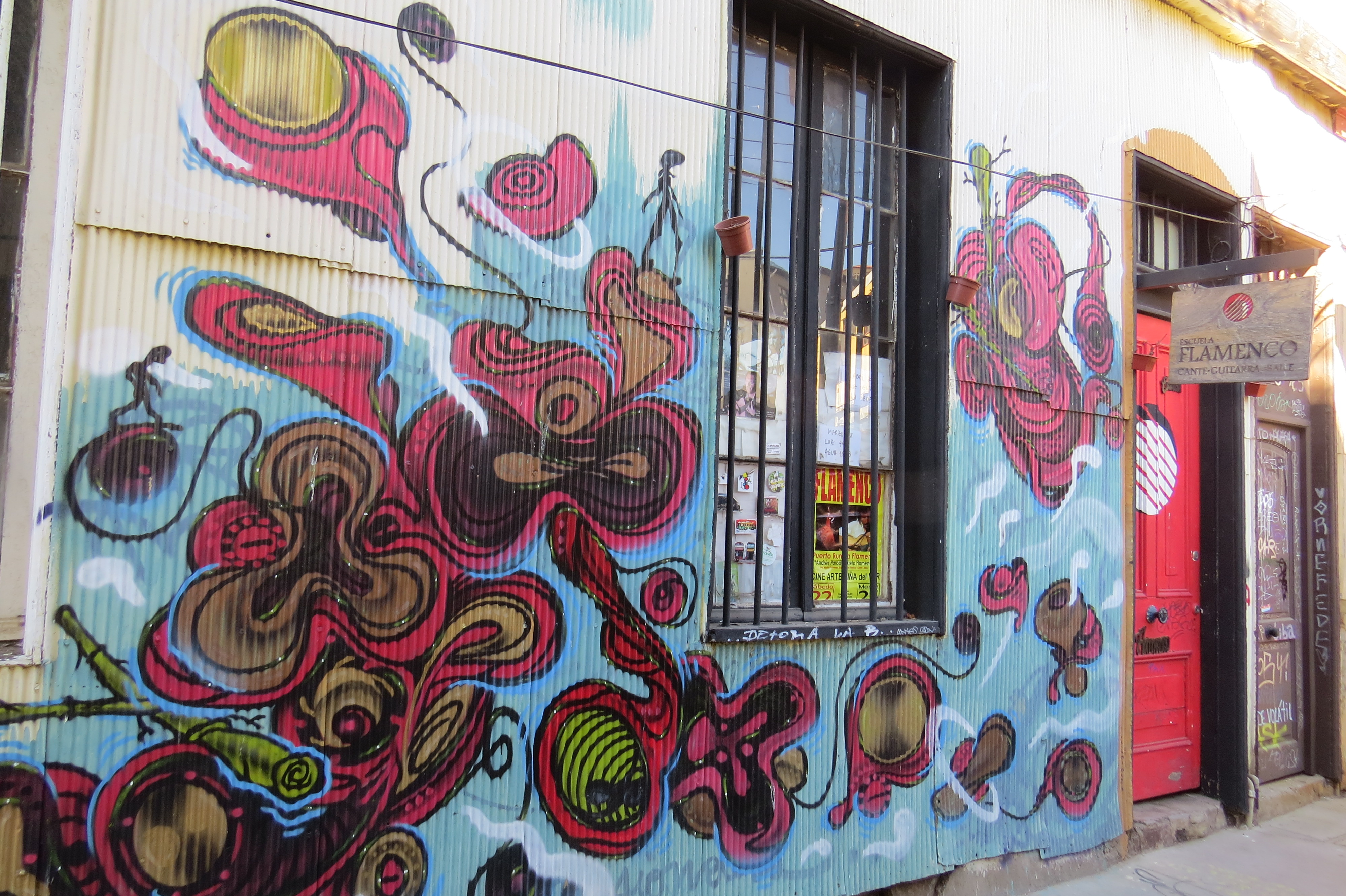
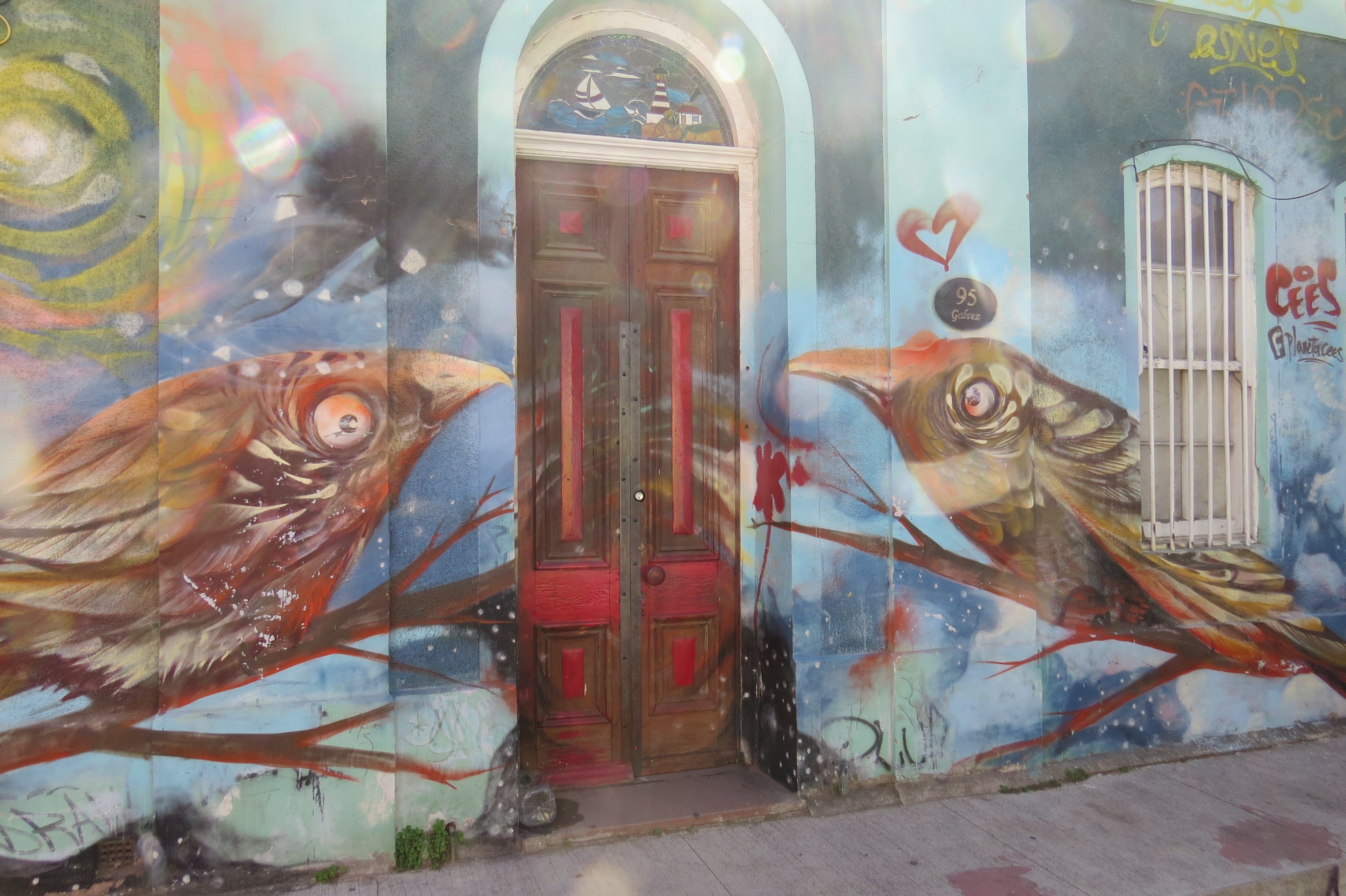
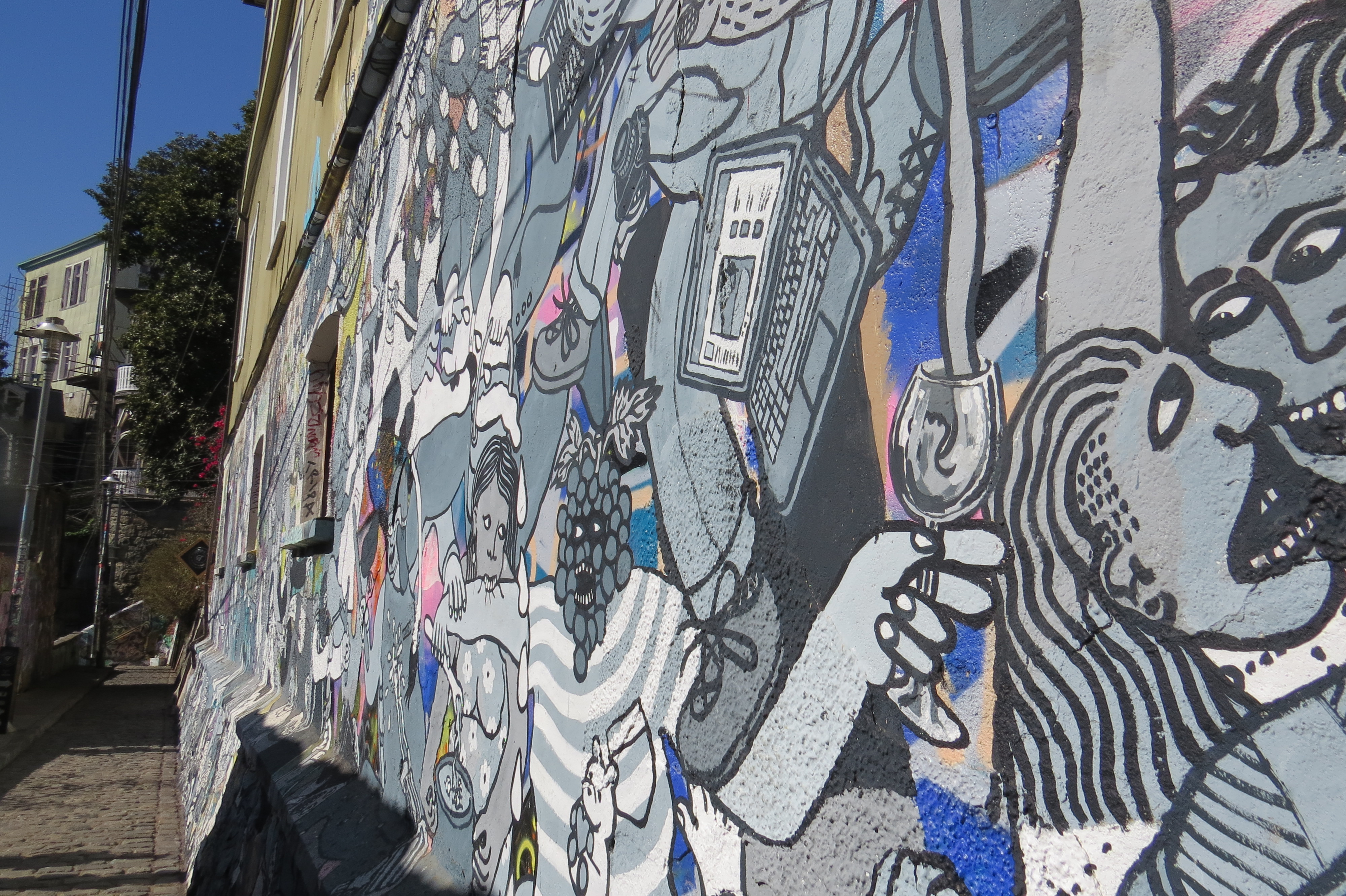
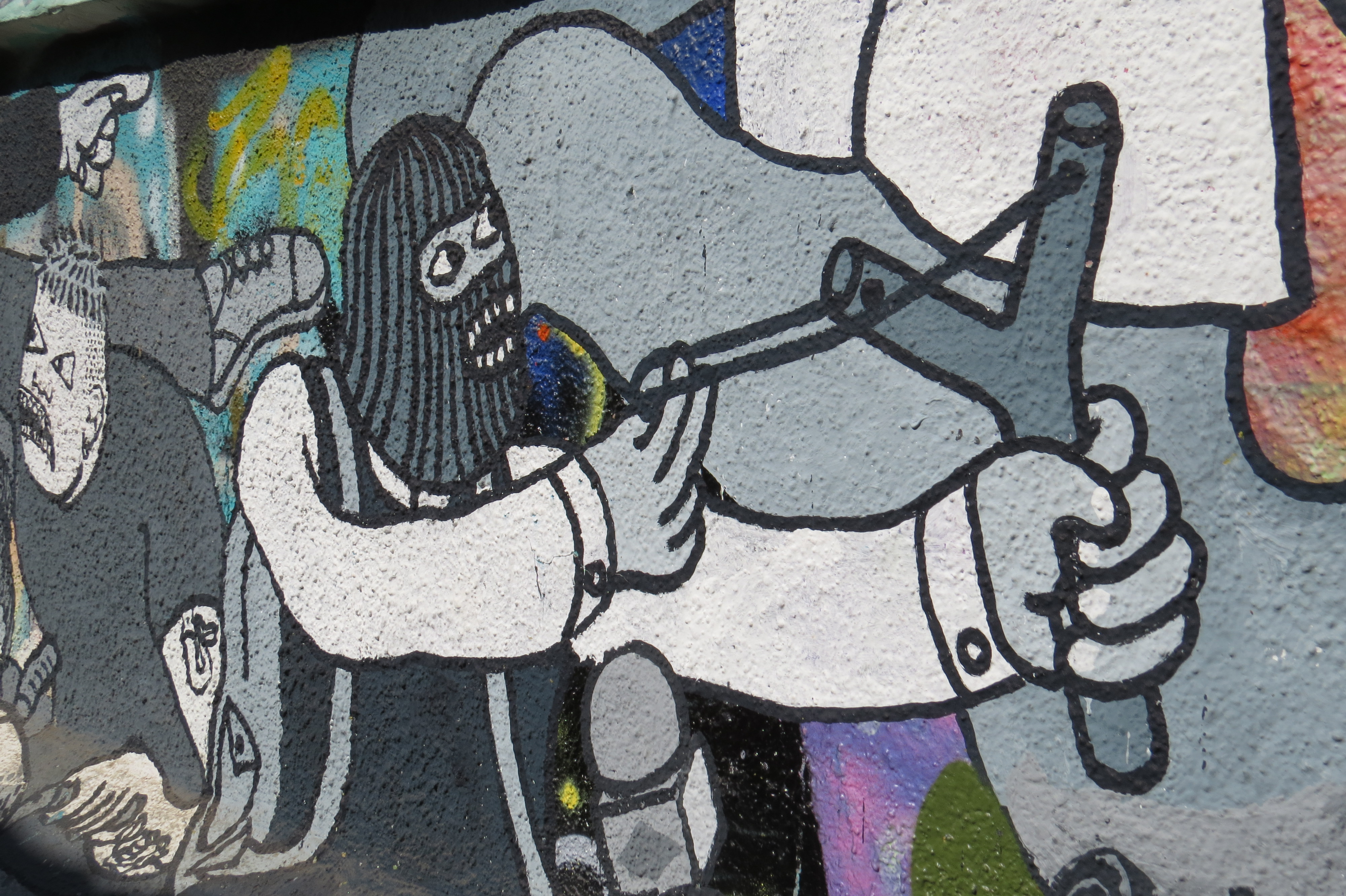
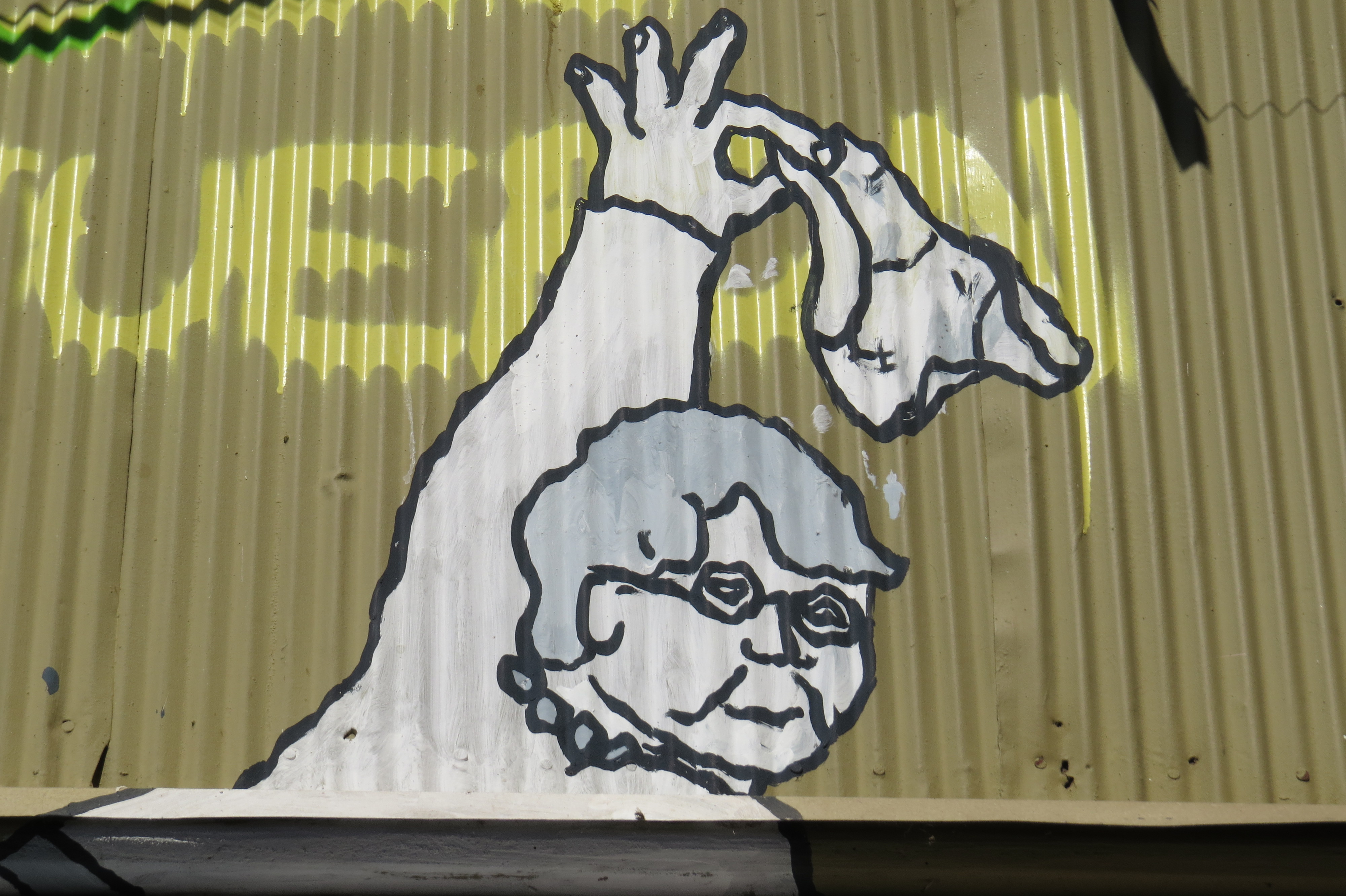
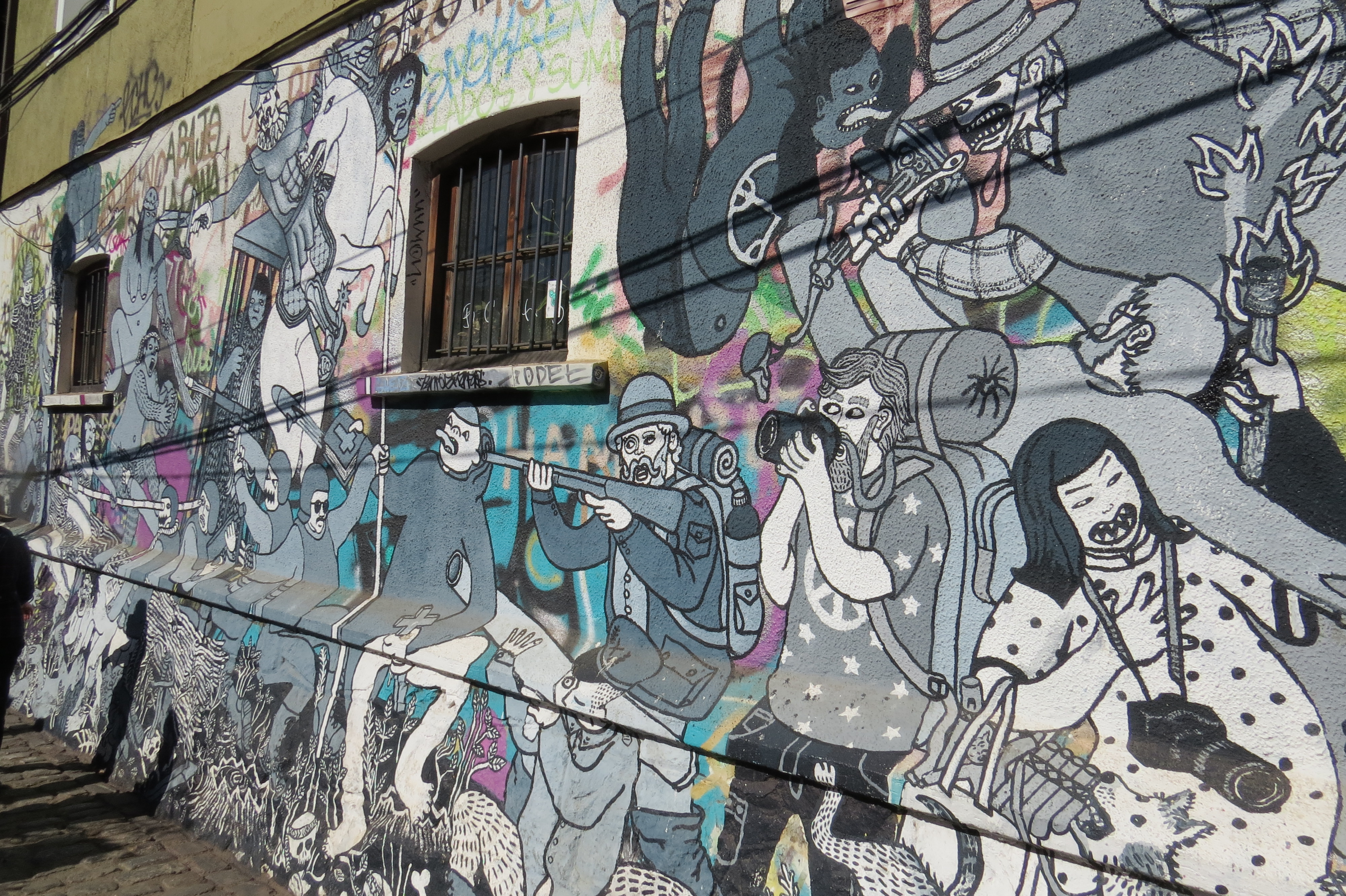
This is how Neruda described this colourful port town.  The legislative capital of Chile and a UNESCO world heritage site, it supplied wheat to the adventurers of the California gold rush and was the first South American port of call for ships passing around Cape Horn. At one point home mainly to sailors, ship builders and prostitutes, this town has edge. We took a walking tour to enjoy the colourful buildings and street art.  Ready?


Some revolutionary b&w’s:

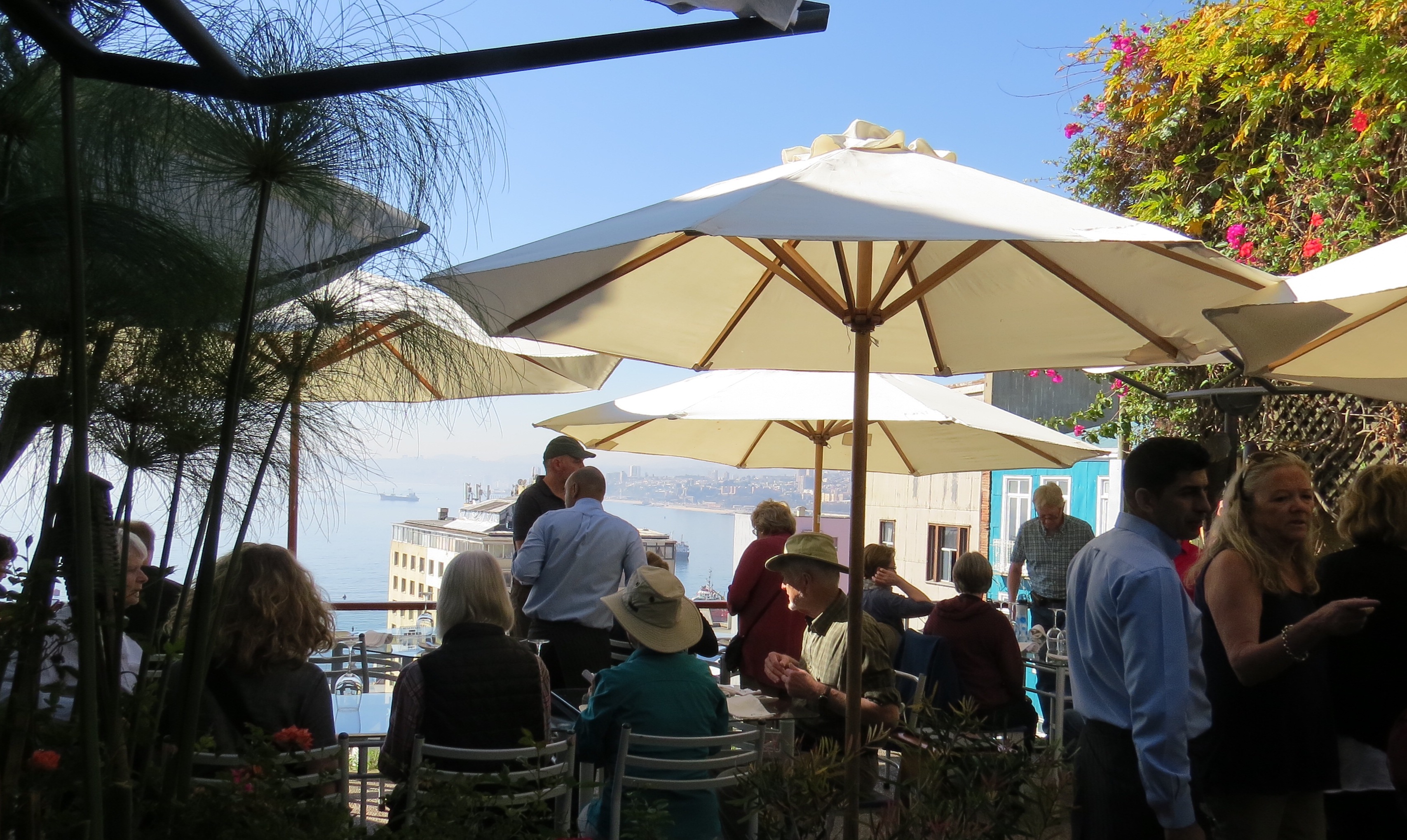
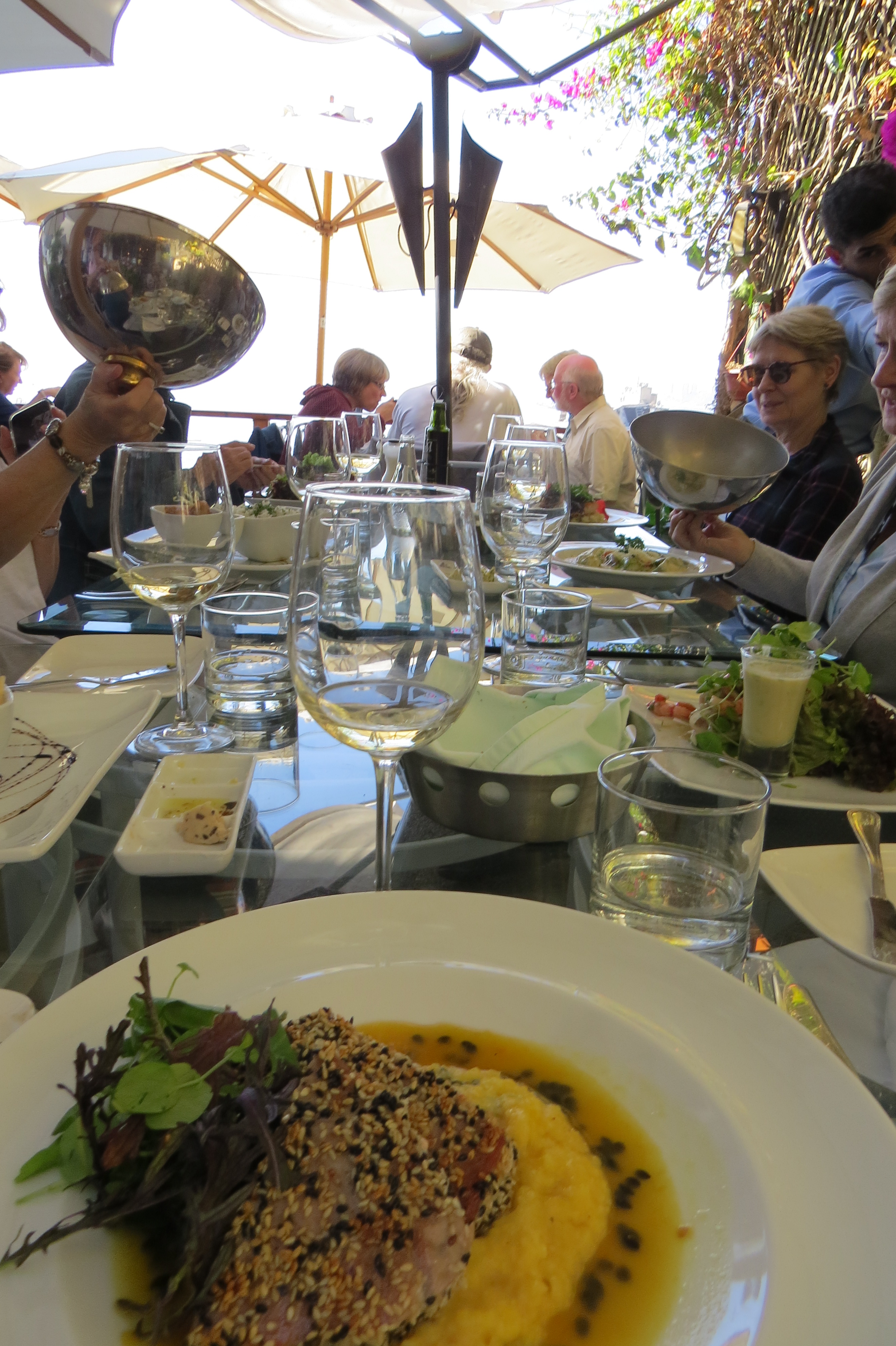
Of course all this walking gave us an appetite and we settled in for a gorgeous el fresco lunch with a view of the ocean.  My sesame-crusted seared tuna with polenta and passionfruit tasted as good as it looked.


Vina del Mar

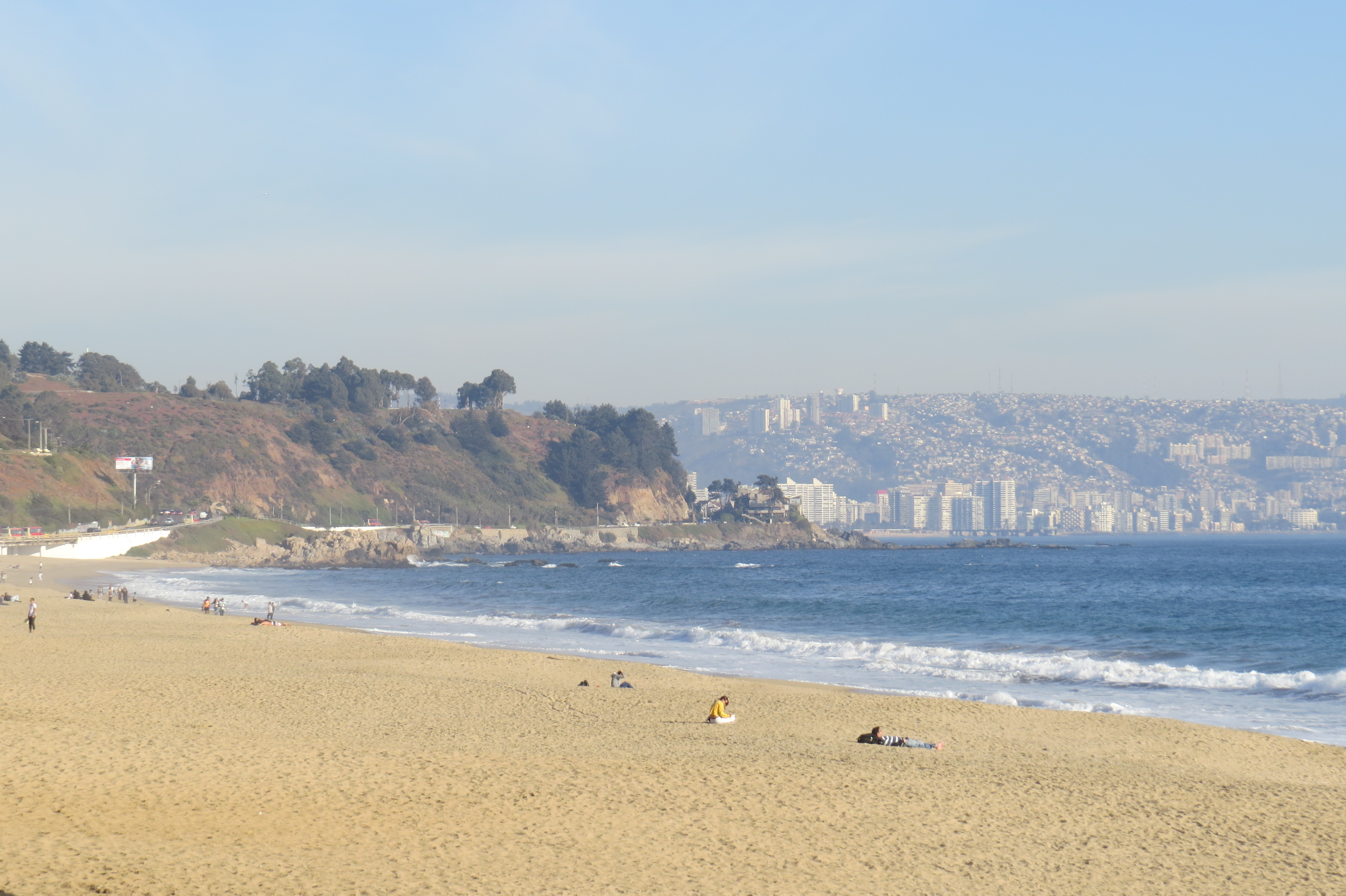
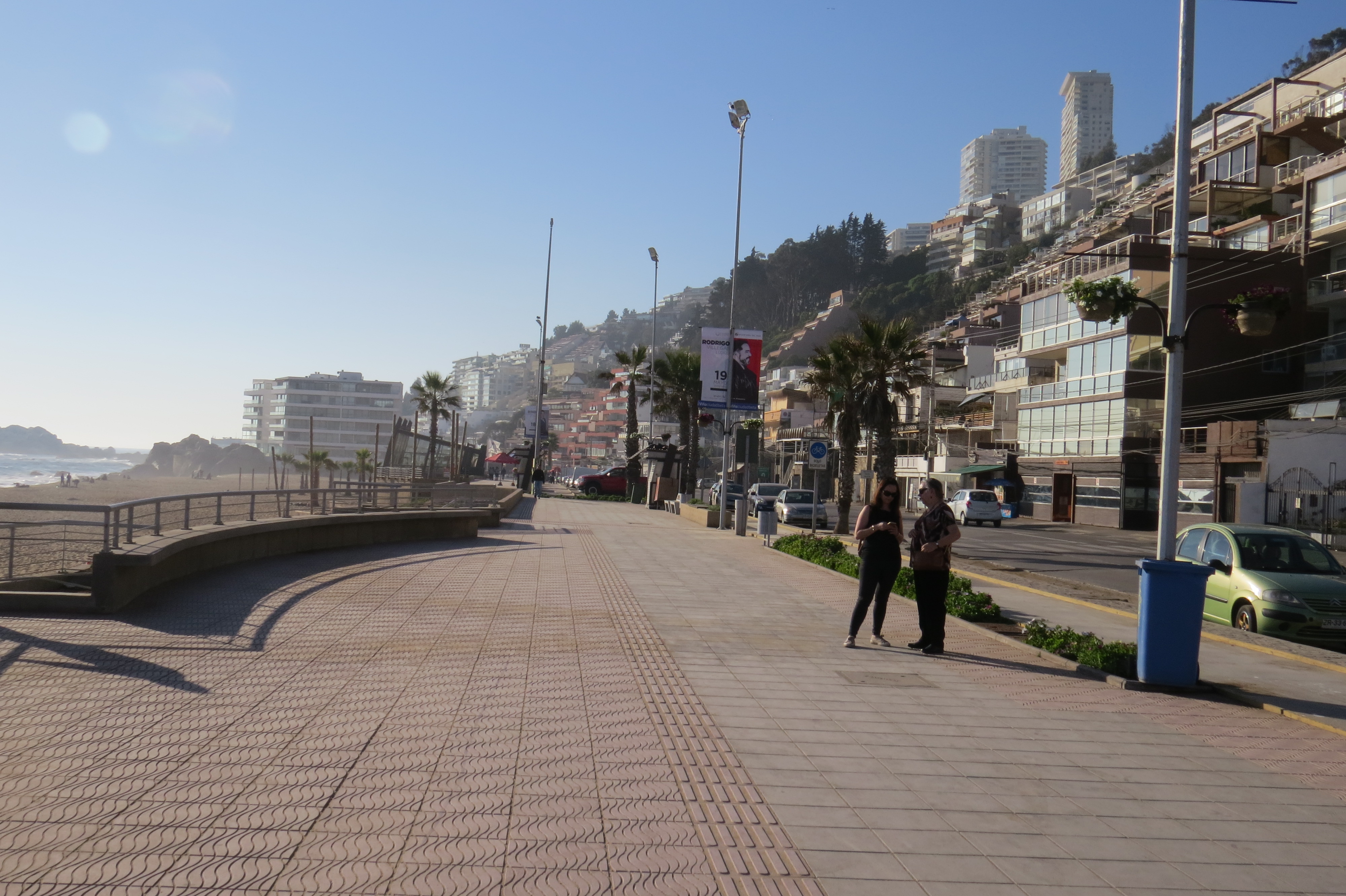
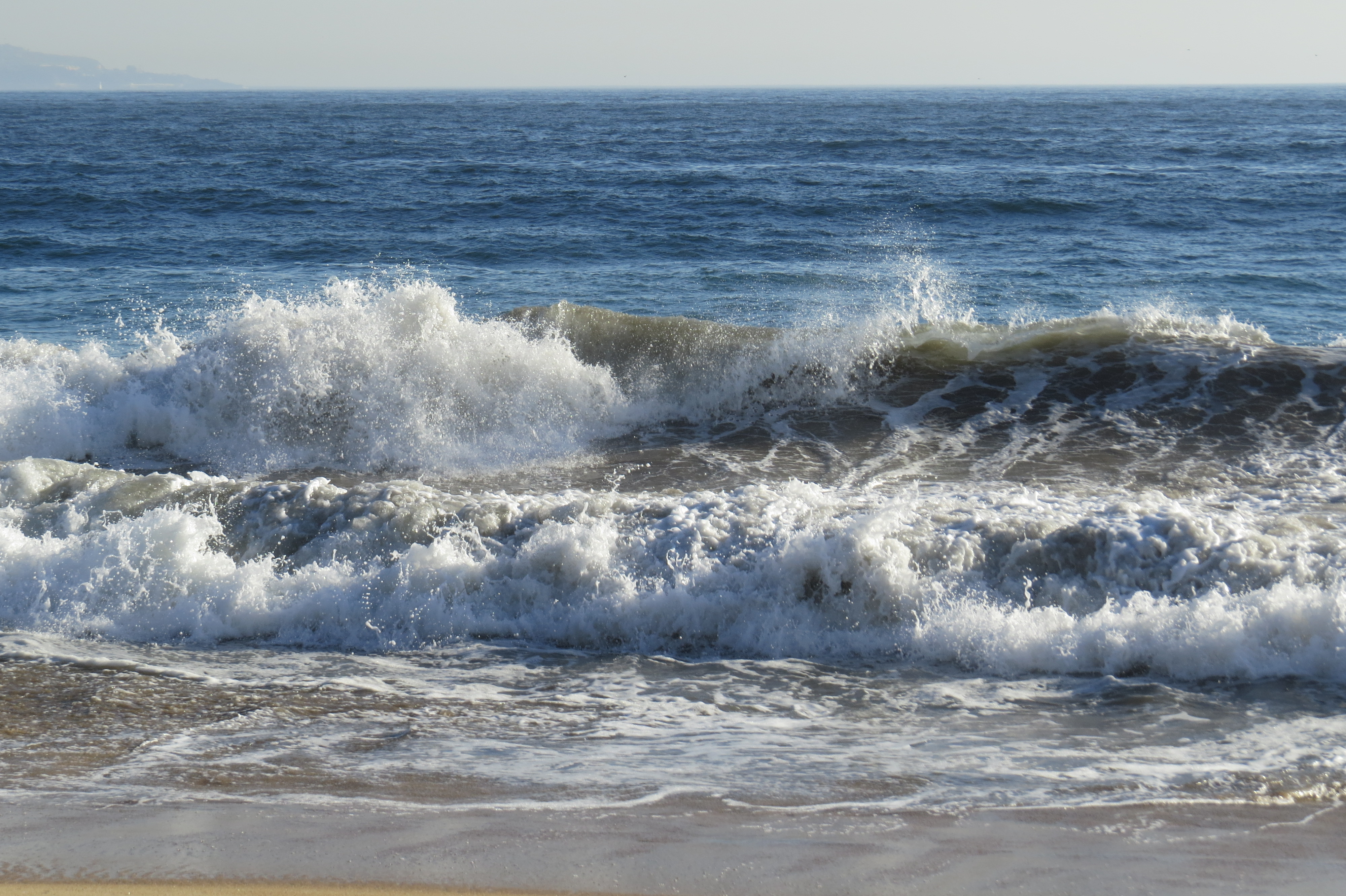
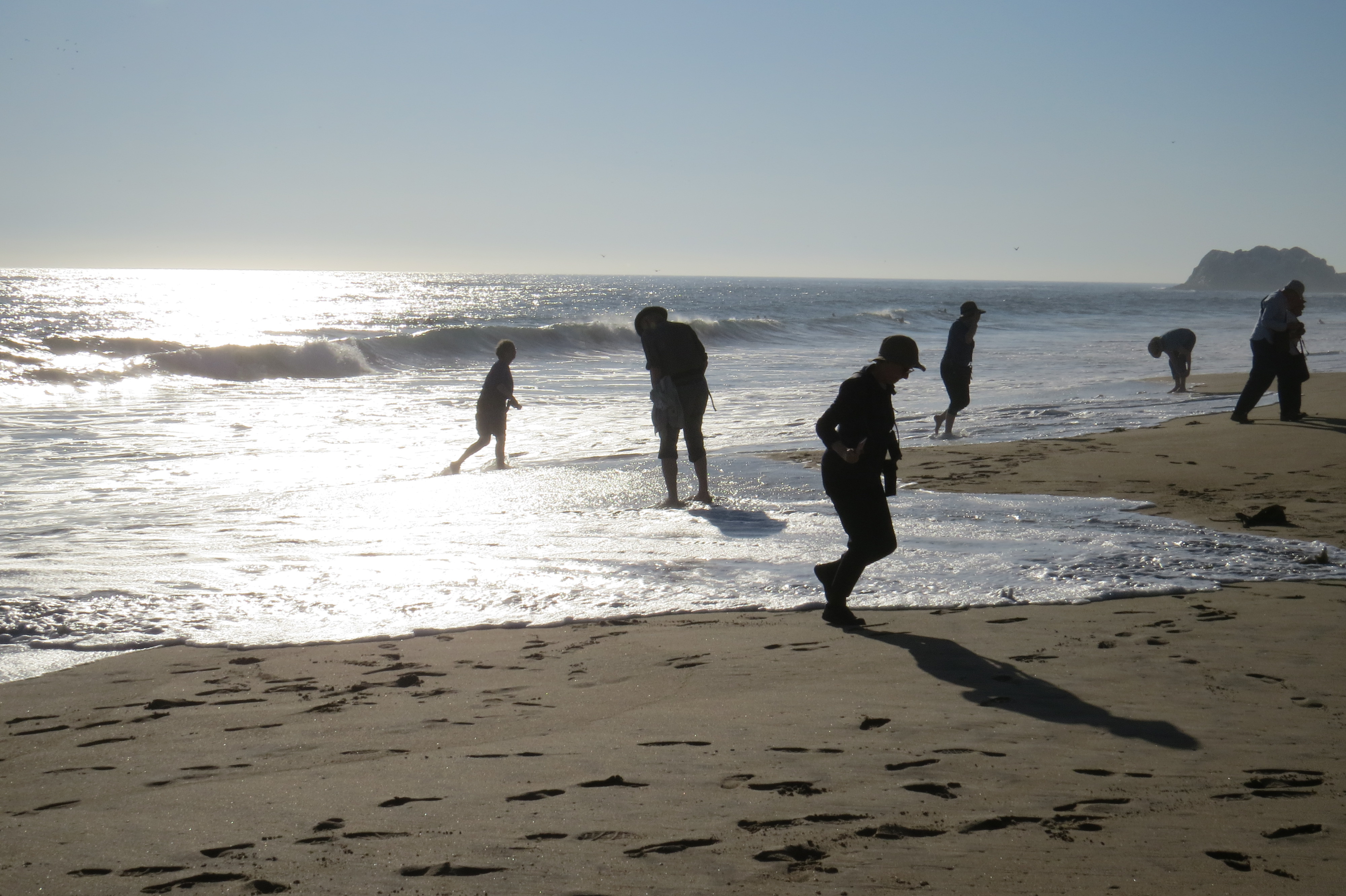
Although the “Vineyard by the Sea” is right next door to Valparaiso, this resort town for wealthy Santiaguinos could not be more different.  Where Valparaiso feels like walking into a colouring book, Vina del Mar is luxurious shades of white.  We had a lovely drive and stopped at the beach whose waves were big enough to attract surfers and some of our group dipped their toes in the chilly ocean.  With its condos and hotels along the shore, a casino, a long beach and a lovely promenade, it reminded me of San Sebastian in northern Spain.

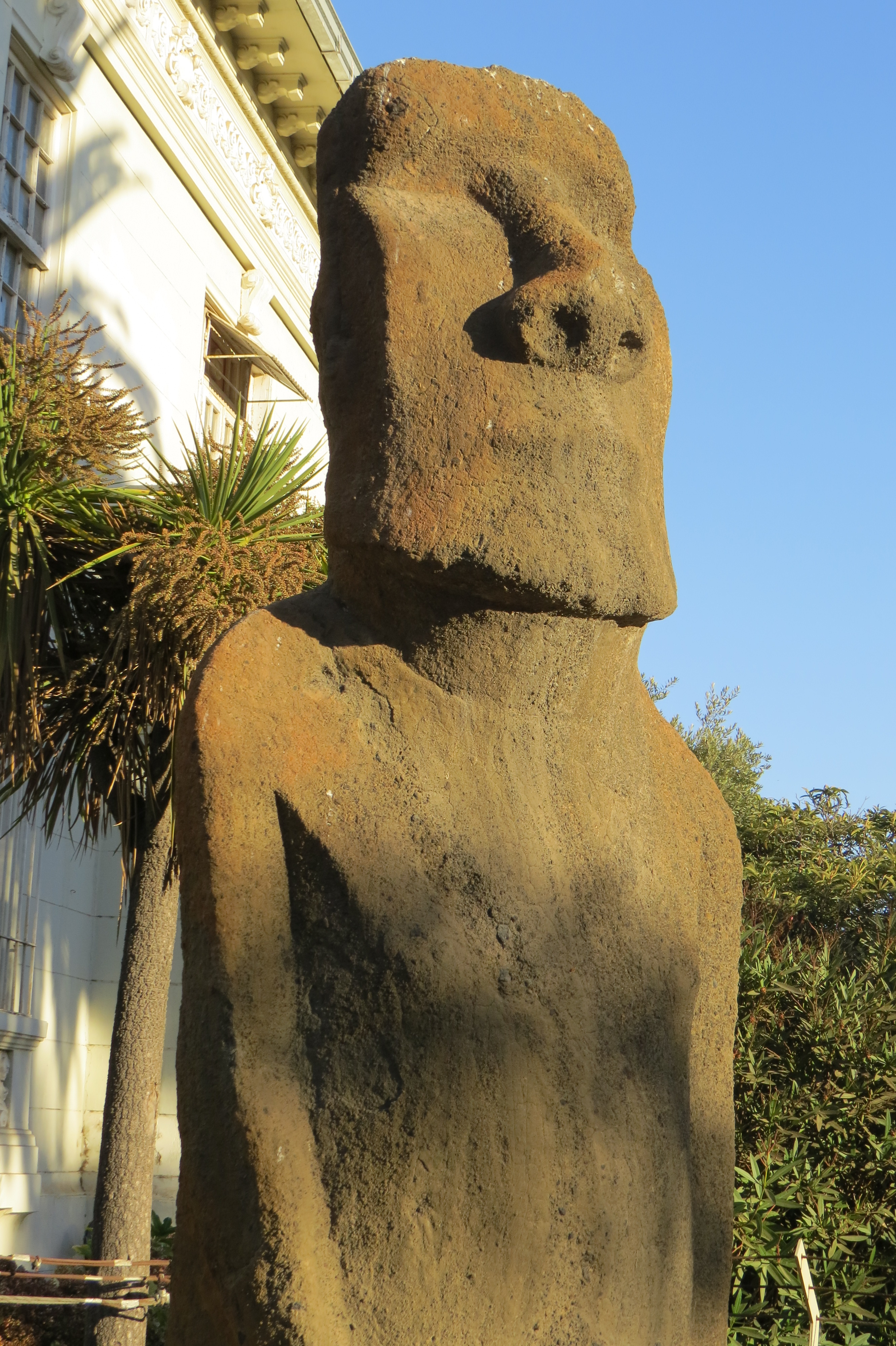
Rapa Nui (Easter Island), is famous for its 7 identical Moai statuary which exactly face sunset during the Spring Equinox and have their backs to the sunrise during the Autumn Equinox. Although 3,500 kms off shore, Easter Island is a Chilean holding.  Considered part of the Valparaiso Region, the Museo Fonck in Vina del Mar houses a small but authentic Moai statue.


Best from the west coast,

Jan
Santiago, a closer look

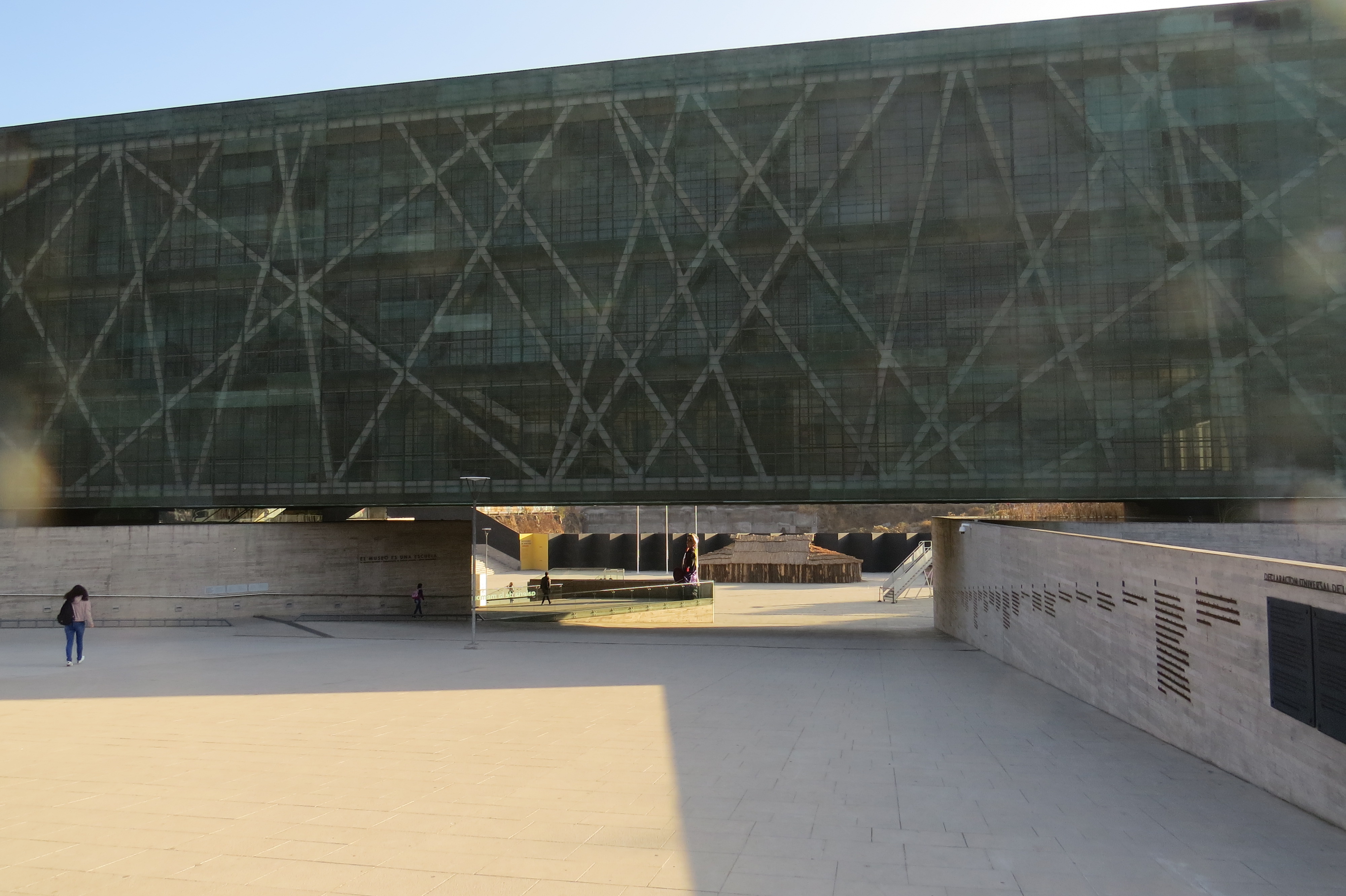
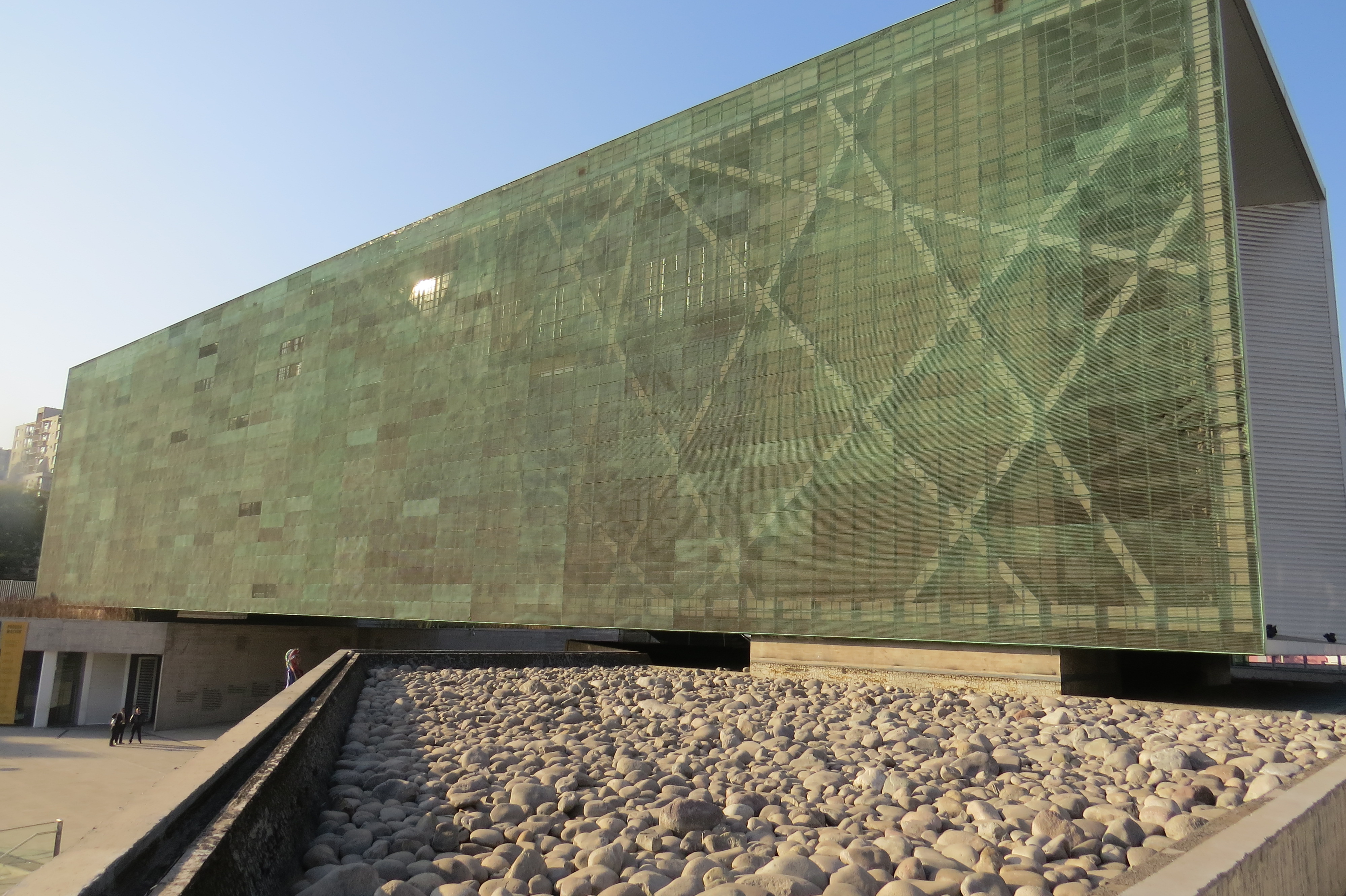
Today we had a full day tour of Santiago beginning with the Museum of Memory and Human Rights. It is only in the past 5 years that Chileans have begun to confront, discuss and deal with the disturbing events of the 1970’s and 80’s, particularly September 11, 1973, which I have already discussed.

Michelle Bachelet, in her second term as President of Chile from 2014 to 2018, introduced the concept of “space for memory,” meaning that the Chilean people need to make room in their thoughts to confront the country’s bitter past. The design of the building reflects the theme of “space.”


Ms. Bachelet adds a positive note and the importance of never allowing subsequent generations to forget what happened or to question the fundamentals of democracy. Her statement on display at the entrance of the museum:

“We cannot learn our past with just nostalgia, I learn from experience, this is our responsibility and our challenge.”

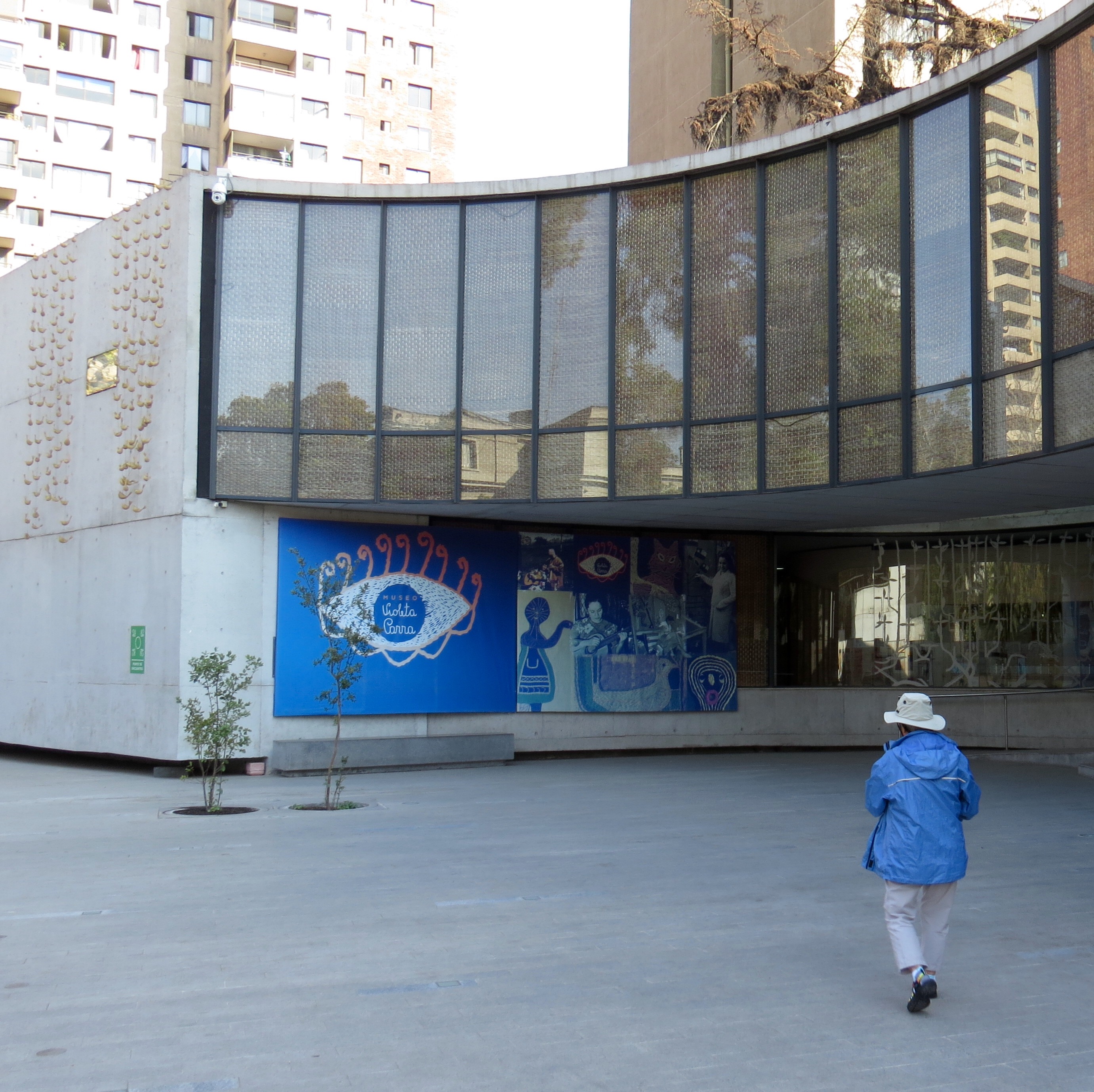
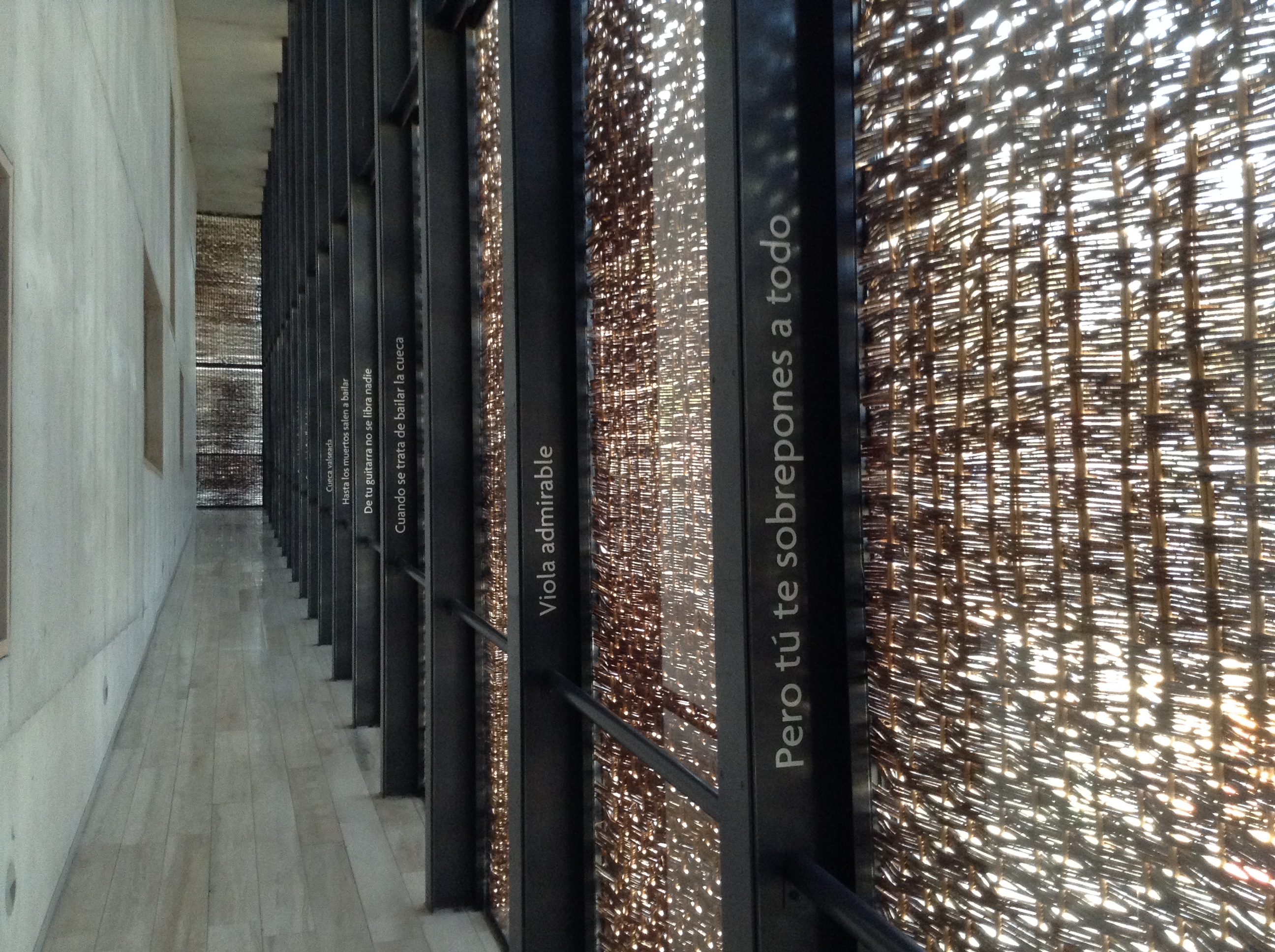
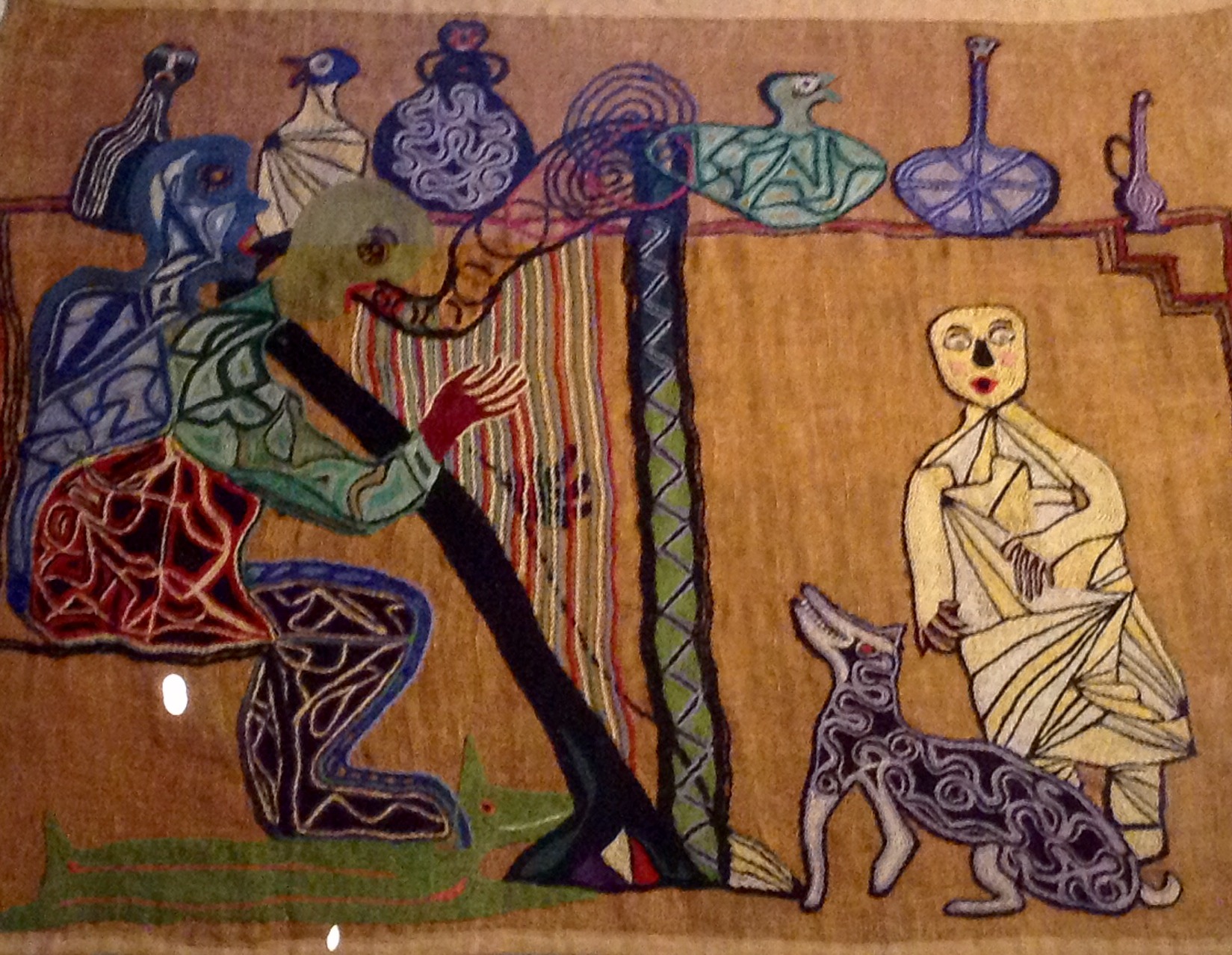
Next, we visited Museo de Violeta Parra , which focusses on her fine art. It is housed in a lovingly-built modern architectural building which echoes her love of weaving, painting and working in mixed media.

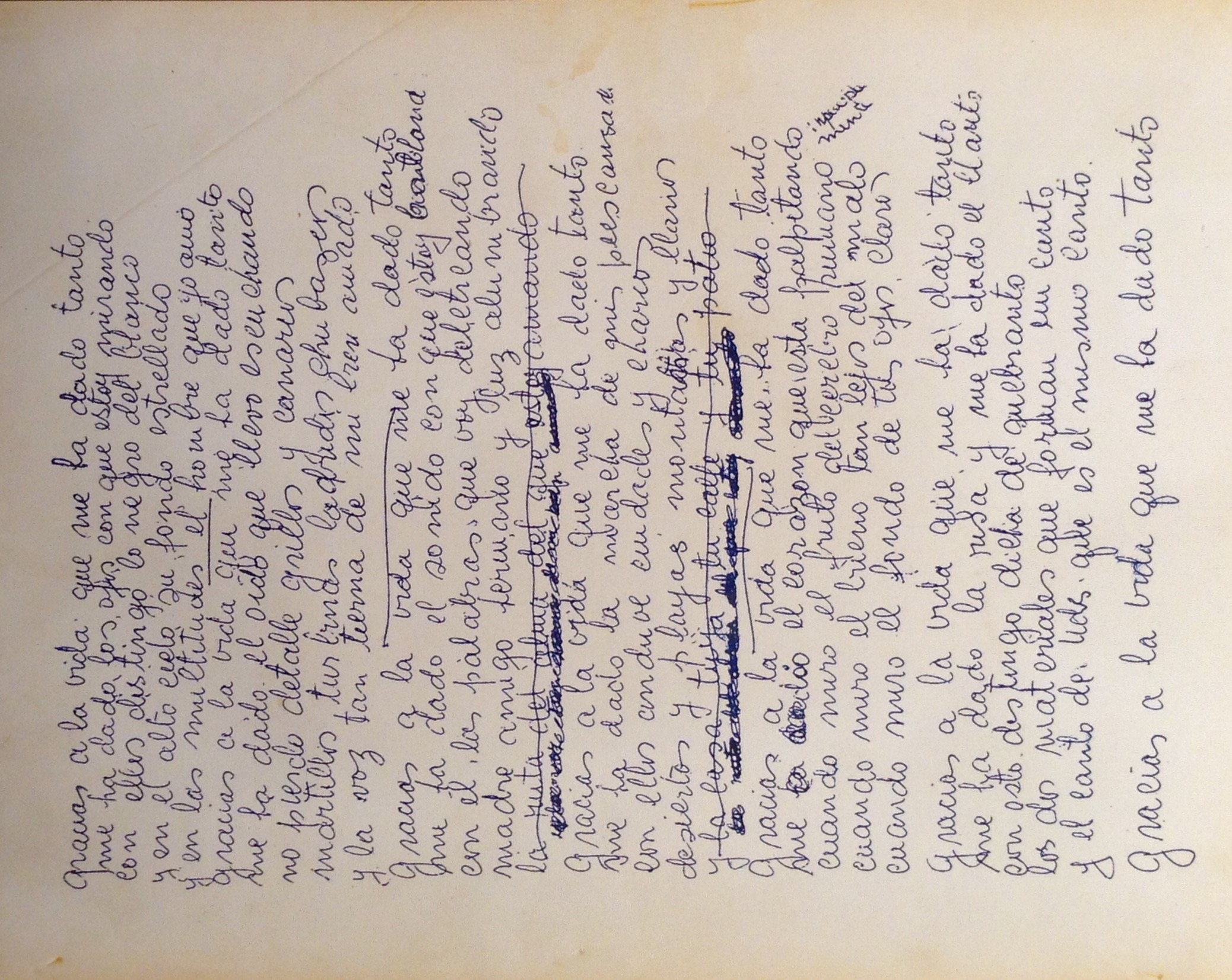
The museum also contained the original draft of Thanks to Life!, written in Ms. Parra”s hand.

An Excerpt::

Thanks to life, which has given me so much.
It gave me two stars, which when I open them,
Perfectly distinguish black from white
And in the tall sky its starry backdrop,
And within the multitudes the one that I love.

………………………………………………………………….

Thanks to life, which has given me so much.
It gave me laughter and it gave me tears.
With them I distinguish happiness from pain
The two elements that make up my song,
And your song, as well, which is the same song.
And everyone’s song, which is my very song.

– Violeta Parra

Examples of her work:

Next we visited the first of 3 homes of Neruda, “La Chascona” – but more on that later.

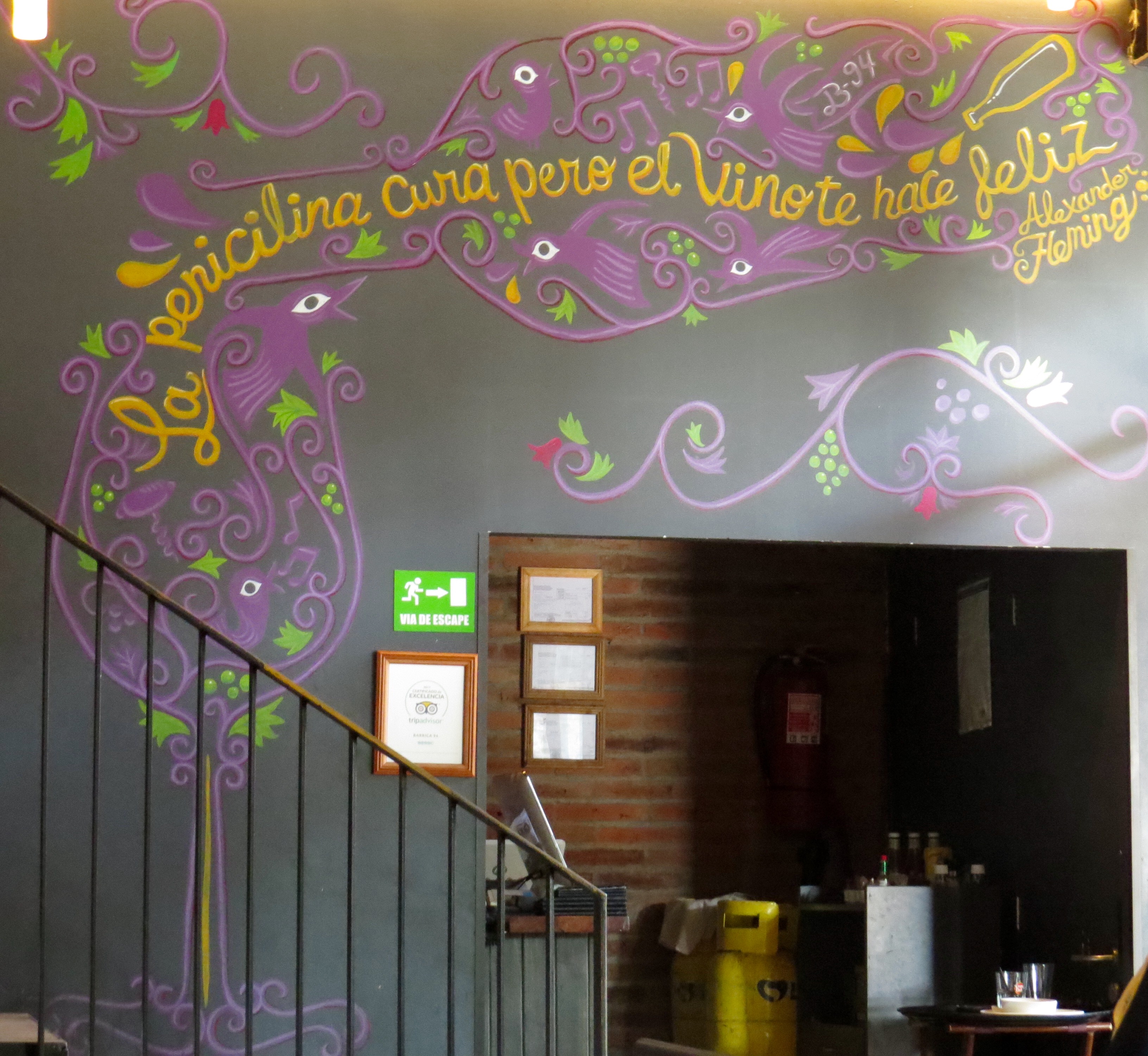
Lunch is the main meal of the day, usually at around 2:00 p.m. We ate at a wine bar under the saying, “Penicillin makes you healthy, wine makes you happy.”

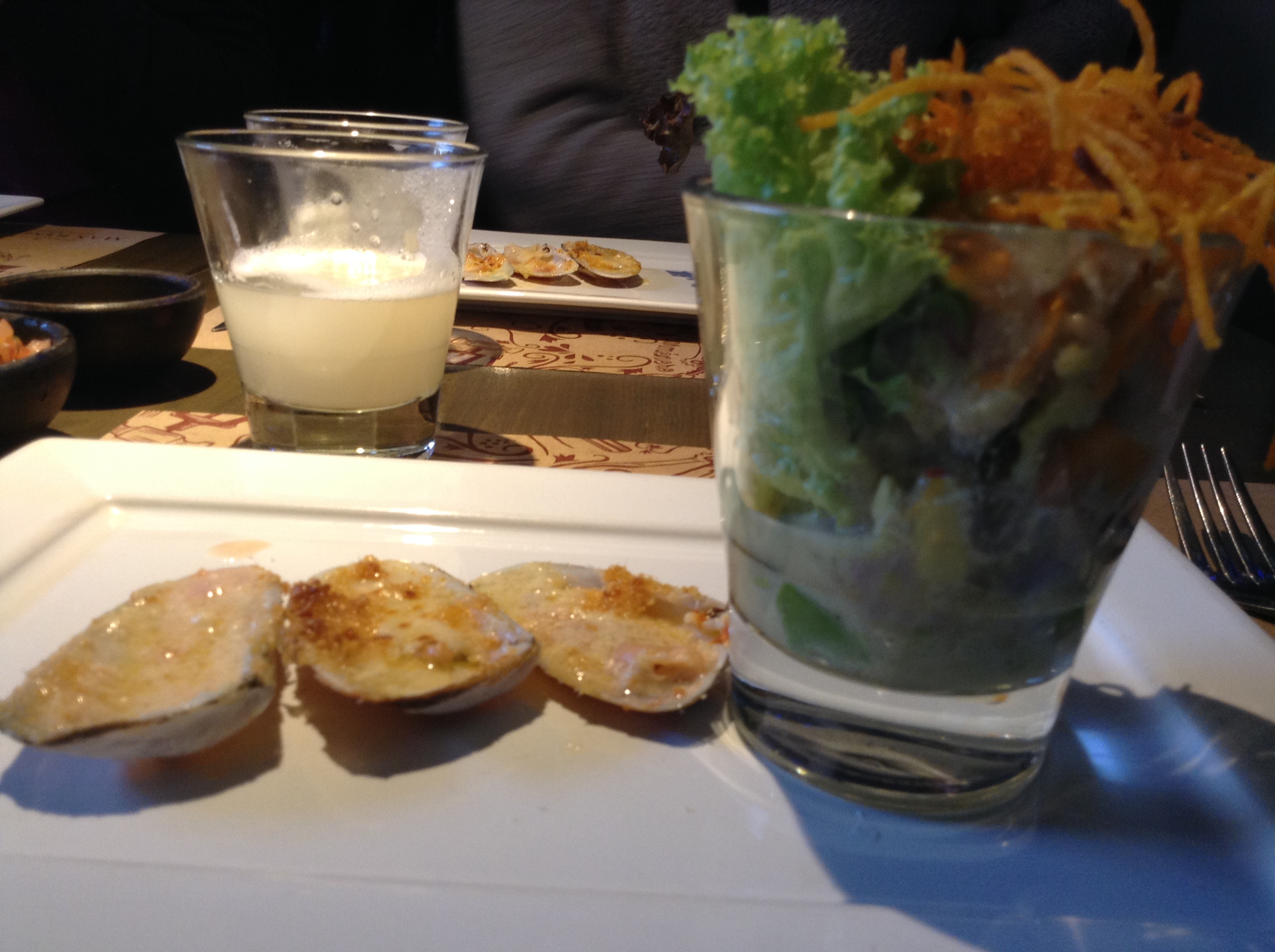
The cevice and clams were pretty and delicious.

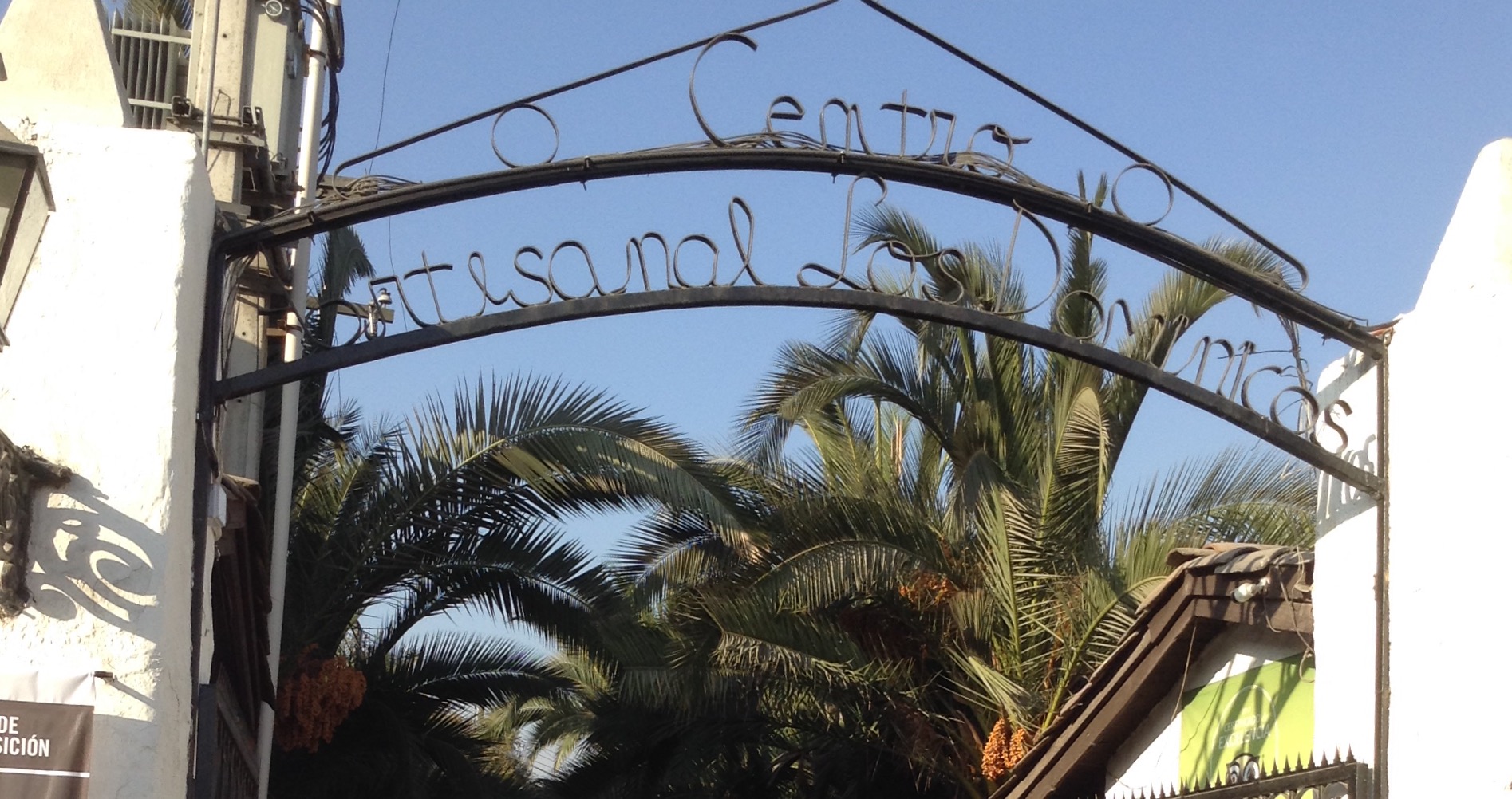
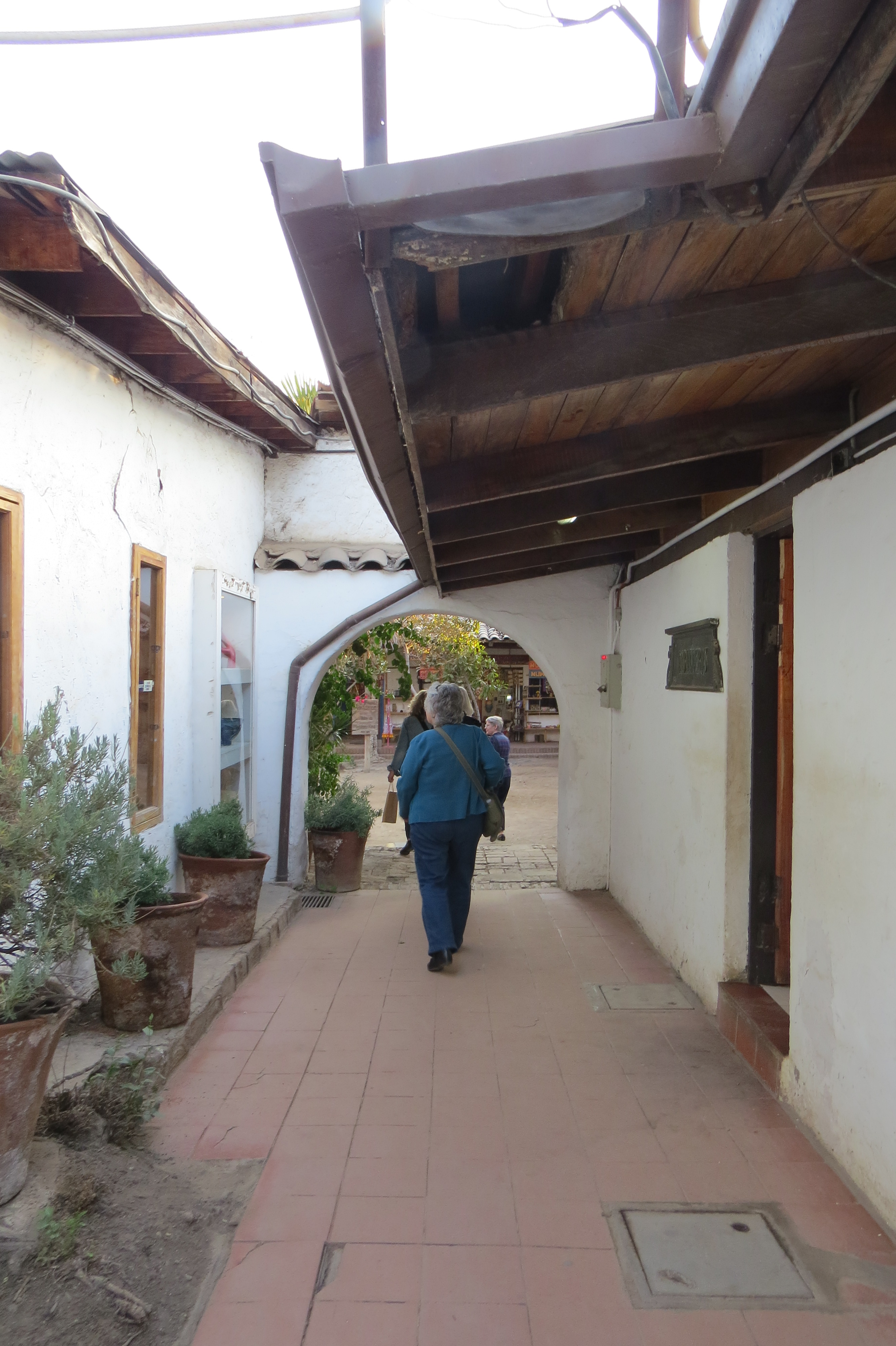
Happy and fortified, we moved on to Los Dominicos, a former mission where many of the artists were indigenous people.


Jewelry of local copper, lapis lazuli and other stones and gorgeous textiles of alpaca, linen and silk were too beautiful to resist.

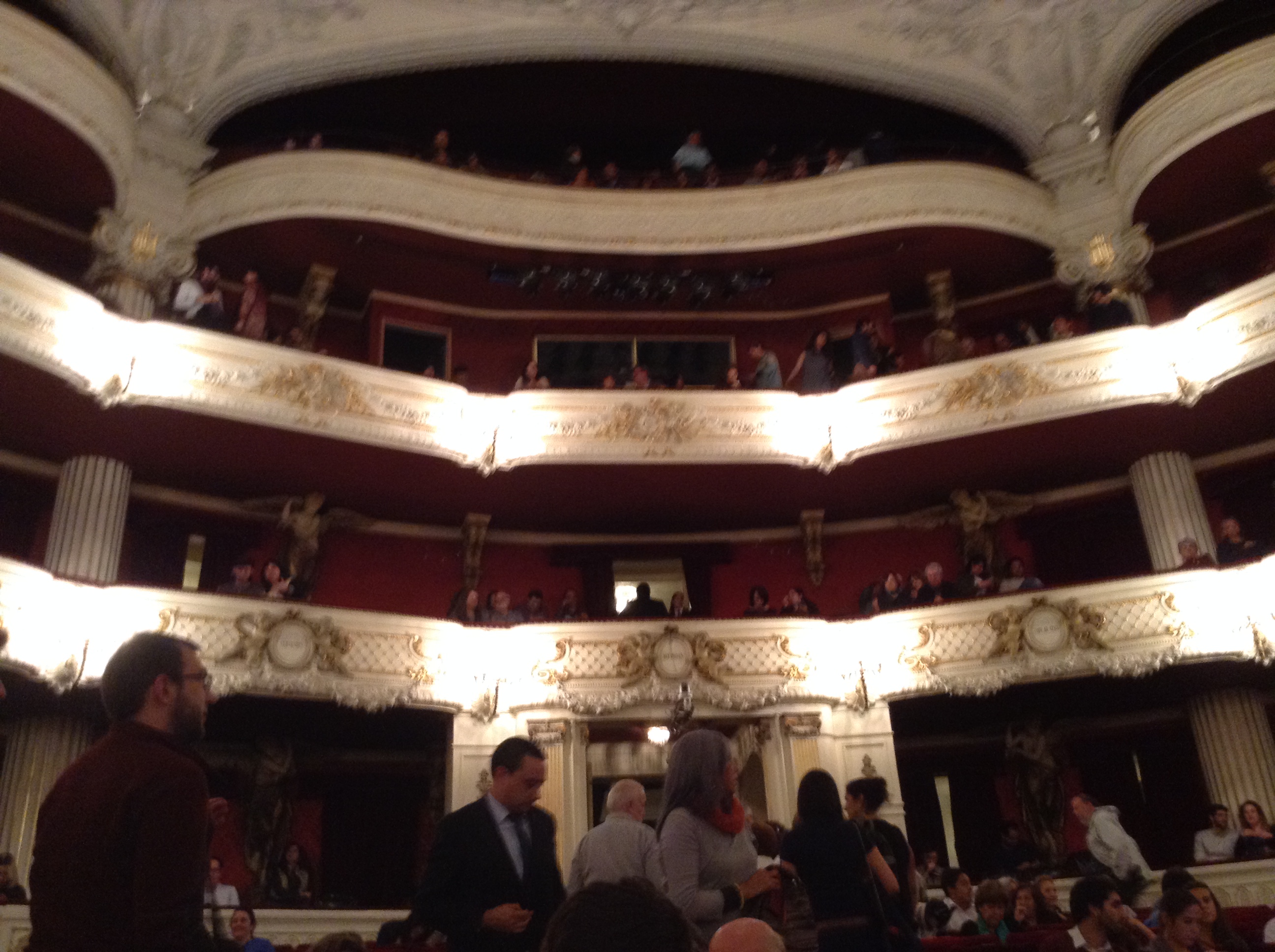
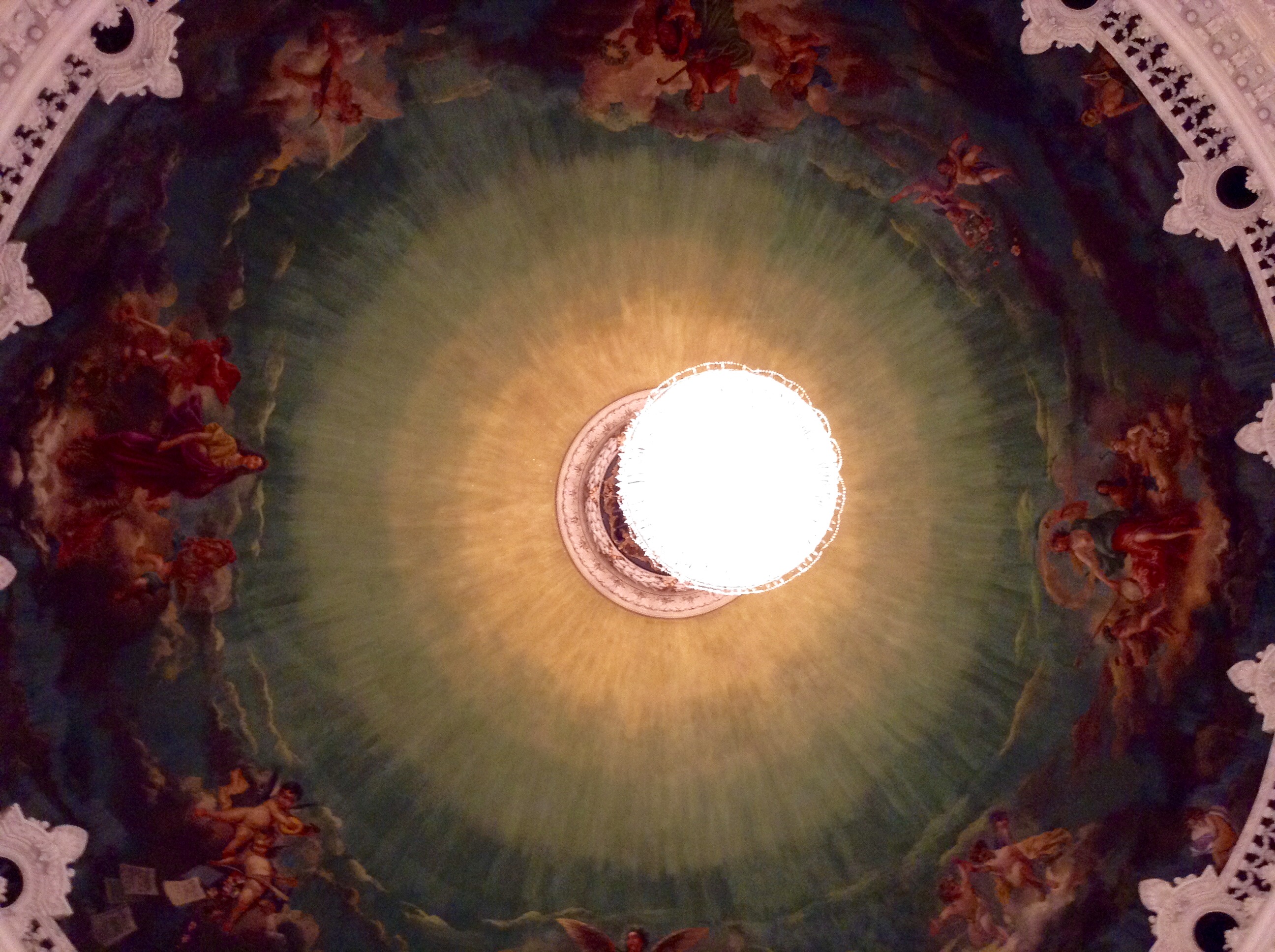
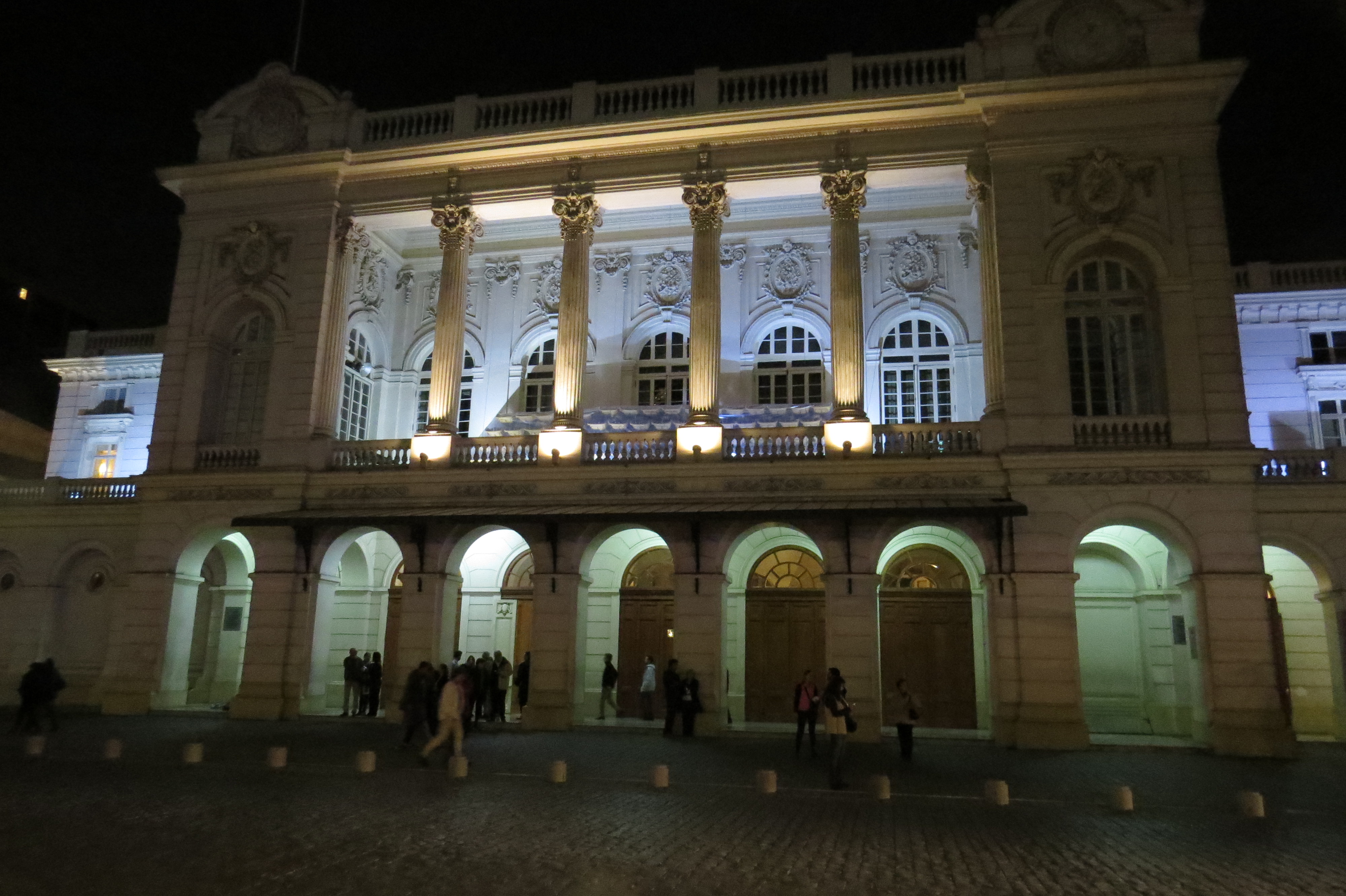
Stuck in the epic traffic in Santiago, 7 of us arrived a little late for a concert in the stunning Teatro Municipal which has just received a $35 million renovation. It mattered little and we were swept into our seats as soon as we arrived. After one interesting modern piece by Leonard Bernstein, we were treated to Beethoven’s 3rd symphony by the Philharmonic Orchestra of Santiago.  The gorgeous theatre was packed to the rafters.

The dome:

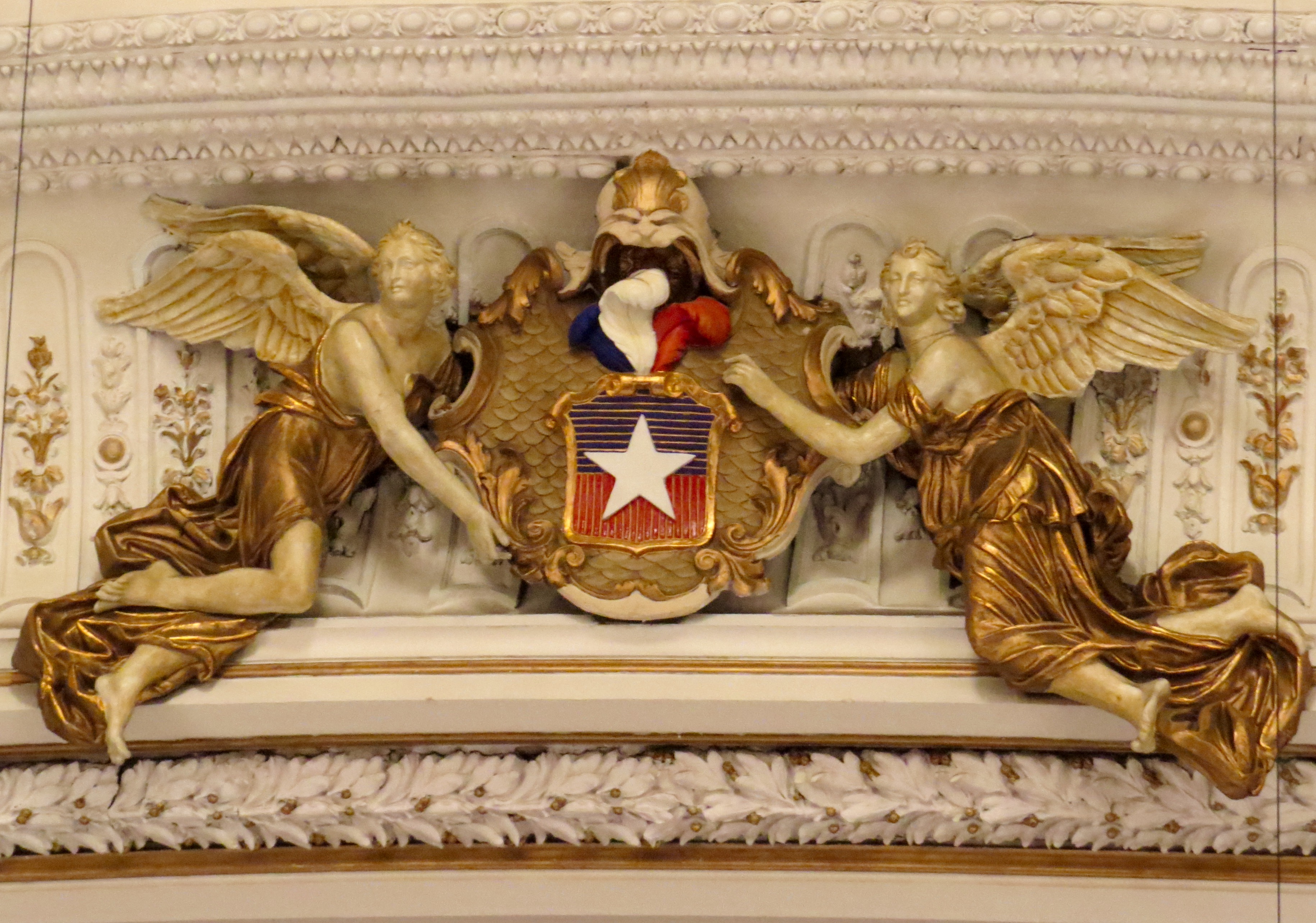
An example of the statuary bearing the star of the Chilean flag:

What Juan Pablo Izquierdo, the 83-year-old musical director, lacked in stature he made up for by throwing his entire body into the performance. The music inhabited him. He would lunge at the varous sections as they came into the piece and at one point it appeared he was going to hurl himself into the second violin section, mosh pit style. Very humble, too. After four curtain calls he came back to the stage and grabbed sheet music off a musician’s stand so we would cheer instead for Beethoven himself.

What a perfect ending to an otherwise perfect day.

Best,

Jan
Santiago de Chile

Named for St. James, the patron saint of Spain who was believed to have travelled in Spain, this city of 6 million teems with some of the friendliest, warmest people I have ever come across.

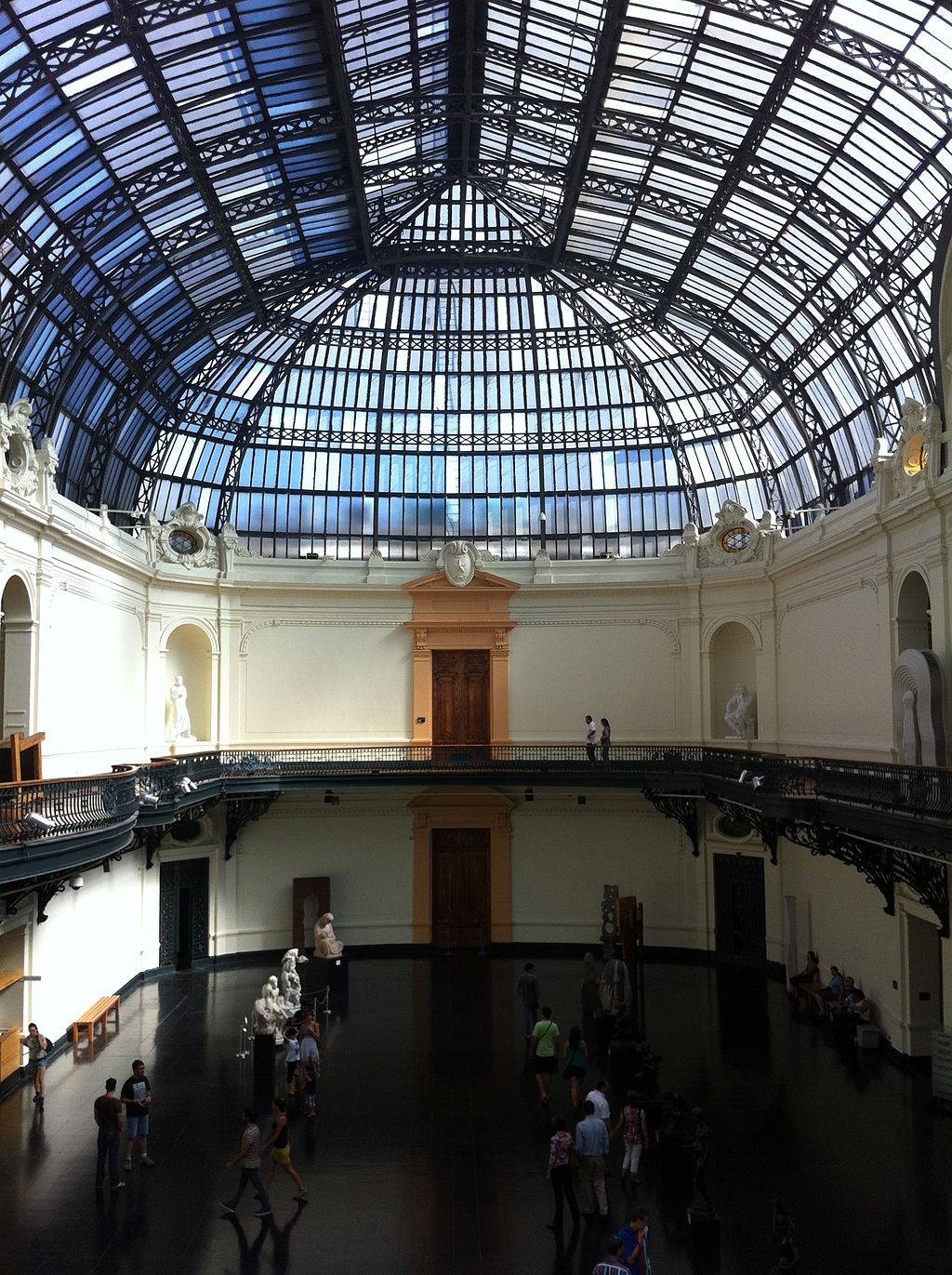
On our first day here today we were meant to rest after a long flight, but we opted to defer rest in favour of a free day in Santiago.  We headed out to the Museo Nacional de Bellas Artes about a block from our lovely, aptly situated boutique hotel.   There were several interesting exhibits and some classical landscapes and portraits by Chilean artists, but the building itself is an architectural beauty and marvel considering Chile is the most seismic country on Earth.
Next, a beautiful fixed price lunch, starting with our first empanadas, with new friends in an eclectic area not far from our hotel.
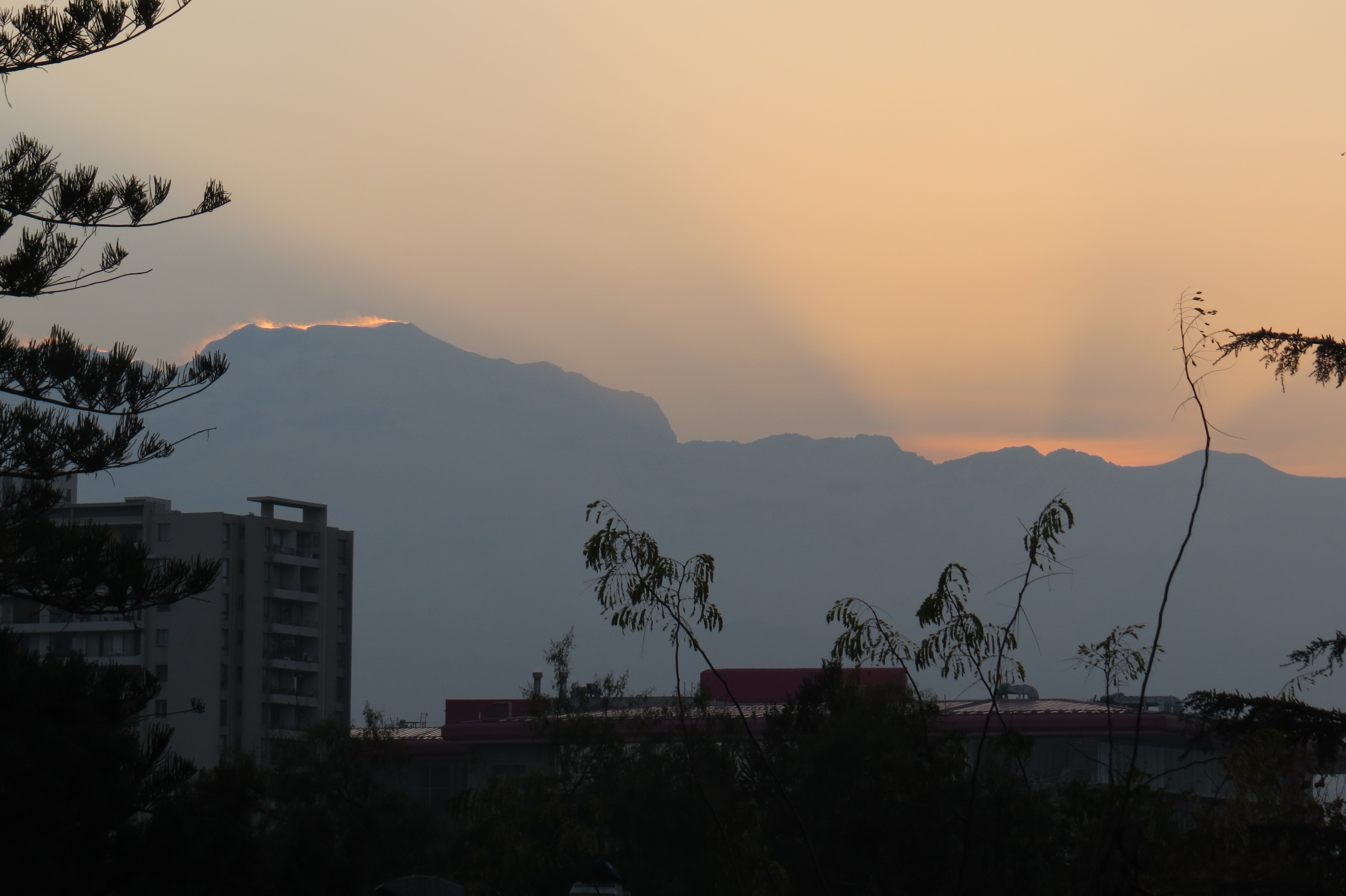
We wandered the city to get oriented and later, went to a nearby restaurant for our first group dinner, which began with the country’s national drink, a Pisco Sour, followed by a delicious meal. Next morning, a view from my hotel room which overlooks Parque Forestal with the Andes in the distance:
Best,

Jan