Category Archives: Uncategorized

A Digression, if I may be permitted

I wrote earlier about the FSL, Former Soviet Landladies, women who used to spy and inform on their tenants, who have now been co-opted by the Russian government into protecting that country’s museums from rampaging tourists. Vienna had its own version of these FSLs, women aged 60+ with stern looks who strictly enforce the laws of Vienna. For instance, I entered a tram on which a typical young woman was talking animatedly on her cell phone, and noticed immediately an icy chill and heard much clucking of tongues. Within two stops, one of these lady-tongue-cluckers marched over to this young woman and yelled at her face-in-face much more loudly and protractedly than the woman had been on her phone, chastising her for breaking the silence on this sanctified library on wheels. I myself was sternly reprimanded in language I can only imagine but was not uncertain of the intent for starting to cross a street with no traffic when the little white man was lit red. I witnessed similar events daily.

I am calling these women The Vienna Police.

Munich has a whole other breed of The Vienna Police. Guidebooks even warn about them. Since 1158 AD, masses of short women with neat hair armed with 1/2-inch sturdy heels have marched the streets of Munich enforcing not only the laws, but the customs, mores and traditions of this fair city. They are self-appointed members of a not secret sisterhood. Their husbands cower or look away or hold their purses. These women are Hyacinth Bucket (“BooKAY”) without the slapstick. She Who Must Be Obeyed should have taken Rumpole on vacation to Munich, he might have taken to calling his wife My Adorable Cupcake With Icing On Top. A single look, rather than a lapful of chips and a foray in Greece, might have saved Shirley Valentine’s marriage had she only consulted a particular sort of woman from Munich (but nah, her way was better).

These are The Masters of the Stink-Eye (MSE).

I watched the blood drain from the face of a 6’4″ man who had leaned one tired foot against the side of a dirty wall of an ordinary office building on a back street, and watched the foot silently slide to the ground. I withered under such a look which went from the tip of my toes to the top of my head and back down for (I think) wearing (honestly sturdy not stilletto) heels to an evening classical concert (the MSE honed in on my shoes with the precision of the internal guidance system on a cruise missile). On other occasions, I have had the impression the MSE did not approve of a woman travelling on her own, by the way the stink eye itself suspiciously wandered, seeking a partner, followed by a narrowing, knowing, more lethal stink-eye; this may after all threaten the social order. Some women may grow to enjoy travelling solo. Where will that lead?

I notice very few policemen on foot but lots of sirens on police cars racing by; perhaps they are not needed in the streets because they have the Man on the job: the MSE are there, glaring down every infraction, staring that pickpocket into returning that wallet to its pocket out of naked fear; bringing organized crime to its knees, negotiating the freedom of hostages with a single raised eyebrow. Perhaps the police respond to calls reporting a woman whose braids are not straight, a man who dribbled on his brown suede shorts, or a child eating a pretzel without a napkin. Perhaps the police find these calls excessive, but they respond anyway. One does not question the authority of The Masters of the Stink-Eye.

My only question is this: where do all these women go during Oktoberfest?

Jan 😉
Mars-nich

I had the smoothest transfer to train yet what with being at its point of departure, Vienna, and being able to board early without a time panic to find my car was a treat. And gorgeous scenery, particularly passing through Salzburg. I could almost have burst into song….

So I stepped off the train calm and relaxed and was immediately swept into a maelstrom. After all of the art, museums, classical concerts and operas, I now felt as though I were on another planet that might as easily have had talking apes on it. The train station was a zoo. Outside, there were hordes, and I mean hordes, of university-aged men wearing 150-euro brown suede capri-length or short pants (will they ever wear them again?) and many of them had beers in their hands, just walking around. There were many, many women in dirndle skirts, crinolines, and frilly white blouses displaying varying amounts and perkinesses of cleavage. Everyone was very, very happy. There were lots of police, who were oblivious to beers in hands. There was drunkenness, but it was perfectly safe, because I know had I touched any of them with the tip of my index finger, they would have fallen over like a sailboat broaching in a slight change of wind. Some would have fallen over had I merely pointed my pinky in their direction.

Ah yes, I remember thinking I was glad I was arriving in Munich when Oktoberfest was over. Of course I wasn’t thinking that it was actually over only moments before I arrived. I was not on Mars, I was in Bavaria HQ.

Naturally, I got completely lost and went immediately off in the direction opposite to that of my hotel. You would think by now I would look at a map, determine my destination and then turn 180 degrees. Ah well…

Having now missed the daily walking tour, which might have been fun with all the ruckous, I headed over to the Residenz, the palace of the Bavarian kings, queens and electors, thinking correctly that this would not be the main attraction for rowdy young men in short pants. The palace really didn’t look that big from my vantage point at the entrance. However, it contained two complete palaces: the first half was medieval, and then I stepped into yet another incredible Baroque-Rococo palace with the gold dripping off the walls! Much of these were reconstructions after lots of damage during the world wars. Up until the late 1880’s, Bavaria had been quite powerful, but that diminished and it was ultimately dissolved in 1918 at the end of WWI and Ludwig III went into exile. One of the special features of this palace were the number of medieval and early crowns in the treasury, studded with gems and looking just like, only better than, the ones in Shakespeare plays and in movies. It also contains a little jewel box of a theatre, red with golden women acting as pillars holding up the second balcony, marble busts, and carved draped red velvet hanging off of the balconies. There are no concerts in the theatre while I am here, but there is an unusual medieval church within the palace built of red bricks, and I will be going to a concert there on Thursday night. The acoustics will be amazing, the interior being about 3 stories high.

I dashed back to my hotel realizing I had a concert ticket for tonight. The concert was at the Gasteig – a modern concert hall I would describe as little brother to the Berliner Philharmonie. Somewhat swooping sections of seats on one half of the hall; the sections do not surround the orchestra.

The Munich Philharmonic is world-renowned and was directed by James Levine from 1996 to 2004. Now under the direction of Eivind Jensen, this was a celebration of Beethoven. Each half of the program started with the full orchestra performing a modern piece by composers who greatly admired Beethoven, and these were a nice counterpoint to the rich Beethoven piano concertos played by Norwegian soloist Leif Ove Andsnes (a music director in his own right). An amazing pianist, every note was as if etched on rock crystal, clear as the glacial water in northern fjords, clean as a Lawren Harris painting.

There are a lot of Andsnes’ performances on youtube, here is a link to him playing another Beethoven piece:

Beethoven’s Piano Concerto No. 2 in B flat major was an early work when he had his own hearing, and he used it primarily to showcase his own virtuosic piano playing. The second piece tonight, his Piano Concerto No. 3 in G major was composed in 1805-06 and you would recognize the third movement. As early as 1801, his deafness was advanced. In 1802, he famously wrote to his brothers in a letter now known as the Heilingenstadt Testament, in which he admitted,
“what a humiliation when one stood beside me and heard a flute in the distance and I heard nothing, or someone heard the shepherd singing and again I heard nothing, such incidents brought me to the verge of despair, but little more and I would have put an end to my life – only art it was that withheld me, ah it seemed impossible to leave the world until I had produced all that I felt called upon me to produce, and so I endured this wretched existence – truly wretched, an excitable body which a sudden change can throw from the best into the worst state – Patience – it is said that I must now choose for my guide, I have done so, I hope my determination will remain firm to endure until it please the inexorable parcae to break the thread, perhaps I shall get better, perhaps not, I am prepared.”

It is hard to imagine, reading this letter, what patience was called upon, how he endured to give us so much more music, especially Ode to Joy, which he did not write until 1824.

Jan

Prague Score

I managed to squeeze four performances into my weekend in Prague, known for its high quality, comparatively low cost live music.

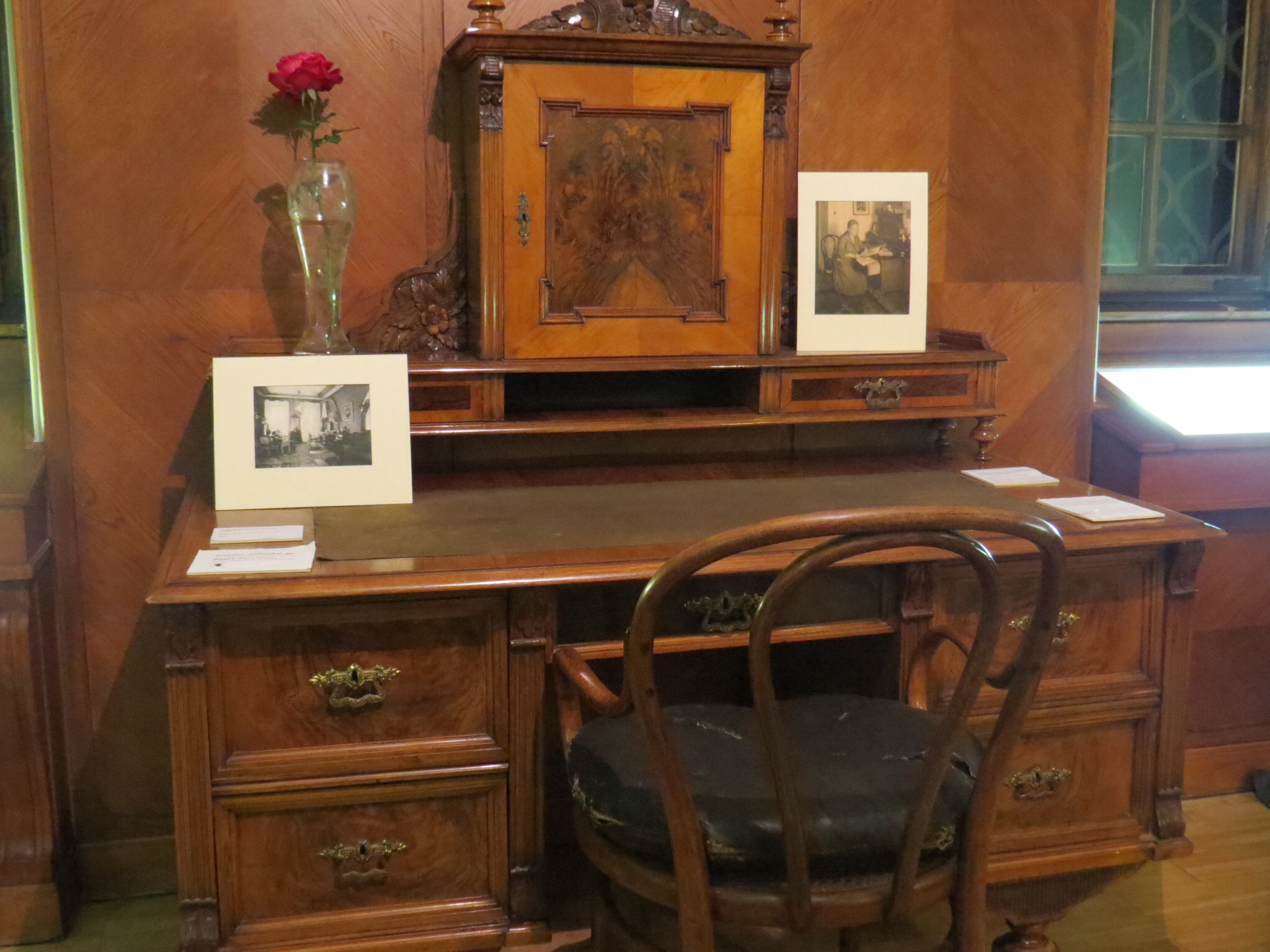
Friday evening I toured a small but lovely museum dedicated to Dvorak, in a house built by nobility solely to host parties in. There were several of Dvorak’s instruments, writing desks, and musical scores. Dvorak played the organ, cello and piano, and began to compose music while he was still a student. Yet he was also interested in science, and once said, “I would give all my symphonies to have invented a steam engine.”

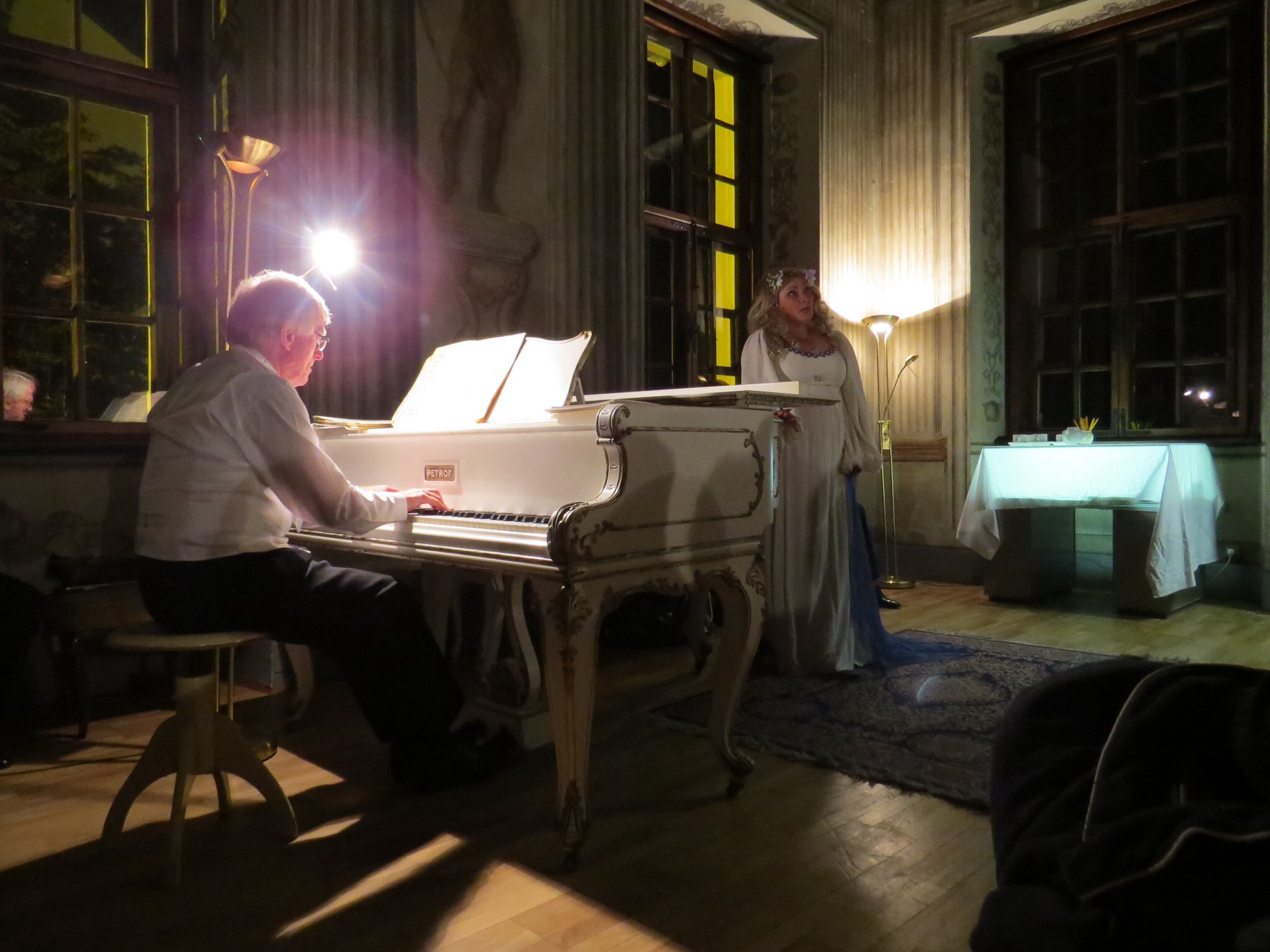
A liveried butler offered us Bechoravka, a famous Prague drink. I renamed it Fire. Whoo! We were then ushered into the salon, where a pianist, violinist (both professors of music at Prague’s Charles University) and three soloists sang Dvorak’s beautiful music. I had forgotten about Dvorak’s American ties – he lived in NYC for three years and had been appointed to develop and create “a national American music” (having been inspired by Smetana and helping to creating a Czech national music, classical music inspired by Czech folk music). He wrote the New World Symphony (several versions are on youtube). He stayed for only three years, however, and returned to Prague for the rest of his life.

The singers were magnificent and charming, the music lush, the setting exquisite.

imageimageimage
image

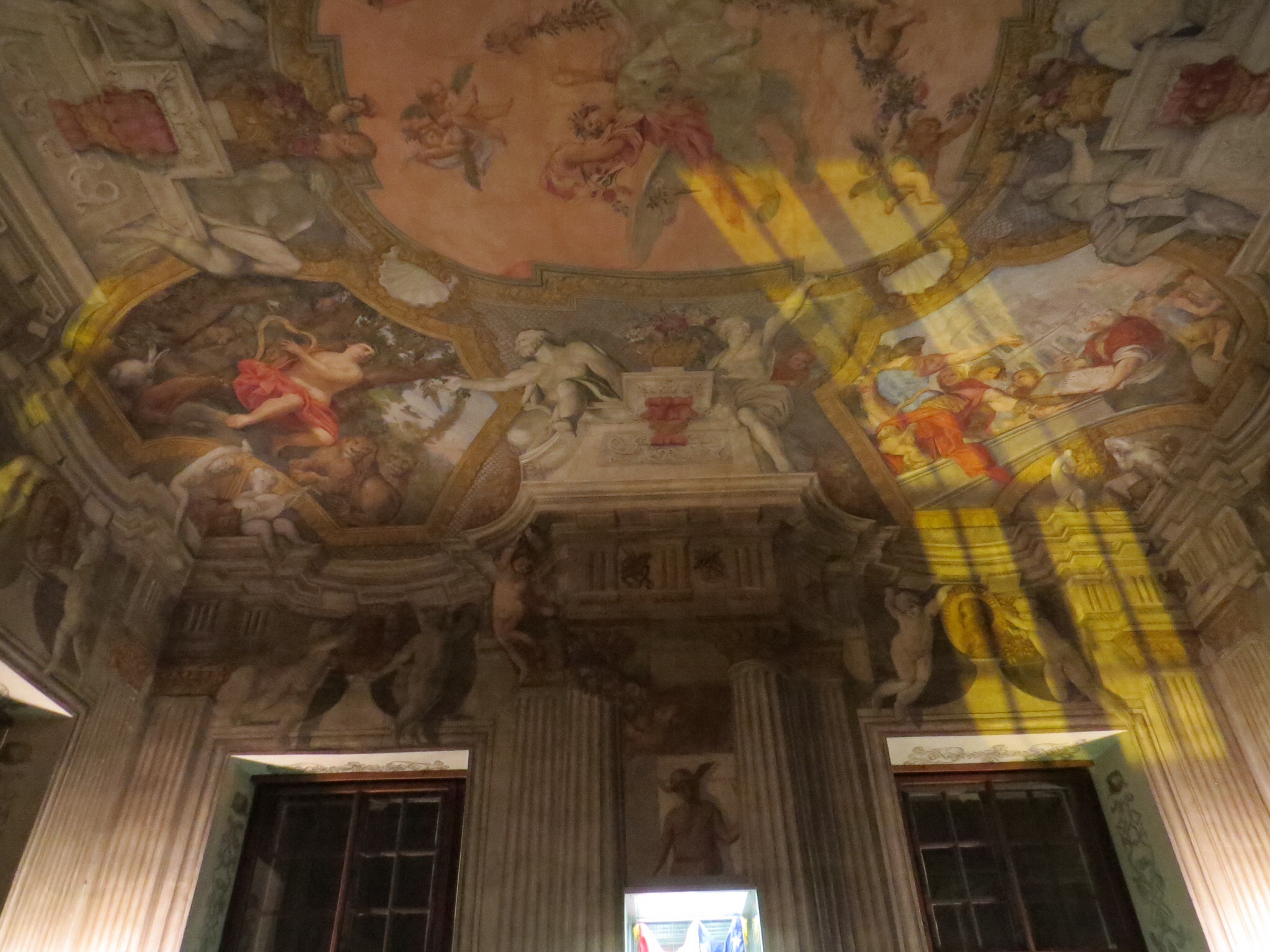
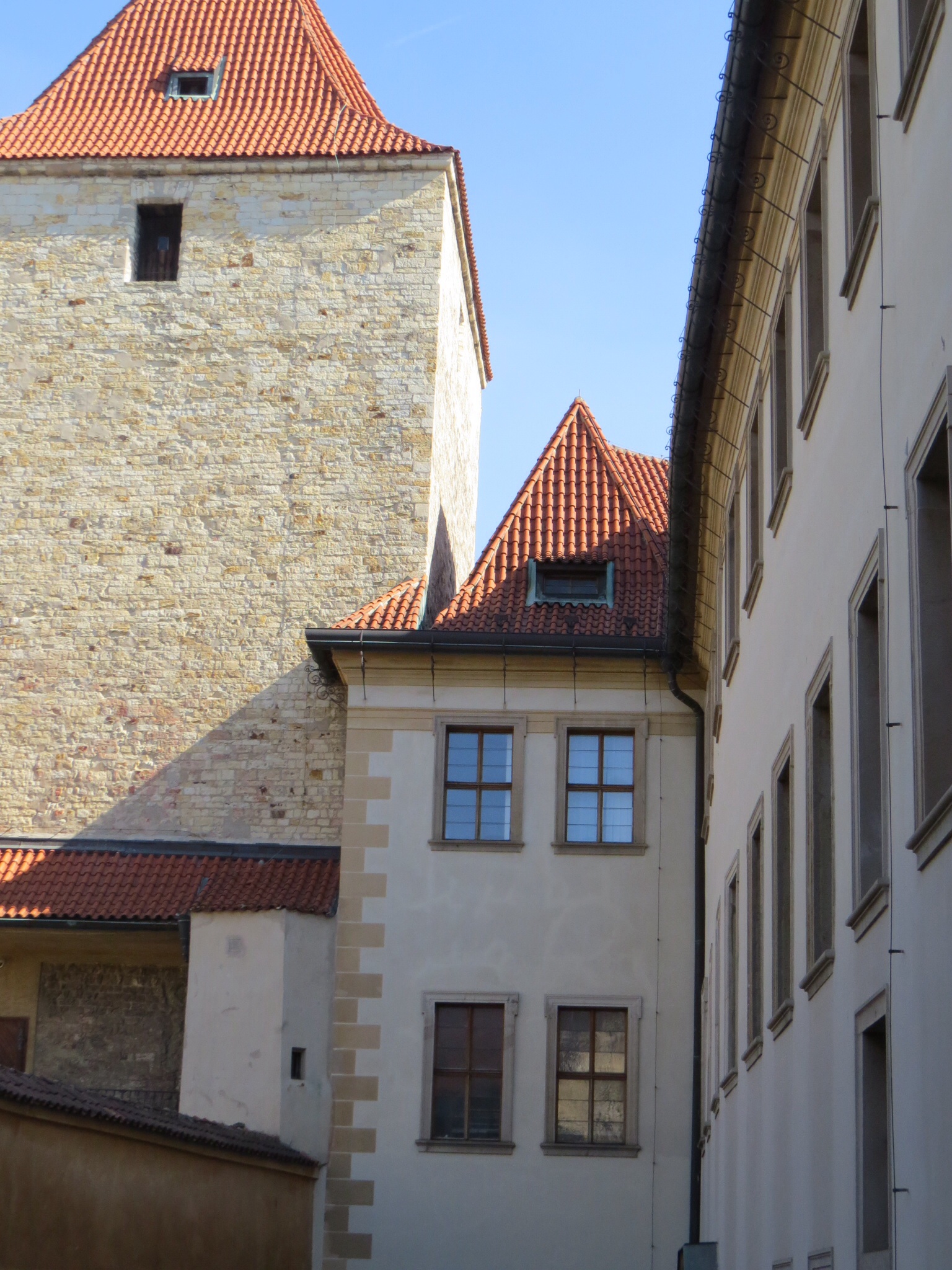
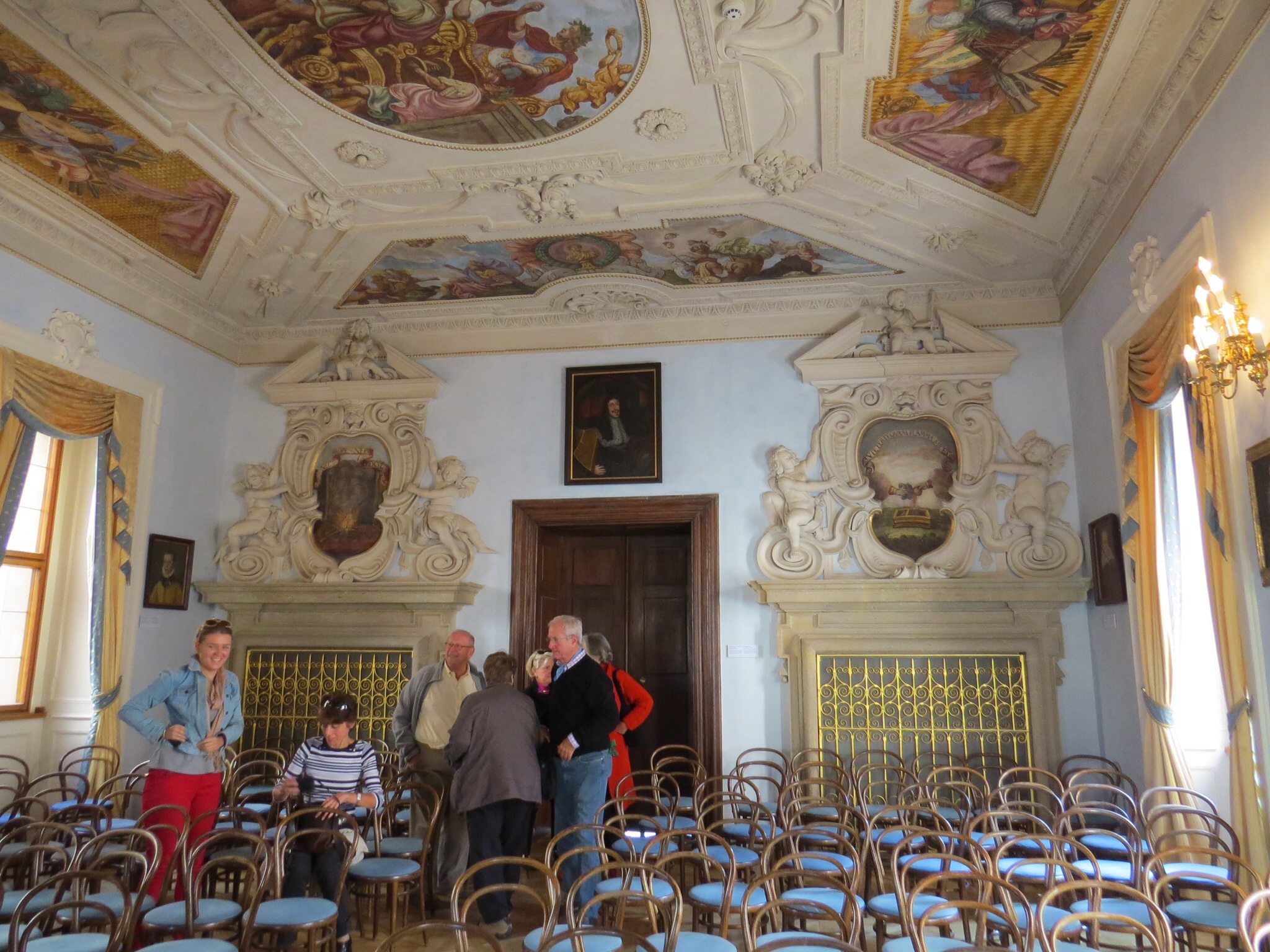
Saturday afternoon I attended a performance of “Pearls of Czech Music”at Lobkowicz Palace, a palace within the Prague Castle complex. The pianist was excellent although she might have played less virtuosic pieces which she had a little trouble taming at times.

image
image

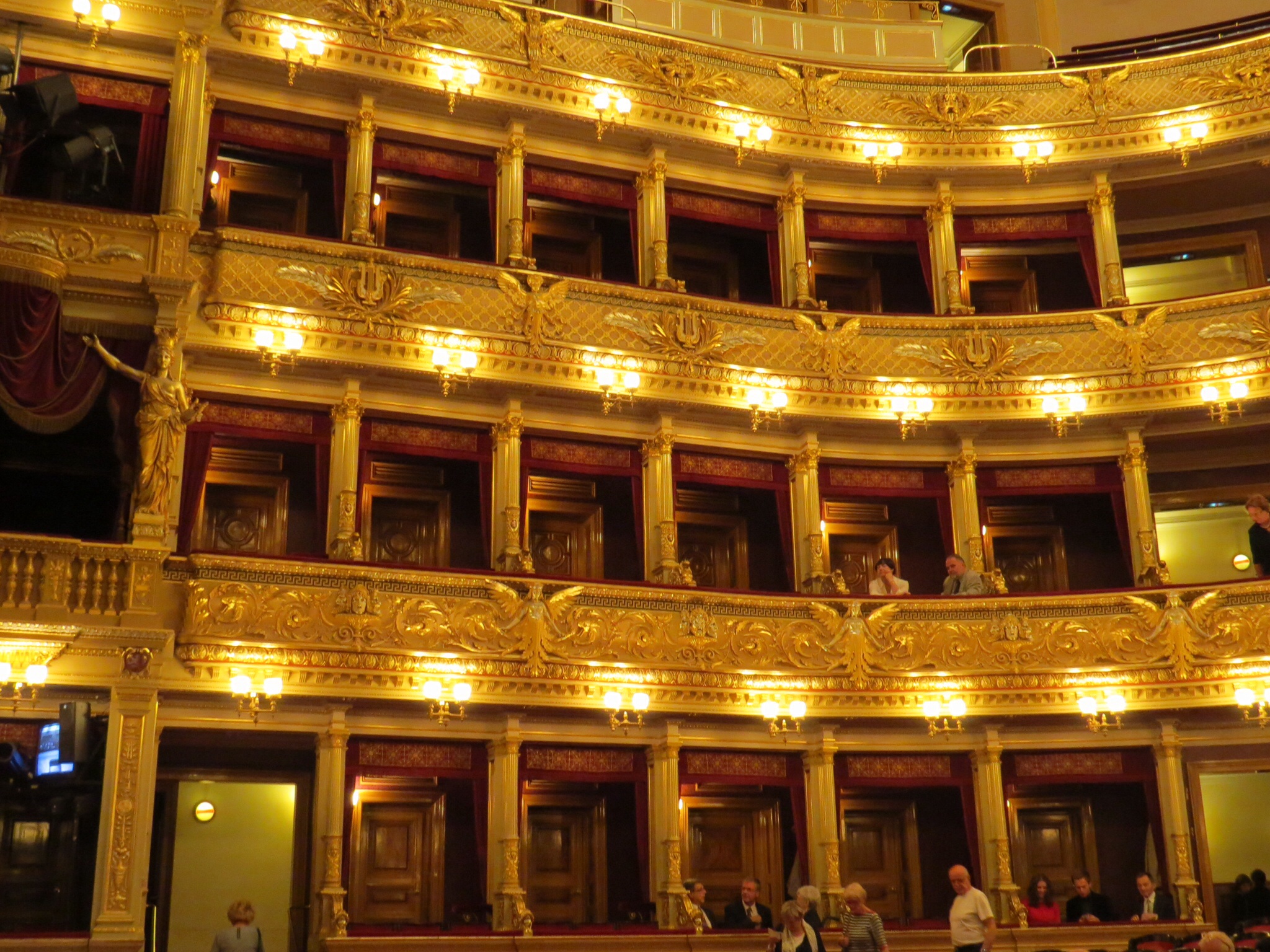
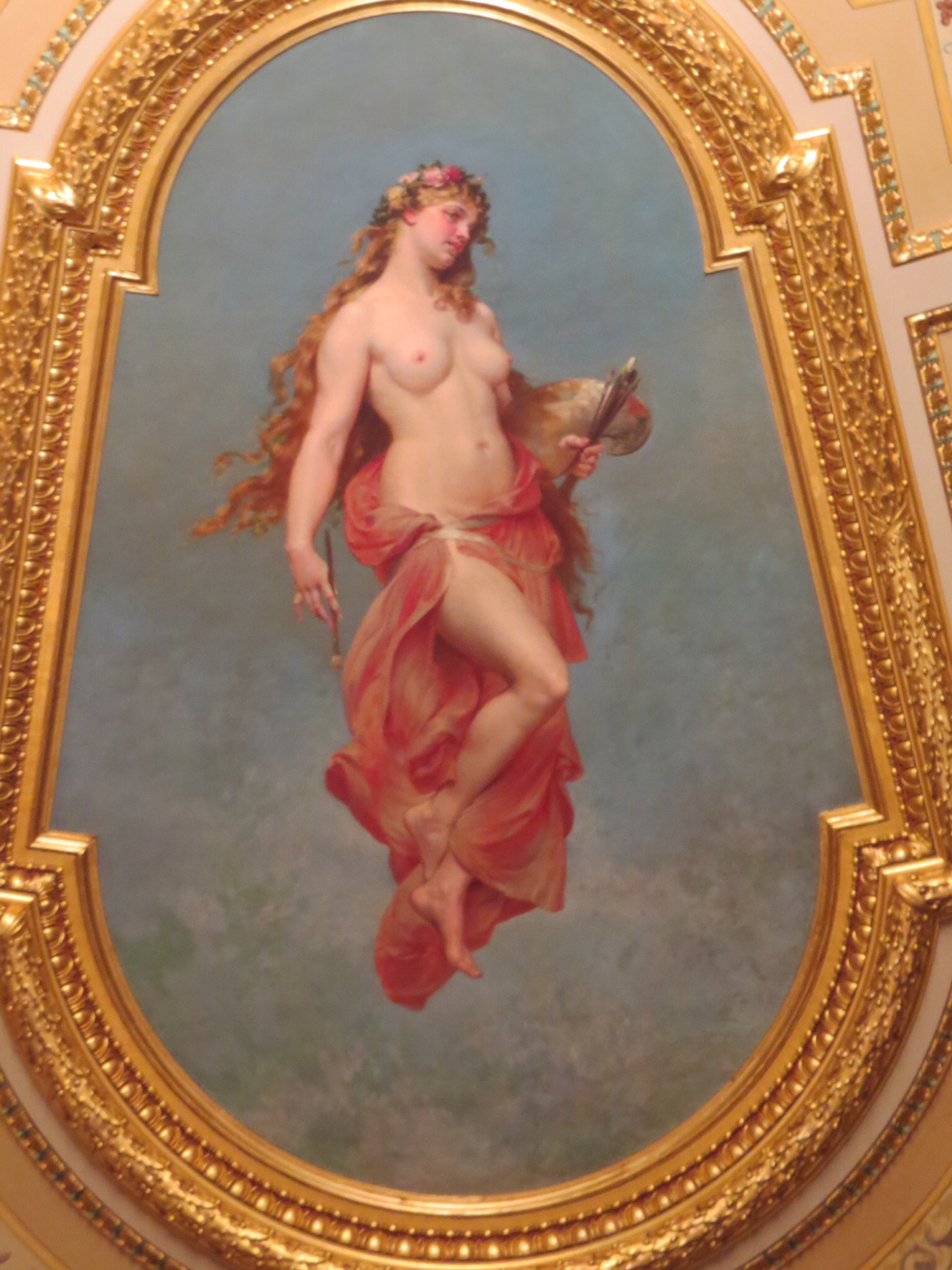
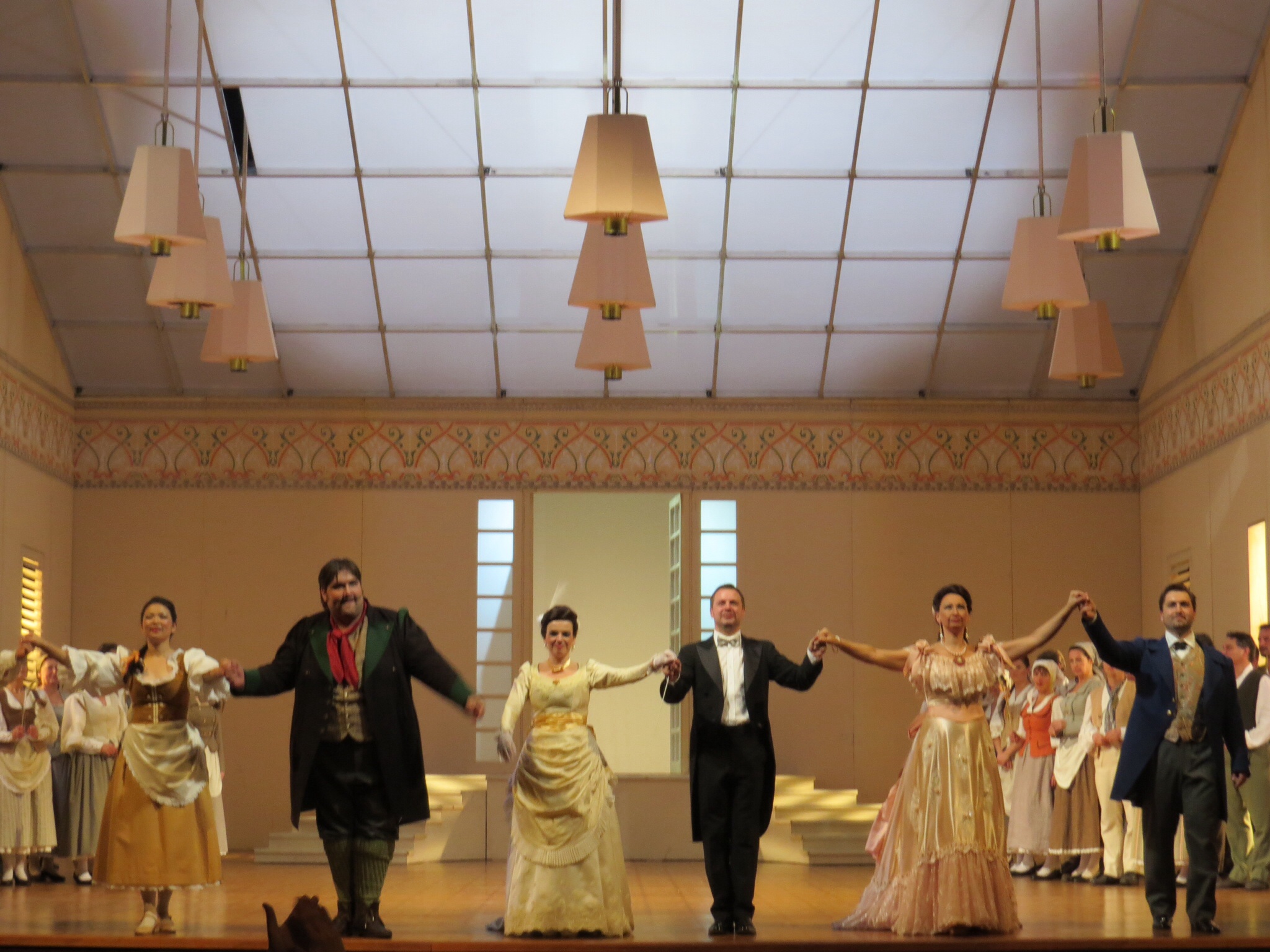
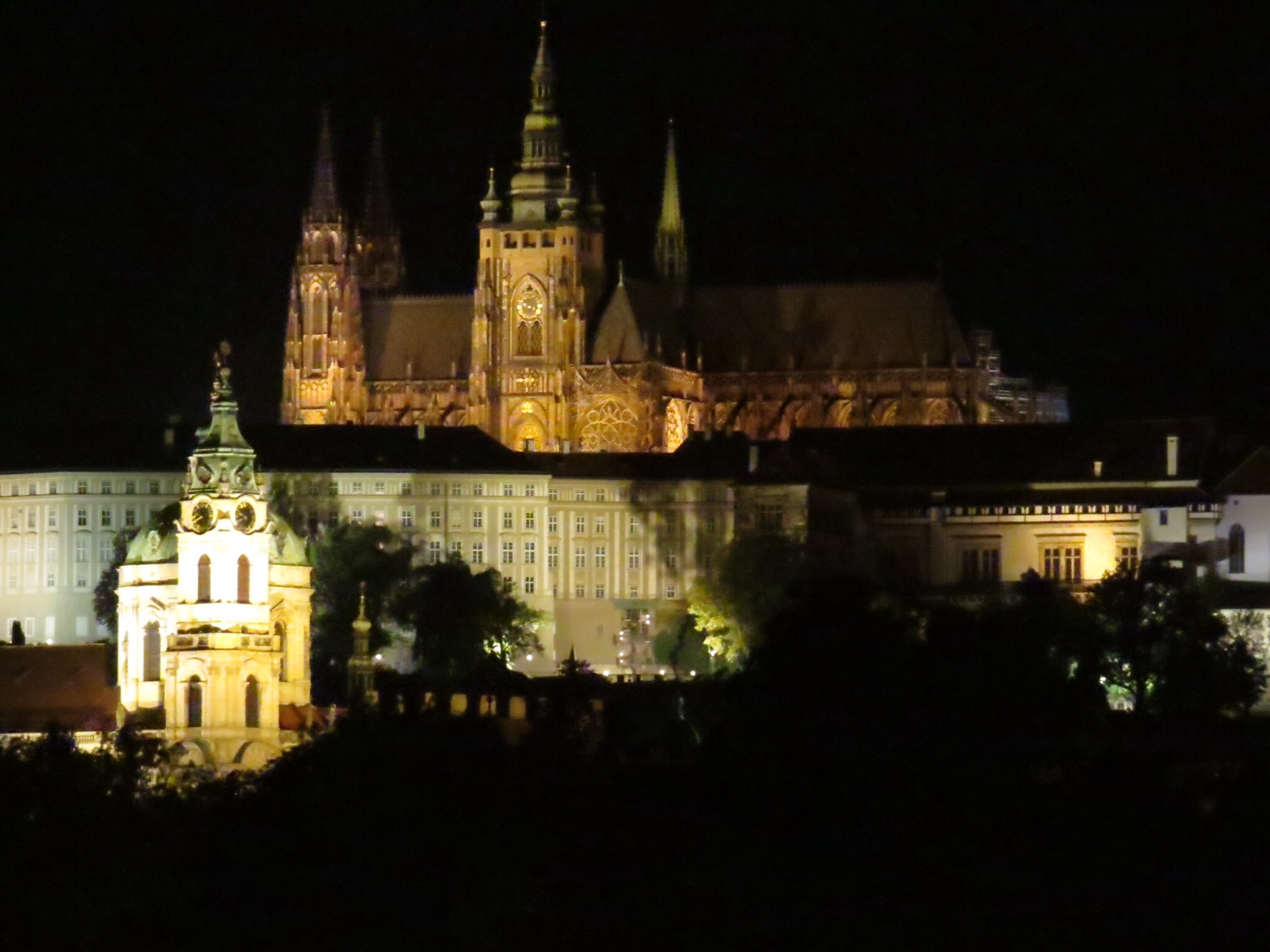
I had seen the gorgeous Prague State Opera House from various vantage points along the river, and tonight I was seeing it close up. The interior was rich and warm with gold and red velvet. The boxes were hung with mirrors, and I imagined all of the scandals and intrigues that were spied in the glass. The opera buffa was The Two Widows, by Smetana, the Czech composer. The soloists sang beautifully and the orchestra breathed life into the music. Normally I am not partial toward comedies because the music tends to be lightweight, but the music was gorgeous and a happy ending was a welcome change. Delightful concert in a sumptuous setting.

image
imageimageimageimage

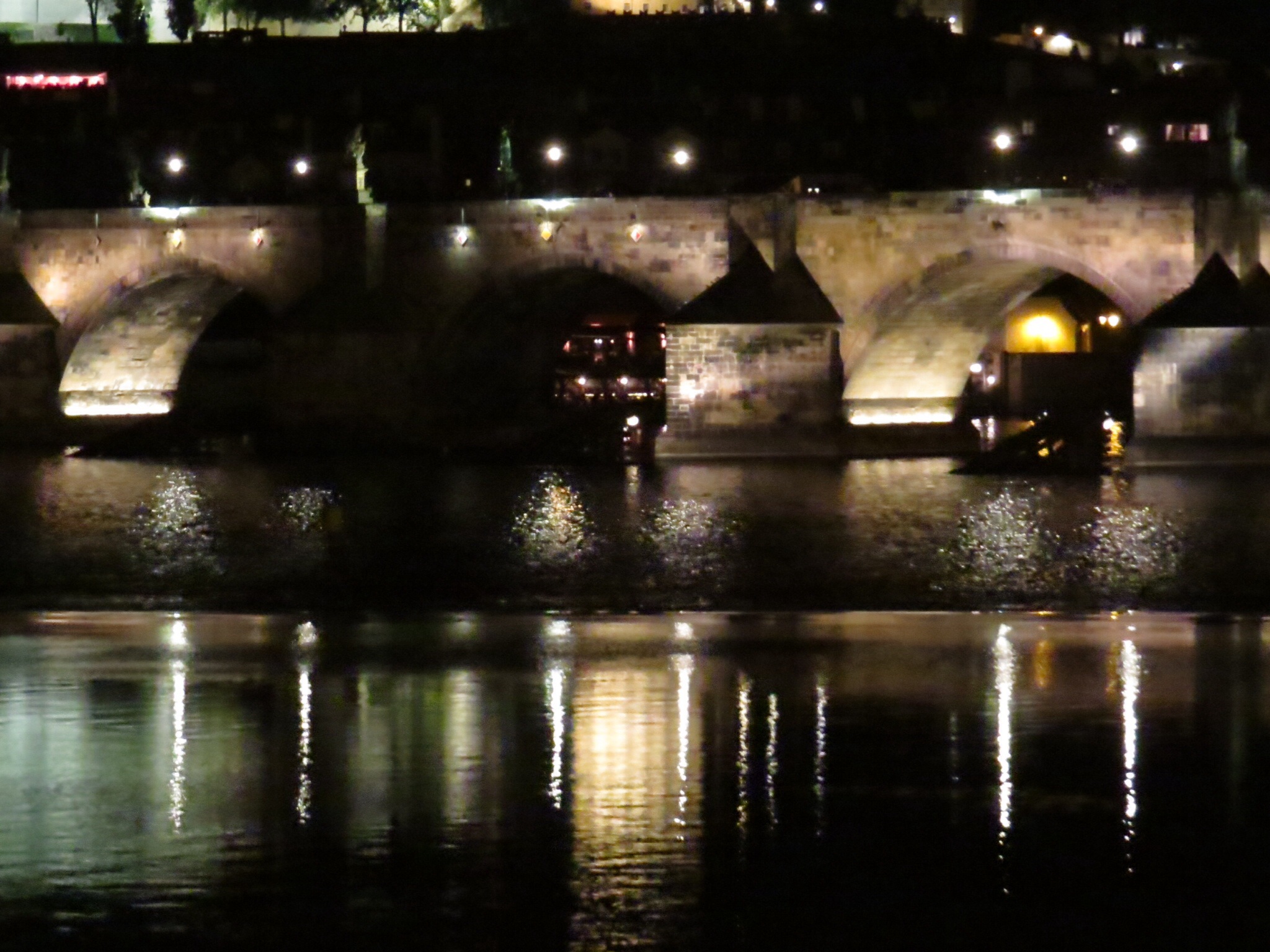
Coming out of the Opera House full of the music and walking along the river on a balmy night was magical.

imageimage

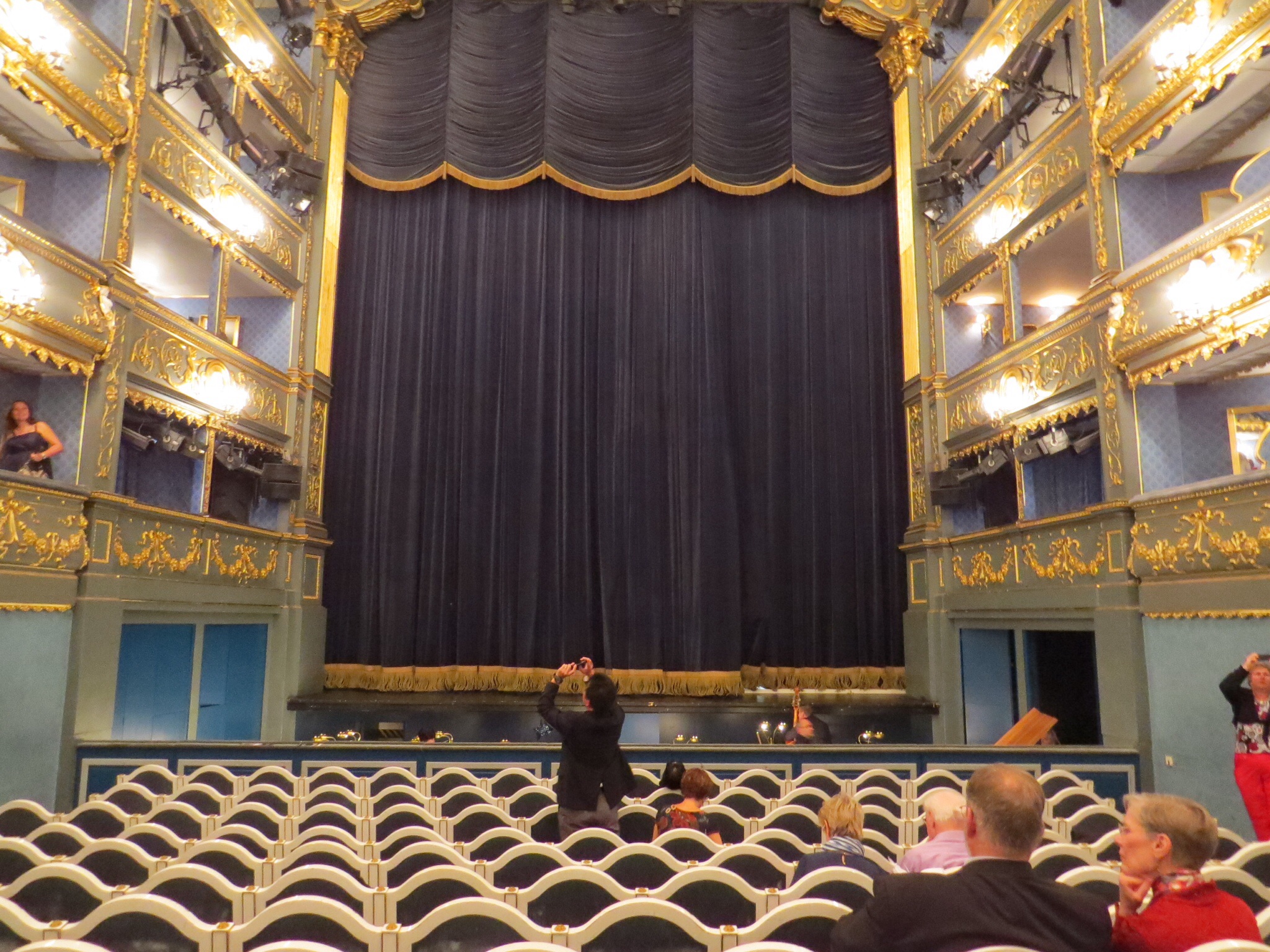
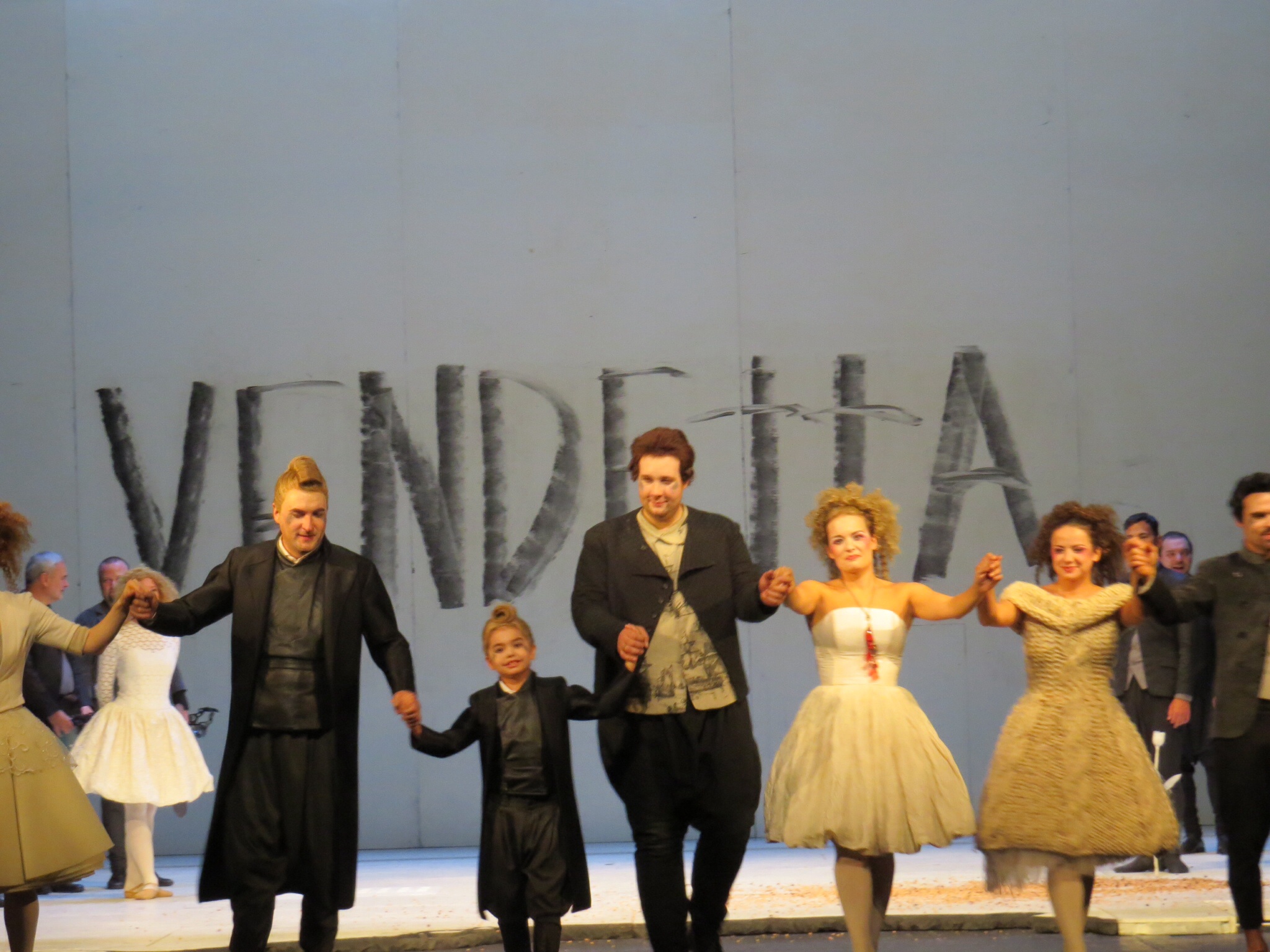
The next night I was off to the opera again, this time at the stunning Estates Theatre. This was to be a trip highlight, and it had something to do with low expectations. I had seen the opera twice previously so I wasn’t bothered by the review which said the performance was a little rough in spots. I had been delighted to learn that Mozart’s Don Giovanni was to be performed in the Estates Theatre, the same theatre in which Mozart himself premiered the opera on October 29th, 1787. Furthermore, there is very strong evidence that Casanova was in the audience for the premiere. A Bad Boy Trio: Don Juan, Casanova and Mozart himself! How yummy! It is rare for a city to have two magnificent opera houses, but the Estates Theatre, bathed in green, was a close second to the PSOH. The physicality of the performers was a little stilted at first, but overall it was a delightful performance. The soloists were excellent, the orchestra was very good; the staging and costumes were updated but worked wonderfully with this story of lust and revenge. Another unforgettable evening!

imageimage
image

Prague is a city whose history – one dominated by occupations – shapes the national mindset. The Czech wry sense of humour and love of music just may have been the keys to its survival.

Jan

Imagine

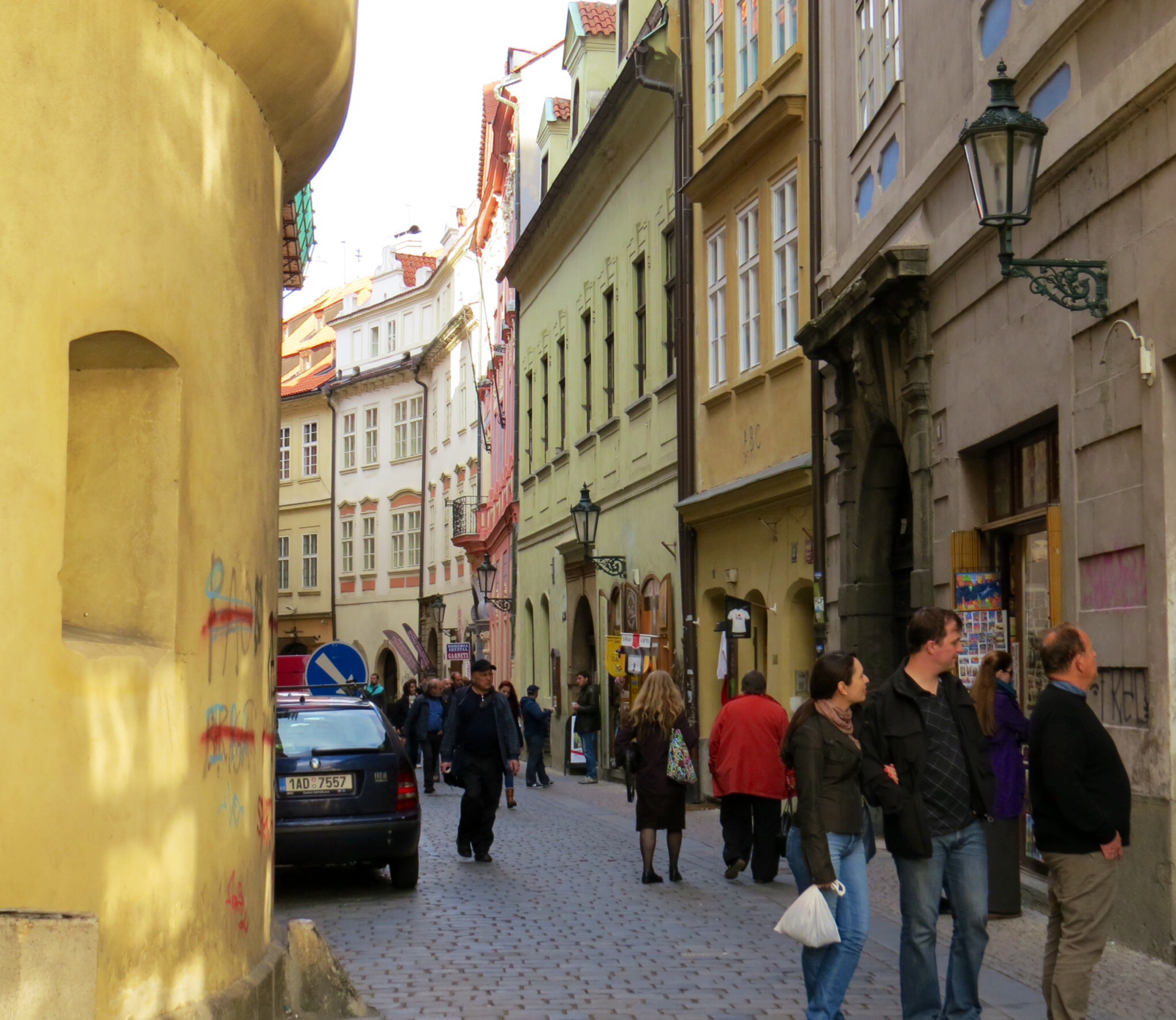
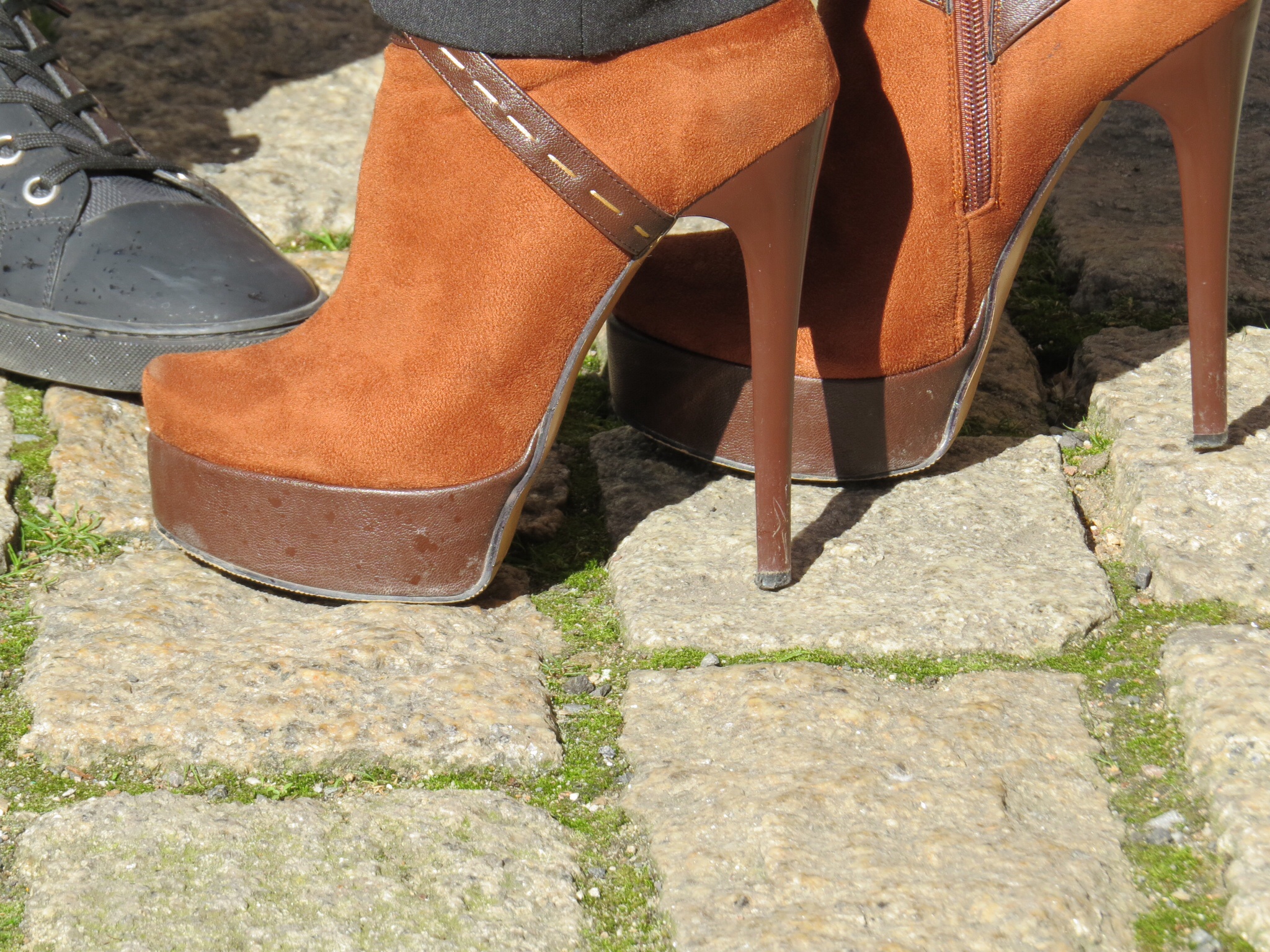
Even knowing that Prague was one of the few European cities that survived the world wars and that the medieval centre was intact, I hadn’t anticipated that stepping into Prague would be like stepping back several centuries in time.  Everything in the historic centre has been preserved, nothing paved over.  This made walking a bit of a challenge and I lost two heels before I gave up and wore flat walking shoes, even to the opera.  Me.

On arrival, I had my usual list of must-do’s and promptly stepped out the hotel door and tossed plans to the wind.  This was a town that needed wandering, meandering, soaking up.

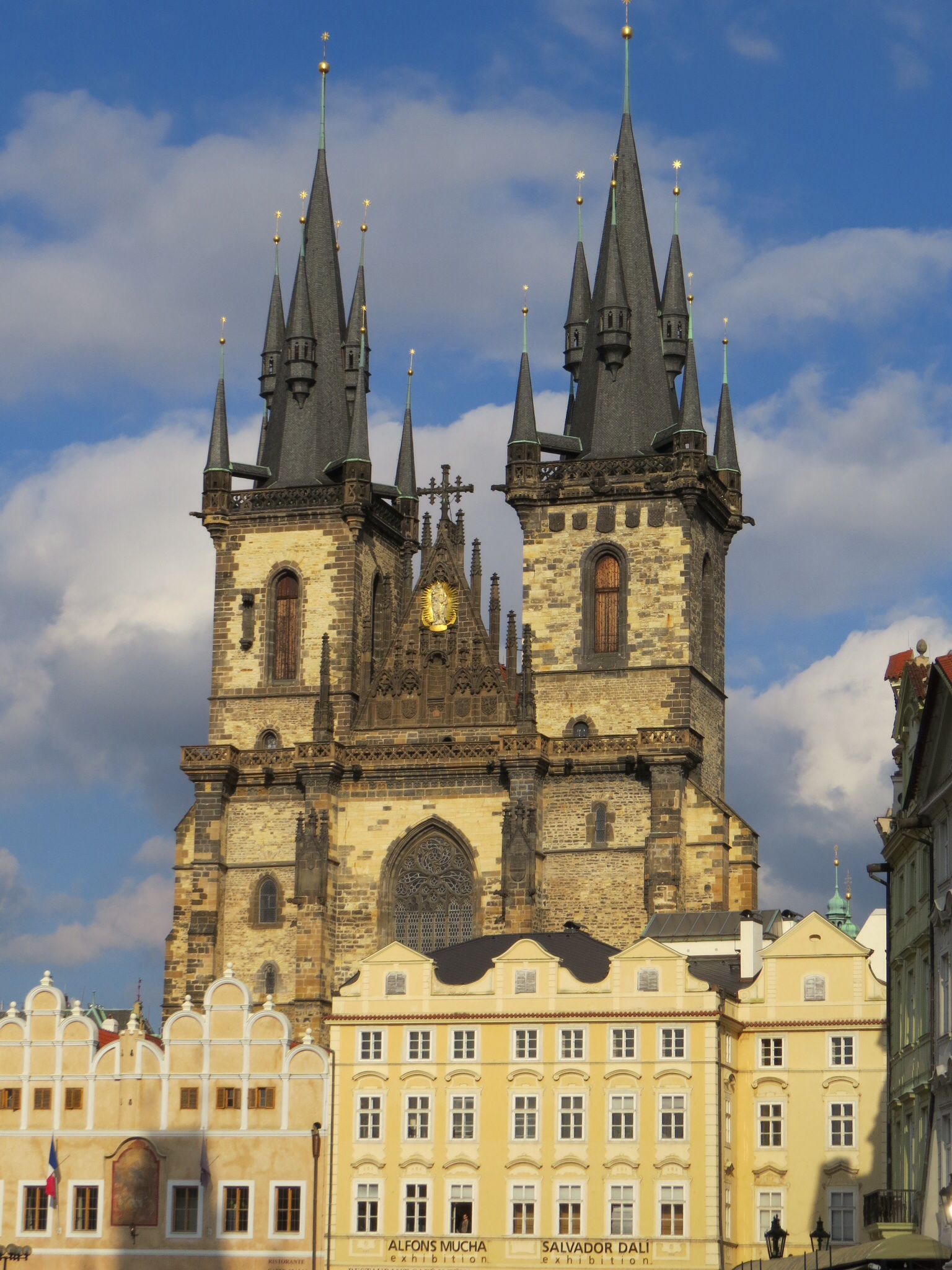
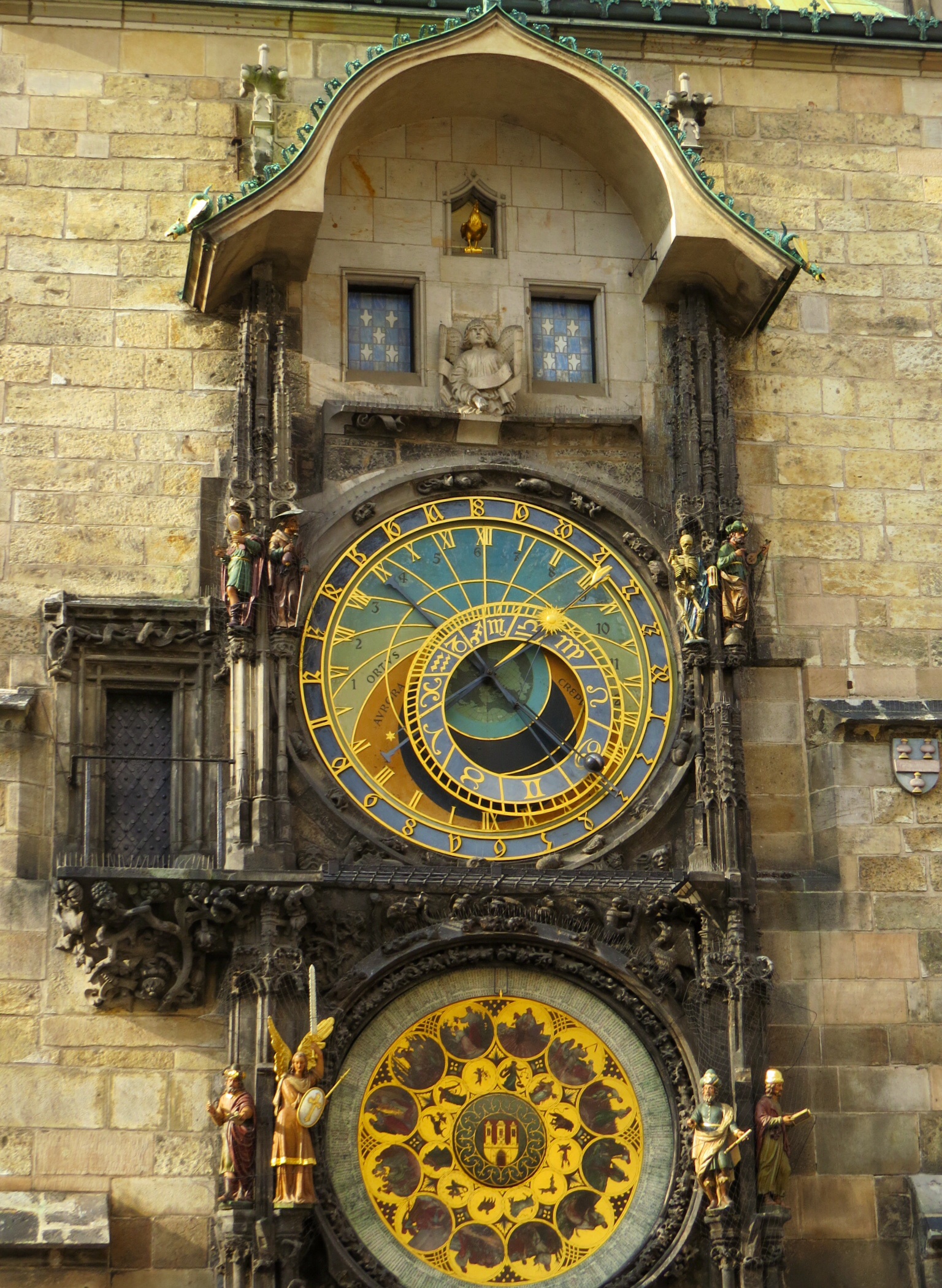
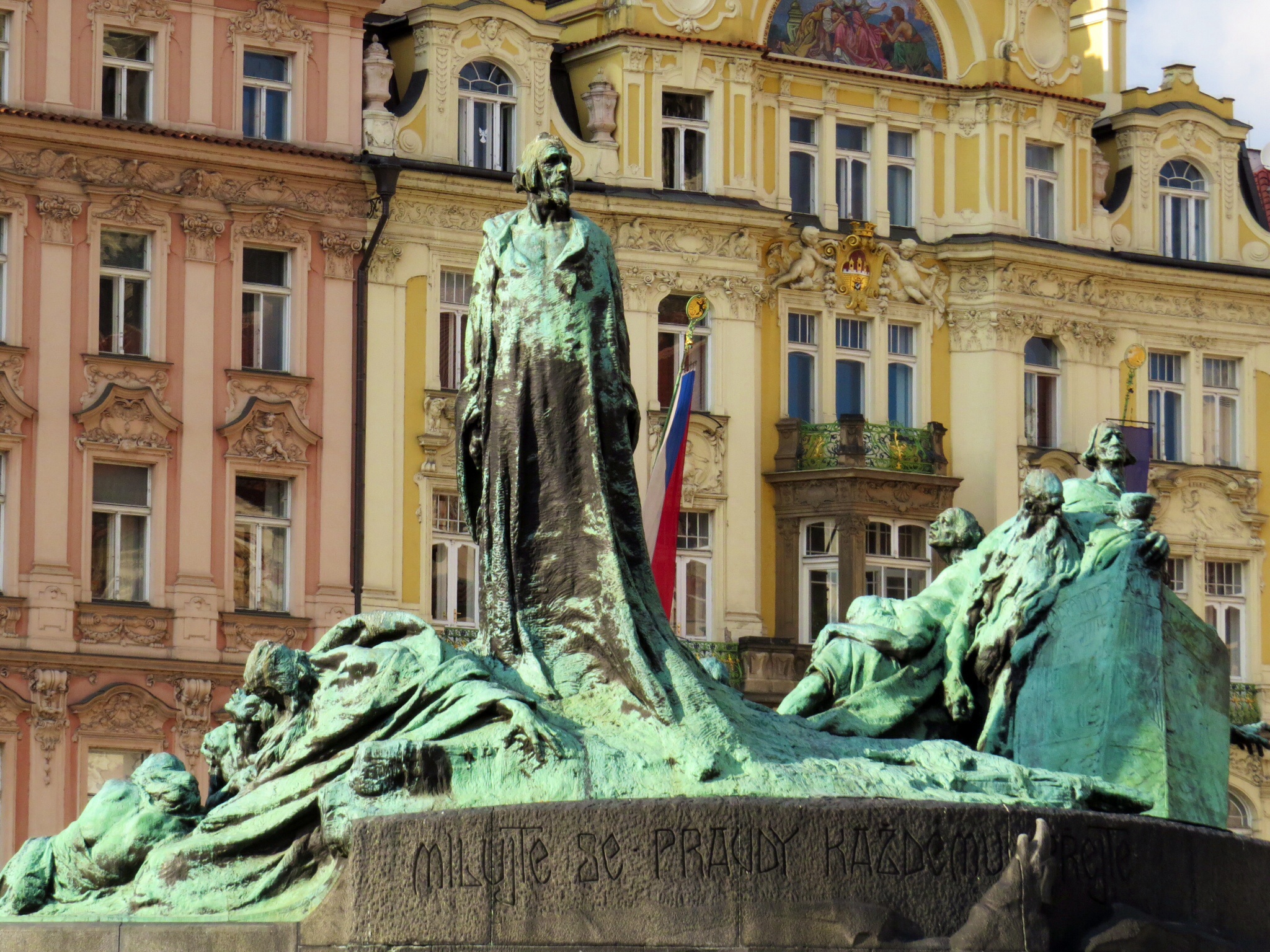
The old town square and the astronomical clock are charming and there are countless cafe’s and brasseries on the square.  The weather was gorgeous so I ate a great italian dinner outdoors, wandered around and got lost in the Prague vibe.  In fact, most of the time I was there, I was lost; I discovered I have map dyslexia, and always walk in the direction opposite to that of my destination.  Added to that was the delight locals seemed to take on sending tourists on wild goose chases, and taxi drivers who drive around in circles and charge $20 for what I discovered later was 3 blocks (this happened three times before I became independent).

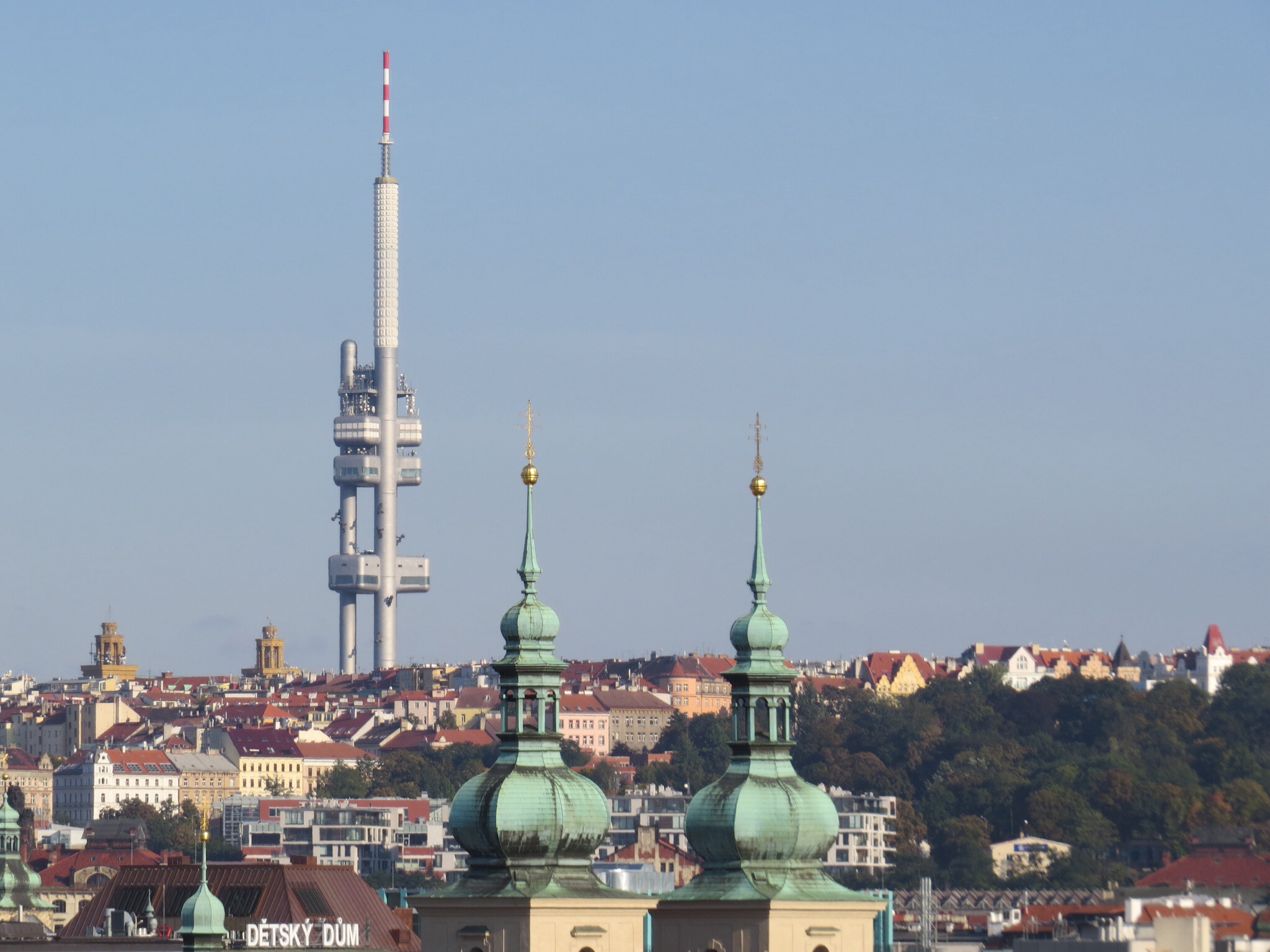
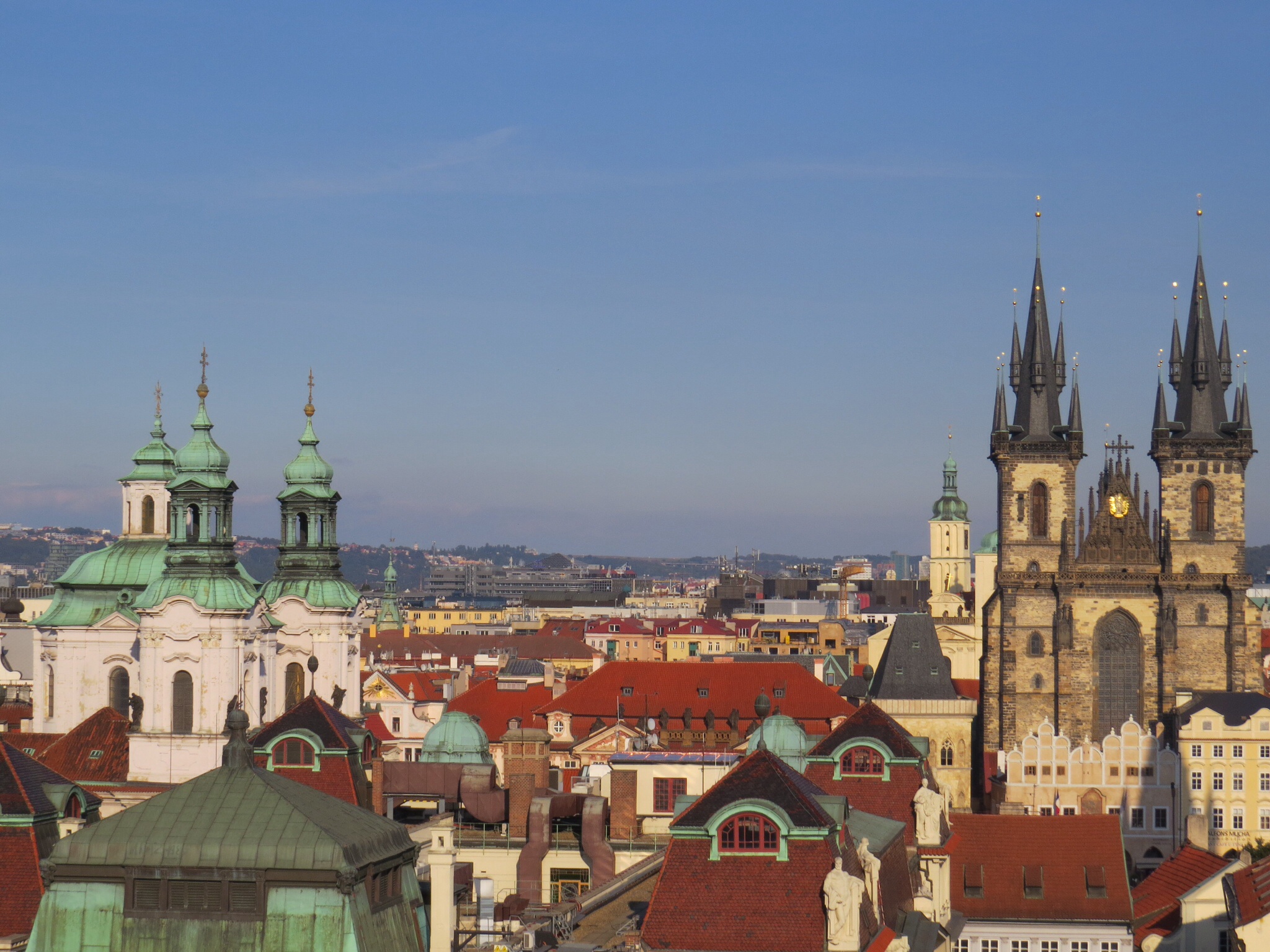
imageimageimageimage

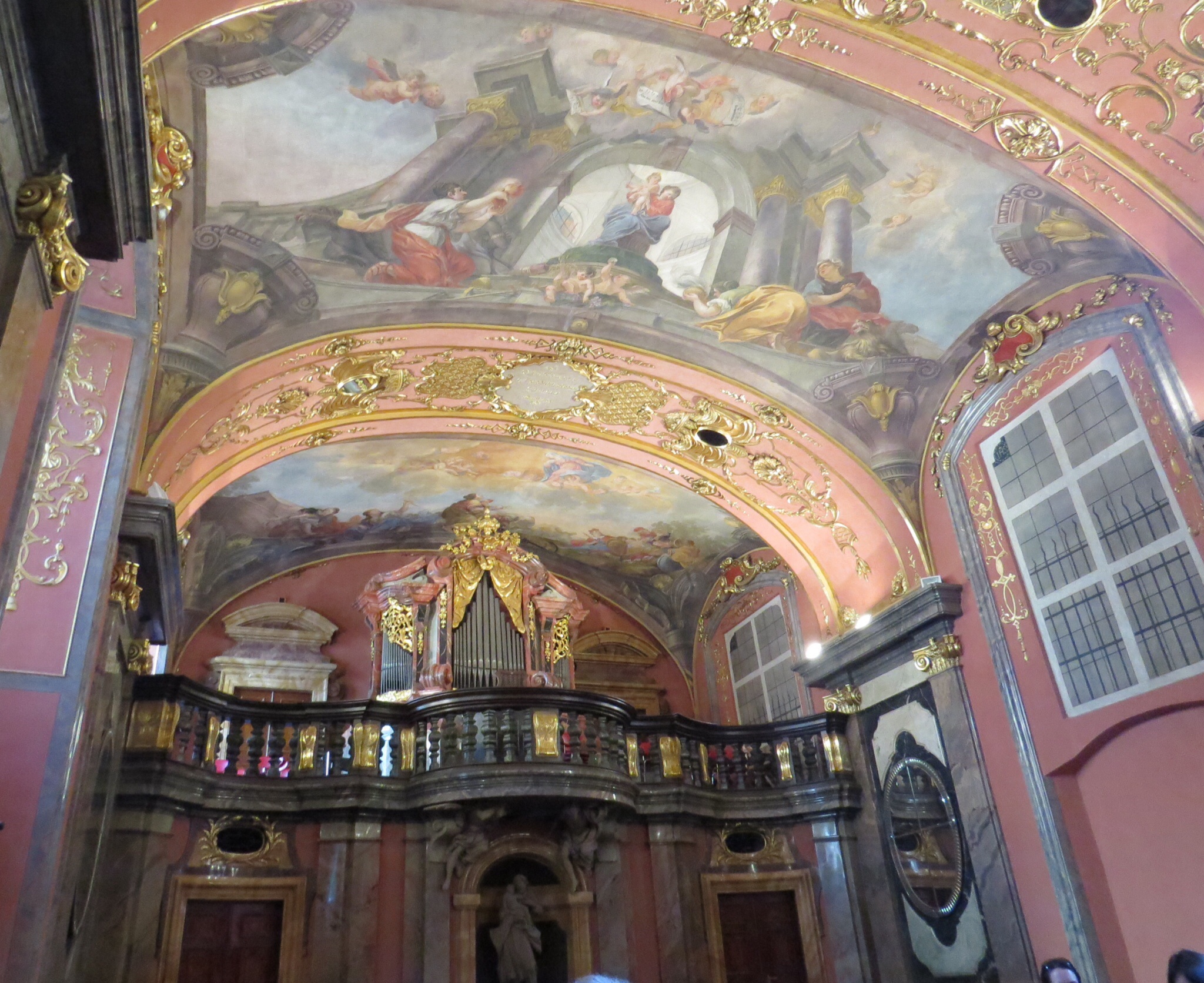
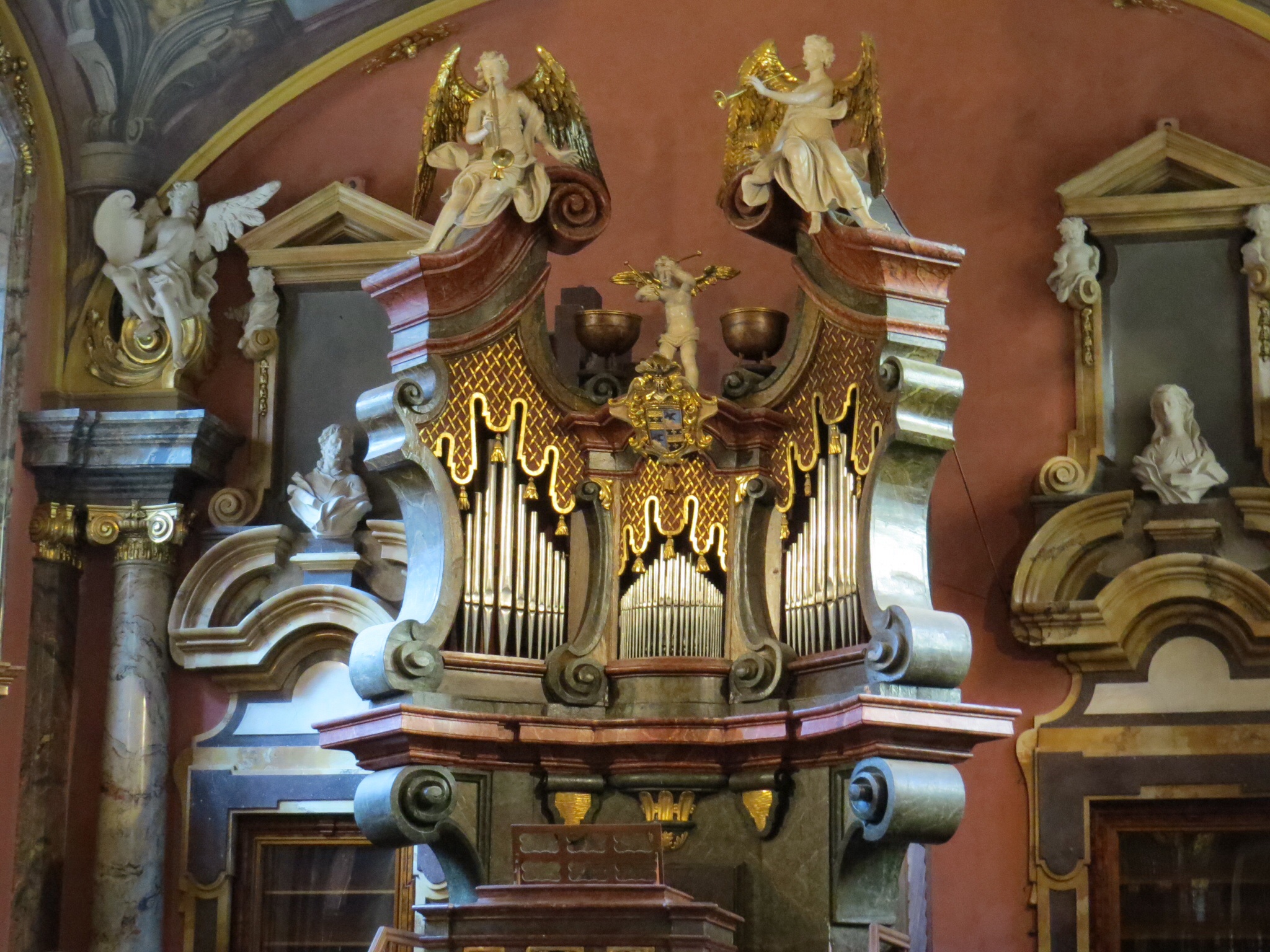
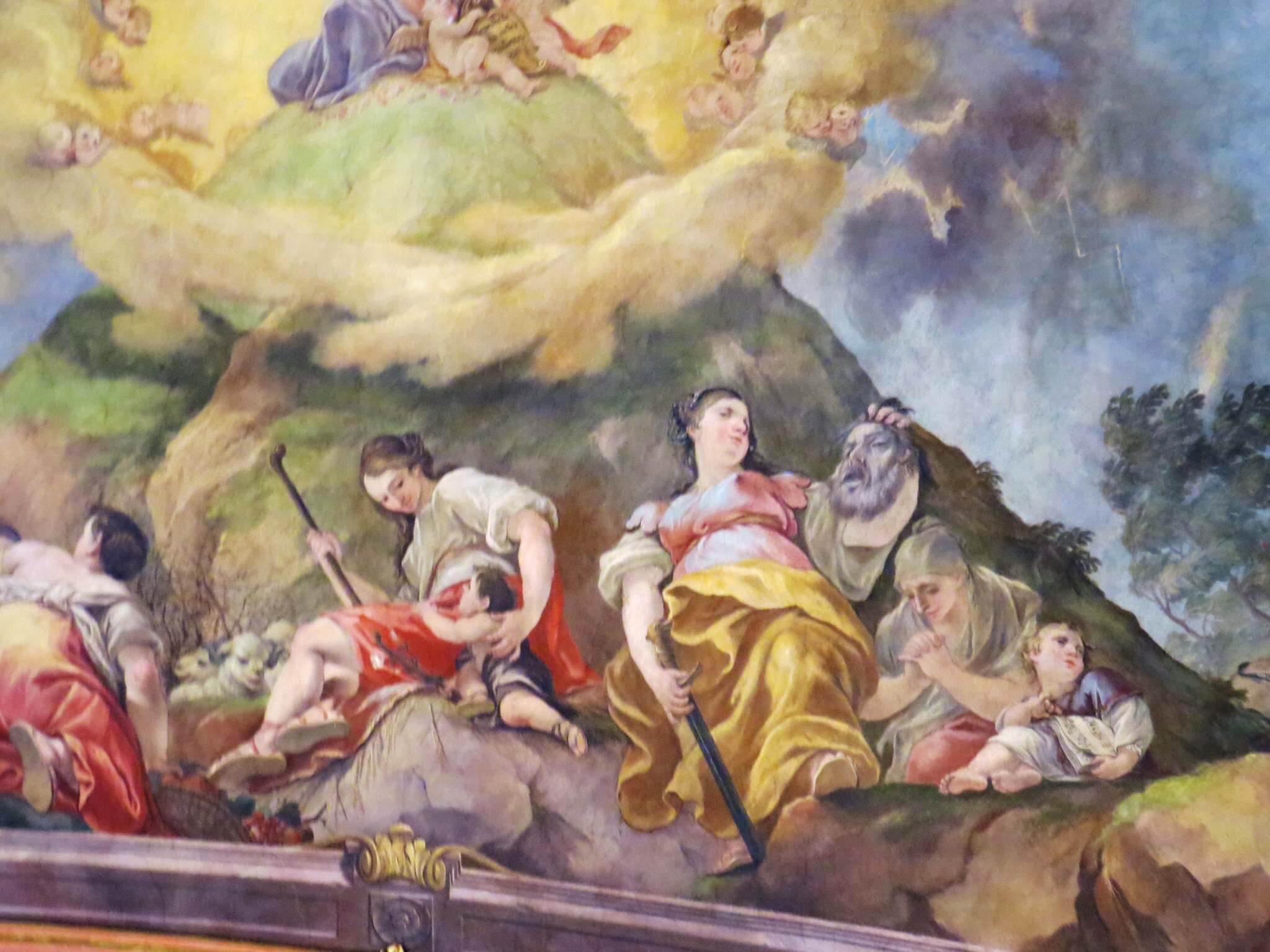
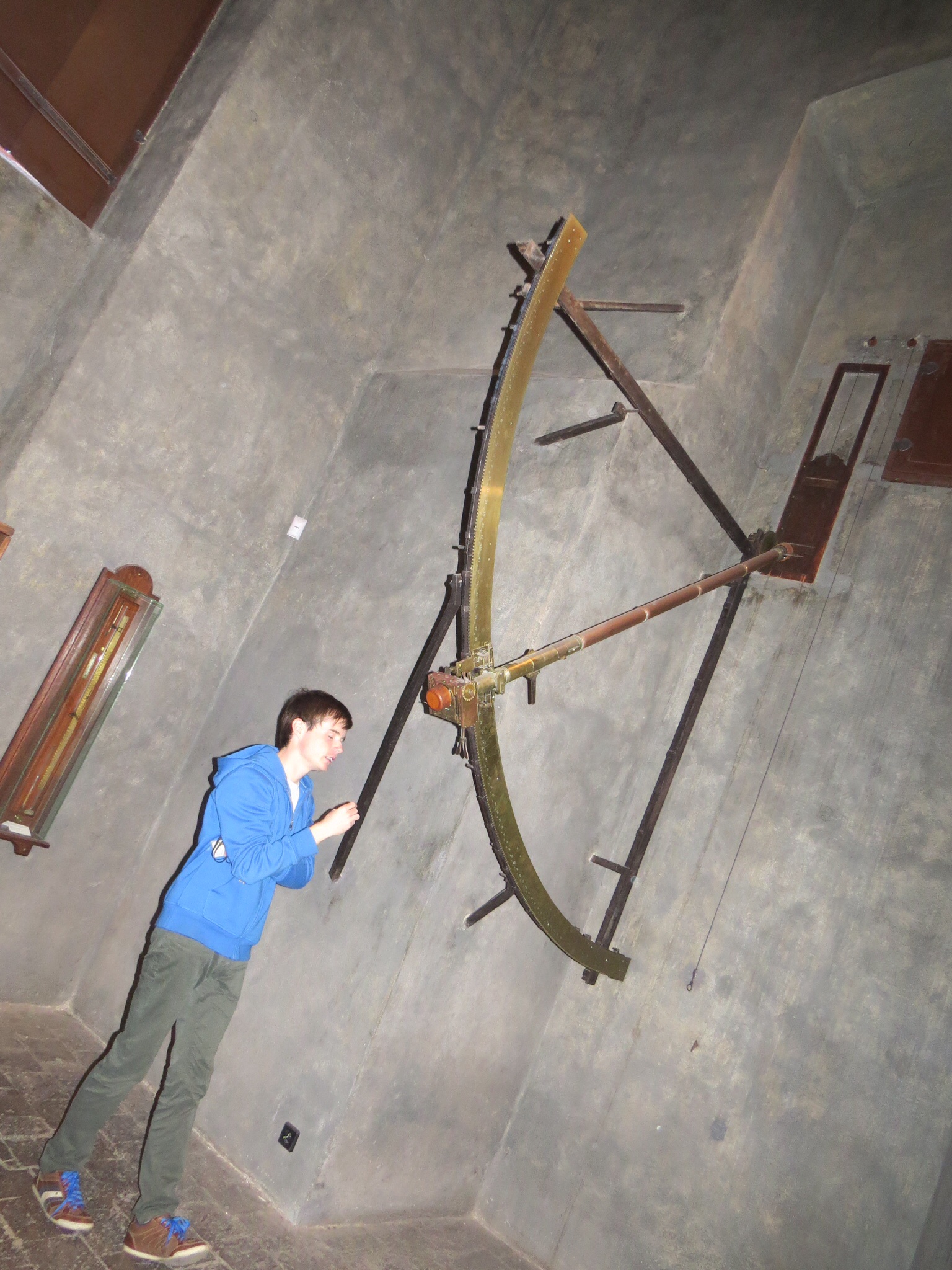
The first two days I was in Prague were a madhouse of tour groups, but by Sunday those had completely cleared out making it much more pleasant to get around.  I will post separately about all of the music I took in, but between concerts and the Prague Castle I managed to squeeze in a tour of the Klementinum, a former Jesuit monastery instituted in 1232 with a stunning chapel and an amazing library with over 20,000 original manuscripts.  The monastary became a centre for astronomy and Johannes Kepler, a physics theorist, and other scientists, developed the laws of planetary motion here.  Several instruments were developed,  including the first instruments to measure relative humidity.  The high tower reached by very crickety wooden stairs offered fabulous views of the city.

imageimageimageimage

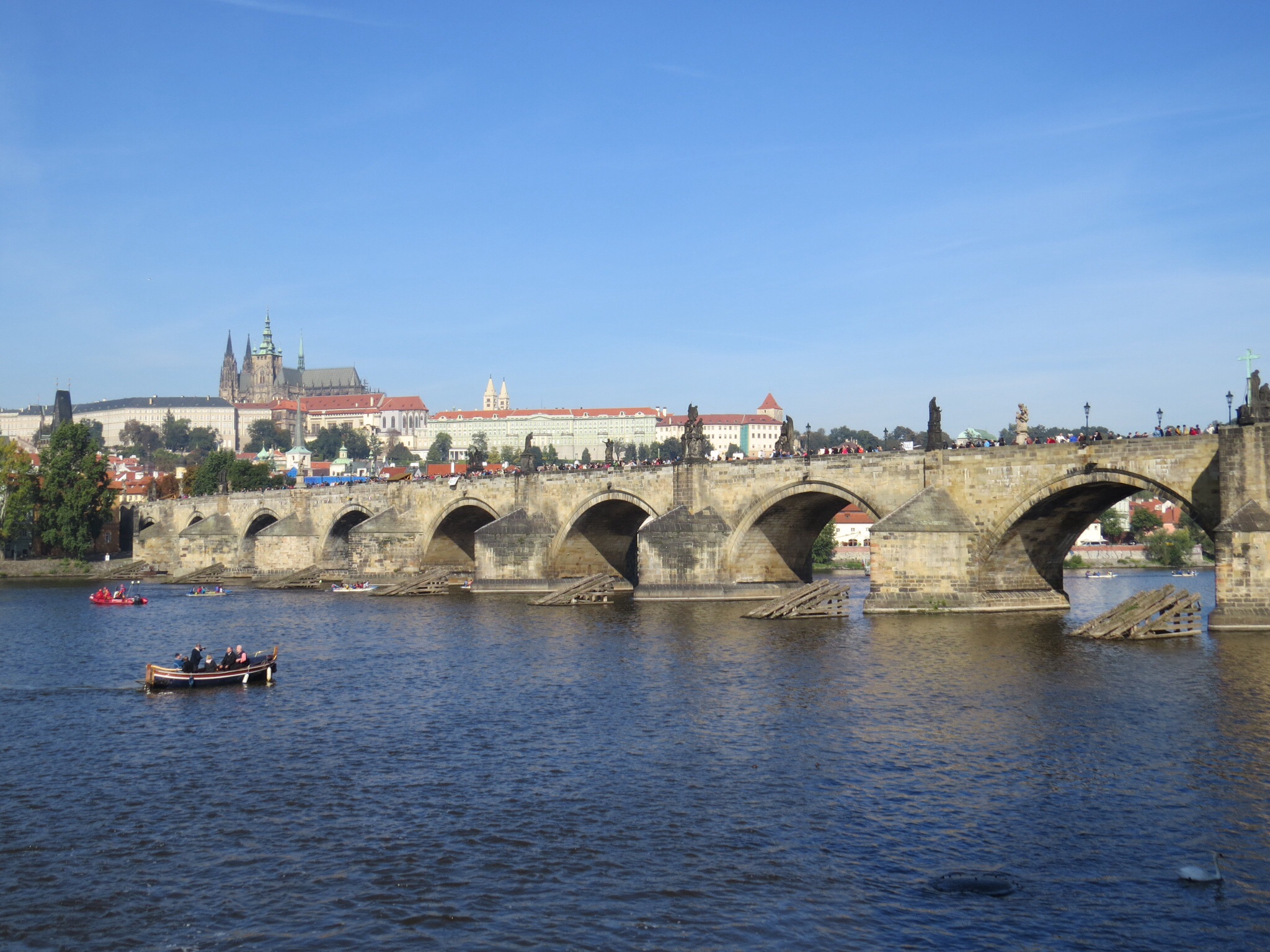
The Charles Bridge, the most prominent, famous and romantic bridge in the city crosses the Vltava River leading to the Prague Castle, which dominates the skyline.  One day while I was crossing the Bridge there were rowing races taking place on the river.   The bridge itself is filled with vendors of the Inner Harbour variety.

image
imageimage

After climbing the hill and stairs to the medieval Prague Castle, I learned of a quick way to get back down to the town below:  Fenestration.   Heard of it?  In 1618, Ferdinand II, King of Bohemia, yes, threw several of his political opponents out the window.  Literally.  Apparently, none of the recipients of this disembarkment died and they were rescued and protected by Queen Anna, spouse of Ferdinand I.  This provoked the 30 years’  war, a battle between the Catholics (monarchy/Holy Roman Empire) and the Protestants (the people).

imageimage

The Castle remains the seat of Parliament in this capital city of the Czech Republic.

This ancient palace had a different kind of beauty than the five Baroque palaces I have visited.

imageimageimageimageimage

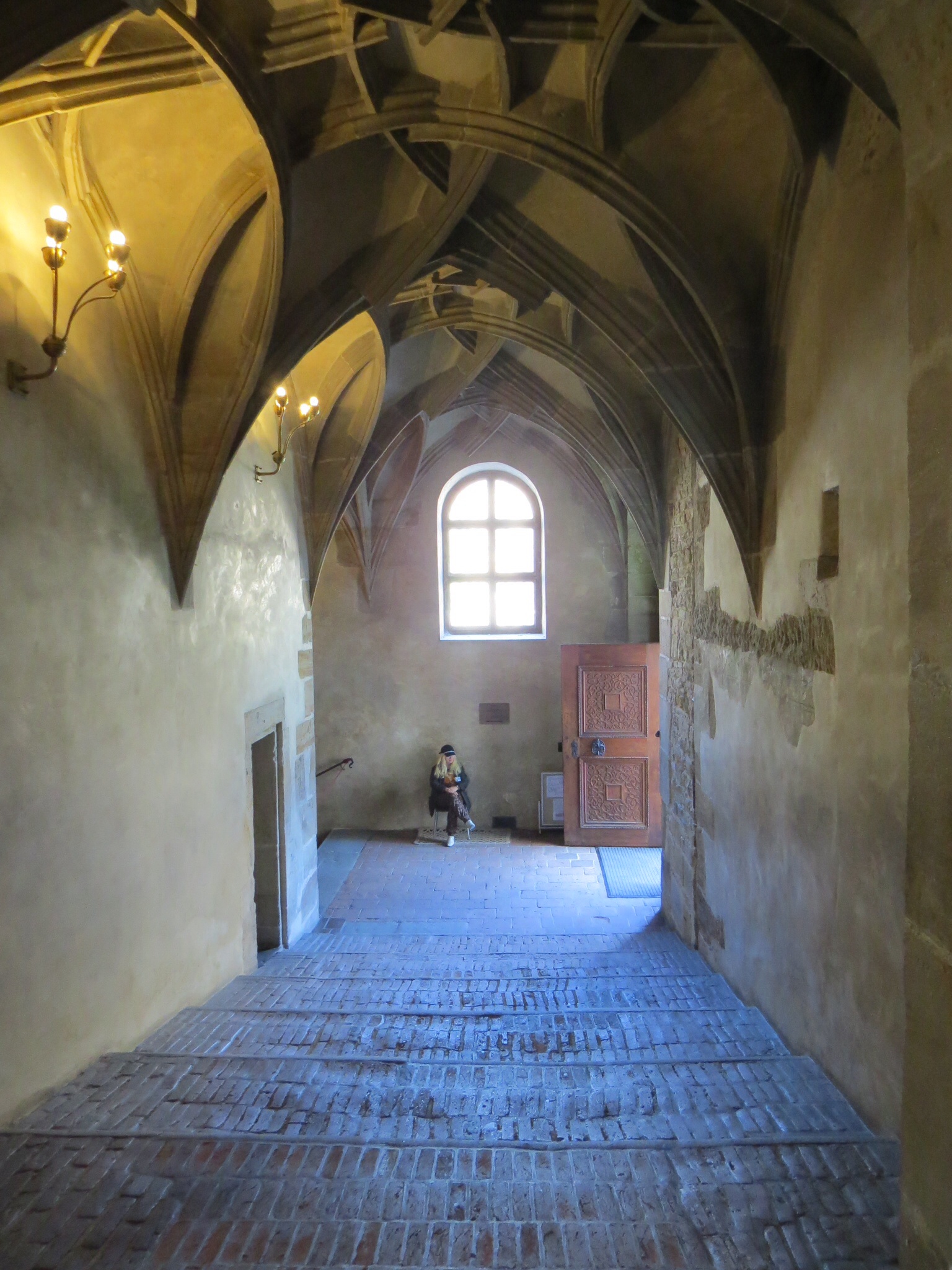
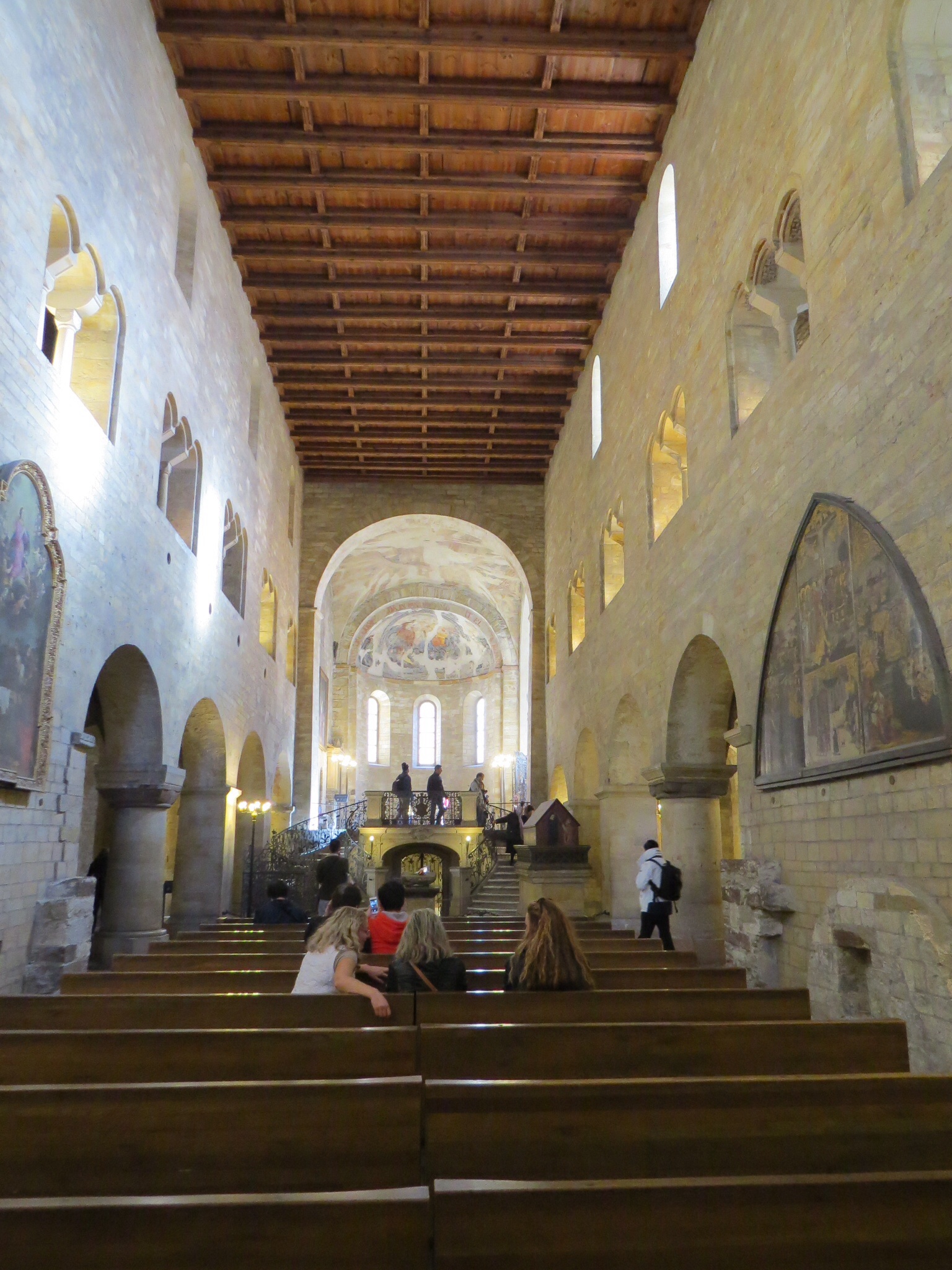
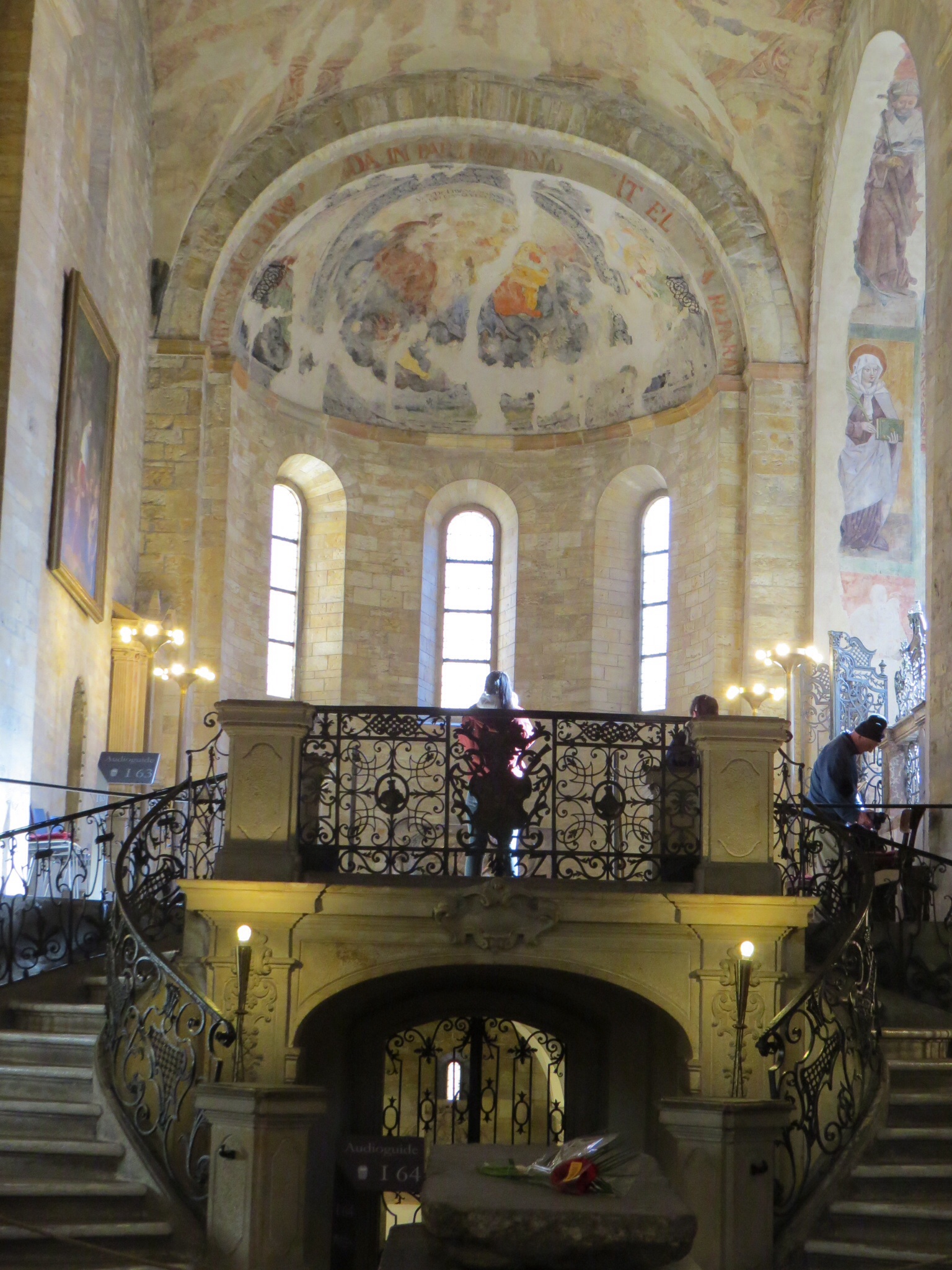
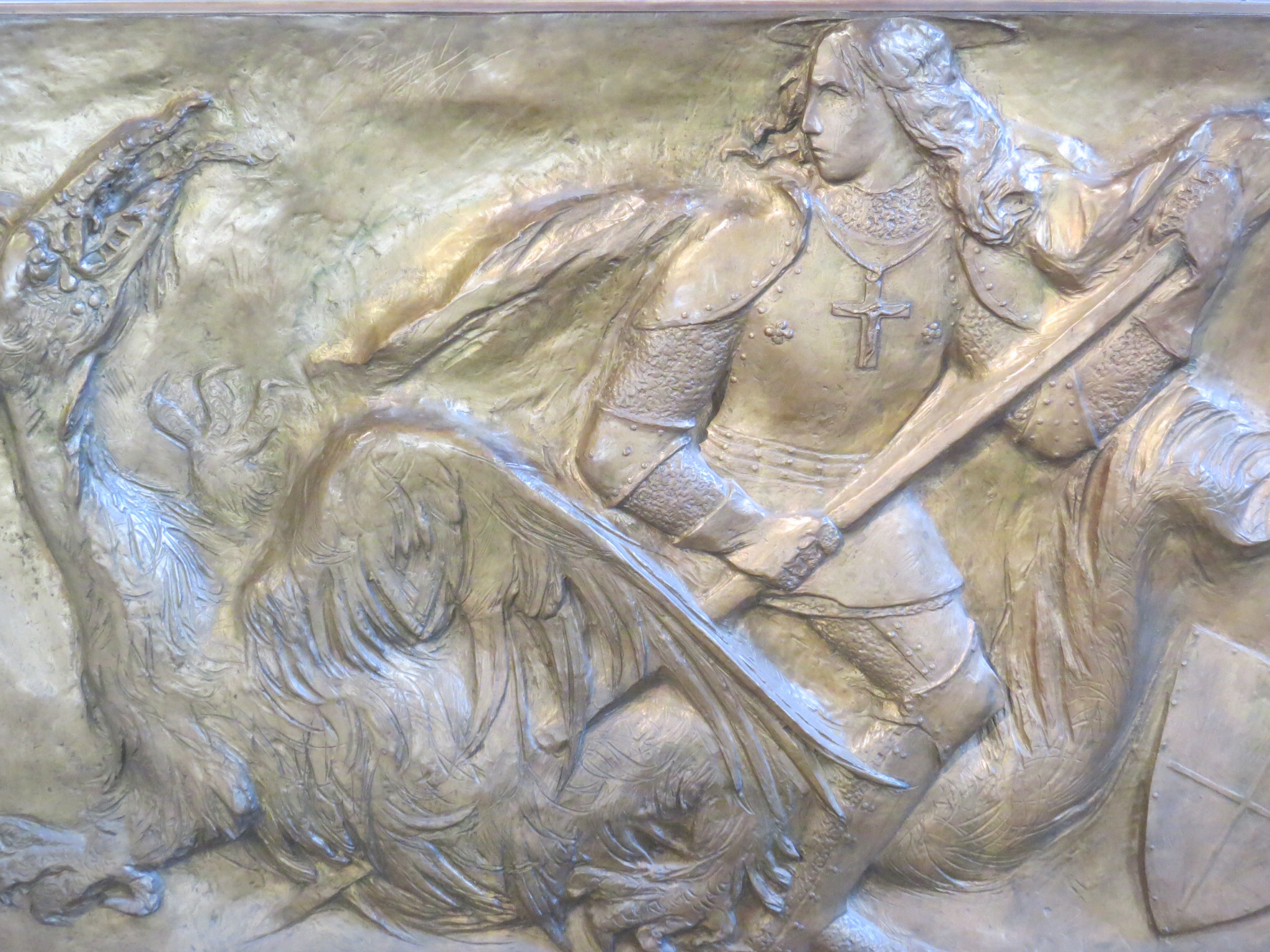
In St. George’s Basilica,  an ancient Romanesque church whose present appearance dates from the 12th century, much art has been preserved, some of it surrounding the story of St. George and the dragon.

imageimageimageimageimage

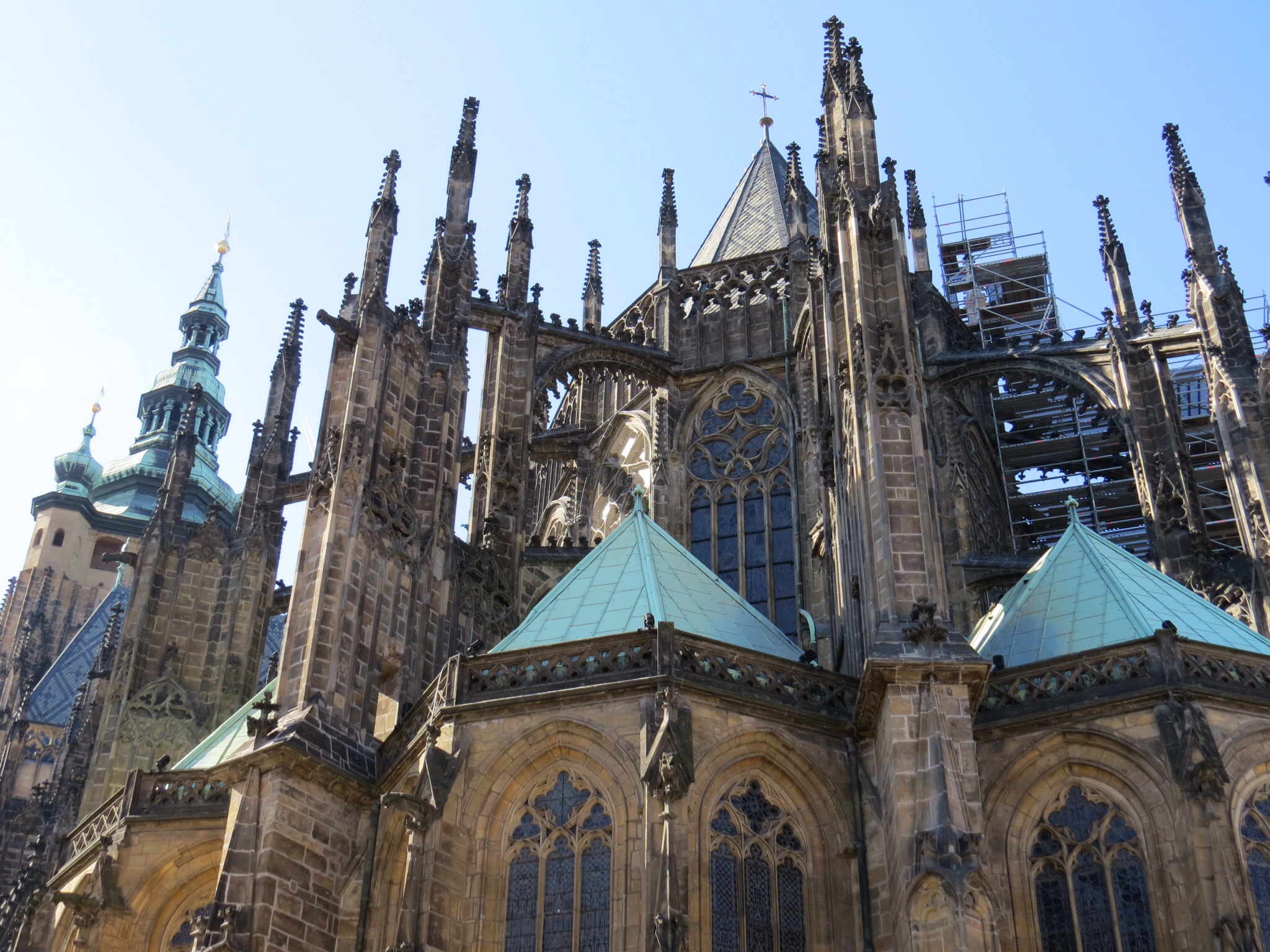
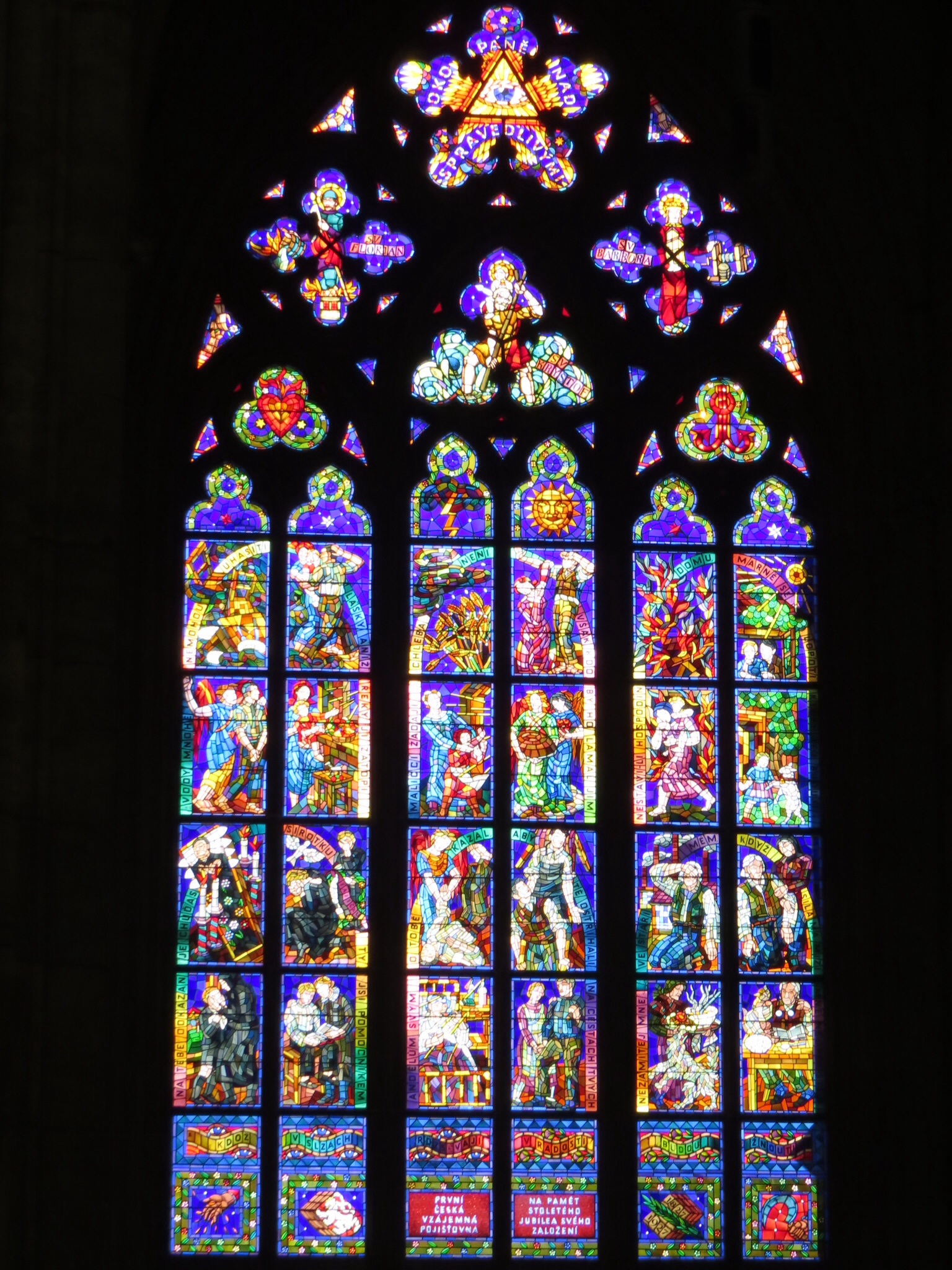
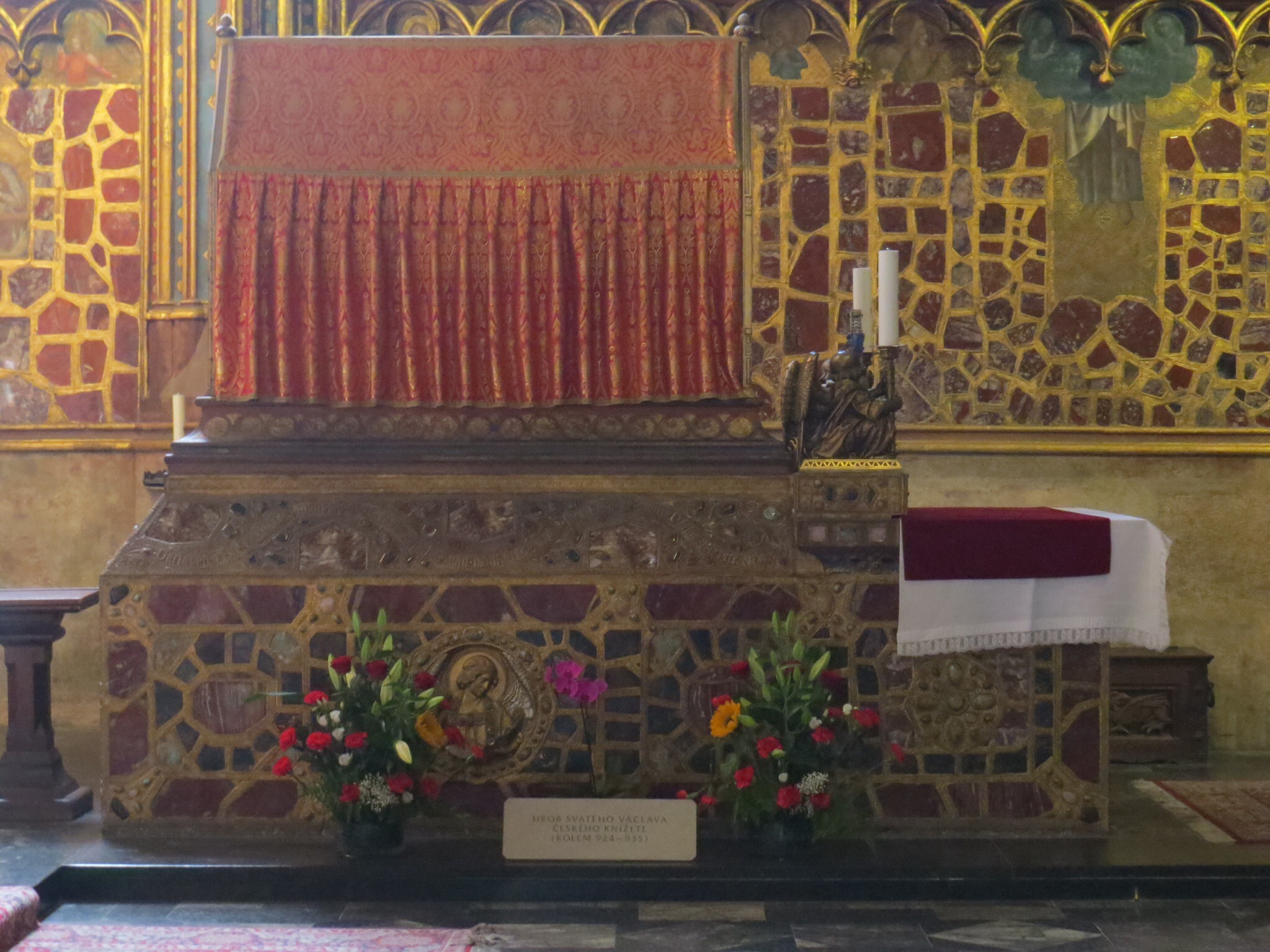
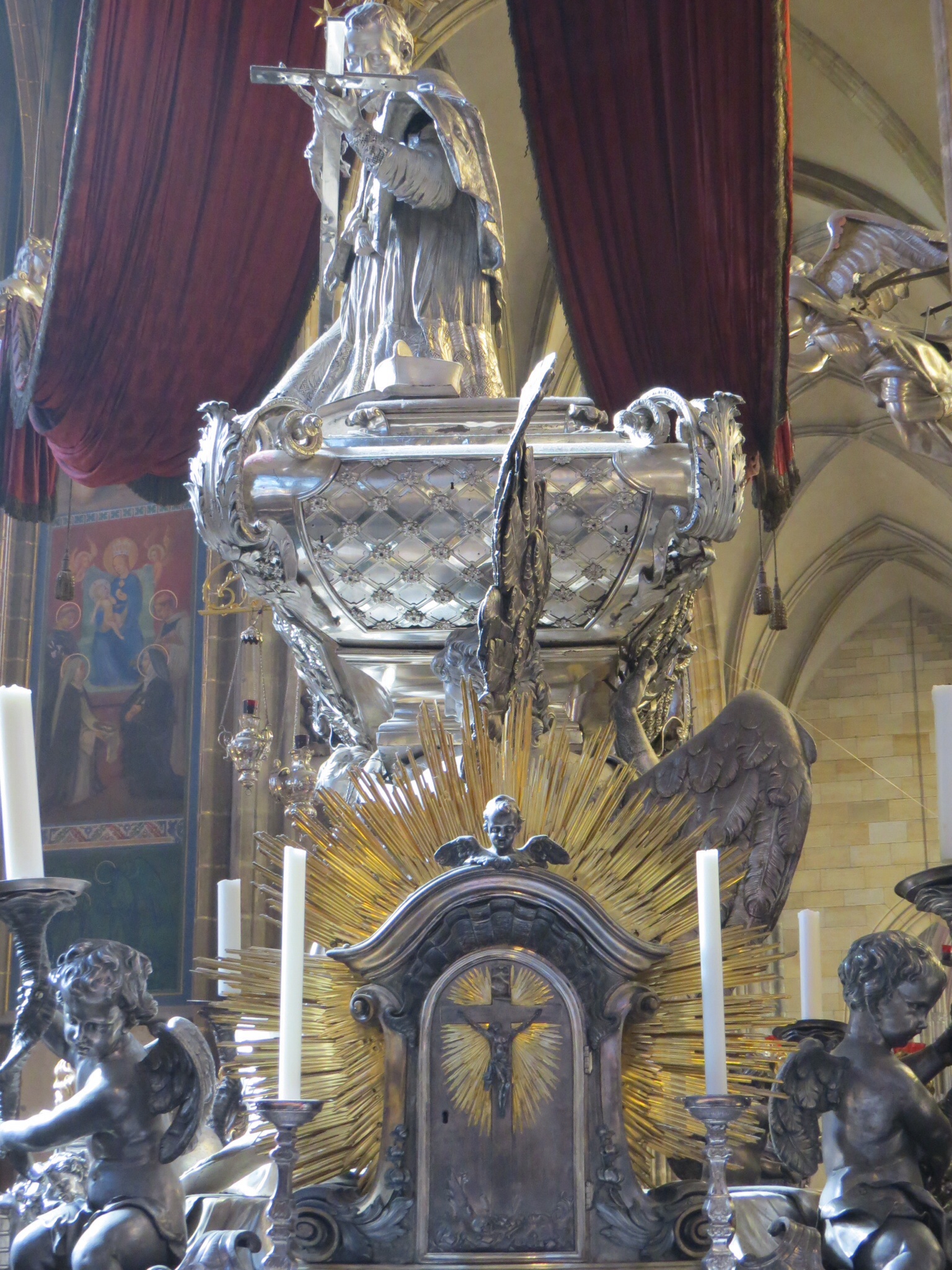
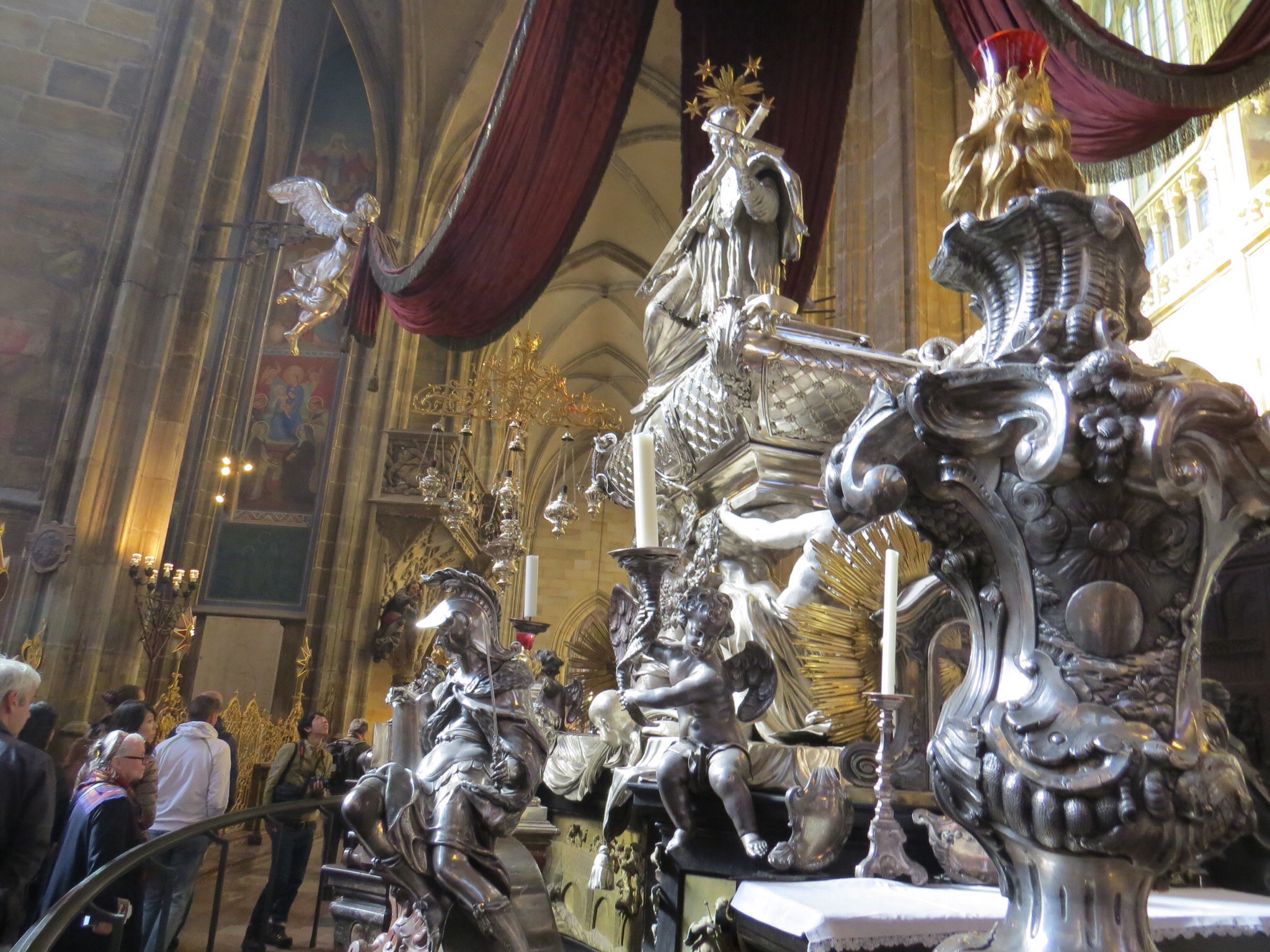
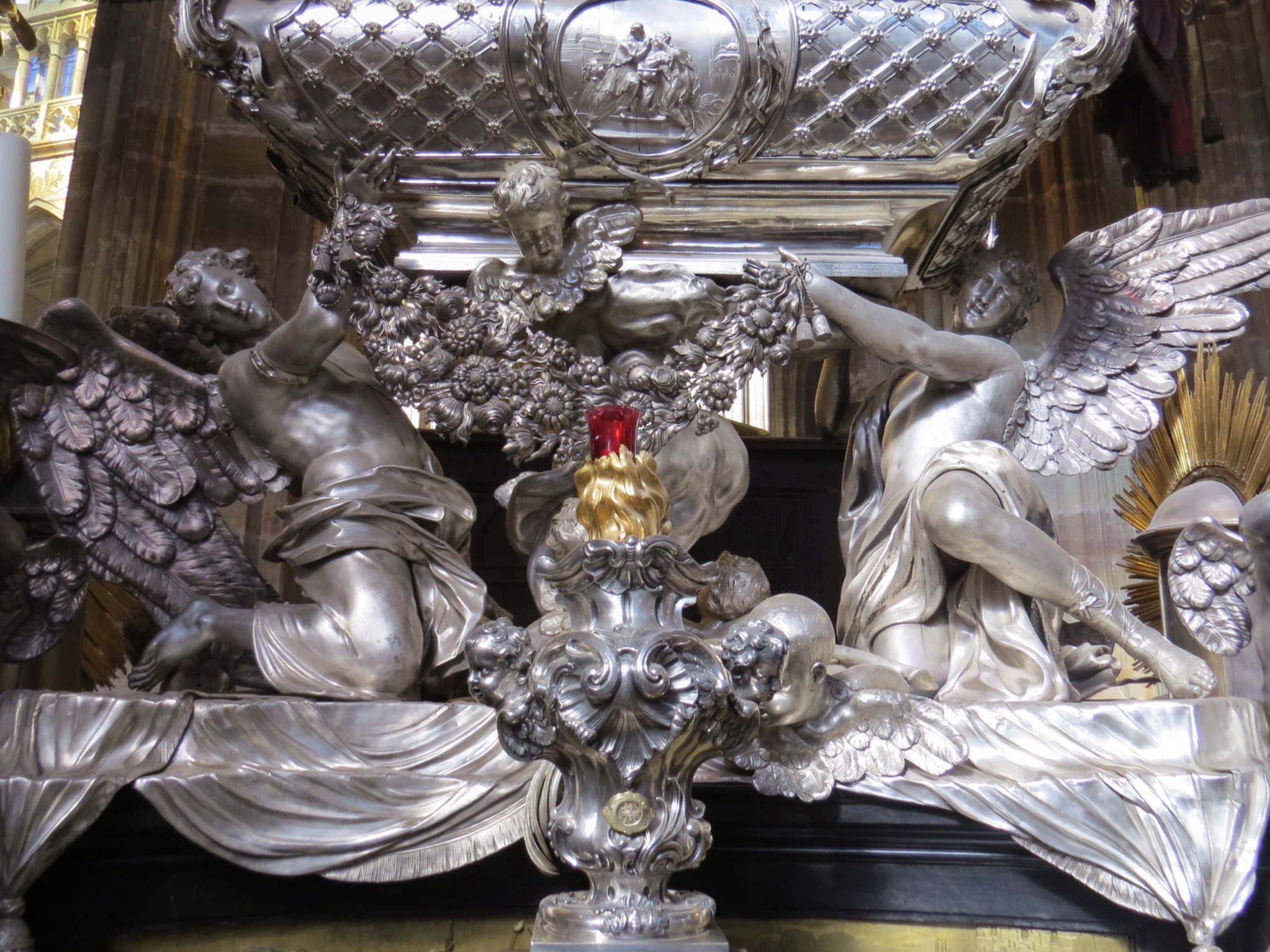
St. Vitas Cathedral is the most important historical site on the palace grounds and most important Czech cathedral.  The body of St. King Wenceslas was first interred here in 920 AD (his crypt in the red, highly decorated side alter) and the gothic cathedral there now was built in the 15th and 16th centuries and added to further after that.  There were several other crypts including the magnificent silver tomb of St. John of Nepomuk.

imageimage
imageimageimageimage

Also within the Palace grounds is the State Picture Gallery, including paintings by Reubens (did you know he was a professional and very successful diplomat his whole life in addition to painting)  and other masters.  One unusual painting was on a board of wood that had ridges cut into it like a fine corduroy.  The artist then painted two paintings, one on one side of the ridge and the other on the second side of the ridge, so that when you look at the painting from the left you see a portrait of the Emperor and if you move to the right you will see portraits of other noblemen (no photos allowed).

There were many other interesting displays and buildings here and one could spend a couple of full days seeing them all.  There was a chilly wind at the exposed palace, and a bowl of hot goulash was comforting.

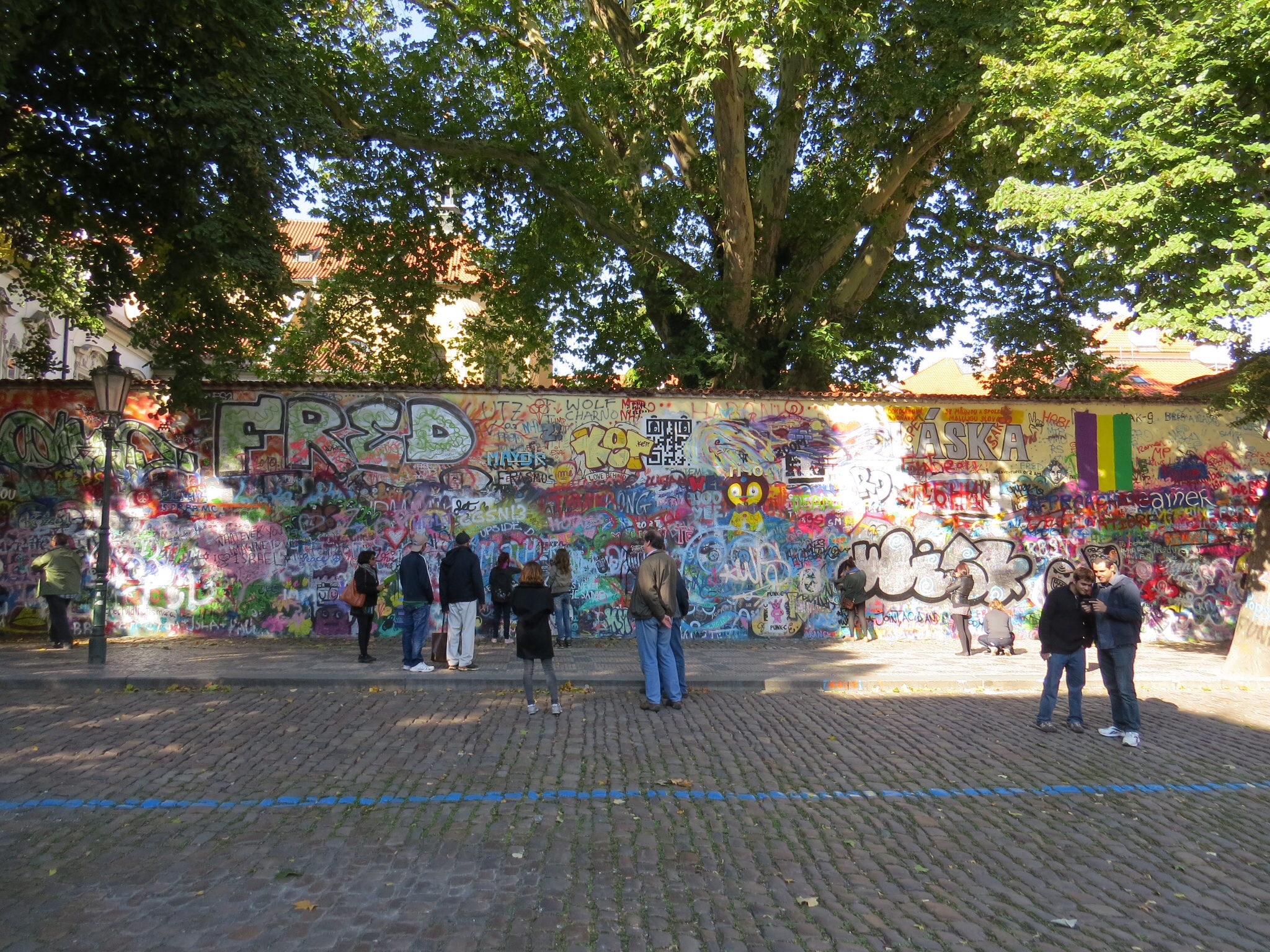
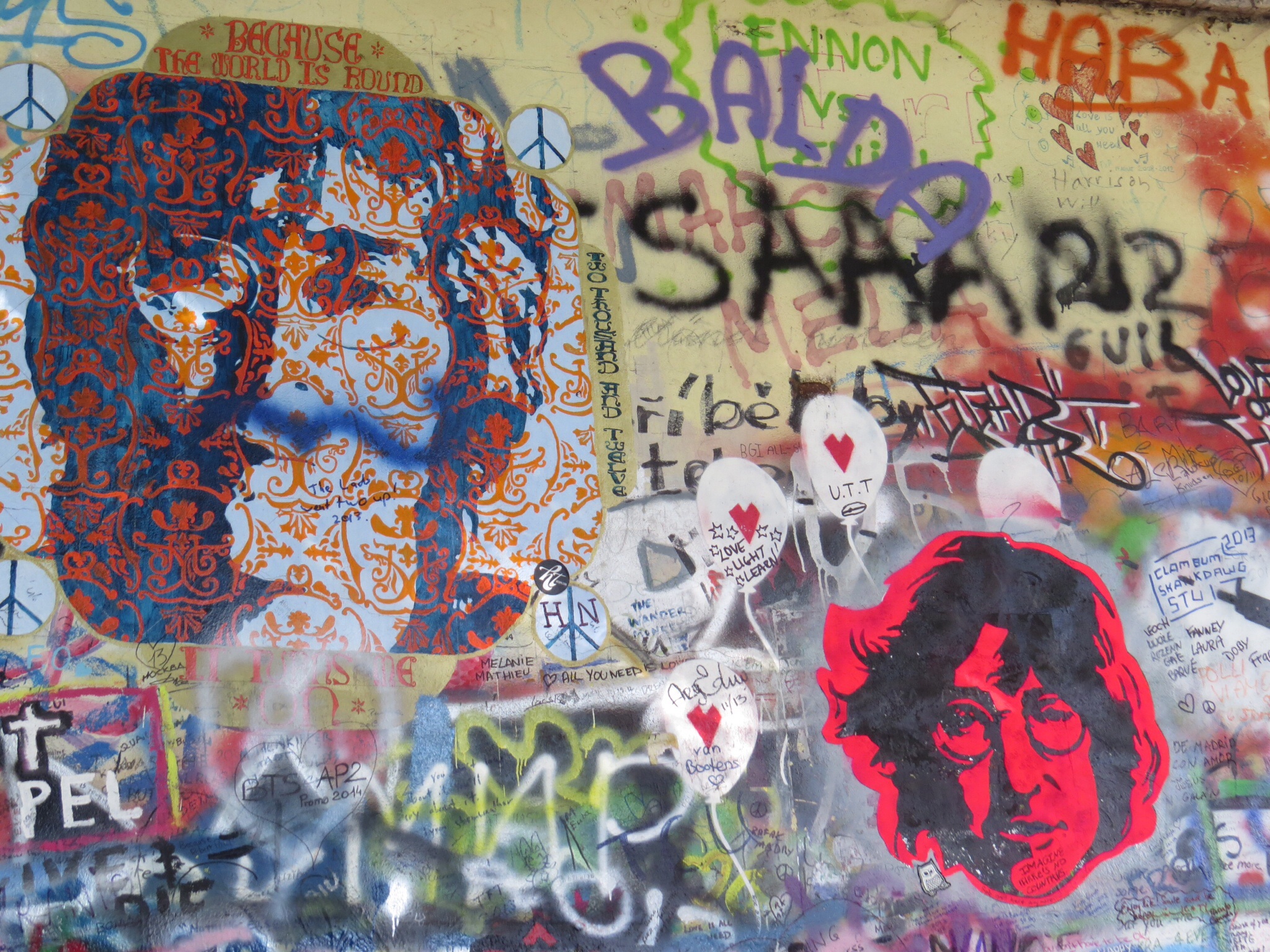
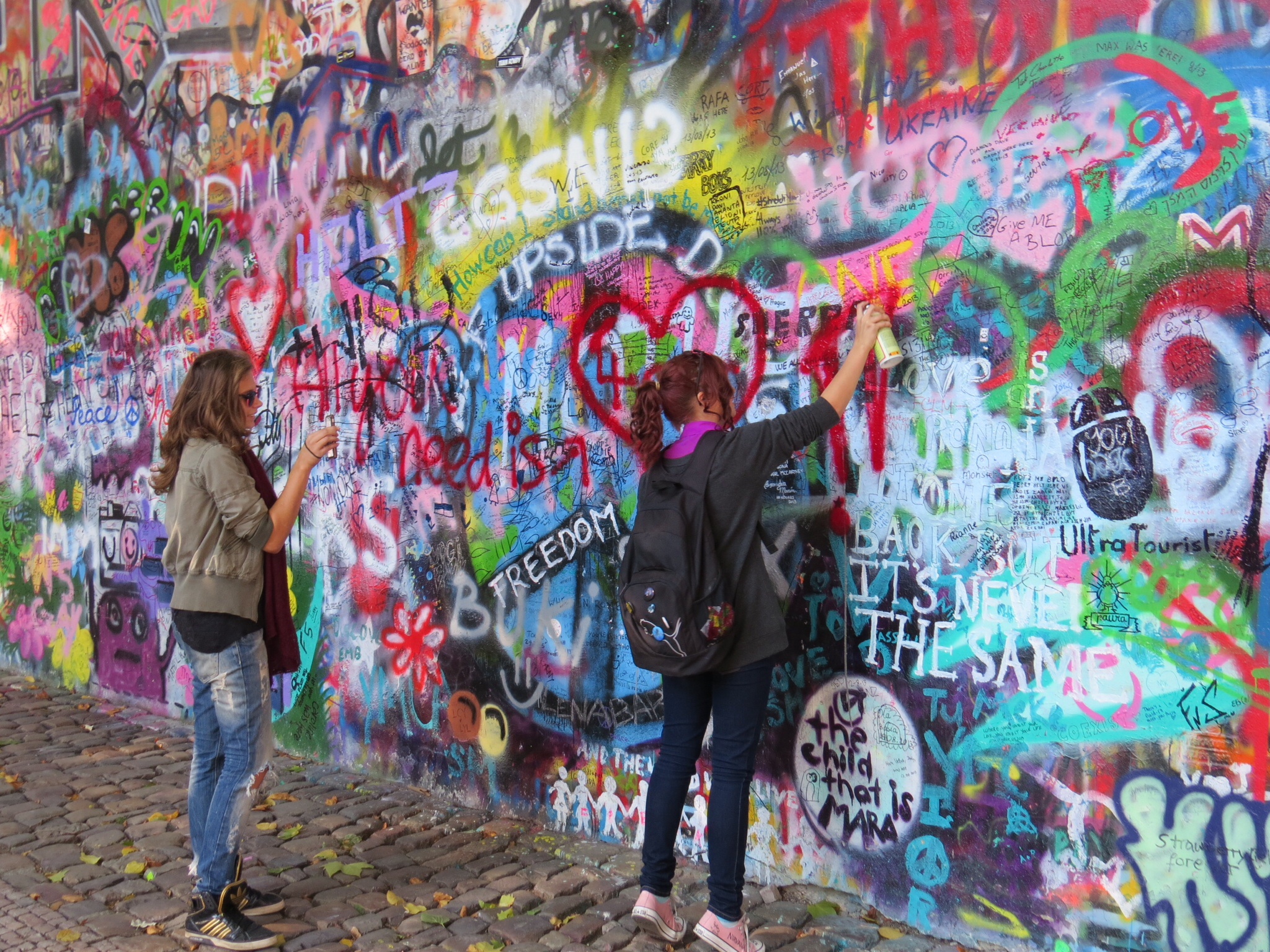
Everywhere I have been on this trip, from Russia to Berlin to Prague, the restaurants all play the same repertoire:  The Beatles, Abba and Louis Armstrong.  Especially the Beatles.  I had to seek out the John Lennon Wall here in Prague.  Before the “velvet revolution” when Russia’s occupation of the country ended, this tribute to John Lennon was painted by the city’s graffiti artists.  Russian troops removed the paintings every day, and each night the wall would be completely re-painted with the tributes.  The wall became famous and everyone is eager to add their tribute to this day.

imageimage
image
imageimage

Jan

Bohemia

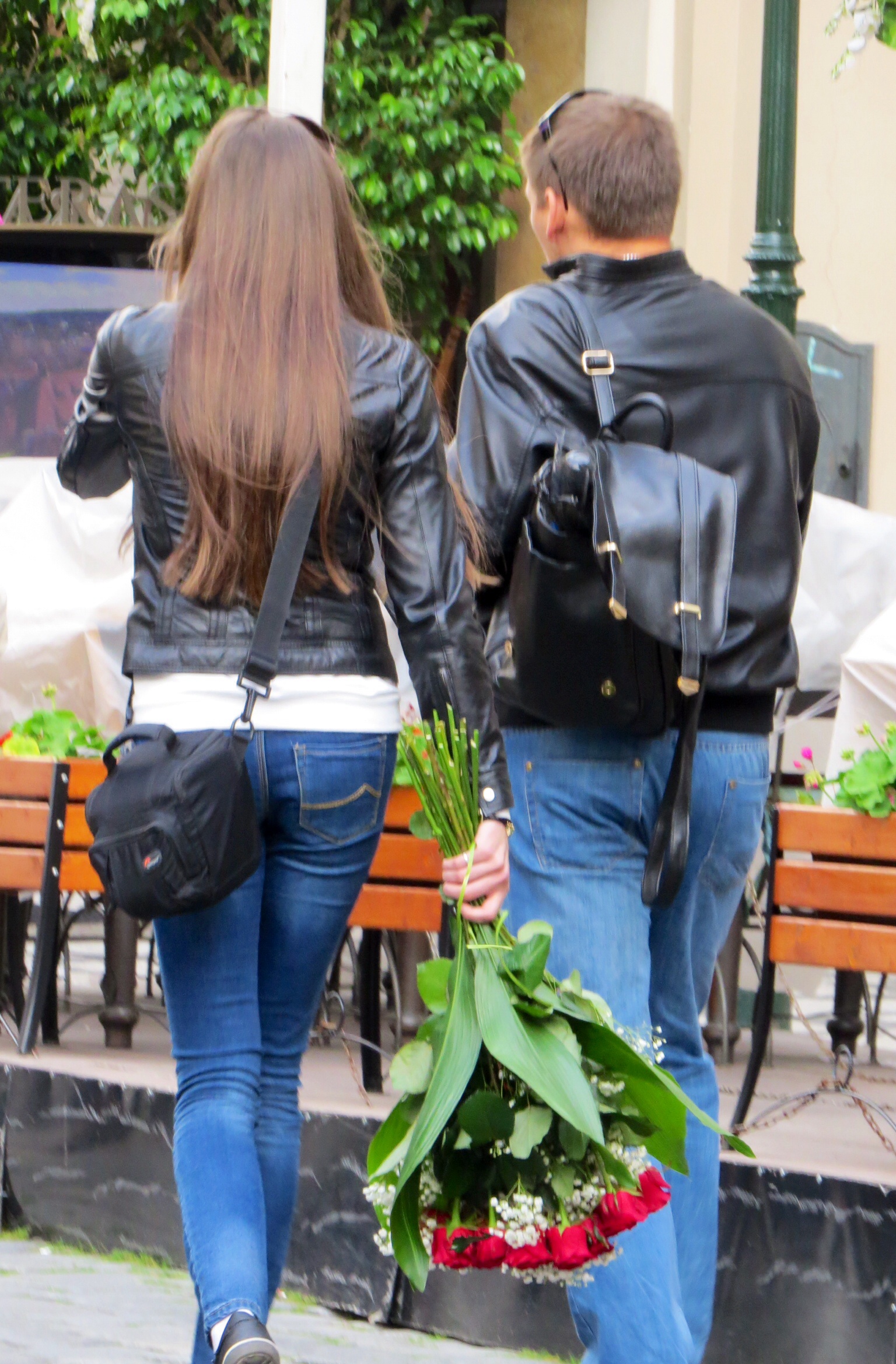
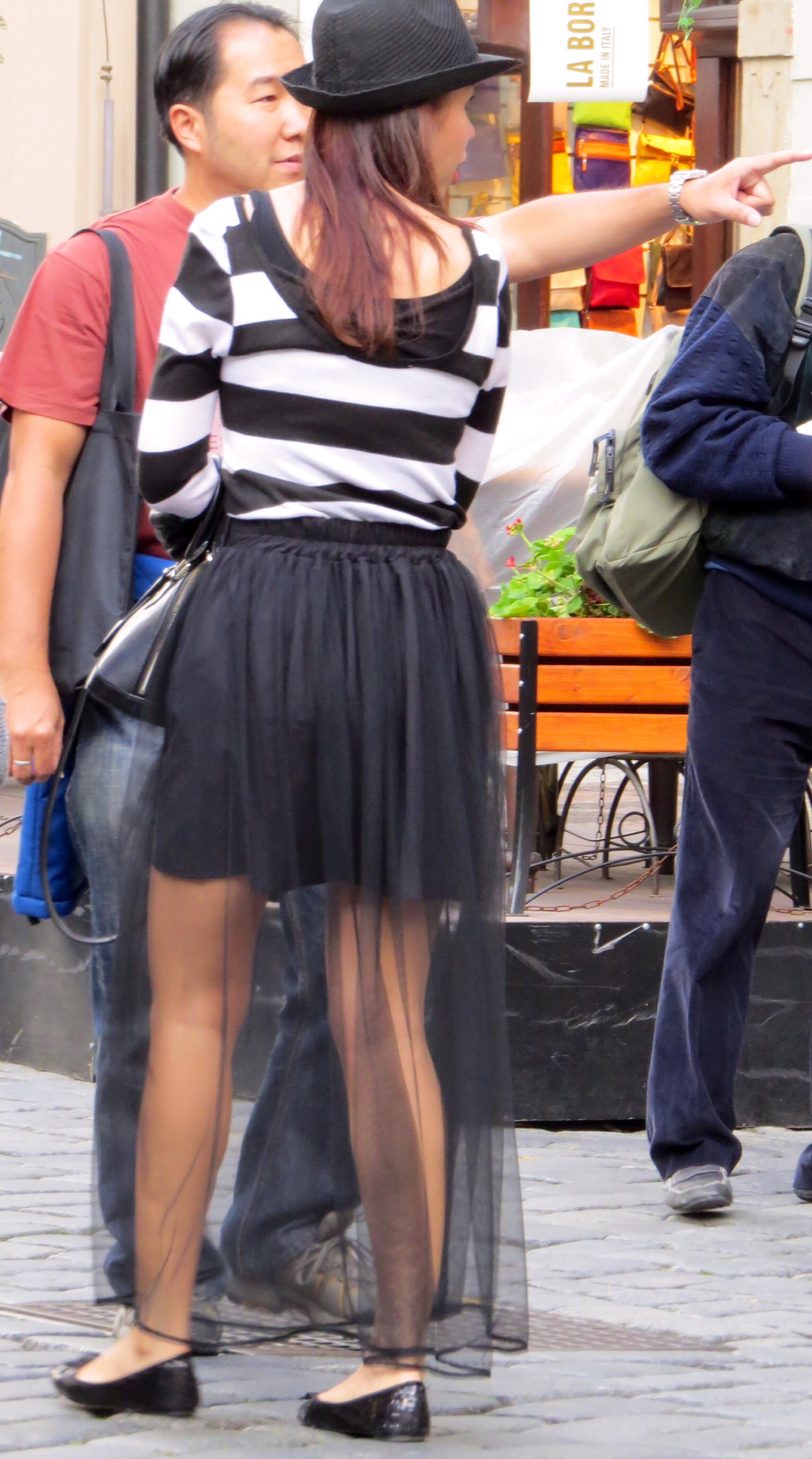
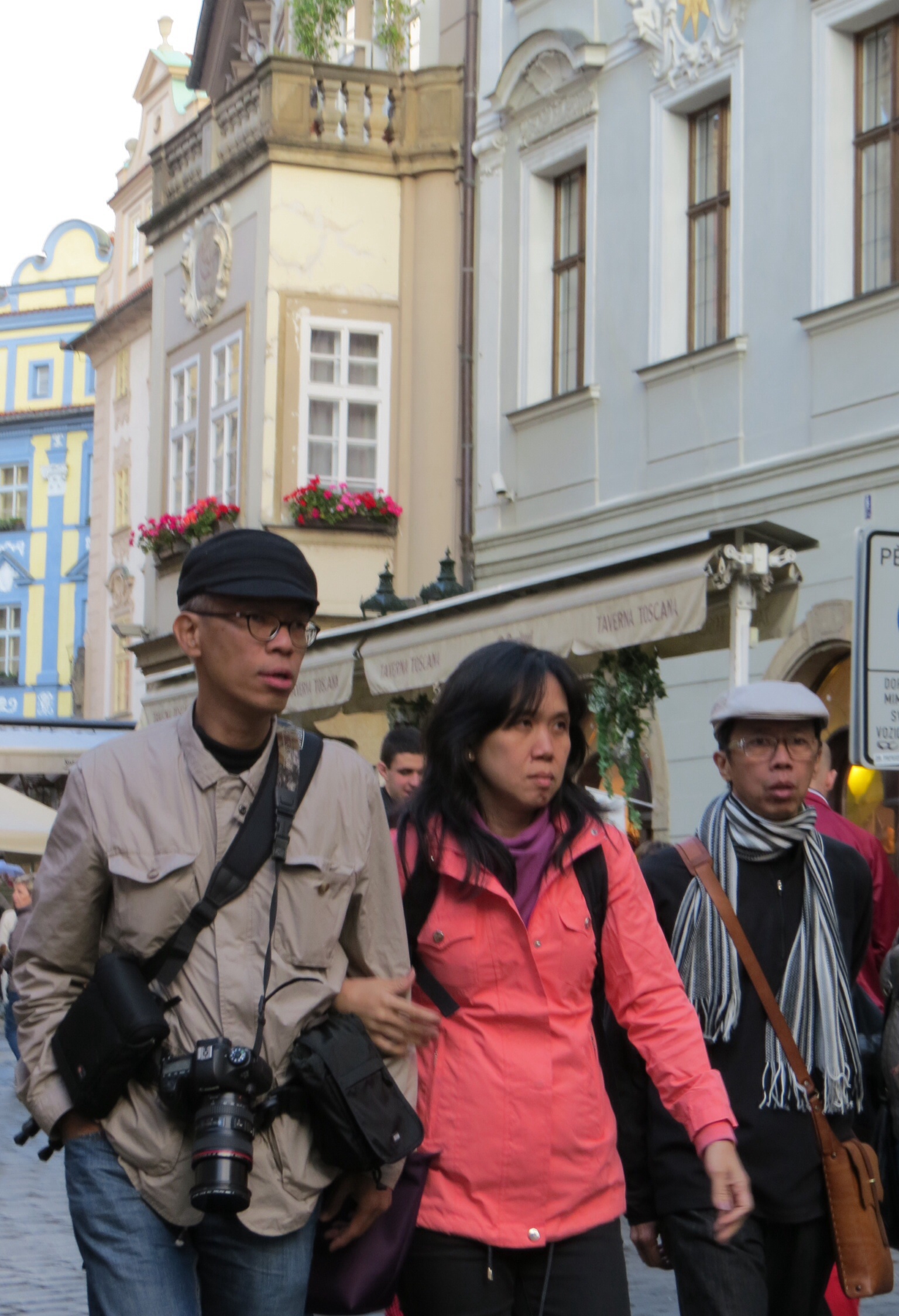
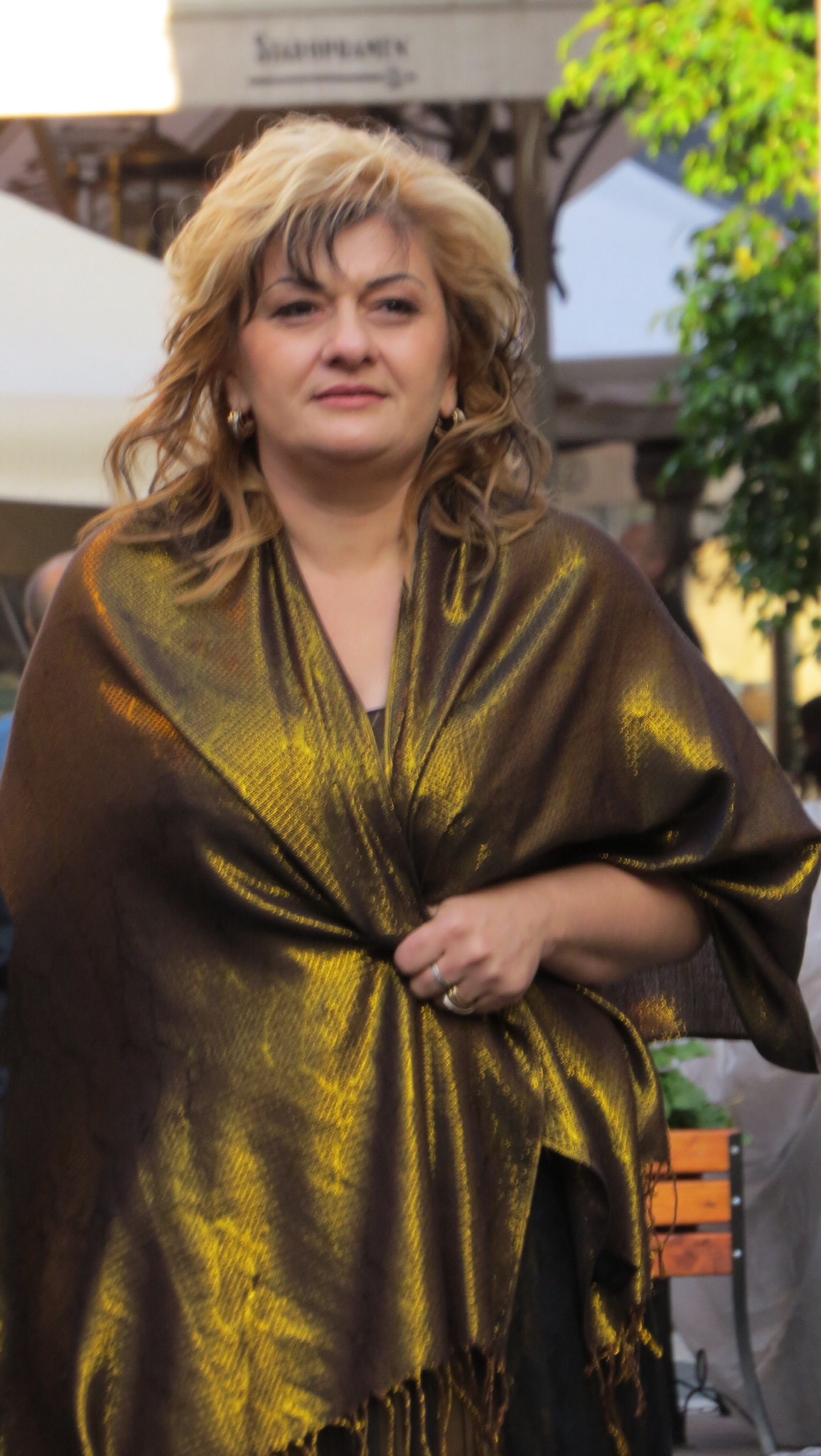
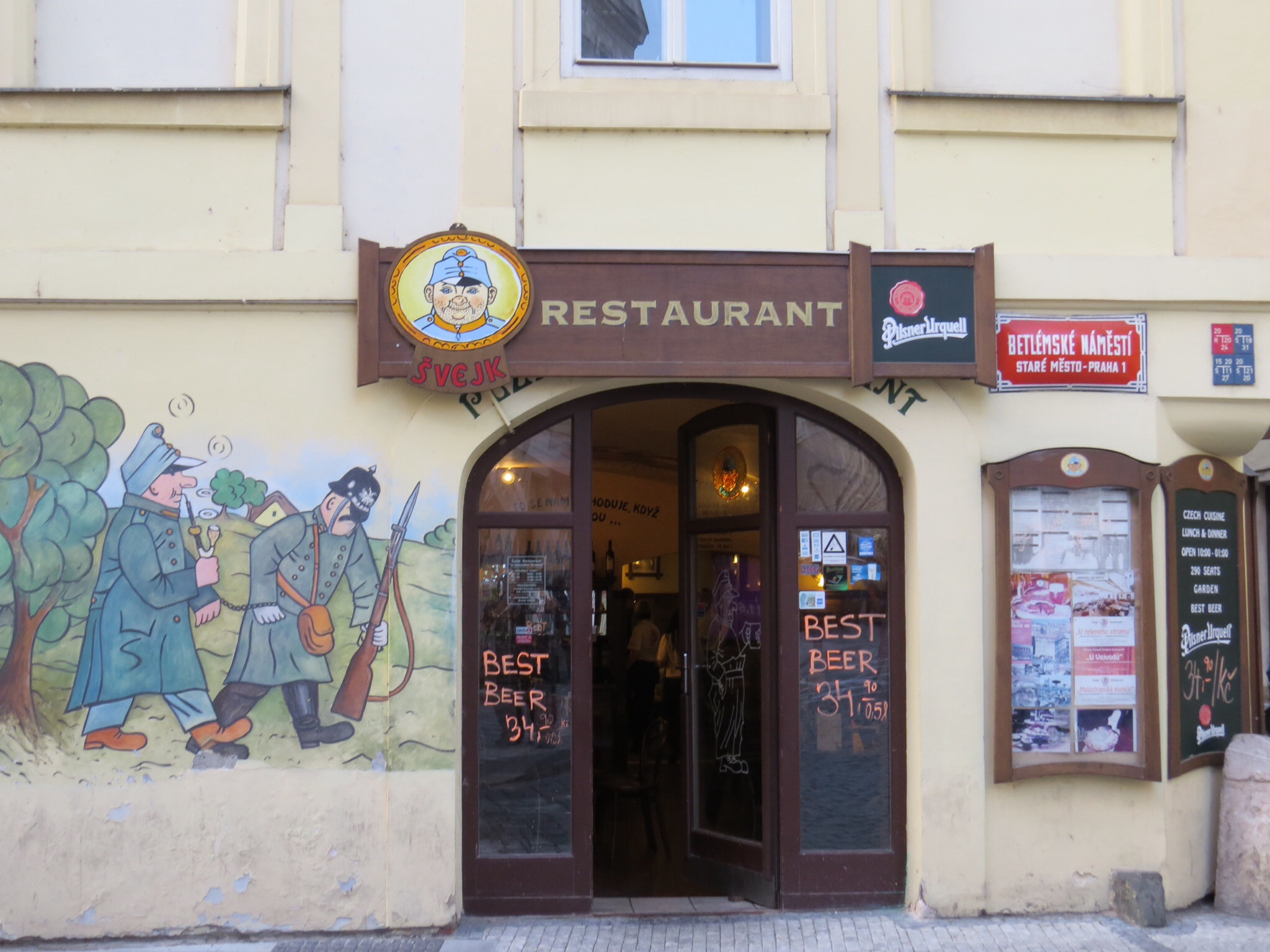
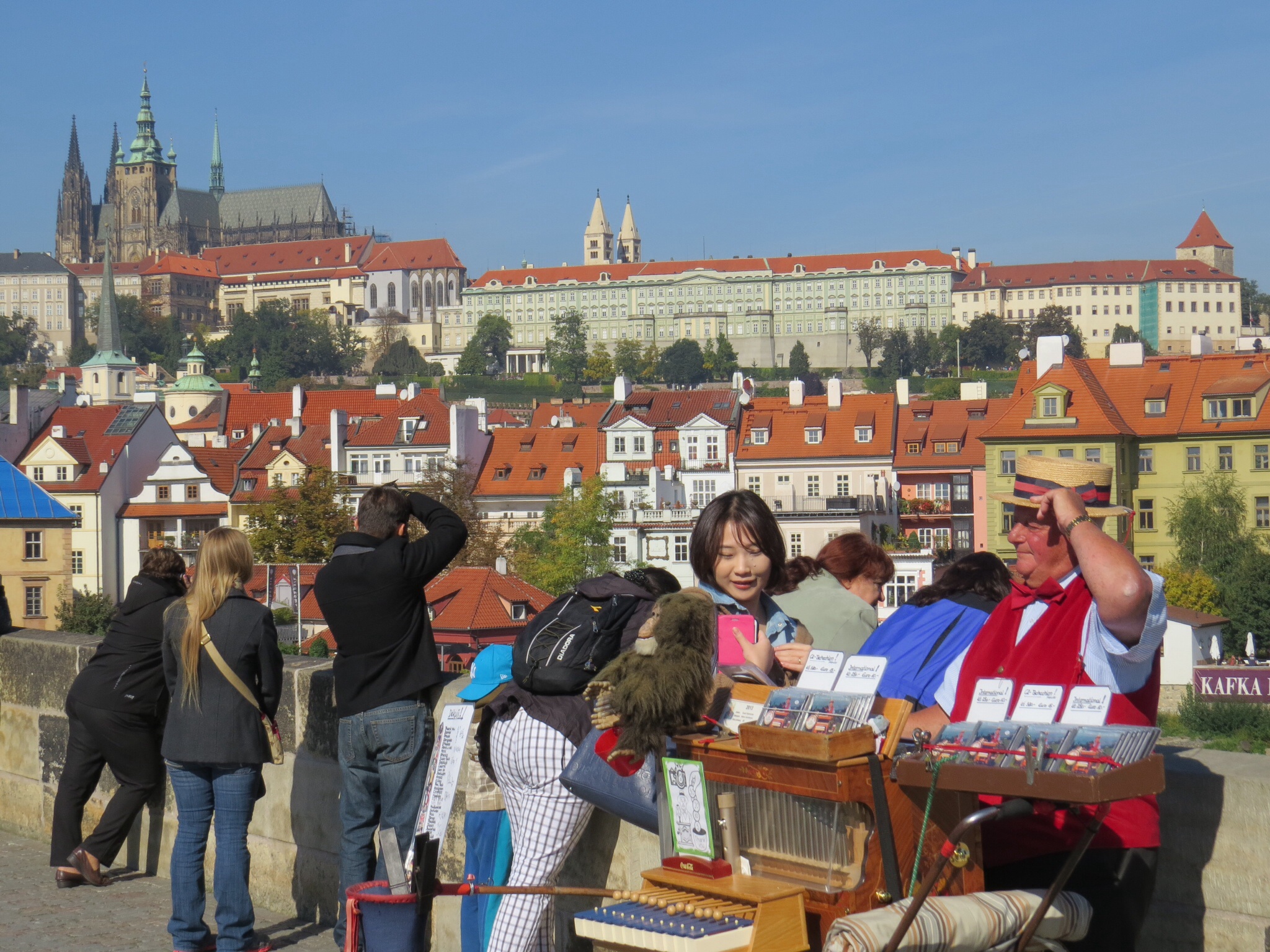
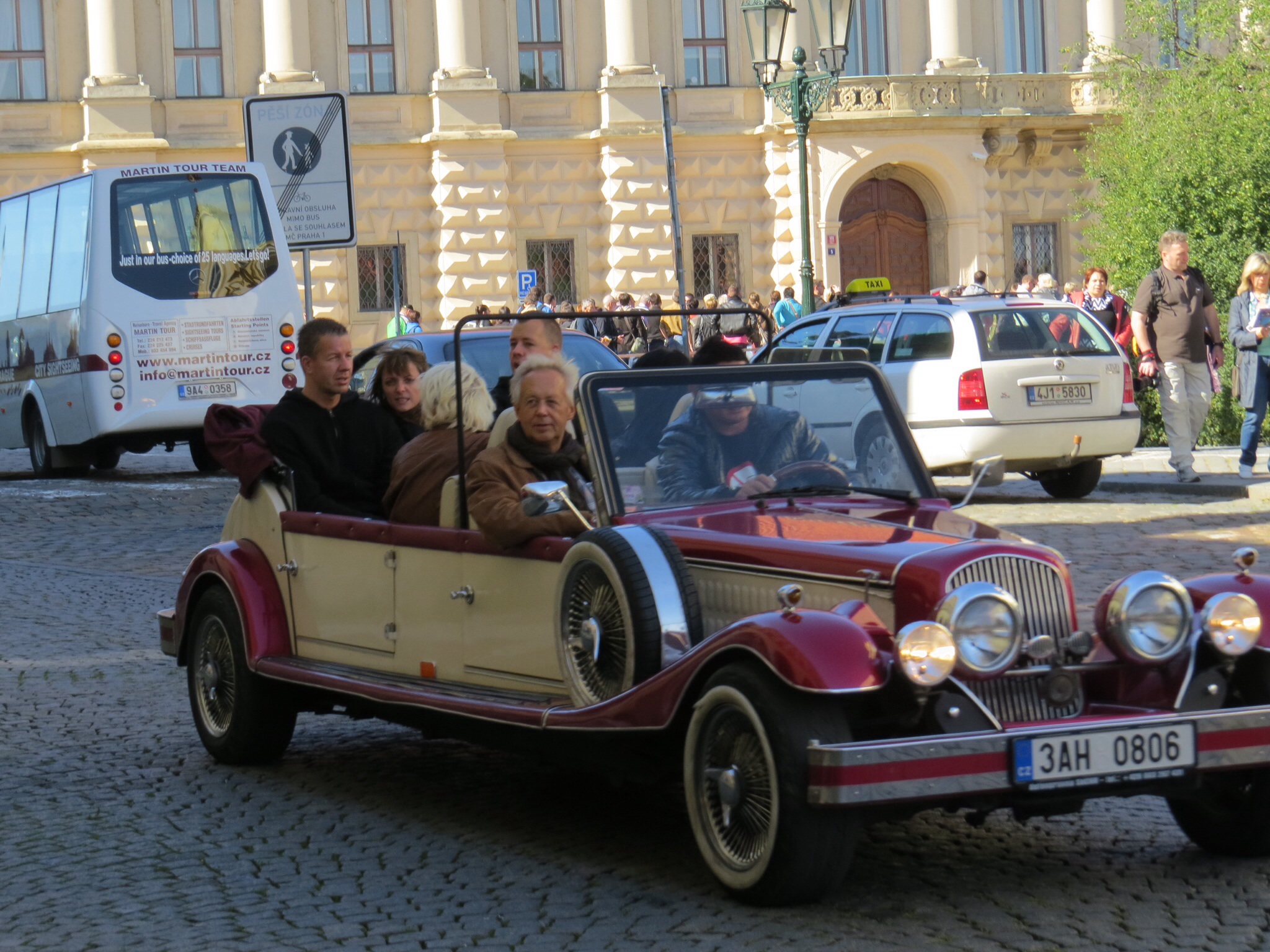
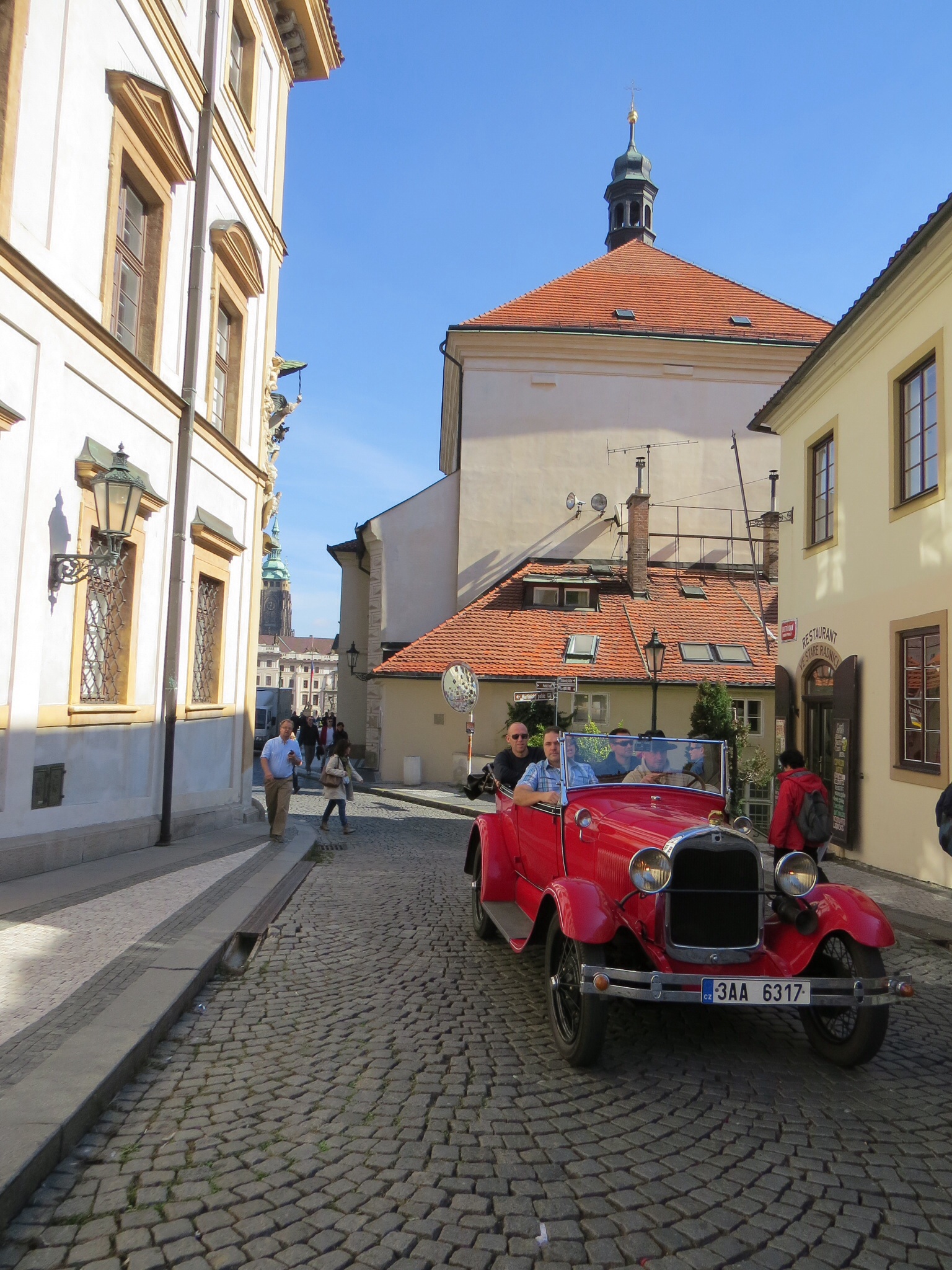
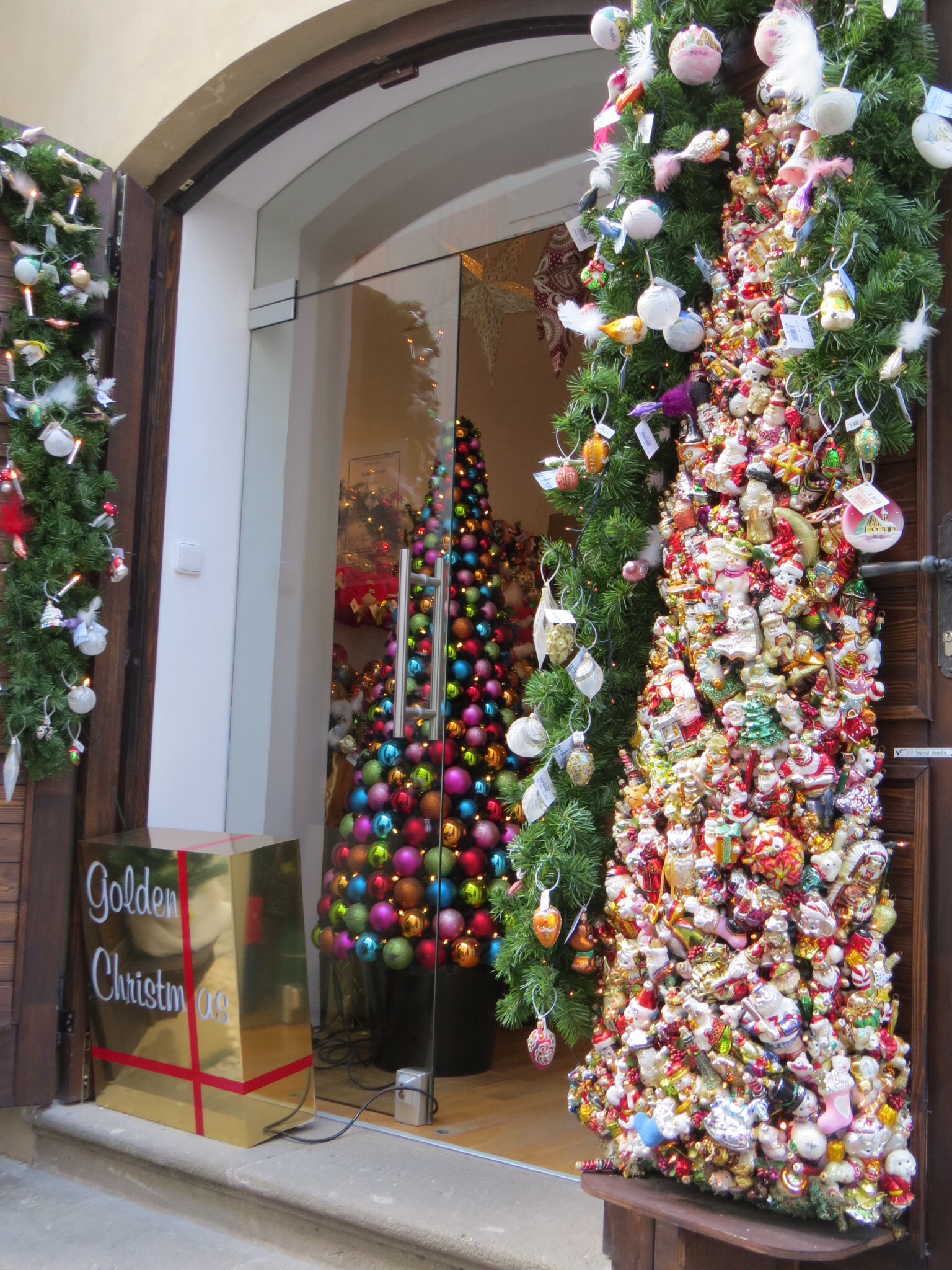
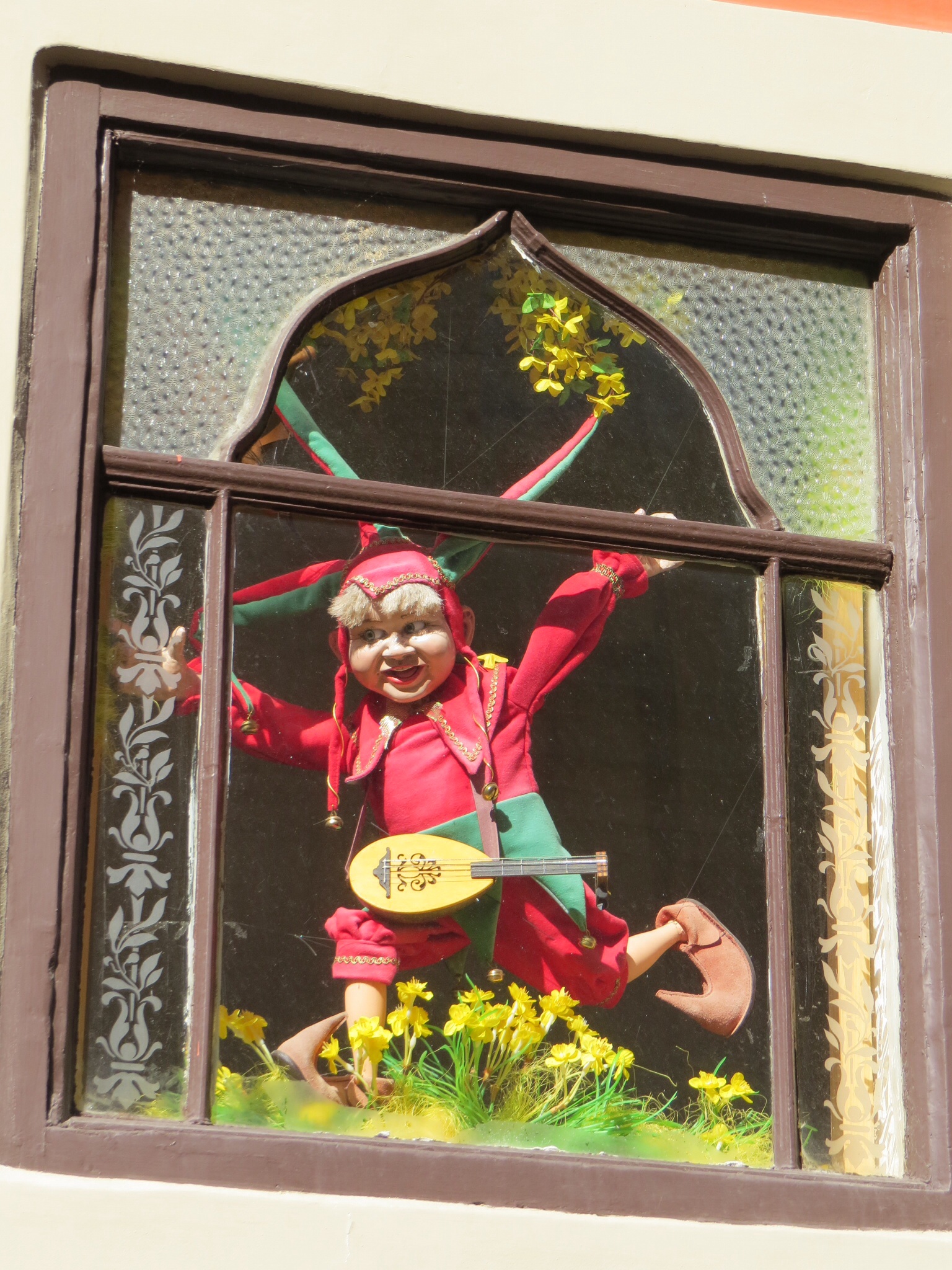
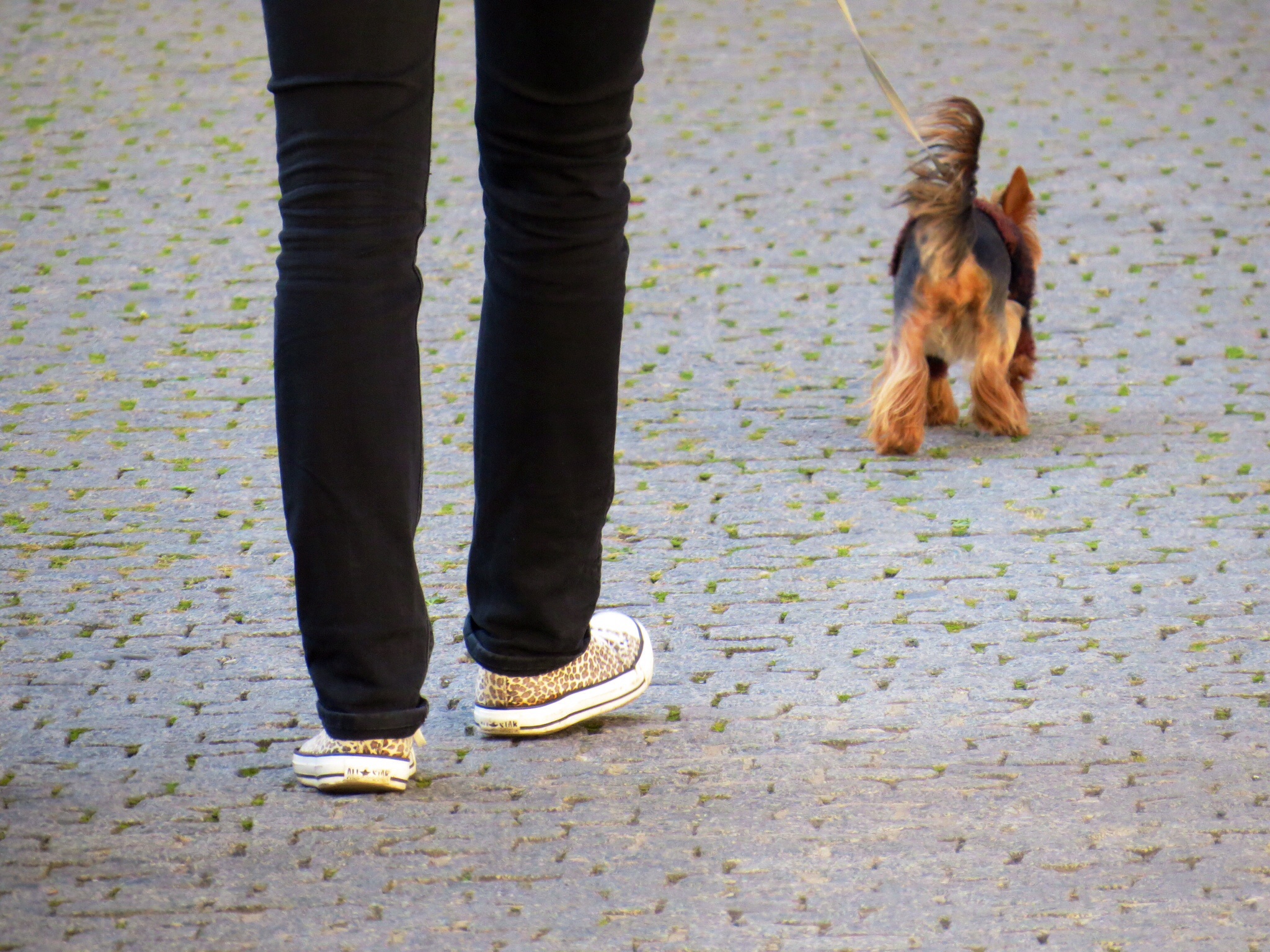
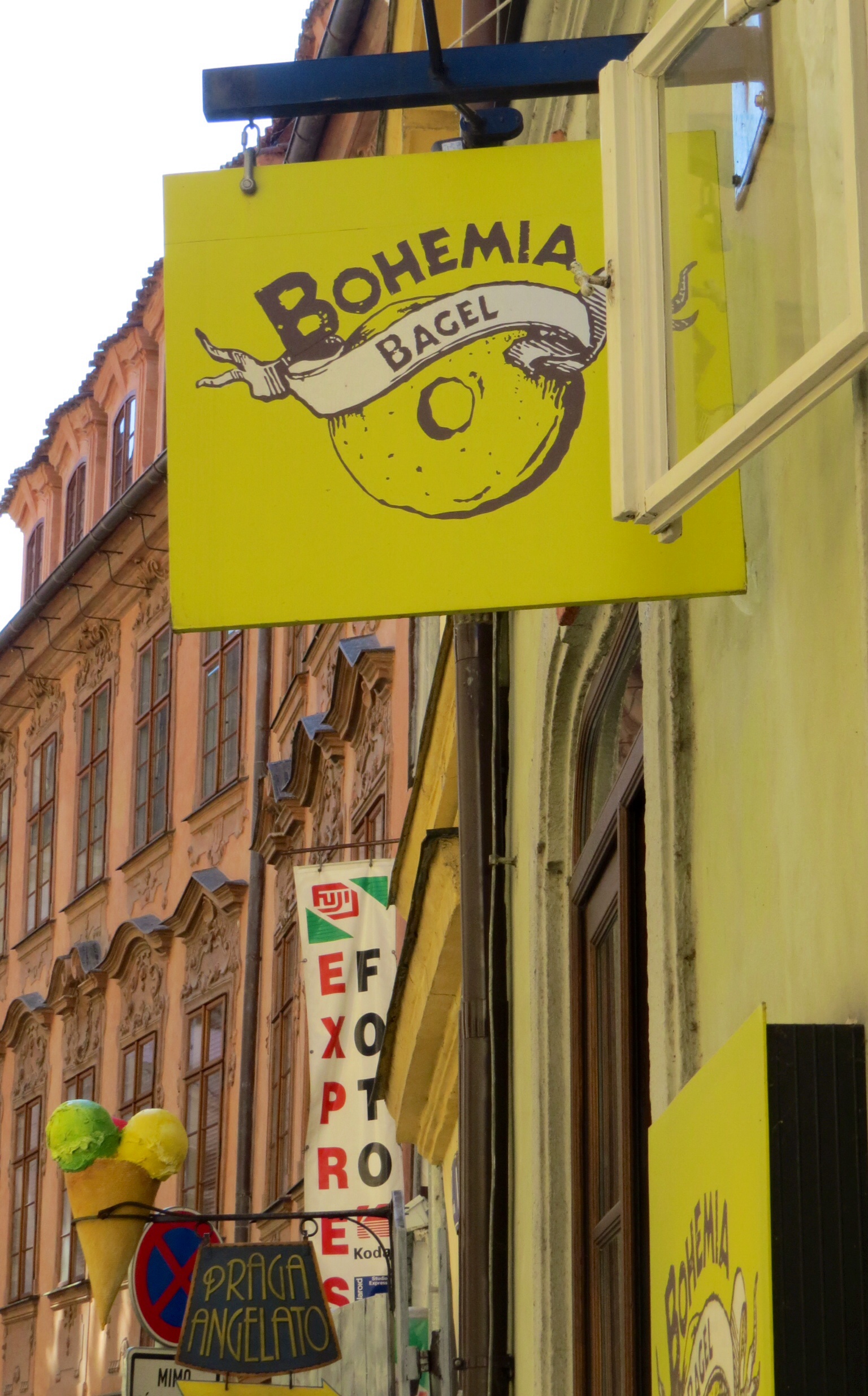
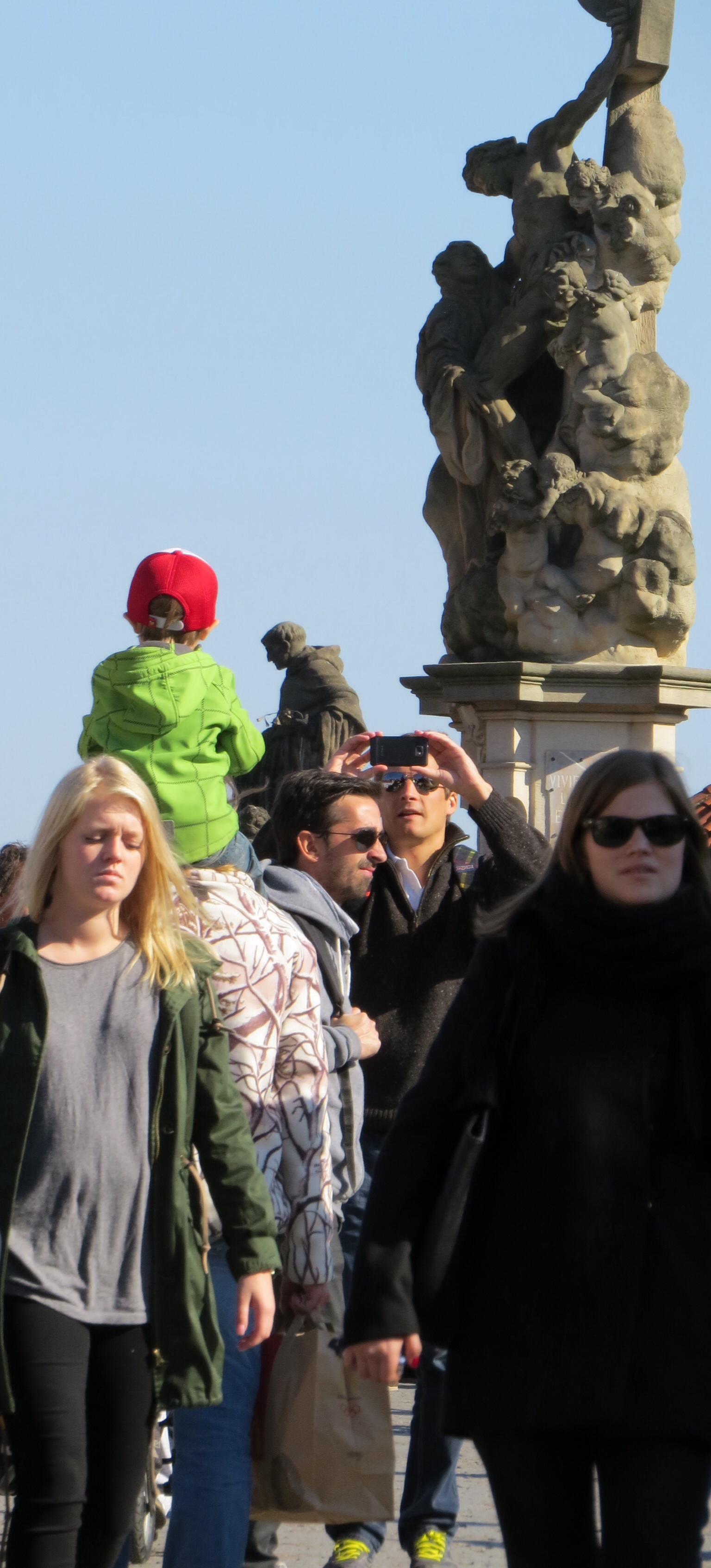
In the country that produced Kafka and Cerny, the national sense of humour is variously dark, ironic, sardonic and 8-year-old schoolboy, but pervasive. Also apparently contagious. I got a kick out of some translations to English and enjoyed shop windows. I started photographing colourful people in Prague and realized I had only done this once before, in Florence. Conclusion: colourful people drive cars. They only walk when cars are prohibited.

A goulash gallery:

imageimageimageimageimage

imageimageimageimageimageimageimageimageimageimageimageimageimageimage
imageimageimageimageimageimageimageimageimageimageimageimageimage
imageimage
imageimageimage

On positive and negative space

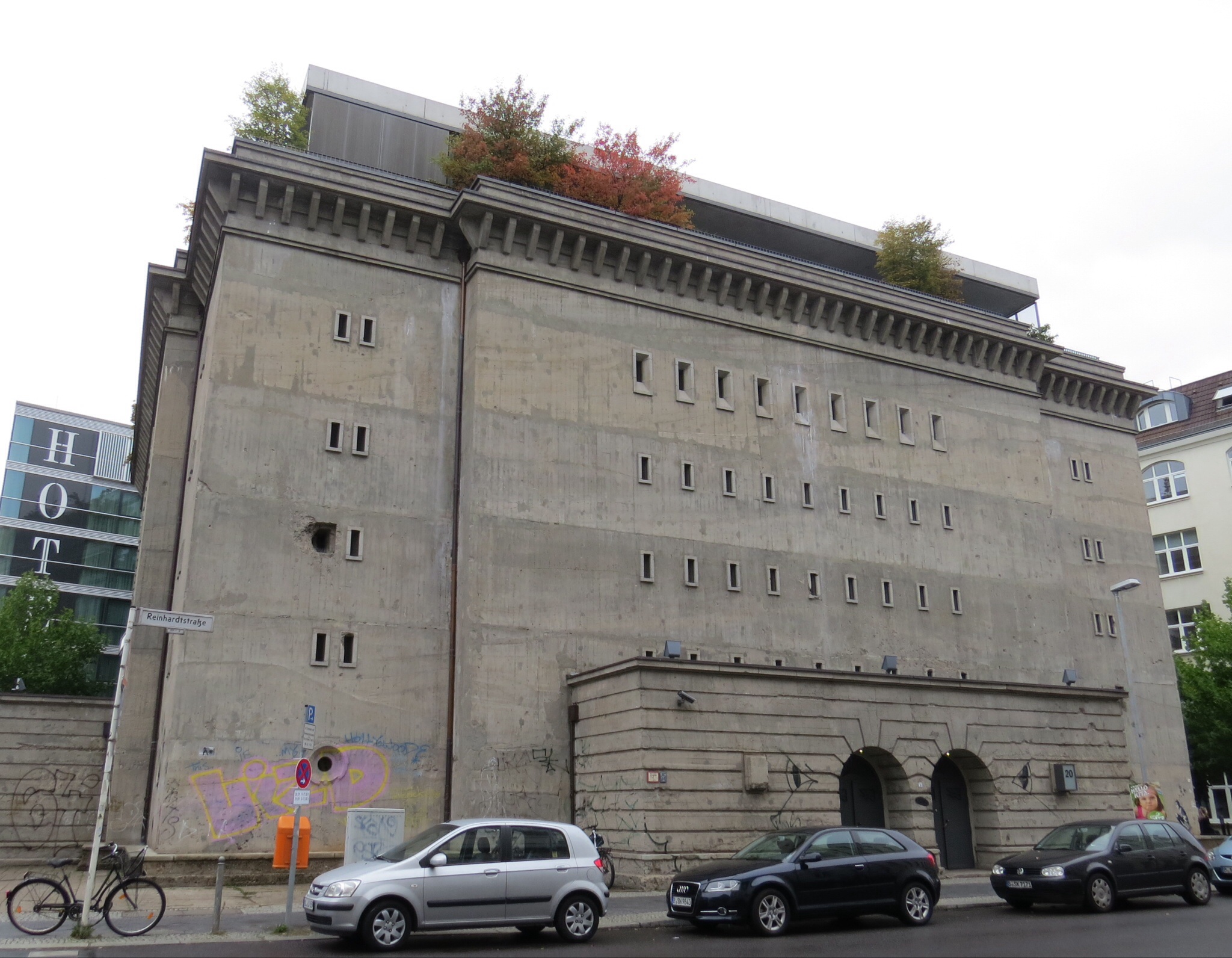
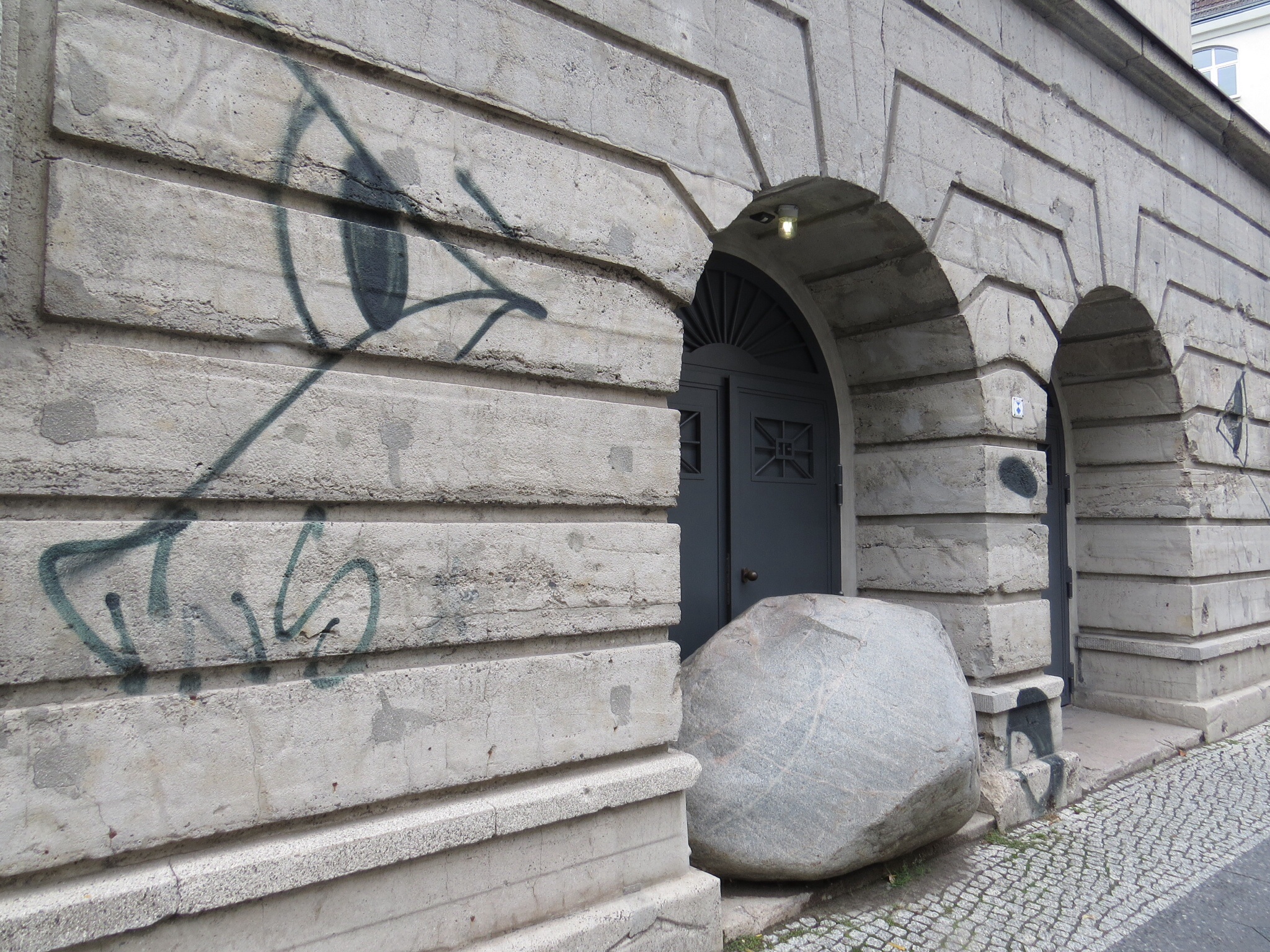
This morning I got up early and made my way to The Boros Collection, a tour of a private modern art collection in a WWII bunker.  The collectors bought the bunker and added a large living space on the roof where they live.  As with so many Berlin exhibits, the building itself was as interesting as the collection and made a fabulous backdrop for modern installation art.  I was a little unsure of exactly where the bunker would be, but this was not a problem.  Despite no signs whatever on the outside and a door held slightly ajar only by a leather strap of some kind, there was no mistaking it.

imageimage

Built in 1942 by the Nazis for a Berlin neighbourhood to escape the bombs during the war, the labyrinthine bunker has eight entrances and four stairways for ease of access and 4-foot thick concrete walls.   It was intended for 1,200 people but often was filled with 4,000 desperate inhabitants.   The building has an interesting past, before it became an art gallery, it has been:  a bunker, a Nazi prison/interrogation centre, a banana storage facility and an underground techno-rock night club.  The new owners have retained the walls which bear the scars of its checkered past and it was eerie to think what tales they could tell.  In some ways, the art did their talking for them.

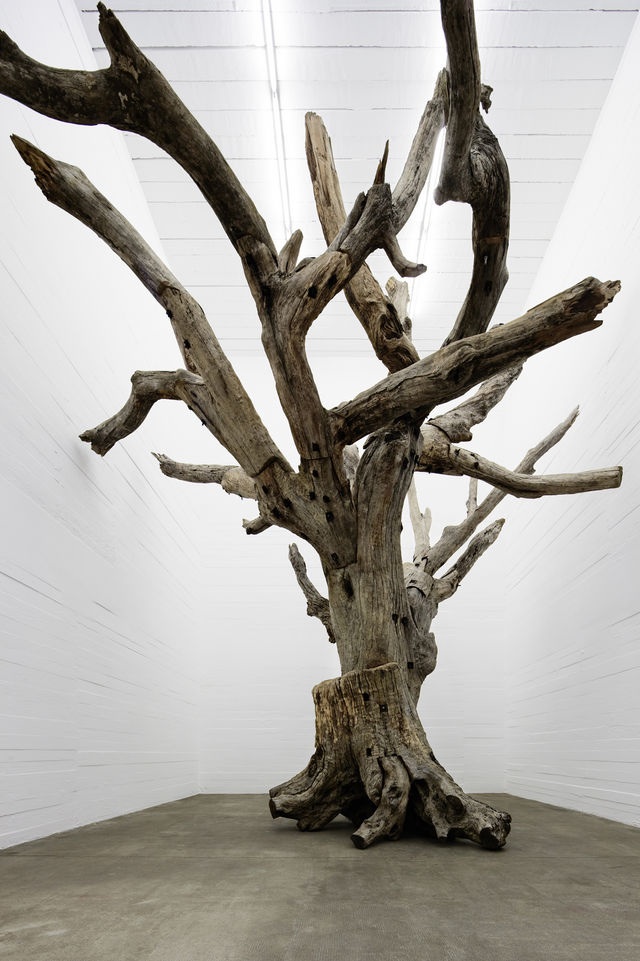
These are mostly large installations which the artists were able to install themselves.  We were encouraged, and the tour led us, to explore and walk through all the pieces.  They teased your sight, sound, touch and even smell, which the art historian-docent called “synthesization.”  There was everything from a popcorn machine pumping out popcorn – which is beginning to fill a room having been installed over a year ago – to a series of pipes cutting across rooms from wall to wall; to engaging photography, to – and best of all – an Ai Wei Wei installation!  I was so surprised and excited to actually see Ai Wei Wei’s work.  I had seen a documentary at the film festival about him; he is a world-famous Chinese artist who is an activist within China, and he has been under house arrest for about the past two years.  He designed the gorgeous  “bird’s nest” stadium for the Beijing Olympics, and was given all sorts of rewards, beautiful studio etc. while world attention was on them, but afterward they bull-dozed the new studio and arrested him.  Before that he travelled extensively with his work which has been displayed at MOMA, the Tate Modern and in Berlin.  This work is titled Tree, one of a series he did using pieces of dried wood from various types of trees, which are sold by locals in one area of China.  The new tree is fastened together with bolts and washers.  The use of natural and manmade materials represents heaven and earth.  It filled a room, and visually the contrast between the driftwood-coloured tree against the white walls made the space as interesting as the piece itself. The majority of the works, including Tree, dealt with the passing of time and life’s transitory nature.

imageimage

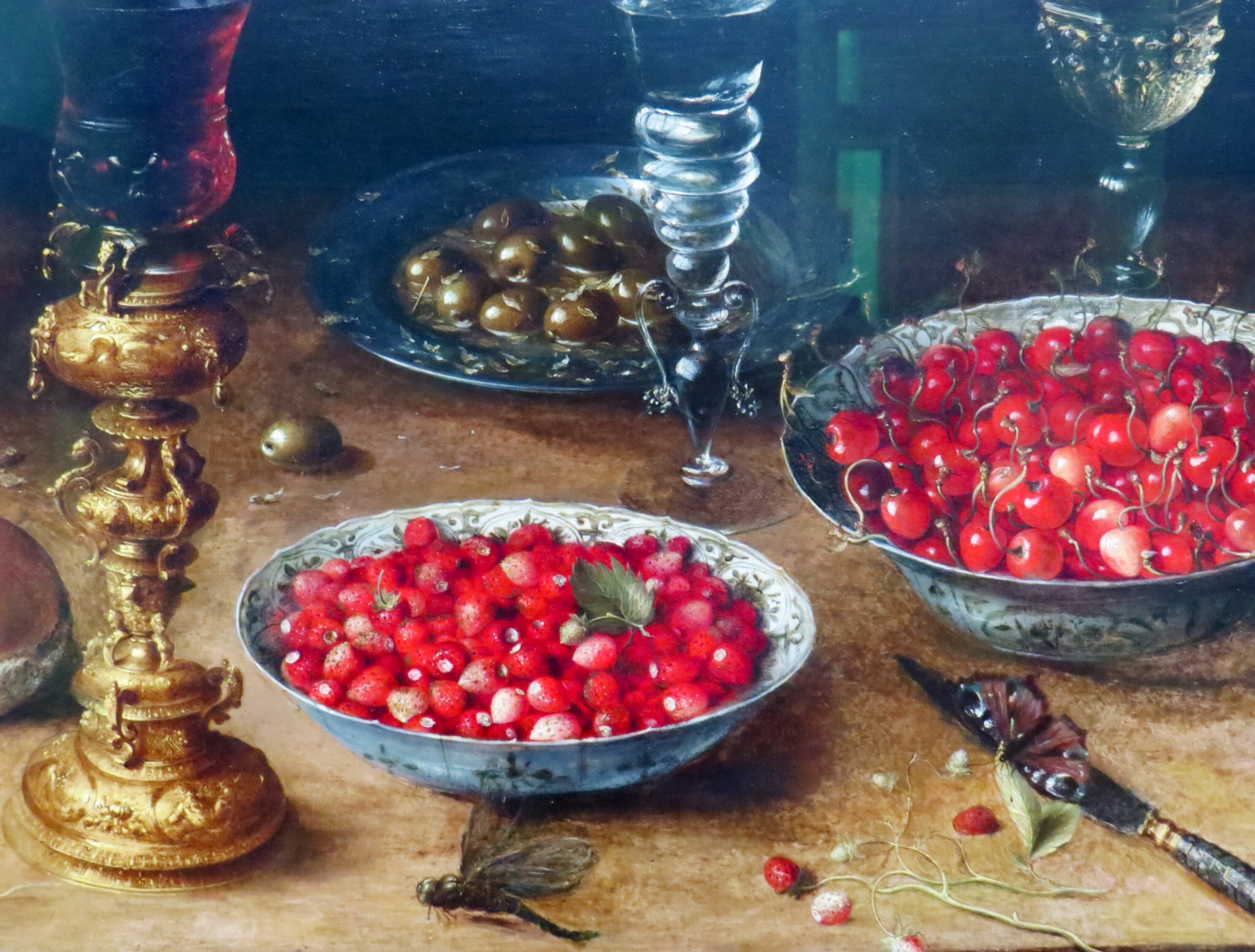
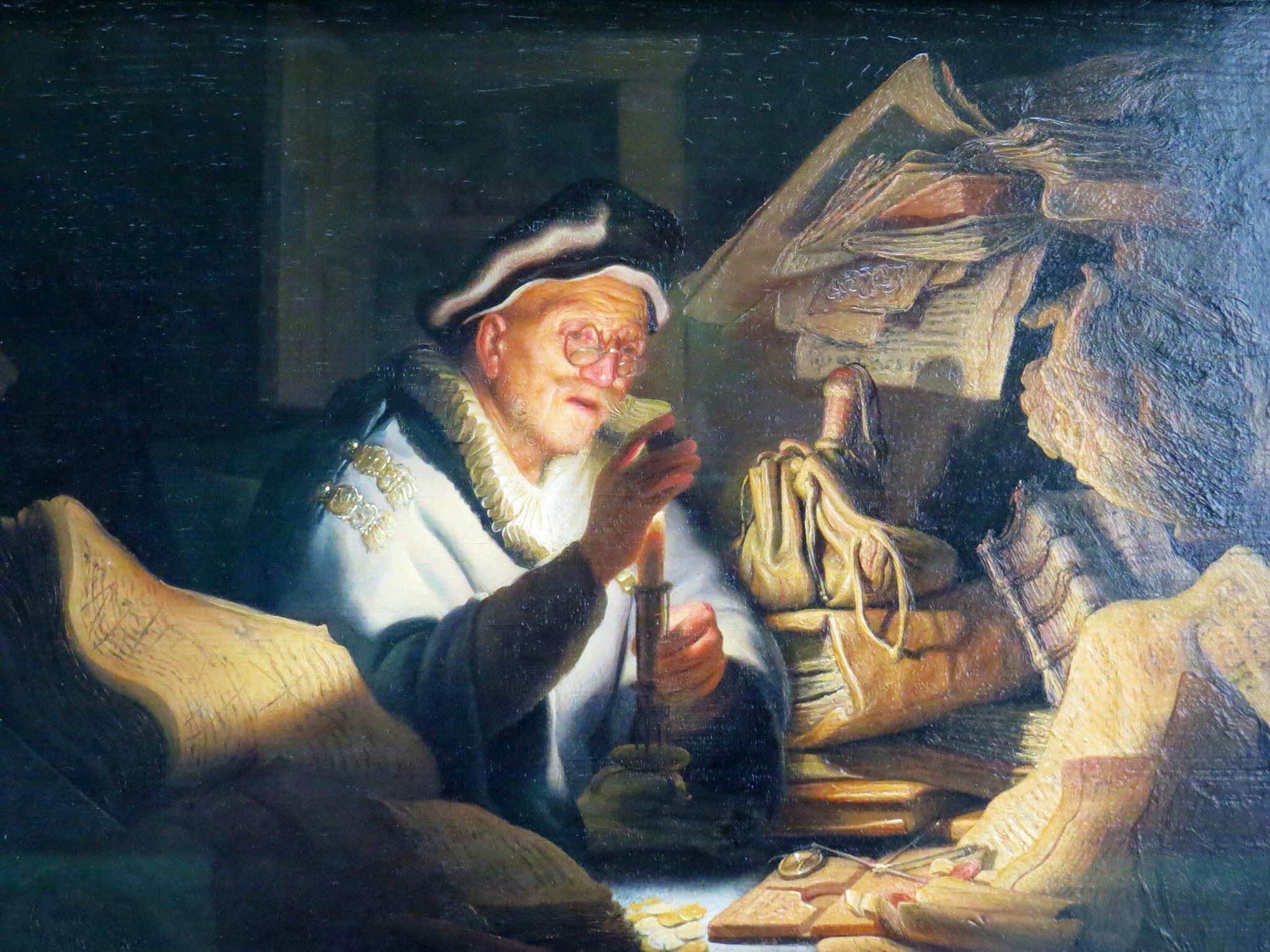
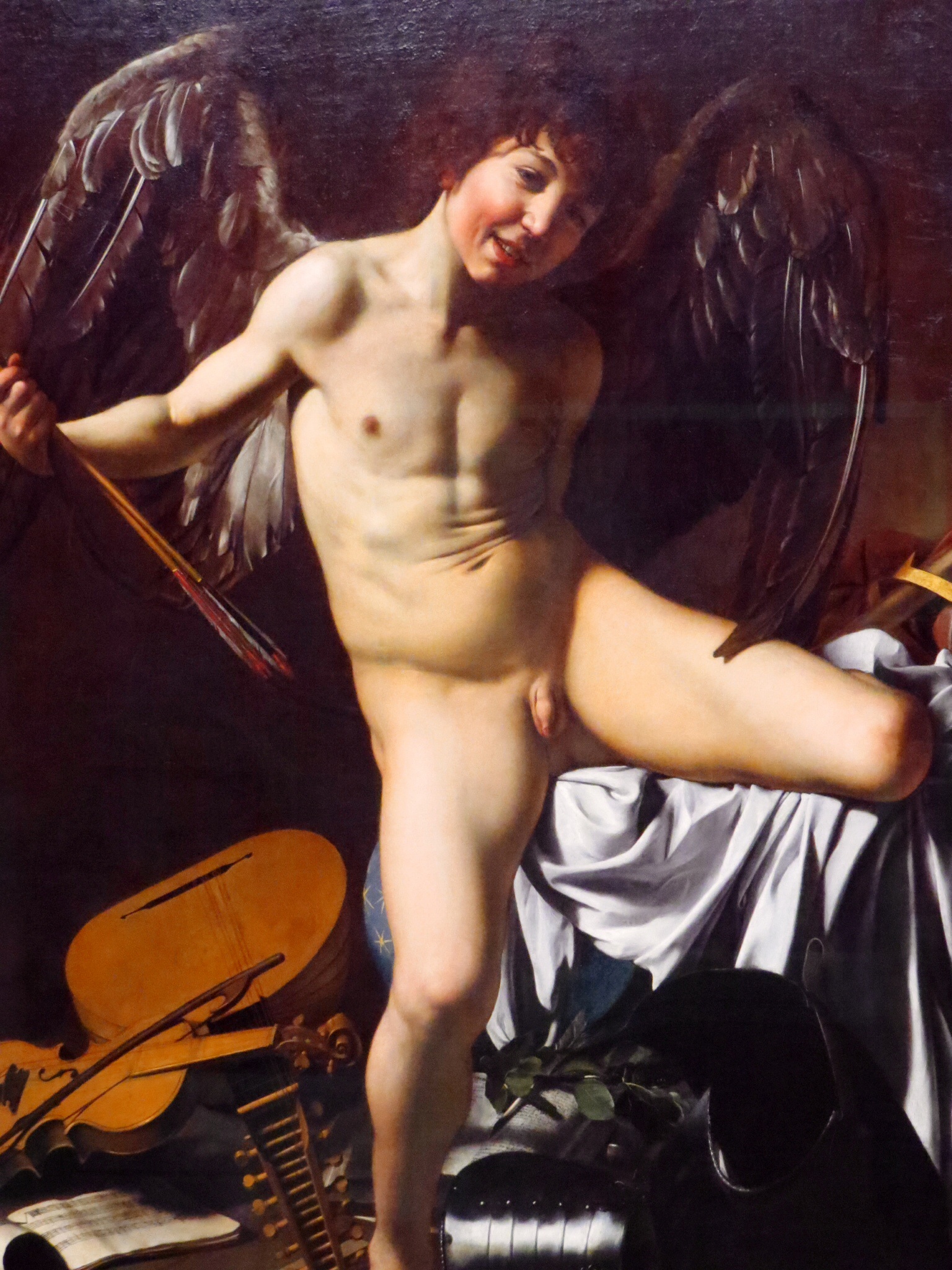
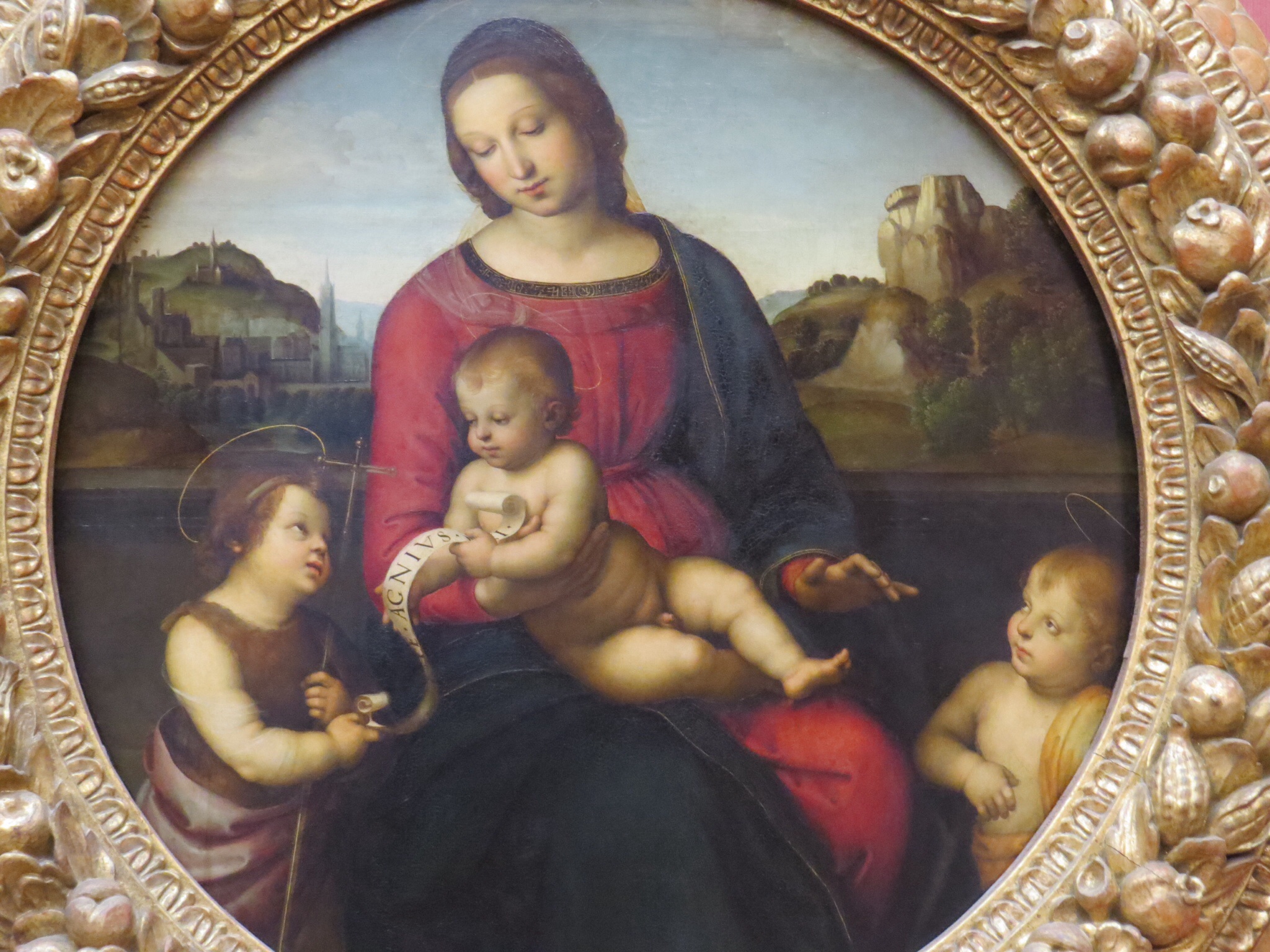
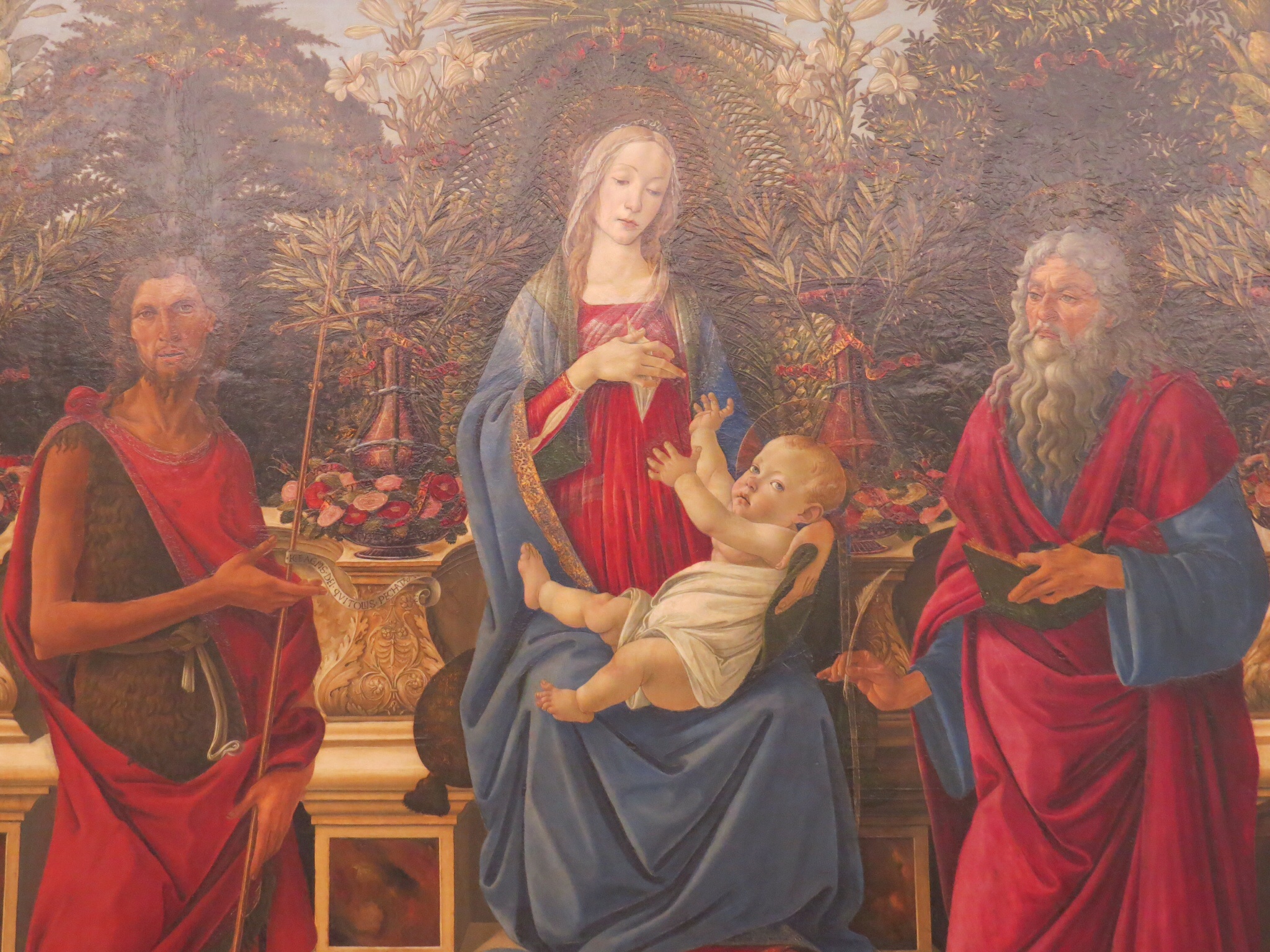
Stopped off at home to change into my Big Girl shoes for a concert tonite.  I headed over to “Kulturforum,” an arts square filled with fabulous modern architecture.  Unfortunately, the Neue Nationalgalerie (modern art including Munch and Picasso) was closed but that just meant more time for the Gemaldegalerie (the national gallery of classical art).  I spent the afternoon luxuriating in Ruebens, Rembrandts, van Dycks, Titians, Raphaels, Carravagios (what a bad boy he was, my favourite artist), and Botticellis.  You may as well have thrown me on a bear skin rug, that is how awesome that was.  I must say although the architecture of the building is interesting, the display of the paintings really showed no imagination and the rooms were overlit.  But the work spoke for itself.

imageimageimageimageimageimage

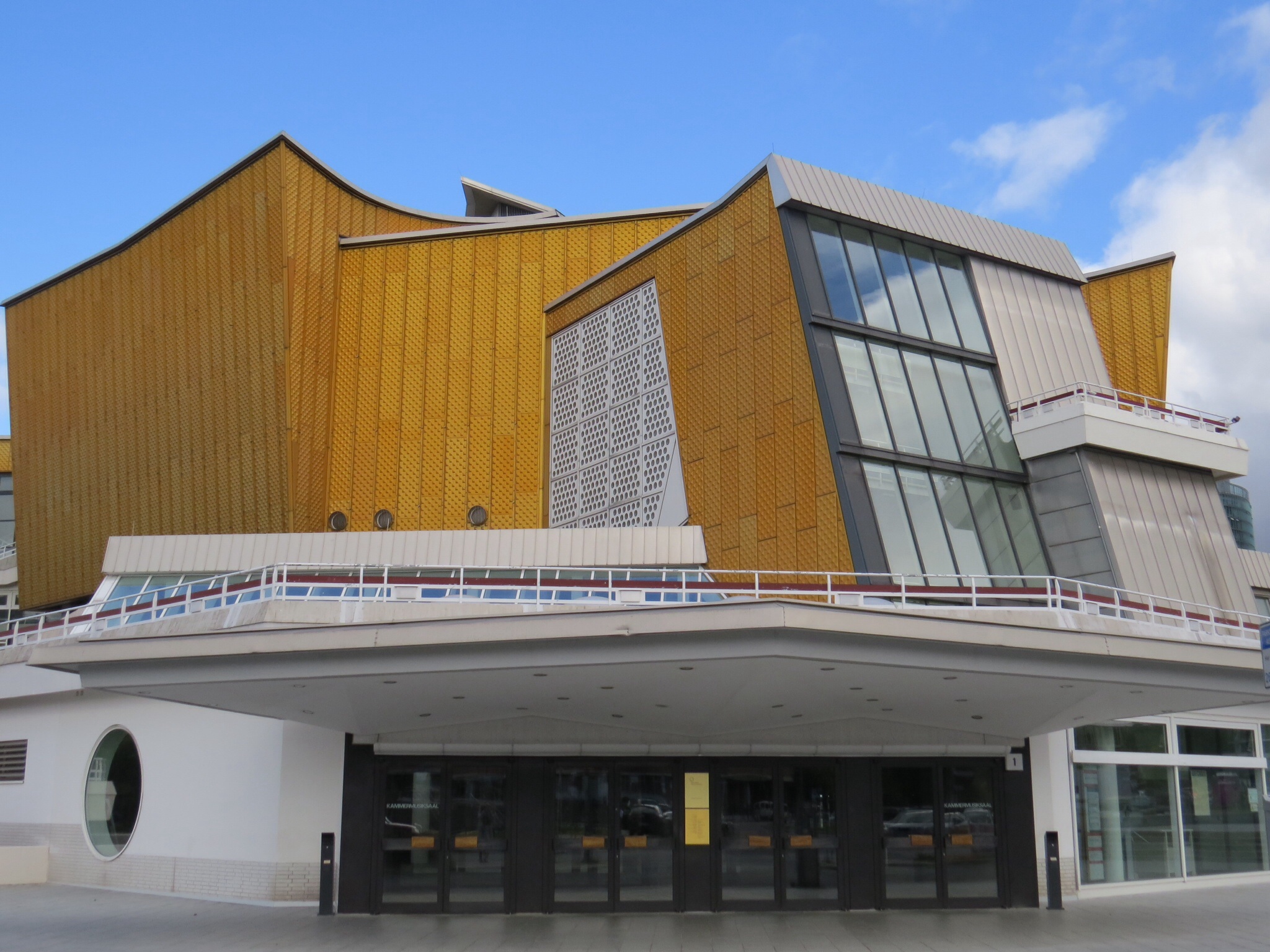
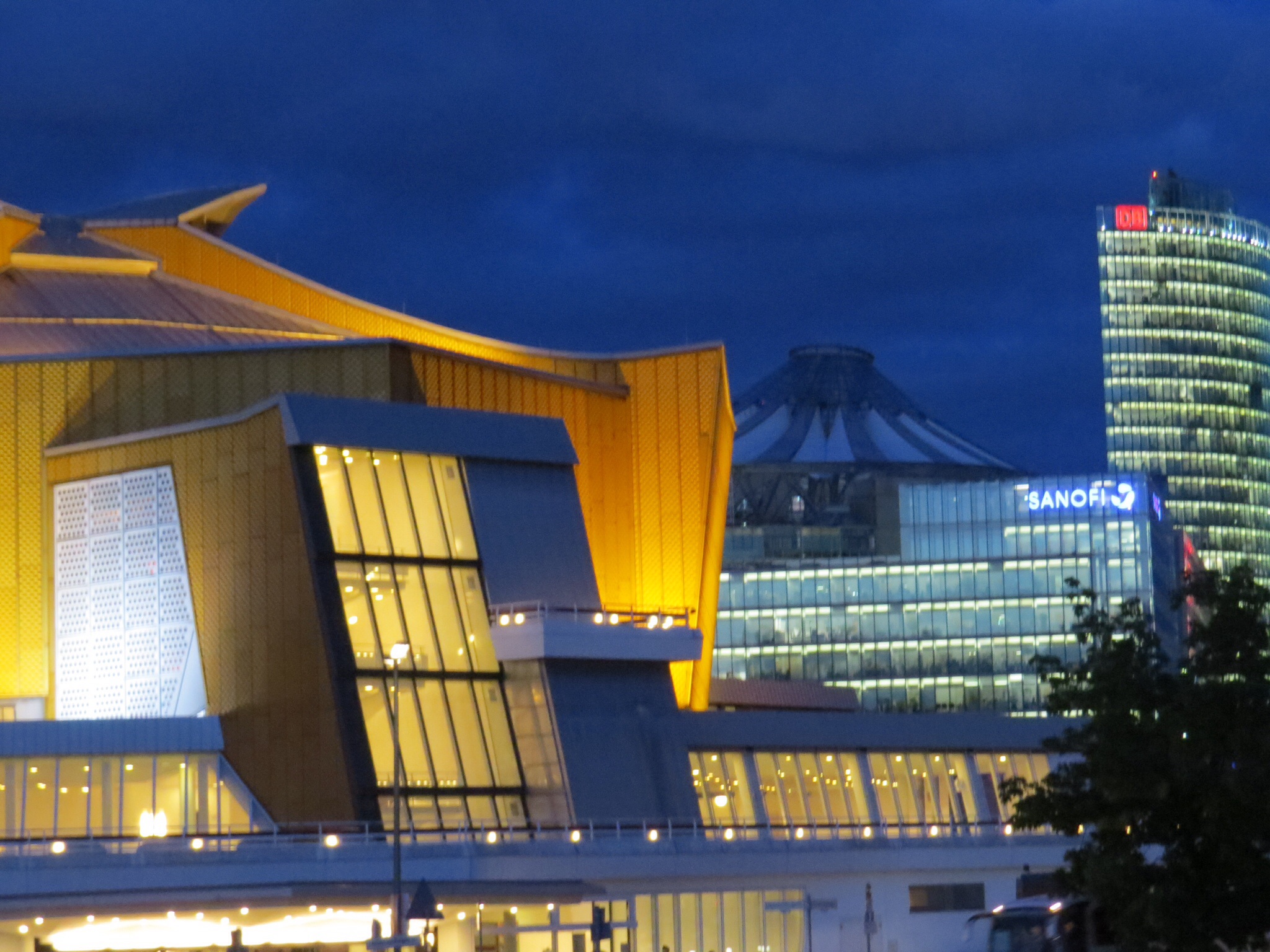
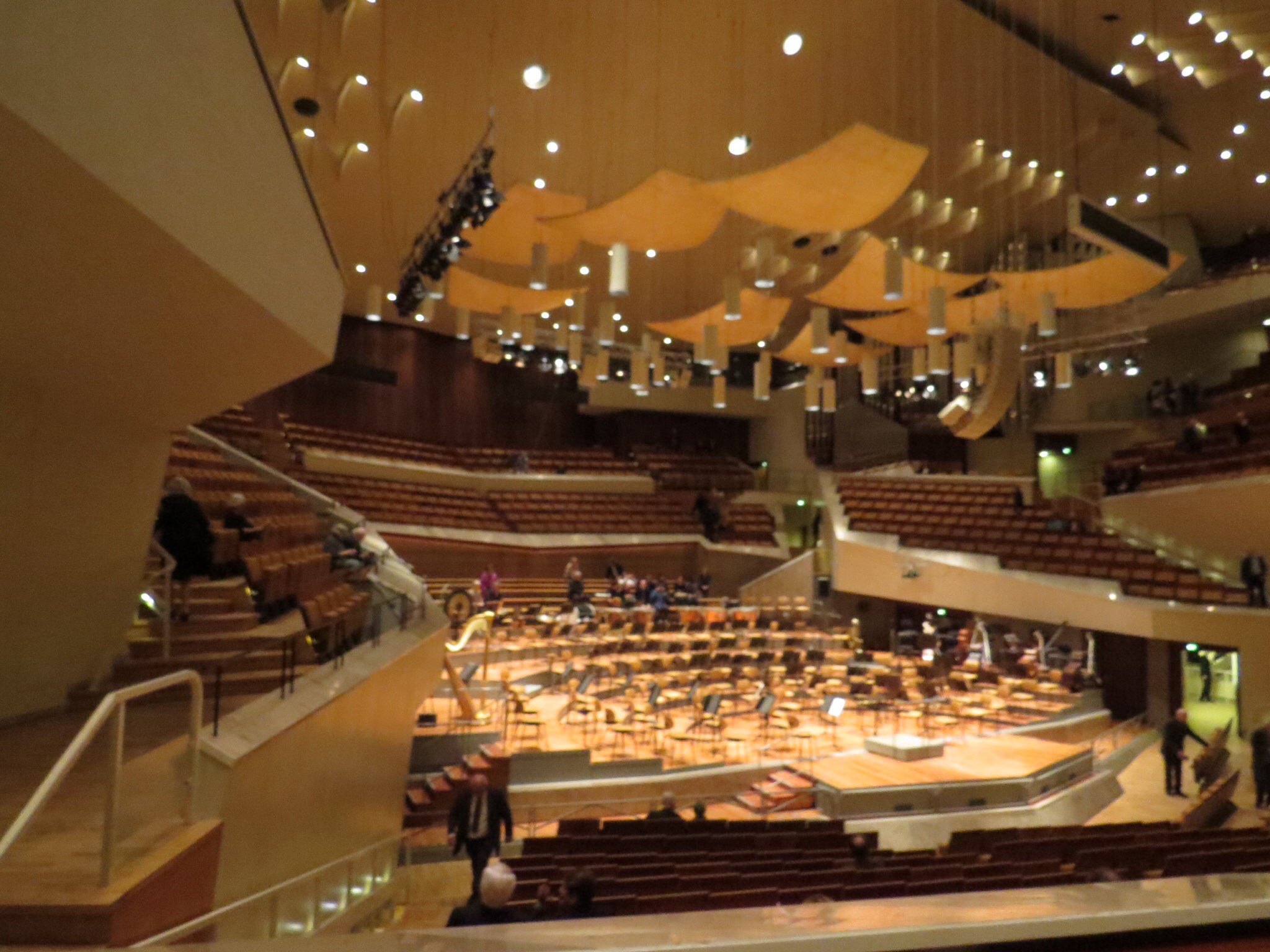
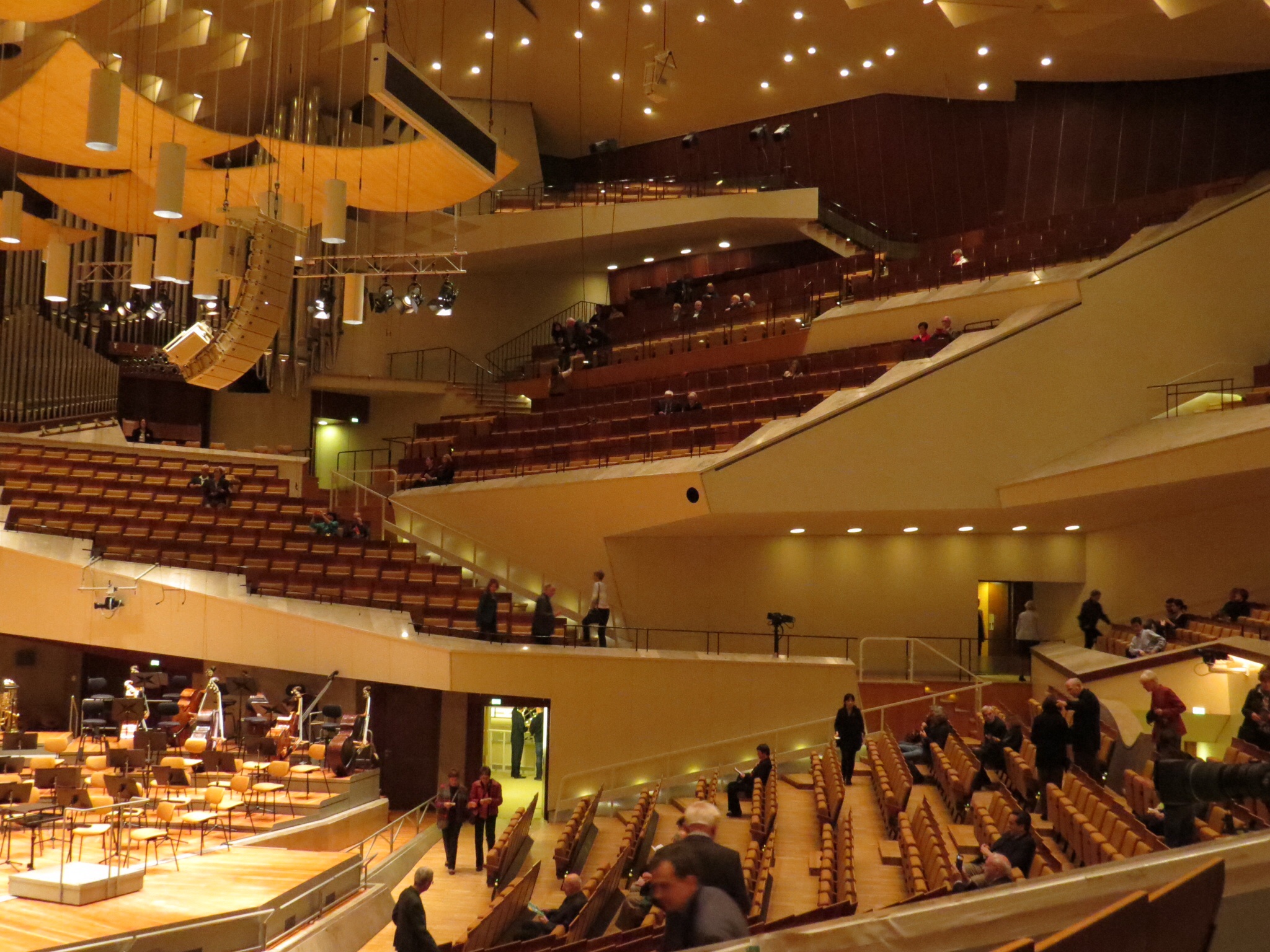
The Gemaldegalerie is across the street from the Philharmoniker, home to the Berlin Philharmonic, so I went straight to the concert after a light bite at the art gallery.  The tent-like structure which houses the Philharmoniker is the most beautiful piece of modern architecture I have seen in Berlin.  The interior is equally gorgeous, with swooping sections that make the audience float around the orchestra, and gives the very strong sense of the music floating in the air around you.

imageimageimageimage

The BP is rated as the 2nd greatest orchestra in the world and it more than lived up to its name.  Such professionalism; I am still not sure how the huge orchestra, dressed in black tails, made it so effortlessly to their seats on stage.  Many of its members have solo careers of their own and stood out in the beautiful, haunting (and even disturbing when a harsh gong was struck sounding more like a cannon or a bomb) Mahler’s 10th Symphony.  The music, and the orchestra, directed by Daniel Harding, were perfection.  There were pauses, caesuras (where time isn’t counted and play resumes when the conductor indicates) when in the perfect silence between notes, you could have heard a pin drop.  You are still processing the crescendo you’ve just heard, remaining in the silence, and anticipating the next note, all in an instant.  In that brief pause, like the space between inhaling and exhaling, or like the moment of epiphany, must reside the human spirit.   Sublime.  The audience went crazy at the end and there were many “curtain calls.”  One of my great lifetime experiences.  I know this music will inhabit me for at least the next few days and probably the rest of my life.

Jan

Another Great Monarch

Frederick II, Frederick the Great, was the greatest king Prussia ever had, and was a fascinating genius. An aesthete, I knew his palace I was visiting today would be special.

He had a brutal father whom he despised. His closest male friend (and likely lover), sought to help him escape Prussia and they planned to run away together. However his father had long reach, and soon caught up and captured Frederick and his accomplice. His father threw them both in prison on grounds of treason, and, in front of Frederick, executed his friend and accomplice. This was to impact on Frederick for the rest of his life. (And not dissimilar to both Peter the Great and Louis XVI who had witnessed violence at an early age. It also resonates with the outcome of Peter the Great’s son, Alexei, probably with Peter’s involvement. Being heir to the throne was especially dangerous in those dangerous times.)

After his father’s death, Frederick became king. As a child, he had loved playing with toy soldiers, drilling them and fighting battles and winning wars. He was to become Prussia’s greatest warrior king, most brilliant strategist, and he greatly expanded the Prussian empire.

In addition to being a great soldier, he was interested in interior design, style, clothing and music. He was an excellent flute player and made improvements to the design of the flute that remain in place today. He had great musicians in his court, including a son of Johann Sebastian Bach.

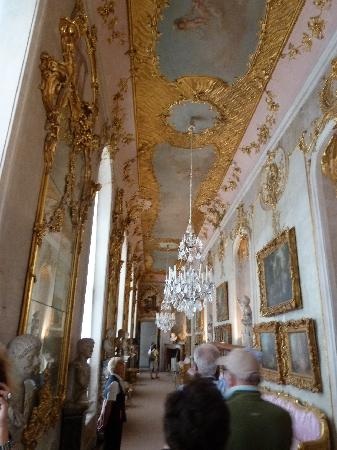
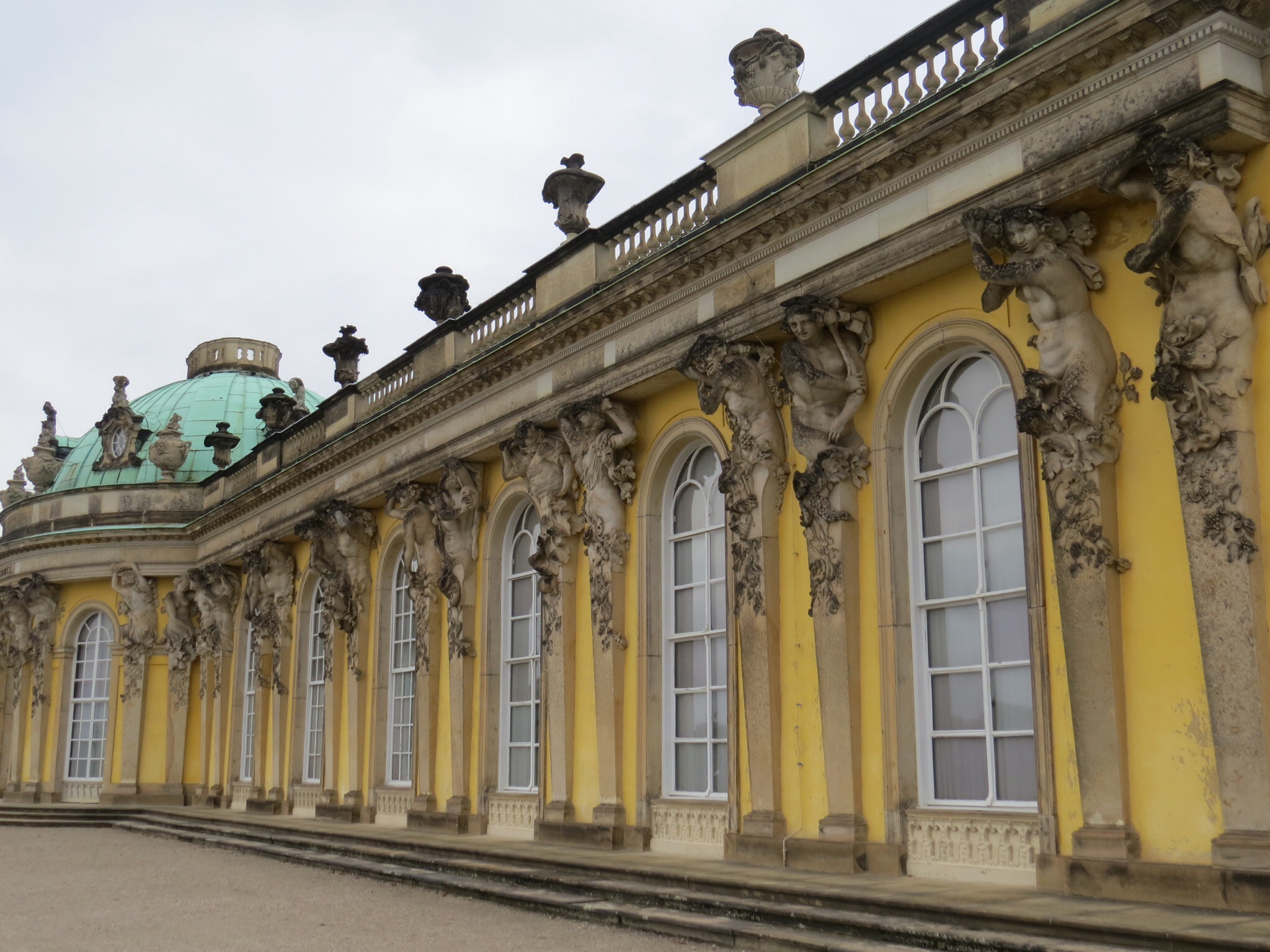
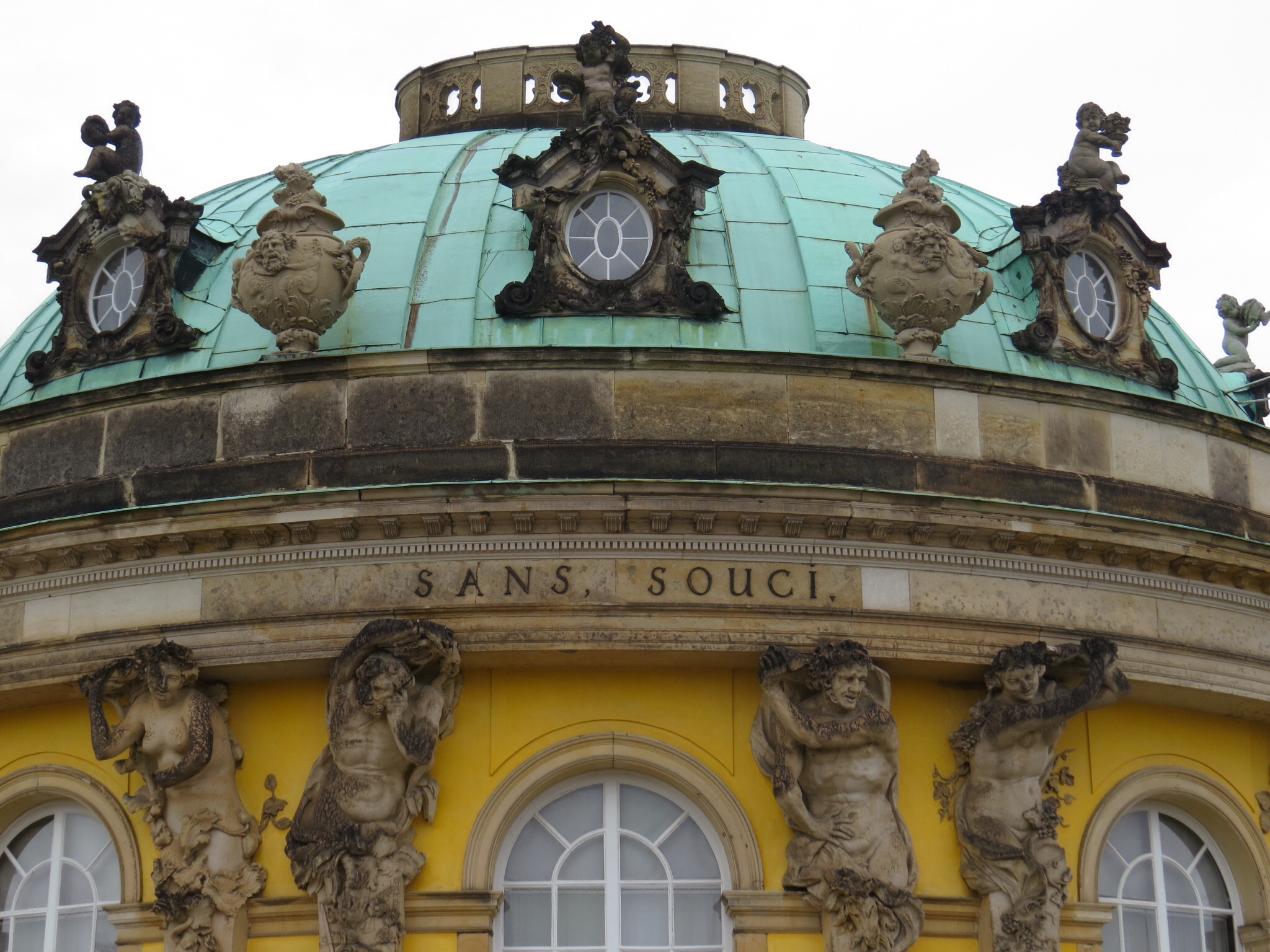
He built a summer palace in Potsdam, now a suburb of Berlin. He wanted to escape the politics and people in Berlin and created a place of refuge where he lived from April to October of each year. He named it “Sansoucci,” french for “carefree.” One could not attend, regardless of how important one was, unless invited. It was a relatively small palace, with only 12 rooms, but made up for size with style and quality. This palace rivalled Peterhof and Catherine’s Palace in beauty. The interior rooms were decorated in gold, and it literally dripped off the ceilings (no photography allowed again, I could omly find 1 interior image of the picture gallery online you can just see a pink settee in the foreground). There was beautiful French art (he considered himself a “francophile” and loved all things french). There was a rotunda built on the design of the Pantheon in Rome. There was an art gallery with pink silk-covered settees. He had a library of over 2,000 books. There were guest rooms decorated to bring nature indoors.

image

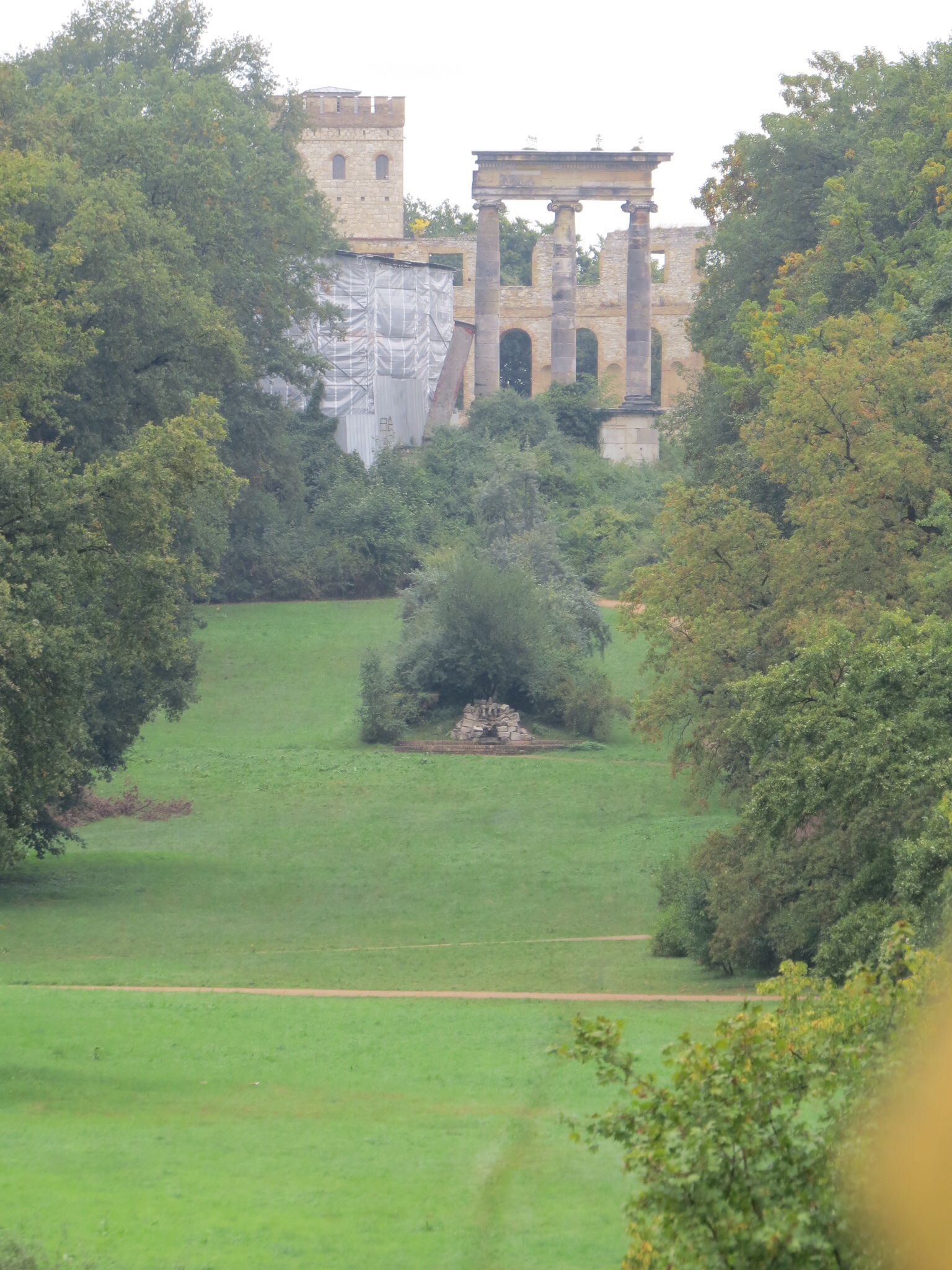
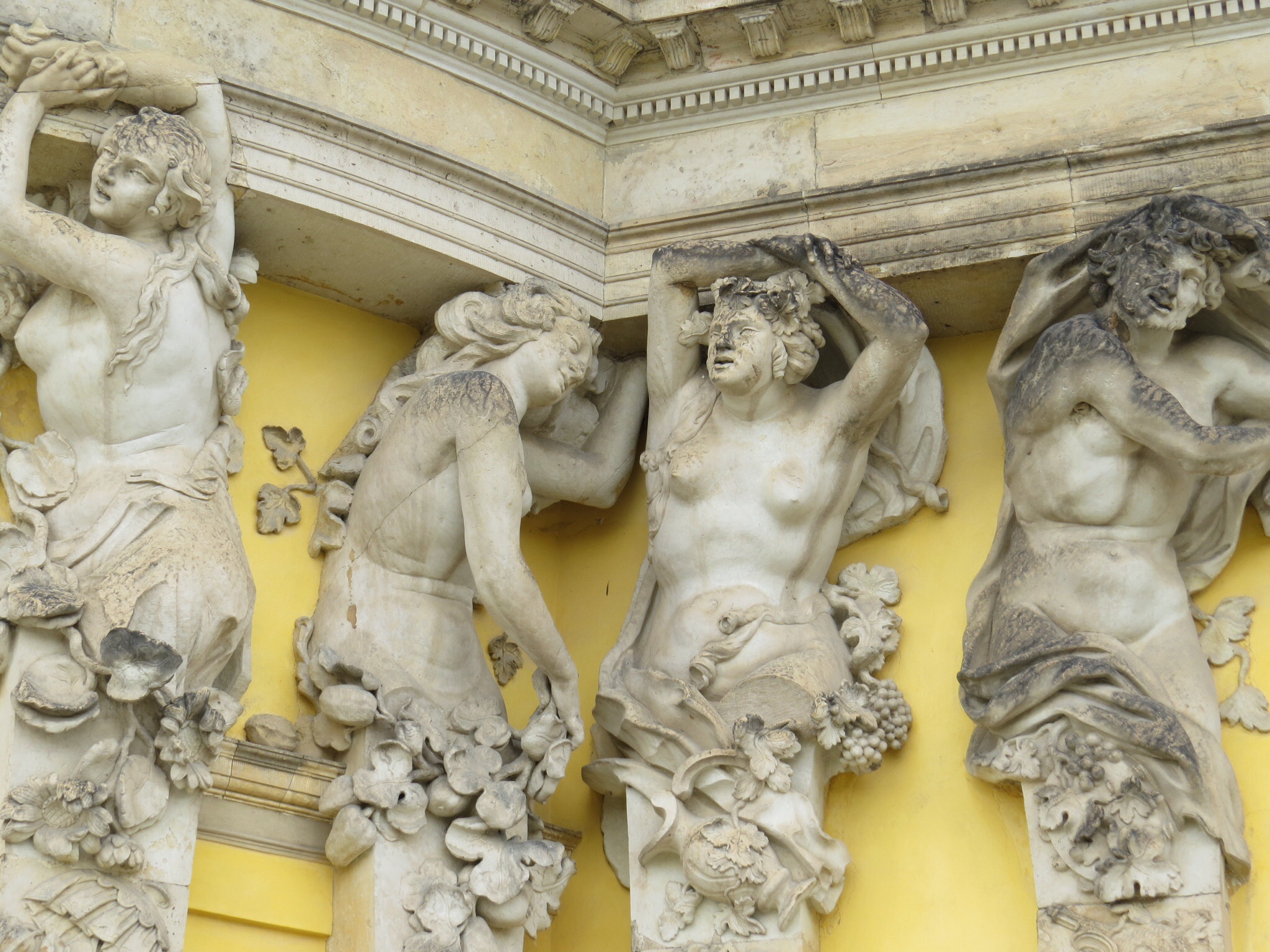
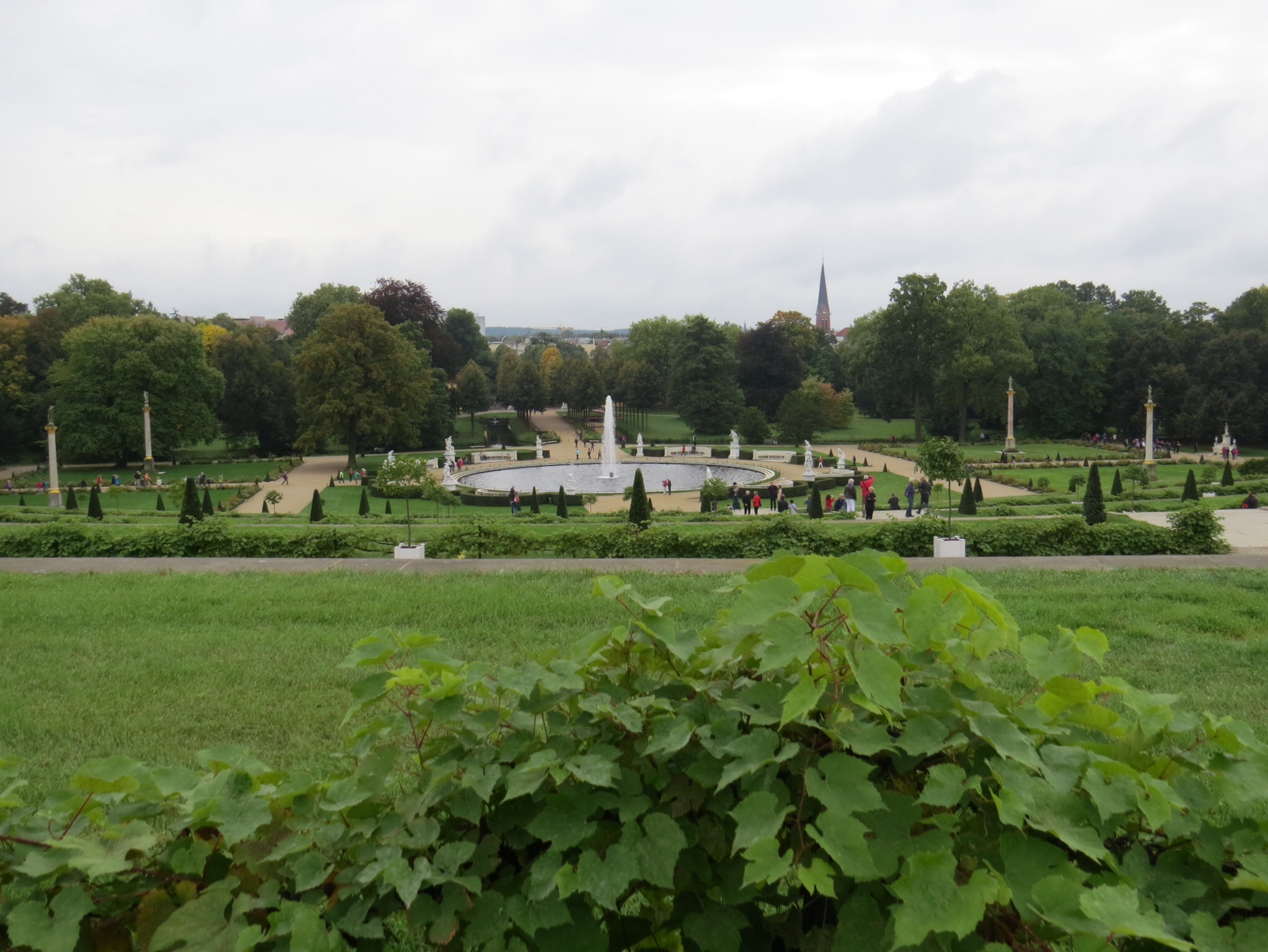
The exterior of the palace is equally stunning, and the grounds surrounding the palace are magnificent. On the back, “the hill of ruins,” (he loved ruins but Prussia didn’t have any, so he had these built and installed on his property). On the front, a formal garden, statuary and a property that rivals Versailles.

image

image

image

imageimage

Frederick married on paper only. His wife never lived with him, and was never invited to Sansoucci. Frederick served as King for 46 years, and died at Sansoucci palace. He had no issue, and his nephew succeeded him.

There was a vey real connection here to Russia. Peter III, who would become Catherine the Great’s husband, came from Prussia and admired everything Prussian. When Catherine and Peter were summoned to St. Petersburg to succeed Empress Elizabeth, Frederick the Great sent a fabulous carriage as a gift in thanks for this recognition of Prussian nobility. (We saw that carriage in the Armoury at Moscow.) Peter III was slightly mad, and was obsessed with Frederick the Great as a warrior king. He too played with toy soldiers and drilled real soldiers from a young age. His obsession with all things Prussian was Peter III’s downfall. He rejected anything Russian and honoured everything Prussian; for example, he changed the Russian military uniform to green because Prussia’s army wore green. He alienated and offended the Russian military and the Russian people, and this paved the way for Catherine’s coup and all of the great things Catherine did for Russia from the throne.

There may have been a link between Frederick and Catherine as well thru Voltaire. Frederick invited Voltaire to come and live at Sansoucci with him and Voltaire did go, but lived in Potsdam not at the palace. He stayed for six years. You may recall that Catherine and Voltaire wrote each other throughout all of their lives. Both Frederick and Catherine were part of the age of enlightenment and both did great things for their people.

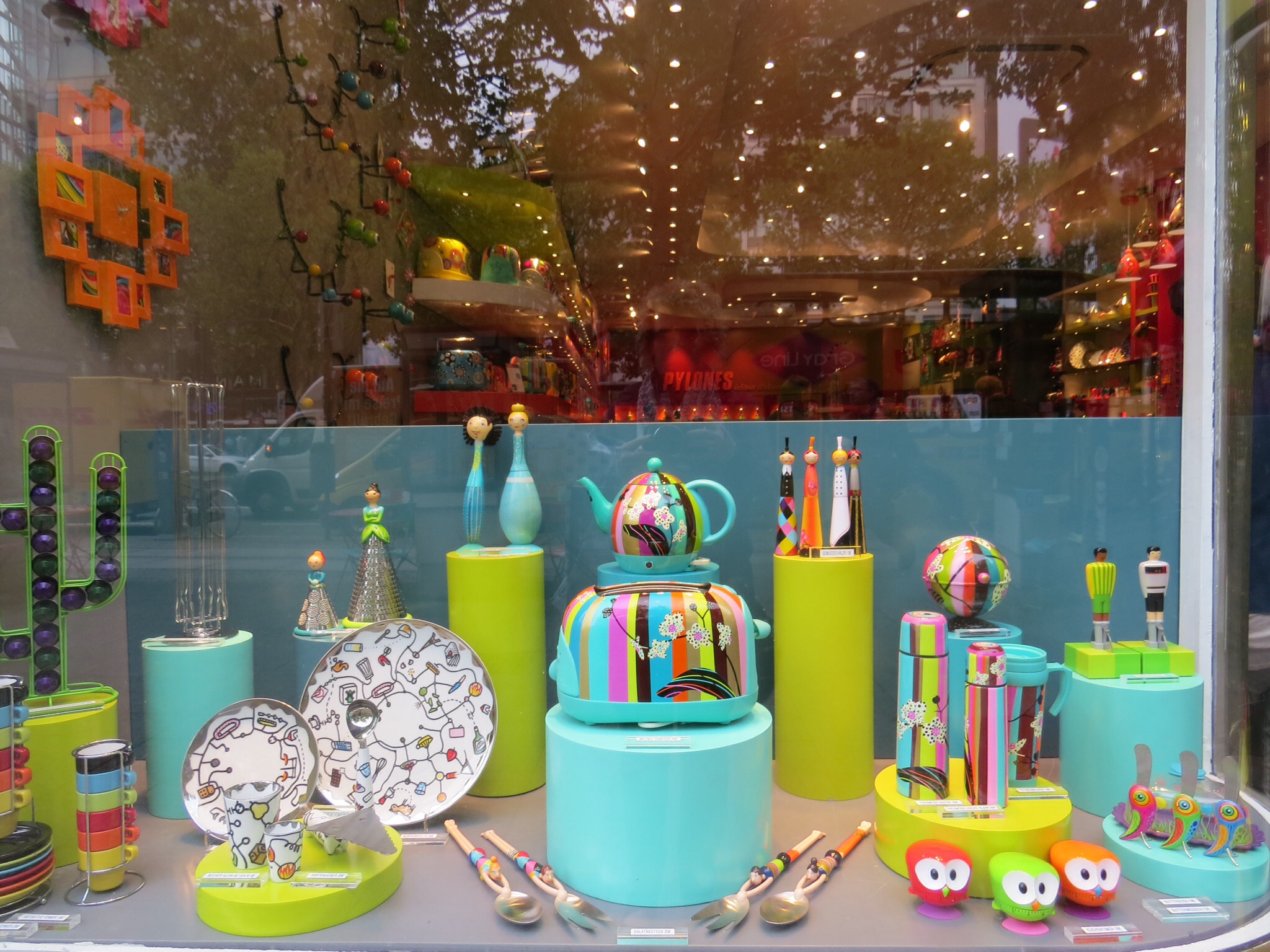
Back in Berlin, after a rest, I hit the stores. Shopping is wonderful in Berlin, and the Ku’damm, Berlin’s greatest shopping street, was dangerously located at the bottom of my block. I visited the famous Ke De We, a marvellous department store with mostly high end clothes but affordable ones as well. Another store I visited, “& Other Stories,” was fabulous, if I’d had my camera with me I would have photographed the shoes. I am hoping it is a chain, it was much like Anthropology without housewares. I did a tiny bit of shopping but mostly soaked in the cool Berlin vibe and windowshopped. I must come back here sometime on a shopping junket!

image
Jan

Out on a Spree

This saying originated from Berliners, denied alcohol on land, who took to their boats, virtual speakeasies, on the Spree River.

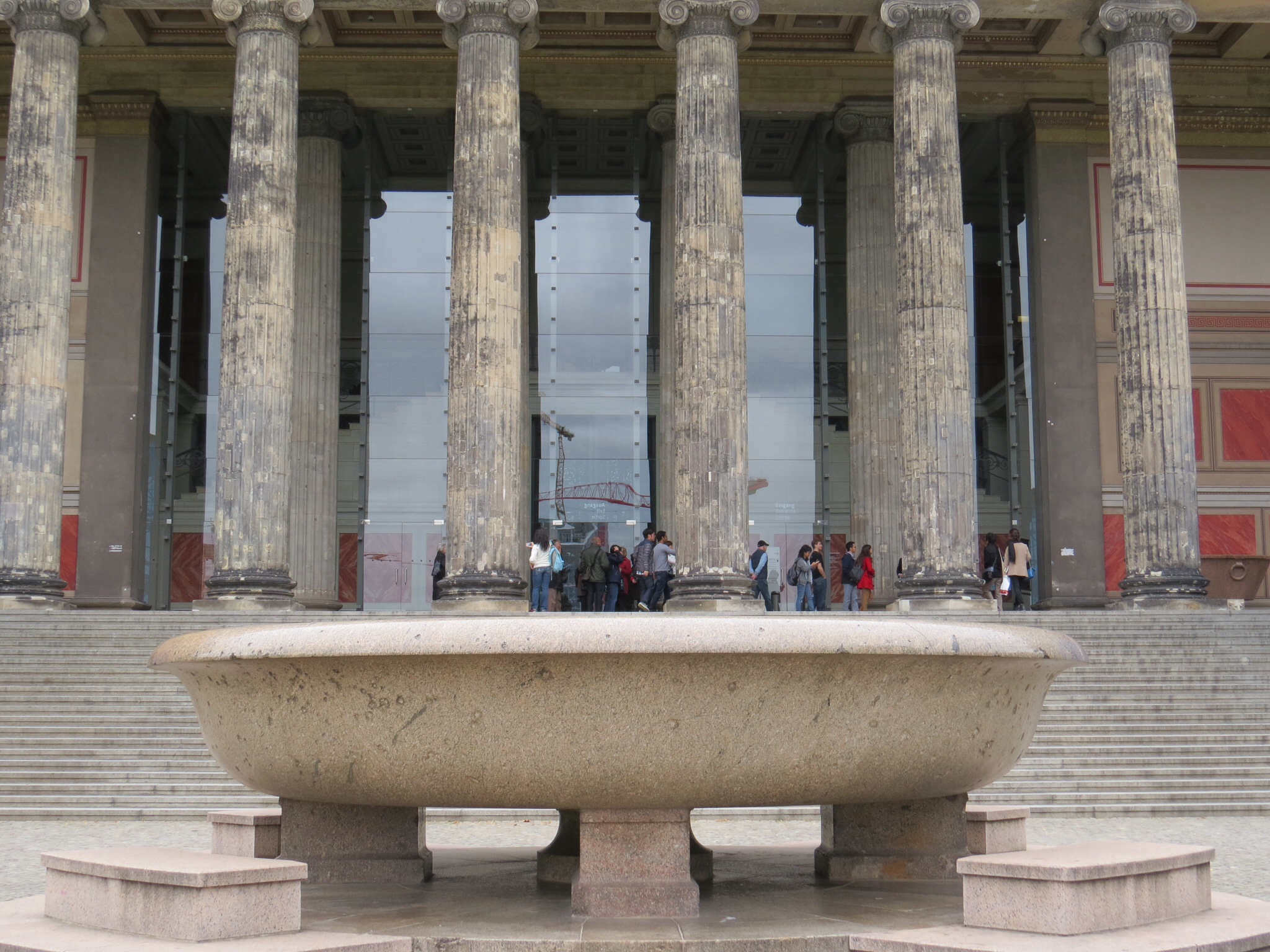
Now, the Islands on the Spree are more refined: Museum Island houses the Berliner Dom (cathedral) and 5 museums. I only had one day to cover them all, and since I took the morning off, only an afternoon. Could it be done?

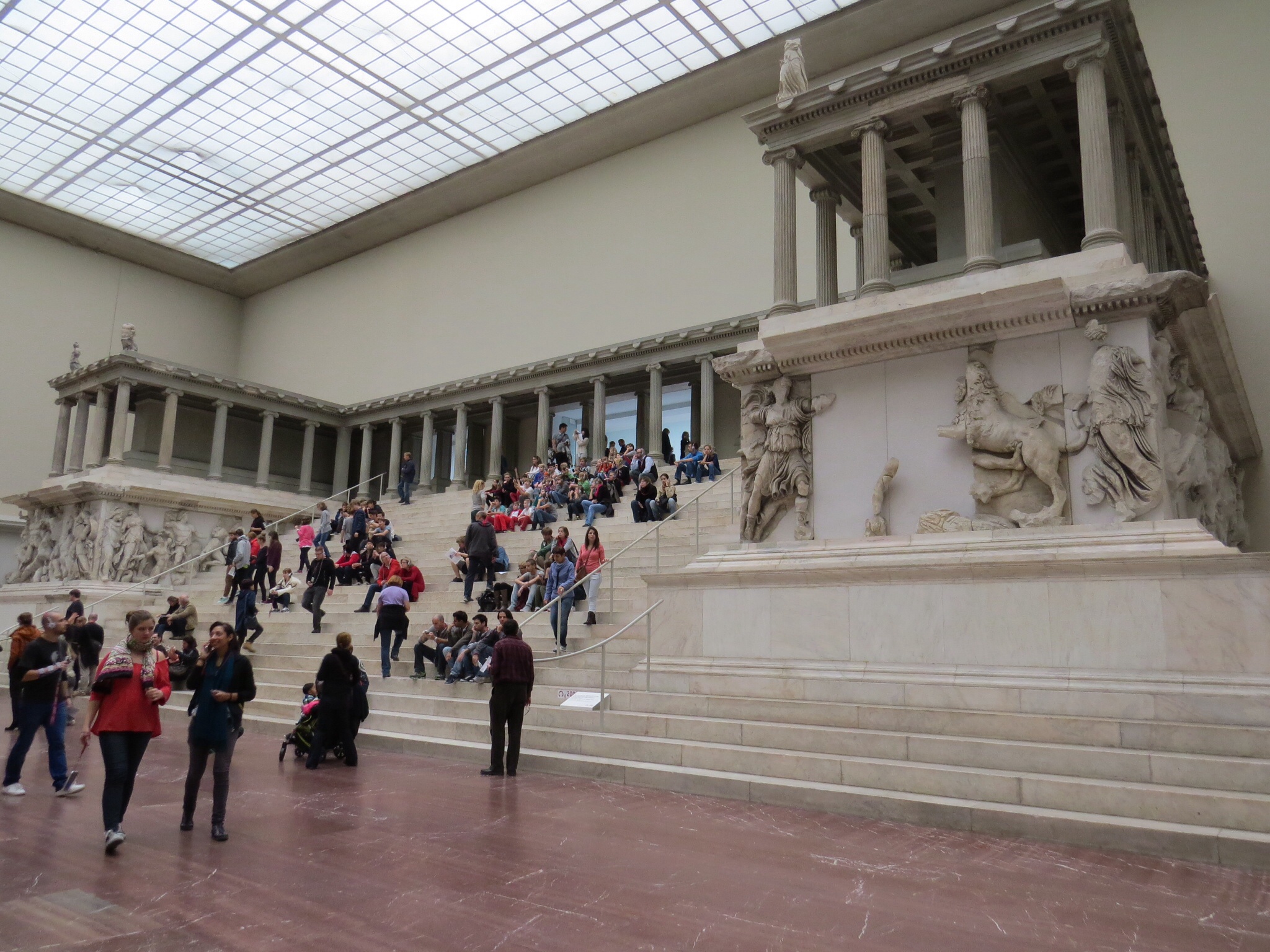
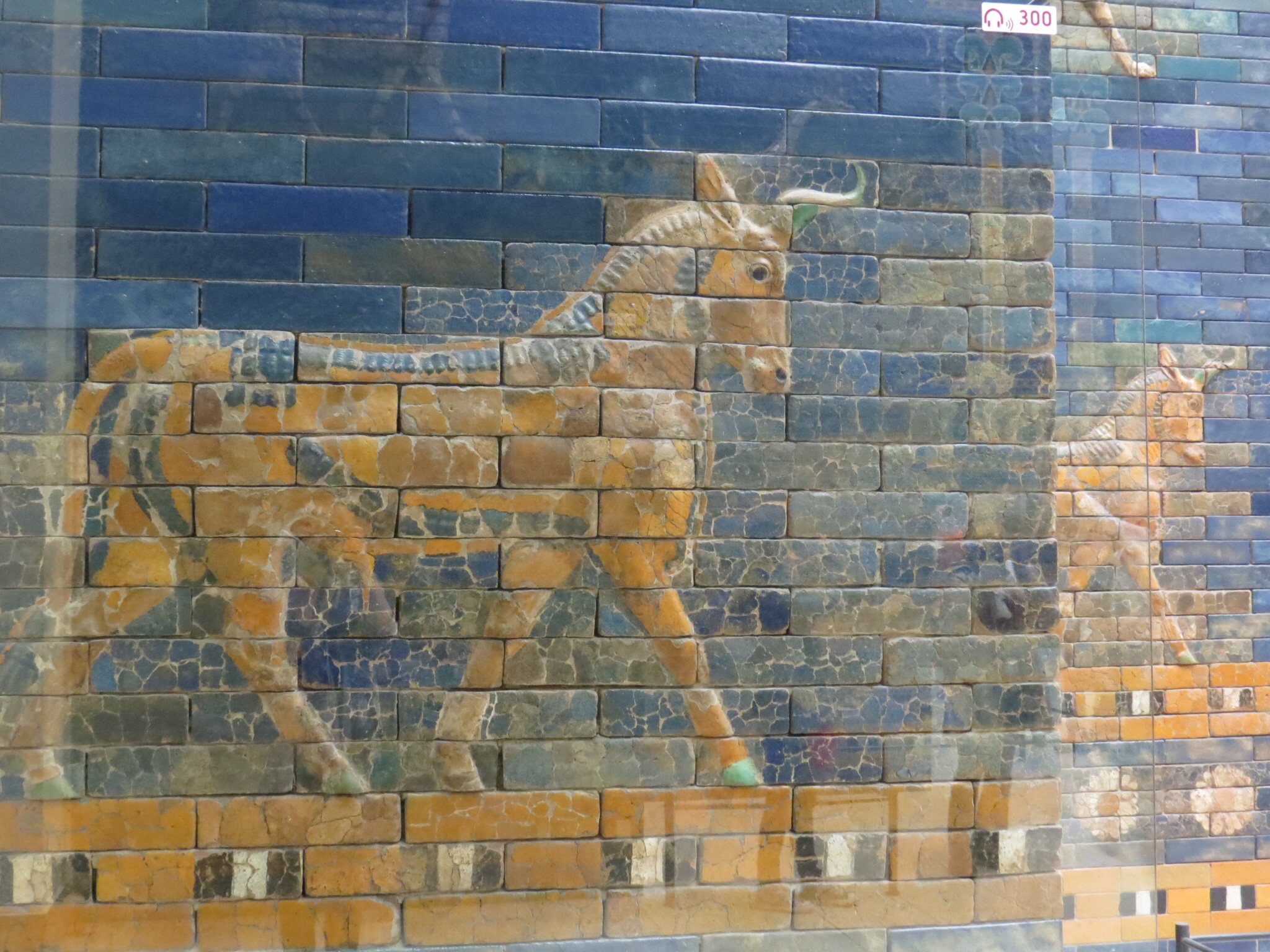
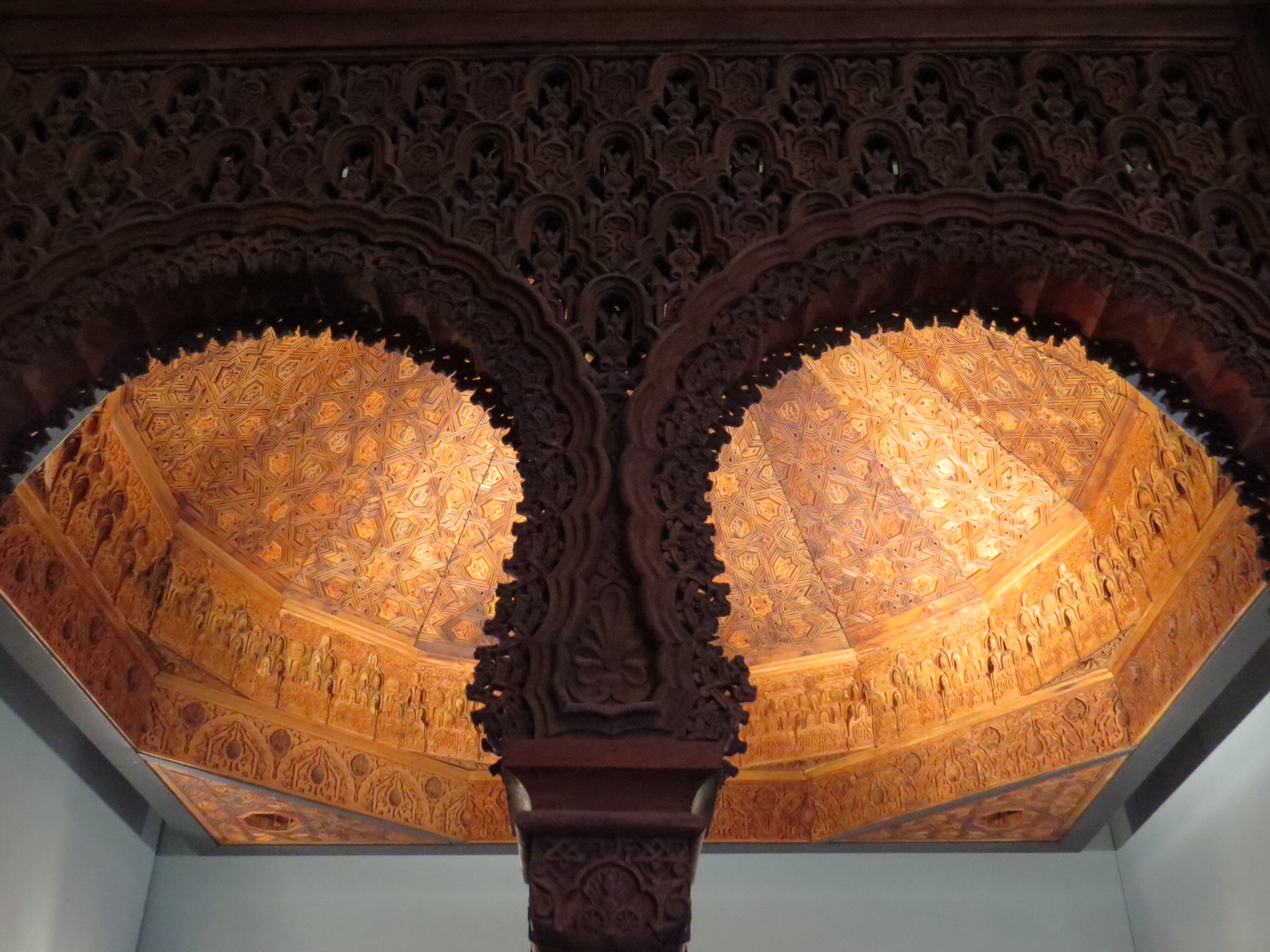
I started with the Pergamon Museum, the most spectacular museum I believe I’ve ever visited. It houses Berlin’s collection of Babalonian and Islamic art. It has huge installations including the Pergmon Alter, an entire market, parts of palaces, and complete rooms. All stolen, of course, but preserved at least, and what a wonder to see!

imageimageimageimage
imageimageimageimageimageimage

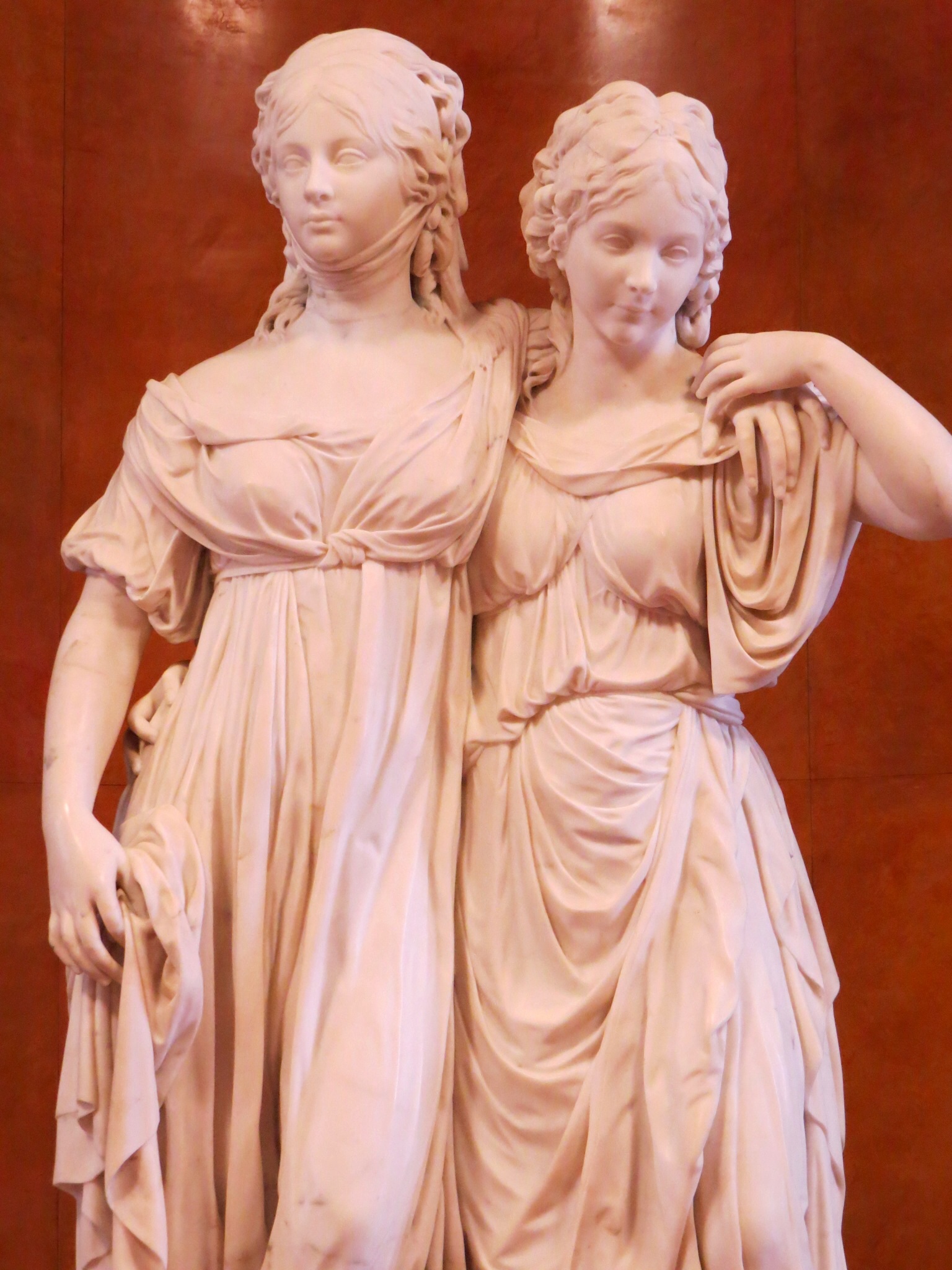
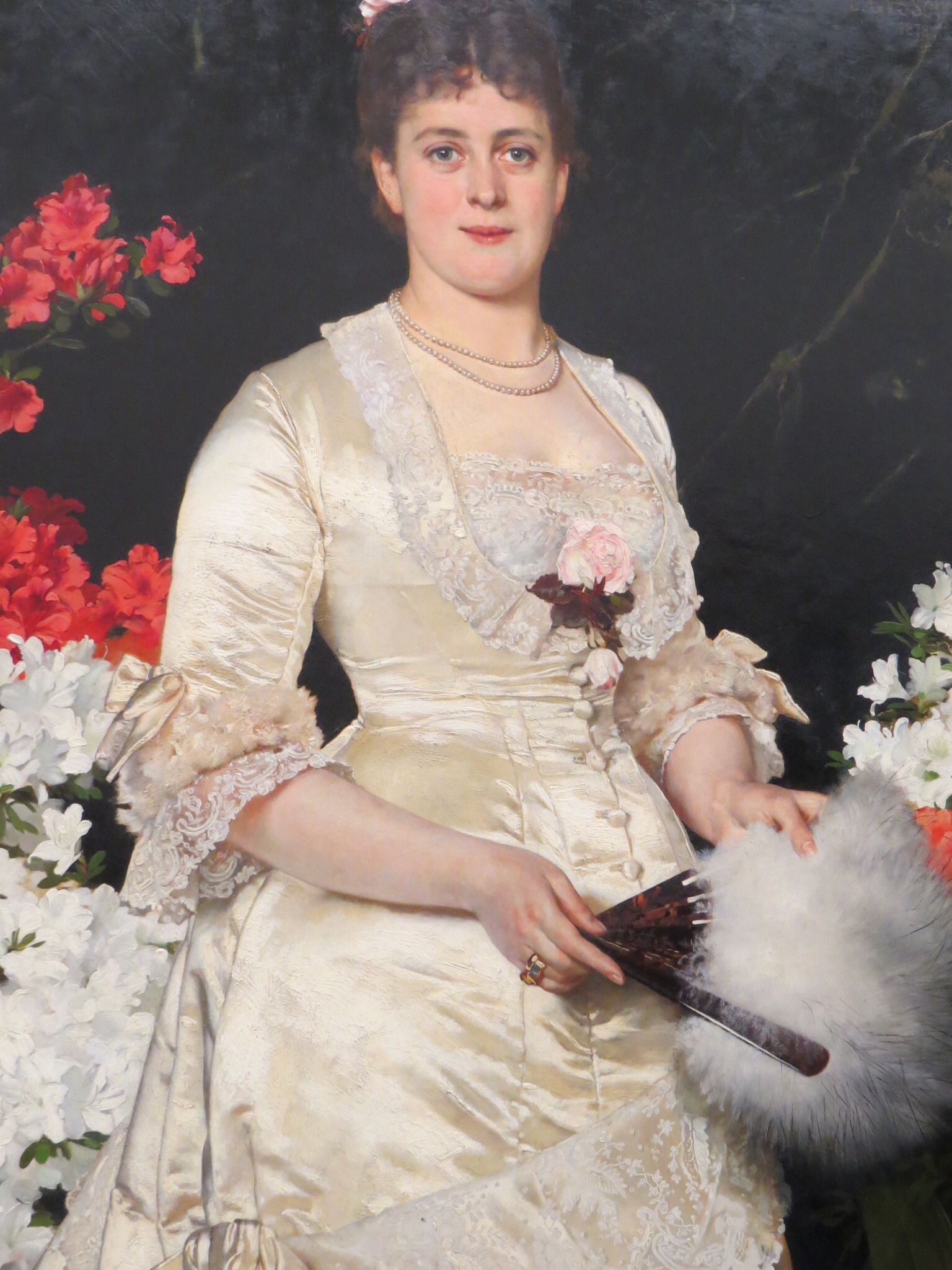
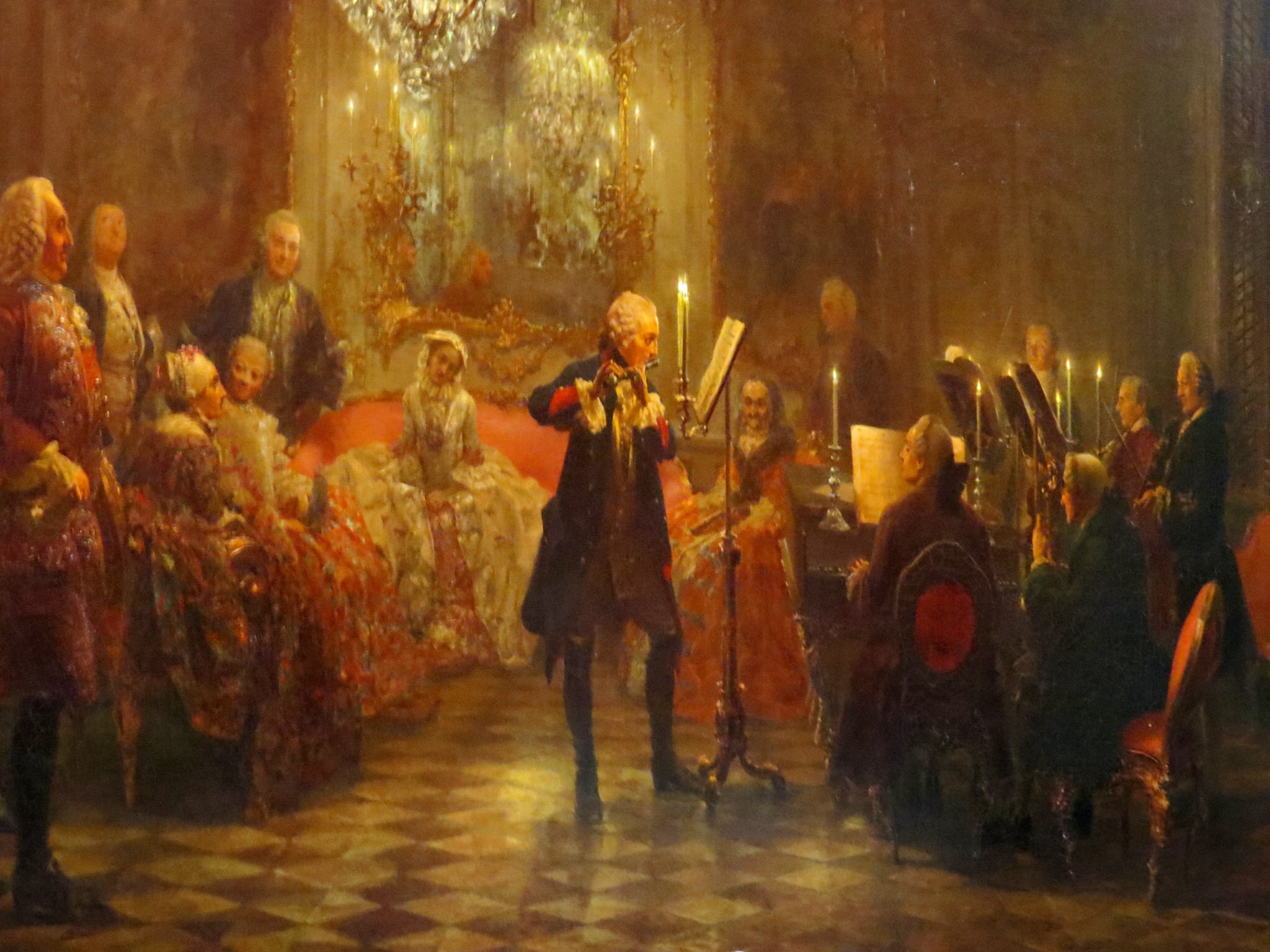
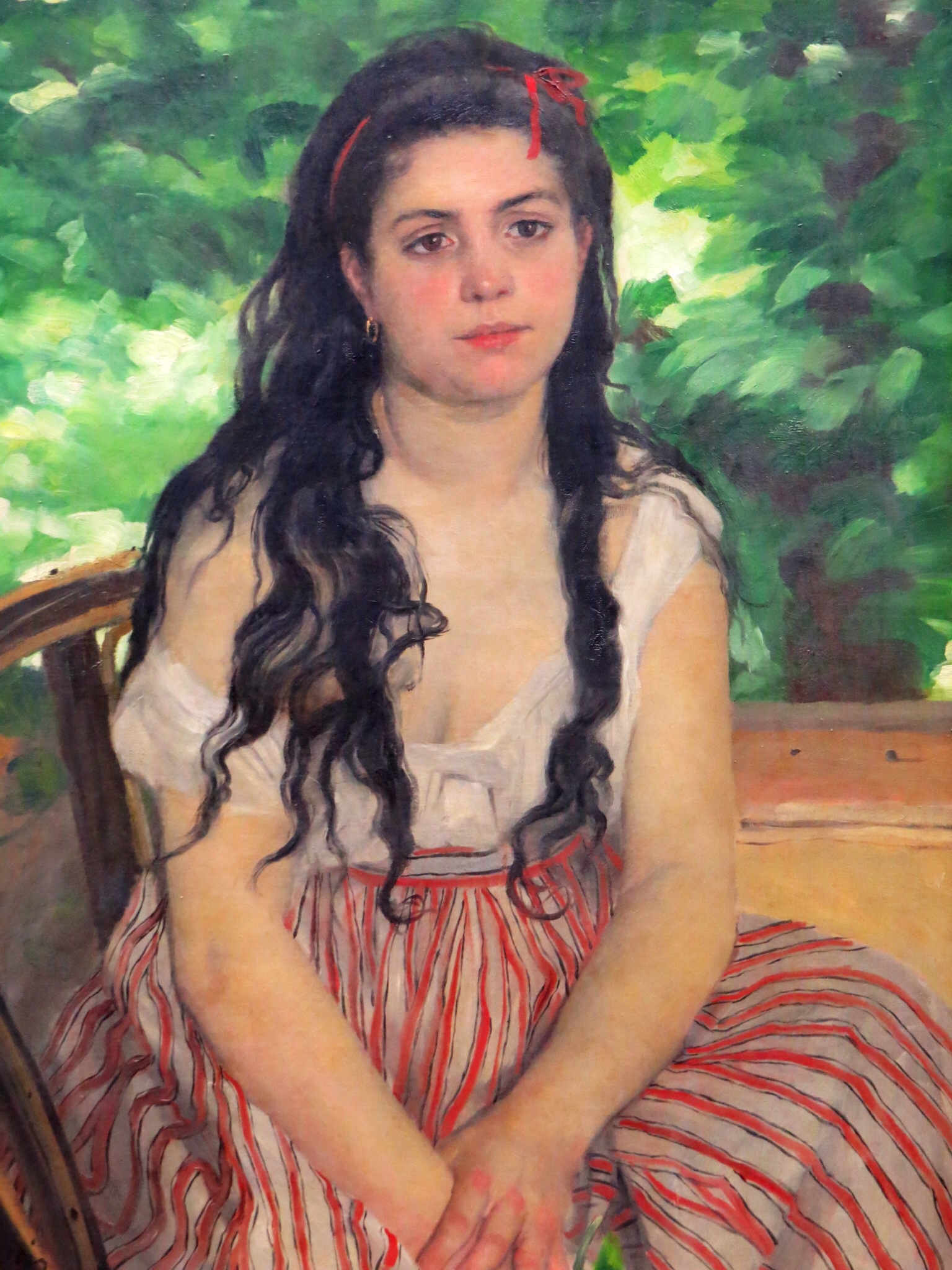
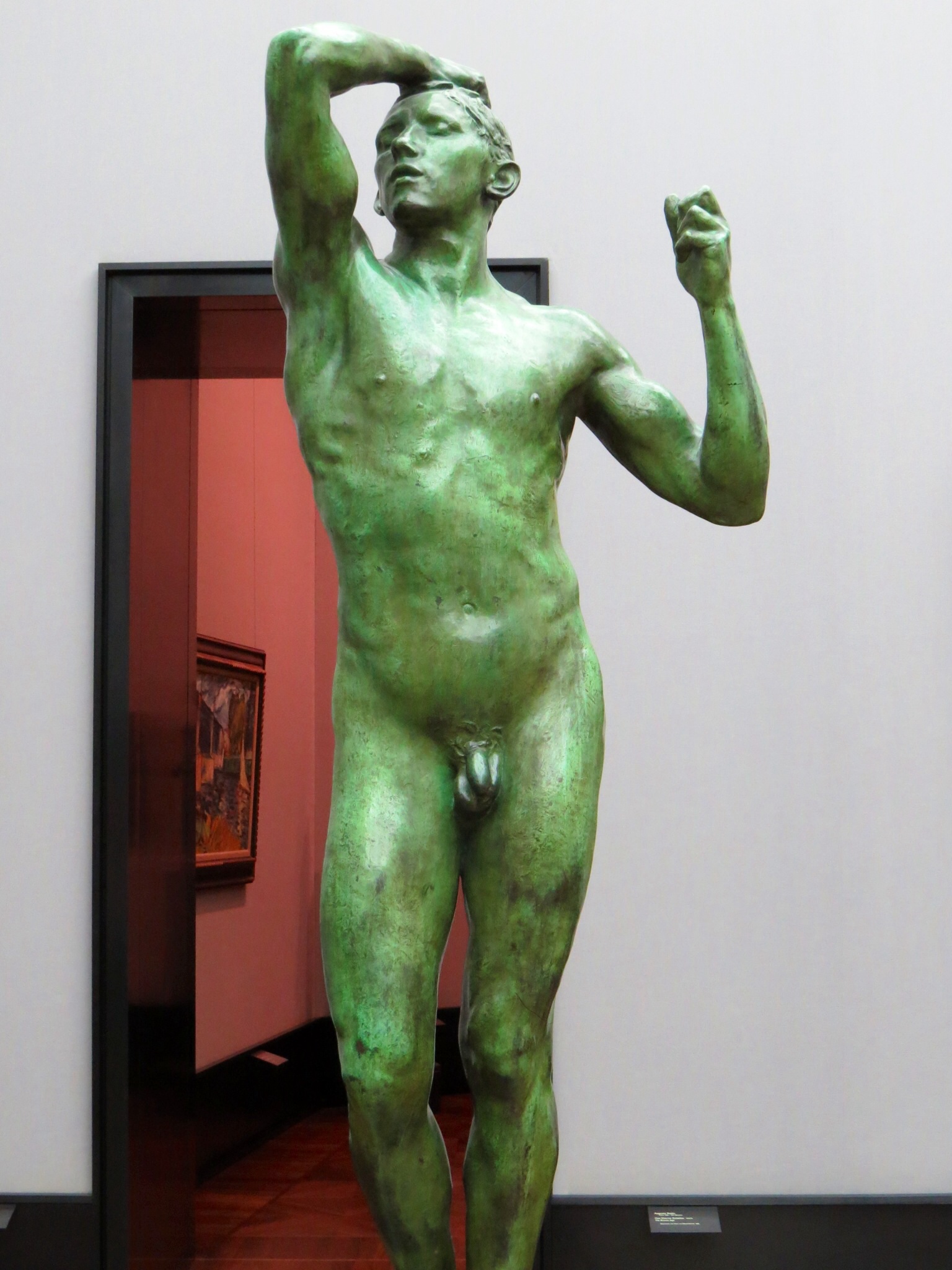
Next I hit Alte Nationalgalerie, a collection of art, mostly German. Nowhere near the depth or quality of the Russian State Museum, but I never found Freidrich’s famous The Monk by the Sea. One famous and beautiful sculpture was the sculpture “The Prinzessinengruppe,” of the two daughters of Charles II, Duke of Mecklenburg-Strelitz. The sculptures were commissioned of Johann Schadow to portray his beautiful daughters in the hope of marrying them to kings or princes. The elder sister, Frederica, eventually became Queen of Hanover and her sister, Louise, Queen Consort of Prussia. And I particularly liked the painting of Frederick the Great playing his flute at Sanscoucci, where I am going tomorrow. Also in the gallery were a few wonderful portraits and landscapes, and the Impressionists’ collection contained several Renoirs, Cezannes, Monets, Rodins and a Gauguin.

imageimageimageimageimage

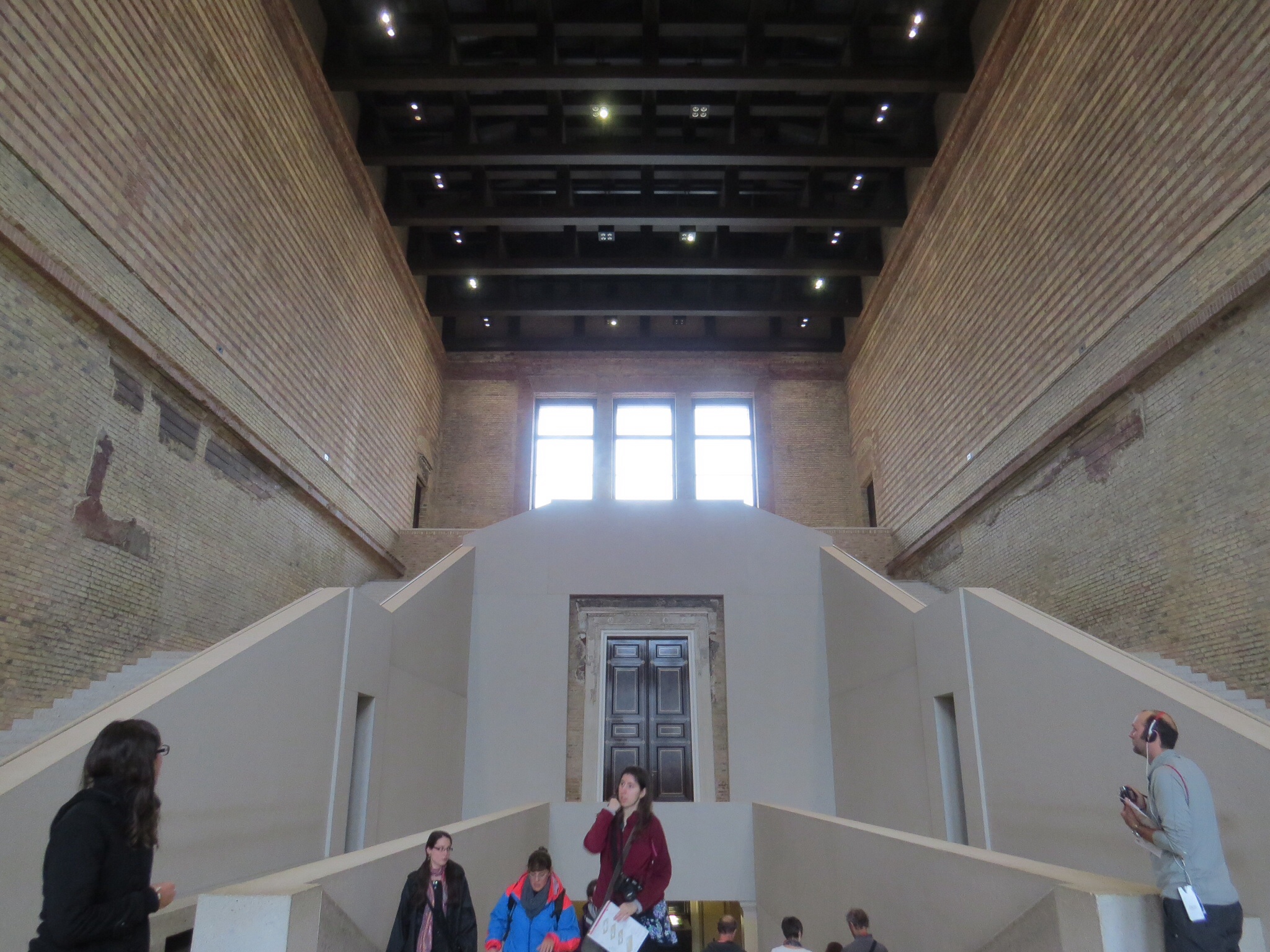
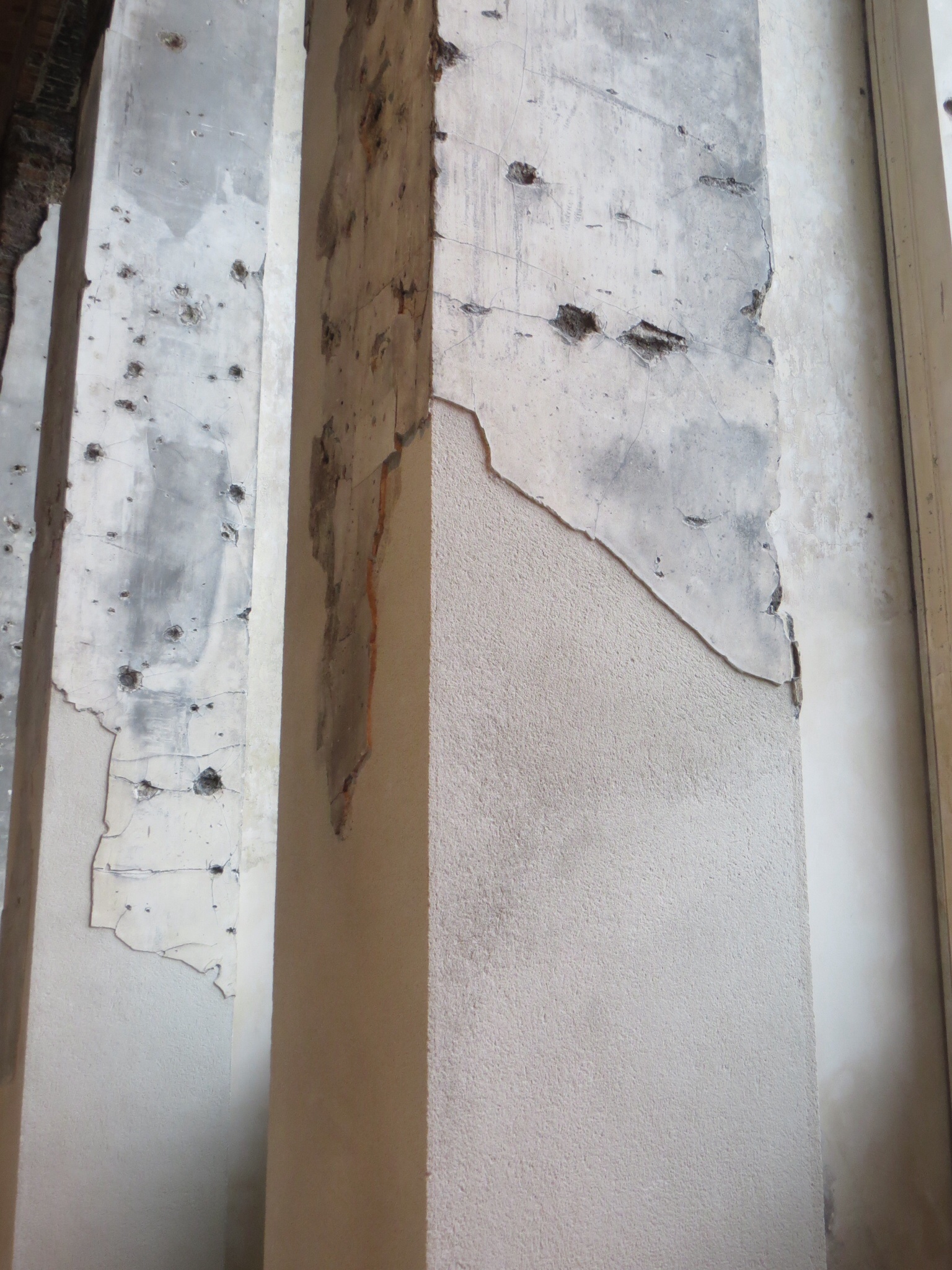
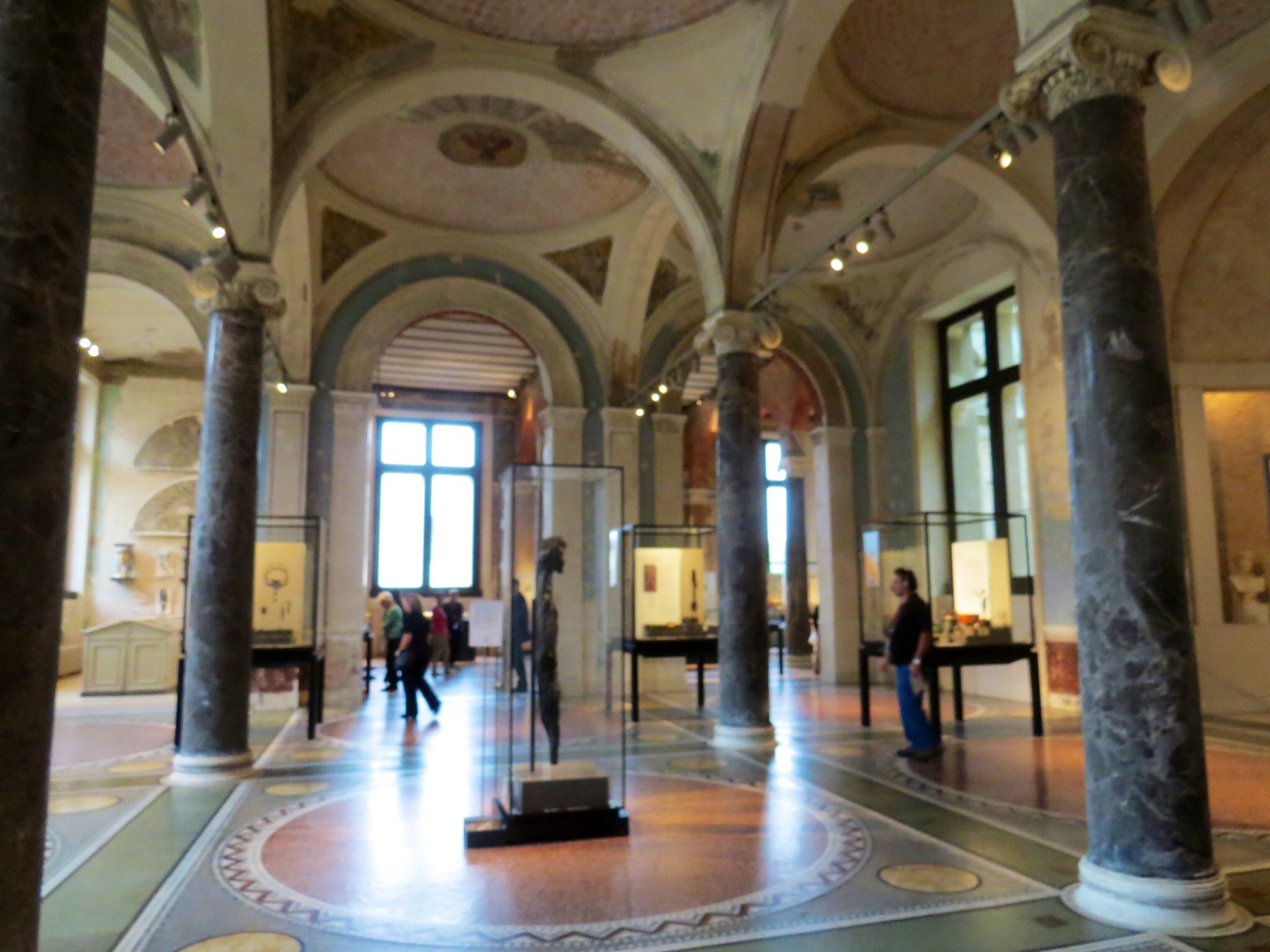
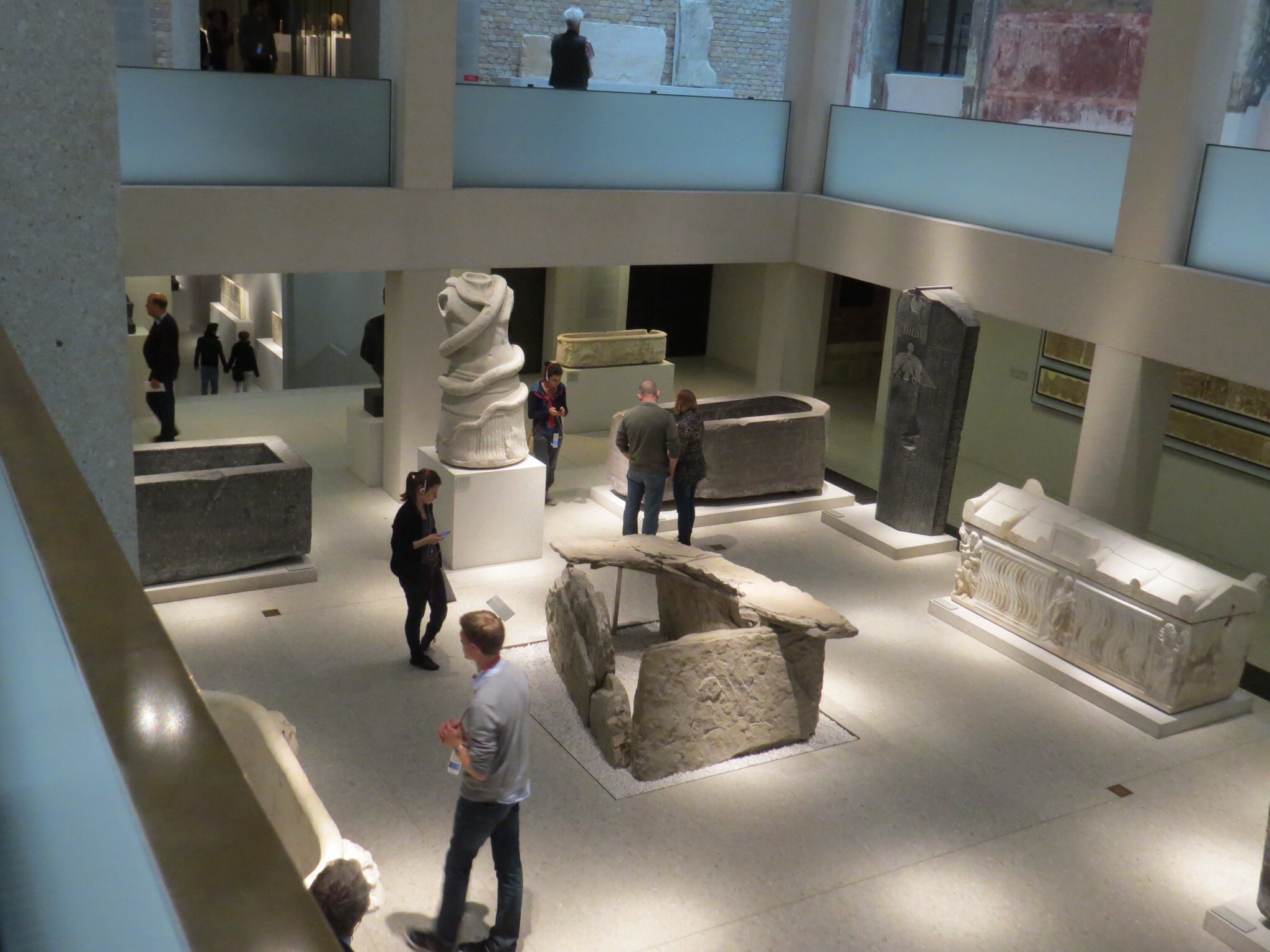
Next, the Neues Egyptian Gallery where I saw the precious head of Nefertiti. The beauty of this sculpture leaves you breathless. It really can’t be described, and photography was not allowed, so I could only photograph different model versions which do not capture the exquisite beauty of the original: the vertebrae below the swan neck, the profile, the cheekbones, the eyes. And the age of the piece. I marvelled at the opportunity to see her. Also fabulous about this gallery was its reconstruction after being badly damaged during the war. Starchitect David Chipperfield designed the renovation and retained much of the scarred evidence of its history. Soaring ceilings and staircases were modern additions; the renovation was entirely sympathetic both to its history and to the collection.

imageimageimageimage

image

image

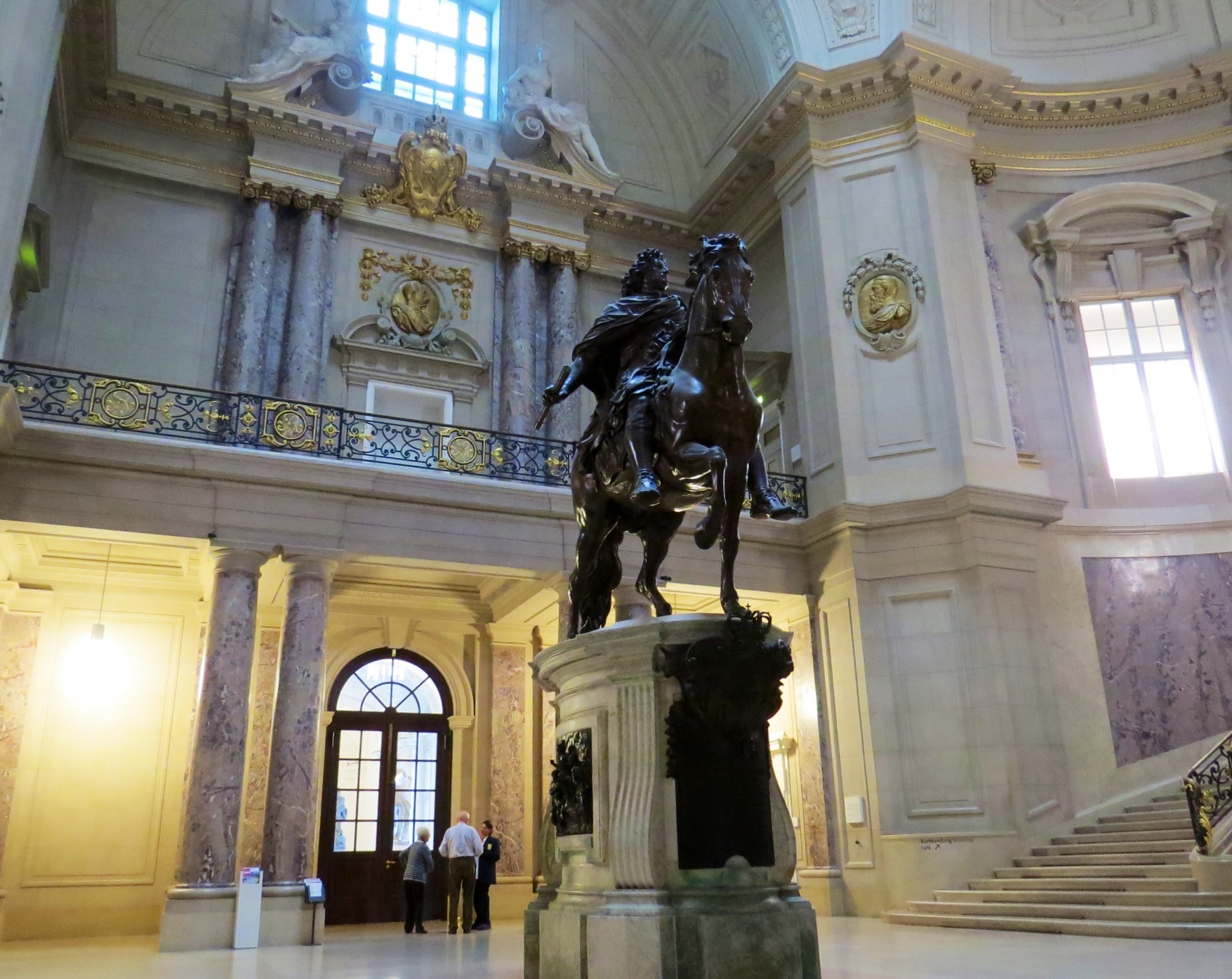
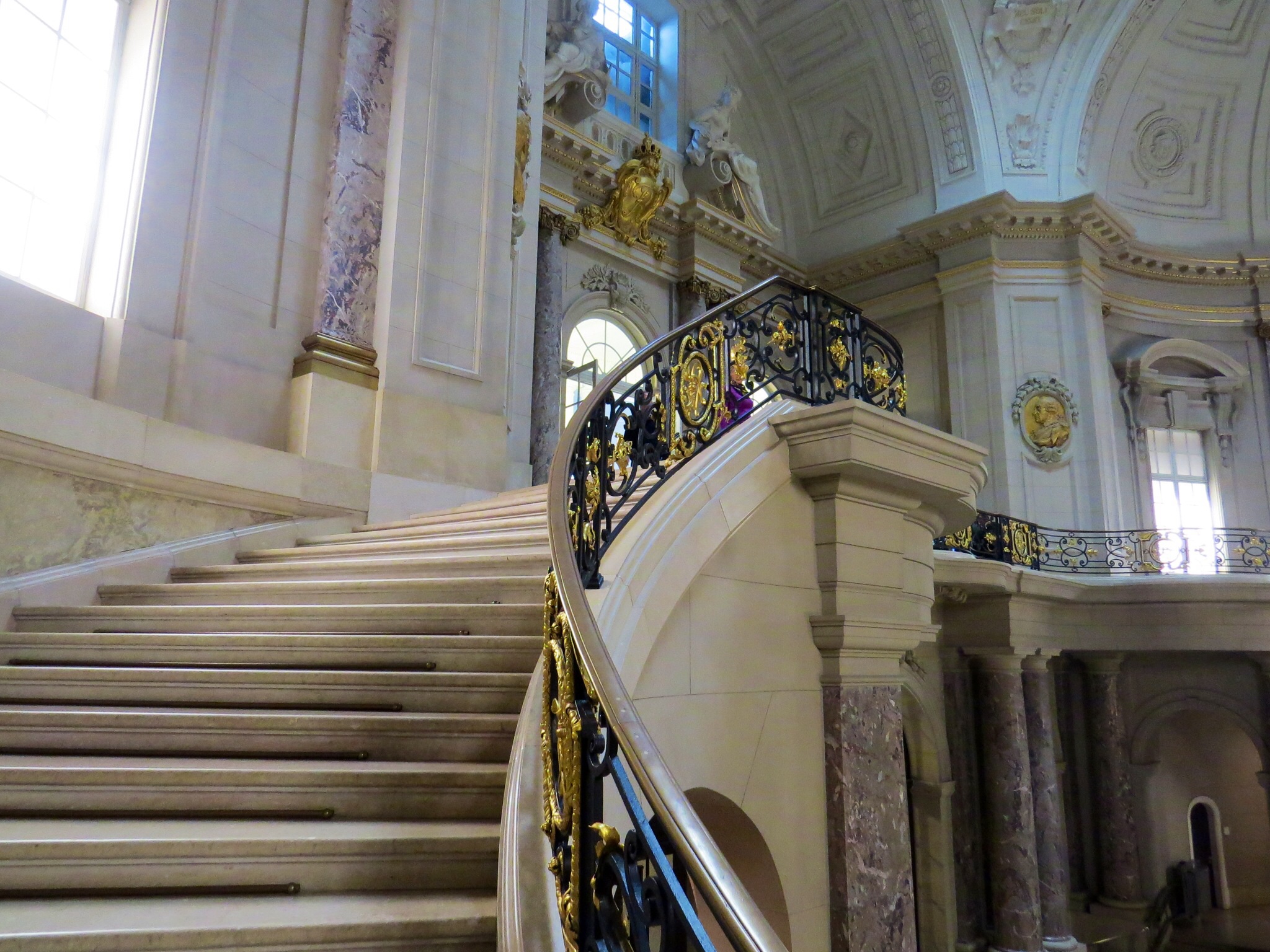
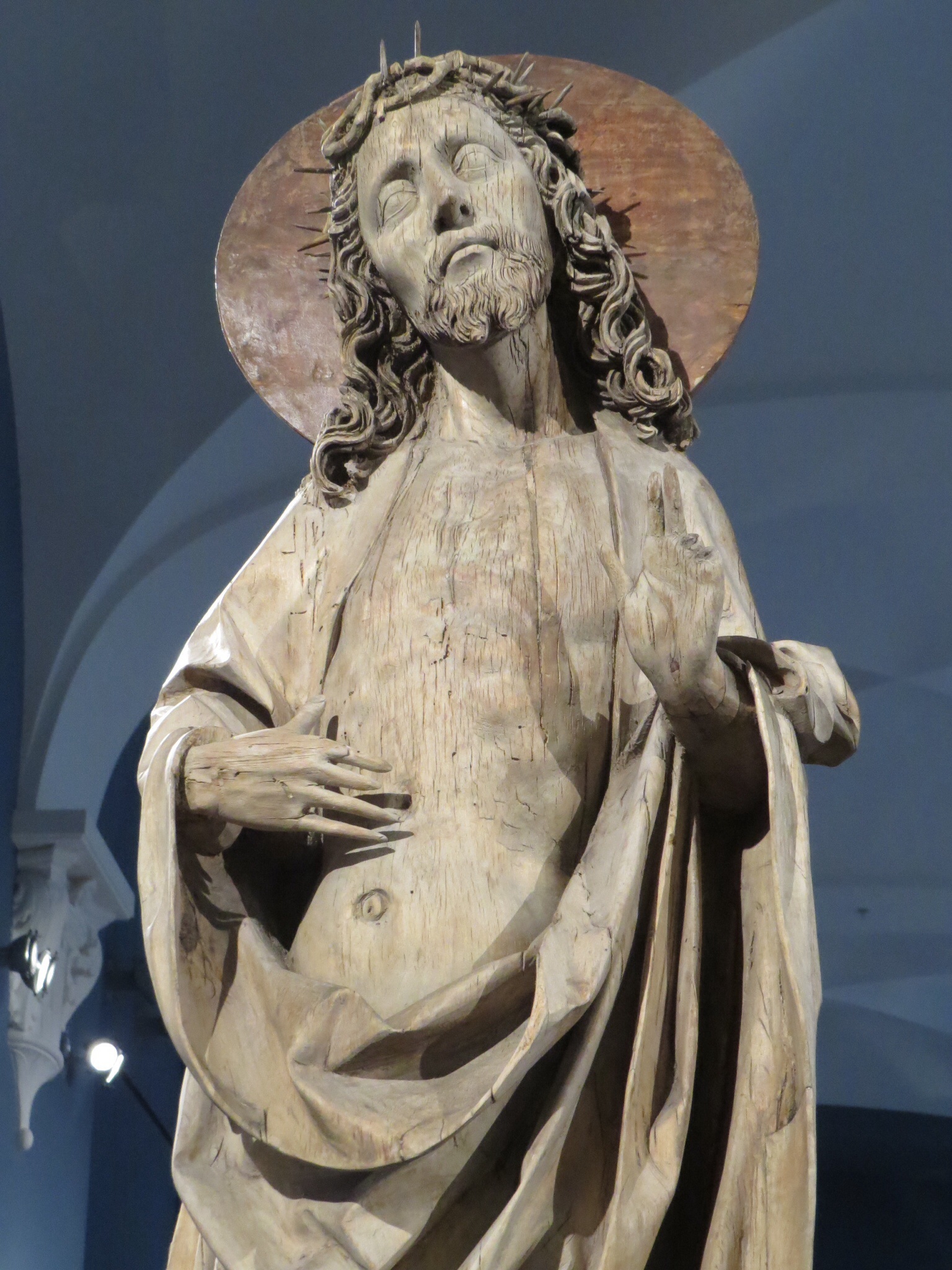
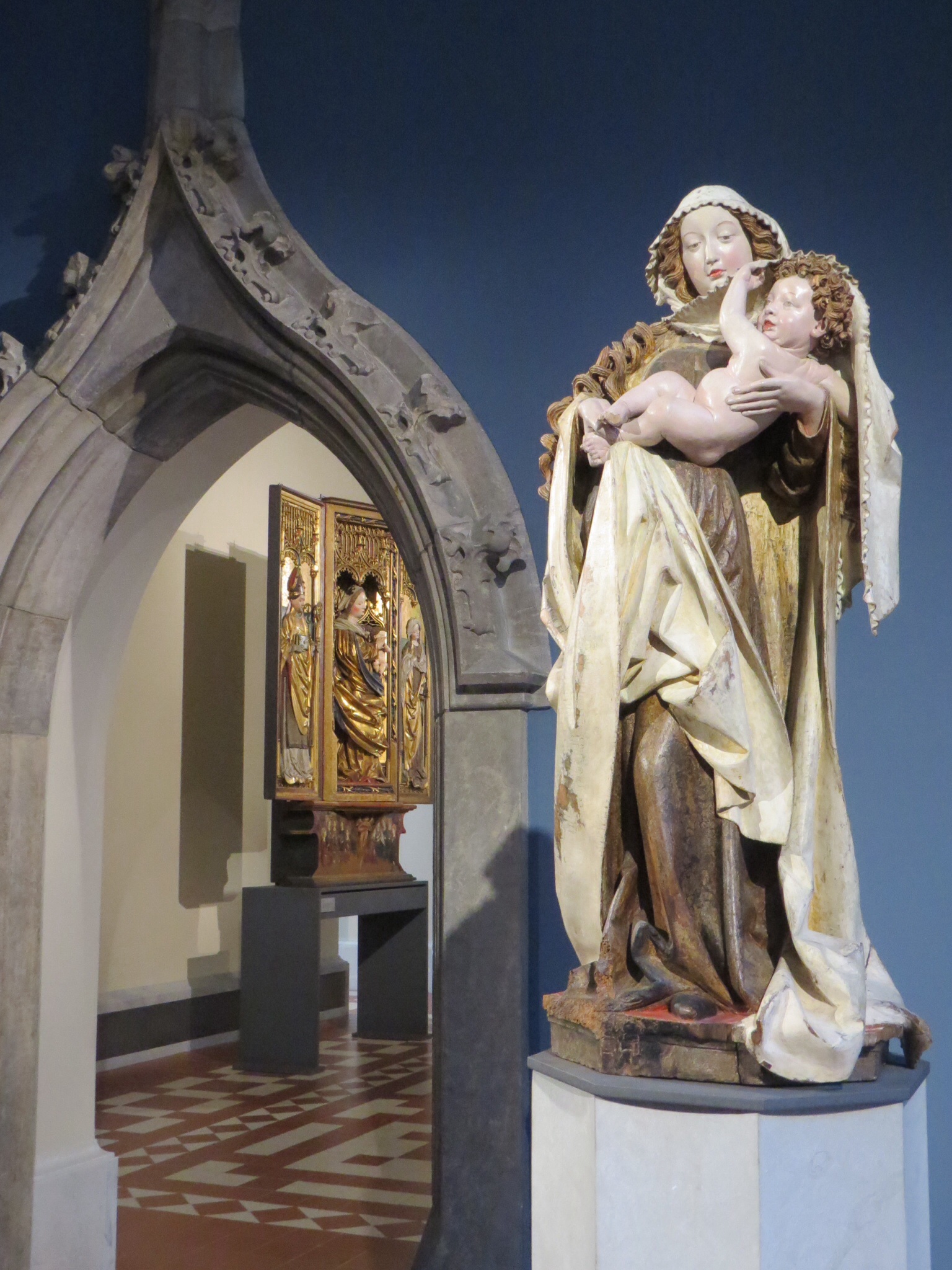
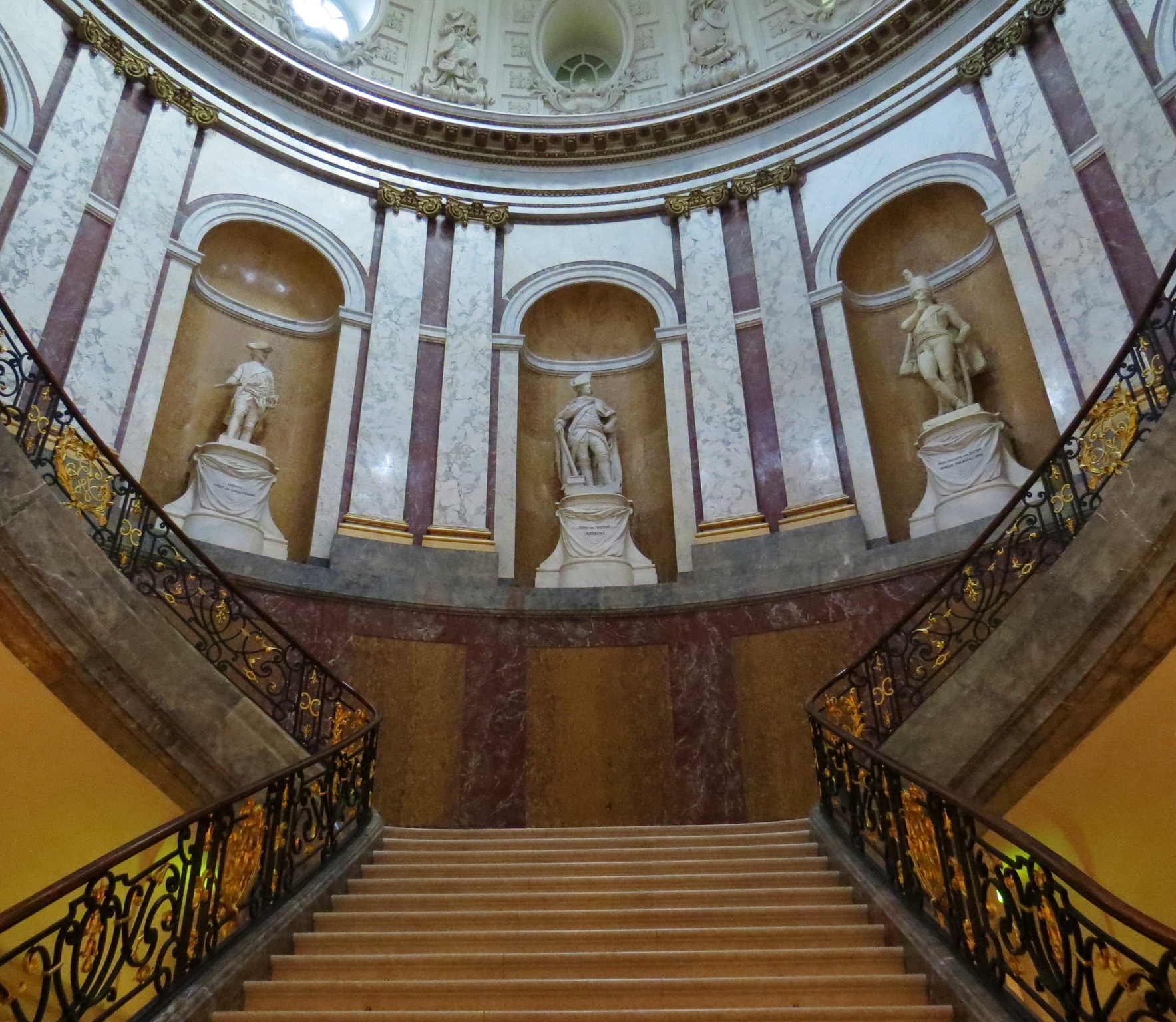
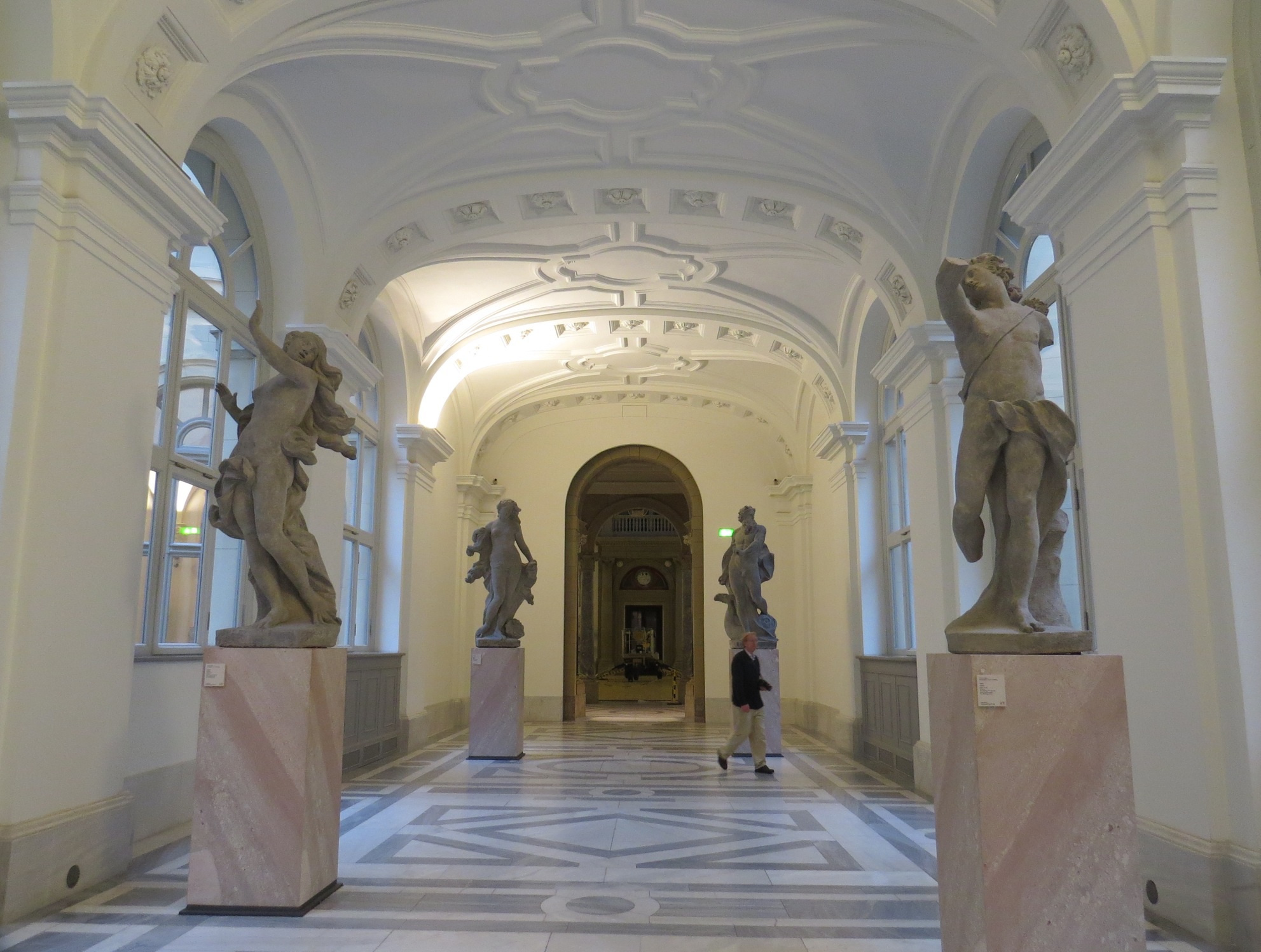
I still had time for one more museum. Since I had seen the ancient relics of Babylon, Islam and Egypt, I passed up the Greek collection of antiquities and opted for the Bode Museum housing the country’s sculpture collection including pre- and Renaissance sculpture. This ancient, classical building was as stunning as its collection, inside and out. The religious work was, surprisingly for me, beautiful for its time – brightly coloured and lighthearted – far from the dark brooding religious paintings that came out of Amsterdam or Florence before the Renaissance.

imageimageimage
imageimageimageimageimageimageimage

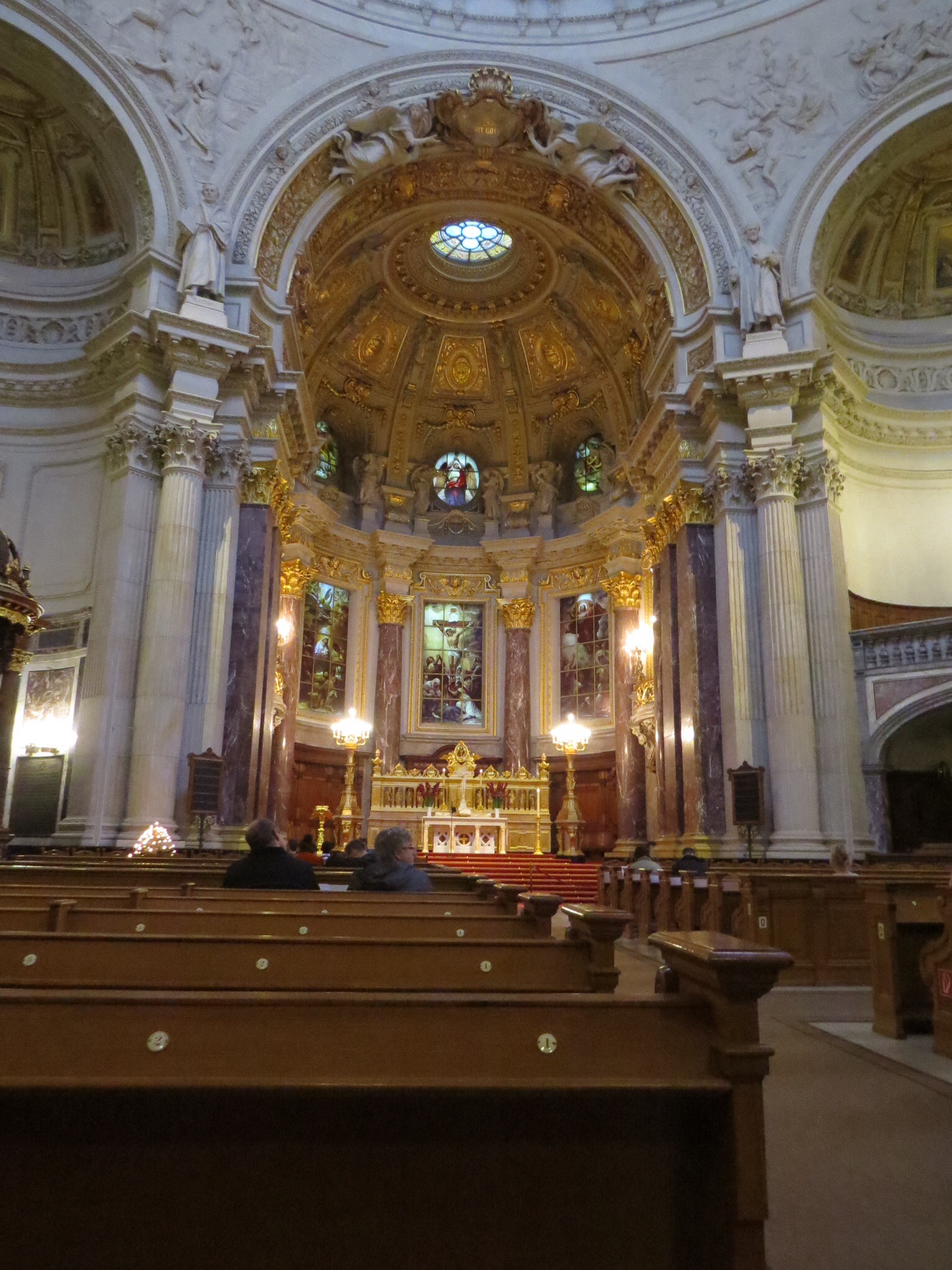
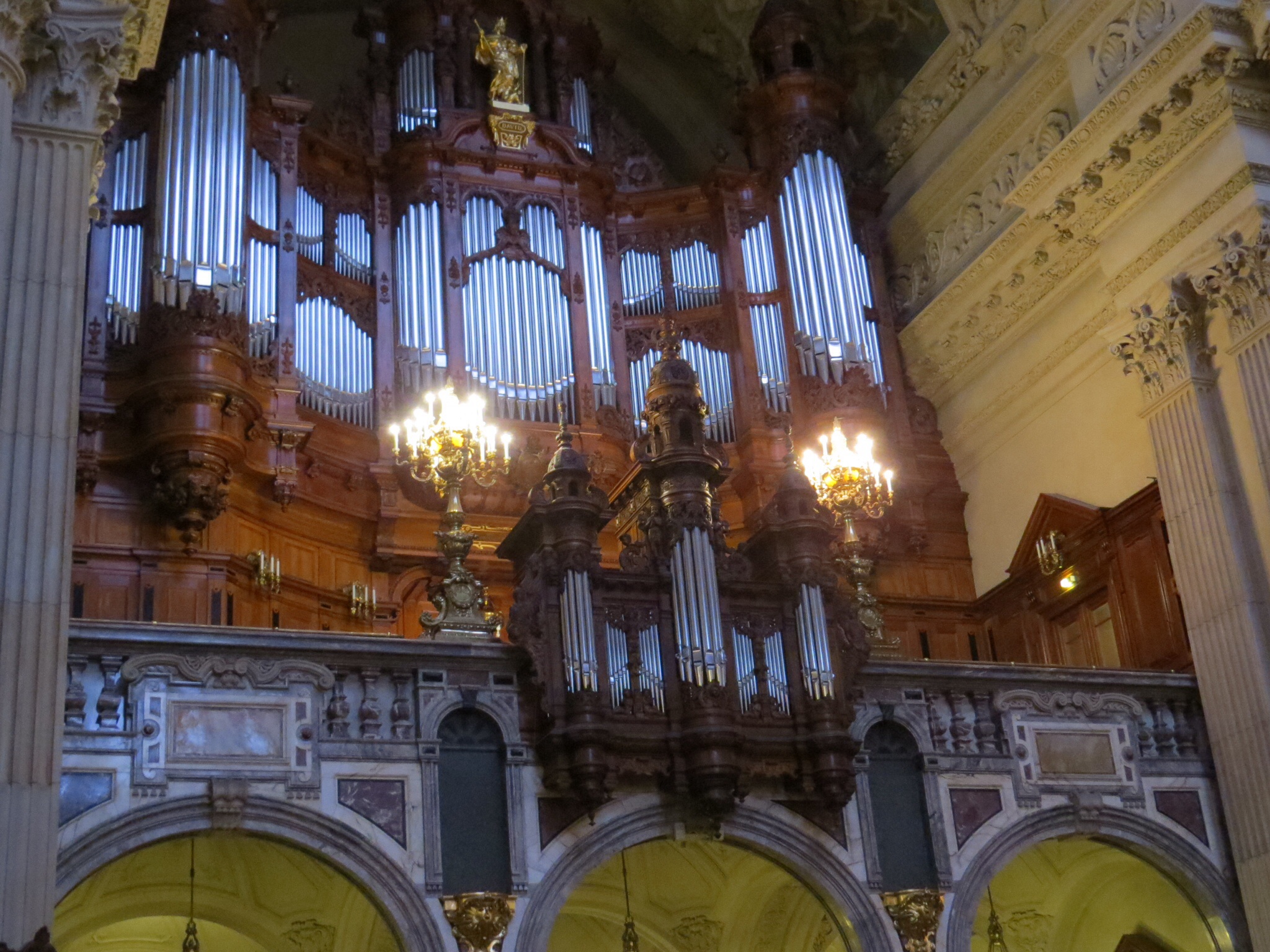
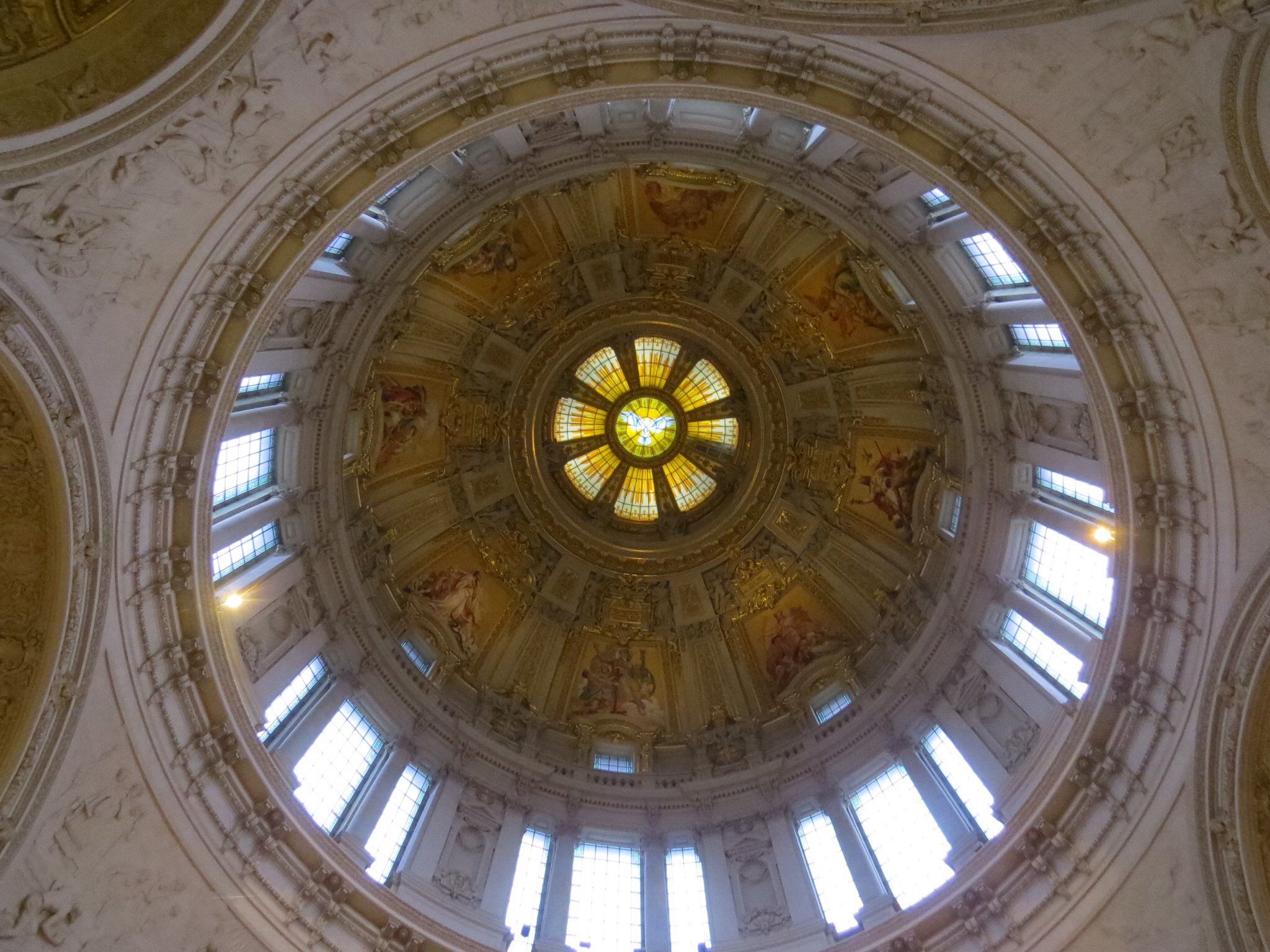
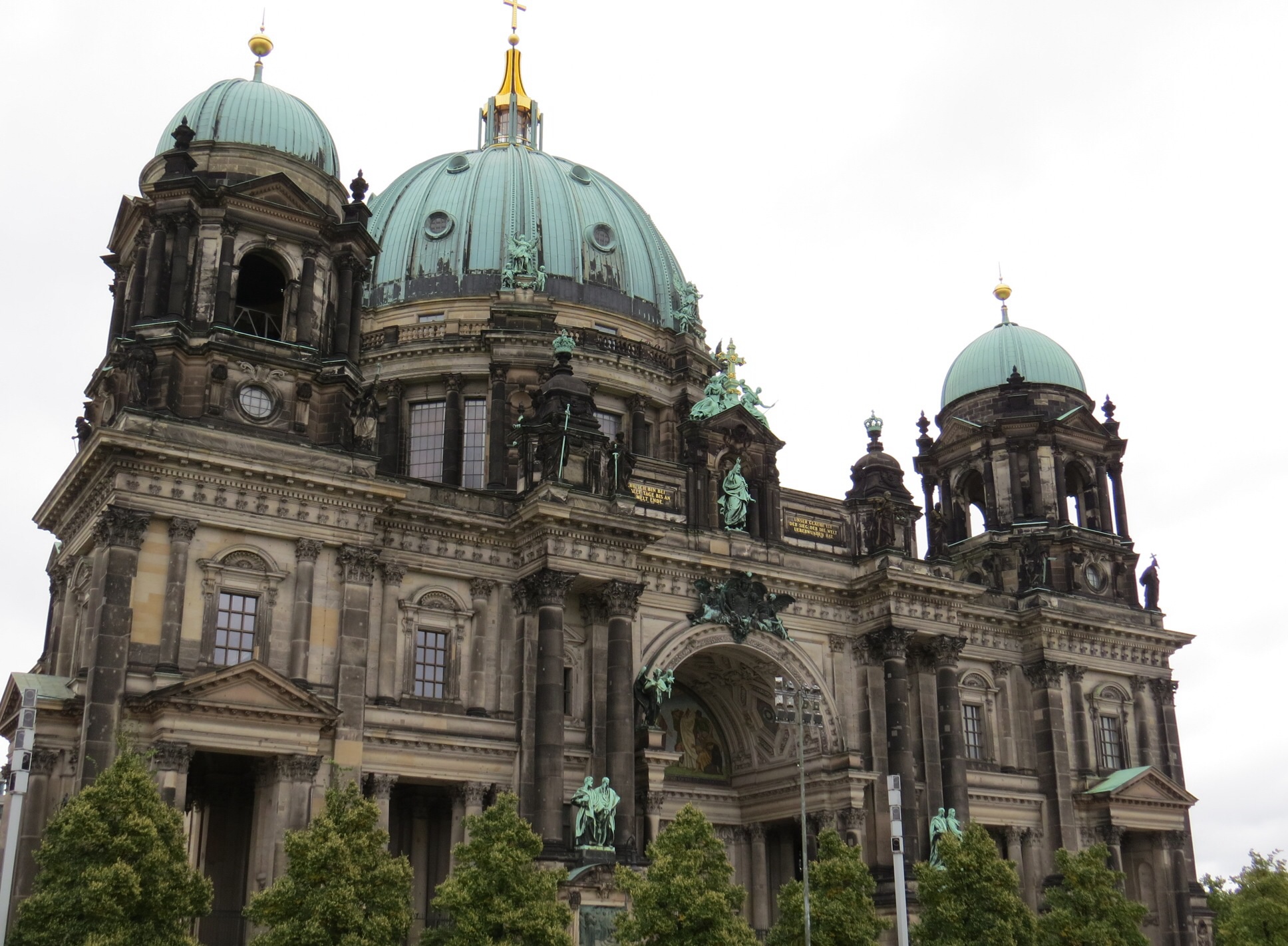
By now my feet were killing me and it was almost 6pm. Just enough time to make it over to the Berliner Dom for a 20-minute service which allowed me to rest my feet, reflect on all I’d seen and have a great look at the beautiful cathedral without paying an admission fee. Magnificent interior and organ.

imageimageimage

I made my way home with tired feet, but I can’t believe that by focussing on the major pieces I wanted to see and with lots of time for more, I made it through all but one of Museum Island’s museums in a single day.

Having been instructed NOT to leave town without tasting currywurst, I stopped off at what looked like a Parisian brasserie for currywurst and sauerkraut. It tasted delicious as wurst goes, and the kraut was loaded with bacon. (I may develop scurvy here.) There are many versions as to the origins of currywurst and our tour guide had told one version in the guided walk yesterday that it originated in Berlin during the war to mask the fact that the sausages were made mostly with bread fillers. I prefer the version Bonnie introduced me to in The Invention of Curry Sausage, to wit: in Hamburg, during the war a German woman was a cook at a local Nazi dining room. She met and fell in love with, and BTW had a steamy relationship with, a young German soldier who was deployed but had AWOLed mainly out of fear. She took the soldier in, who expected this to be only a delay, he intended to appear for service eventually. She had very suspicious neighbours and he had to hide inside the apartment and couldn’t go out. When the war ended just at that time and Americans had occupied the city, she couldn’t bear his leaving and and she neglected to inform him of these events. While he was with her, she invented currywurst to improve the flavour of her meagre ingredients; she knew her cooking was her way to his heart. It wasn’t long before he learned the truth, and he left, still wrongly believing the battle may have been over but the war was still to be won. Her husband, whom she did not love, never returned from the war, and she went on to spend the rest of her life making currywurst at a food cart in the square. That is where I will leave the story off, but this story, my preferred version, certainly made tasting currywurst for the first time, in Germany, a very rich experience.

Jan

I Heart Berlin

From the moment I touched ground, I have loved this town!

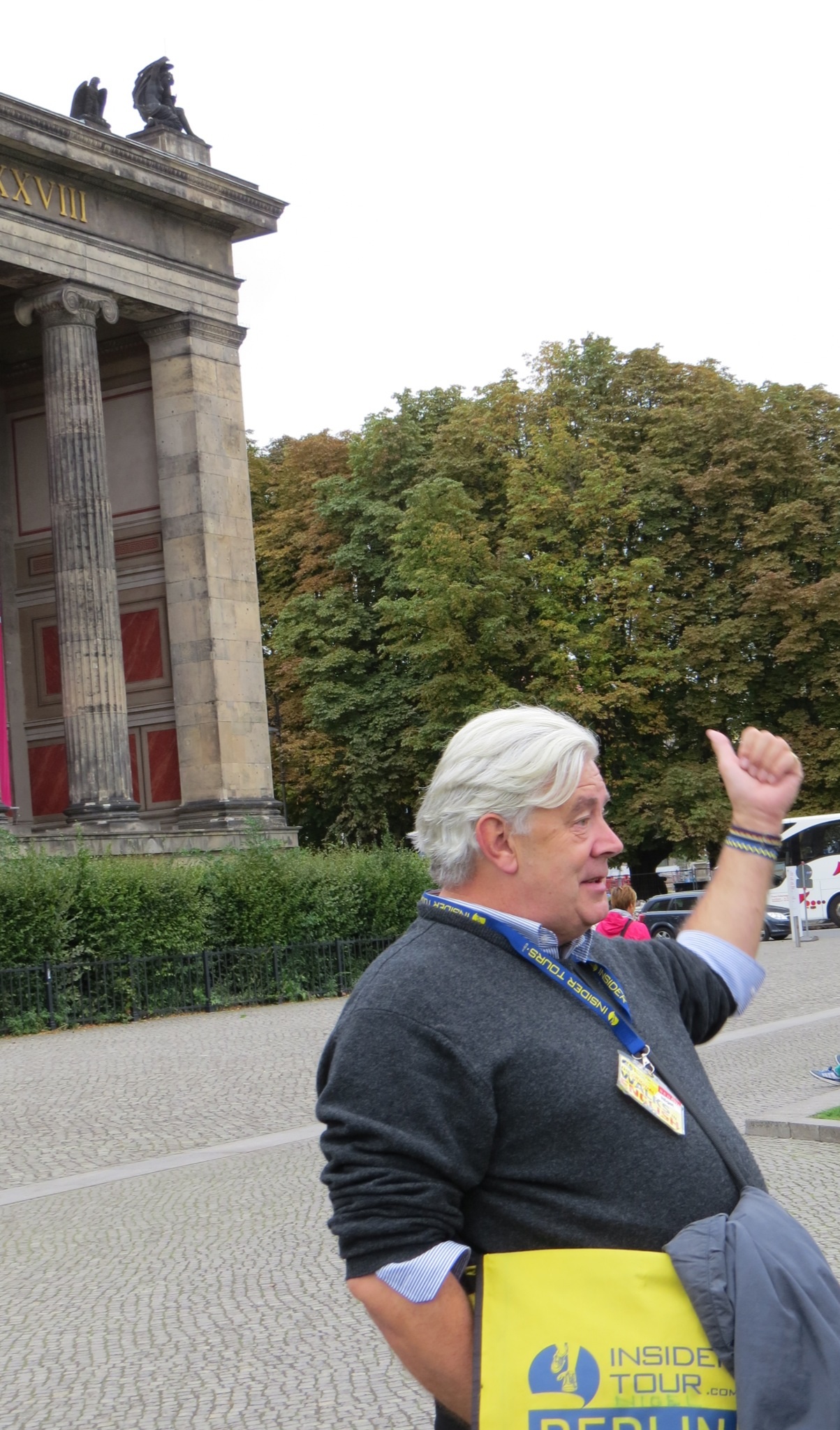
I caught a painfully early flight to Berlin Monday morning so that I could join a walking tour (Insider Tours Famous City Walk) by 10 am. I dropped off my bag at my hotel (the berlin mark for those planning trips – very reasonable rates and great location in former west berlin but very no frills, clean, comfy bed but tiny shower) and they gave me a room right away. I walked the 3 blocks to the starting point of the tour and grabbed a pastry and a coffee while I waited.

The tour was led by Nigel, a British ex-pat history professor who had been a diplomat for 5 years and who also claimed to have been a spy for Britain in Berlin during the cold war. He said he had to be able to speak German without an accent and was trained in speaking Russian for 2 years before he was assigned. Then he and his comrades crossed into East Berlin and stole armaments and took photographs and gathered intelligence on what the Russians were doing in East Berlin. He was there on the day (prior to the wall being built which didn’t happen until 1961) when the Americans rolled their tanks down the street to the edge of the international no go zone, and then the Russians rolled their tanks up to the edge of the east Berlin international no go zone, and was there until the Russians retreated and everyone breathed a sigh of relief. He was also there the day the Russians started installing the wall – which no-one had anticipated – and which for the first couple of days was simply rolled out barbed wire. He says he took a bunch of soldiers and put them on the back of a tank and got huge rolls of barbed wire and got them to start throwing it off the back of the tank, and realized there was no way they could take down the wall as quickly as the Russians were putting it up, so the mission had to be aborted.

imageimageimageimageimage
image
imageimage

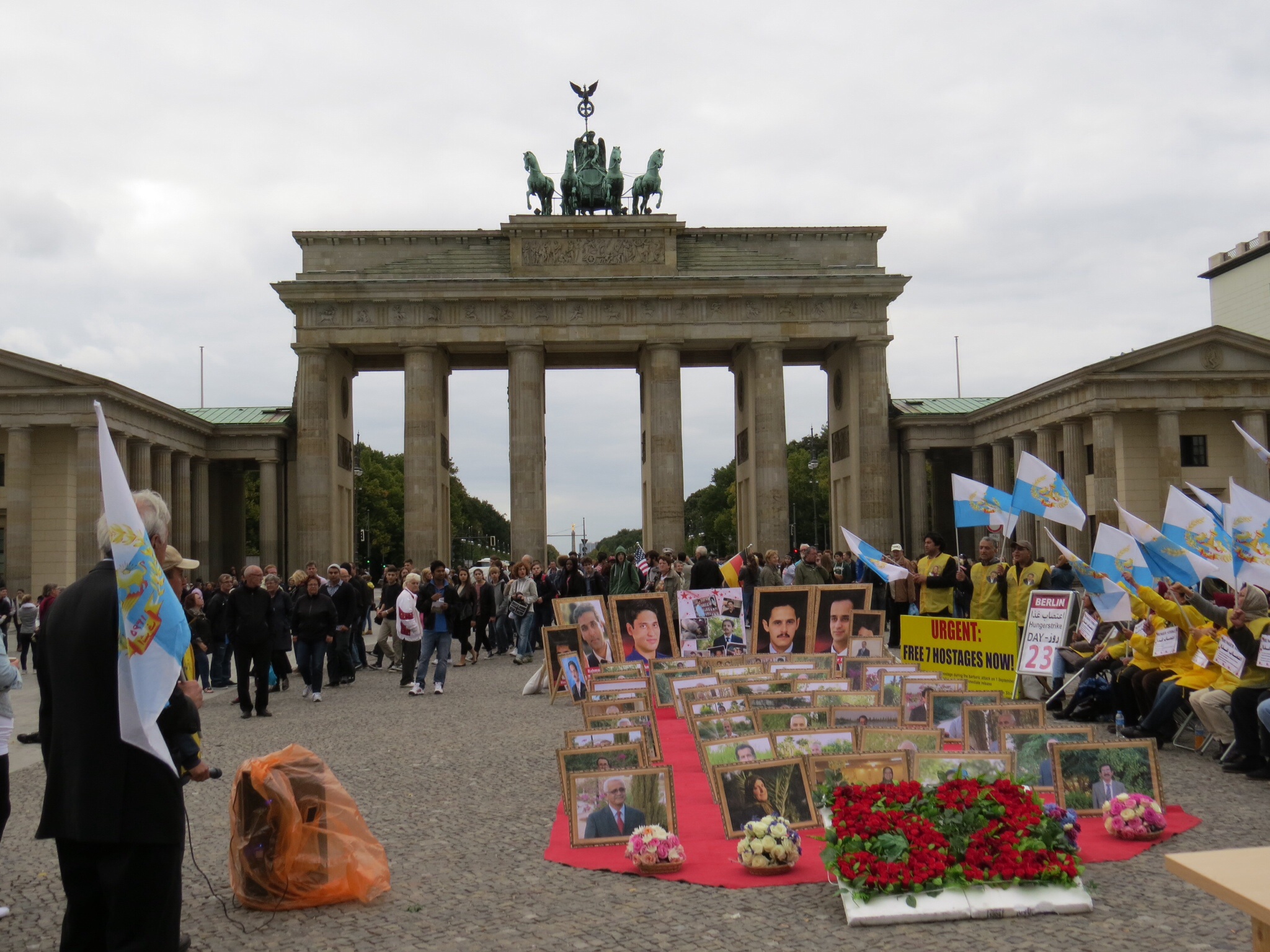
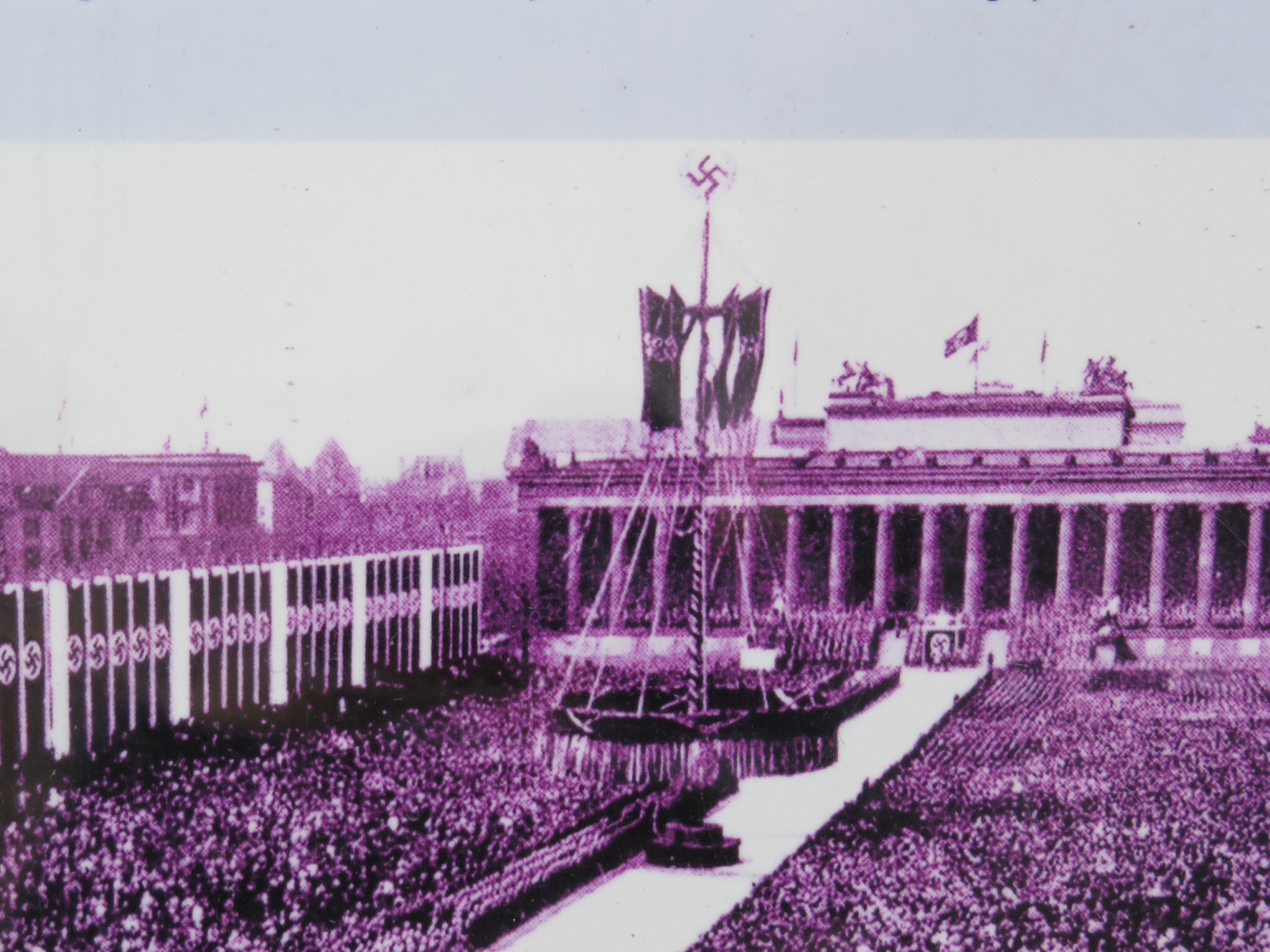
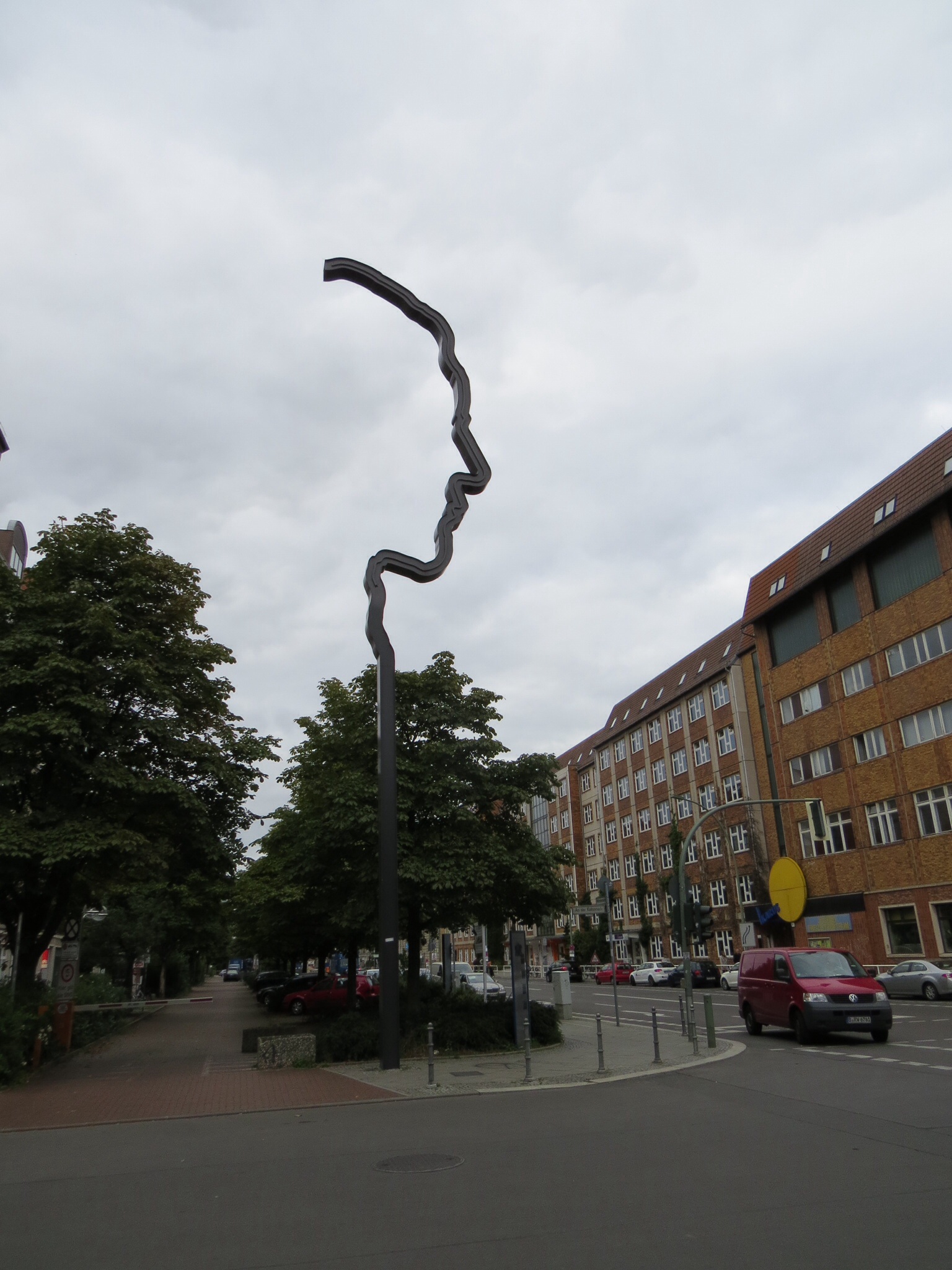
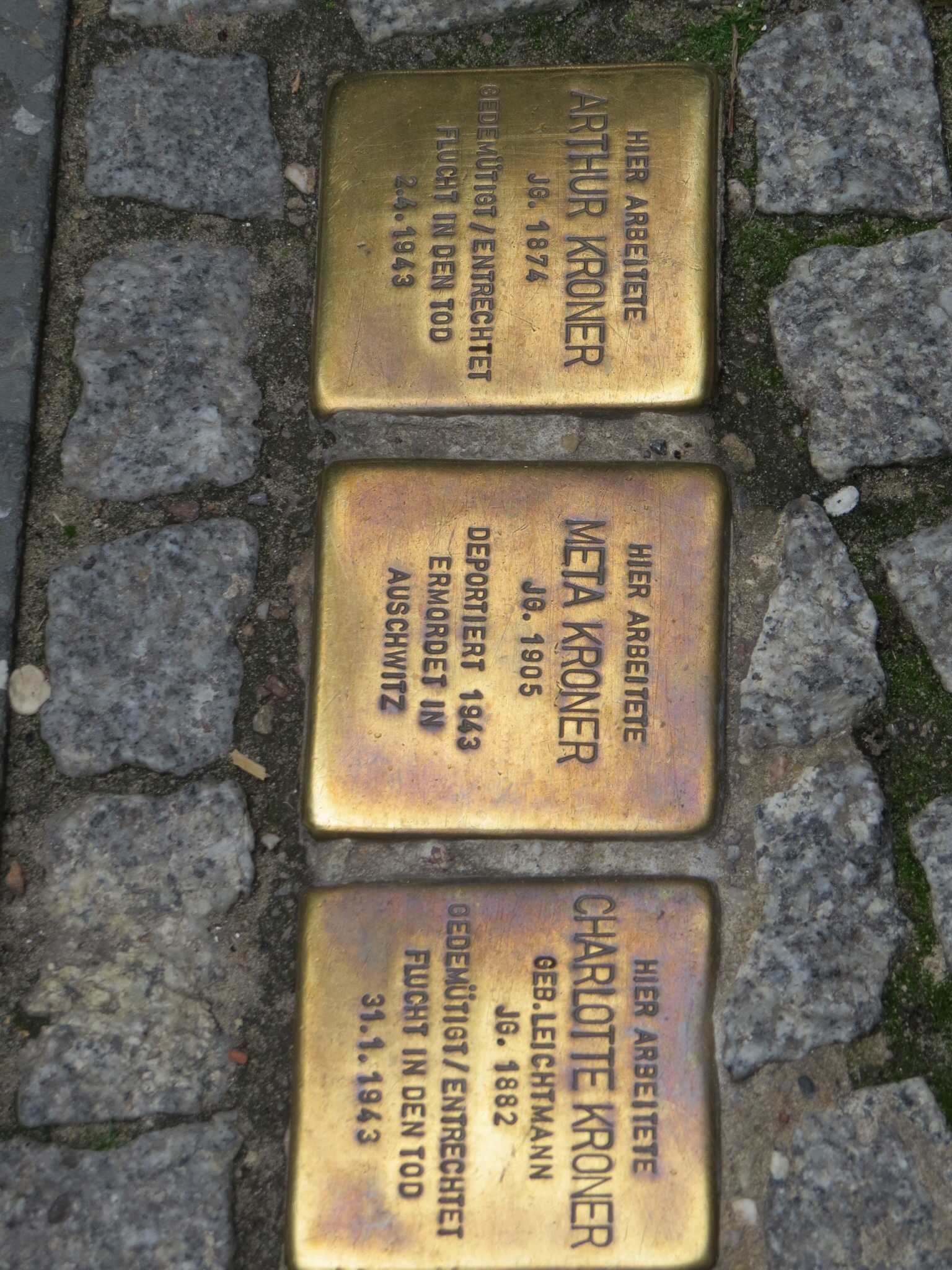
All of this added much colour to the tour and he was also hilarious and entertaining and engaged equally a class of junior high school age students and adults. We saw all the main sites – Checkpoint Charlie, Brandenburg Gate, and various former Nazi sites, including standing over the location where Hitler committed suicide in the bunker below. A lot of this was a bit creepy but very interesting history. The b&w photo below is the same square as in the previous shot but was taken during one of Hitler’s earliest rallies.   Bizarrely, it was May 1st so they erected a giant maypole in the centre of the square.  The Jewish Memorial is amazing – a large tract of land has been filled with concrete blocks that you walk amongst. Perspective is intentionally skewed and it can be a bit disorienting walking among them. Nigel explained that only in the past 5 years or so have the Germans institutionally begun to face their ugly past head on. In part this is being done now because there is a completely new generation of students now who have never heard of the war and authorities fear a recurrence of neo-Naziism. They have a list of every single Jewish person who lost their life to the Nazis, 6.2 million names, at the site of the memorial. They have added “stumbling stones” to the city, installed in the sidewalk, in locations where a person lived and had disappeared. This has had a profound effect, because, as happened to Nigel, you come out the door of your apartment one morning and find a stone embedded there about a person who lived next door to you who was “disappeared” and you didn’t have a clue about it until the “stumbling stone” appeared. They have added other art installations throughout the city and are building more and more memorials and reminders.

imageimage
imageimageimage
image
imageimage

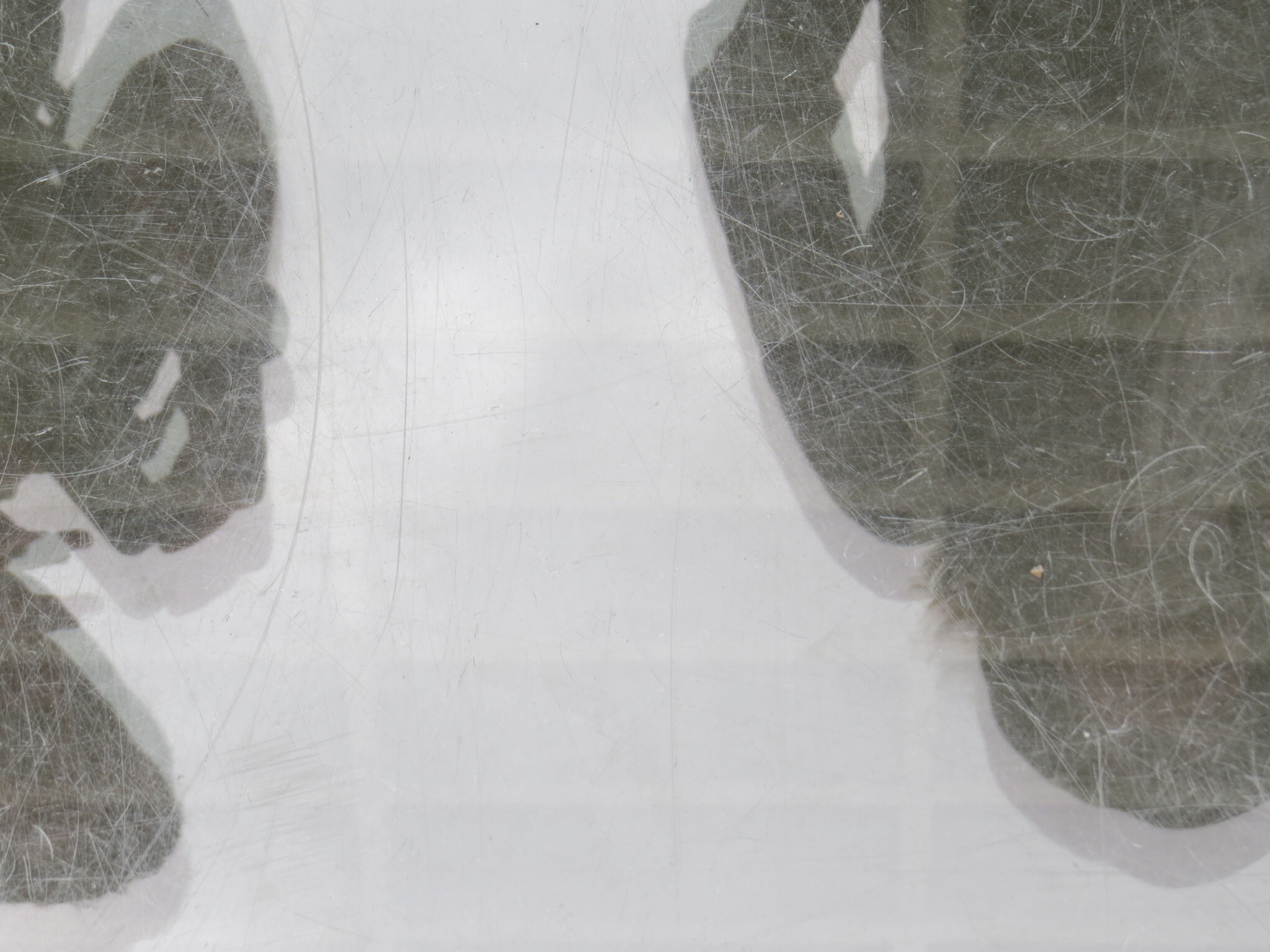
Another memorial was a 4-metre square plexiglass piece that you look down into on the square in front of the university. In there you see blank white shelving hung upside down, enough shelving to house 20,000 books. But there are no books here. This is installed on the spot where the Nazis burned 20,000 books. Very effective. The artist quoted Heinrich Heine, a German who in 1821 famously said, “where they have burned books, they will end in burning human beings.”

image

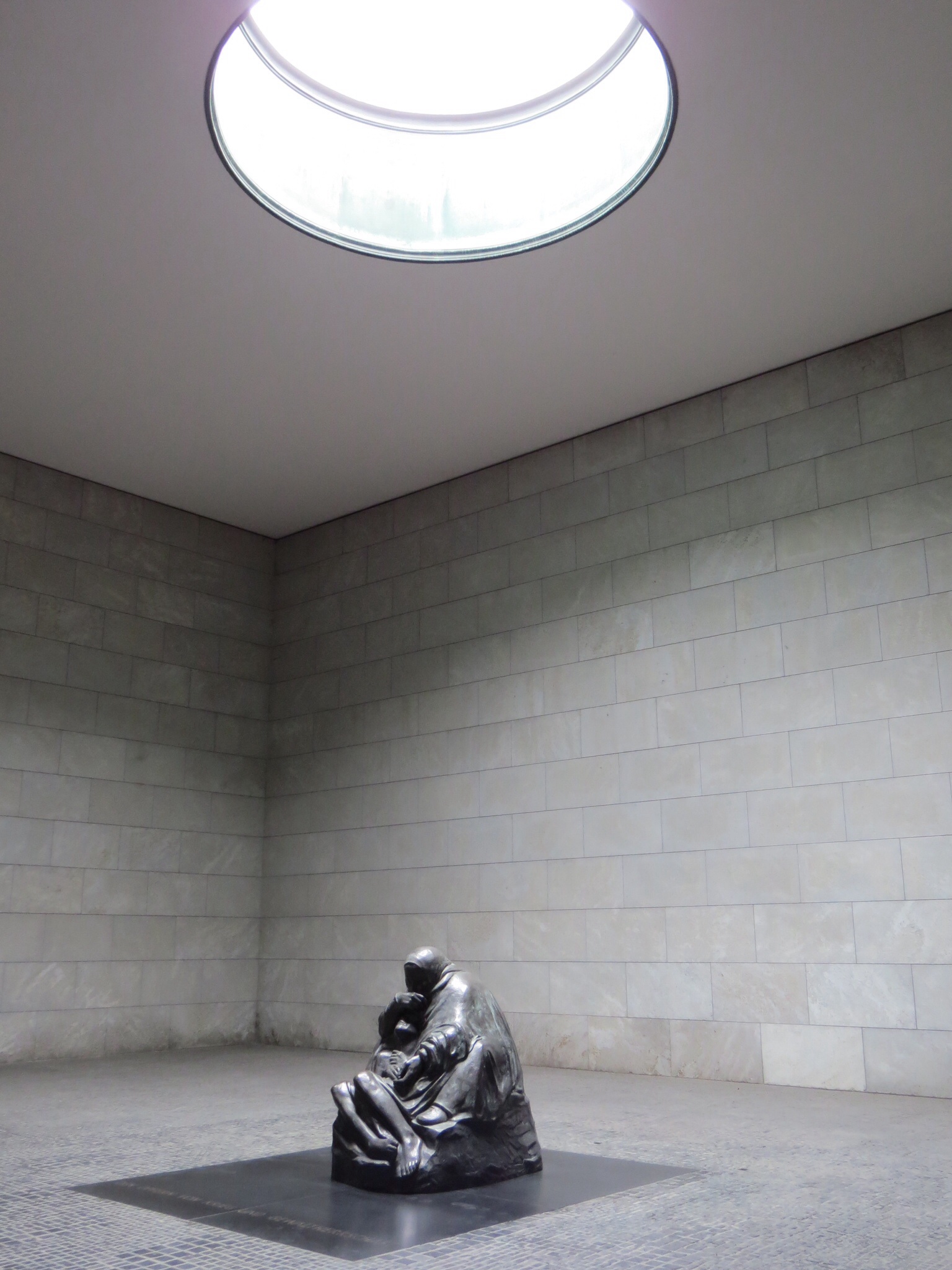
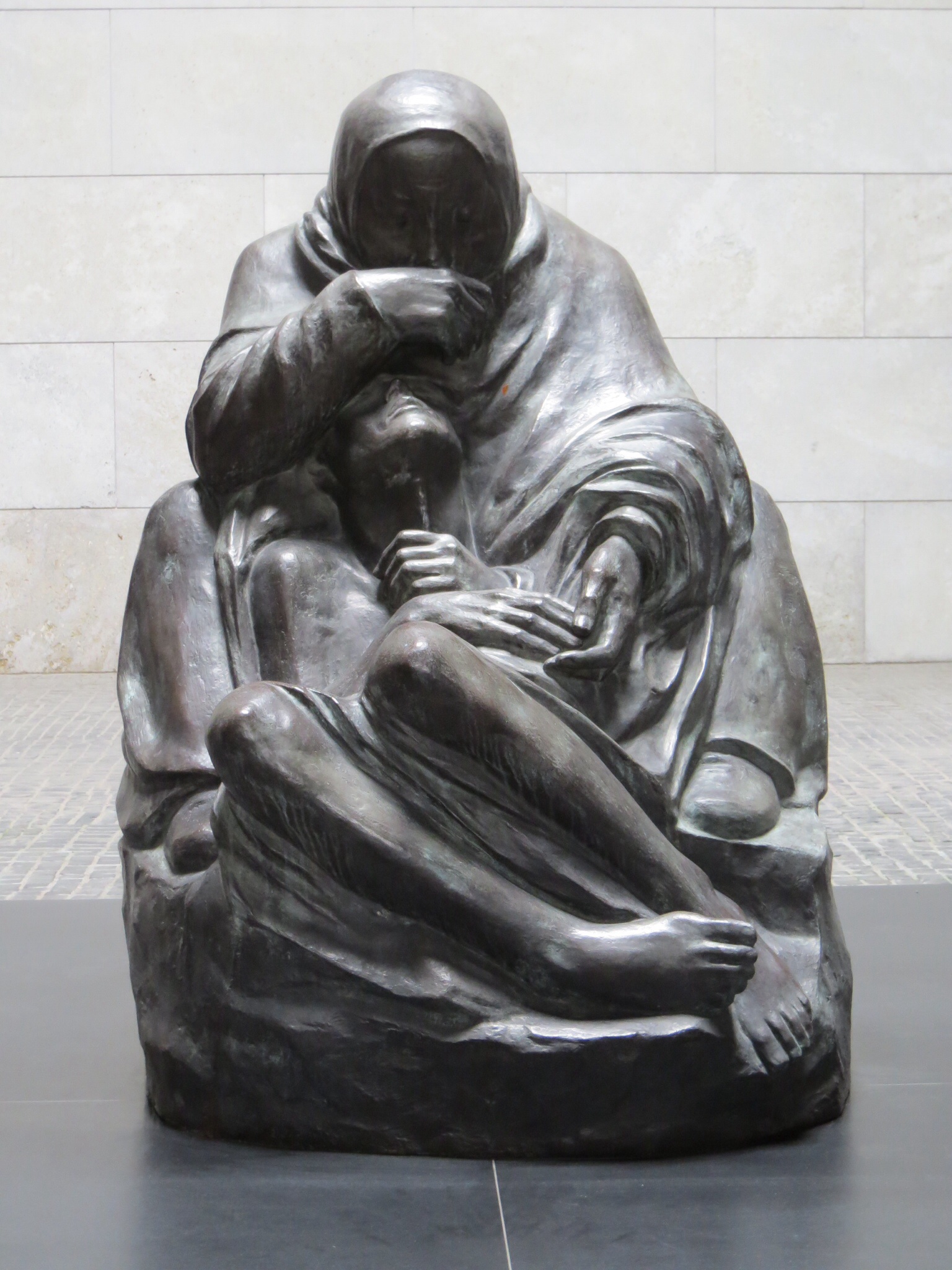
The Neue Wache memorial was the most moving one for me. It had been a memorial for WWII with an unknown soldier and a holocaust victim buried there. There was an oculus cut into the ceiling. But after reunification a mother complained that she had nowhere to memorialize or honour her son and hadn’t had a chance to hold him when he died, and so a memorial was added for all victims of war and tyrrany, a statue of a mother holding her dead son. It evokes the same kind of painful beauty as Michaelangelo’s Pieta in St. Peter’s Basilica. The hole in the ceiling hasn’t been removed, and apparently it is quite profound to see the statue in the rain or in winter, covered in ice.

imageimage

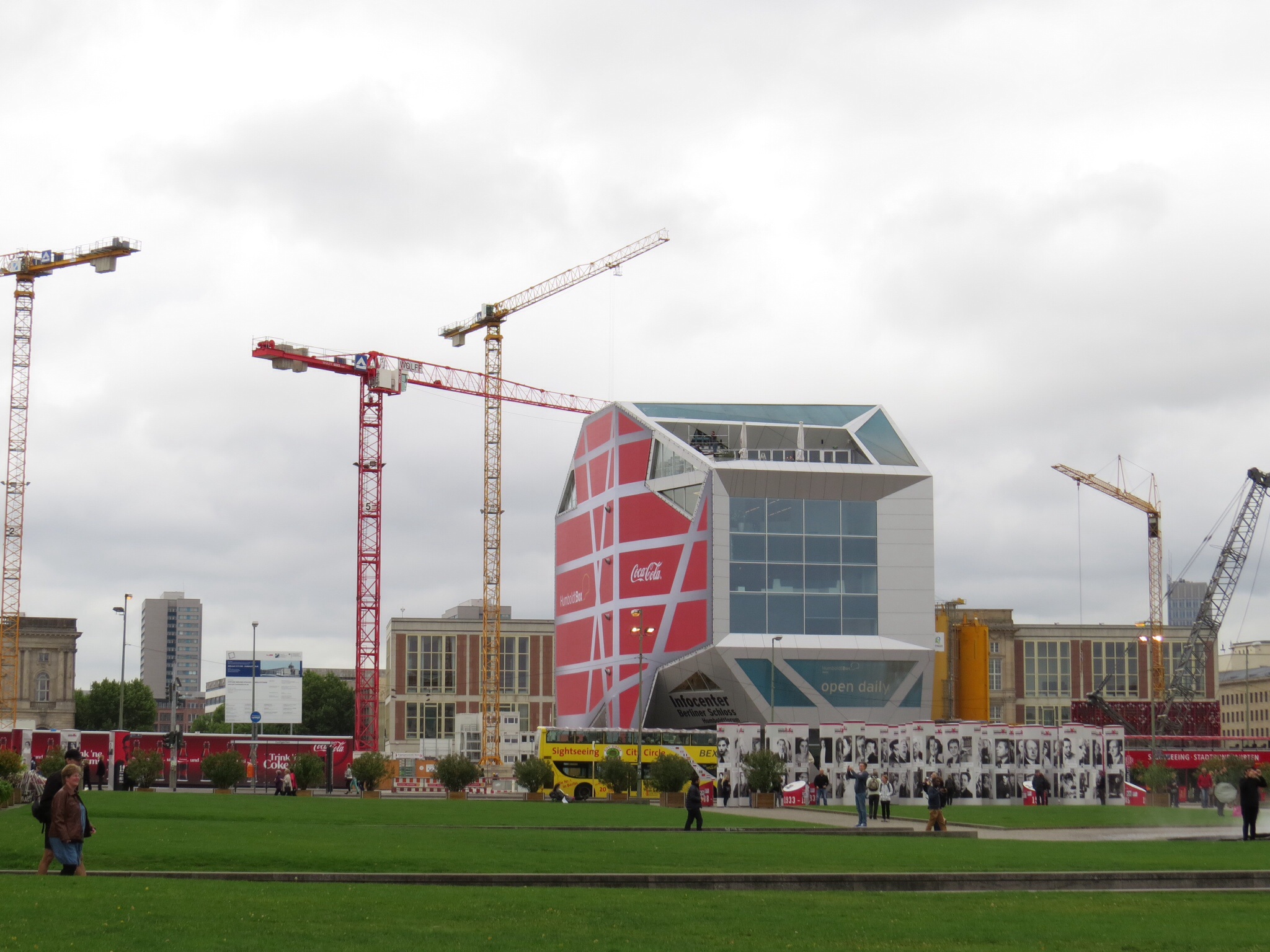
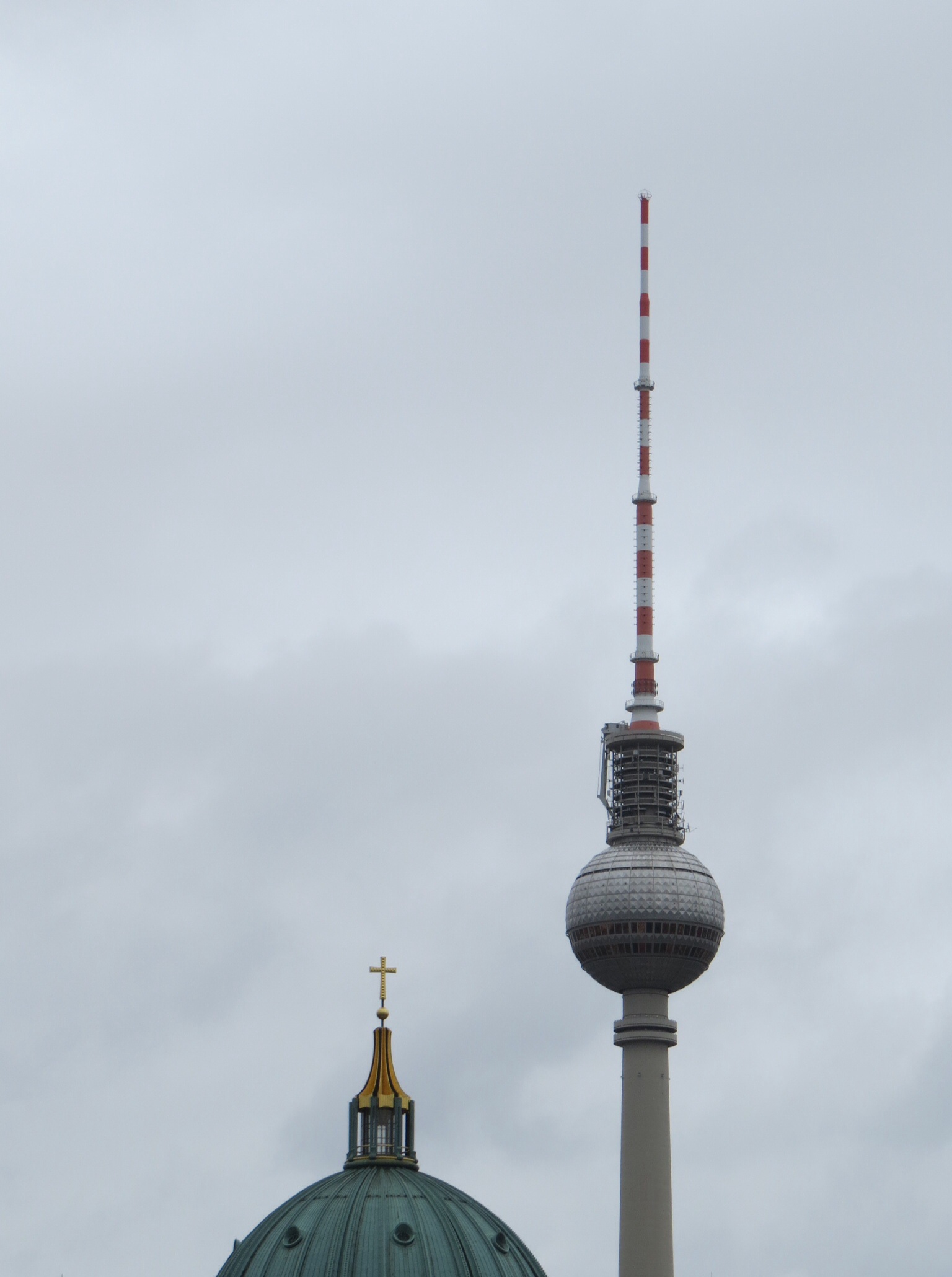
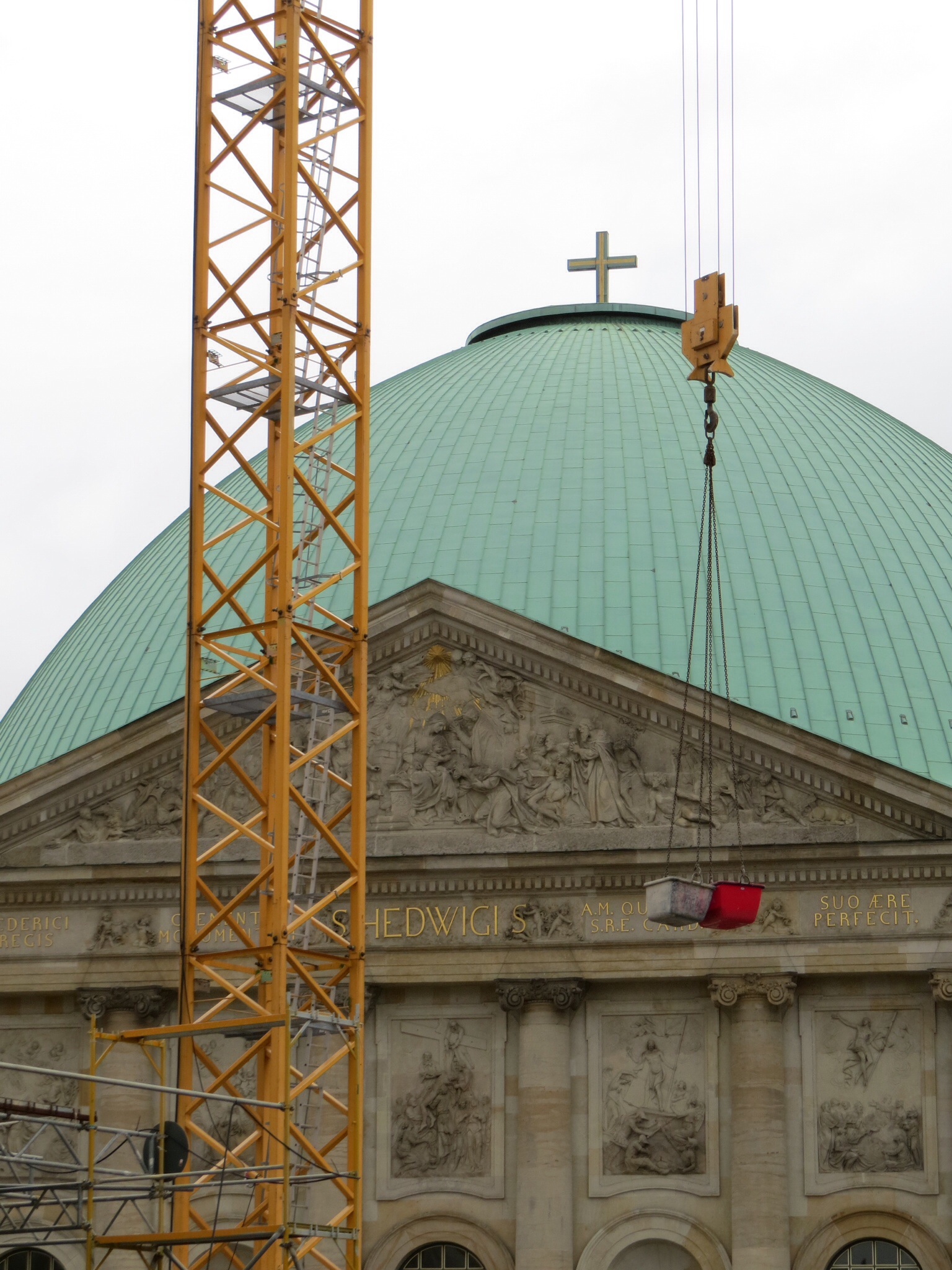
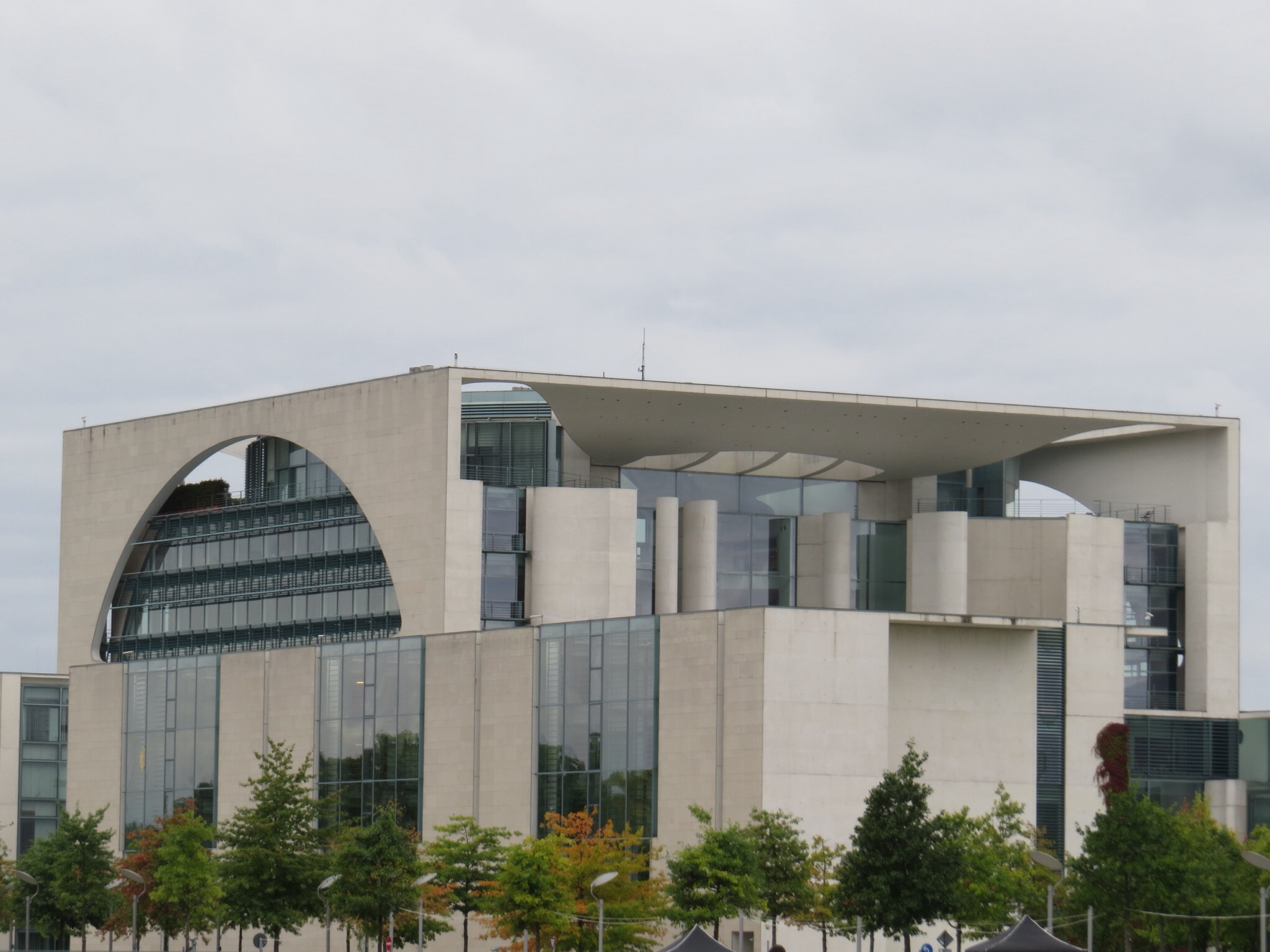
Out of all the destruction, and there are still areas downtown that haven’t been filled in after being bombed in the war, is coming creation. Construction is booming to a degree I have never seen anywhere else. The modern architecture is absolutely amazing. It is interesting how many buildings are being designed where perspective is intentionally wonky – this may be reflective of the Berliners who are still struggling to understand how they allowed the Nazis to take control of their country. The skyline has cranes, old classical buildings and brand new modern buildings all juxtaposed against one another. Large crazy pipes run up and down streets at each construction site, pumping out the water due to the very high water table.

imageimageimageimageimageimage//image

All of this visual stimulation I think reveals what is really going on in the psyche of the Berliner and the culture of German society. However, apparently the German psyche is quite capable of thinking in silos, because despite the collective guilt and the attempts to reconcile its past, many of them form a boorish lot, to be honest. They push, shove, butt in line and steal your cab. The salespeople are rude and the cyclists anarchists. The man at the train station information desk is the type who delights in picking wings off a fly, and he eyed my wings hungrily as he gave me the wrong platform number. It cannot be said that Berlin is boring; you suck it up, adopt a certain armour, and enjoy the ride!

Jan

Dragging fingernails and Mookba

Reluctantly we left our beloved Petersburg on a train to Mookba (Moscow). There was some farming in the countryside, but mostly we passed thru dreary factory towns with identical concrete apartment blocks. Evidently the modernization of Russia hasn’t caught up in the countryside, and the vast majority of Russians live in cities.

After all our beautiful weather in St. P, it poured buckets in Moscow. Our brave attempt to take the Metro to our hotel was the wrong choice but ultimately we achieved our goal. The Metro has signs in only the Cyrrilic alphabet so it was like travelling blind. Several kind gents added a helping hand with my suitcase on the many stairs, without making me let go of my bag. Chivalry lives in Moscow!

Saturday was rainy and we encountered long lineups at the main attractions. The day was saved by a wonderful dinner at Cafe Pushkin, one of Moscow’s best restaurants about a block from our hotel. Cosy and old-fashioned, there were lots of Muscovites celebrating various occasions. Shirley went for it and had beluga caviar with blinis, a local fish presented like a shark, and Russian honey cake. Since it was, despite its name, a french restaurant, I opted for cured salmon and duck with cherry risotto. It was a lovely meal and a great way to end our trip together to Russia.

Sunday was dry but threatening and we made our way to Red Square and the Kremlin. Our visit to the Armoury was thrilling: Catherine the Great’s wedding and coronation dresses we had seen in photos and never dreamed we would ever see for real, Faberge eggs and the carriages of the empresses, described accurately by one ambassador of the day as “little castles.” Truly amazing. I was underwhelmed with the rest of the Kremlin – an old drab brownish-red church is the first thing you see, and Red Square was filled with construction and scaffolding so you really couldn’t imagine this was the square that was the site of so many of Russia’s triumphs and cruel history. We wandered GUM, the famed department store filled with expensive designer shops.

I must admit I was not crazy about Mookba, land of Mr. Takes His Shirt Off-alot (if you don’t know who I mean, youtube it along with the name putin, it’s hilarious). No-one smiled and they eyed you with suspicion if you smiled at them. I was not there long enough to really appreciate it and wasn’t able to take in much of the culture there.

However, I loved St. Petersburg almost as much as Paris. A gorgeous city with stunning architecture down elegant streets, glittering canals, rivers and statuary – I would go again and there would still be much to see. And there were many kindnesses, even from the occasional FSL (former Soviet landlady)!

Sadly Shirley and I had to say our goodbyes – what experiences we shared and what a great friend and travel companion! Looking forward to our next movie or event all the way back in Victoria….

Now turning the next page….

Jan

PS I didn’t take photos in Moscow because it was raining and photographs weren’t allowed at the Armoury.